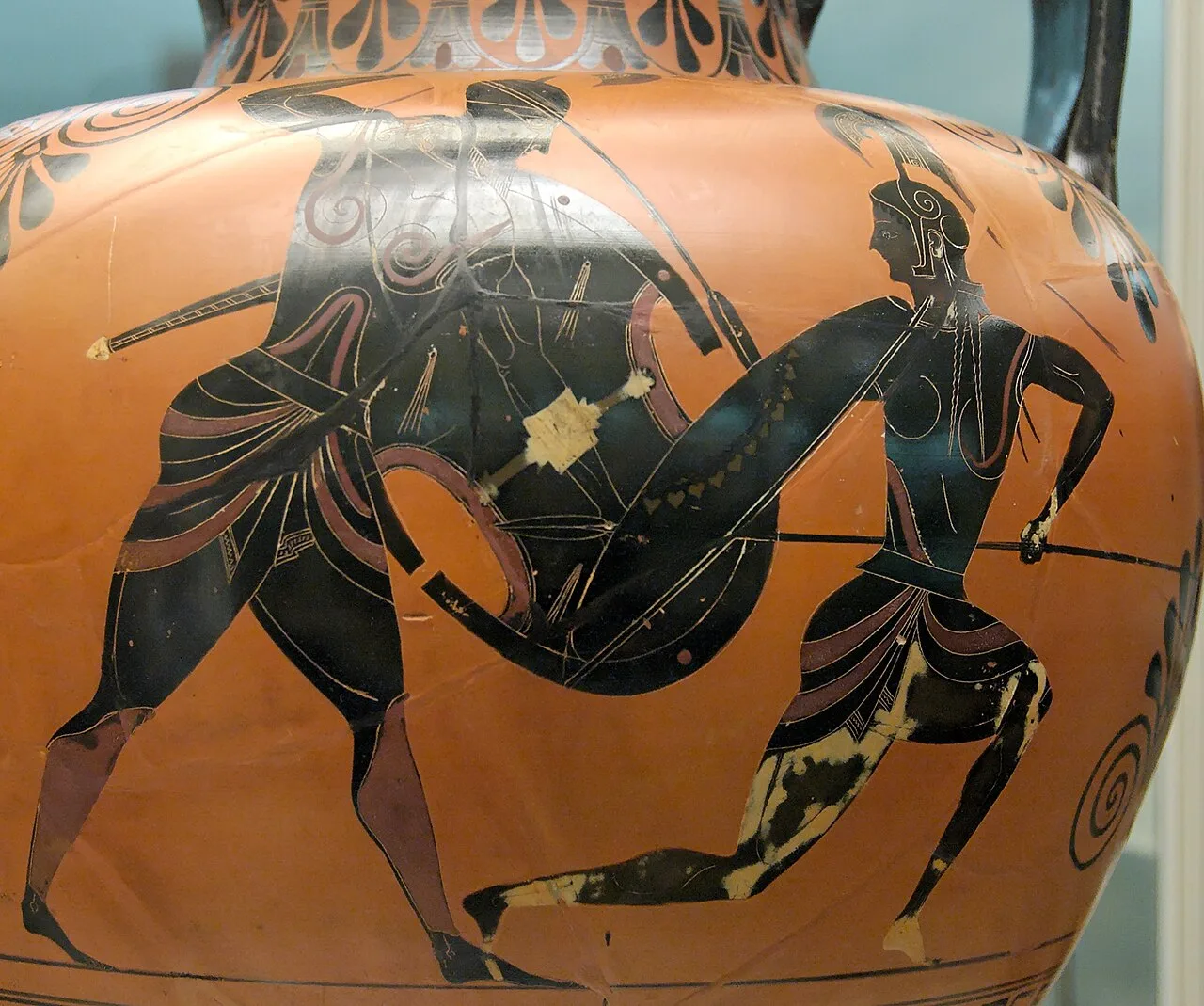
Achilles and Penthesileia by Exekias, c. 540 BC, British Museum, London
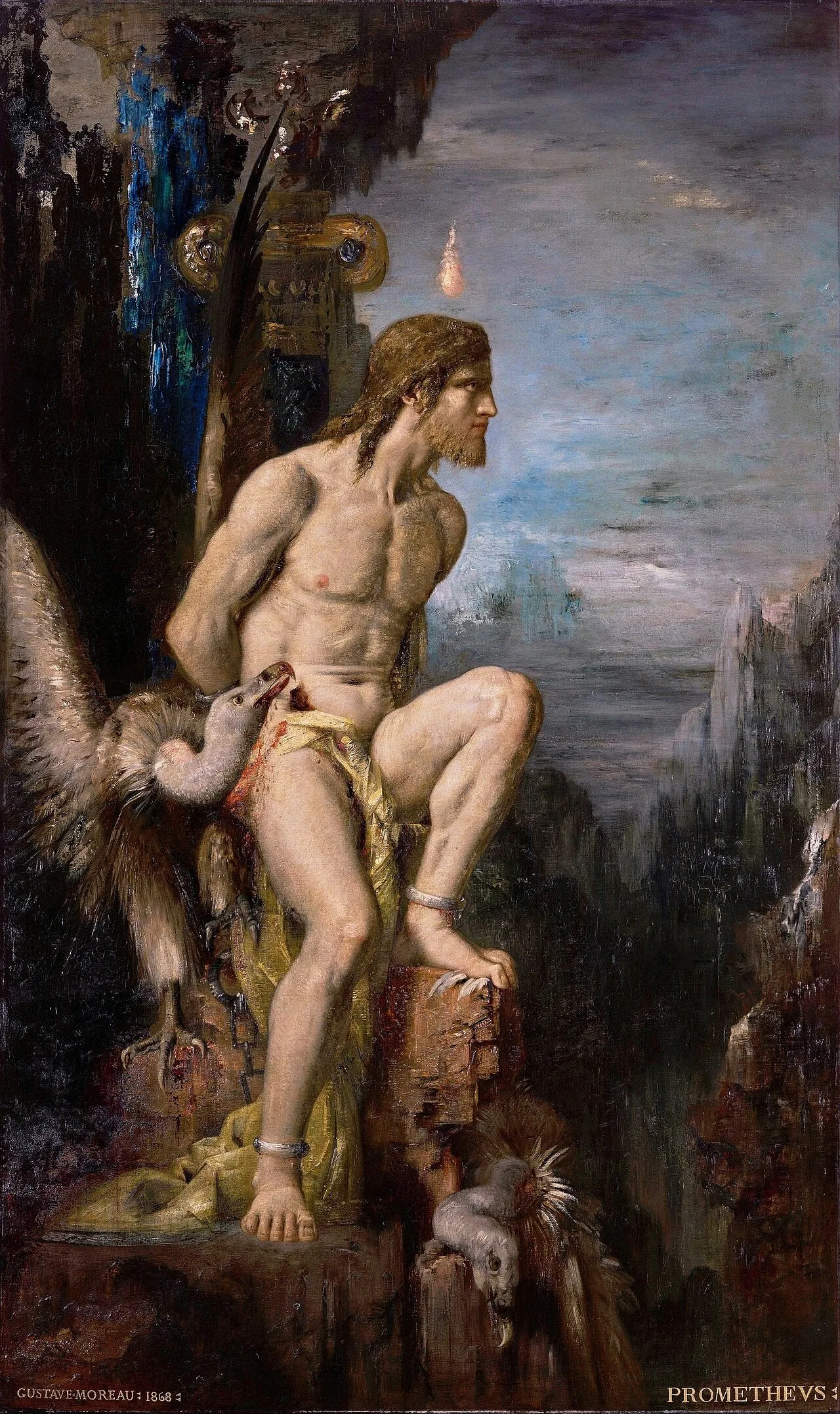
Prometheus (1868 by Gustave Moreau). The myth of Prometheus first was attested by Hesiod and then constituted the basis for a tragic trilogy of plays, possibly by Aeschylus, consisting of Prometheus Bound, Prometheus Unbound, and Prometheus Pyrphoros.
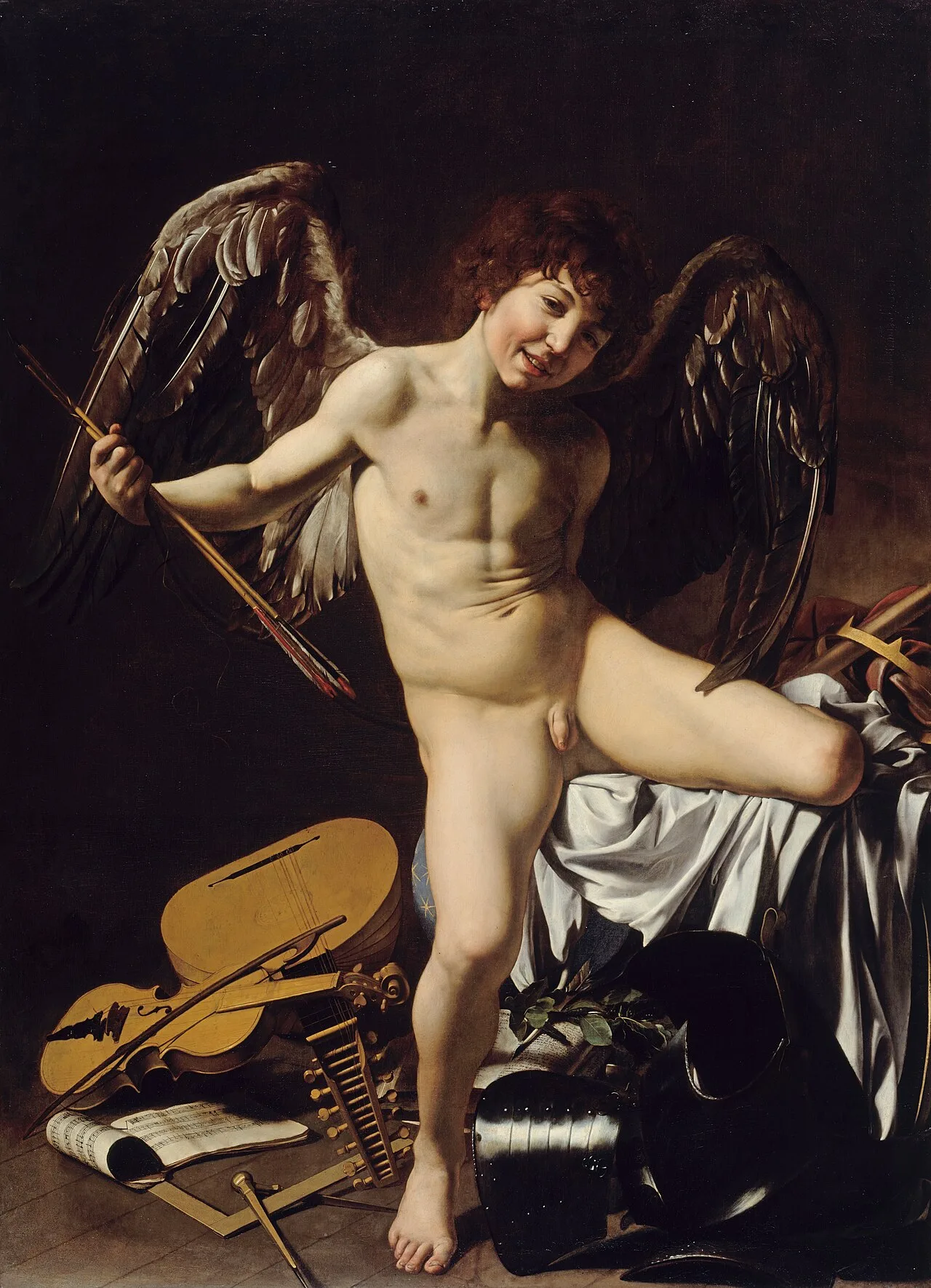
Amor Vincit Omnia (Love Conquers All), a depiction of the god of love, Eros. By Michelangelo Merisi da Caravaggio, circa 1601–1602.
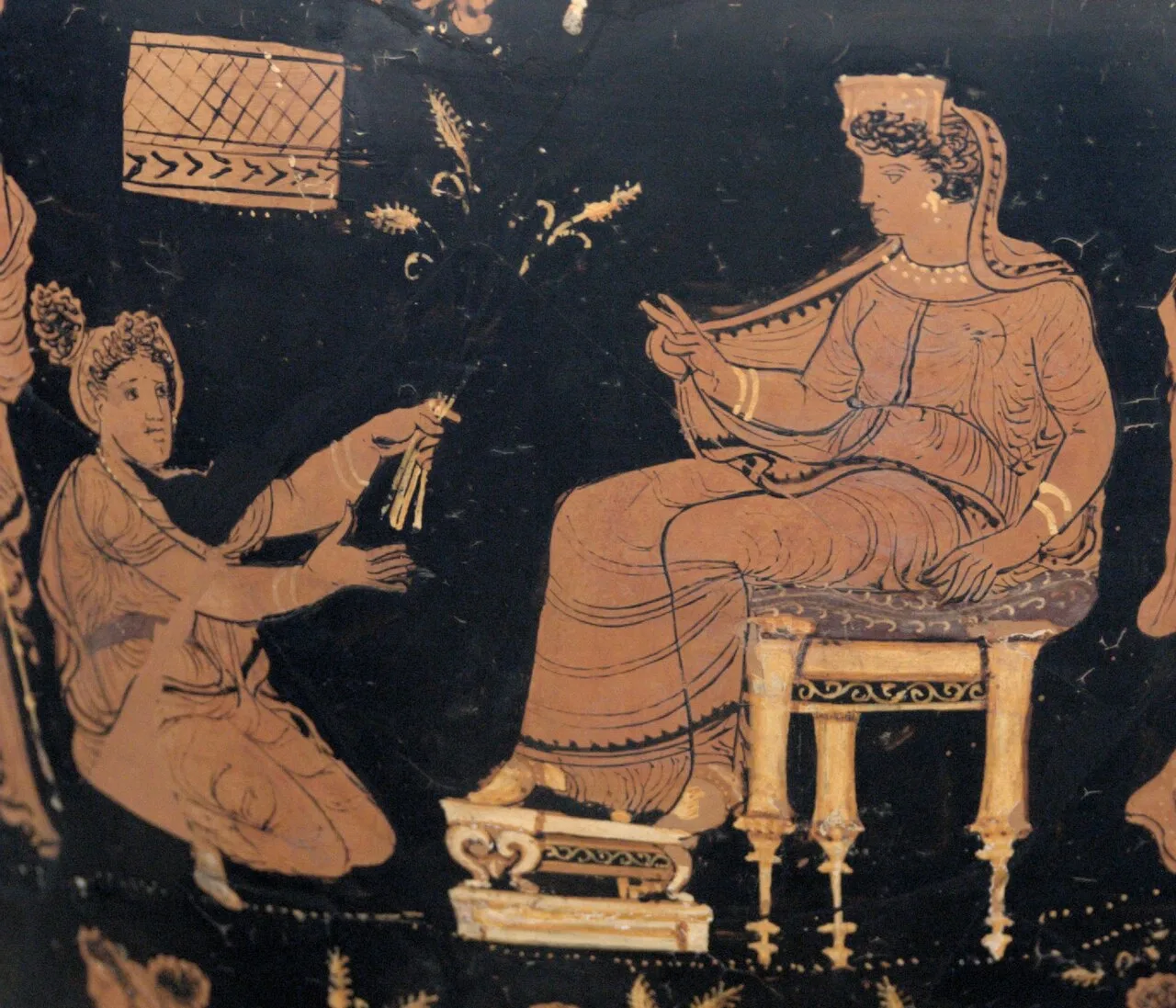
Demeter and Metanira in a detail on an Apulian red-figure hydria, circa 340 BC (Altes Museum, Berlin)
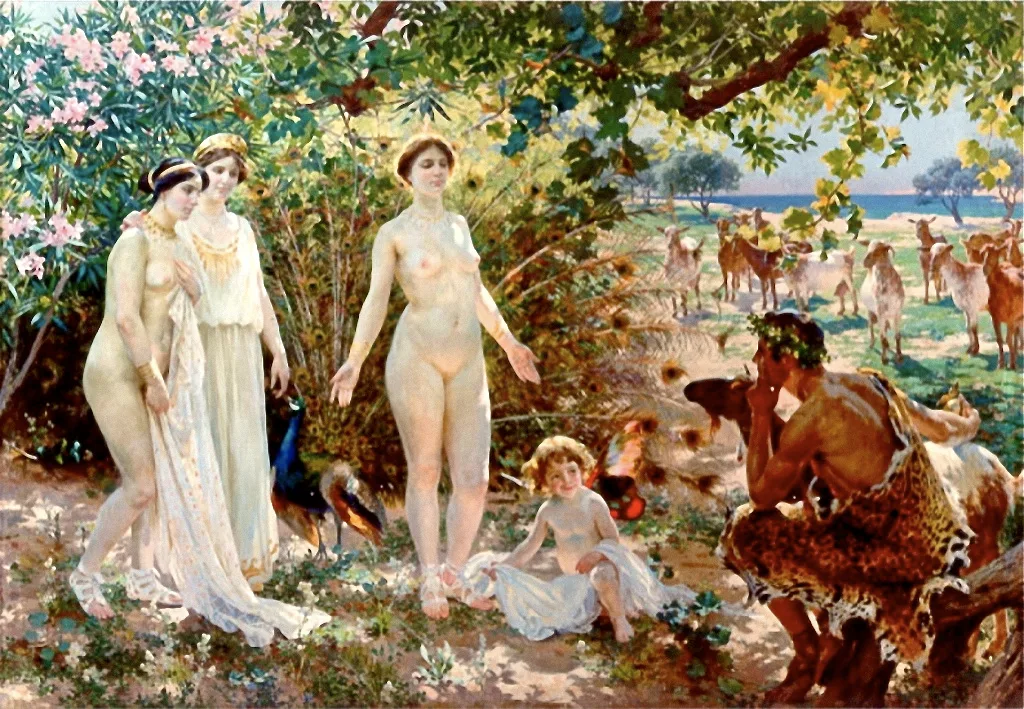
El Juicio de Paris by Enrique Simonet, 1904. Paris is holding the golden apple on his right hand while surveying the goddesses in a calculative manner.
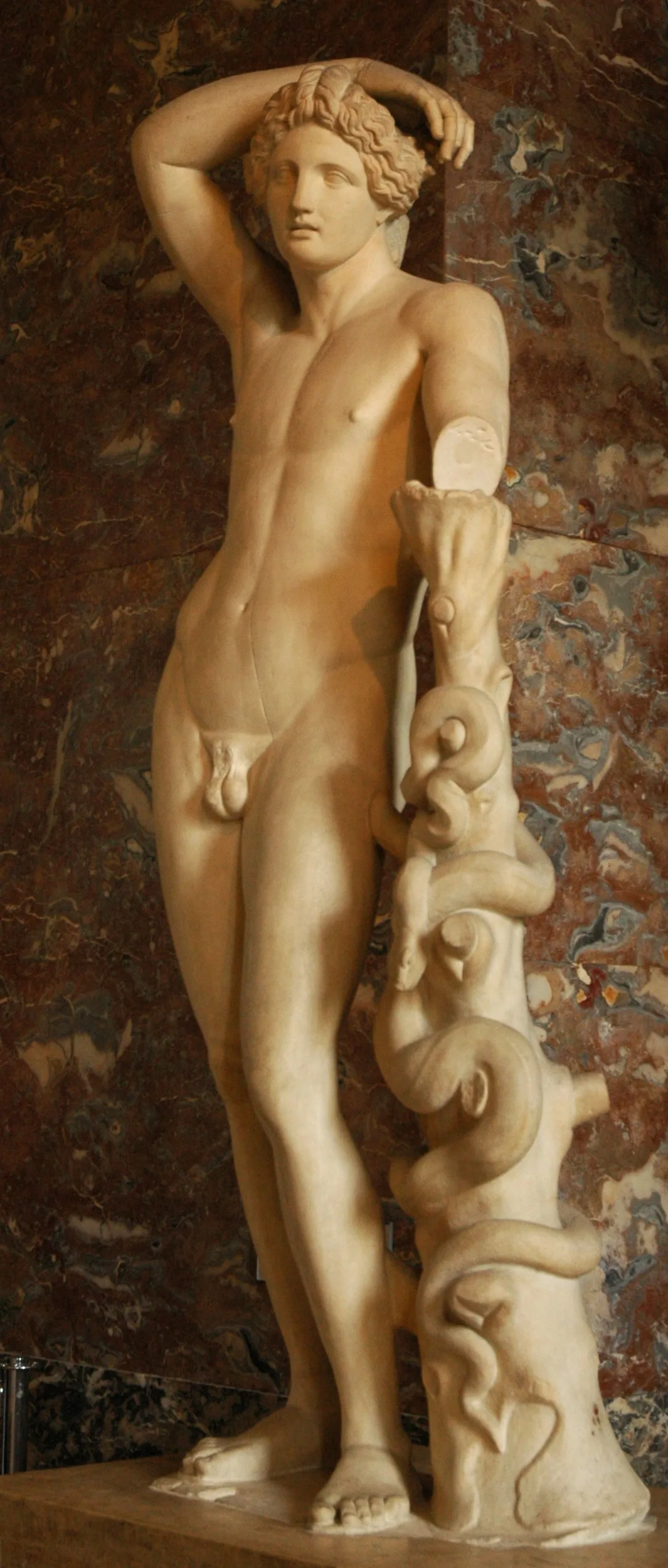
Apollo (early Imperial Roman copy of a fourth-century Greek original, Louvre Museum)
Greek mythology
Greek mythology is the body of myths and folklore originally told by the ancient Greeks concerning deities, heroes, the nature of the world, and ritual practices.
Pottery Designs Predating Written Canonical Epics
Ancient painted ceramics preserved mythological episodes well before they were documented in writing. On eighth-century BC pottery, visual depictions of legends regularly filled major gaps in early Greek literature. Out of all twelve labors of Heracles, only the Cerberus adventure appears in a contemporary surviving literary text. Visual art functioned as an independent narrative tradition rather than a mere secondary illustration of written poetry.
From Wikipedia · CC BY-SA 4.0
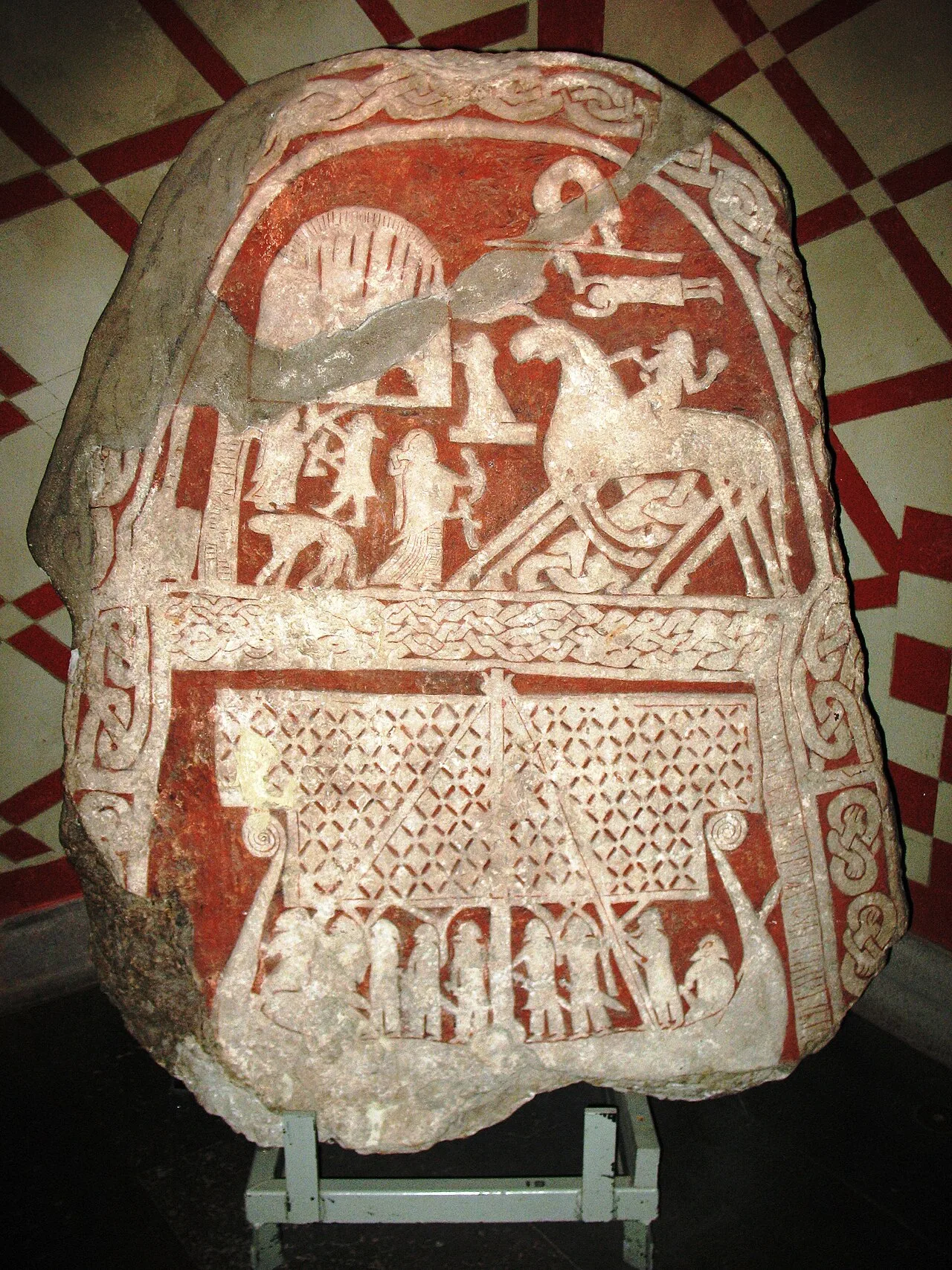
The Tjängvide image stone with illustrations from Norse mythology
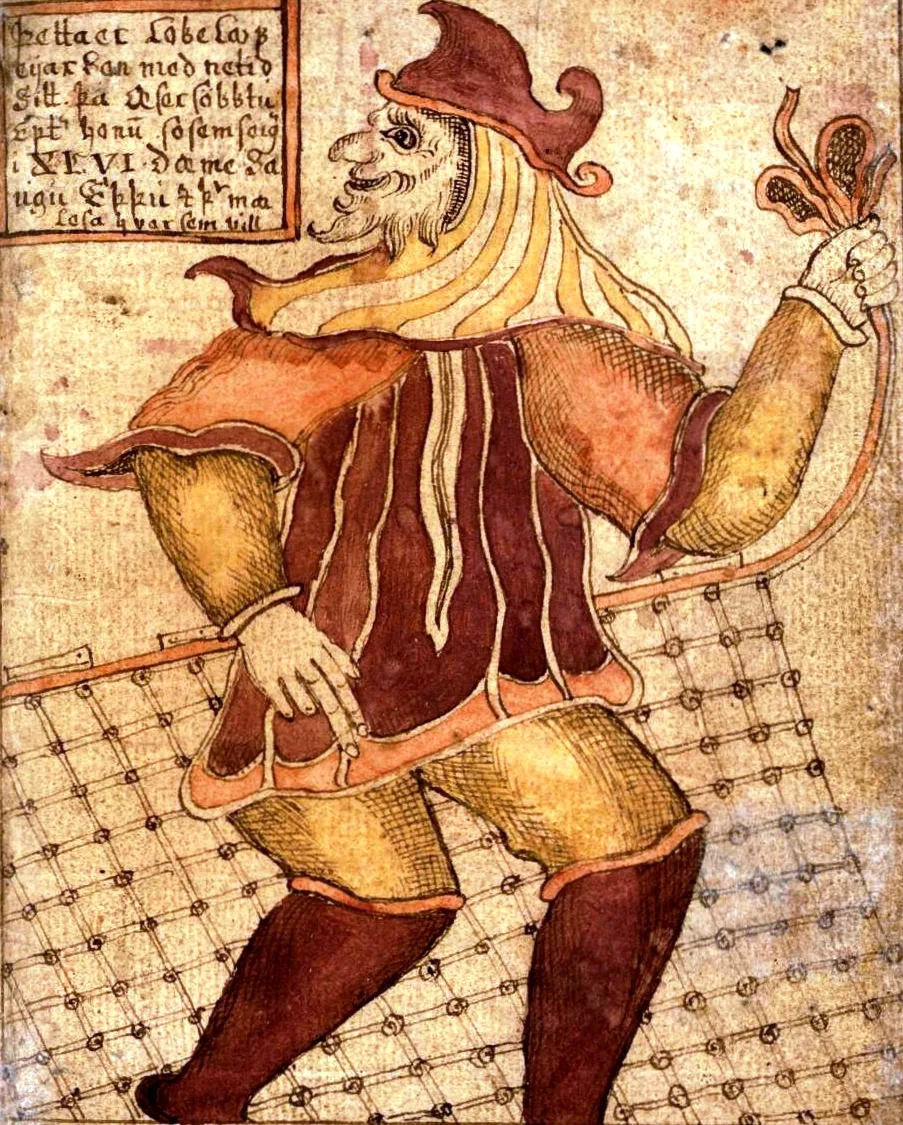
The god Loki, son of Fárbauti and Laufey
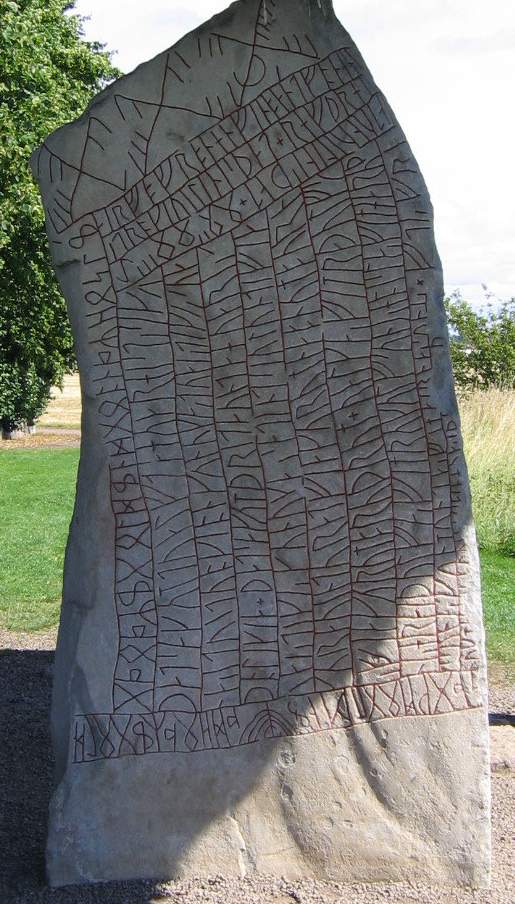
The Rök runestone (Ög 136), located in Rök, Sweden, features a Younger Futhark runic inscription that makes various references to Norse mythology.
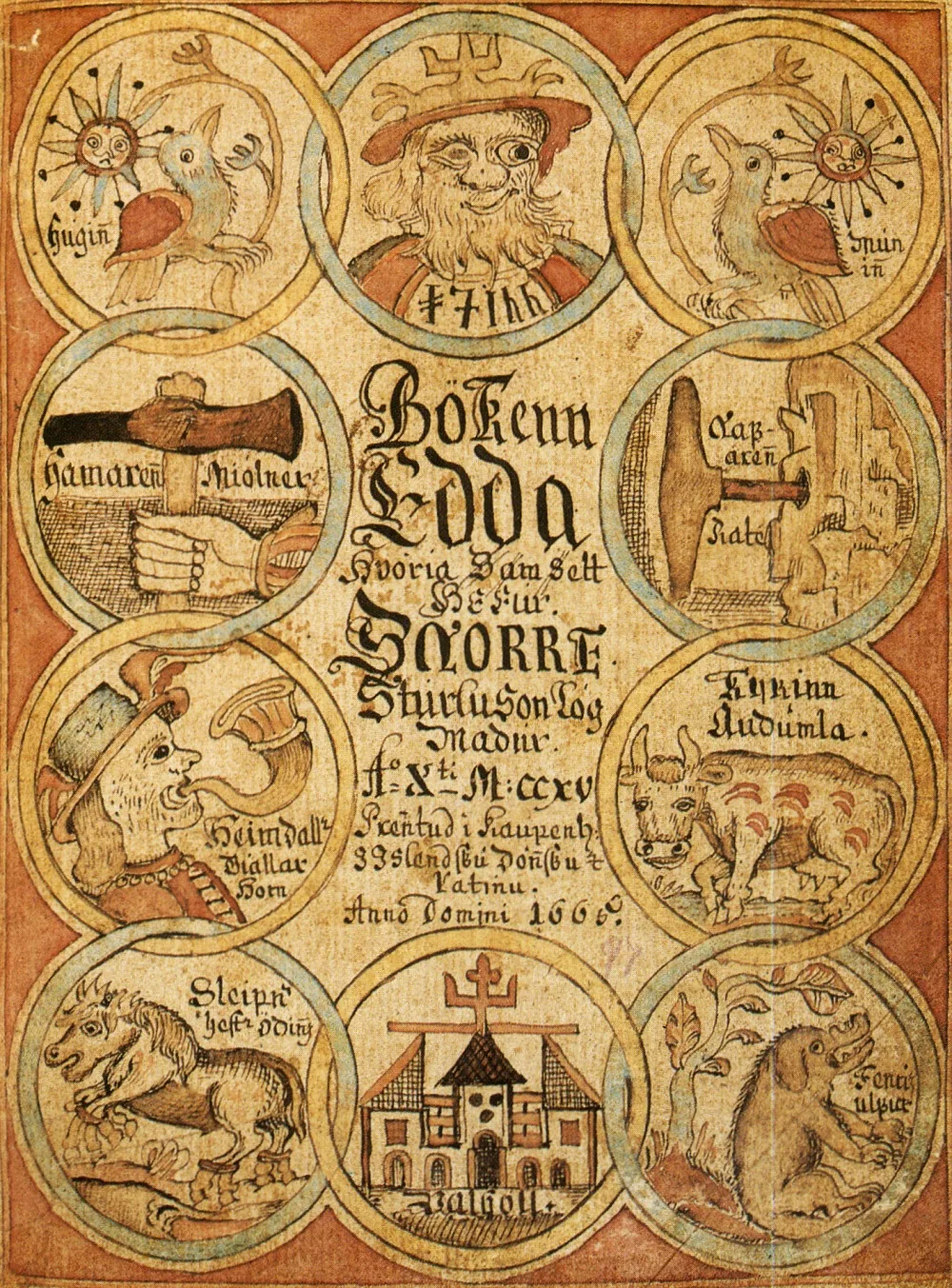
Title page of a late manuscript of the Prose Edda written by Snorri Sturluson (13th century), showing the Ancient Norse Gods Odin, Heimdallr, Sleipnir, and other figures from Norse mythology
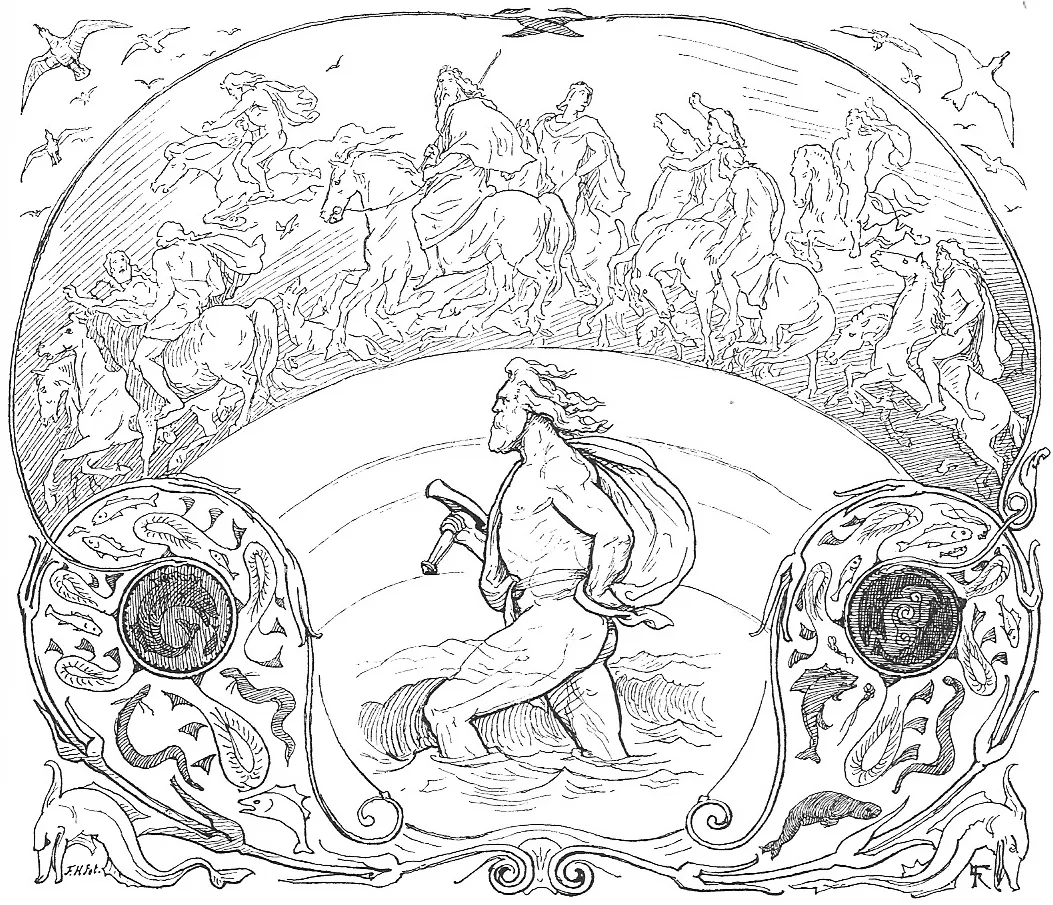
The god Thor wades through a river, while the Æsir ride across the bridge, Bifröst, in an illustration by Lorenz Frølich (1895).
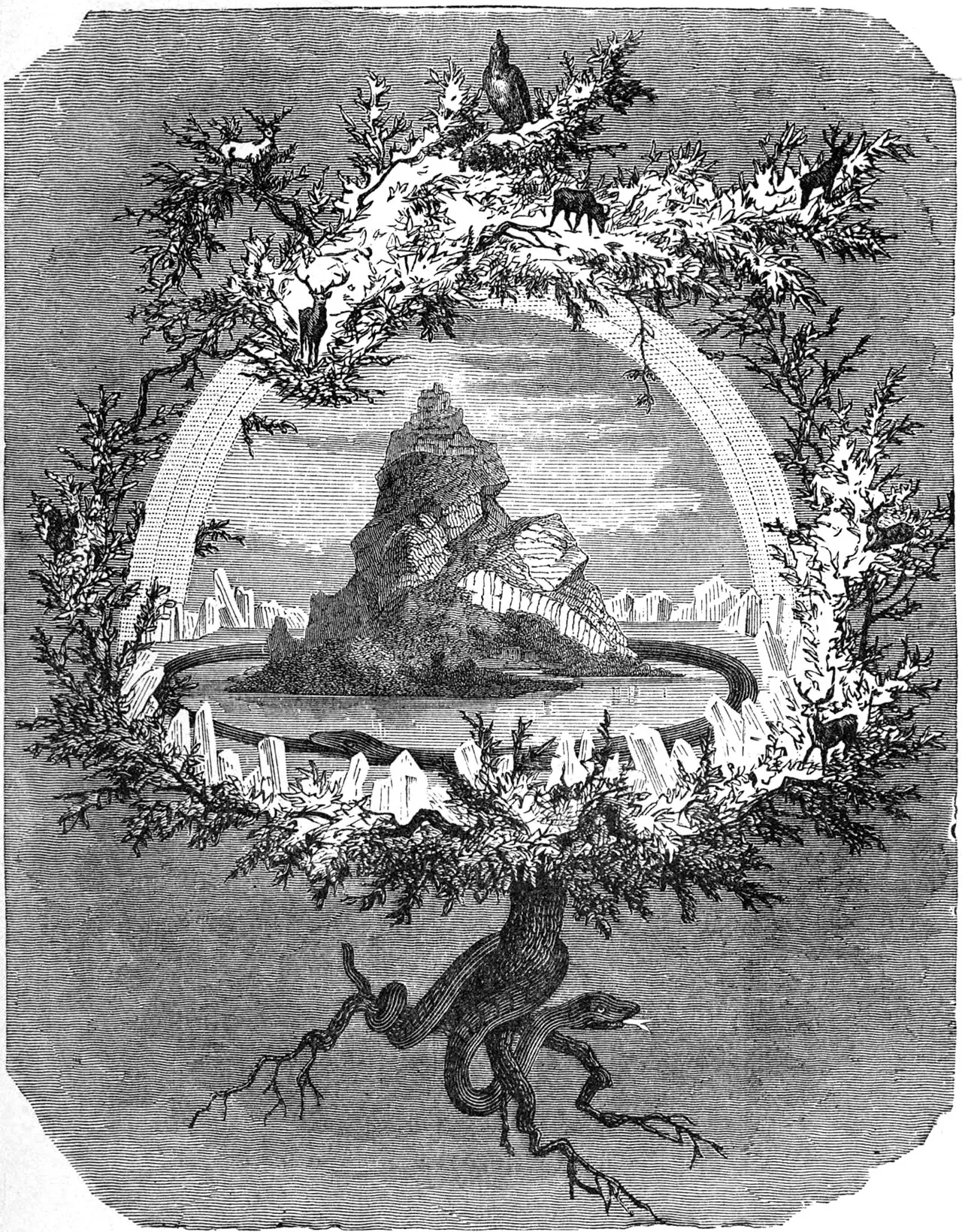
The cosmological, central tree Yggdrasil is depicted in The Ash Yggdrasil by Friedrich Wilhelm Heine (1886).
Norse mythology
Norse mythology is the body of myths belonging to the North Germanic peoples, stemming from Old Norse religion and featuring deities such as Thor, Odin, and Freyja.
Deities Reimagined as Mortal Sorcerers
The pagan gods recorded in medieval manuscripts were not always presented as divine immortals. In the Prose Edda, ancient deities undergo euhemerization, recasting them as actual, magic-wielding human beings who were deified over time or demonized. This literary framing allowed later writers to chronicle pre-Christian lore while stripping supernatural beings of genuine divinity.
From Wikipedia · CC BY-SA 4.0
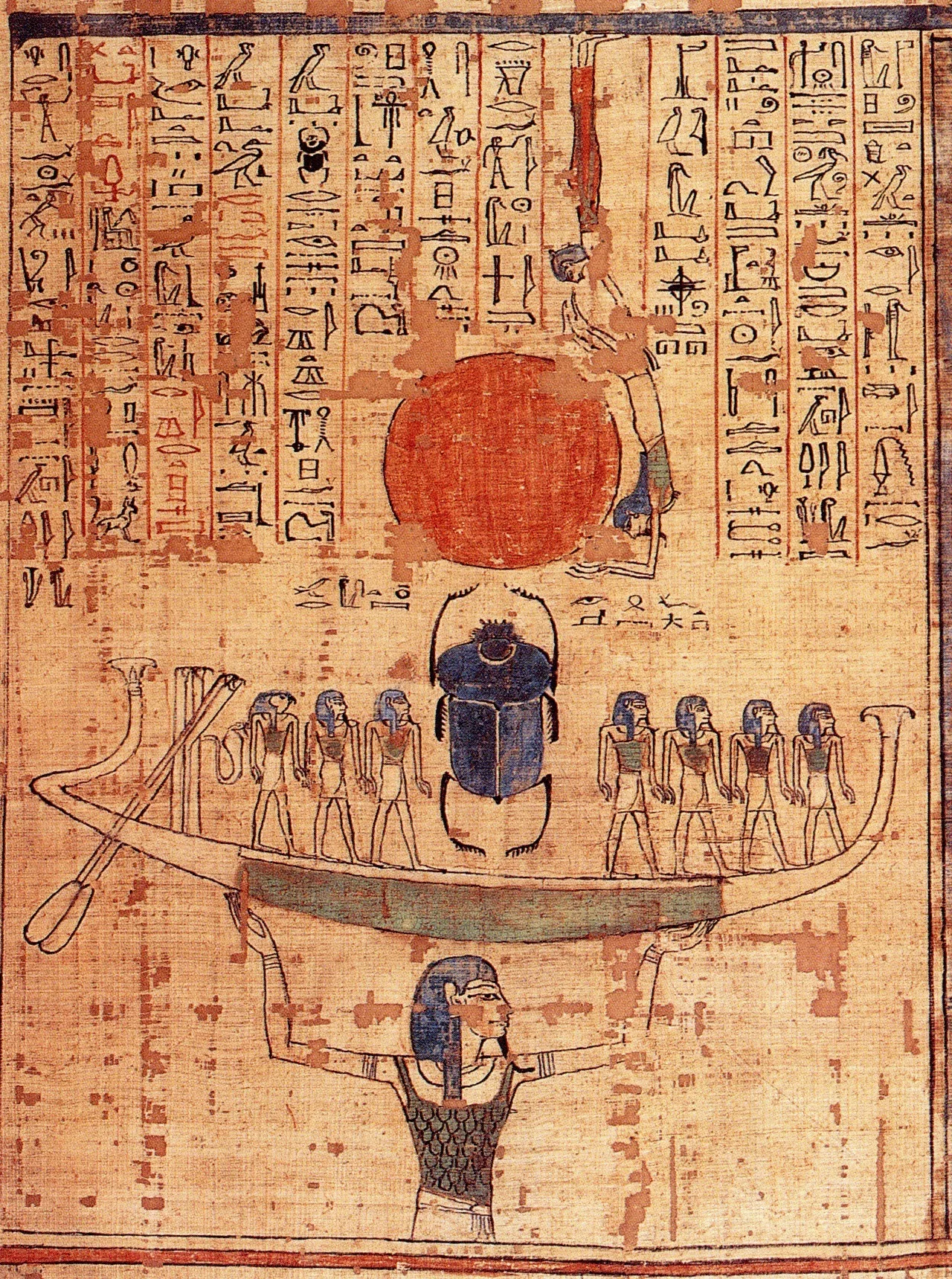
Nun, the embodiment of the primordial waters, lifts the barque of the sun god Ra into the sky at the moment of creation.
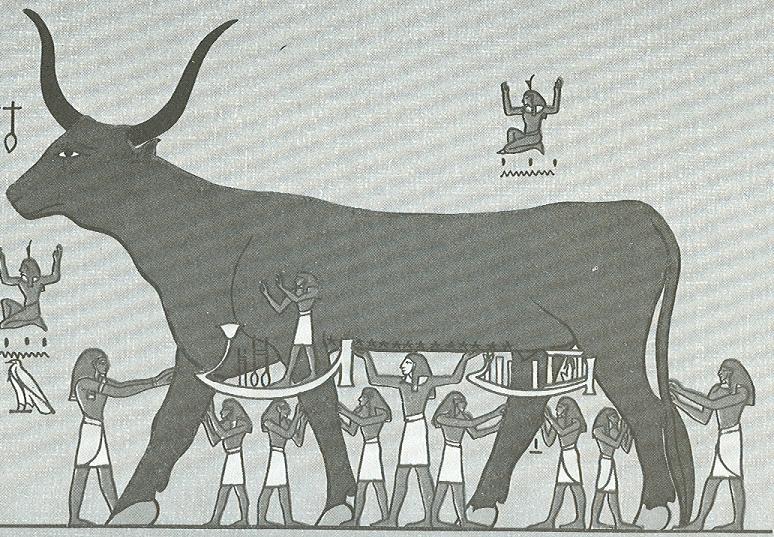
The sky depicted as a cow goddess supported by other deities. This image combines several coexisting visions of the sky: as a roof, as the surface of a sea, as a cow, and as a goddess in human form.[27]
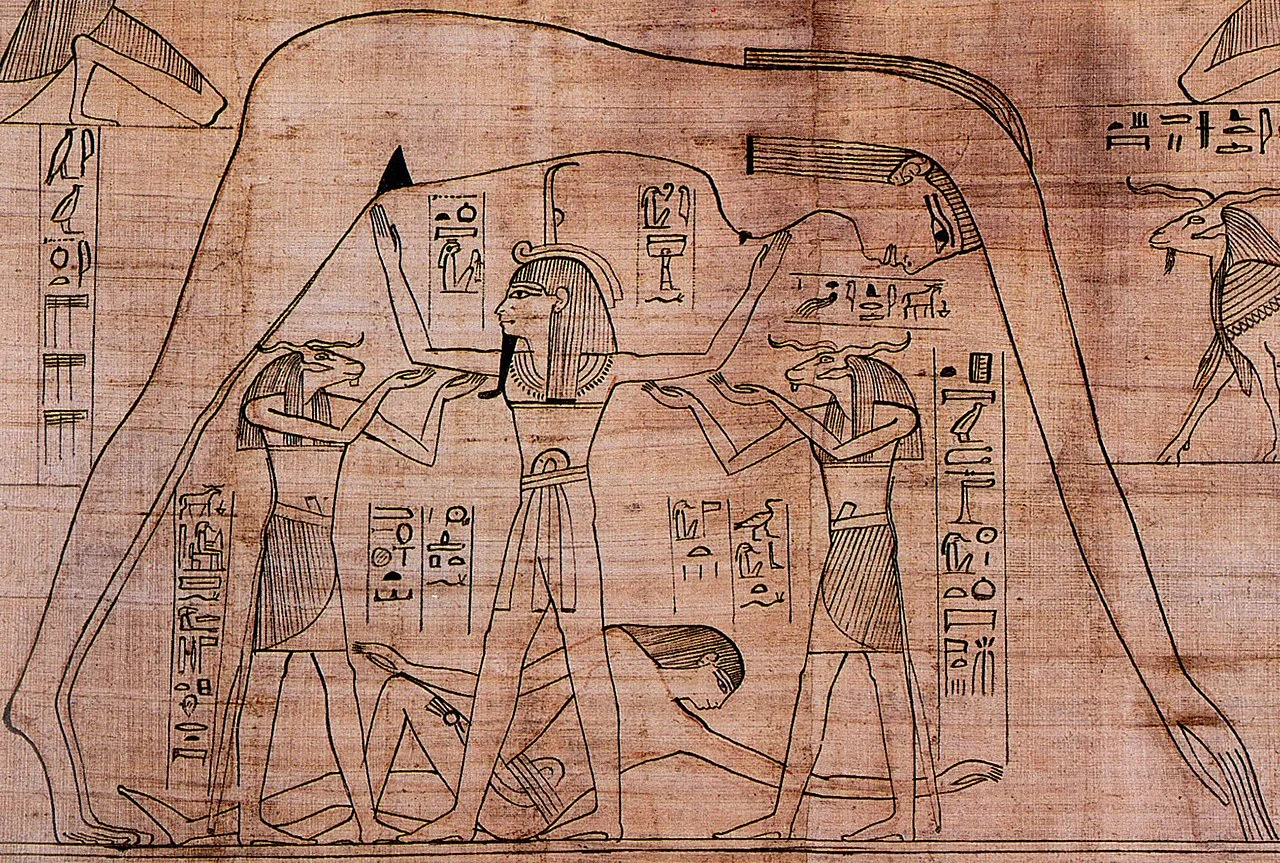
The air god Shu, assisted by other gods, holds up Nut, the sky, as Geb, the earth, lies beneath.
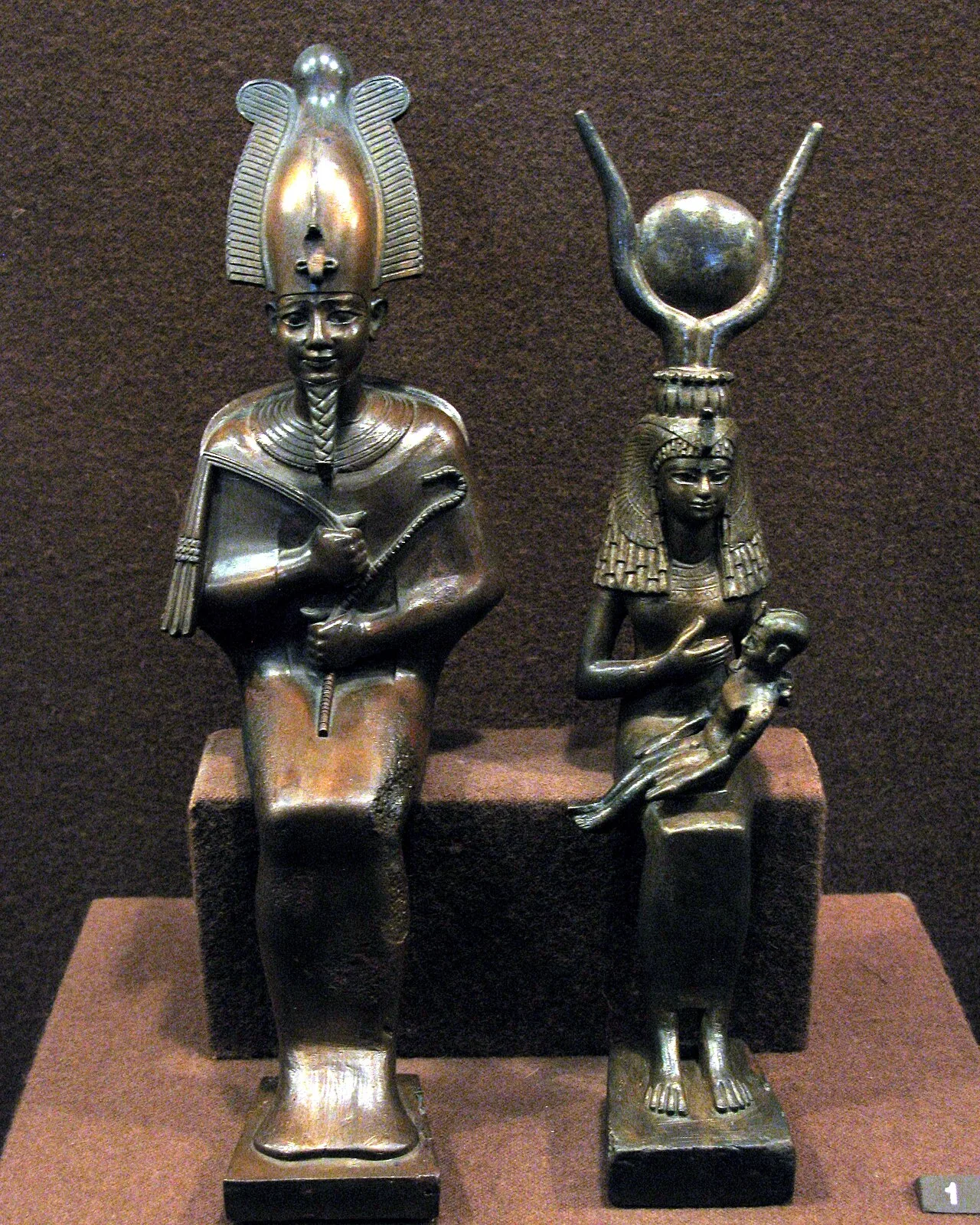
Statues of Osiris and of Isis nursing the infant Horus
![Ra (at center) travels through the sky in his barque, accompanied by other gods[97]](https://nwjvzop1xgplmzvt.public.blob.vercel-storage.com/wikifeed/egyptian-mythology/4-54cb84cab7.webp)
Ra (at center) travels through the sky in his barque, accompanied by other gods[97]
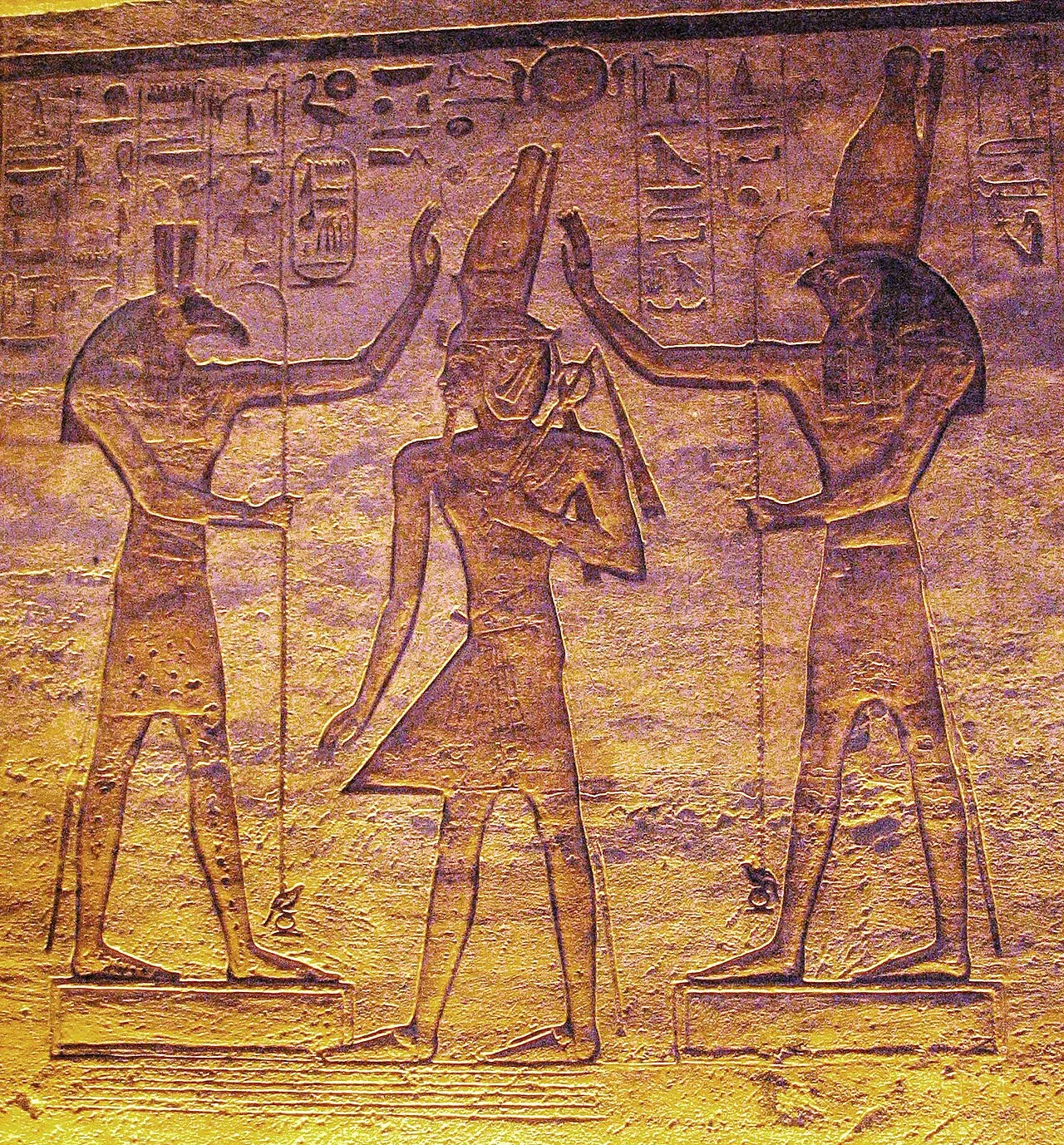
Set and Horus support the pharaoh. The reconciled rival gods often stand for the unity of Egypt under the rule of its king.[107]
Egyptian mythology
Egyptian mythology is the collection of myths from ancient Egypt describing the actions of gods as a means of understanding the world, forming an important part of ancient Egyptian religion.
Multiplicity Beyond Rigid Storytelling
Rather than maintaining an orthodox canon, ancient Egyptians treated mythic events with immense flexibility. Scholars like Vincent Arieh Tobin suggest that extensive narrative was actually alien to Egyptian myth, as fixed story structures could limit sacred concepts. Seemingly contradictory accounts—such as Hathor being the mother, wife, or daughter of Ra—coexisted peacefully as complementary symbolic perspectives to capture complex divine realities.
From Wikipedia · CC BY-SA 4.0
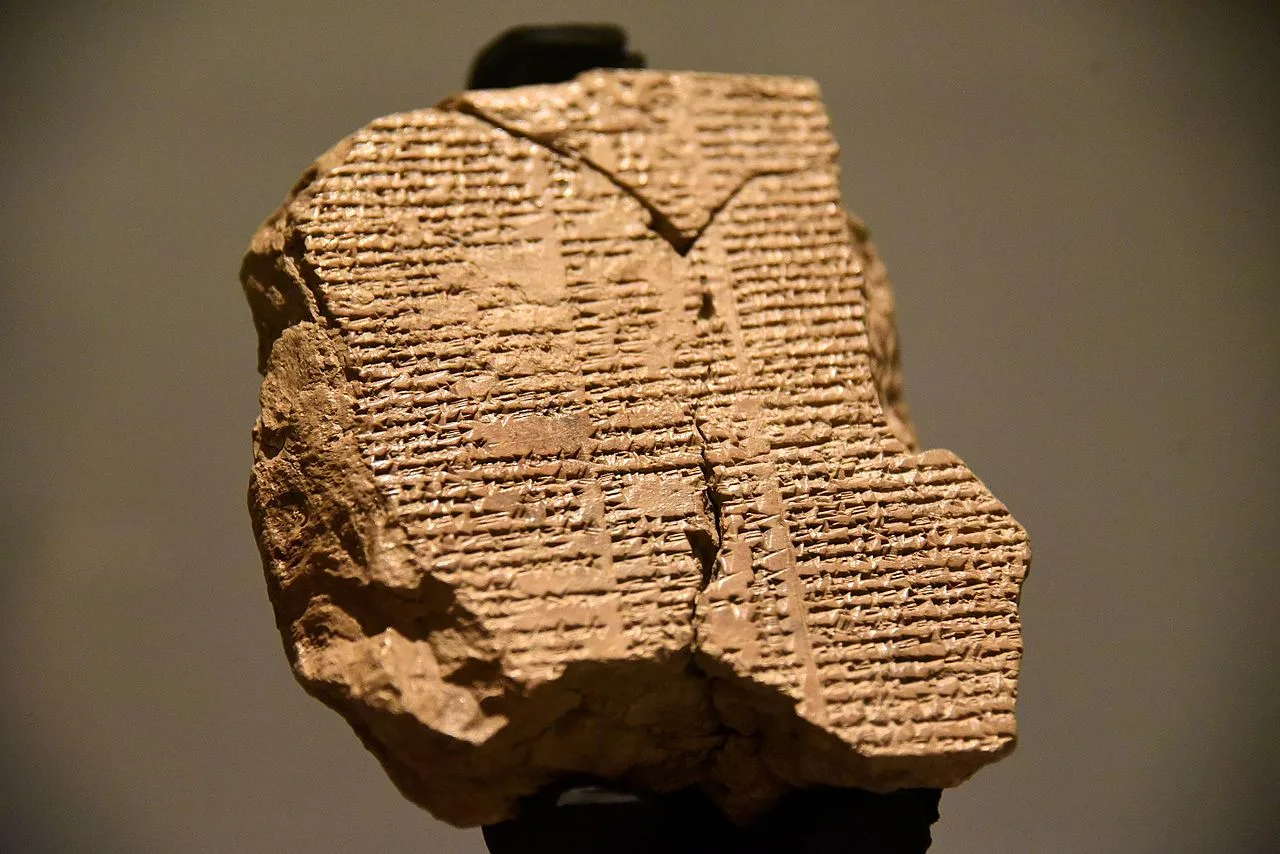
Tablet V of the Epic of Gilgamesh from the Old-Babylonian Period, 2003–1595 BCE. An epic poem from ancient Mesopotamia, regarded as the earliest surviving notable literature.
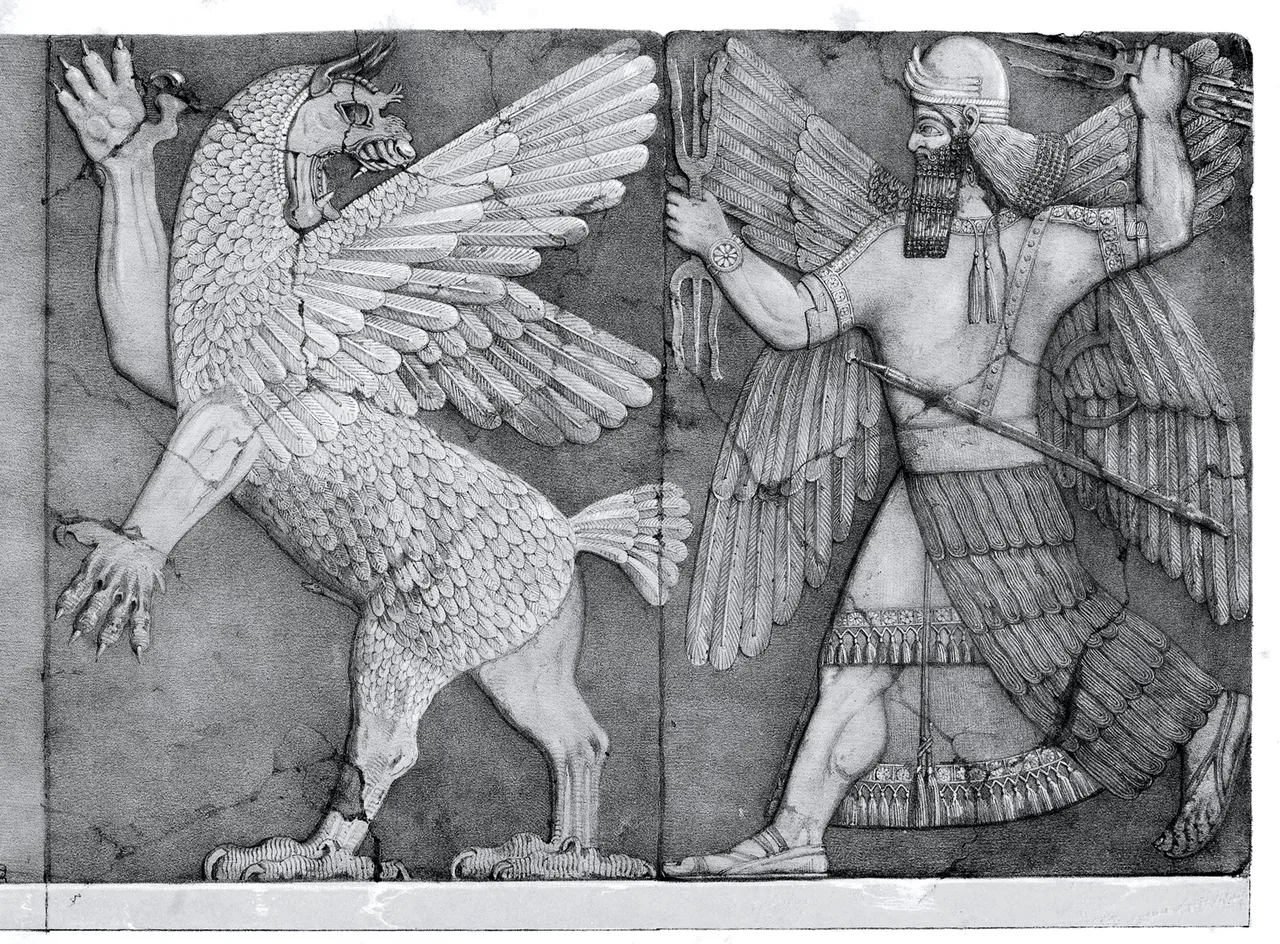
Chaos Monster and Sun God
Mesopotamian mythology
Mesopotamian mythology refers to the myths, religious texts, and literature of ancient Mesopotamia, primarily preserved in cuneiform on stone or clay tablets.
Flesh, Blood, and Labor: The Utilitarian Origin of Mortals
In ancient Mesopotamian thought, human existence was not conceived as a privileged station above nature, but as divine servitude. According to the Atra-Hasis myth, the mother goddess Mami fashioned the first people from clay, flesh, and blood from a slain god. Their primary purpose was simply to lighten the gods' workload by performing manual labor. This origin story fundamentally defines mortal life as functional utility for higher cosmic powers.
From Wikipedia · CC BY-SA 4.0
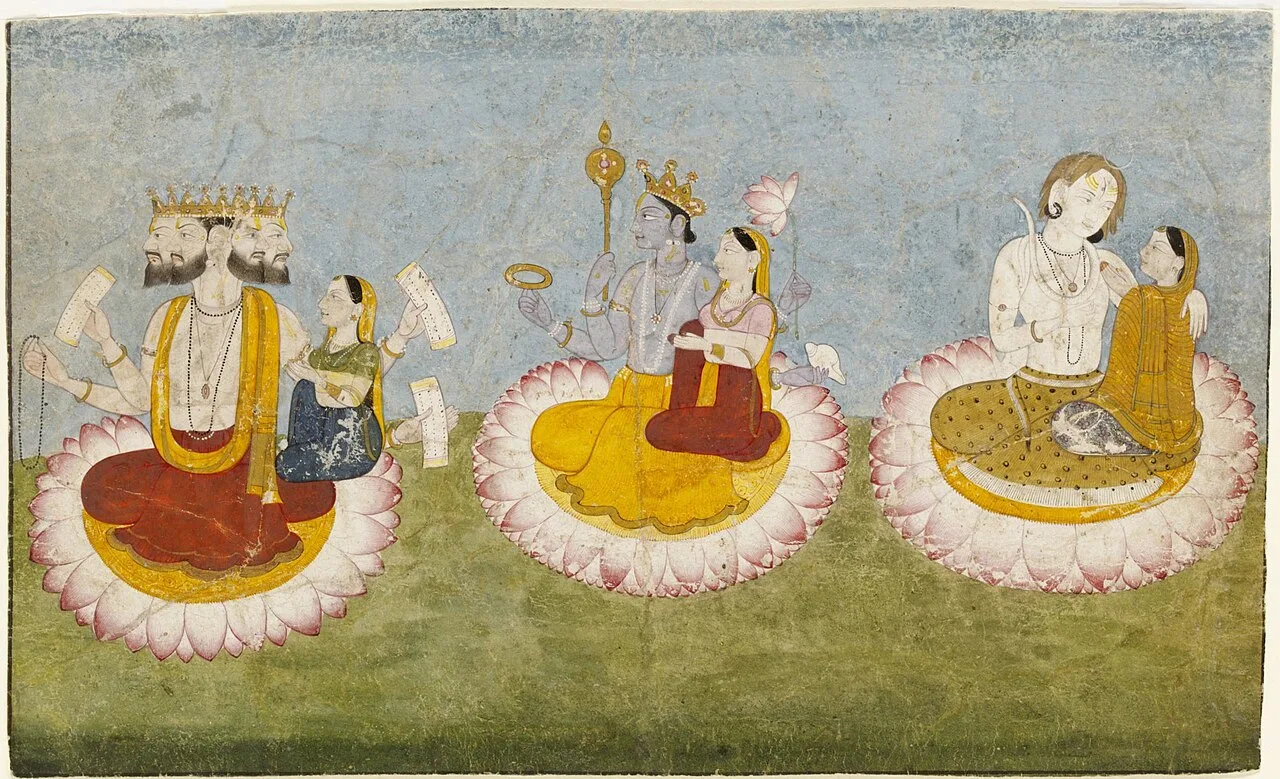
The Trimurti (Brahma, Vishnu, and Shiva) seated on lotuses with their consorts, the Tridevi (Saraswati, Lakshmi, and Parvati).
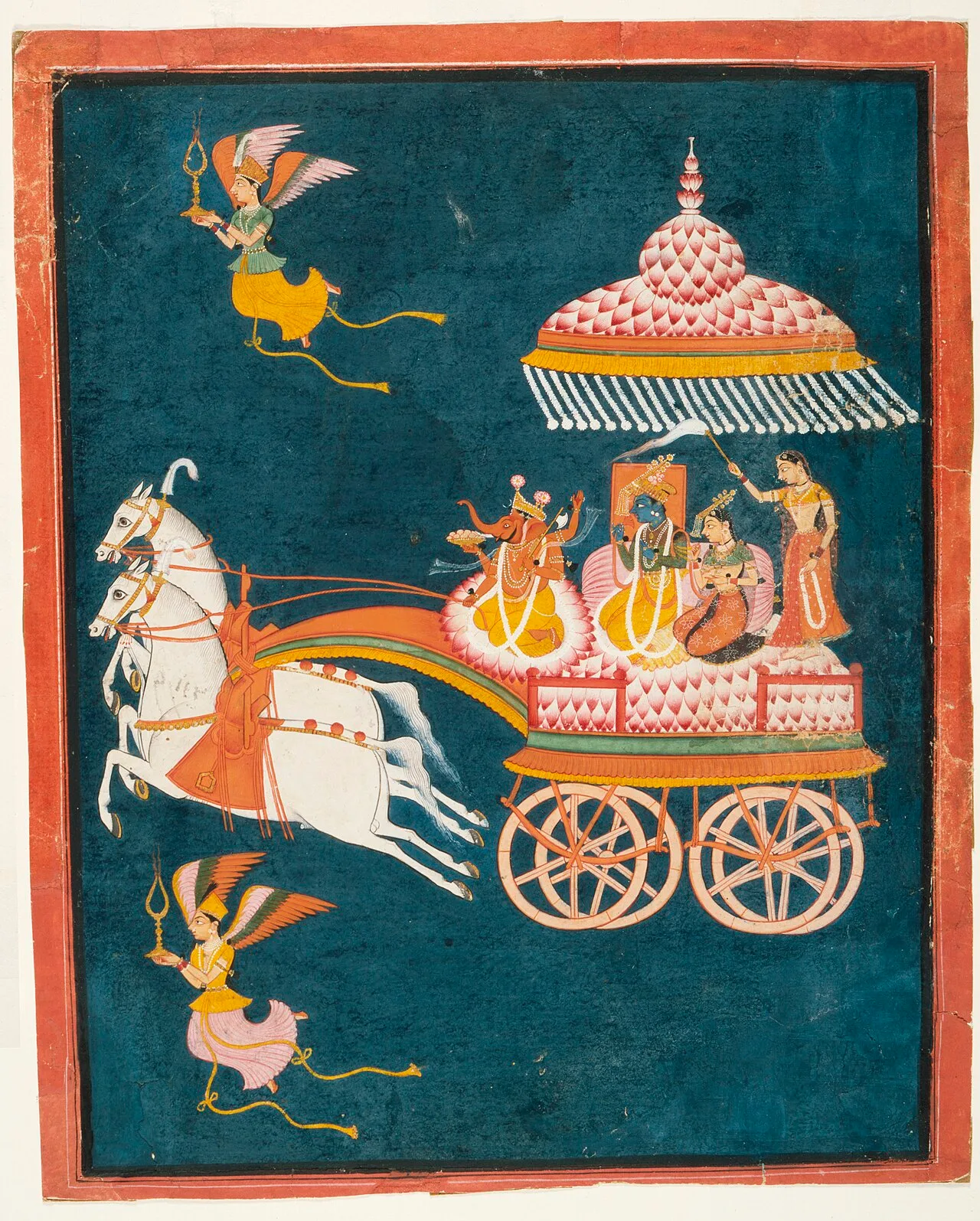
Krishna elopes with Princess Rukmini
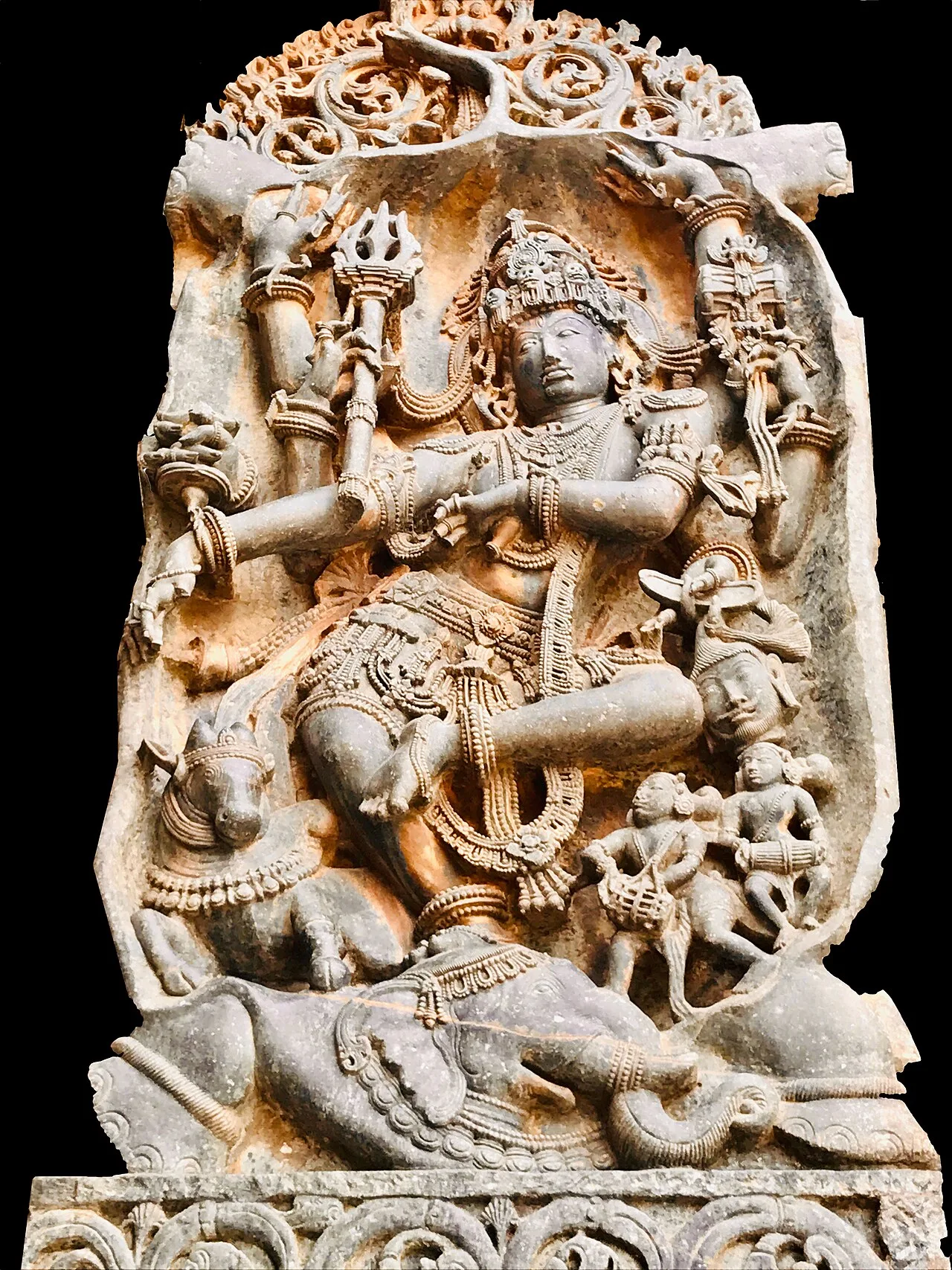
Shiva slays Gajasura
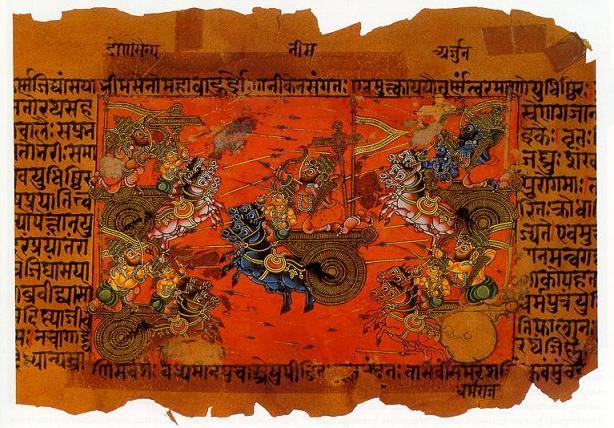
picture of a Mahabharat manuscript
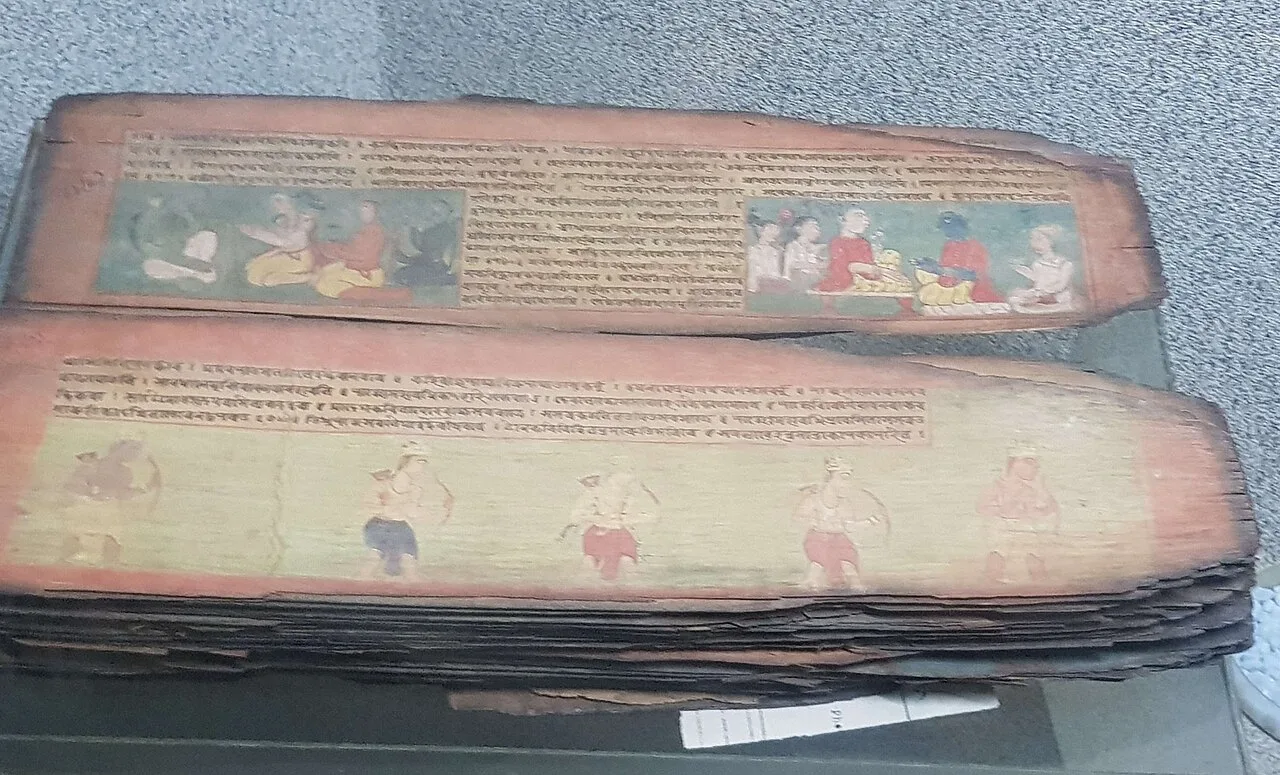
picture of an illustrated manuscript of the Ramayan
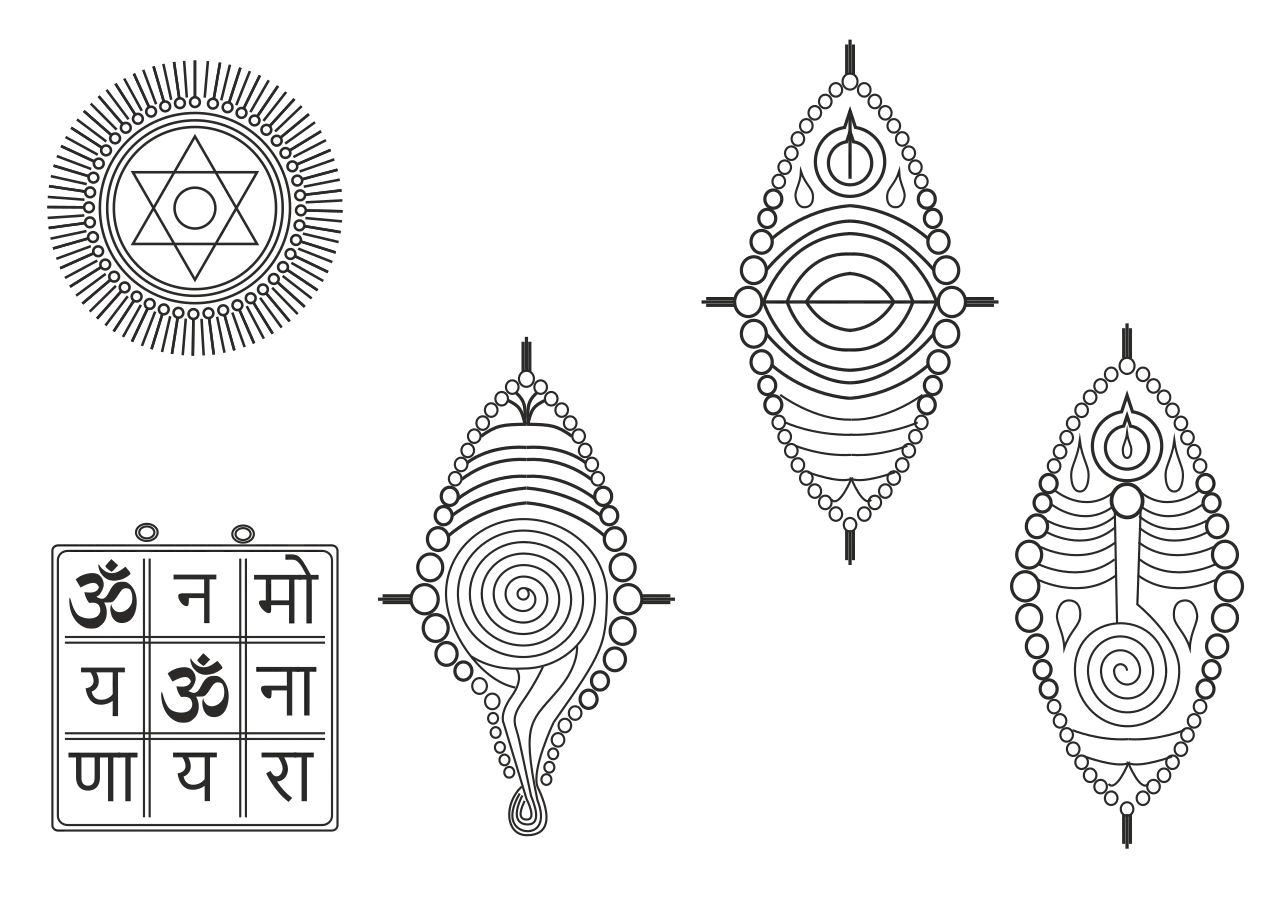
Chakra, Shanka, Gadha, Padma, Narayana
Hindu mythology
Hindu mythology is the collection of myths associated with Hinduism, derived from sacred texts such as the Vedas, the Itihasas, and the Puranas.
The Demotion of Prime Vedic Rulers
Supreme deities of the early Vedic pantheon experienced a dramatic decline in status across subsequent literary traditions. While Indra, Agni, and Surya stood as prime deities in the Vedic period, the later Puranas relegated them to secondary figures residing in lower heavens. Puranic storytellers frequently recast Indra as an insecure, flawed king who repeatedly lost his throne to demons and had to beg Vishnu or Shiva for salvation.
From Wikipedia · CC BY-SA 4.0
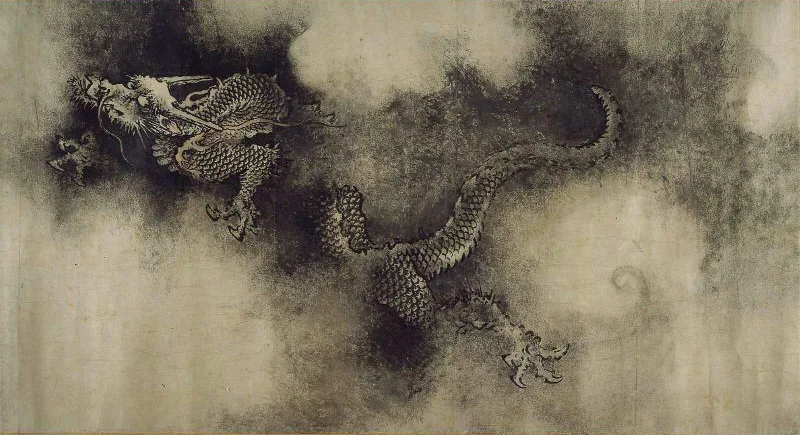
Nine Dragons, handscroll section, by Chen Rong, AD 1244, Song dynasty, Museum of Fine Arts, Boston
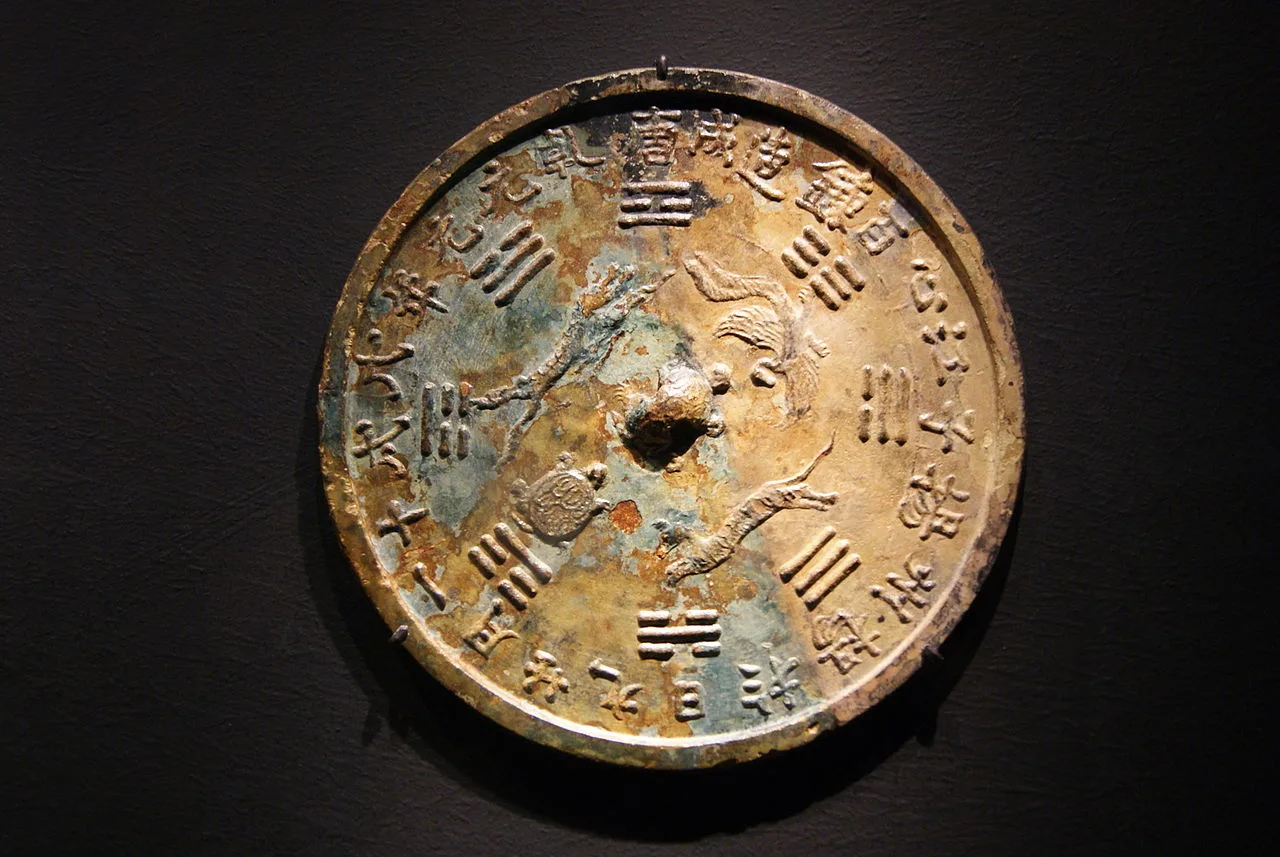
Bronze mirror with cosmological decoration from the Belitung shipwreck, including Bagua.
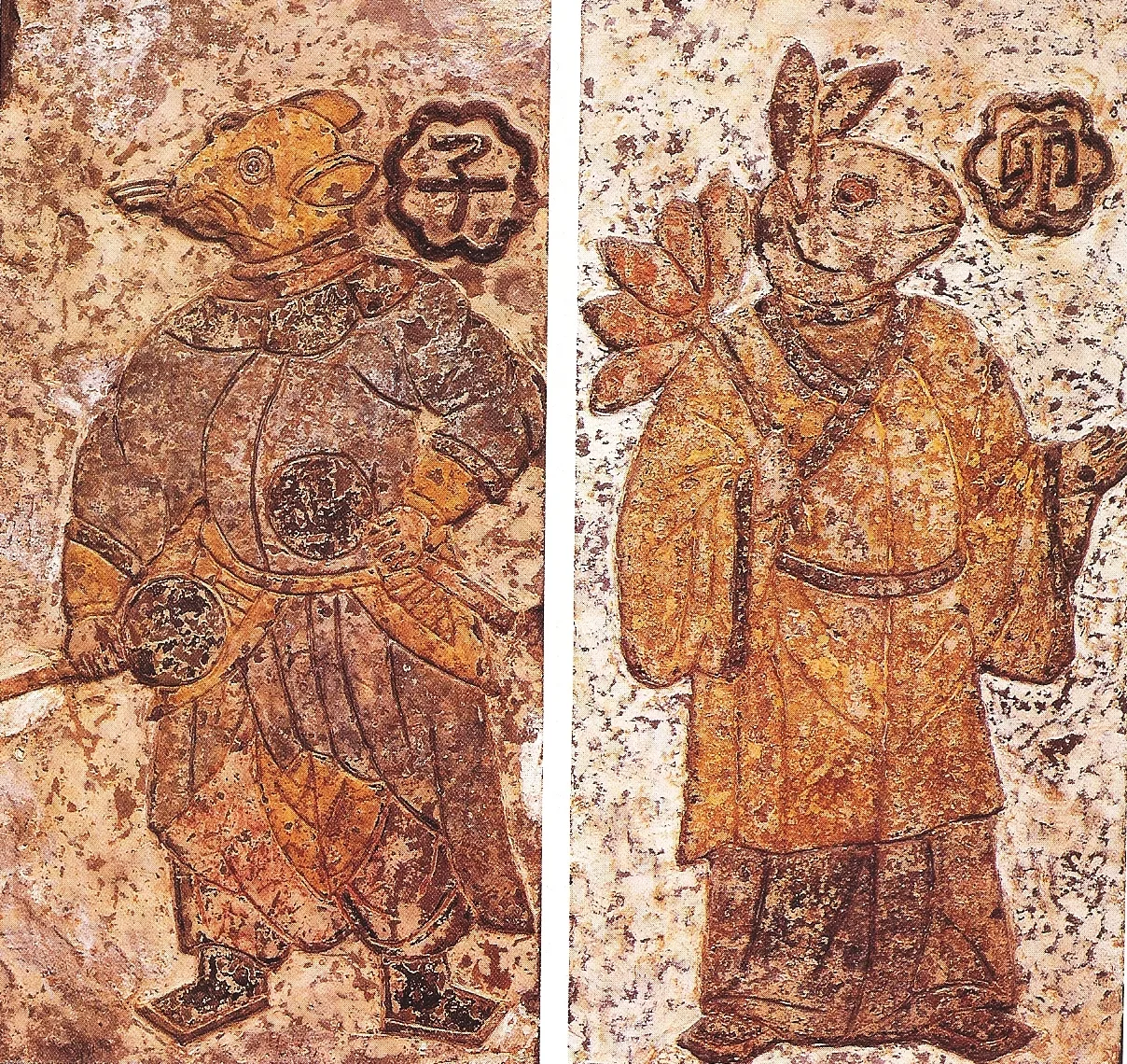
Zoomorphic guardian spirits of certain Hours. On the left is the guardian of midnight (from 11 pm to 1 am) and on the right is the guardian of morning (from 5 to 7 am). Han dynasty (202 BCE – 220 CE) Chinese paintings on ceramic tile
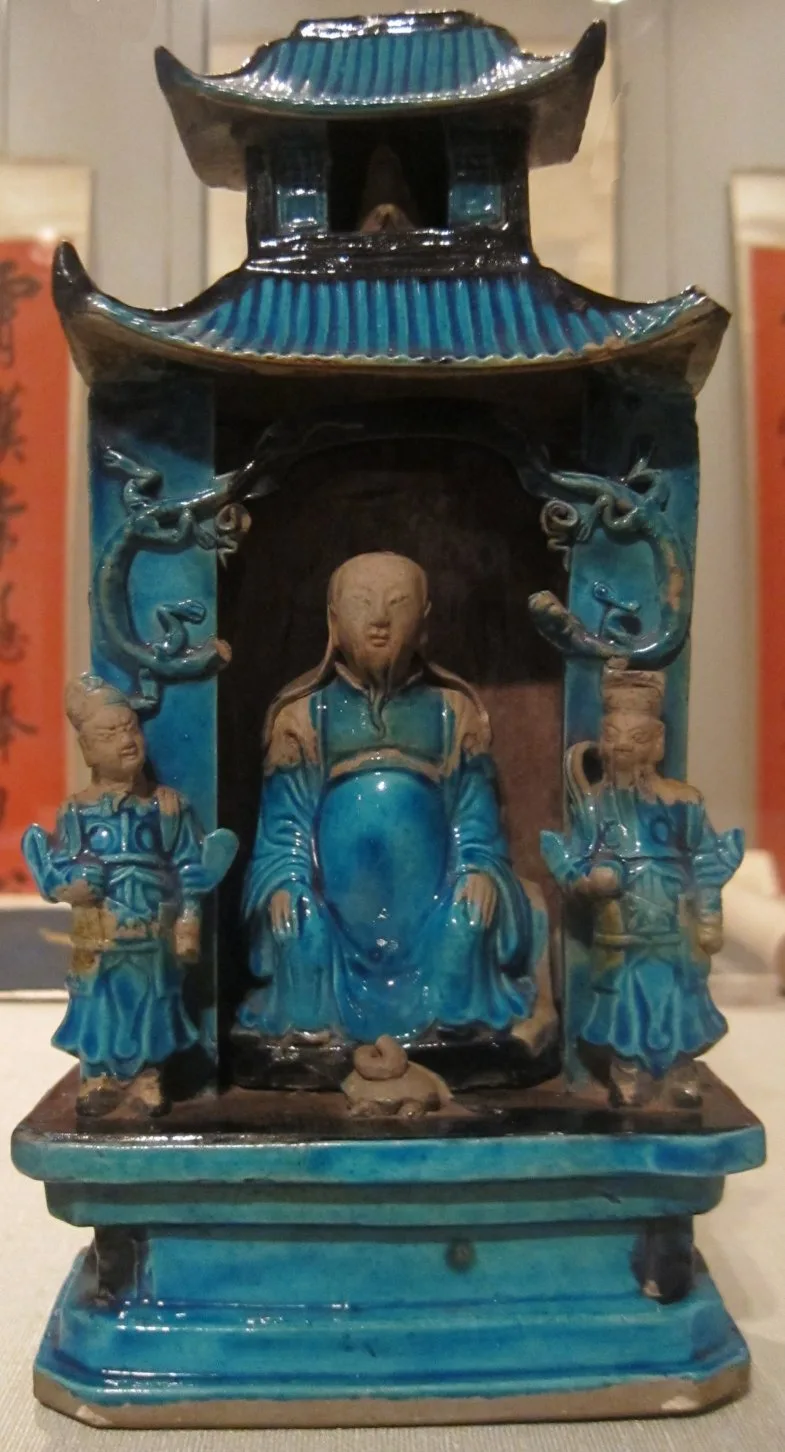
The Star God of Longevity, China, Ming dynasty, 16th century, glazed stoneware
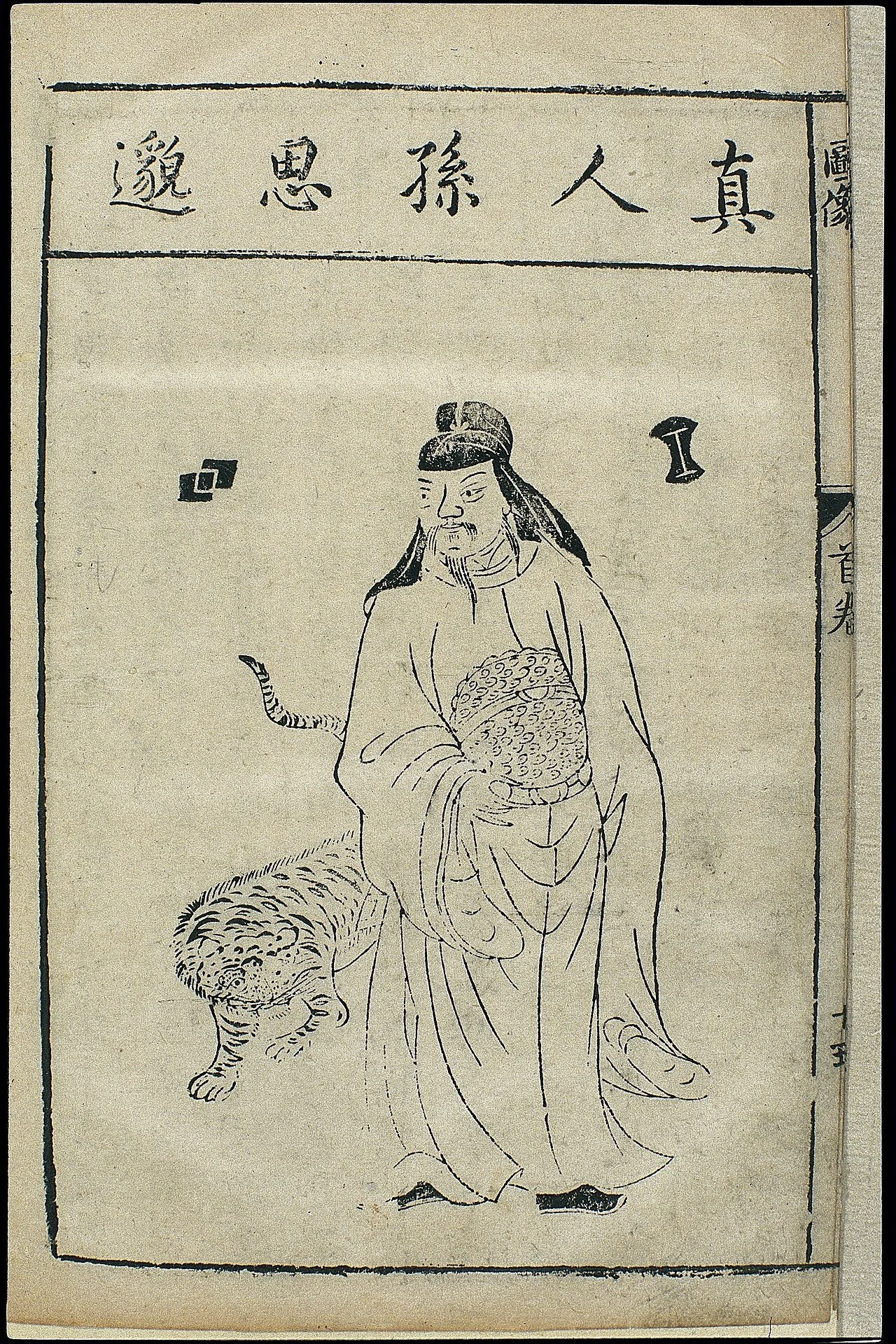
Chinese woodcut, Famous medical figures: Sun Simiao
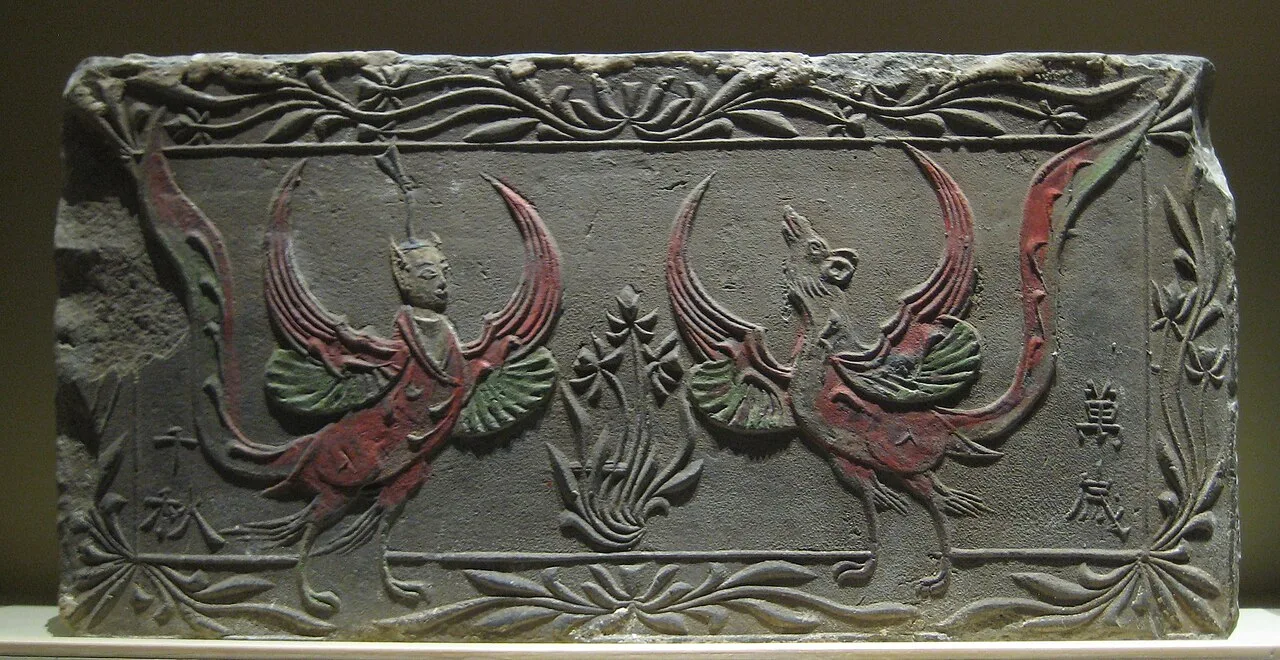
Phoenixlike deities
Chinese mythology
Chinese mythology encompasses a diverse array of myths passed down orally or recorded in literature across the region of Greater China.
Physical Exhaustion Transformed into Daoist Ritual Steps
Mythological achievements in China often carried visceral physical consequences rather than effortless divine magic. While working to tame the Great Flood, Yu fatigued himself so thoroughly that he lost all the hair on his legs and developed a serious limp. Daoist practitioners later transformed this physical affliction into sacred ritual choreography known as the Steps of Yu. Through this ritualized pedal locomotion, ancient mythic labor merges directly into modern spiritual practice.
From Wikipedia · CC BY-SA 4.0
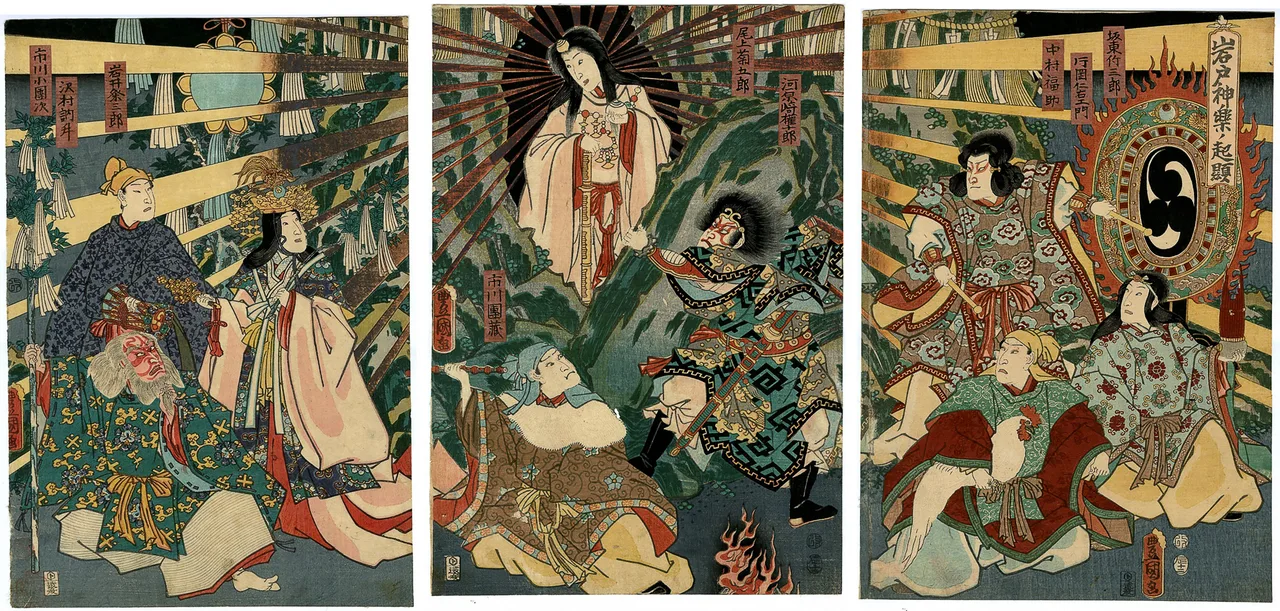
Amaterasu emerges from the cave.
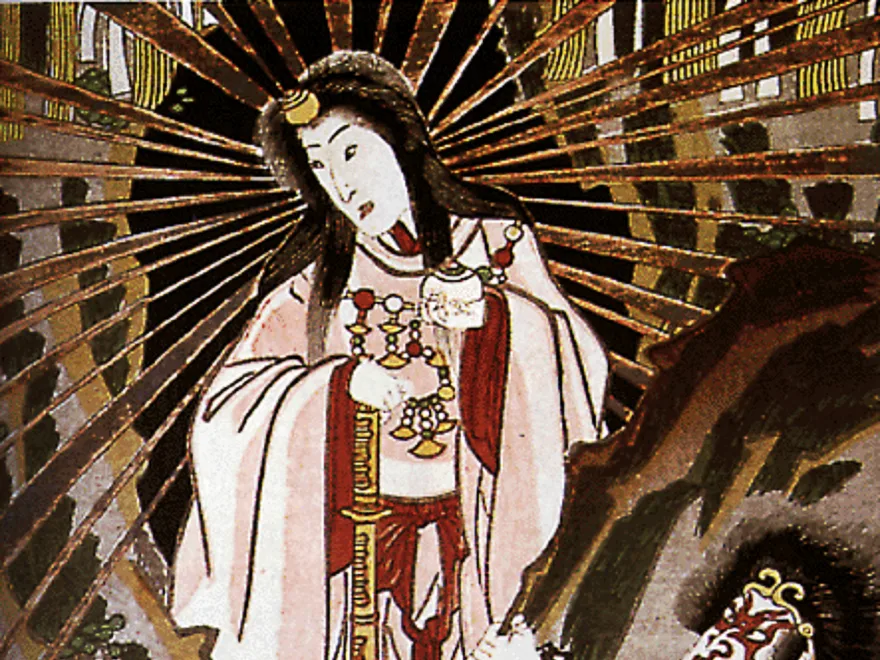
Amaterasu cave wide
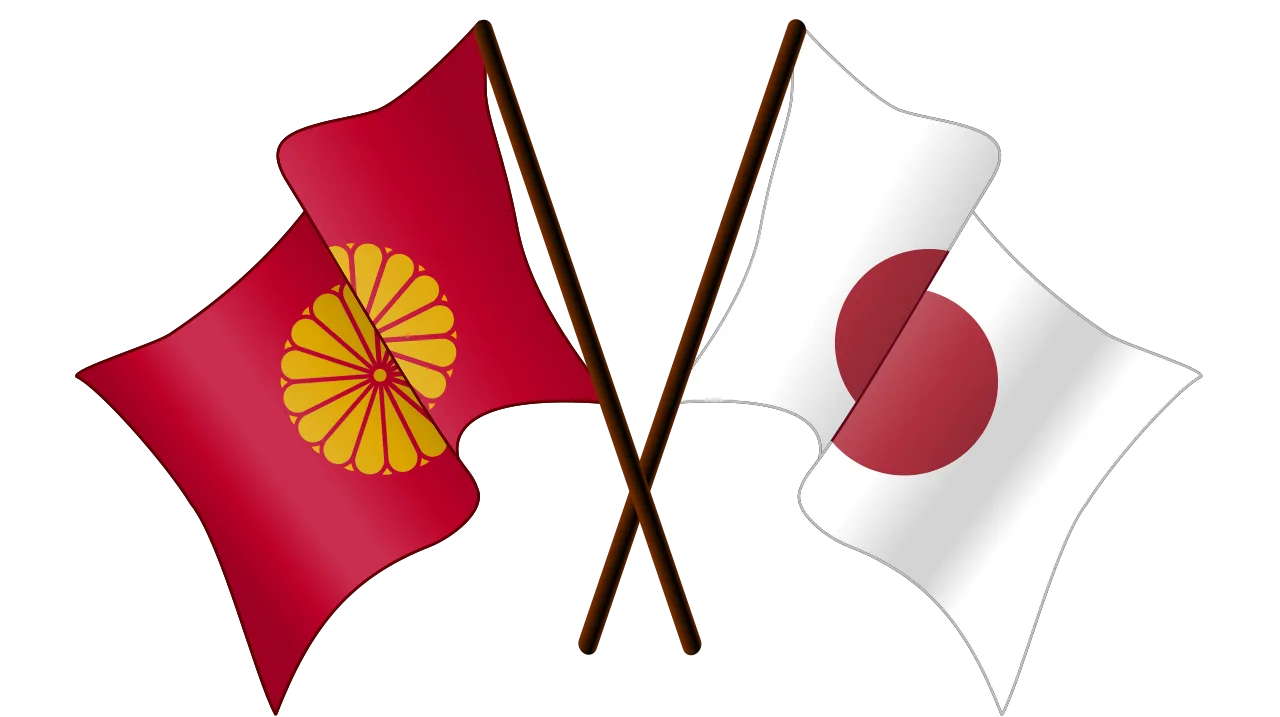
Japanese Nationalism Waving Flags Symbol
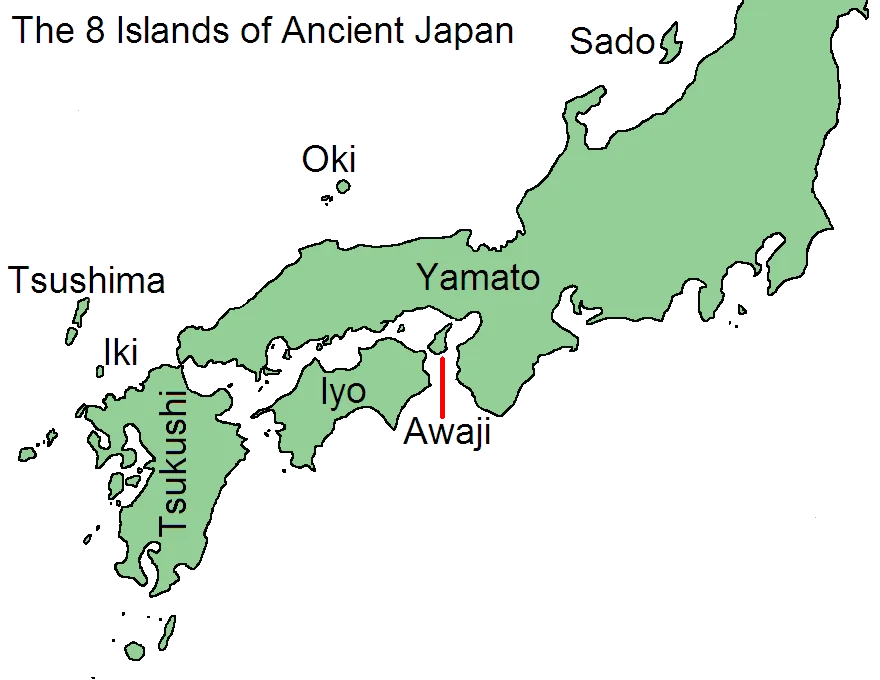
The Ōyashima, or the eight great islands of Japan, are the children of Izanami and Izanagi according to the Shokiji.
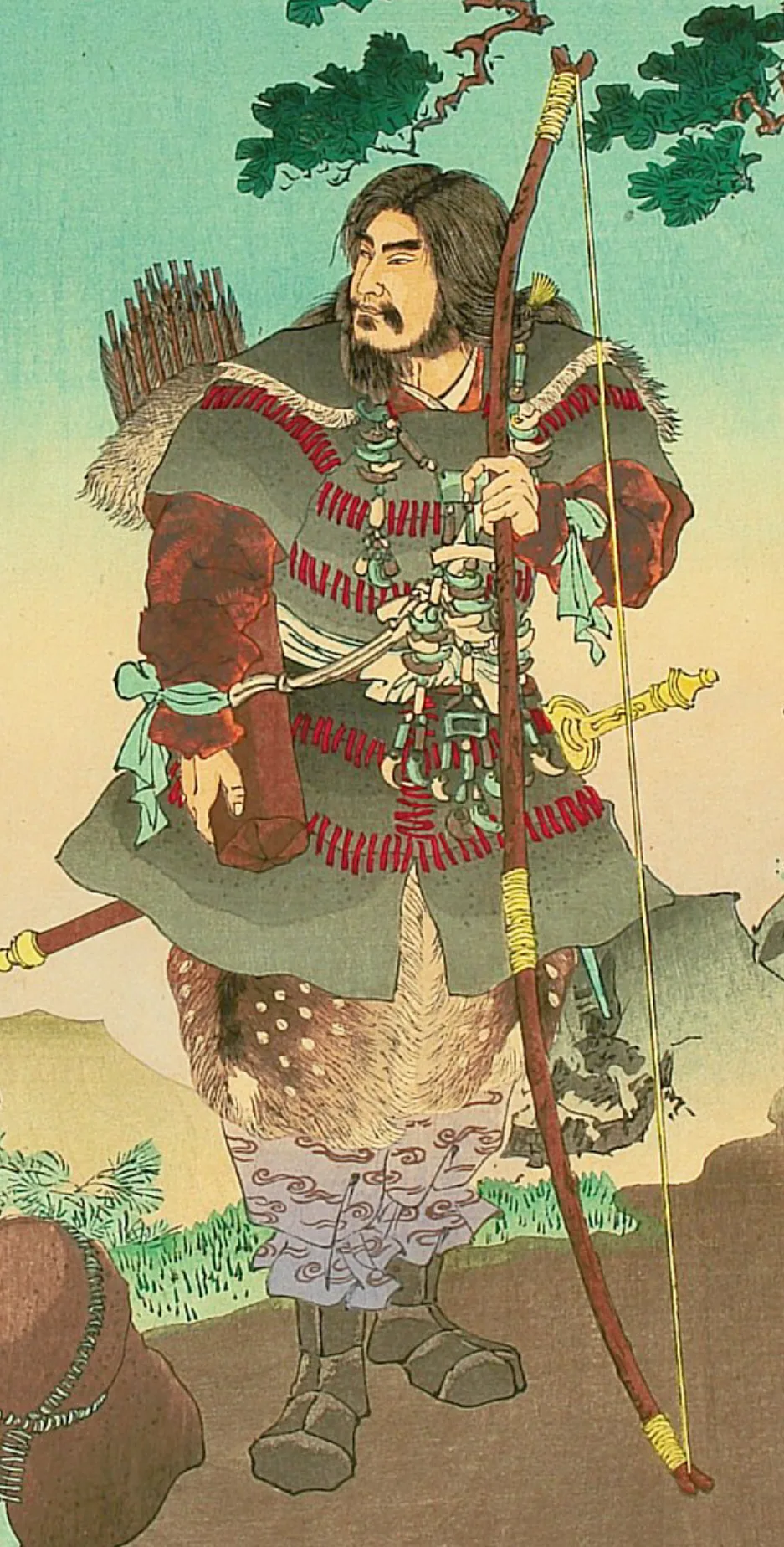
Jimmu Tennō
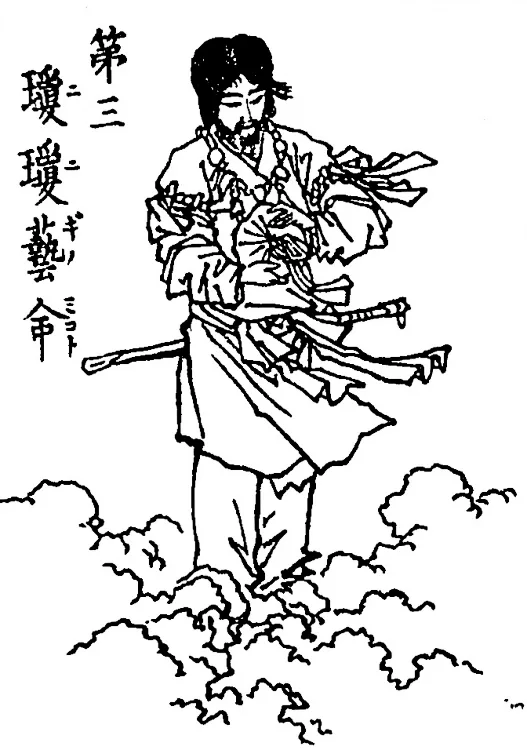
Ninigi otokawa, great-grandfather of Jimmu Tennō
Japanese mythology
Japanese mythology is a collection of traditional stories, folktales, and beliefs rooted in Shinto traditions and influenced by Chinese and Indian myths.
Recitation from Memory in the Yamato Court
A single reciter's memory served as the primary foundation for Japan's earliest mythological chronicle. Emperor Temmu commissioned Hiyeda no Are to memorize pre-existing historical collections prior to the monarch's death. Under Empress Gemmei's rule, these retained oral accounts were finally transcribed into writing. The resulting work, known as the Kojiki, established the mythic origins of the Japanese archipelago.
From Wikipedia · CC BY-SA 4.0
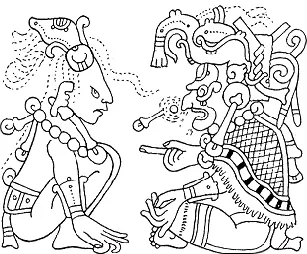
Maya deities
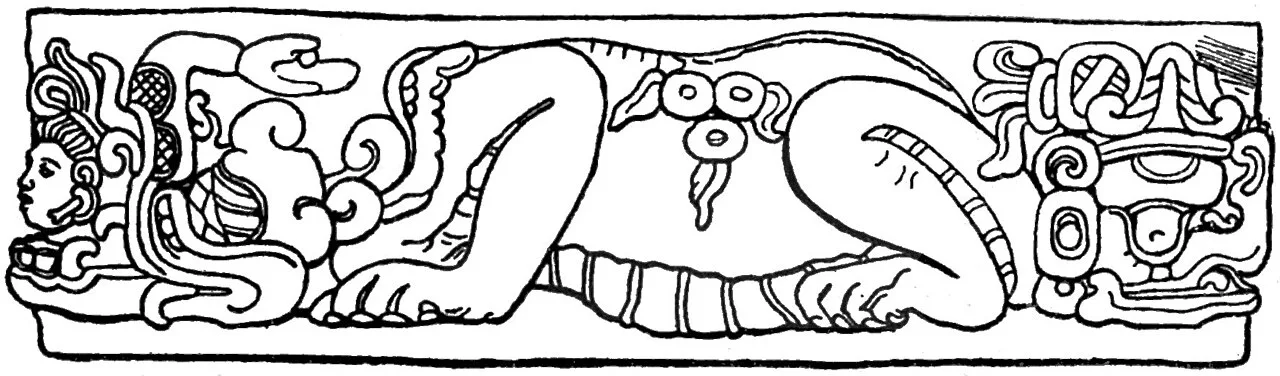
Drawing of a Mayan stone carving with elaborate decoration.
Maya mythology
Maya mythology is part of Mesoamerican mythology and comprises tales in which personified forces of nature, deities, and heroes interact.
Severing the Throat of the Deluge Crocodile
Creation in Maya cosmology begins with violent restructuring following a catastrophic flood rather than a peaceful ordering of the void. Colonial manuscripts record that the earth crocodile, Itzam Cab Ain, caused a devastating deluge before its throat was cut. Slaying this sauric beast allowed the re-raising of the fallen sky and the establishment of the five World Trees.
From Wikipedia · CC BY-SA 4.0
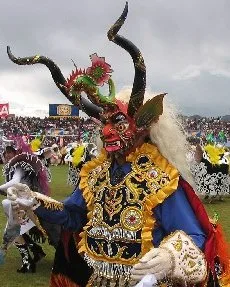
Supay, god of death, as interpreted in a carnival festival
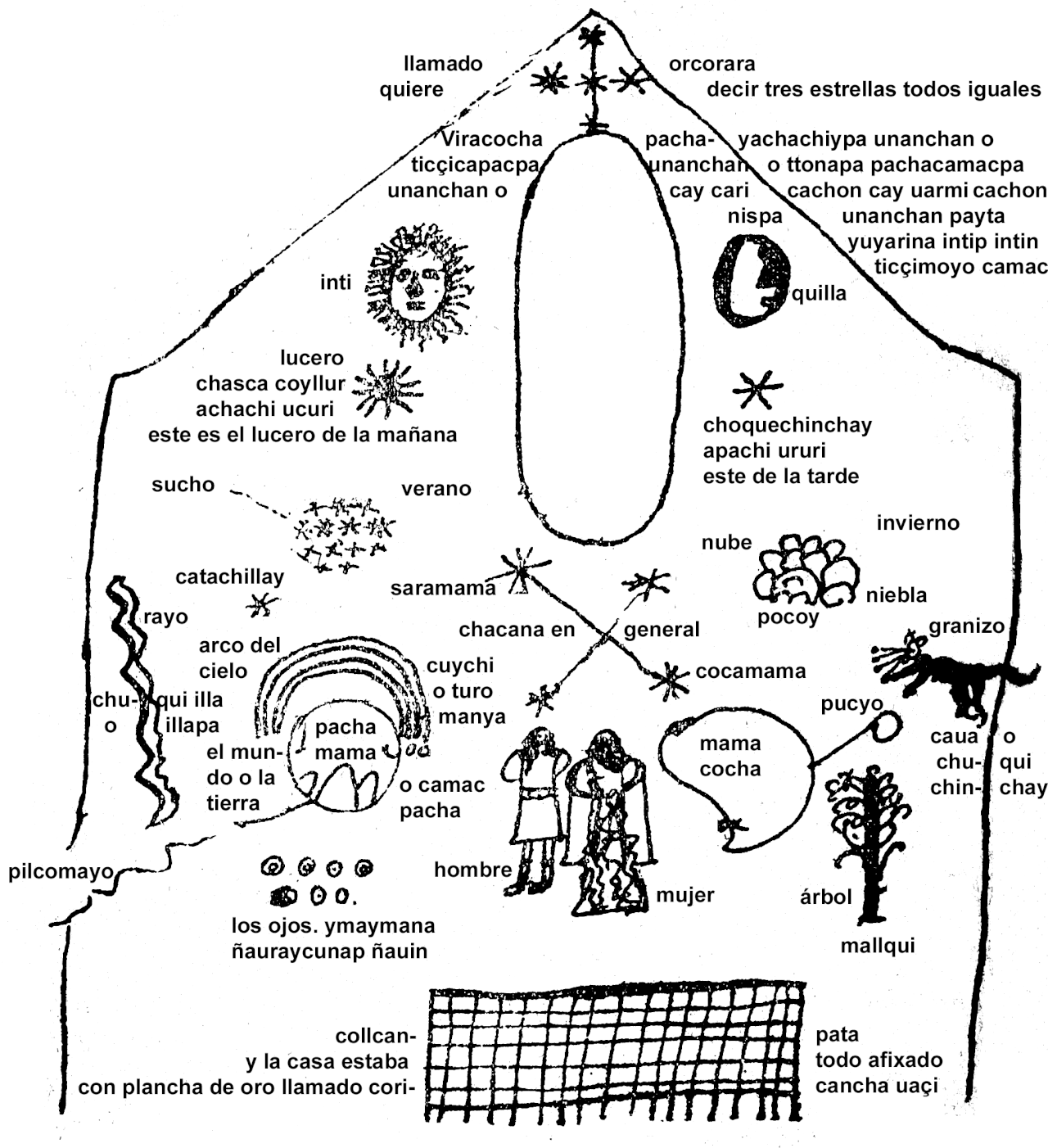
Representation of the cosmology of the Incas, according to Juan de Santa Cruz Pachacuti Yamqui Salcamayhua (1613), after a picture in the Sun Temple Qurikancha in Cusco, with Inti (the Sun), Mama Killa (the Moon), Illapa (the Lightning), Pachamama (Mother Earth), Mama Qucha (Mother Sea), and Chakana (Southern Cross) with Saramama (Mother Corn) and Kukamama (Mother Coca).
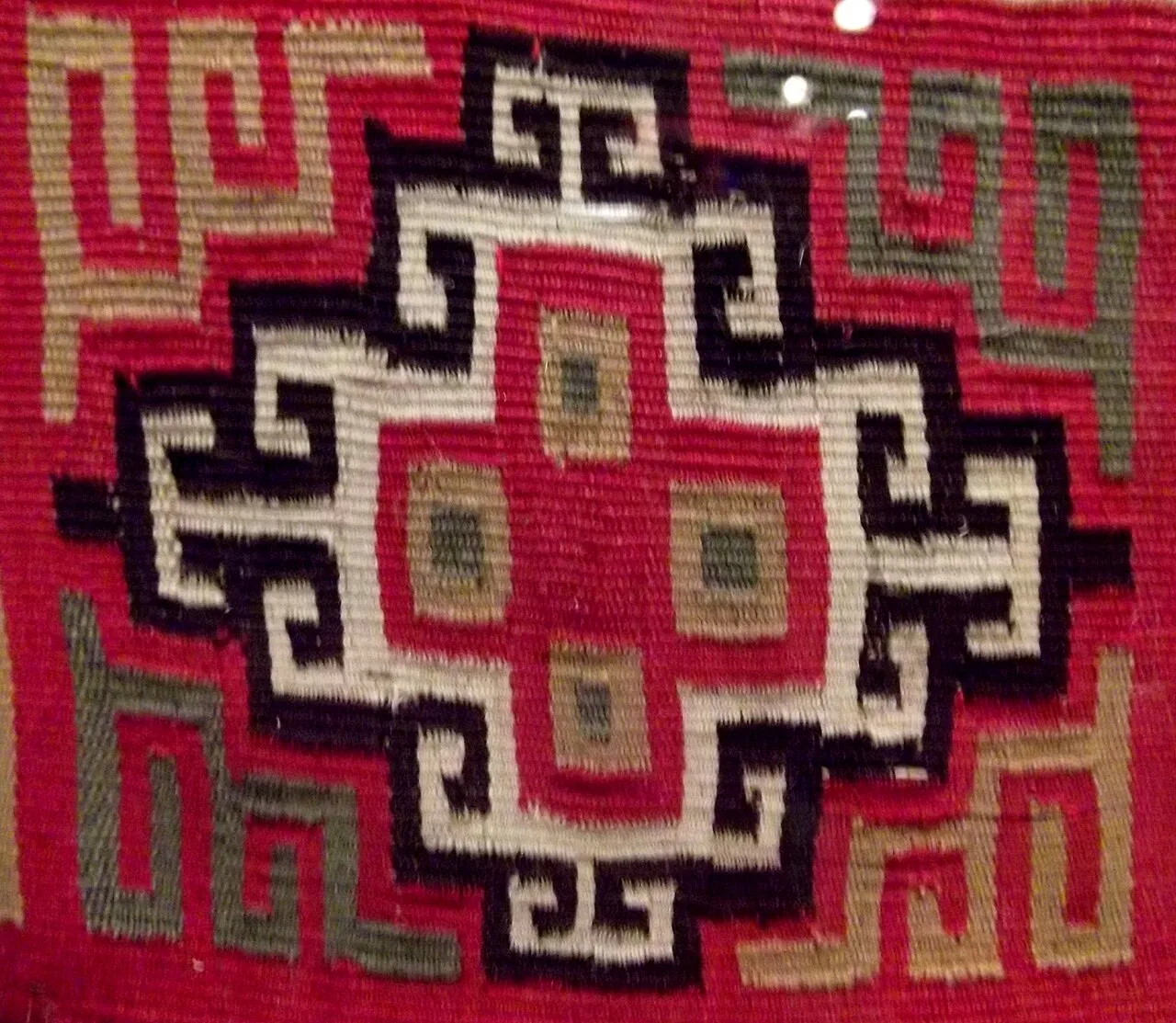
Chakana on an Inca Uncu
Inca mythology
Inca mythology was the belief system of the Inca Empire based on pre-Inca cultures, which informed and supported Inca religion.
Deep Time and Eight-Century Stargazing Cycles
The Runa viewed astronomical movements not just as myth, but as an operational system tied to long-term survival. Stories mapped planetary and celestial formations observed from Cusco, meaning "rock of the owl," directly to agricultural calendars. Beyond annual plantings, this observational framework synchronized with massive 800-year cycles designed to preserve vital cultural knowledge across catastrophes and regime changes.
From Wikipedia · CC BY-SA 4.0
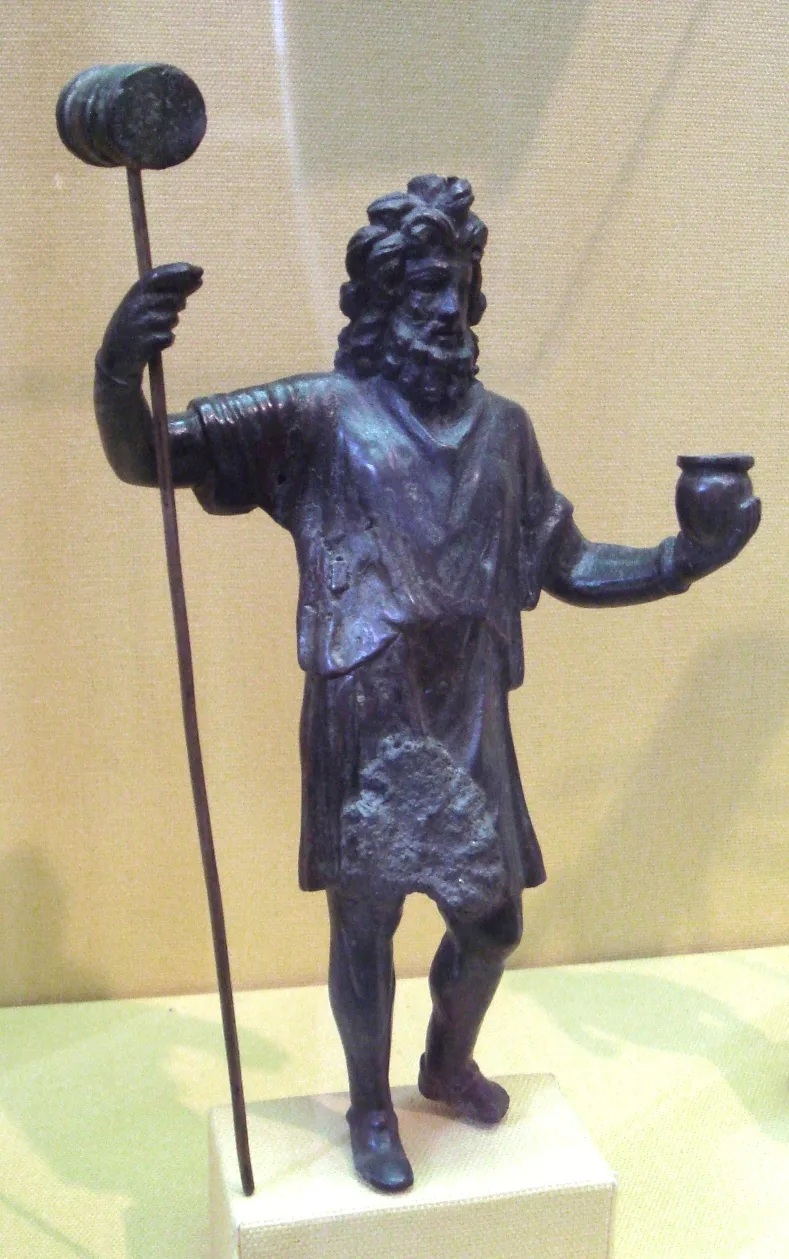
The Celtic god Sucellus
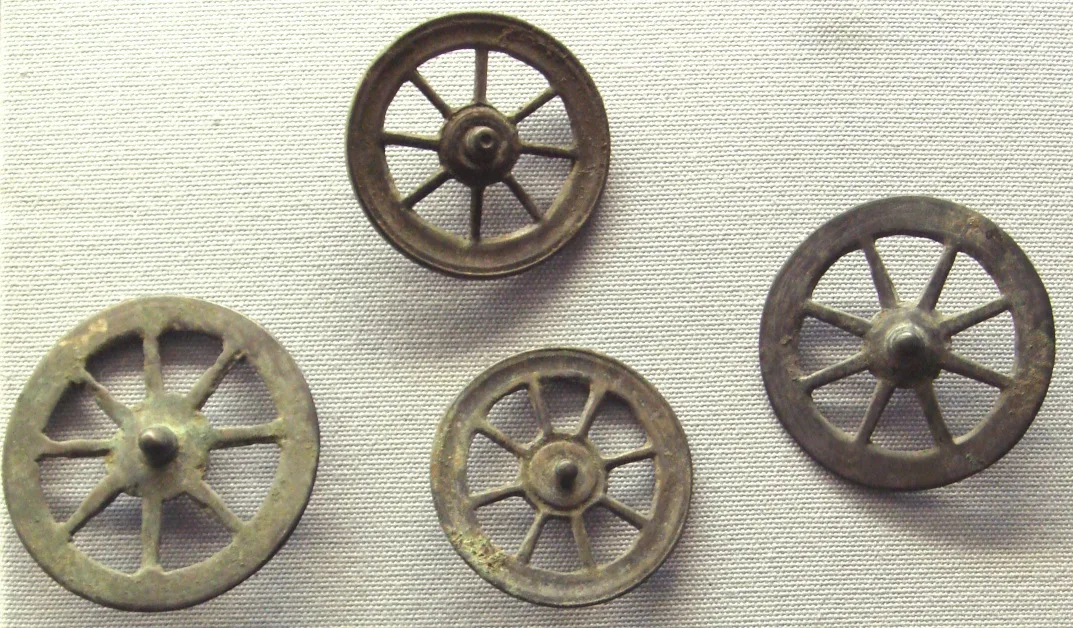
Votive Celtic wheels thought to correspond to the cult of Taranis. Thousands of such wheels have been found in sanctuaries in Gallia Belgica, dating from 50 BCE to 50 CE. National Archaeological Museum, France
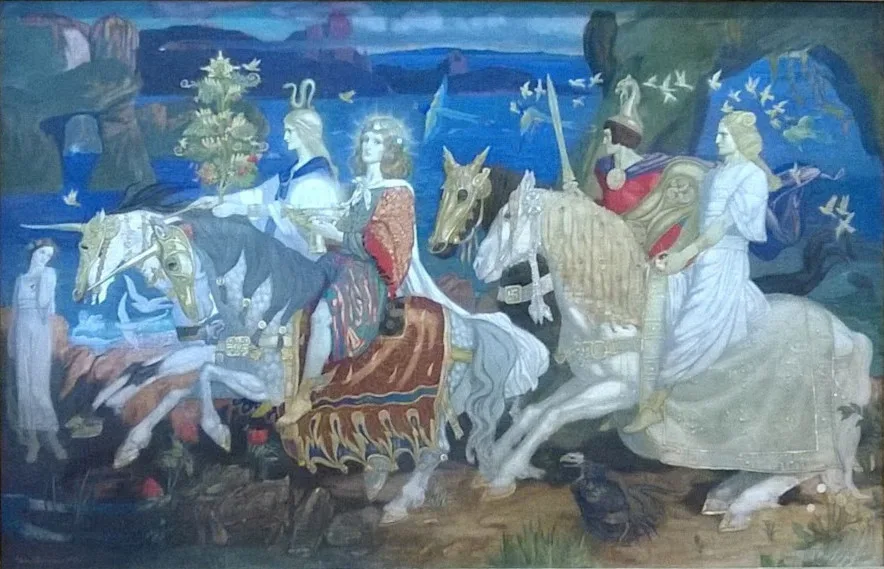
Riders of the Sidhe, a 1911 painting of the aos sí or Tuatha Dé Danann, by the artist John Duncan
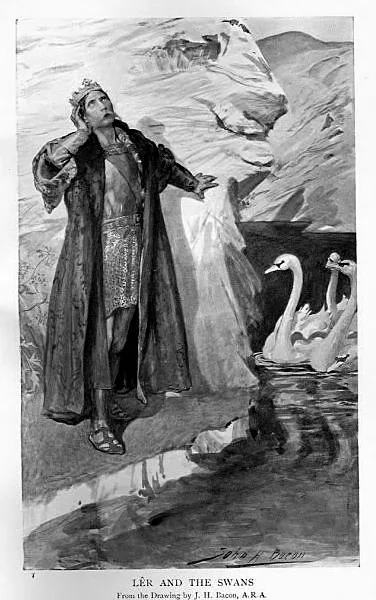
An illustration of Llŷr and the swans by H. R. Millar
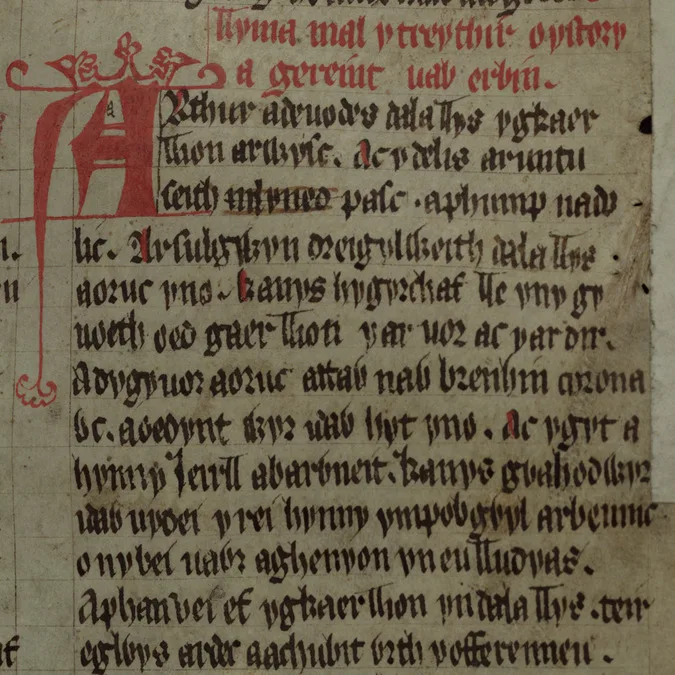
Opening lines of one of the Mabinogi tales from the Red Book of Hergest:Gereint vab Erbin. Arthur a deuodes dala llys yg Caerllion ar Wysc... (Geraint the son of Erbin. Arthur was accustomed to hold his Court at Caerlleon upon Usk...)
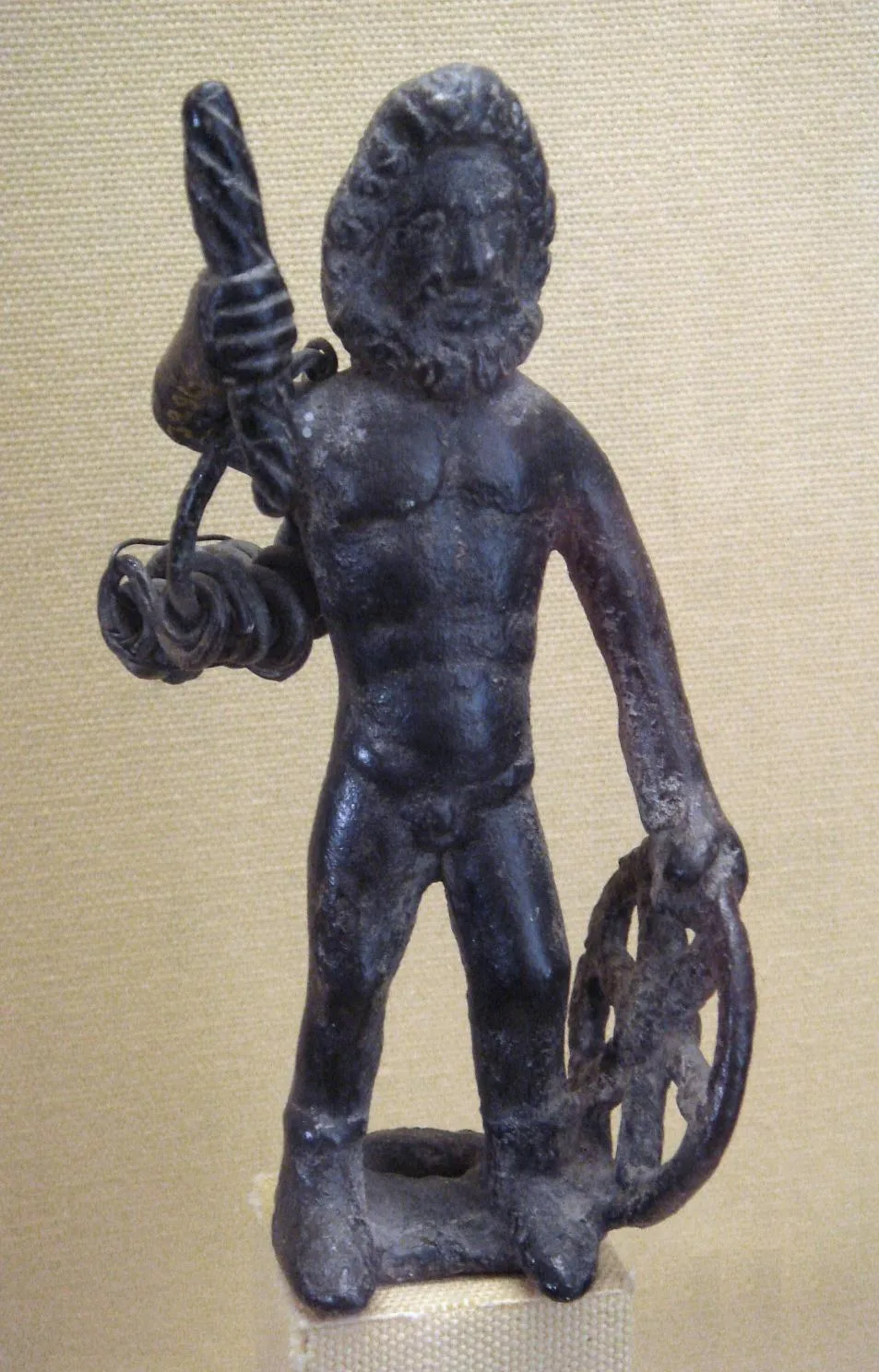
Taranis (with Celtic wheel and thunderbolt), Le Chatelet, Gourzon, Haute-Marne, France
Celtic mythology
Celtic mythology is the body of myths belonging to the polytheistic Celtic peoples, largely preserved in oral lore by the Insular Celts.
Monastic Preservation of Pagan Memory
Gaelic oral traditions relied almost entirely on Christian monks to transition into written literature. Early Gaels employed Ogham script strictly for brief notations like personal names, leaving extended narrative records nonexistent until the arrival of the church. Medieval scribes consequently preserved these vast mythological cycles while simultaneously reshaping or expelling their original religious significance.
From Wikipedia · CC BY-SA 4.0
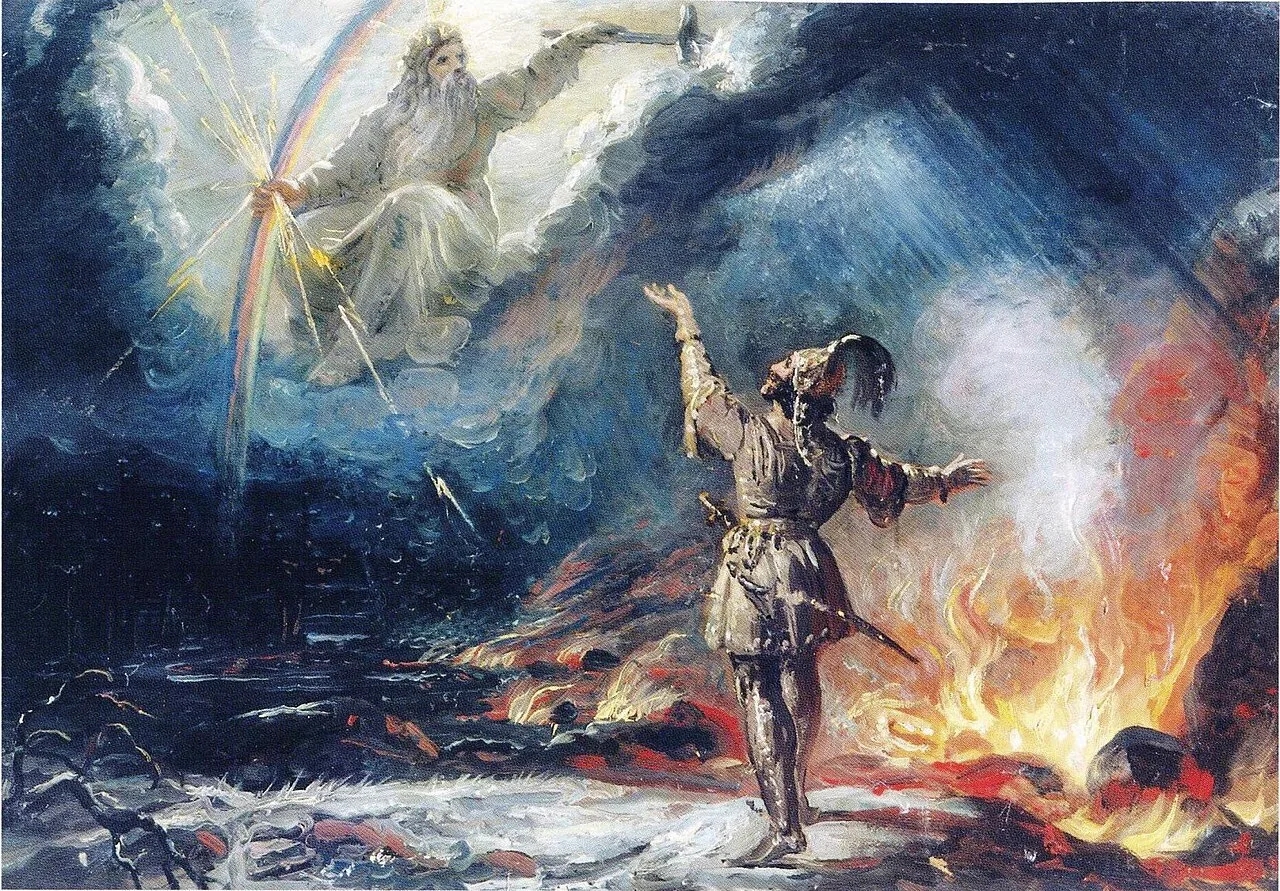
Painting by Robert Ekman in 1867 called Lemminkäinen tulisella järvellä ("Lemminkäinen on the Fiery Lake") where Lemminkäinen asks help from Ukko, the God of Thunder, with crossing the lake in fire on his route to the wedding at Pohjola.
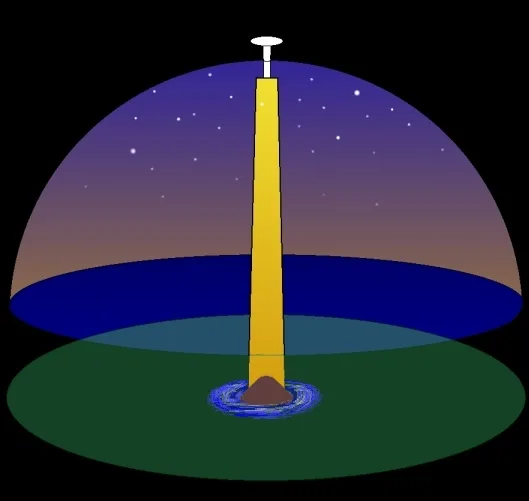
Structure of the world, according to Finnish mythology.
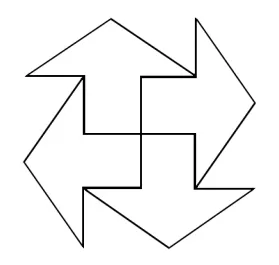
Tursaansydän
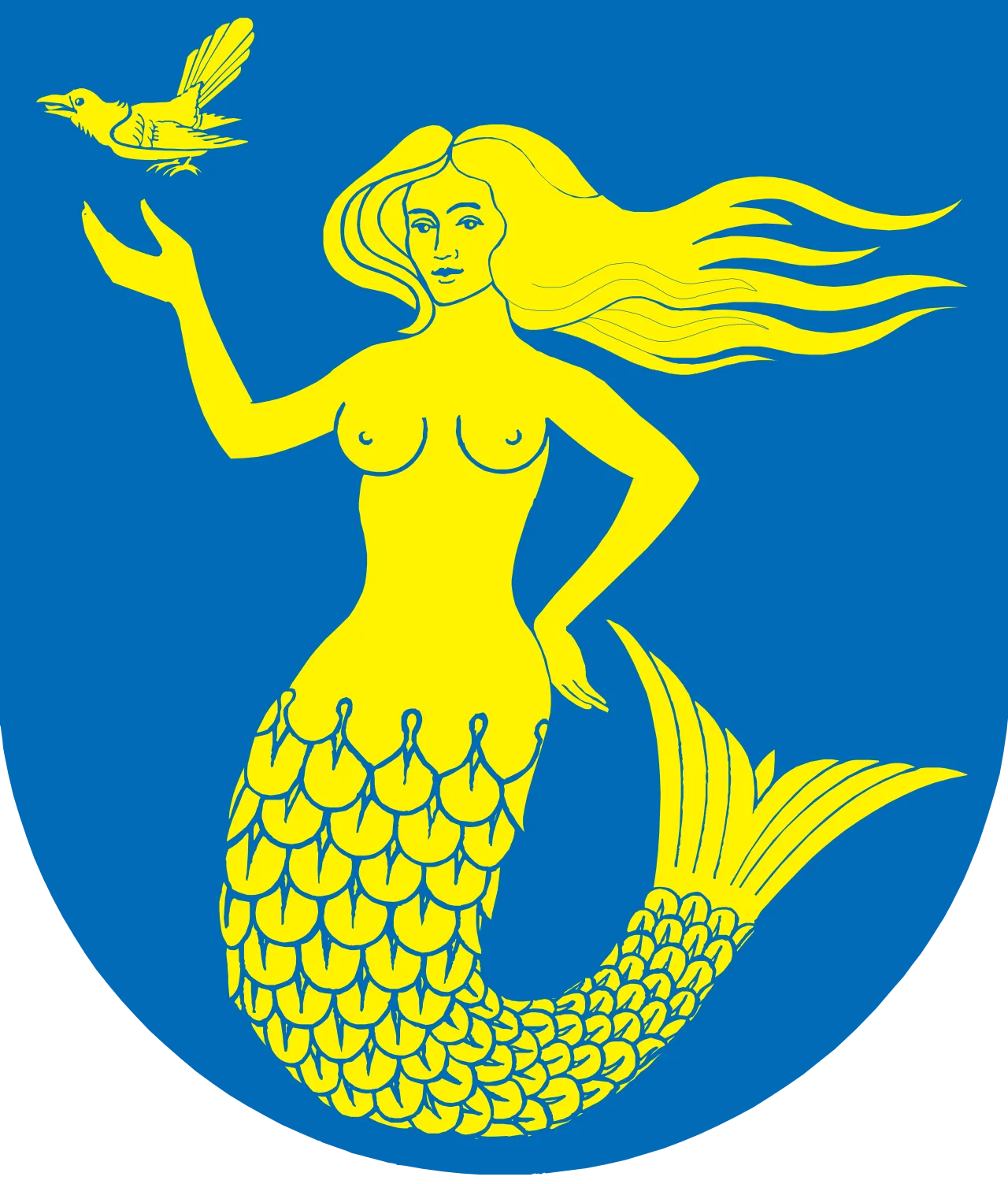
Vellamo, the wife of Ahti and the goddess of water, pictured as a mermaid in the coat of arms of Päijät-Häme.
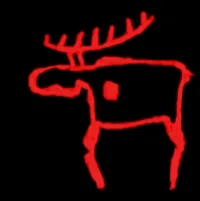
Venesarvinen hirvi
Finnish mythology
Finnish mythology refers to the folklore of Finnish paganism, sharing features with Estonian and other Finnic mythologies, as well as Baltic, Slavic, and Norse traditions.
Feasting and Feigning Innocence for the Sacred Bear
Regarded as the sacred embodiment of ancestors rather than an outright god, the bear could never be addressed directly. Hunters used circumlocutions such as mesikämmen, otso, and kontio to prevent jeopardizing their hunt. Following a kill, communities staged the peijaiset feast specifically to convince the bear's spirit that its death was an accident rather than a murder, afterwards hoisting its skull onto a pine tree to enable its return to the heavens.
From Wikipedia · CC BY-SA 4.0
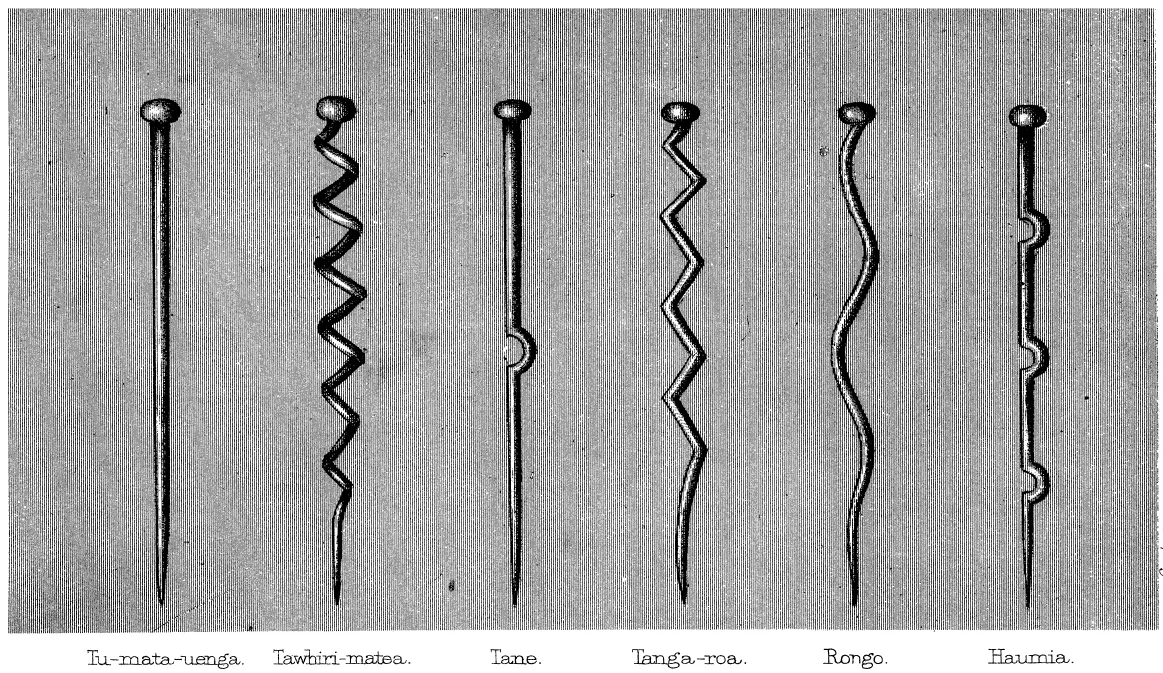
Six major departmental atua represented by wooden godsticks: left to right, Tūmatauenga, Tāwhirimātea, Tāne Mahuta, Tangaroa, Rongo-mā-Tāne, and Haumia-tiketike
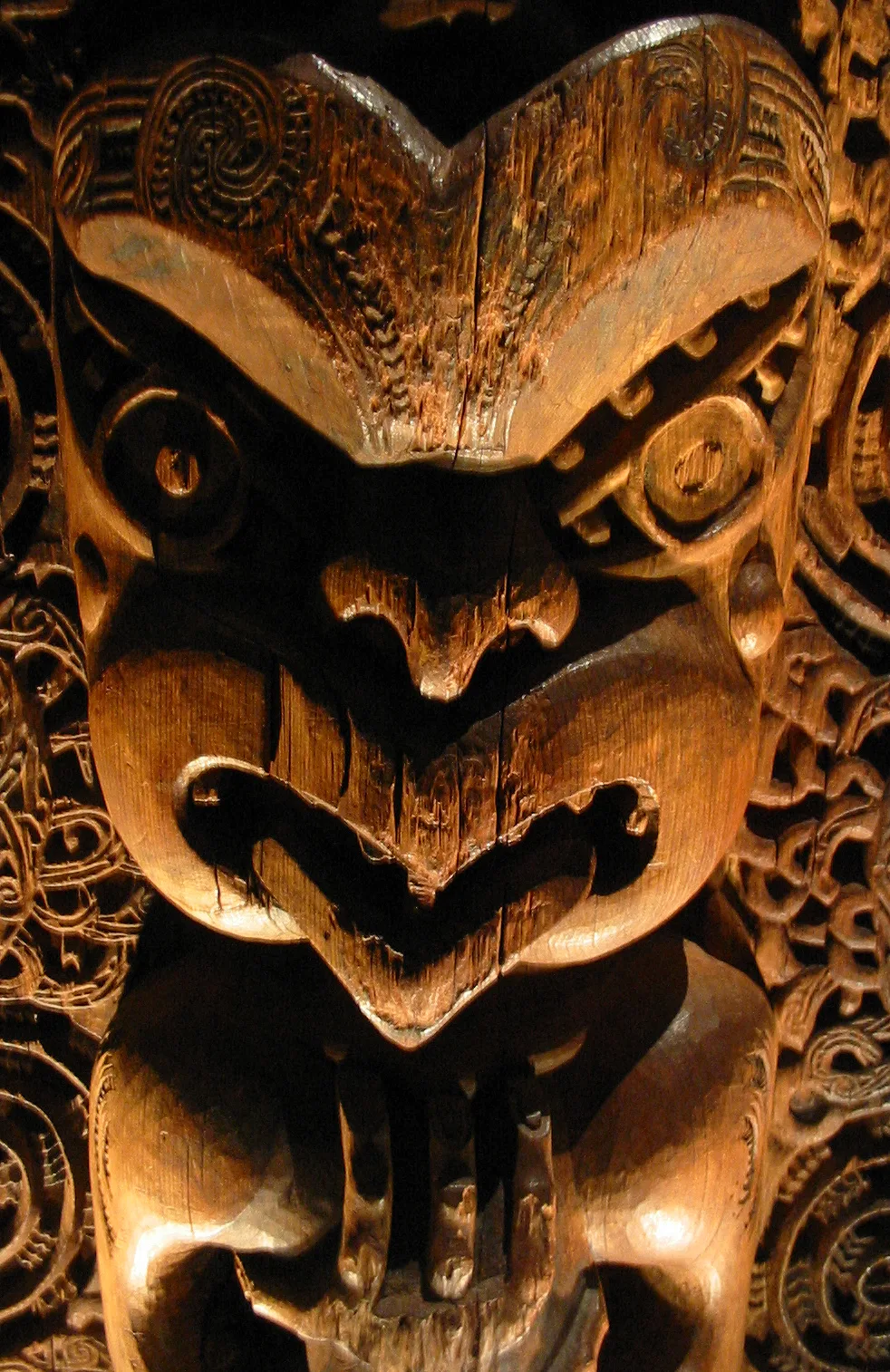
Detail from a ridgepole (tāhūhū) in a Ngāti Awa wharenui. Believed to represent one of two ancestors: Tūwharetoa or Kahungunu.
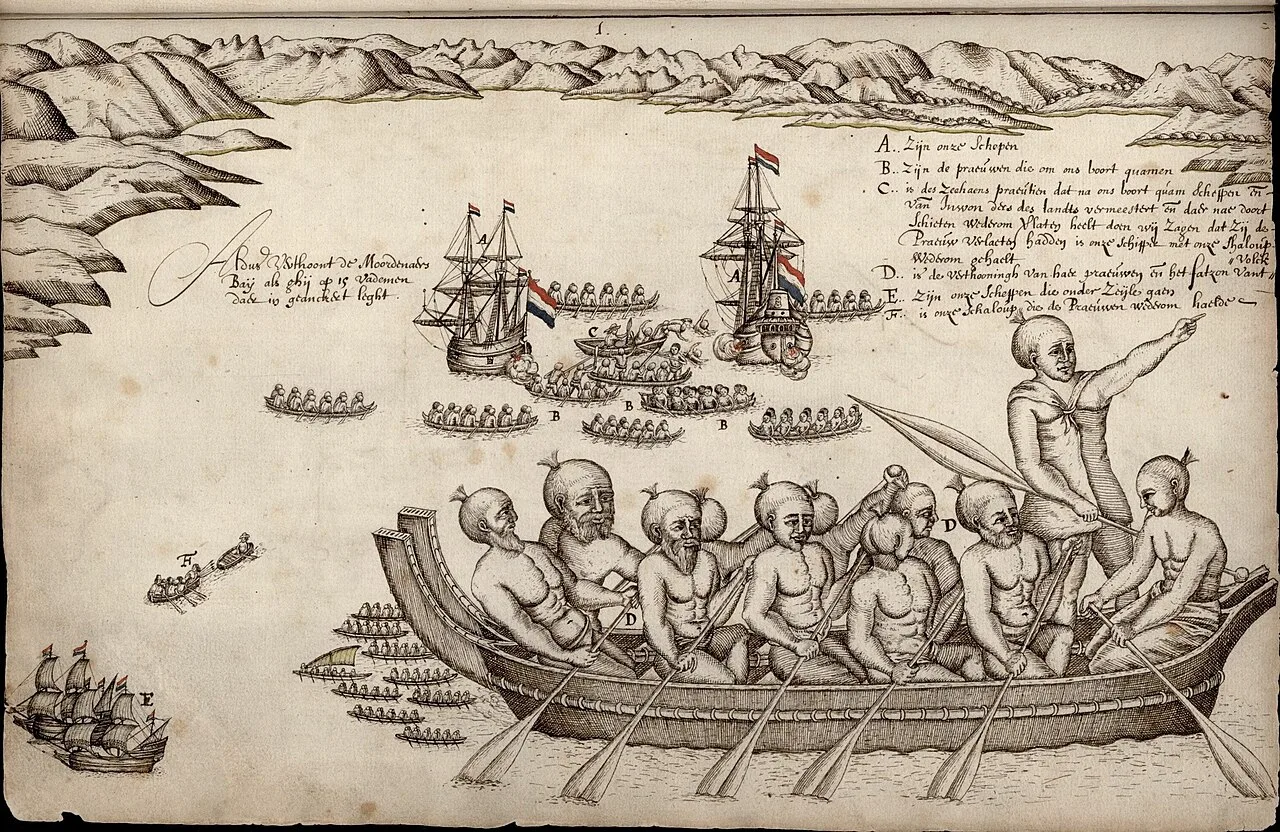
First European impression of (Ngāti Tūmatakōkiri) Māori, at Murderers' Bay, 1642.
Māori mythology
Māori mythology and traditions form the remote oral history of New Zealand's Māori, explaining their origins, connections to the world, and legendary forebears.
Genealogy as a Legal Right to Narrate
Whakapapa operated as far more than a passive lineage record, functioning as an active temporal spine that bound living communities directly to gods and legendary ancestors. Reciting these lineages established a unified chronological framework bridging ancient cosmological events with the historical present. Crucially, tracing an exact genealogical link gave the storyteller the recognized authority and right to recount an ancestor's deeds.
From Wikipedia · CC BY-SA 4.0