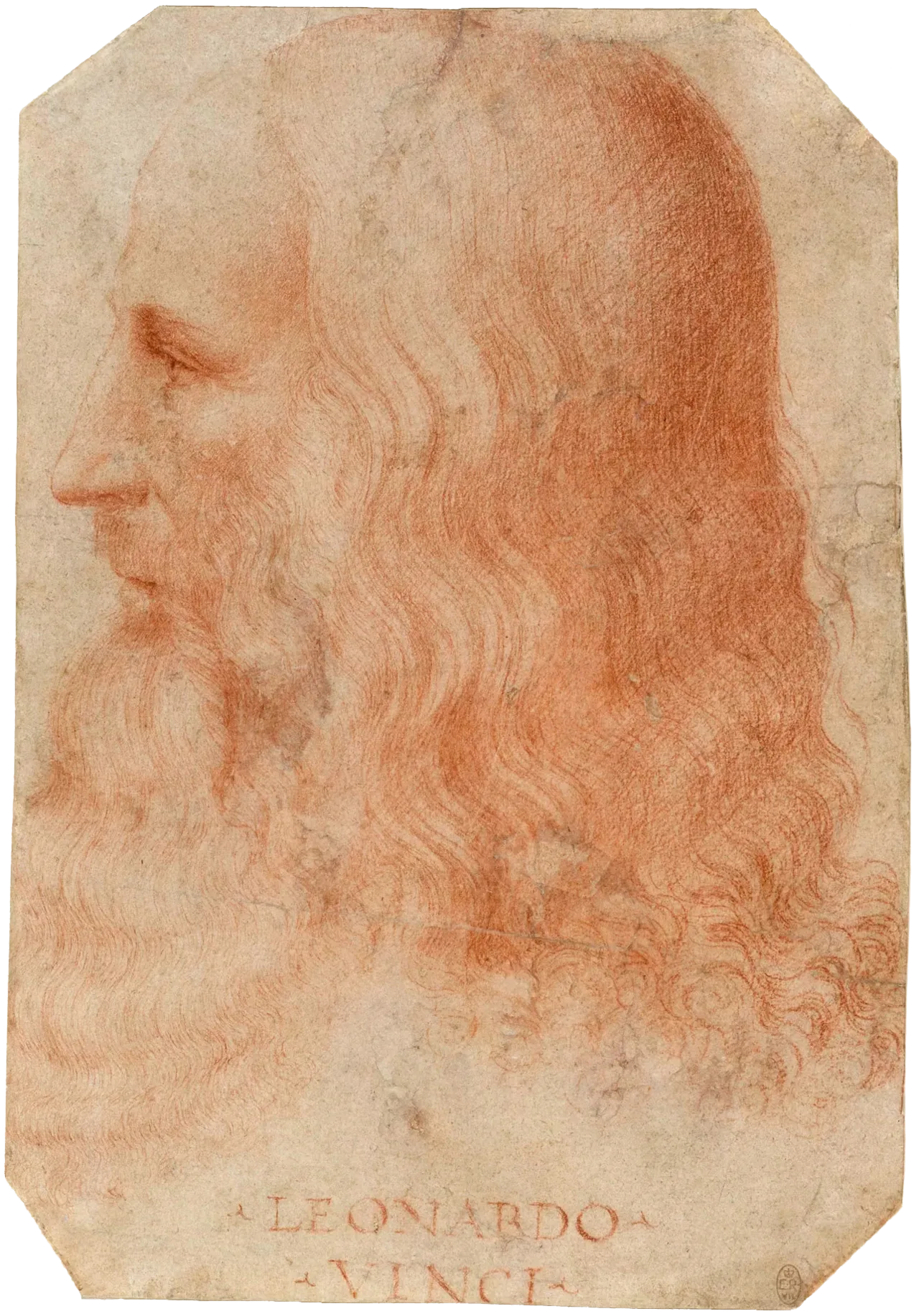
Francesco Melzi - Portrait of Leonardo

Signature written in ink in a flowing script
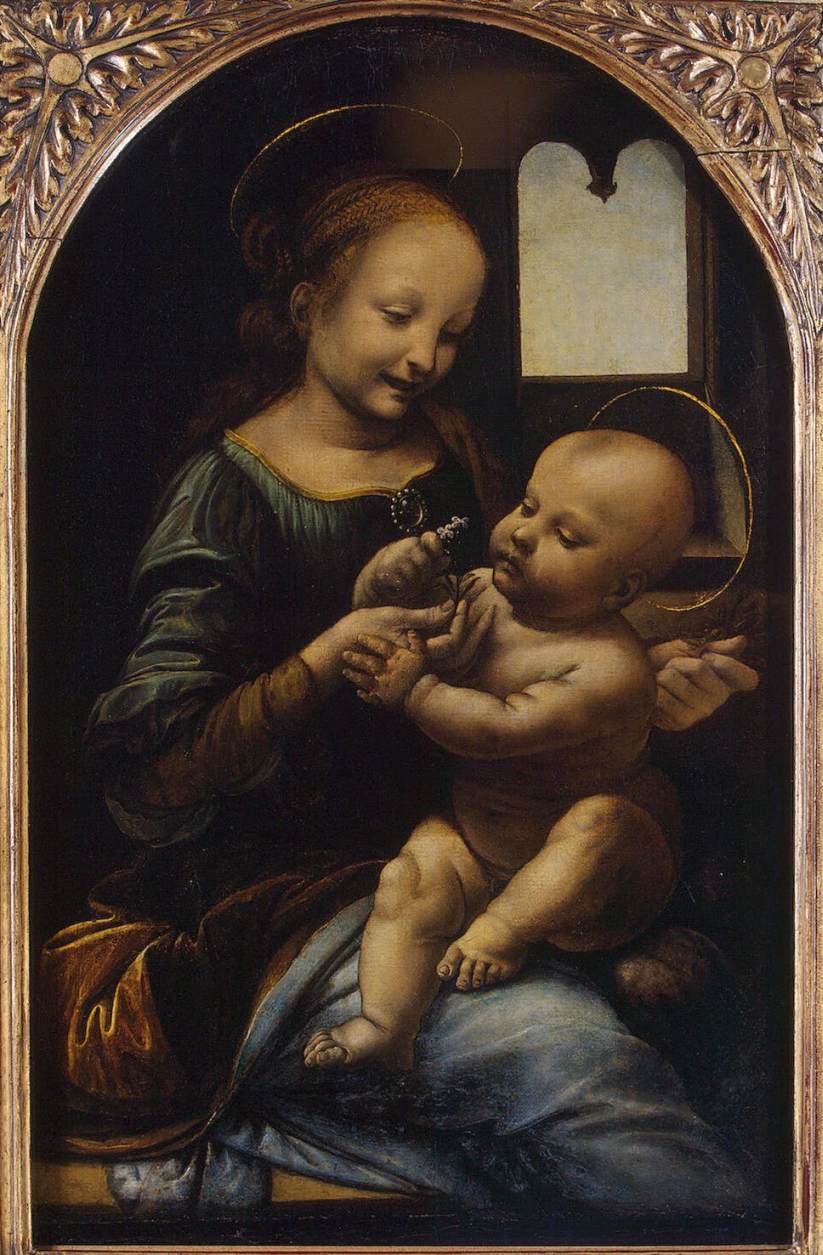
Benois Madonna, c. 1478–1481, Hermitage, Saint Petersburg
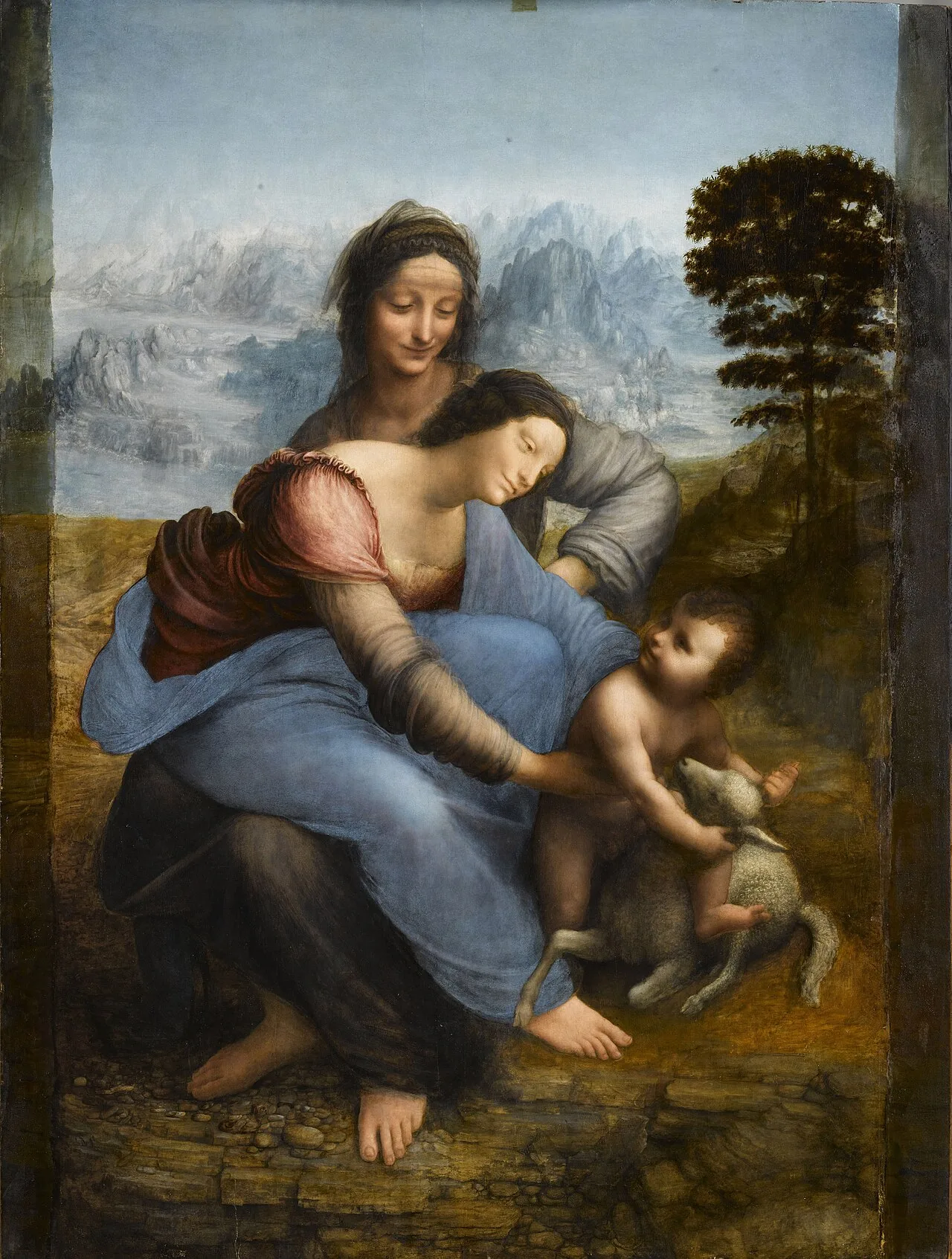
The Virgin and Child with Saint Anne, c. 1501–1519, Louvre, Paris
![Saint John the Baptist c. 1507–1516,[d 3] Louvre. Leonardo is thought to have used Salaì as the model.[97]](https://nwjvzop1xgplmzvt.public.blob.vercel-storage.com/wikifeed/leonardo-da-vinci/4-96cbdf897e.webp)
Saint John the Baptist c. 1507–1516,[d 3] Louvre. Leonardo is thought to have used Salaì as the model.[97]
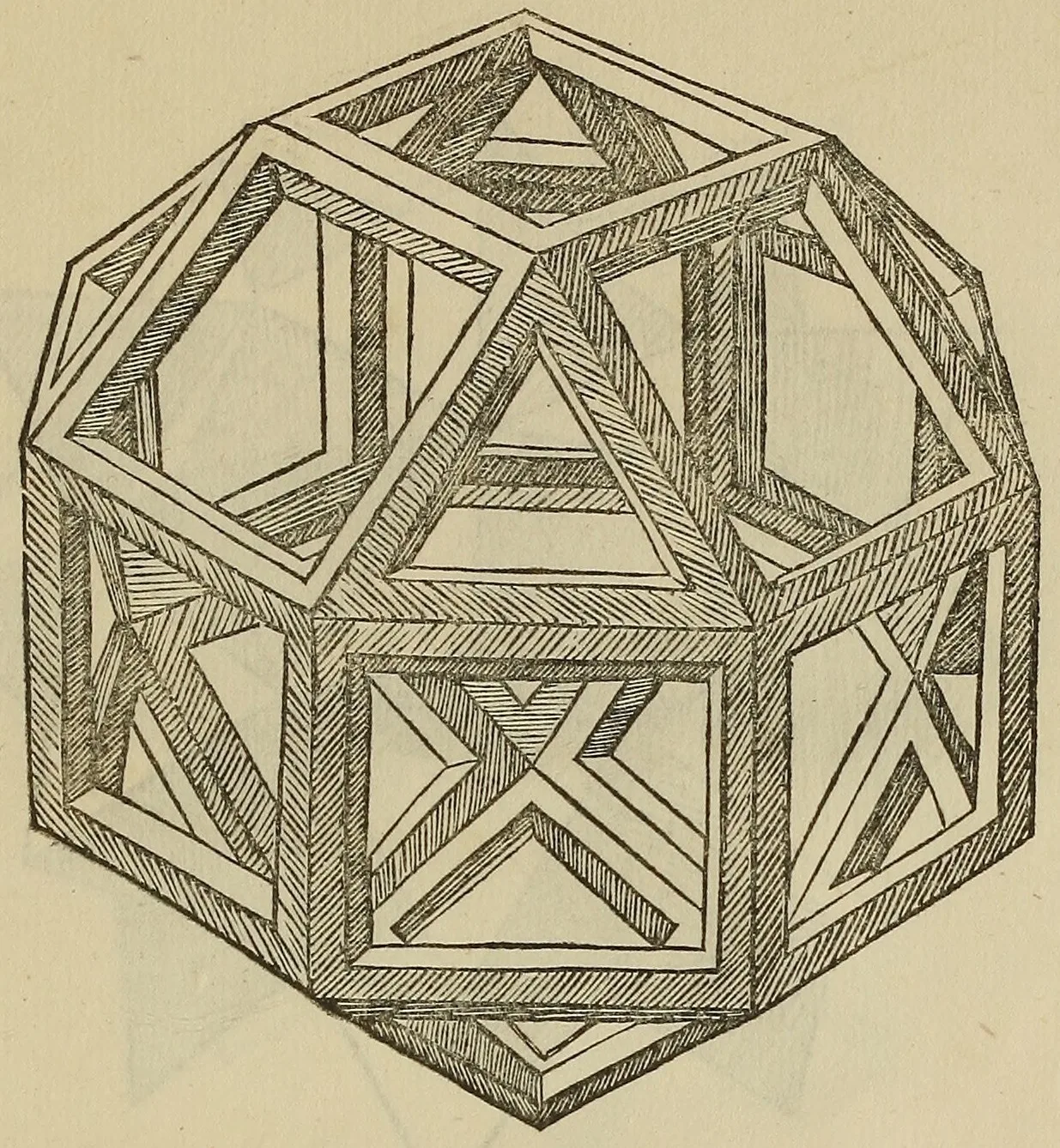
Rhombicuboctahedron as published in Pacioli's Divina proportione (1509)
Leonardo da Vinci
Leonardo da Vinci was an Italian High Renaissance polymath active as a painter, draughtsman, engineer, scientist, theorist, sculptor, and architect.
Hidden Roots of Celebrated Inventions
Popular culture views Leonardo as an isolated technological prophet, but historical analysis reframes many of his devices as syntheses of earlier traditions. Investigations show older prototypes for more than 100 inventions ascribed to him across medieval, Egyptian, and Chinese records. His distinct talent lay in recombining previous drafts into cohesive illustrations demonstrating functional utility.
From Wikipedia · CC BY-SA 4.0
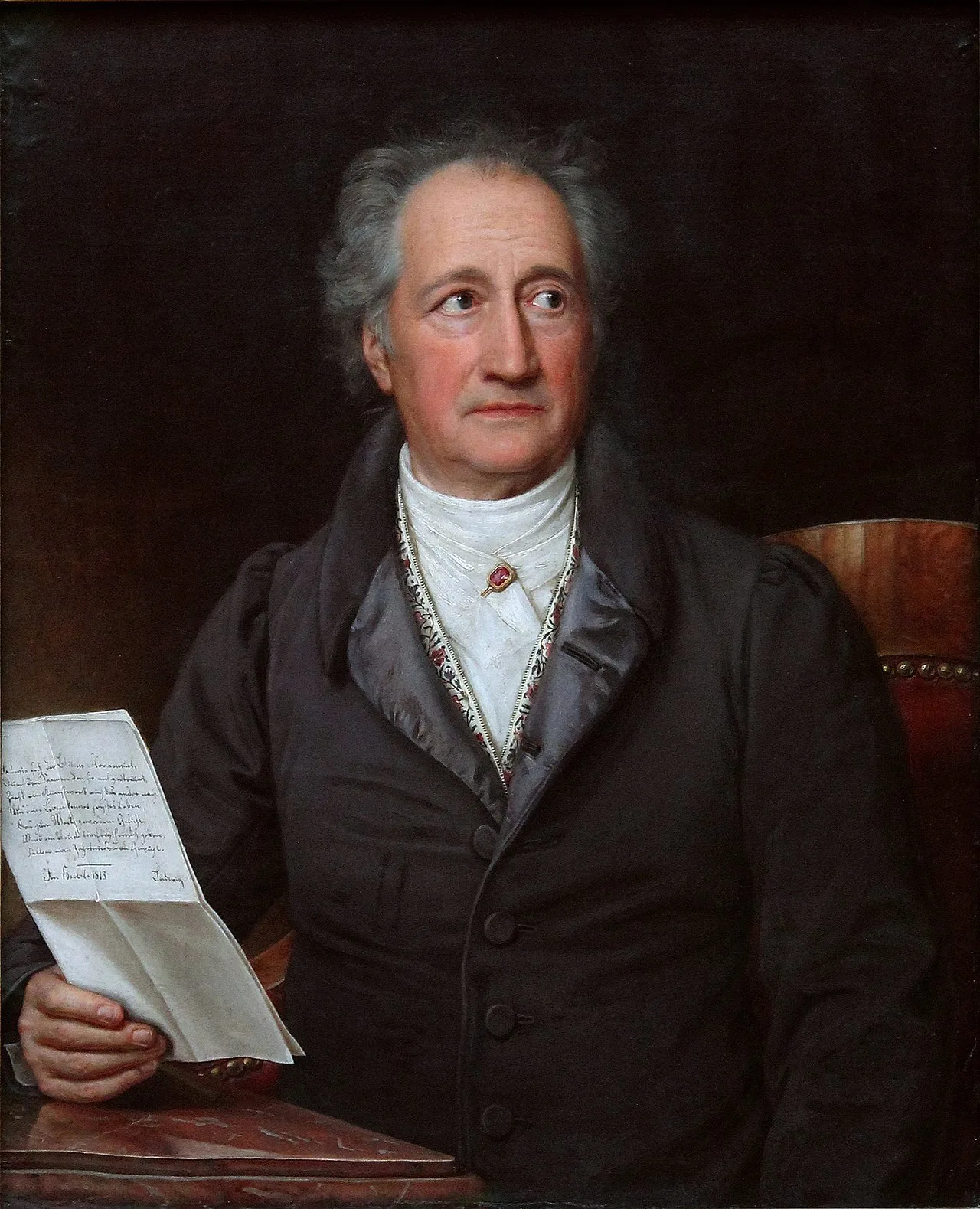
Portrait by Joseph Karl Stieler, 1828
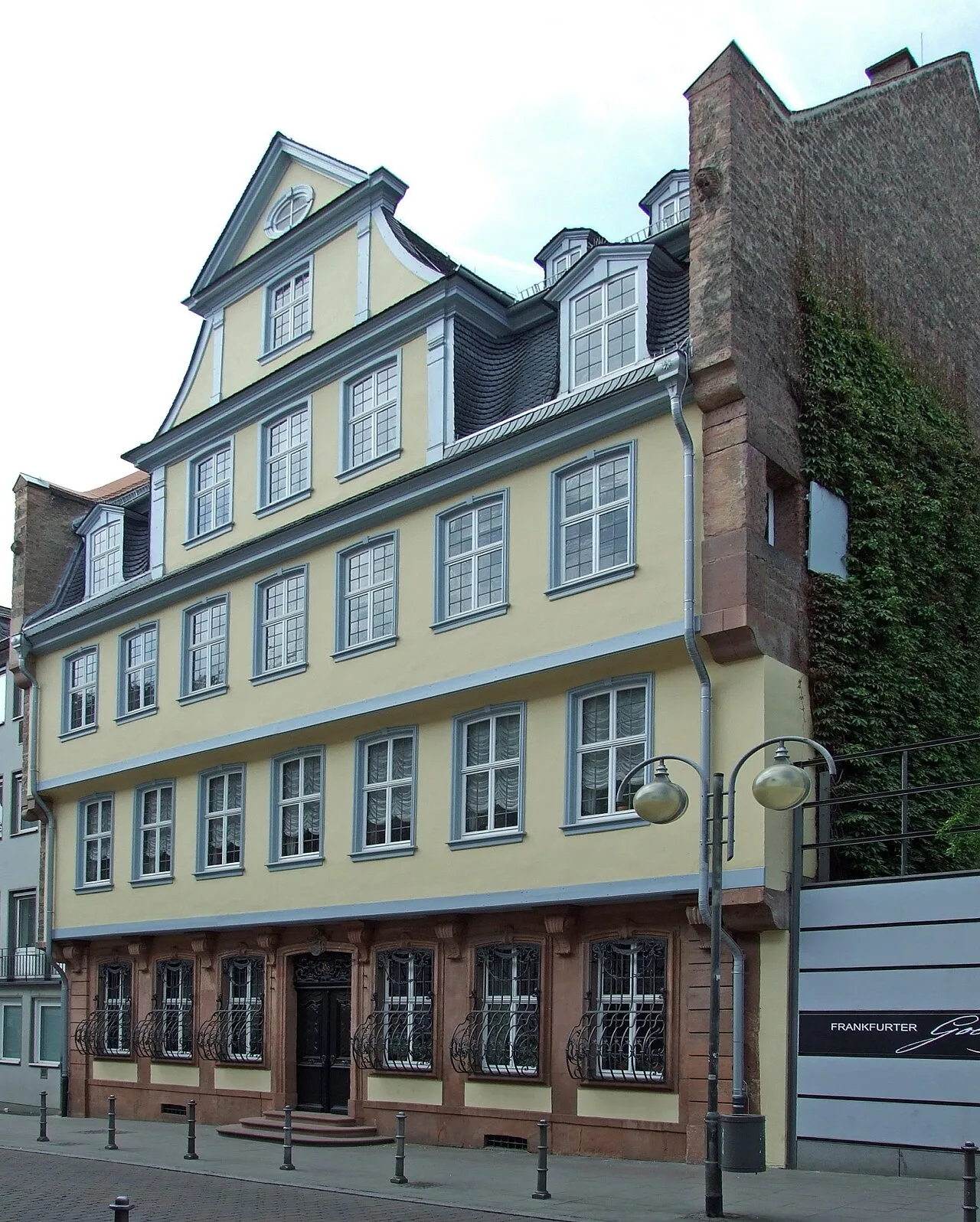
Goethe's birthplace in Frankfurt (Großer Hirschgraben)
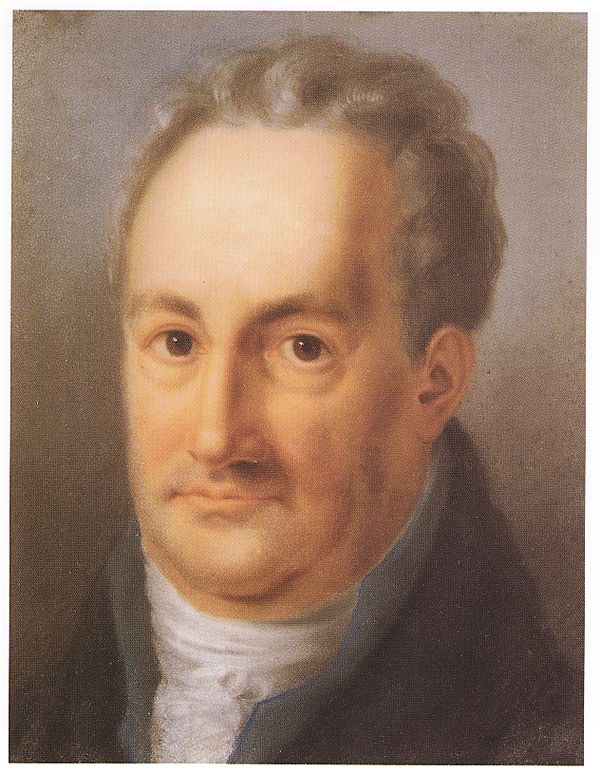
Goethe, by Luise Seidler (Weimar 1811)
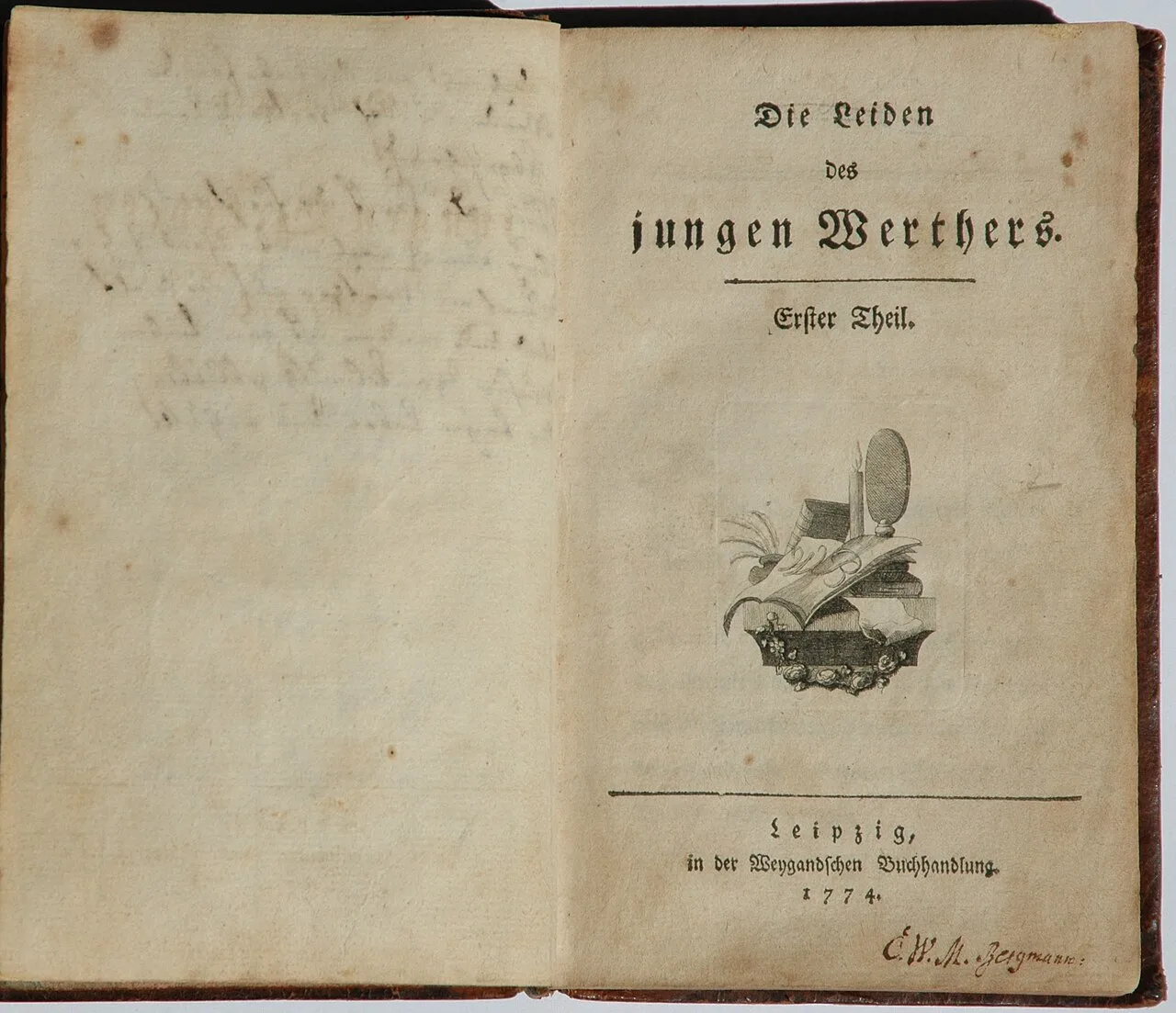
First edition of The Sorrows of Young Werther
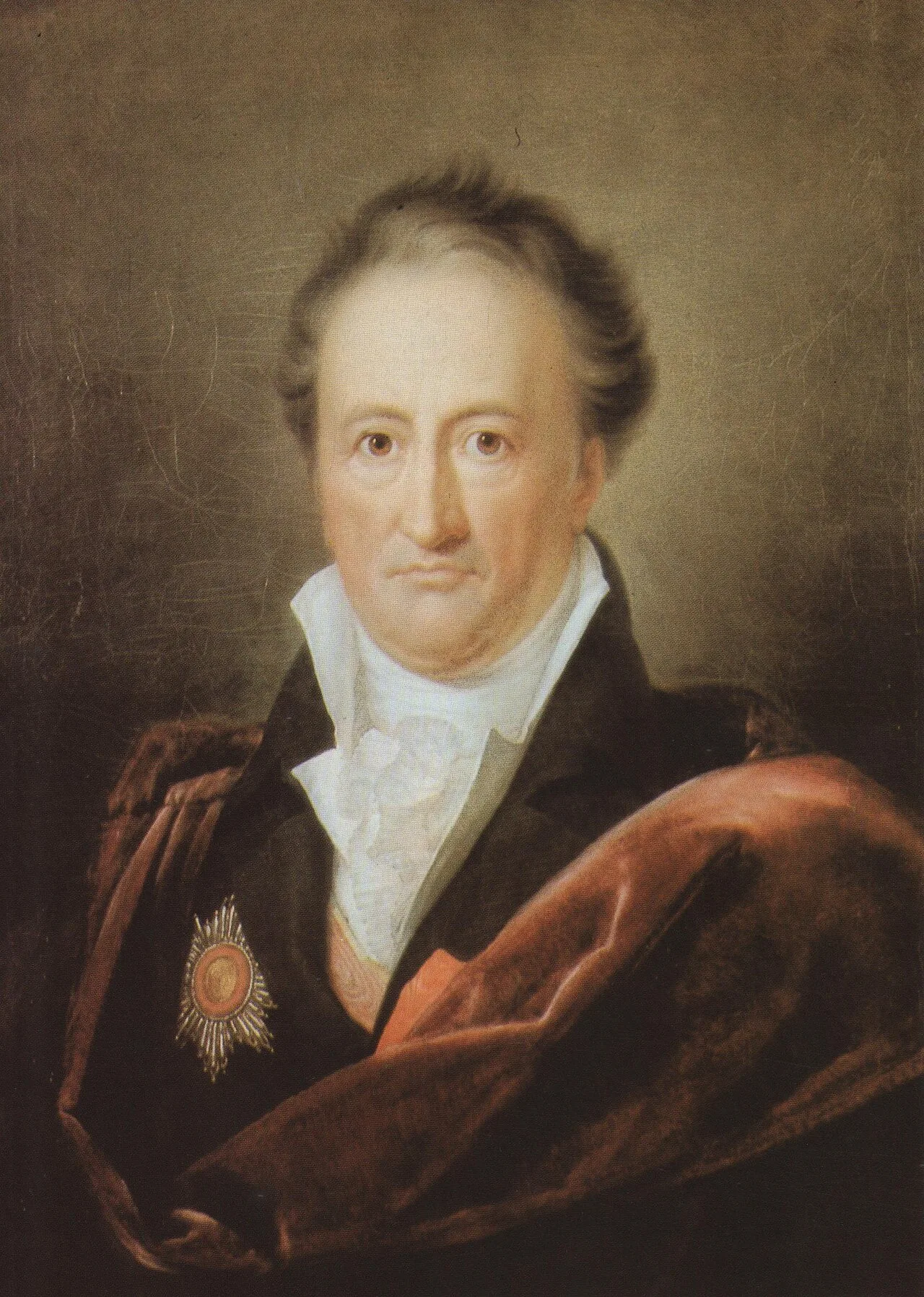
Goethe in 1810. Gerhard von Kügelgen
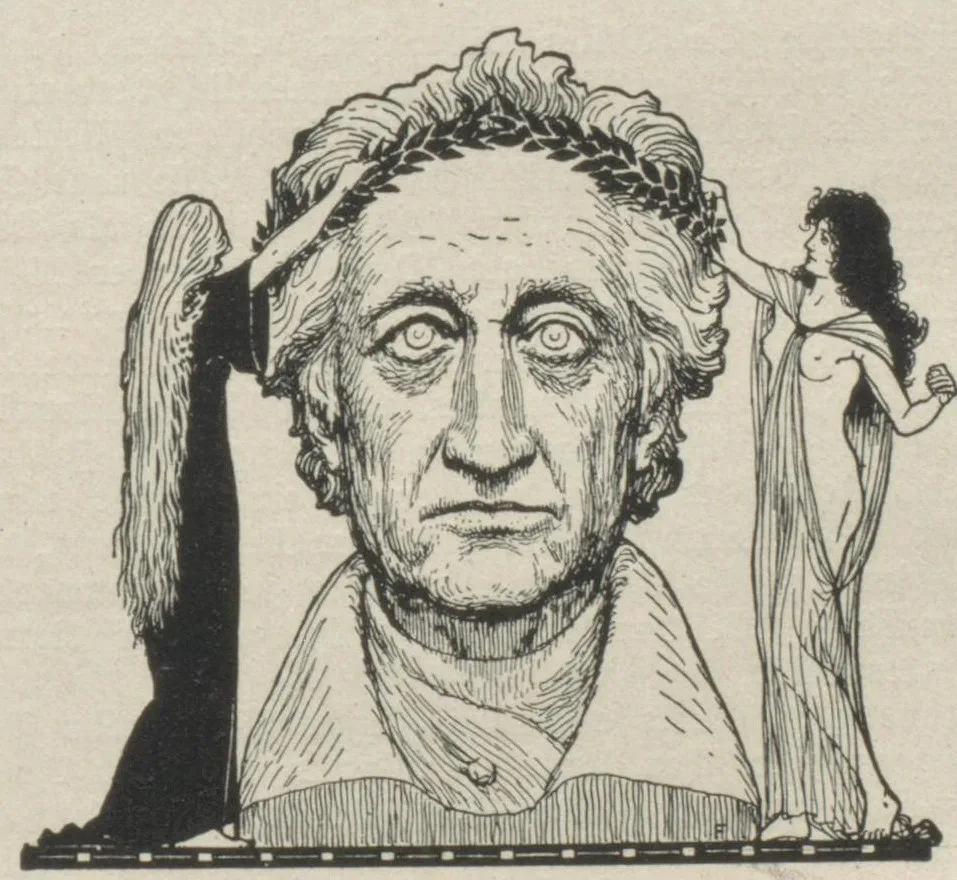
Illustration of Goethe as a classical poet by Fidus (1901)
Johann Wolfgang von Goethe
Johann Wolfgang von Goethe was an influential German polymath, writer, and statesman whose works spanned poetry, drama, aesthetic criticism, and science.
The Abrupt Collapse of a Frankfurt Legal Practice
In August 1771, Goethe obtained his Licentiate in Law from Strasbourg and established a small legal practice in Frankfurt. He aspired to make jurisprudence more humane, but an aggressive approach in his initial cases caused him to be reprimanded. Having rapidly lost clientele, he abandoned the profession within months, allowing his focus to turn toward creative literature.
From Wikipedia · CC BY-SA 4.0
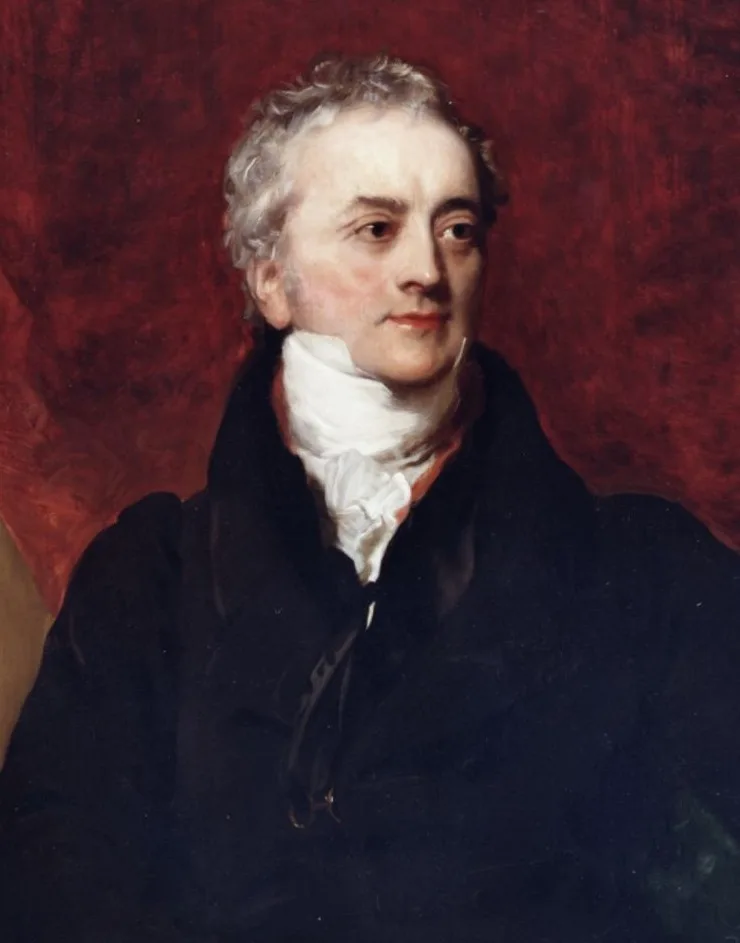
Thomas Young by Briggs cropped
Young Thomas signature
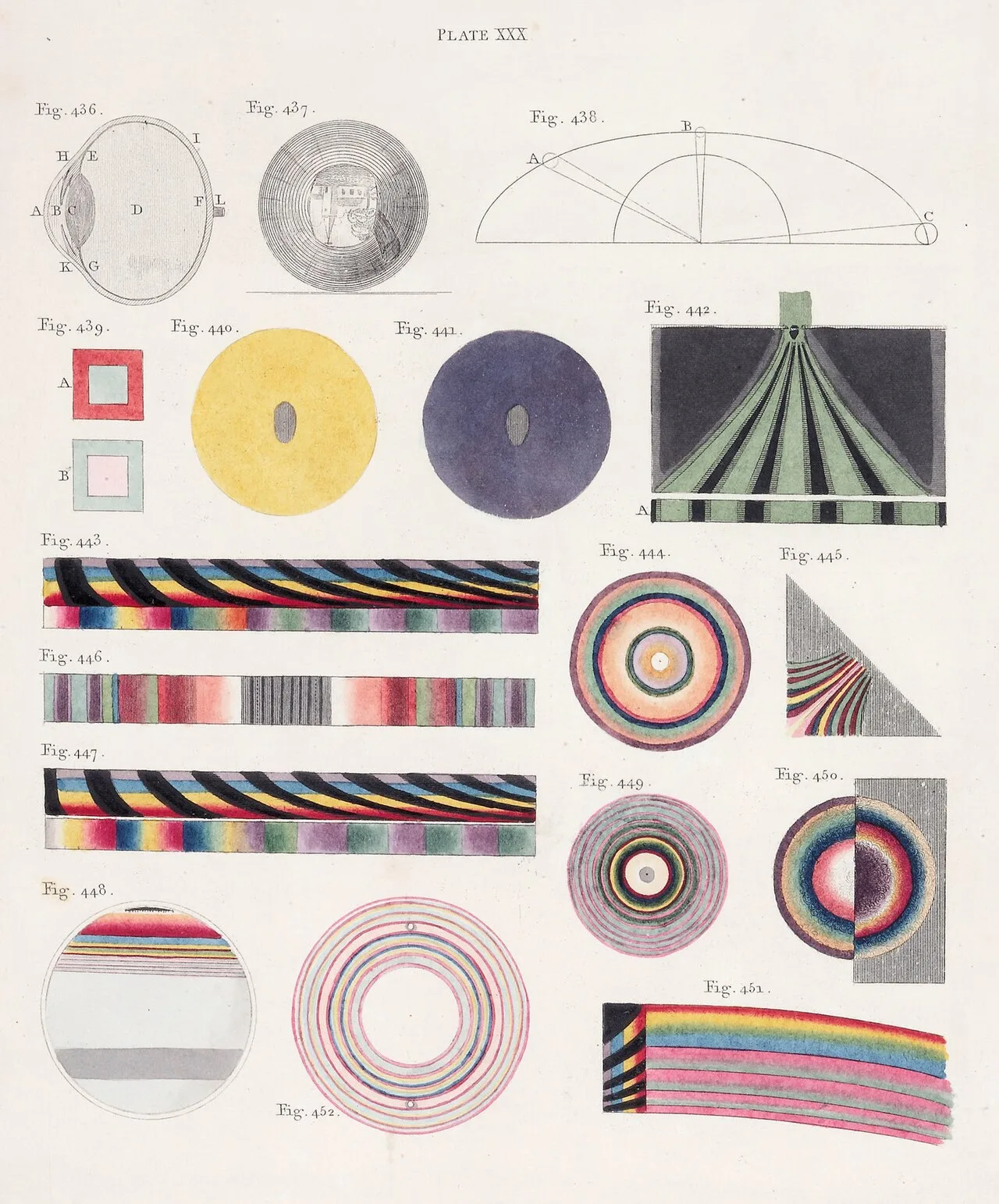
Plate from "Lectures" of 1802 (RI), published 1807
Young's Mathematical Elements of Natural Philosophy
Thomas Young (scientist)
Thomas Young was a British polymath who contributed to multiple fields of science and was instrumental in deciphering Egyptian hieroglyphs on the Rosetta Stone.
From Multilingual Youth to Naming Indo-European
By the age of 14, Young had mastered languages ranging from Greek and Latin to Persian and Turkish. In 1813, he synthesized these comparative studies by introducing the term Indo-European languages. This classification came 165 years after Marcus Zuerius van Boxhorn first proposed the language grouping in 1647.
From Wikipedia · CC BY-SA 4.0
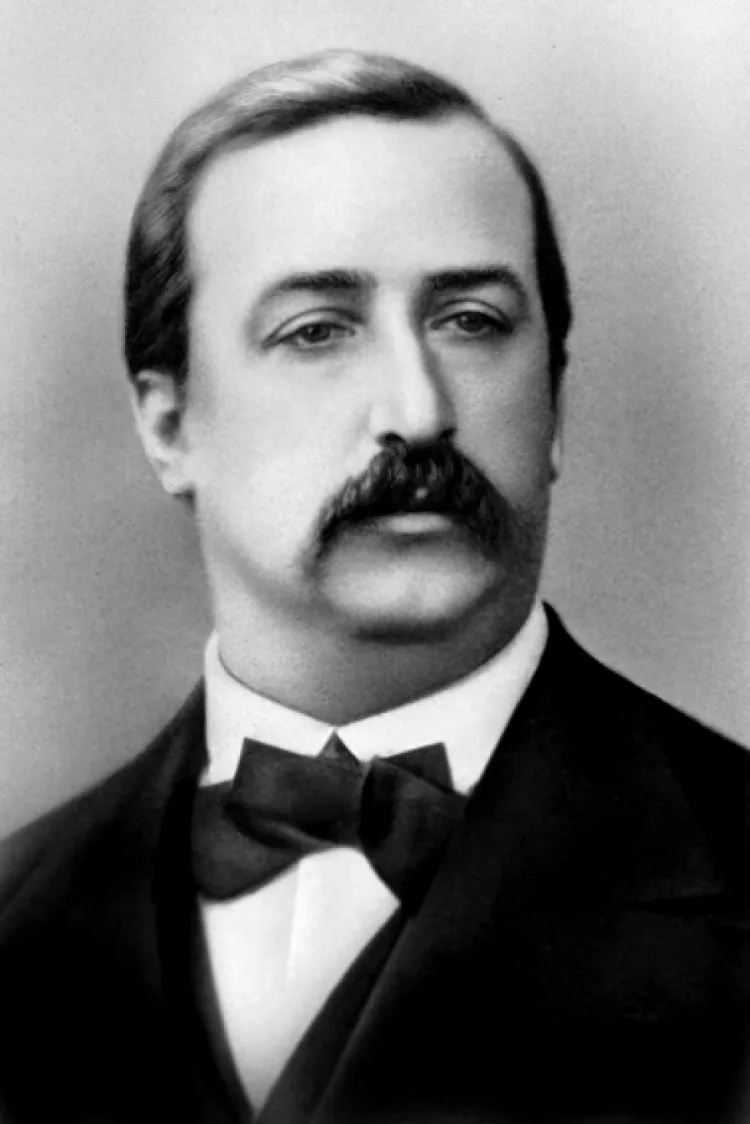
Borodin
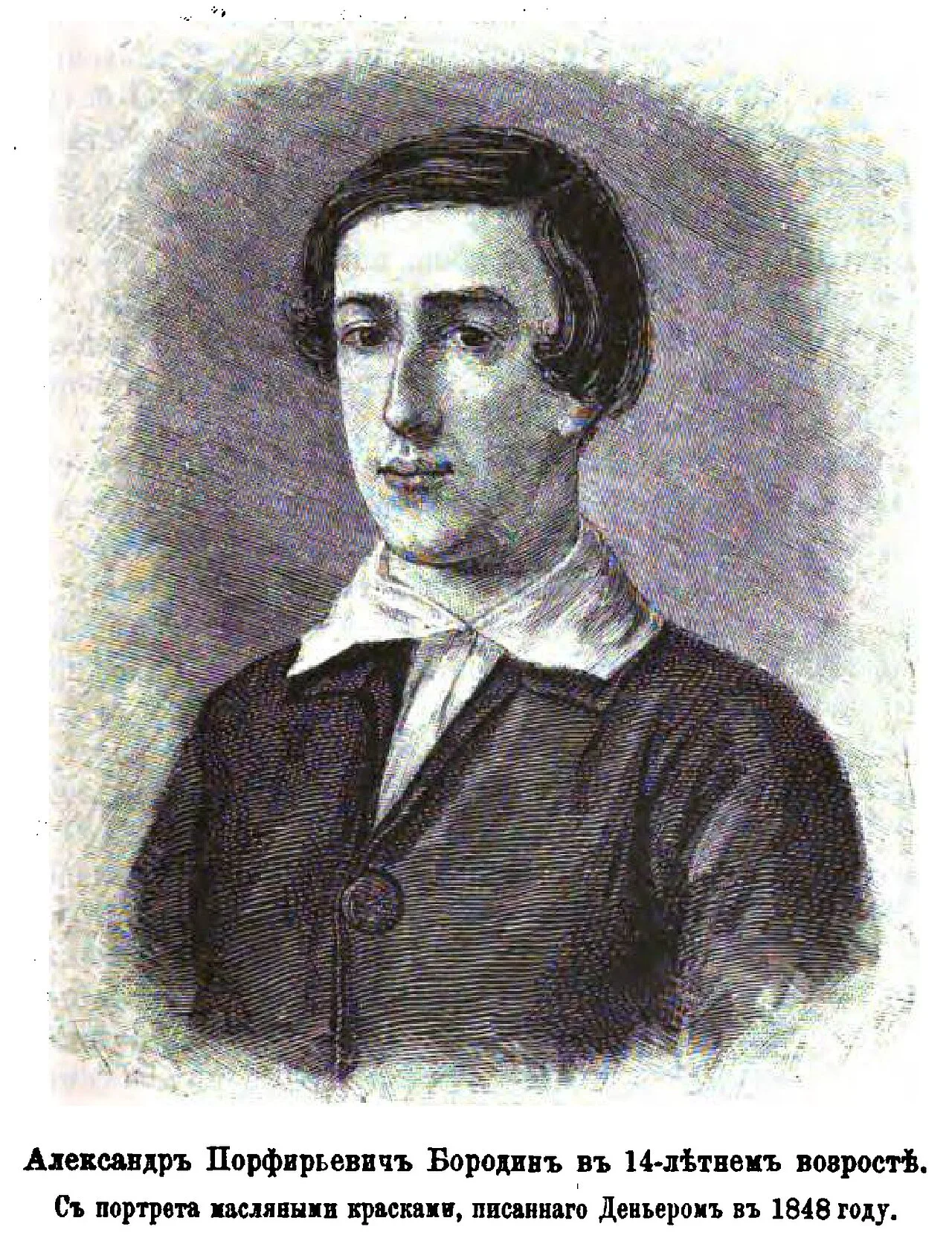
Borodin at the age of 14
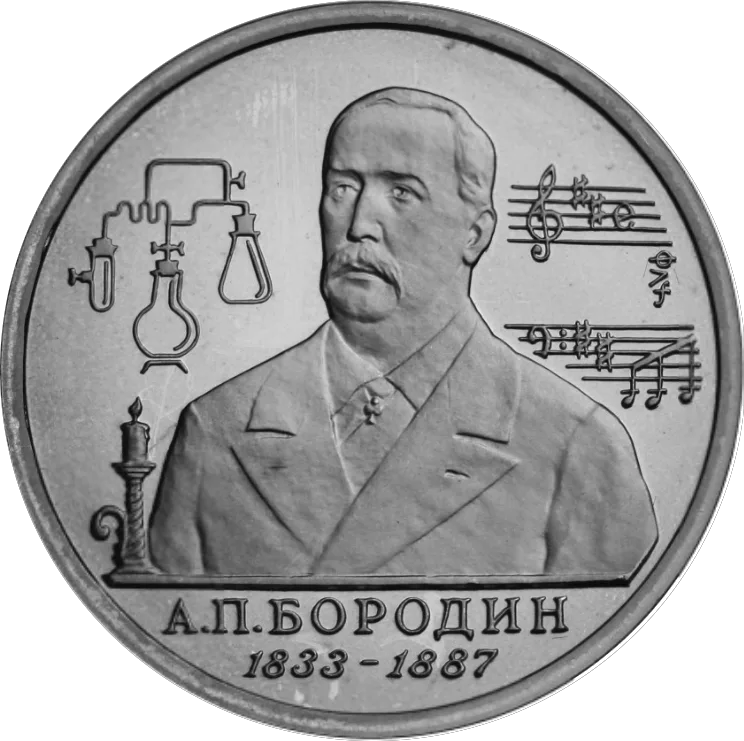
1993 Russian 1 ruble coin commemorating the 160th anniversary of Borodin's birth
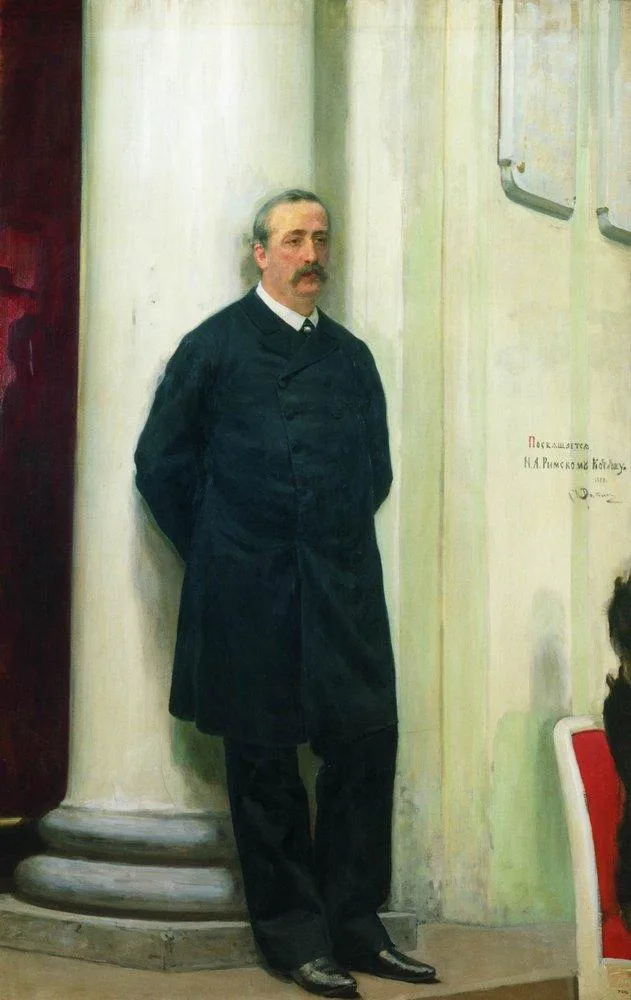
Portrait of Borodin by Ilya Repin, 1888
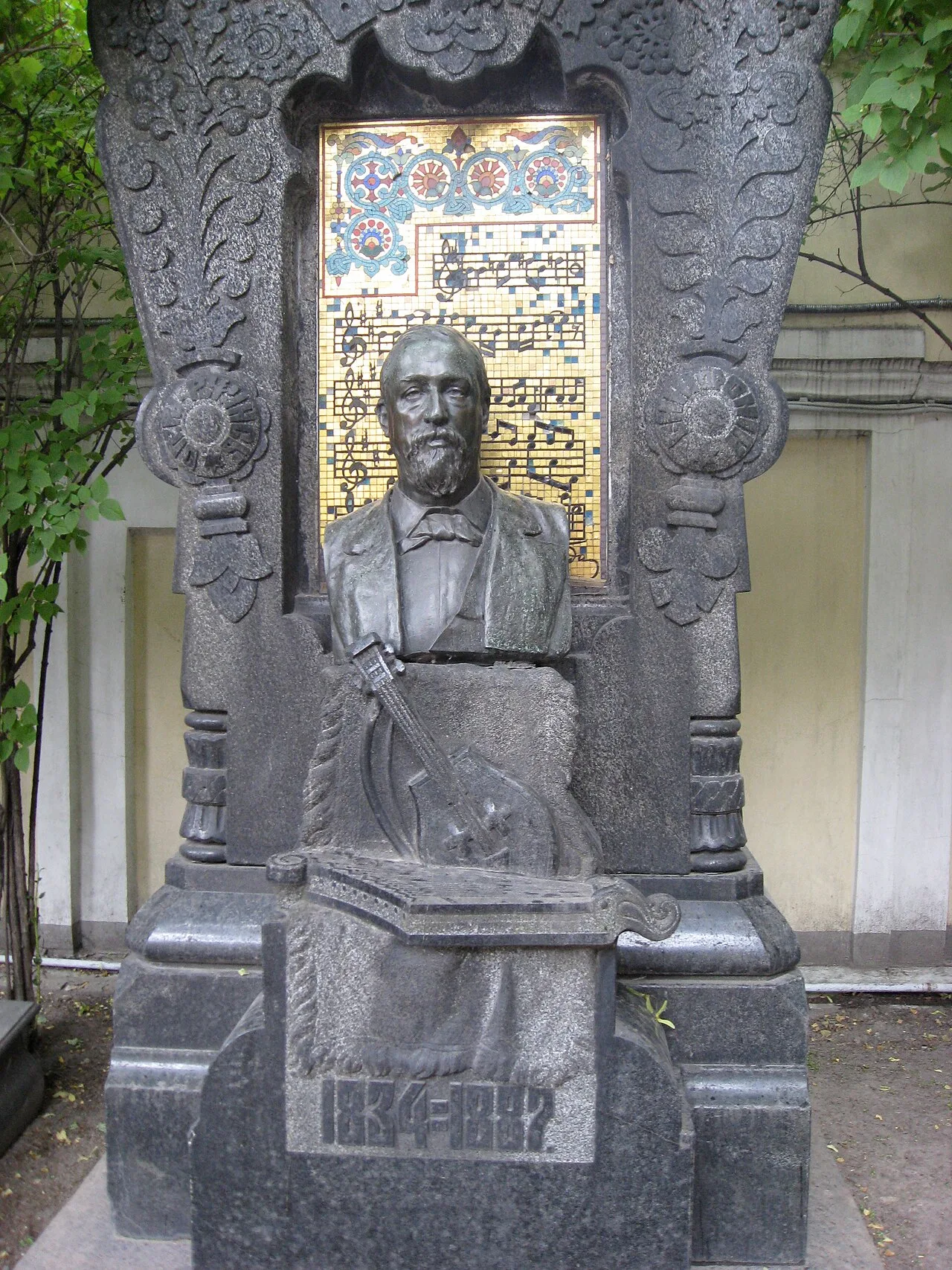
Tomb of Borodin in Tikhvin Cemetery. The musical notation in the background shows themes from Symphony No. 2, the "Gliding Dance of the Maidens" from Polovtsian Dances; "Song of the Dark Forest"; and the "Scherzo" theme from Symphony No. 3.
Alexander Borodin
Alexander Porfiryevich Borodin (1833–1887) was a Russian Romantic composer and chemist, known as a member of The Five and composer of the opera Prince Igor.
Born a Serf to His Own Biological Father
Alexander Borodin entered the world as the illegitimate child of Luka Stepanovich Gedevanishvili, a 62-year-old Georgian nobleman, and 25-year-old Evdokia Konstantinovna Antonova. To manage social expectations, the nobleman officially registered the newborn as the son of Porfiry Borodin, one of his Russian serfs. This legal maneuvering assigned the young composer his permanent Russian last name while formally categorizing him as a serf.
From Wikipedia · CC BY-SA 4.0
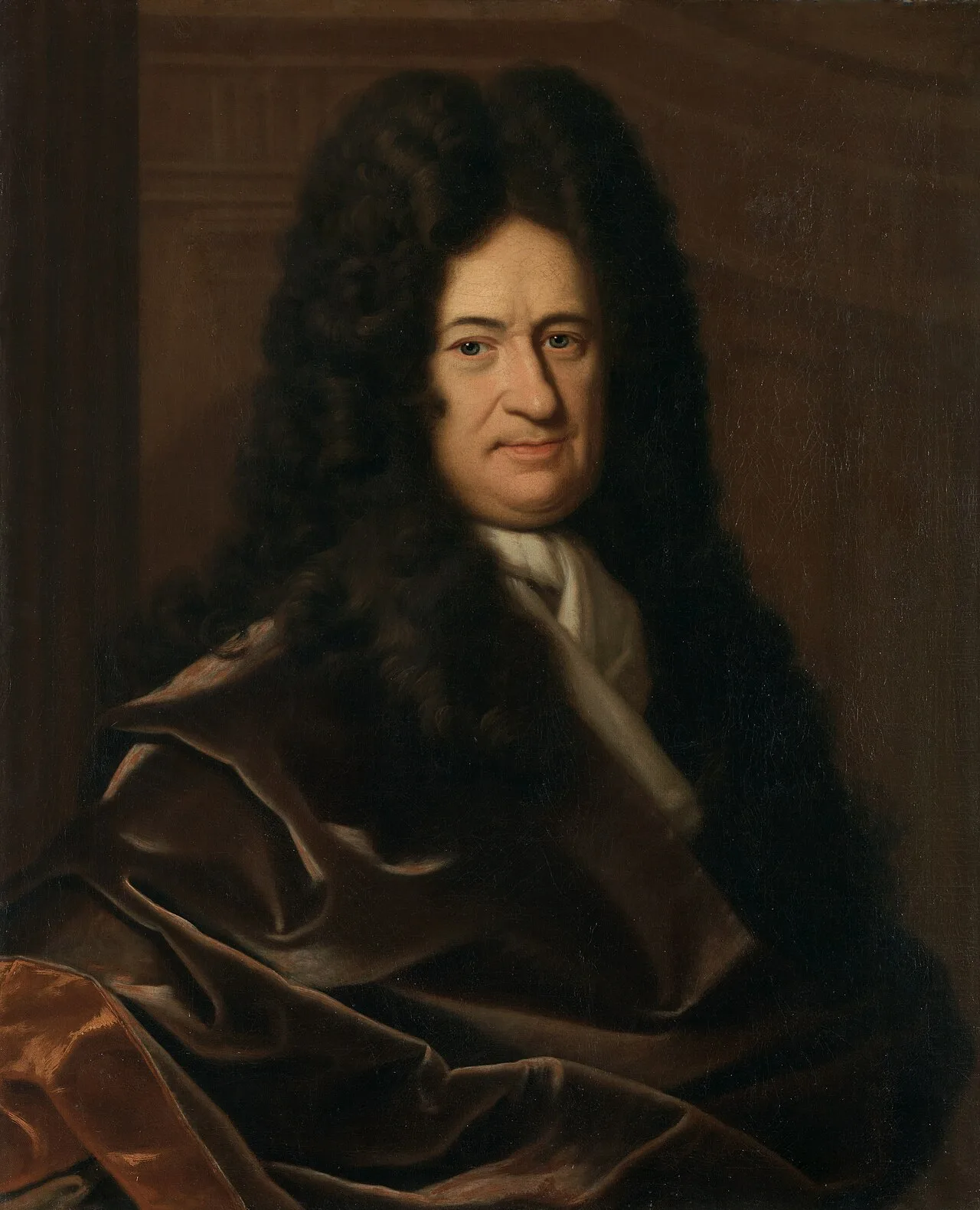
Christoph Bernhard Francke - Bildnis des Philosophen Leibniz (ca. 1695)
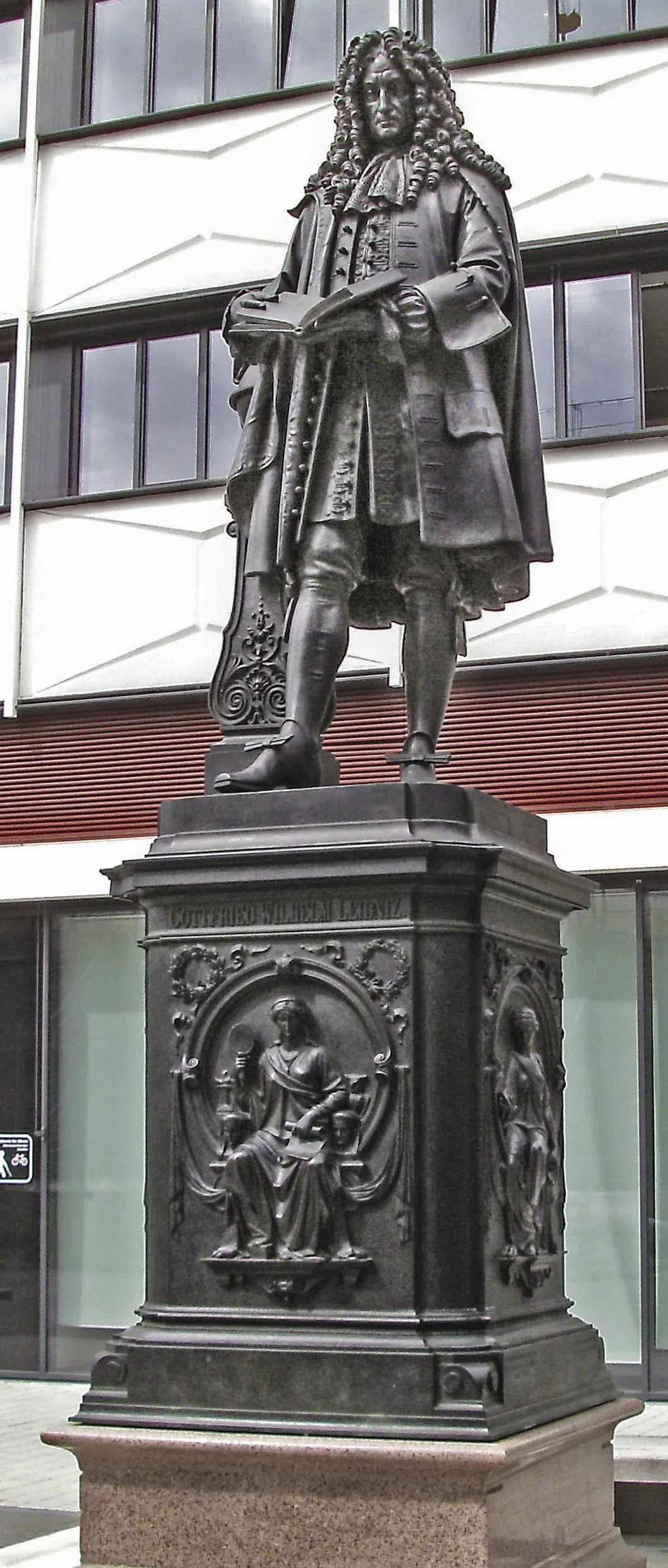
Leibniz monument at Leipzig University
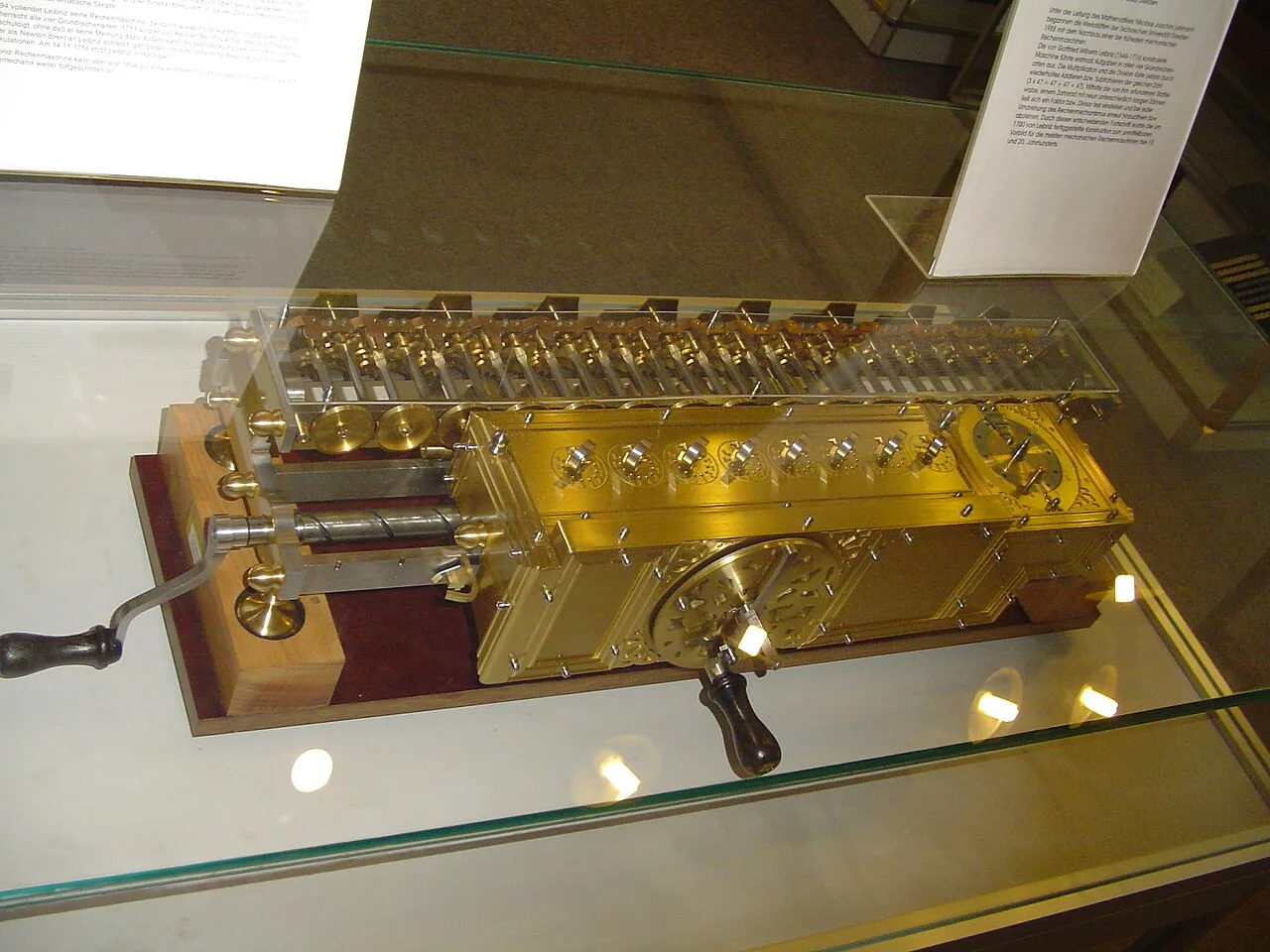
Stepped reckoner
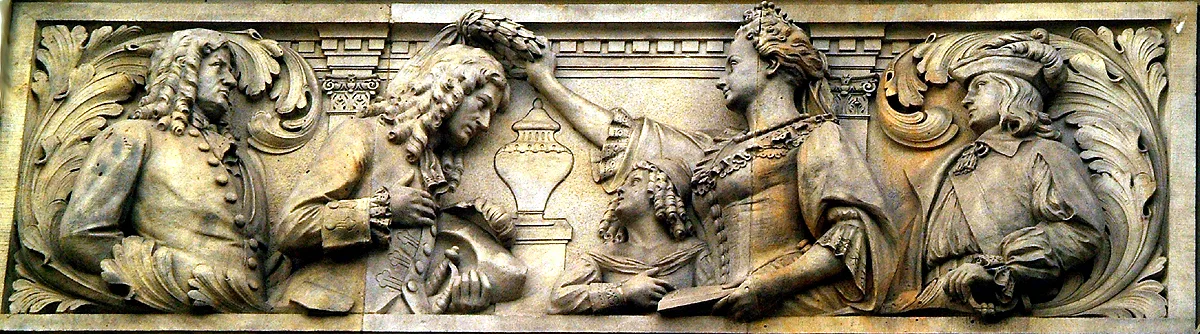
Sophia honours Leibniz symbolically with the laurel wreath in a relief by Karl Gundelach, part of the history frieze on the New Town Hall in Hanover
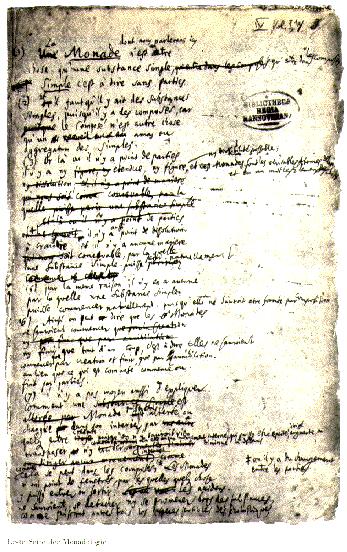
A page from Leibniz's manuscript of the Monadology
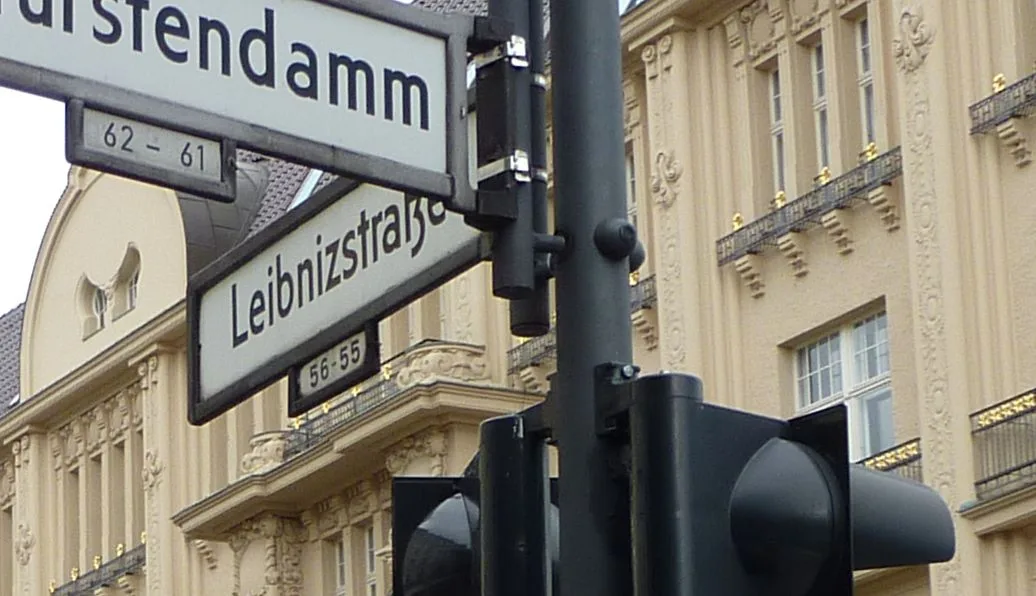
Leibnizstraße (lit. 'Leibniz Street') in Berlin
Gottfried Wilhelm Leibniz
Gottfried Wilhelm Leibniz (died 1716) was a German polymath, mathematician, and philosopher credited alongside Isaac Newton with the creation of calculus.
Inherited Volumes and Precocious Latin Verses
Gaining free access to his deceased father's extensive library at the age of seven allowed young Leibniz to explore advanced philosophical and theological works. By the age of 13, he displayed remarkable Latin mastery by composing 300 hexameters of Latin verse in a single morning for a special school event. These early self-directed studies established his intellectual independence long before his formal university career began.
From Wikipedia · CC BY-SA 4.0
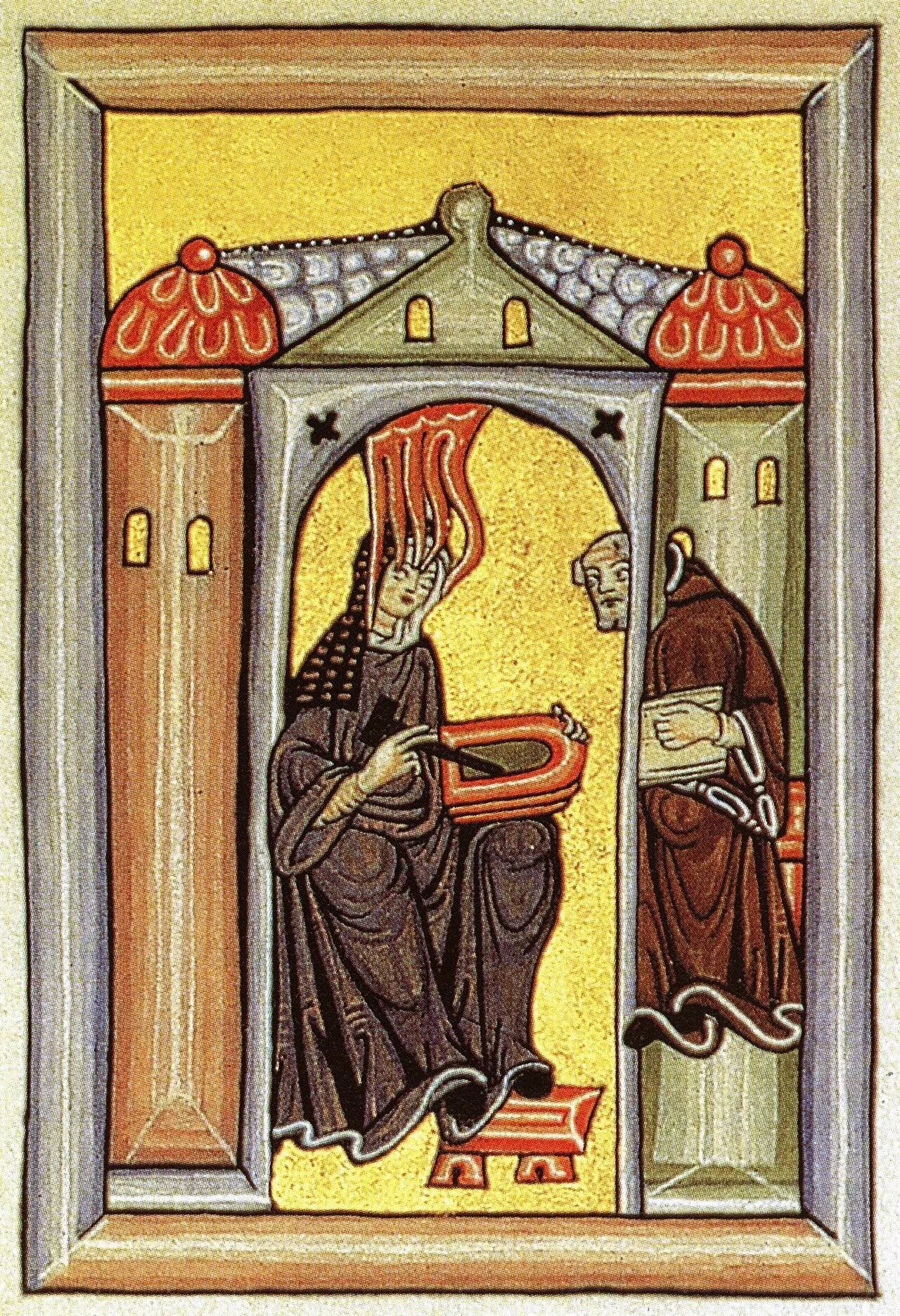
Hildegard von Bingen
![Scivias I.6: The Choirs of Angels. From the Rupertsberg manuscript,[47] folio 38r.](https://nwjvzop1xgplmzvt.public.blob.vercel-storage.com/wikifeed/hildegard-of-bingen/1-d5b57dcbb1.webp)
Scivias I.6: The Choirs of Angels. From the Rupertsberg manuscript,[47] folio 38r.
![Excerpt from a 12th century manuscript, preserved in the Ghent University Library[65]](https://nwjvzop1xgplmzvt.public.blob.vercel-storage.com/wikifeed/hildegard-of-bingen/2-bc4744cd9a.webp)
Excerpt from a 12th century manuscript, preserved in the Ghent University Library[65]
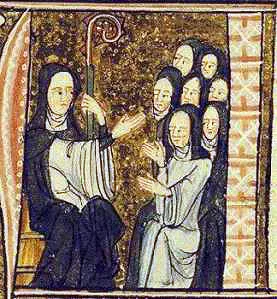
Hildegard of Bingen and her nuns
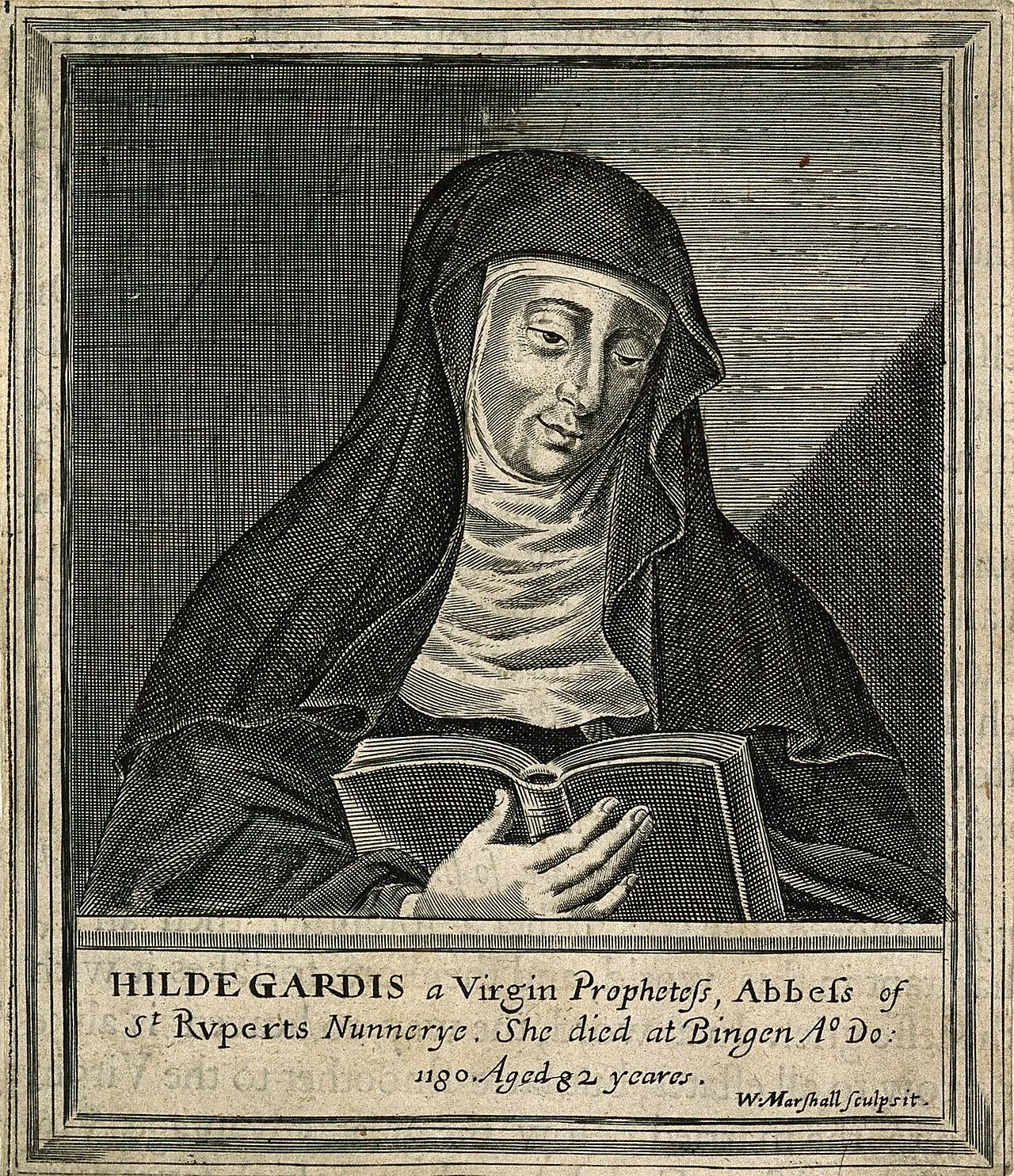
Line engraving by W. Marshall
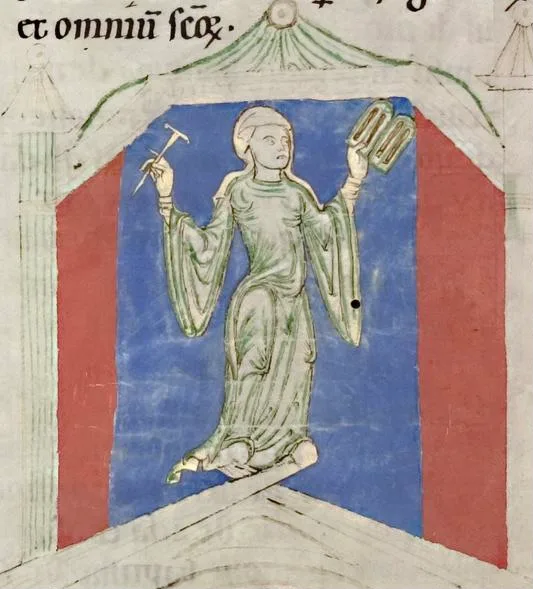
The Salem Scivias (1200), detail of St. Hildegard von Bingen
Hildegard of Bingen
Hildegard of Bingen (died 1179) was a German Benedictine abbess and polymath known as a prominent composer of sacred monophony and mystic writer of the High Middle Ages.
Physical Sickness and Papal Validation of the Visions
Hildegard experienced visionary states while wide awake, yet personal hesitation initially prevented her from transcribing them. This internal reluctance manifested as severe physical illness that abated only after she committed her revelations to writing. Her prophetic authority received official legitimacy when Pope Eugenius examined and approved her visionary writings between November 1147 and February 1148 at the synod in Trier.
From Wikipedia · CC BY-SA 4.0
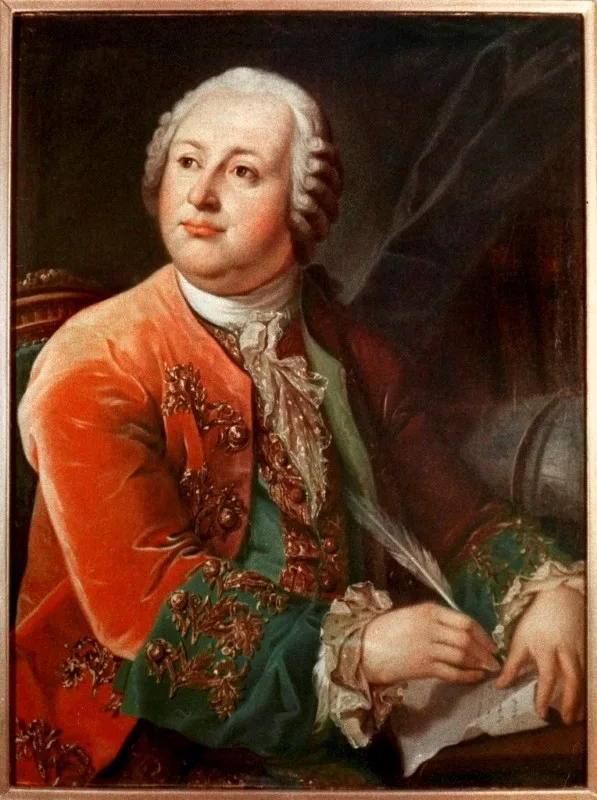
M.V. Lomonosov by L.Miropolskiy after G.C.Prenner (1787, RAN)
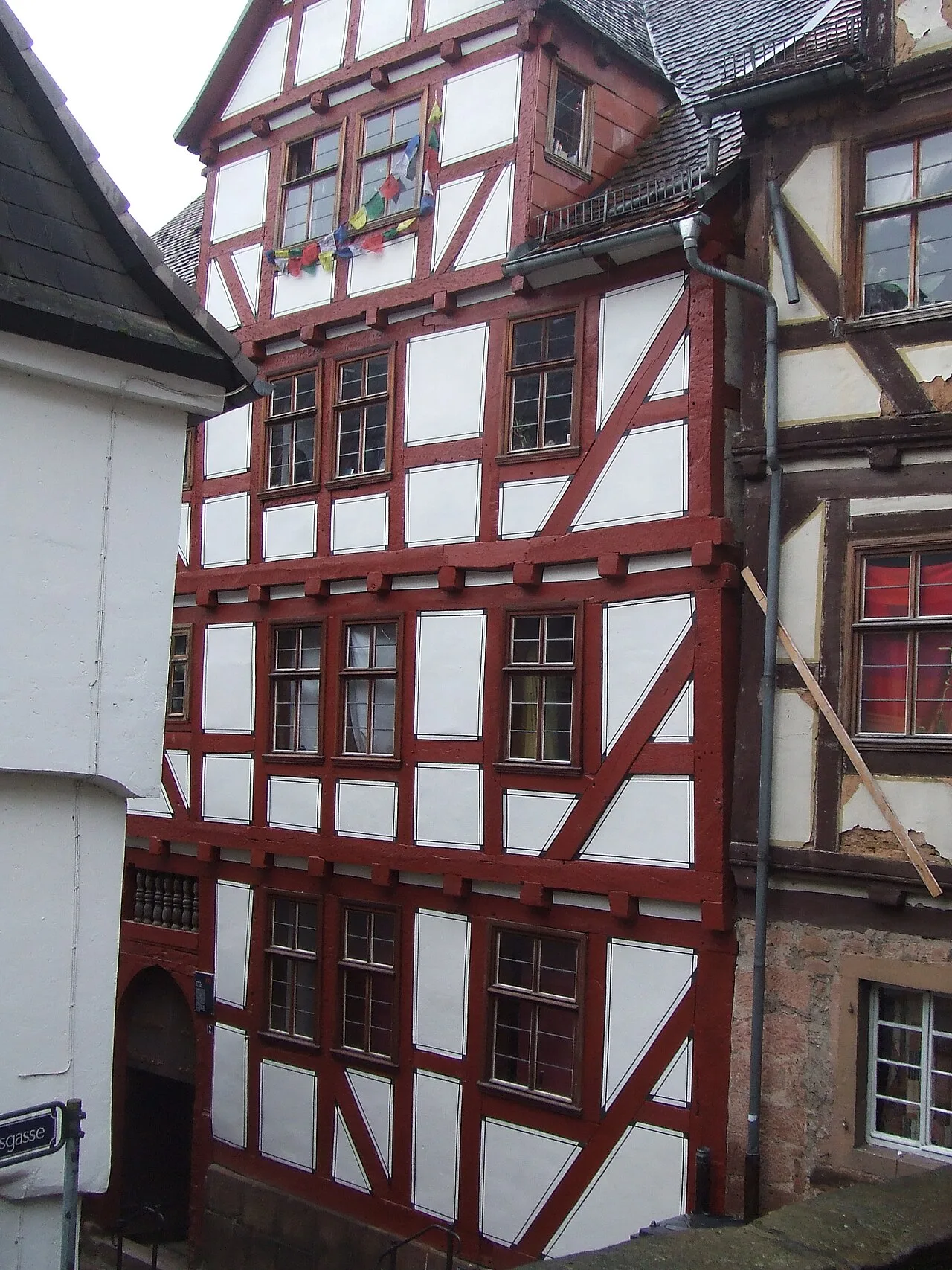
The Lomonosov house in Marburg, Germany
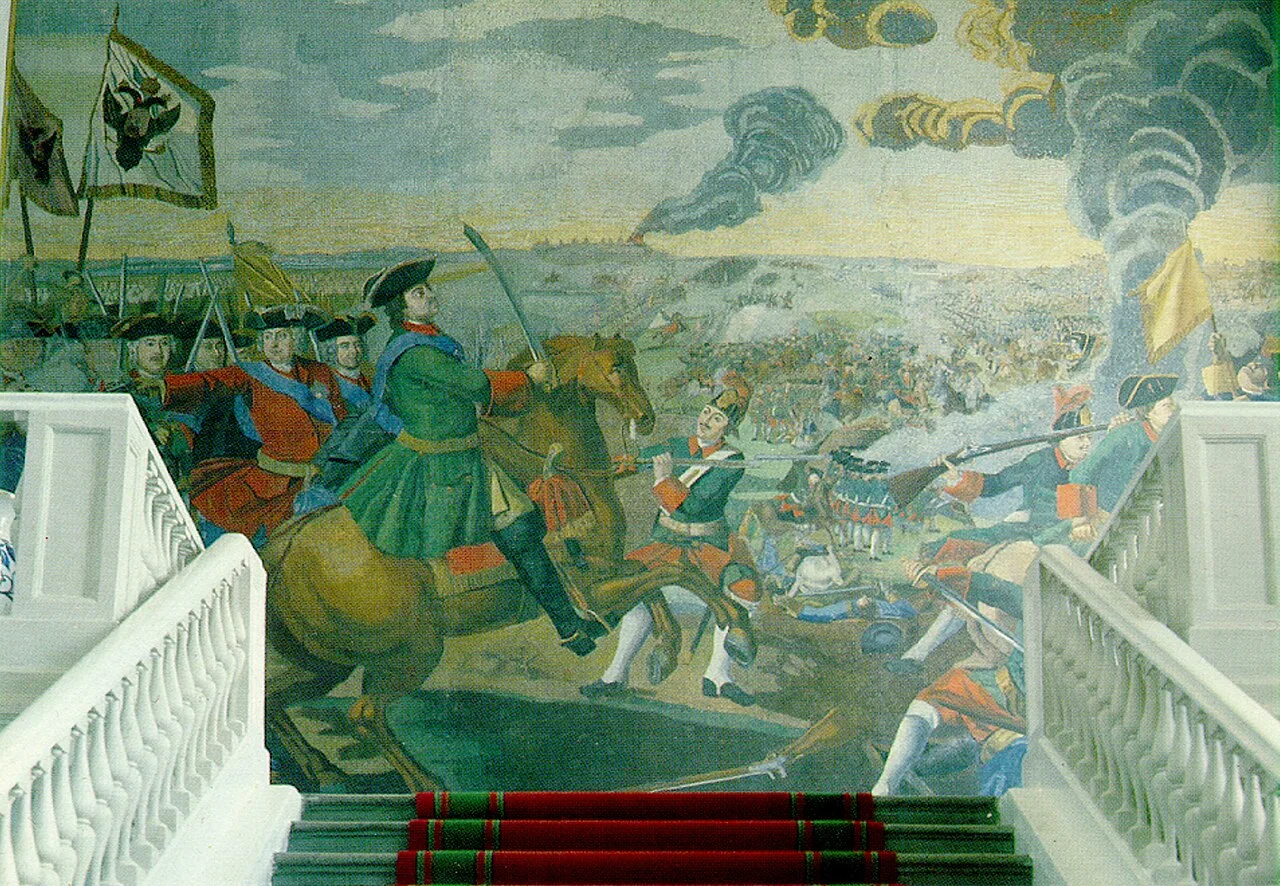
The most grandiose of Lomonosov's mosaics depicts the Battle of Poltava.
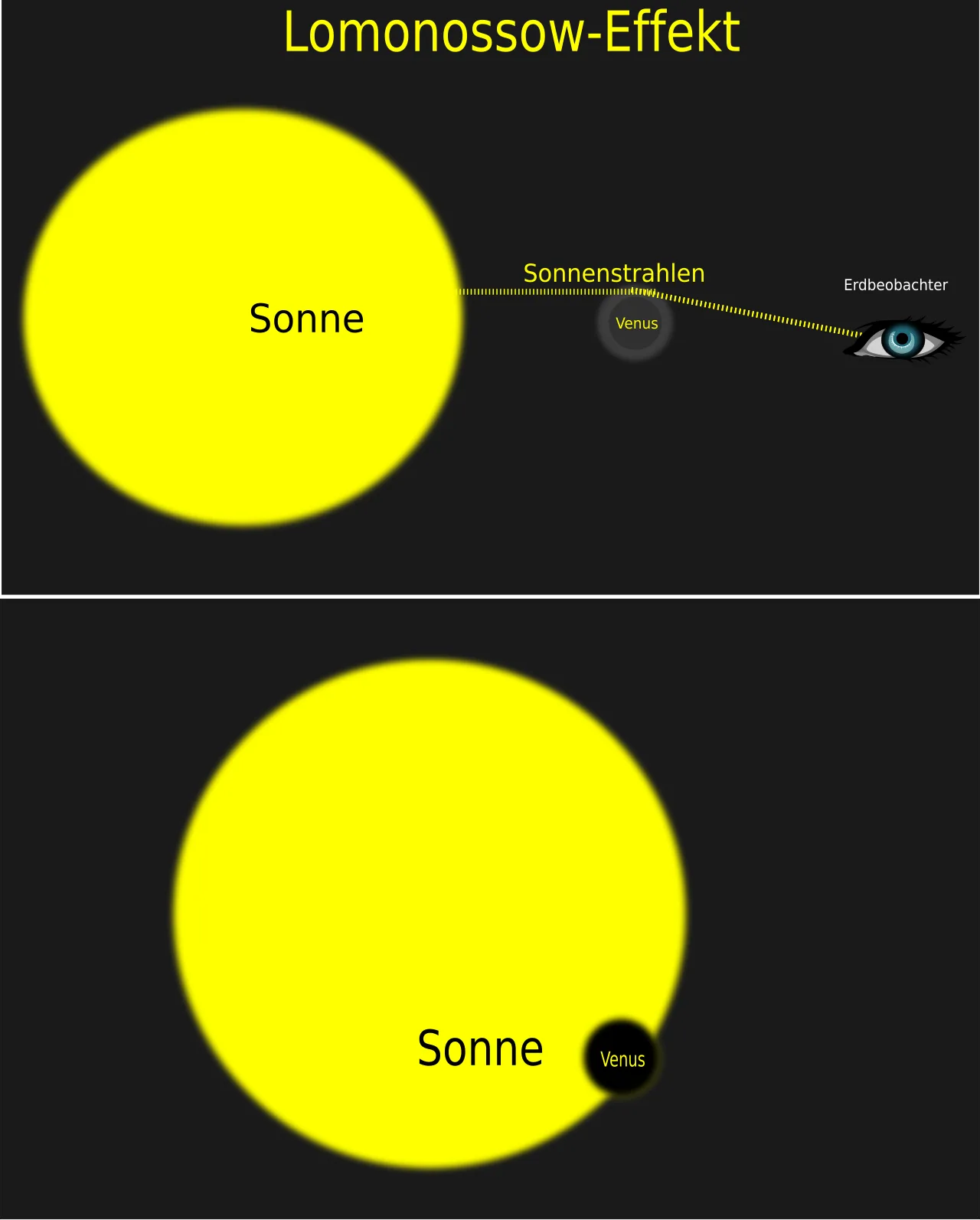
Scheme of the Lomonosov-Effect during a transit of Venus
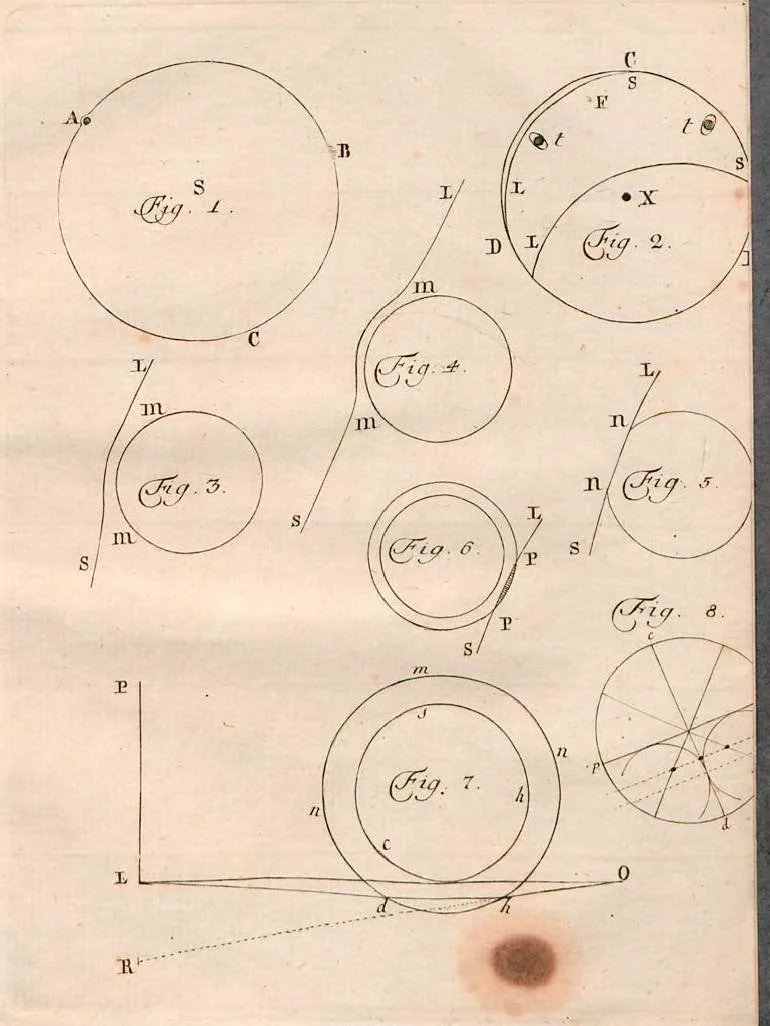
Diagrams from Mikhail Lomonosov's "The Appearance of Venus on the Sun, Observed at the St. Petersburg Imperial Academy of Sciences on 26 May 1761"
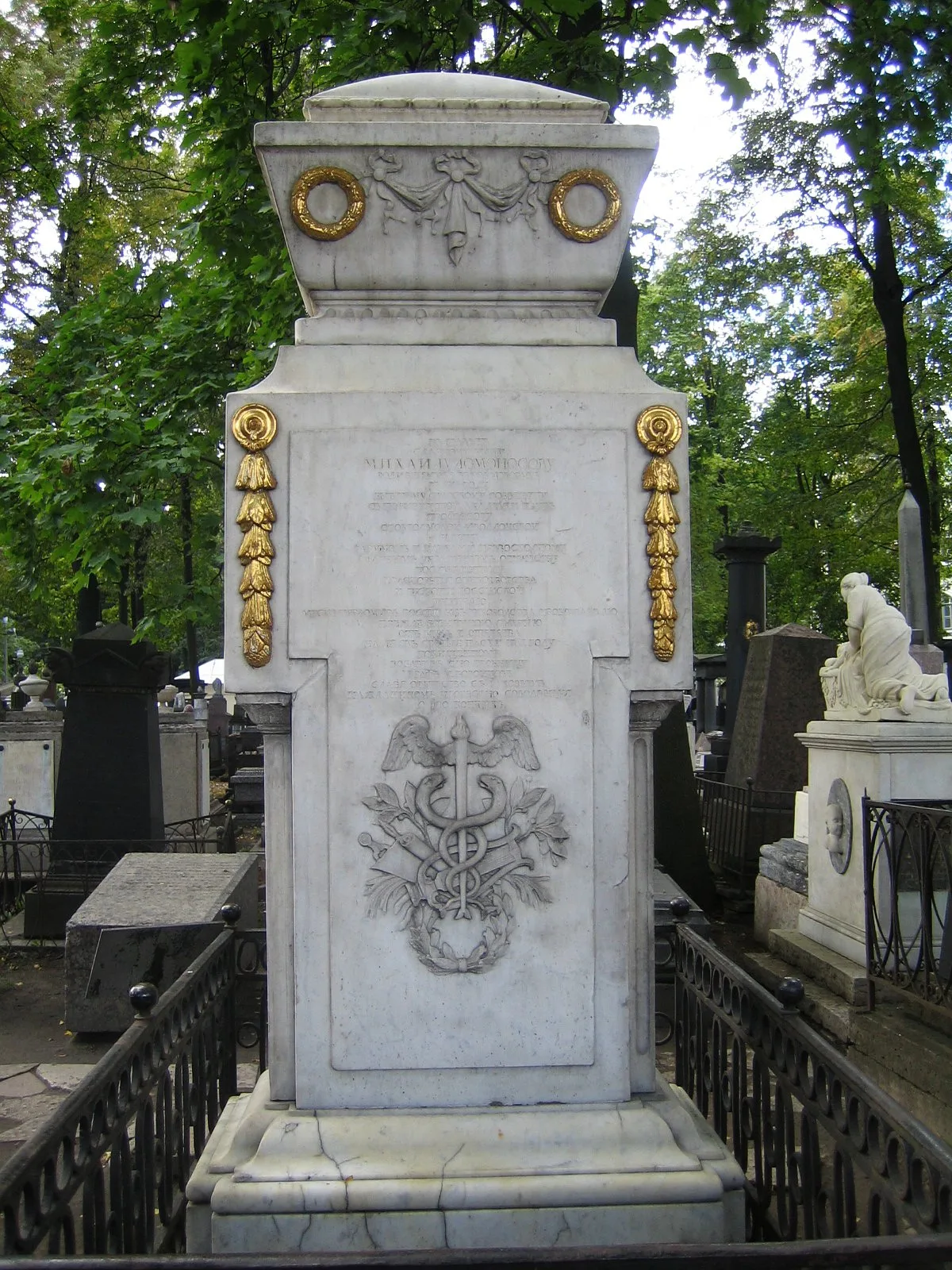
The grave of Lomonosov in Lazarevskoe Cemetery, Alexander Nevsky Lavra, Saint Petersburg
Mikhail Lomonosov
Mikhail Vasilyevich Lomonosov was a Russian polymath, scientist, and writer who discovered the atmosphere of Venus and the law of conservation of mass in chemical reactions.
Forged Pedigree on a Foot Journey to Moscow
In 1730, the 19-year-old Lomonosov walked all the way to Moscow in pursuit of science. To gain entry into the Slavic Greek Latin Academy, he falsely claimed to be the son of a Kholmogory nobleman. This strategic deception allowed a peasant fisherman's son to access elite education, though the falsehood nearly caused his expulsion in 1734.
From Wikipedia · CC BY-SA 4.0
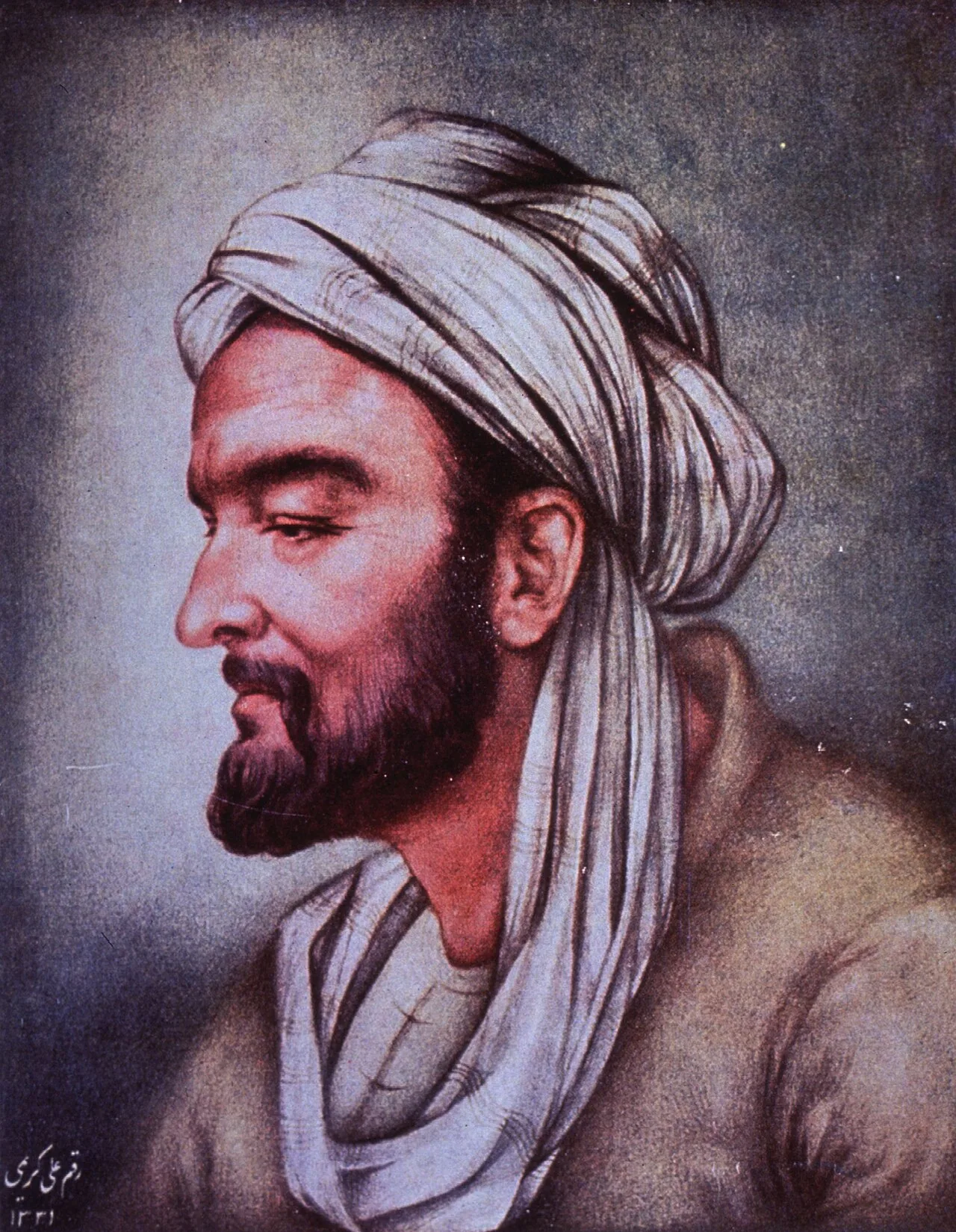
Avicenna Bust, left profile (cropped)
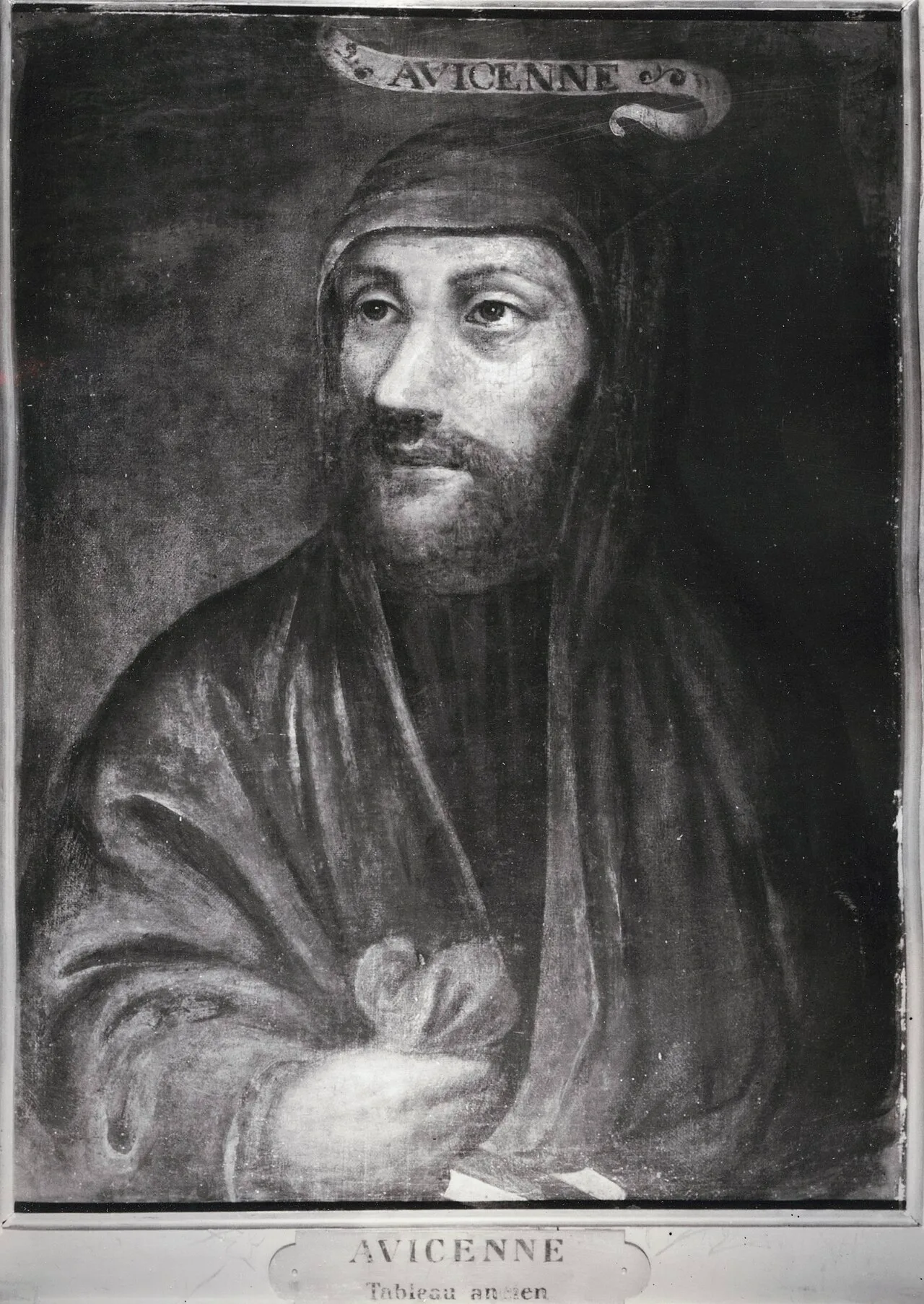
Portrait (1271)
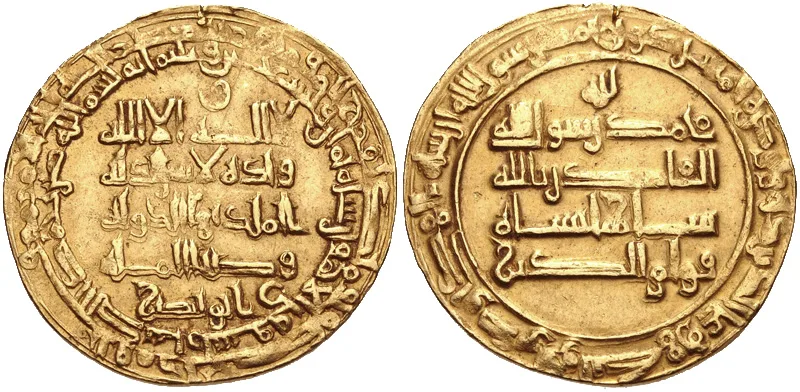
Coin of Majd al-Dawla (r. 997–1029), the amir (ruler) of the Buyid branch of Ray
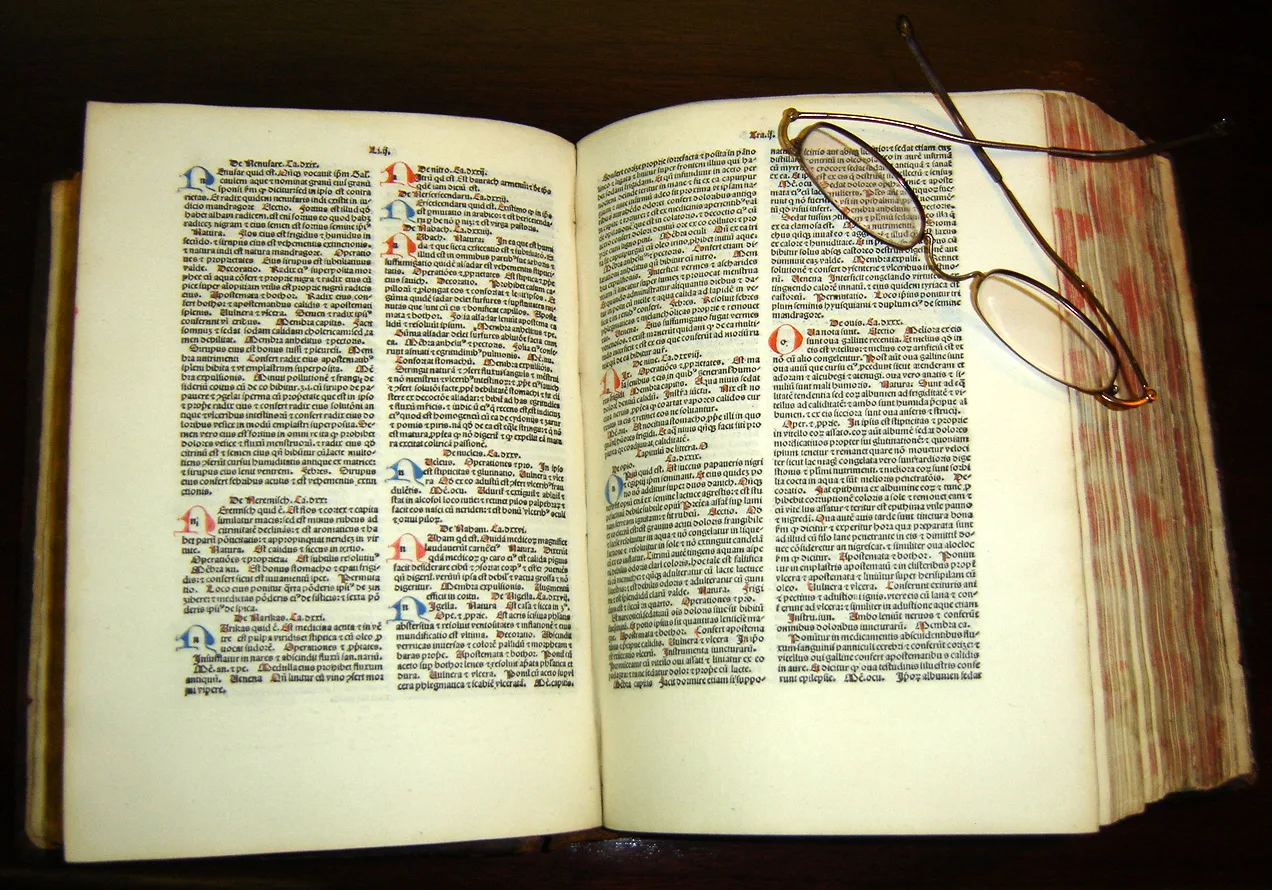
Canons of medicine book from Avicenna, Latin translation located at UT Health of San Antonio
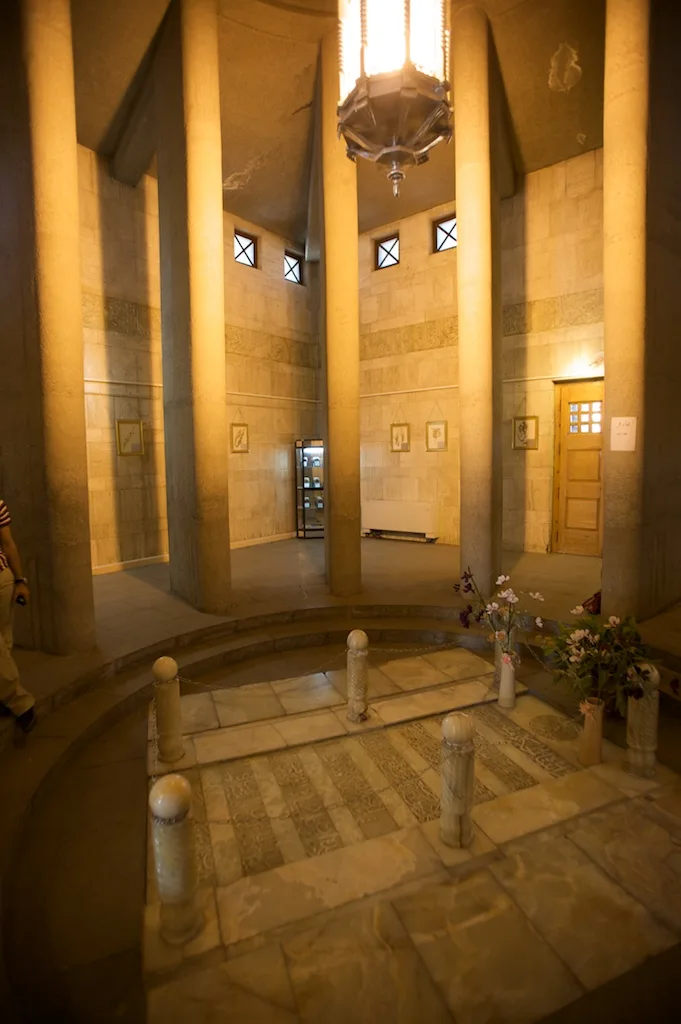
Inside view of the Avicenna Mausoleum, designed by Hooshang Seyhoun in 1945–1950
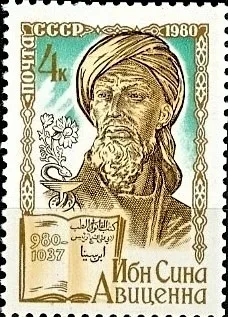
The Soviet Union in 1980 published a stamp entitled "1000th anniversary of the birth of Ibn Sina"
Avicenna
Ibn Sina (died 1037), known in the West as Avicenna, was a prominent philosopher and physician of the Islamic Golden Age who heavily influenced medieval European thought.
Arithmetic Lessons from a Greengrocer
Before mastering Greek science at age 18, Avicenna began his formal education with literature and religious studies. By the age of 10, he had memorized the entire Quran. To acquire foundational numeracy, his father sent him to an Indian greengrocer who taught him arithmetic.
From Wikipedia · CC BY-SA 4.0
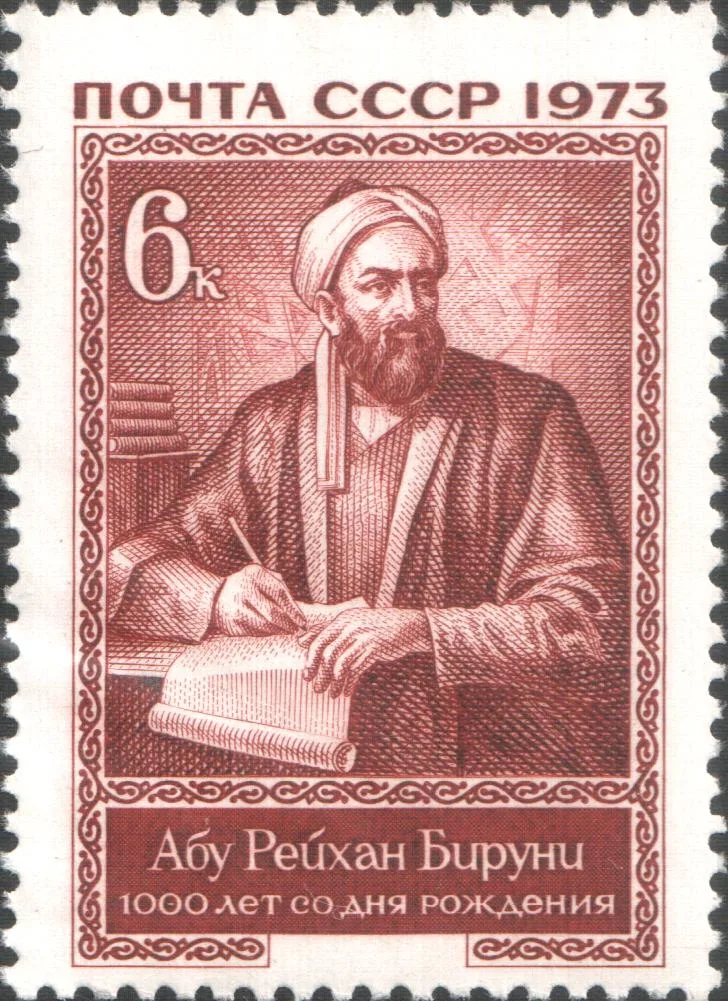
Biruni-russian
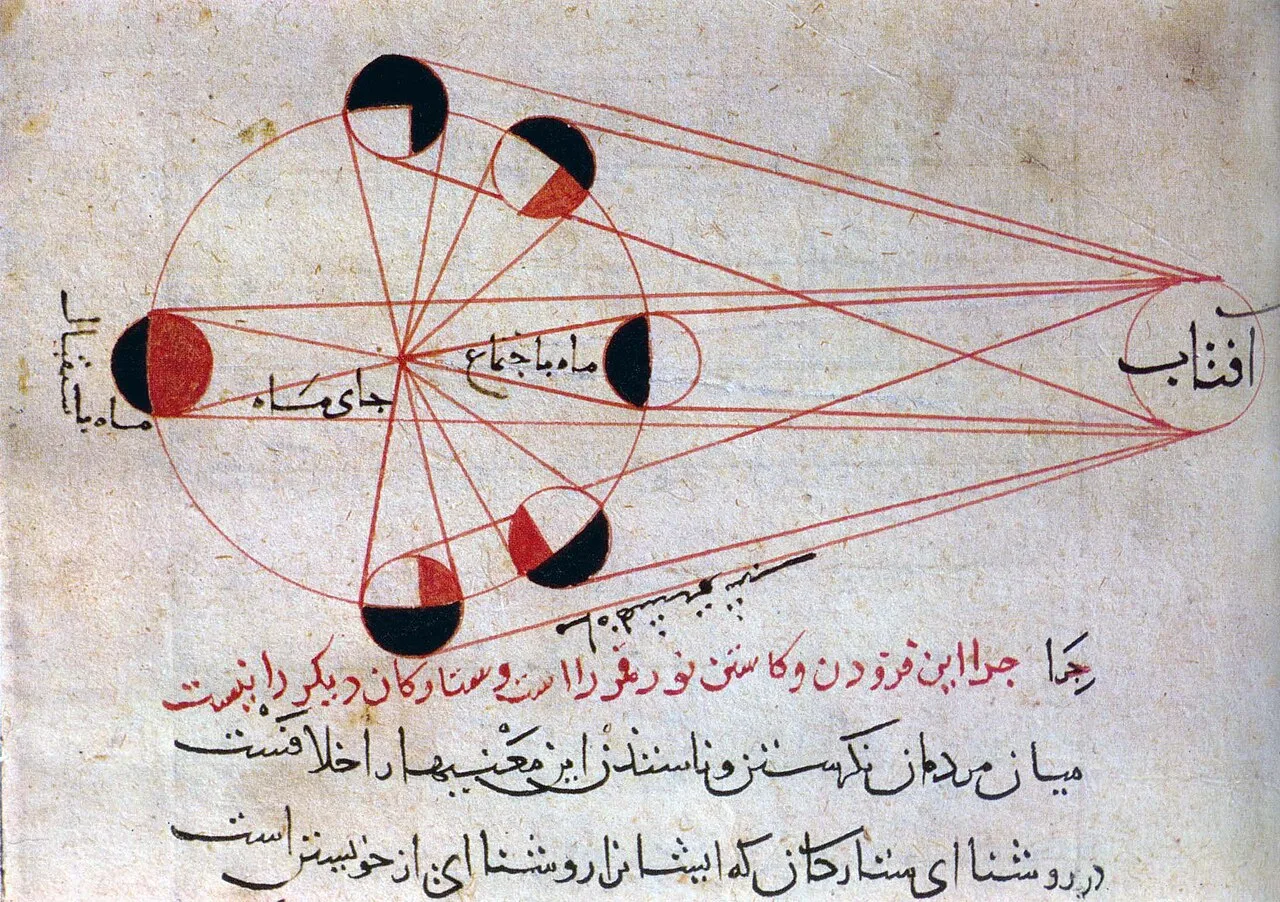
An illustration from al-Biruni's astronomical works in Persian, explains the different phases of the Moon, with respect to the position of the Sun
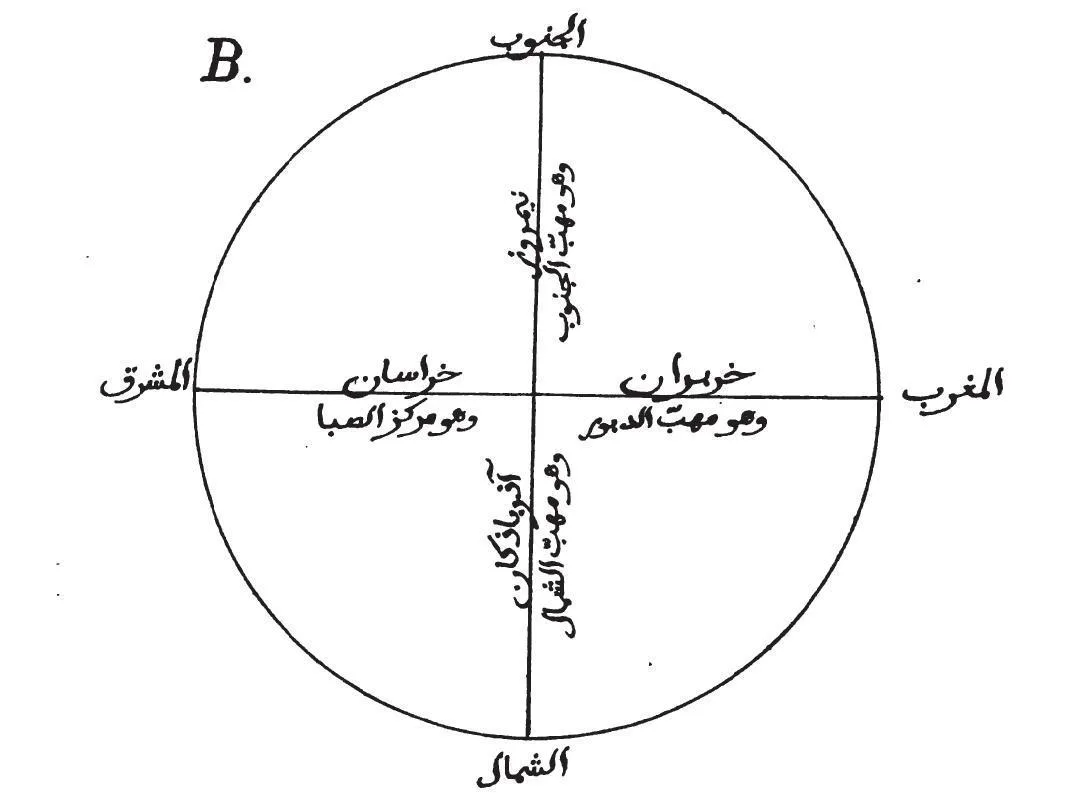
Four directions and political divisions of Iran by Abū Rayḥān al-Bīrūnī
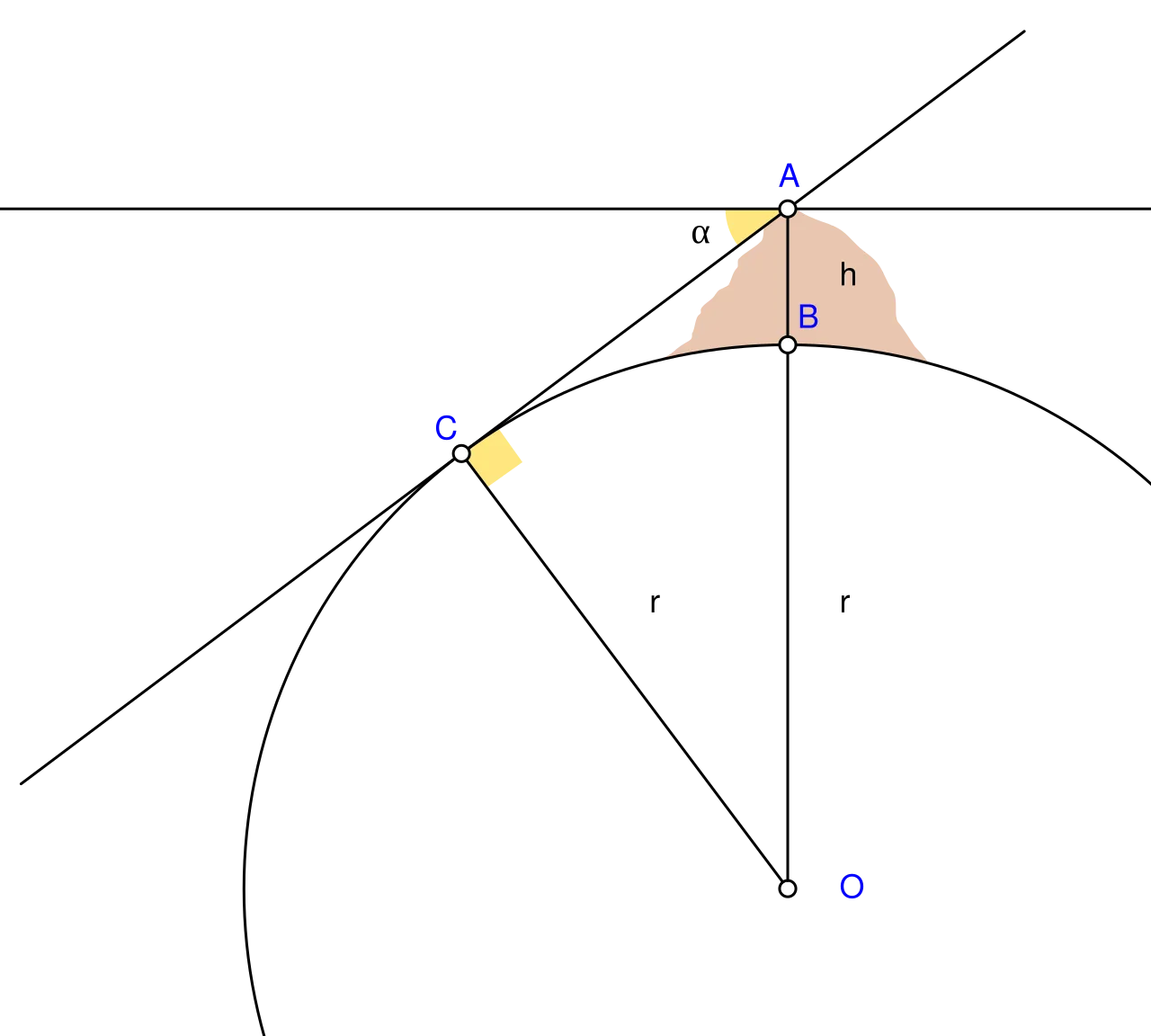
Diagram illustrating a method proposed and used by Al-Biruni to estimate the radius and circumference of the Earth
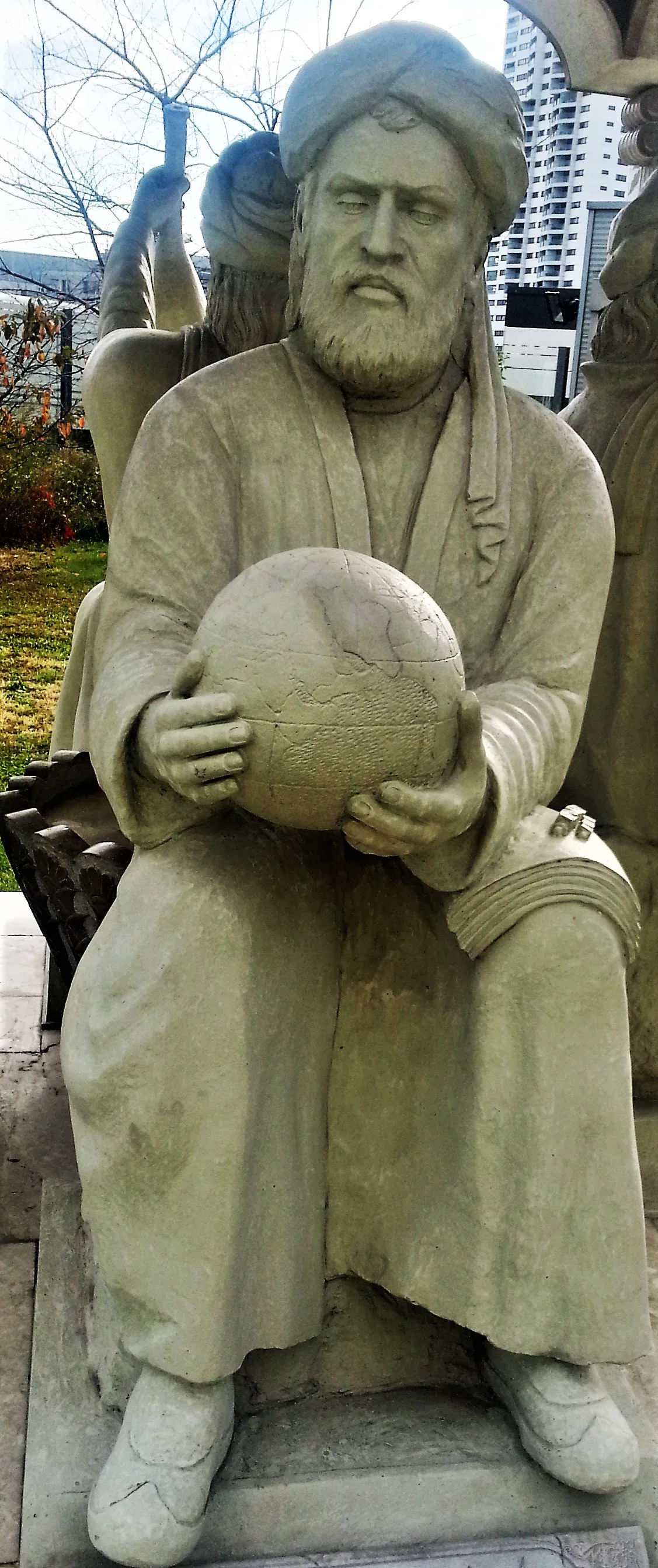
The statue of Al-Biruni in United Nations Office in Vienna
Flowers by Hamid Naderi Yeganeh
Al-Biruni
Abu Rayhan al-Biruni was a Khwarazmian Iranic scholar and polymath of the Islamic Golden Age, known as a founder of Indology and modern geodesy.
Mountain Dip and Trigonometric Geodesy
At Nandana in Pind Dadan Khan, Al-Biruni determined the Earth's radius using trigonometry from the top of a hill. His mathematical calculations relied on measuring a horizon dip angle of 34 arc minutes. The resulting estimate of 12,803,337 cubits corresponded to a calculated radius of 3928.77 miles. This experimental geodetic method produced results within a narrow margin of modern measurements despite ignoring atmospheric refraction.
From Wikipedia · CC BY-SA 4.0
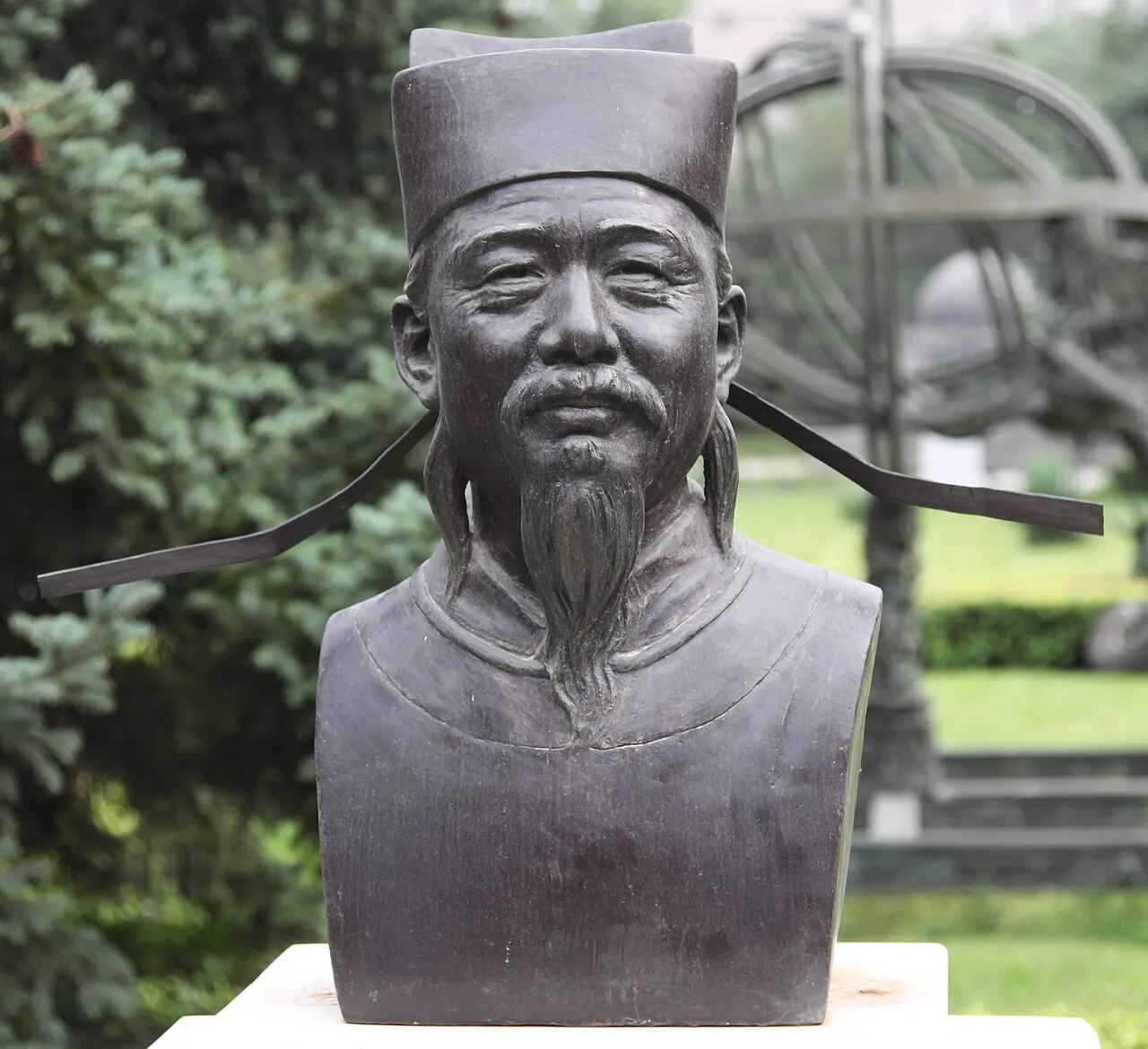
Beijing Ancient Observatory 20090715-19 (cropped)
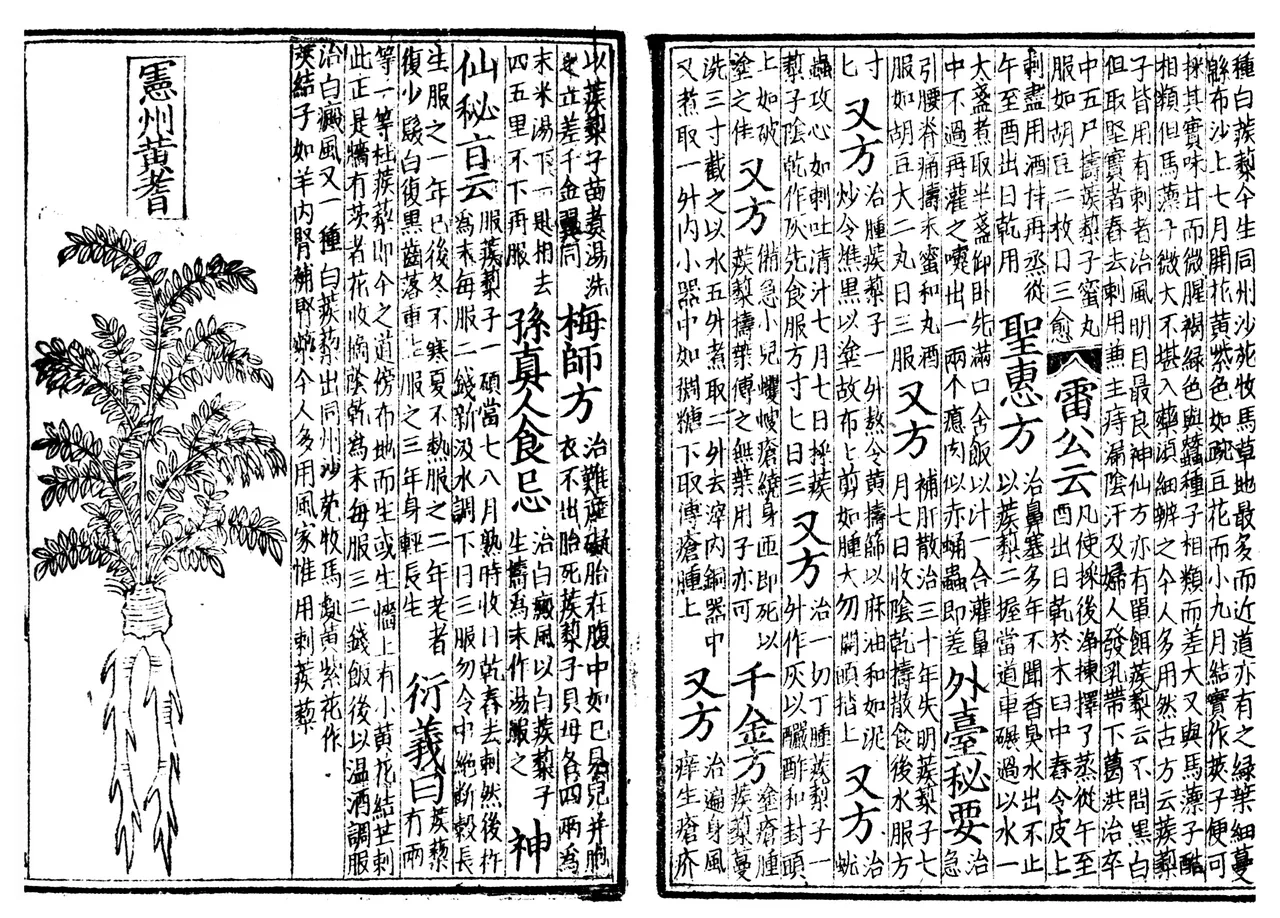
The Bencao on traditional Chinese medicine; printed with woodblock printing press in 1249; Shen grew ill often as a child, and so developed an interest in medicinal cures.
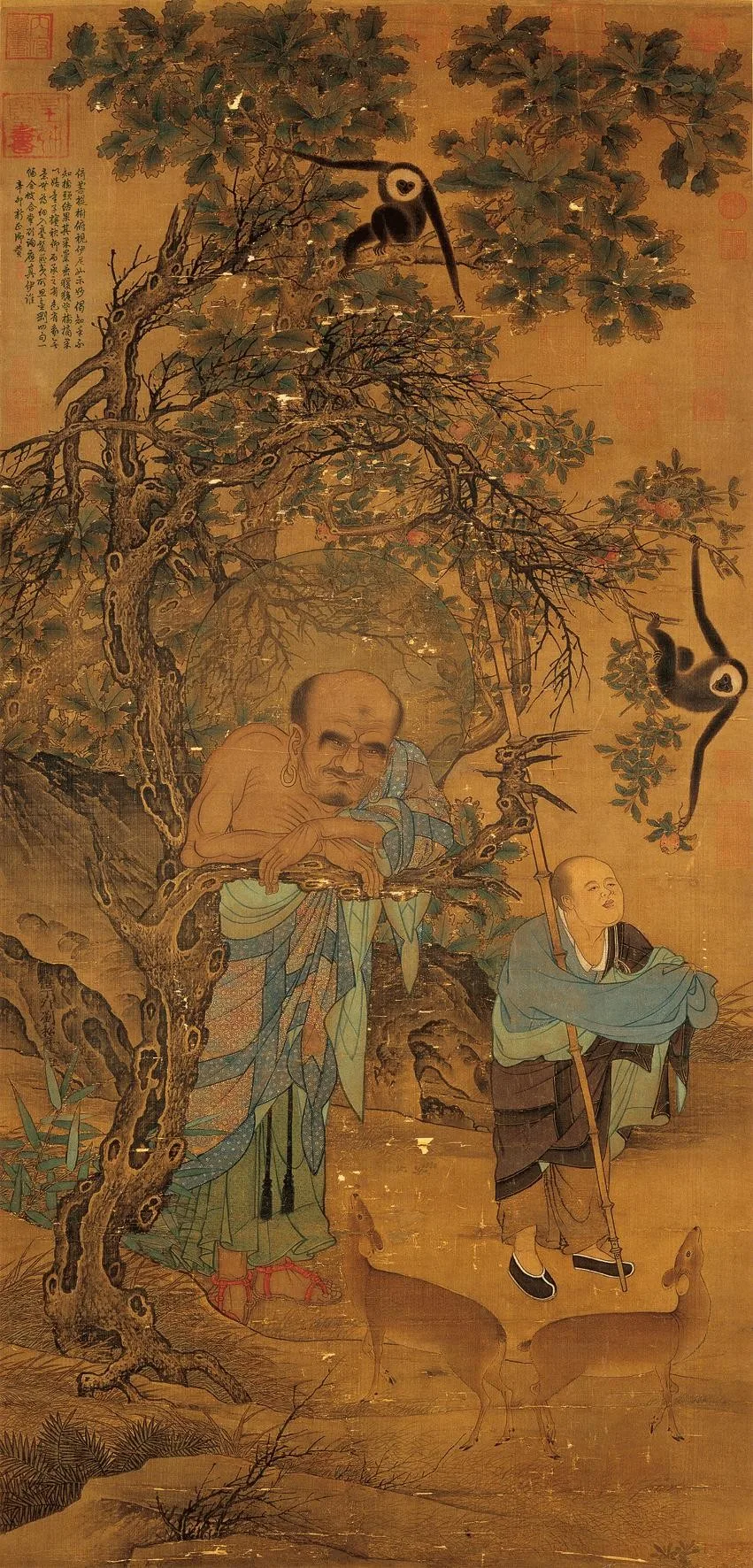
Painting of a Buddhist luohan, by Liu Songnian, painted in 1207; Shen Kuo not only listed literati painting as one of his cherished pastimes, but also Buddhist meditation.[29]
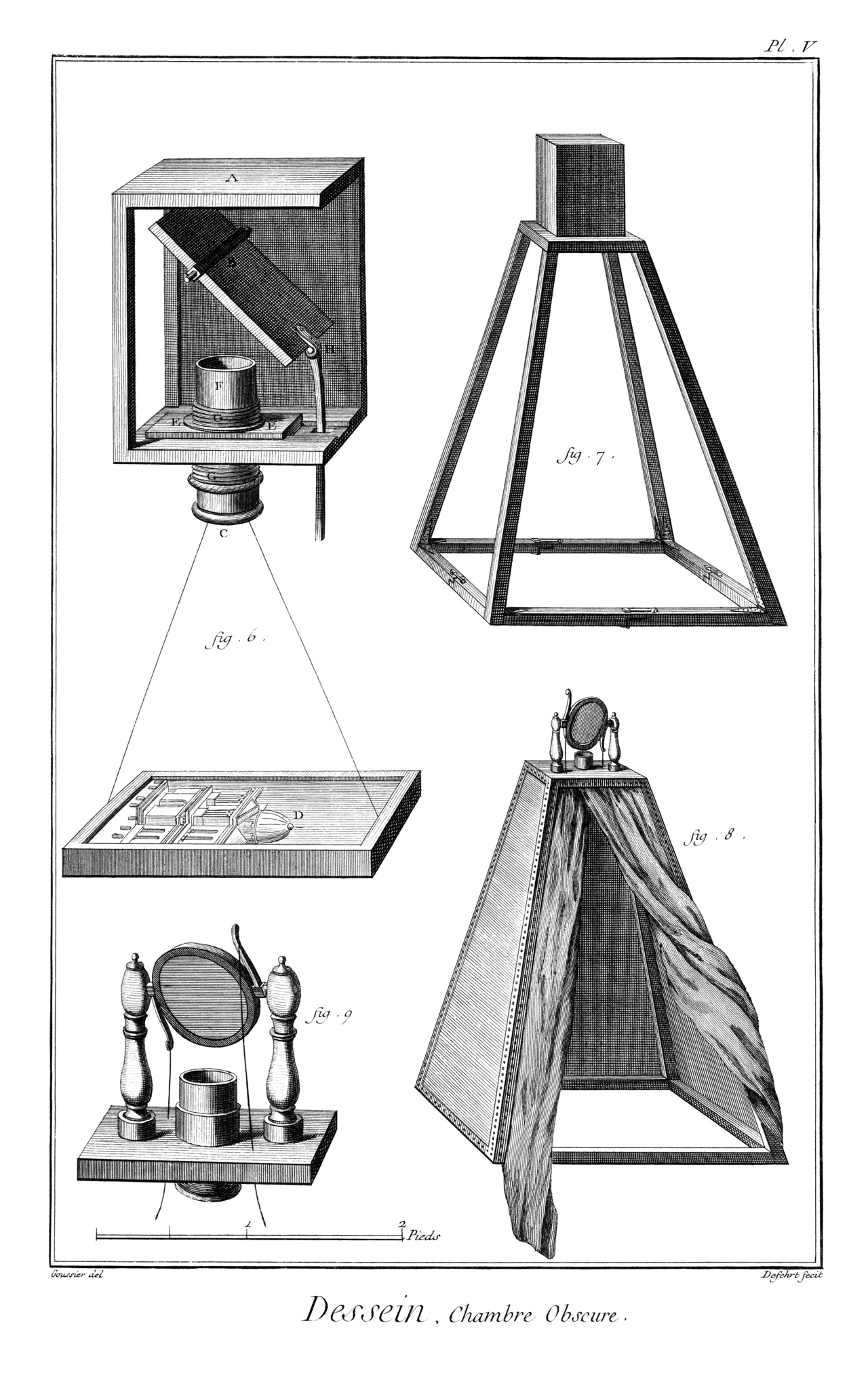
An 18th-century diagram of camera obscura
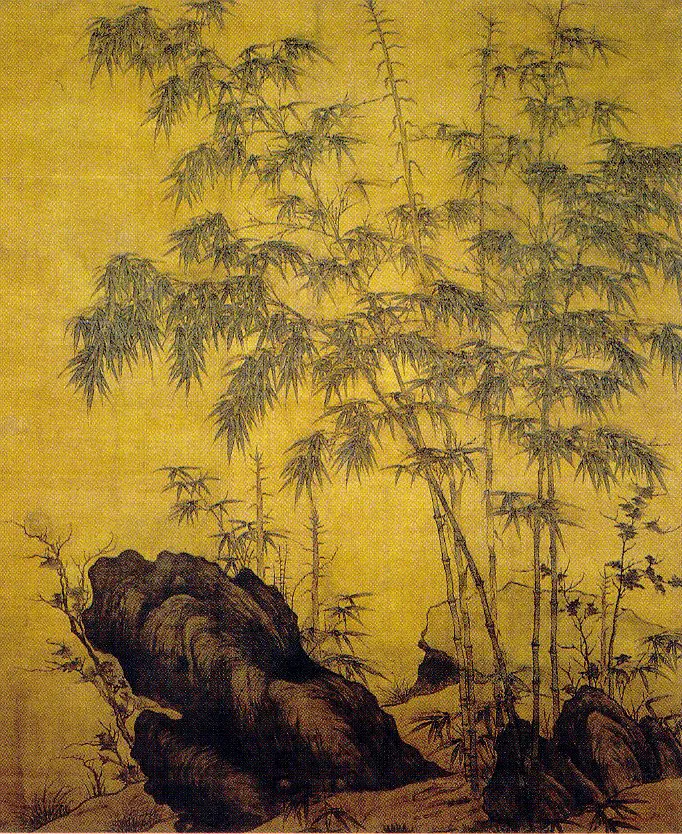
Bamboo and rocks by Li Kan (1244–1320); using evidence of fossilized bamboo within China's dry northwestern climate zone, Shen Kuo hypothesized that climates naturally shifted geographically over time.
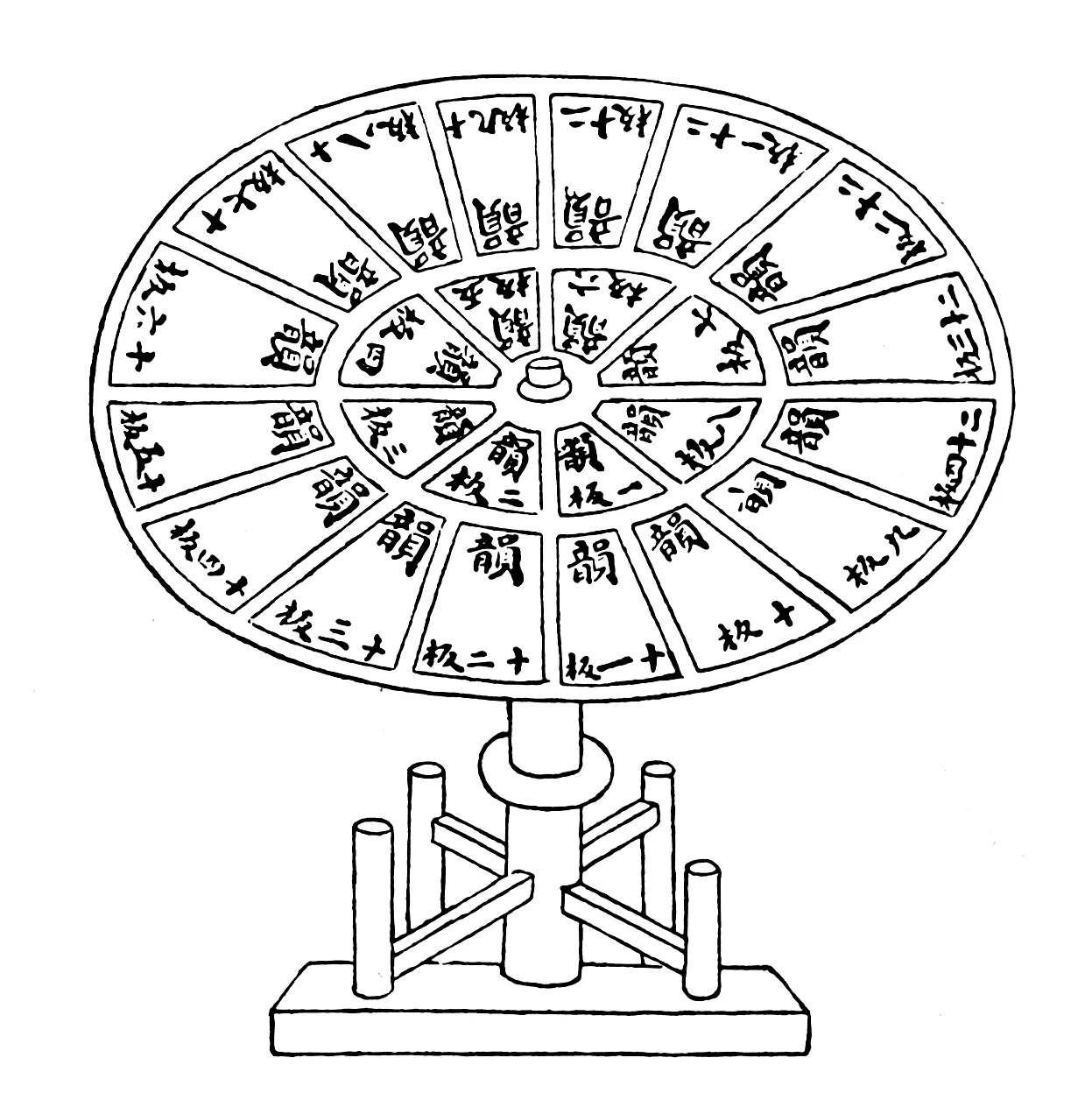
A revolving table typecase with individual movable type characters arranged primarily by rhyming scheme, from Wang Zhen's book of agriculture published in 1313.
Shen Kuo
Shen Kuo was a Chinese polymath, scientist, and statesman of the Northern Song dynasty who mastered fields including mathematics, optics, and horology.
Navigating Beyond Due South
In his 1088 Dream Pool Essays, Shen Kuo provided the first description of the magnetic needle compass used for navigation. This innovation predated its first European description by Alexander Neckam in 1187. By establishing the concept of magnetic declination and true north, Shen took a decisive step toward making compasses practical for seafaring.
From Wikipedia · CC BY-SA 4.0
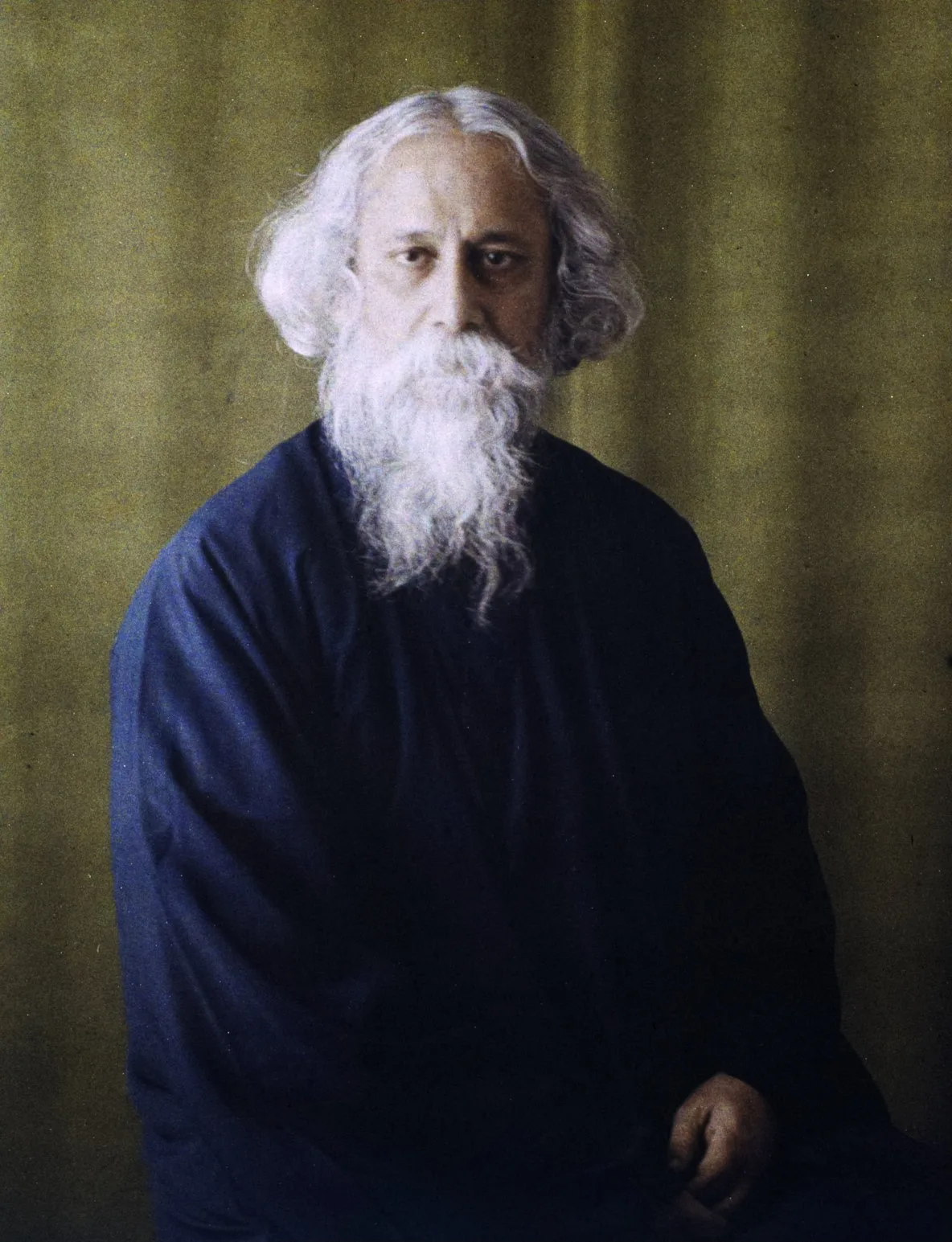
1926 Rabindrath Tagore

Close-up on a Bengali word handwritten with angular, jaunty letters.
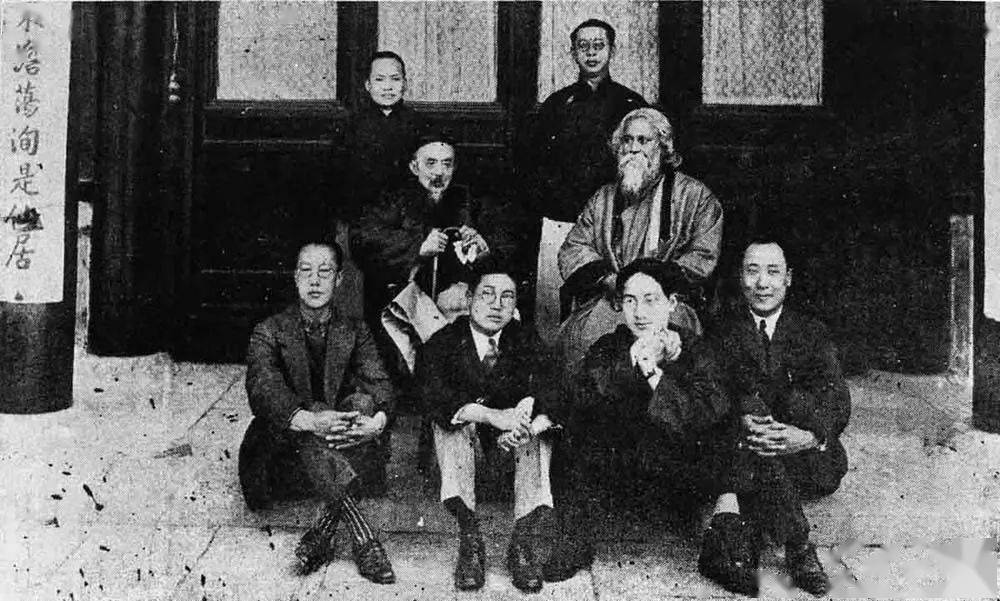
Tsinghua University, 1924
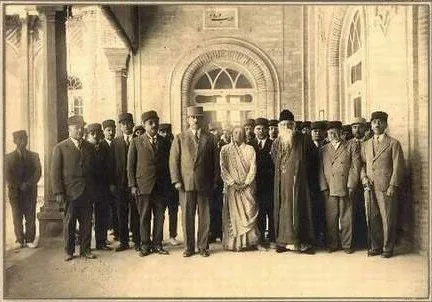
At the Iranian Majlis (parliament) in Tehran, Iran, 1932
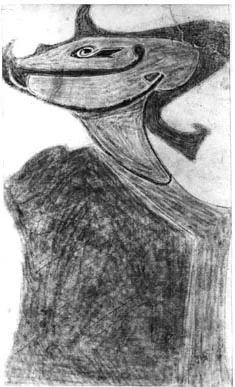
Primitivism: a pastel-coloured rendition of a Malagan mask from northern New Ireland, Papua New Guinea
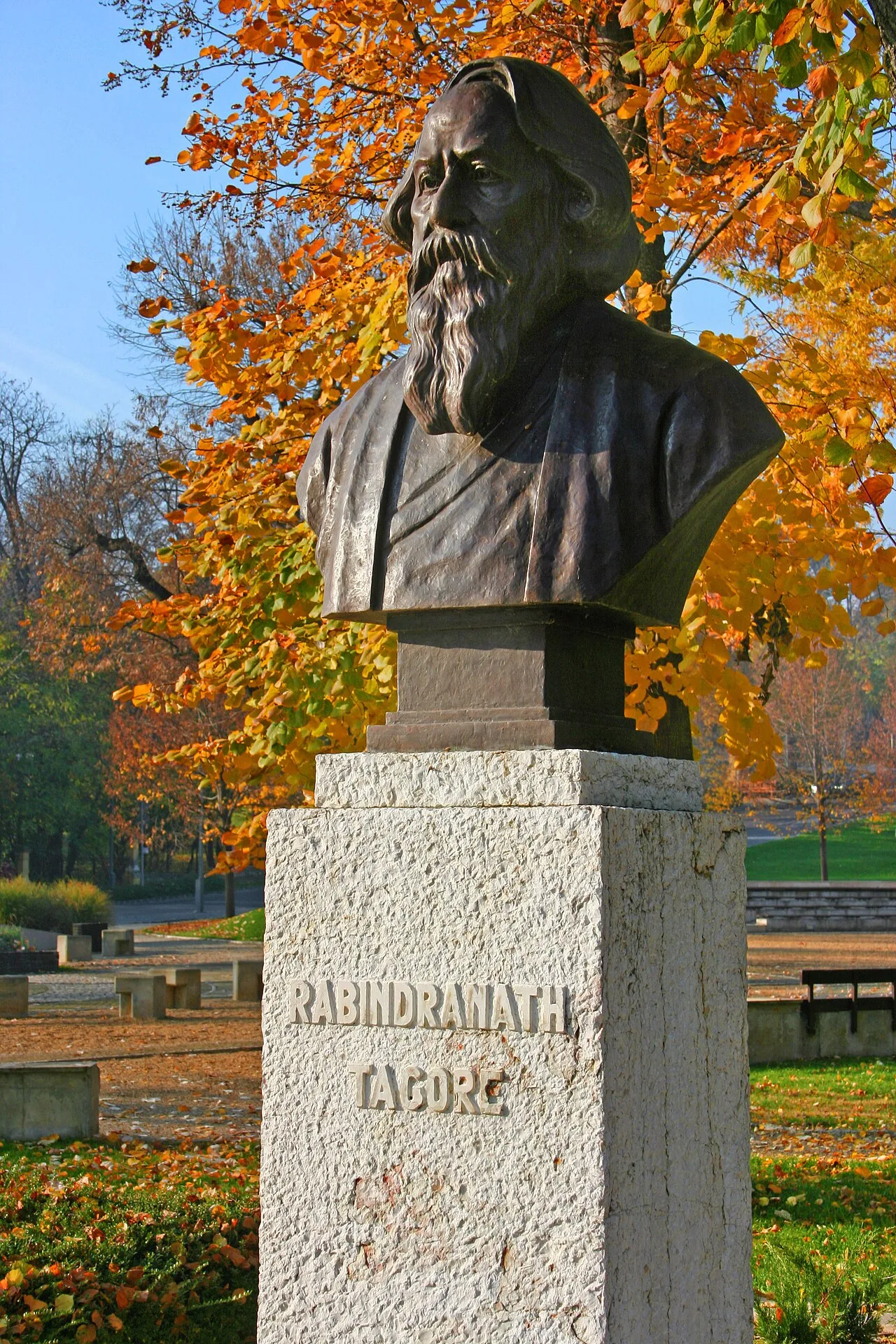
Bust of Rabindranath in Tagore promenade, Balatonfüred, Hungary
Rabindranath Tagore
Rabindranath Tagore was a Bengali polymath of the Bengal Renaissance and the first Asian to win a Nobel Prize.
The Teenage Pseudonym That Deceived Literary Scholars
As a teenager, Tagore pulled off a remarkable literary deception. In 1877, he composed a set of works in the style of Vidyapati and claimed they belonged to a fictitious 17th-century Vaishnava poet named Bhānusiṃha. Regional literary experts accepted the poems as newly discovered ancient classics before the ruse was revealed.
From Wikipedia · CC BY-SA 4.0