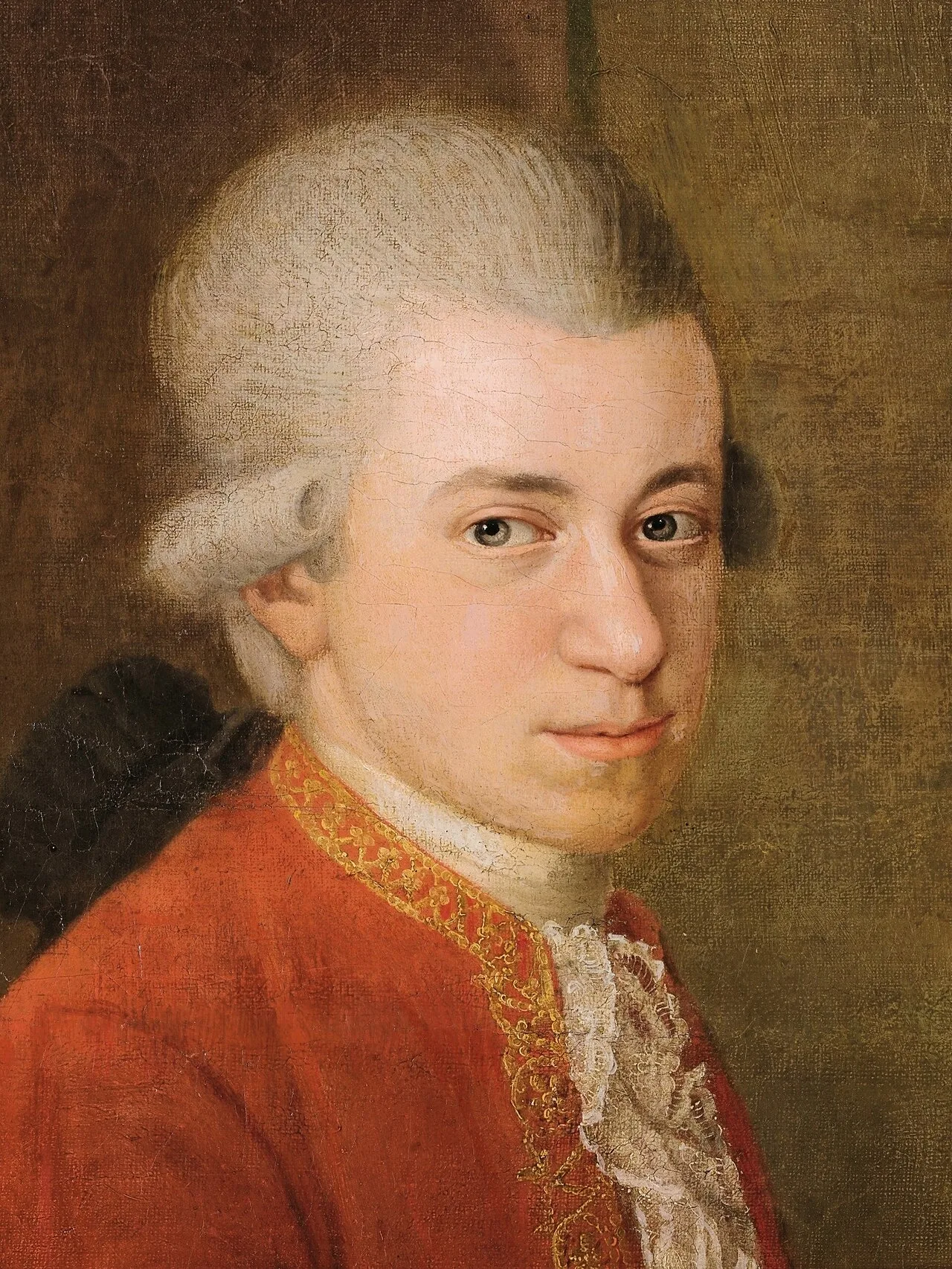
The Mozart Family - Wolfgang Amadeus Mozart headshot
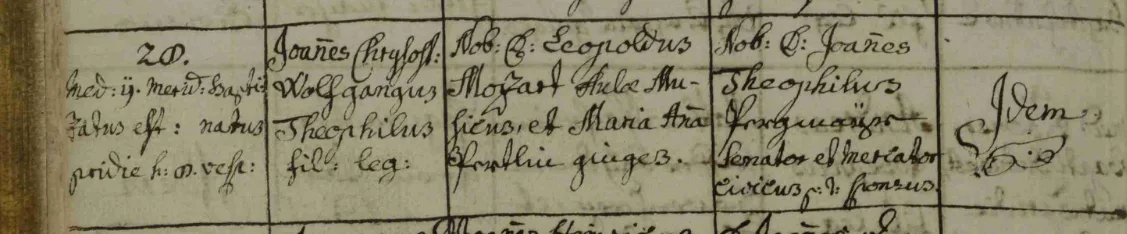
Baptismal record showing him as "Joannes Chrysostomus Wolfgangus Theophilus Mozart"
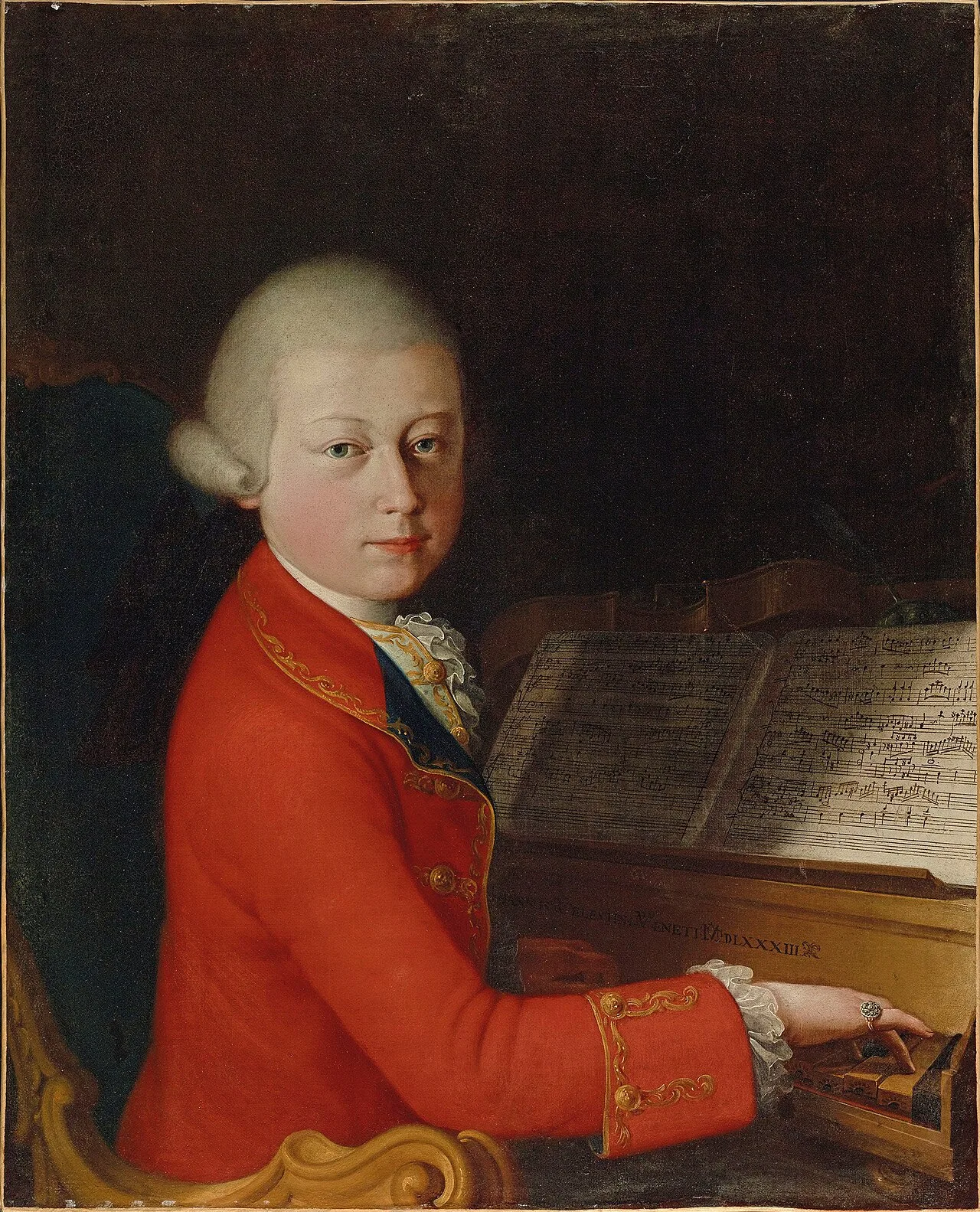
Mozart aged 14 in January 1770 (School of Verona, attributed to Giambettino Cignaroli)
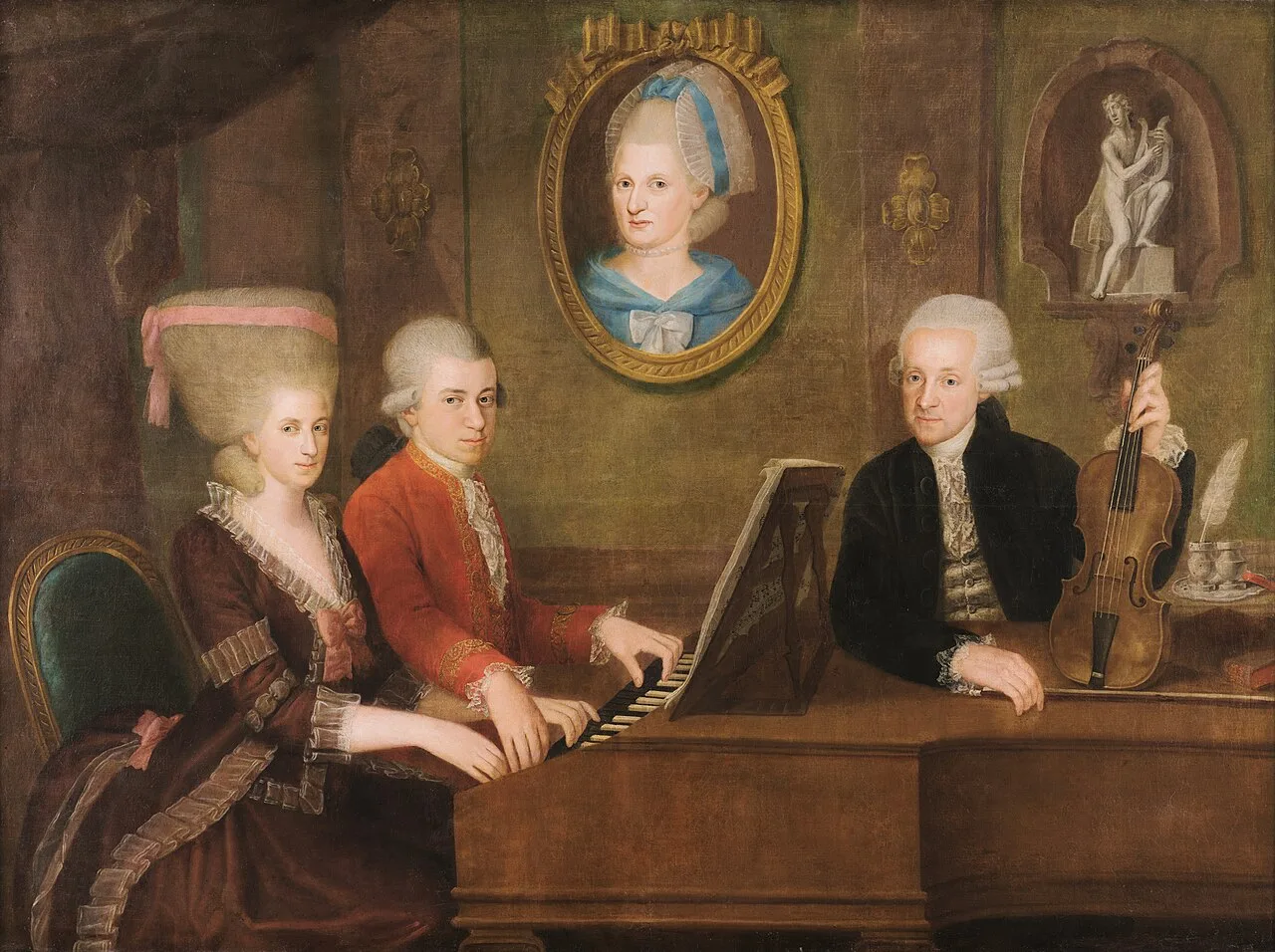
Portrait of the Mozart Family, c. 1780 (attrib. Johann Nepomuk della Croce); the portrait on the wall is of Mozart's mother.
![Fortepiano played by Mozart in 1787, Czech Museum of Music, Prague[85]](https://nwjvzop1xgplmzvt.public.blob.vercel-storage.com/wikifeed/wolfgang-amadeus-mozart/4-04db747aae.webp)
Fortepiano played by Mozart in 1787, Czech Museum of Music, Prague[85]
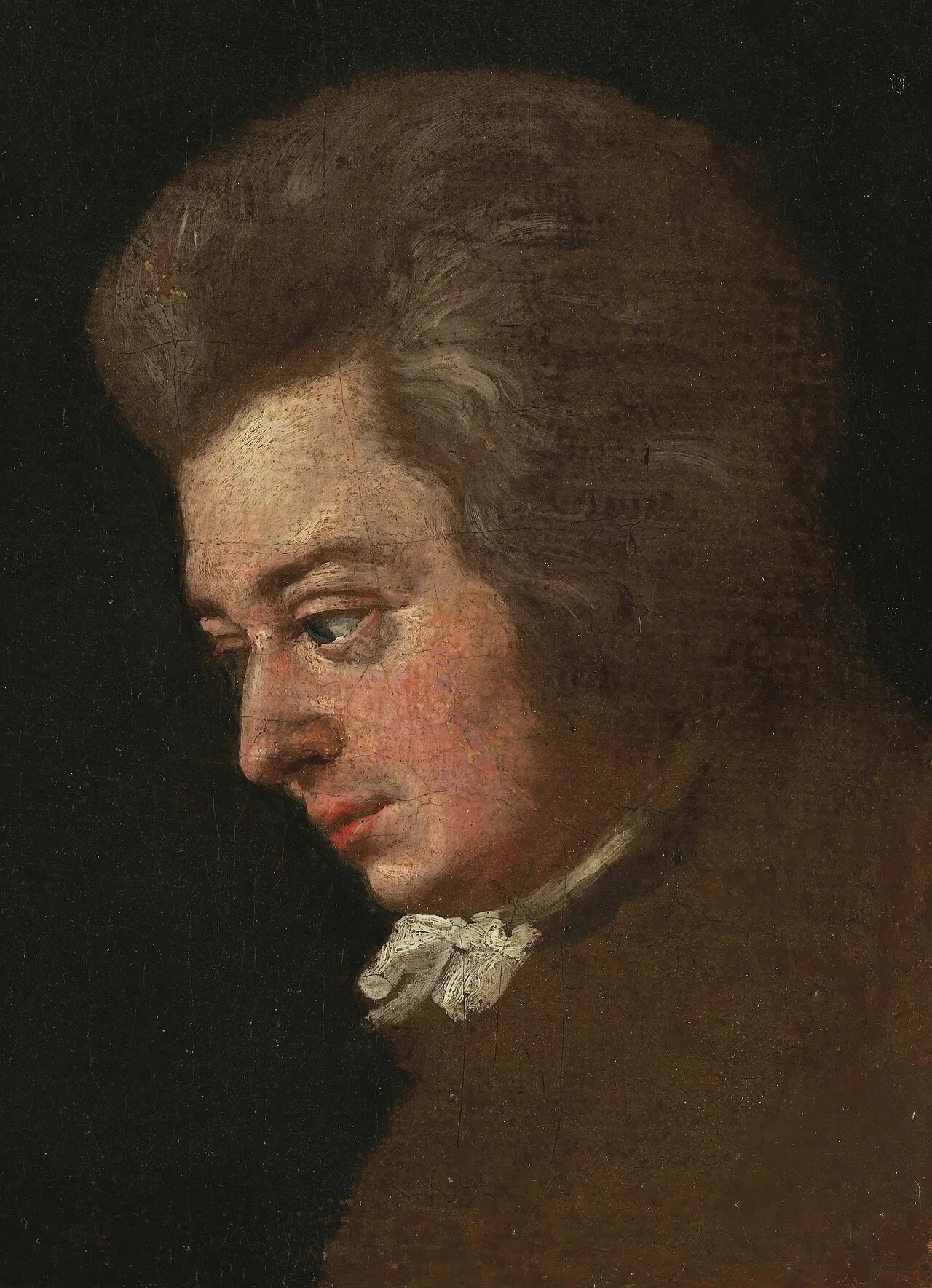
Detail of Mozart's portrait by his brother-in-law Joseph Lange
Wolfgang Amadeus Mozart
Wolfgang Amadeus Mozart was a composer of the Classical period who created more than 800 works across most musical genres of his time.
Surpassing the Teacher at Age Five
Leopold Mozart published a successful violin textbook, Versuch einer gründlichen Violinschule, during the year of his son's birth. Though a devoted teacher to his children, he found that young Wolfgang pushed far beyond his instructions. Wolfgang's first ink-spattered composition took his father by surprise, leading Leopold to eventually give up composing when his son's talents became evident.
From Wikipedia · CC BY-SA 4.0
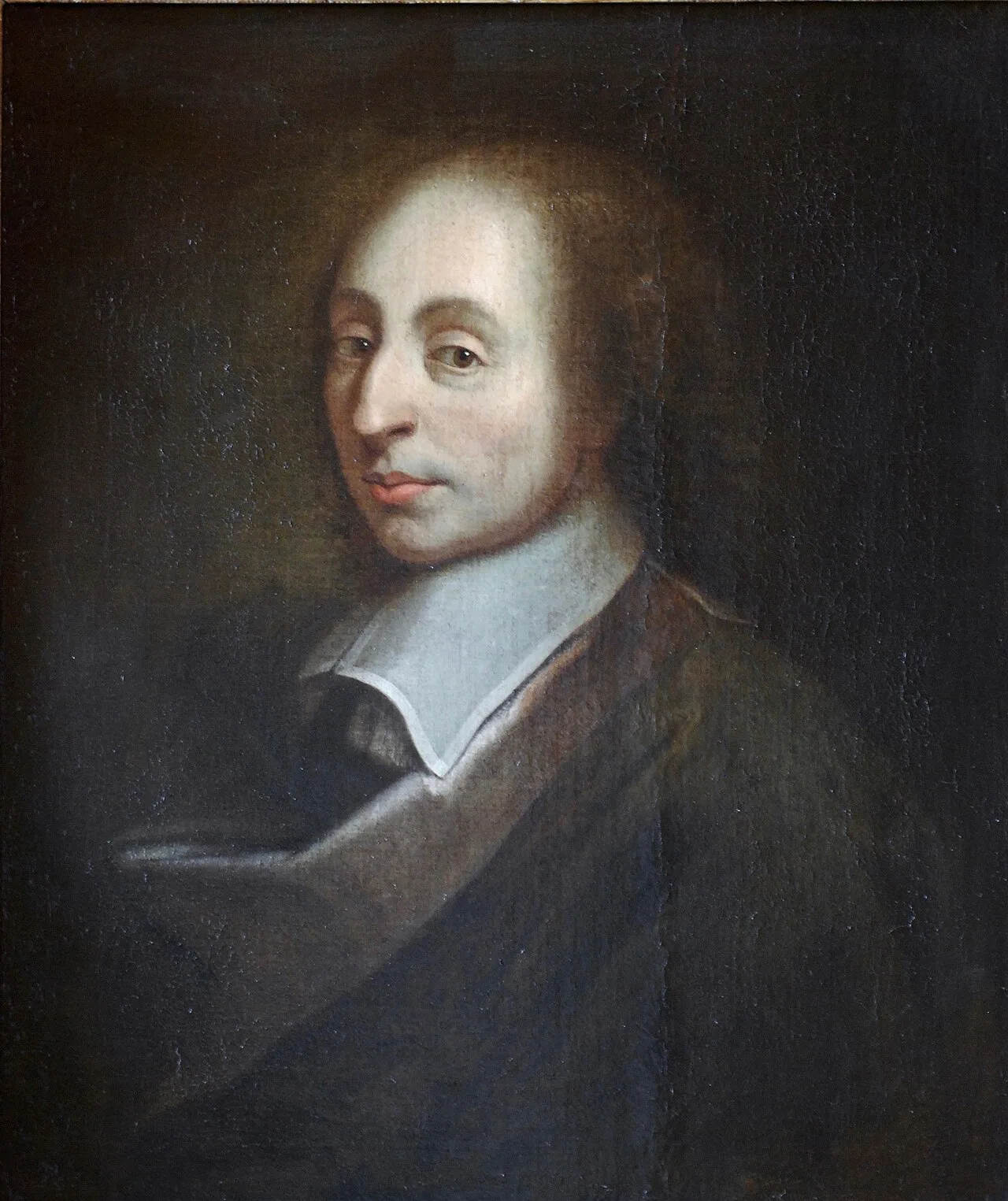
Blaise Pascal Versailles
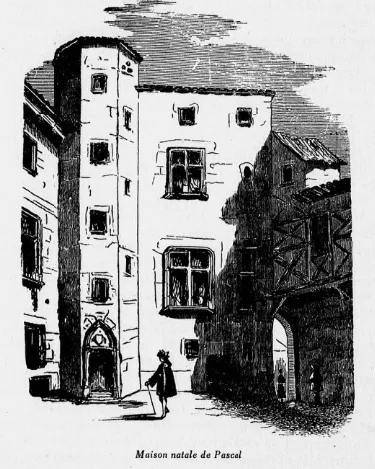
Pascal's birthplace
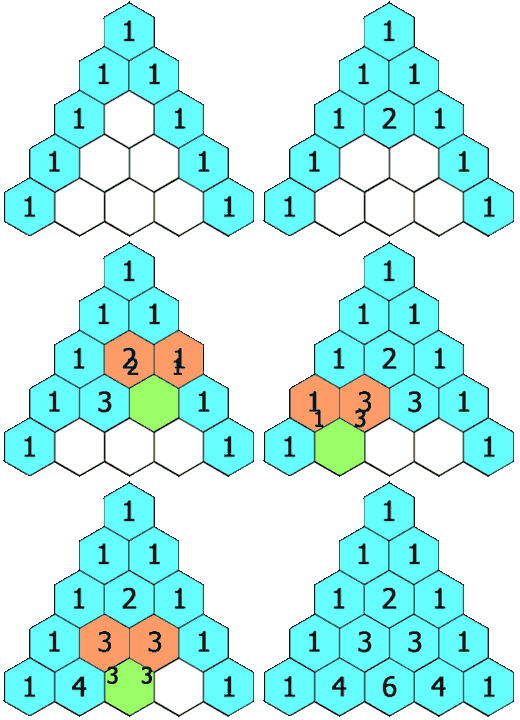
Pascal's triangle. Each number is the sum of the two directly above it. The triangle demonstrates many mathematical properties in addition to showing binomial coefficients.
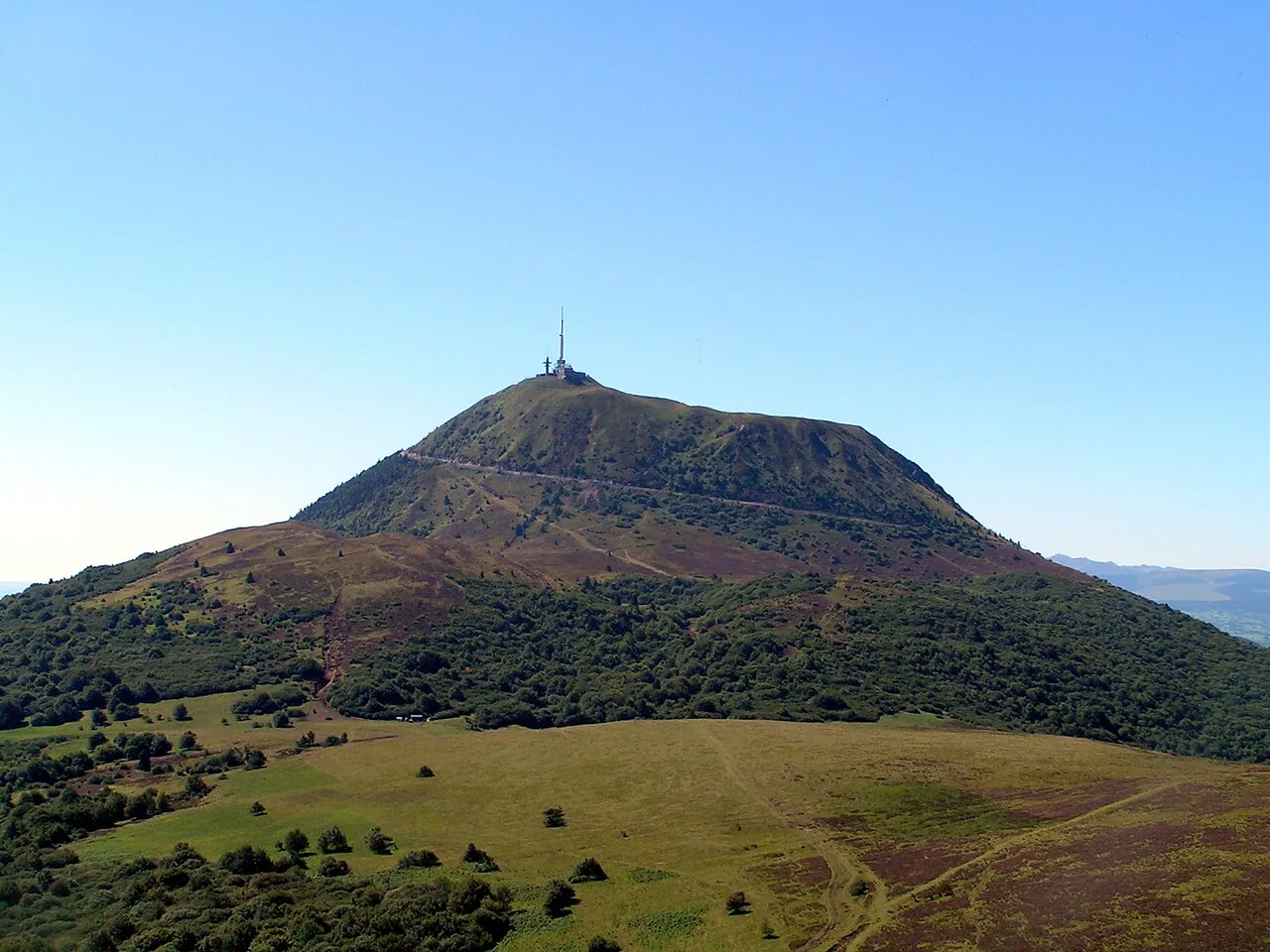
Puy de Dôme
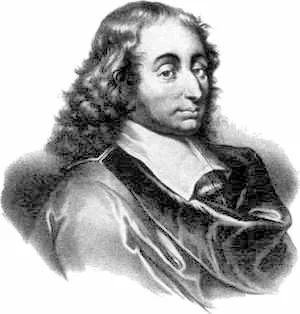
Pascal
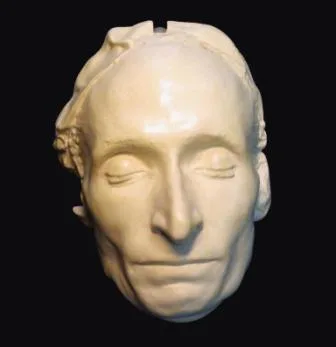
Death mask of Blaise Pascal
Blaise Pascal
Blaise Pascal was a French mathematician, physicist, inventor, philosopher, and Catholic writer.
Mechanical Relief for Paternal Tax Ledgers
In 1642, Blaise Pascal sought to ease his father's grueling burden of auditing and recalculating regional tax records. Though not yet 19, he designed and constructed the Pascaline, a mechanical calculator capable of both addition and subtraction. While this pioneering device served as an early ancestor to modern computer engineering, its high production cost meant it became primarily a luxury status symbol for the European elite.
From Wikipedia · CC BY-SA 4.0
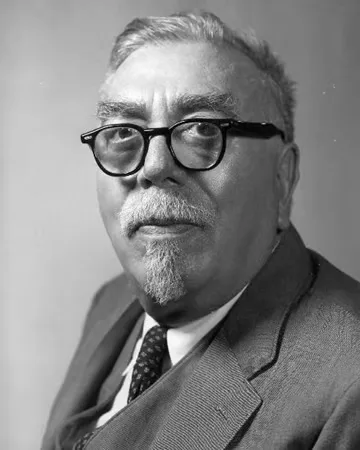
Norbert Wiener

Sign of N. Wiener
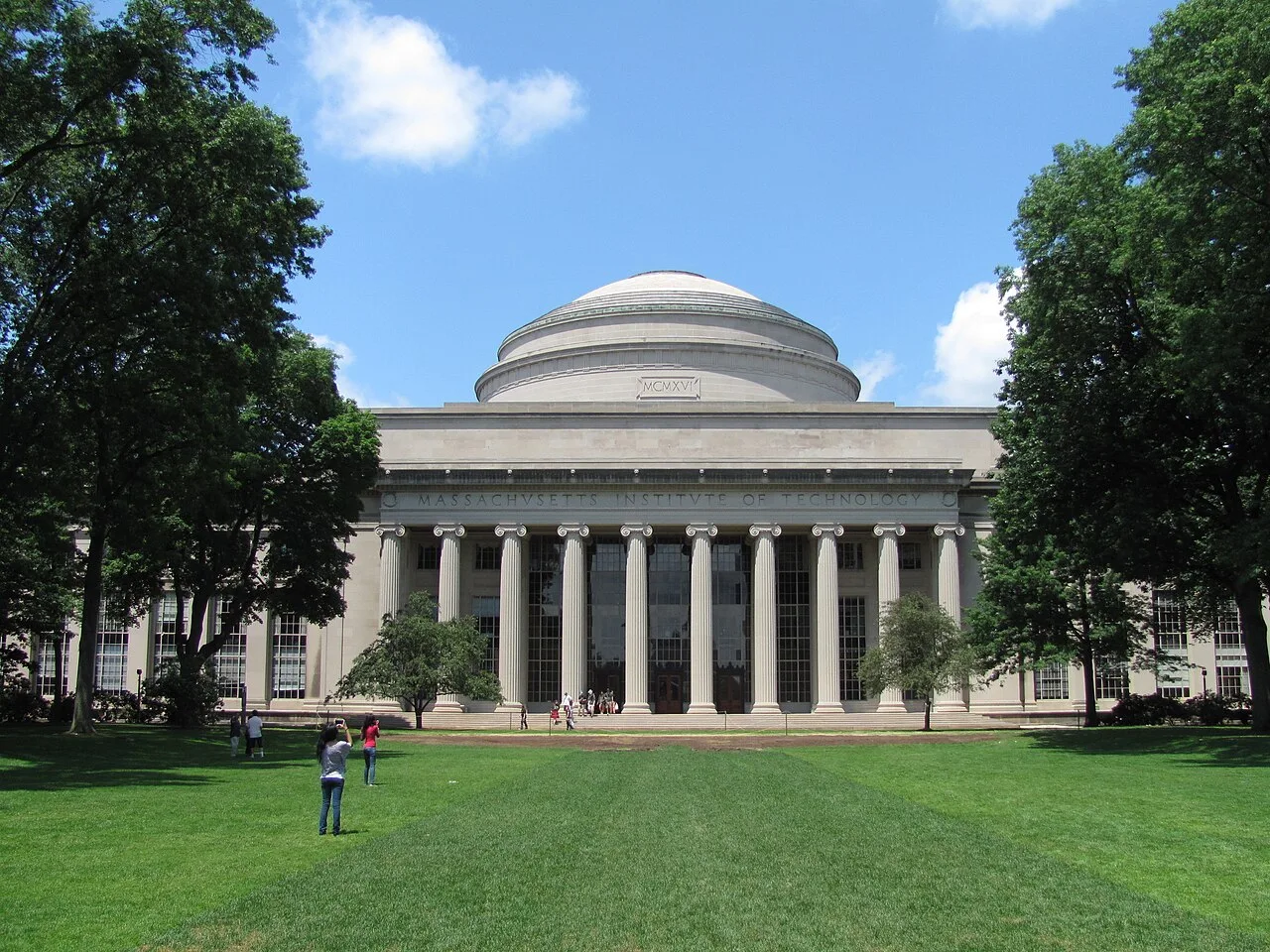
Wiener was regarded as a semi-legendary figure at MIT.
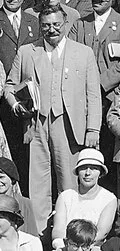
Norbert (standing) and Margaret Wiener (sitting) at the International Congress of Mathematicians, Zurich, 1932
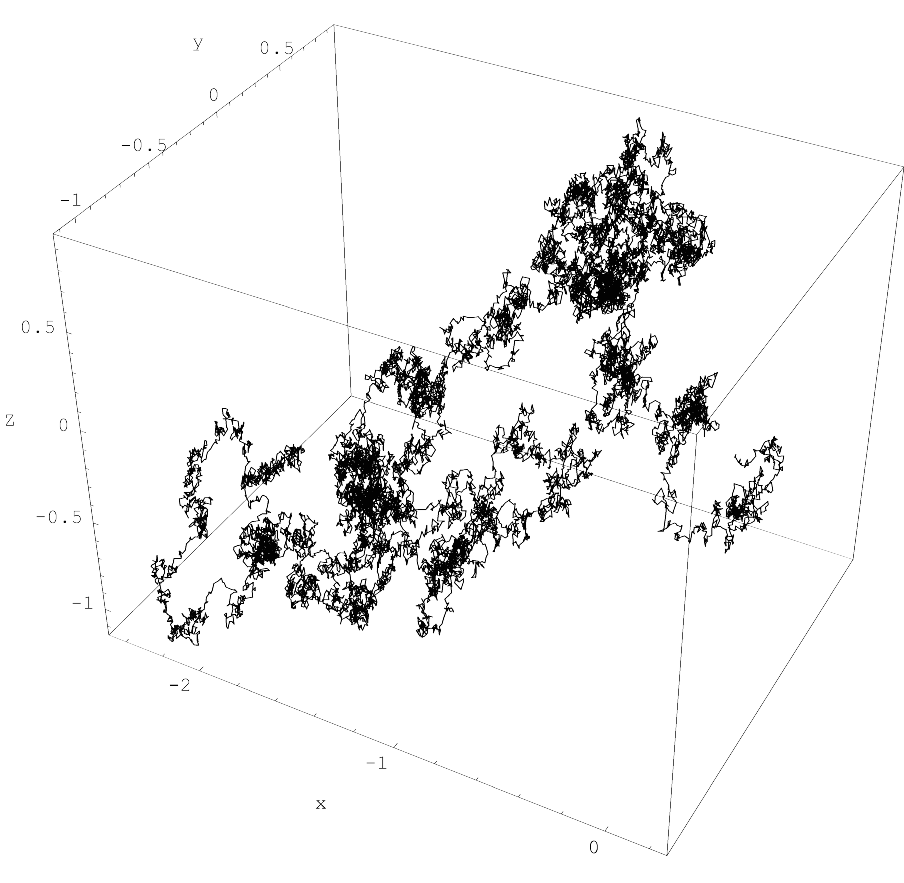
In the mathematical field of probability, the "Wiener sausage" is a neighborhood of the trace of a Brownian motion up to a time t, given by taking all points within a fixed distance of Brownian motion. It can be visualized as a cylinder of fixed radius the centerline of which is Brownian motion.
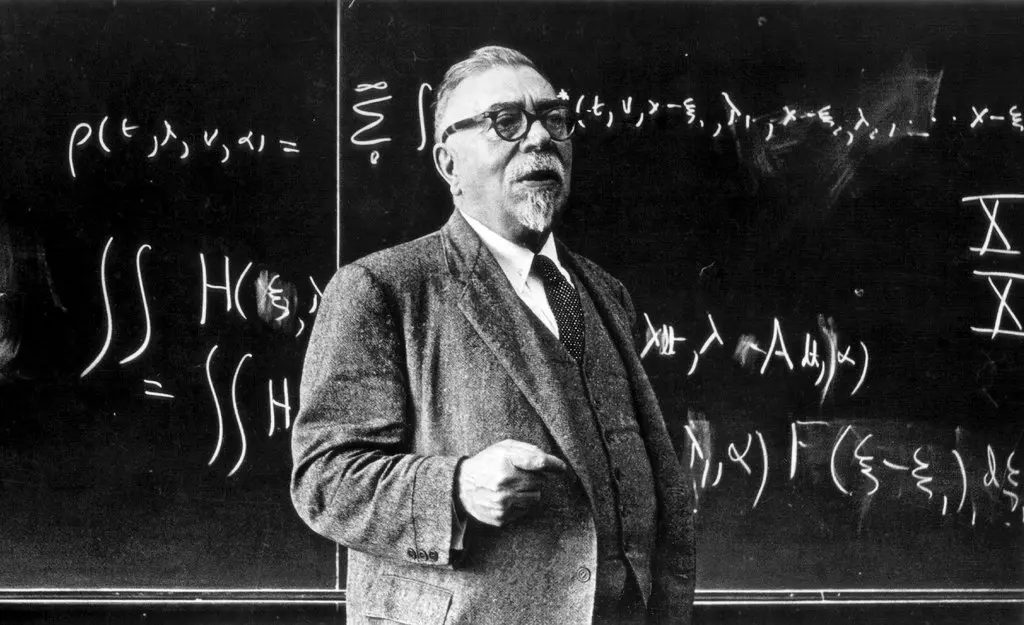
Wiener in MIT, 1963
Norbert Wiener
Norbert Wiener (1894–1964) was an American computer scientist, mathematician, and philosopher who was an early researcher in stochastic and mathematical noise processes.
Approximation over Absolutes at Age Ten
Before embarking on his accelerated academic journey, ten-year-old Norbert Wiener wrote an essay titled "The Theory of Ignorance." In this paper, he disputed humanity's presumption of limitless knowledge, arguing that all human understanding is inherently founded on approximations. Acknowledging the impossibility of absolute certainty laid an early philosophical foundation for his later career modeling physical noise and statistical processes.
From Wikipedia · CC BY-SA 4.0
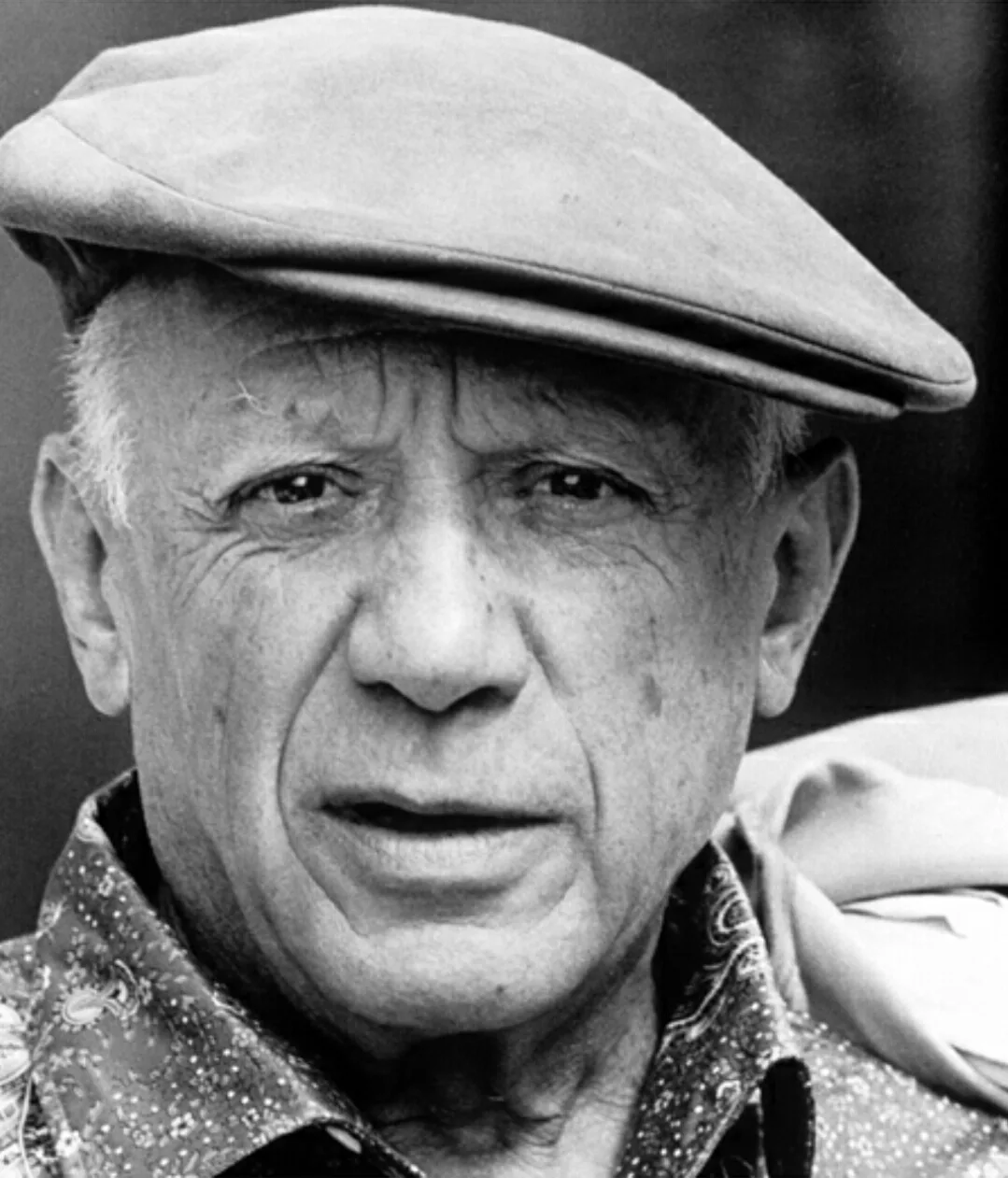
Black-and-white photo of Picasso in a coat
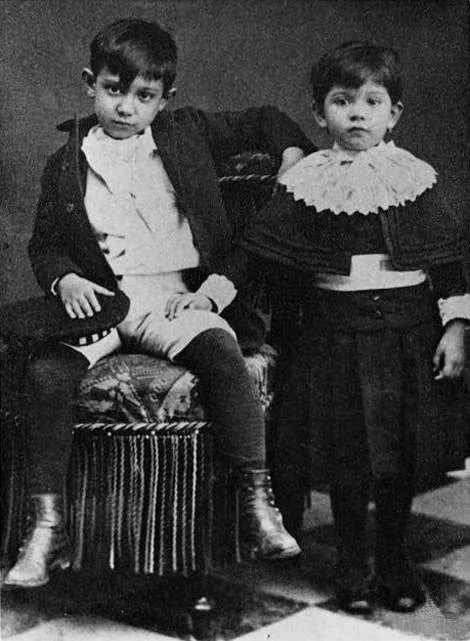
Picasso with his sister Lola, 1889
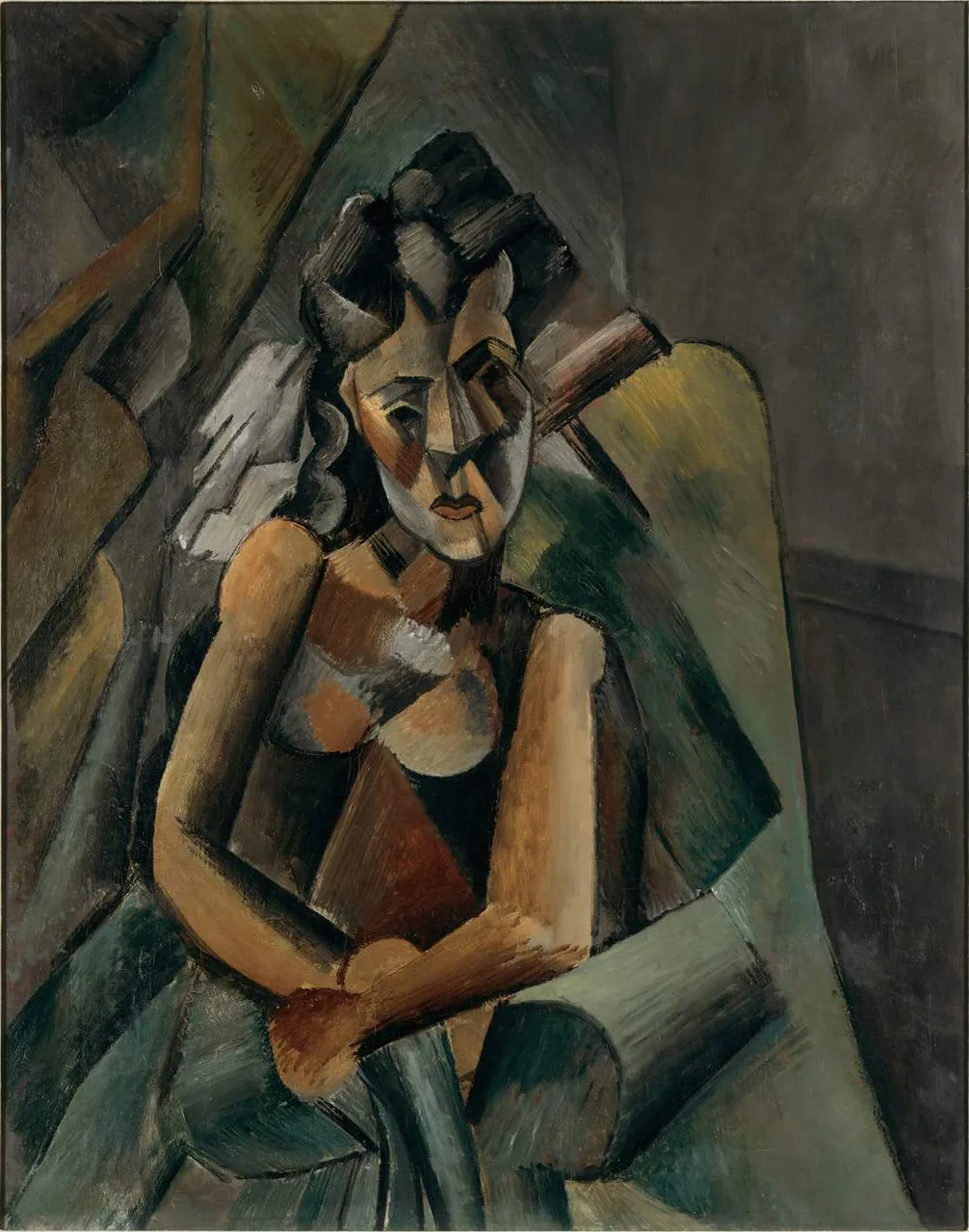
1909, Femme assise (Sitzende Frau), oil on canvas, 100 × 80 cm (39 × 31 in), Staatliche Museen, Neue Nationalgalerie, Berlin
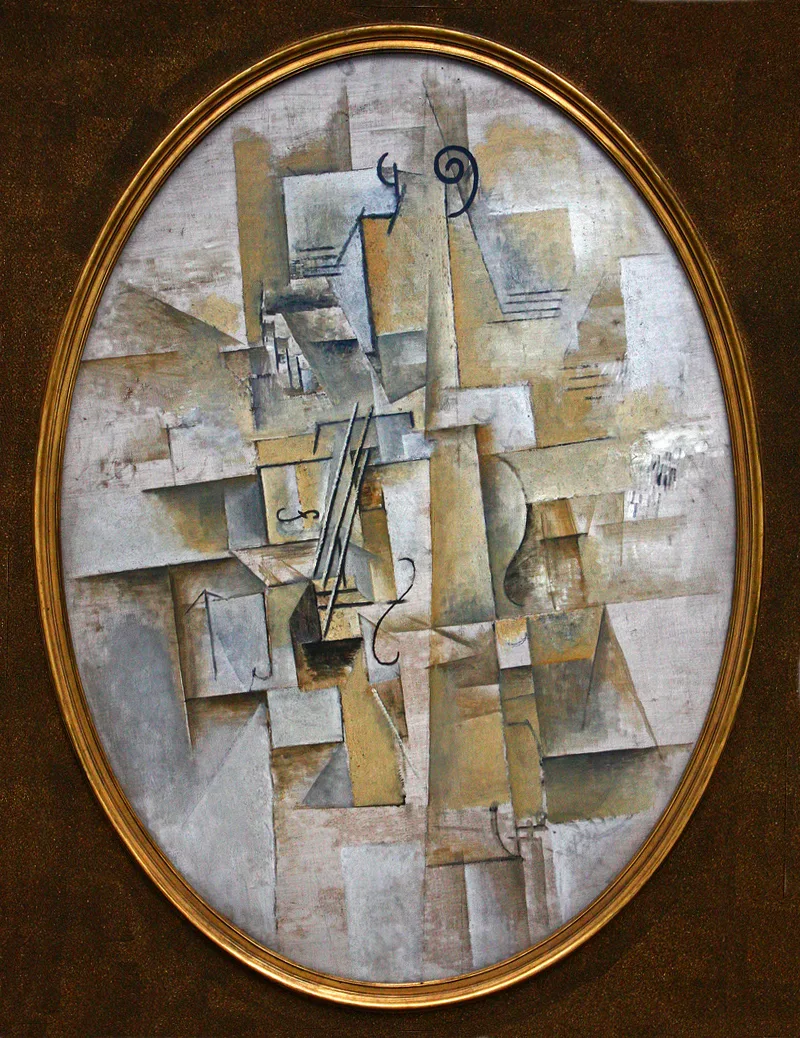
1911–12, Violon (Violin), oil on canvas, 100 × 73 cm (39 × 28 in) (oval), Kröller-Müller Museum, Otterlo, Netherlands. This painting from the collection of Wilhelm Uhde was confiscated by the French state and sold at the Hôtel Drouot in 1921.
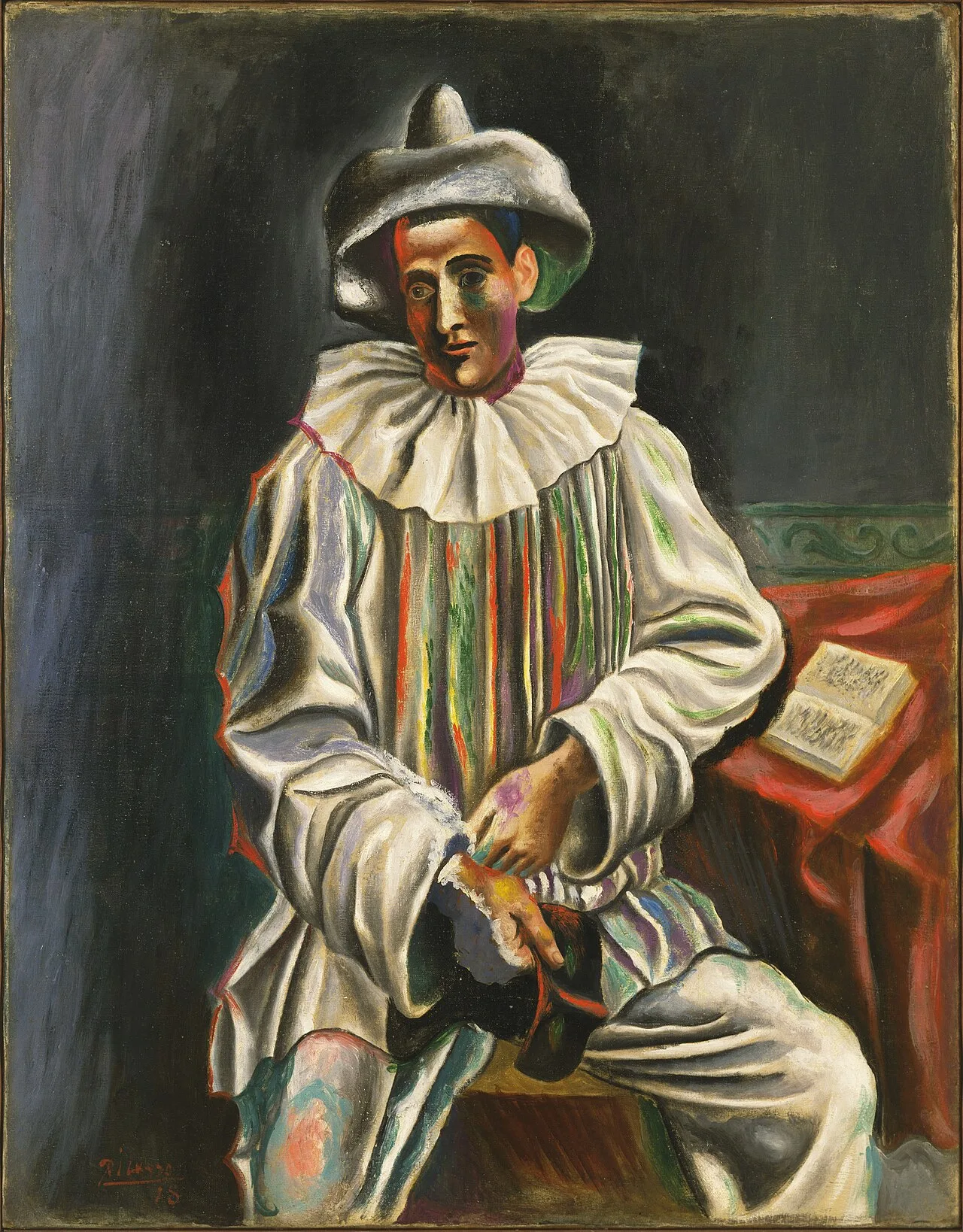
Pablo Picasso, 1918, Pierrot, oil on canvas, 92.7 × 73 cm, Museum of Modern Art, New York
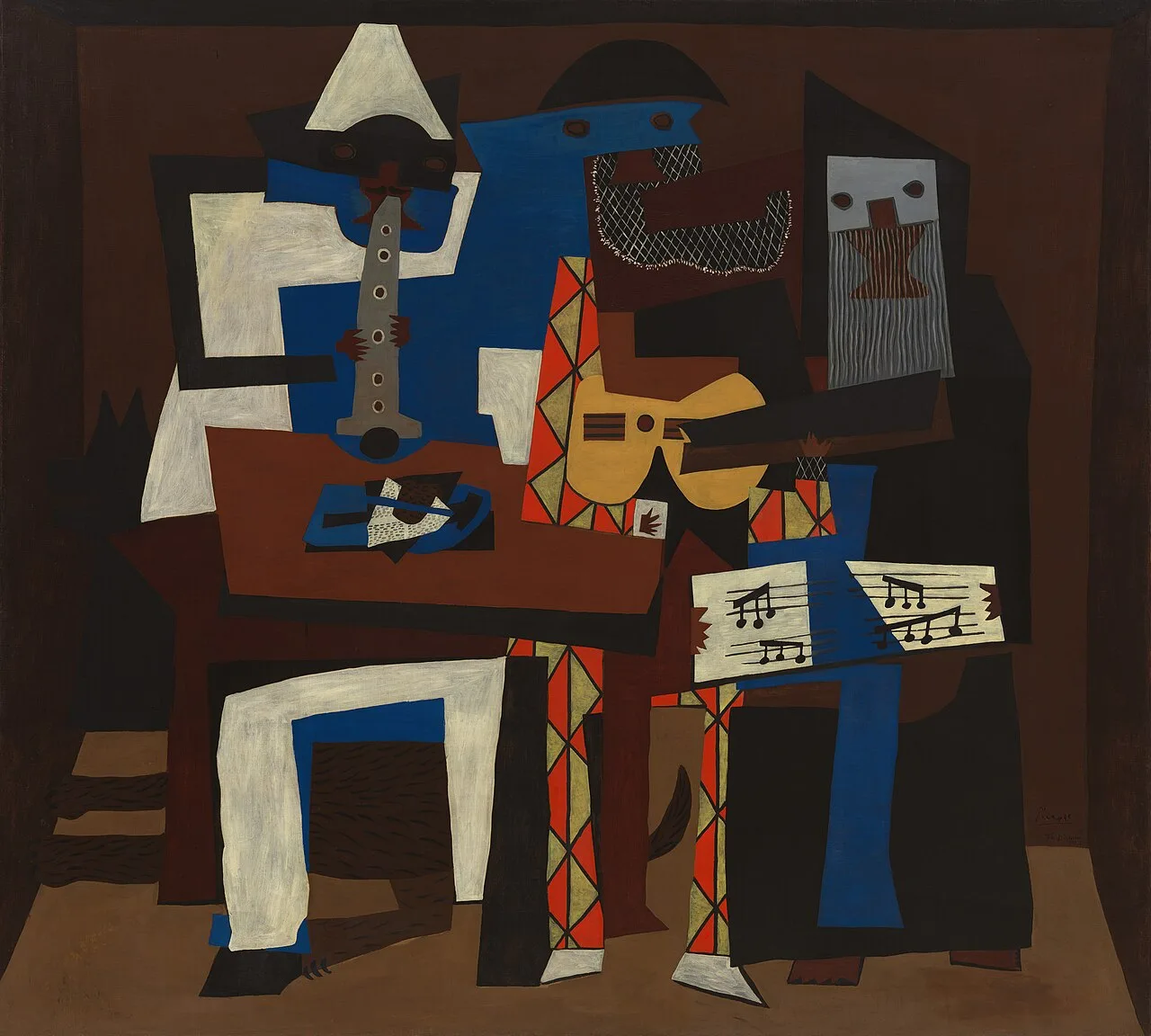
Pablo Picasso, 1921, Three Musicians, oil on canvas, 200.7 × 222.9 cm, Museum of Modern Art, New York. Mrs. Simon Guggenheim Fund
Pablo Picasso
Pablo Ruiz Picasso (1881–1973) was a Spanish artist who co-founded the Cubist movement and created famous works including Les Demoiselles d'Avignon and Guernica.
One Week to Clear a Month of Exams
At age 13, Picasso demonstrated technical mastery that far outpaced standard academic timelines. His father Ruiz persuaded officials at the academy to grant the boy an entrance exam for the advanced class. Although applicants were typically allotted a month to complete the rigorous examination, Picasso finished his entire submission in a single week to secure admission.
From Wikipedia · CC BY-SA 4.0

Bobby Fischer 1972
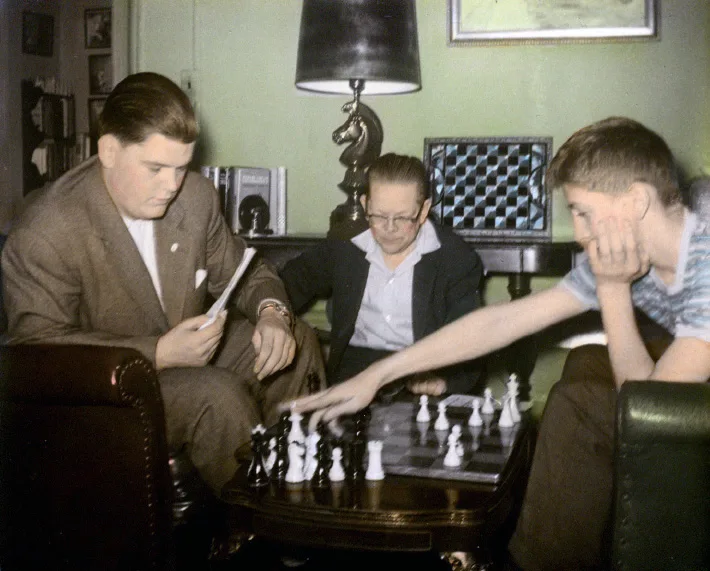
William Lombardy (left) and Fischer analyzing, with Jack Collins (center) looking on
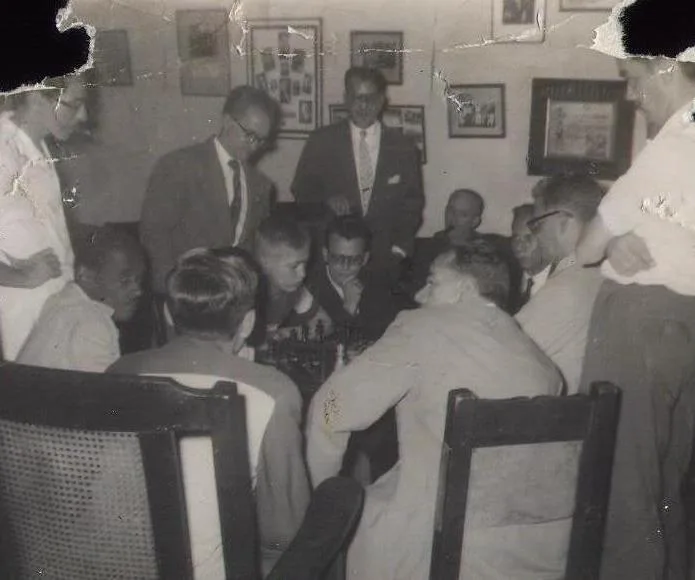
Fischer in Cuba, March 1956
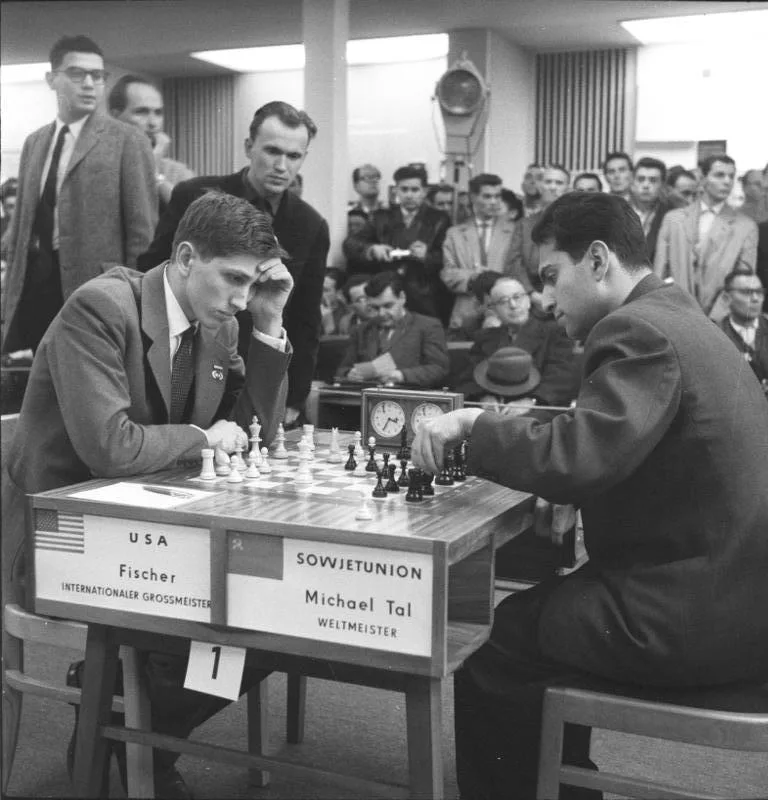
Fischer at 17 playing 23-year-old World Champion Mikhail Tal in Leipzig, East Germany
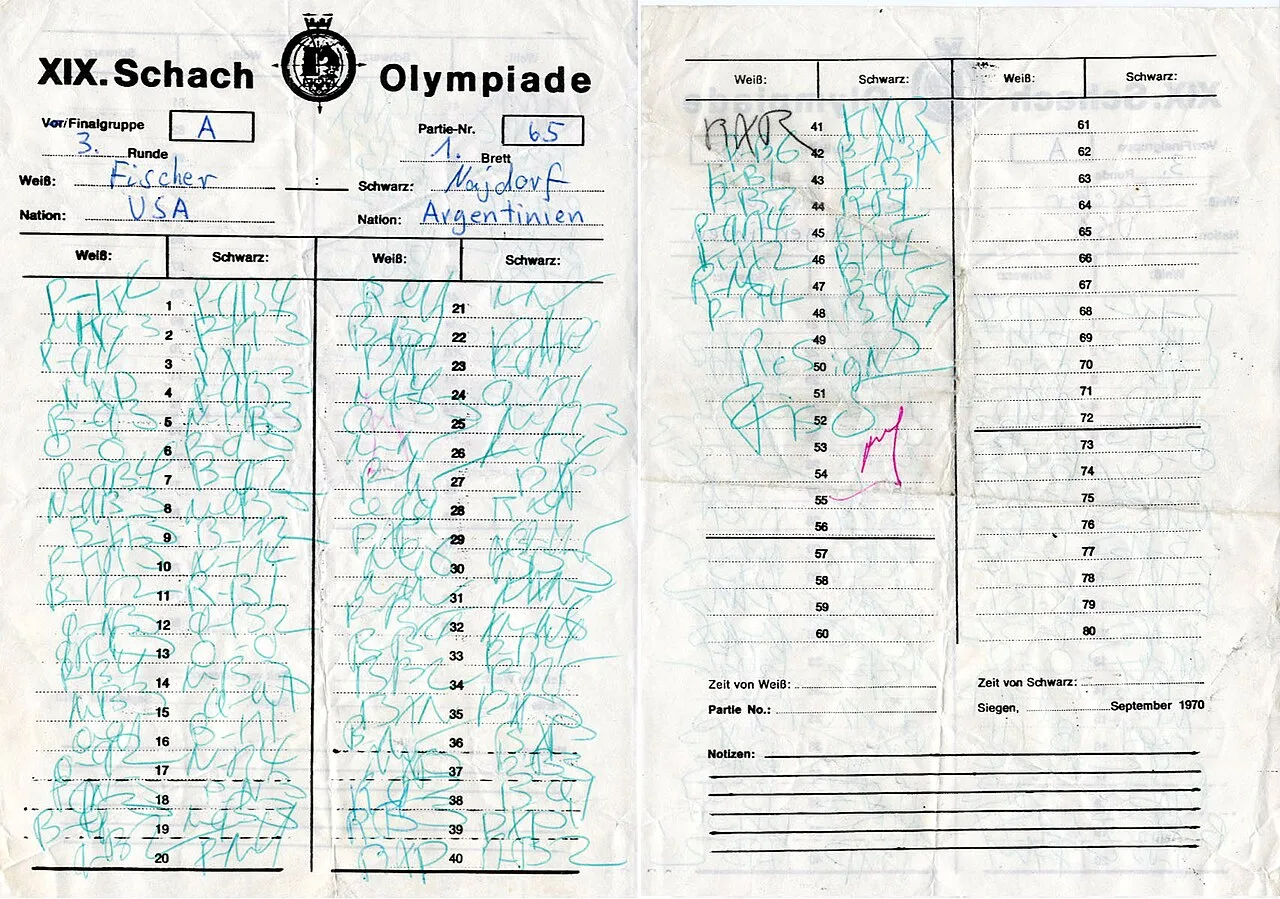
Fischer's scoresheet from his round 3 game against Miguel Najdorf in the 1970 Chess Olympiad in Siegen, Germany

Fischer is buried at the Church of Laugardælir (2007 photo).
Bobby Fischer
Robert James Fischer (1943–2008) was an American chess grandmaster and the eleventh World Chess Champion, celebrated for his victory over Boris Spassky in 1972.
The Unclassifiable Postcard to the Brooklyn Eagle
Regina Fischer sought chess partners for her engrossed son by sending a postcard to the Brooklyn Eagle on November 14, 1950. The newspaper rejected the inquiry because staff could not figure out how to classify the advertisement. Instead, they forwarded her letter to Hermann Helms, who directed the young player to a simultaneous exhibition given by Max Pavey on January 17, 1951.
From Wikipedia · CC BY-SA 4.0
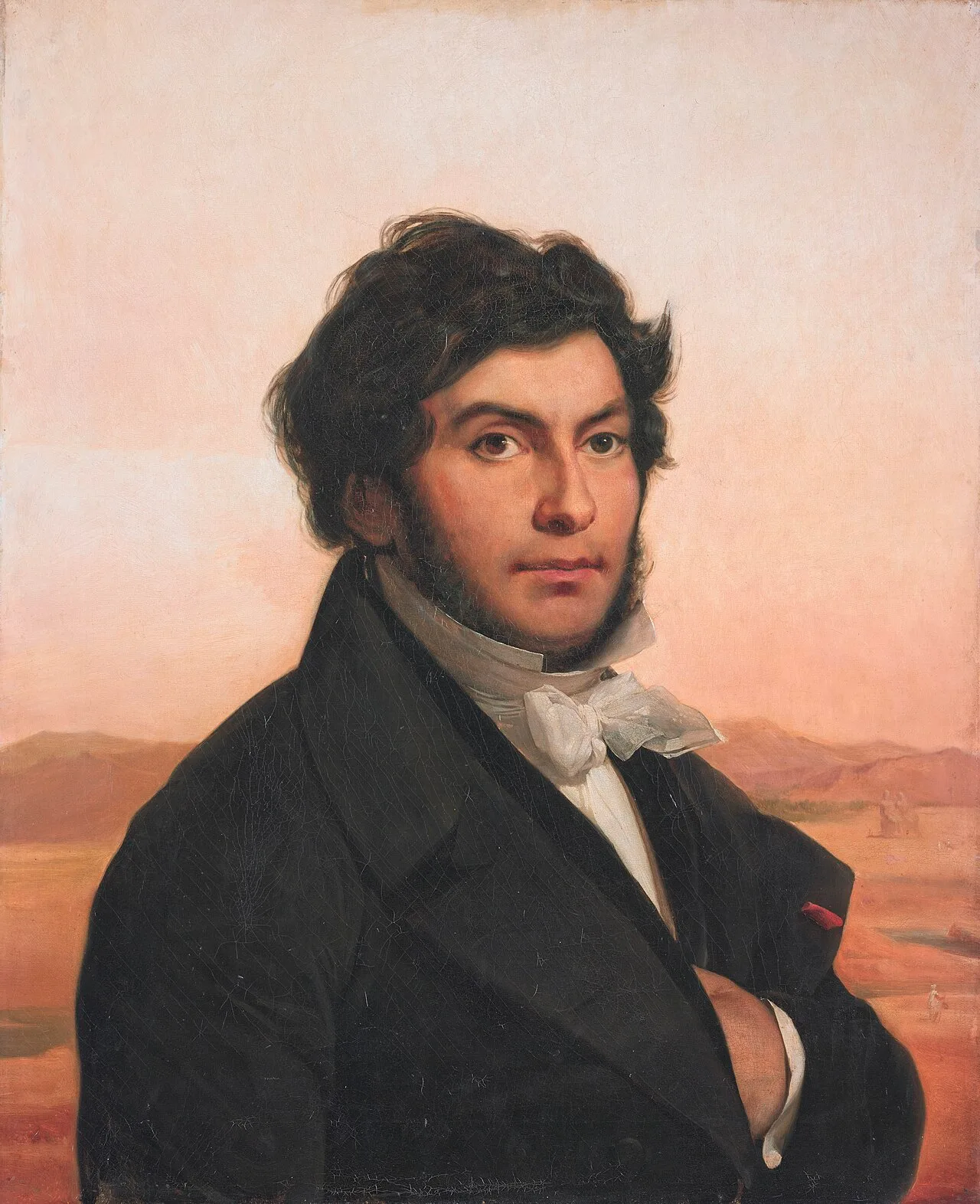
Painting of a young man with dark hair and a beard, on a desert background
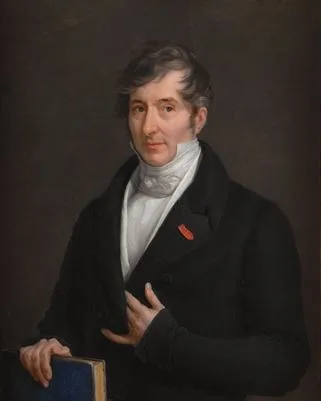
Jacques-Joseph Champollion-Figeac, brother and faithful supporter of the scientific endeavors of Jean-François Champollion
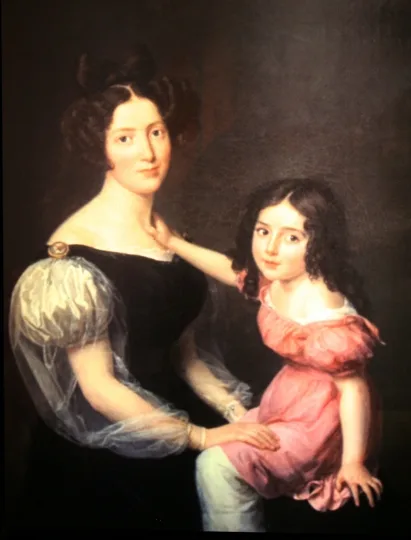
Portrait of Rosine and Zoraïde Champollion
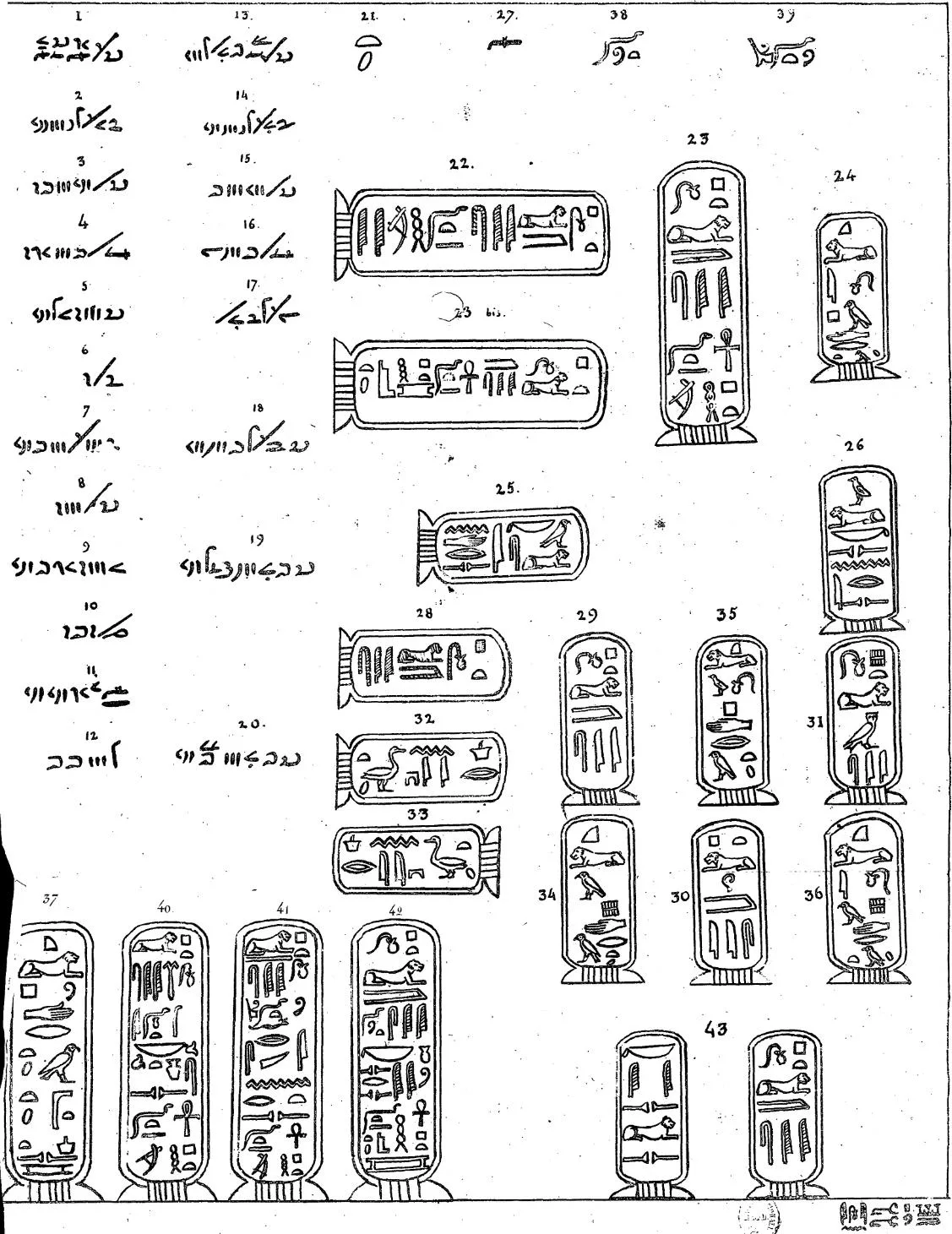
An extract from "Lettre à M. Dacier".
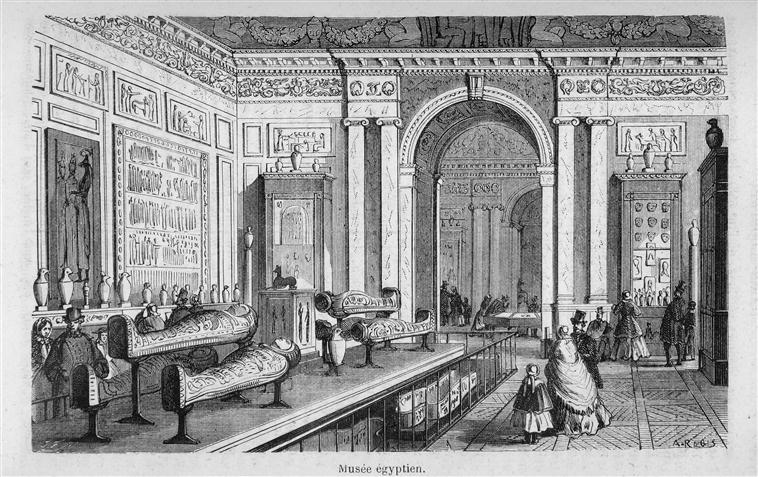
The first room of the Egyptian collection in the Louvre as it was in 1863, very similar to Champollion's original design.[98]
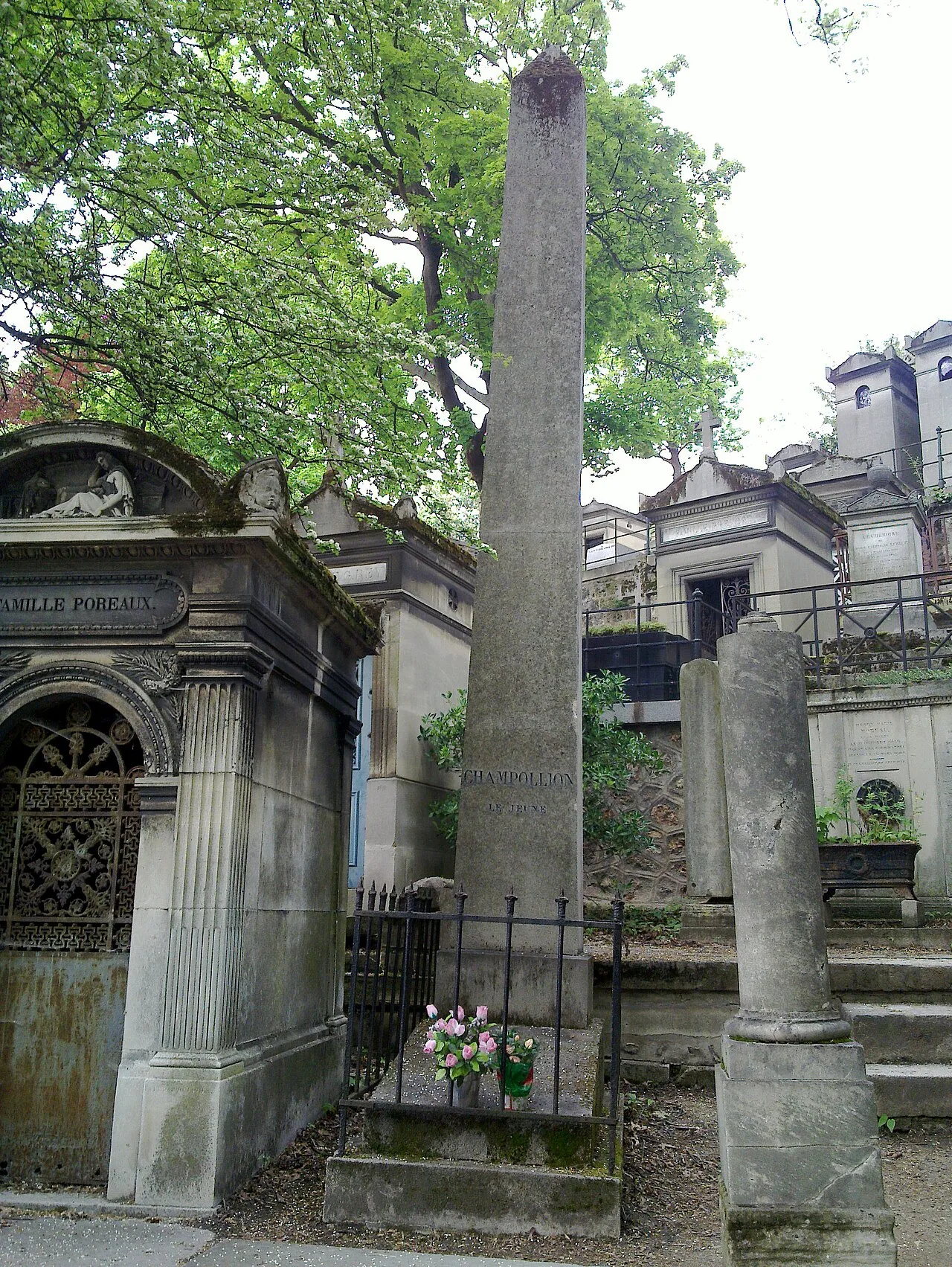
Grave of Champollion in Père Lachaise Cemetery (Paris)
Jean-François Champollion
Jean-François Champollion (1790–1832) was a French philologist and orientalist known primarily as the decipherer of Egyptian hieroglyphs and a founding figure in Egyptology.
Living and Conversing in Coptic
Champollion approached the hieroglyphic puzzle by treating Coptic as the surviving descendant of the ancient spoken tongue. To master the idiom completely, he sought out a Coptic priest named Youhanna Chiftichi in Paris to learn pronunciation and vocabulary. This deep linguistic immersion provided the essential key that allowed him to read the ancient script rather than viewing it as untranslatable symbolism.
From Wikipedia · CC BY-SA 4.0