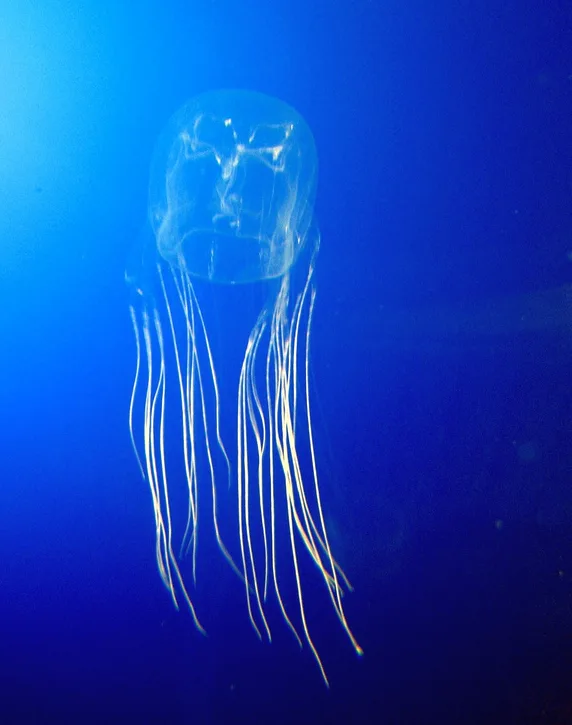
Avispa marina cropped

Chironex fleckeri Range Map
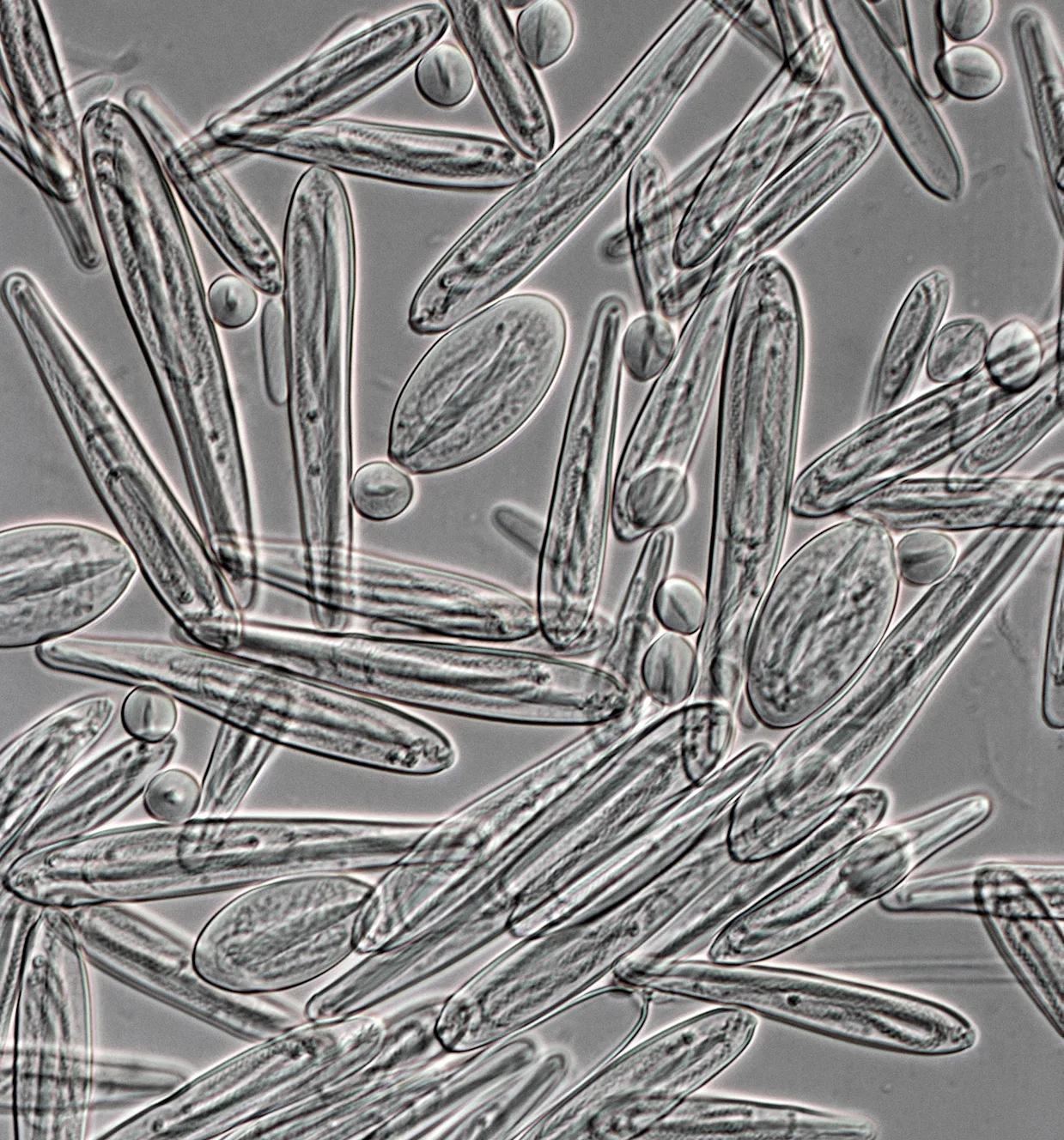
Cnidocytes from Chironex fleckeri (400x magnification)
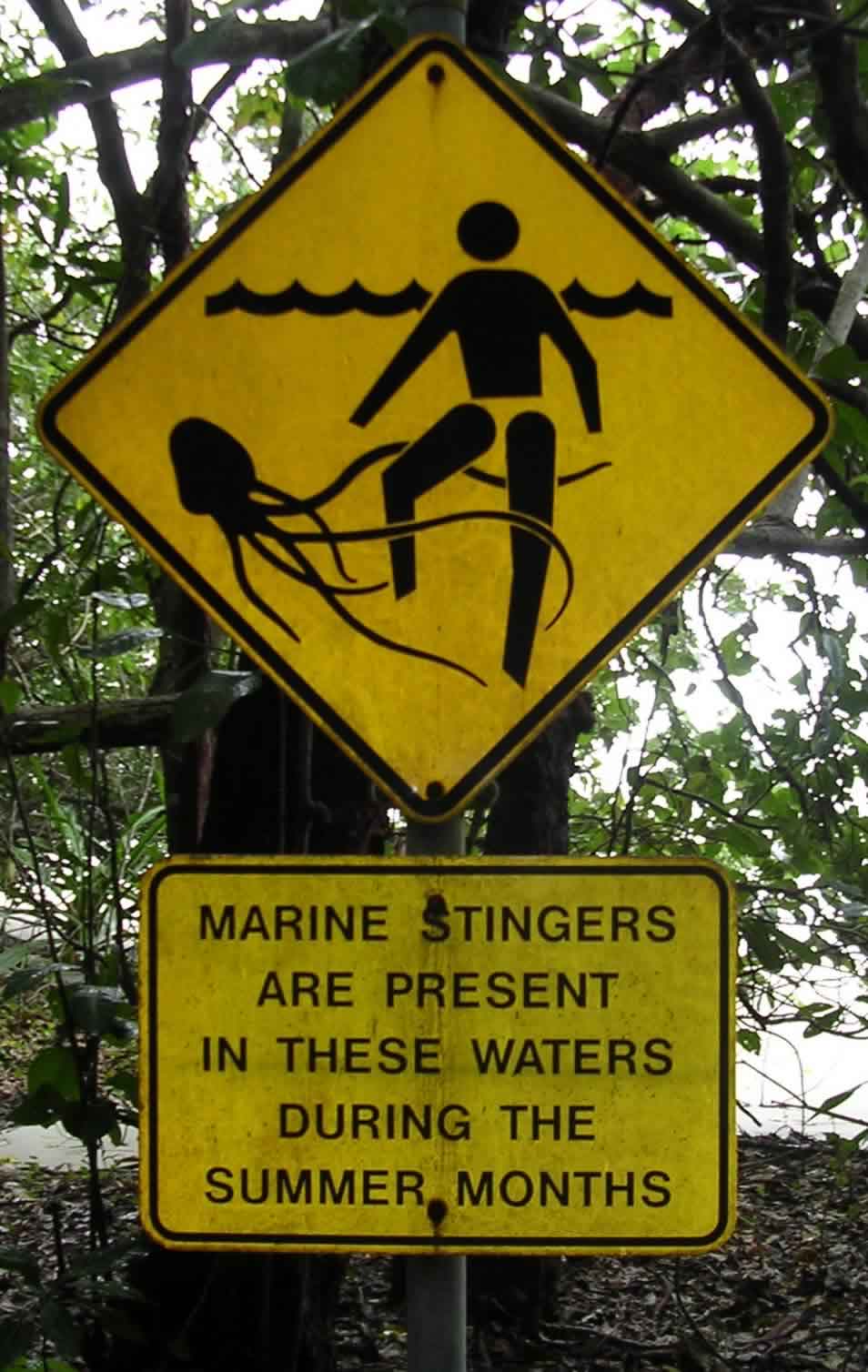
Box jellyfish warning signpost at a Cape Tribulation beach in Queensland, Australia
Chironex fleckeri
Chironex fleckeri, commonly known as the Australian box jelly or sea wasp, is an extremely venomous box jellyfish native to coastal waters of northern Australia and the Indo-Pacific.
The Cardwell Specimen and the Hand of Murder
On 20 January 1955, a five-year-old boy died after being stung in shallow water at Cardwell, North Queensland, prompting toxicologist Doctor Hugo Flecker to collect three jellyfish specimens. Flecker forwarded an unidentified box-shaped creature to Dr. Ronald Southcott in Adelaide, who officially published the new genus and species on 29 December 1955. Southcott derived the genus name Chironex from Greek and Latin terms signifying hand and murder, referencing the creature's hand-like corner appendages.
From Wikipedia · CC BY-SA 4.0
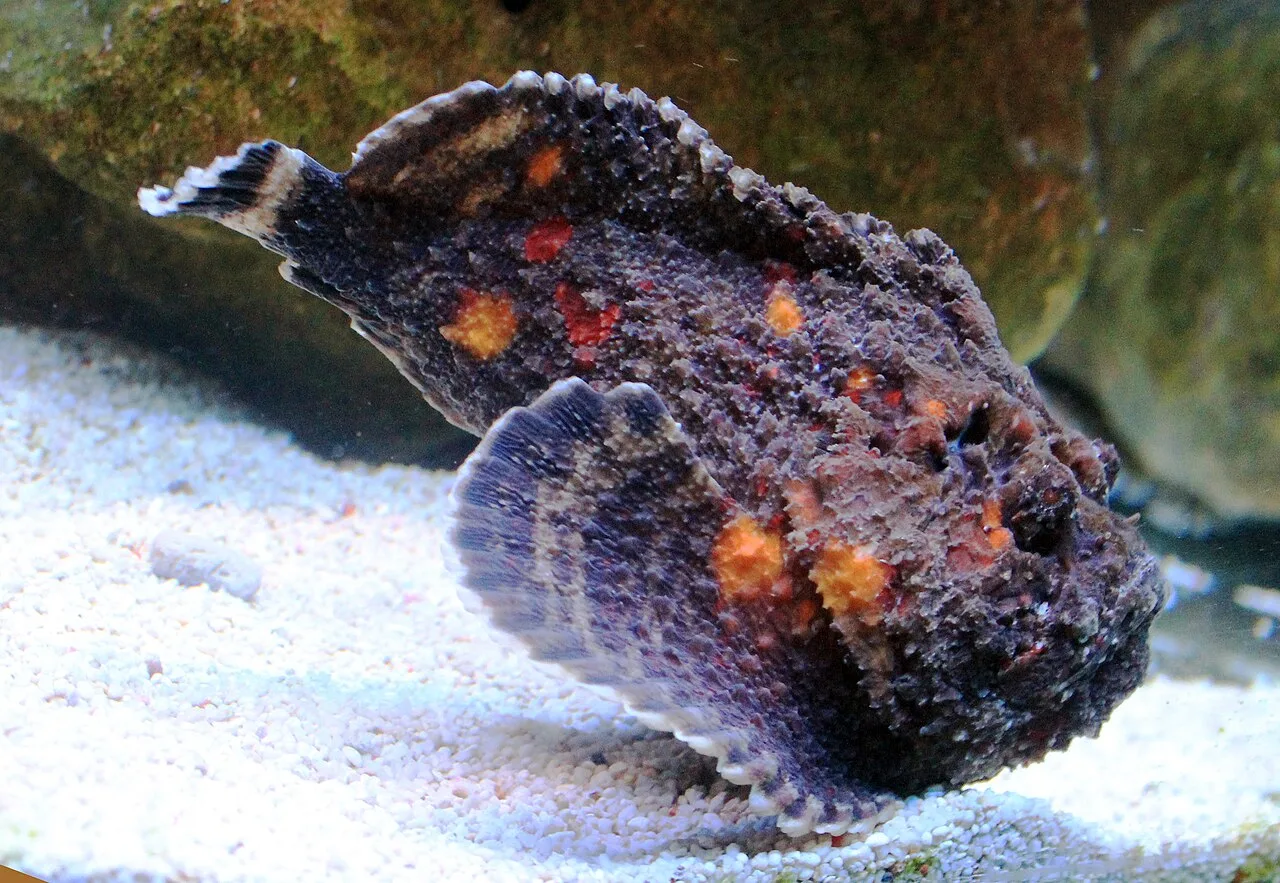
Synanceia verrucosa Prague 2011 2
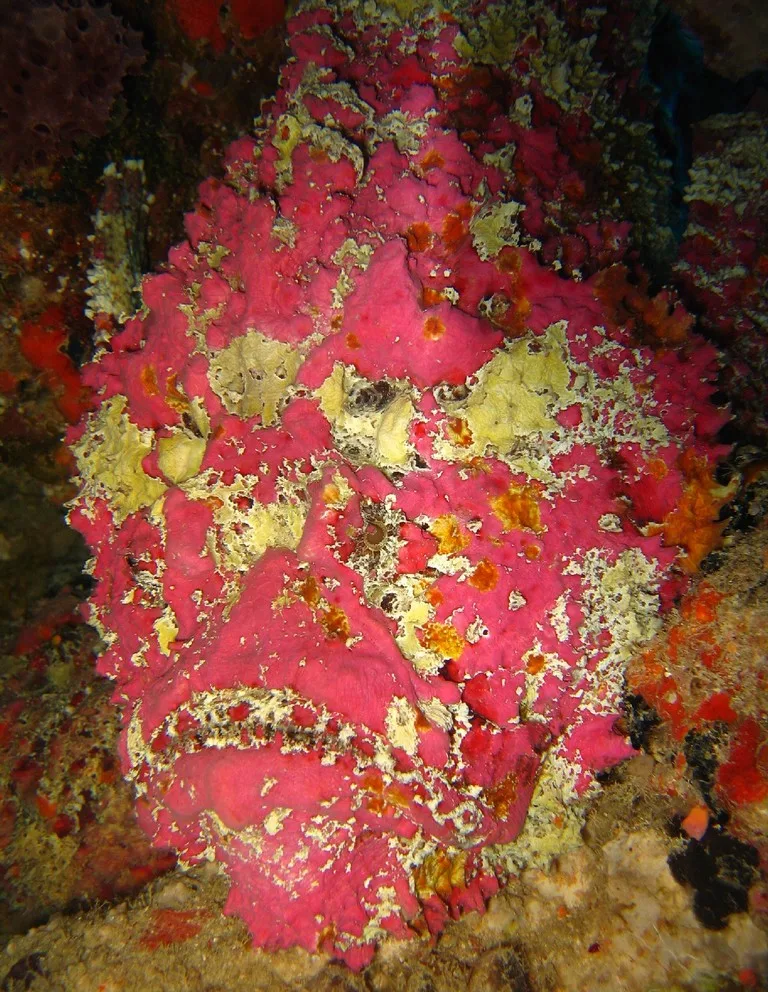
Reef stonefish in the Great Barrier Reef Marine Park
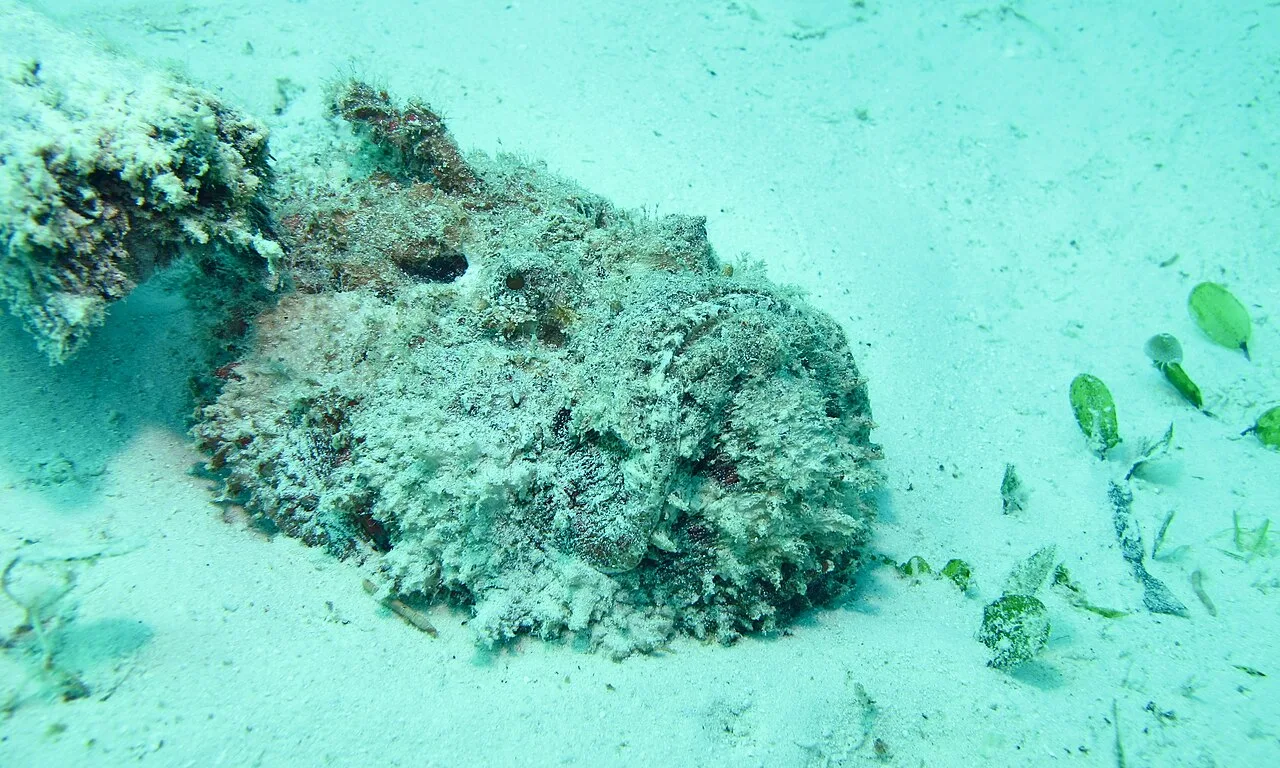
Reef stonefish on the reef floor
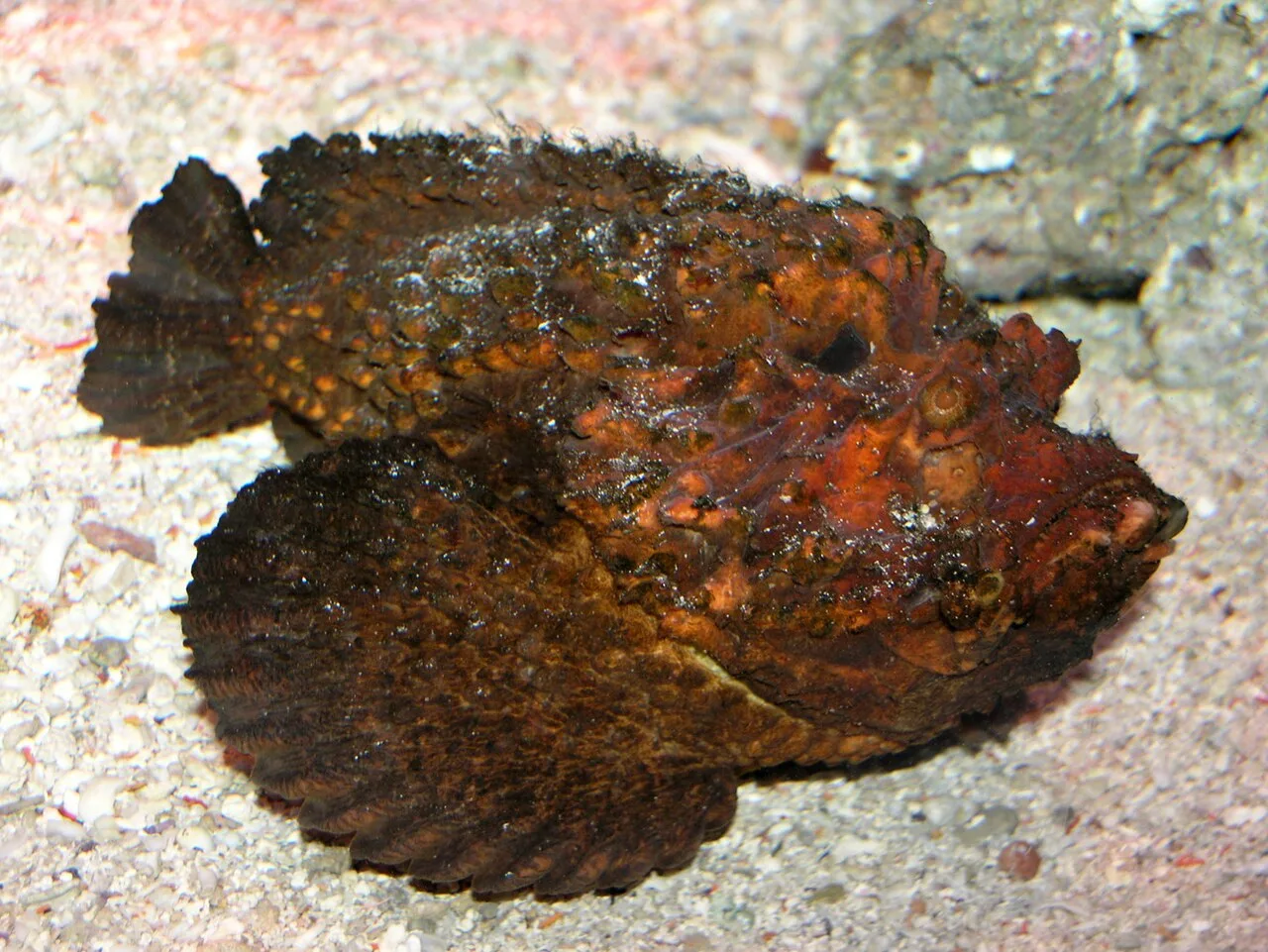
Synanceia verrucosa in a public aquarium
Synanceia verrucosa
Synanceia verrucosa, the reef stonefish, is a species of venomous marine ray-finned fish found in the Red Sea and Indo-Pacific that possesses venom capable of killing humans.
Warty Naming by 18th- and 19th-Century Naturalists
German naturalists Marcus Elieser Bloch and Johann Gottlob Theaenus Schneider first formally described the species in 1801, assigning India as its type locality. The specific name verrucosa reflects the warty growths covering the fish's scaleless skin. While initially placed into a newly described genus, later taxonomic review designated a related species to serve as the generic type.
From Wikipedia · CC BY-SA 4.0
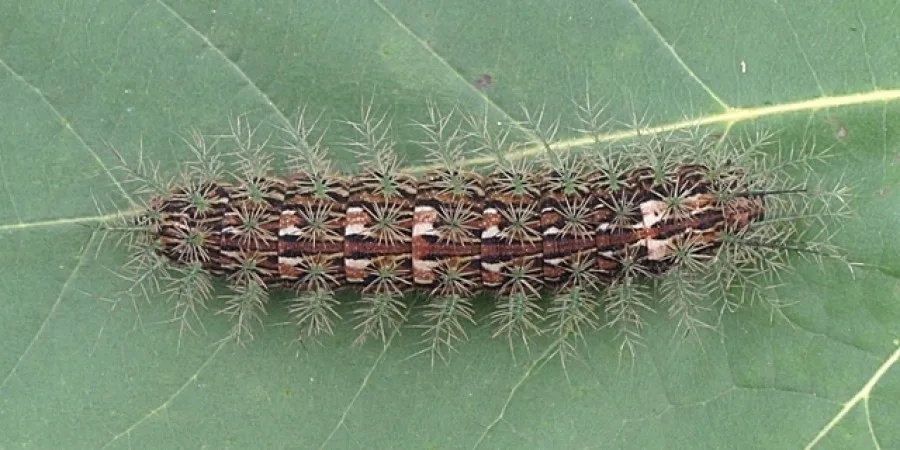
Lonomia-obliqua-citsc-1
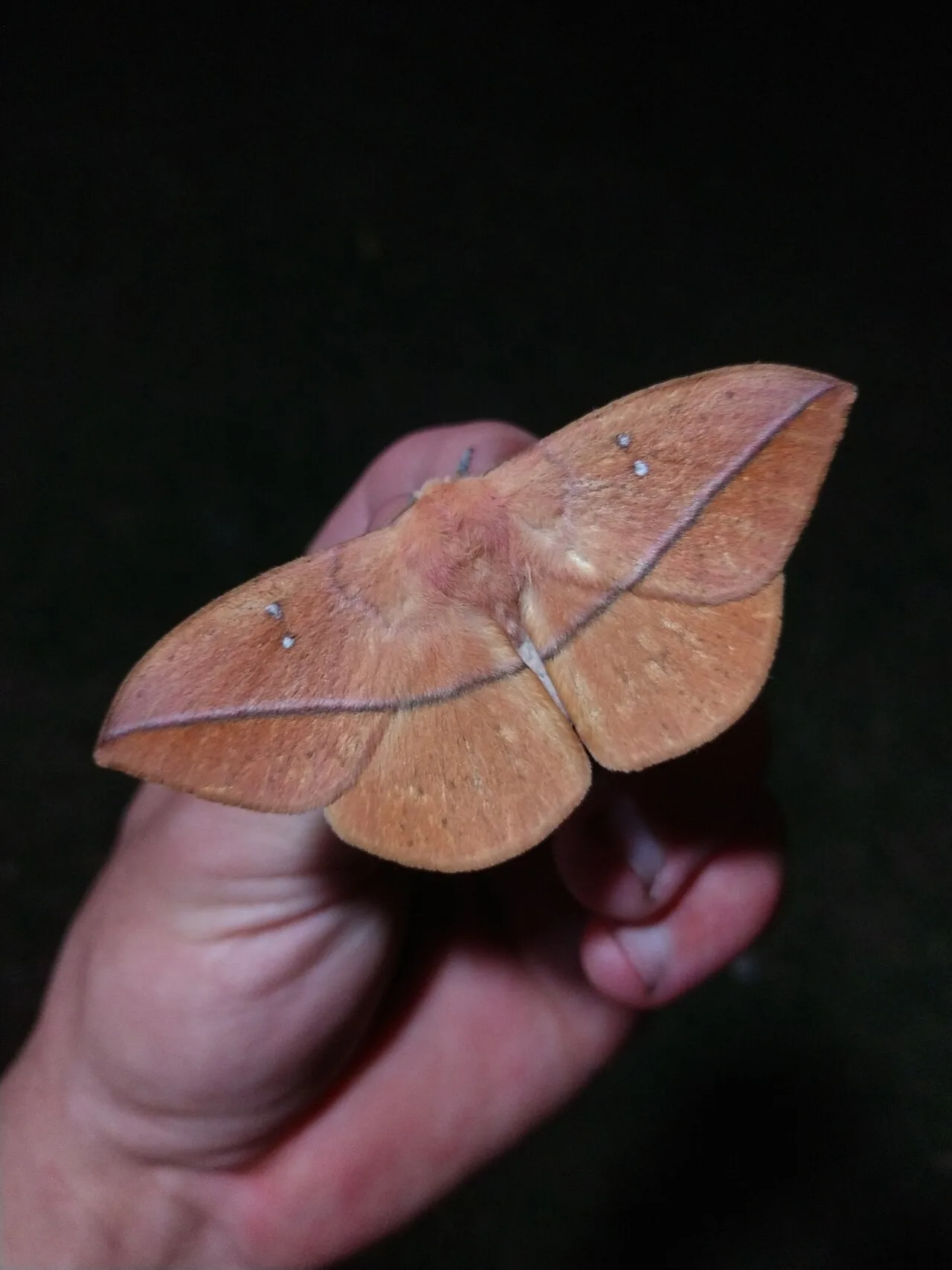
Adult
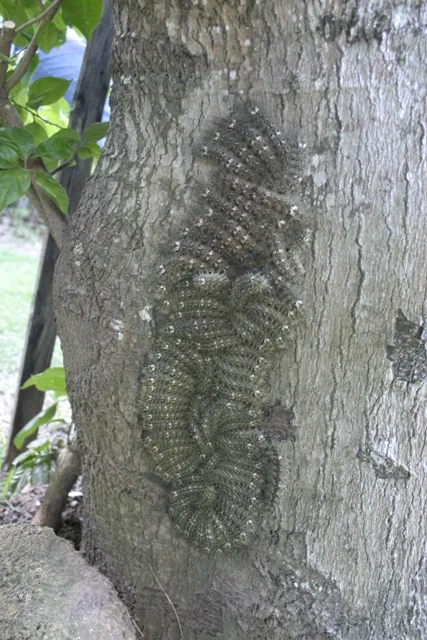
Gregarious L. obliqua caterpillars clustered on a tree trunk. Contact with multiple caterpillars can result in more significant envenomation, and more serious health effects.
Lonomia obliqua
Lonomia obliqua is a South American saturniid moth whose larval caterpillar possesses urticating bristles that inject a potentially deadly venom.
The Rio Grande do Sul Agrarian Outbreak
The caterpillar came to global attention through an unexplained medical crisis in an agrarian community in Rio Grande do Sul. Agricultural workers developed severe hematomas and gangrene-like symptoms without an obvious culprit. Each patient recalled nothing more unusual than handling leafy branches while breaking trails or gathering vegetation. Field investigators scouring the area eventually identified the camouflaged Lonomia obliqua hidden among the leaves as the common denominator.
From Wikipedia · CC BY-SA 4.0
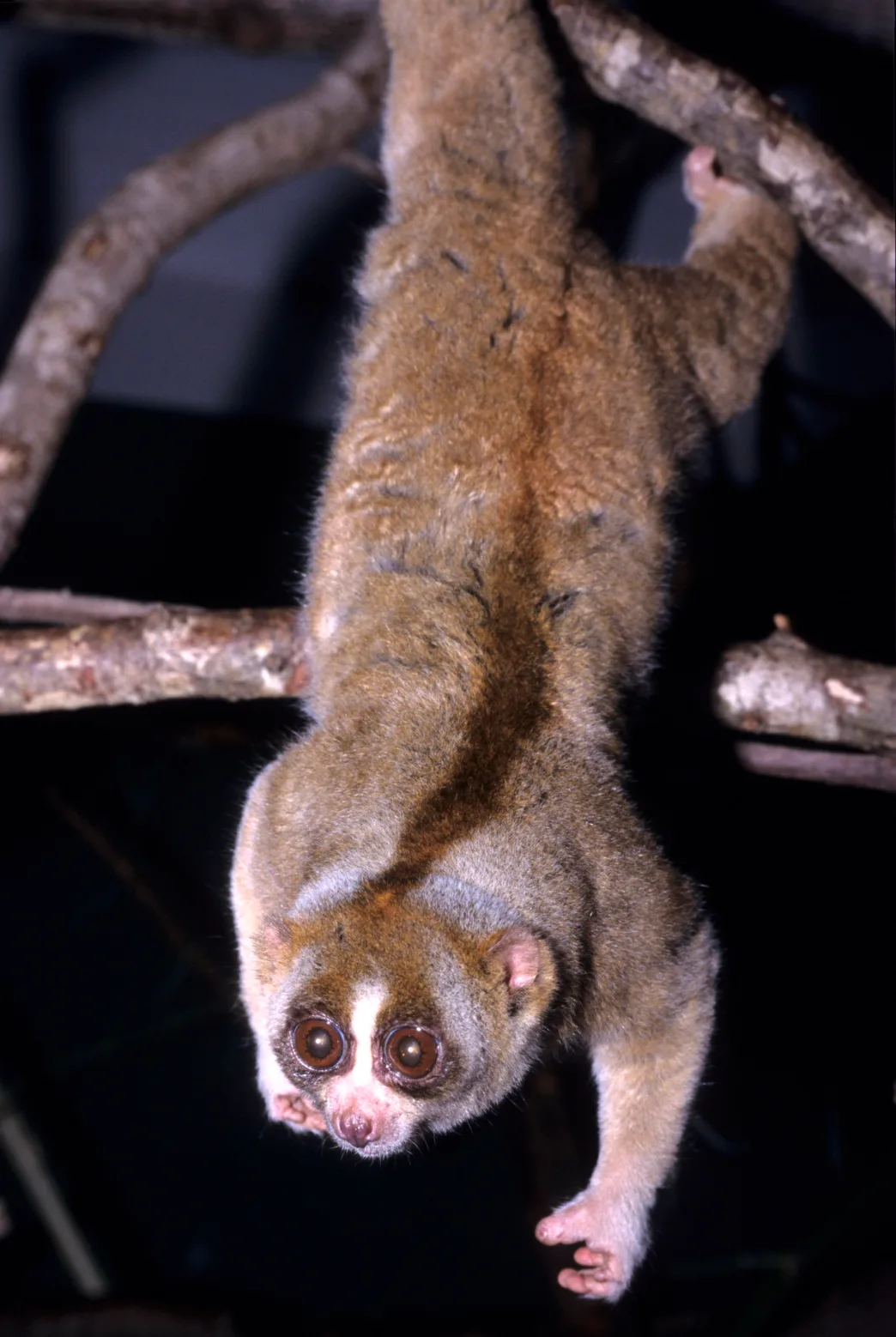
Nycticebus coucang 002
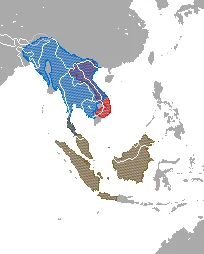
Range map showing ranges of several species: the Sunda slow loris complex (N. coucang) in Thailand, Malaysia, and Indonesia; the Bengal slow loris (N. bengalensis) in east India, China, Bangladesh, Bhutan, Burma, Thailand, Laos, Vietnam, and Cambodia; and the pygmy slow loris (X. pygmaeus) in Vietnam and Laos.
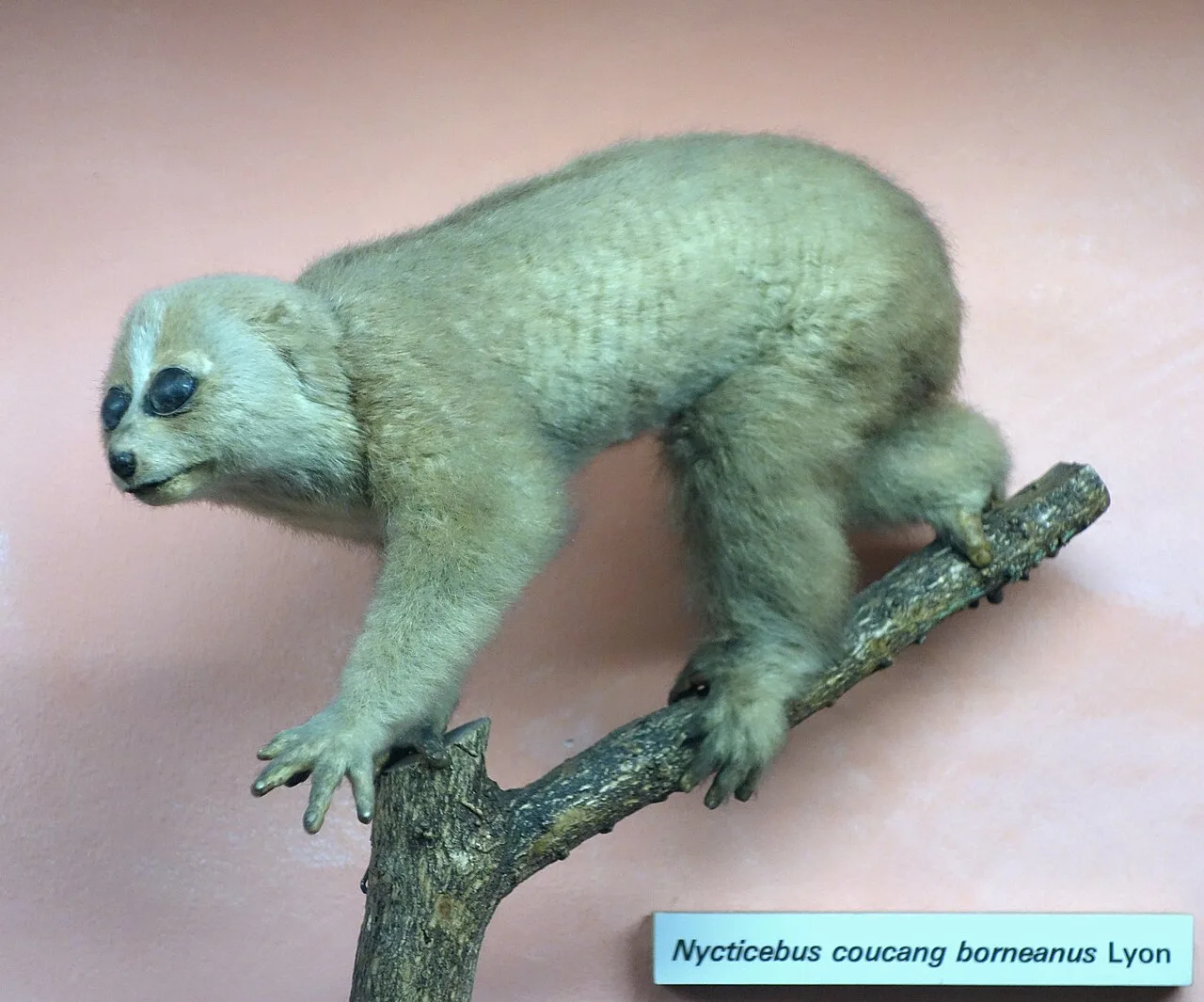
Gray loris
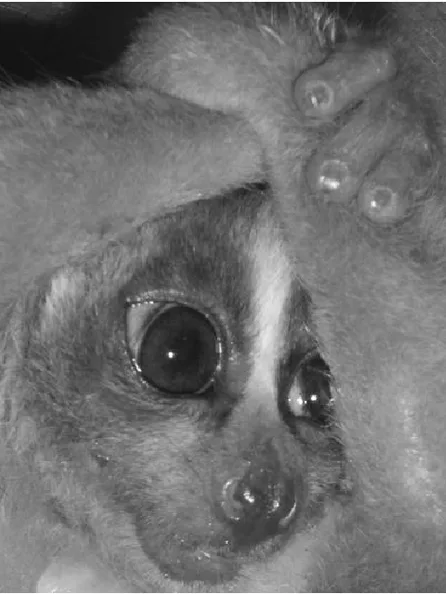
Gray photo of a loris
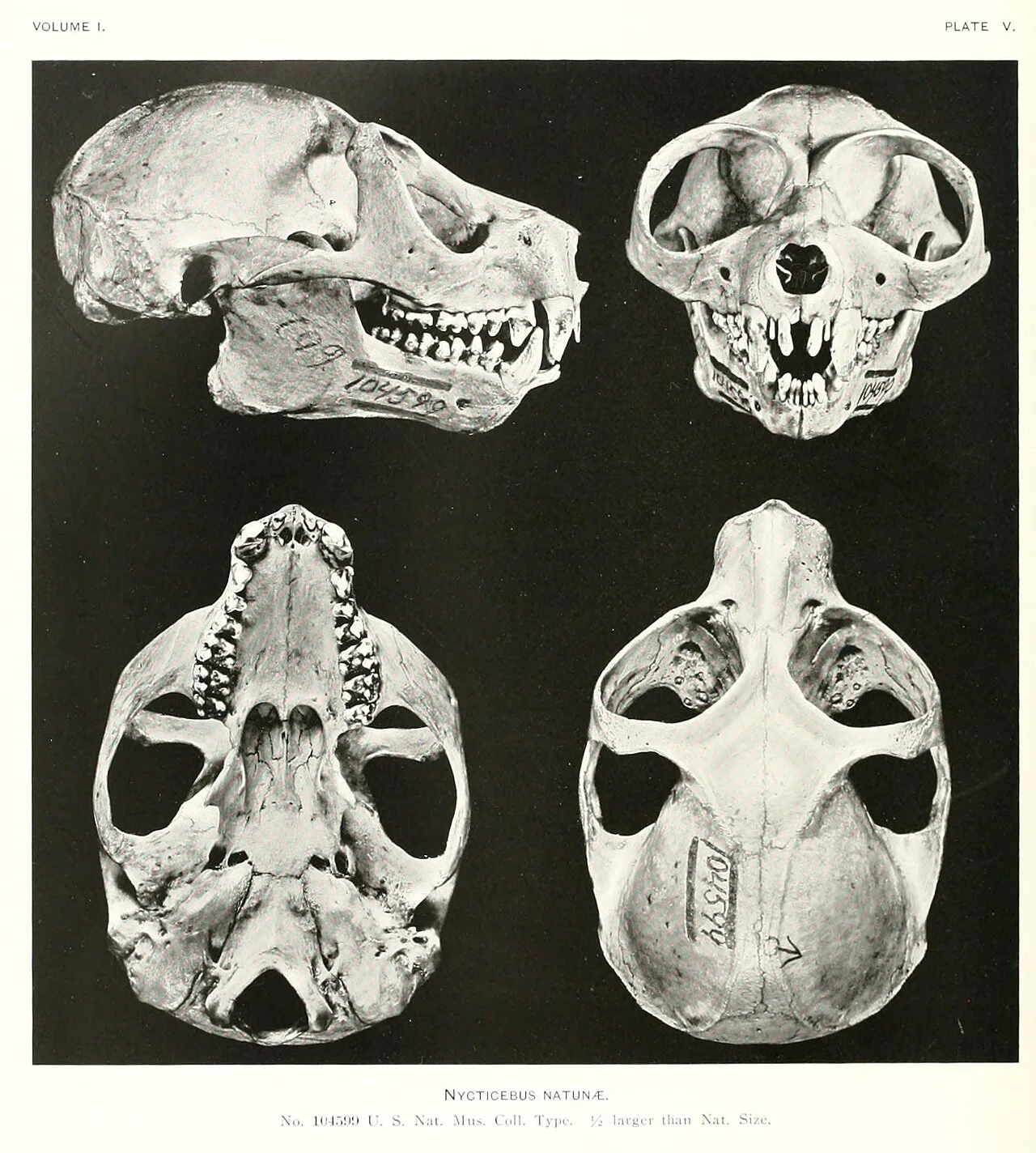
The skull of the Sunda slow loris
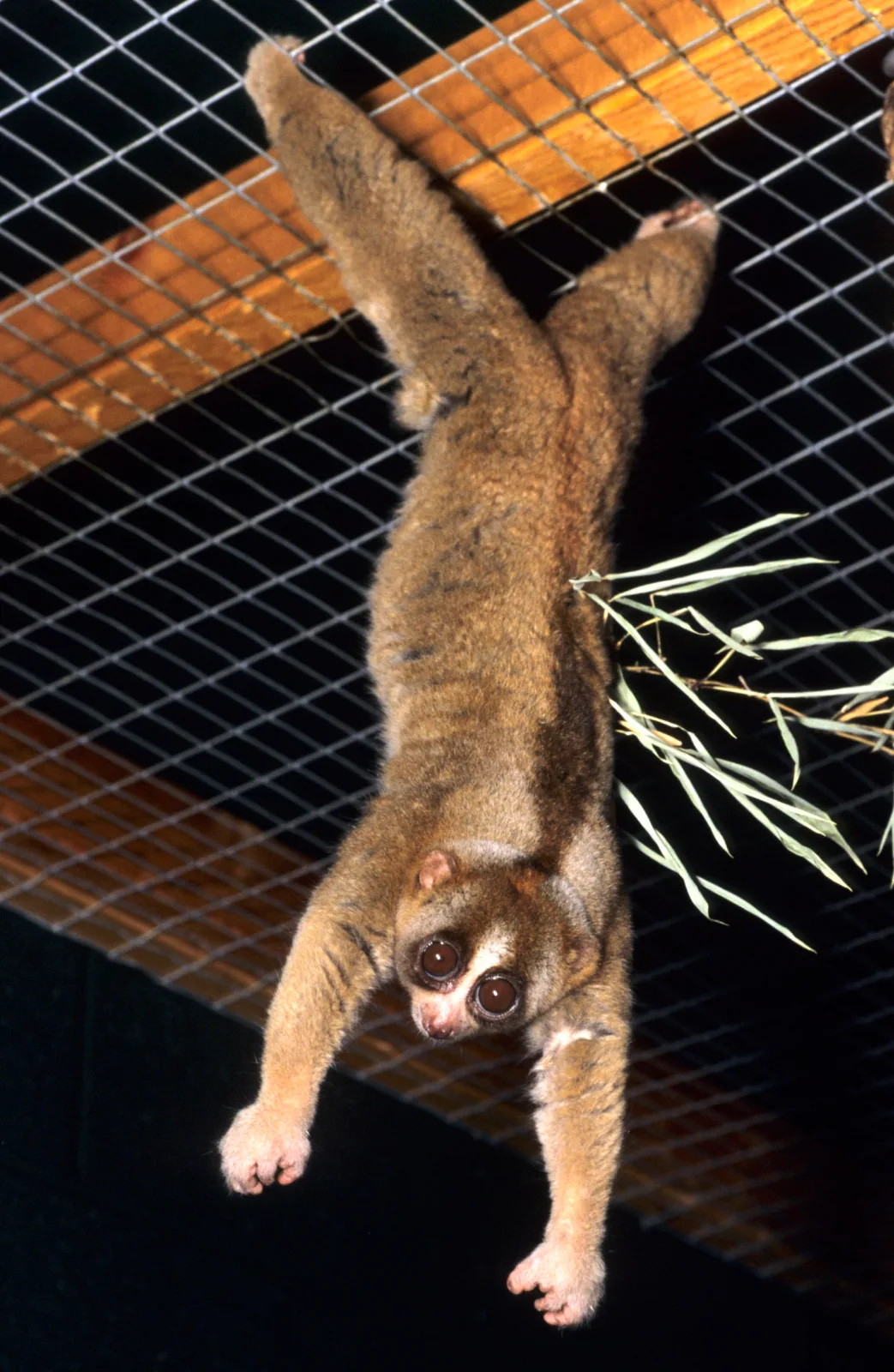
Slow lorises have a special network of capillaries in their hands and feet that allow them to cling to branches for hours without losing sensation.
Slow loris
Slow lorises are a group of several nocturnal strepsirrhine primate species comprising the genus Nycticebus, native to Southeast Asia and nearby regions.
Chemical Activation of Intraspecific Weaponry
Slow lorises possess a dual-component biochemical weapon rare among mammals and unique among primates. To activate their toxic bite, they lick a specialized sweat gland on their upper arm, mixing the secretion with saliva. While naturalists historically assumed this toxic bite was designed to deter predators, field evidence reveals it is primarily deployed as an offensive weapon during disputes within their own species.
From Wikipedia · CC BY-SA 4.0
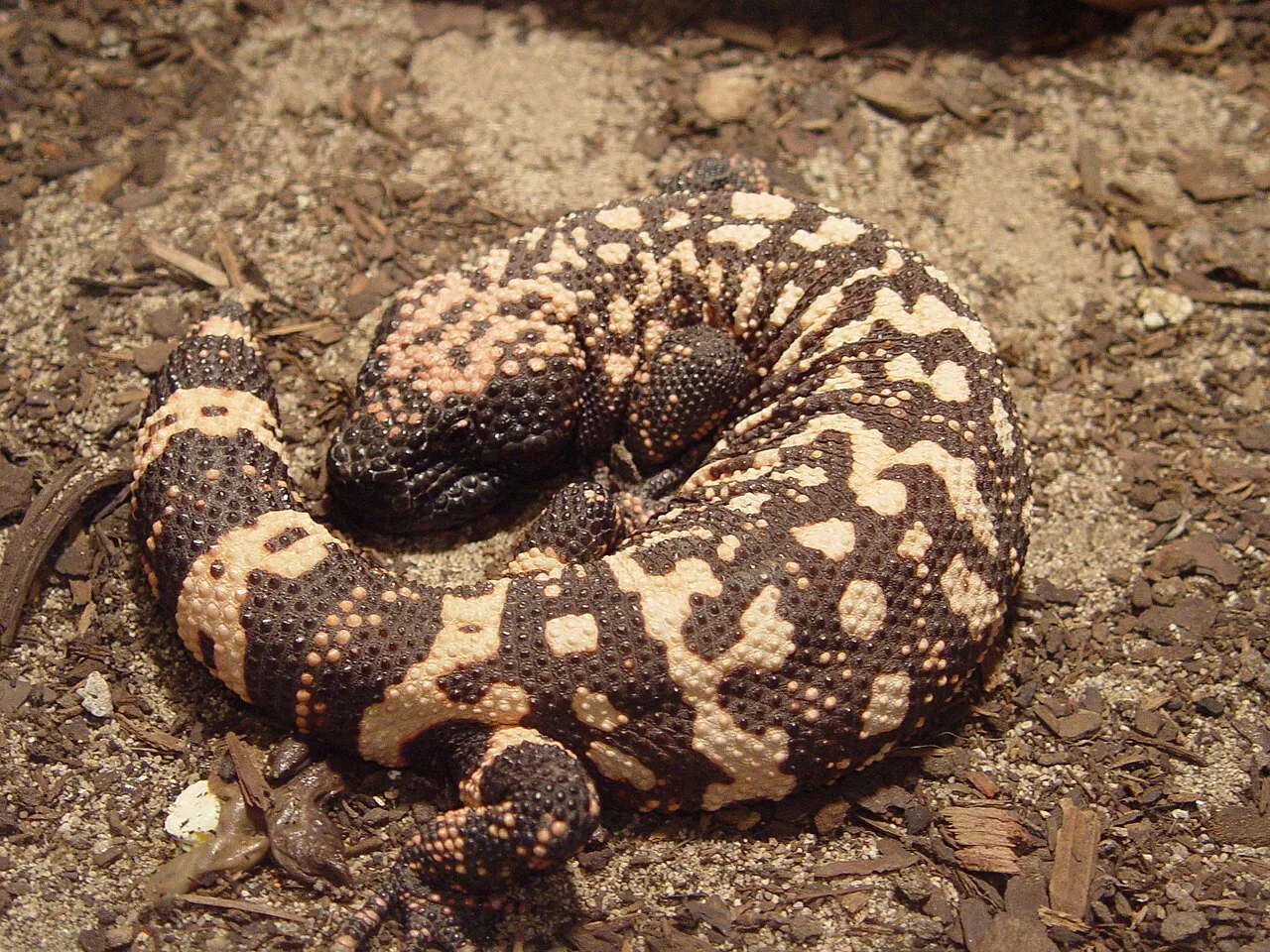
Gila monster2
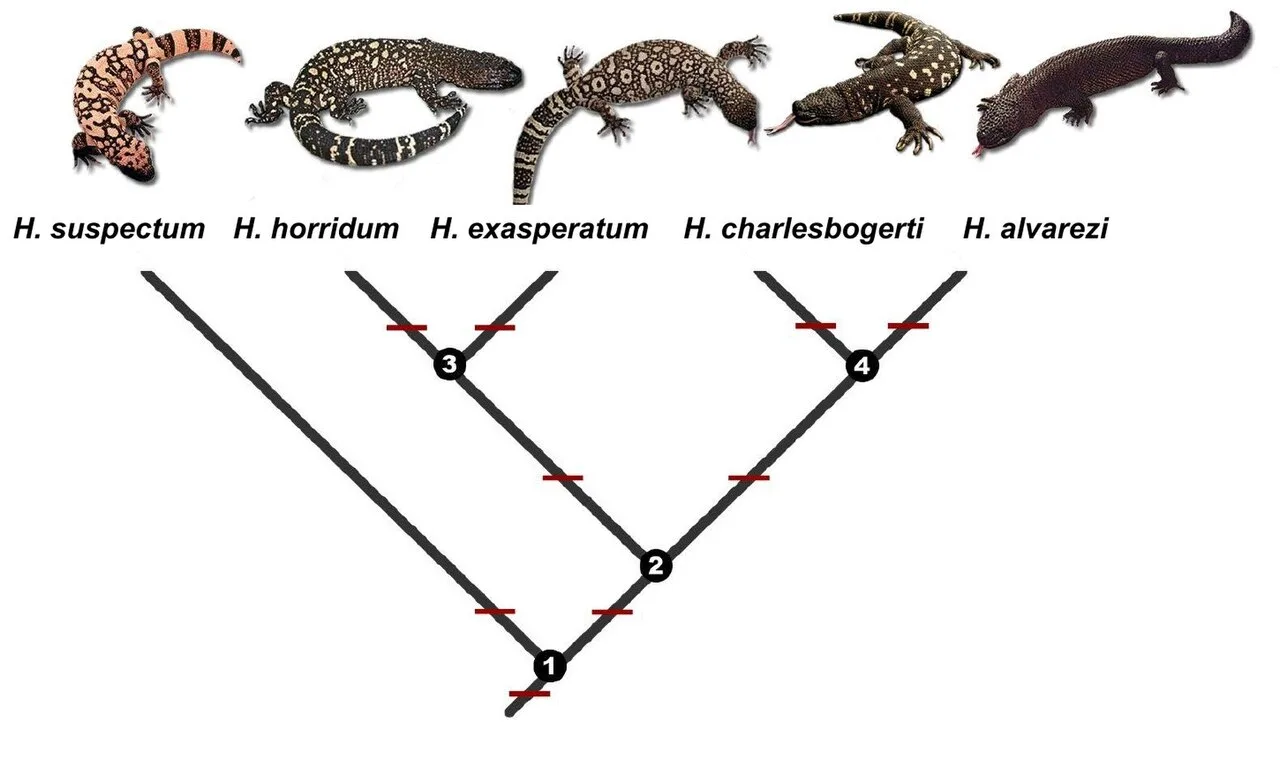
Evolutionary splitting of the genus Heloderma into species (Reiserer et al)[6] Explanation of the numbers 1 Late Eocene (about 35 million years) 2 Late Miocene (about 10 million years) 3 Pliocene (about 4.4 million years) 4 Pliocene (about 3.0 million years)
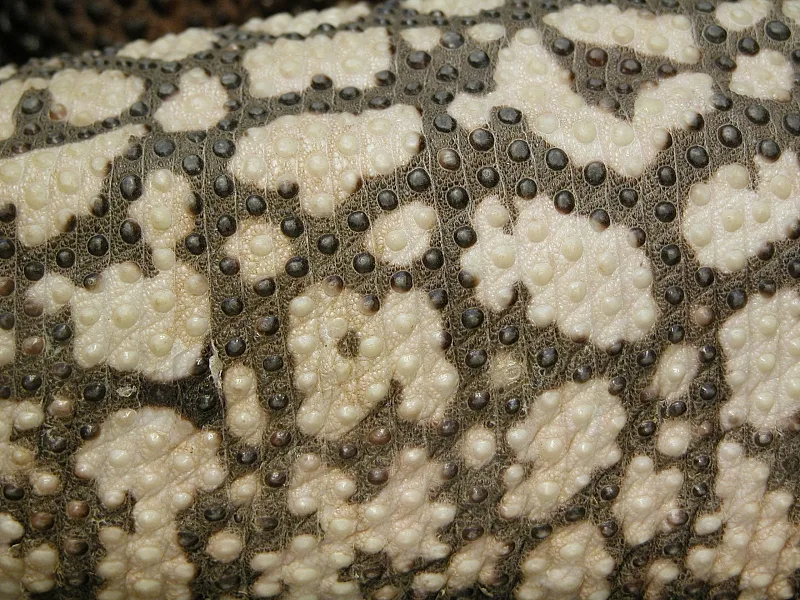
The dorsal skin of a Gila monster
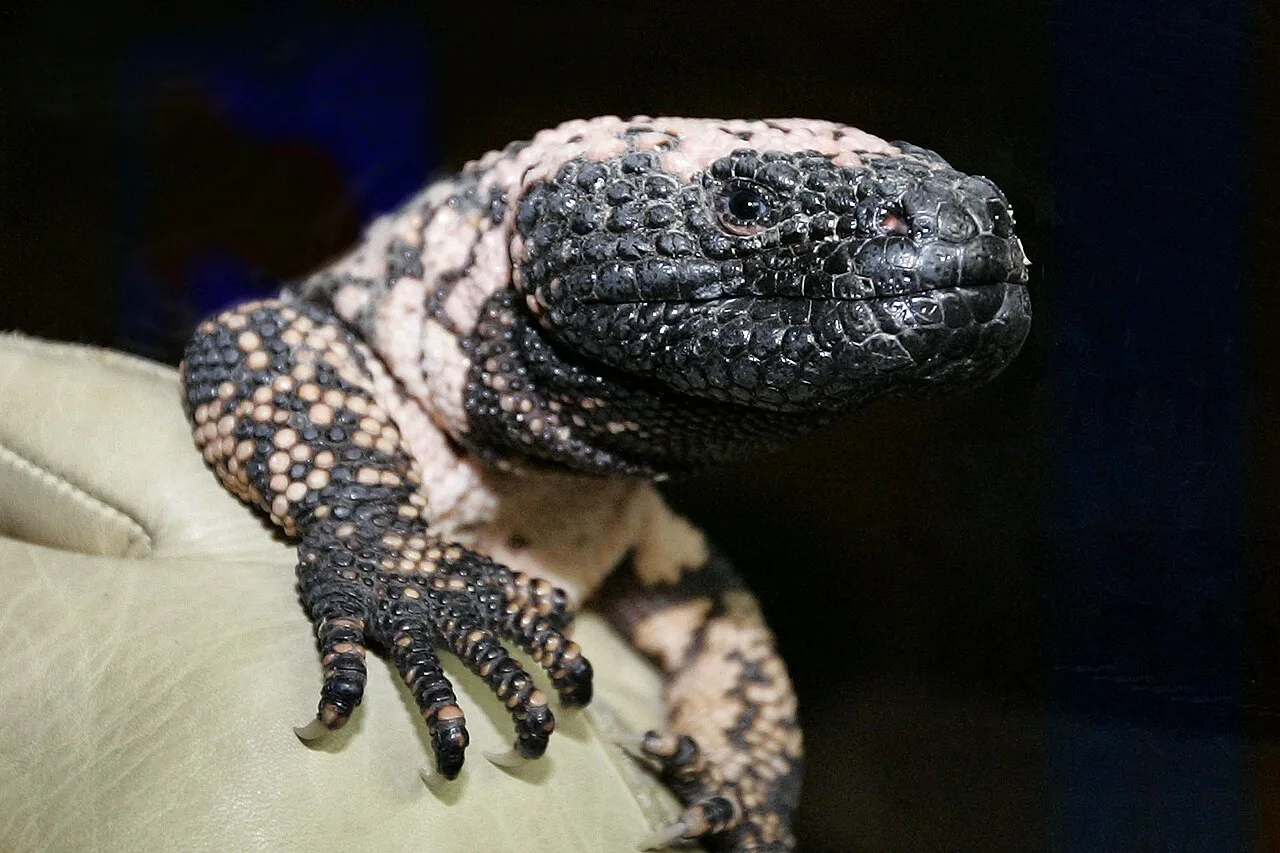
A Gila monster in captivity
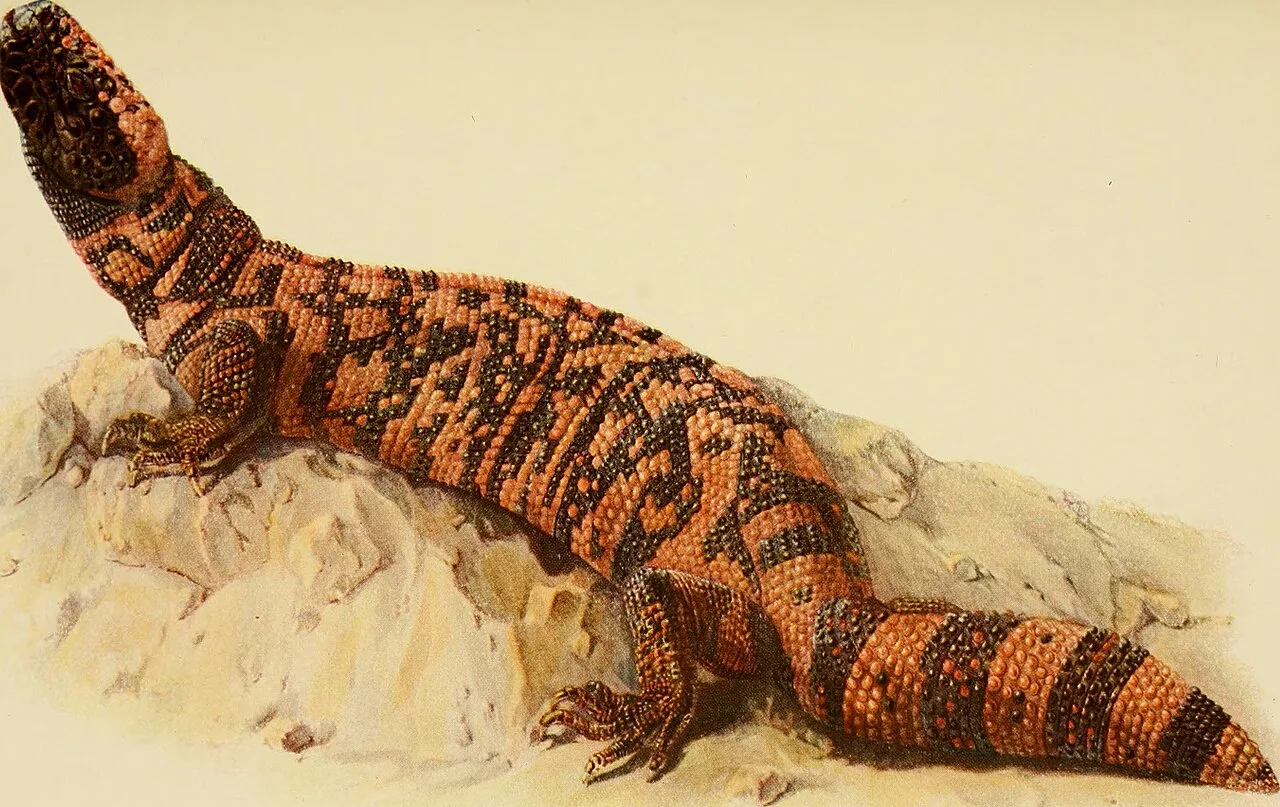
Illustration in Animaux venimeux et venins, 1922
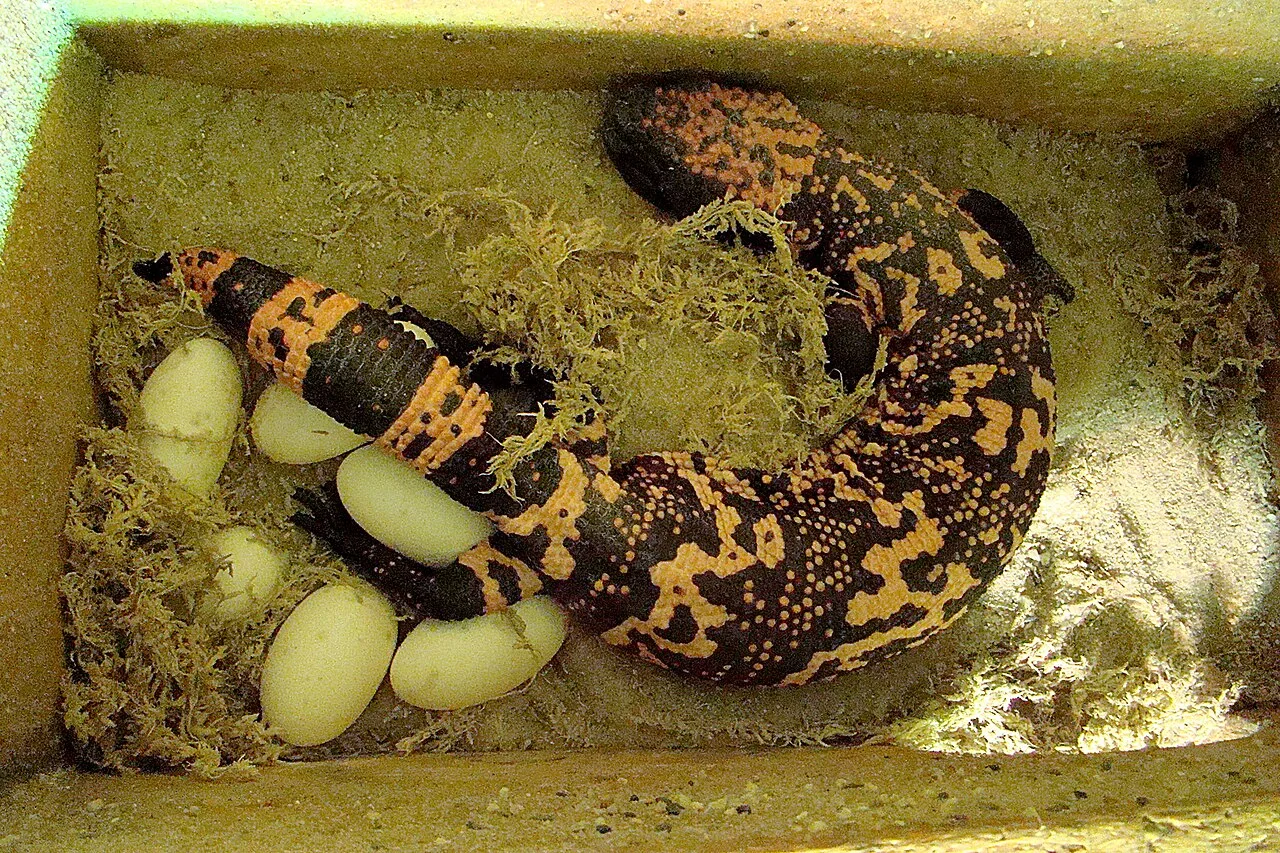
Egg deposit in captivity
Gila monster
The Gila monster is a heavy, slow-moving venomous lizard native to the Southwestern United States and Sonora, Mexico, and is the only venomous lizard native to the U.S.
Cloacal Cooling in Subterranean Retreats
Gila monsters spend nine-tenths of their lives tucked away inside subterranean burrows or rocky shelters. During their three-month active season, they may emerge for as few as ten days. When temperatures climb near 37 °C, the lizards prevent overheating by activating evaporative cooling directly through their cloaca, lowering body temperature by up to 2 °C.
From Wikipedia · CC BY-SA 4.0
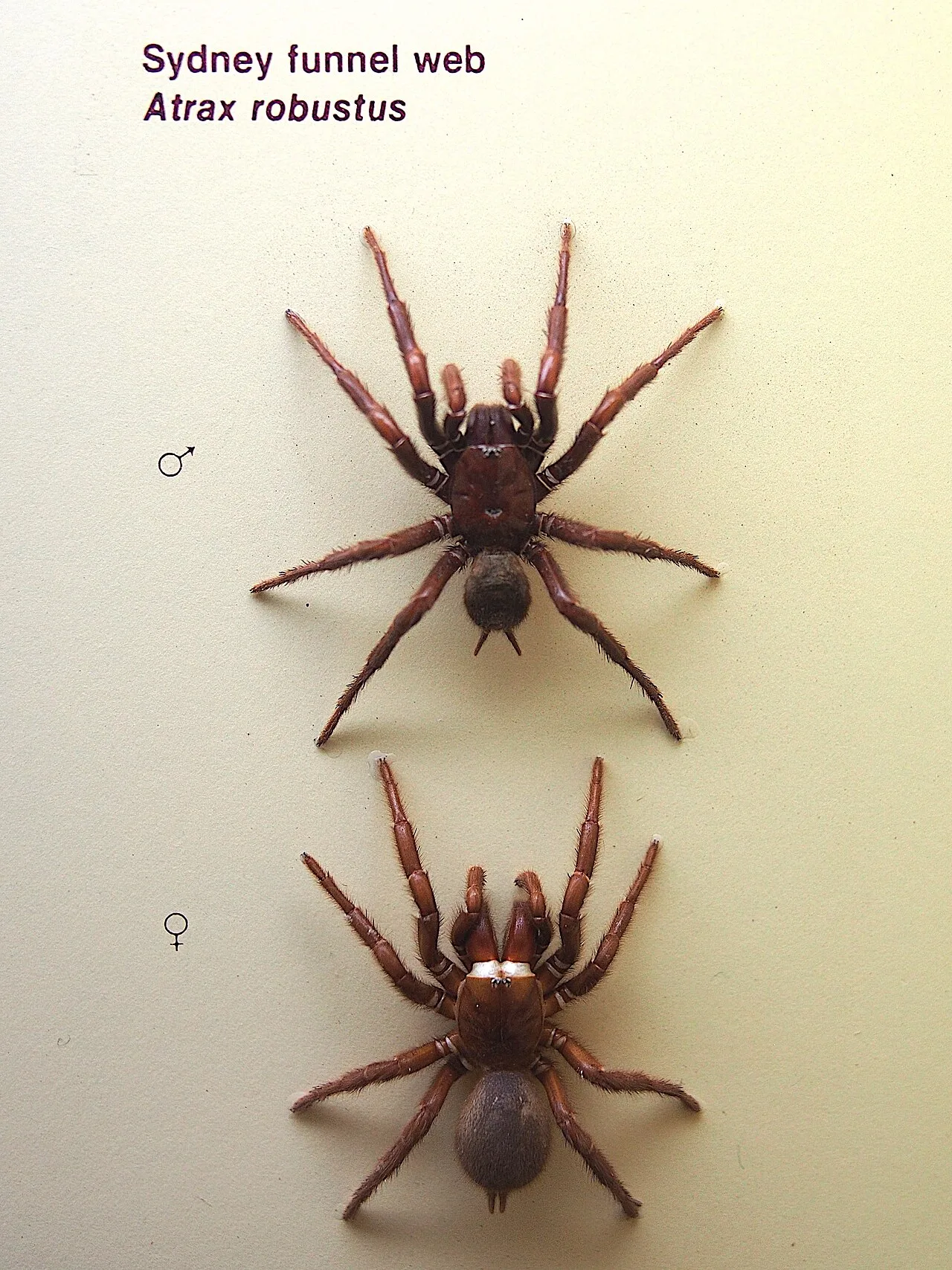
Atrax Robustus
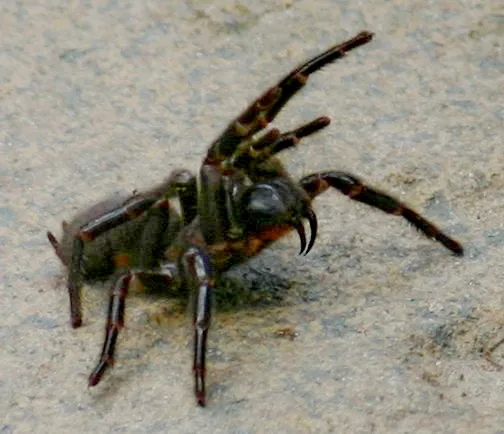
Female Sydney funnel-web spider in a warning posture
Sydney funnel-web spider
The Sydney funnel-web spider is a species of venomous mygalomorph spider native to eastern Australia whose bite can cause serious illness or death in humans if untreated.
A 1927 Tragedy Solves a Taxonomic Puzzle
Early arachnologists mistakenly categorized male and female funnel-webs as distinct species. That taxonomic confusion endured until February 1927, when a young boy in the Sydney suburb of Thornleigh died after playing with a spider. Following the tragedy, police transported the dead specimen to the Australian Museum, where Anthony Musgrave analyzed anatomical features to establish that the supposed separate species was actually the male Atrax robustus.
From Wikipedia · CC BY-SA 4.0
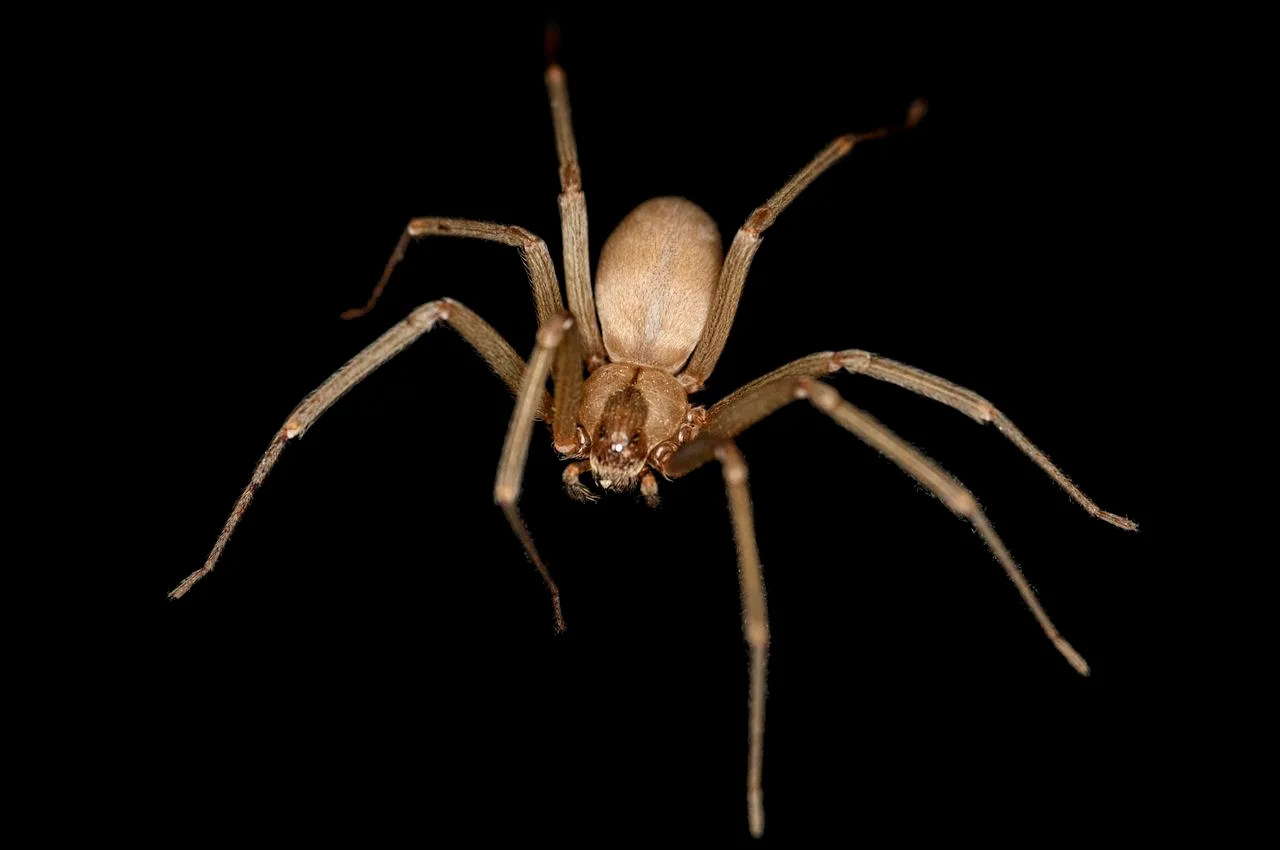
Brown Recluse
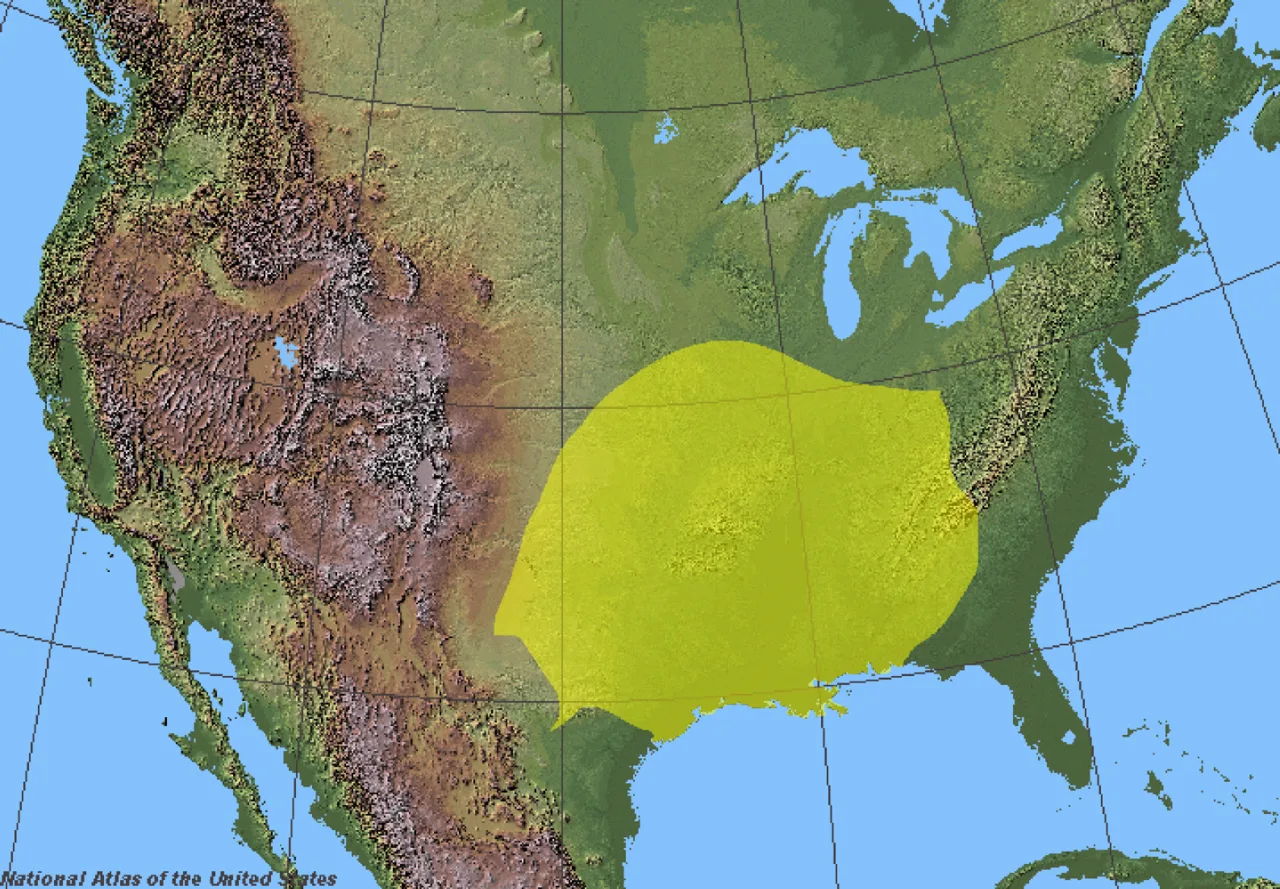
Loxosceles reclusa range
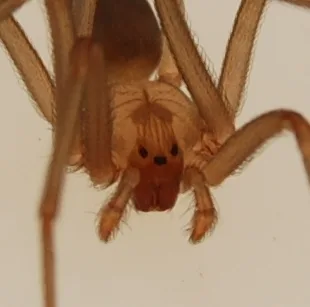
The brown recluse has three pairs of eyes, unlike most spiders with four pairs of eyes.
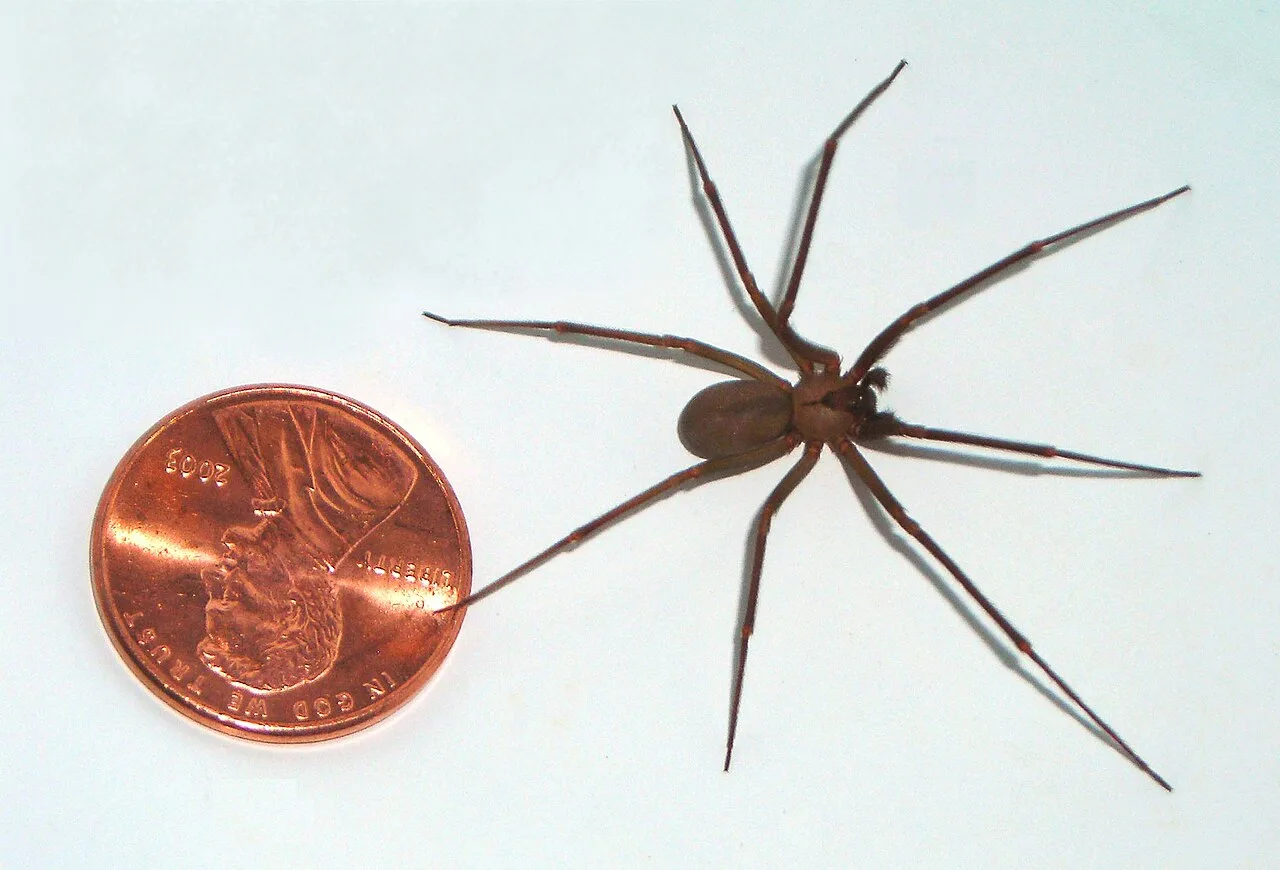
A large brown recluse compared to a US penny (diameter 0.75 inches or 19 millimetres)
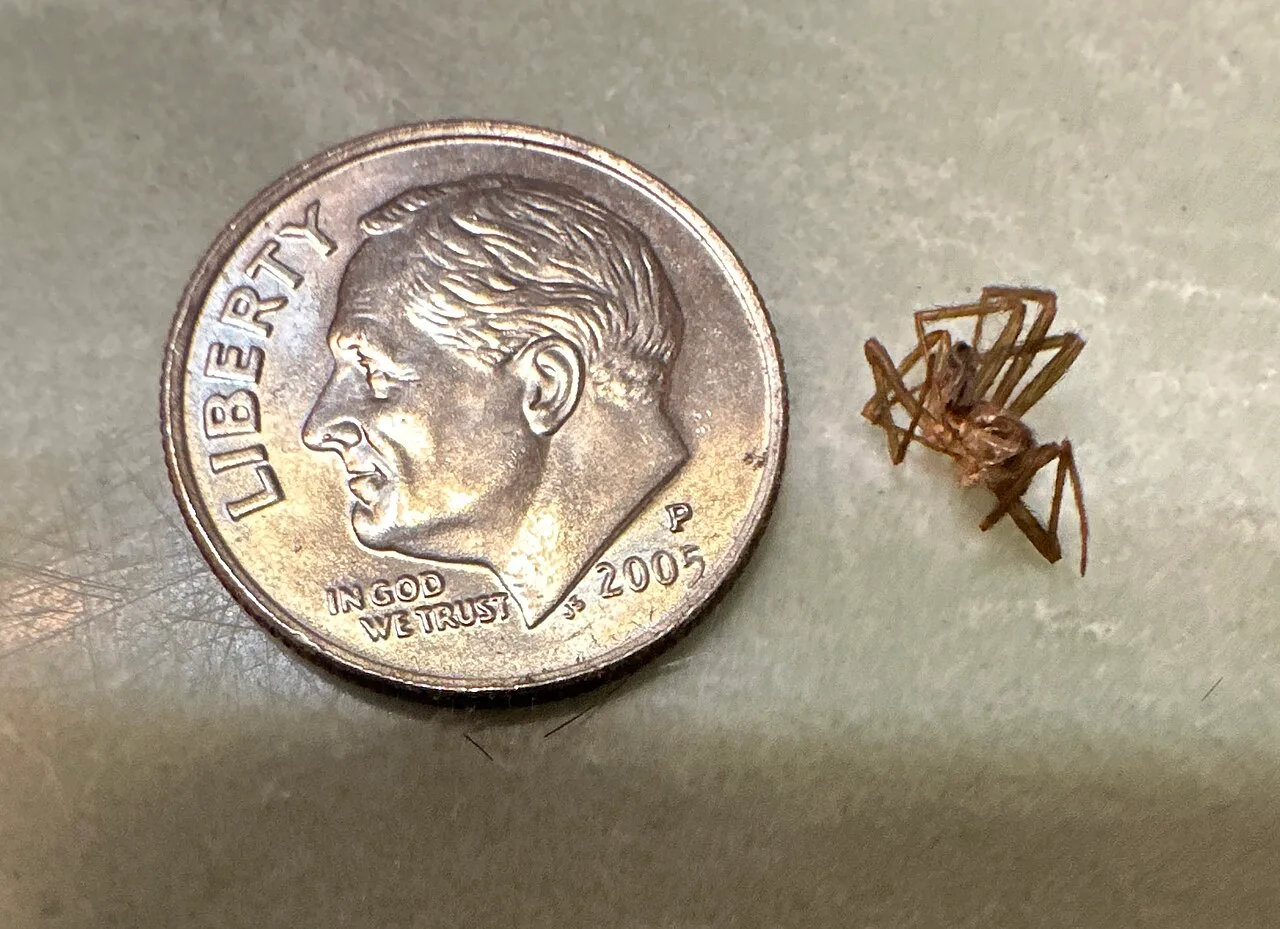
Brown recluse that caused bite
Brown recluse spider
The brown recluse is a recluse spider with necrotic venom, and is one of two spiders in North America with dangerous venom along with the black widow.
Six Eyes in Dyads Instead of Eight
Popular lore focuses on the dorsal violin marking to identify the brown recluse, but other arachnids like cellar spiders share similar patterns. The true anatomical tell is their visual system. While the vast majority of spiders possess eight eyes, recluses have only six eyes arranged neatly into three distinct pairs, consisting of one median pair and two lateral pairs.
From Wikipedia · CC BY-SA 4.0
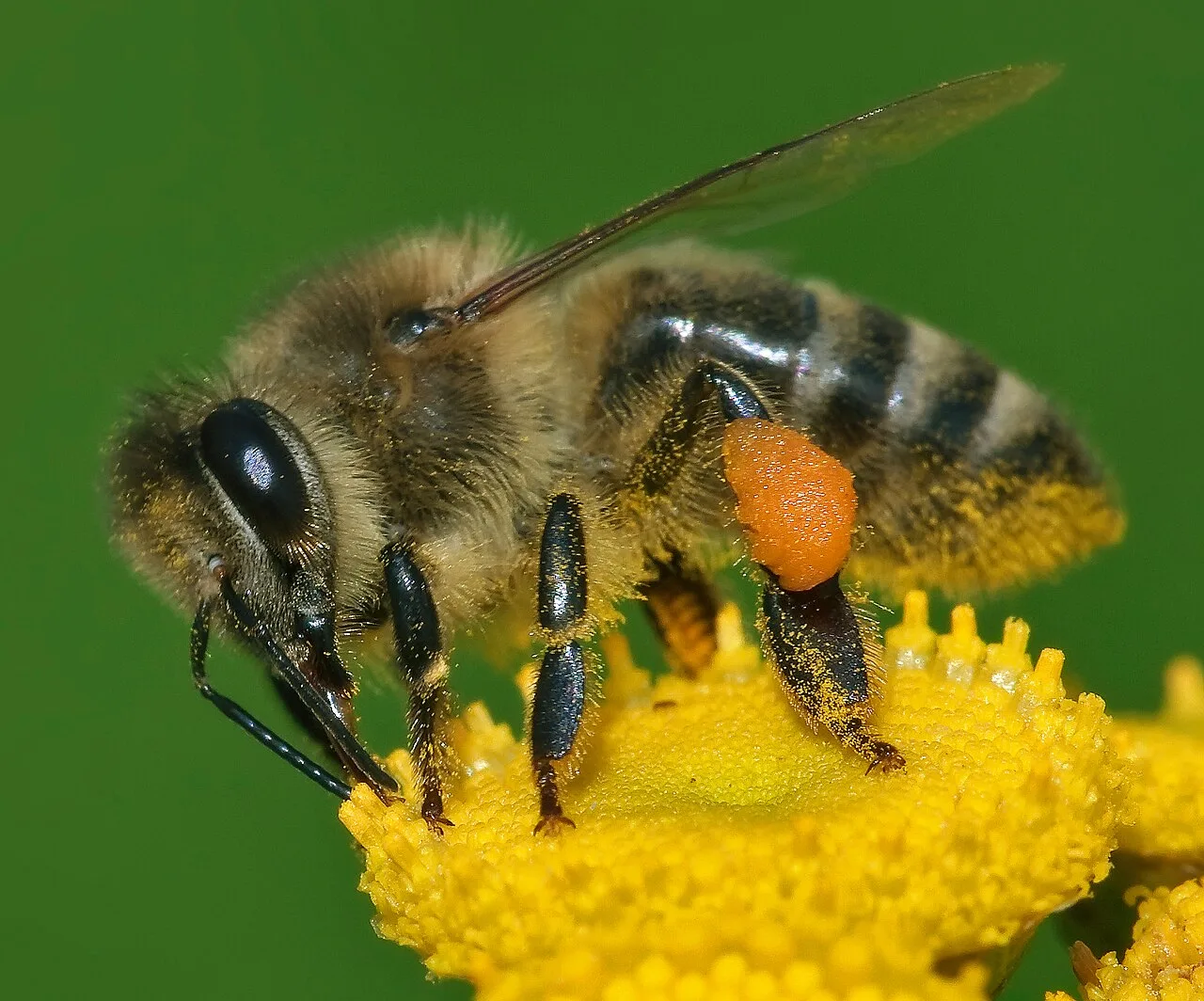
Apis mellifera Western honey bee
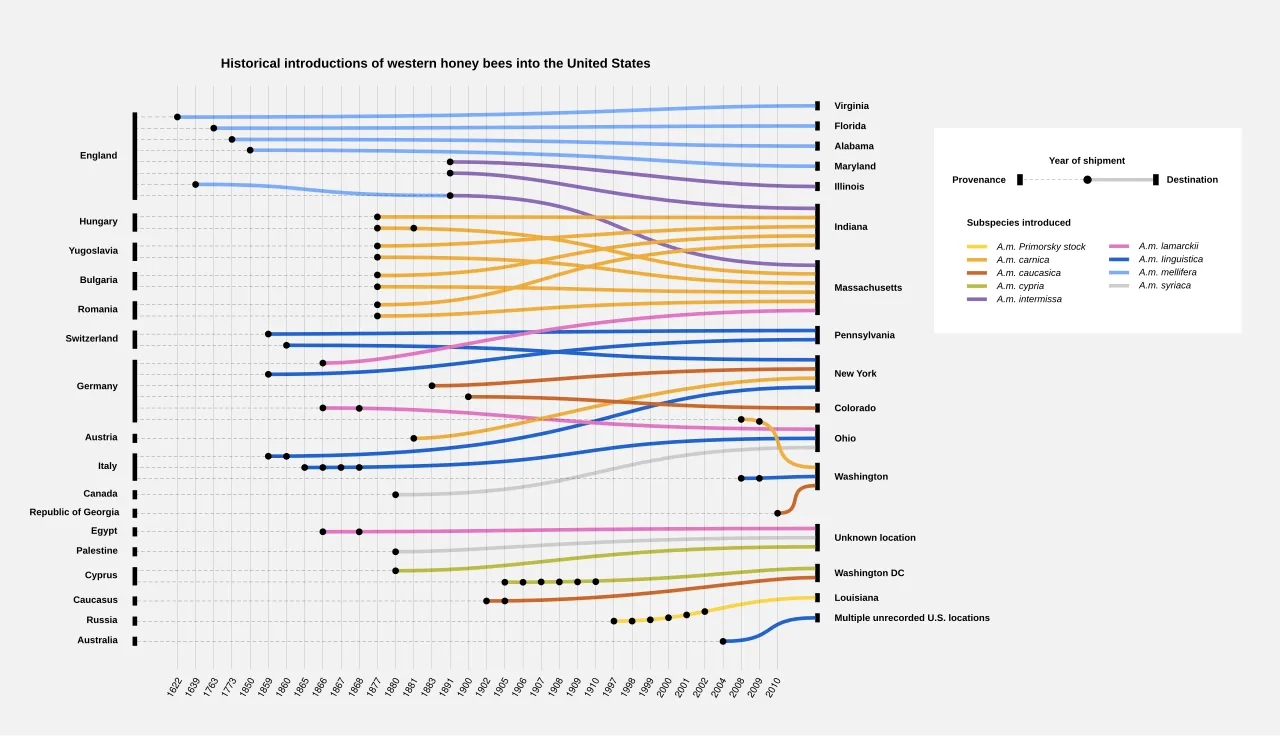
Visualization showing the various importations of the western honey bee into the United States.[6]
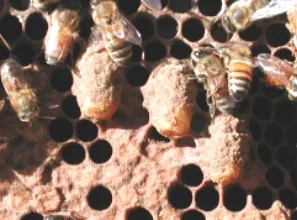
Peanut-like queen brood cells extend outward from the brood comb
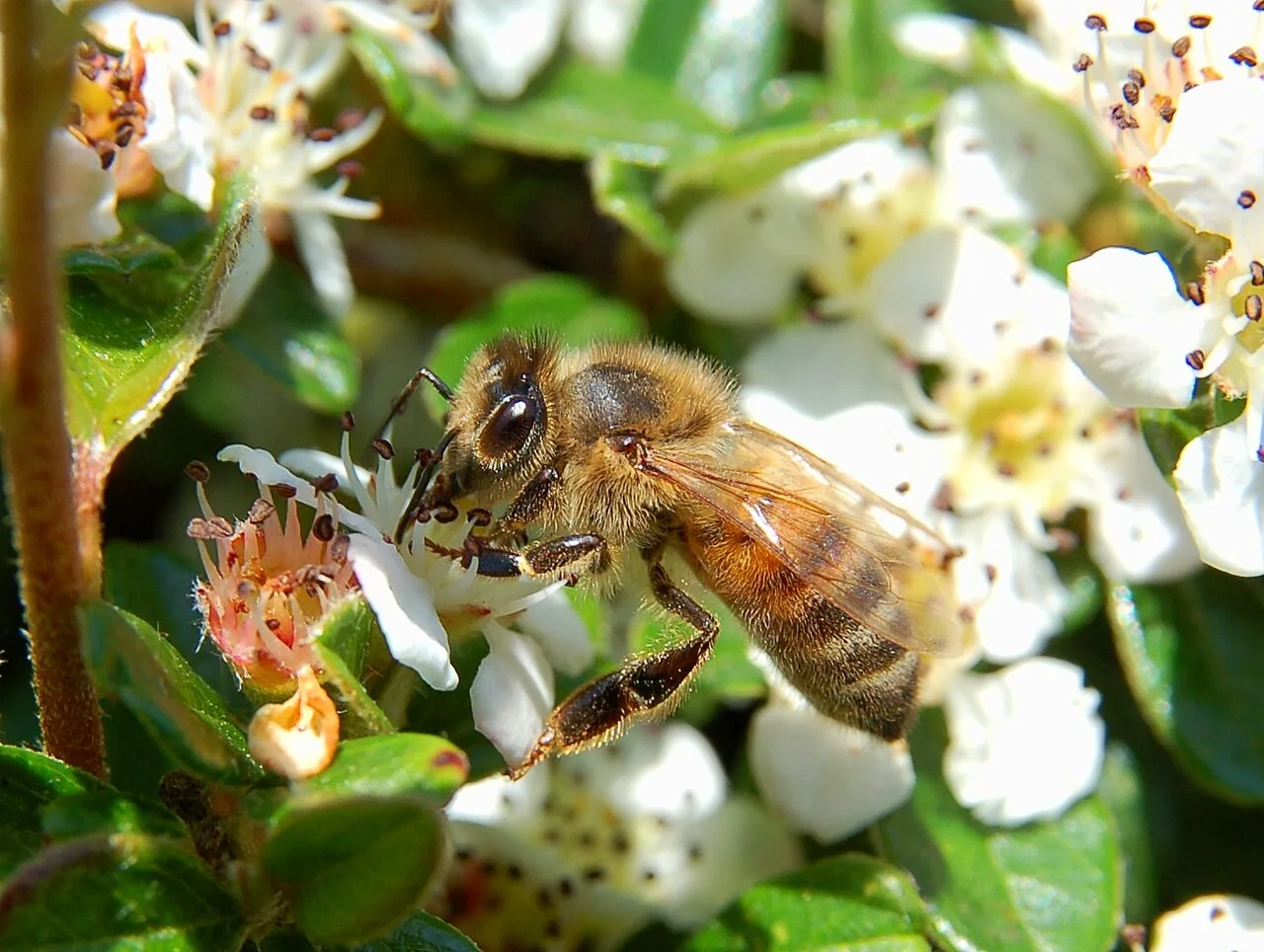
Foraging honey bee
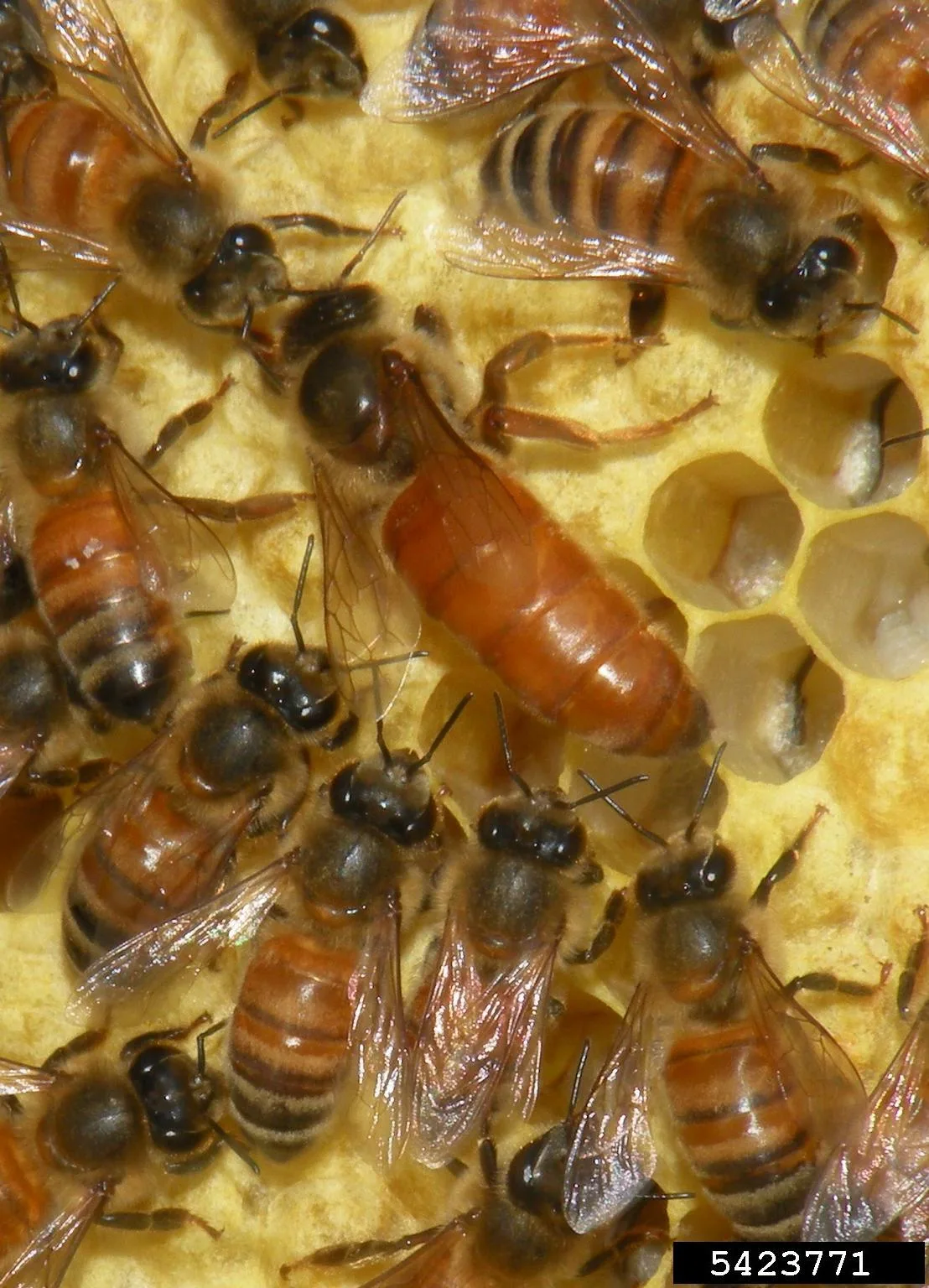
Queen bee with workers
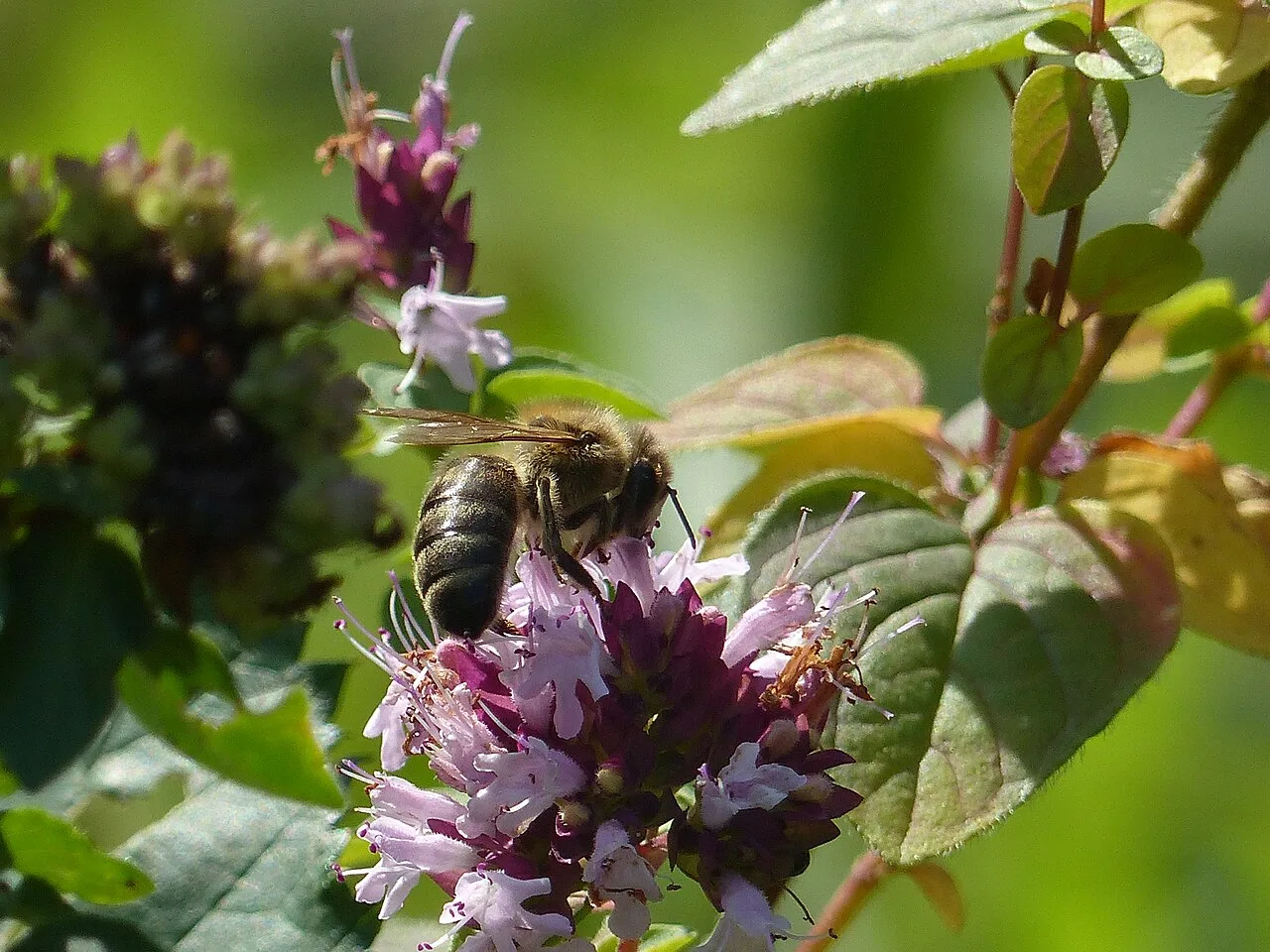
Western honey bee pollinating a flower
Western honey bee
The western honey bee, or European honey bee (Apis mellifera), is the most common of the 7 to 12 honey bee species worldwide.
A Reproductive Divide Across Subspecies
Longstanding assumptions held that all western honey bee subspecies could freely interbreed. However, research in 2013 revealed that A. m. mellifera queens refuse to mate with drones outside their own subspecies. This lineage, known as the German honey bee, also defies standard longevity patterns, with queens surviving up to eight years compared to the three to five years typical of other subspecies.
From Wikipedia · CC BY-SA 4.0
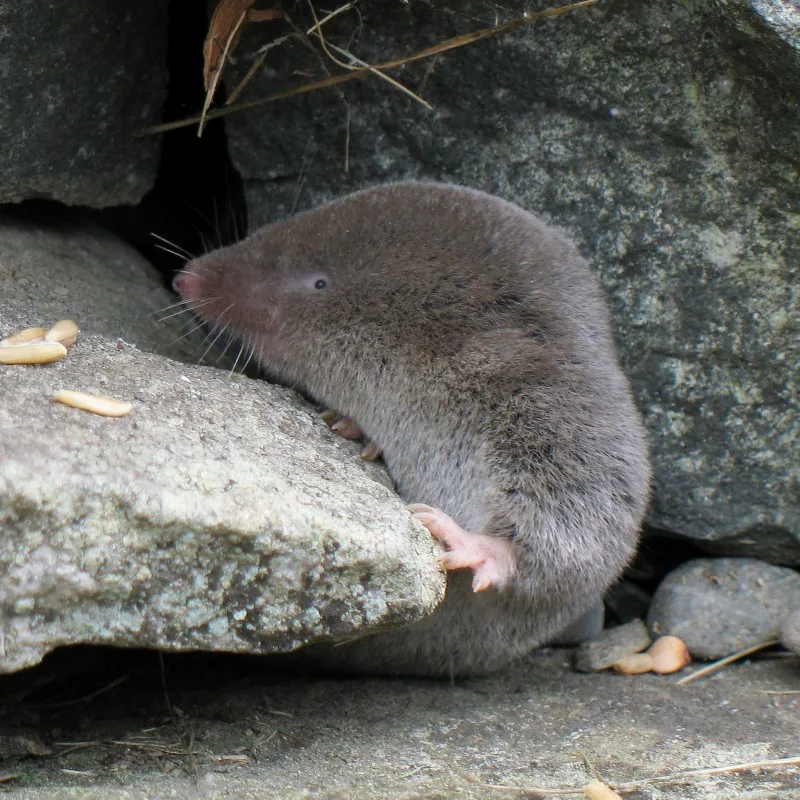
Blarina brevicauda
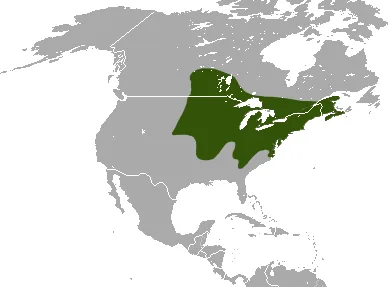
Northern Short-tailed Shrew area
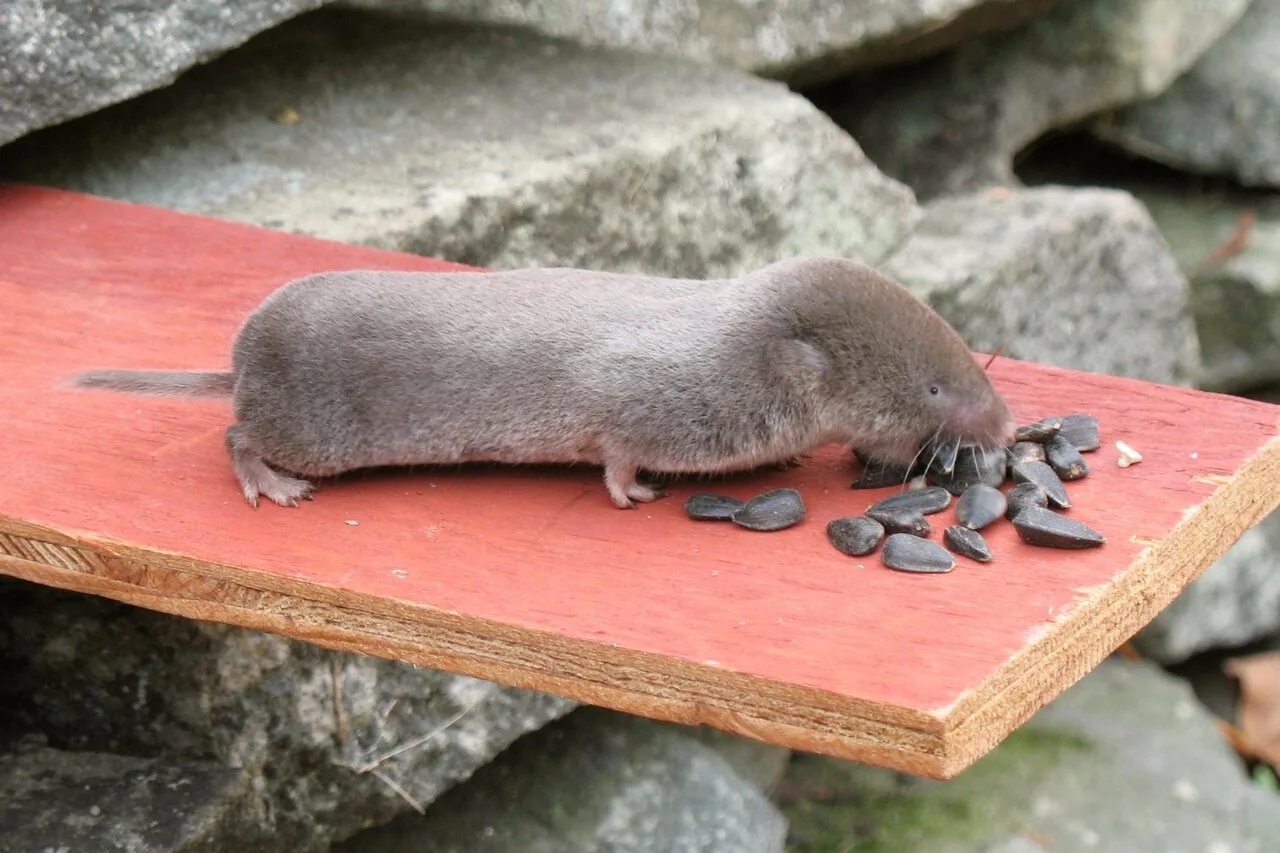
Northern short-tailed shrew
Northern short-tailed shrew
The northern short-tailed shrew is a voracious insectivore native to northeastern North America and is notable as one of the few venomous mammals.
Venom Architecture Shared With Desert Reptiles
The northern short-tailed shrew subdues prey using venomous saliva delivered through a specialized groove formed by its lower incisors. Its kallikrein-like protease shares a striking molecular similarity with the toxin of the Mexican beaded lizard (Heloderma horridum). This connection reveals that a small North American mammal and a venomous reptile independently evolved their paralyzing secretions from the exact same precursor protein.
From Wikipedia · CC BY-SA 4.0