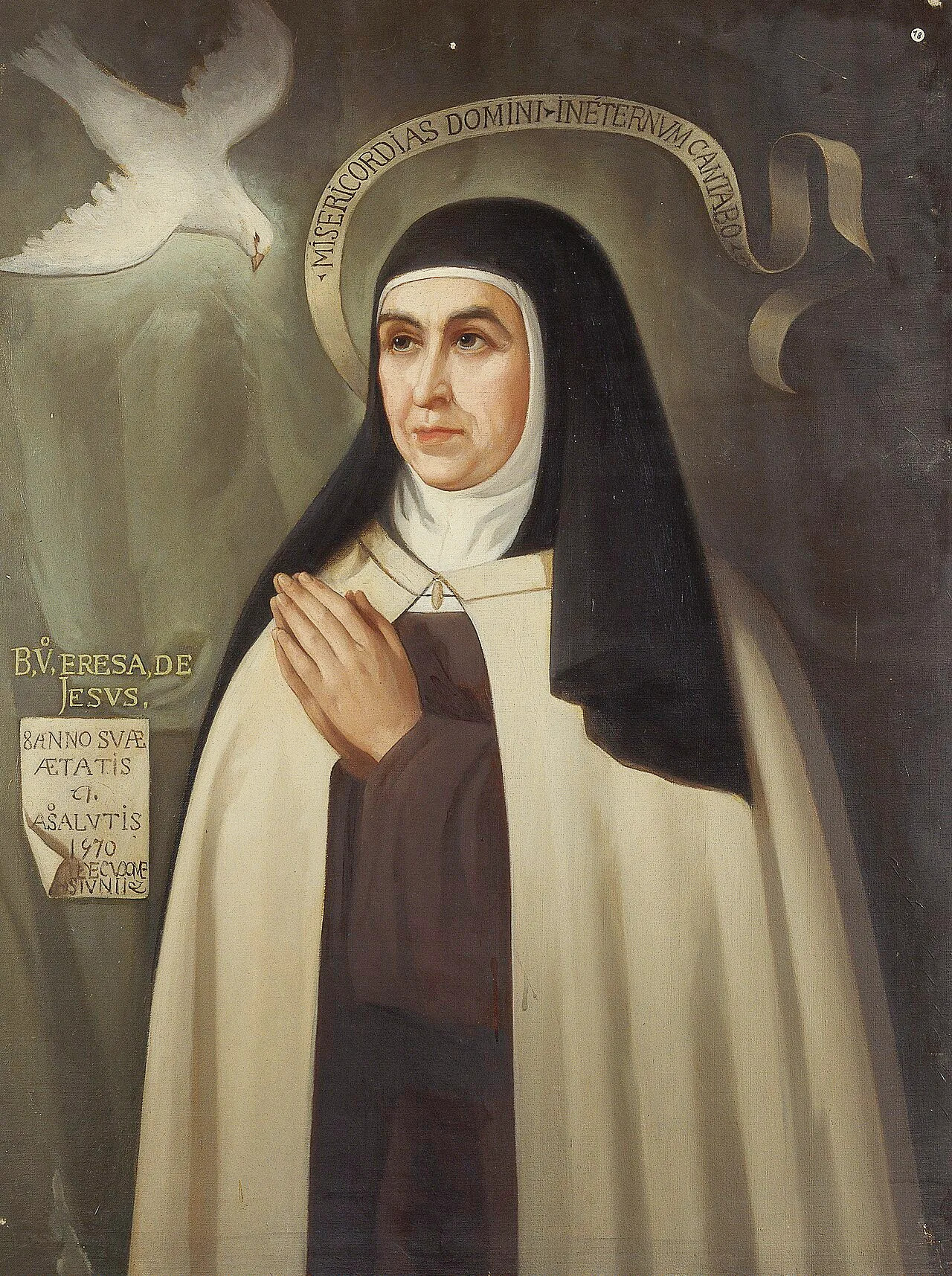
Santa Teresa de Jesús (Museo del Prado)
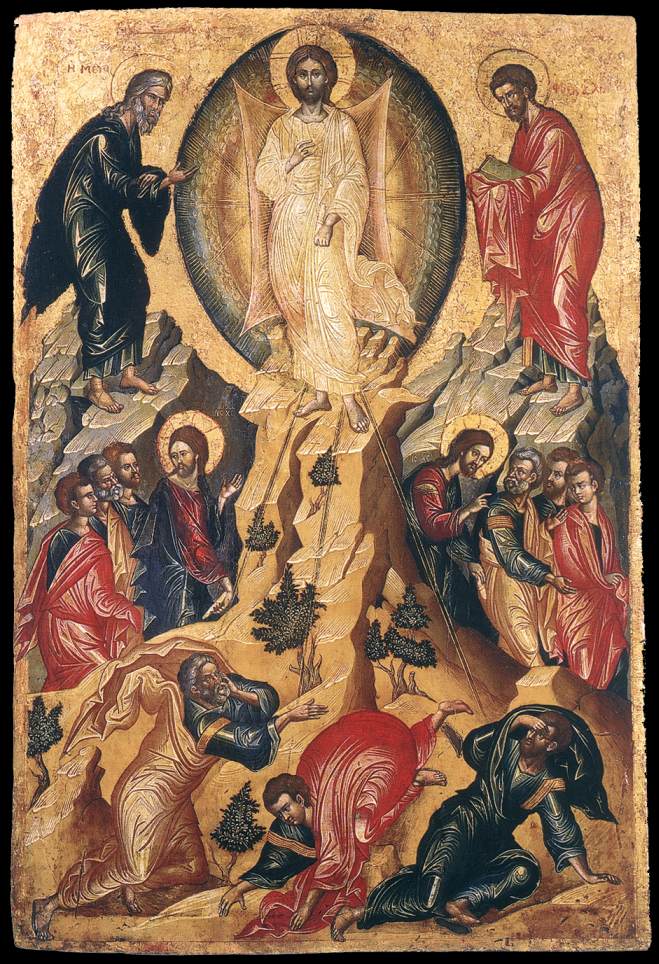
Transfiguration of Jesus
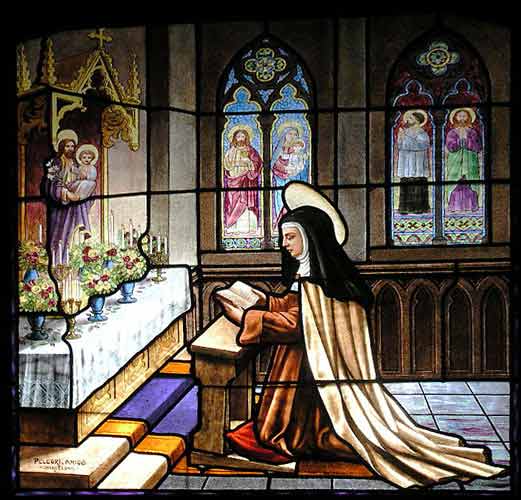
Church window at the Convent of St Teresa
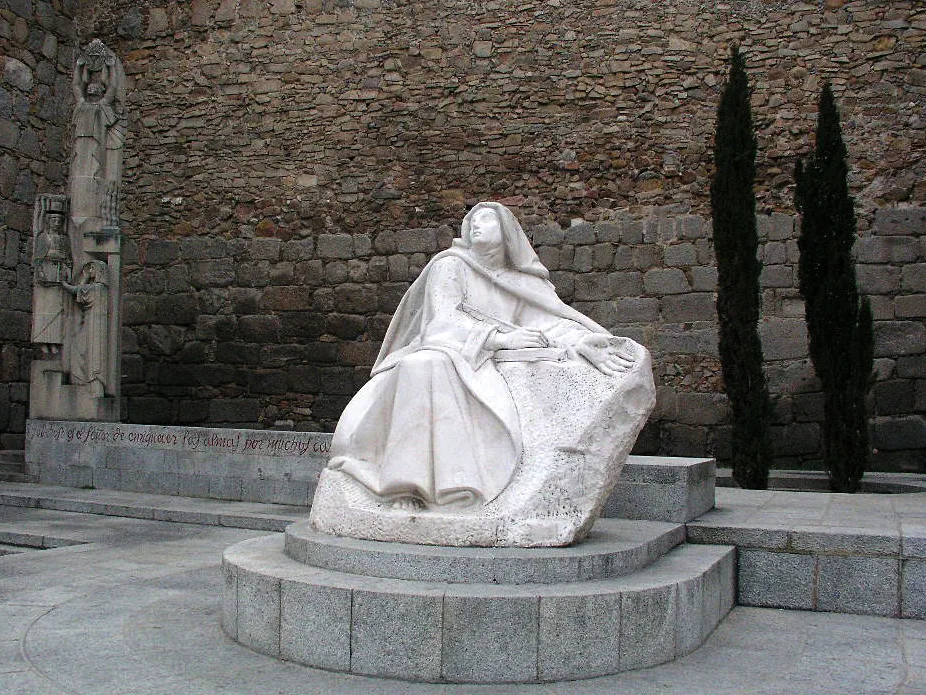
Avila, Saint Theresa's statue
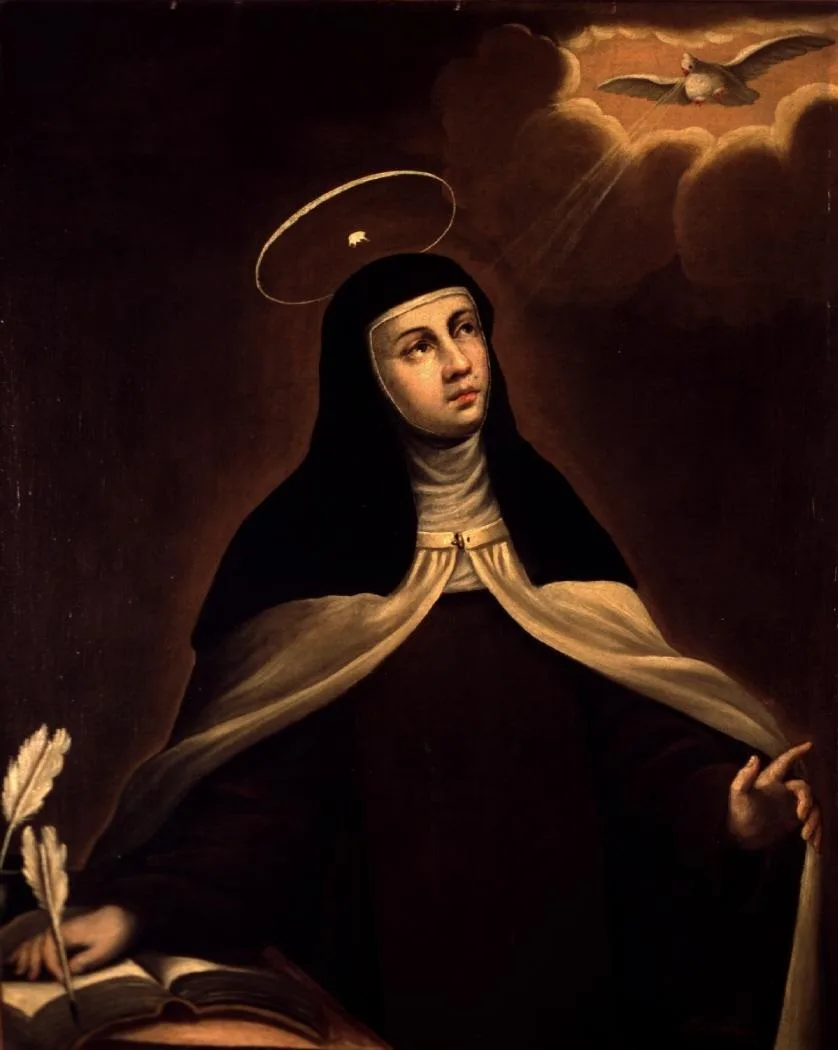
"It is love alone that gives worth to all things."
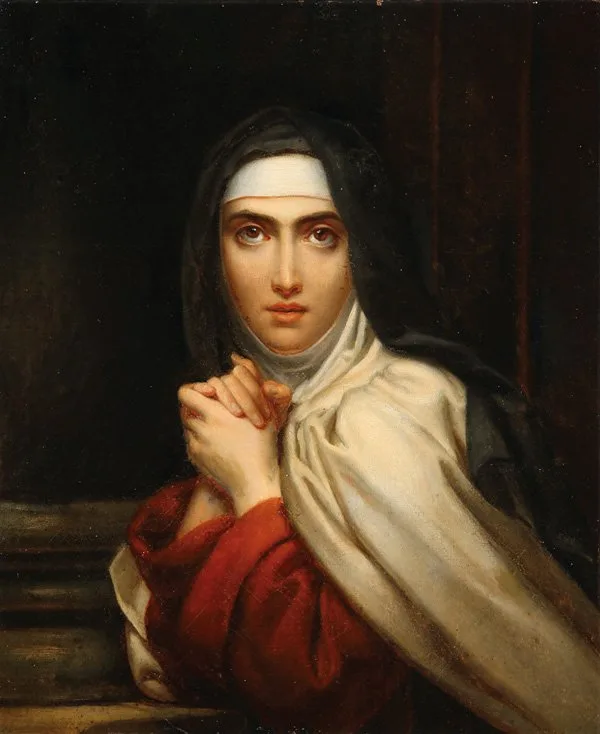
Detail of St. Theresa, 1827, by French painter François Gérard
Teresa of Ávila
Teresa of Ávila, also known as Saint Teresa of Jesus, was a Carmelite nun and prominent Spanish mystic and religious reformer.
Converso Lineage Under Inquisitorial Scrutiny
Teresa was raised in a prominent household, yet her family harbored a precarious lineage. When her father was a child, her grandfather Juan was condemned by the Spanish Inquisition for allegedly returning to Judaism before assuming a Catholic identity. Her father, Alonso Sánchez de Cepeda, later established himself as a wealthy merchant in Ávila.
From Wikipedia · CC BY-SA 4.0
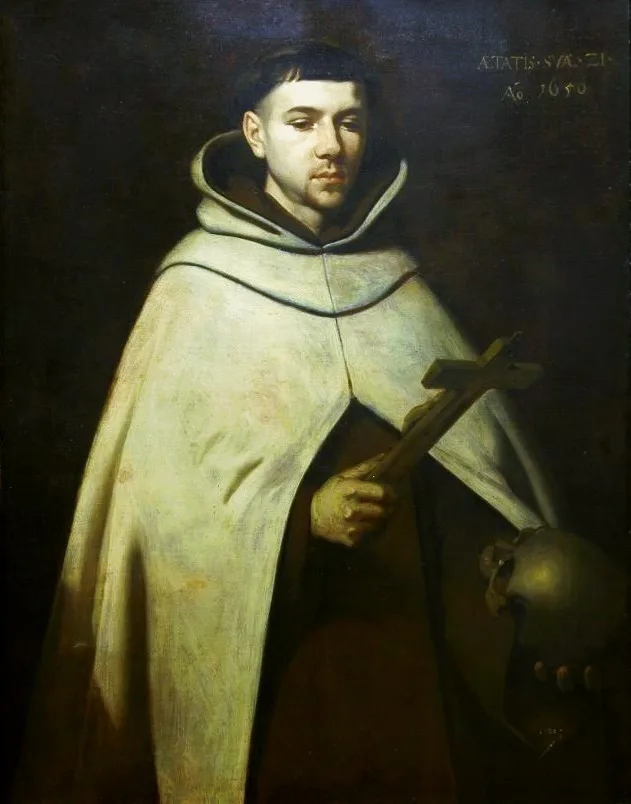
Zurbarán (atribuido)-John of the Cross-1656
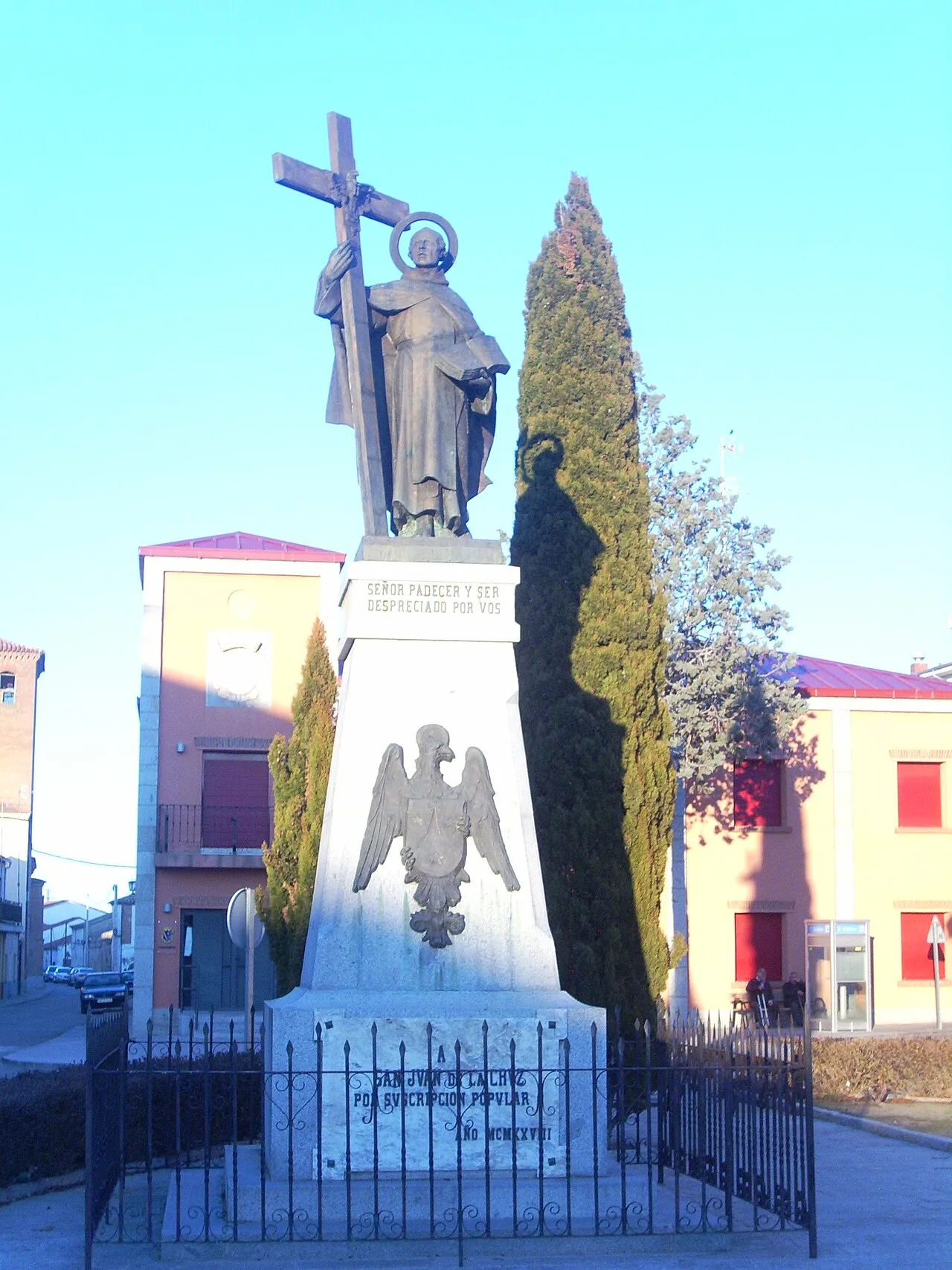
Statues in Fontiveros of John of the Cross, erected in 1928 by popular subscription by the townspeople
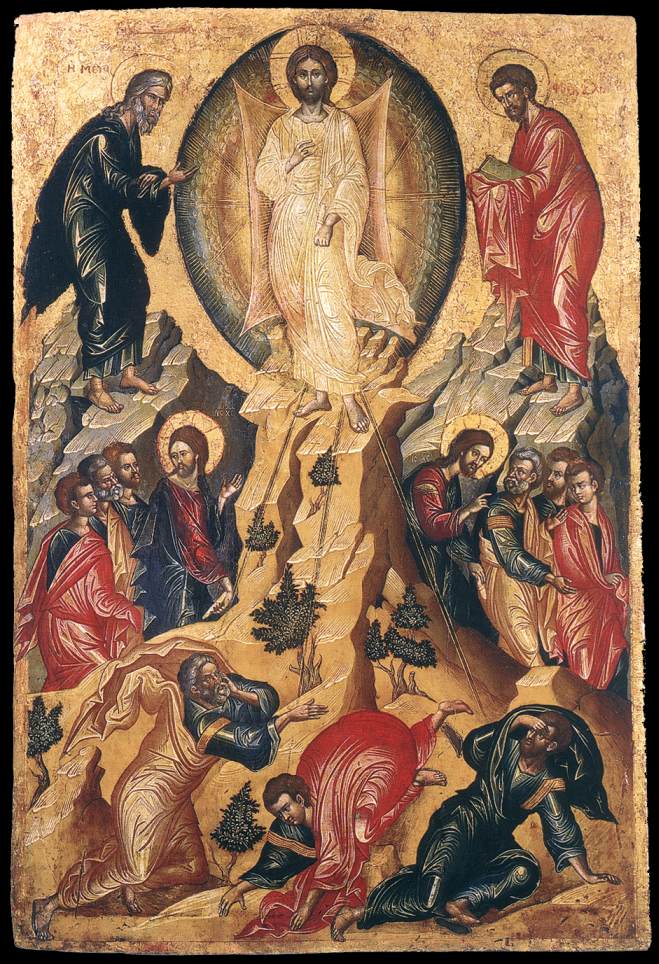
Transfiguration of Jesus
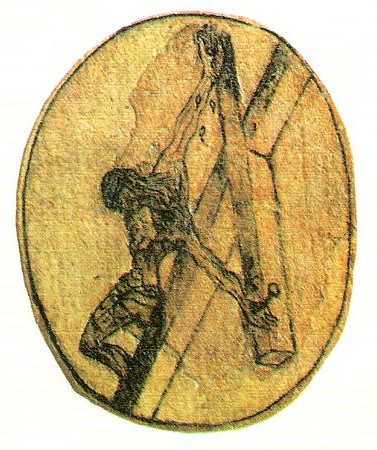
Drawing of the crucifixion by John of the Cross
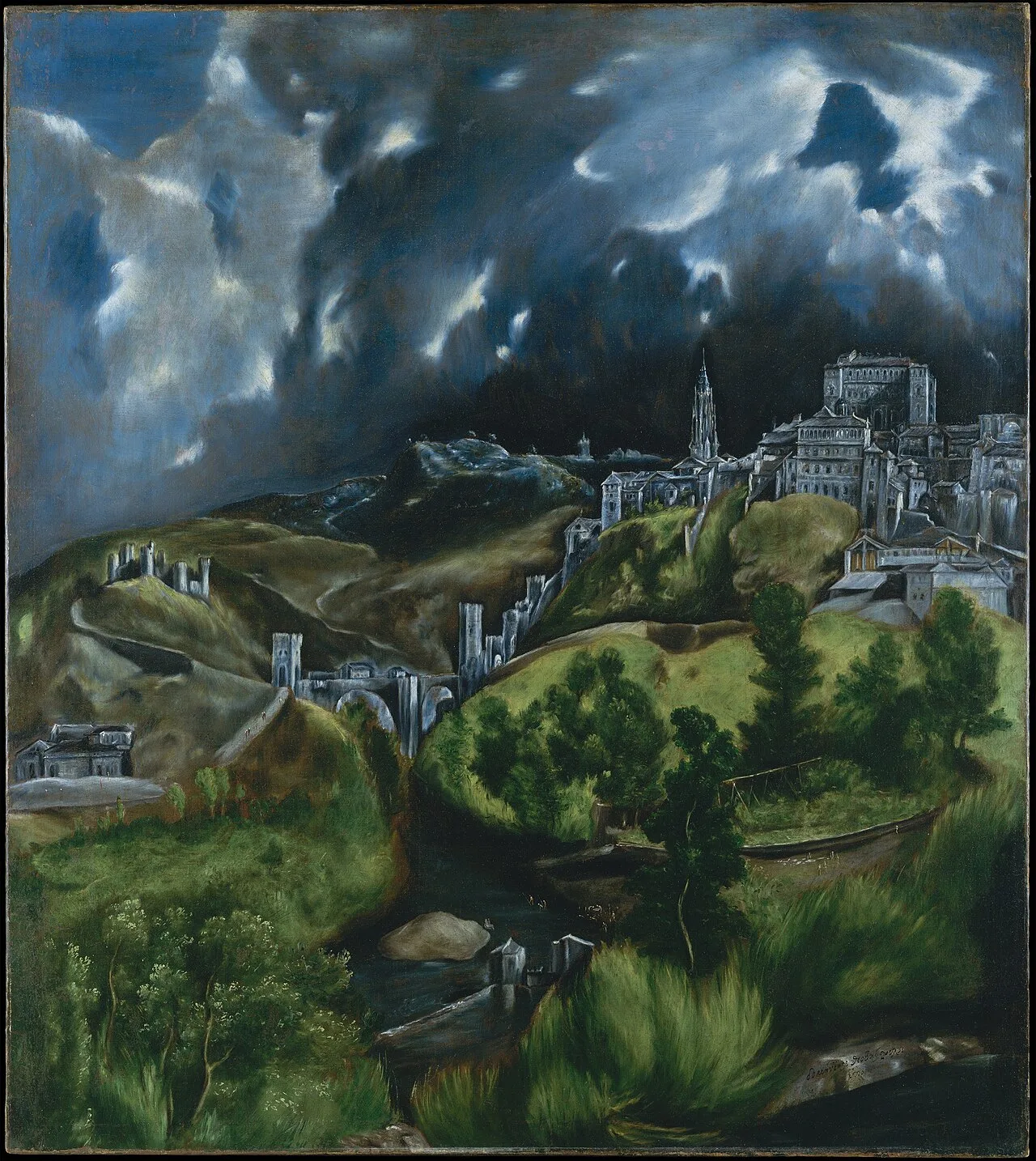
El Greco's landscape of Toledo depicts the priory in which John was held captive, just below the old alcázar (fort) and perched on the banks of the Tajo on high cliffs.
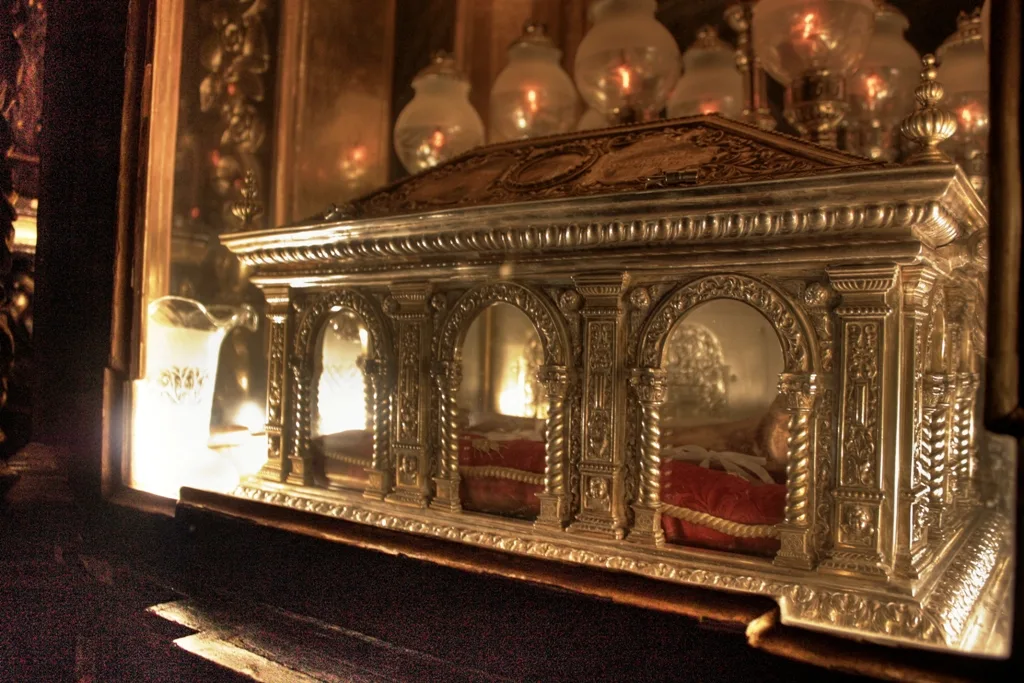
Reliquary of John of the Cross in Úbeda, Spain
John of the Cross
St. John of the Cross was a Spanish Roman Catholic priest, mystic, and Carmelite friar who became a major figure of the Counter-Reformation and a Doctor of the Church.
Surviving Childhood Destitution and Malnutrition
In 1529 Gonzalo married Catalina, an orphan of humble origins, leading his wealthy family to reject him. Tragedy struck the household when John's father died in 1545. Two years later, his older brother Luis died as well, likely succumbing to severe malnourishment caused by extreme poverty. These early struggles exposed the young boy to harsh privation long before he entered monastic life.
From Wikipedia · CC BY-SA 4.0
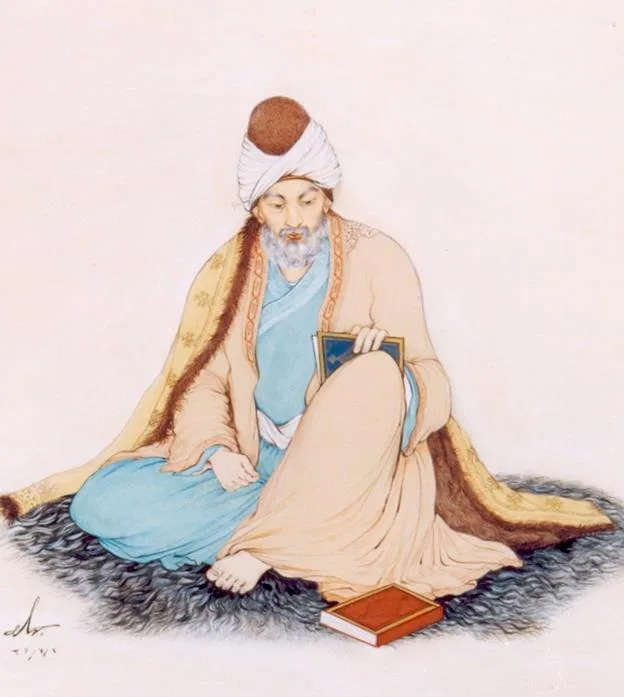
مولانا اثر حسین بهزاد (cropped)
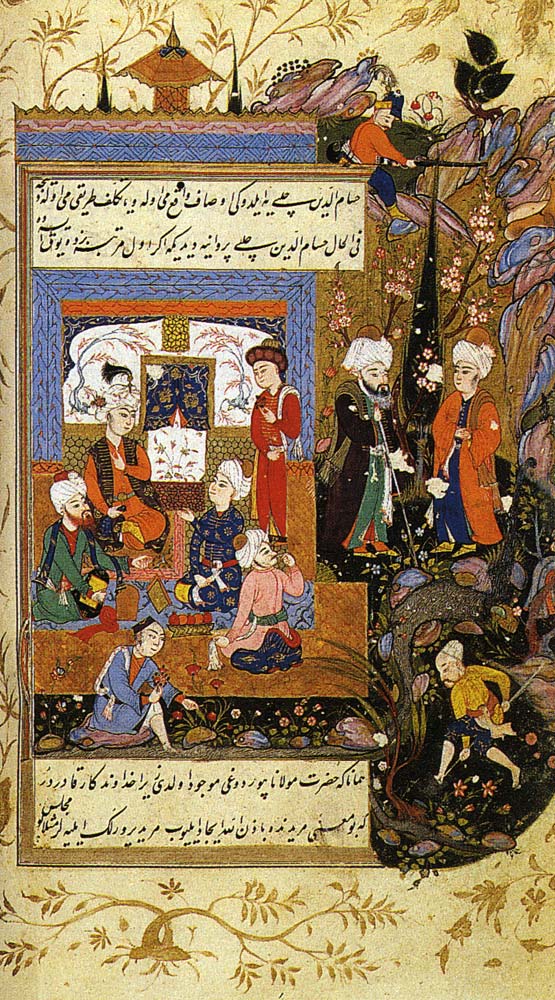
Jalal ad-Din Rumi gathers Sufi mystics
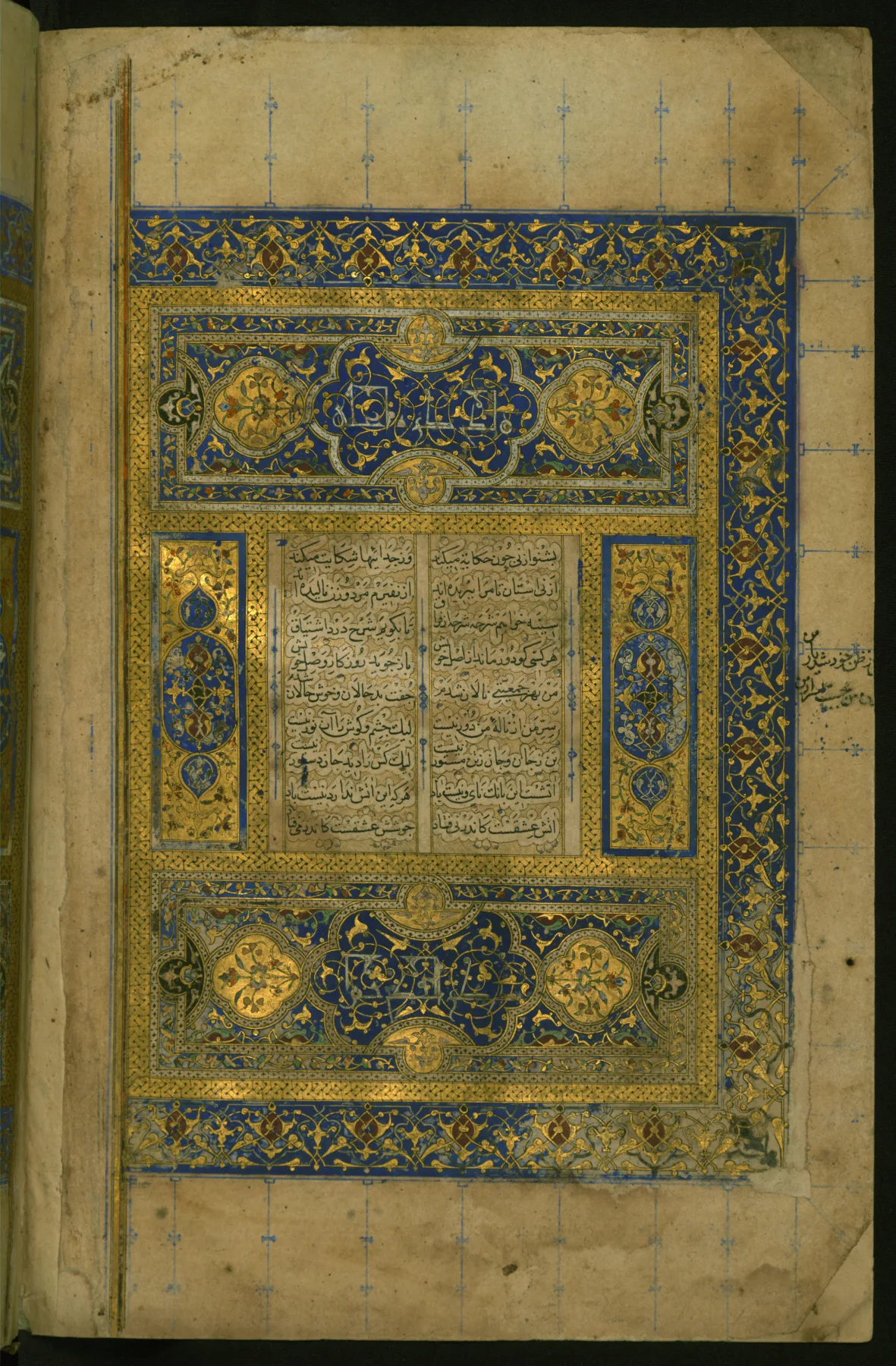
Double-page illuminated frontispiece, 1st book (Persian: دفتر, "daftar") of the Collection of poems (Masnavi-i ma'navi), 1461 manuscript
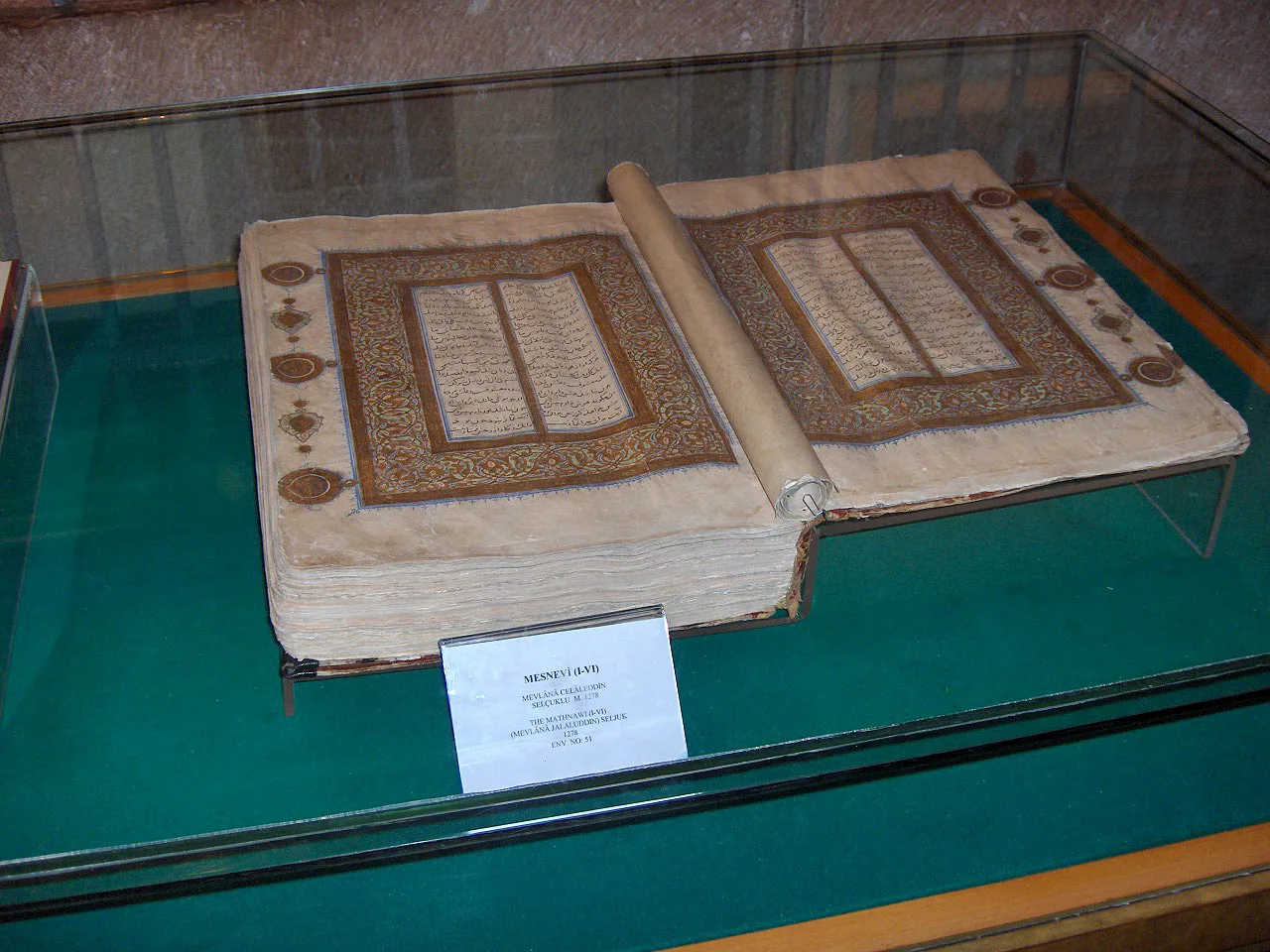
Maṭnawīye Ma'nawī, Mevlana Museum, Konya, Turkey
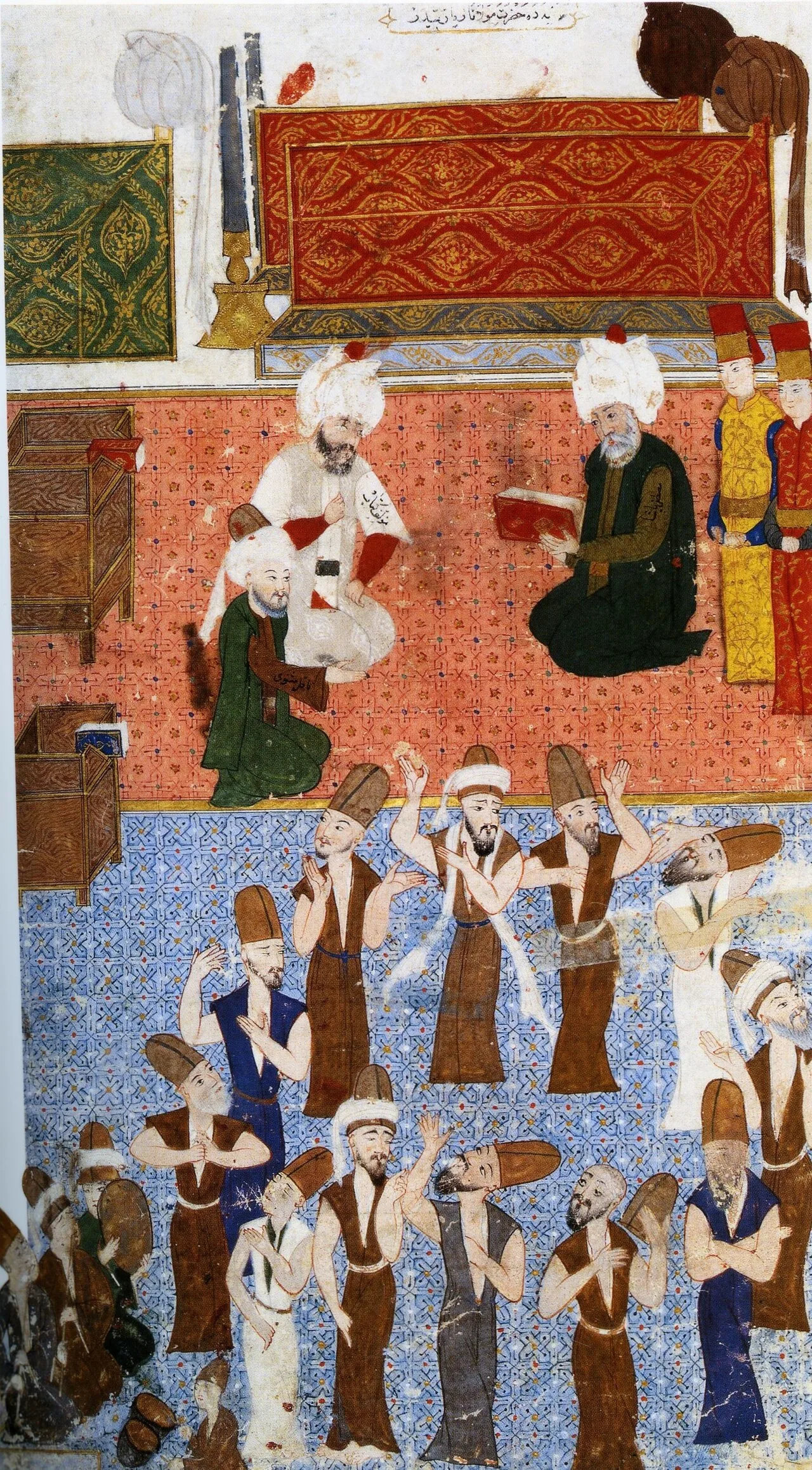
Lālā Muṣṭafa Paşa ("Mustapha Pasha") visiting the Mevlânâ ("Rumi") tomb in Konya circa 1580, with whirling dervishes
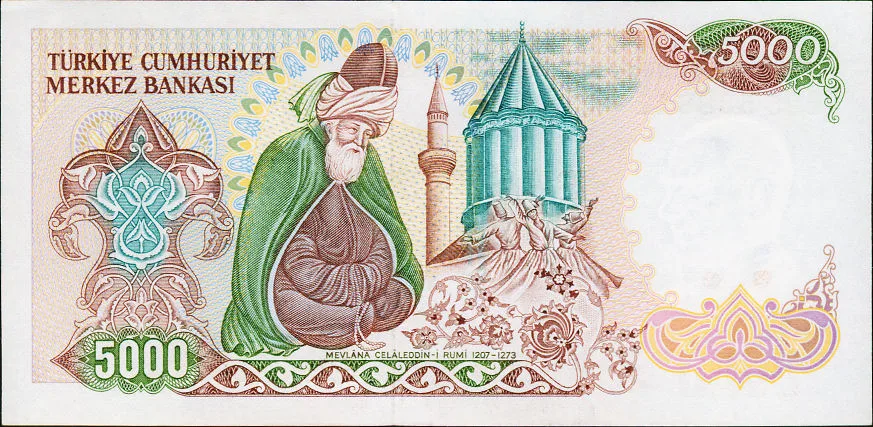
Rumi and his mausoleum on the reverse of the 5000 Turkish lira banknotes of 1981–1994
Rumi
Rumi was a 13th-century Sufi mystic, poet, and founder of the Mevlevi Order, widely celebrated for his contributions to Persian literature and spiritual poetry.
The Roman Geography Behind a Persian Name
Western readers frequently overlook that the mystic's celebrated moniker reflects Byzantine geography rather than Persian lineage. The epithet Rumi translates literally from Persian as Roman, designating inhabitants of Anatolia following its conquest from the Eastern Roman Empire. Far from an esoteric spiritual title, this geographical descriptor simply grounded the historical personage within the former Byzantine territories.
From Wikipedia · CC BY-SA 4.0
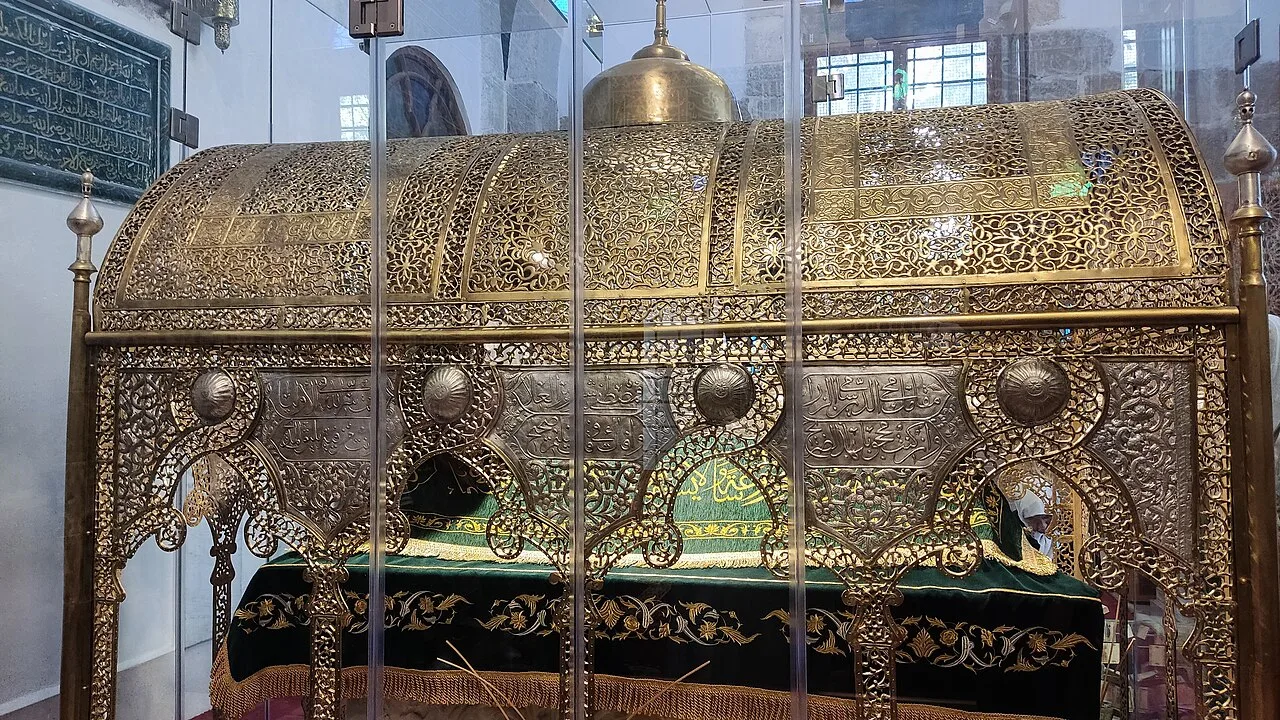
قبر الشيخ محيي الدين بن عربي
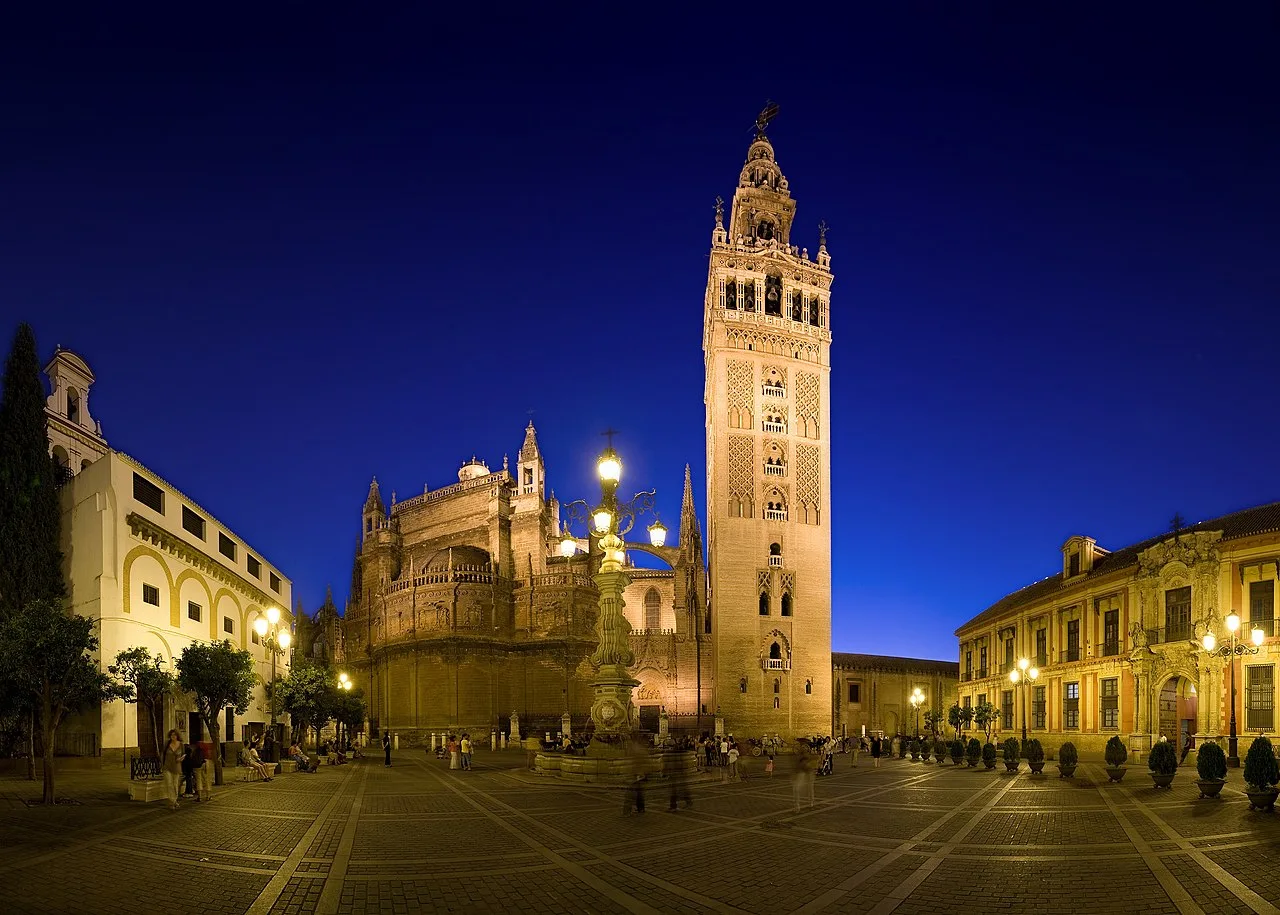
Seville, where Ibn Arabi spent most of his life and education
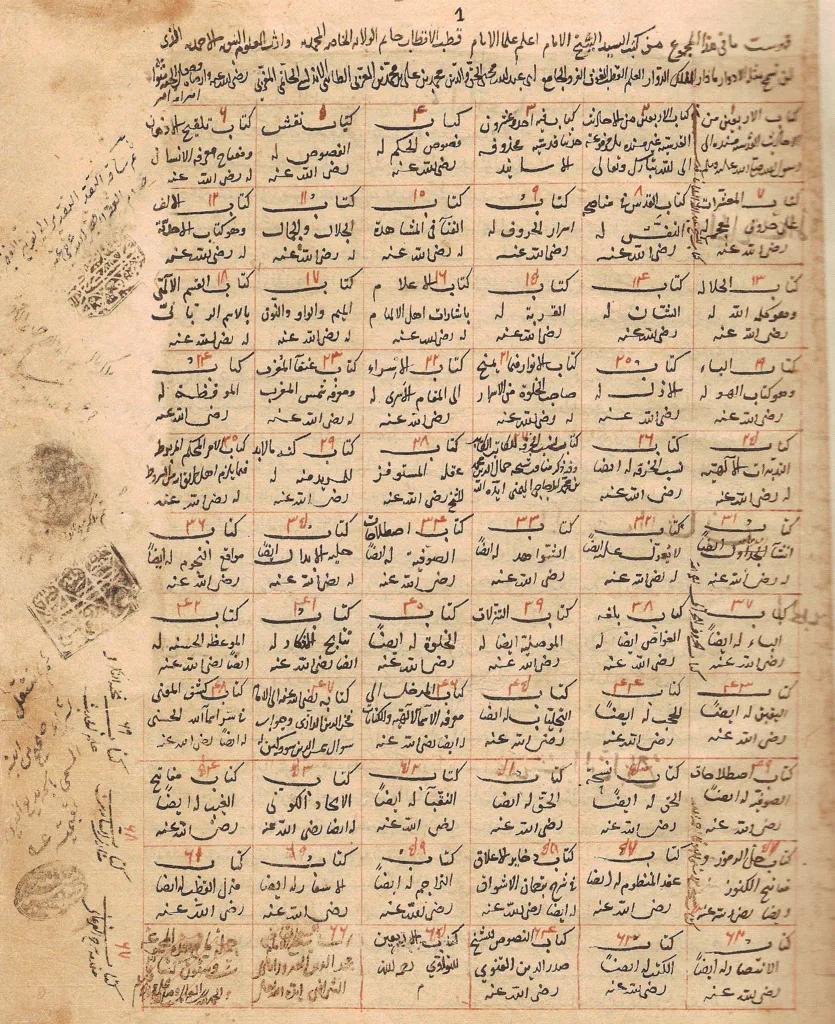
Medieval list of Ibn Arabi's books.
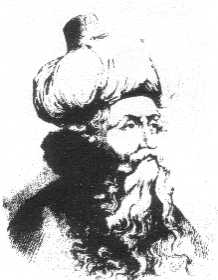
Ibn Arabi as imagined by a later artist
![Page from a Syrian manuscript of Ibn Arabi's six-volume Dīwān.[91]](https://nwjvzop1xgplmzvt.public.blob.vercel-storage.com/wikifeed/ibn-arabi/4-27772ee133.webp)
Page from a Syrian manuscript of Ibn Arabi's six-volume Dīwān.[91]
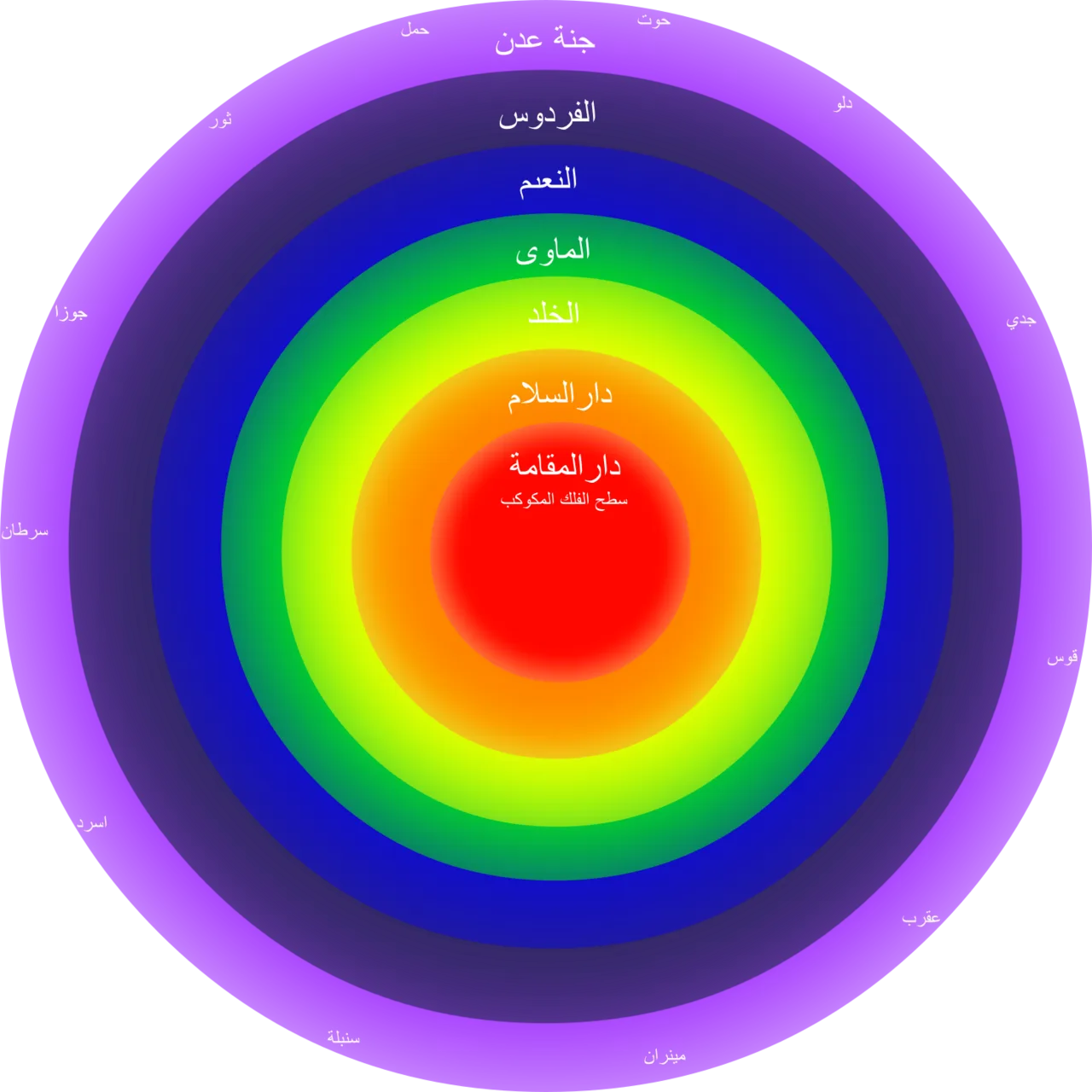
Diagram of Jannat Futuhat al-Makkiyya, c. 1238 (photo: after Futuhat al-Makkiyya, Cairo edition, 1911).
Ibn Arabi
Ibn 'Arabī was an Andalusian Sunni Muslim scholar, Sufi mystic, poet, and philosopher whose teachings significantly influenced Sufi metaphysics and Islamic thought.
Military Drill Grounds to Averroes's Parlor
Ibn Arabi spent his early youth in military camps, openly preferring games with soldiers over reading books. After an adolescent spiritual vision altered his direction, his father arranged an interview with the philosopher Ibn Rushd (Averroes). This dialogue marked a decisive turning point, enabling him to differentiate rational philosophy from direct mystical unveiling before fully embracing Sufism.
From Wikipedia · CC BY-SA 4.0
רבי משה

Isaac Luria signature
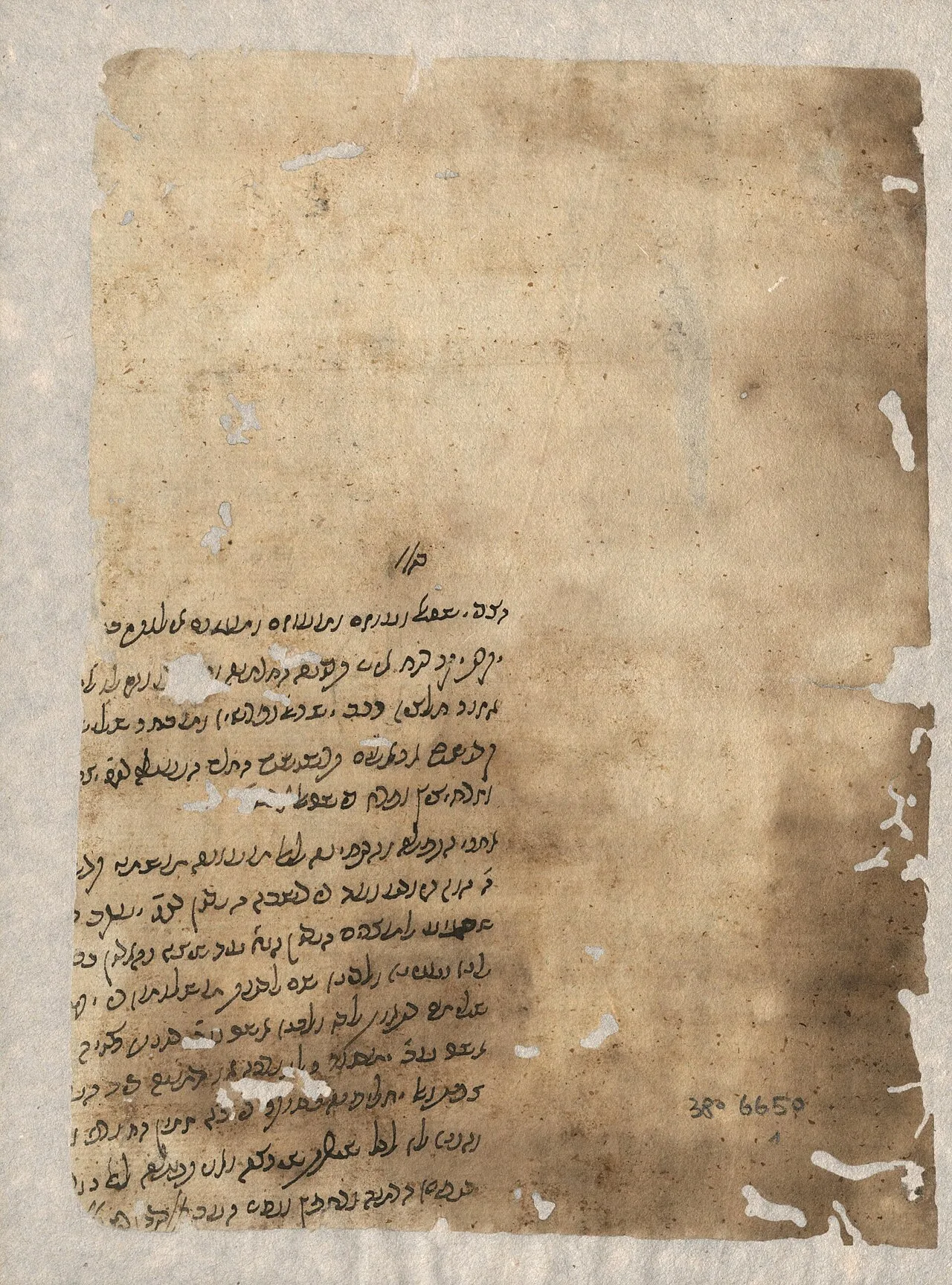
A letter sent to Luria while he lived in Egypt
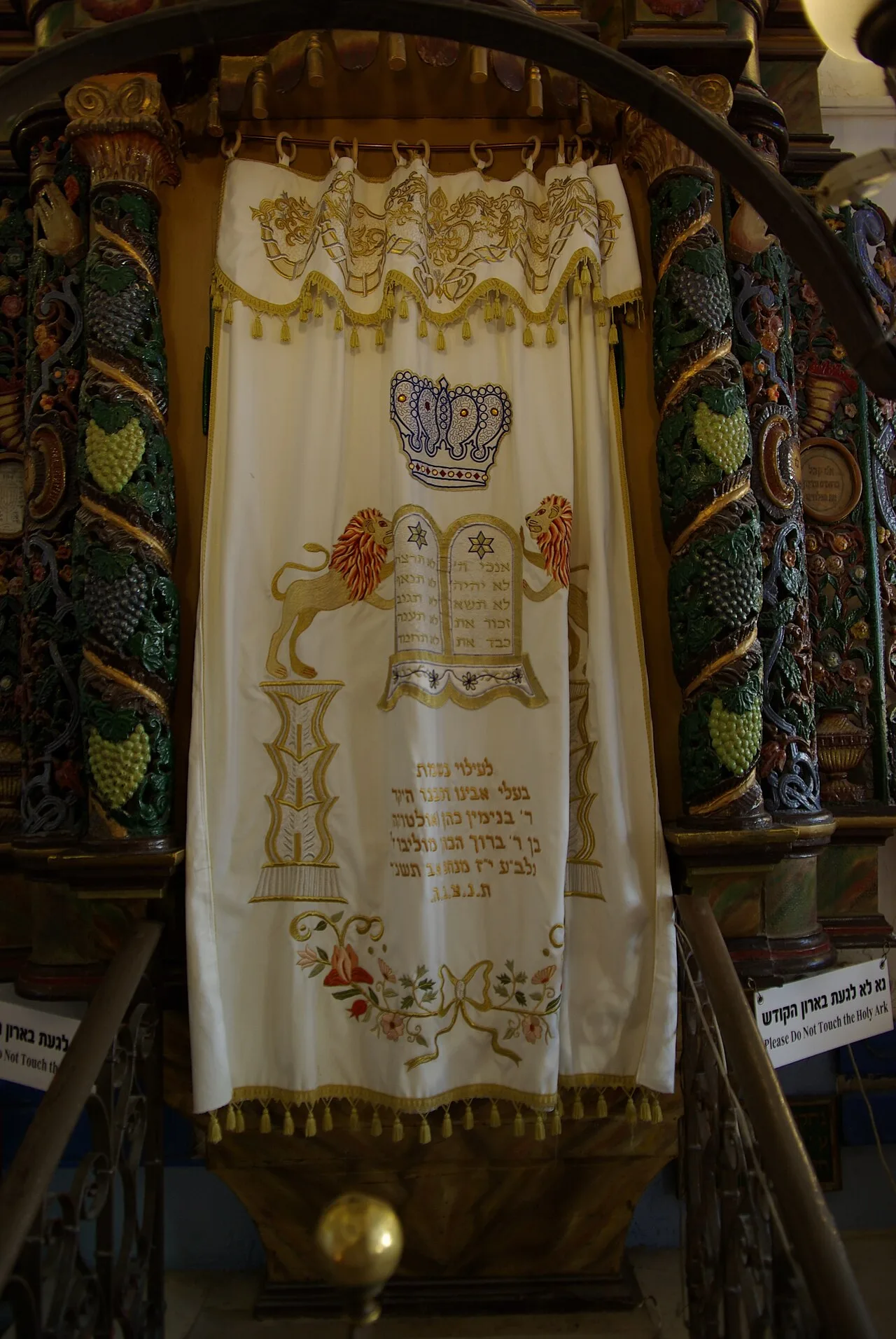
Ark in the Ari Ashkenazi Synagogue. Luria was called Ha'ari, "the Lion".
Isaac Luria
Isaac ben Solomon Ashkenazi Luria, known as the Arizal, was a leading rabbi and Jewish mystic in Safed who is considered the father of contemporary Kabbalah.
Seven Years of Solitude on the Nile
Luria adopted a strict solitary lifestyle, retreating to the banks of the Nile for seven years where he secluded himself in an isolated cottage. In complete seclusion, he gave himself up entirely to intense meditation. He visited his family only on Shabbat, remaining completely silent and refusing to utter a word even at home.
From Wikipedia · CC BY-SA 4.0
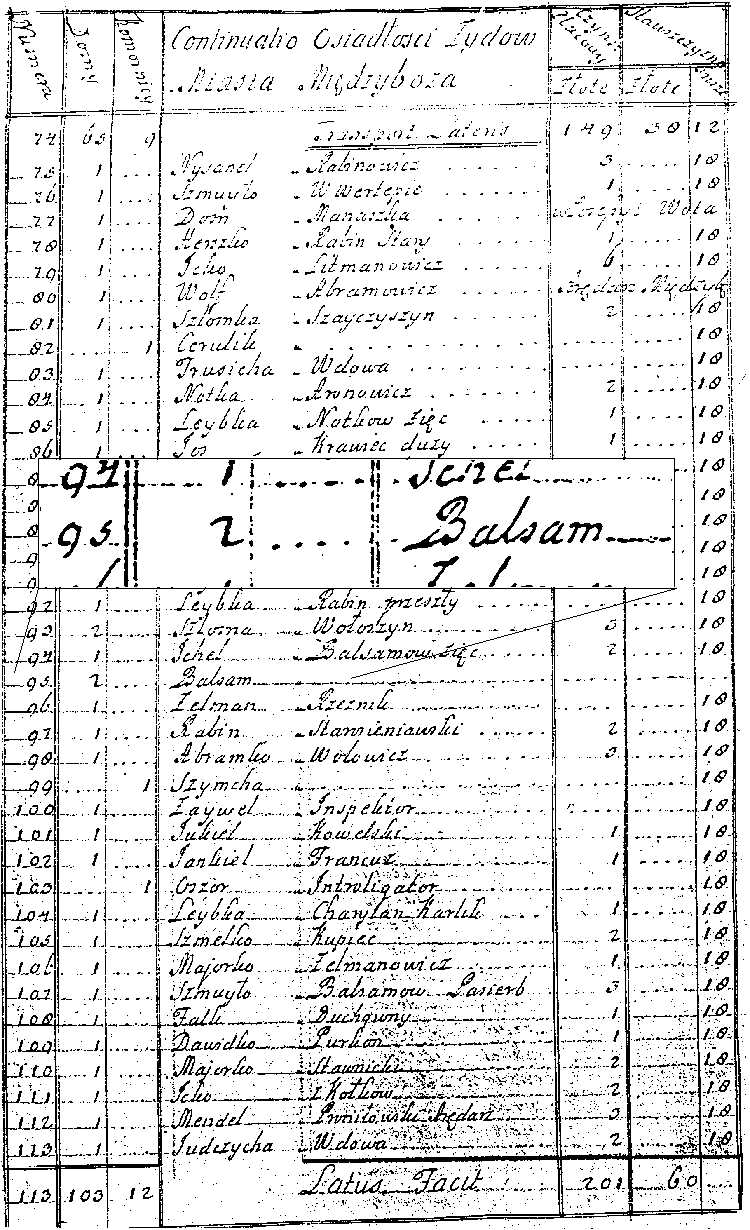
1758 Polish tax census of Medzhybizh showing "Balsam" in house #95
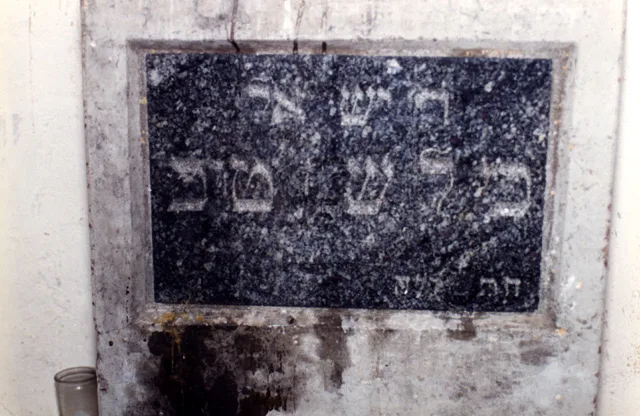
Monument to the Baal Shem Tov in Medzhybizh (before restoration in 2006–2008), inscribed רבי ישראל בעל שם טוב
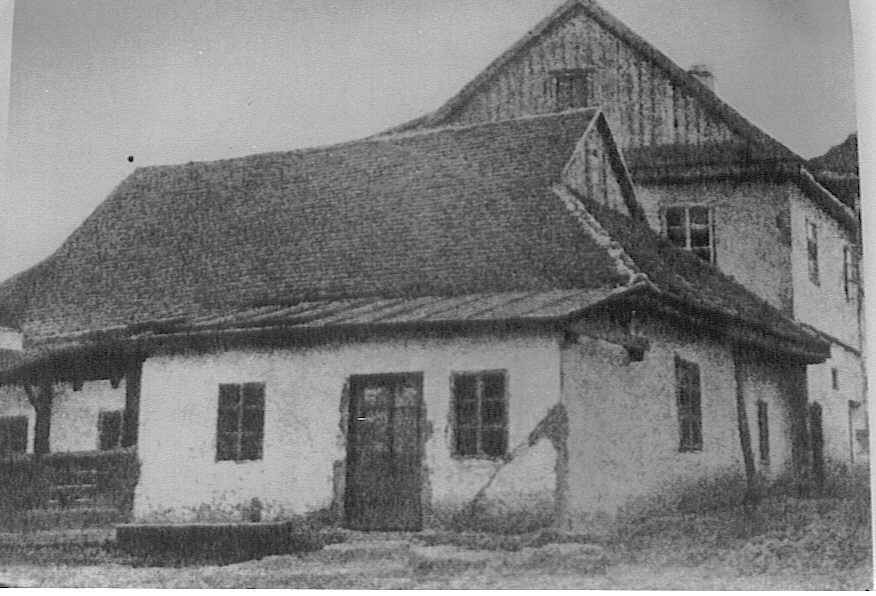
The old synagogue of Medzhybizh (c. 1915). This building, which was never used by Israel (he preferred an alternate minyan),[6] burned during World War II. Today a replica attracts tourists to Medzhybizh under the name "Baal Shem Tov Shul".[21] A second replica opened in 2022 as a community synagogue in Wesley Hills, NY.[22]
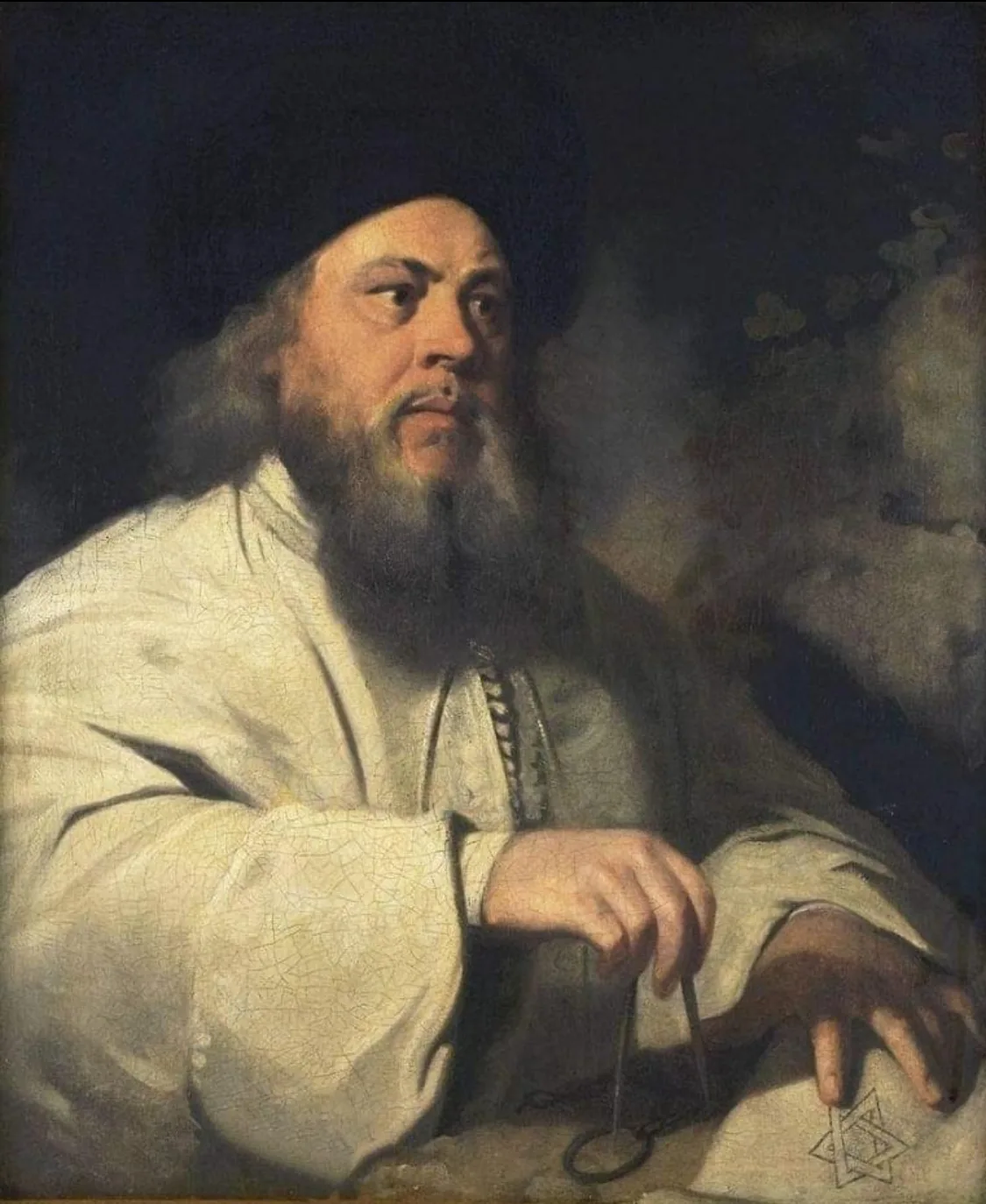
Hayyim Samuel Jacob Falk (the Baal Shem of London)
](https://nwjvzop1xgplmzvt.public.blob.vercel-storage.com/wikifeed/baal-shem-tov/4-26ac54893d.webp)
Elijah Guttmacher [he](1796–1874)
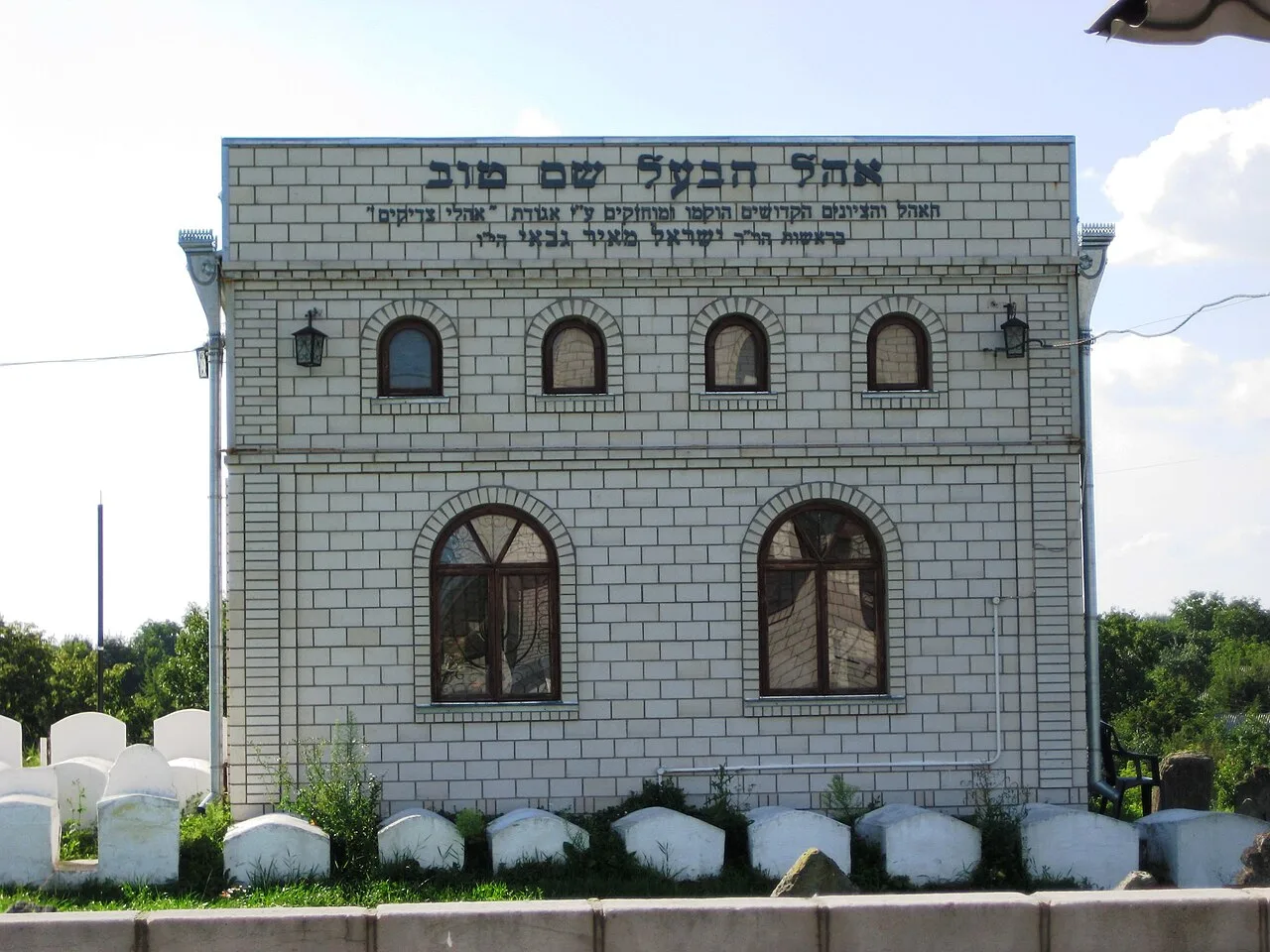
Ohel of Baal Shem Tov; August 4, 2008
Baal Shem Tov
Israel ben Eliezer, known as the Baal Shem Tov, was an 18th-century Jewish mystic and healer regarded as the founder of Hasidic Judaism.
Borderland Legends and Disputed Parentage
Hasidic traditions record that the founder of Hasidism was born to an elderly couple living near the Romanian border. Romanian-Israeli historian Moshe Idel argued that the Baal Shem Tov was born in Moldavia, in the region known today as Bukovina. Idel concluded that there is no solid evidence to substantiate the popular belief that the Besht was born in Okopy.
From Wikipedia · CC BY-SA 4.0
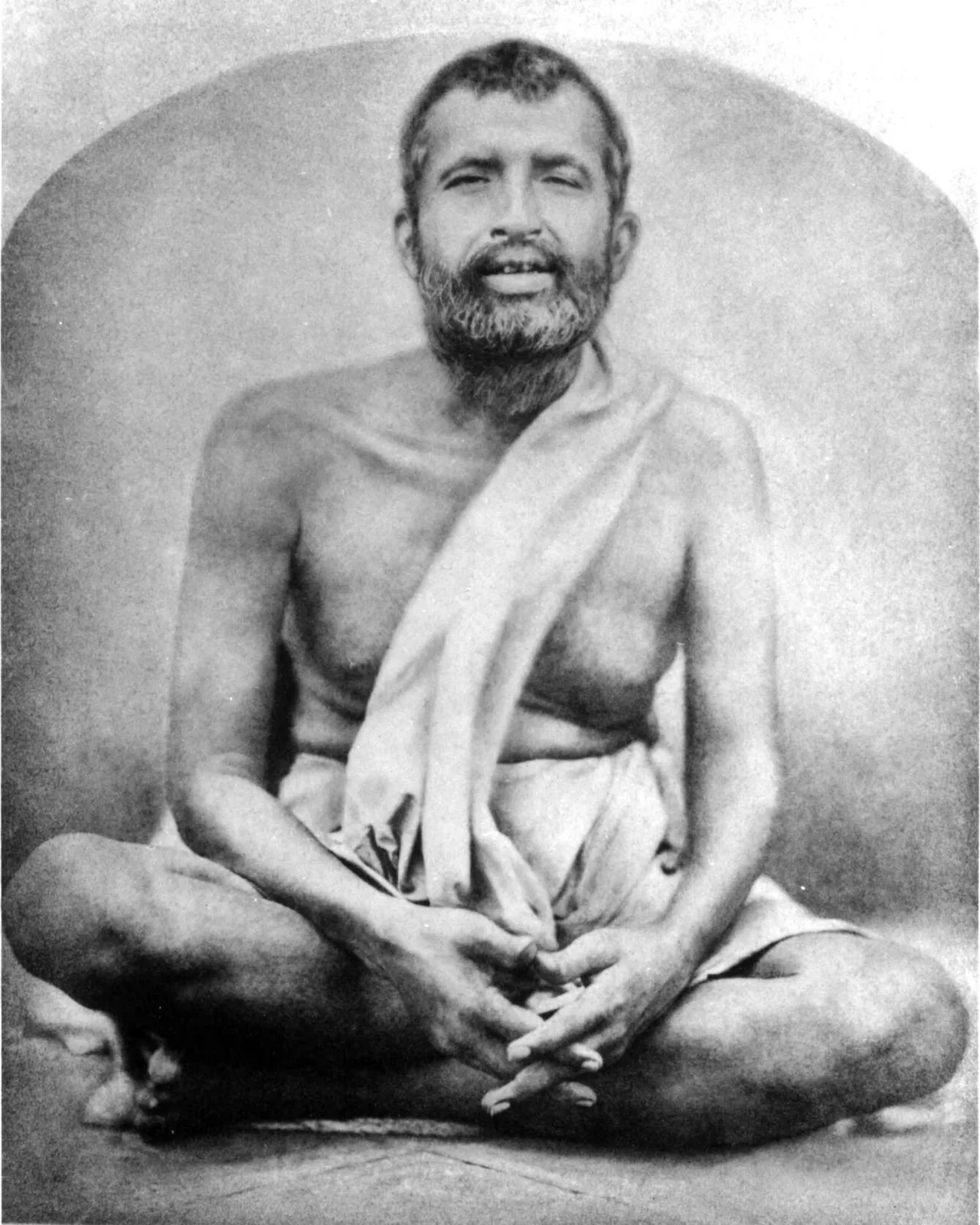
Ramakrishna
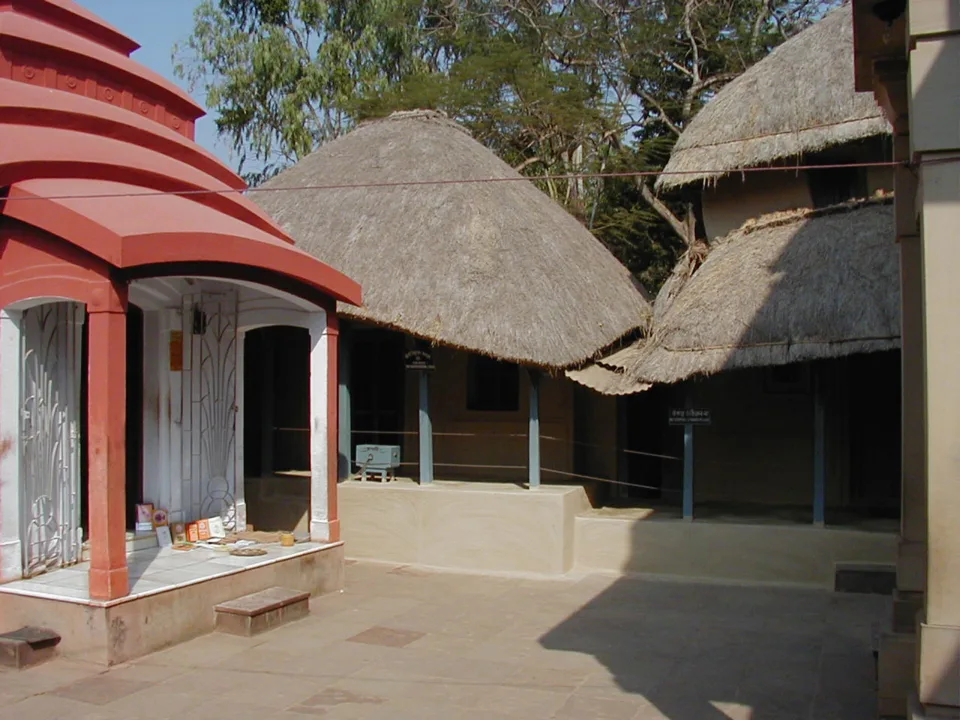
The small house (centre) at Kamarpukur, where Ramakrishna lived. His family shrine (left), with birthplace temple on the right.
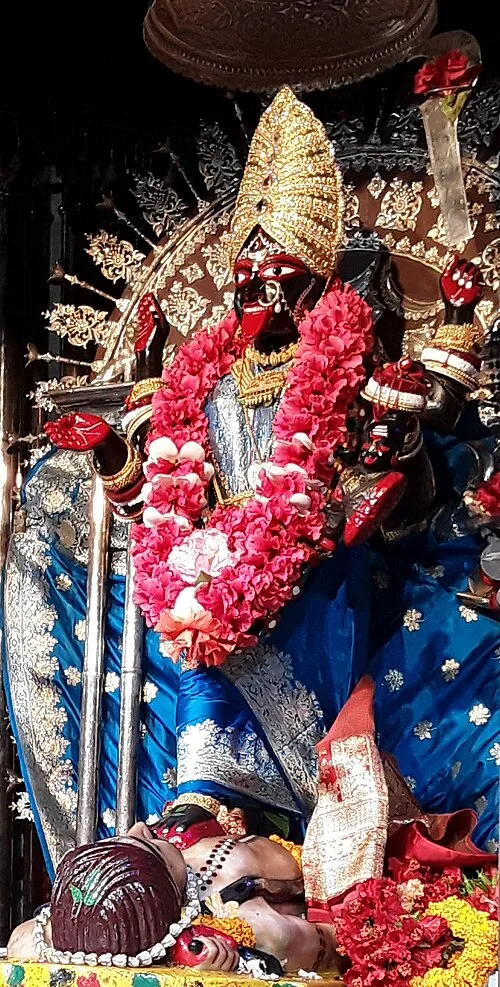
The idol of goddess Kali as Bhavatāriṇi in the sanctum sanctorum of the Dakshineswar Kali Temple.
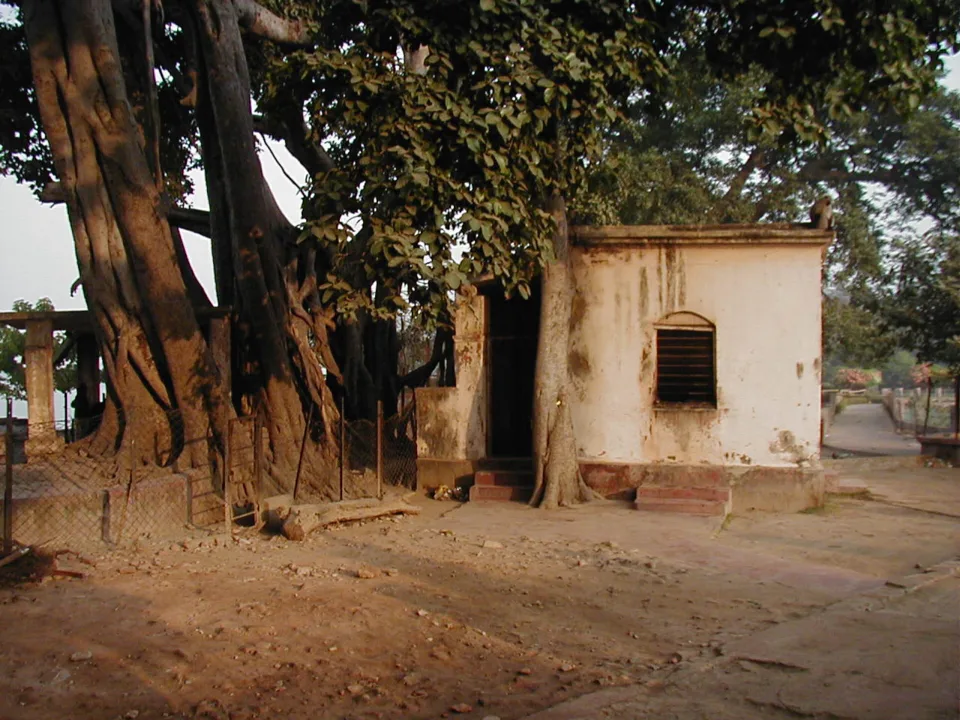
The Panchavati and the hut, where Ramakrishna performed his advaitic sadhana. The mud hut has been replaced by a brick one.
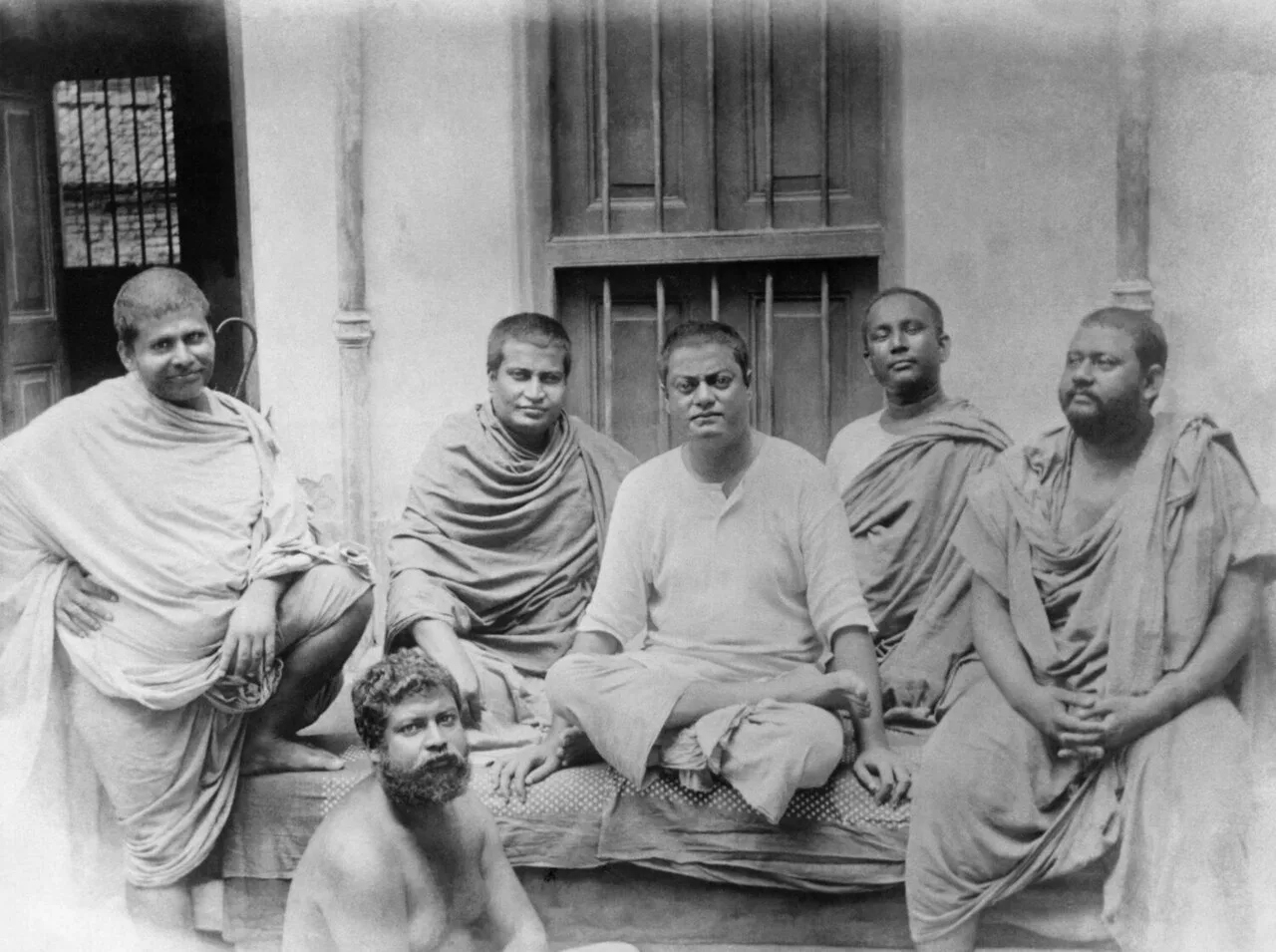
Disciples of Ramakrishna. From left: Trigunatitananda, Shivananda, Vivekananda, Turiyananda, Swami Brahmananda, and (seated below) Swami Sadananda (disciple of Vivekananda).
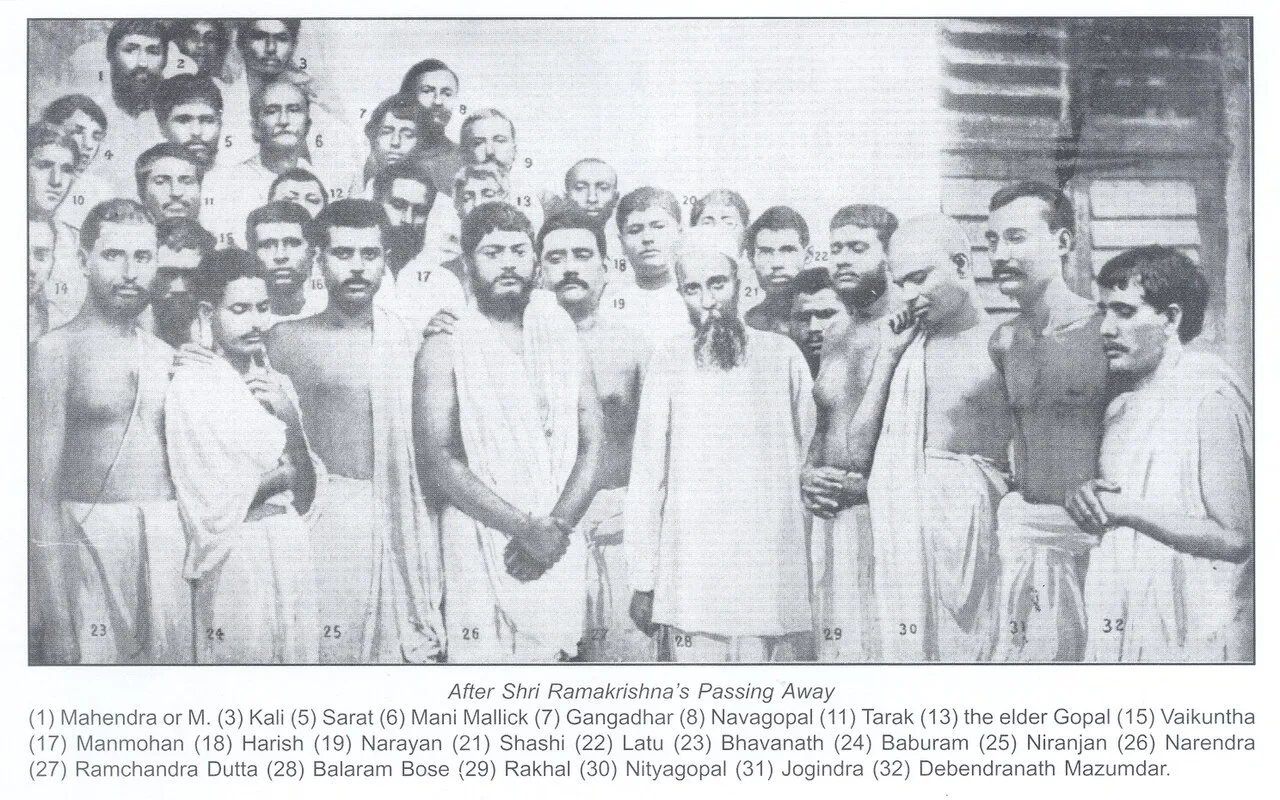
Various disciples and devotees of Ramakrishna at his funeral.
Ramakrishna
Ramakrishna was a 19th-century Indian Hindu mystic whose teachings emphasized the underlying harmony and unity of world religions.
Breaching the Household Purdah in Disguise
A local trader threw a challenge asserting that no outsider could ever glimpse into his household's inner apartments. Ramakrishna accepted the wager by disguising himself as an ordinary weaver woman, slipping past the master of the house undetected. Once inside, he entertained the women, ultimately compelling Durgadas to concede defeat and allow them to attend his recitals.
From Wikipedia · CC BY-SA 4.0
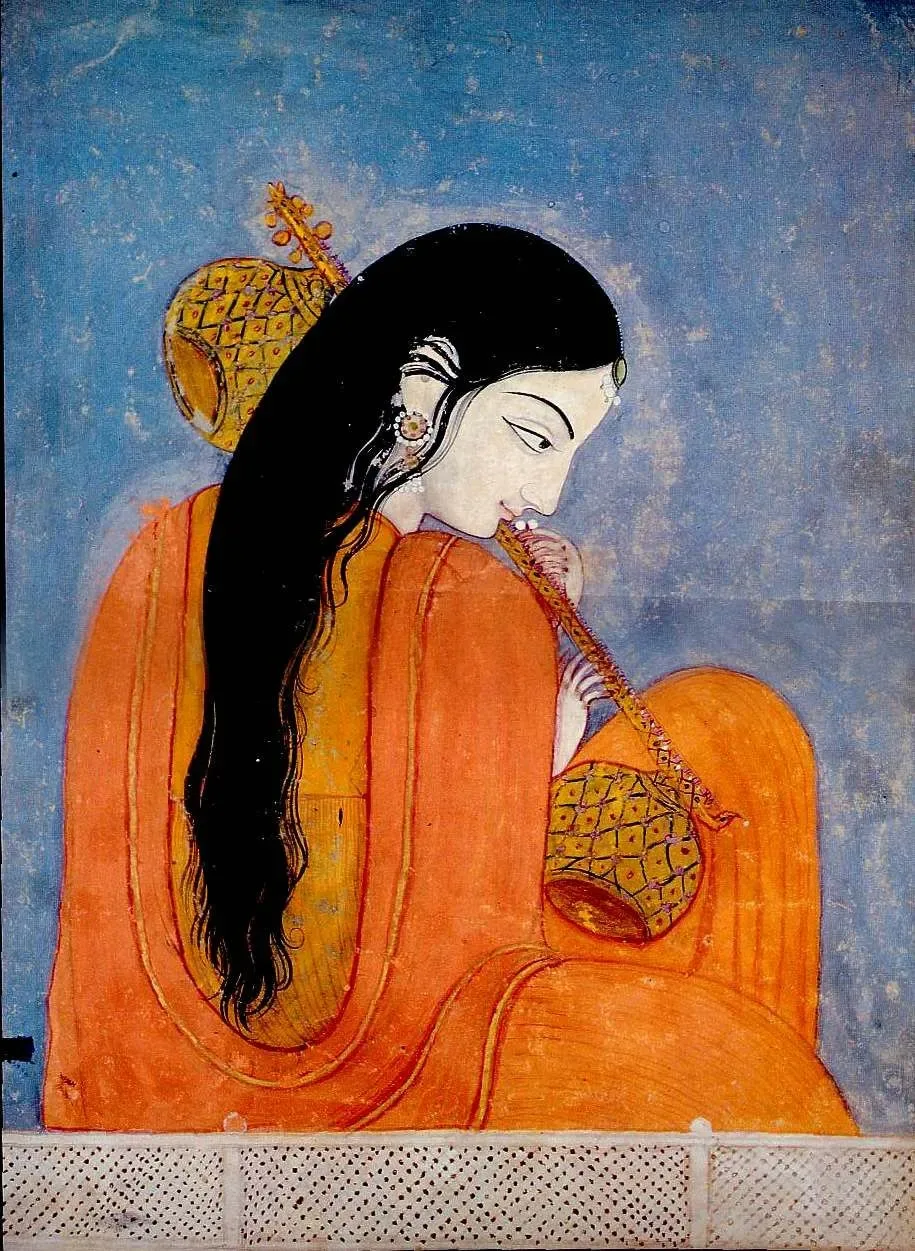
Kangra painting of Mirabai, the female Bhakti saint
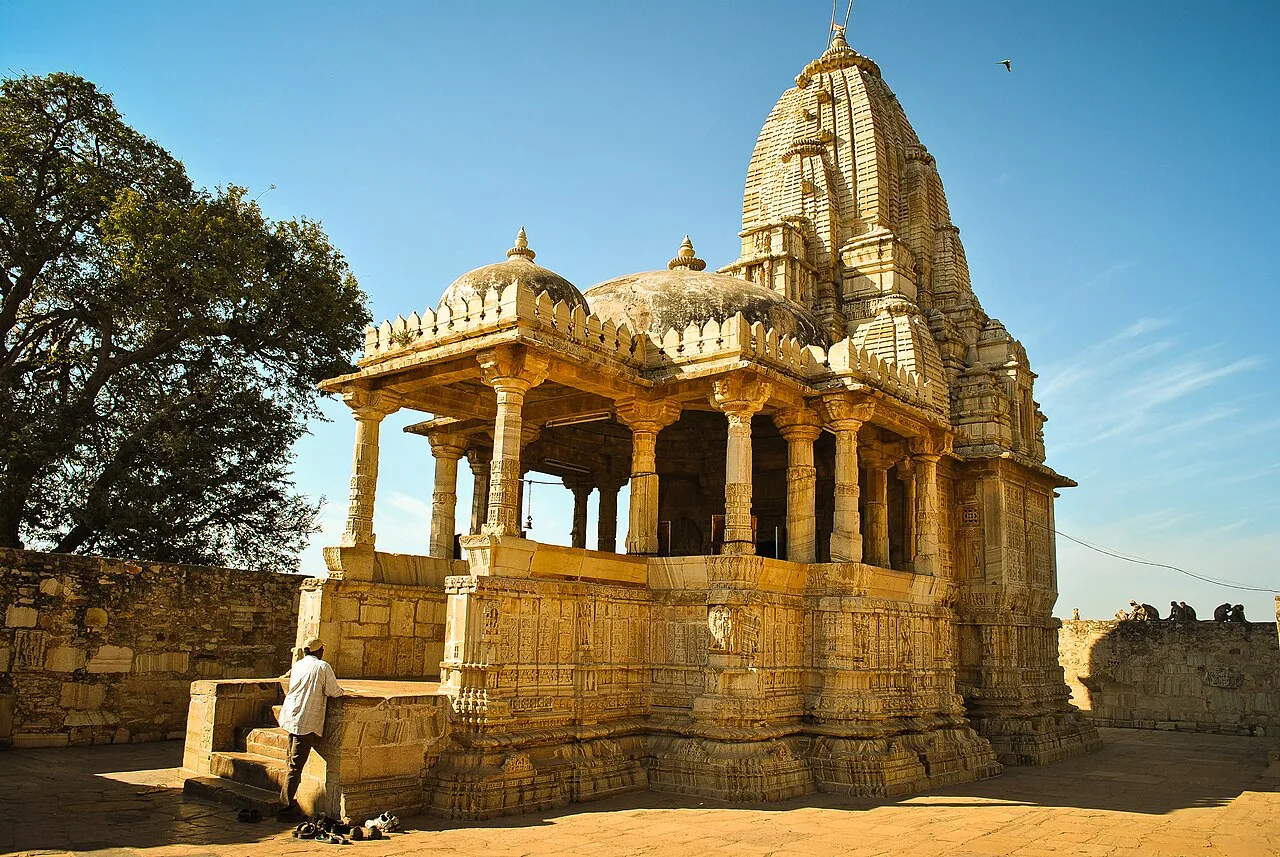
Meera's temple to Krishna at Chittor Fort, Rajasthan
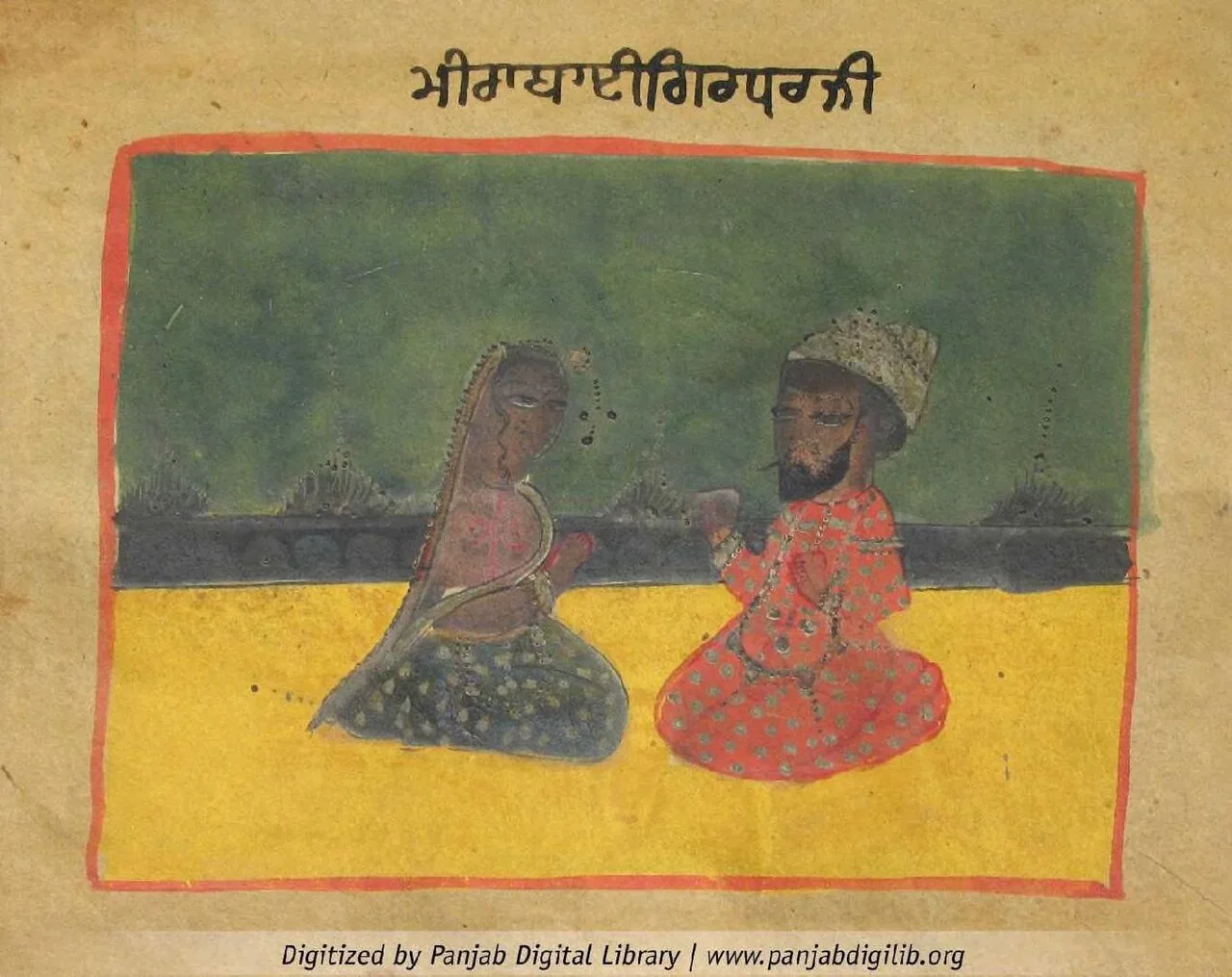
Painting of Mirabai and Girdharji, from a folio within an illustrated manuscript of the Prem Ambodh Pothi
![Mirabai surrounded by devotees, c. 17th–18th century[29]](https://nwjvzop1xgplmzvt.public.blob.vercel-storage.com/wikifeed/mirabai/3-e2fbc876f2.webp)
Mirabai surrounded by devotees, c. 17th–18th century[29]
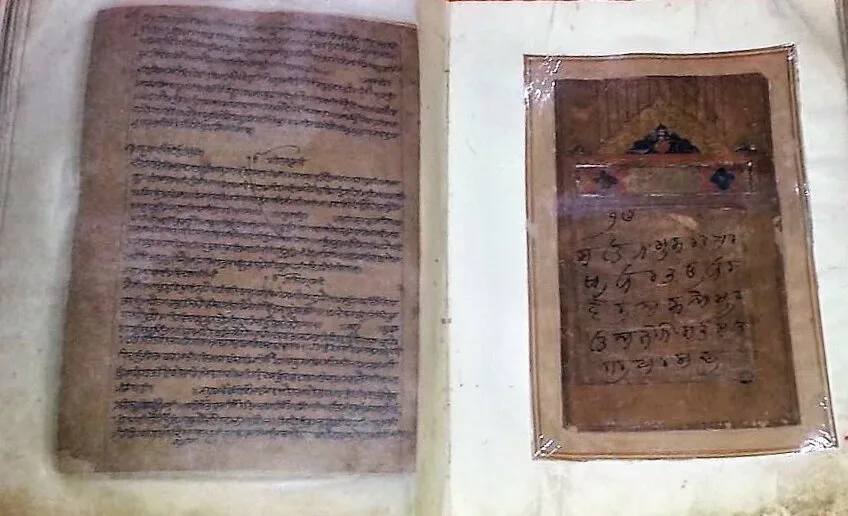
Manuscript of the Adi Granth from the Bhai Banno recension named "Bhai Banno Vali Bir" which contains compositions of Mirabai within it. Kept at Gurdwara Bhai Banno Sahib, Kanpur Uttar Pradesh, India
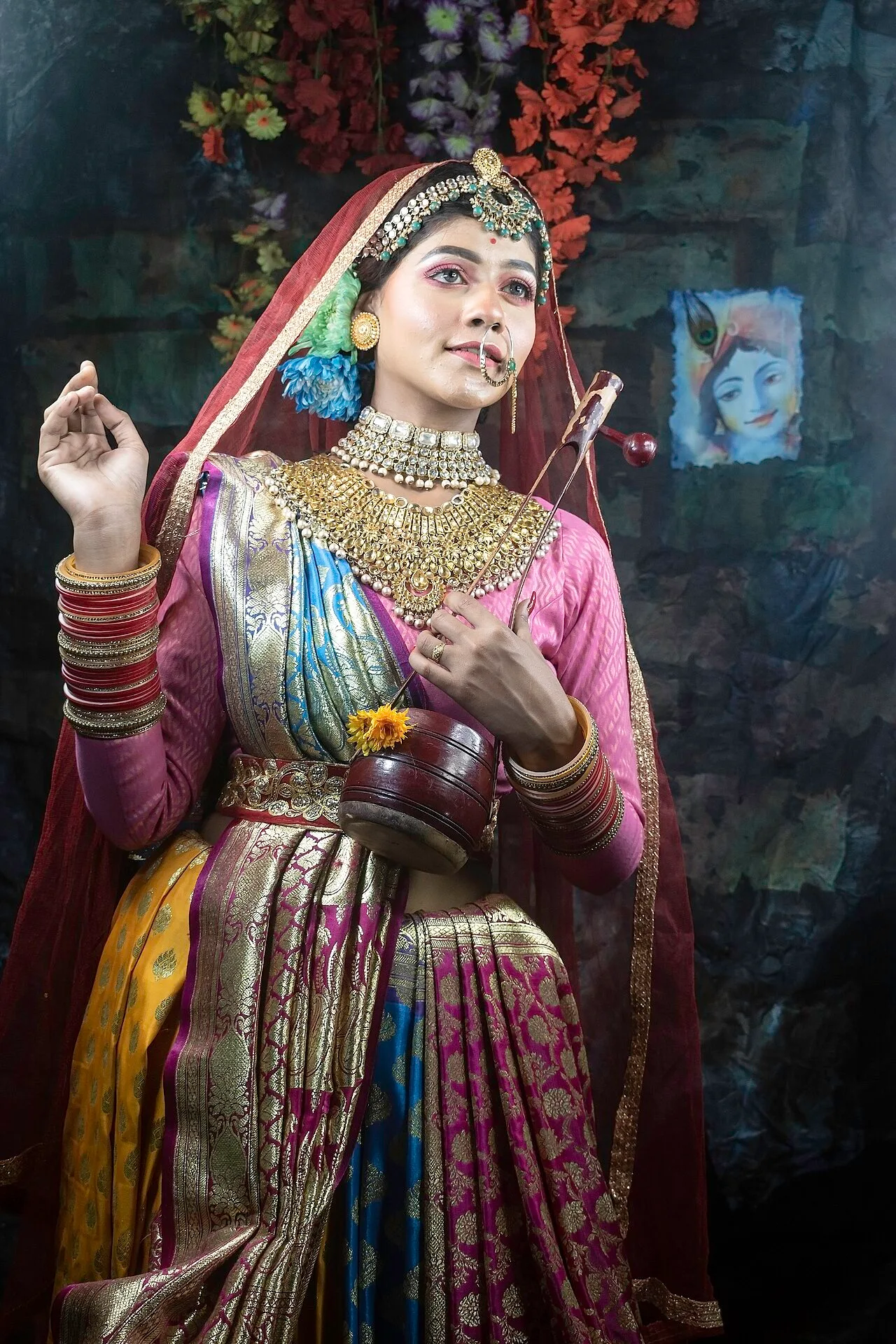
Modern stage performance about Mirabai
Mirabai
Mirabai was a celebrated 16th-century Hindu mystic poet, Krishna devotee, and prominent figure in the North Indian Bhakti movement.
Warfare Over In-Law Animosity
Popular lore often blames religious in-laws for tormenting Mirabai, but the historical record points in a very different direction. The three earliest surviving records from the seventeenth century make no mention of abusive relatives or a hostile Rajput family. Instead, scholar Nancy Martin-Kershaw suggests that her real hardships stemmed from broader regional upheaval, specifically the violent political chaos and clashes between Rajput rulers and the expanding Mughal Empire.
From Wikipedia · CC BY-SA 4.0
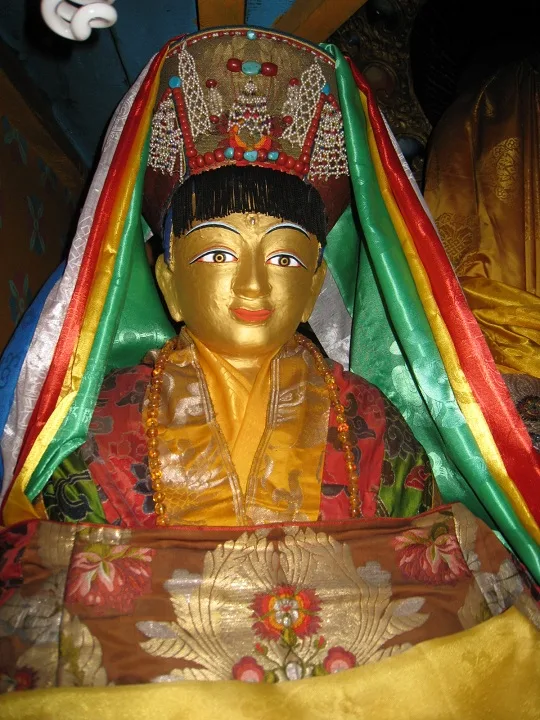
A famous statue of Milarepa self made by Milerapa's root student Bhu Rechungpa which later belonged to Nyanang Phelgyeling Monastery, Tibet and now is in Phelgyeling Monastery, Nepal.

Tibetan Dharma Wheel
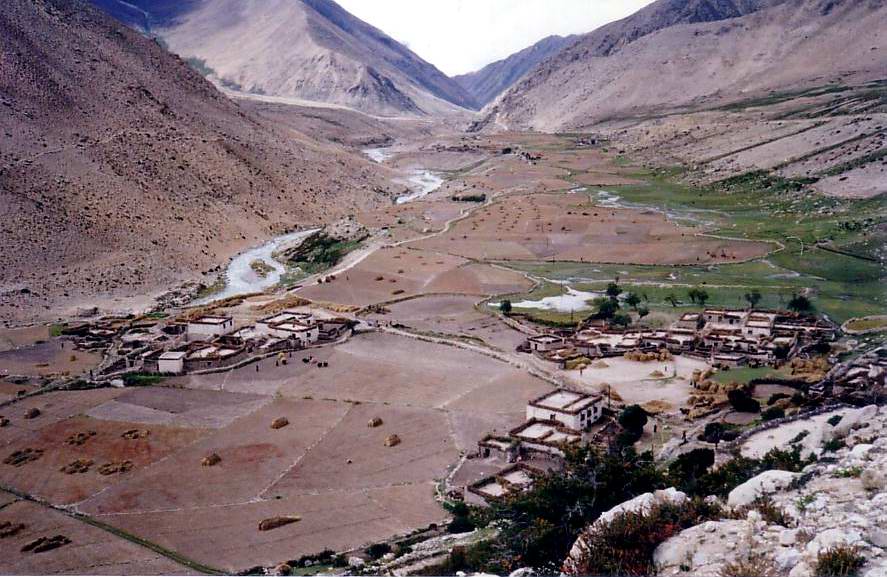
Overlooking Pelgyeling Gompa at Milarepa's Cave, Tibet.
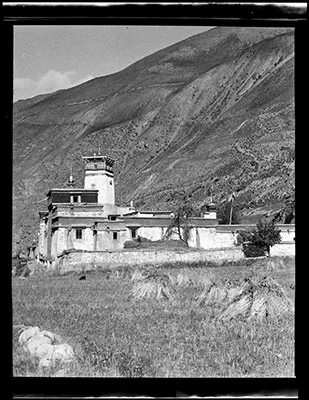
The nine story tower that Milarepa single-handedly built, Sekar Gutok Monastery, Lhodrag, Tibet.
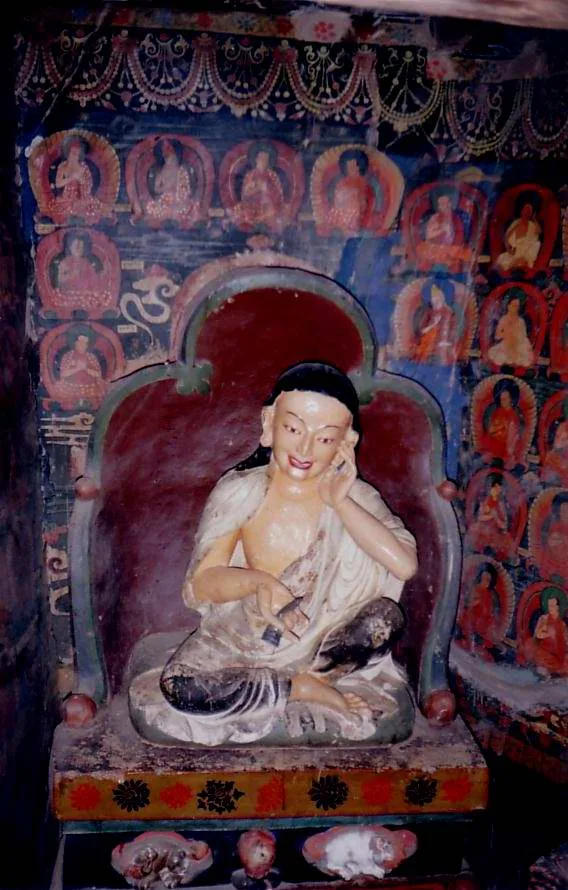
Milarepa statue, Pango Chorten, Gyantse, Tibet.
Milarepa
Jetsun Milarepa was a renowned Tibetan yogi and spiritual poet who became a central figure in the Kagyu school of Tibetan Buddhism.
Deadly Sorcery as a Prelude to Sanctity
After his father died in western Tibet, Milarepa's aunt and uncle disinherited his family and took their wealth. Prompted by his mother, the future yogi left home to study black magic and exact lethal vengeance upon his relatives. This destructive beginning subverts typical saintly origins, establishing a dramatic trajectory where a convicted killer eventually transformed into an enlightened figure.
From Wikipedia · CC BY-SA 4.0
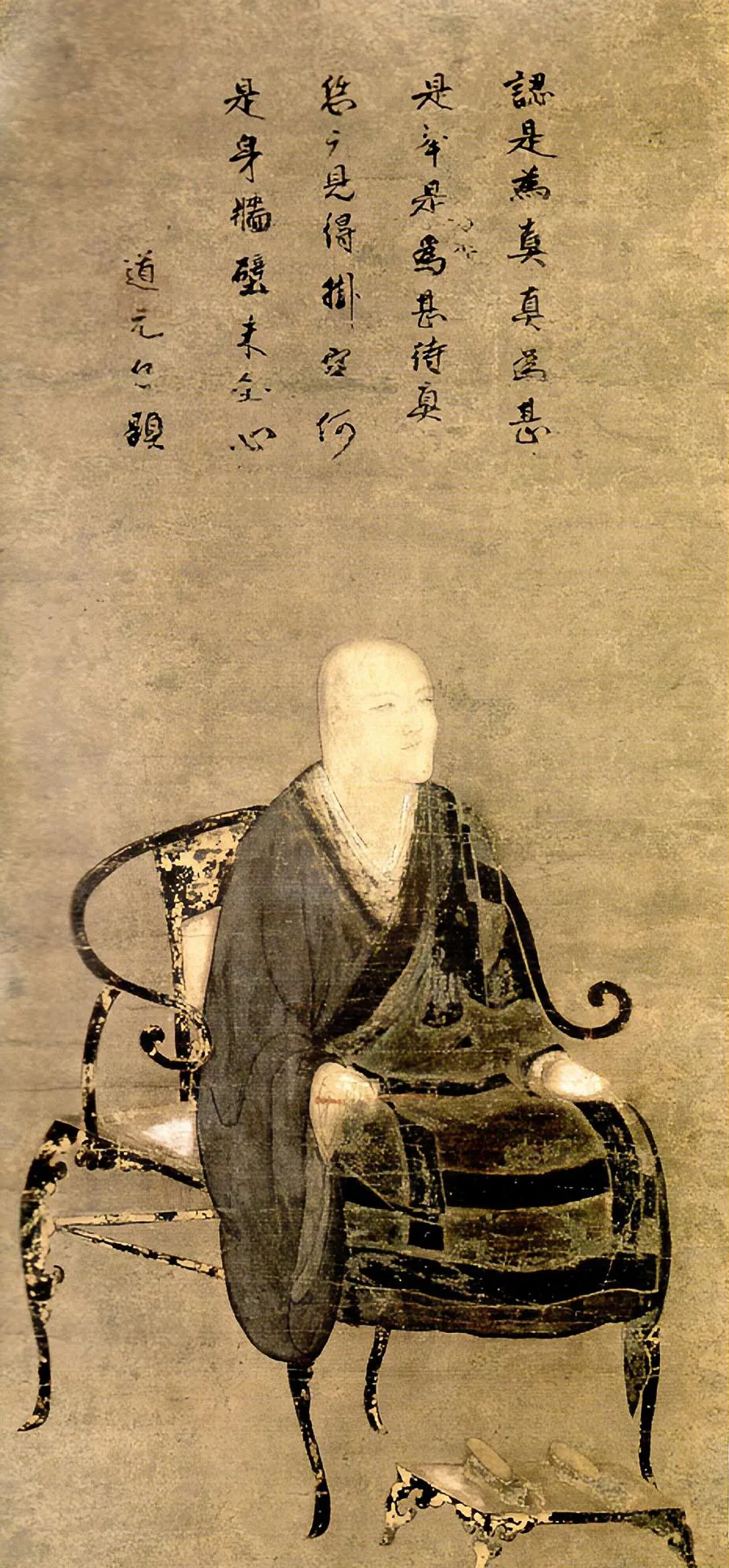
Soto-Zen-Master-Dogen-Zenji-Portrait
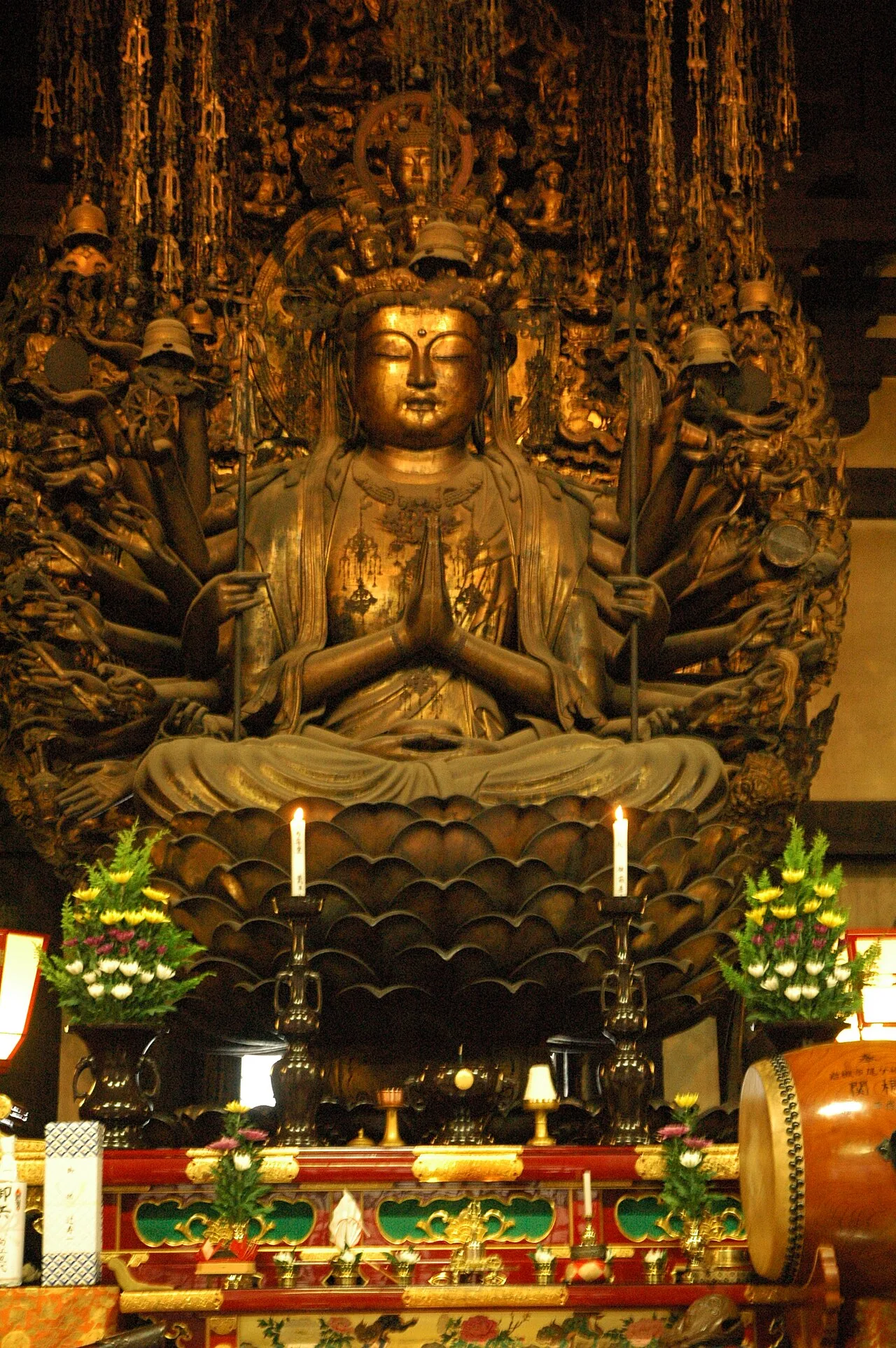
Kamakura-period statue of Thousand-armed Kannon at Sanjūsangen-dō in Kyoto, Japan.
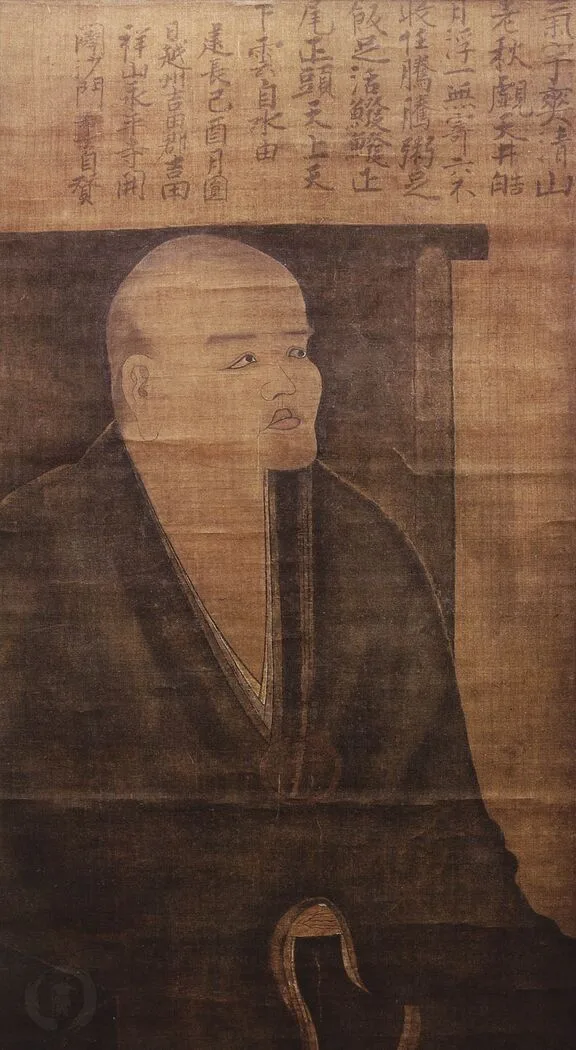
Dōgen watching the moon. Hōkyō-ji monastery, Fukui prefecture, circa 1250.
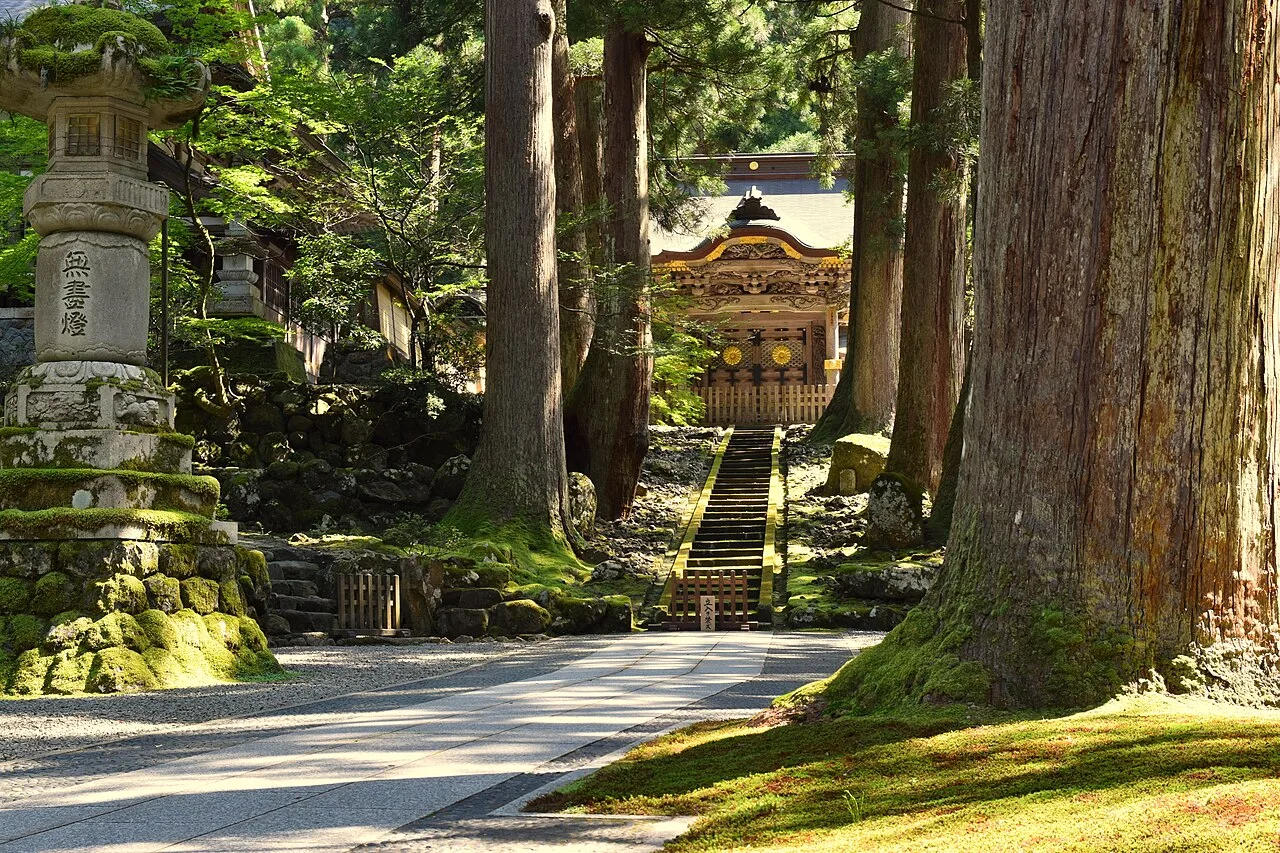
Eihei-ji Temple
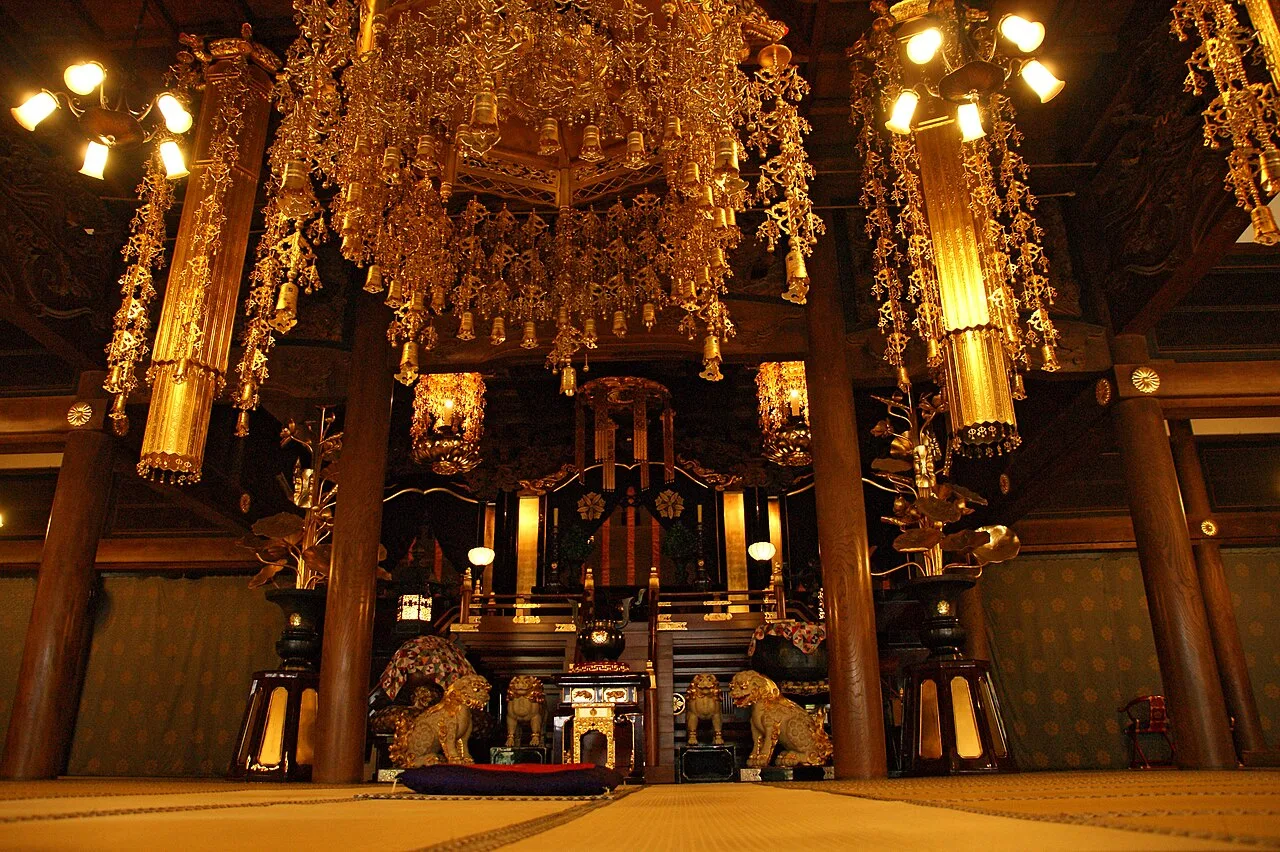
Dharma hall at Eihei-ji where various rites and recitations have been performed since Dōgen's time.
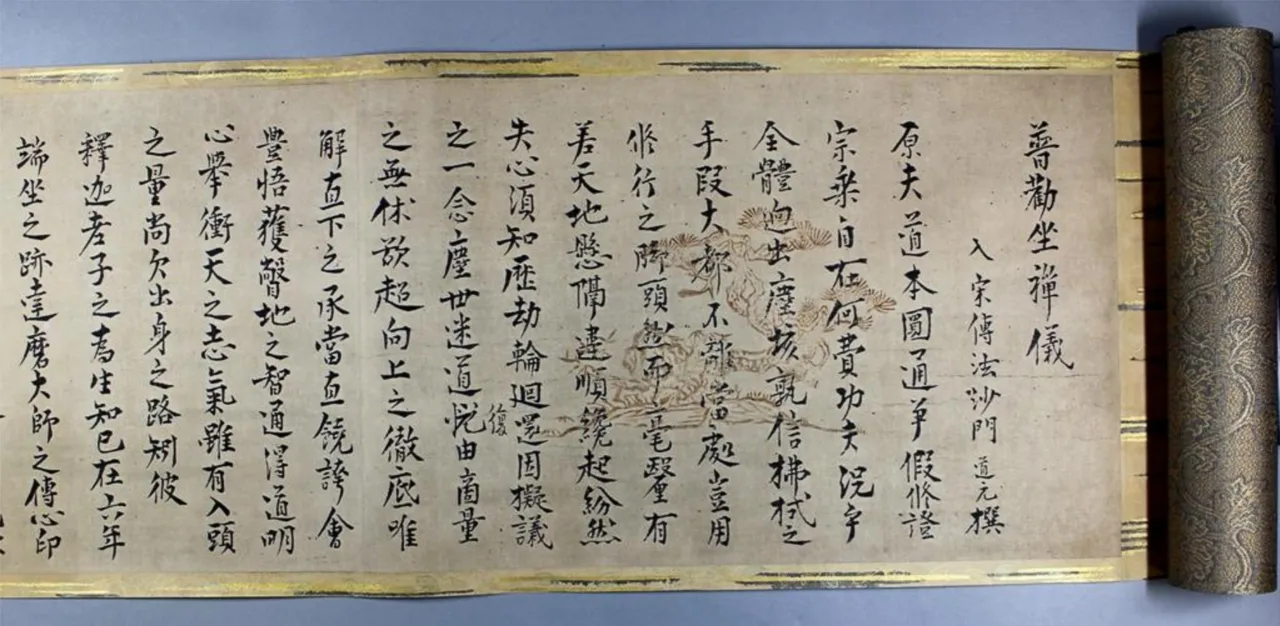
Universally Recommended Instructions for Zazen (普勧坐禅儀, fukan zazengi)
Dōgen
Dōgen was a Japanese Zen Buddhist monk, writer, poet, philosopher, and the founder of the Sōtō school of Zen in Japan.
The Paradox of Inherent Awakening
In 1212, during the spring of his thirteenth year, Dōgen fled to Mount Hiei troubled by the Tendai concept of original enlightenment. If all human beings are endowed with enlightened Dharma-nature at birth, the necessity for spiritual practice collapses into a logical contradiction. His inability to resolve this doctrinal dilemma prompted him to seek deeper answers outside the mountain.
From Wikipedia · CC BY-SA 4.0