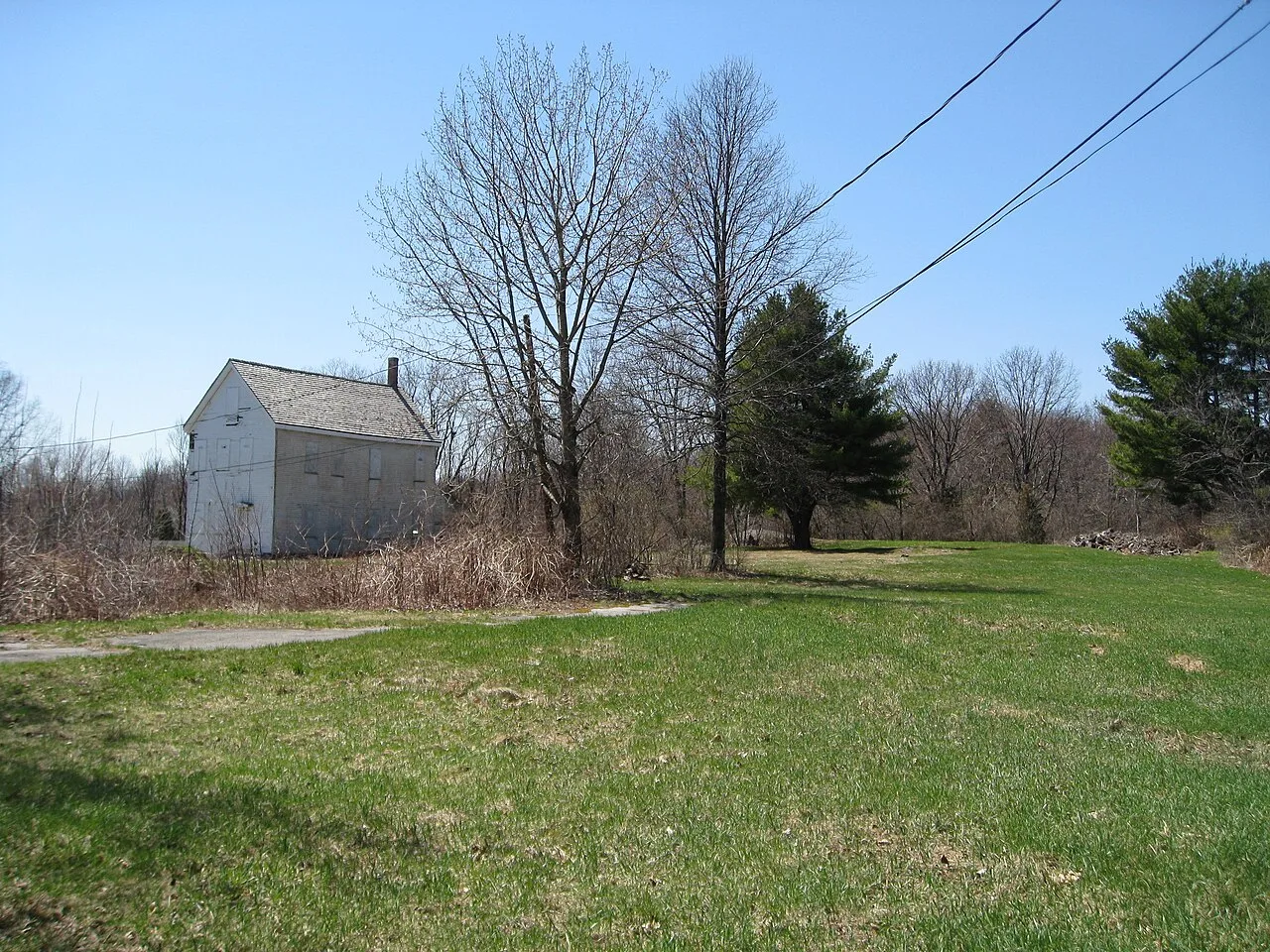
Brook Farm08
Brook Farm is located in Greater Boston area
Brook Farm is located in Massachusetts
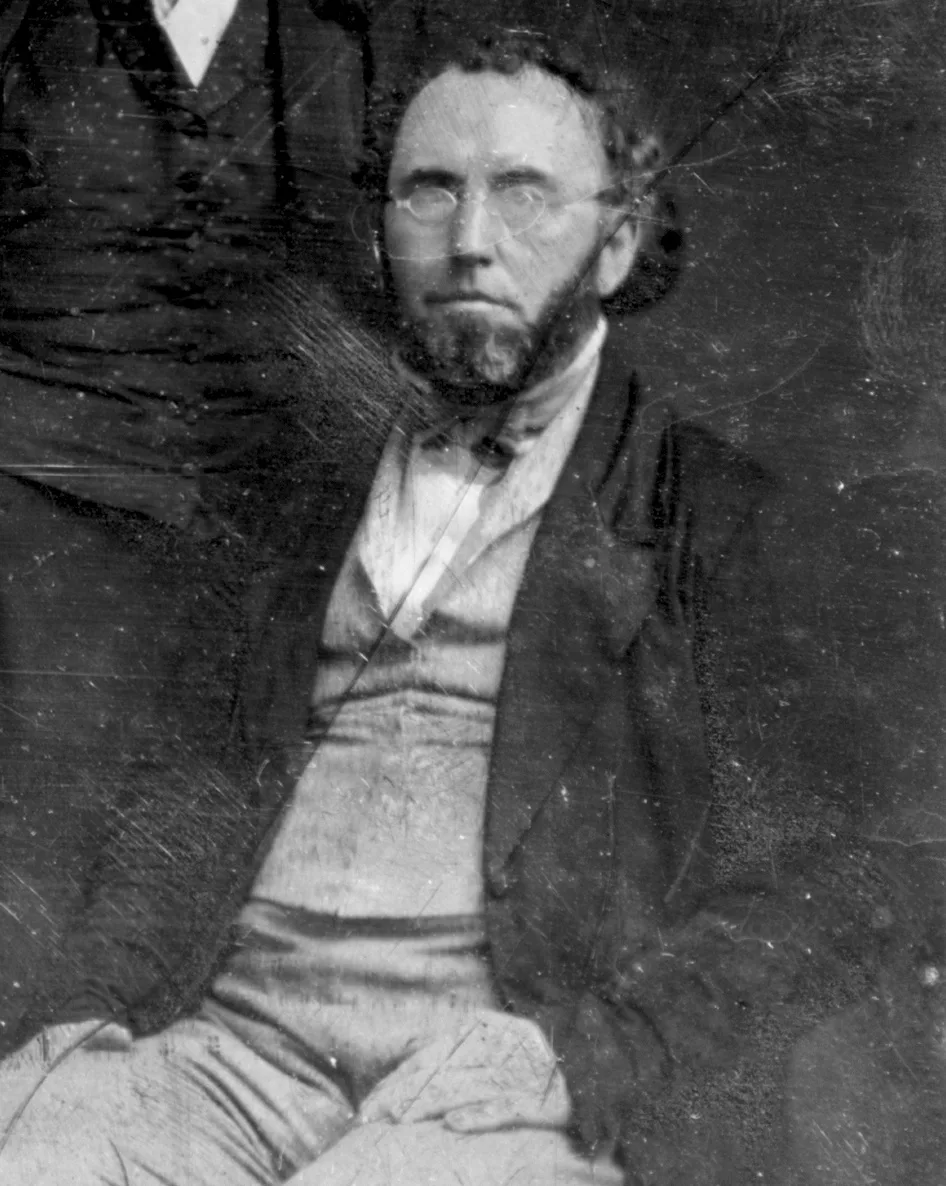
George Ripley founded Brook Farm based on Transcendental ideals.
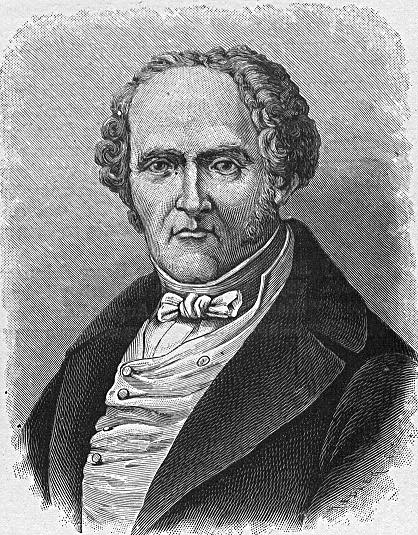
Brook Farm was reorganized to follow the work of Charles Fourier.
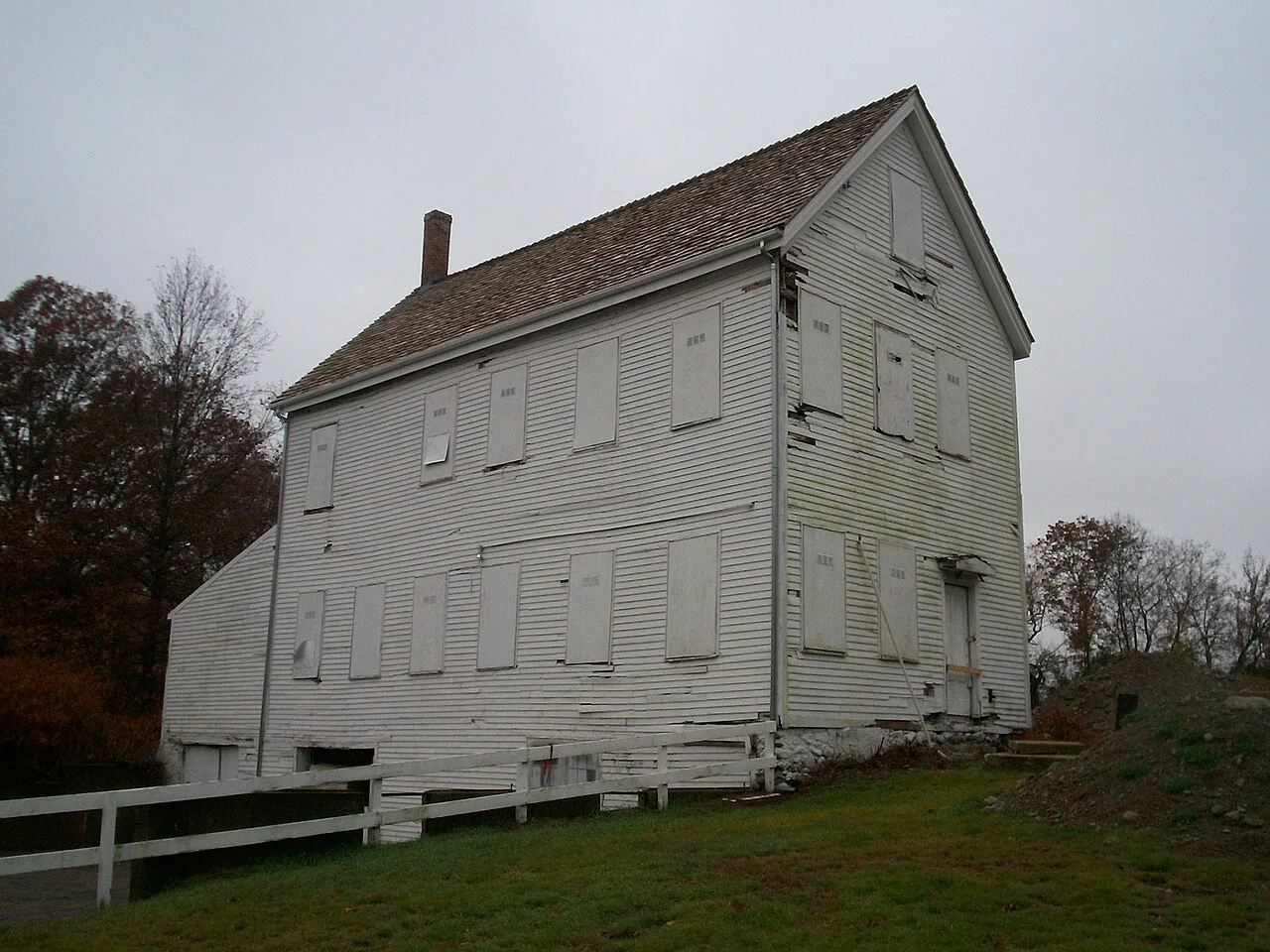
The Print Shop, constructed in about 1890, is the last remaining historic building at Brook Farm, though it is not associated with the Transcendentalist Utopian community. It was built by the Lutheran Church, which operated the Martin Luther Orphan's Home on the property from 1871 to 1944.[49]
Brook Farm
Brook Farm was an 1840s utopian experiment in communal living in Massachusetts, inspired by the ideals of transcendentalism.
The Exclusive Price Tag of a Transcendental Utopia
Despite its idealistic aims of shared labor and leisure, Brook Farm was incorporated in 1841 as a joint stock company with 10 investors. Full-fledged membership was strictly restricted to those who could afford a $500 share of the enterprise. This financial hurdle meant that Ripley frequently turned away impoverished applicants seeking refuge in the community.
From Wikipedia · CC BY-SA 4.0
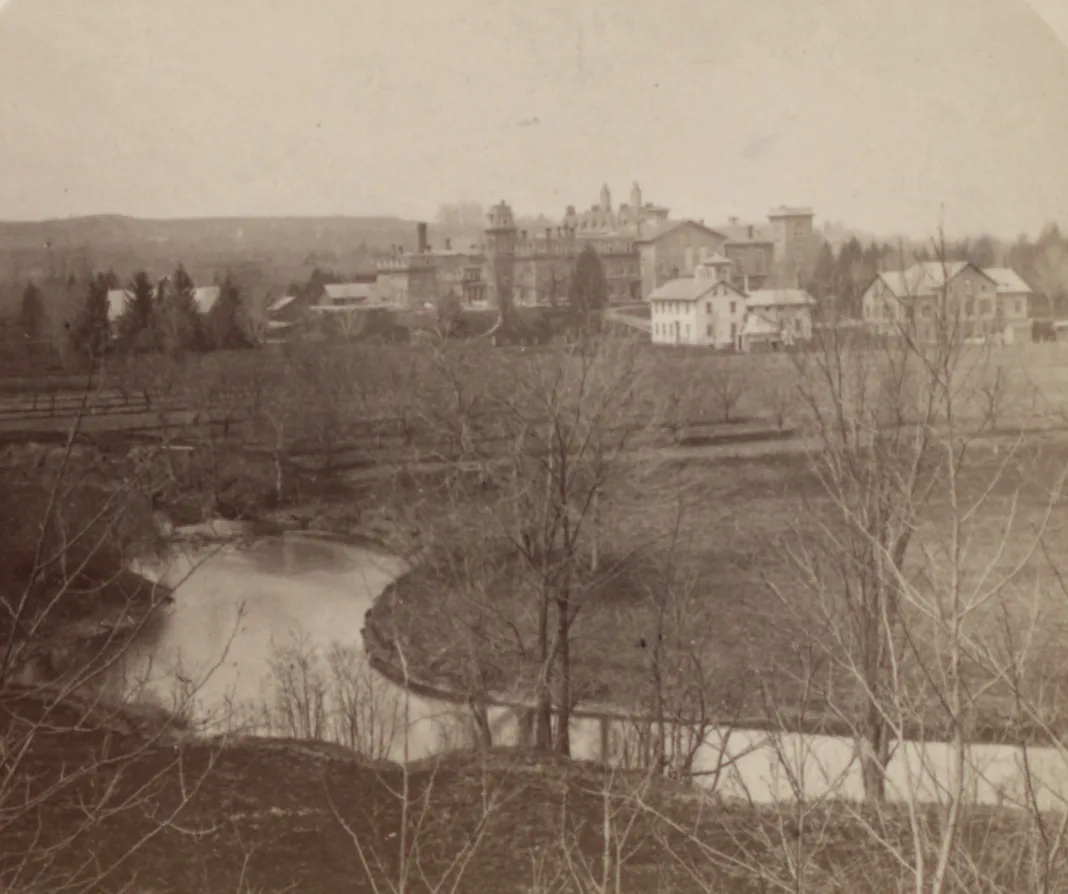
An aerial view of Oneida's home buildings

American Socialism Flags Symbol

John Humphrey Noyes, founder of the Oneida Community

John Humphrey Noyes (1811–1886) led the community

From a 1907 postcard
Oneida Community
The Oneida Community was a Christian perfectionist communal society founded by John Humphrey Noyes in 1848 near Oneida, New York.
Realizing the Kingdom After 70 AD
The Oneida Community was organized by John Humphrey Noyes in 1848 as an ambitious experiment in Christian perfectionism near Oneida, New York. Its core theology asserted that Jesus had already returned in 70 AD, which eliminated the barrier between earthly human existence and divine purity. Members believed they were directly charged with building Jesus's millennial kingdom, requiring total communal dedication to achieve complete sinlessness during their earthly lives.
From Wikipedia · CC BY-SA 4.0

Amana Colonies

2010 Utopien arche04
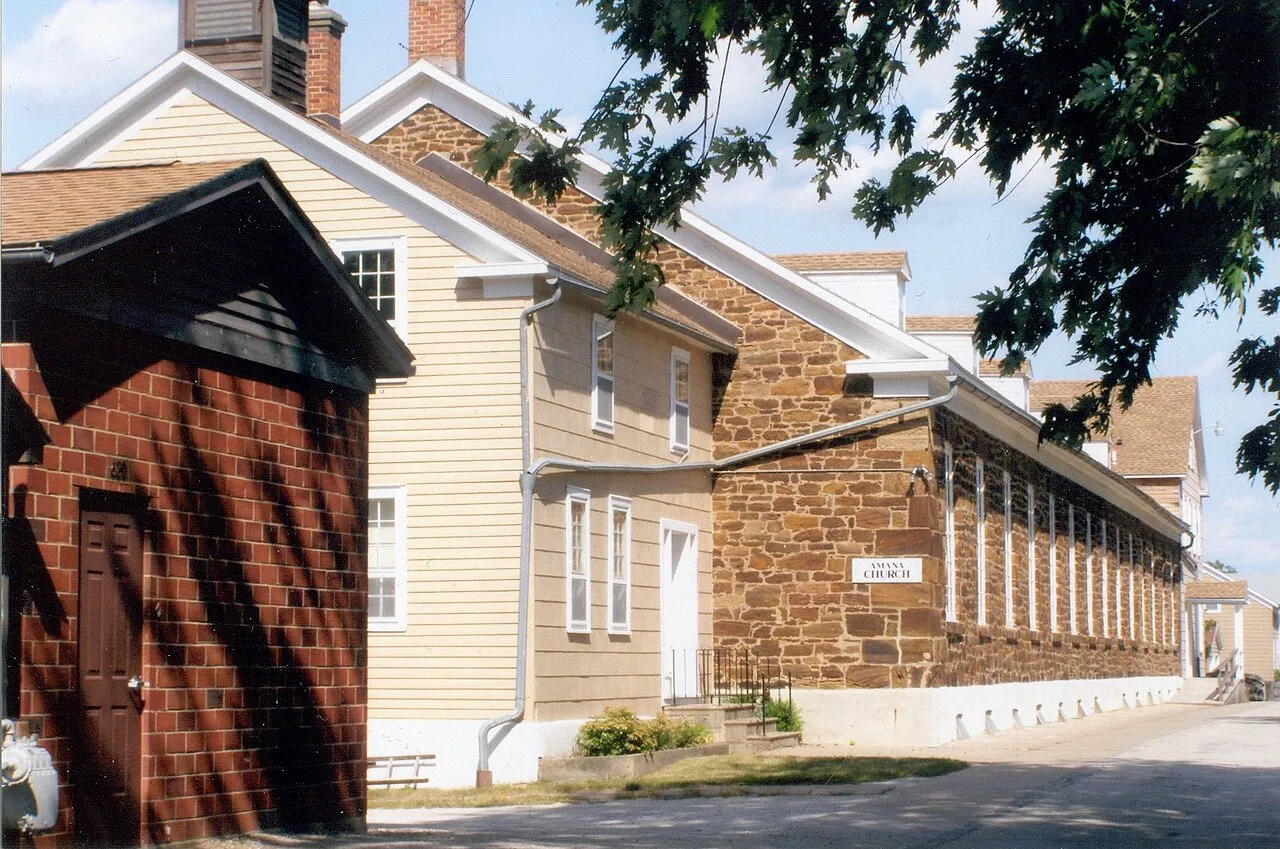
Amana Church
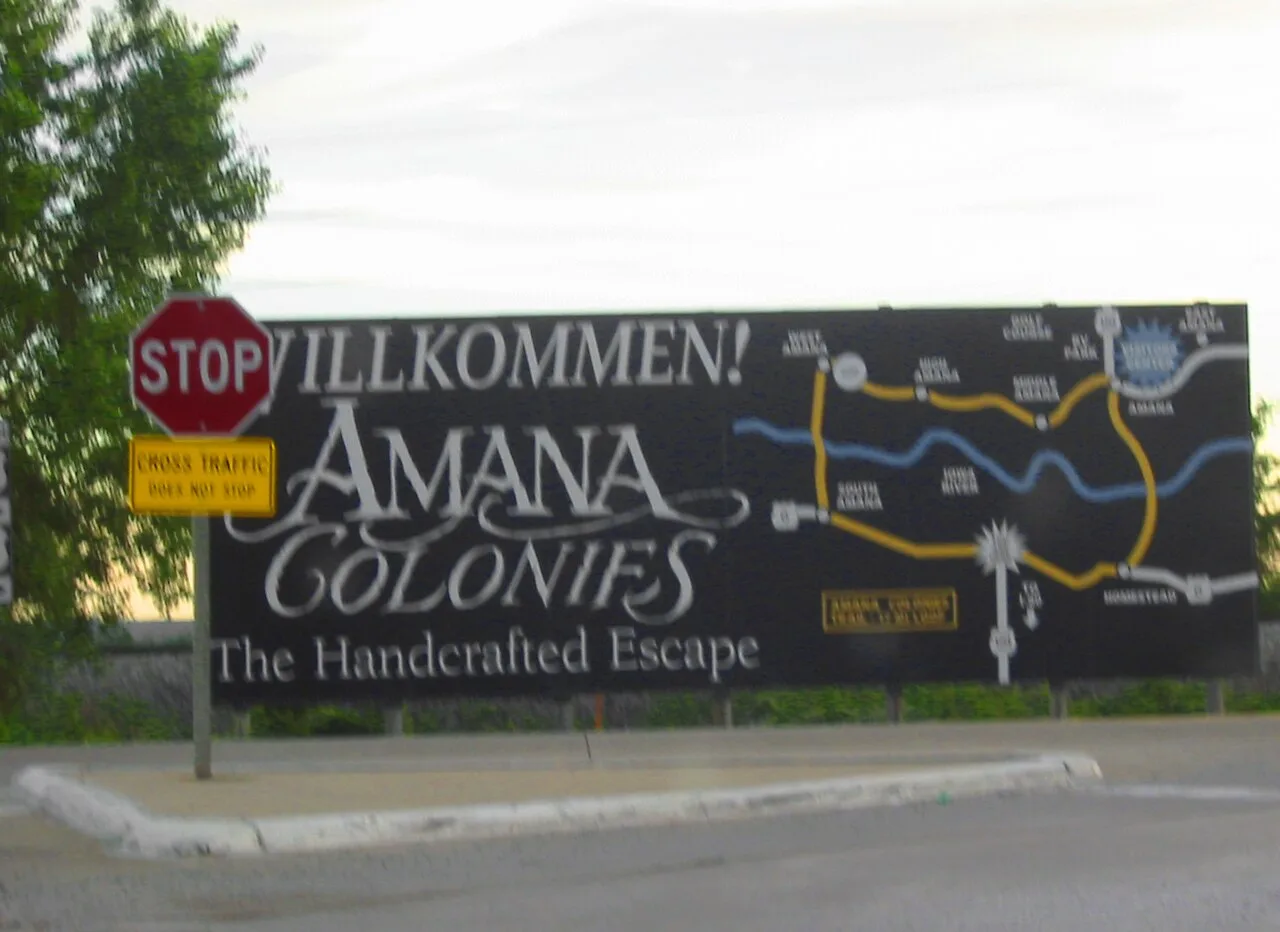
Wilkommen to Amana Colonies, roadside sign
Amana Colonies
The Amana Colonies are seven villages in Iowa County, Iowa, settled by German Radical Pietists who lived a communal life until 1932.
Prophetic Vessels and Radical Pietism
The religious movement began in 1714 in Germany under Eberhard L. Gruber and Johann F. Rock. Followers believed God communicated directly through chosen spiritual tools rather than traditional Lutheran clergy. After decades of decline following the founders' deaths, the community revived in 1817 when Barbara Heinemann and Christian Metz were named instruments.
From Wikipedia · CC BY-SA 4.0
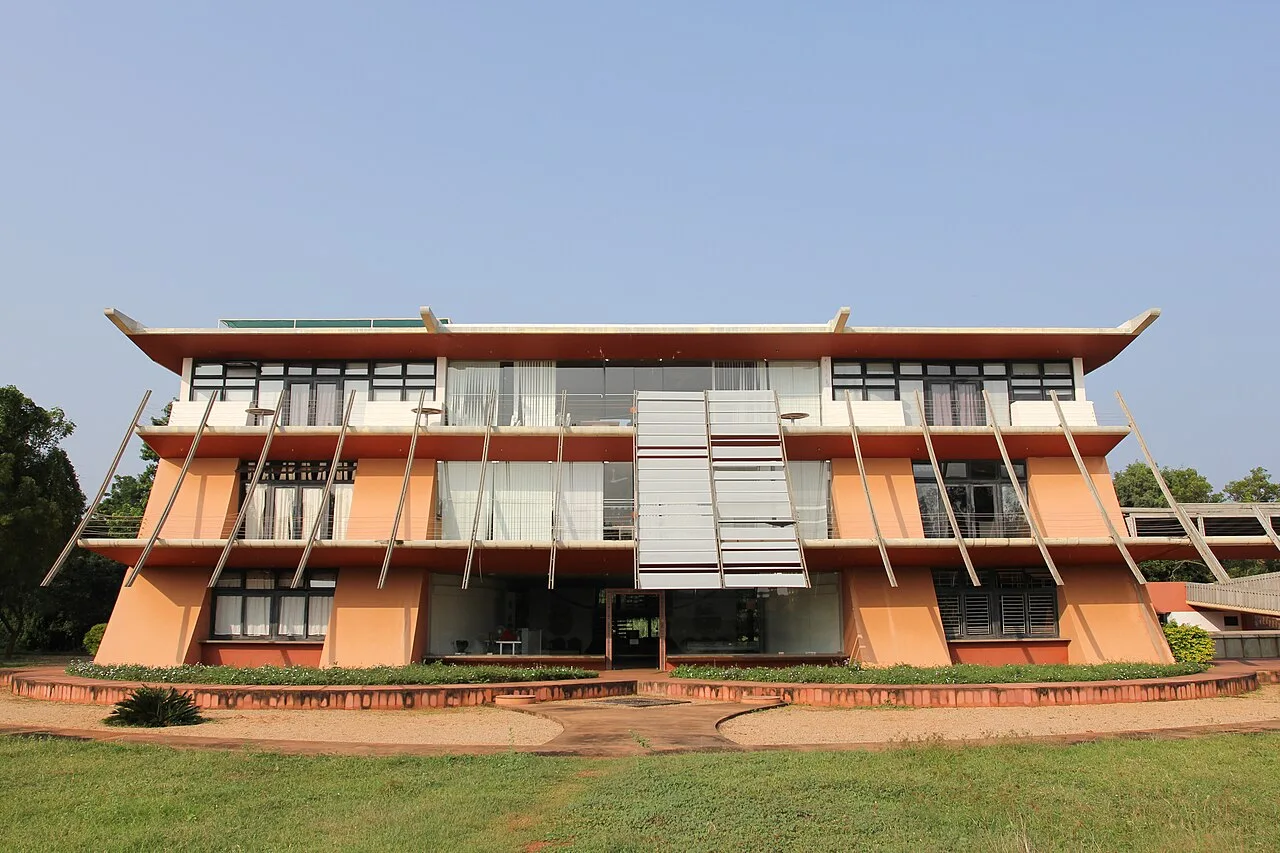
Town hall of Auroville

Official seal of Auroville

2018 stamp sheet of India dedicated to the 50th anniversary of Auroville

Courtyard of the Tibetan Centre, Auroville

Auro Beach

Vérité Learning Centre
Auroville
Auroville is an experimental township located in Tamil Nadu and Puducherry, India, founded in 1968 by Mirra Alfassa.
Transforming a Barren Plateau for 124 Nations
On Wednesday, 28 February 1968, delegates representing 124 nations gathered to inaugurate an experimental township on a desertified plateau north of Pondicherry. Mirra Alfassa, known as 'the Mother,' collaborated with architect Roger Anger to design this universal city. Alfassa envisioned an environment free from national politics where humanity could seek higher consciousness and lasting unity.
From Wikipedia · CC BY-SA 4.0

LlanoDelRio1
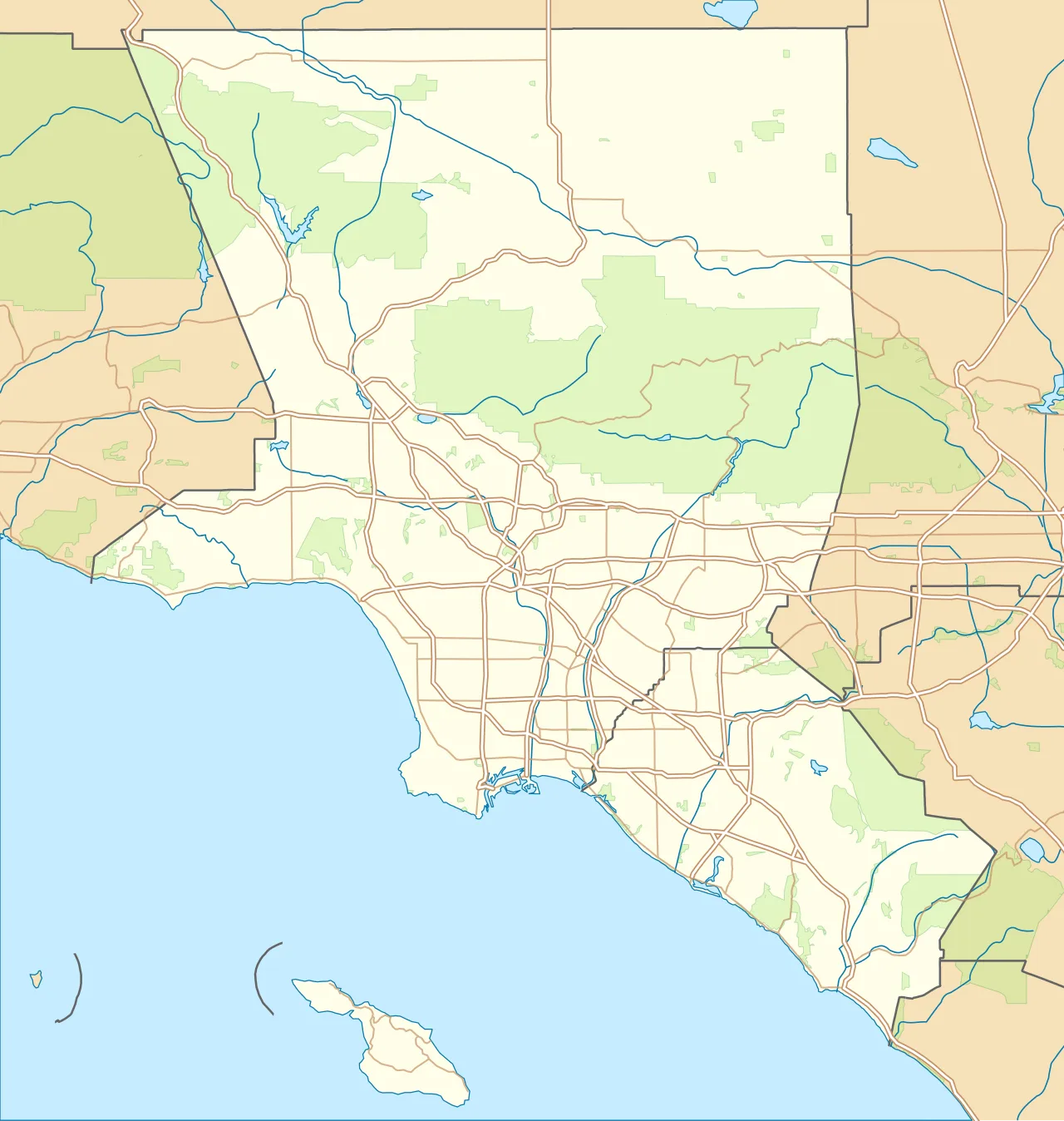
Llano del Rio is located in the Los Angeles metropolitan area

Full page ad for the new Llano del Rio colony published in July 1914 in The Western Comrade, a monthly magazine started by Job Harriman to help promote the venture

Colonists outside a crude machine shop at the Llano del Rio colony, 1914.

The Western Comrade conveyed grandiose plans for the Llano del Rio colony to its readers. This raw rock-walled building with a corrugated metal roof was to be "remodeled for trout hatchery and motion picture factory," according to the photo caption.

The ruins of Llano del Rio, December 2009
Llano del Rio
Llano del Rio was a socialist commune in California's Antelope Valley, devised by politician Job Harriman and formally launched in 1914.
From Electoral Defeat to Desert Blueprint
Job Harriman conceived the colony only after his defeat in the 1911 election as the Socialist Party candidate for mayor of Los Angeles, California. Instead of pursuing standard political campaigns, he sought to prove the viability of socialism by constructing an active collective enterprise. Harriman believed that demonstrating economic success inside a broader capitalist framework would persuade the public to adopt socialist ideas.
From Wikipedia · CC BY-SA 4.0
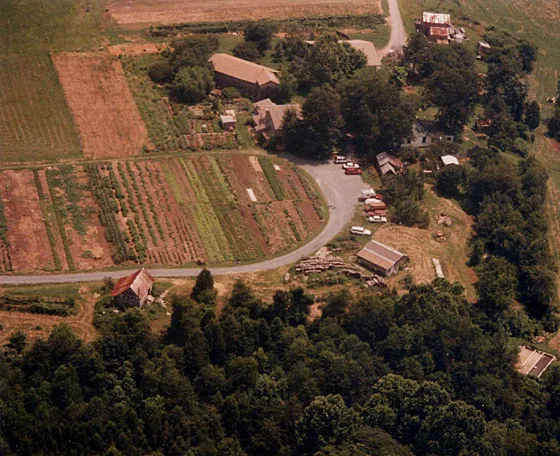
An aerial view of Twin Oaks' main entrance and communal garden
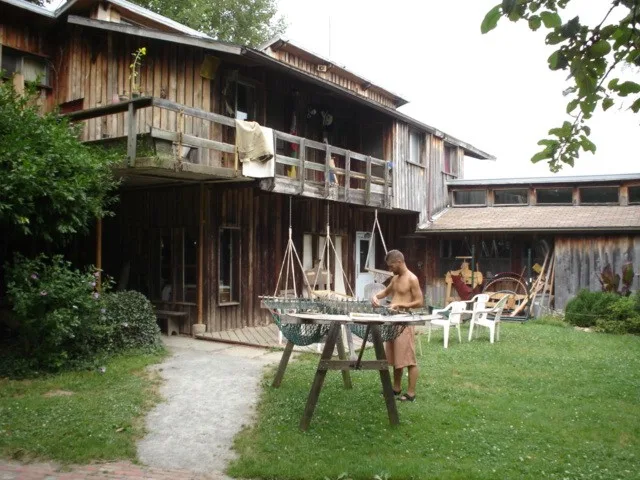
Hammock-making was one of Twin Oaks' main sources of income
Twin Oaks Community
Twin Oaks Community is an ecovillage and secular intentional community founded in 1967 in Louisa County, Virginia.
Abandoning Walden Two for Equal Credit
In 1967, eight individuals with no farming experience founded Twin Oaks on a 123-acre tobacco farm. While inspired by B. F. Skinner's novel Walden Two, the settlement quickly abandoned behaviorist ideas in favor of strict egalitarianism. They initially used variable credit hours to incentivize less desirable chores. However, discovering that no work was universally hated, the community shifted to standardized credits that value all tasks equally.
From Wikipedia · CC BY-SA 4.0
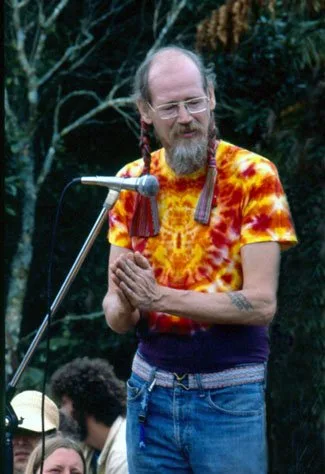
Stephen Gaskin at Nambassa Alternatives festival, New Zealand 1981
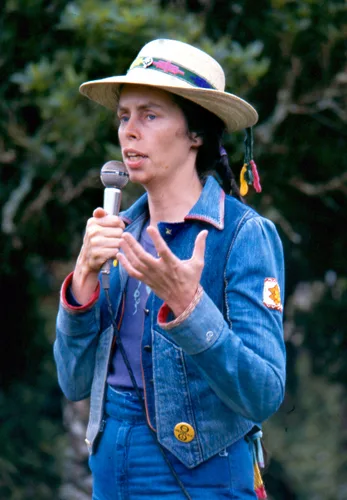
Ina May Gaskin at Nambassa festival, New Zealand 1981.

Plenty International logo
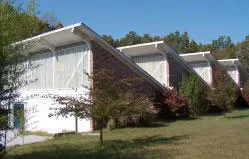
Solar School Building of The Farm School

The Farm School Logo
The Farm (Tennessee)
The Farm is an intentional community in Lewis County, Tennessee, founded in 1971 on principles of nonviolence, respect for the Earth, and veganism.
The Cross-Country Exodus and Tennessee Settlement
A four-month speaking tour of 60 buses, vans, and trucks from San Francisco evolved into an intentional collective seeking affordable land. Combining resources could finance only about fifty acres in California, prompting the group to settle in Lewis County, Tennessee. After purchasing 1,064 acres for $70 per acre, members embraced communal living under vows of poverty in modified army tents.
From Wikipedia · CC BY-SA 4.0
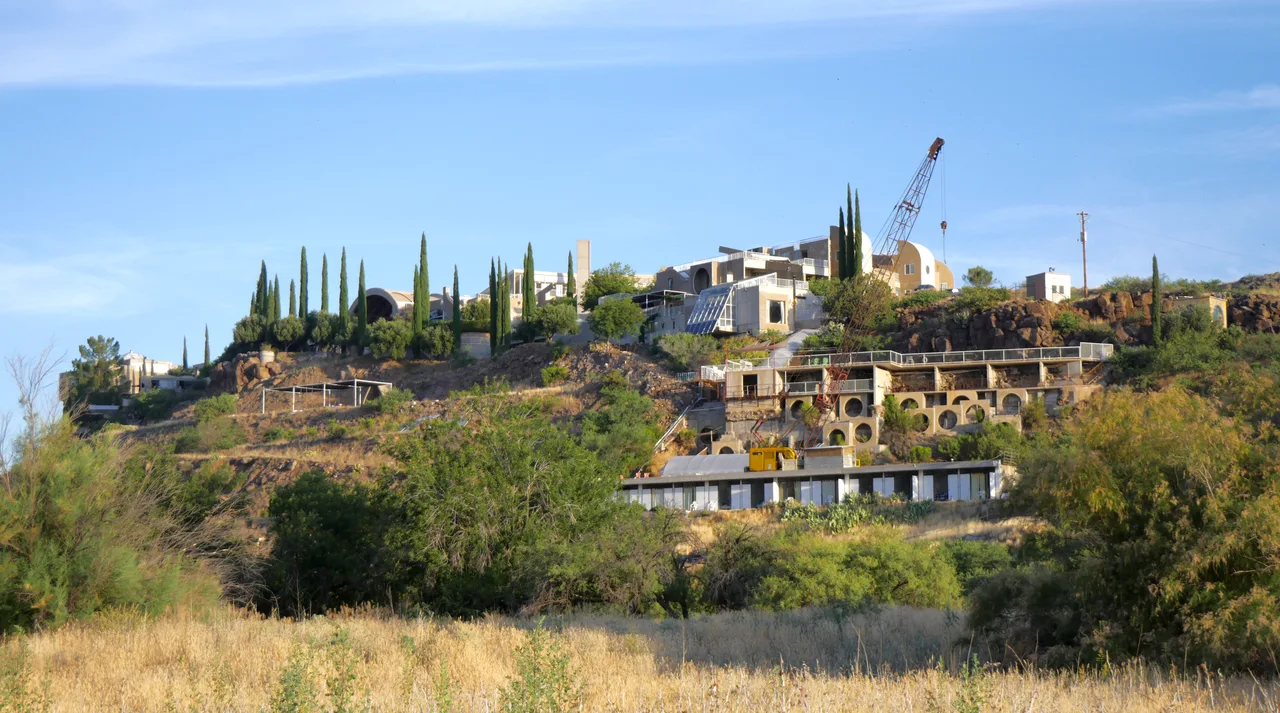
View of Arcosanti from the southeast, showing buildings from Crafts III on the far left to the guestrooms in the right foreground
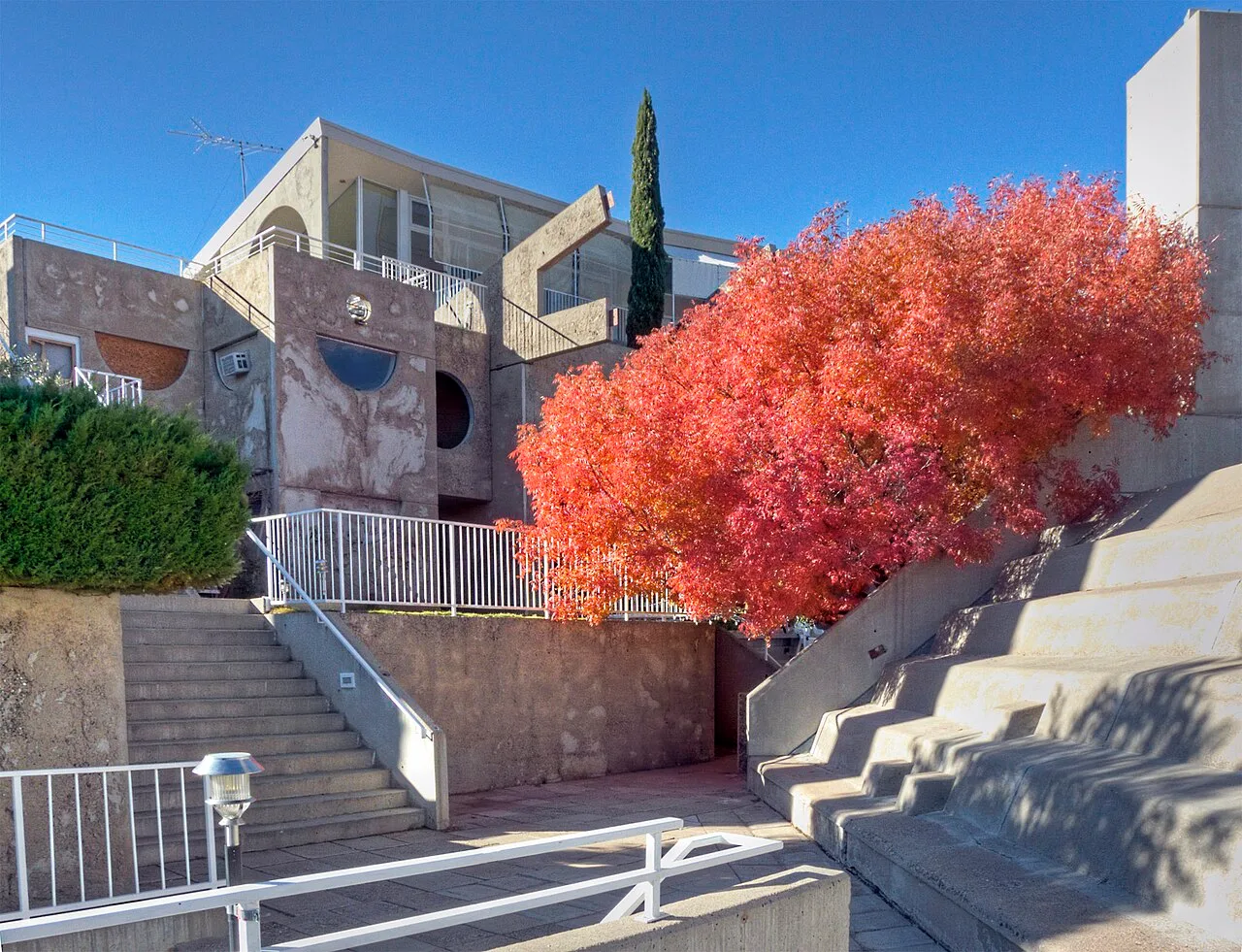
Part of the complex with fall foliage
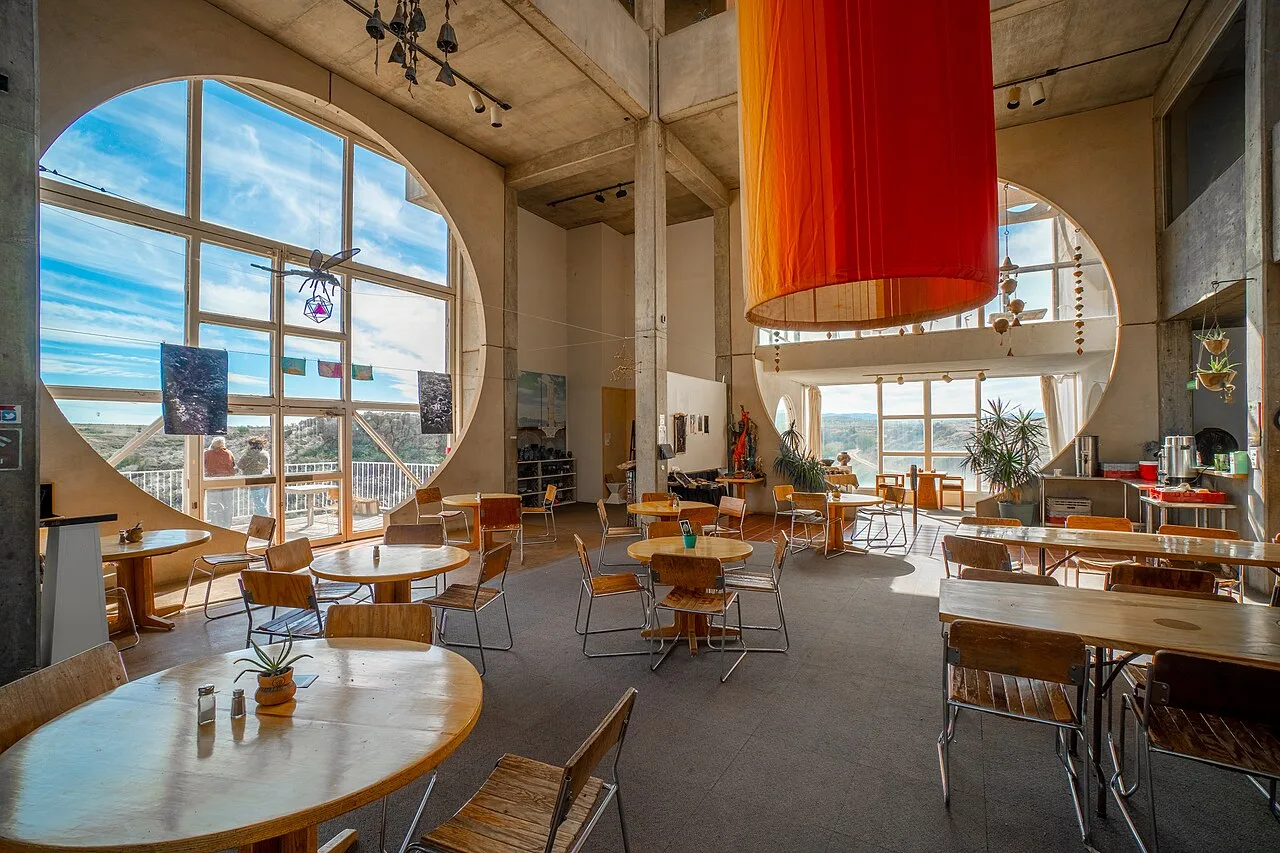
The cafe's dining area, two stories below the Arcosanti Visitors' Center and Gallery
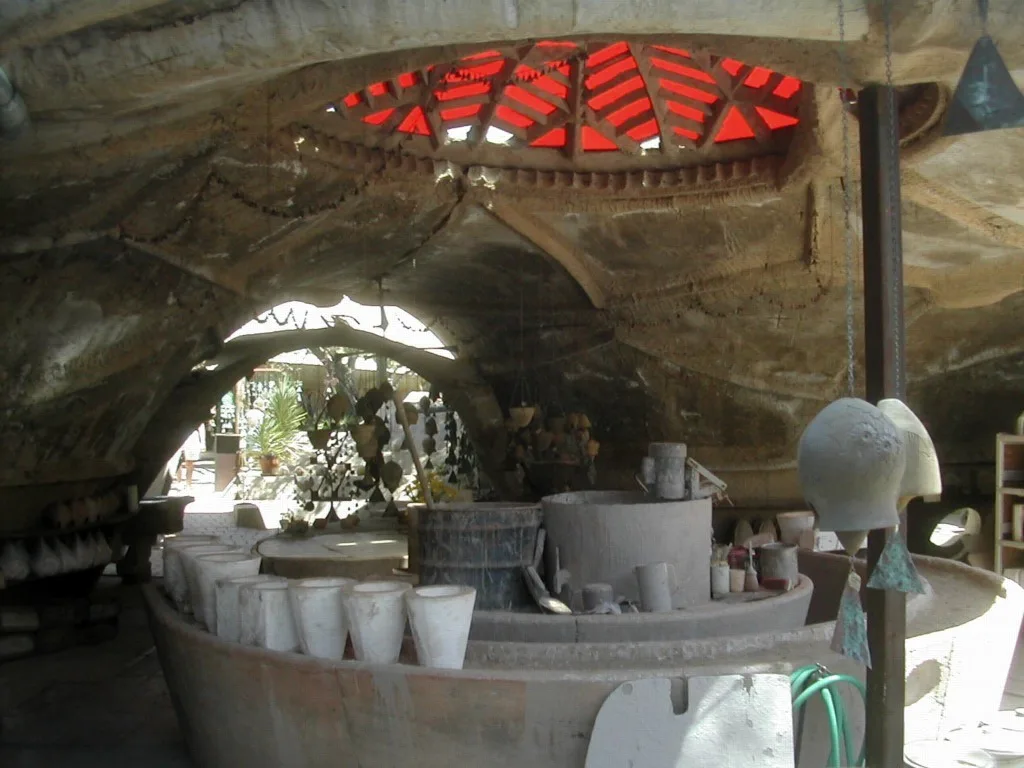
A work room
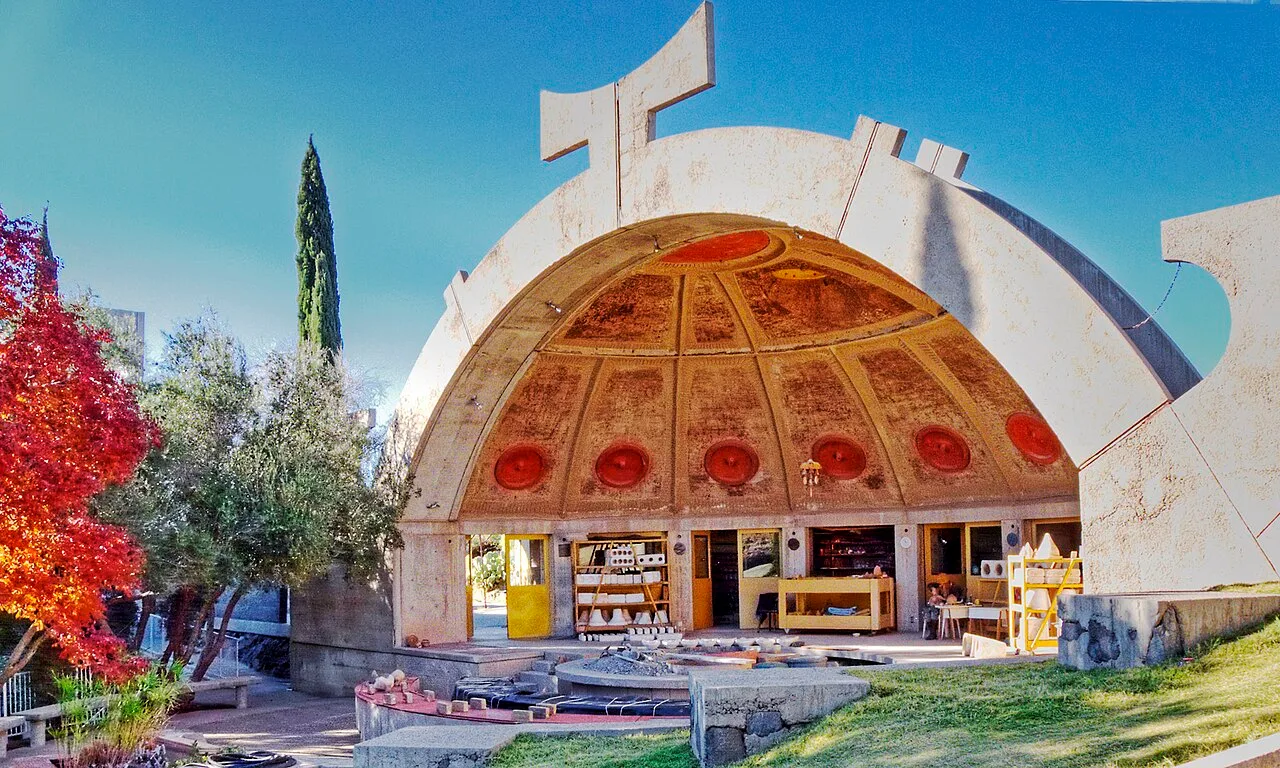
The Ceramics Apse
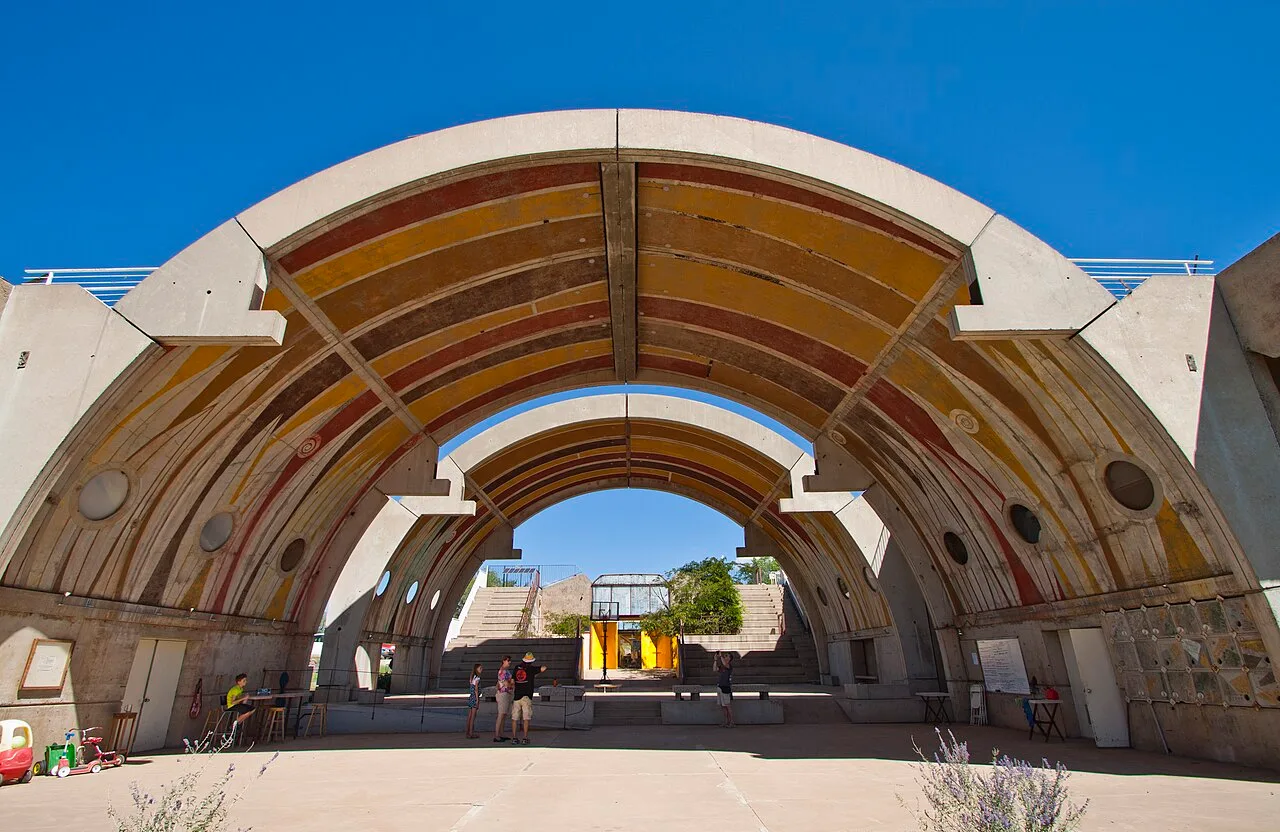
The Vaults
Arcosanti
Arcosanti is an experimental town in Yavapai County, Arizona, begun in 1970 by architect Paolo Soleri to demonstrate the concept of arcology.
Compact Footprint in a Sprawling Preserve
Arcosanti was conceived as an alternative to typical urban sprawl by clustering dense infrastructure within a conserved landscape. The experimental town occupies just 25 acres within a 4,060-acre land preserve in central Arizona. Although organizers set an initial target to house 5,000 people, the design focused on combining urban social density with minimal resource consumption.
From Wikipedia · CC BY-SA 4.0

Downtown New Harmony
Official seal of New Harmony, Indiana

Photo from Small Town Indiana photo survey
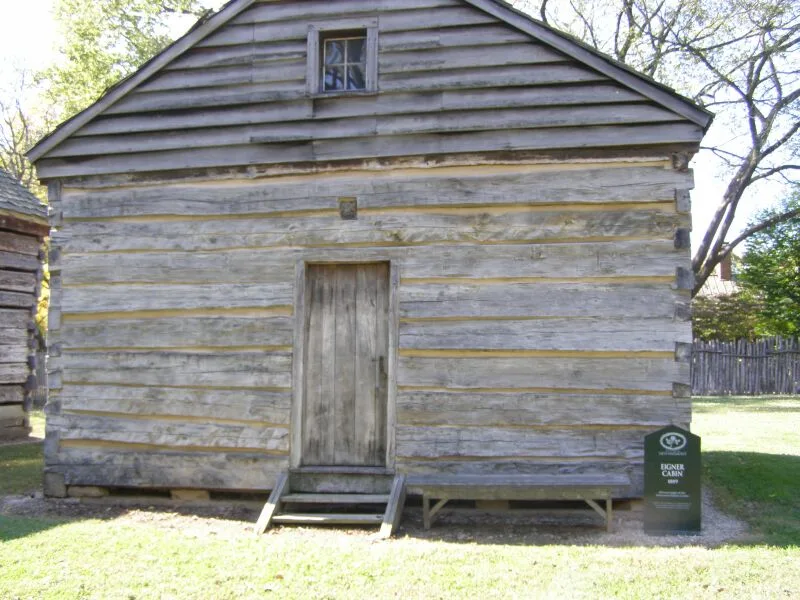
Eigner Cabin

New Harmony, a utopian attempt; depicted as proposed by Robert Owen

Paul Tillich's gravestone in the Paul Tillich Park
New Harmony, Indiana
New Harmony is a historic town on the Wabash River in Posey County, Indiana, and part of the Evansville metropolitan area.
An Industrial Empire Built on Unpaid Piety
Established in 1814 under the leadership of George Rapp, the frontier settlement quickly developed into an unexpected industrial powerhouse. The pietist community operated highly organized tanneries, sawmills, and cotton mills designed to support complete isolation. Although members were not paid for their labor, the 1820 manufacturer's census reported that 75 men, 12 women, and 30 children were employed across the Society's productive mills.
From Wikipedia · CC BY-SA 4.0
The Icarian movement was inspired by an 1840 utopian novel by Étienne Cabet, Voyage en Icarie (Voyage to Icaria).

Louis Philippe I, the moderate conservative Orléanist king who replaced the extreme conservative Charles X following the revolution of 1830.

Title page of the 1848 Fifth Edition of Cabet's Voyage en Icarie. The symmetrical layout includes a group of slogans summing up Cabet's philosophy.[12]

The Mississippi River town of Nauvoo, Illinois as it appeared circa 1855, during the time of its occupation by Icarian colonists.

Temple Block map, Nauvoo Icarians (1849-1856)

Le Communiste-Libertaire, Icarian Community journal, that succeeded La Jeune Icarie
Icarians
The Icarians was an American utopian socialist movement established by the followers of French author and politician Étienne Cabet.
The Impossible Texas Land Grant
The utopian dream suffered an immediate catastrophe when French pioneers discovered the impossible terms of their American land grant. Instead of receiving 1 million accessible acres, the settlers were required to distribute plots among 3,125 individuals or families who each had to erect a cabin by July 1, 1848. Exhausted by grueling labor and harsh conditions, the group suffered another blow when their sole medical doctor suffered a mental breakdown and abandoned them.
From Wikipedia · CC BY-SA 4.0