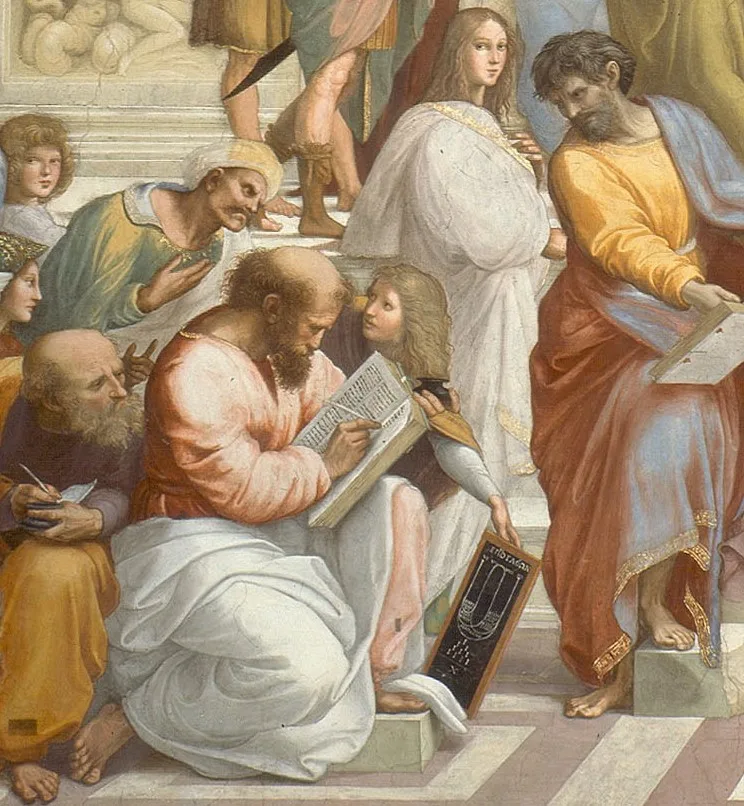
In Raphael's fresco The School of Athens, Pythagoras is shown writing in a book as a young man presents him with a tablet showing a diagrammatic representation of music theory on a lyre above a drawing of the sacred tetractys.
![The Plimpton 322 tablet records Pythagorean triples from Babylonian times.[2]](https://nwjvzop1xgplmzvt.public.blob.vercel-storage.com/wikifeed/pythagoreanism/1-d465afa971.webp)
The Plimpton 322 tablet records Pythagorean triples from Babylonian times.[2]
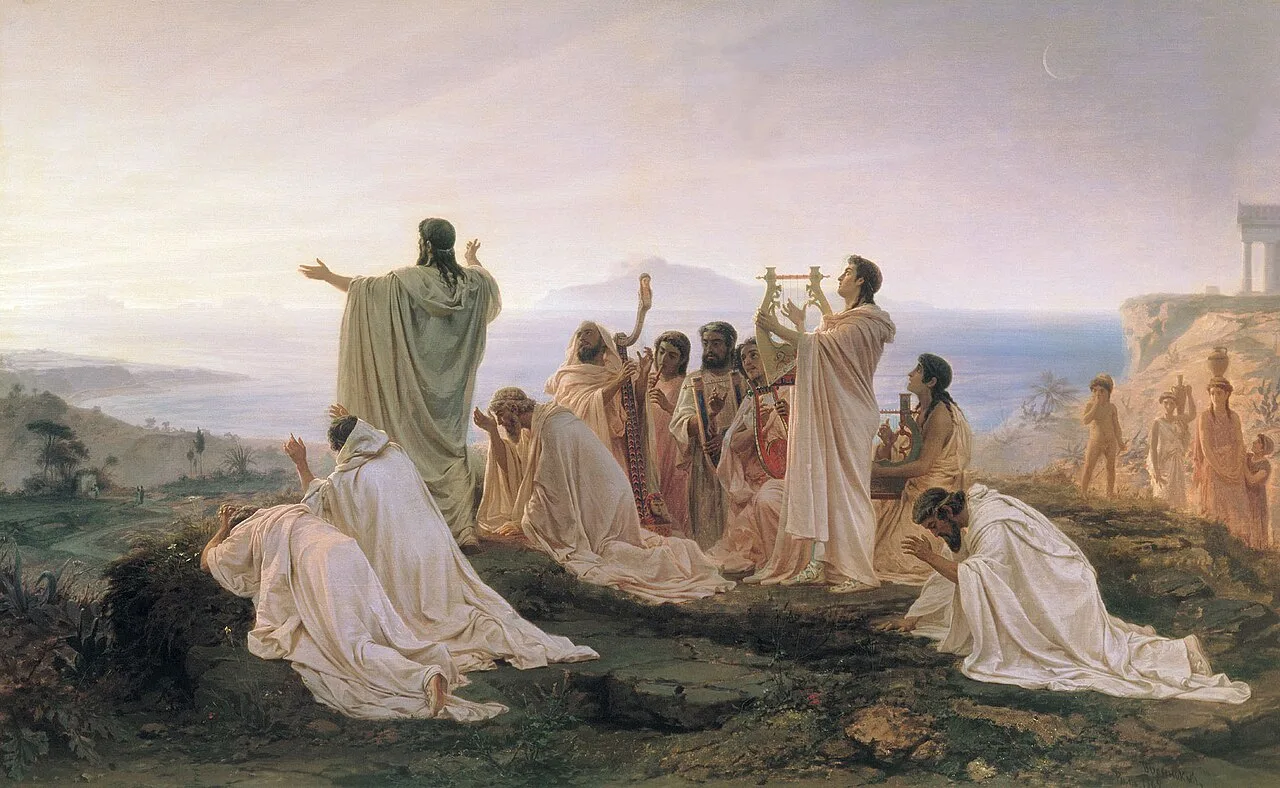
Pythagoreans celebrate sunrise, 1869 painting by Fyodor Bronnikov.
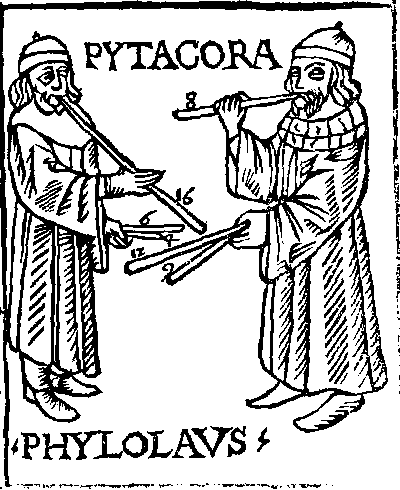
Medieval woodcut by Franchino Gaffurio, depicting Pythagoras and Philolaus conducting musical investigations.
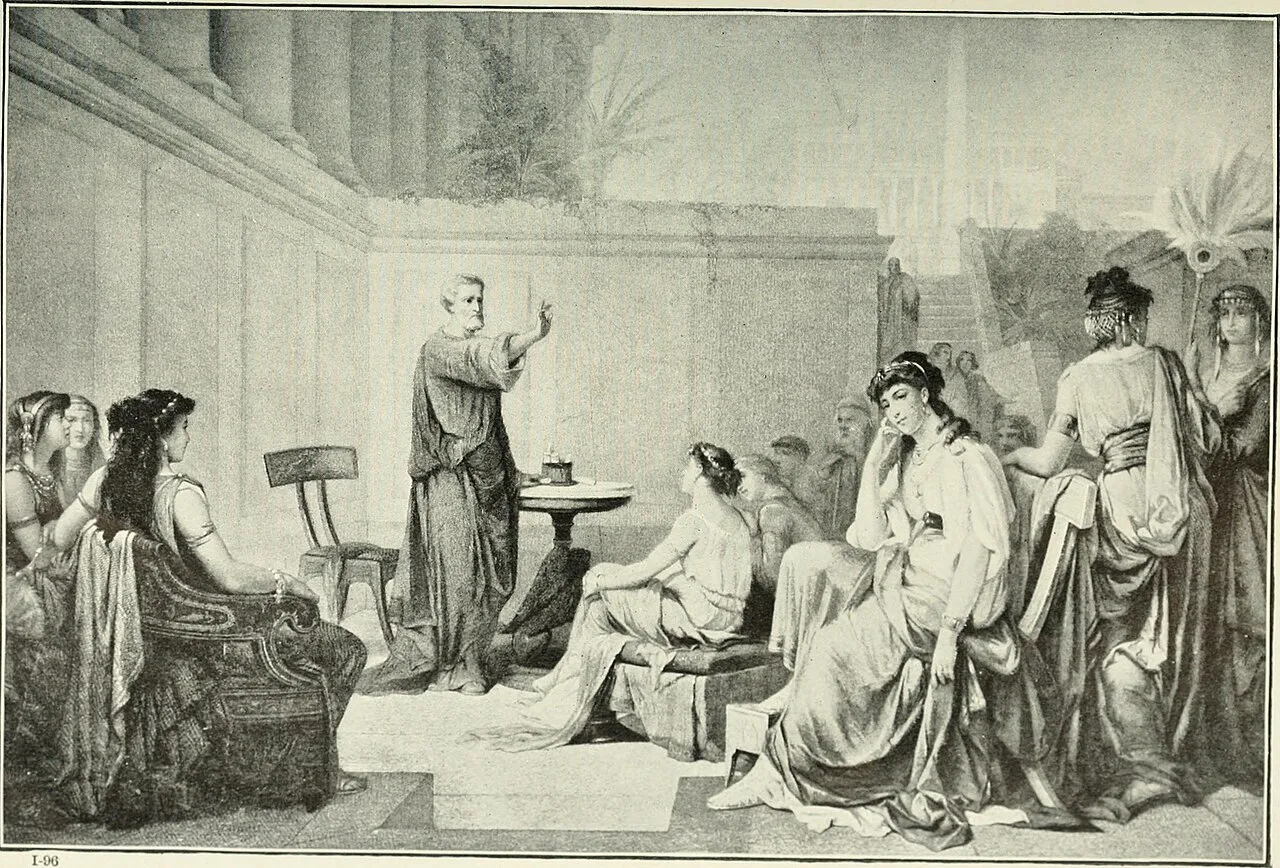
Illustration from 1913 showing Pythagoras teaching a class of women
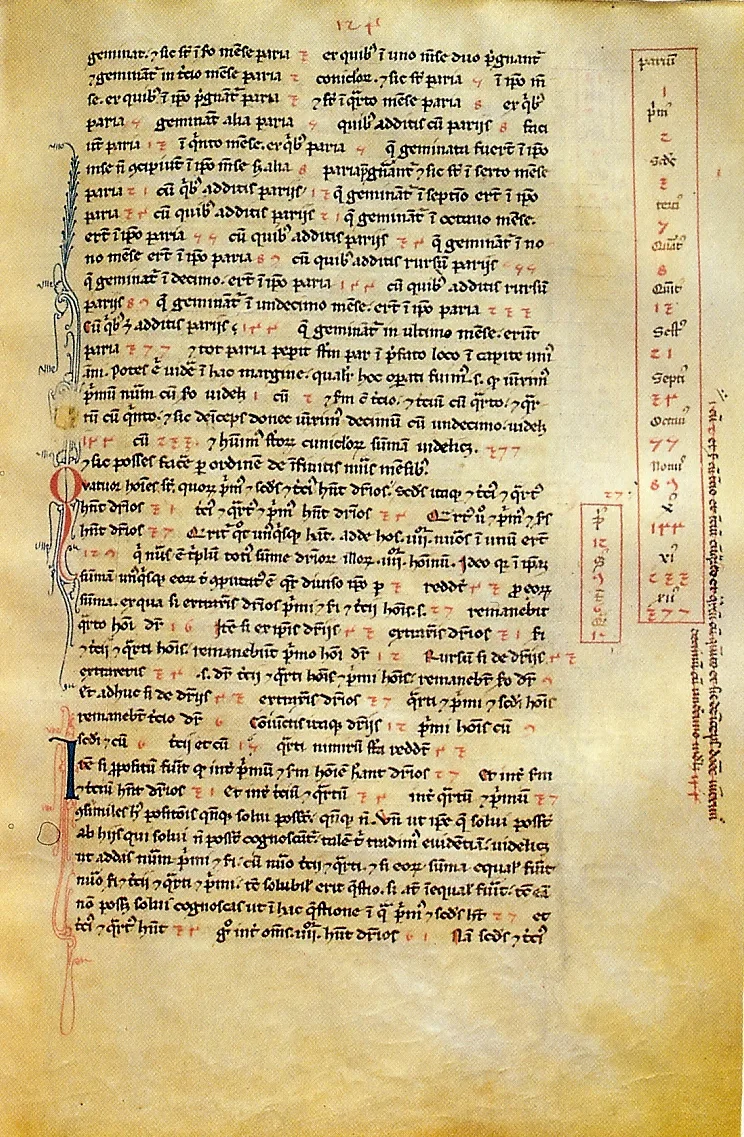
A page of Fibonacci's Liber Abaci from the Biblioteca Nazionale di Firenze showing (in box on right) the Fibonacci sequence with the position in the sequence labeled in Roman numerals and the value in Eastern Arabic numerals.
Pythagoreanism
Pythagoreanism is a philosophical movement that originated in the 6th century BC, based on the teachings and beliefs held by Pythagoras and his followers.
Five Years of Silence in Croton
Early Pythagorean communities operated as disciplined secret societies rather than informal academic circles. Prospective members endured a mandatory five-year initiation period of listening to oral teachings in silence before being tested for entry into the inner circle. The school also broke with contemporary Greek social conventions by welcoming female scholars. Iamblichus listed 235 Pythagoreans by name, highlighting seventeen women among the movement's most famous practitioners.
From Wikipedia · CC BY-SA 4.0
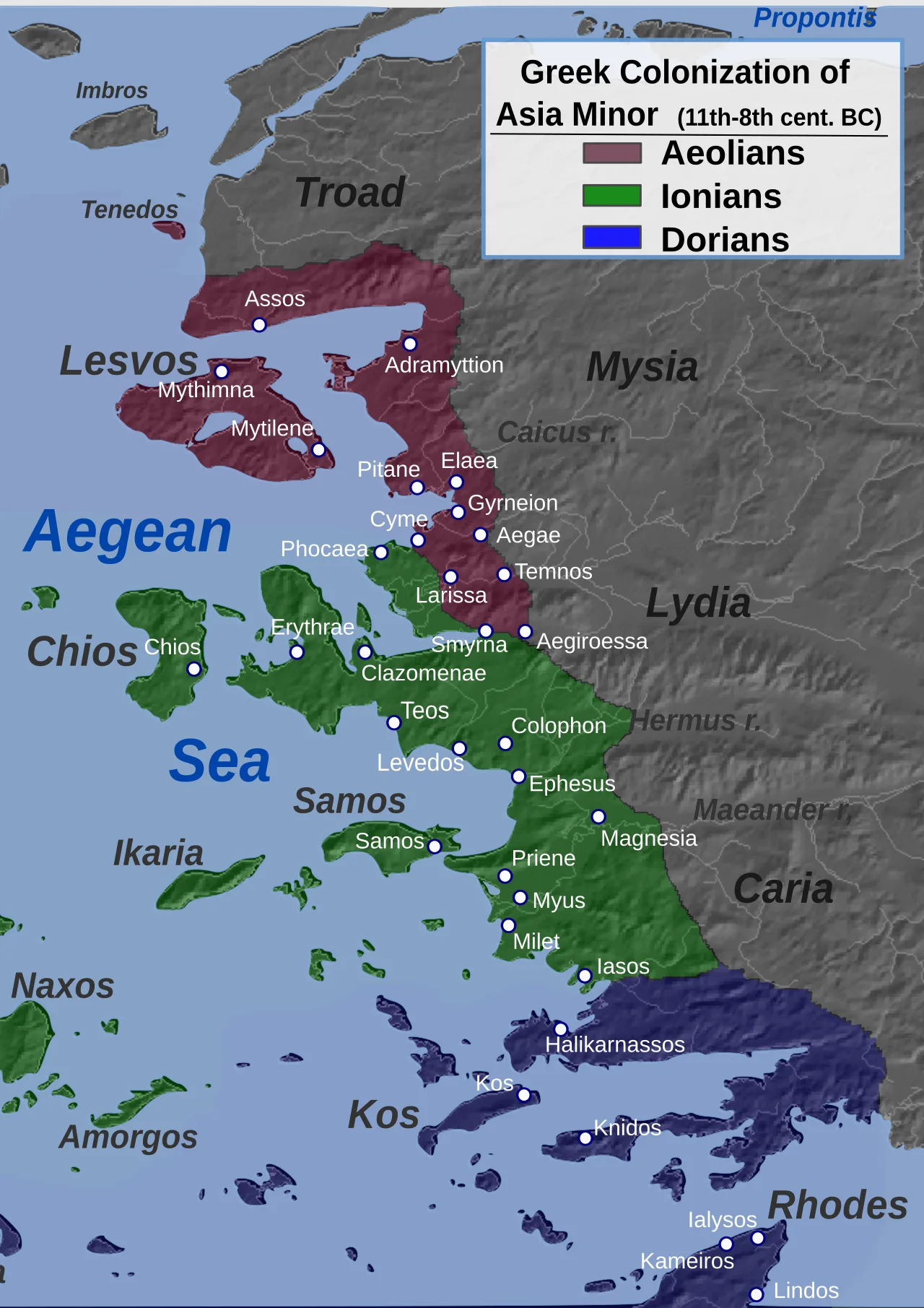
Greek settlements in Asia Minor. Ionia in green.
Milesian school
The Ionian school of pre-Socratic philosophy refers to Ancient Greek philosophers active in Ionia during the 6th century BC.
Naturalizing Cataclysms on a Floating Earth
Before Thales of Miletus, Greek society explained terrifying natural phenomena like lightning and earthquakes through myths of anthropomorphic gods and heroes. Thales broke radically from tradition by pursuing naturalistic explanations of the world without referencing the supernatural. He conceptualized the Earth as floating on water rather than resting on mythical foundations. Consequently, he argued that earthquakes occur simply when surrounding water waves rock the Earth.
From Wikipedia · CC BY-SA 4.0
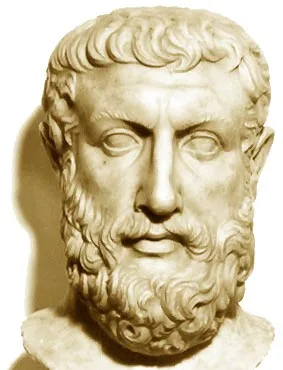
Bust of Parmenides, considered to be the founder of Eleatic philosophy
Eleatics
The Eleatics were a school of pre-Socratic philosophers in the 5th century BC centered around the ancient Greek colony of Elea in southern Italy.
Italian Colony Eighty Miles from Naples
Early Greek philosophical innovation flourished well outside the Aegean mainland. The Eleatics established their influential movement during the 5th century BC in the settlement of Elea, located roughly 80 miles south-east of Naples in southern Italy. Known historically as Magna Graecia, this Western Greek territory provided the geographic backdrop for a radical school of metaphysical monism.
From Wikipedia · CC BY-SA 4.0

Head of Plato, Roman copy. The original was exhibited at the Academy after the death of the philosopher (348/347 BC).
Platon
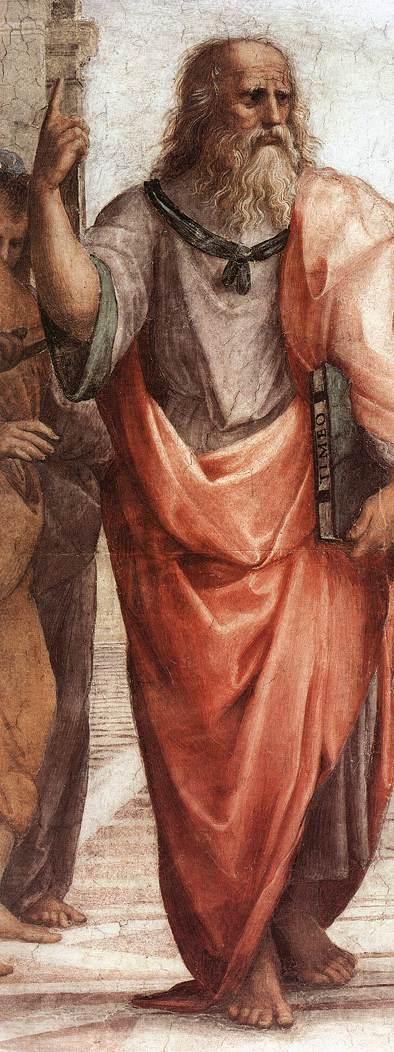
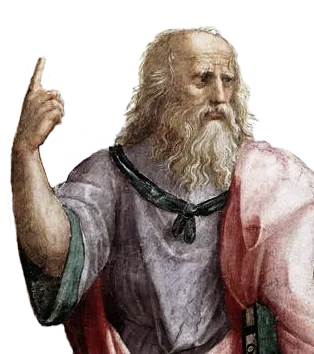
Plato holding his Timaeus, detail from the Vatican fresco The School of Athens

Site of Plato's Academy in Athens

Many Western churchmen, including Augustine of Hippo, have been influenced by Platonism.
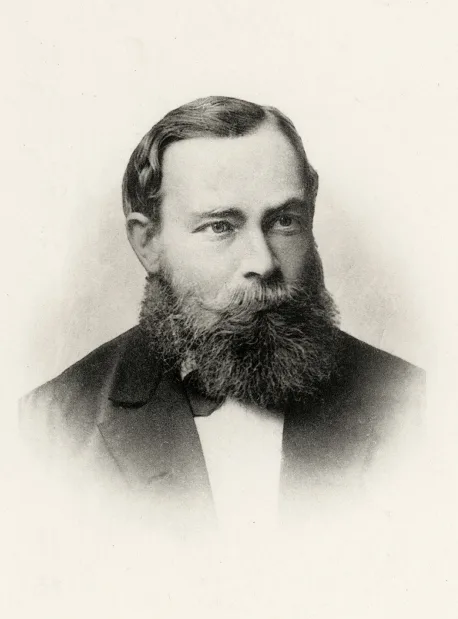
Most contemporary Platonists trace their views to those of Gottlob Frege.
Platonism
Platonism is the philosophy of Plato and derived systems that affirm the real existence of abstract objects or forms in a realm distinct from the sensible world.
Reconciling Heraclitean Flux and Parmenidean Being
Plato developed his metaphysics to resolve an ancient division between two irreconcilable models of reality: the perceptible flux described by Heraclitus and the unchanging being posited by Parmenides. Influenced by geometry and Pythagorean thought, he argued that genuine knowledge requires stable, intelligible archetypes rather than mutable sensations. In this framework, the transient everyday world offers only flawed approximations of eternal, perfect Forms.
From Wikipedia · CC BY-SA 4.0
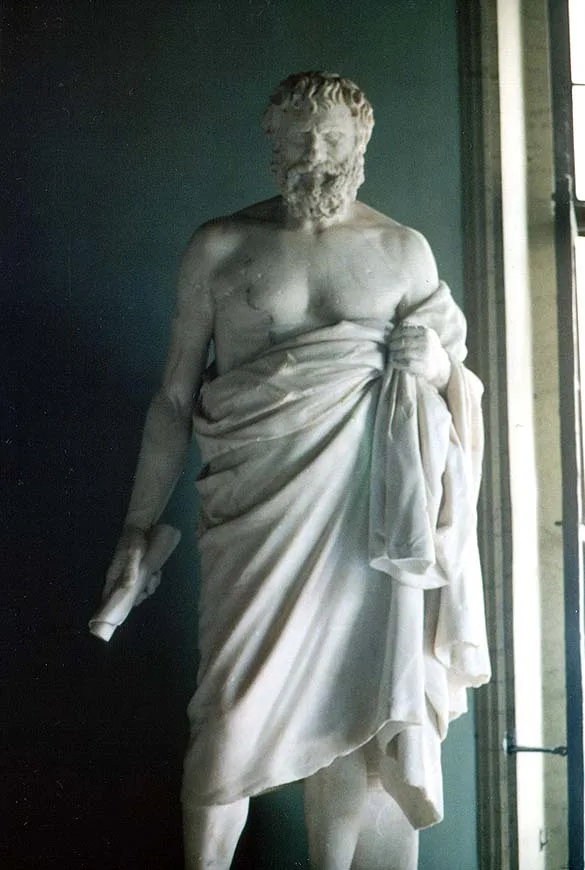
Statue of an unknown Cynic philosopher from the Capitoline Museums in Rome. This statue is a Roman-era copy of an earlier Greek statue from the third century BC.[1] The scroll in his right hand is an 18th-century restoration.[citation needed]
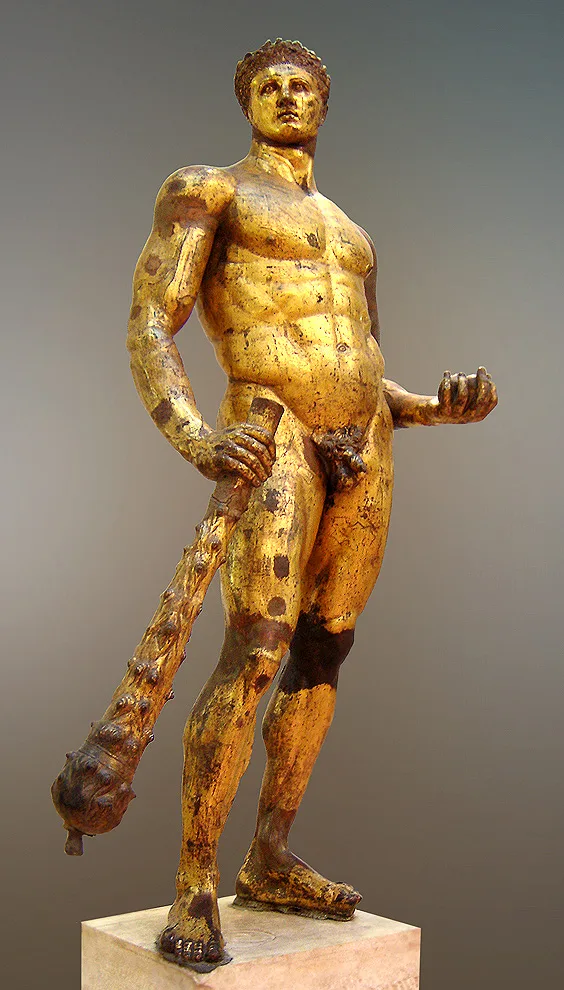
The Cynics adopted Heracles, shown here in this gilded bronze statue from the second century AD, as their patron hero.[14][15]
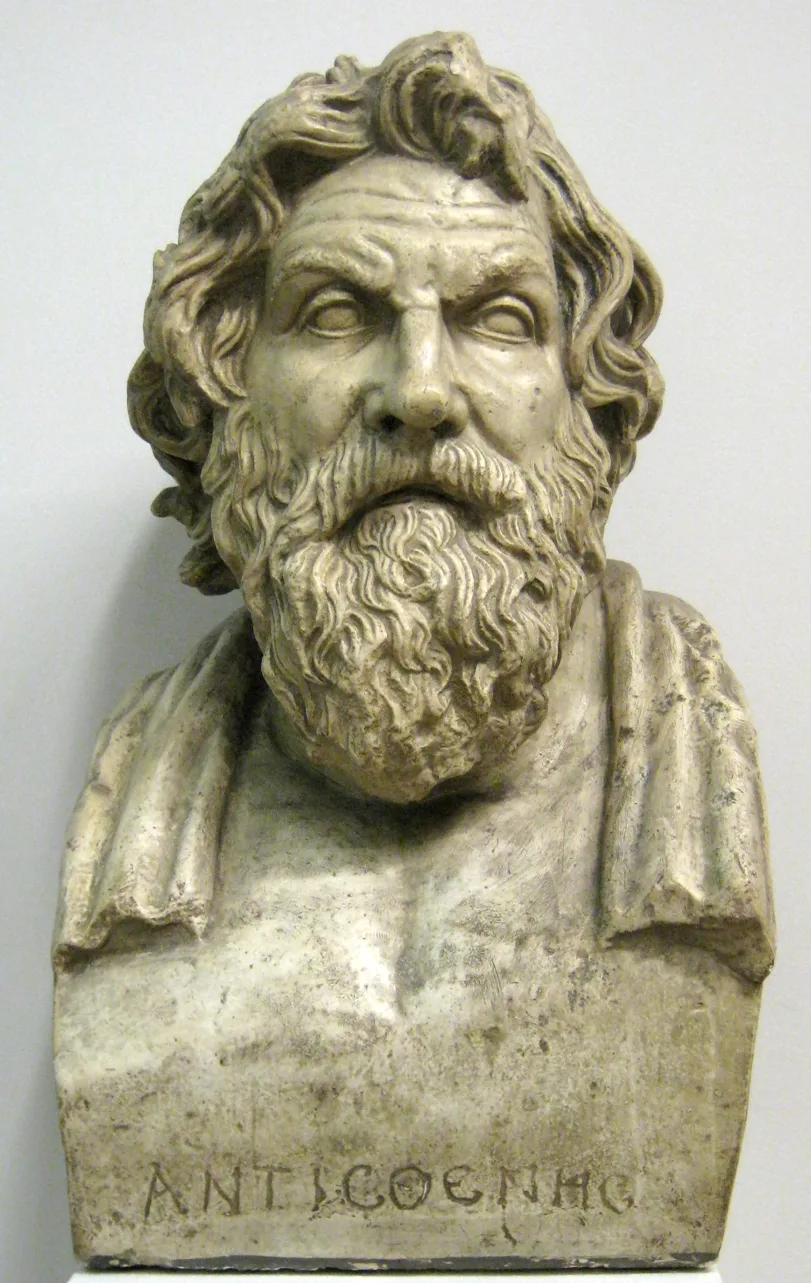
Bust of Antisthenes

Diogenes Searching for an Honest Man (c. 1780) attributed to J. H. W. Tischbein
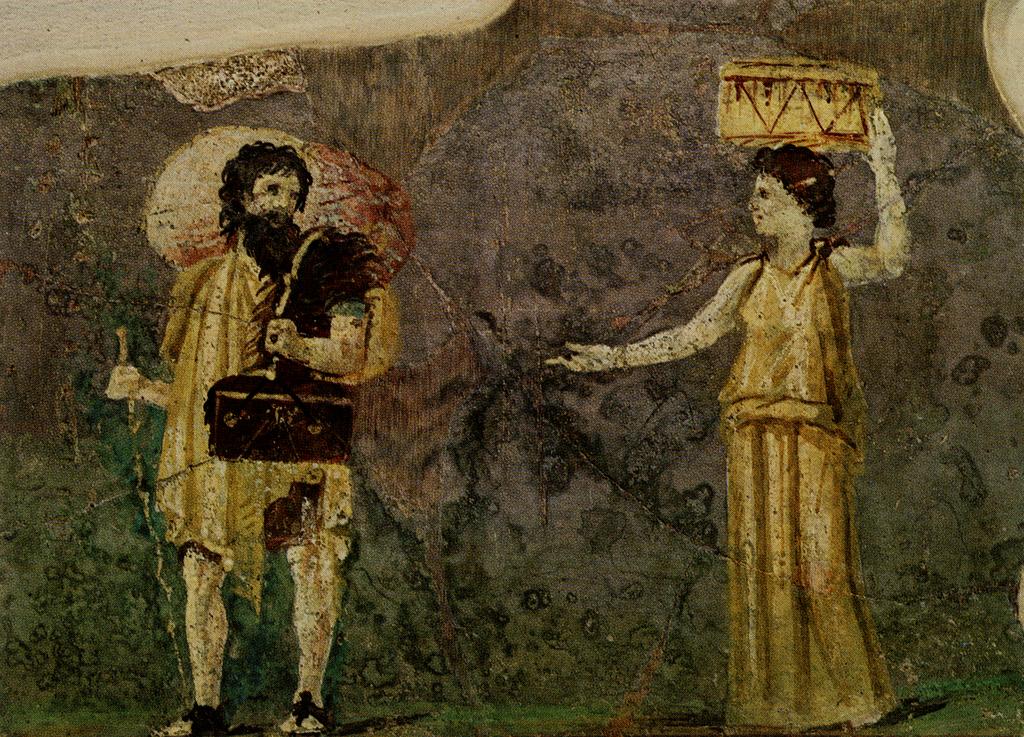
Crates and Hipparchia, an antique fresco from Rome
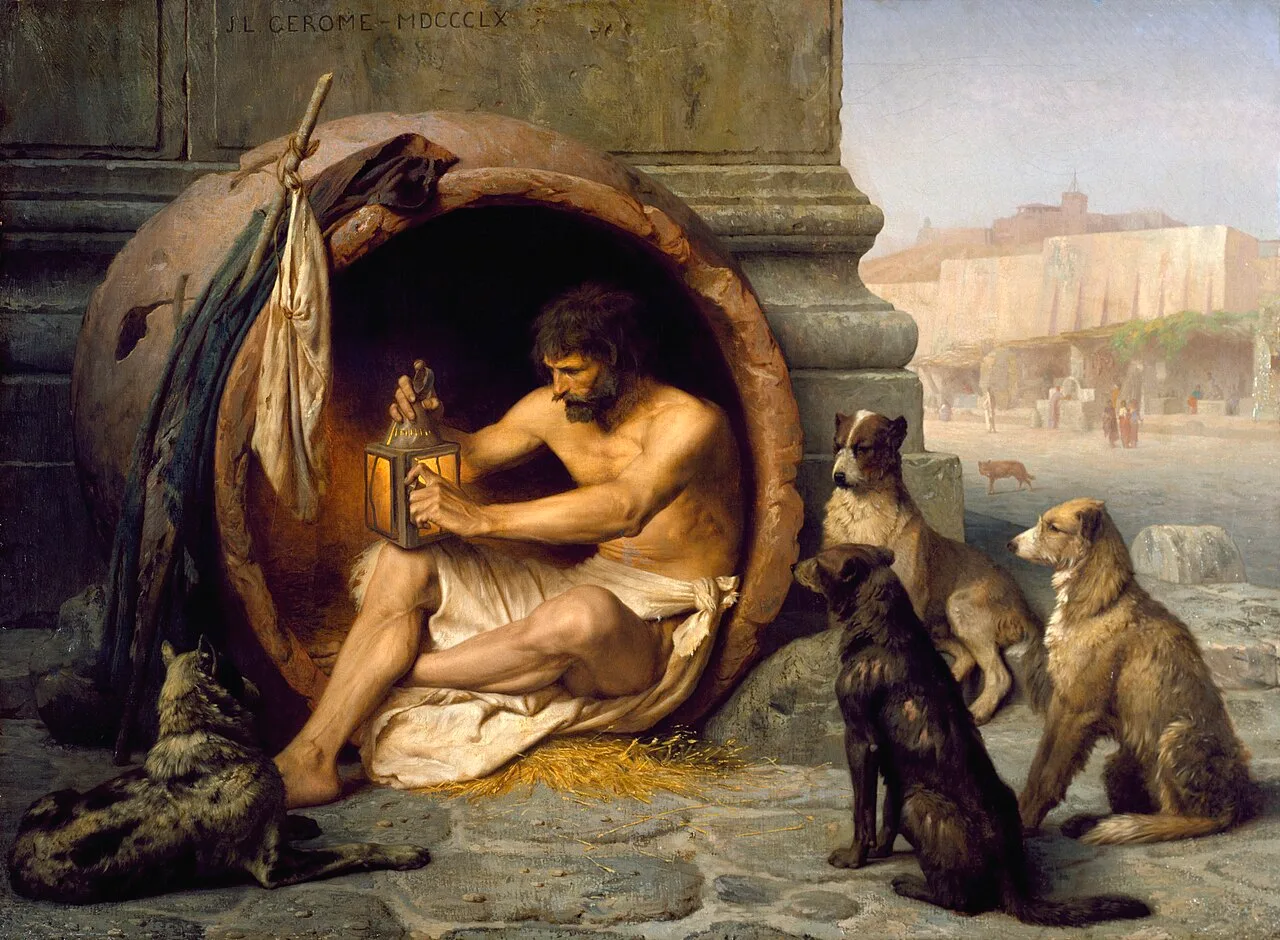
Diogenes Sitting in His Tub (1860) by Jean-Léon Gérôme
Cynicism (philosophy)
Cynicism is a school of ancient Greek philosophy that teaches that the purpose of life is to achieve virtue in agreement with nature and free from social constraints.
Turning a Canine Insult into a Philosophical Badge
The name Cynic originated as an insult derived from the Greek word for dog, mocking street-dwelling philosophers for their total disregard of social decorum. Instead of rejecting the label, Diogenes embraced it, claiming he bit his friends to save them. Later commentators argued that Cynics mirrored dogs by sleeping at crossroads, guarding philosophical tenets, and aggressively barking away those unfitted for virtue.
From Wikipedia · CC BY-SA 4.0
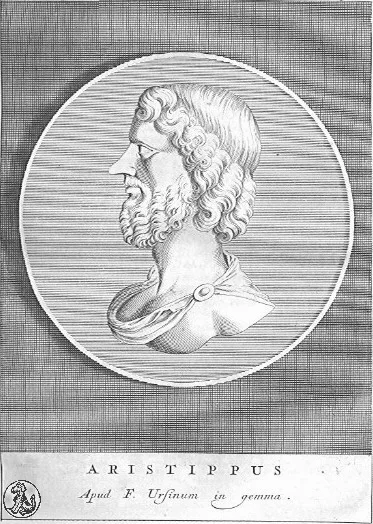
Aristippus of Cyrene
Cyrenaics
The Cyrenaics were an early Socratic, sensual hedonist Greek school of philosophy founded in the 4th century BCE, teaching that pleasure is the only intrinsic good.
Three Generations of Familial Philosophy
Cyrenaic philosophy was refined through a direct lineage across three generations of a single family. The foundational tenets originated with Aristippus and were subsequently transmitted to his daughter, Arete of Cyrene. She in turn educated her own son, Aristippus the Younger. According to Aristocles, it was this younger grandson who ultimately formalized the family's ideas into a comprehensive system.
From Wikipedia · CC BY-SA 4.0
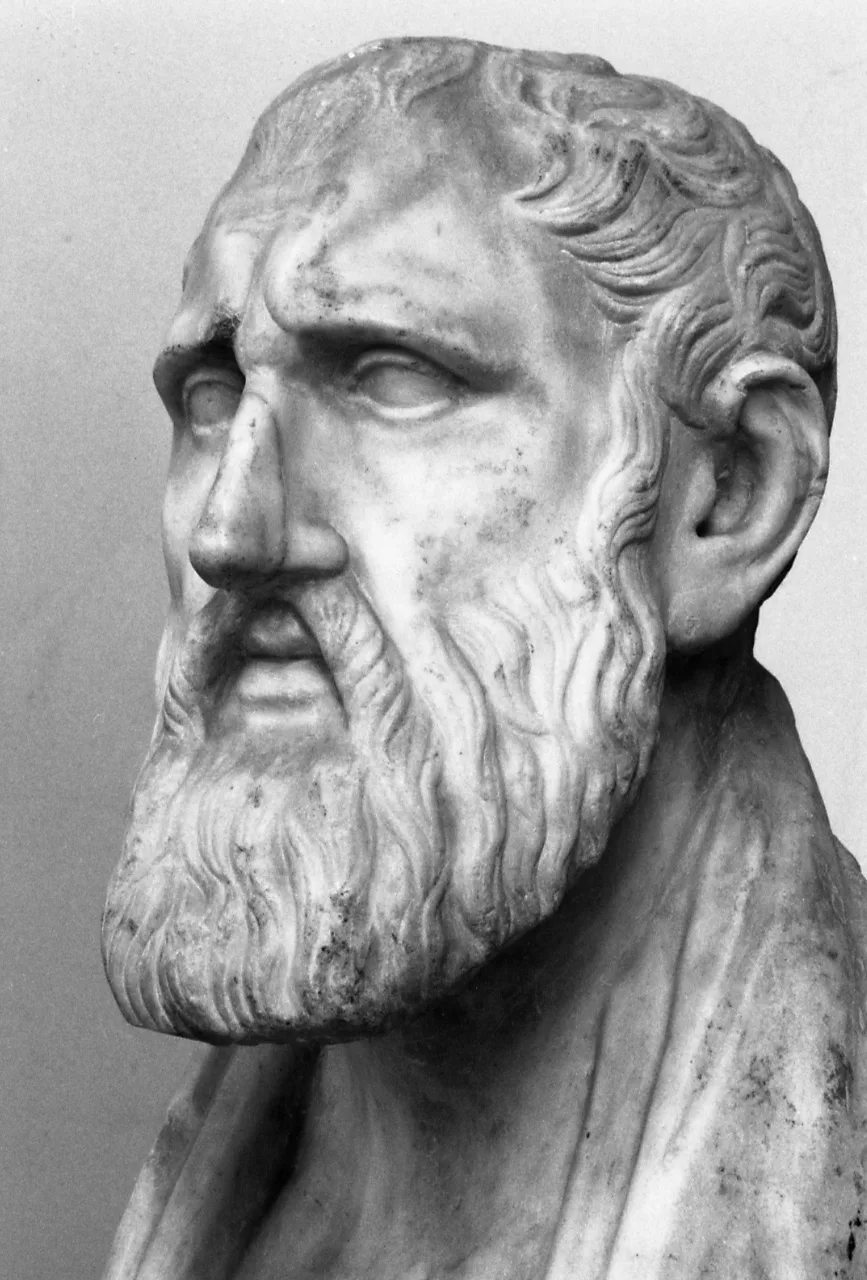
A bust of Zeno of Citium, considered the founder of Stoicism
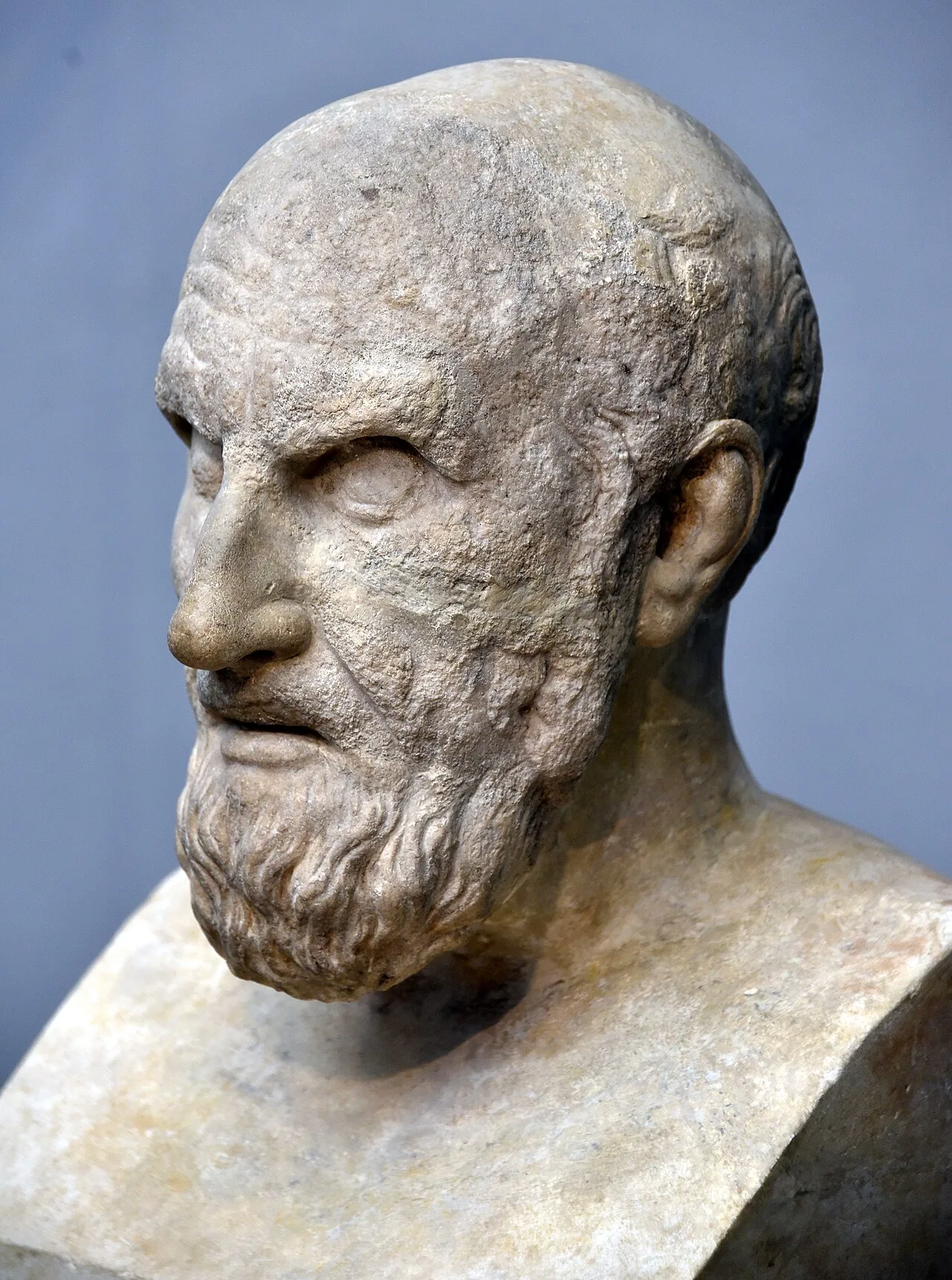
Chrysippus, the third leader of the Stoic school, wrote more than 300 books on logic. His works were lost, but an outline of his logical system may be reconstructed from fragments and testimony.
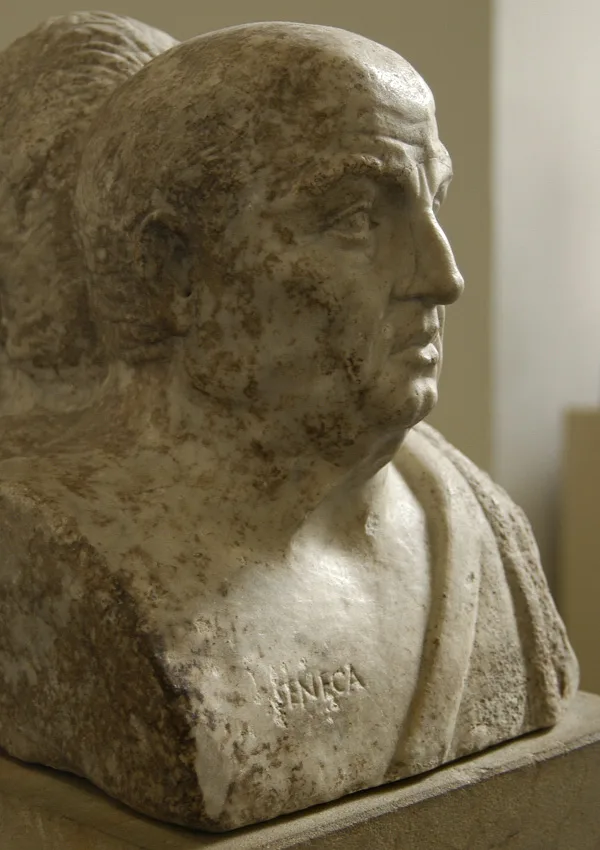
A bust of Seneca, a Stoic philosopher from the Roman Empire who served as an adviser to Nero
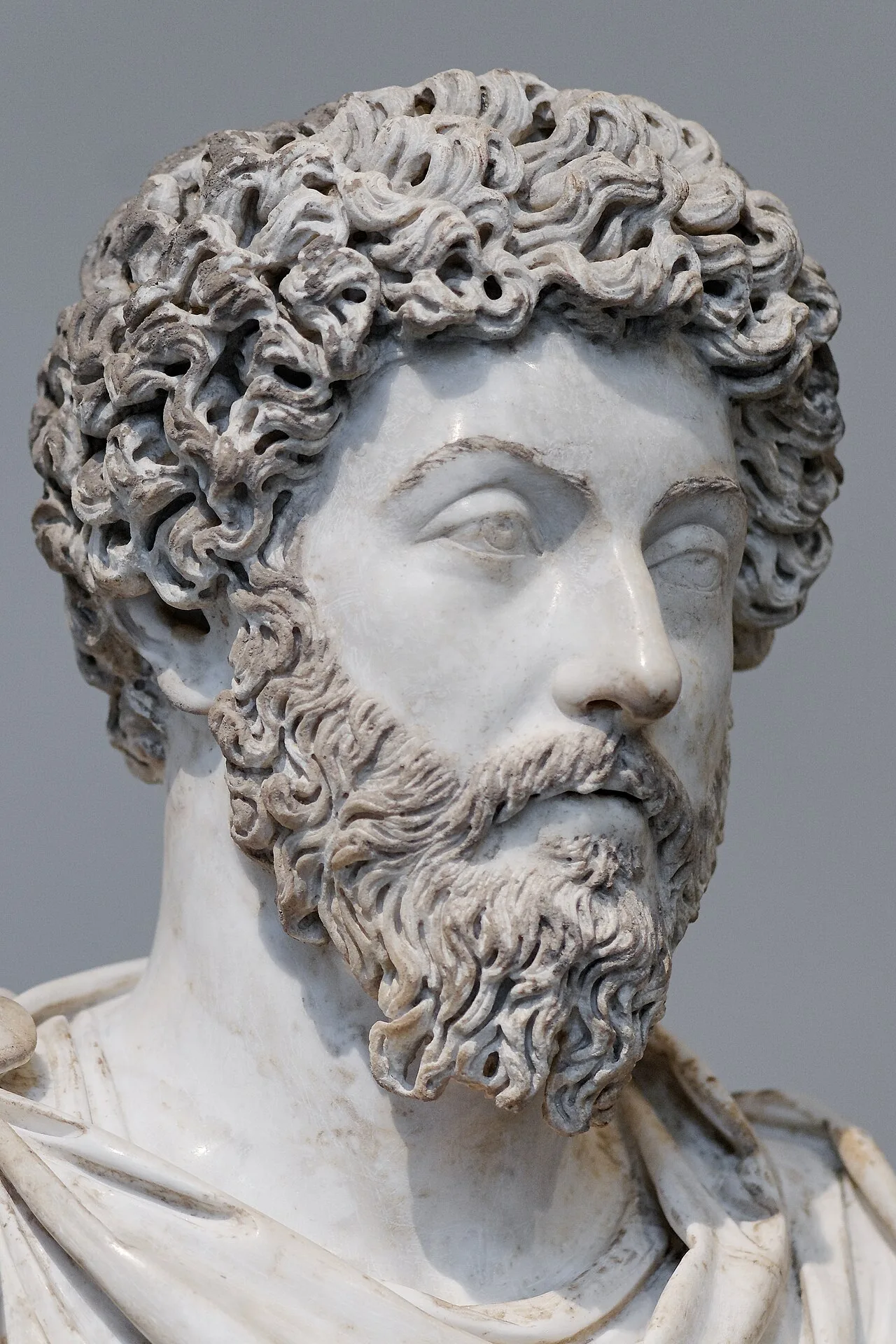
Marcus Aurelius, the Stoic Roman emperor
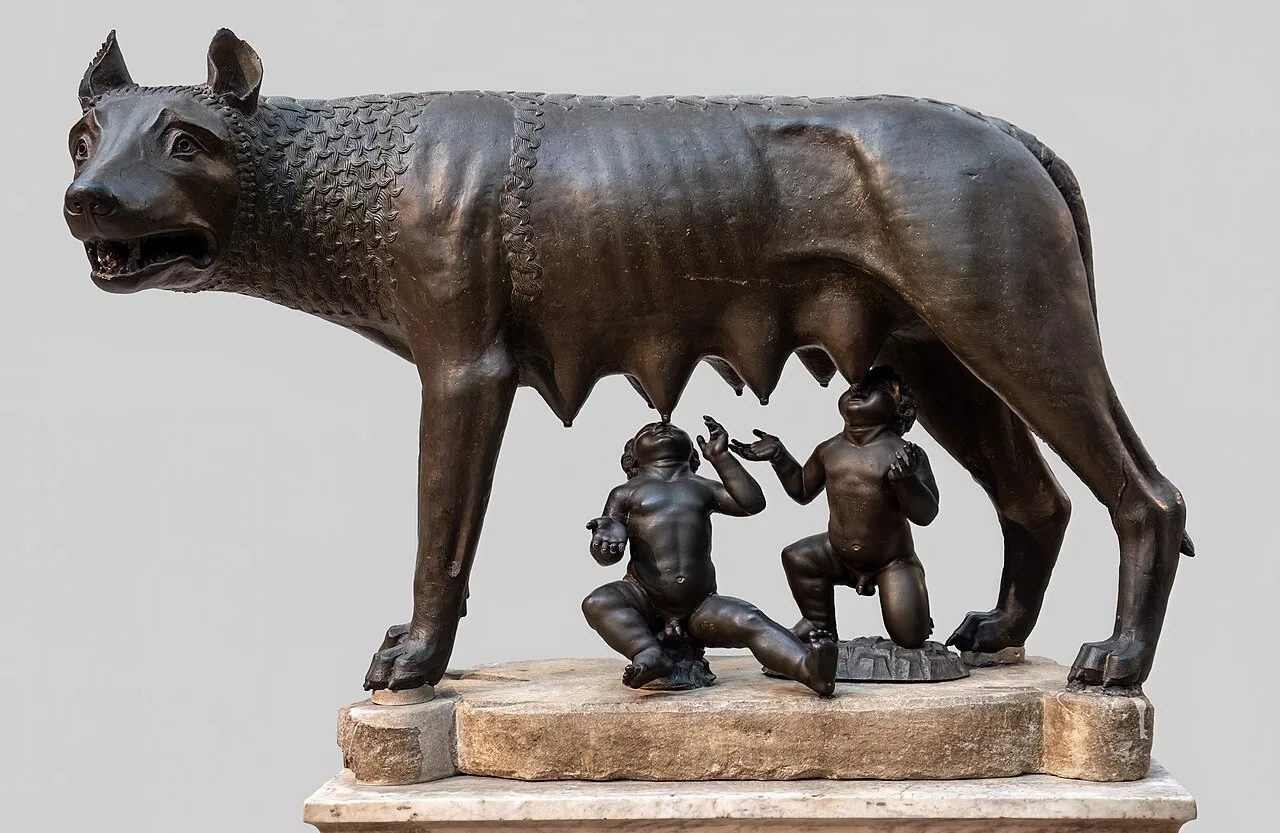
Lupa Capitolina, Rome
Stoicism
Stoicism is an ancient Greek and Roman philosophy holding that the universe operates according to reason and that virtue is needed to live a well-reasoned life.
Rejecting the Founder's Cult of Personality
The philosophical school was originally known as Zenonism before adopting its permanent name. Followers quickly dropped this title to prevent the movement from degenerating into a cult of personality. They refused to consider even their founding thinkers to be perfectly wise. Instead, the philosophy embraced an open identity centered on communal inquiry rather than individual reverence.
From Wikipedia · CC BY-SA 4.0
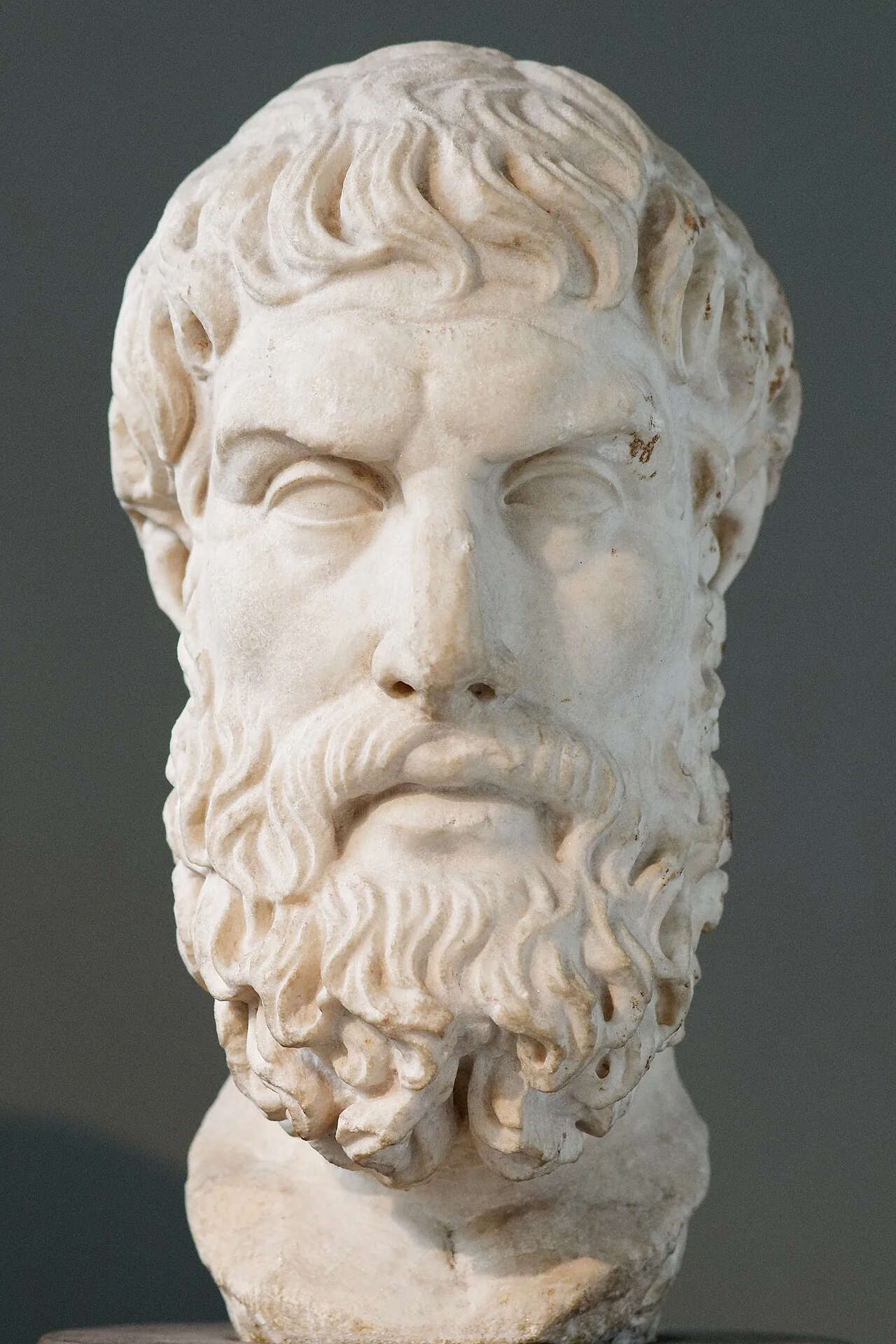
Roman Epicurus bust
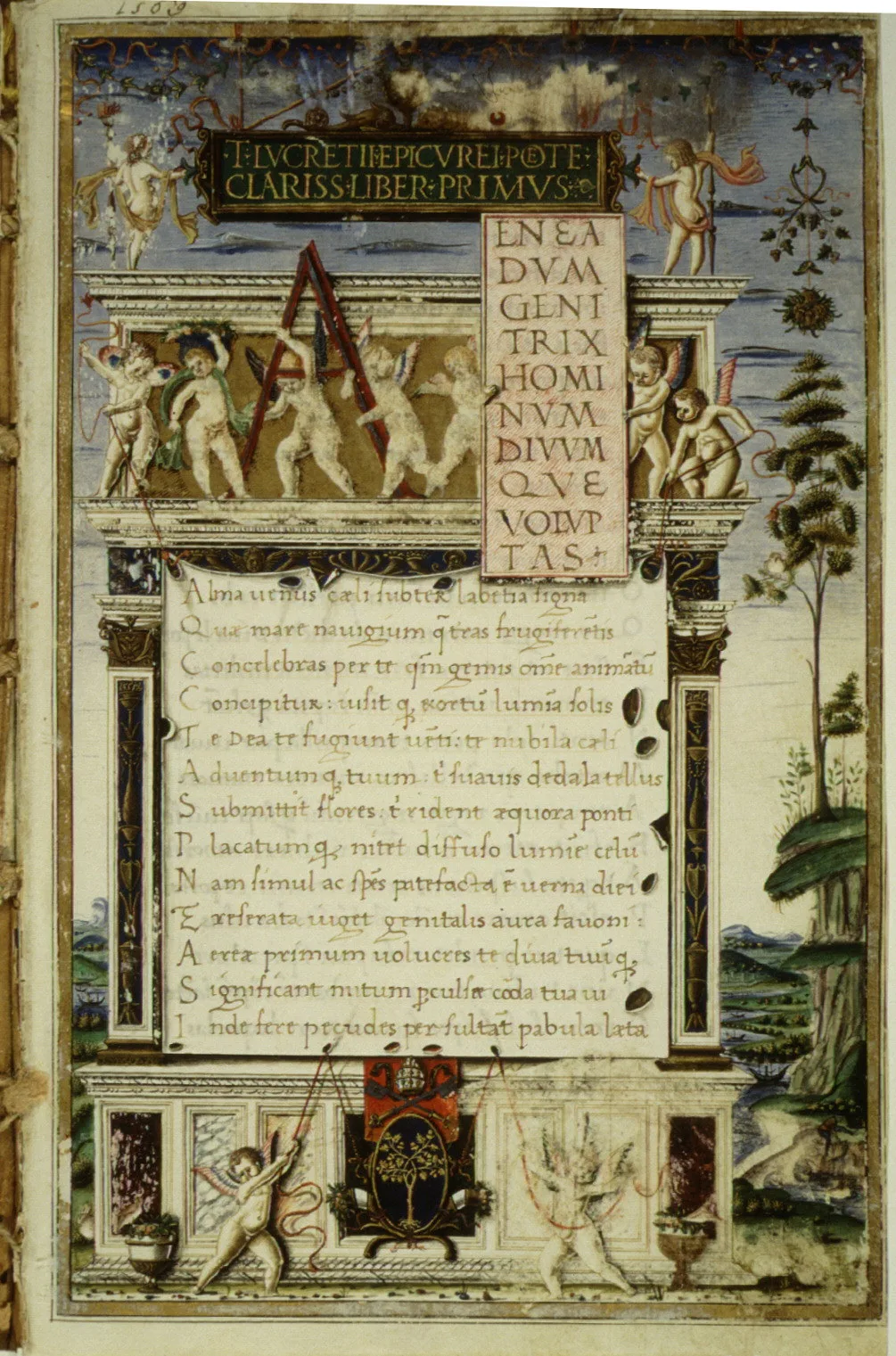
De rerum natura manuscript, copied by an Augustinian friar for Pope Sixtus IV, c. 1483, after the discovery of an early manuscript in 1417 by the humanist and papal secretary Poggio Bracciolini
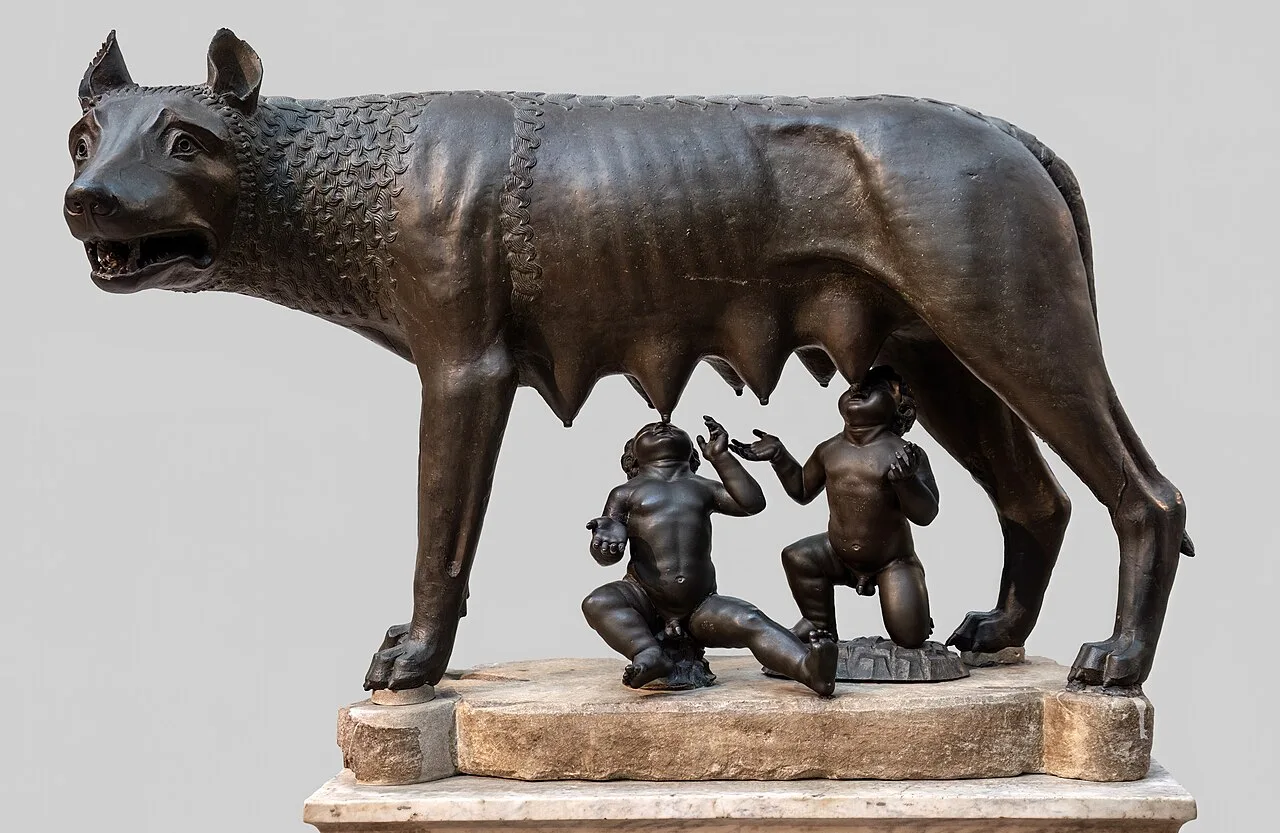
Lupa Capitolina, Rome
Epicureanism
Epicureanism is a school of philosophy founded in 307 BCE based on the teachings of the ancient Greek philosopher Epicurus.
Unpredictable Atomic Swerves as the Engine of Human Free Will
Epicurean physics posited that the universe consists exclusively of infinite void and indivisible atoms falling downward at uniform speeds. To explain how matter forms without divine planning, Epicurus introduced the concept of an unprovoked atomic swerve. This random sideways motion allows particles to collide and bind together into physical objects, while also providing a mechanistic foundation for human free will against absolute determinism.
From Wikipedia · CC BY-SA 4.0
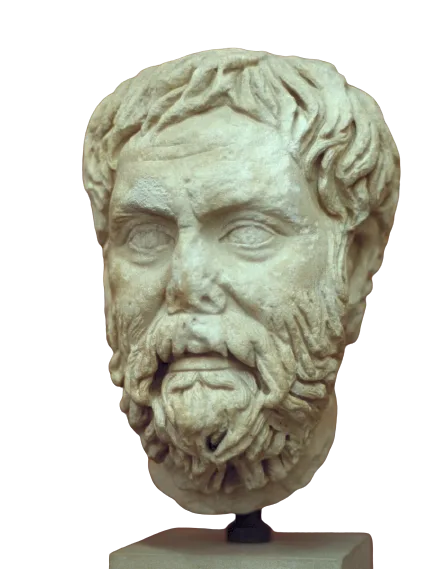
Philosopher marble head Roman copy AM Corfu Krfm22-removebg-preview
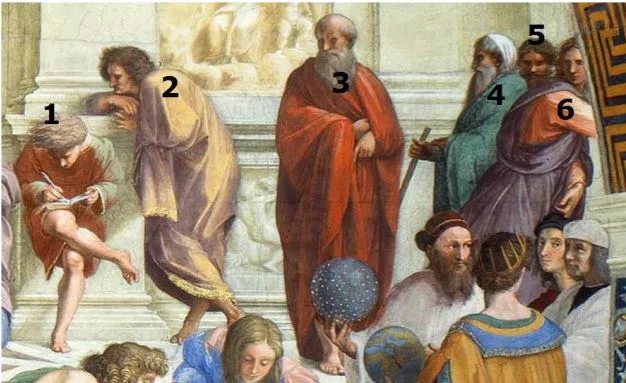
Skeptics in Raphael's School of Athens painting. Pyrrho is #4 and Timon #5.

Nagarjuna, a Madhyamaka Buddhist philosopher whose skeptical arguments are similar to those preserved in the work of Sextus Empiricus
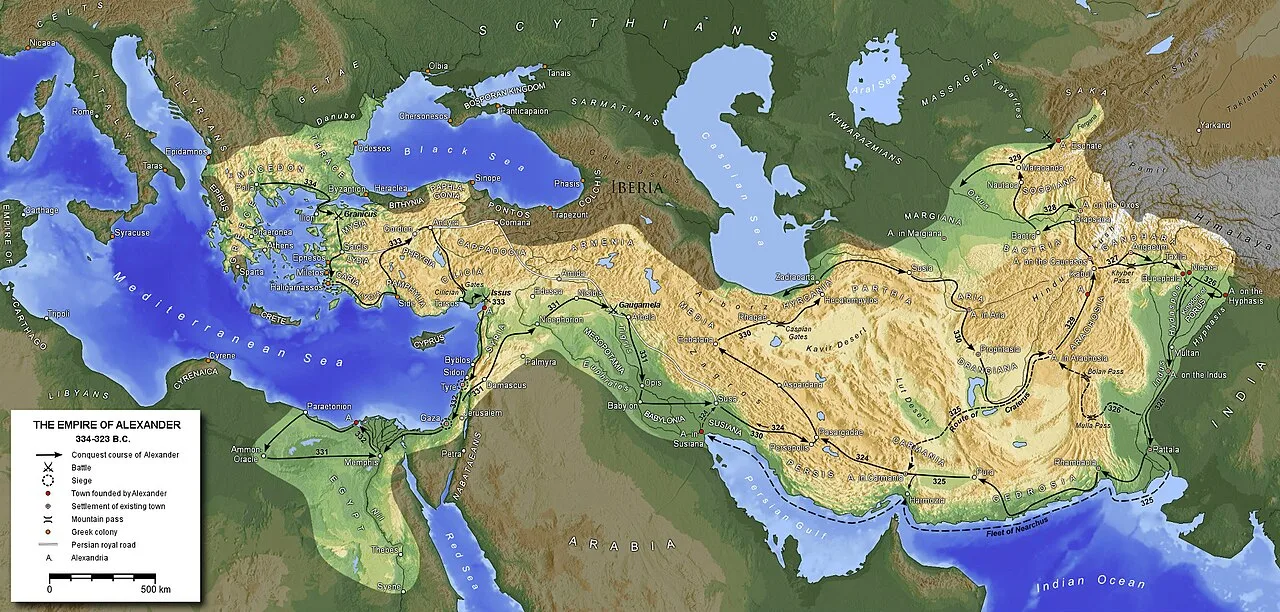
Map of Alexander the Great's empire and the route he and Pyrrho took to India

Scales in balance: modern symbol of Pyrrhonism
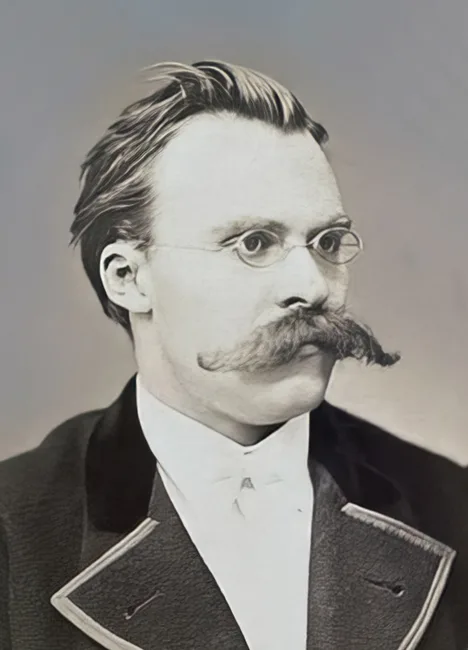
Nietzsche: critic of Pyrrhonian ephectics
Pyrrhonism
Pyrrhonism is an ancient Greek school of philosophical skepticism that rejects dogma and advocates the suspension of judgment on all beliefs.
Tranquility Born from the Refusal to Decide
Many view skepticism as an endless intellectual deadlock, yet Pyrrhonism pursues mental quietude rather than abstract triumph. The ultimate goal is ataraxia, an untroubled condition of the soul reached by setting opposing arguments against one another. Rather than finding truth on non-evident matters, practitioners discover relief in neither affirming nor denying dogmatic claims. This suspension of judgment replaces dogmatic anxiety with lasting inner peace.
From Wikipedia · CC BY-SA 4.0
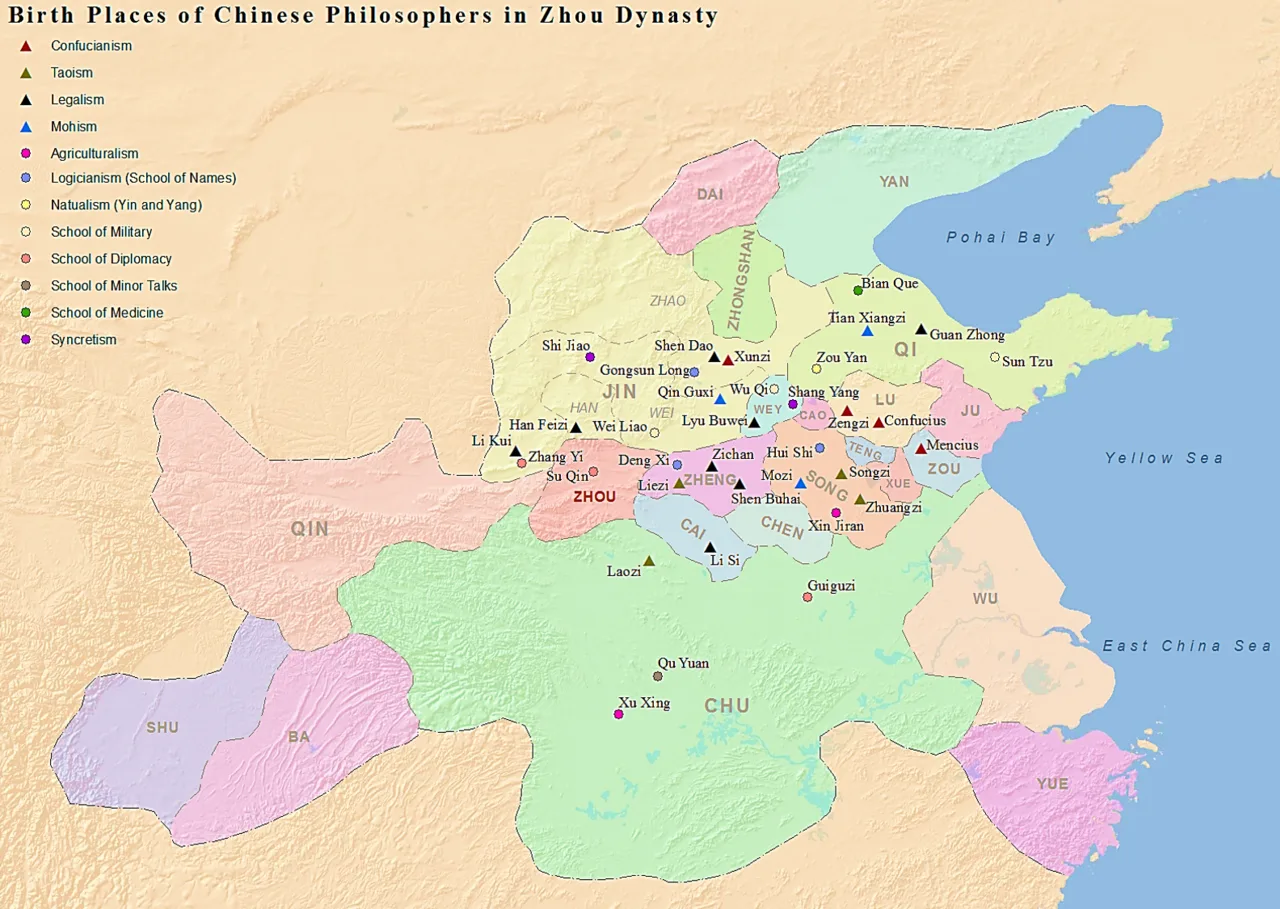
Birthplaces of notable Chinese philosophers from the Hundred Schools of Thought in the Zhou dynasty. Philosophers of Mohism are marked by triangles in blue.
Mohism
Mohism was an ancient Chinese philosophy of ethics and logic based on the teachings of Mozi, emphasizing universal concern, austerity, and utilitarianism.
The Radical Equality of Impartial Care
Ancient Chinese traditions prioritized strong filial duties, but Mozi challenged this norm by introducing the doctrine of impartial care. Rather than loving family members more than strangers, Mohists argued that virtue required caring equally for all individuals regardless of their relationships. This directly contested Confucian orthodoxy, which maintained that it was natural and proper for people to show affection to different people in varying degrees.
From Wikipedia · CC BY-SA 4.0