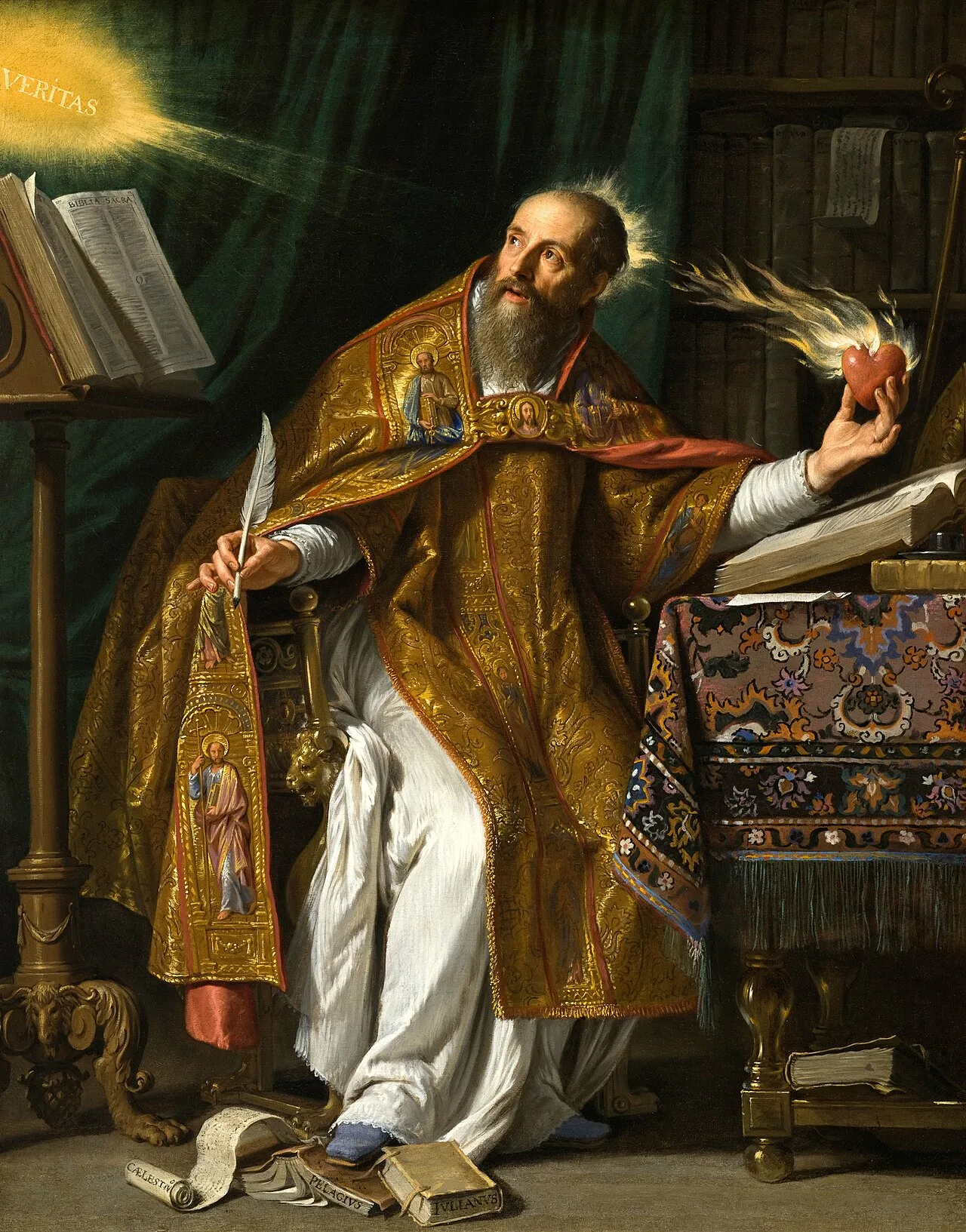
Saint Augustine by Philippe de Champaigne
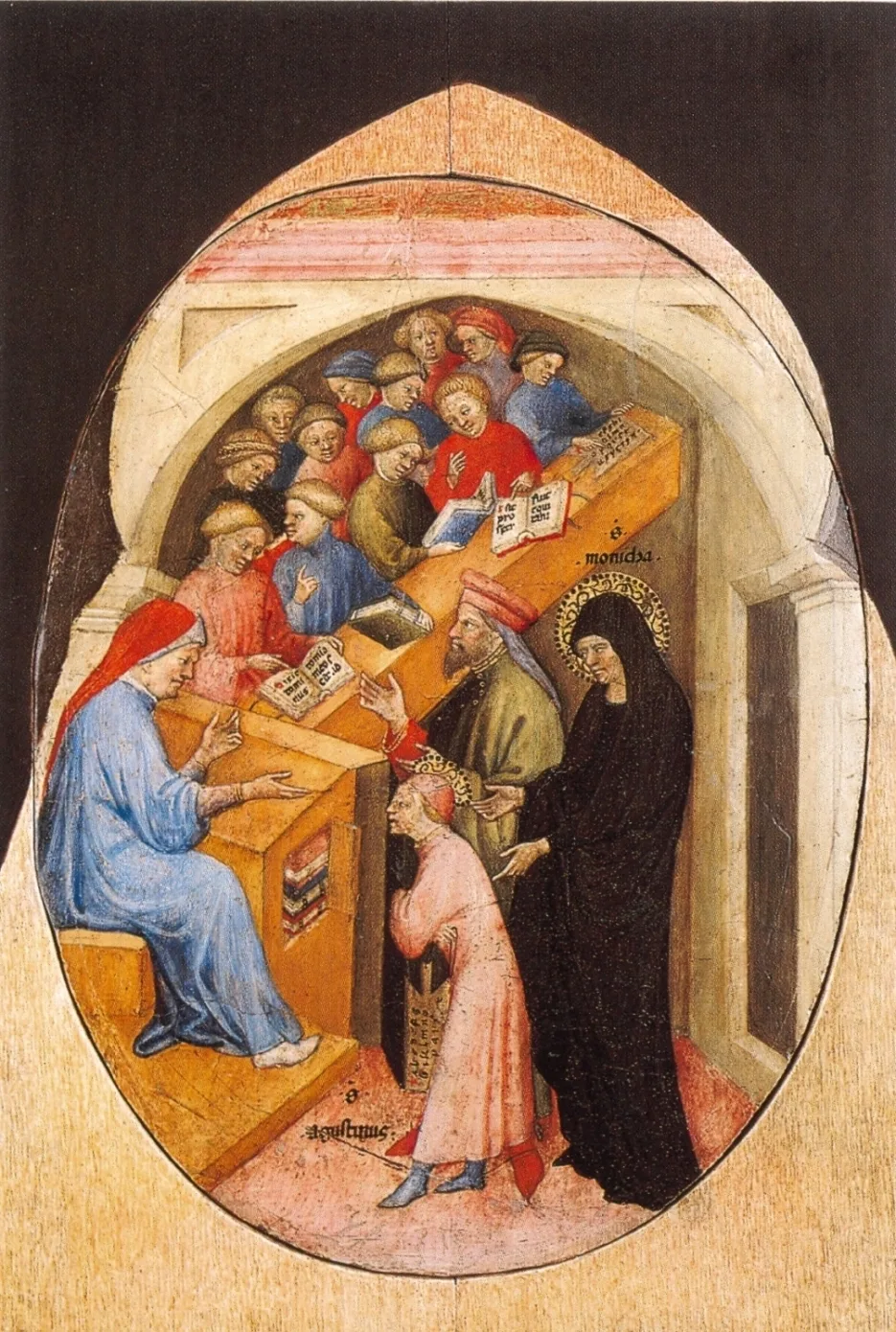
Saint Augustine Taken to School by Saint Monica, by Niccolò di Pietro, 1413–15
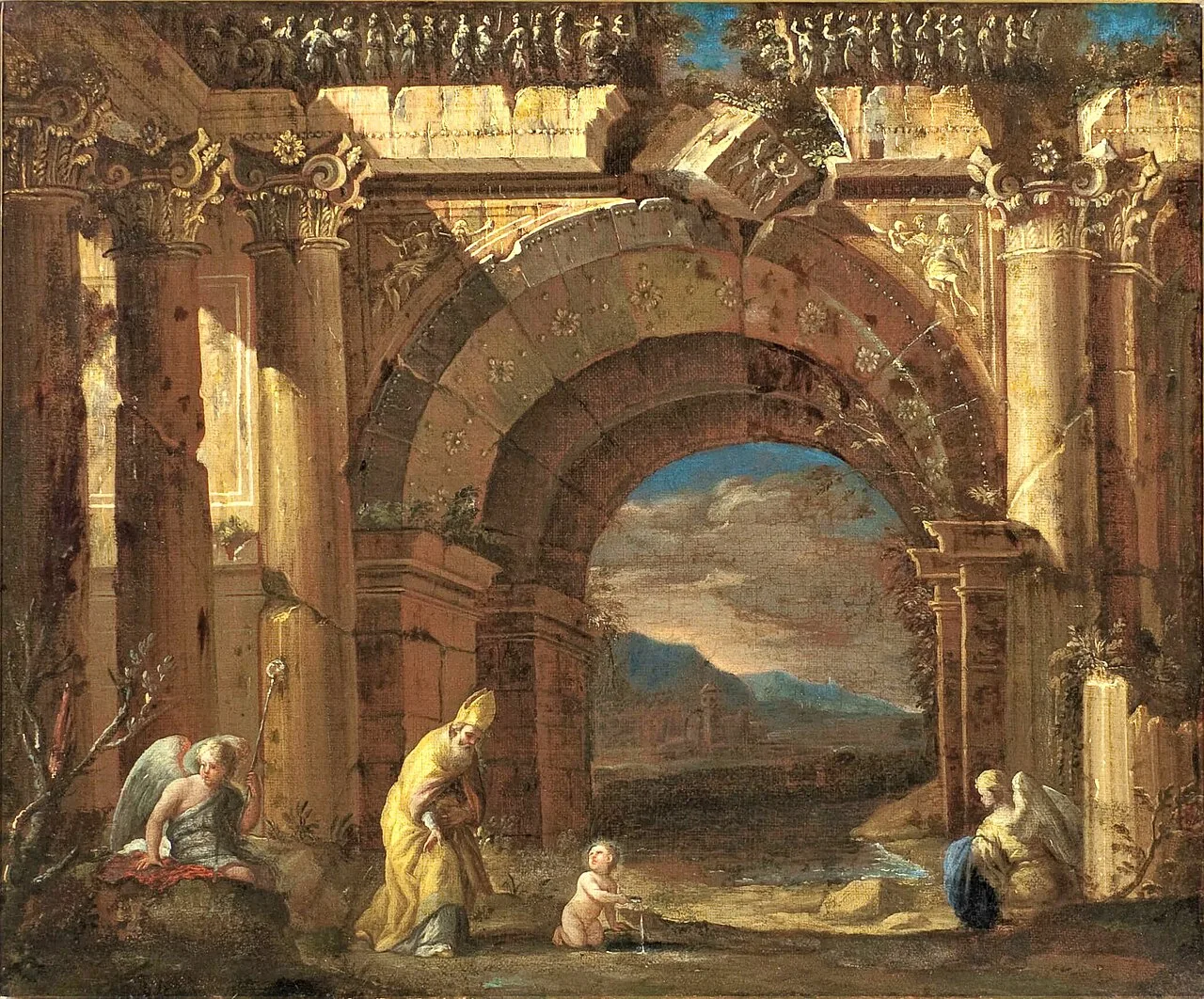
The vision of St. Augustine by Ascanio Luciano
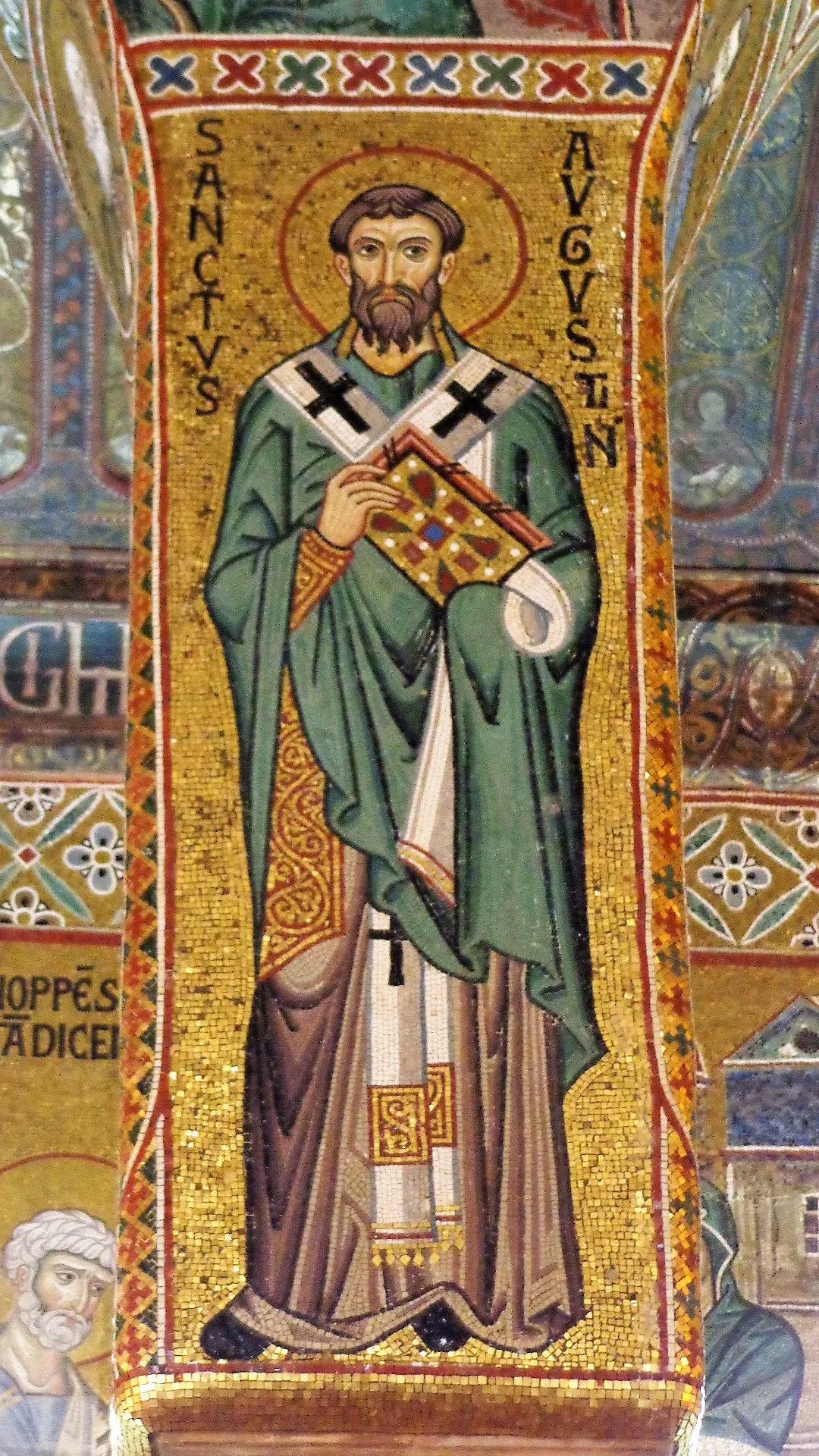
Mosaic of Augustine from the Cappella Palatina in Palermo, Italy (1140)
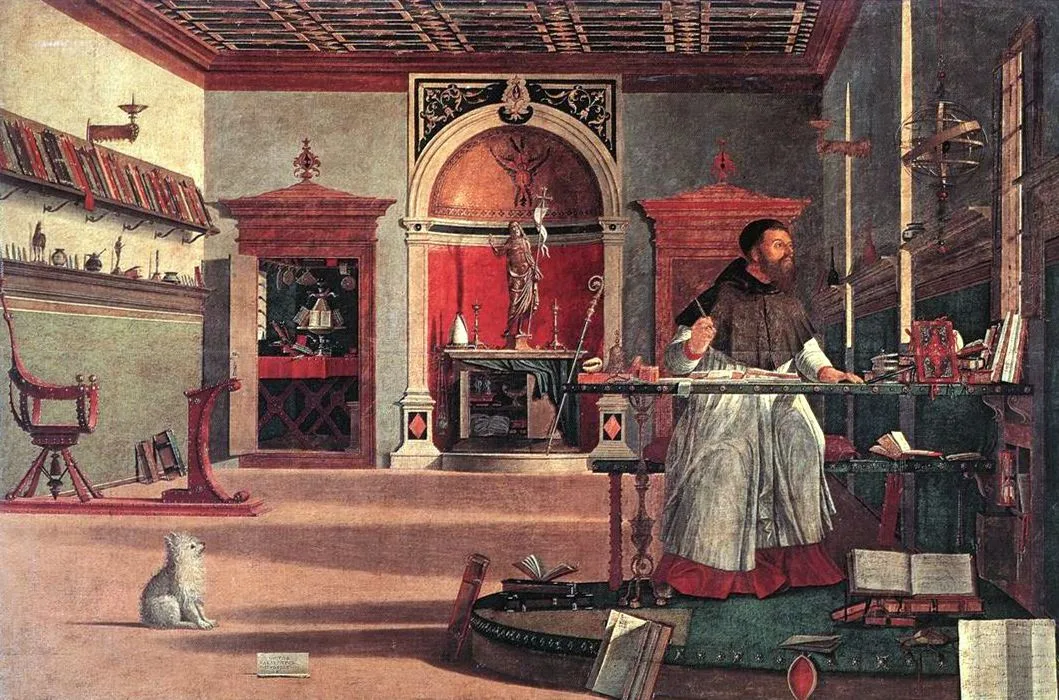
St. Augustine in His Study by Vittore Carpaccio, 1502
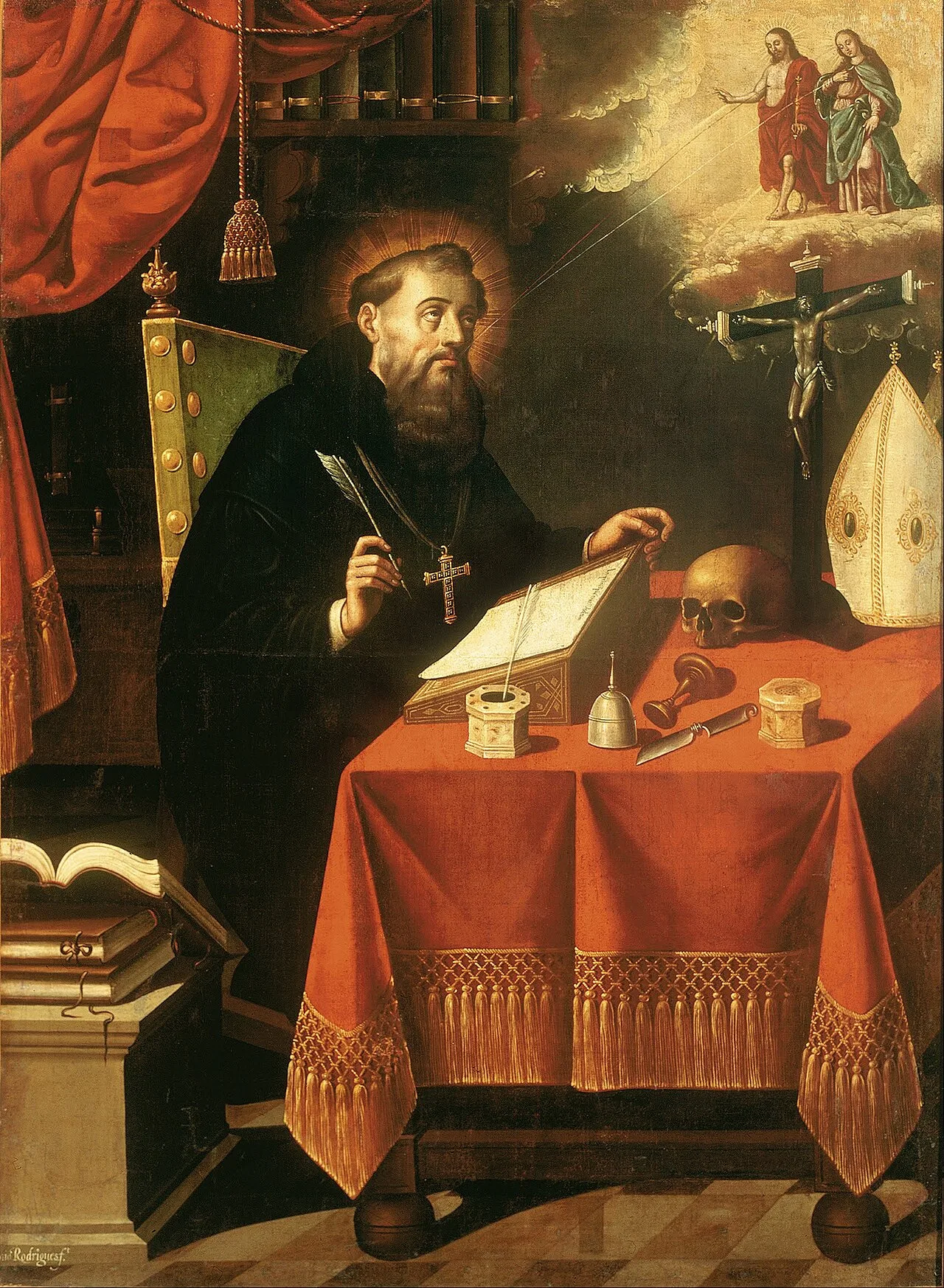
Saint Augustine, painting by Antonio Rodríguez
Augustine of Hippo
Augustine of Hippo was a Christian theologian and philosopher from Roman Africa whose writings deeply influenced Western philosophy and Western Christianity.
The Anatomy of a Fruit Theft
Augustine reflected deeply on the roots of moral failure when recalling how he stole pears during his youth. He noted that he was neither hungry nor poor, possessing fruit of far higher quality at home. This theft demonstrated that sin operates not from seeking evil directly, but from an inordinate attachment to lower goods, such as the bond of companionship among accomplices.
From Wikipedia · CC BY-SA 4.0
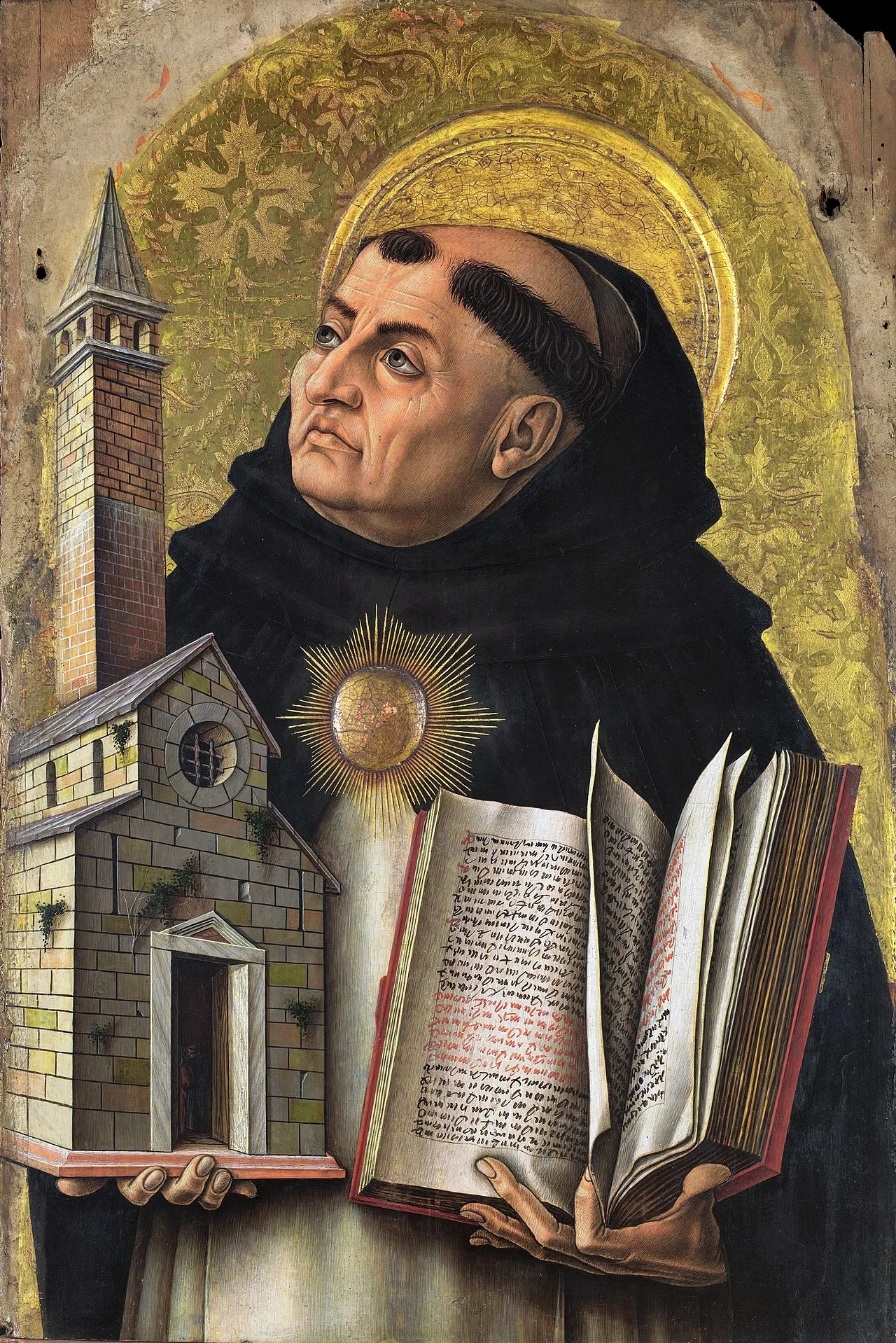
St-thomas-aquinasFXD
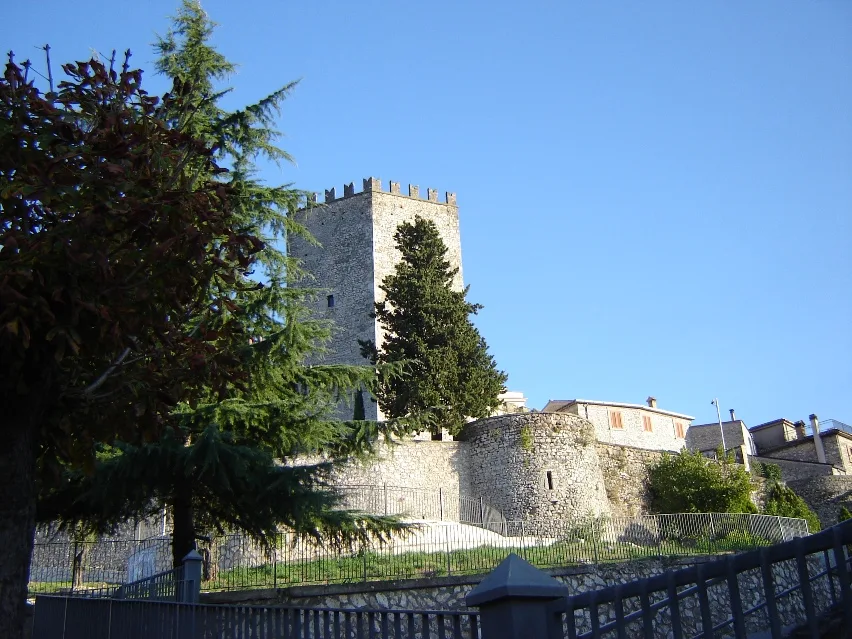
Castle of Monte San Giovanni Campano
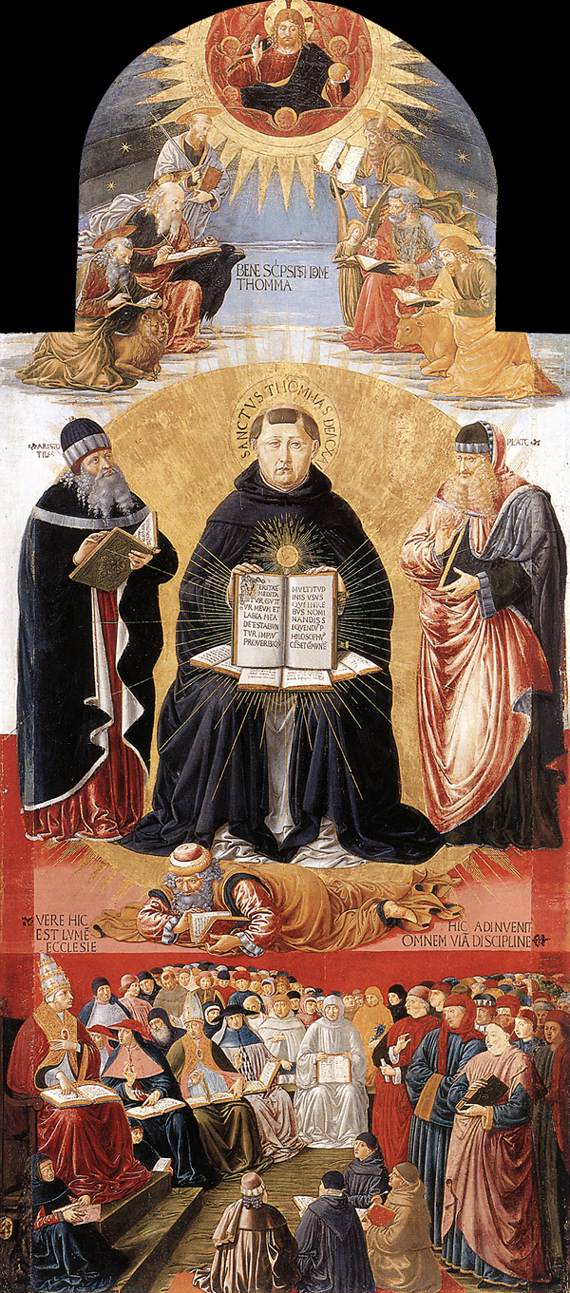
Triumph of St. Thomas Aquinas, Doctor Communis, between Plato and Aristotle, Benozzo Gozzoli, 1471. Louvre, Paris.
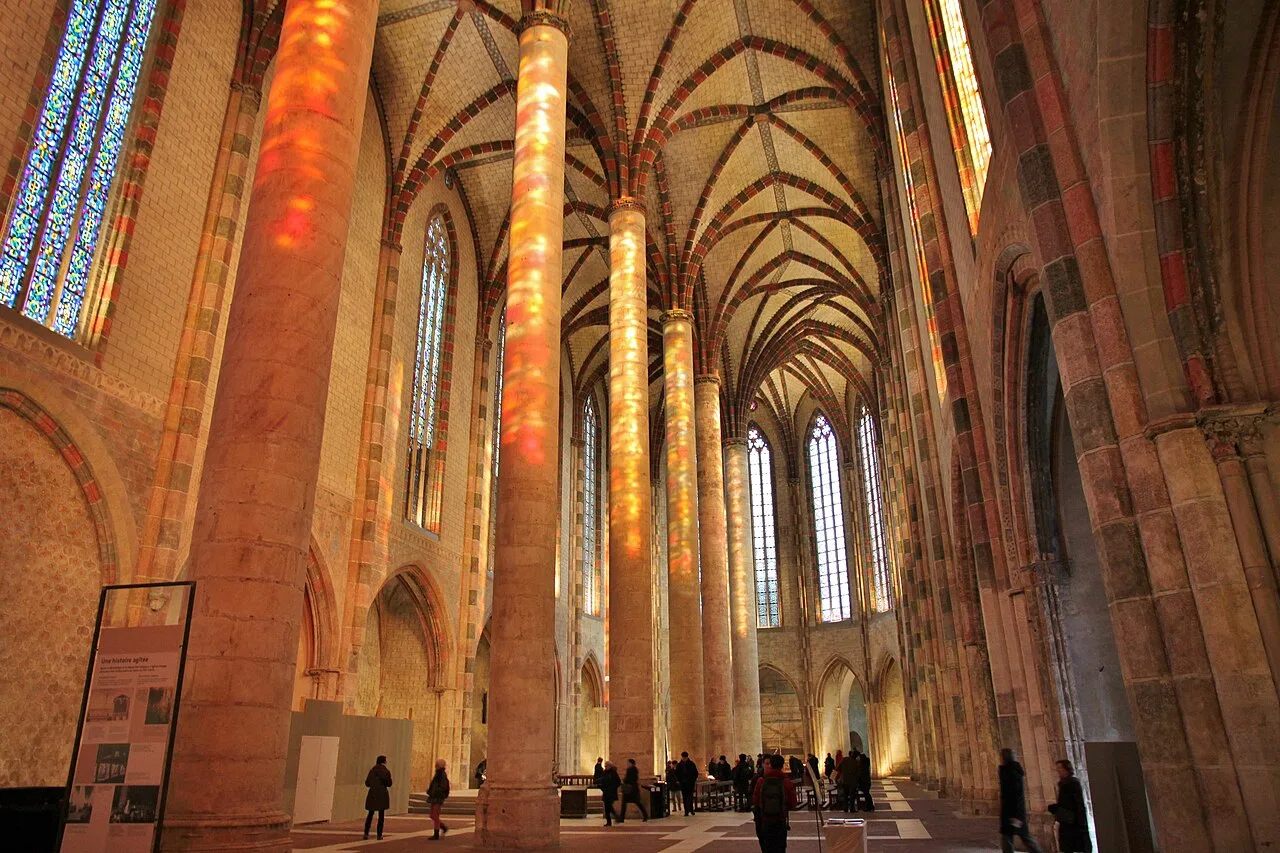
The remains of Thomas Aquinas are buried in the Church of the Jacobins in Toulouse.
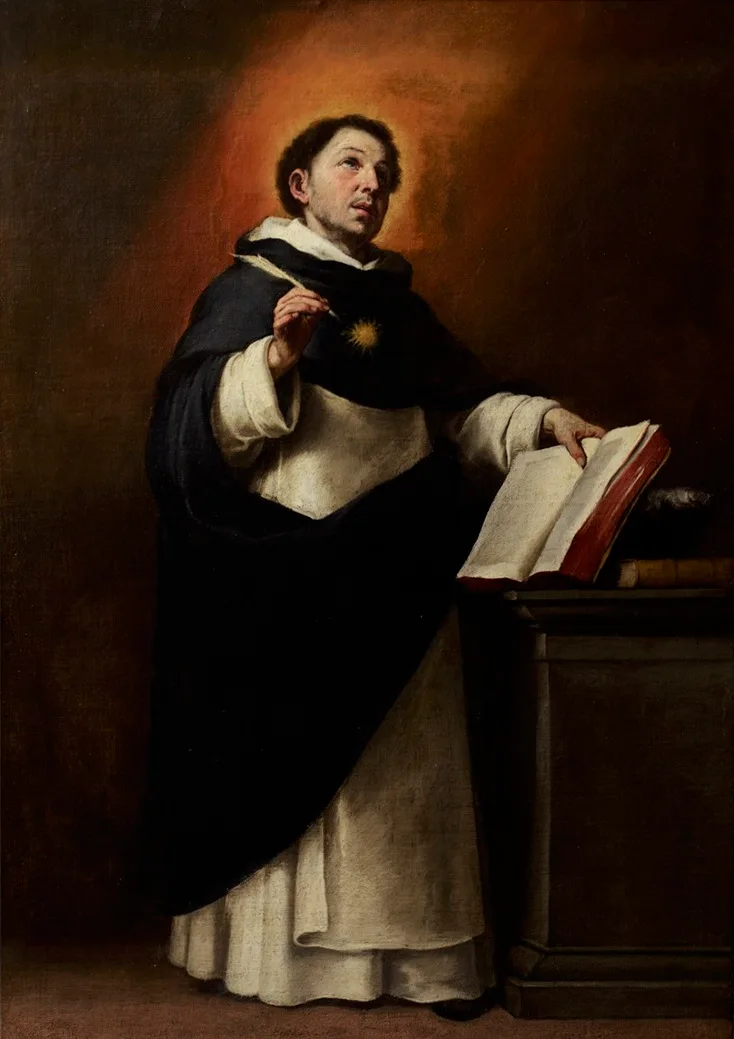
Thomas Aquinas by Bartolomé Esteban Murillo, 1650
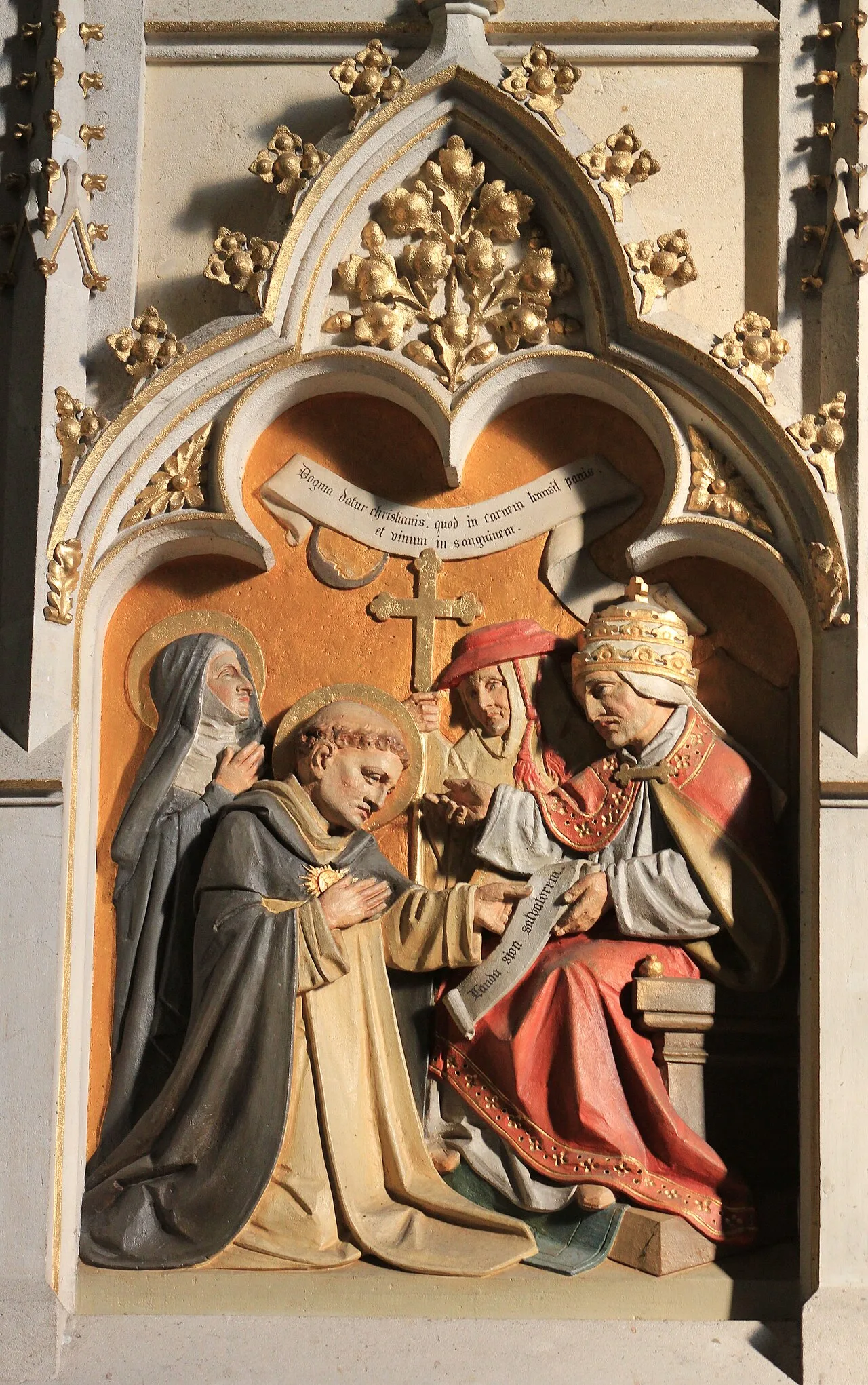
Thomas Aquinas and the Pope
Thomas Aquinas
St. Thomas Aquinas was an Italian Dominican friar, priest, theologian, and philosopher, and one of the most influential thinkers in Catholic theology and Western philosophy.
Noble Kidnapping and a Fiery Brand
Aquinas faced intense resistance from his noble family when he resolved to join the Dominican Order rather than accept an abbacy. His brothers seized him on his journey to Rome and detained him in family castles at Monte San Giovanni and Roccasecca for nearly a year. When his brothers sent a prostitute to seduce him, Thomas drove her away using a burning log before receiving a celestial girdle representing chastity.
From Wikipedia · CC BY-SA 4.0
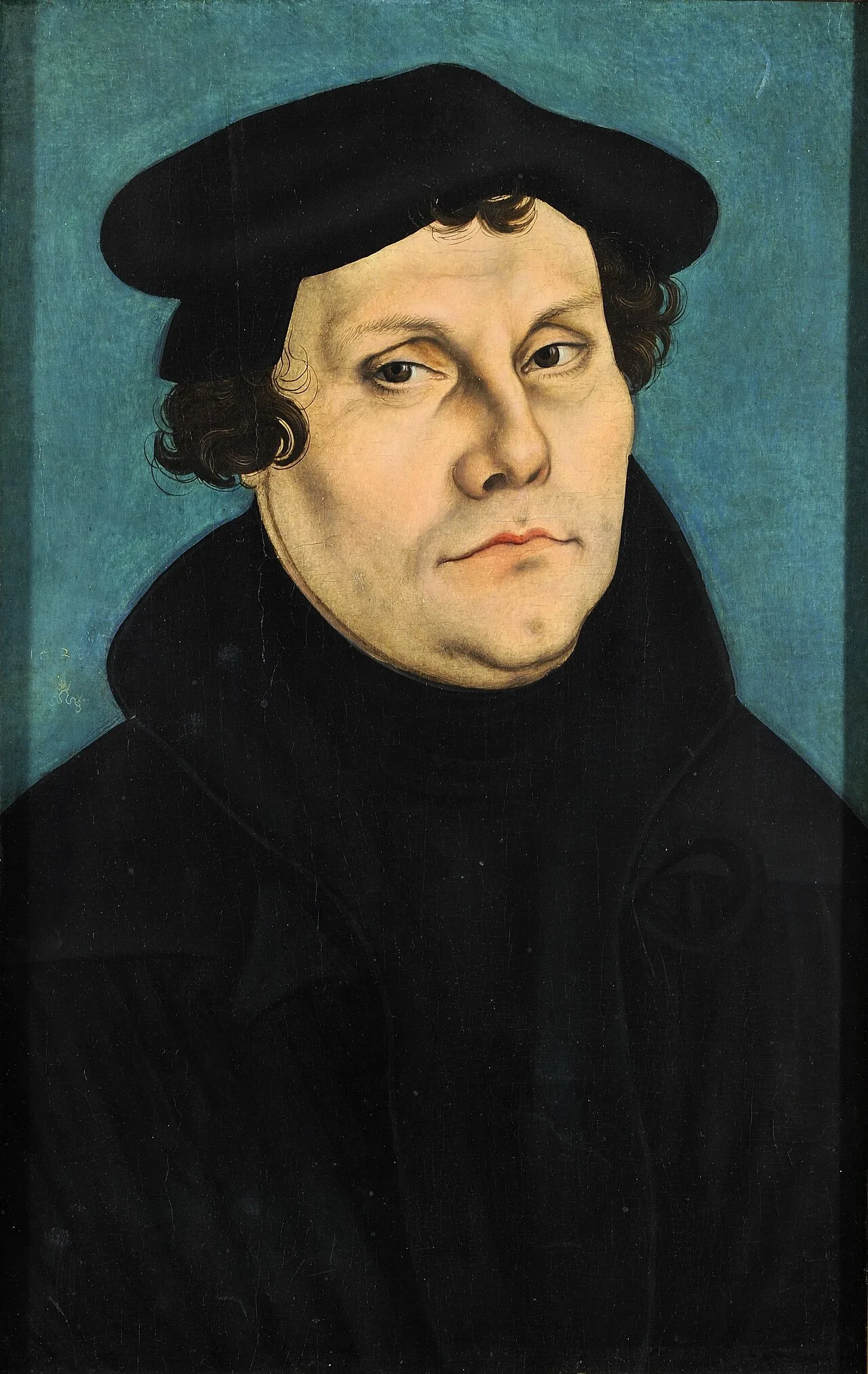
Lucas Cranach d.Ä. - Martin Luther, 1528 (Veste Coburg)
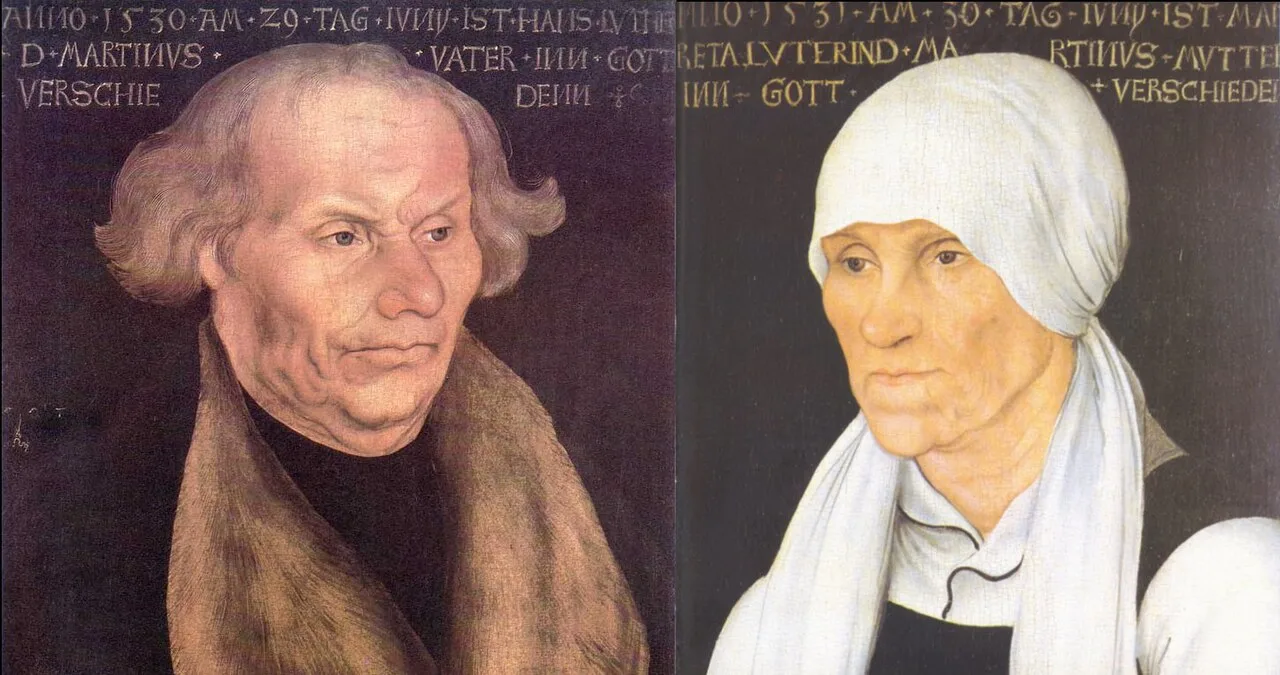
Portraits of Luther's parents, Hans and Margarethe Luther, by Lucas Cranach the Elder in 1527
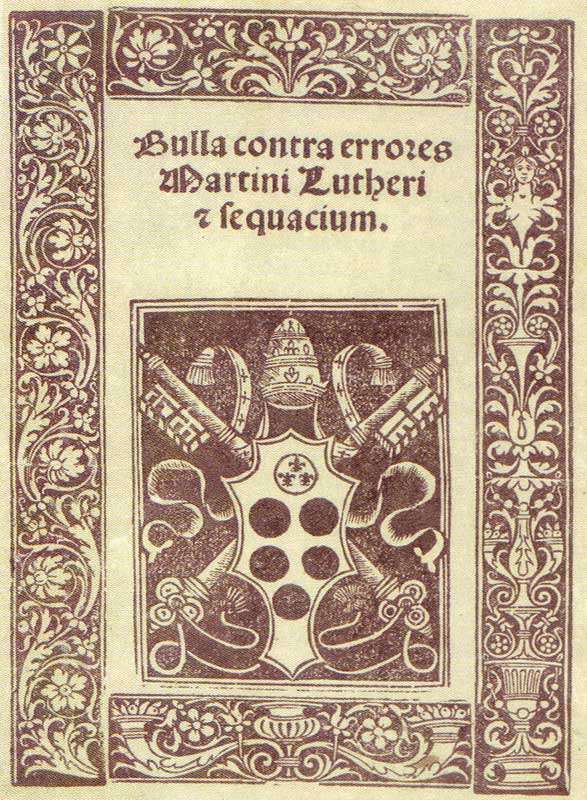
Pope Leo X's Bull against the errors of Martin Luther, 1521, commonly known as Exsurge Domine
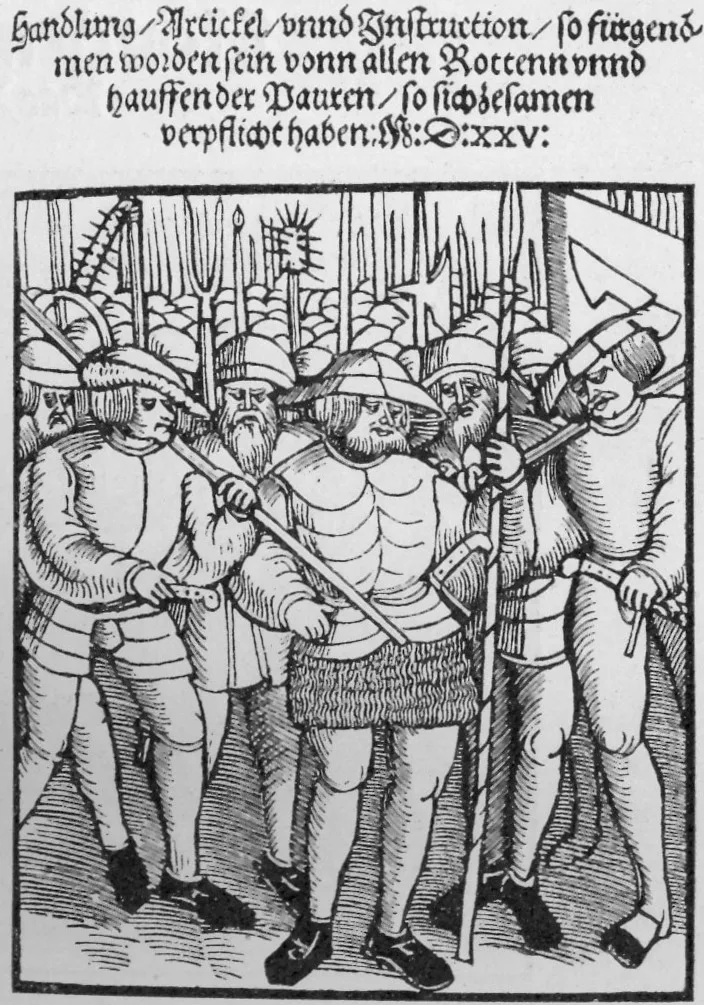
The Twelve Articles of peasants' demands, issued in 1525
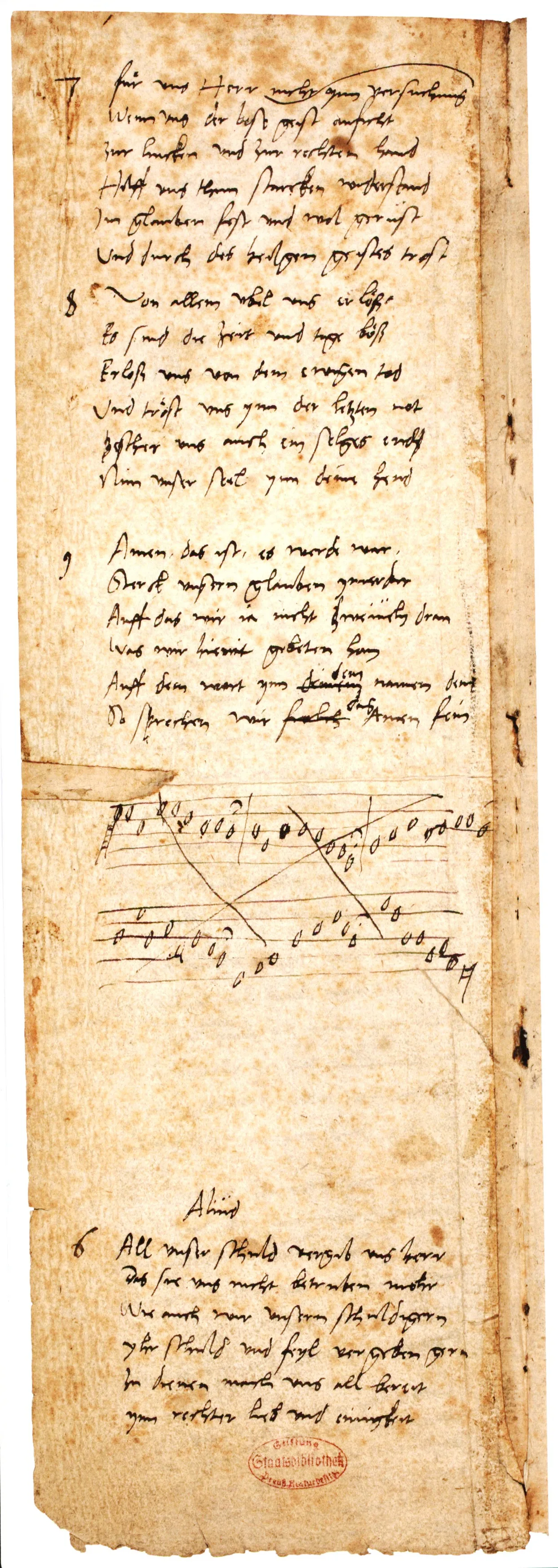
Autograph of "Vater unser im Himmelreich", with the only notes extant in Luther's handwriting
![Casts of Luther's face and hands at his death, in the Market Church in Halle[260]](https://nwjvzop1xgplmzvt.public.blob.vercel-storage.com/wikifeed/martin-luther/5-f8a7660421.webp)
Casts of Luther's face and hands at his death, in the Market Church in Halle[260]
Martin Luther
Martin Luther (10 November 1483 – 18 February 1546) was a German priest, theologian, and seminal figure of the Protestant Reformation, whose theological beliefs form the basis of Lutheranism.
Staged Highway Robbery at Wartburg
Following his condemnation as an outlaw at the Diet of Worms, Luther seemed to vanish under perilous circumstances. His sudden disappearance was actually an elaborate rescue arranged by Frederick III, whose masked horsemen intercepted Luther in the forest by impersonating highway robbers. Safely sheltered at Wartburg Castle, Luther referred to the retreat as his Patmos while translating the New Testament from Greek into German.
From Wikipedia · CC BY-SA 4.0
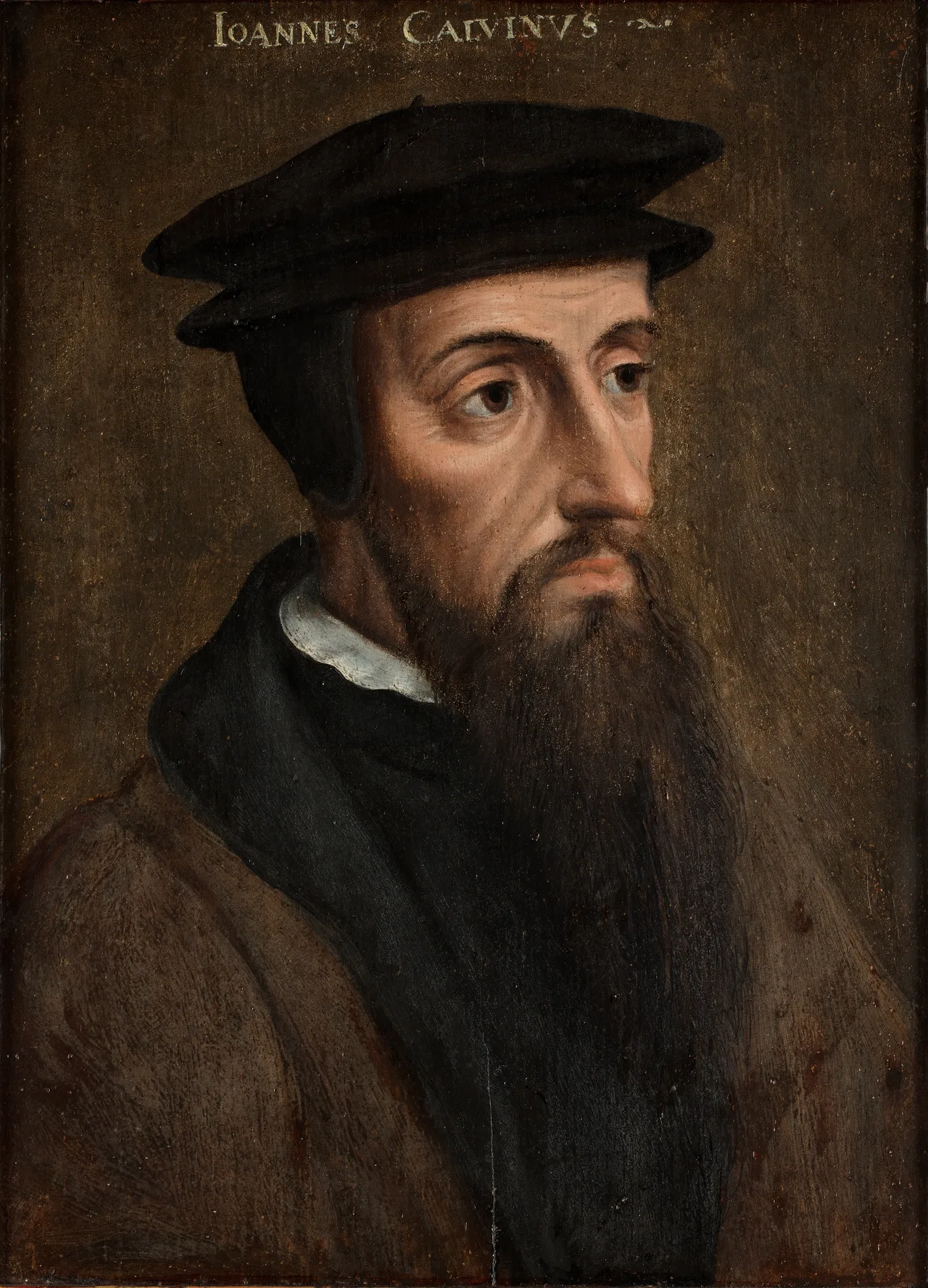
John Calvin Museum Catharijneconvent RMCC s84 cropped
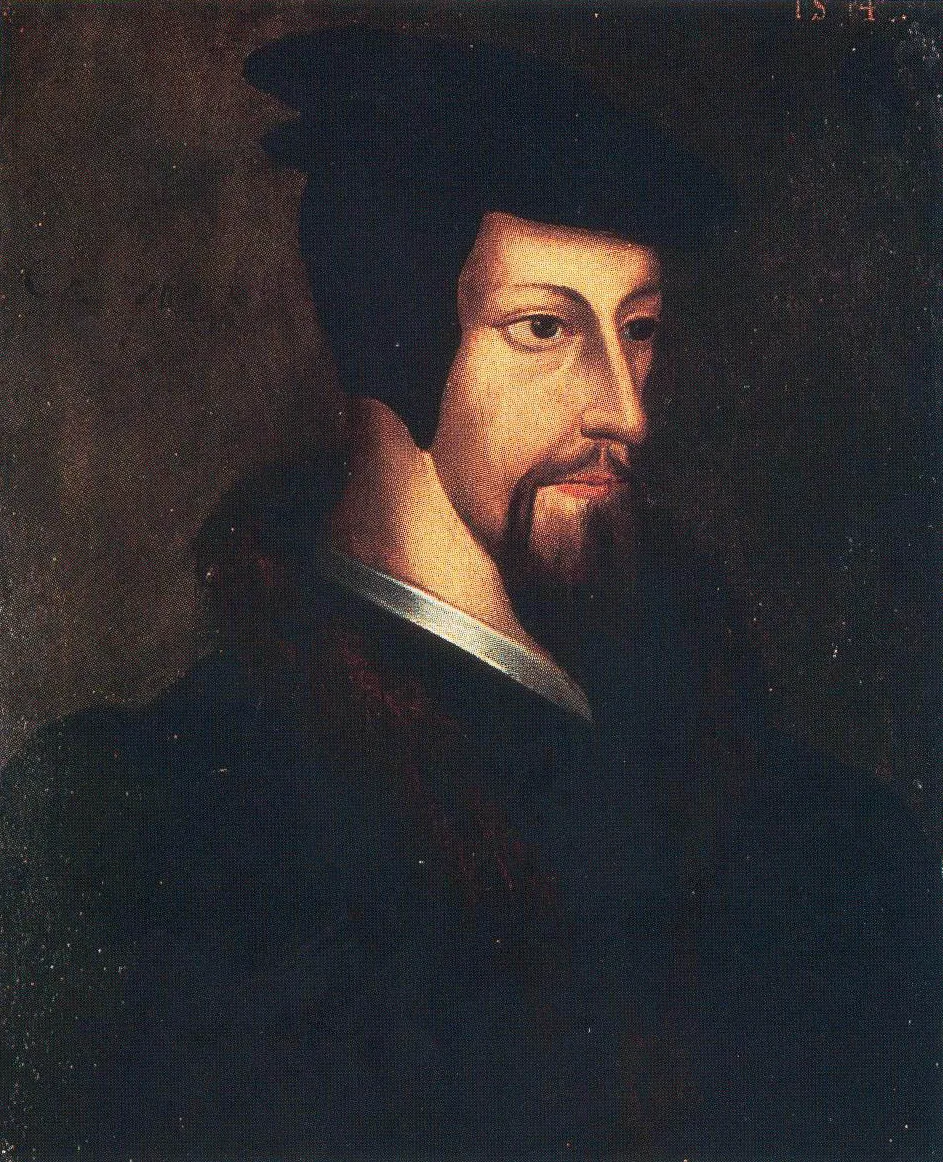
Calvin was originally interested in the priesthood, but he changed course to study law in Orléans and Bourges. Painting titled Portrait of Young John Calvin from the collection of the Library of Geneva.
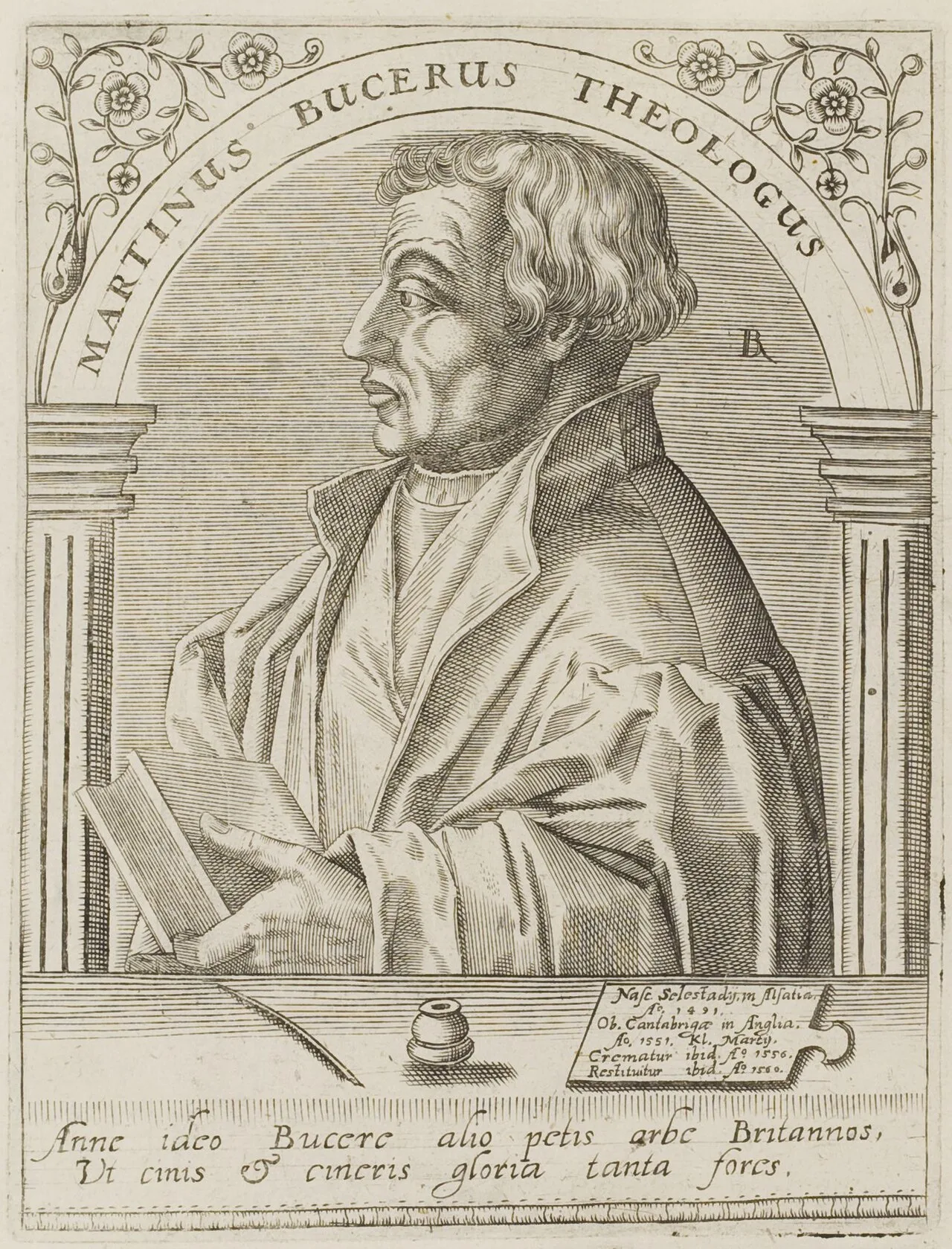
Martin Bucer invited Calvin to Strasbourg after he was expelled from Geneva. Illustration by Jean-Jacques Boissard.
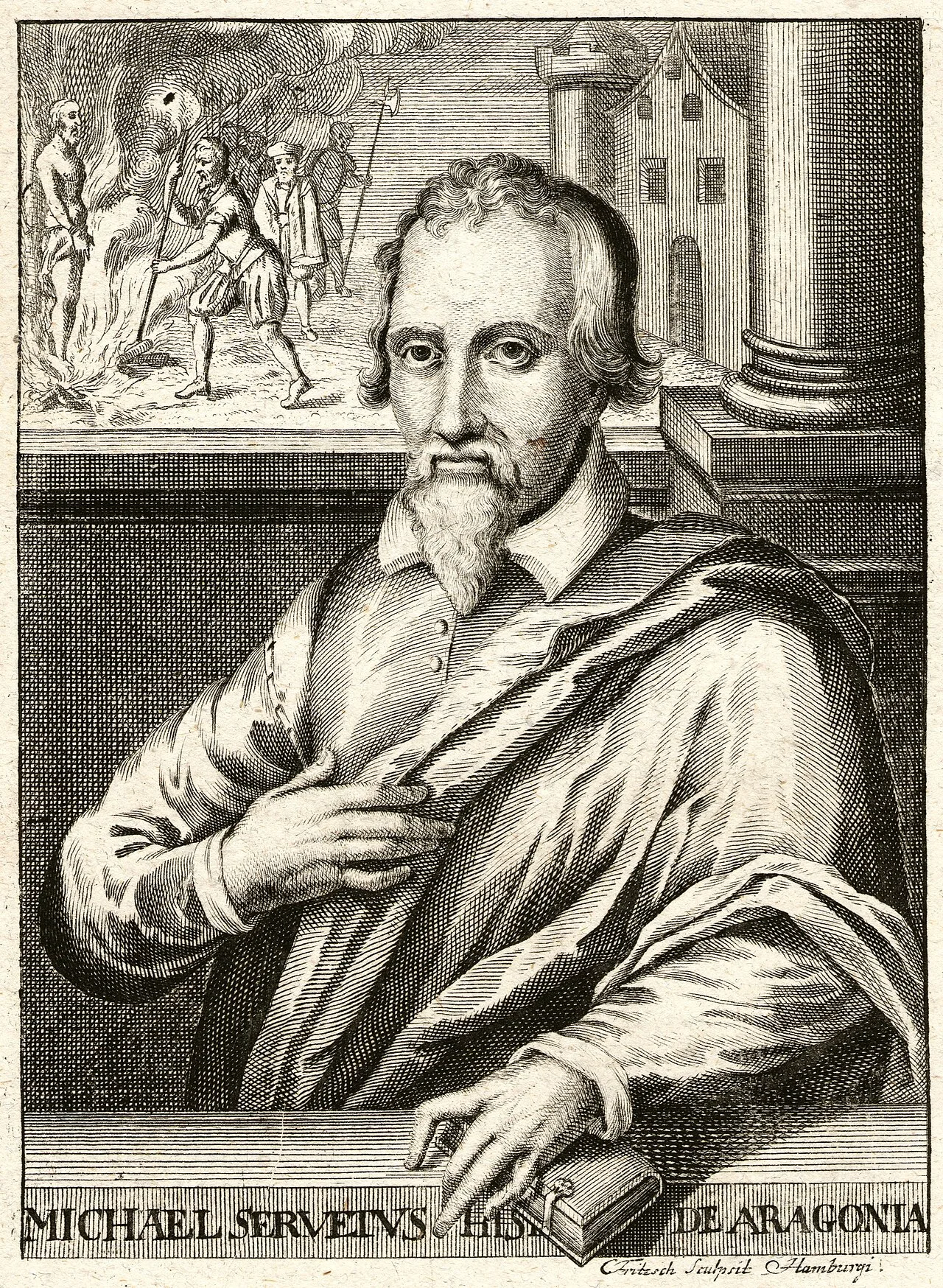
Michael Servetus exchanged many letters with Calvin until he was denounced by Calvin and executed.

France issued a postage stamp in Calvin's honor, issued in 1964, on the 400th anniversary of his death

Joachim Westphal disagreed with Calvin's theology on the eucharist.
John Calvin
John Calvin was a French theologian, pastor, and reformer during the Protestant Reformation who was the principal figure in the development of Calvinism.
From Humanist Law to Unplanned Priesthood
Calvin's father Gérard urged him into legal studies, believing a lawyer would earn far more money than a priest. Calvin completed his formal legal training and, by 1532, published his very first book, a commentary on Seneca's De Clementia. This rigorous humanist foundation prepared the future reformer for parsing institutional statutes and biblical texts with forensic precision.
From Wikipedia · CC BY-SA 4.0
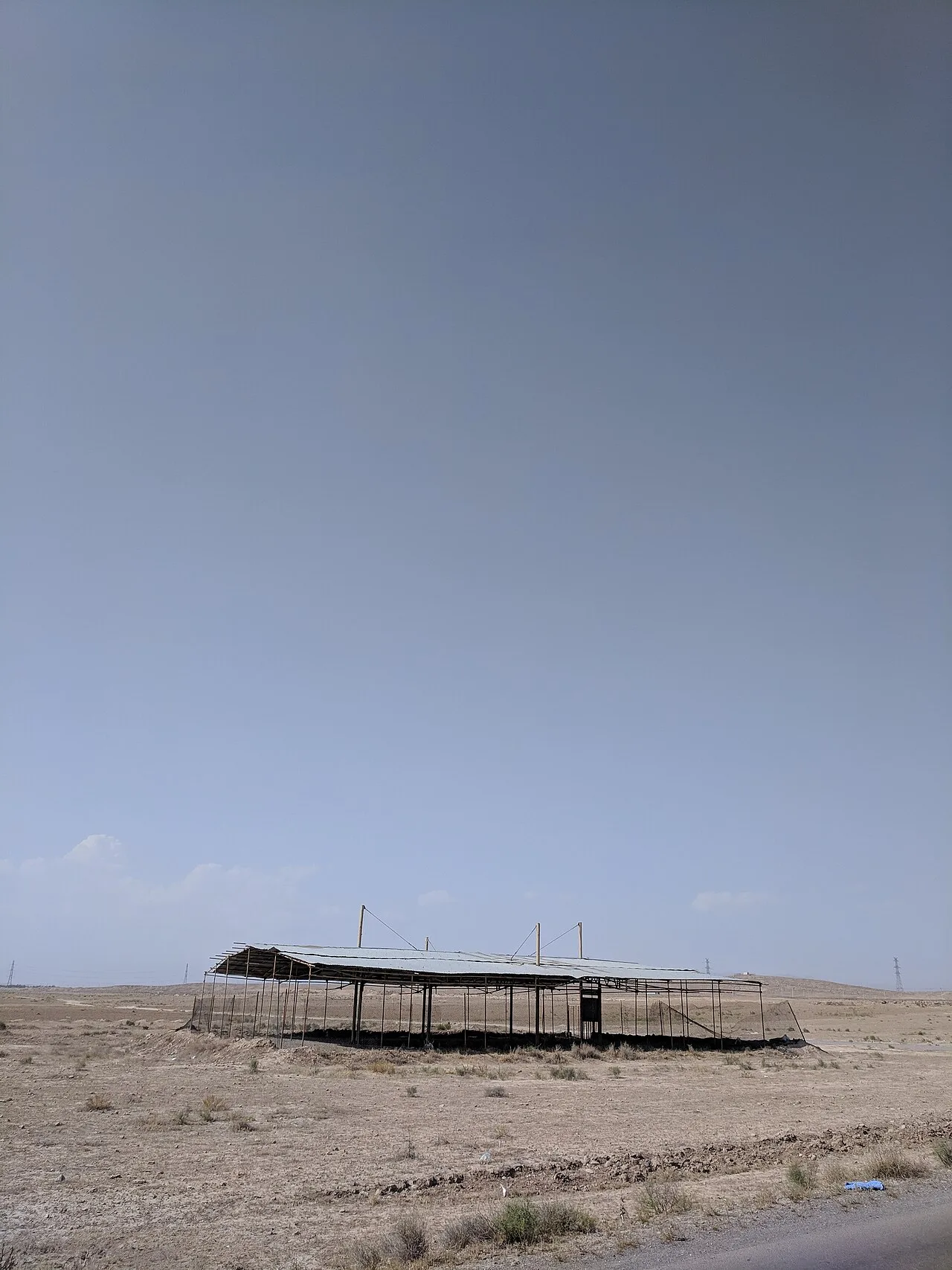
Mausoleum of al-Ghazali in Tus
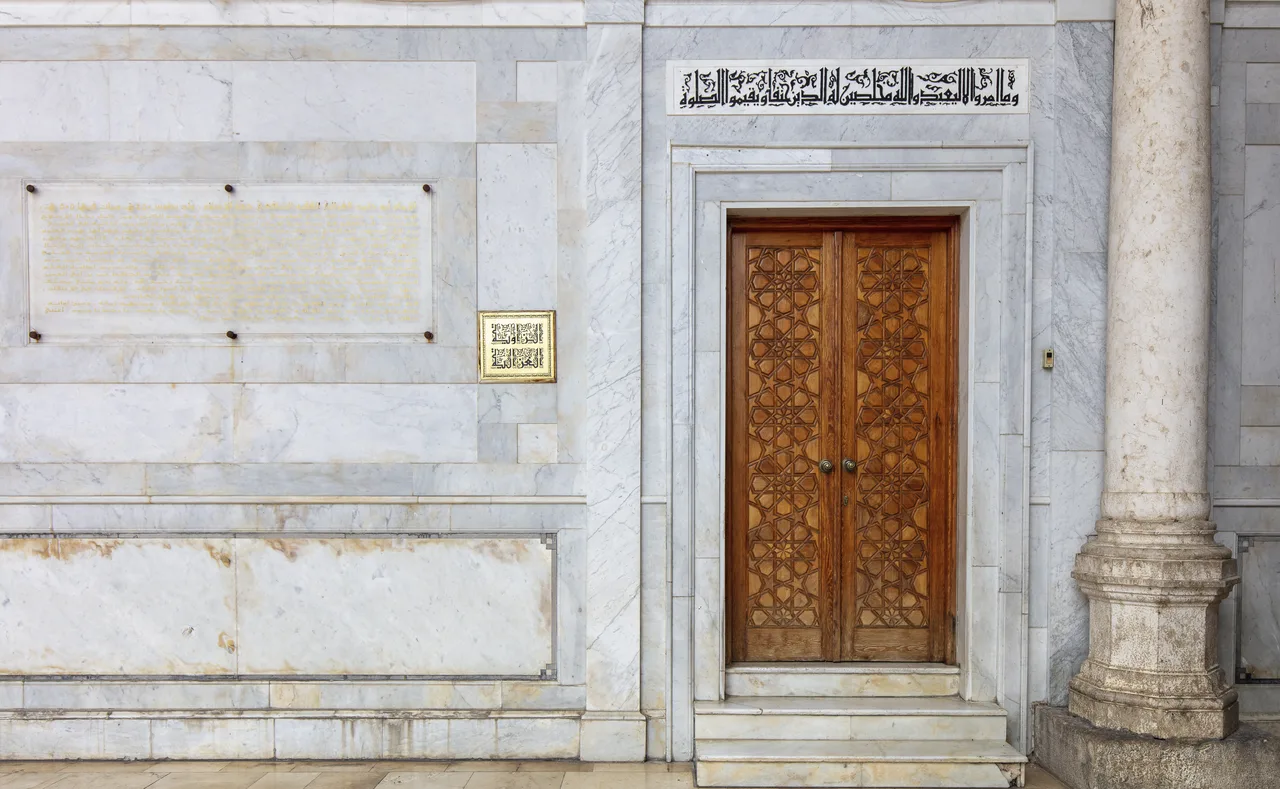
Entrance to the Imam al-Ghazali's room inside the Umayyad Mosque
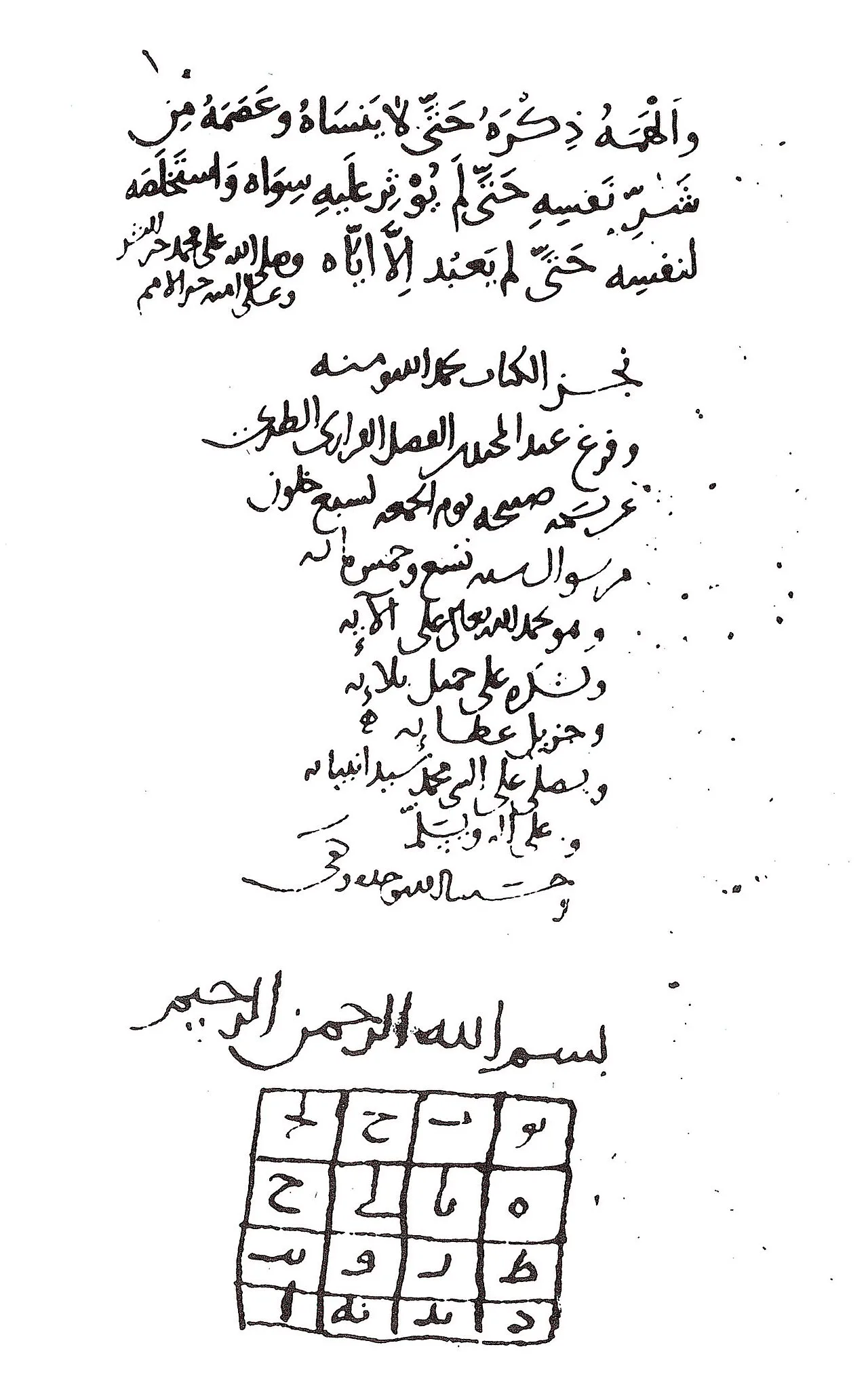
Last page of al-Ghazali's autobiography in MS Istanbul, Shehid Ali Pasha no. 1712, dated AH 509 (AD 1115–1116).
Al-Ghazali
Al-Ghazali (died 1111) was an influential Shafi'i Sunni Muslim Iranian scholar, philosopher, and polymath in Islamic history.
Abandoning the Chair for a Mosque Minaret
In 1095, at the absolute peak of his academic prestige, al-Ghazali suffered severe physical breakdowns that prompted him to abandon his institutional career. He stepped down from his elite post to undertake a ten-year journey away from public life. After leaving, he found humble employment in Damascus as a mosque sweeper and resided inside the minaret of the Umayyad Mosque while writing his most celebrated works.
From Wikipedia · CC BY-SA 4.0
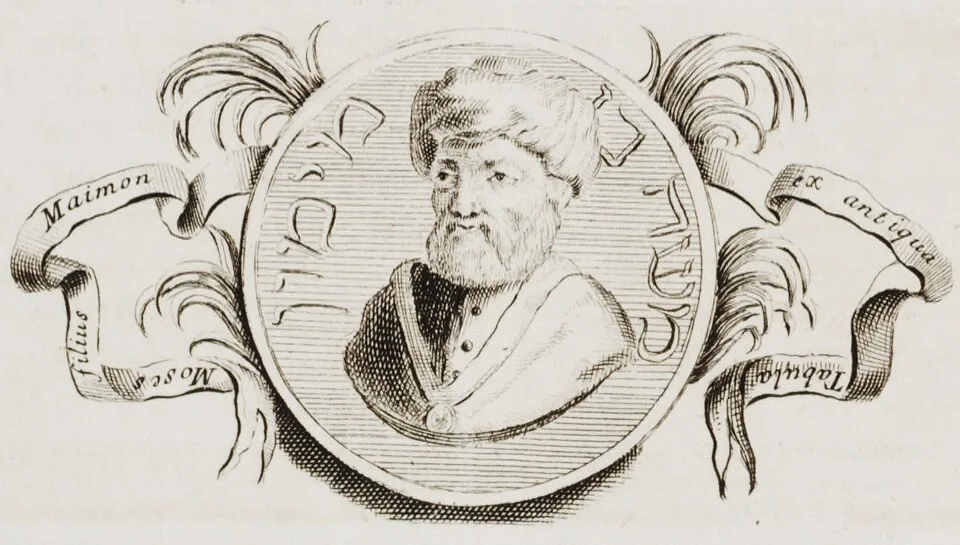
Portrait of Moses Maimonides in Thesaurus antiquitatum sacrarum
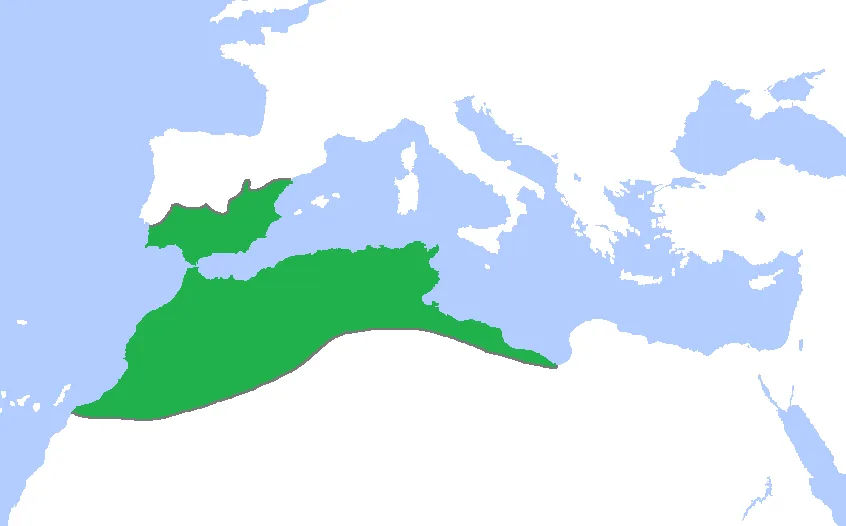
The dominion of the Almohad Caliphate at its greatest extent, c. 1200
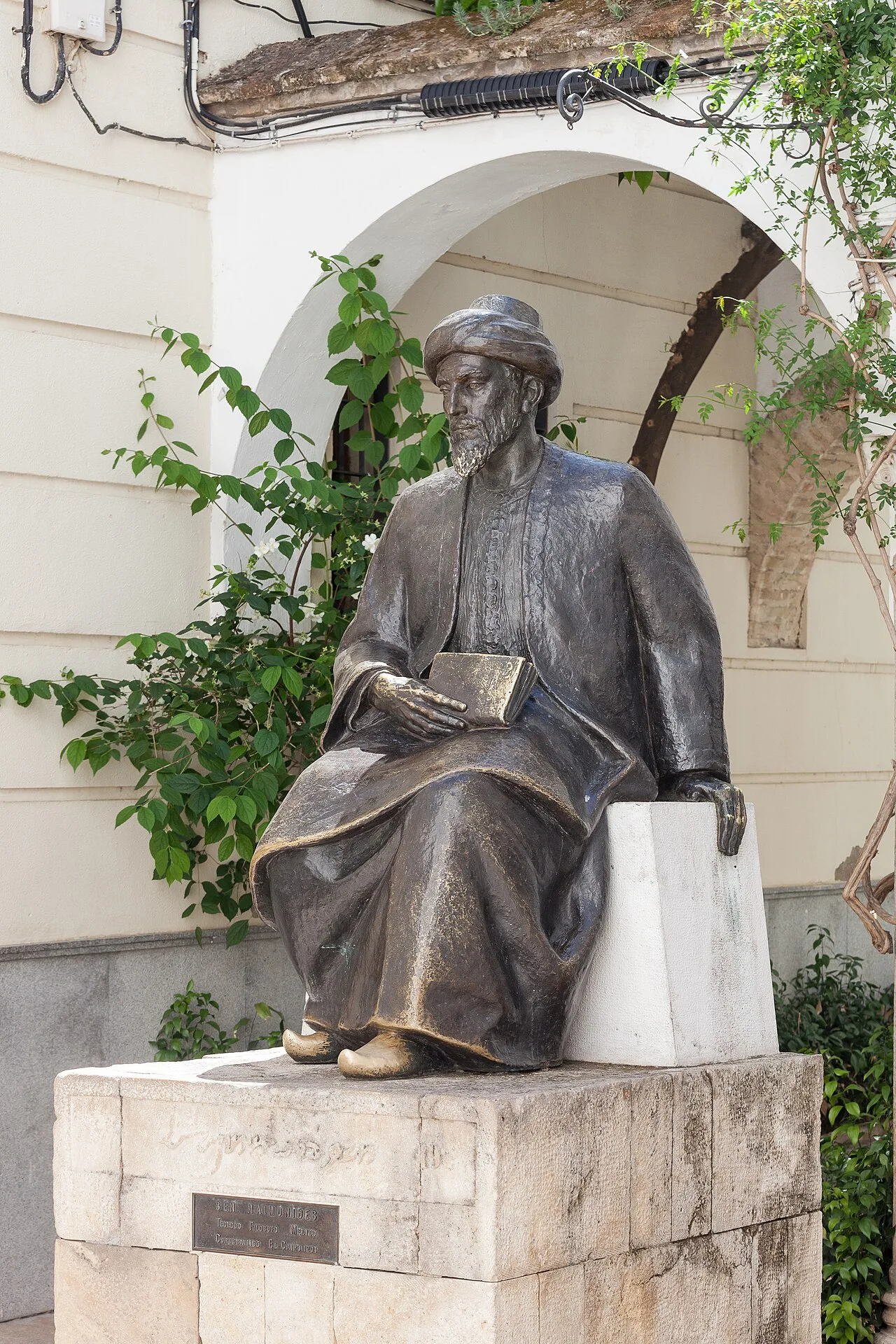
Monument in Córdoba
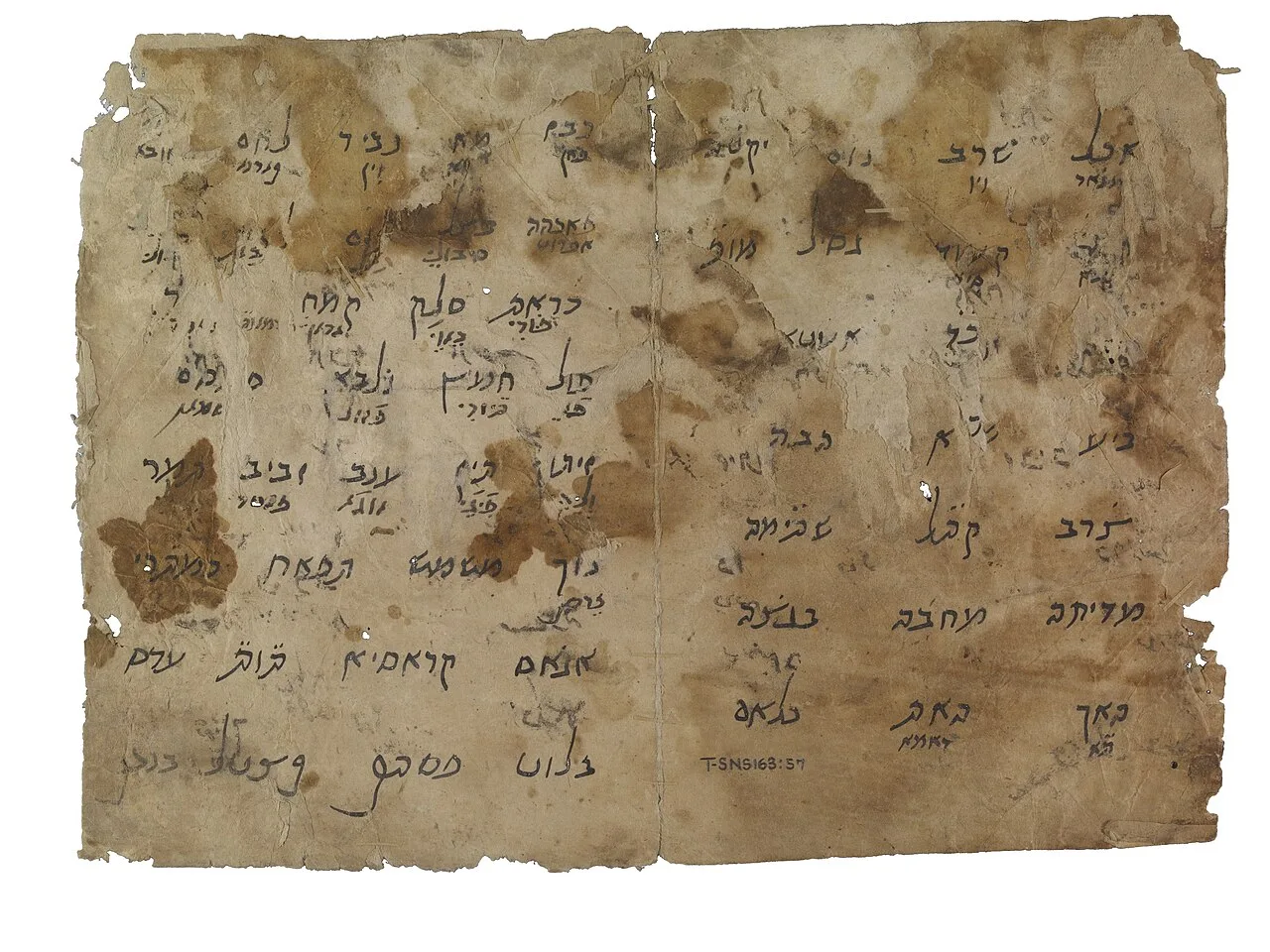
An autograph from the Cairo Geniza with words in Arabic and their Romance translations, both written in Hebrew script[31]
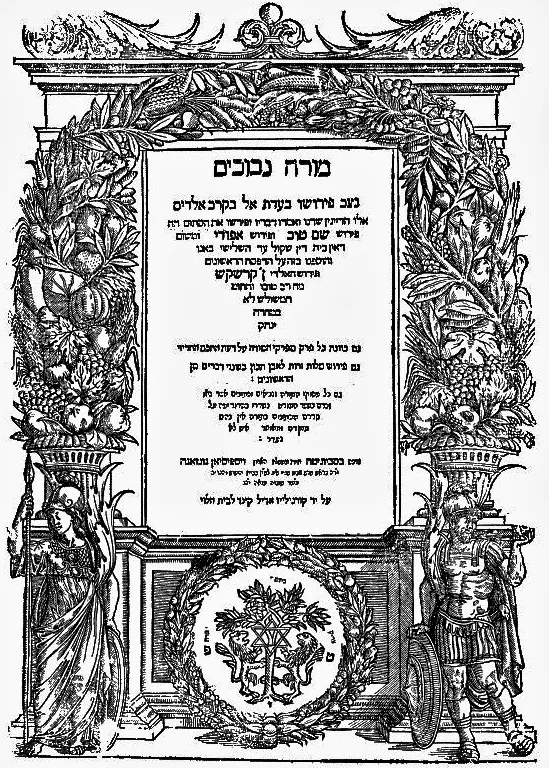
Guide for the Perplexed
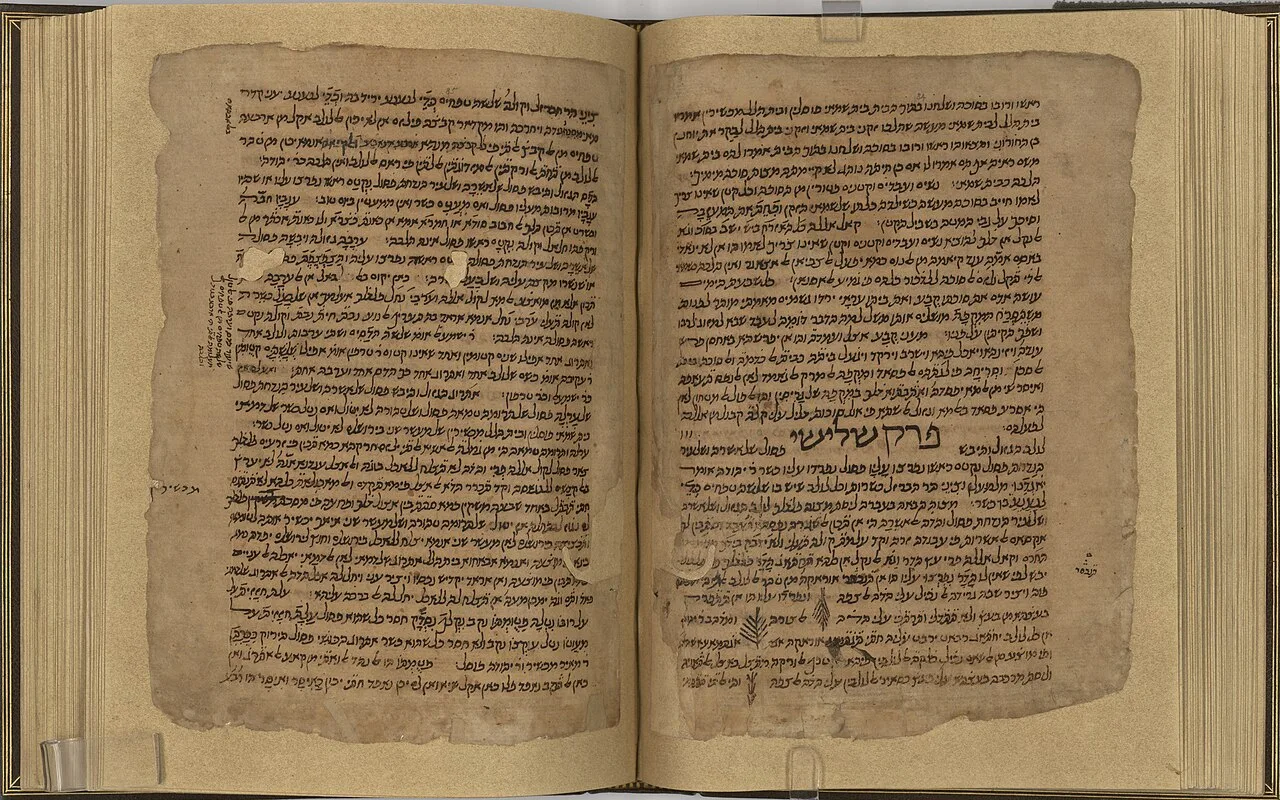
Autograph manuscript of Maimonides' Commentary to Tractate Sukkah, written in Judeo-Arabic solitreo
Maimonides
Moses ben Maimon, commonly known as Maimonides or the Rambam, was a prominent Sephardic Jewish rabbi and medieval Torah scholar.
Shipwreck, Family Grief, and the Sultan's Clinic
When his brother David drowned in the Indian sea along with their savings, Maimonides fell bedridden from grief and illness for nearly a year. Facing the loss of family funds, he assumed the vocation of physician to support his household. His medical skill quickly brought him renown, ultimately securing appointments as court physician to Qadi al-Fadil and later to Sultan Saladin himself.
From Wikipedia · CC BY-SA 4.0
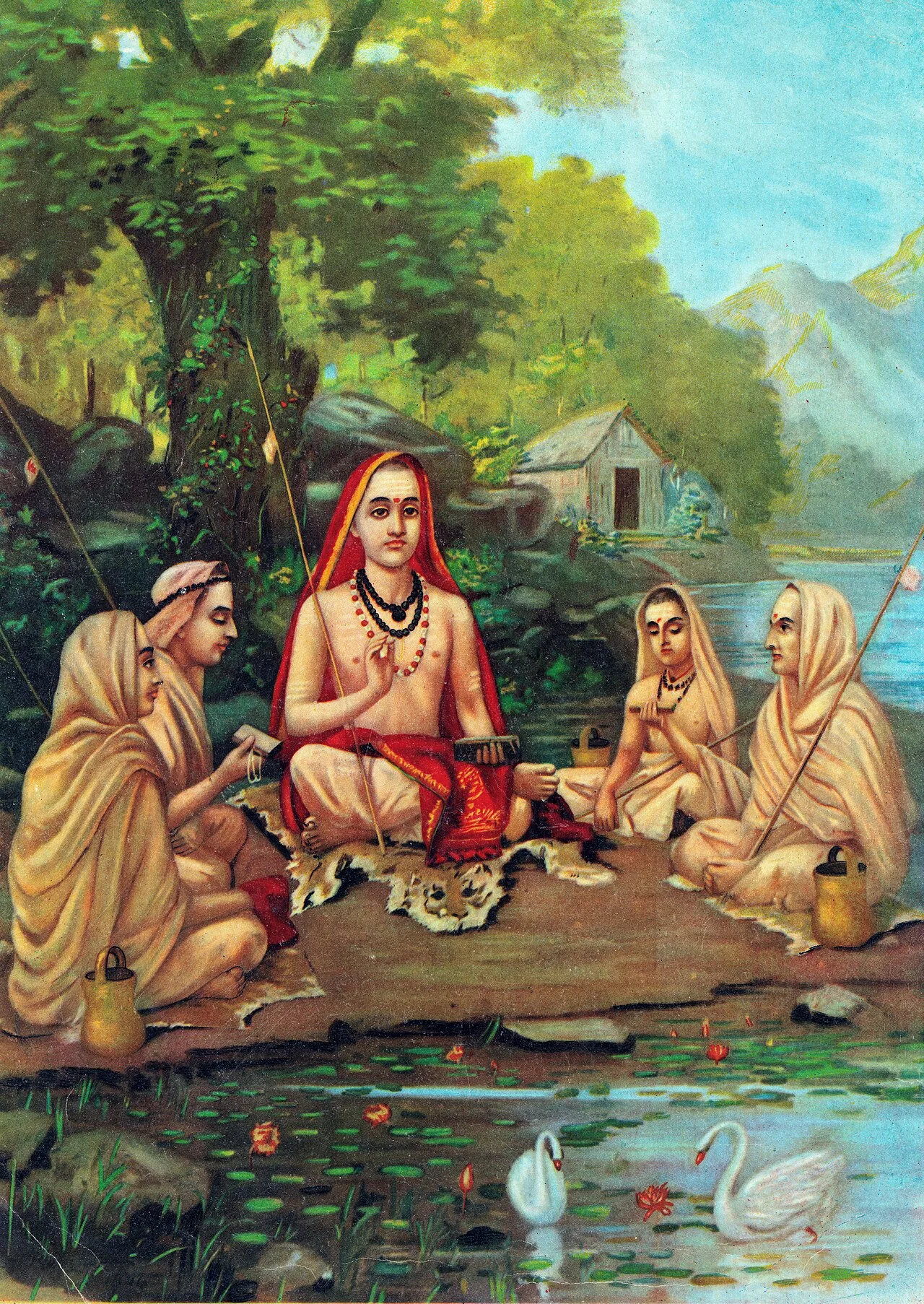
Raja Ravi Varma - Sankaracharya
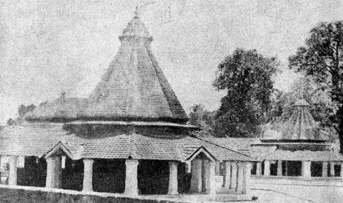
The birthplace of Adi Shankara at Kalady
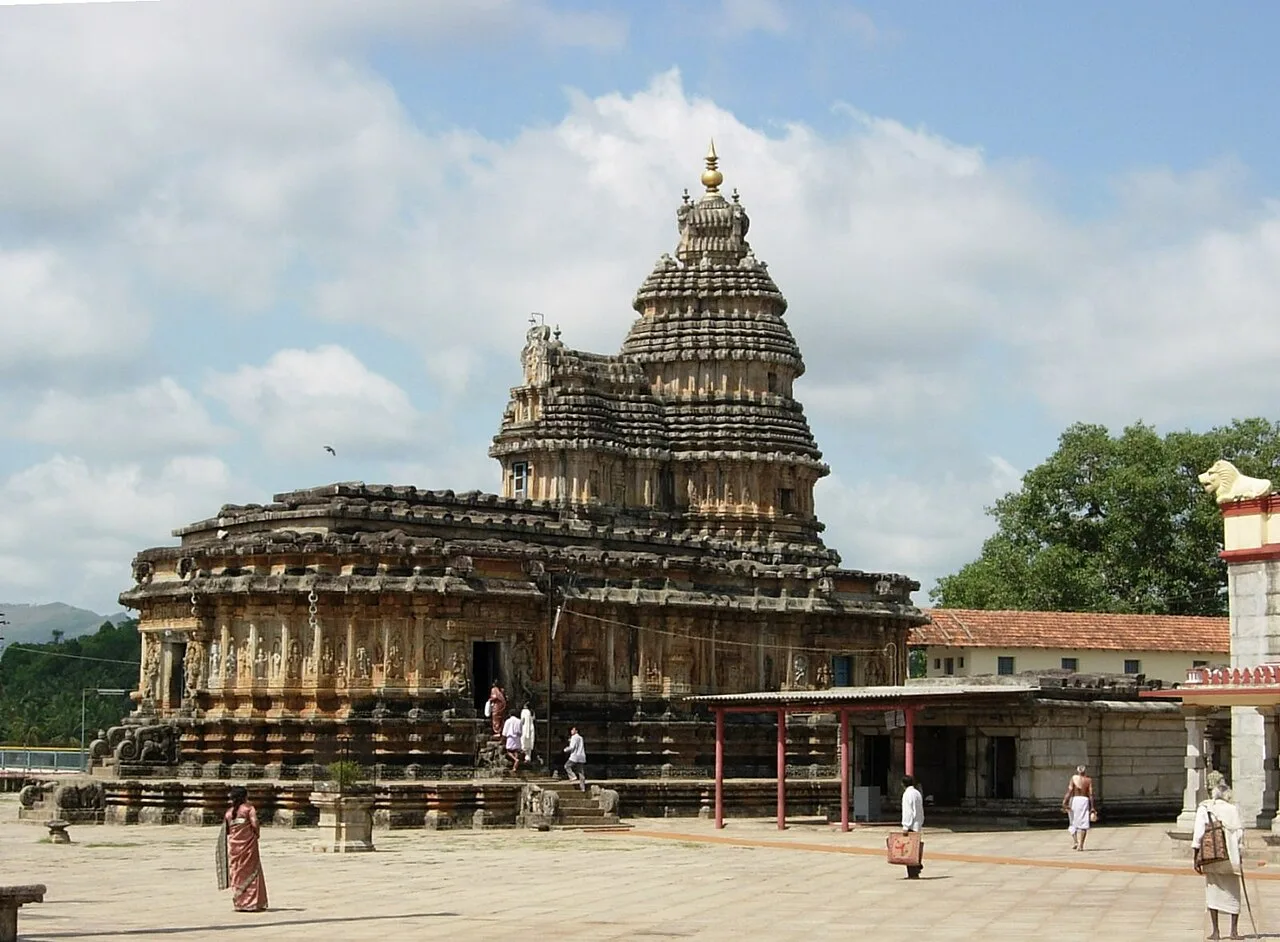
Vidyashankara temple at Sringeri Sharada Peetham, Shringeri
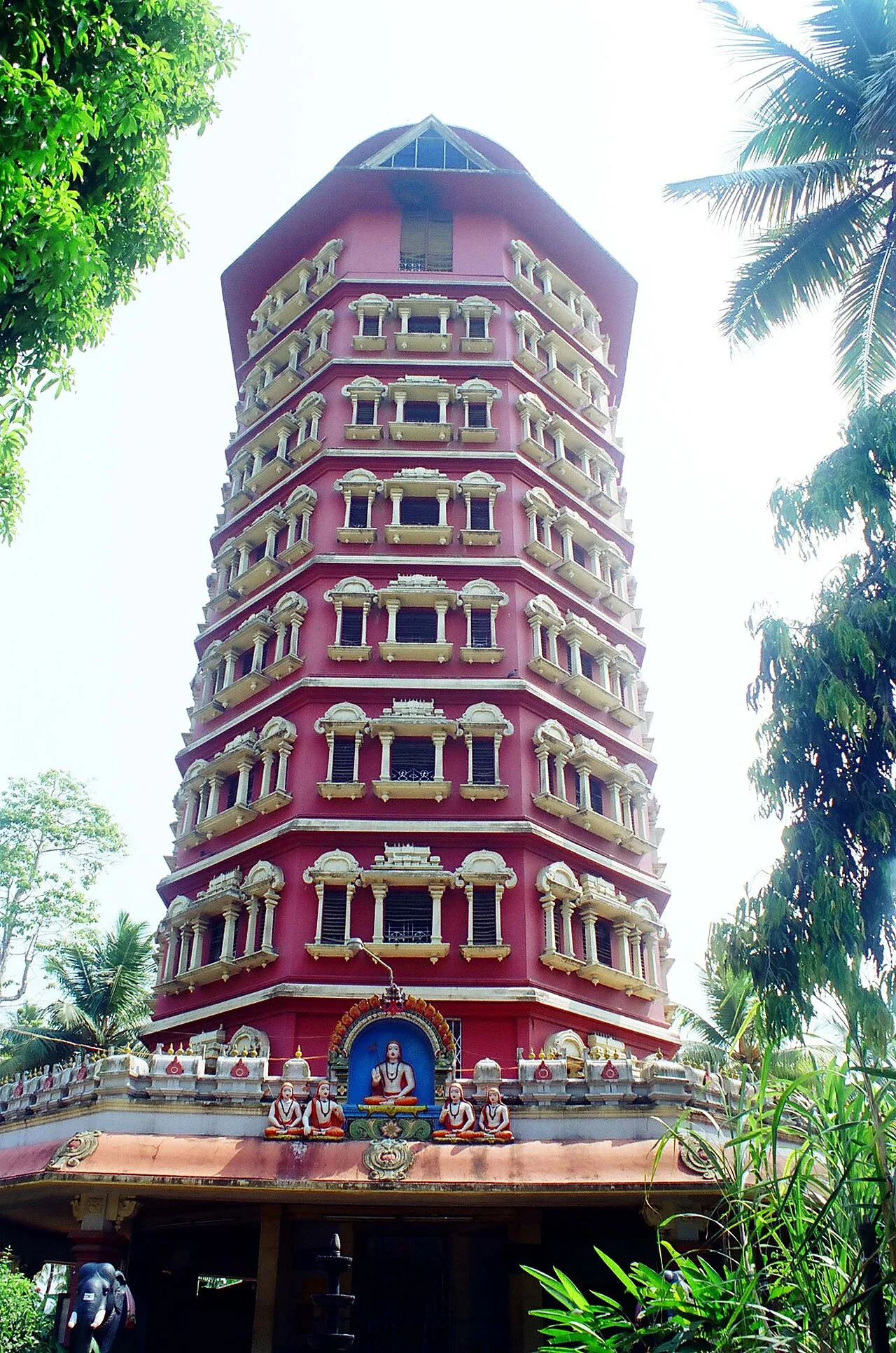
Adi Sankara Keerthi Sthampa Mandapam, Kalady, Kochi
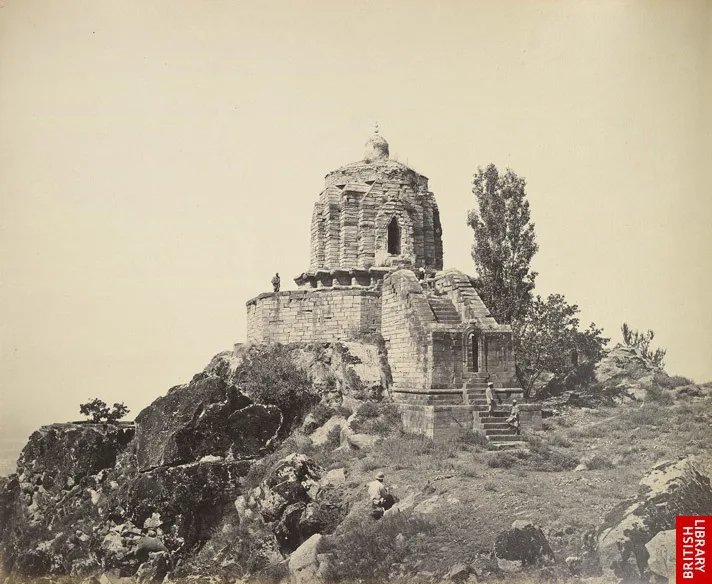
Takht-i-Suleiman, Srinugger Srinagar," a photo by Samuel Bourne, 1860's* (BL) The Shankaracharya hill where he is said to have meditated during his round of travels

Adi Shankaracharya Math in Pashupatinath Temple, Nepal
Adi Shankara
Adi Shankara, also called Adi Shankaracharya, was an 8th-century Indian Vedic scholar-monk, philosopher, and teacher of Advaita Vedanta.
Overshadowed in His Own Millennium
Modern accounts often assume Adi Shankara dominated the philosophical landscape of his day, yet historical records indicate substantial early obscurity. Until the 10th century Shankara was overshadowed by his older contemporary Maṇḍana Miśra in Vedantic discussions. In fact, surviving historical documentation contains no mention of him in concurrent Hindu, Buddhist or Jain sources until the 11th century.
From Wikipedia · CC BY-SA 4.0
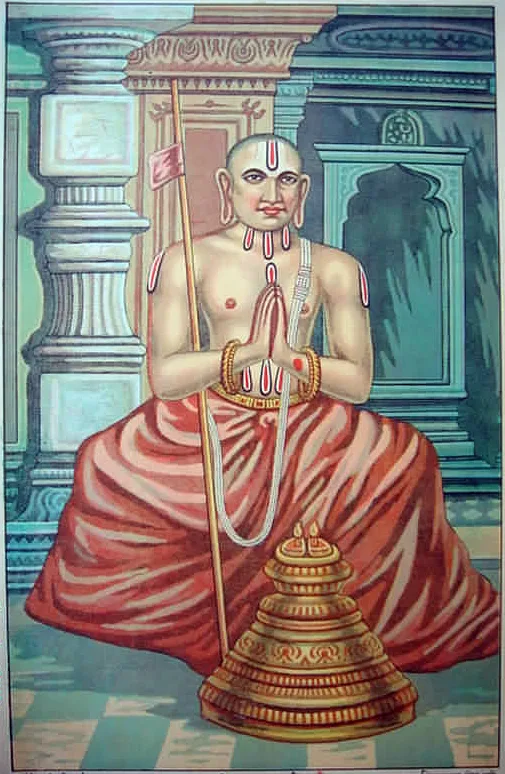
Ramanuja1920s
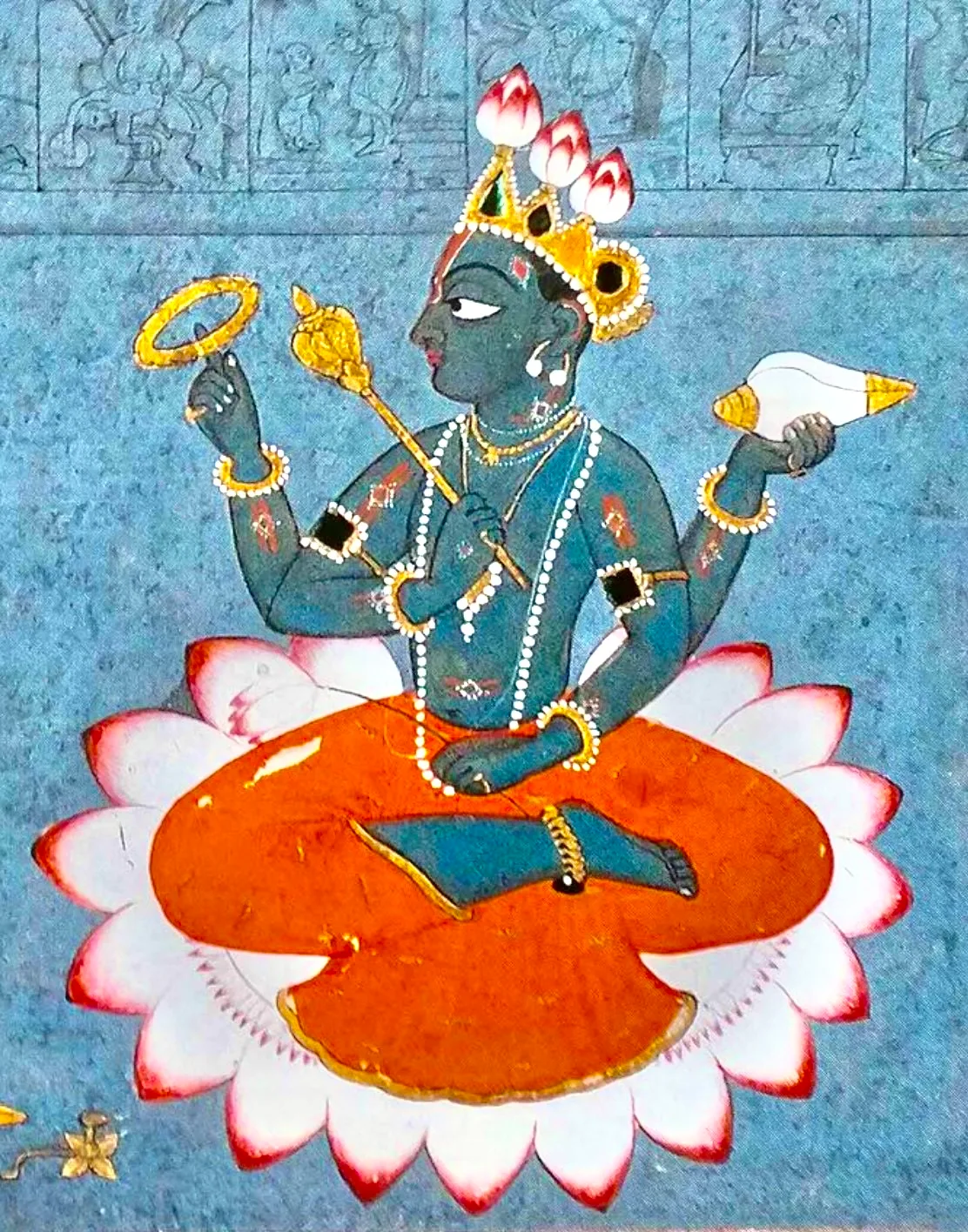
Closeup of Vishnu, seated in the lotus position on a lotus. From depiction of the poet Jayadeva bowing to Vishnu, Gouache on paper Pahari, The very picture of devotion, bare-bodied, head bowed, legs crossed and hands folded, Jayadeva stands at left, with the implements of worship placed before the lotus-seat of Vishnu who sits there, blessing the poet.
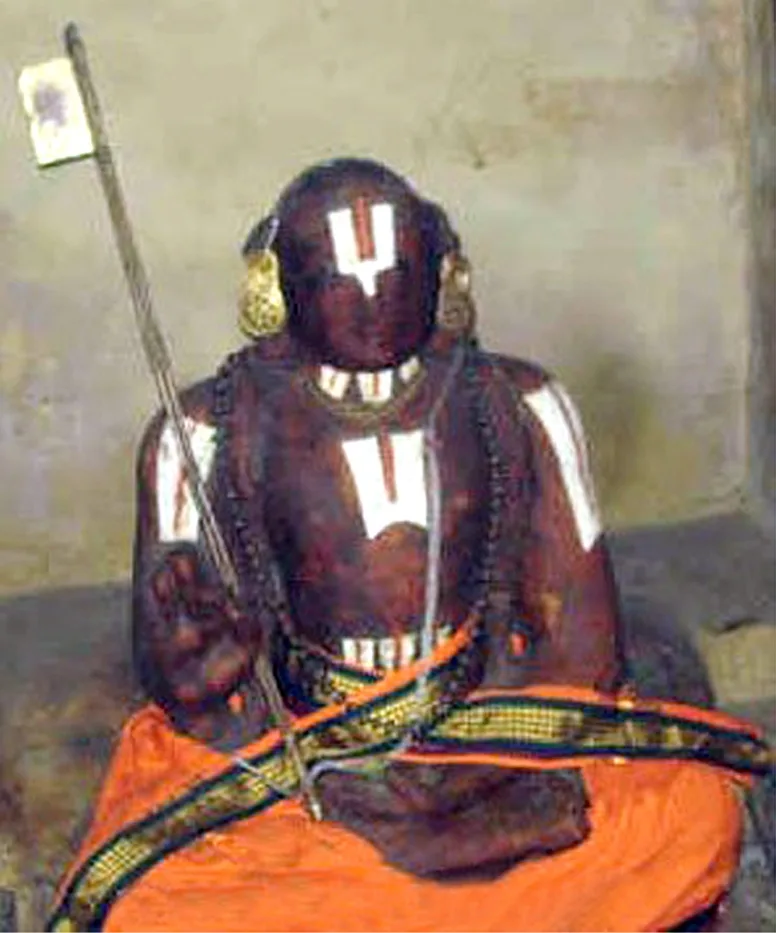
The figure of Ramanuja in Upadesa Mudra inside the Ranganathaswamy Temple, Srirangam. It is believed to be his preserved mortal remains.
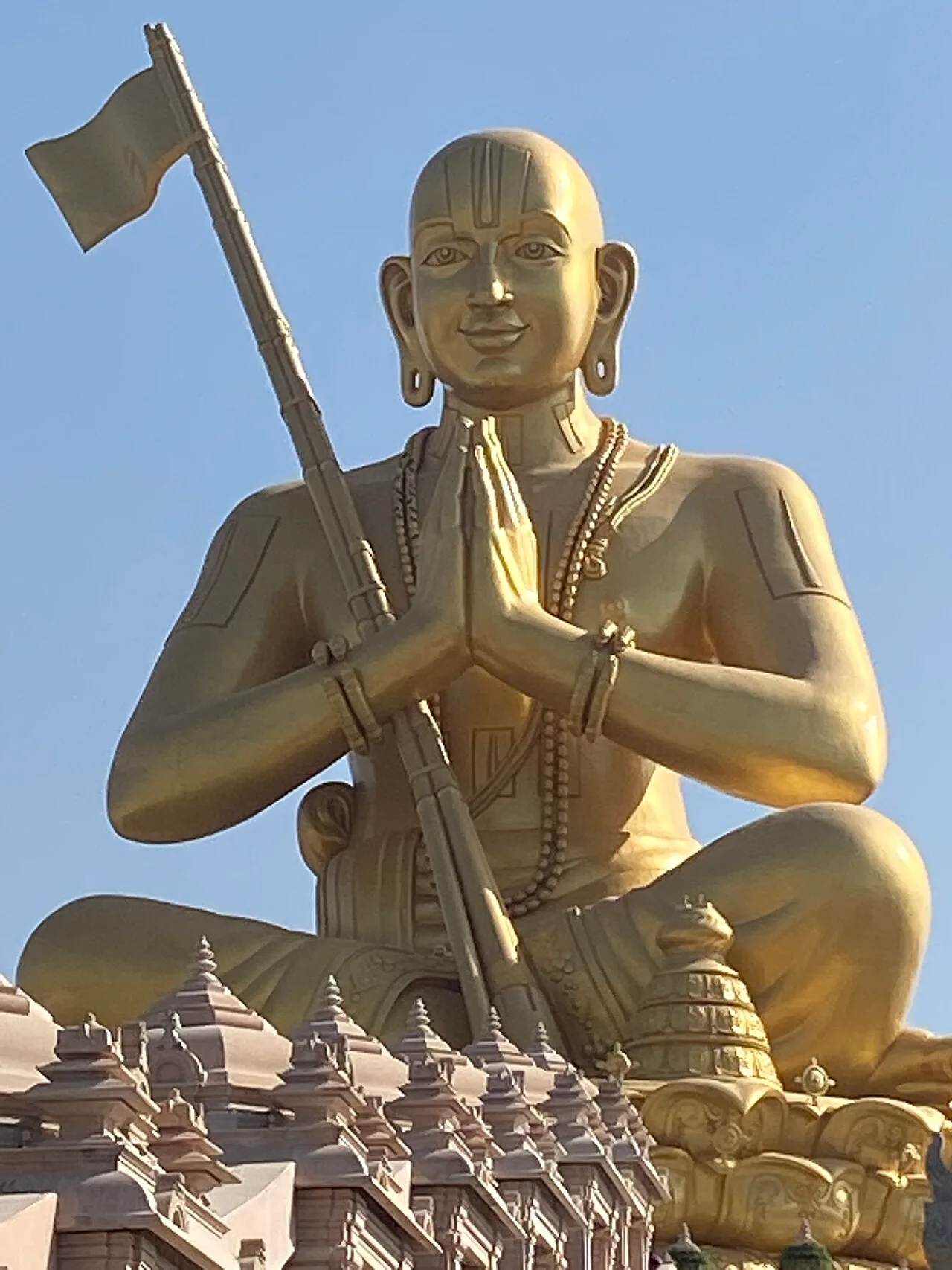
Statue of Equality, Hyderabad
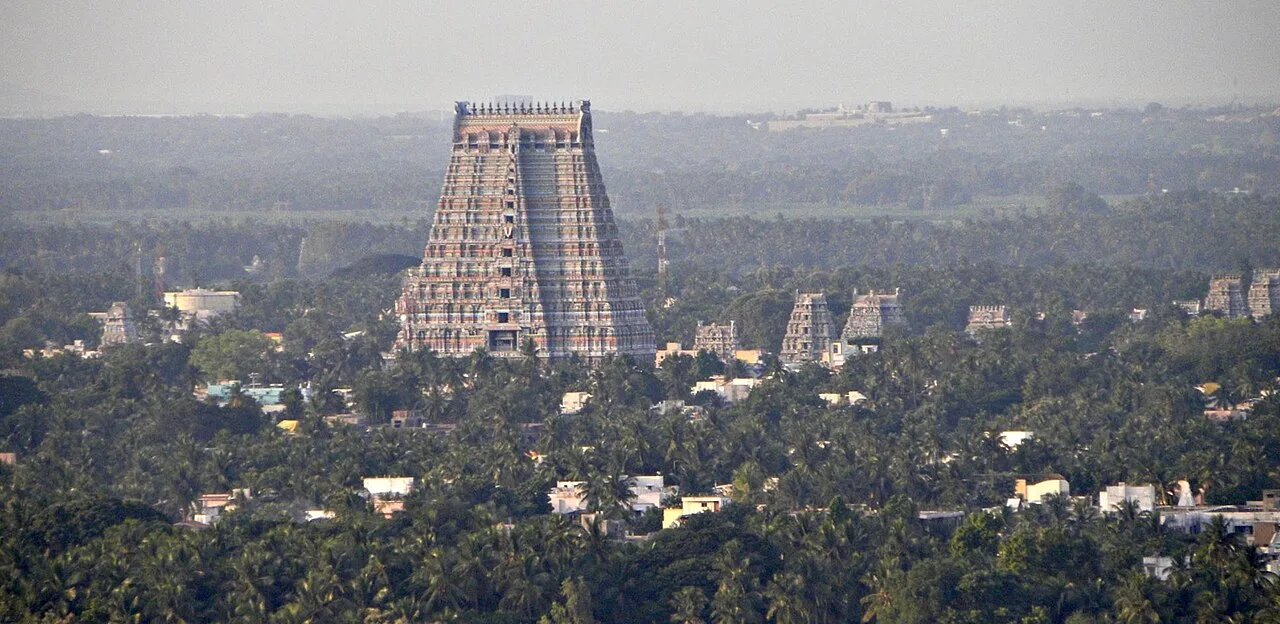
Major Vaishnava temples are associated with the Ramanuja's tradition, such as the above Srirangam Ranganatha temple in Tamil Nadu.[25]
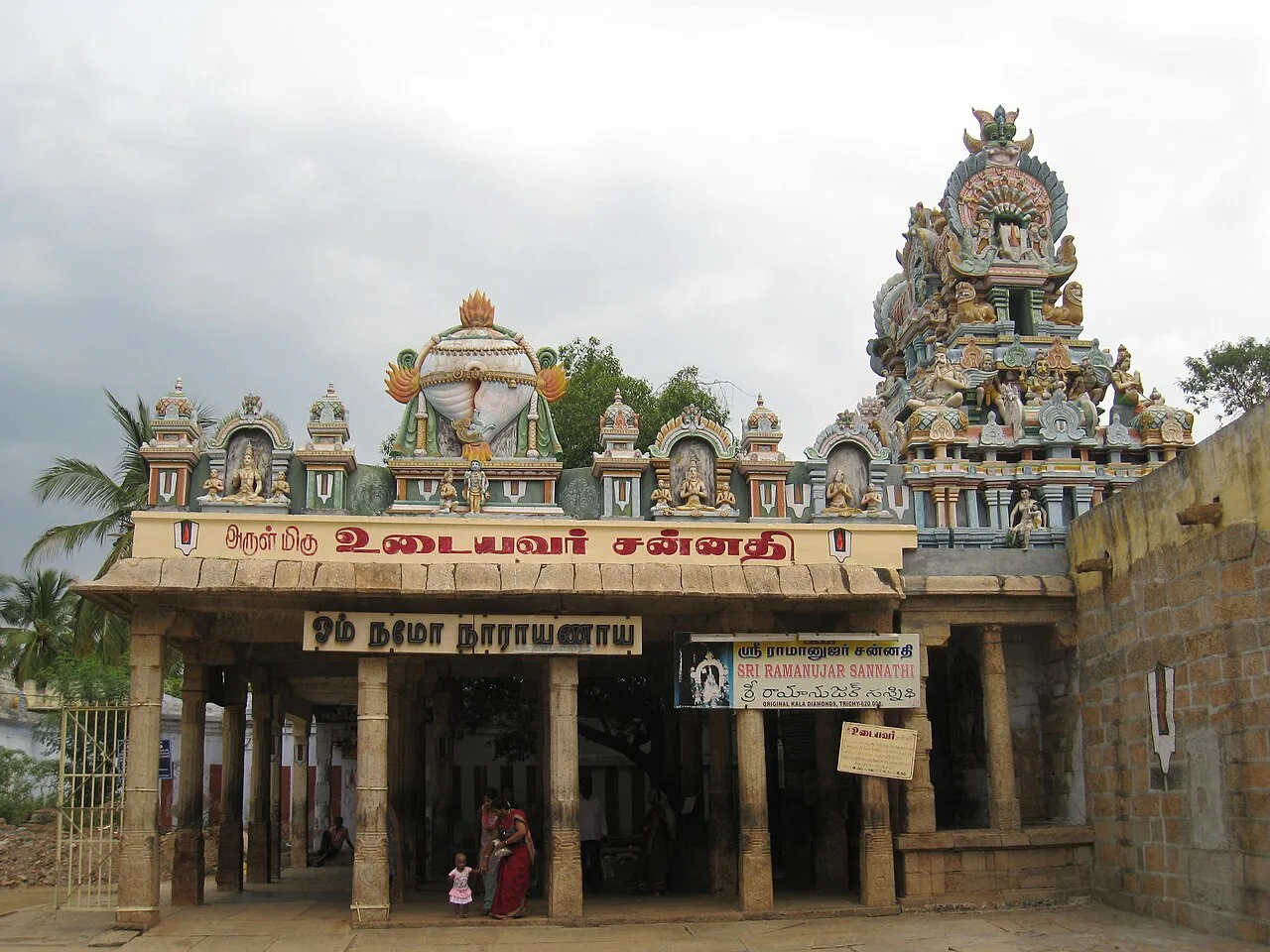
Sri Ramanuja Shrine at The Ranganathasamy Temple in Srirangam
Ramanuja
Ramanuja, also known as Ramanujacharya, was an Indian Hindu philosopher, guru, and social reformer who became a major exponent of Sri Vaishnavism.
The 120-Year Lifespan and Chronological Uncertainty
Traditional Sri Vaishnava hagiographies record that Ramanuja lived an extraordinary 120 years, spanning from 1017 to 1137. However, modern scholars examining external 11th- and 12th-century temple records propose a shorter lifespan from 1077 to 1157. Reconstructing his historical chronology remains exceptionally difficult because sectarian traditions preserved his biography at face value centuries later.
From Wikipedia · CC BY-SA 4.0
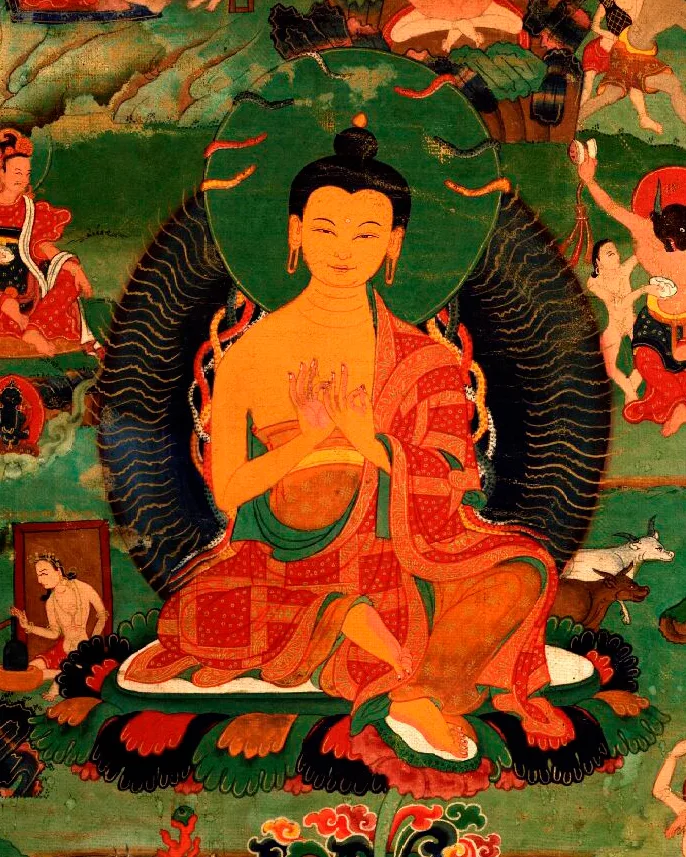
Nagarjuna with 84 mahasiddha cropped

A map of the Satavahana Kingdom, showing the location of Amaravathi (where Nāgārjuna may have lived and worked according to Walser) and Vidarbha (the birthplace of Nāgārjuna according to Kumārajīva)

A model of the Amaravati Stupa

Nicholas Roerich "Nagarjuna Conqueror of the Serpent" (1925)

Nagarjuna composing texts in front of his disciples, relief at Buddhavanam Stupa, Telangana.

Nagarjuna Retrieves the Prajñaparamita Sutras, relief at Buddhavanam Stupa, Telangana. The Prajñaparamita texts are a major source for the Mahayana doctrine of emptiness.
Nagarjuna
Nagarjuna was an Indian philosopher, Mahayana Buddhist monk, and the founder of the Madhyamaka school of Buddhist philosophy.
Historical Footprints in the Sātavāhana Court
Historians possess remarkably few confirmed details regarding Nāgārjuna's historical life and career. Archaeological evidence at Amarāvatī indicates that he may have been associated with the monarch Yajña Śrī Śātakarṇi. On the basis of this association, scholars conventionally place his dates at around 150–250 CE, anchoring an otherwise elusive philosopher in southern Indian history.
From Wikipedia · CC BY-SA 4.0
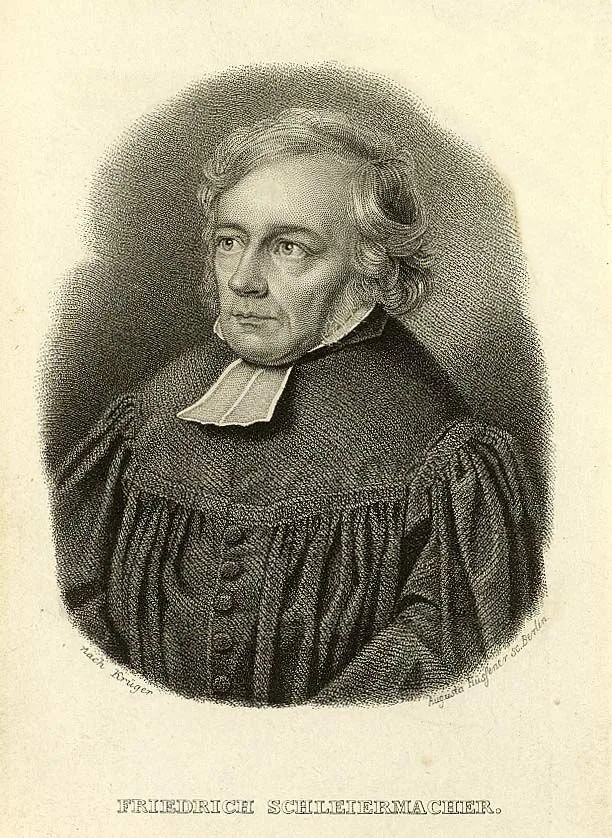
Friedrich Daniel Ernst Schleiermacher
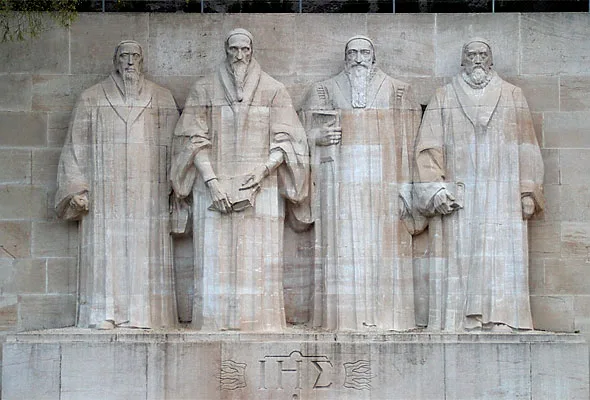
ReformationsdenkmalGenf1
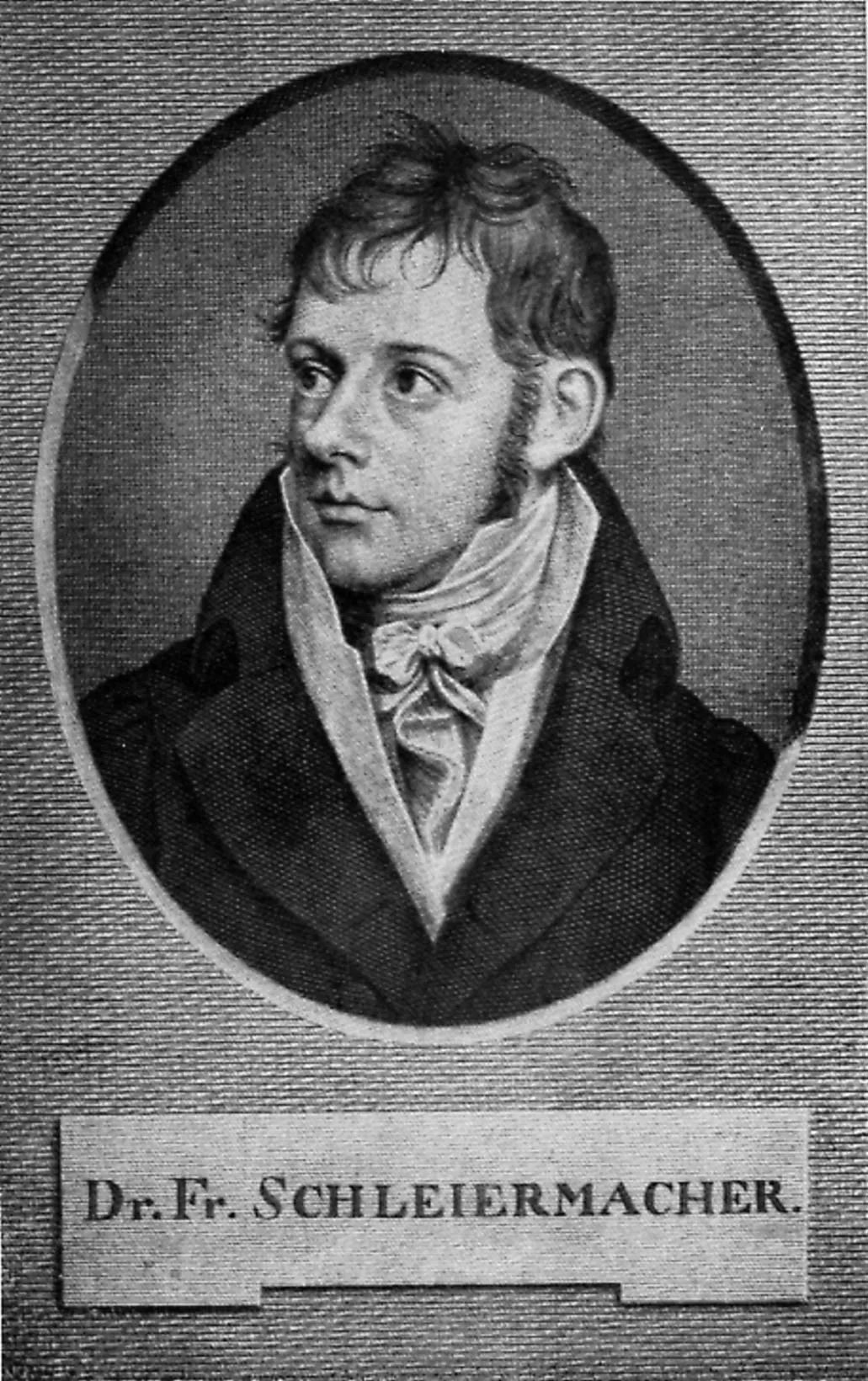
An engraving of Schleiermacher from his early adulthood
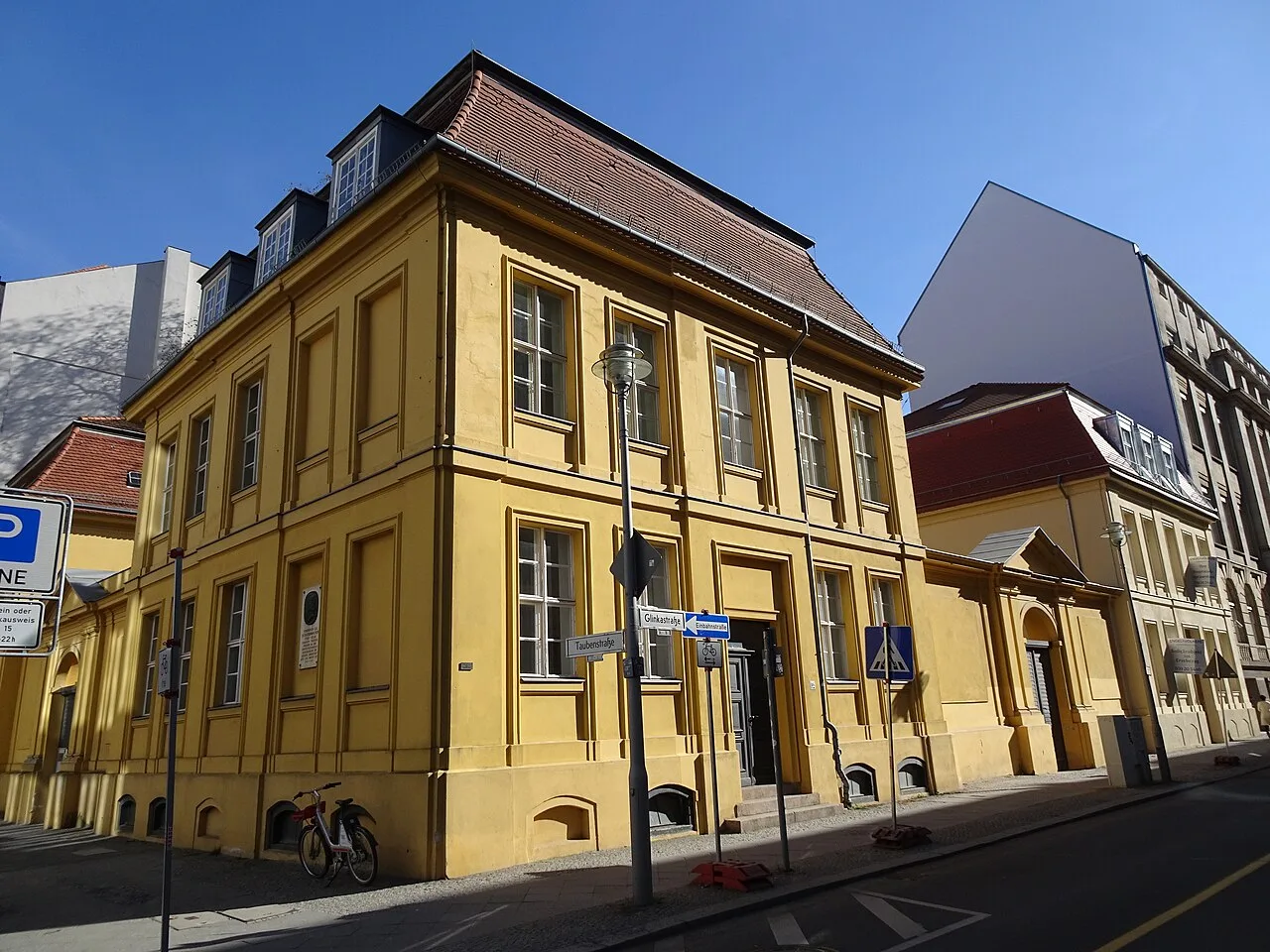
Schleiermacher-Haus in Berlin-Mitte, where he lived 1809 - 1816 while being pastor at the nearby Dreifaltigkeitskirche.
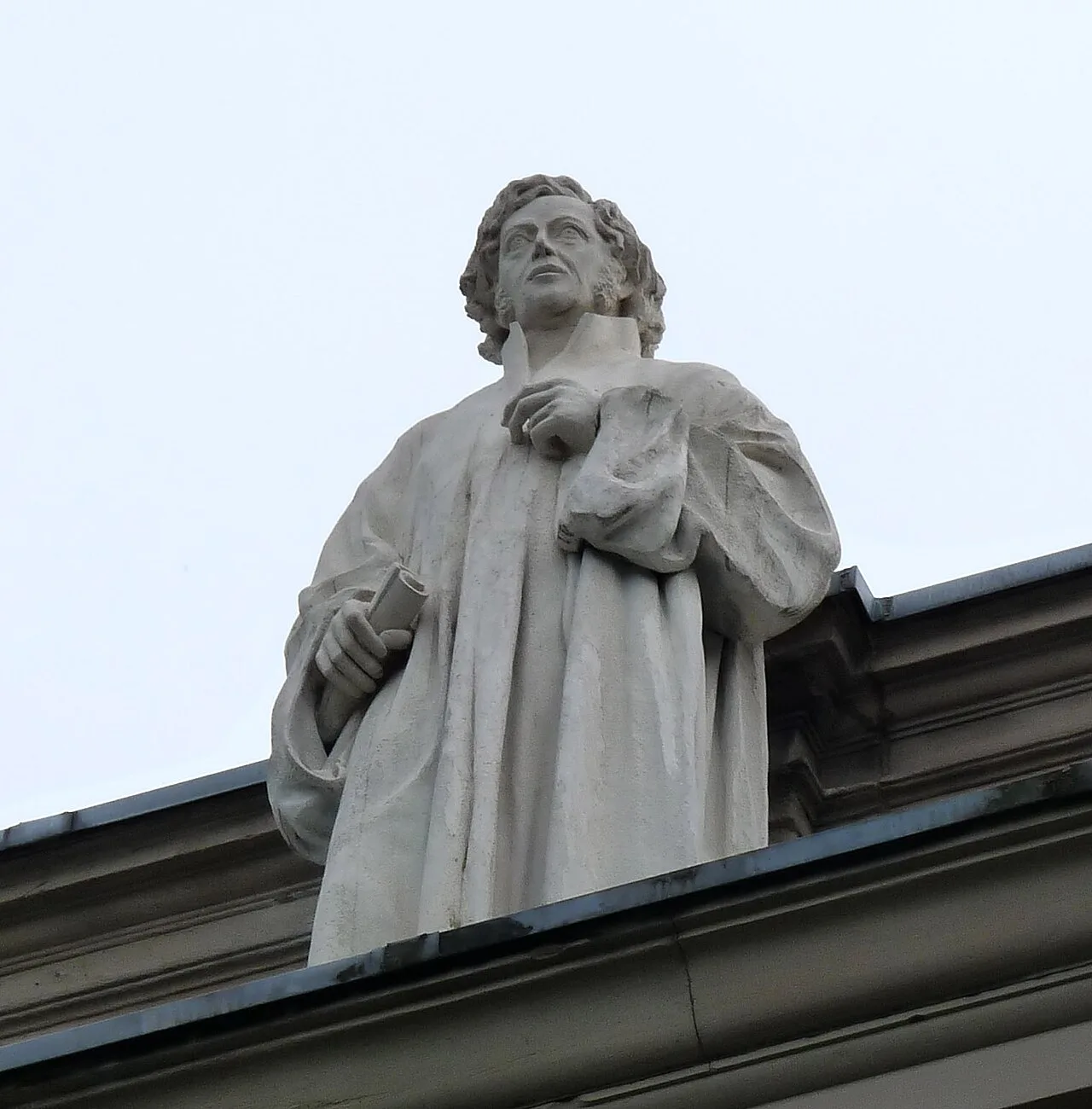
A statue of Schleiermacher at Palais Universitaire in Strasbourg
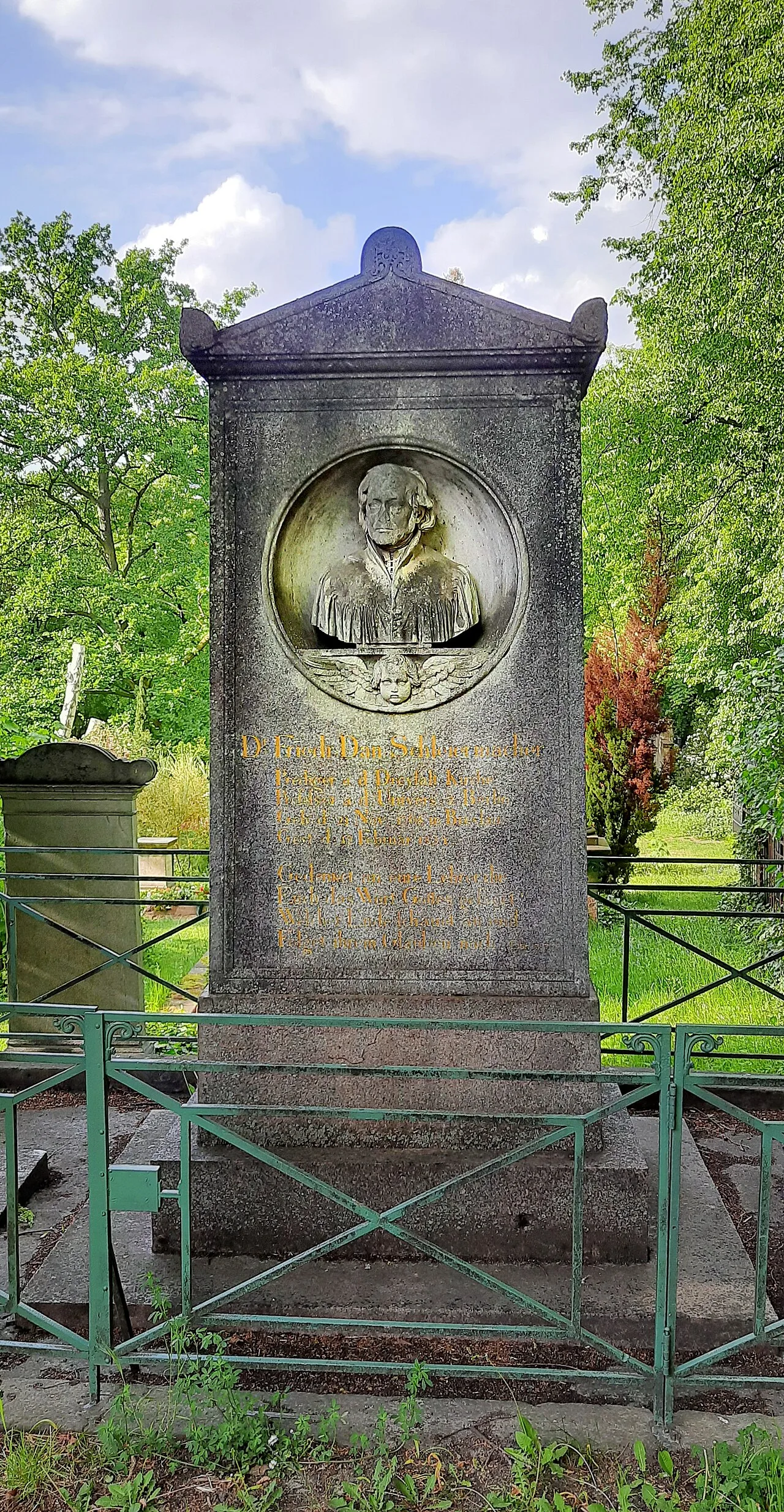
His grave in Berlin
Friedrich Schleiermacher
Friedrich Daniel Ernst Schleiermacher was a German Reformed theologian, pastor, philosopher, and biblical scholar known for reconciling Enlightenment criticisms with traditional Protestant Christianity.
A Father's Dogma Shattered on 21 January 1787
Raised by a Reformed army chaplain and educated in Moravian schools, Schleiermacher confronted an acute crisis of belief as a young student. In a moving letter dated 21 January 1787, he confessed to his father that orthodox faith was lost to him, openly stating that he could not believe Jesus was the true, eternal God or that his death was a vicarious atonement. This painful admission marked a decisive break from traditional orthodoxy.
From Wikipedia · CC BY-SA 4.0
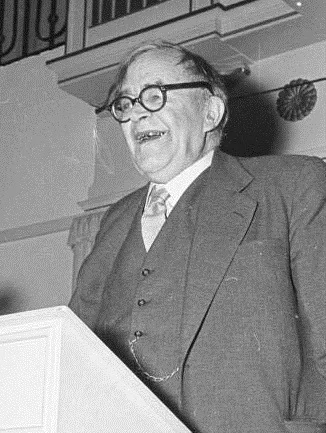
Karl Barth in 1956 (cropped)
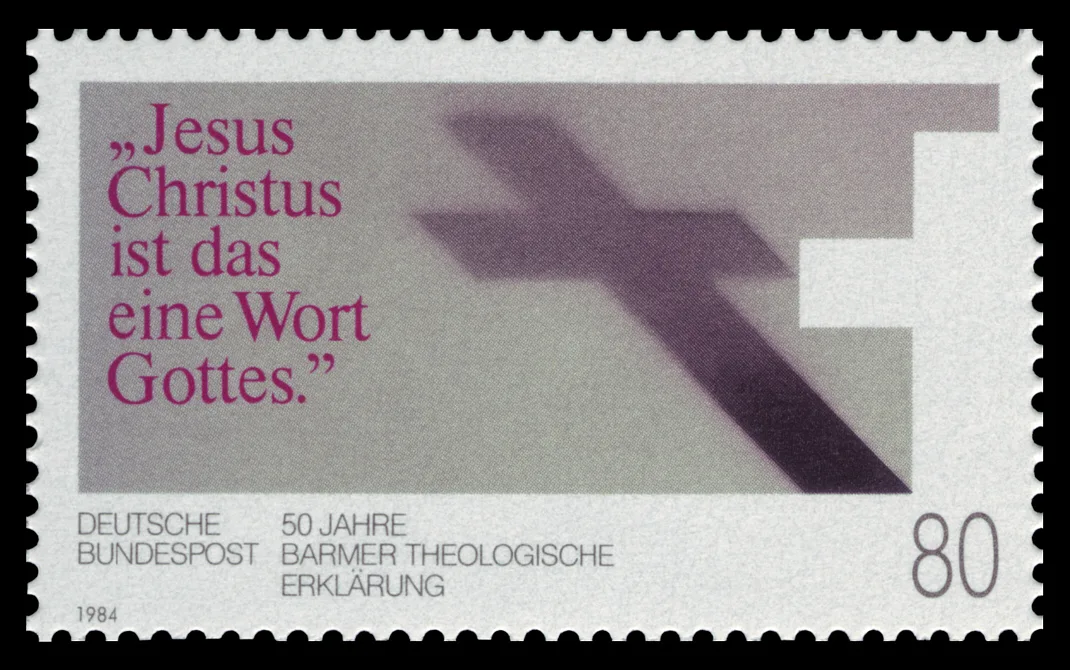
1984 West German postage stamp commemorating the Barmen Declaration's 50th anniversary
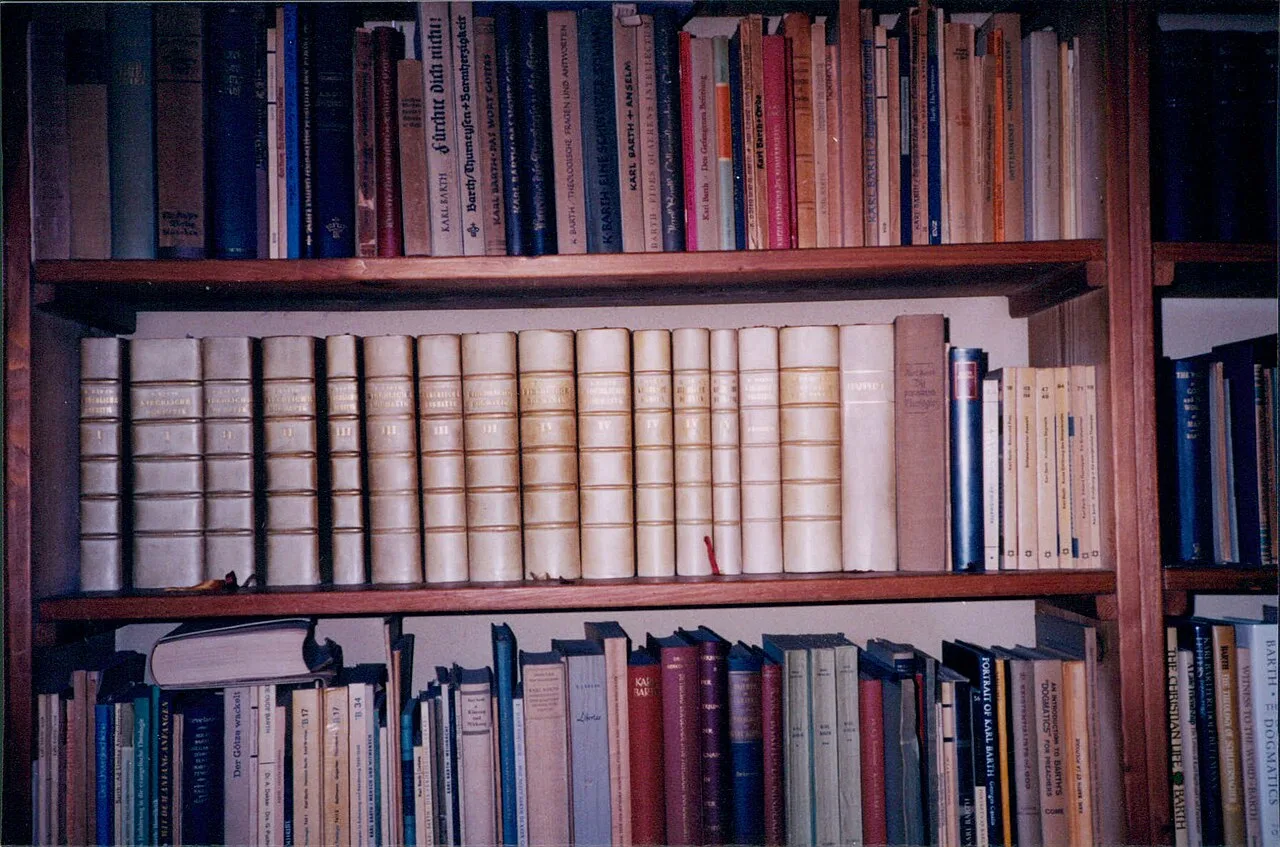
Karl Barth's Kirchliche Dogmatik: The original 'white whale' edition of the Church Dogmatics from Barth's study that features a custom binding from the publisher[32]
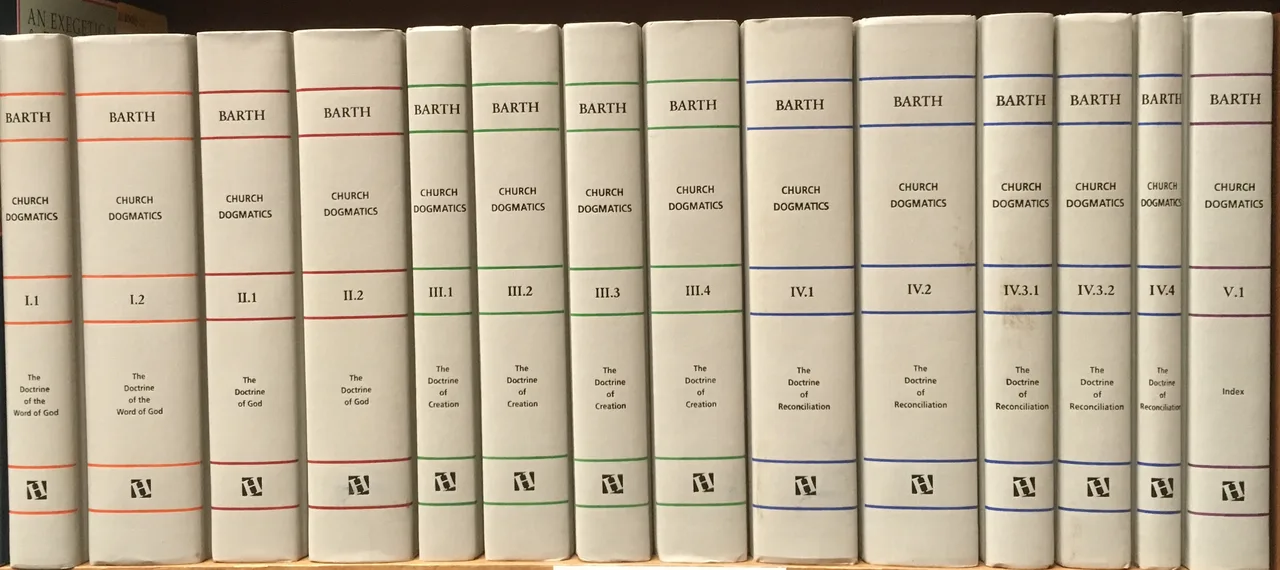
Karl Barth's Church Dogmatics in English translation
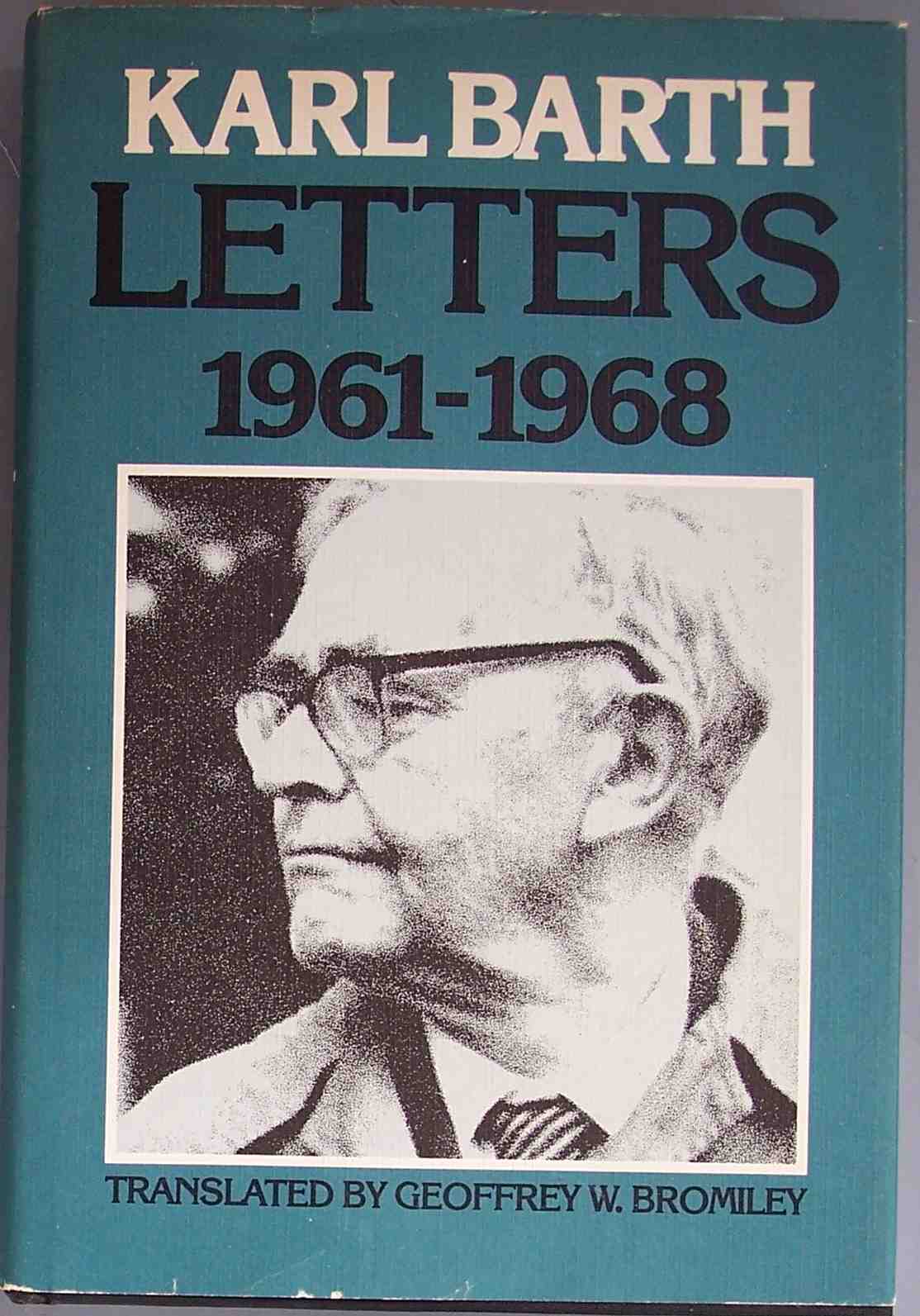
Photo of Barth on the jacket cover of Karl Barth Letters
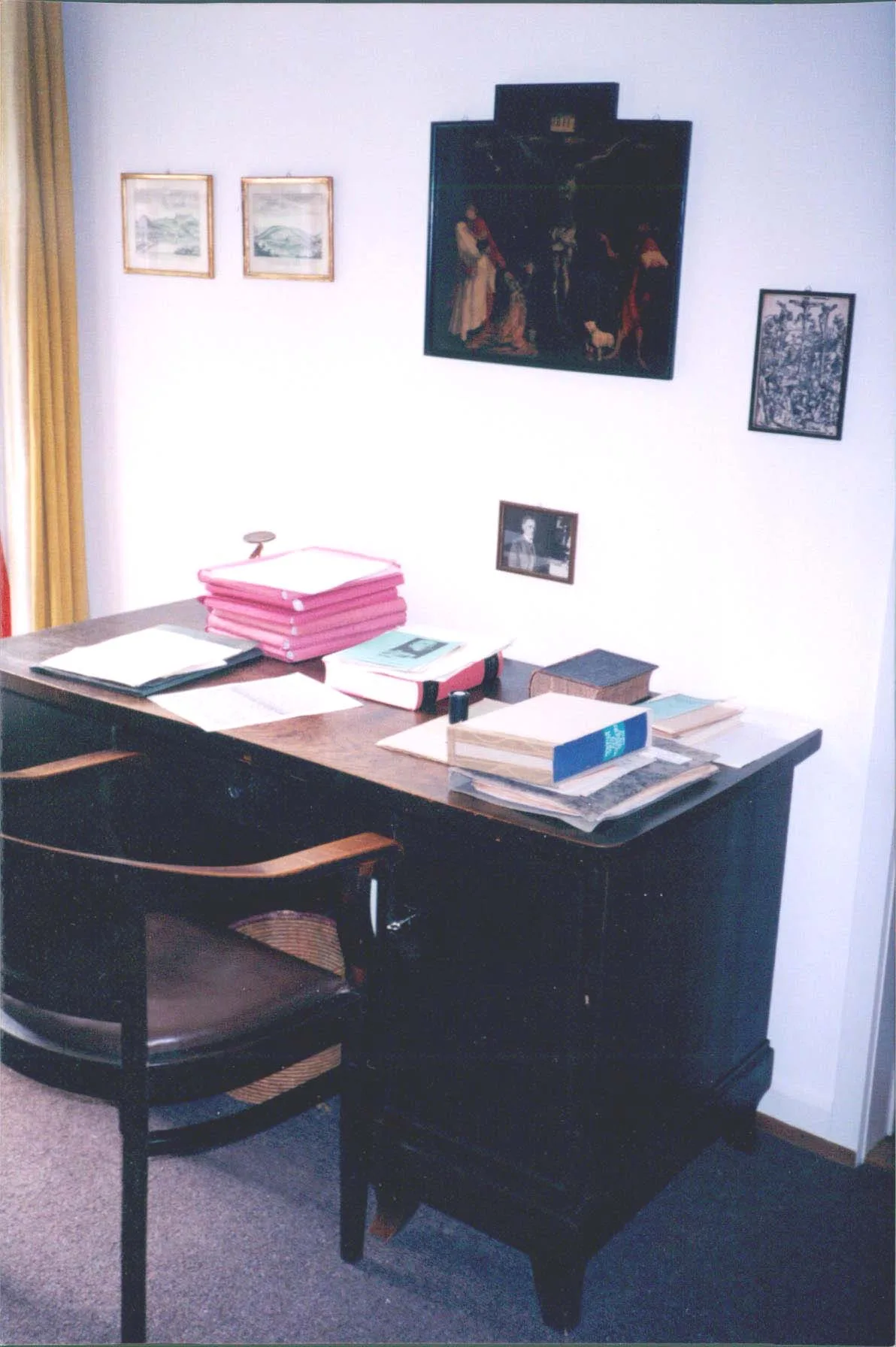
A desk in Karl Barth's old office with a painting of Matthias Grünewald's crucifixion scene
Karl Barth
Karl Barth was a Swiss Reformed theologian best known for his commentary The Epistle to the Romans and his multi-volume Church Dogmatics.
Wartime Betrayal by Academic Mentors
Barth abandoned his liberal training when his revered professors, including Adolf von Harnack, endorsed German militarism in August 1914. Their public backing of the "Manifesto of the Ninety-Three German Intellectuals to the Civilized World" shattered his confidence in their biblical interpretation. A public disagreement with a local factory owner further cemented his local notoriety as the 'Red Pastor'. This moral break forced him to rebuild Christian theology from scratch.
From Wikipedia · CC BY-SA 4.0