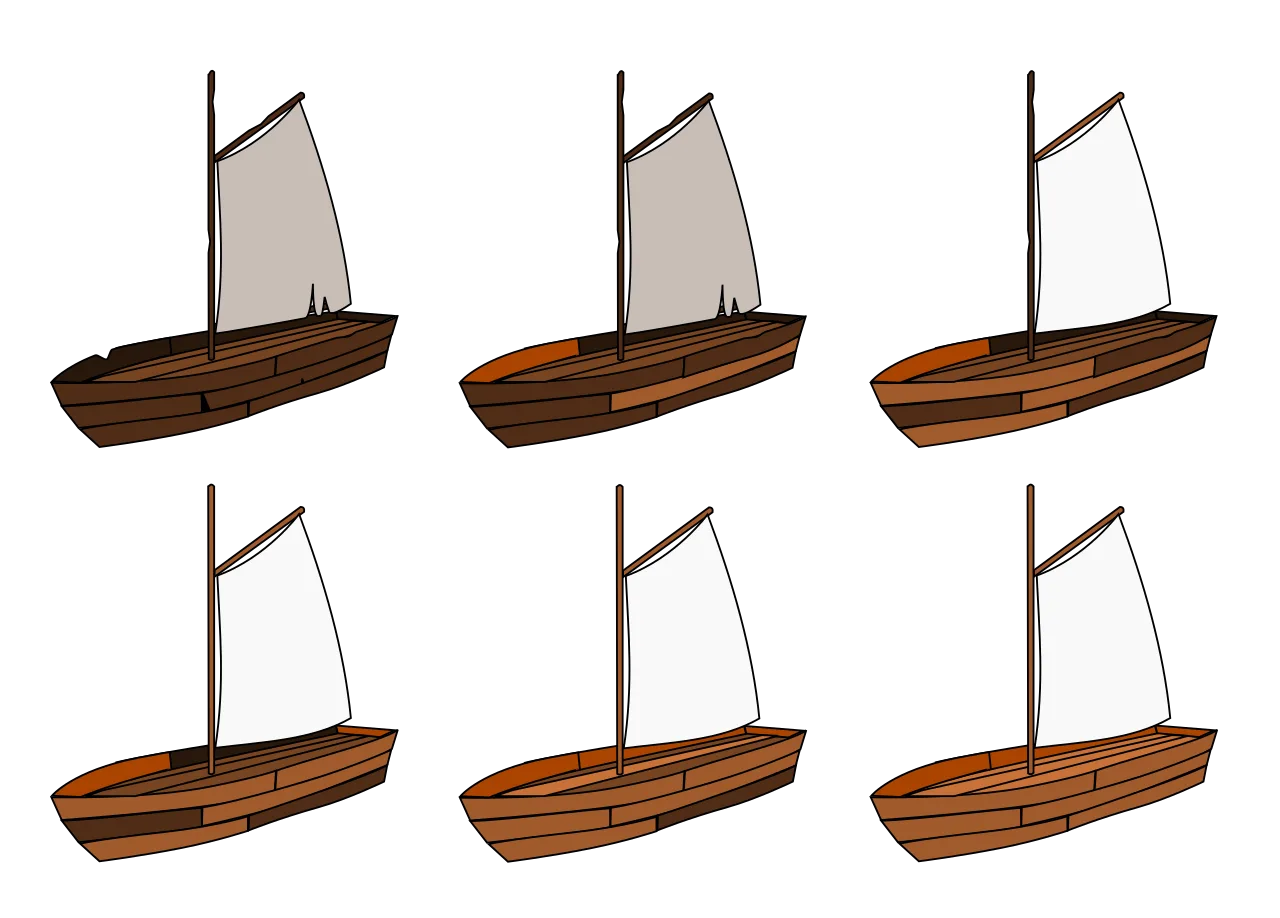
As the parts of the ship are replaced, the question remains as to whether it is the same ship throughout.
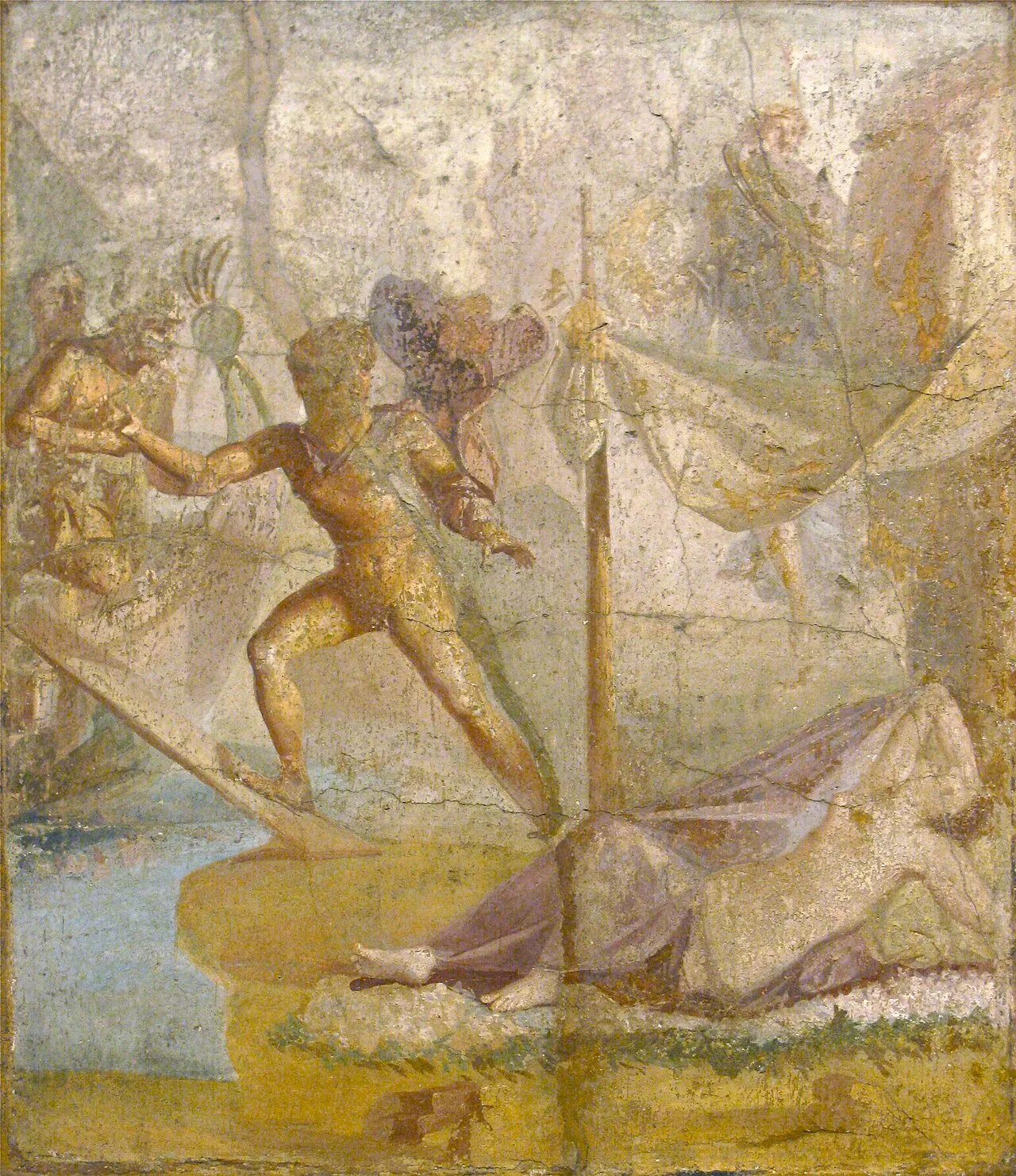
A fresco from Pompeii depicting Theseus and Ariadne escaping from Crete. According to Plutarch, the Athenians preserved the ship that Theseus used to escape by replacing the parts one-by-one as they decayed.
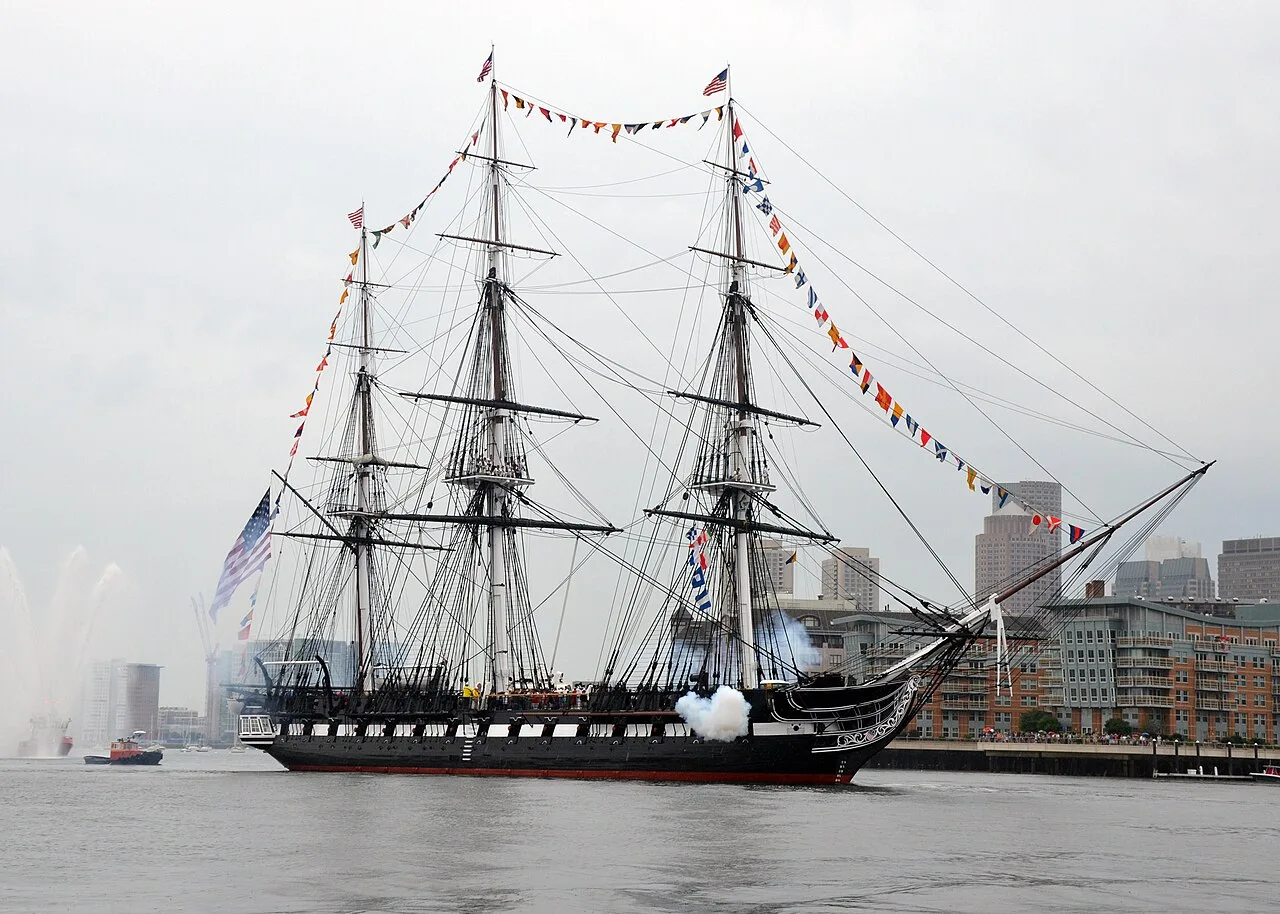
Since only around eight to ten percent of the ship is original, the USS Constitution is something of a real-life Ship of Theseus.
Ship of Theseus
The Ship of Theseus is a paradox and thought experiment examining whether an object remains the same after having all of its original components replaced over time.
Preserving the Thirty-Oared Athenian Relic
Plutarch recorded that the legendary vessel sailed by Theseus from Crete was maintained down to the era of Demetrius Phalereus. Athenian citizens continuously replaced decaying timbers with fresh wood during annual pilgrimages to Delos. This continuous maintenance turned the thirty-oared ship into a core philosophical puzzle regarding whether things that grow or change can maintain their original identity.
From Wikipedia · CC BY-SA 4.0
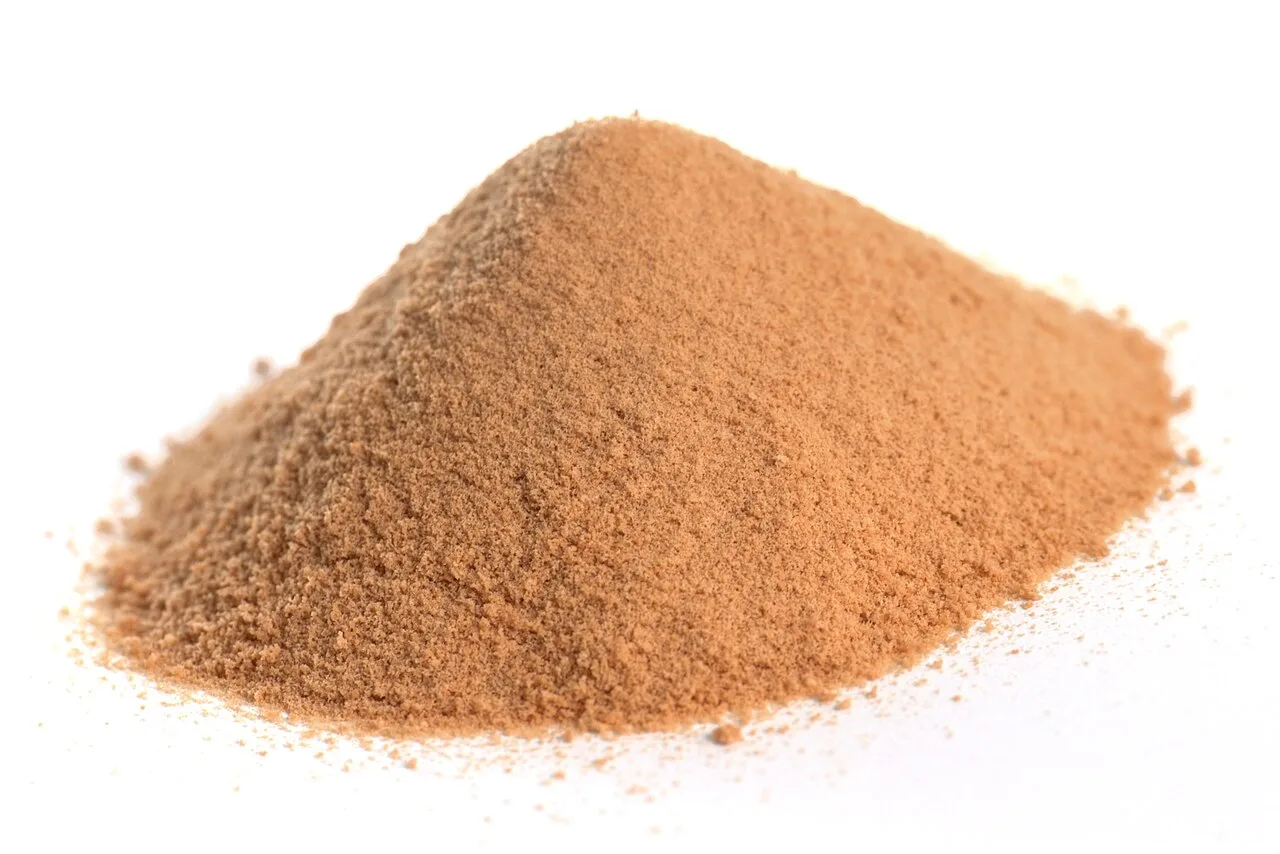
The sorites paradox: If a heap is reduced by a single grain at a time, at what exact point does it cease to be considered a heap?
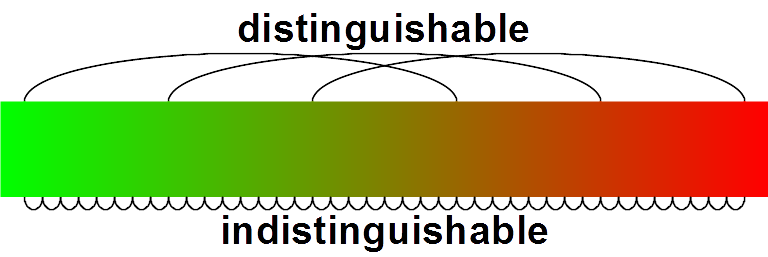
Color gradient illustrating a sorites paradox, any adjacent colors being indistinguishable by the human eye
Sorites paradox
The sorites paradox, also known as the paradox of the heap, is a paradox that results from vague predicates.
From Ancient Sandpiles to the Bald Man
Attributed to Eubulides of Miletus, the paradox demonstrates how tiny incremental shifts disrupt ordinary descriptions. Beyond heaps of sand, ancient thinkers formulated the falakros, applying identical reasoning to head hair where adding one strand cannot make a bald person not bald. This variant highlights how vague predicates resist precise cutoffs, creating an enduring clash between intuitive language and formal logic.
From Wikipedia · CC BY-SA 4.0
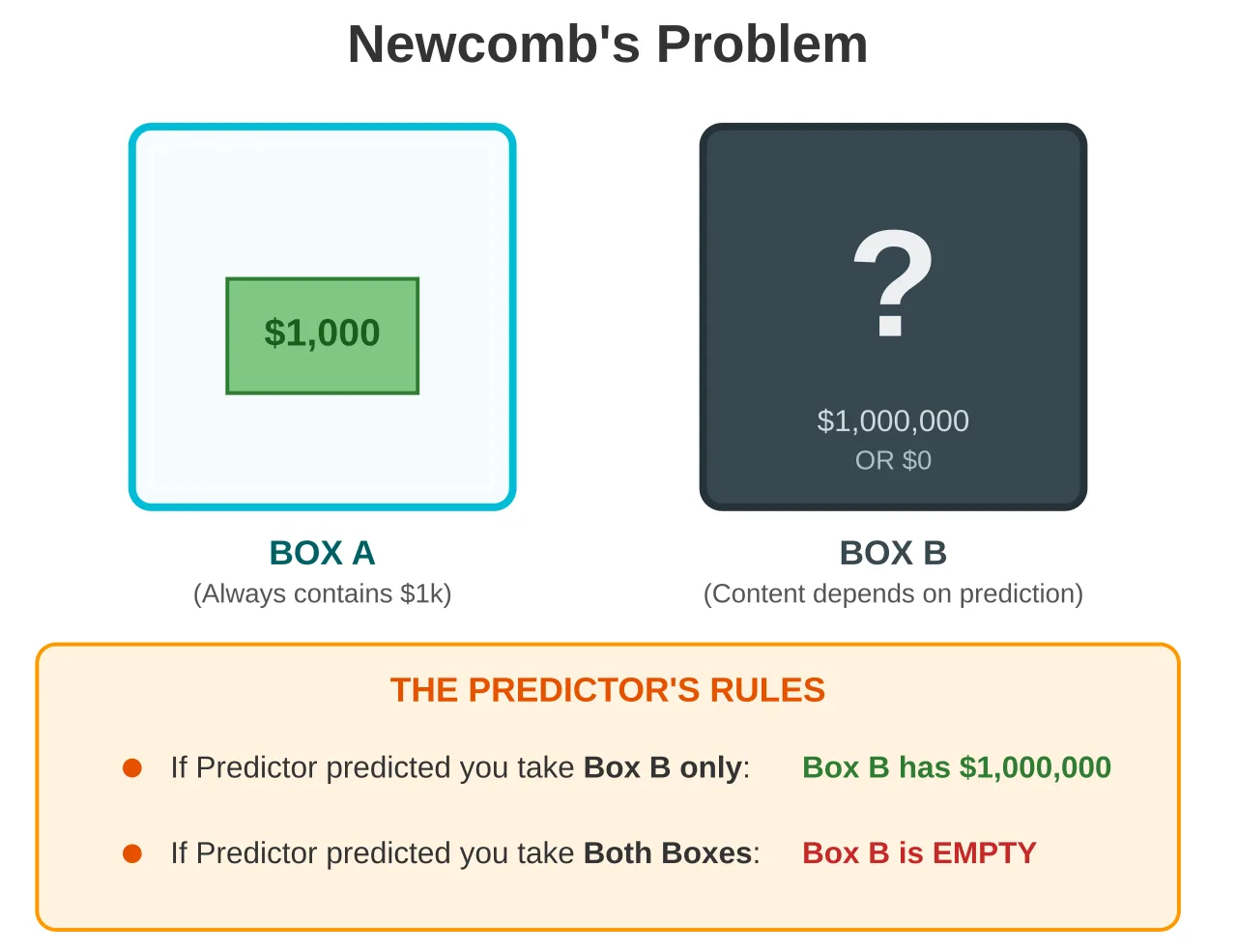
View of boxes in Newcomb's problem
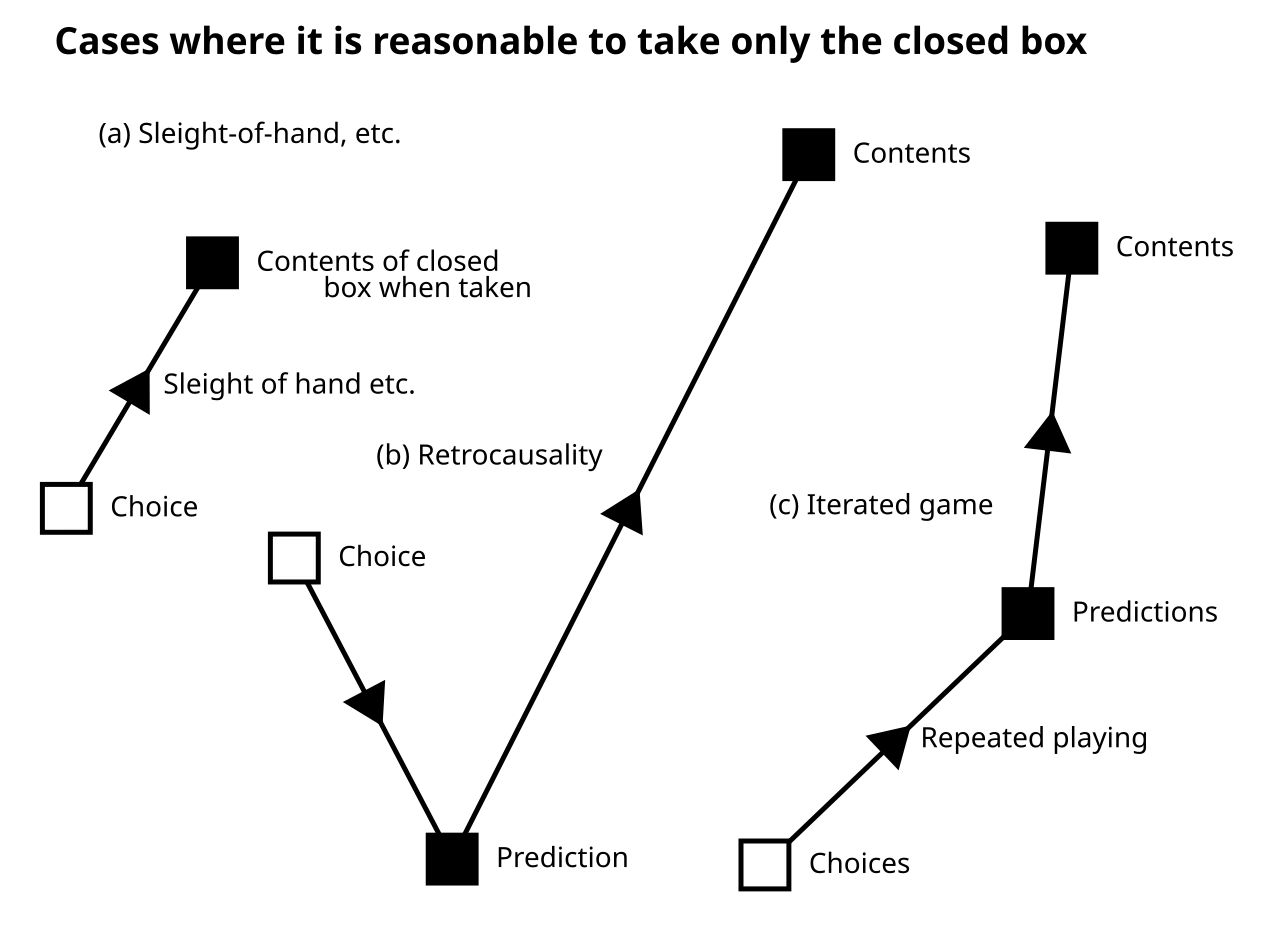
Cases where it is reasonable to take only the closed box
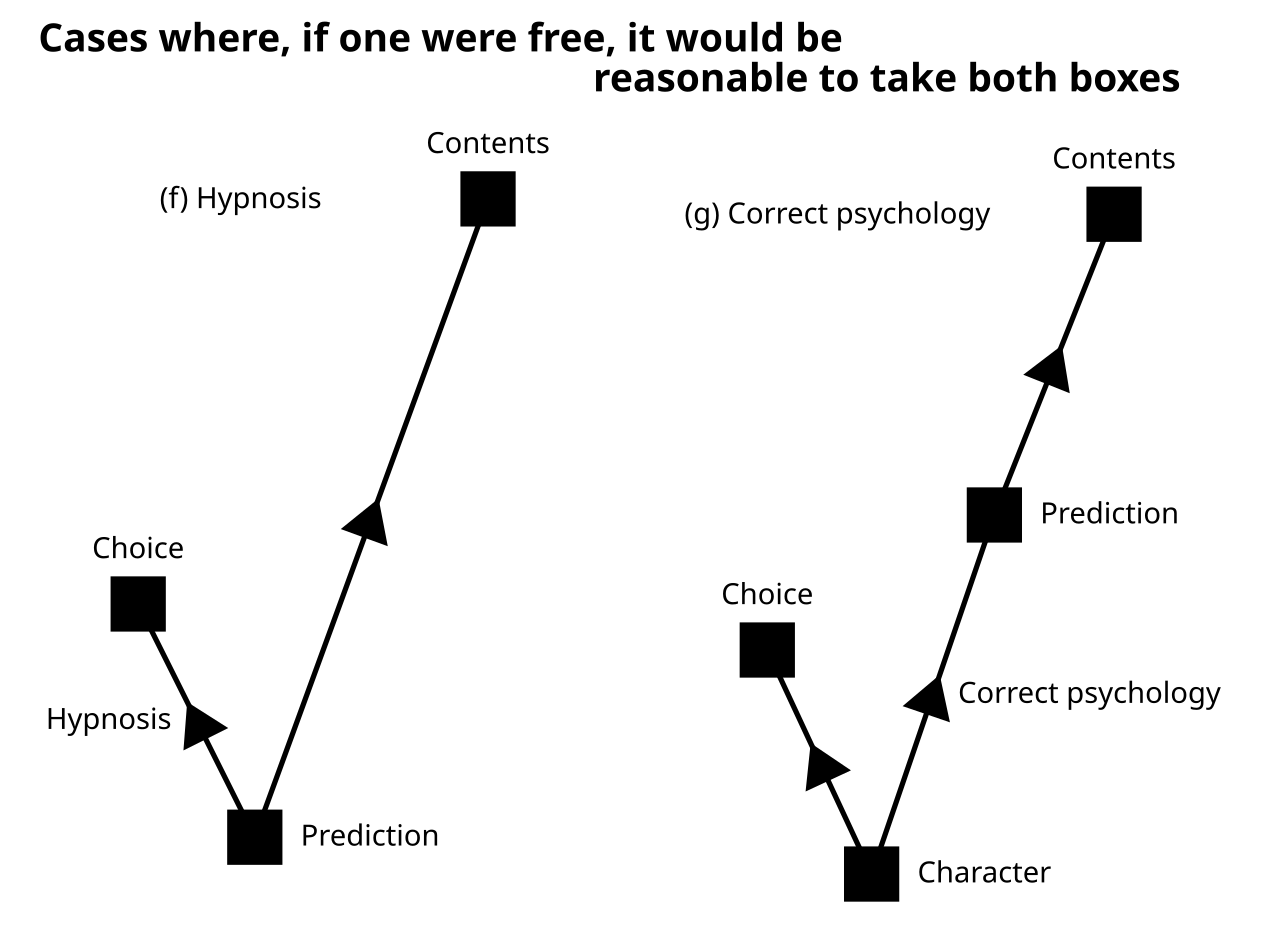
Cases where two-boxing would be reasonable if one were free
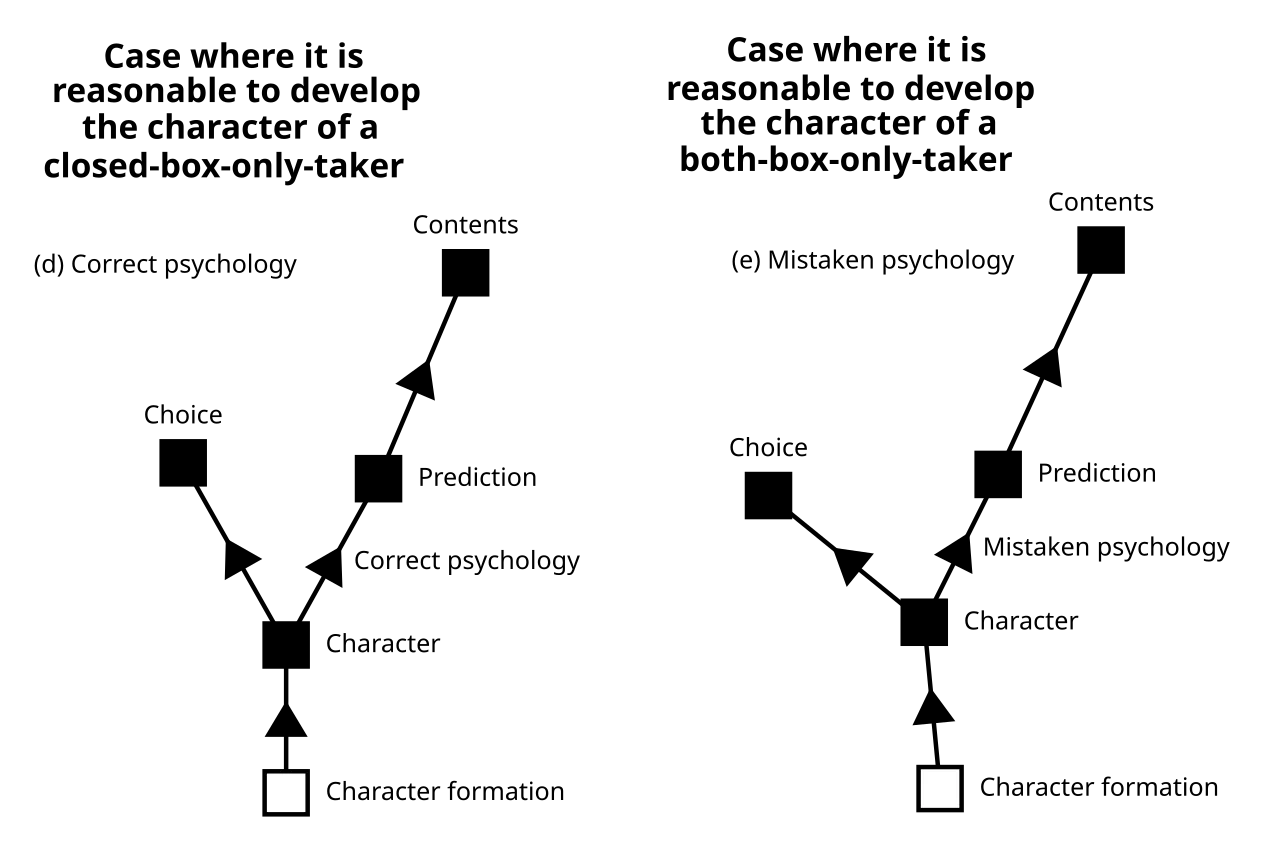
Cases where it is reasonable to develop a specific character
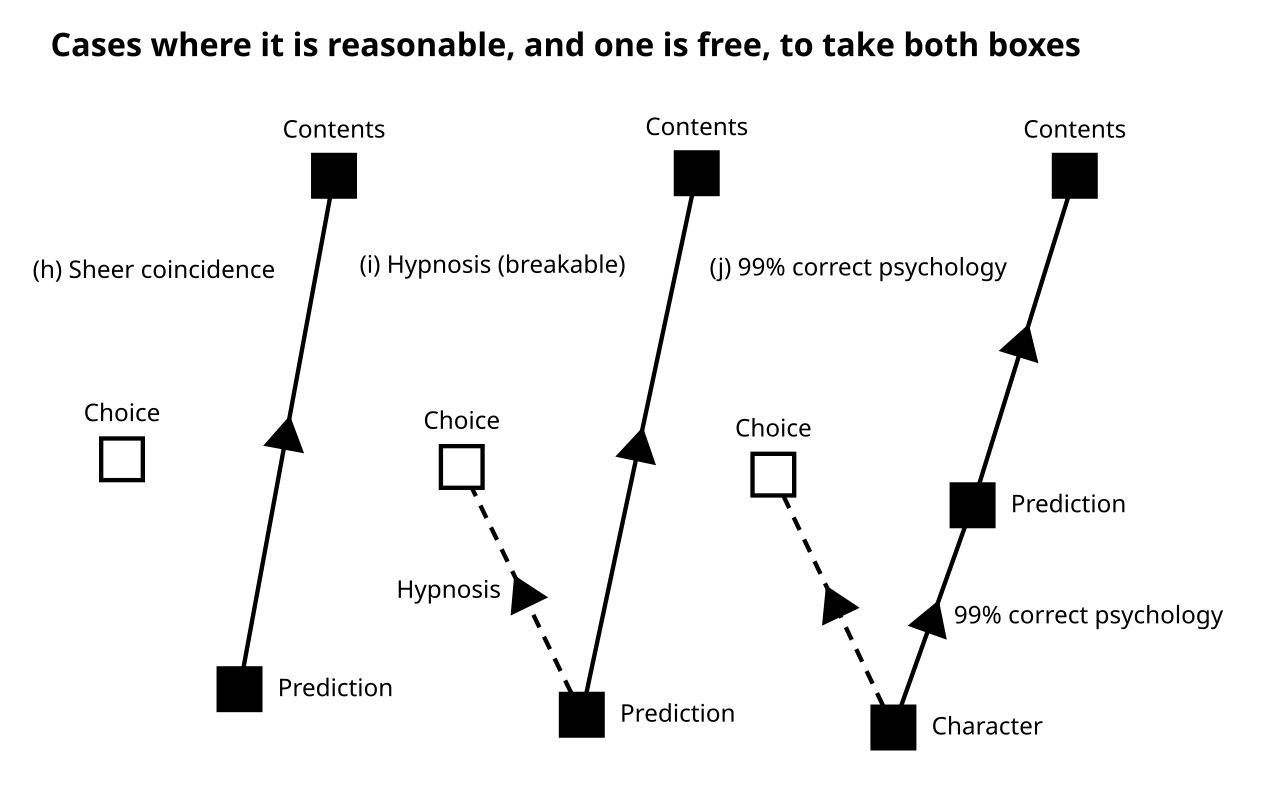
Cases where one is free to take both boxes, and it is reasonable to do so
Newcomb's paradox
Newcomb's problem is a thought experiment in philosophy and mathematics posing a decision problem about choosing between one or two boxes based on a predictor's actions.
Conflicting Mathematical Principles for One Million Dollars
Choosing only opaque box B follows expected utility, statistically maximizing winnings to roughly $1,000,000 per game due to the predictor's extreme accuracy. In contrast, the strategic dominance principle dictates selecting both boxes because open box A guarantees an additional $1,000 regardless of the prediction. These two standard frameworks of decision theory yield directly opposing recommendations on which action maximizes profit.
From Wikipedia · CC BY-SA 4.0
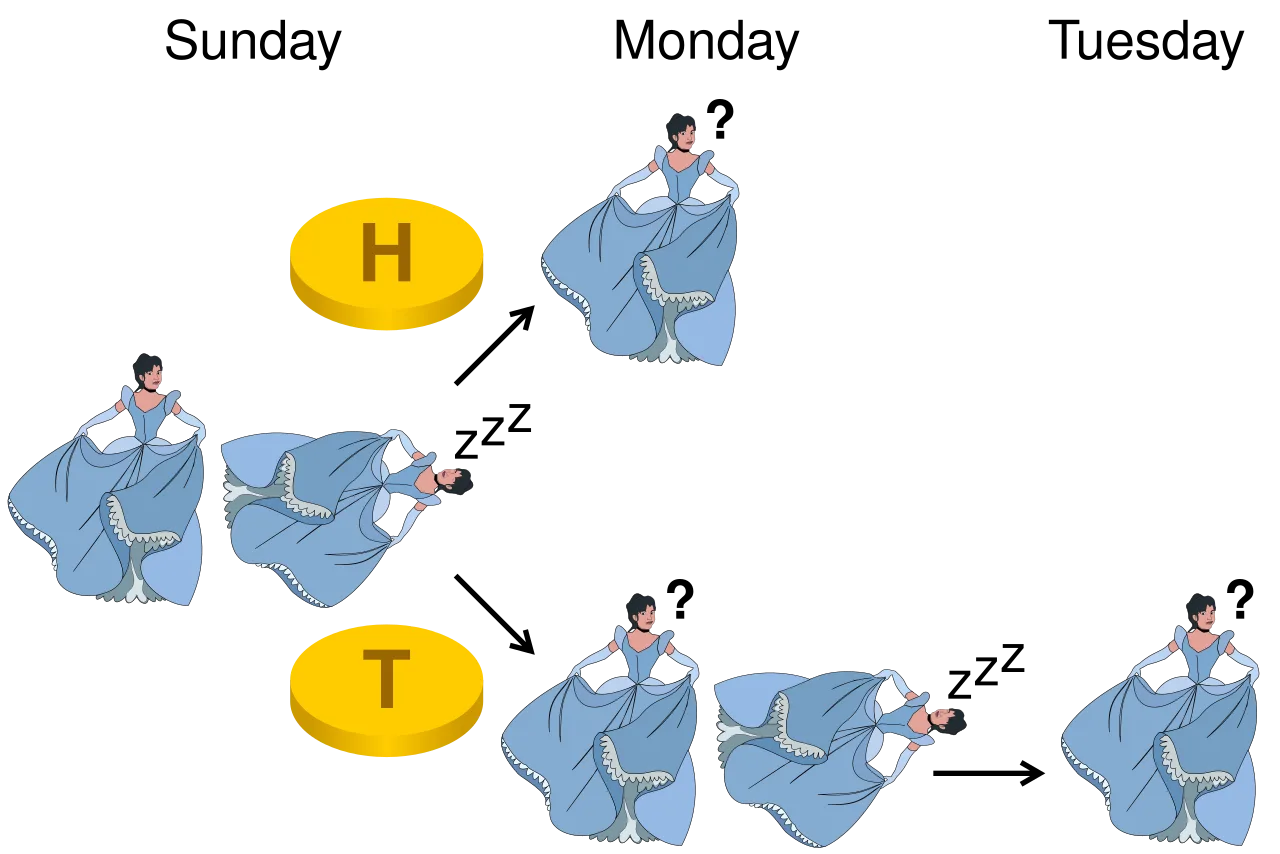
Illustration of the original sleeping beauty problem
Sleeping Beauty problem
The Sleeping Beauty problem is a decision theory puzzle concerning the degree of belief a rational agent should hold after being awoken according to a coin toss.
From Imperfect Recall to Usenet Debates
Arnold Zuboff originally formulated the puzzle in the mid-1980s using an arbitrary number of days before Adam Elga standardized the two-day version. Robert Stalnaker later coined the title "Sleeping Beauty," which gained widespread attention during extensive discussions on the Usenet newsgroup rec.puzzles in 1999. The core structure shares roots with Michele Piccione and Ariel Rubinstein's formal analysis of decision problems with imperfect recall.
From Wikipedia · CC BY-SA 4.0
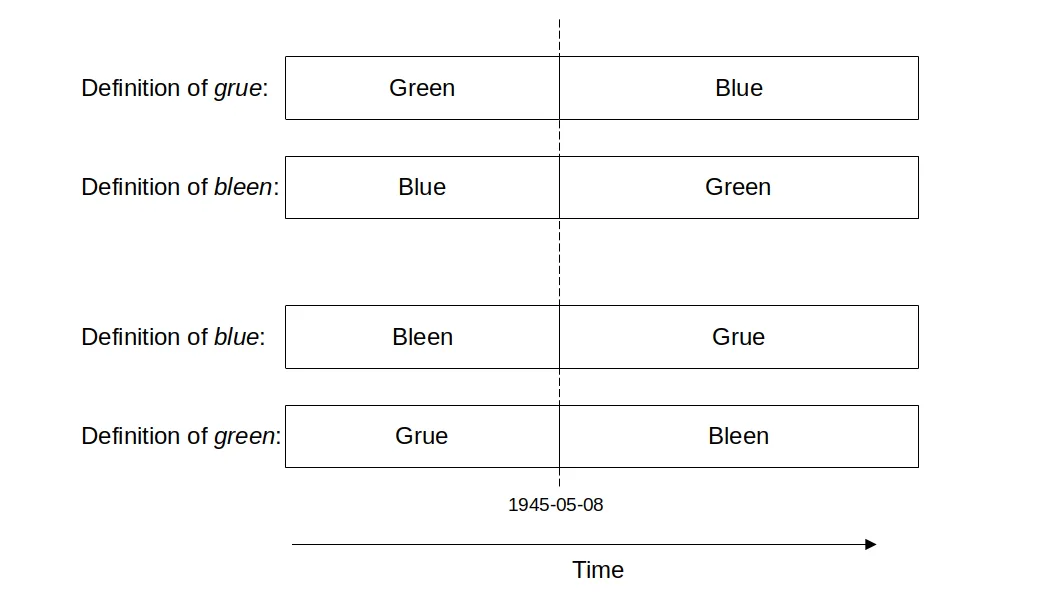
Definitions of grue and bleen, as well as how the original colors blue and green can be redefined based on the two predicates

US government example for time-dependent predicates: Before March 1797, arbitrarily many observations would support both versions of the prediction "The US forces were always commanded by { George Washingtonthe US President }, hence they will be commanded by him in the future", which today is known as { falsetrue }, similar to "Emeralds were always { gruegreen }, hence they will be so in the future".
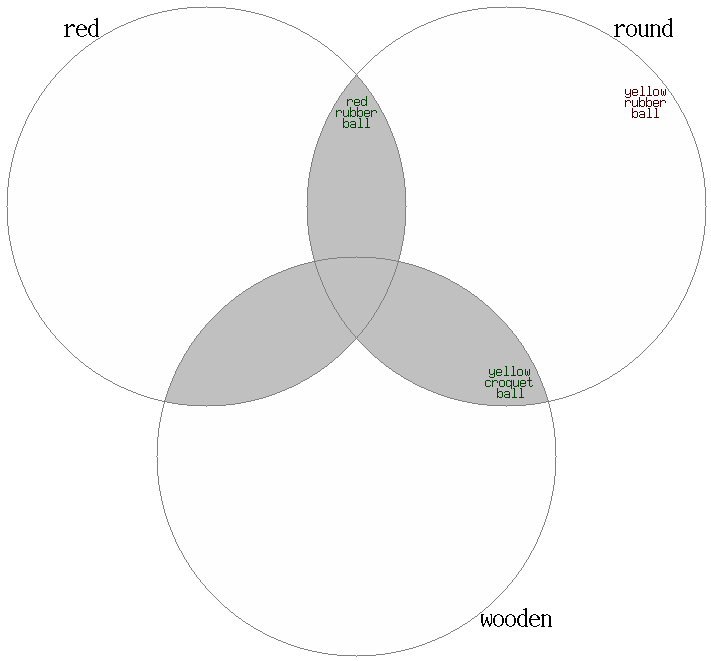
Goodman's counter-example against a definition of "natural kind" based on Carnap
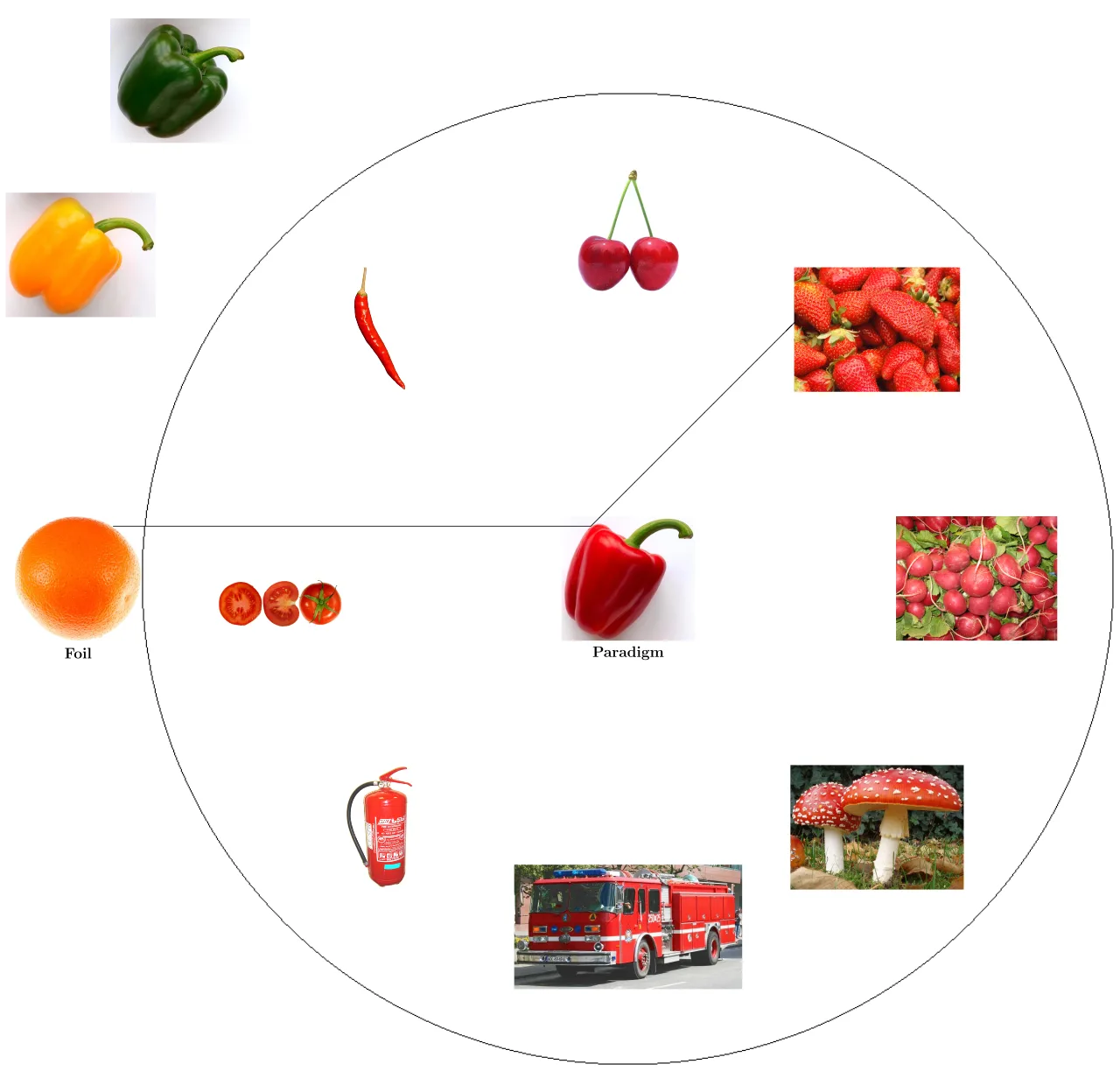
Failed attempt to define a kind as the set of all objects x that are more similar to a "paradigm" object p than p is to a "foil" object, in analogy to the definition of a circle area in geometry
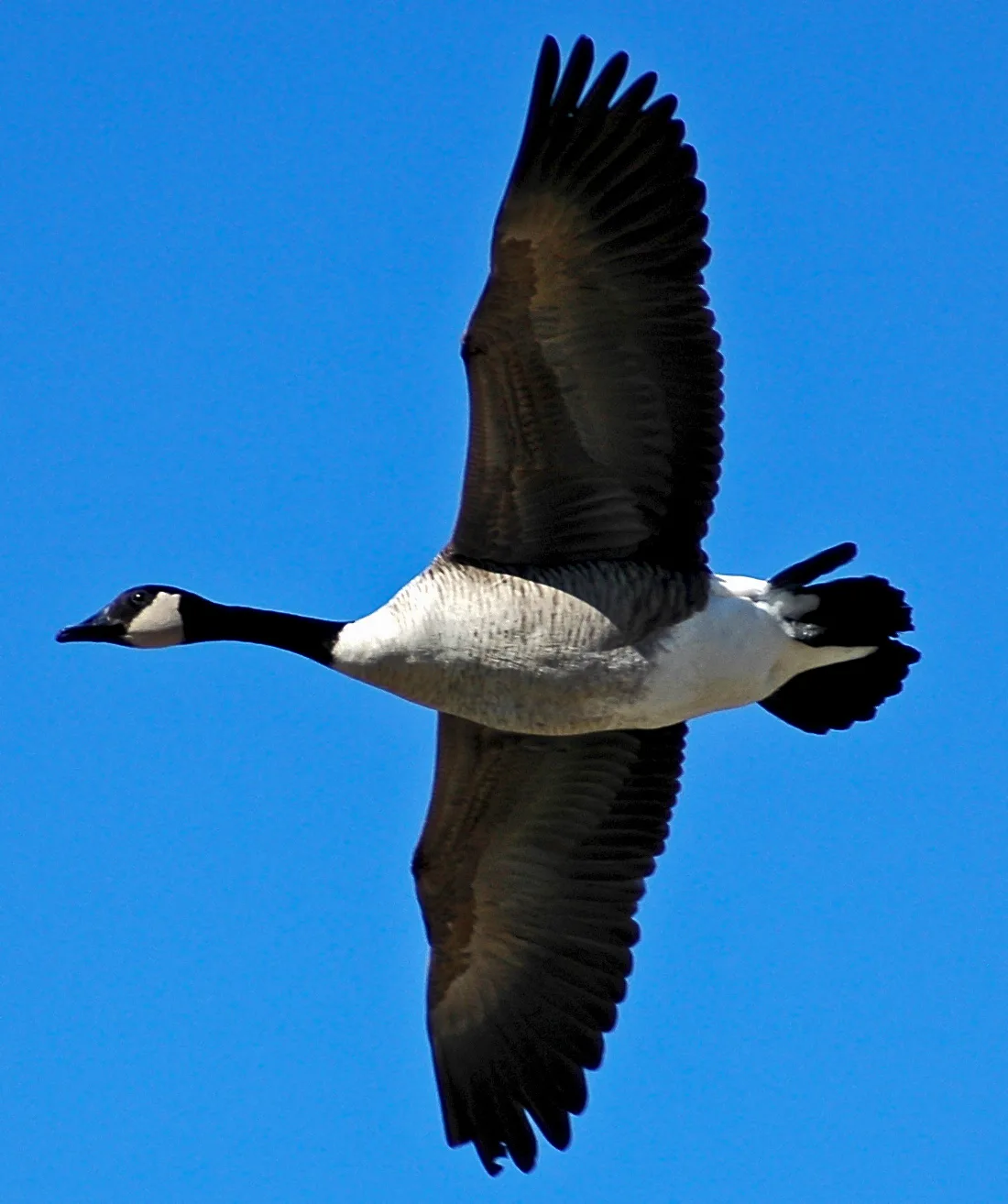
Goose-flying
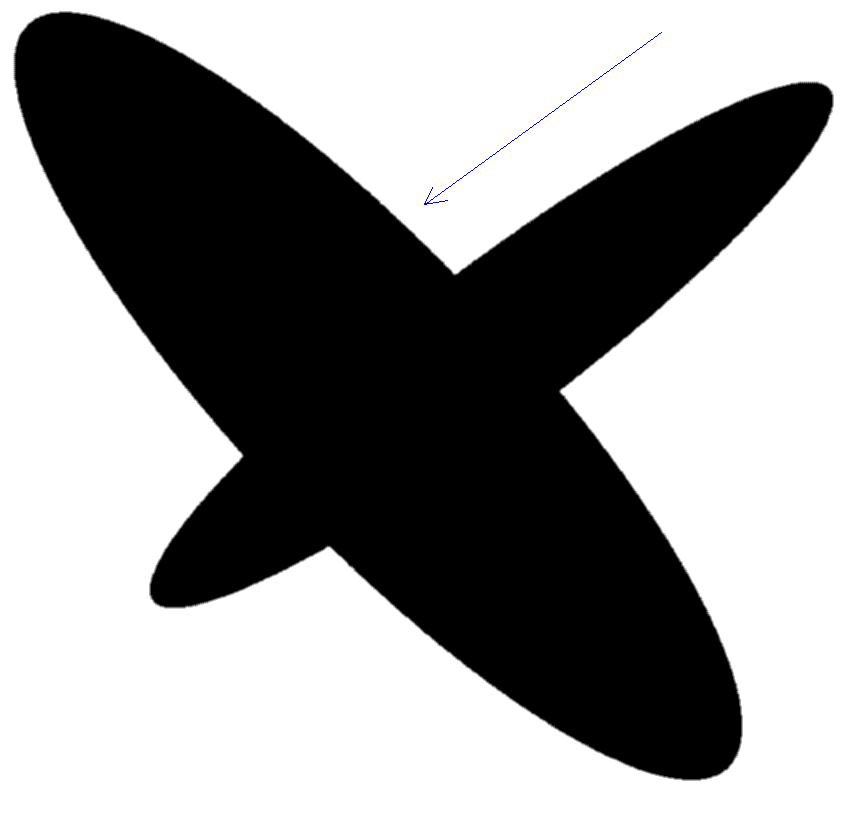
Falcon scheme of chickens and ducks
New riddle of induction
The new riddle of induction is a philosophical problem presented by Nelson Goodman addressing projectible predicates and empirical generalizations.
Conductive Copper Versus Third Sons in a Room
Inductive predictions require lawlike generalizations rather than accidental observations. Testing a single piece of copper confirms the lawlike claim that all copper conducts electricity, justifying future predictions about unexamined samples. Conversely, observing that every man in a room happens to be a third son provides no basis for expecting a given man in that room to be a third son. Confirming hypotheses depends entirely on whether the predicates chosen possess genuine projectibility.
From Wikipedia · CC BY-SA 4.0

Georges-Louis Leclerc, Comte de Buffon, who noted the human tendency to disregard very low probabilities.
St. Petersburg paradox
The St. Petersburg paradox is a coin-flipping game paradox where the expected payoff is infinite, yet participants value it as worth only a very small amount.
A Cousin's Analysis and a 1713 Correspondence
The mathematical puzzle originated on September 9, 1713, when Nicolas Bernoulli presented it in a letter to Pierre Raymond de Montmort. Although Nicolas introduced the game, the paradox ultimately took its name from his cousin Daniel Bernoulli, a one-time resident of Saint Petersburg. In 1738, Daniel published his influential analysis in the Commentaries of the Imperial Academy of Science of Saint Petersburg. His work reframed how mathematicians evaluated probabilistic wagers beyond sheer arithmetic expectation.
From Wikipedia · CC BY-SA 4.0
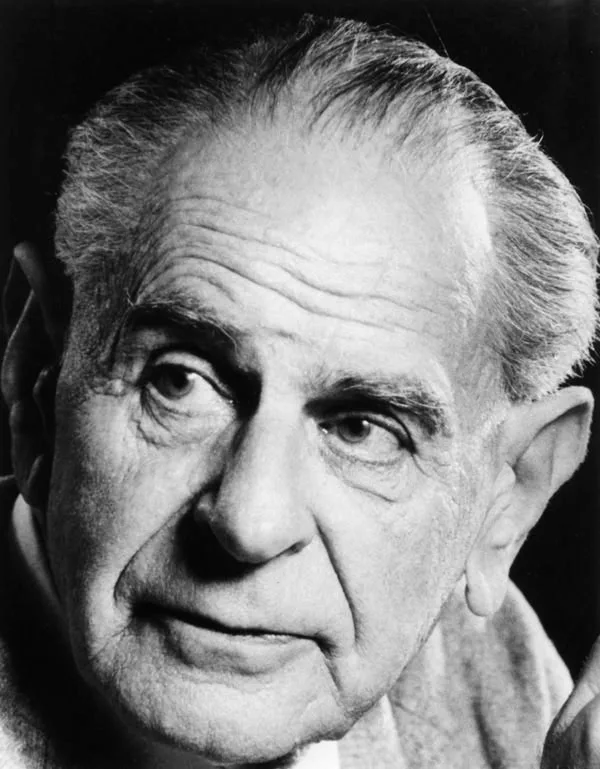
Karl Popper wrote on tolerance of intolerance in Vol. 1 of The Open Society and Its Enemies, published in 1945.
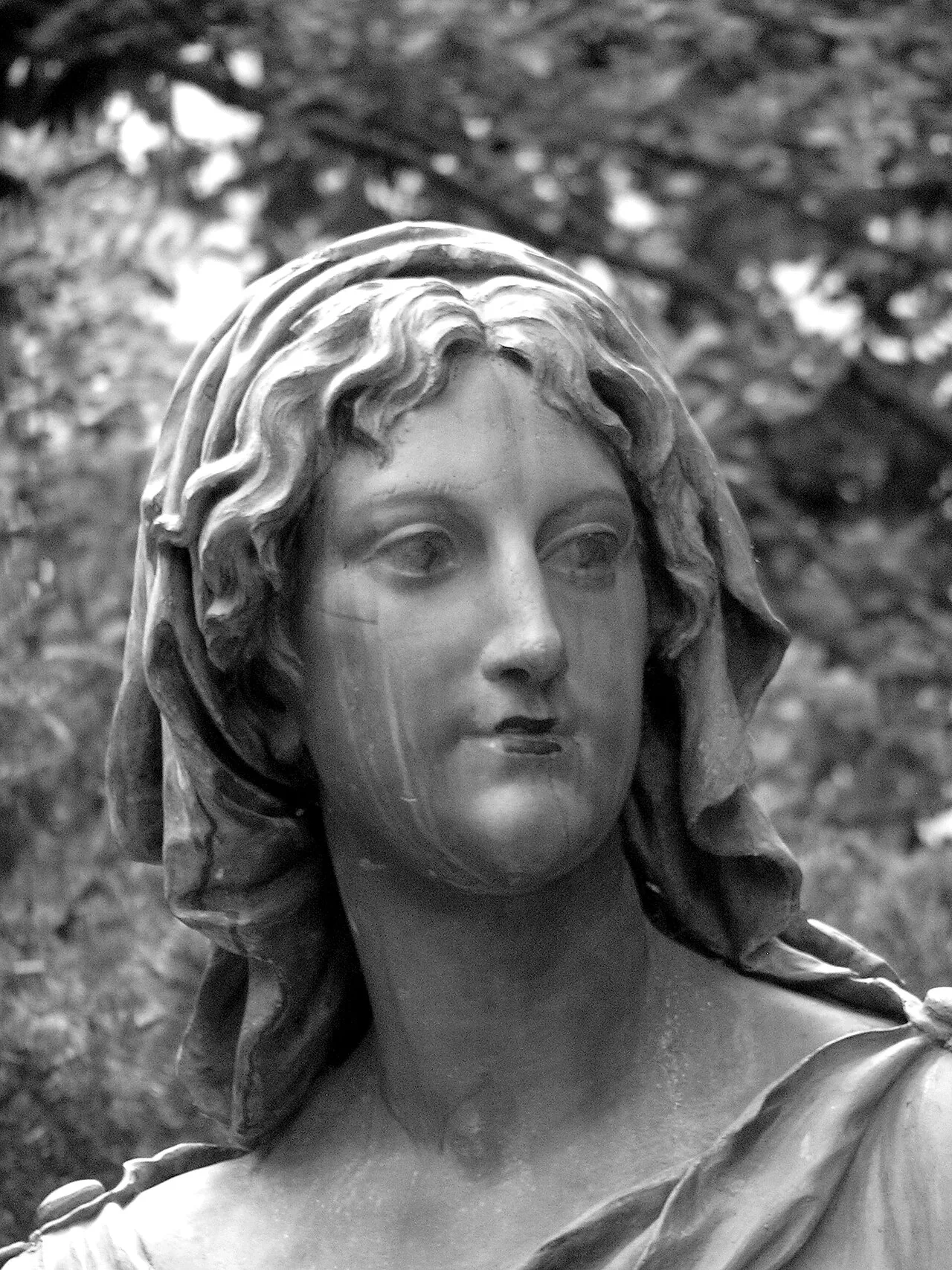
Personification of Tolerance, a statue displayed in Lužánky park in Brno, Czech Republic
Gaetano Mosca, leading proponent of early elite theory
Paradox of tolerance
The paradox of tolerance is a philosophical concept suggesting that extending tolerance to the intolerant risks enabling intolerance to dominate and undermine society.
A Footnote Counter to Plato's Philosopher-King
Karl Popper first articulated the paradox of tolerance in the chapter notes of his 1945 work The Open Society and Its Enemies. He formulated this argument while actively refuting Plato's defense of benevolent despotism and philosopher-kings. Rejecting the assumption that unchecked freedom must resolve into authoritarian rule, Popper maintained that open societies must instead construct strong democratic institutions capable of limiting intolerance.
From Wikipedia · CC BY-SA 4.0
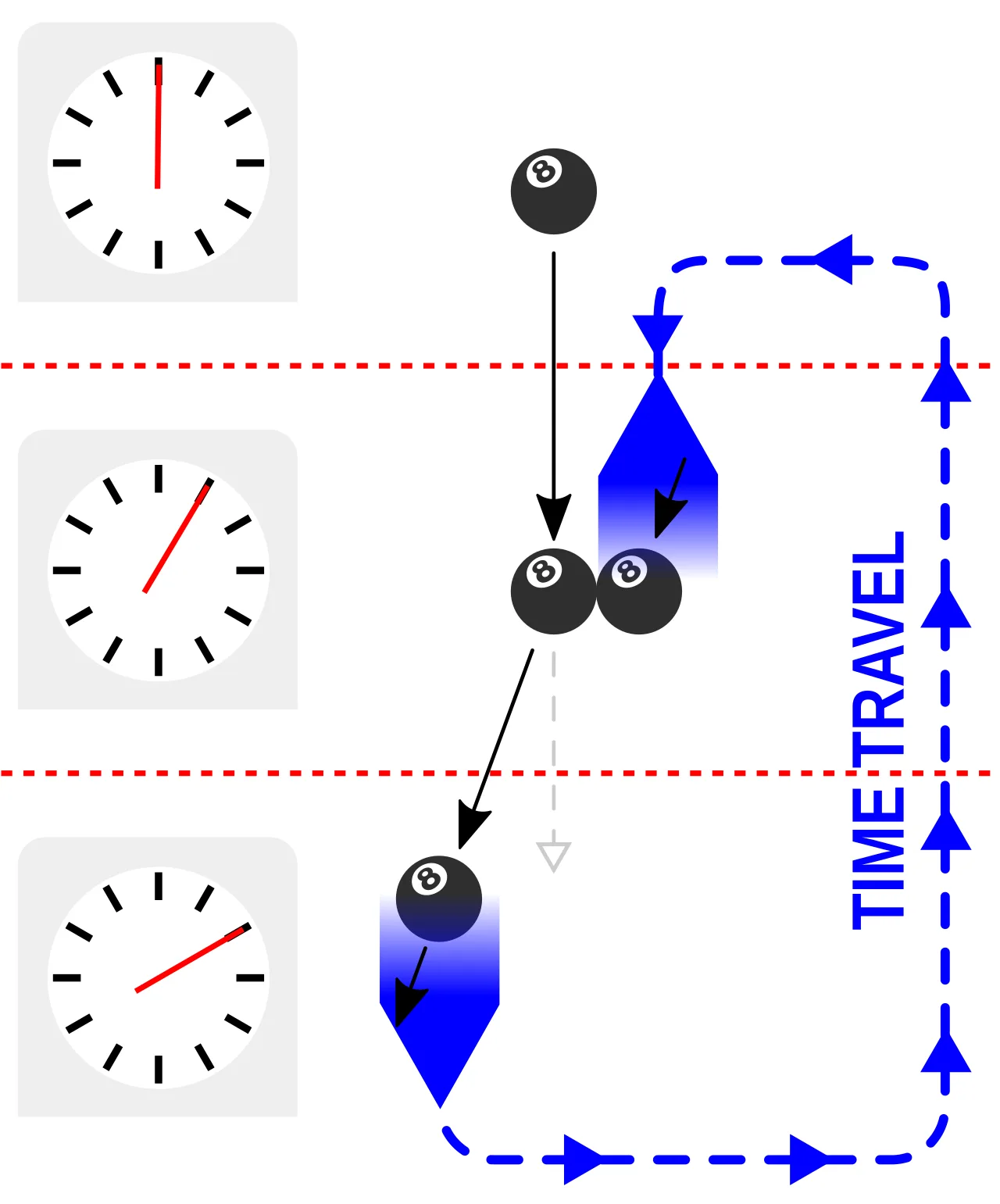
A causal loop or "bootstrap paradox". A billiard ball delivers its past self a strike that slightly changes its trajectory in the exact way required for it to change its past trajectory. The change in trajectory appears to have caused itself.[2]: 509
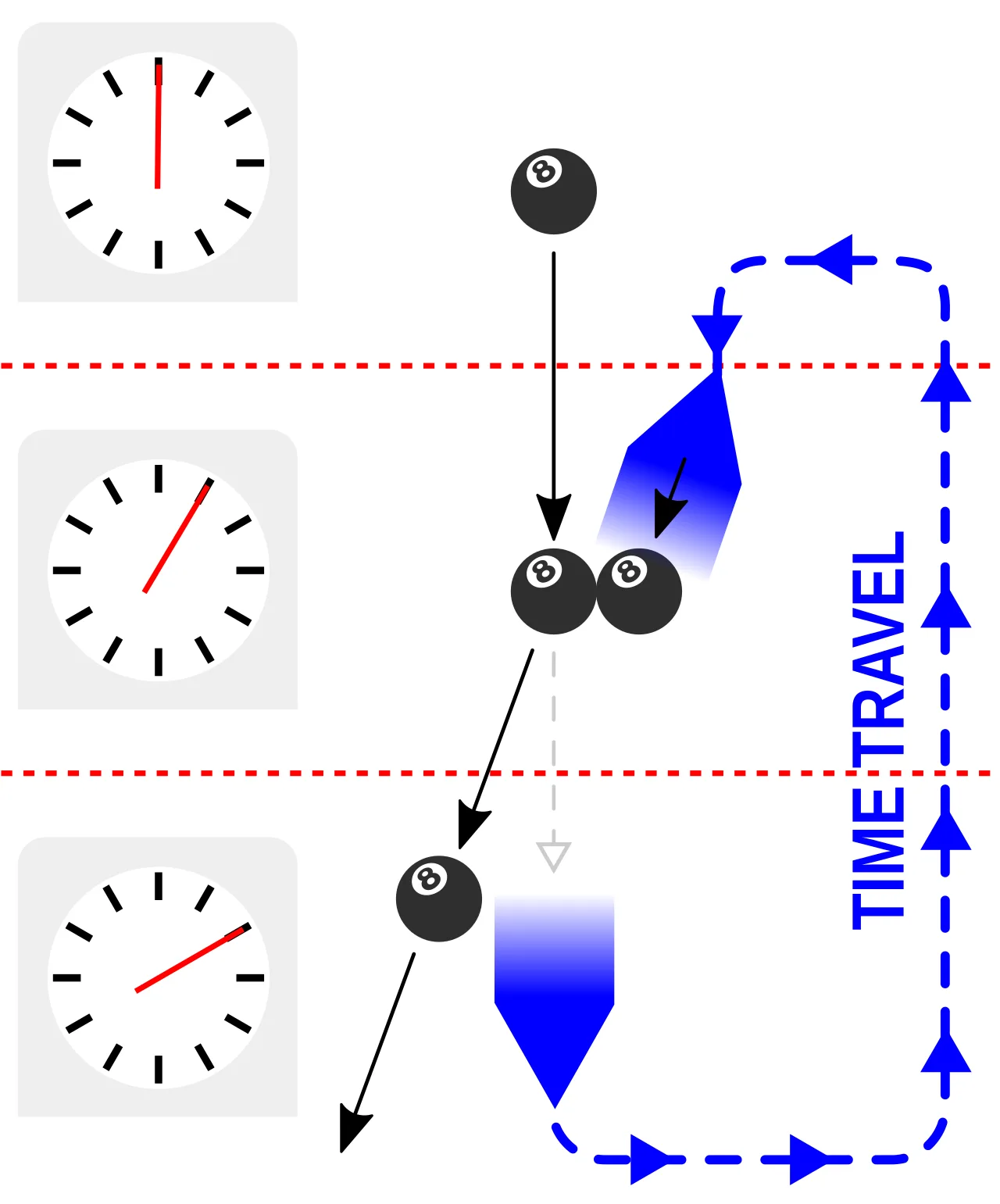
A consistency paradox or "grandfather paradox". A billiard ball delivers its past self a strike that prevents it from entering the time machine that caused it to strike its past self, putting into question how its older self could ever emerge from the time machine and divert its course.[2]
Grandfather paradox
A temporal paradox is an apparent or actual contradiction associated with the idea of time travel or foreknowledge of the future.
Self-Generating Bloodlines and Uncaused Origins
Robert A. Heinlein explored extreme causal loops in his 1958 short story "—All You Zombies—", depicting an intersex protagonist who ends up becoming both their own mother and father. Such causal loops allow events, objects, or biological lineages to exist in spacetime without any identifiable beginning. When history closes in on itself this way, the resulting ontological loop blurs the fundamental boundary between creator and creation.
From Wikipedia · CC BY-SA 4.0