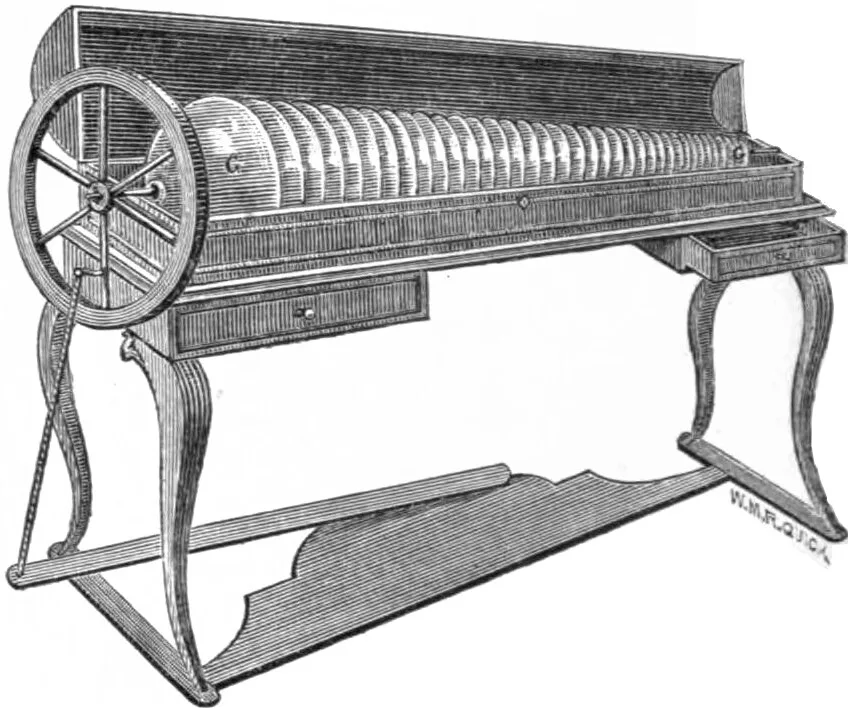
1900 illustration of a glass harmonica
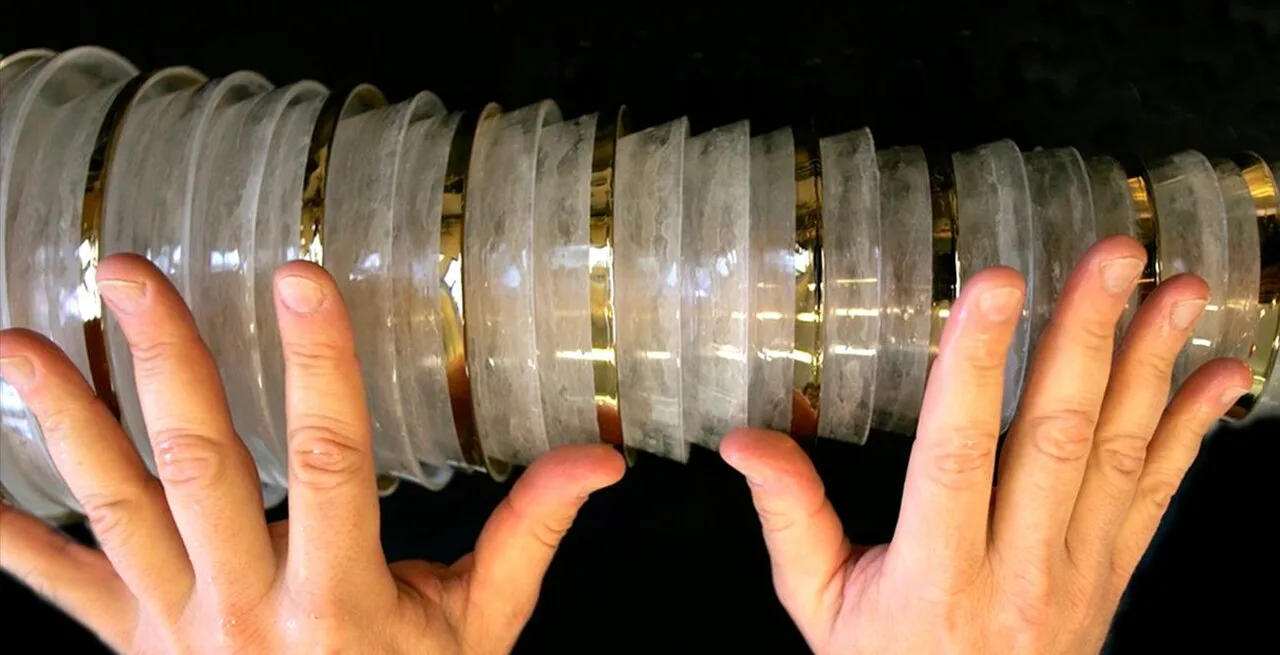
Spinning glass disks (bowls) on a common shaft are arranged with the lower notes (larger disks) to the left and higher notes (smaller disks) to the right.
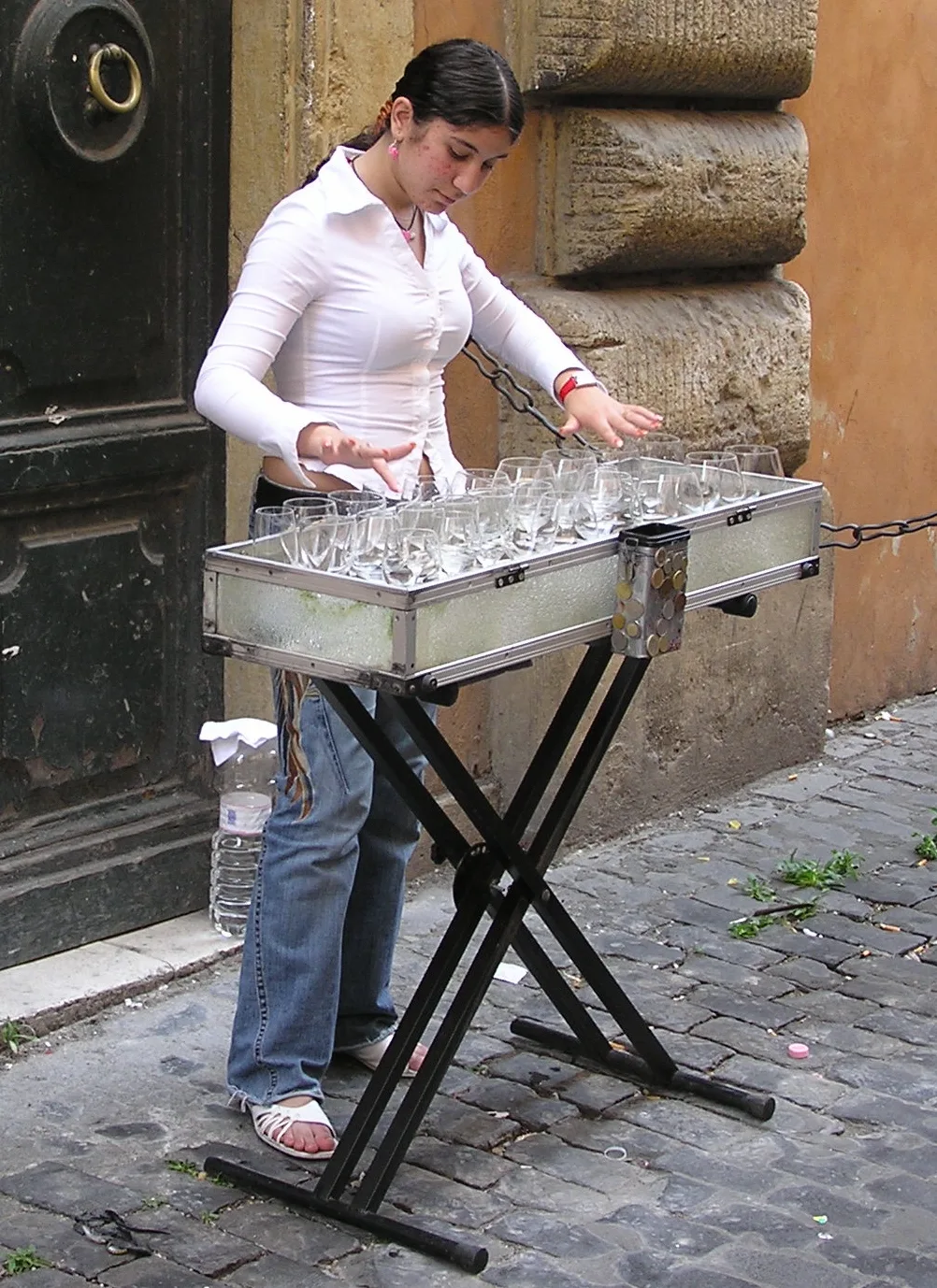
A glass harp, an ancestor of the glass armonica, being played in Rome. The rims of wine glasses filled with water are rubbed by the player's fingers to create the notes.
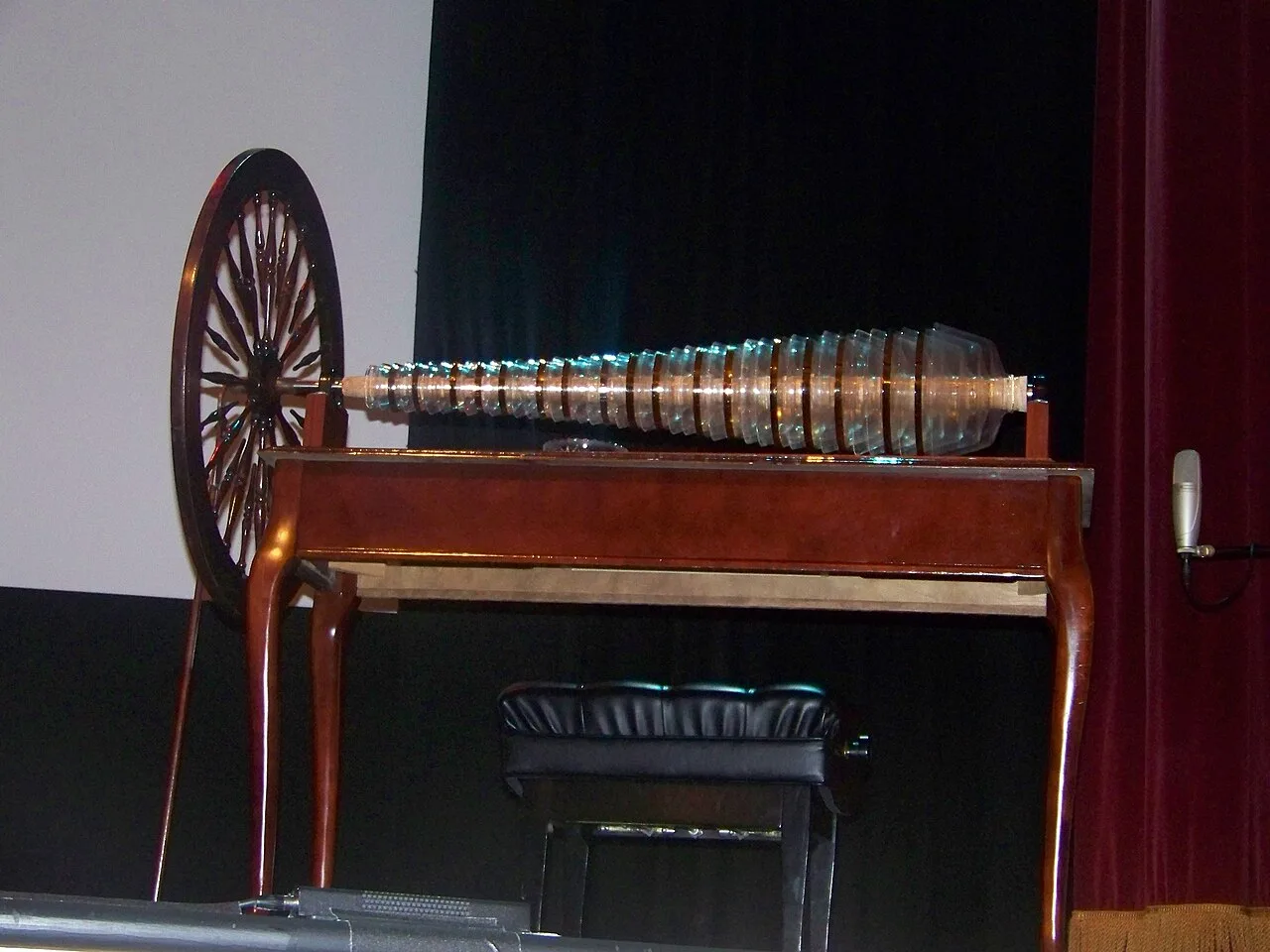
A modern glass armonica built using Benjamin Franklin's design
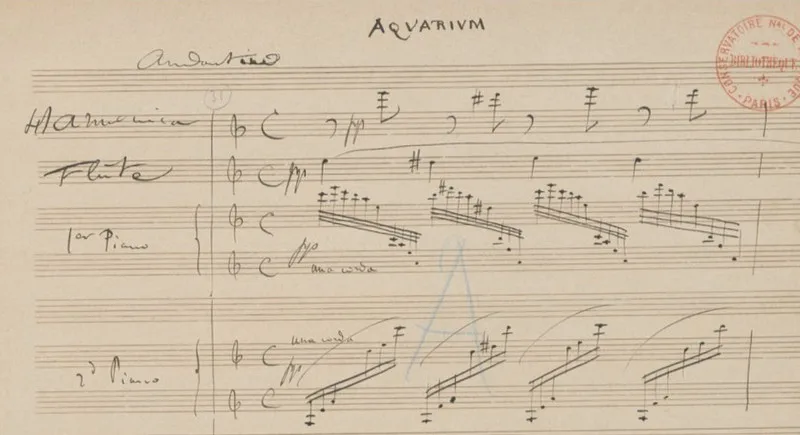
Carnaval aquarium
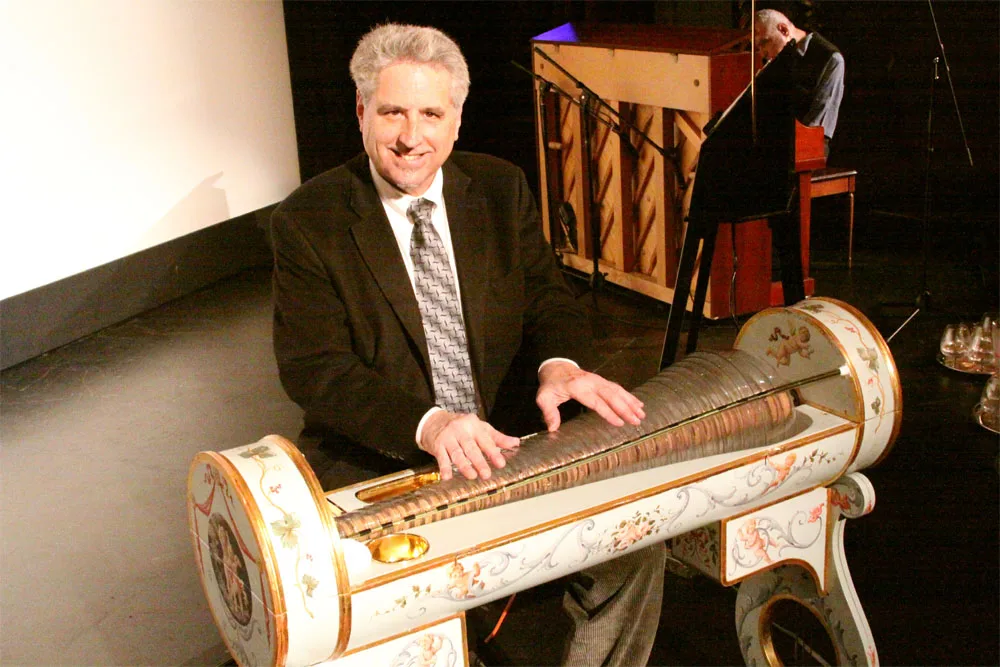
Dennis James plays the armonica at the Poncan Theatre in Ponca City, Oklahoma, on April 2, 2011.
Glass harmonica
The glass harmonica is a musical instrument invented in 1761 by Benjamin Franklin that uses friction on a series of graduated glass bowls to produce sound.
A Name That Abandoned Its Inventor
Benjamin Franklin called his 1761 invention the armonica, borrowing from Italian for 'harmony.' But the name 'harmonica' now belongs to a completely different instrument—the free-reed aeolina, which didn't appear until 1821. So when you hear 'harmonica,' you're thinking of a mouth organ, not Franklin's glass bowls. The term 'glass harmonica' survives only as a pointer to the original, while the unqualified 'harmonica' has been hijacked by a later wind instrument.
From Wikipedia · CC BY-SA 4.0
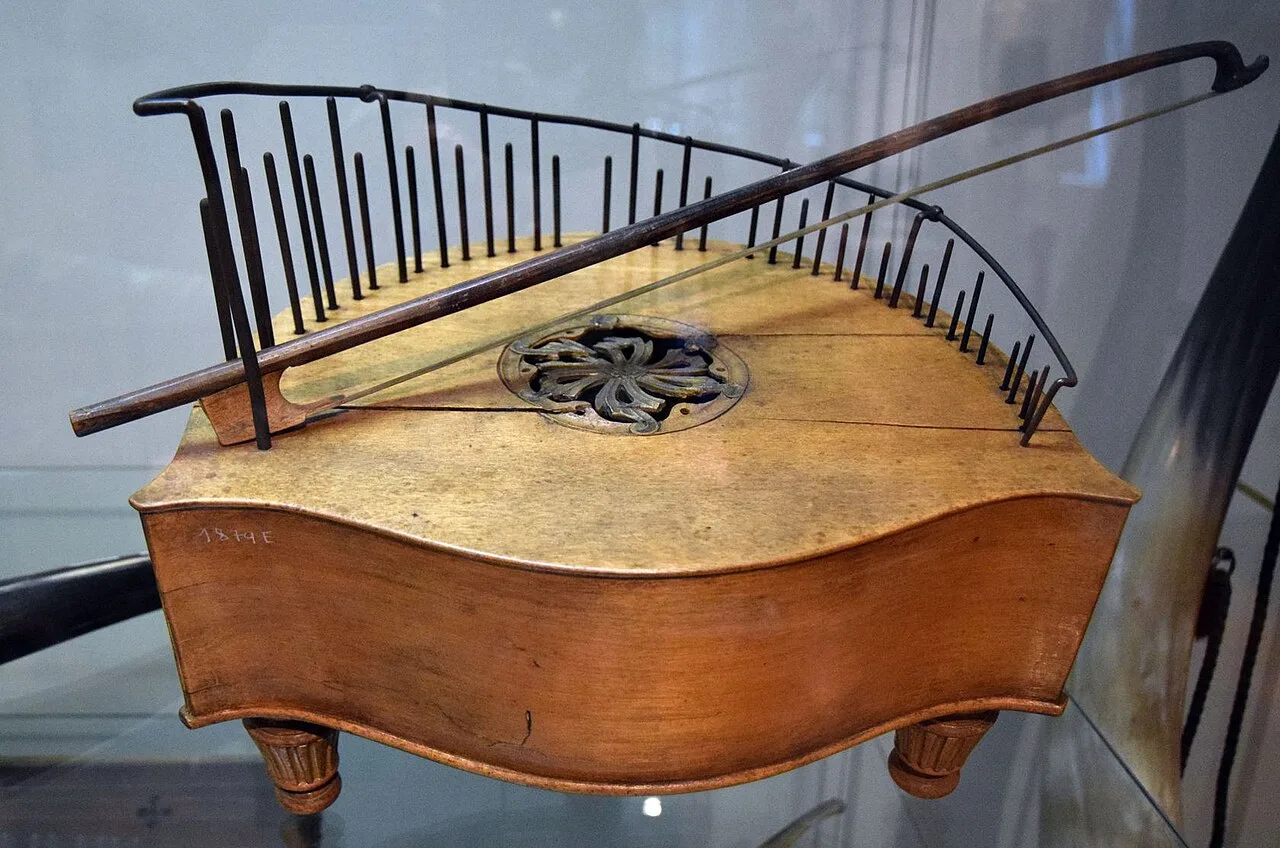
Nail violin,Bohemia
Nail violin
The nail violin is a musical instrument with a wooden soundboard and nails of varying lengths, invented in 1740 by German violinist Johann Wilde.
The 1740 Bow Slip That Built an Instrument
Most instruments are meticulously designed, but the nail violin emerged from a happy accident. In 1740, German violinist Johann Wilde accidentally drew his bow across a metal peg, and the resulting sound inspired him to build a semicircular soundboard with nails of varying lengths. This inversion of the typical design process shows how chance can reshape musical innovation.
From Wikipedia · CC BY-SA 4.0
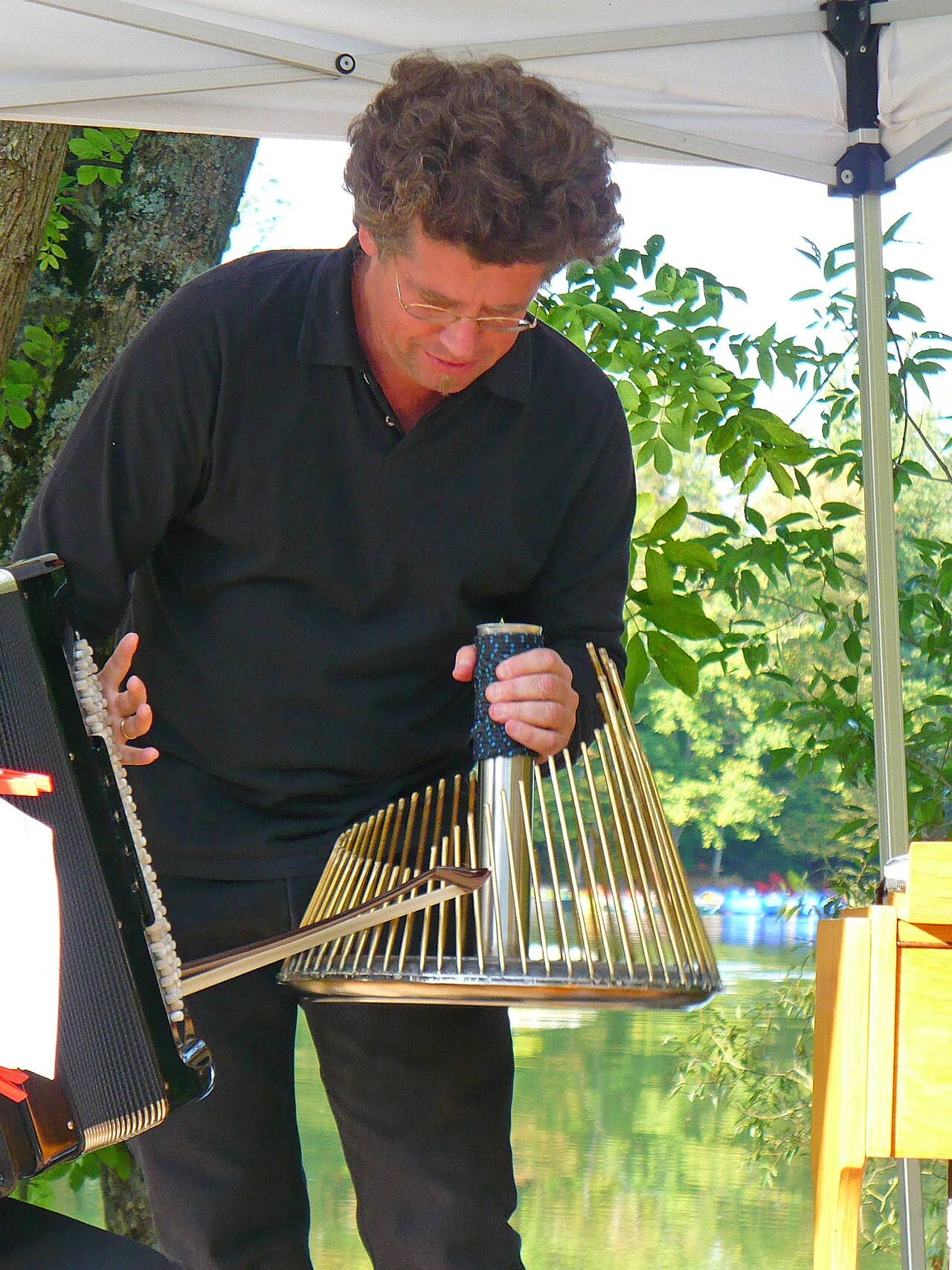
Musician Thomas Bloch playing the waterphone, 19 September 2009 at the Mittersheim pond, France
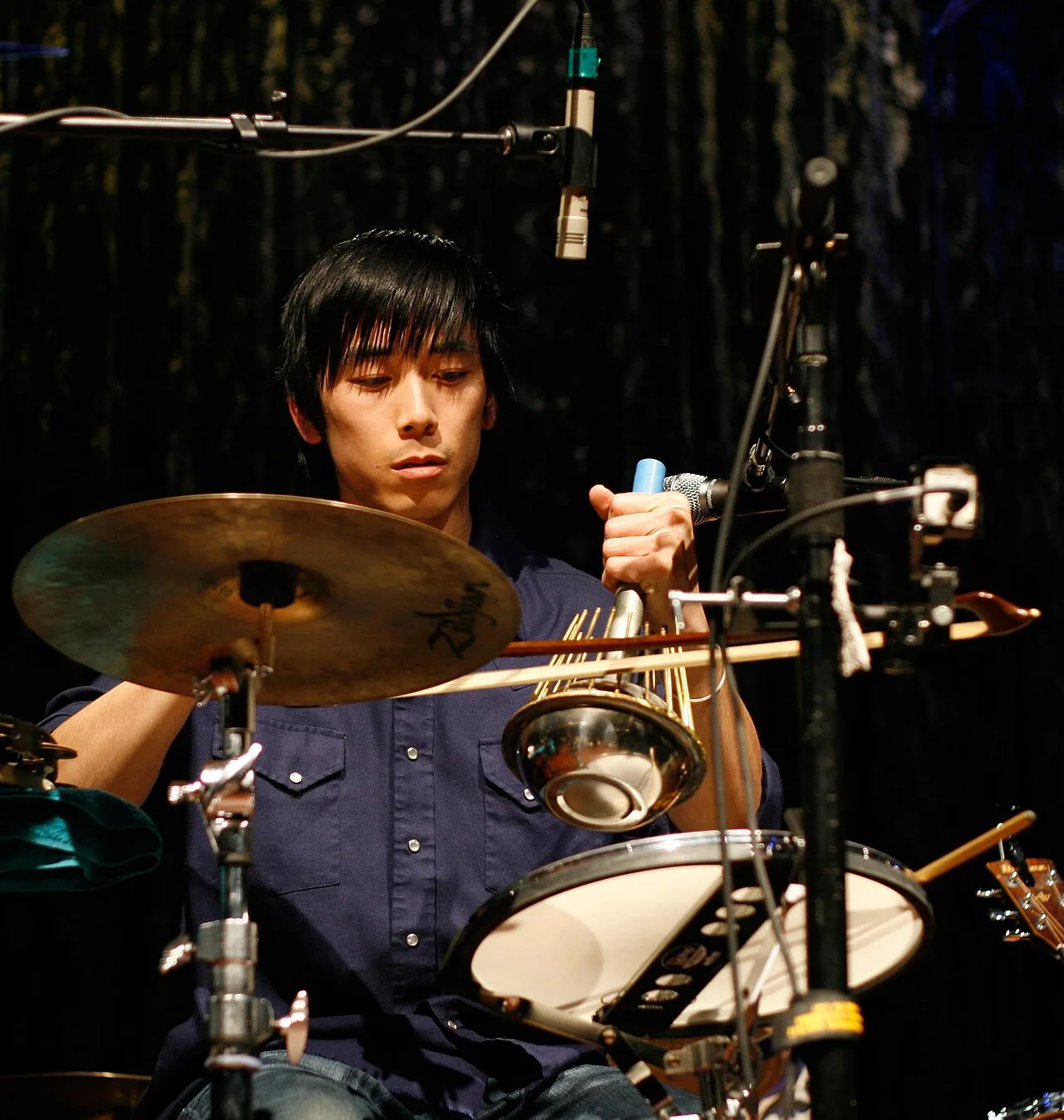
Percussionist Alex Wong bowing a Standard waterphone
Waterphone
The waterphone is an acoustic tuned idiophone invented by Richard Waters, featuring a stainless steel resonator bowl and bronze rods that produce an ethereal sound.
Calling Whales Underwater
The waterphone's eerie tones are not just for Hollywood horror—they've been used to communicate with whales. Jim Nollman has successfully played the instrument in water to call cetaceans, and this interspecies dialogue inspired The Robert Minden Ensemble's 1989 stage show and album 'The Boy Who Wanted To Talk To Whales.' The instrument's ability to bridge human and marine worlds inverts its typical cinematic role.
From Wikipedia · CC BY-SA 4.0
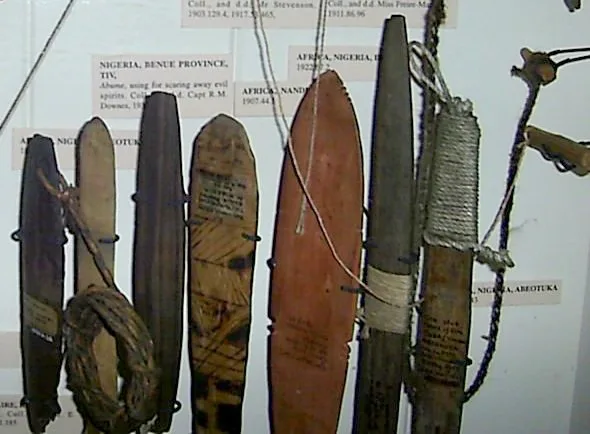
Bullroarers from Africa in the Pitt Rivers Museum
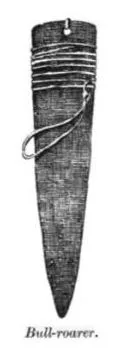
BullRoarerNavajo1910
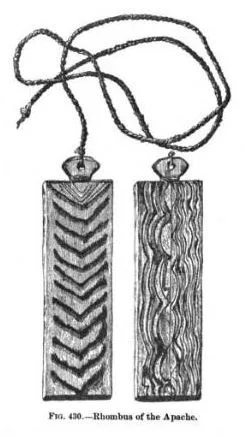
BullRoarerApache1892
![Bullroarers from Great Britain and Ireland[13]](https://hmzpdsmr7uczkvx4.public.blob.vercel-storage.com/wikifeed/bullroarer/3-40864442f1.webp)
Bullroarers from Great Britain and Ireland[13]
Bullroarer
The bullroarer is an ancient ritual musical instrument and communication device consisting of a piece of wood on a string that produces a roaring sound when swung.
A Prehistoric Data Channel
The bullroarer is not just a crude noise maker; its aerodynamics allow precise control of sound modulation. By varying the speed, circuit size, and plane of rotation, users can encode information – an early form of wireless signaling. The low-frequency component travels for miles, making it an effective long-distance communication tool before any electronics.
From Wikipedia · CC BY-SA 4.0
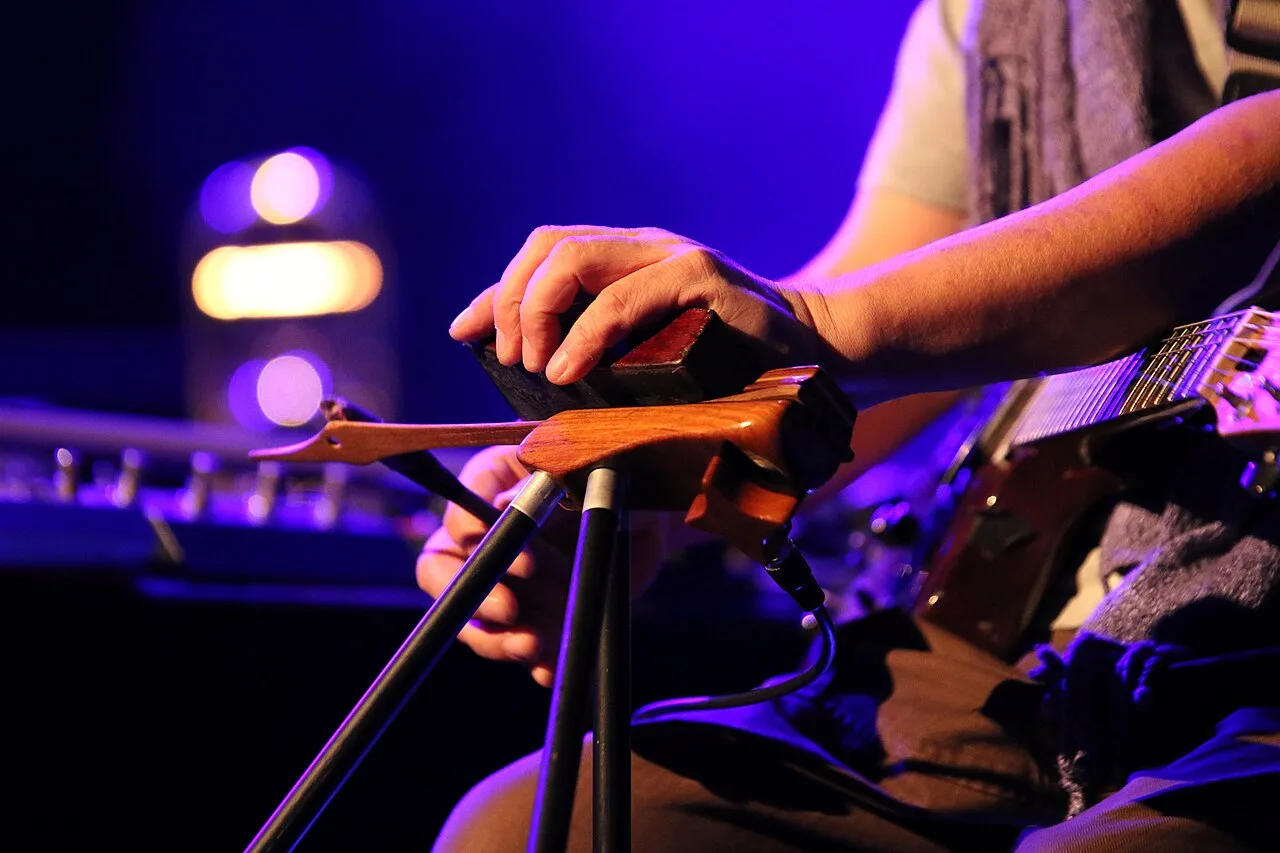
Deutsches Jazzfestival 2015 - Hope - Kazuhisa Uchihashi - 03
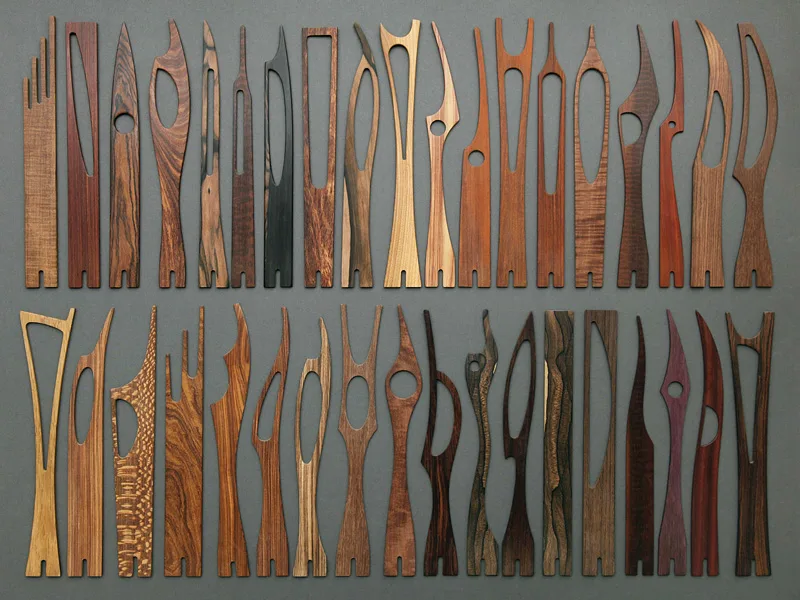
A variety of daxophone tongues
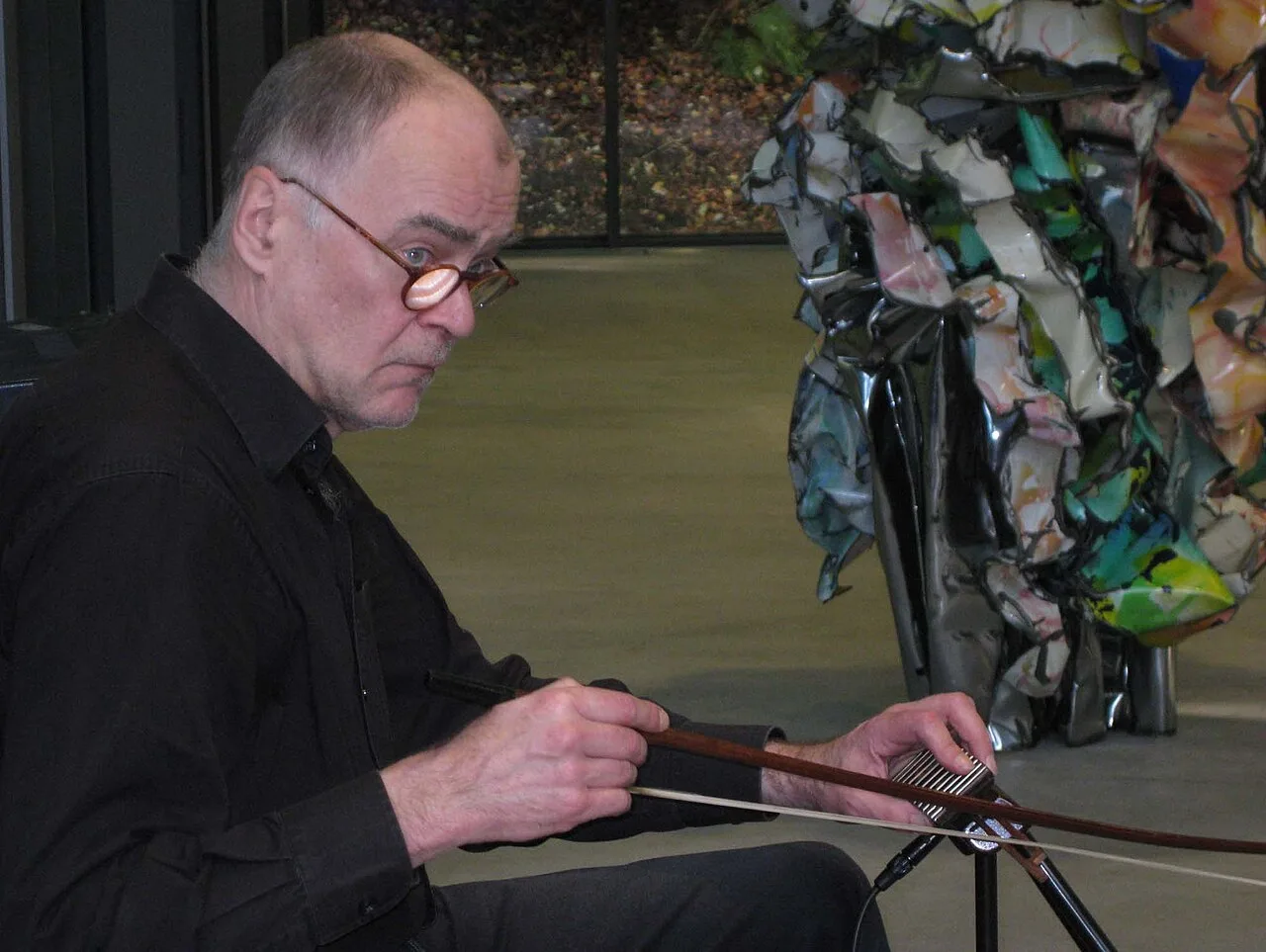
A daxophone being played by the inventor, Hans Reichel
Daxophone
The daxophone, invented by Hans Reichel, is an electric wooden experimental musical instrument in the friction idiophone category.
A Badger in the Name, a Sax in the Echo
The daxophone's name owes less to Adolphe Sax than to the German word for badger—Dachs—chosen because the instrument's repertoire includes noises that evoke animal calls. The spelling was tweaked to 'dax' to echo 'saxophone,' a deliberate misdirection that hides a zoological origin. This etymology hints at the instrument's true character: not a refined woodwind, but a voice for comical, human-like sounds.
From Wikipedia · CC BY-SA 4.0
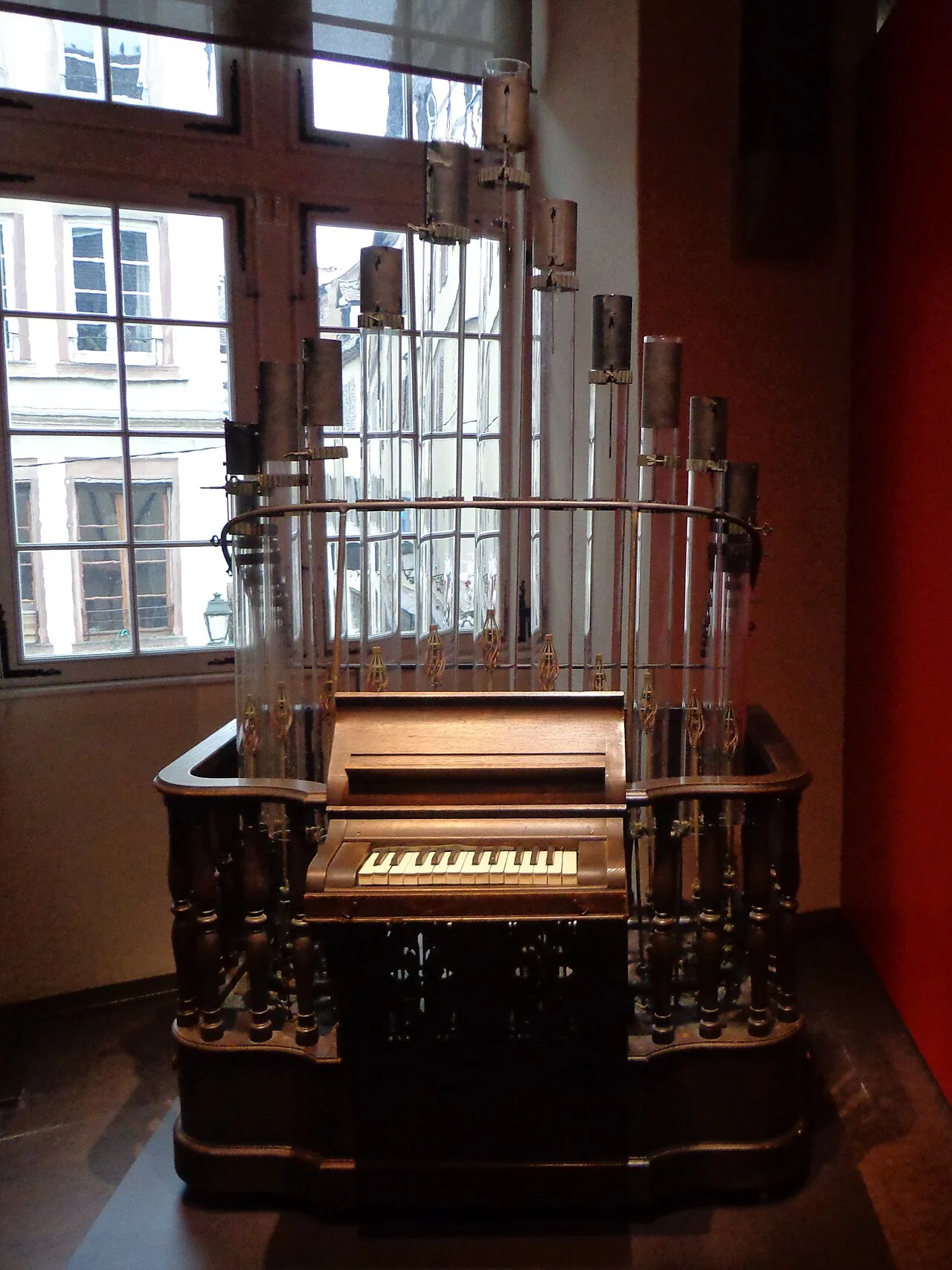
One of the pyrophones constructed by Kastner, as seen in 2013 in the Musée historique de Strasbourg
![Durant's diagram of the sound-creating gas burners,[1] the, "mechanisms that allowed two flames to unite or diverge to p](https://hmzpdsmr7uczkvx4.public.blob.vercel-storage.com/wikifeed/pyrophone/1-8df1f18b68.webp)
Durant's diagram of the sound-creating gas burners,[1] the, "mechanisms that allowed two flames to unite or diverge to produce a musical note"[2]
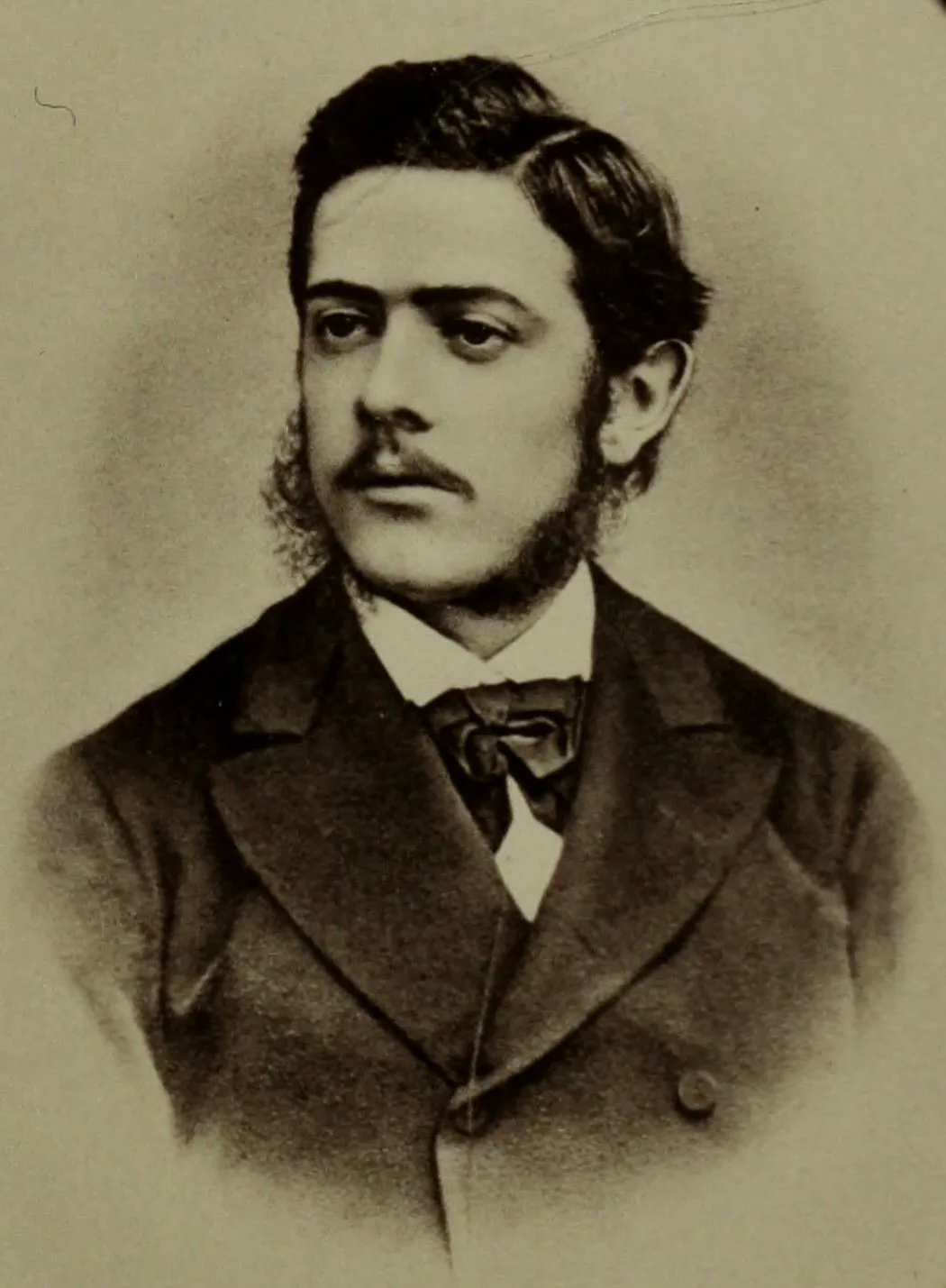
Kastner
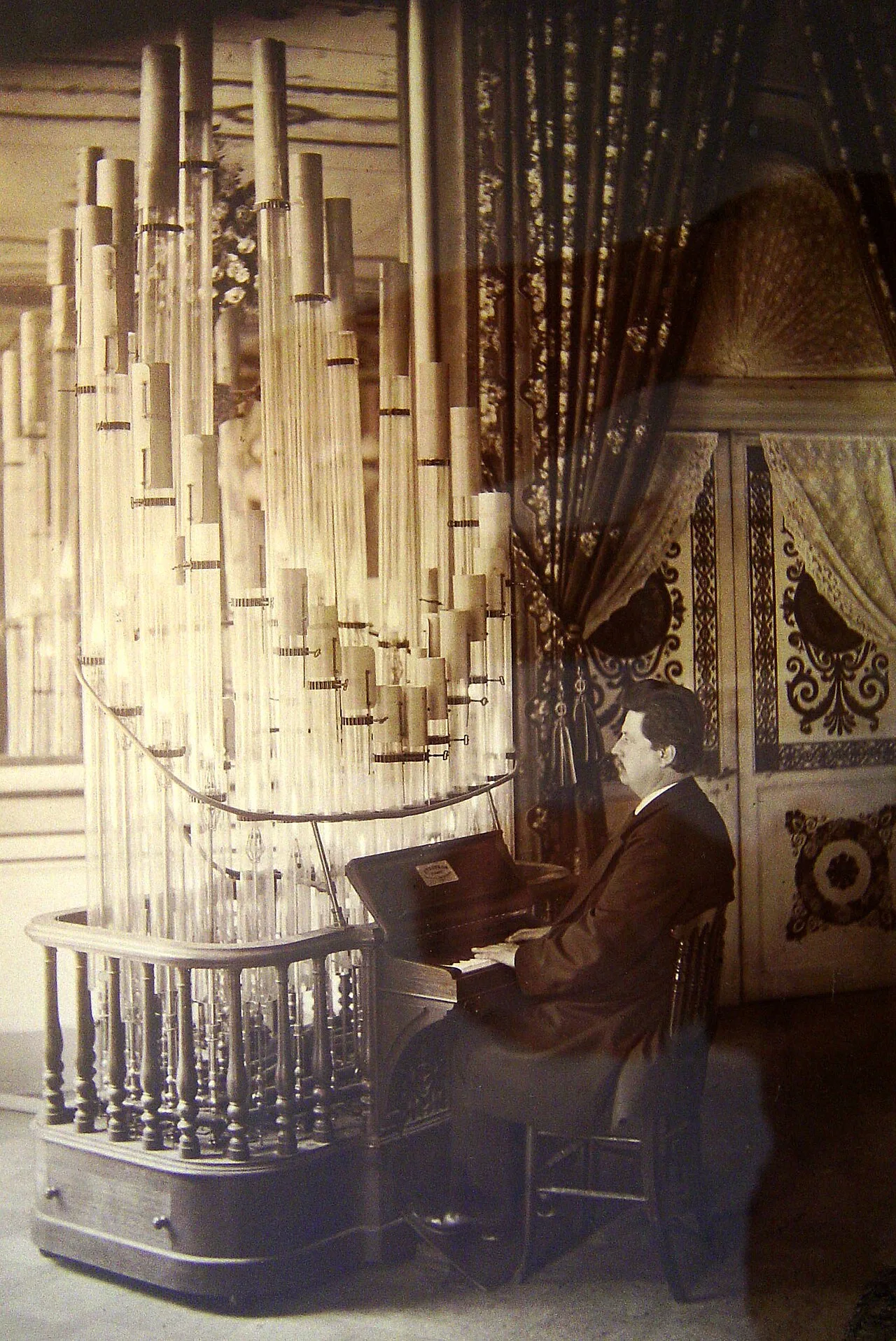
The German composer Wendelin Weißheimer playing a pyrophone
Pyrophone
A pyrophone is a musical instrument invented around 1870 by Georges Frédéric Eugène Kastner, in which notes are sounded by rapid combustion or heating inside glass tubes.
1852–1882: A Life of Fire and Sound
Georges Frédéric Eugène Kastner, born in 1852 in Strasbourg and died in 1882 in Bonn, was a physicist and musician. The son of composer Jean-Georges Kastner, he invented the pyrophone around 1870, and filed a patent on Christmas Eve of 1874. His instrument combined his dual passions, turning controlled explosions into music.
From Wikipedia · CC BY-SA 4.0