
Westinghouse's 1964–65 World's Fair time capsule exhibit

1939 Time Capsule sketch

Guest book pin

1965

1938 English to people of the 70th century showing comparisons

1938 English to people of the 70th century showing relationships
Westinghouse Time Capsules
The Westinghouse Time Capsules are two time capsules prepared in 1939 and 1965, filled with 20th-century items intended for people of the 7th millennium.
Electrolytic Shielding Designed to Gain Rather Than Lose Mass
Engineers formulated specialized alloys to withstand 5,000 years underground rather than succumbing to decay. Time Capsule I was built from Cupaloy, a non-ferrous alloy composed of 99.4% copper, 0.5% chromium, and 0.1% silver. Westinghouse claimed Cupaloy matched the strength of steel while serving as an anode in electrolytic reactions. This allows the casing to receive deposits over thousands of years instead of wasting away like iron-bearing metals.
From Wikipedia · CC BY-SA 4.0
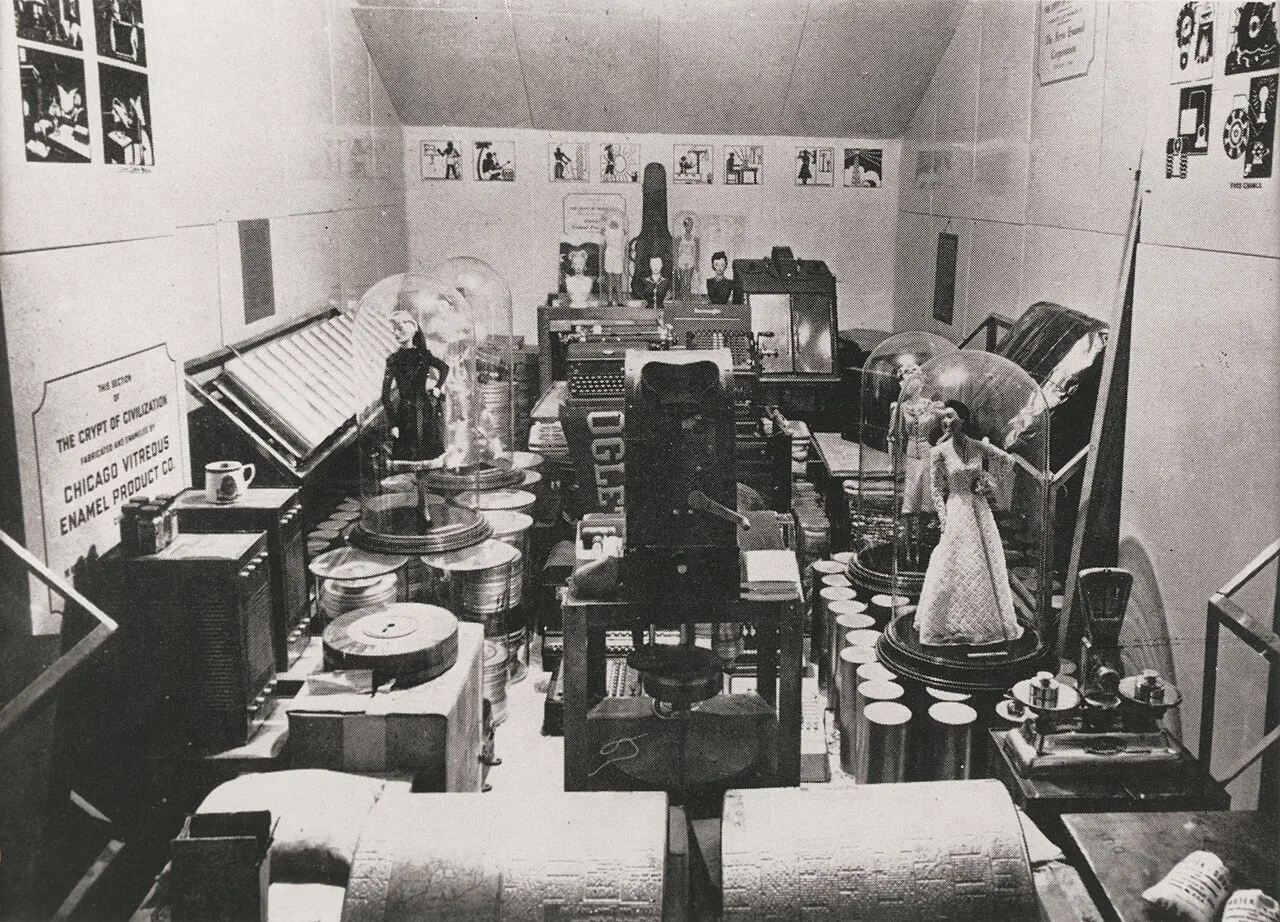
Crypt of Civilization interior, photographed prior to sealing
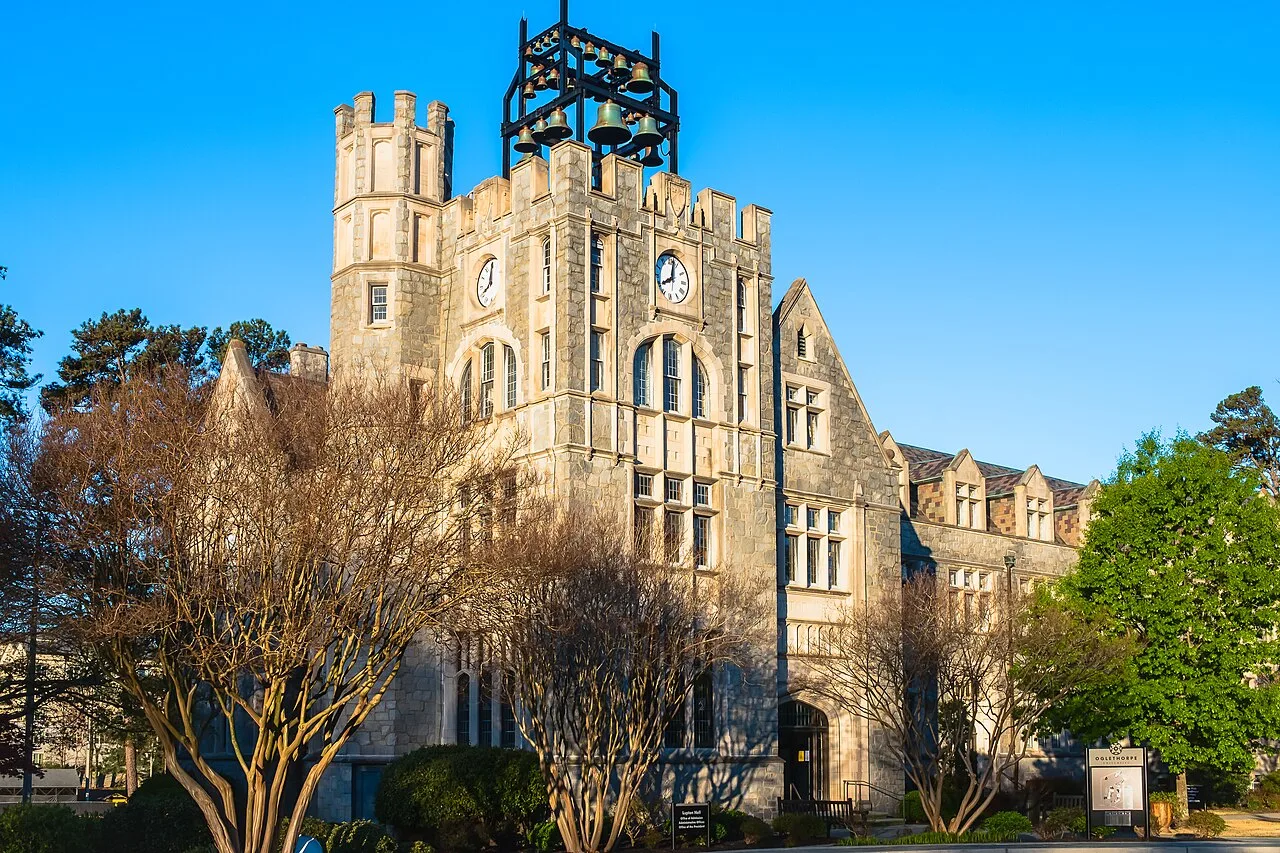
Oglethorpe University – location of the Crypt is in the basement

Typical example of Lincoln Logs placed in crypt

Hand operated Mutoscope was converted into translator

Stone Mountain in US state of Georgia
Westinghouse time capsule exhibit
Crypt of Civilization
The Crypt of Civilization is an airtight, room-sized time capsule built between 1937 and 1940 at Oglethorpe University in Georgia, meant to be opened in 8113 AD.
Calculating a Symmetrical 6,177-Year Leap into the Future
Thornwell Jacobs sought to fix the historical blindness he encountered while researching ancient Egypt, where surviving records were sparse. To establish a balanced timeline, he calculated that 6,177 years had elapsed between the start of the Egyptian calendar in 4241 BC and his era. He projected that exact duration forward into the future, fixing the vault's opening date for 8113 CE.
From Wikipedia · CC BY-SA 4.0
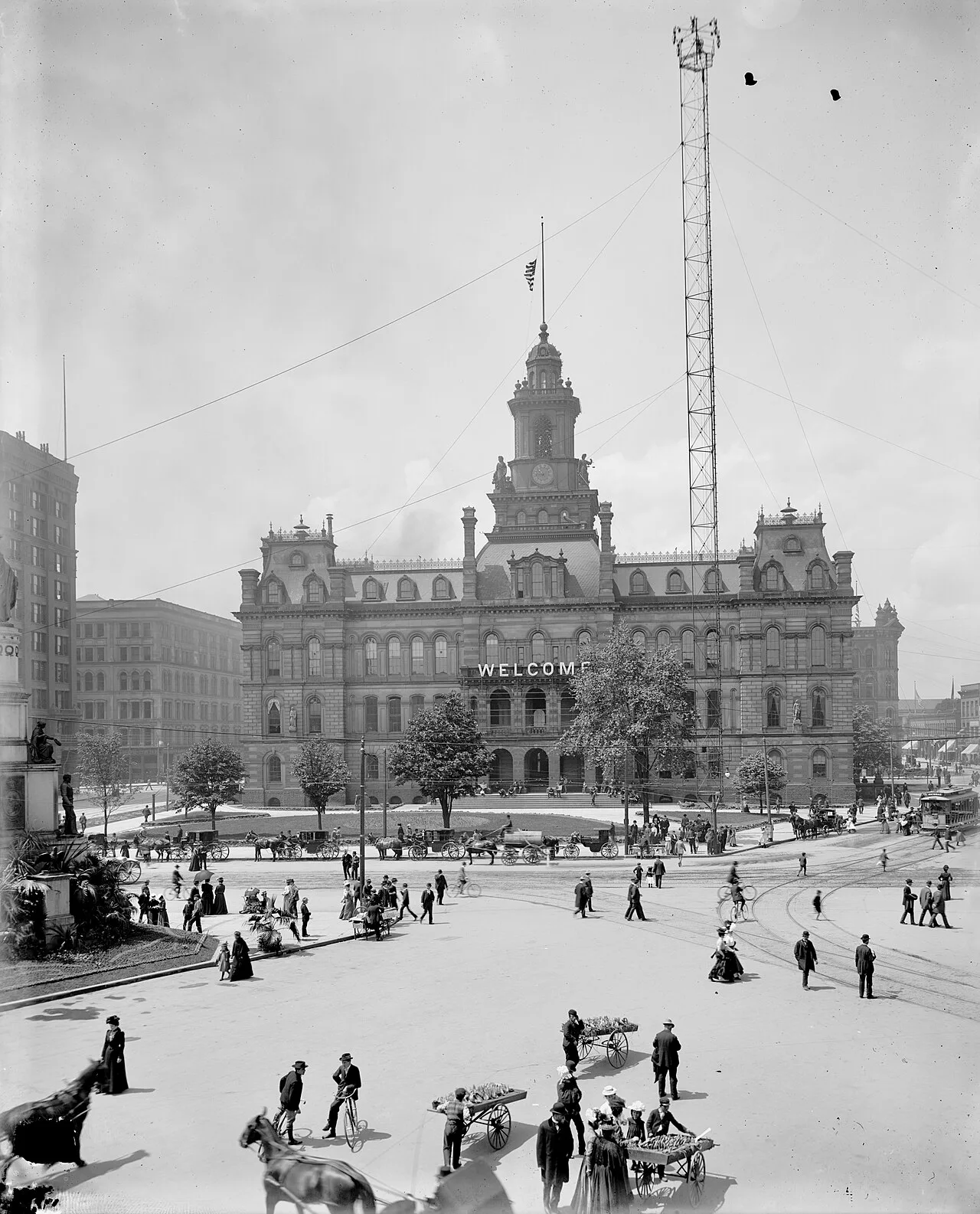
The Detroit City Hall in 1900. It was demolished in 1961.
Detroit Century Box
The Detroit Century Box is a time capsule created in Detroit, Michigan, on December 31, 1900, and opened a century later in 2000.
A Century-Long Copper-Sealed Dialogue
Mayor William C. Maybury organized the copper time capsule on December 31, 1900, filling it with contemporary accounts and future predictions. A century later, Mayor Dennis Archer presided over the public unsealing ceremony in Michigan. At 11:20 pm on December 31, 2000, Archer opened the copper box to read the handwritten letter Maybury had composed for his distant successors.
From Wikipedia · CC BY-SA 4.0
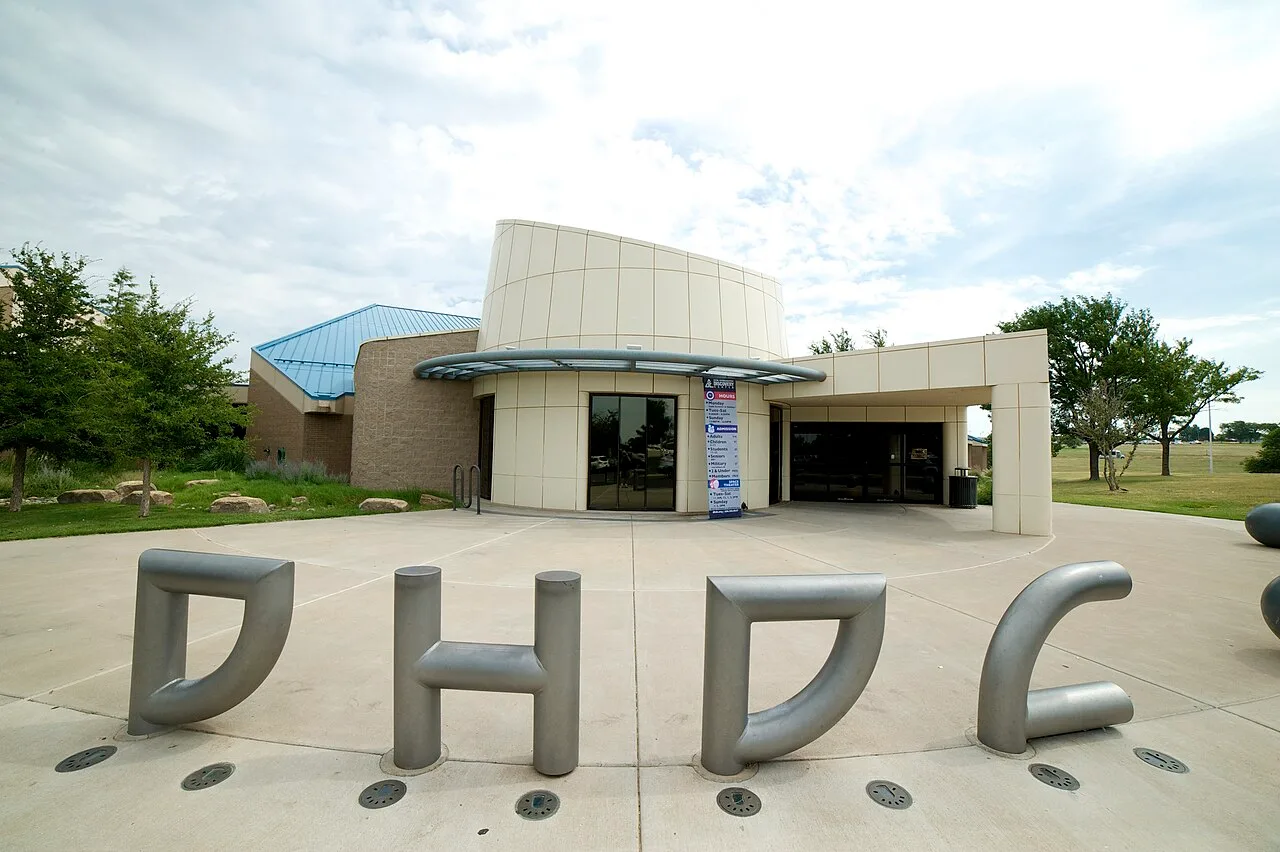
DHDC Front Entrance
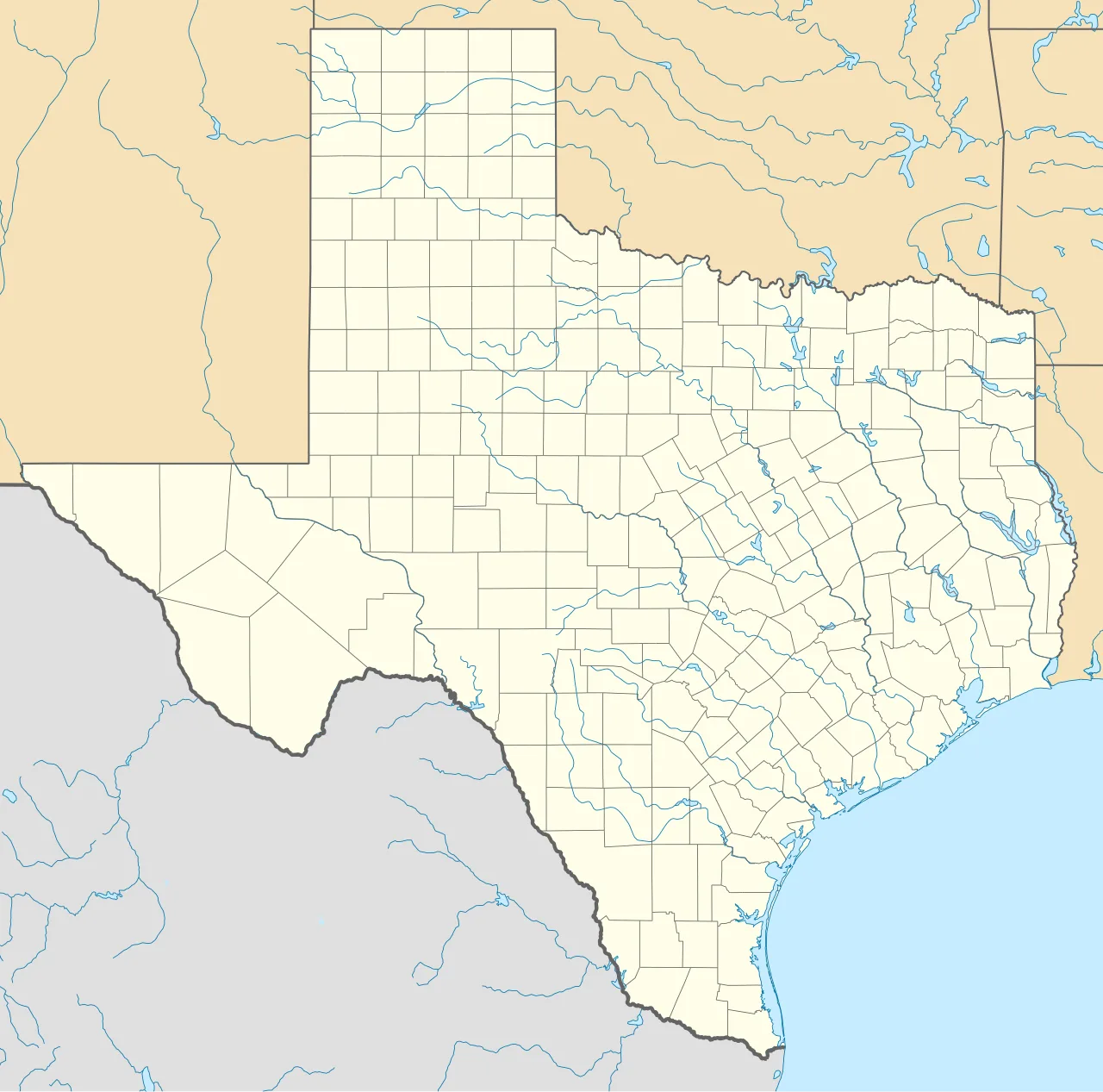
Don Harrington Discovery Center is located in Texas
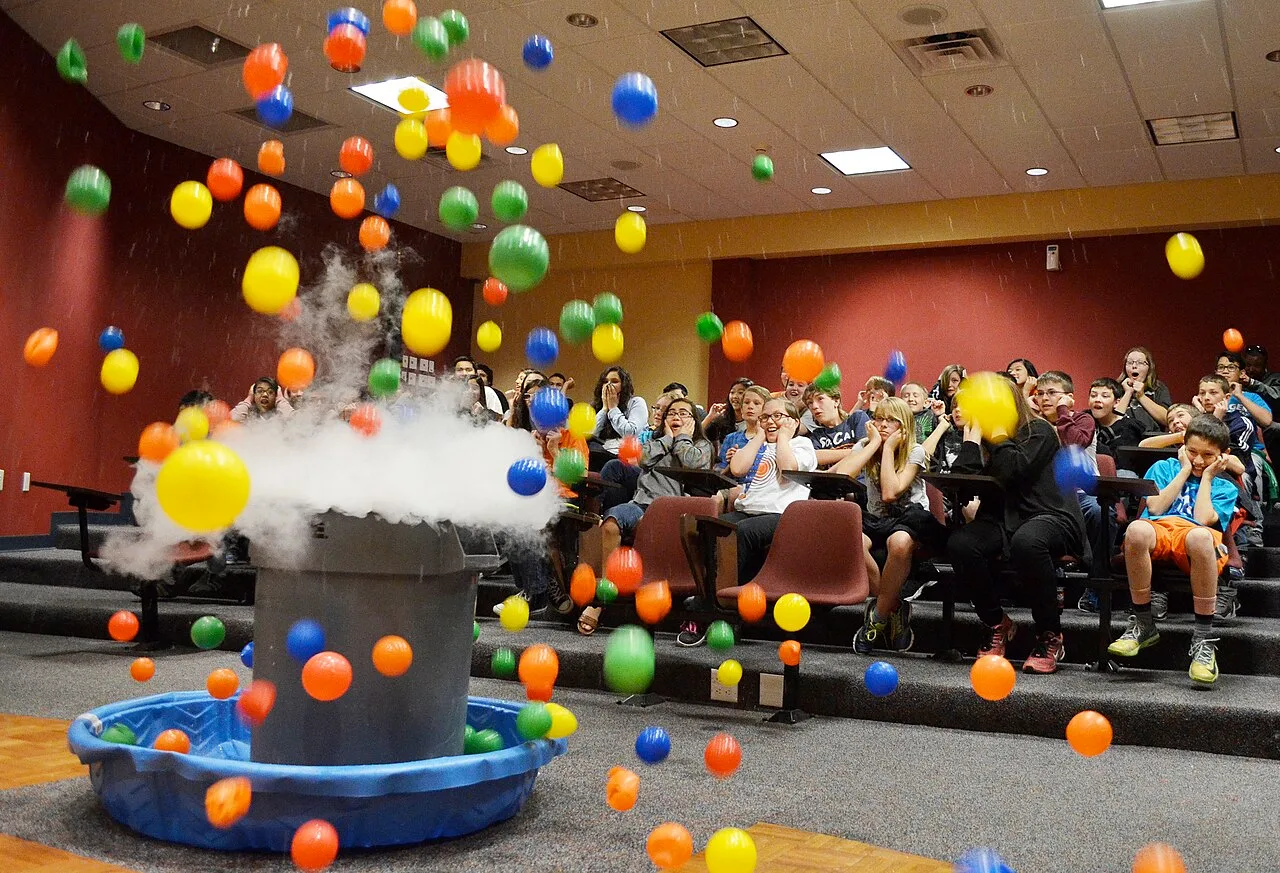
A live science demonstration at the center
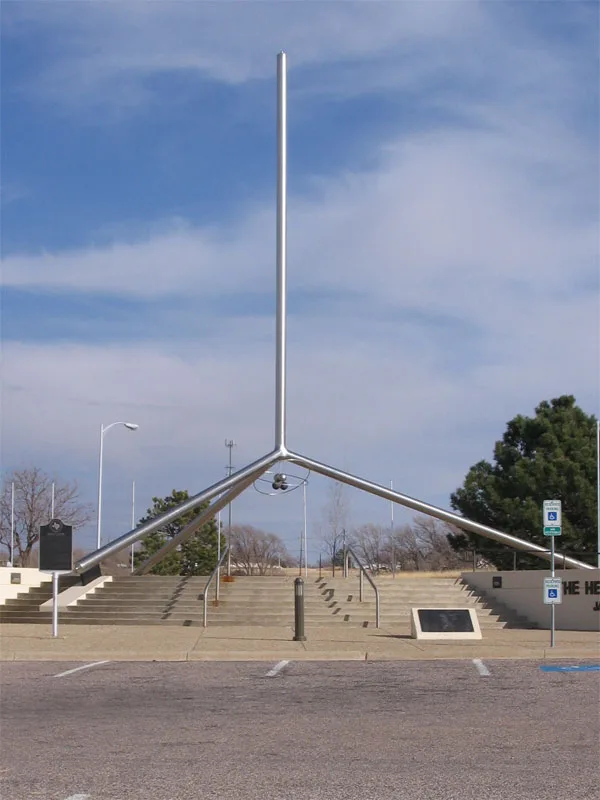
The Helium Monument & Time Capsule is located in front of the Don Harrington Discovery Center
Helium Centennial Time Columns Monument
The Don Harrington Discovery Center is a nonprofit interactive science center and planetarium located in Amarillo, Texas.
Digital Stargazing in the Hospital District
The Don Harrington Discovery Center operates as a nonprofit interactive science facility in Amarillo, Texas. Named in tribute to philanthropist Don Harrington, the institution occupies an unexpected setting situated directly inside the city's hospital district. Visitors experience immersive celestial programming following a 2003 renovation that introduced Digistar 3 fulldome video projection technology.
From Wikipedia · CC BY-SA 4.0

Yahoo Time Capsule logo

Yahoo! Time Capsule
Yahoo! Time Capsule
The Yahoo! Time Capsule is a project by Yahoo! Inc. created by Jonathan Harris that invited users to contribute to a digital legacy of life in 2006.
Beaming Digital Anthropology into Deep Space
Conceived as an ambitious digital anthropology project, the global initiative was the brainchild of Jonathan Harris. Organizers originally planned to beam user submissions via laser into space from an ancient pyramid to communicate with extraterrestrial life. The platform remained open to contributions from October 10, 2006 to November 8, 2006 to preserve contemporary thoughts and feelings. This digital legacy aimed to capture everyday life before sealing the collection away.
From Wikipedia · CC BY-SA 4.0
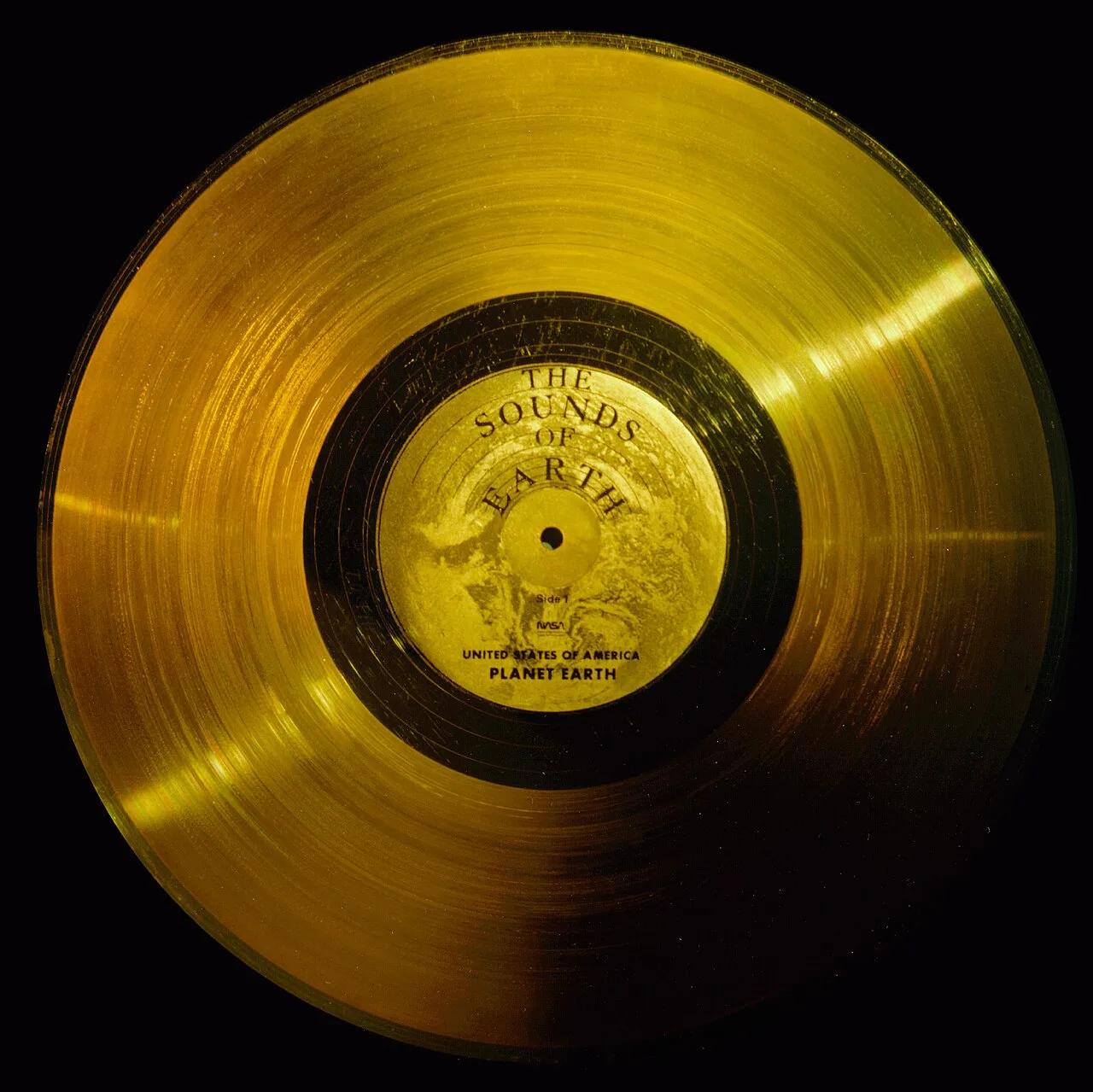
The Voyager Golden Record
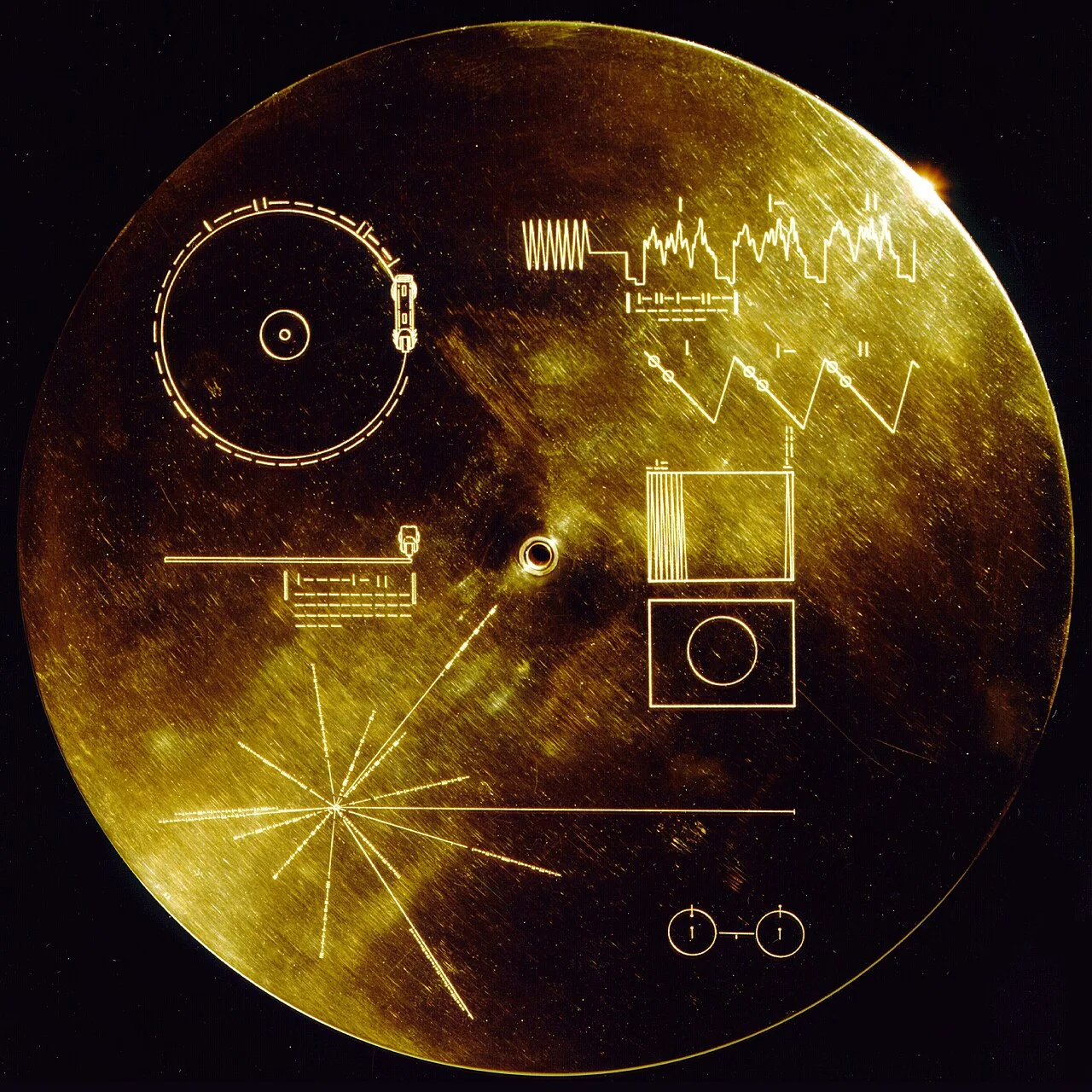
Cover of the Voyager Golden Record
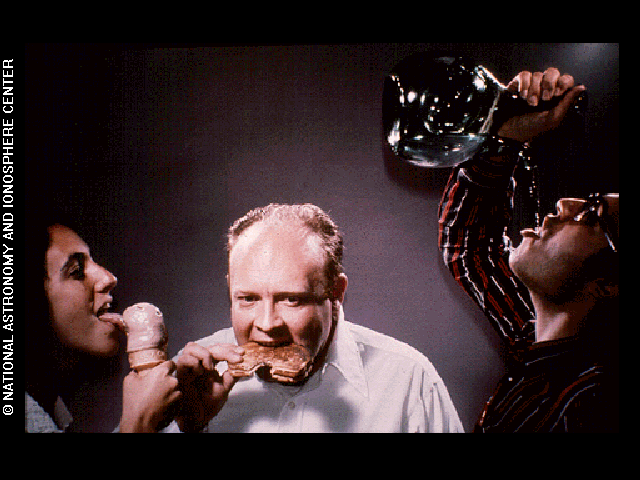
Depiction of humans licking, eating, and drinking as modes of consumption
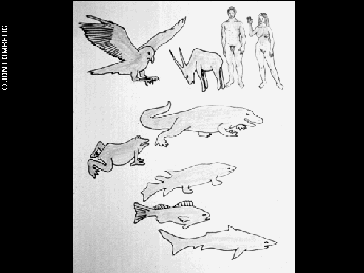
"Diagram of vertebrate evolution", by Jon Lomberg

Phonograph record

Gold plating
Voyager Golden Record
The Voyager Golden Records are two identical phonograph records launched aboard the Voyager spacecraft in 1977, intended to portray the diversity of life and culture on Earth to extraterrestrial life.
Six Weeks and Fifteen Hundred Dollars
Project manager John R. Casani initiated the interstellar message under remarkably frugal constraints. He granted Carl Sagan a project budget of just $1,500 and a tight timeline of six weeks of work. Sagan and his colleagues had to contribute additional money out of pocket to complete the disc while honoring the Pioneer plaque weight limit.
From Wikipedia · CC BY-SA 4.0