
Map of Belitung Island showing the Belitung shipwreck marked with a red cross (2°45′00"S, 107°35′36"E)

Map of the Middle East and Asia showing the expected route of the ship in red, with a green box highlighting Belitung Island and Oman colored in blue (click to enlarge)

A bronze mirror with cosmological decoration and inscription from the 8th century, reading "Made on the 29th day of the 11th month of the first year of the wuxu era of the Qianyuan reign"

Two Tang oval-lobed gold bowls, each decorated with two ducks in repoussé amidst chased flowers

A Tang octagonal gold cup with a thumb plate at the top of its handle, likely produced in Yangzhou, Jiangsu

A ewer with lugs, a dragon-head spout, and a feline-shaped handle, possibly from North China (perhaps Hebei)
Belitung shipwreck
The Belitung shipwreck is the wreck of an Arabian dhow that sank around 830 AD off the coast of Belitung Island, Indonesia, on its return journey from China.
An Unexplained Divergence From the Primary Maritime Silk Road
When the Arabian dhow went down, it was sailing significantly off course. Rather than following the conventional passage through the Singapore Strait toward the Straits of Malacca, the vessel sank approximately 1.6 kilometres off Belitung Island. This placed the ship roughly 610 kilometres southeast of the standard route. Scholars still do not know why the vessel navigated this secondary corridor typically reserved for travel toward the Java Sea.
From Wikipedia · CC BY-SA 4.0

Sevilla Nuestra Señora de Atocha Archivo General de Indias 21-03-2011 11-24-15

Los Roques -Atlas Ortelius KB PPN369376781-004av-004br
Nuestra Señora de Atocha
Nuestra Señora de Atocha was a Spanish treasure galleon heavily laden with gold, silver, and gems that sank in a hurricane off the Florida Keys in 1622.
Two Months to Inventory a Mule-Borne Fortune
The immense accumulation of New World riches created overwhelming logistical delays that proved fatal to the fleet. Transported by mule into Panama City, the wealth was so vast that officials required two full months simply to record and load it onto the Atocha. These setbacks in Panama and Havana delayed the 28-ship convoy until 4 September 1622, forcing it to depart six weeks late directly into hurricane season.
From Wikipedia · CC BY-SA 4.0
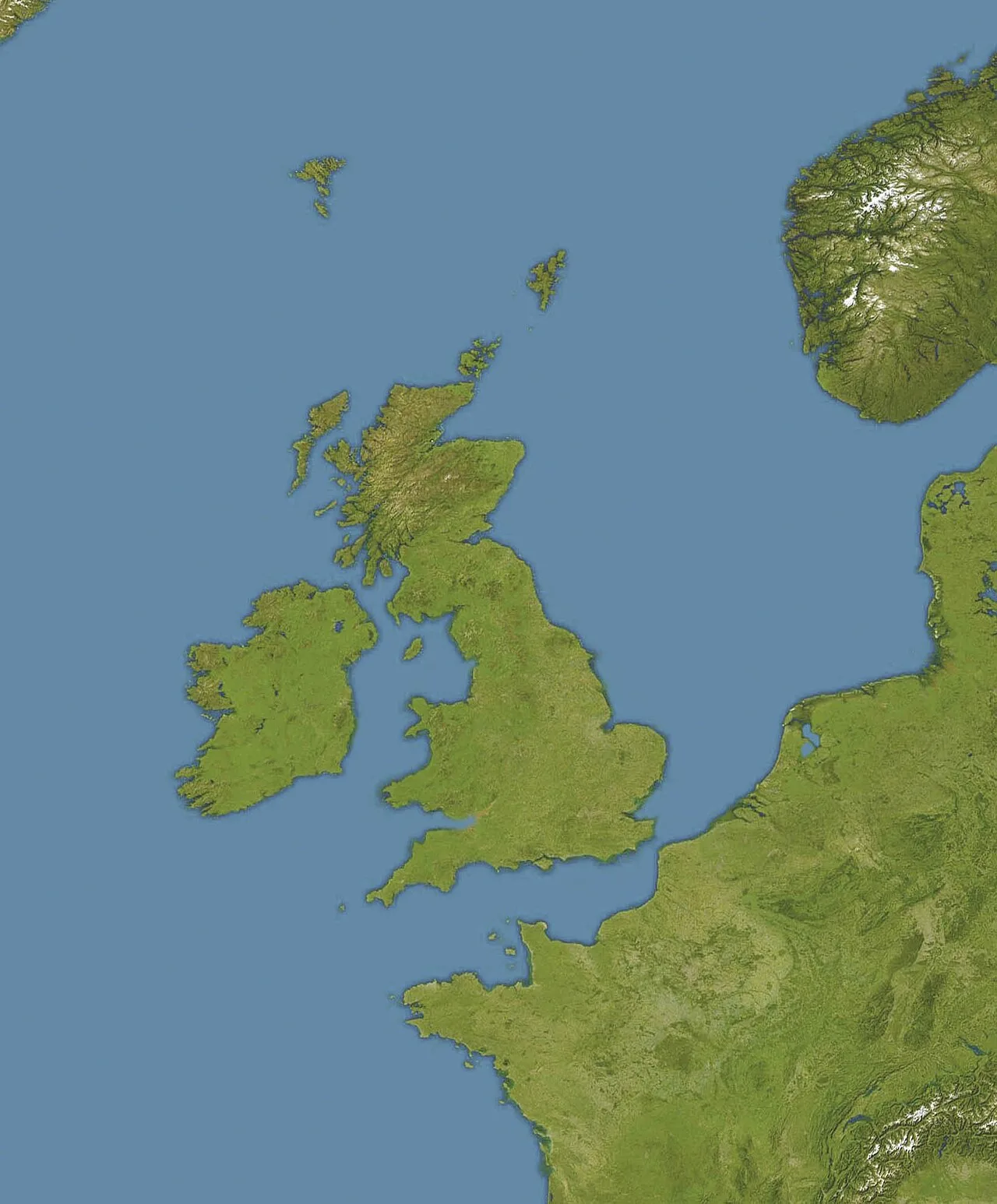
SS Gairsoppa is located in Oceans around British Isles
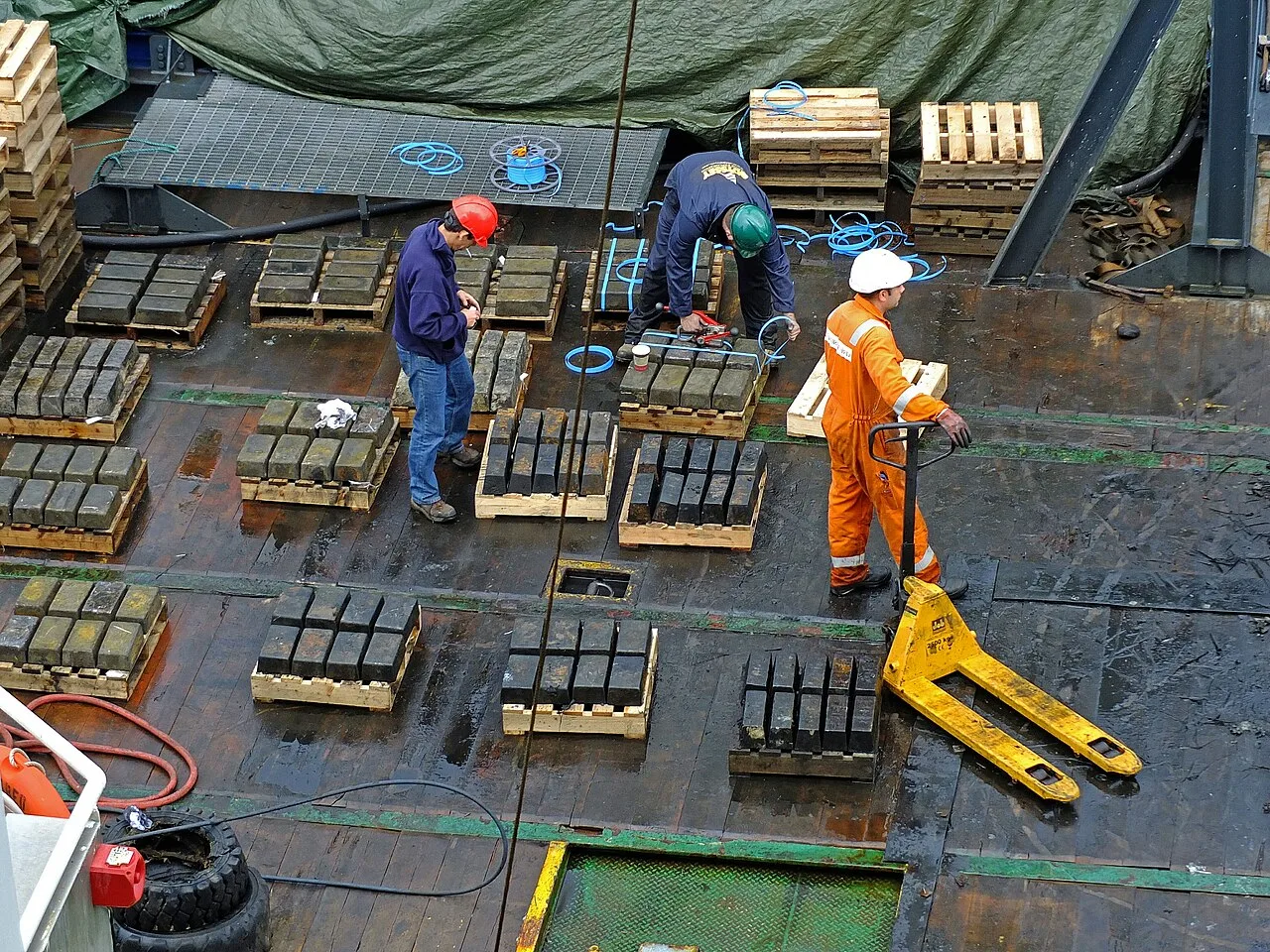
Salvors inspecting some of the silver recovered from Gairsoppa in 2013
SS Gairsoppa
SS Gairsoppa was a British cargo steamship built in 1919 and sunk during the Battle of the Atlantic in 1941.
Standard Shipyard Origins on the River Tyne
Palmers built Gairsoppa at Hebburn as yard number 894 to serve as a merchant freighter. She was launched under the name War Roebuck on 12 August 1919 before being completed on 17 October that year. The vessel was one of 16 new "B" type cargo ships acquired by BI from British shipbuilders.
From Wikipedia · CC BY-SA 4.0
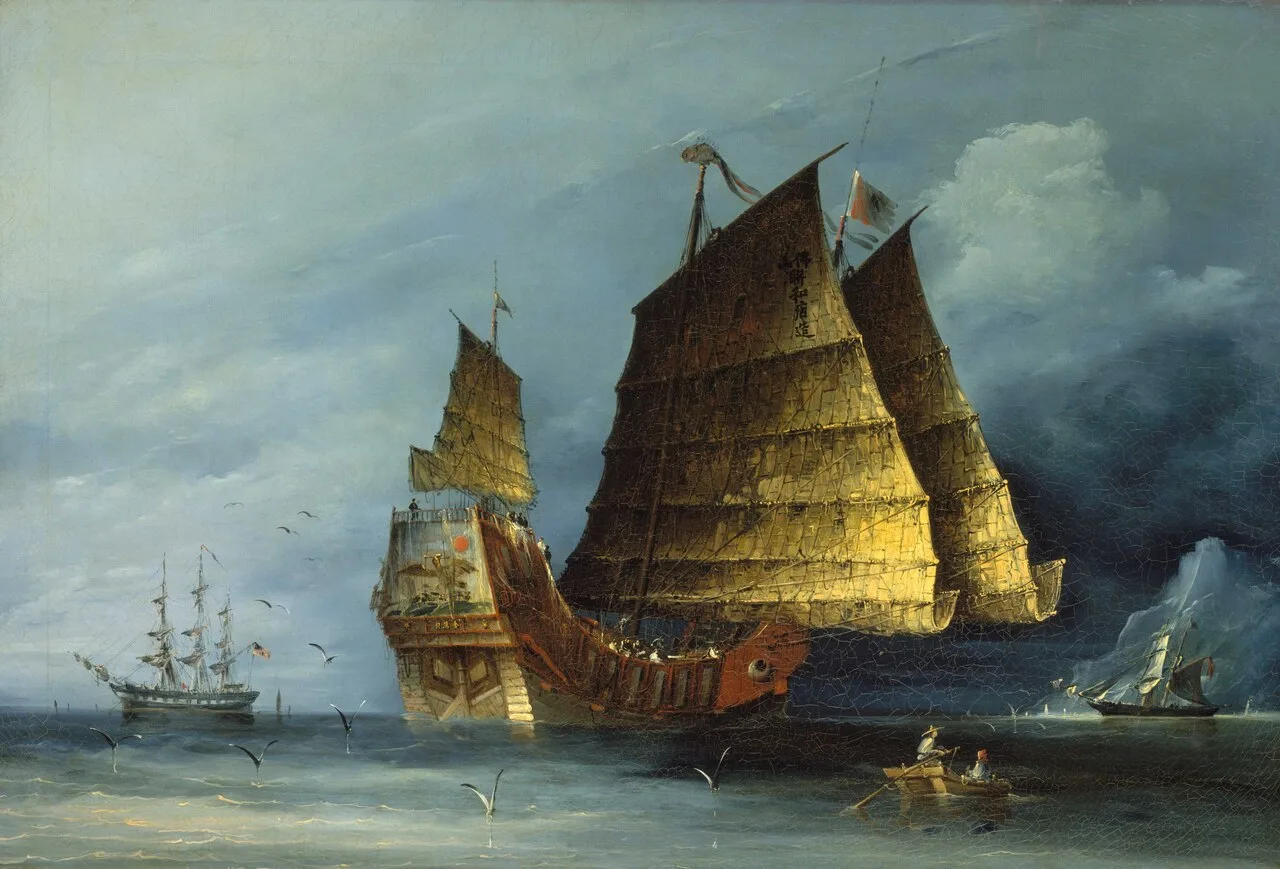
Chinese "trading junk", 19th-century
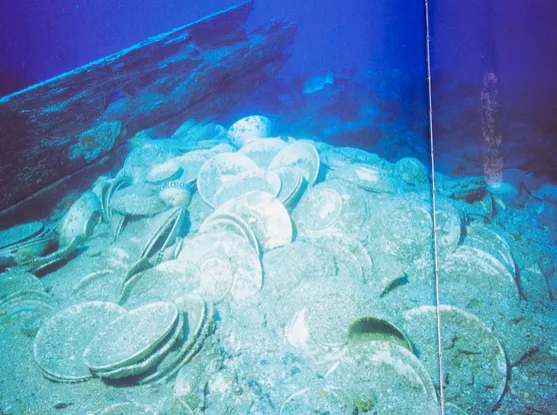
Porcelain during recovery
Tek Sing
The Tek Sing was a large three-masted Chinese ocean-going junk that sank in the South China Sea in 1822.
A Named Exception in Anonymous Waters
Most historical shipwrecks found in Southeast Asian waters are named after nearby landmarks or recovery locations rather than their true identities. The Tek Sing represents a rare departure from this pattern, standing out as one of the few discovered Asian vessels whose name is known. While its exact Chinese characters remain debated among historians, the vessel retains a distinct historical identity that eludes the vast majority of submerged regional wrecks.
From Wikipedia · CC BY-SA 4.0
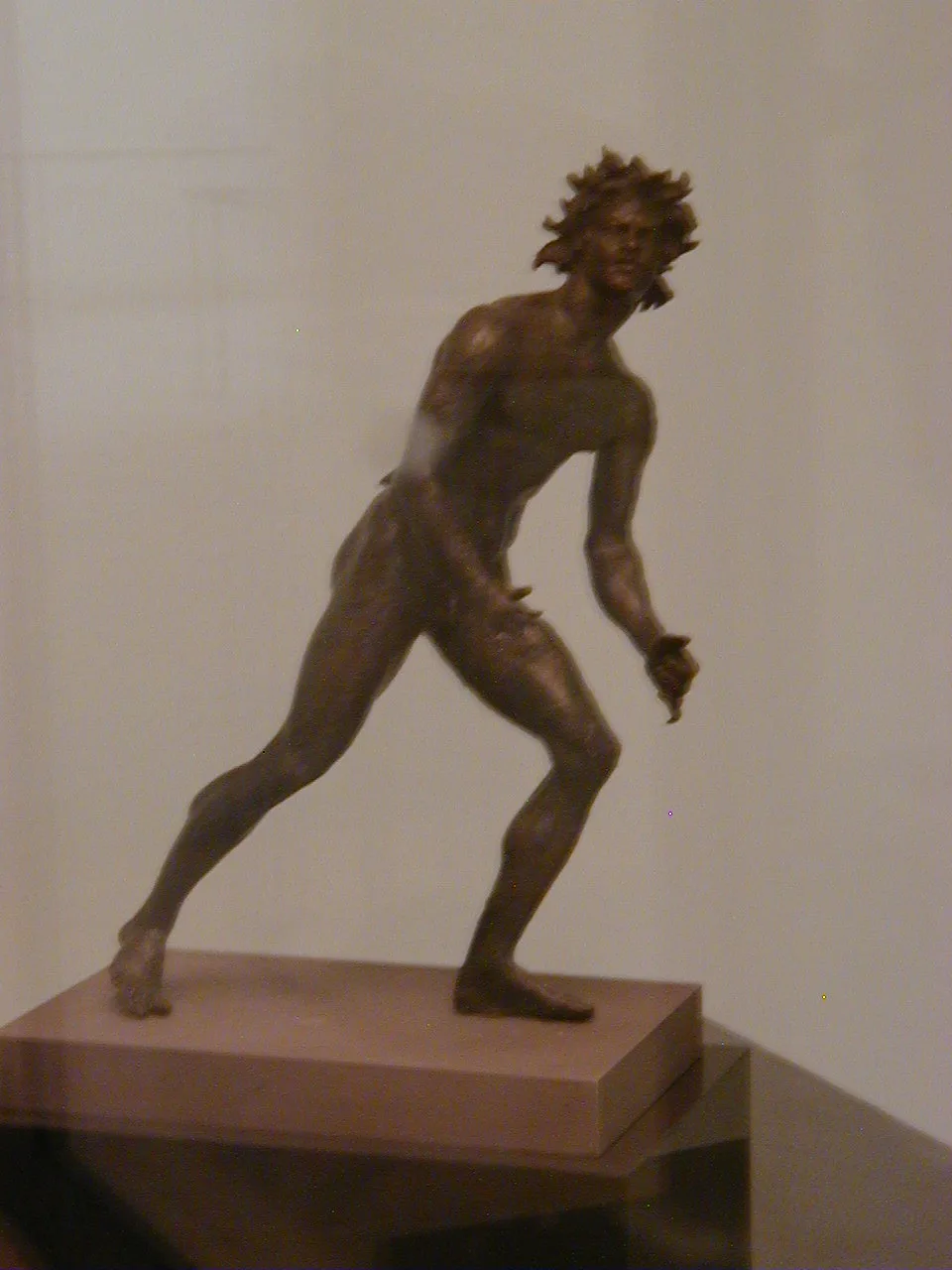
Bronze satyr (height 0.35m) from the Mahdia shipwreck (Musée National du Bardo, Tunis)
Mahdia shipwreck
The Mahdia shipwreck was discovered off the coast of Tunisia in 1907 and is dated to between 80 and 60 BC.
Sponge Divers and Colonial Excavation
Greek sponge fishermen first encountered the ancient wreck off the coast of Tunisia in June 1907. French archaeologist Alfred Merlin, serving as Director of Antiquities in the Protectorate of Tunisia, directed recovery operations between 1907 and 1913. The vast majority of these retrieved artifacts were subsequently housed in the Musée National du Bardo in Tunis.
From Wikipedia · CC BY-SA 4.0
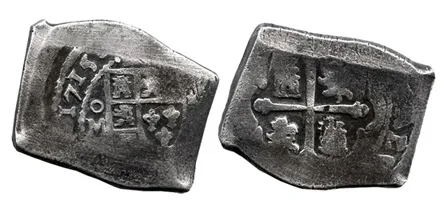
8 reales Mexican silver cob, full date 1715, recovered from the 1715 fleet
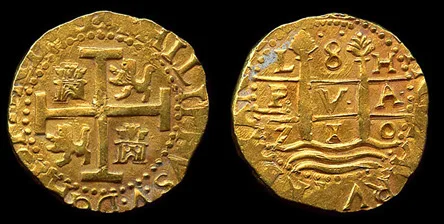
Rare 8 escudos lima dated 1710, recovered from the 1715 Fleet
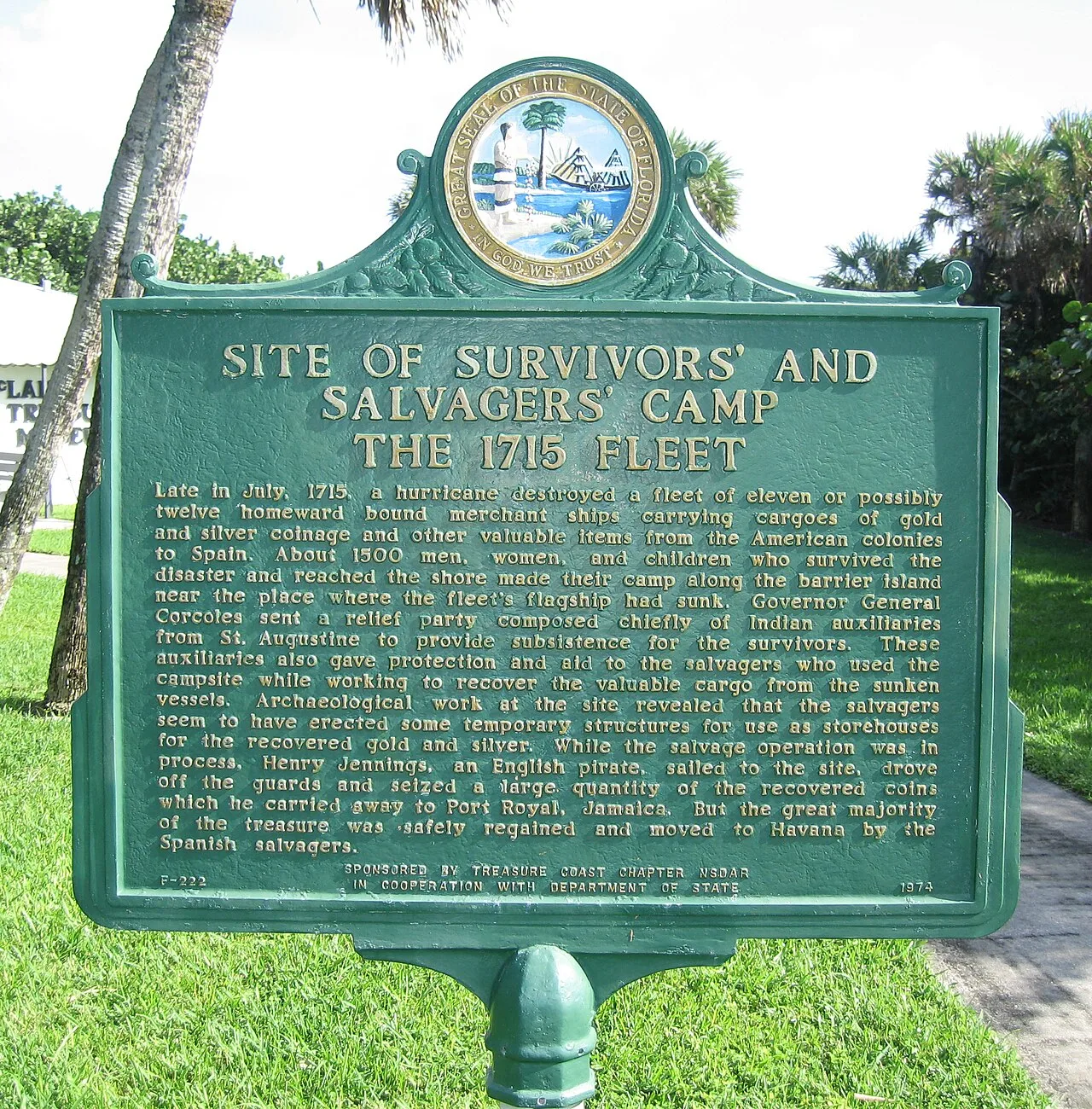
Historical marker designating the site of the Survivors' and Salvagers' Camp - 1715 Fleet
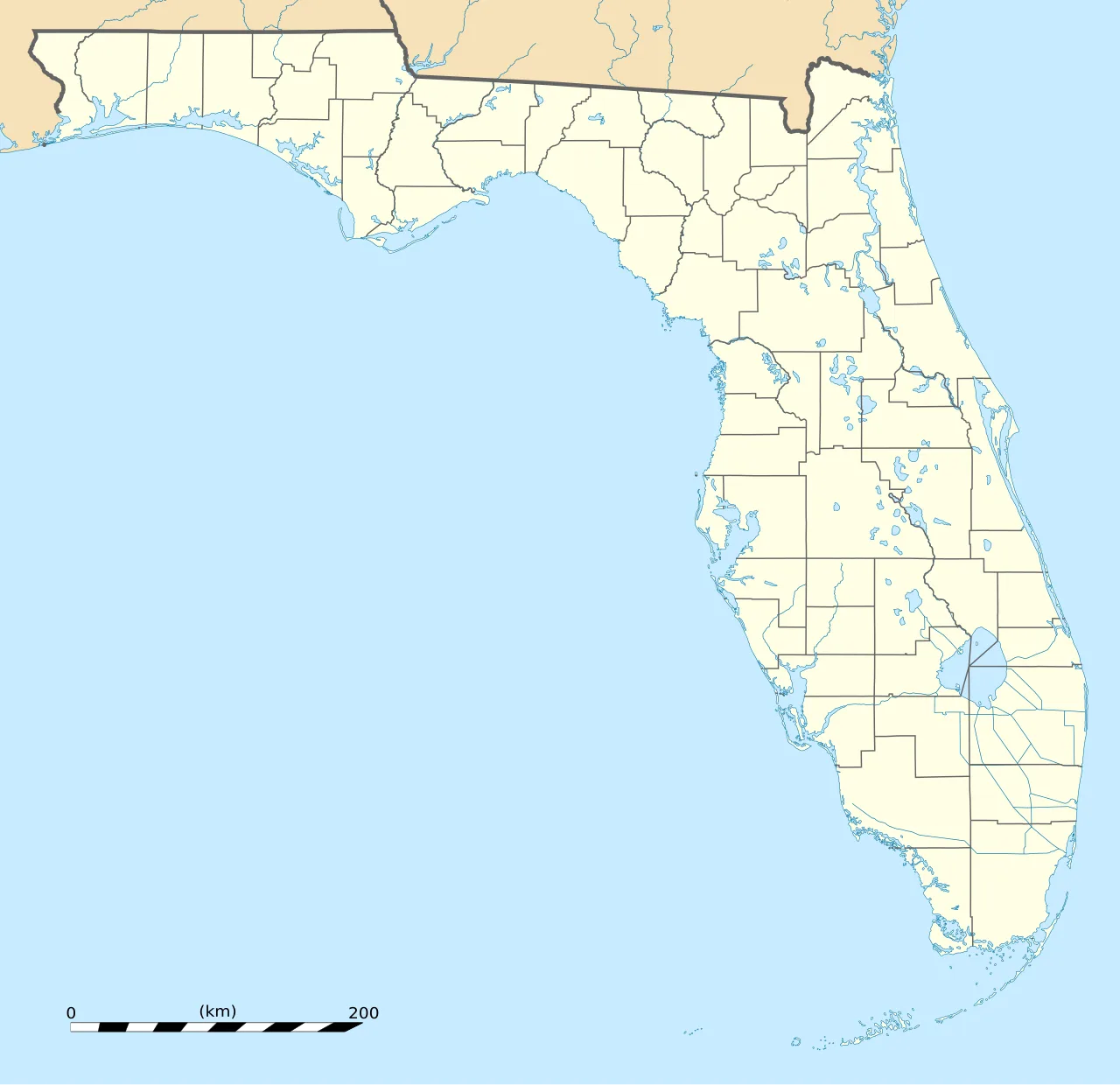
Corrigan’s Beach ShipWreck is located in Florida
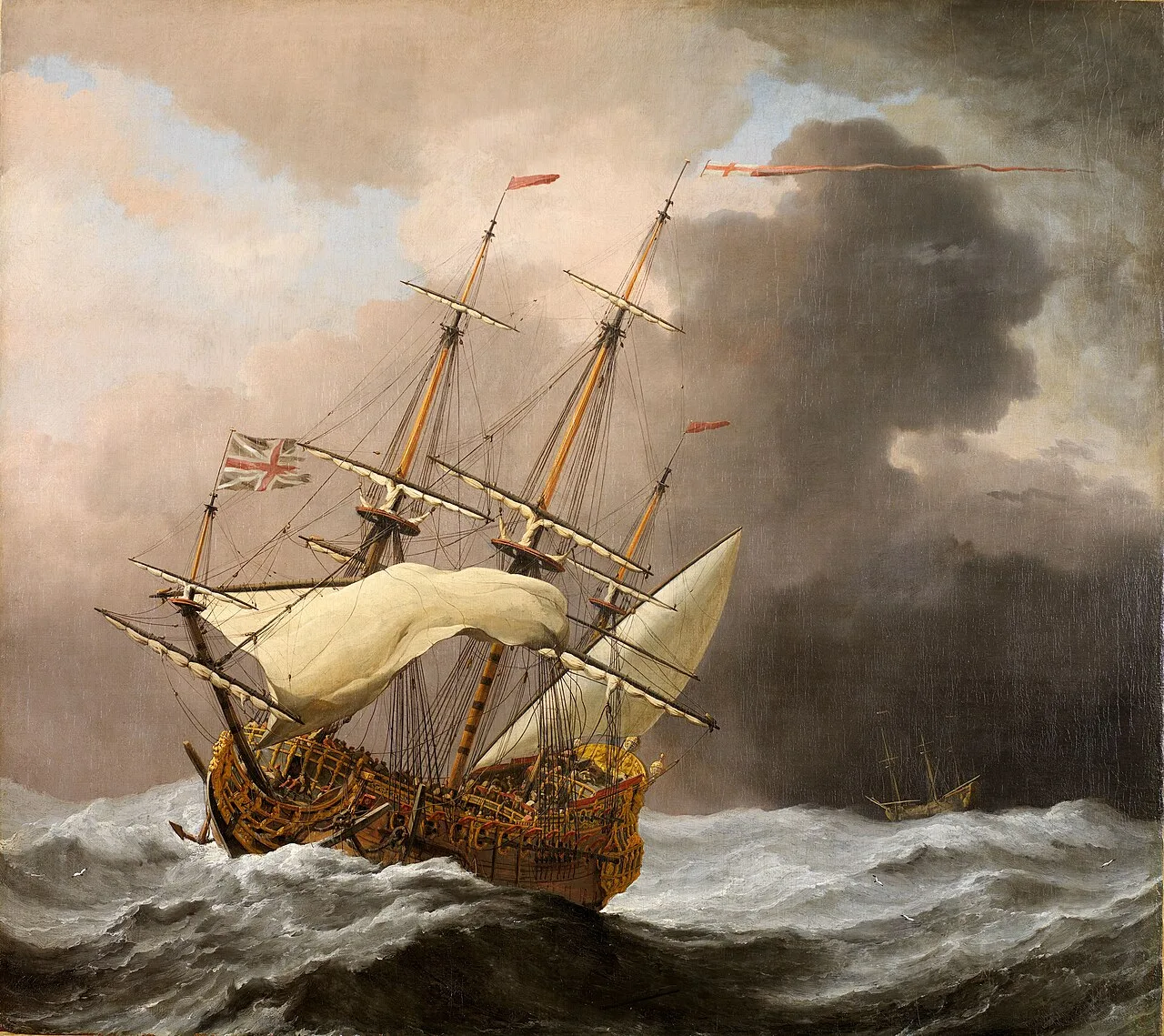
The English Ship Hampton Court in a Gale, Willem van de Velde the Younger 1680s

Cannon recovered from the fleet's wreck site on display in Tallahassee, Florida
1715 Treasure Fleet
The 1715 Treasure Fleet was a Spanish fleet returning from the New World that lost all eleven of its ships in a hurricane off the east coast of Florida on July 31, 1715.
Navigational Ignorance as Salvation
A disastrous hurricane struck the combined Spanish fleet off Florida's coast seven days after departing Havana, destroying all eleven Spanish vessels. In contrast, the twelfth ship, a French frigate named Le Grifon, managed to escape destruction entirely. Its captain lacked familiarity with the local shoreline and chose to stay farther out to sea. This navigational choice enabled Le Grifon to safely return to Europe.
From Wikipedia · CC BY-SA 4.0
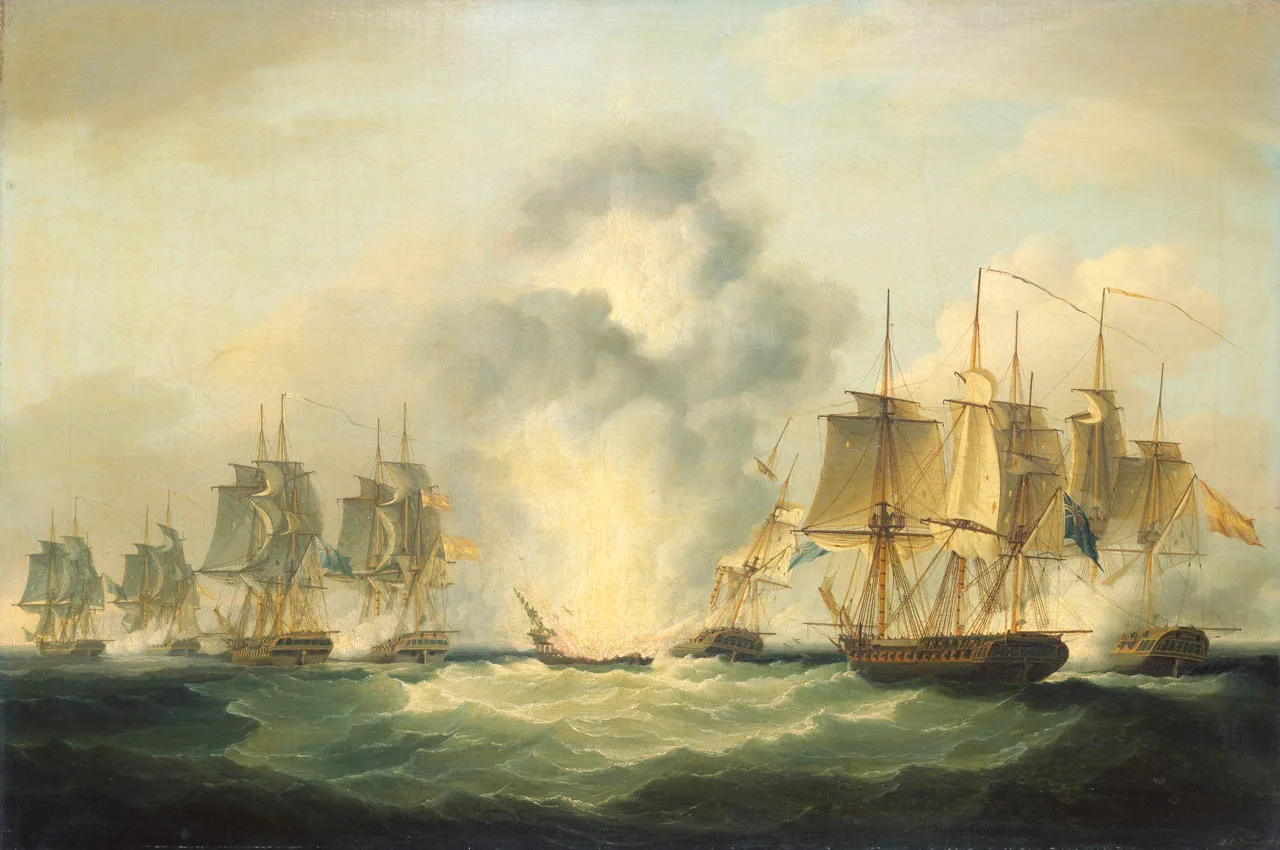
Francis Sartorius - Four frigates capturing Spanish treasure ships, 5 October 1804
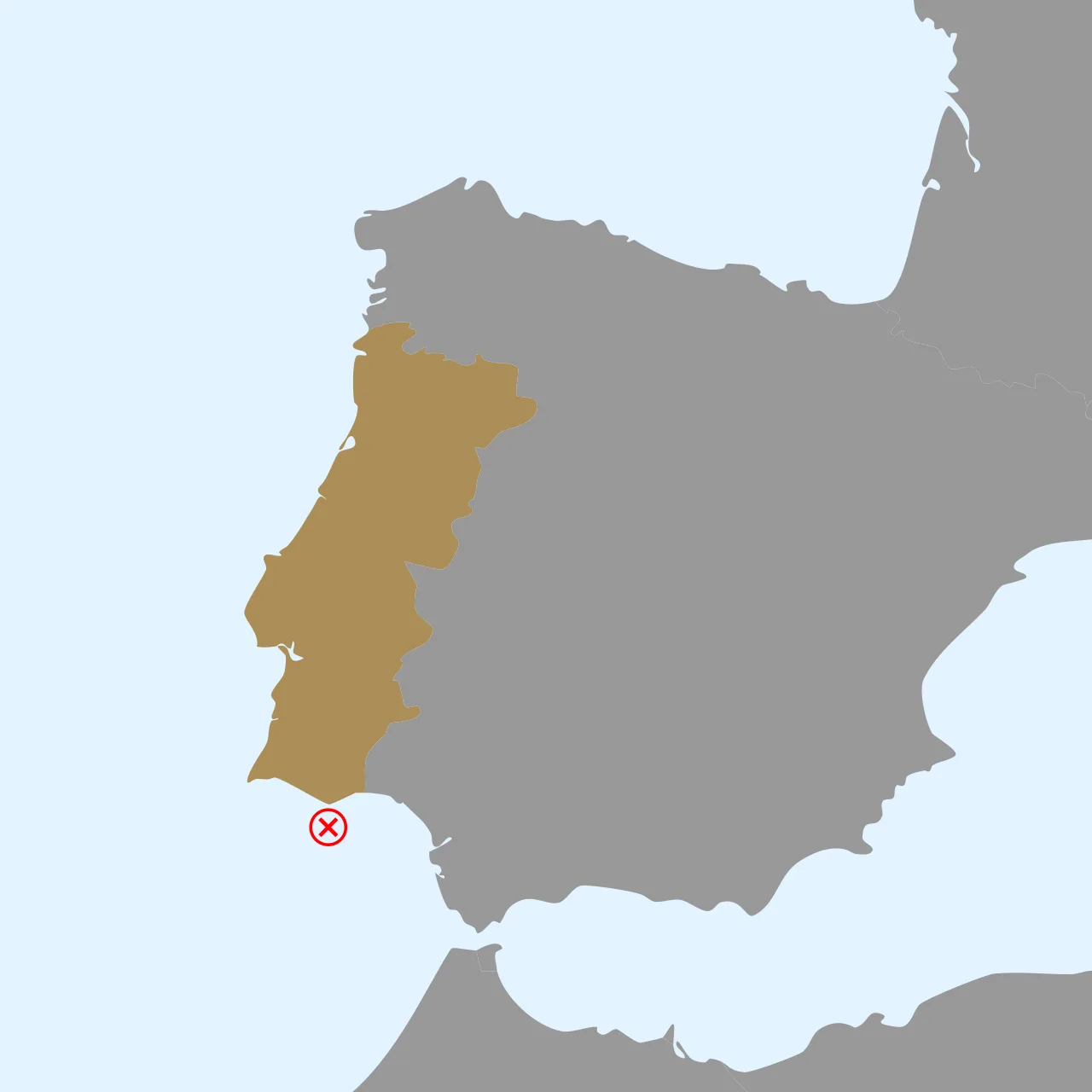
The approximate location of Mercedes off Cape Santa Maria on the south coast of Iberia
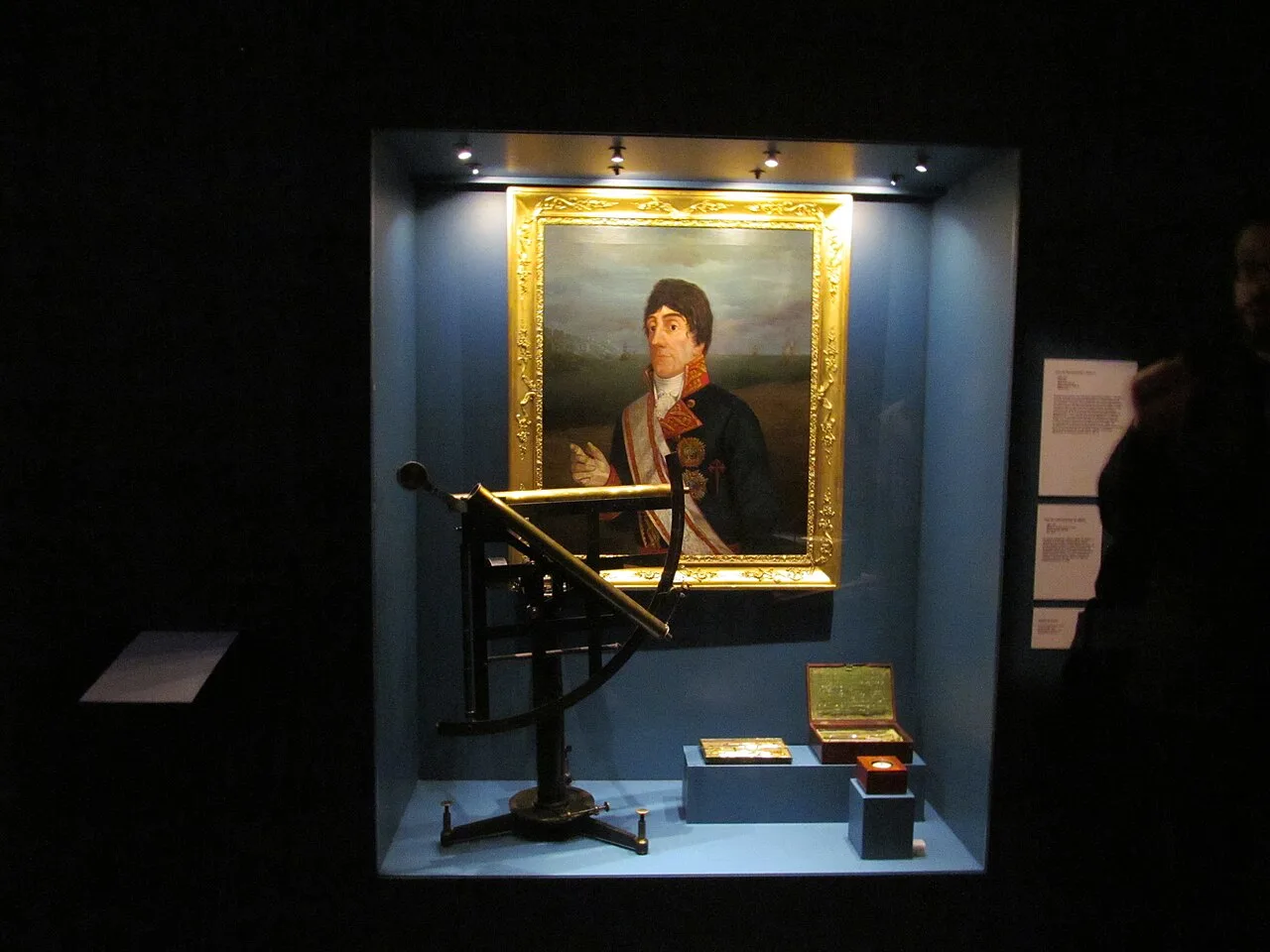
José de Bustamante y Guerra was in command of a fleet of four frigates, Nuestra Señora de las Mercedes, La Clara, La Medea and La Fama, when they were intercepted by an English squadron on 5 October 1804
Nuestra Señora de las Mercedes
Nuestra Señora de las Mercedes was a Spanish Navy frigate sunk by the British off the south coast of Portugal on 5 October 1804.
Peacetime Defiance and the Magazine Blast
Peace between nations failed to prevent disaster when a Royal Navy squadron demanded that Spanish vessels surrender to British inspection. Brigadier José de Bustamante y Guerra refused to submit to the hostile orders and immediately commanded his outnumbered force to battle quarters. The engagement abruptly ended when a single shot from HMS Amphion, commanded by Samuel Sutton, struck the magazine and triggered a catastrophic explosion.
From Wikipedia · CC BY-SA 4.0