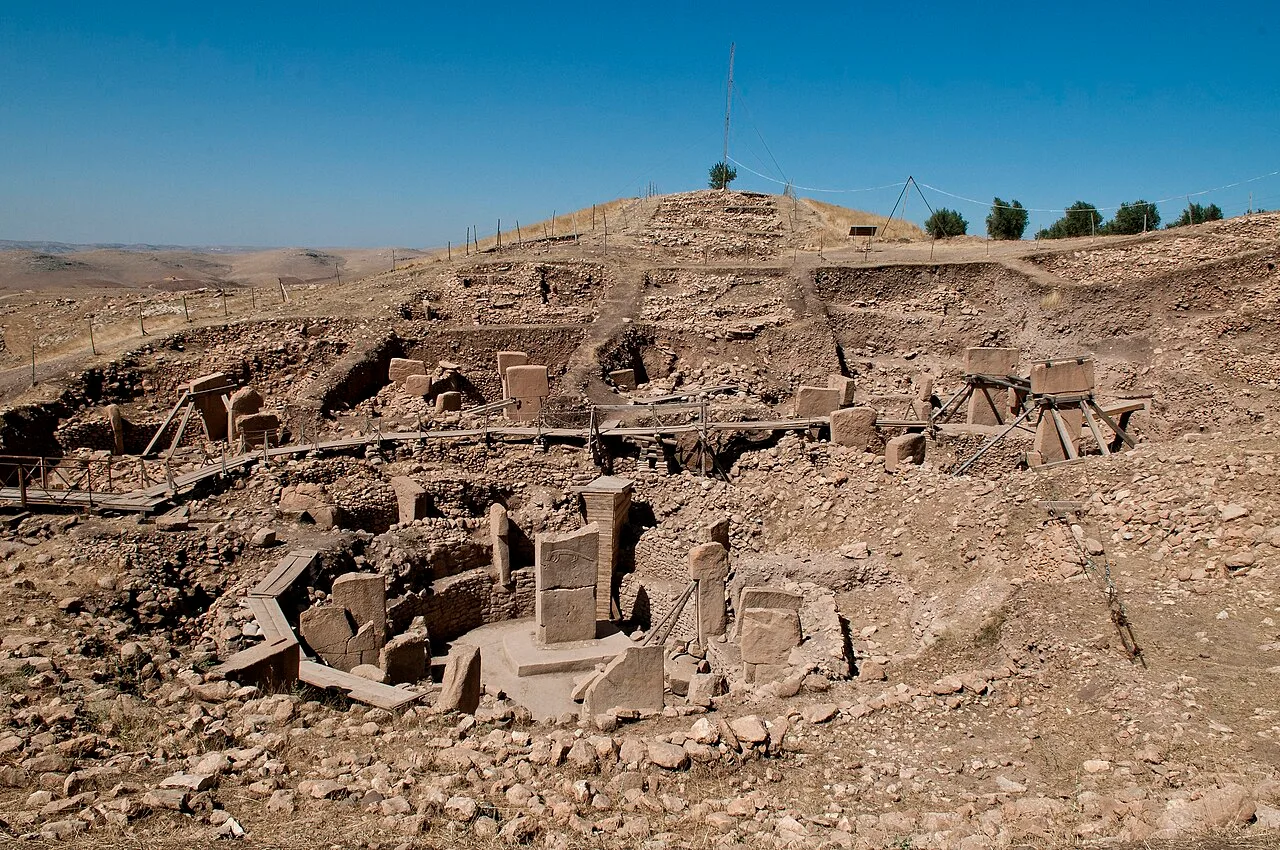
Photograph looking over a light brown rocky hummocky area with large vertical very roughly rectangular stones under a blue sky - no vegetation apart from a few trees on the horizon. Some stones in the foreground are approximately in a circle whereas those in the background are less regularly arranged. Modern walkways near the stones.
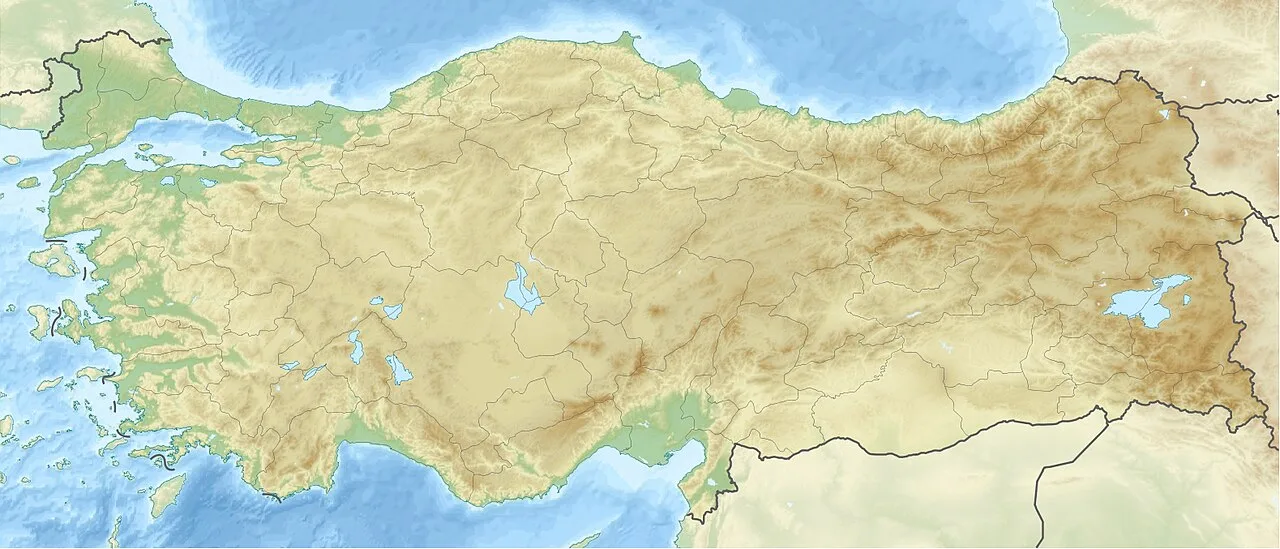
Göbekli Tepe is located in Turkey

Göbekli Tepe is located in Şanlıurfa
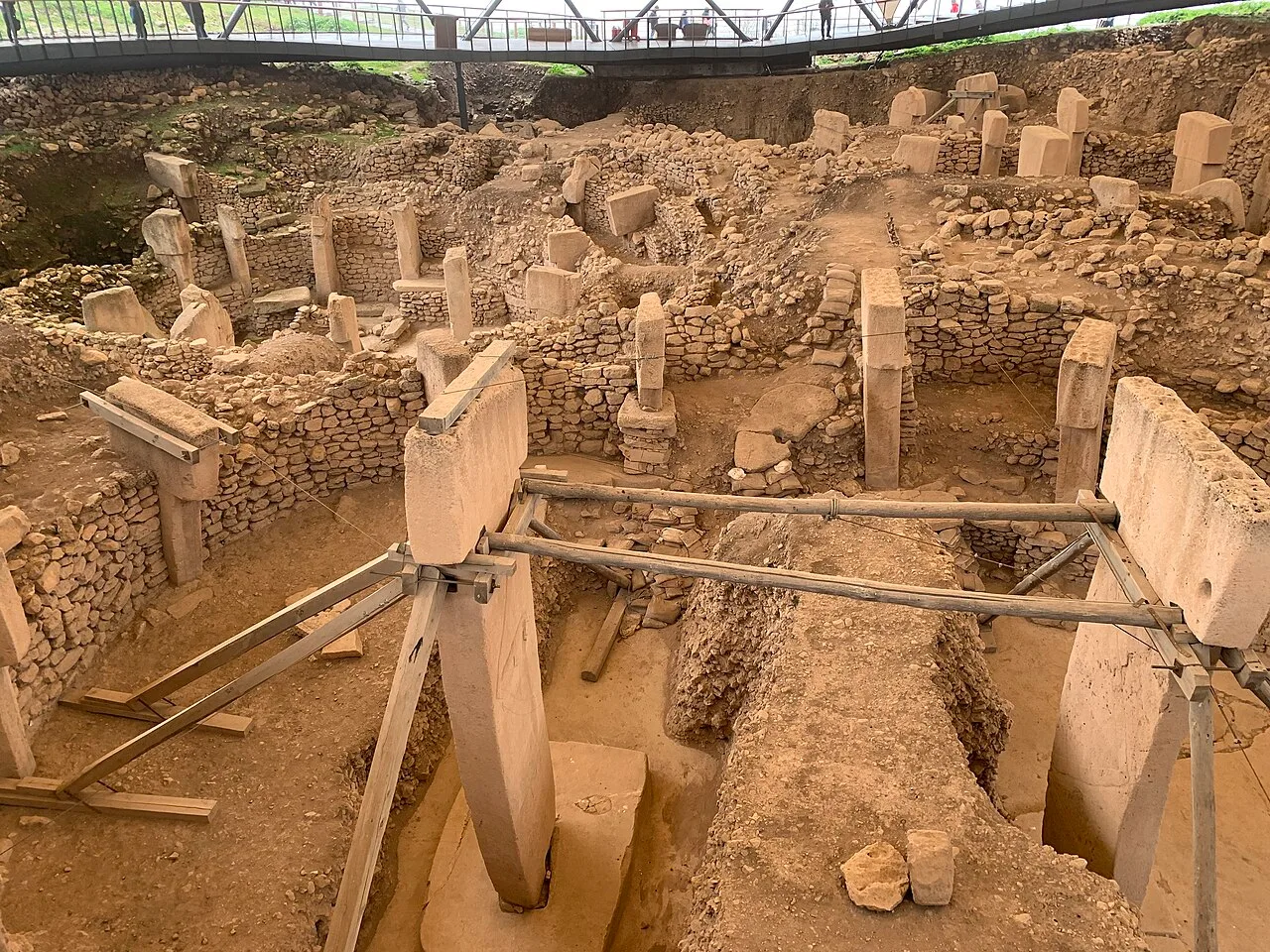
Enclosure F
![Pillar 27, Enclosure C: predator (perhaps a felid) hunting a boar.[94]](https://upload.wikimedia.org/wikipedia/commons/thumb/7/73/G%C3%B6beklitepe_Building_C_sept_2019_5373crop.jpg/1280px-G%C3%B6beklitepe_Building_C_sept_2019_5373crop.jpg?utm_source=en.wikipedia.org&utm_campaign=imageinfo&utm_content=thumbnail)
Pillar 27, Enclosure C: predator (perhaps a felid) hunting a boar.[94]

Boar statuette without legs
Göbekli Tepe
Göbekli Tepe is a Neolithic archaeological site in Upper Mesopotamia in modern-day Turkey, known for its large circular structures that contain stone pillars among the world's oldest known megaliths.
From Mistaken Gravestones to Megalithic Revelation
During a 1963 archaeological survey, researchers documented stone tools but mistook the exposed tops of the T-shaped pillars for ordinary grave markers. In October 1994, German archaeologist Klaus Schmidt re-examined the location and recognized that these slabs were prehistoric megaliths. By 2018, the complex was designated a UNESCO World Heritage Site, though only around 10% of the site has been excavated.
From Wikipedia · CC BY-SA 4.0

Çatalhöyük, 7400 BC, Konya, Turkey - UNESCO World Heritage Site, 08
Çatalhöyük is located in Turkey
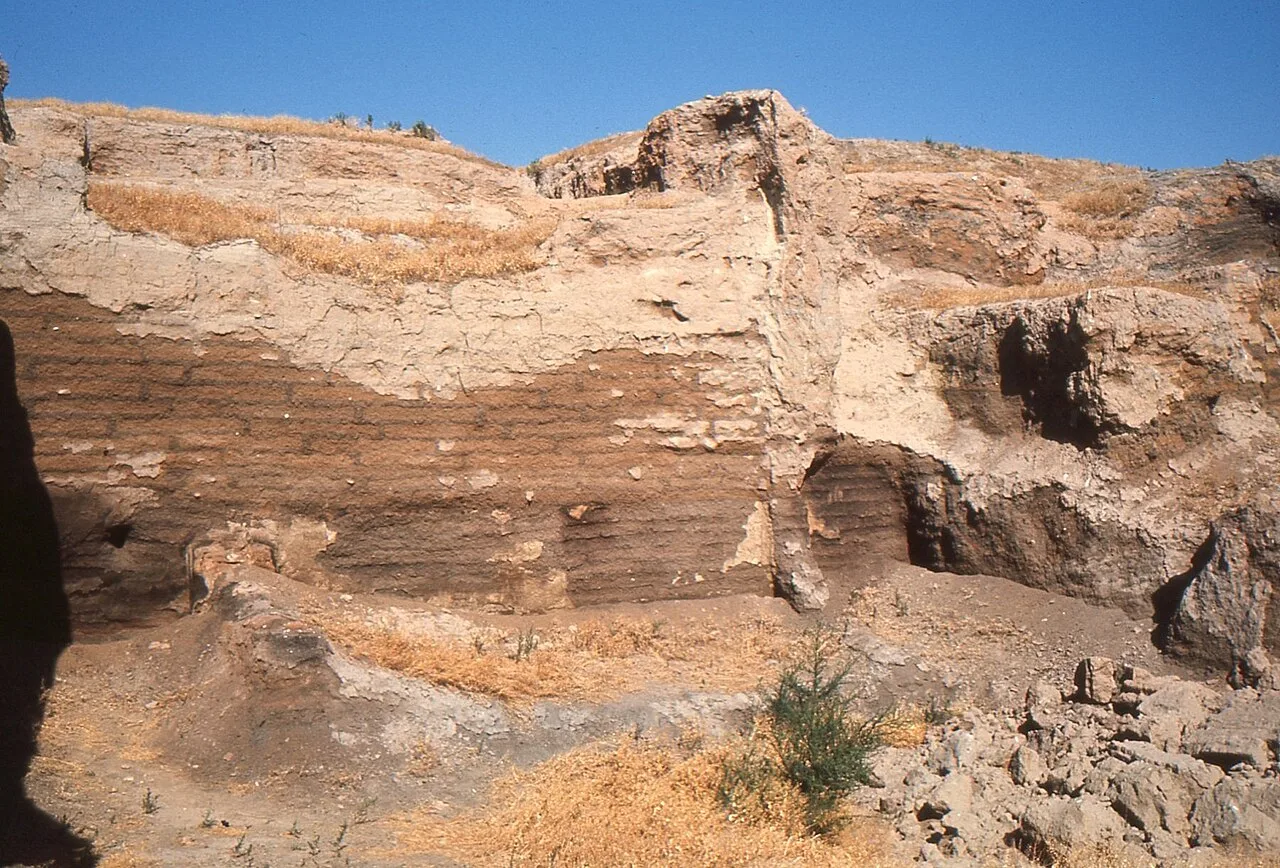
The earliest excavations of the site
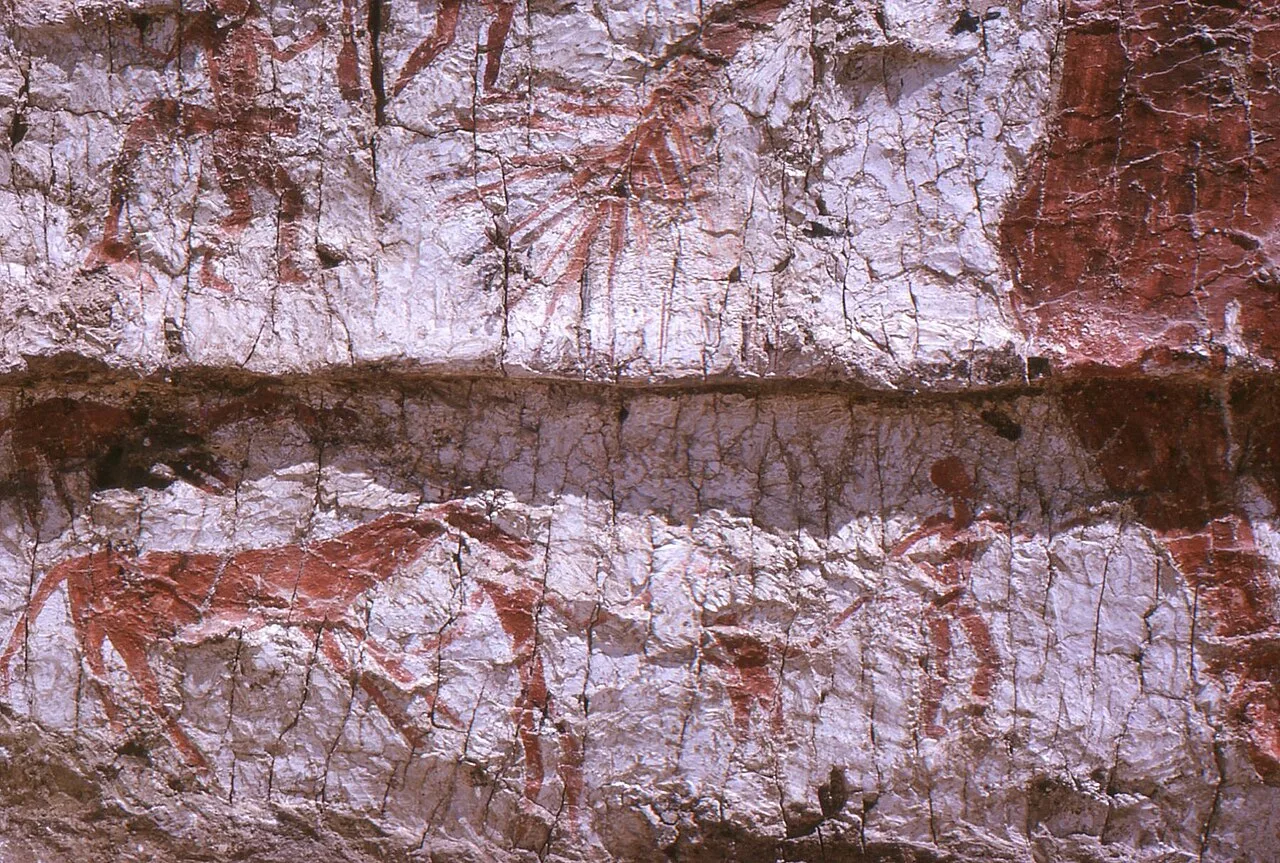
Detail of the mural showing the hind part of the aurochs, a deer and hunters
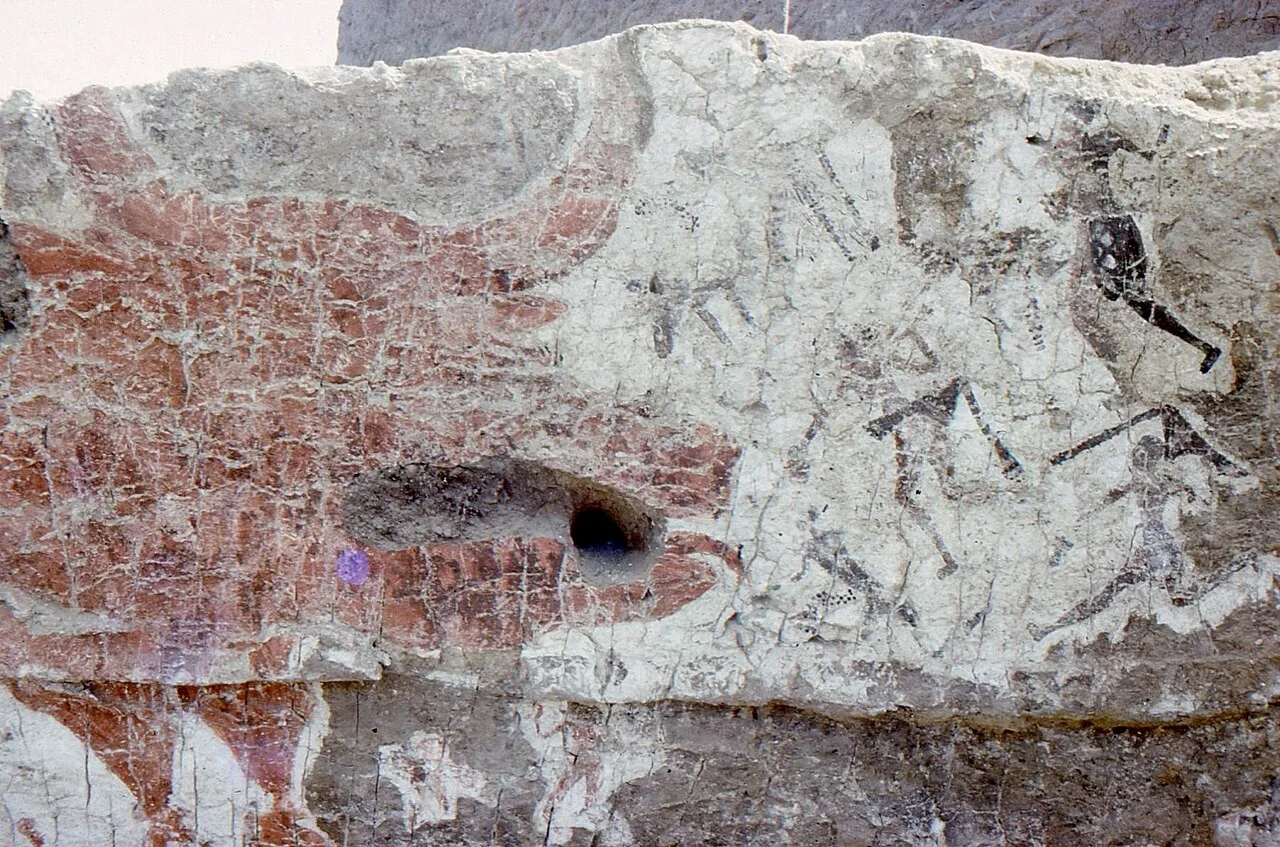
Neolithic hunters attacking an aurochs, Museum of Anatolian Civilisations

Model of the neolithic settlement of Çatalhöyük, c. 7300 BC
Çatalhöyük
Çatalhöyük is a tell of a very large Neolithic and Chalcolithic proto-city settlement in southern Anatolia that existed from around 7500 BC to 5600 BC.
Streets on the Roofs of a Honeycomb Settlement
Inhabitants navigated the settlement across continuous rooftops rather than ground-level streets. Mudbrick houses were crammed together in an aggregate structure, forming a dense honeycomb-like maze without footpaths. Entry occurred through ceiling holes reached by ladders and stairs. These roof apertures also provided the only ventilation for smoke generated by indoor hearths and ovens.
From Wikipedia · CC BY-SA 4.0

The roof of the Library of Celsus has collapsed, but its large façade is still intact.
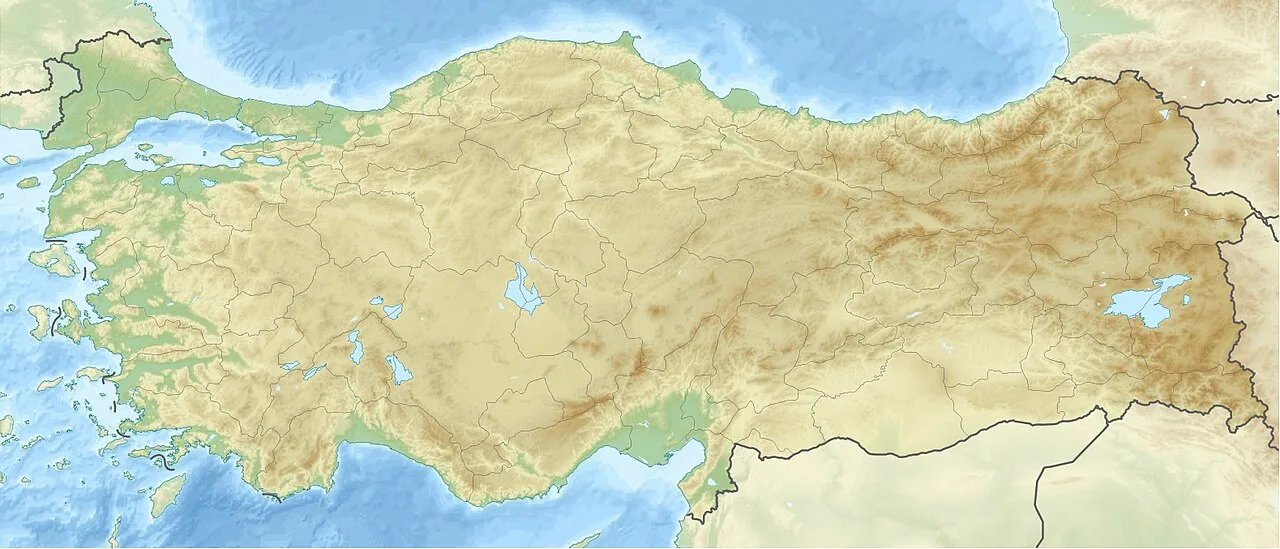
#Asia

Artemis Statue, 1st century AD, Ephesus Archaeological Museum

Stone carving of the goddess Nike

Image of Ephesus on the reverse of the 20 new lira banknote (2005–2008)

Odeon of Ephesus
Ephesus
Ephesus was an ancient Greek city on the coast of Ionia, in present-day Selçuk in İzmir Province, Turkey.
A Holy Cord Halts a Siege
When Croesus besieged the city, the inhabitants devised an unusual defense by extending a rope from their walls directly to the sacred Artemisium. This desperate act placed the settlement under divine protection, convincing the Lydian king to spare the population. Following the truce, Pindar was exiled, and Croesus became the primary financial contributor toward the reconstruction of the temple of Artemis.
From Wikipedia · CC BY-SA 4.0

Acropolis - Bergama (Pergamon) - Turkey - 10 (5747249729)
Pergamon is located in Turkey

Image of Philetaerus on a coin of Eumenes I

Founding of Pergamon: depiction from the Telephos frieze of the Pergamon altar

Theatre of Pergamon, one of the steepest theatres in the world, has a capacity of 10,000 people and was constructed in the 3rd century BC.

Gymnasium area near Upper Terrace
Pergamon
Pergamon was a rich and powerful ancient Greek city in Aeolis, located northwest of modern Bergama, Turkey. During the Hellenistic period, it was the capital of the Kingdom of Pergamon.
The False Origin of Pergamenos
The term parchment derives etymologically from pergamenos, meaning "from Pergamon." A persistent historical legend claimed local Pergamenes invented the medium to bypass an Egyptian monopoly on papyrus maintained by the Ptolemies. However, this narrative misrepresents the material's actual history. Parchment had already been actively produced and used across Asia Minor long before the kingdom gained prominence.
From Wikipedia · CC BY-SA 4.0

Miletus Ancient Greek theatre
Miletus is located in Turkey

Top: Electrum coinage of Miletus c. 600–550 BC; Bottom: coinage c. 550–450 BC

The name Fikellura derives from a site on the island of Rhodes to which this fabric has been attributed. It is now established that the center of production was Miletus.

Sculpture from Baths of Faustina

Right entrance of the ancient Greek theatre
Miletus
Miletus was an influential ancient Greek city on the western coast of Anatolia in present-day Turkey, renowned for its trade, maritime power, and foundational role in early Greek philosophy.
The Island Haven Stranded Inland
Around 1500 BC, small crustal shifts transformed the early island settlement of Miletus into a unified peninsula. Over subsequent centuries, sediment carried by the Maeander river choked the surrounding marine bays. Despite sea levels rising 1.75 m, the ongoing accumulation of river deposits ultimately left the bustling maritime center completely land-locked.
From Wikipedia · CC BY-SA 4.0
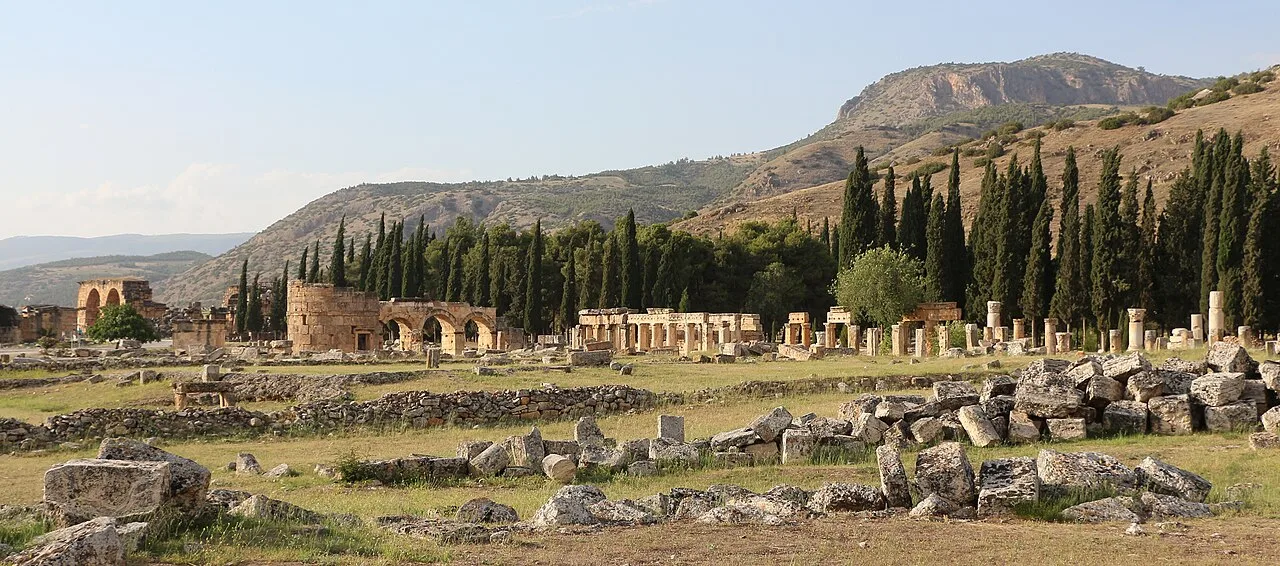
Hierapolis 01
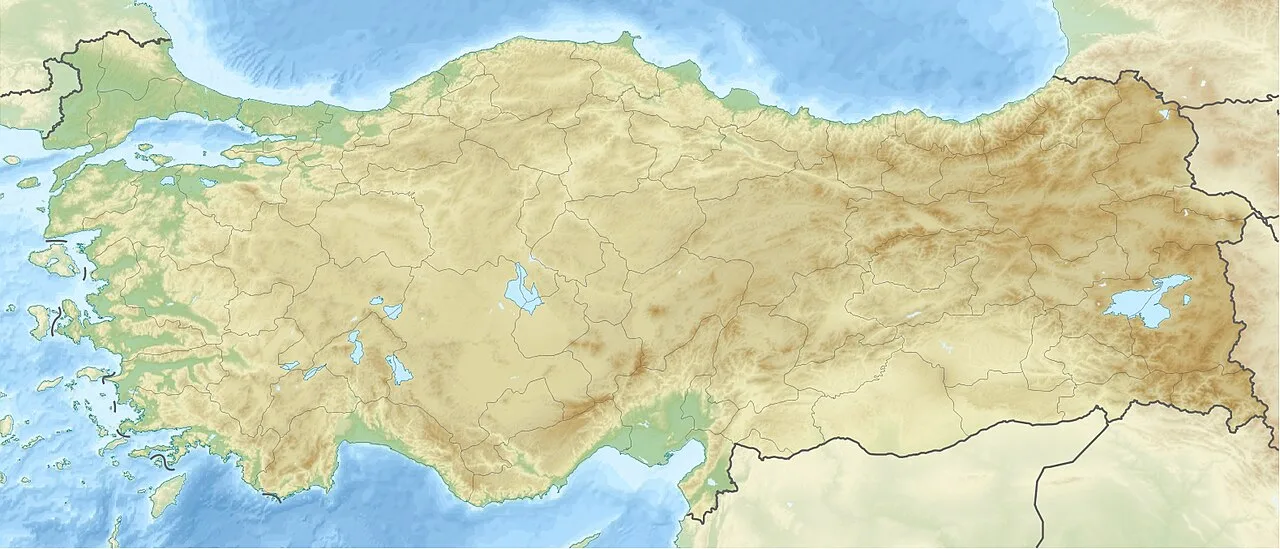
Hierapolis is located in Turkey
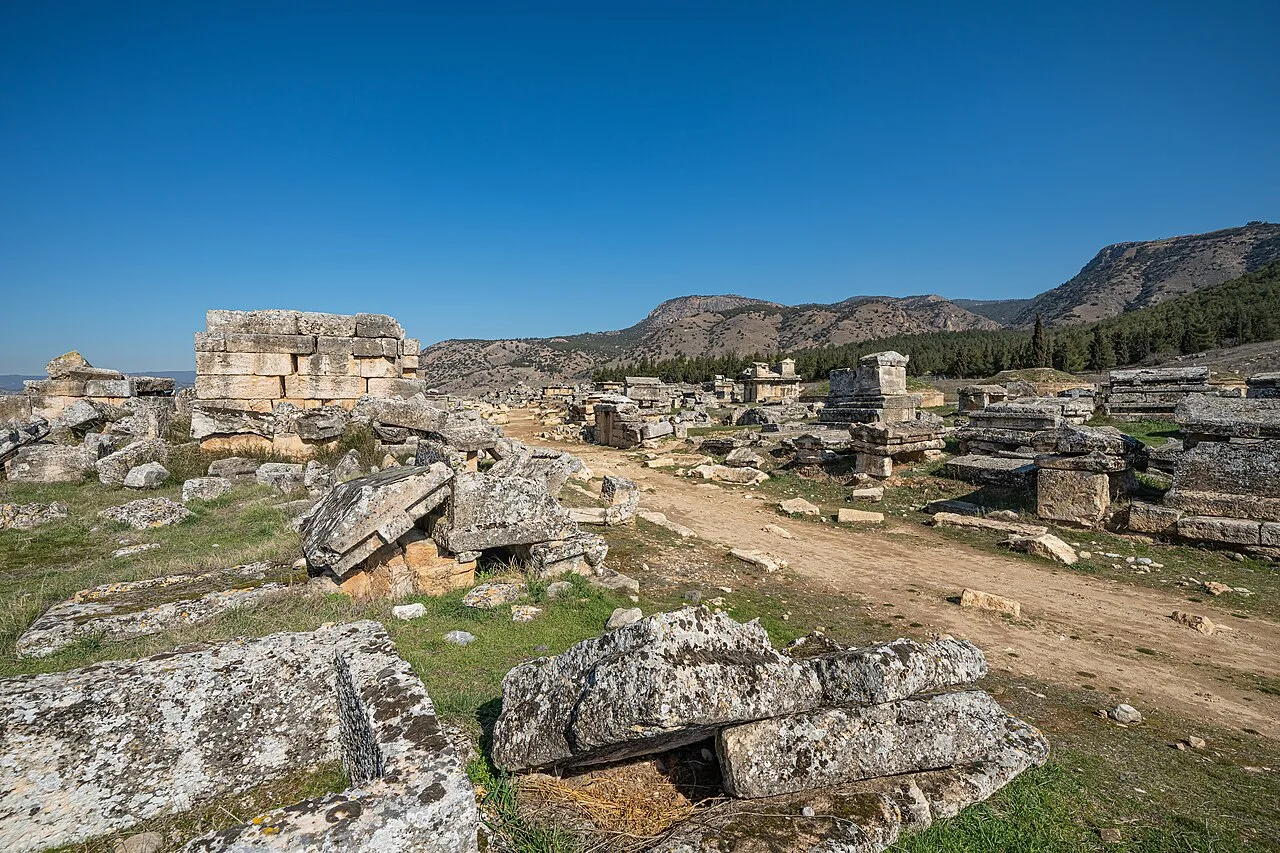
Part of the archeological site of Hierapolis
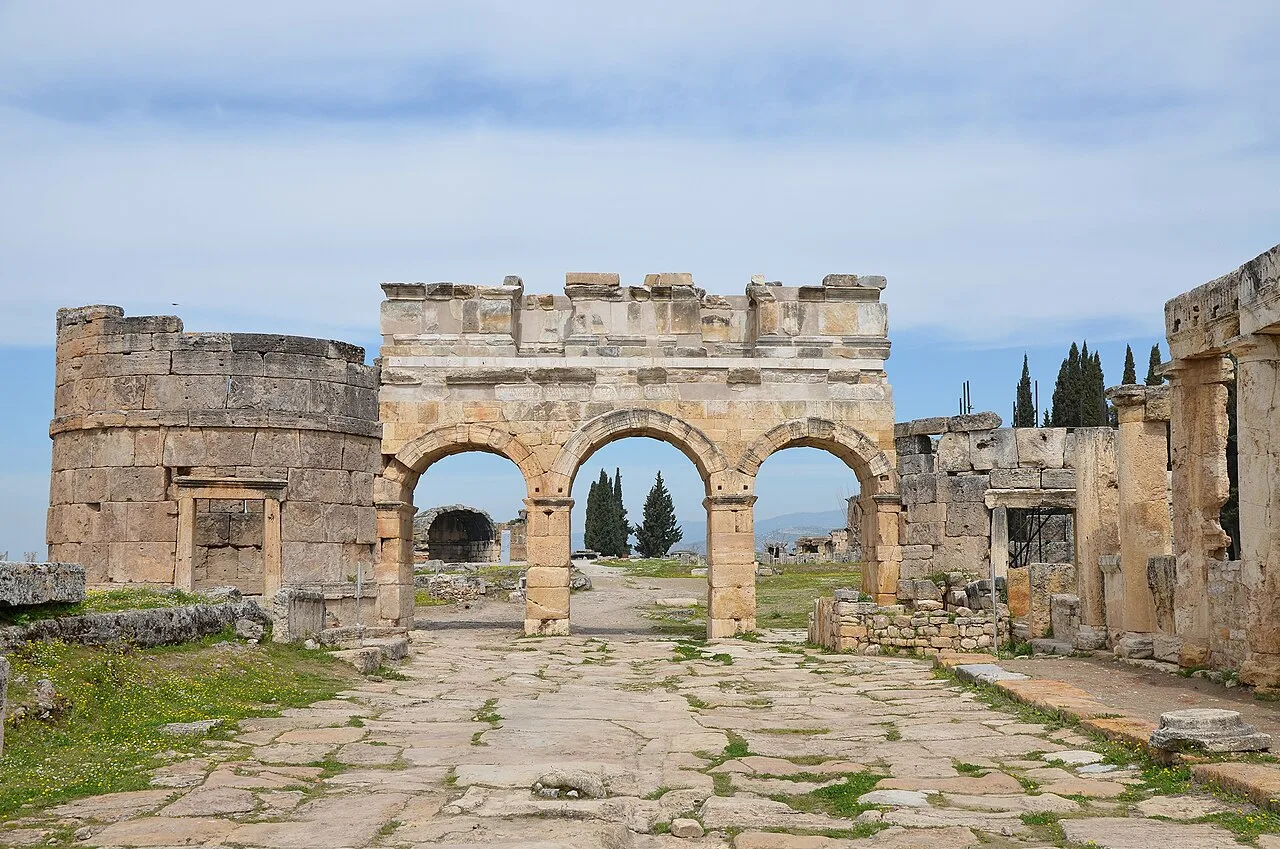
Frontinus Gate
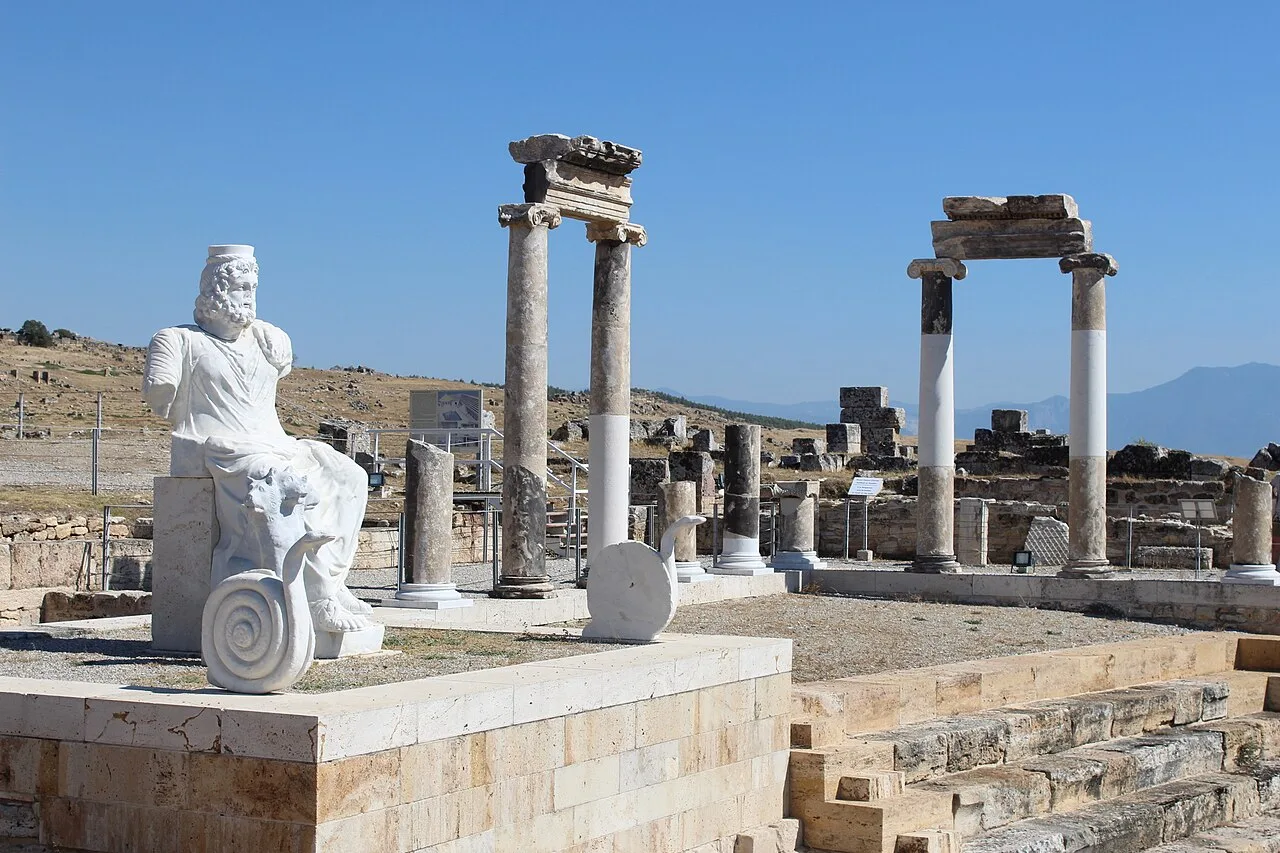
Ploutonion

Martyrium
Hierapolis
Hierapolis was a Hellenistic Greek city in Phrygia in southwestern Anatolia, Turkey, famous for its hot springs and extensive remains adjacent to modern Pamukkale.
Subterranean Gas and the Staged Miracle
Priests entering the plutonion exploited the physical properties of gas to stage demonstrations of supernatural favor. Because carbon dioxide is heavier than air and settles in low hollows, they could survive by holding their breath or crawling toward elevated pockets of oxygen. To onlookers unaware of the gas dynamics, the priests appeared entirely immune to the lethal cave fumes.
From Wikipedia · CC BY-SA 4.0

Mount Nemrut - East Terrace (4961323529)
Mount Nemrut is located in Turkey

West Terrace: Head of King Antiochos I in snow at sunset.

Mount Nemrut: Head of Antiochus I (?)

East terrace: Apollo-Mithra-Helios-Hermes, Heracles-Artagnes-Ares, Persian eagle, and lion

West terrace: Head of Persian eagle
Mount Nemrut
Mount Nemrut is a 2,150-metre-high mountain in southeastern Turkey, notable for large statues erected at its summit around what is assumed to be a royal tomb from the 1st century BC.
Fusing Pantheons on an Anatolian Peak
In 62 BC, King Antiochus I of Commagene constructed a monumental sanctuary atop the mountain summit. The site features towering 8–9-metre high statues depicting the monarch alongside composite Greek and Iranian deities, including Apollo-Mithras-Helios-Hermes and Zeus-Oromasdes. These colossal figures were flanked by stone representations of lions and eagles.
From Wikipedia · CC BY-SA 4.0
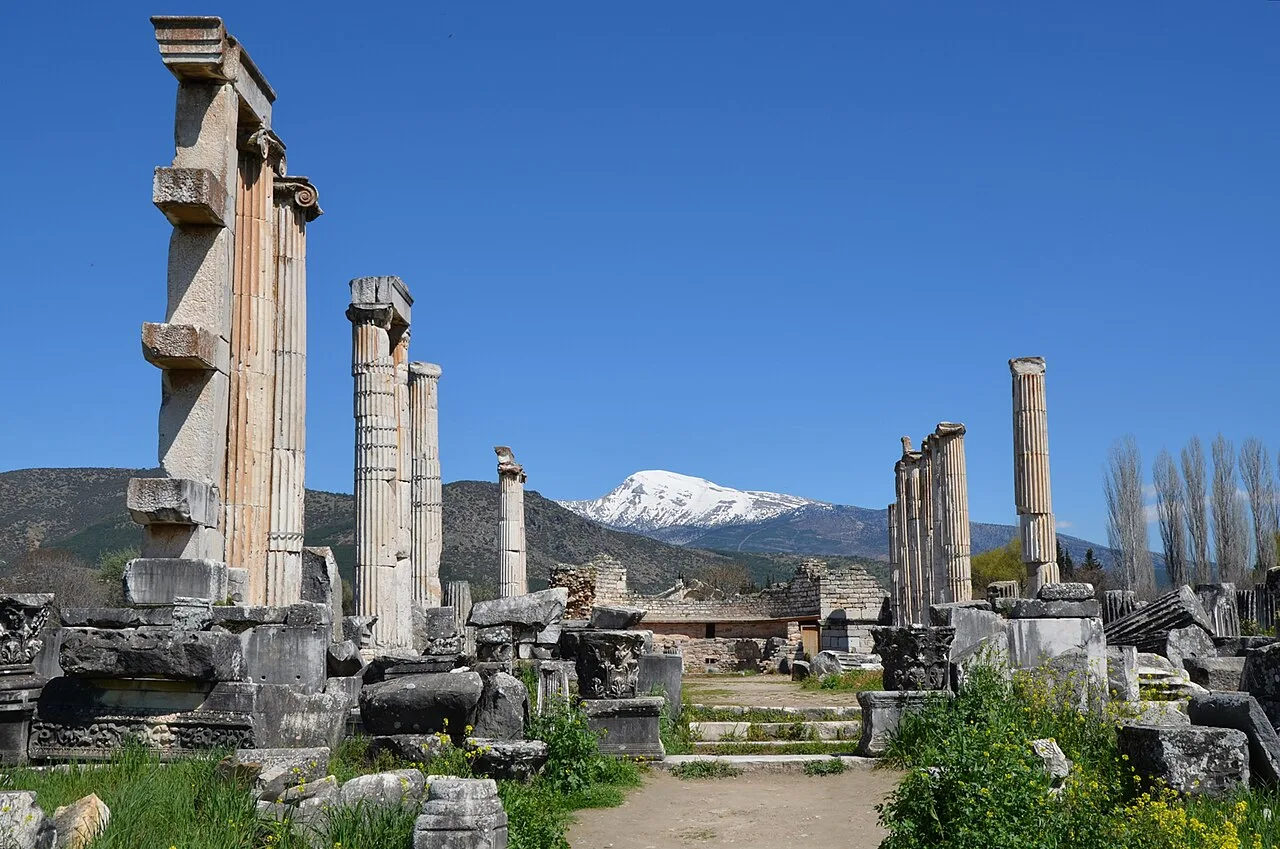
The Temple of Aphrodite, built in the Ionic order in stages during the Roman period (from 1st century BC to 2nd century AD) and later converted into a Christian basilica, Aphrodisias, Caria, Turkey (20300922019)
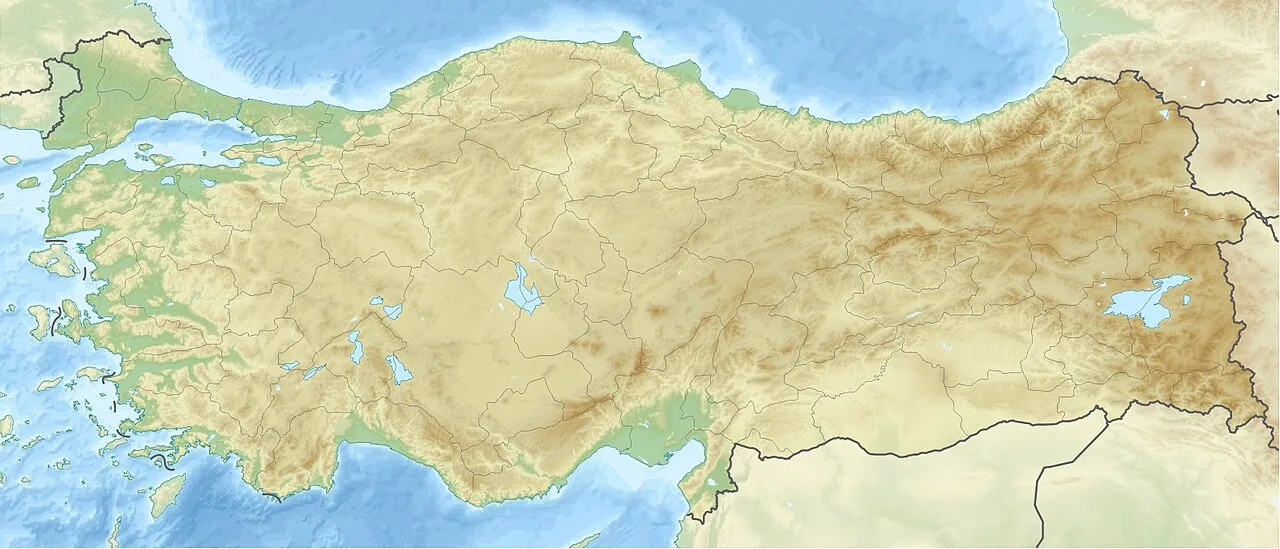
Aphrodisias is located in Turkey
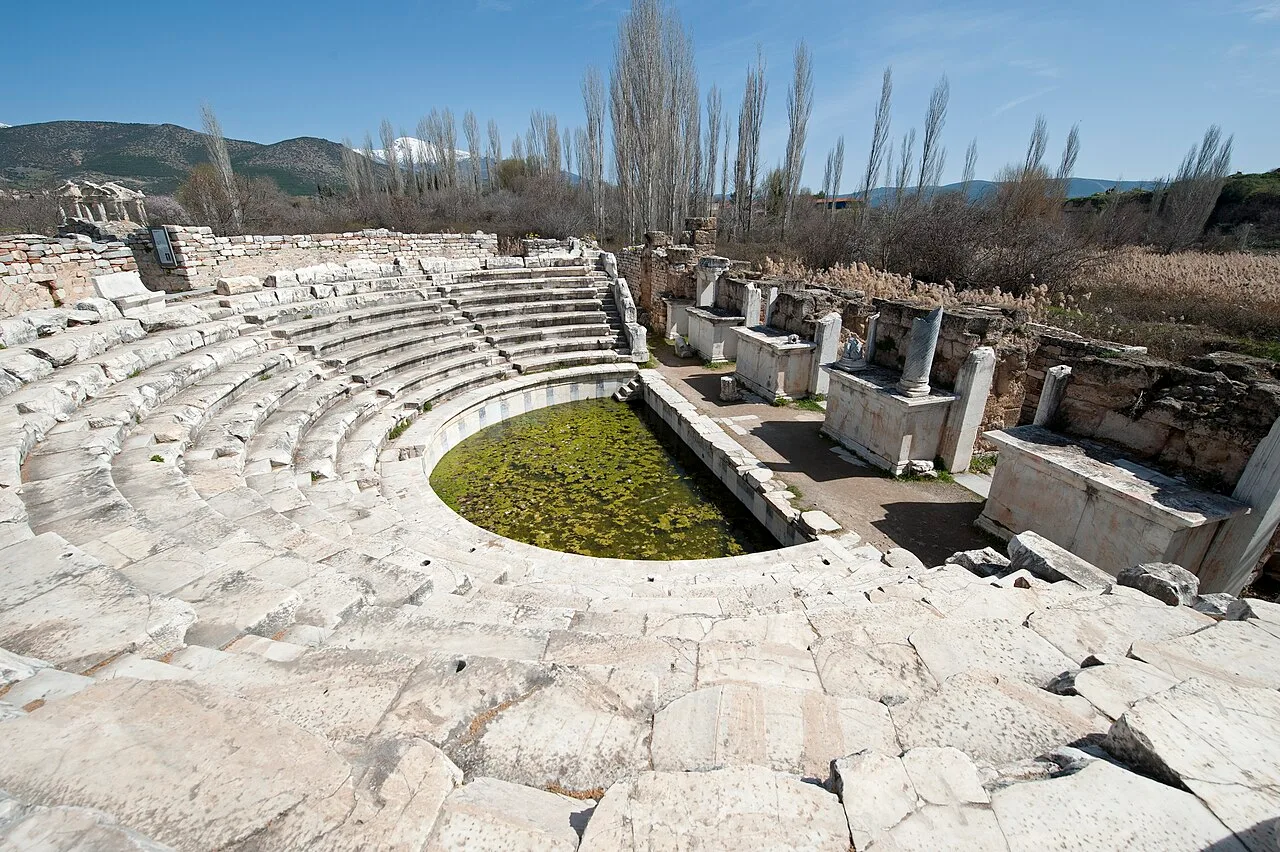
The Bouleuterion served as the meeting place of the city's administrative council (the Boule), and as a multi-purpose indoor theatre, concert hall and assembly space.
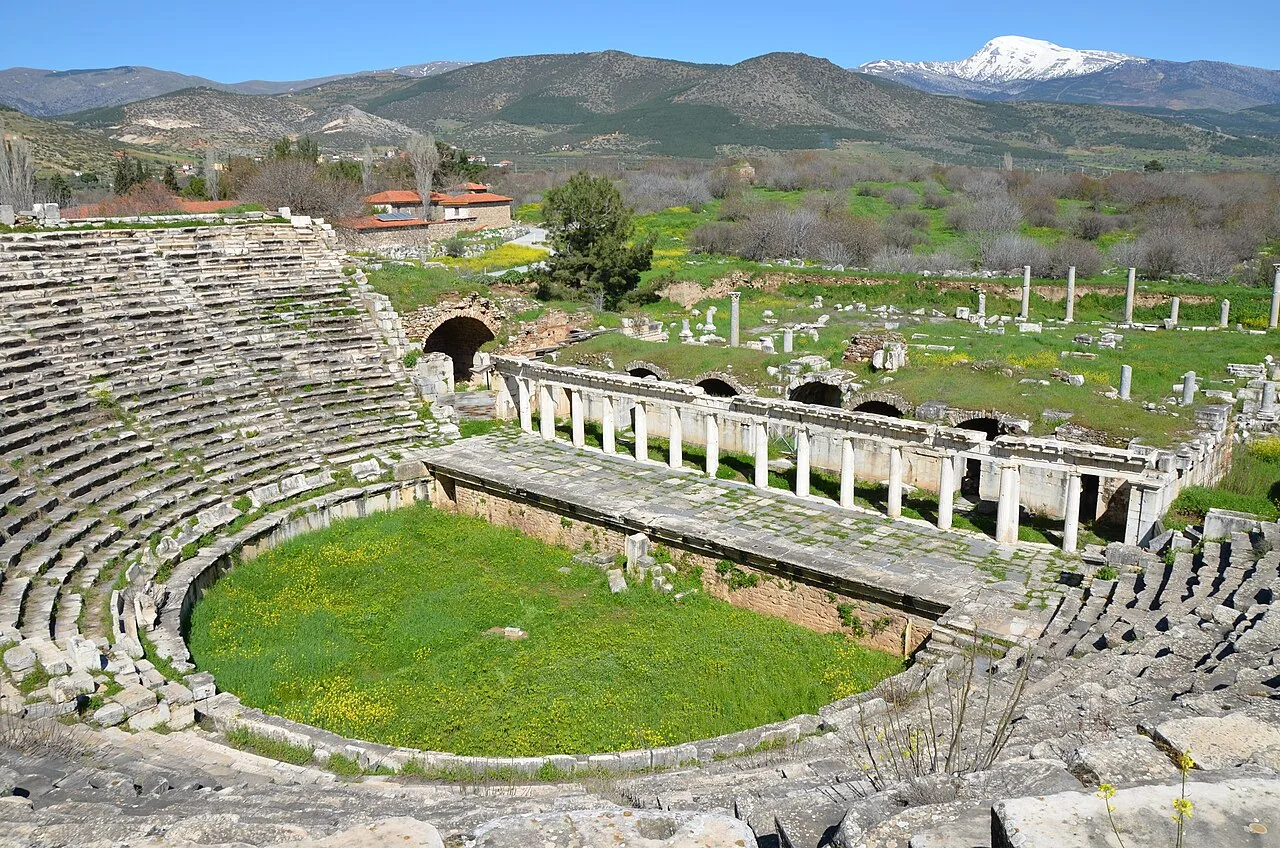
The Roman Theater (north)
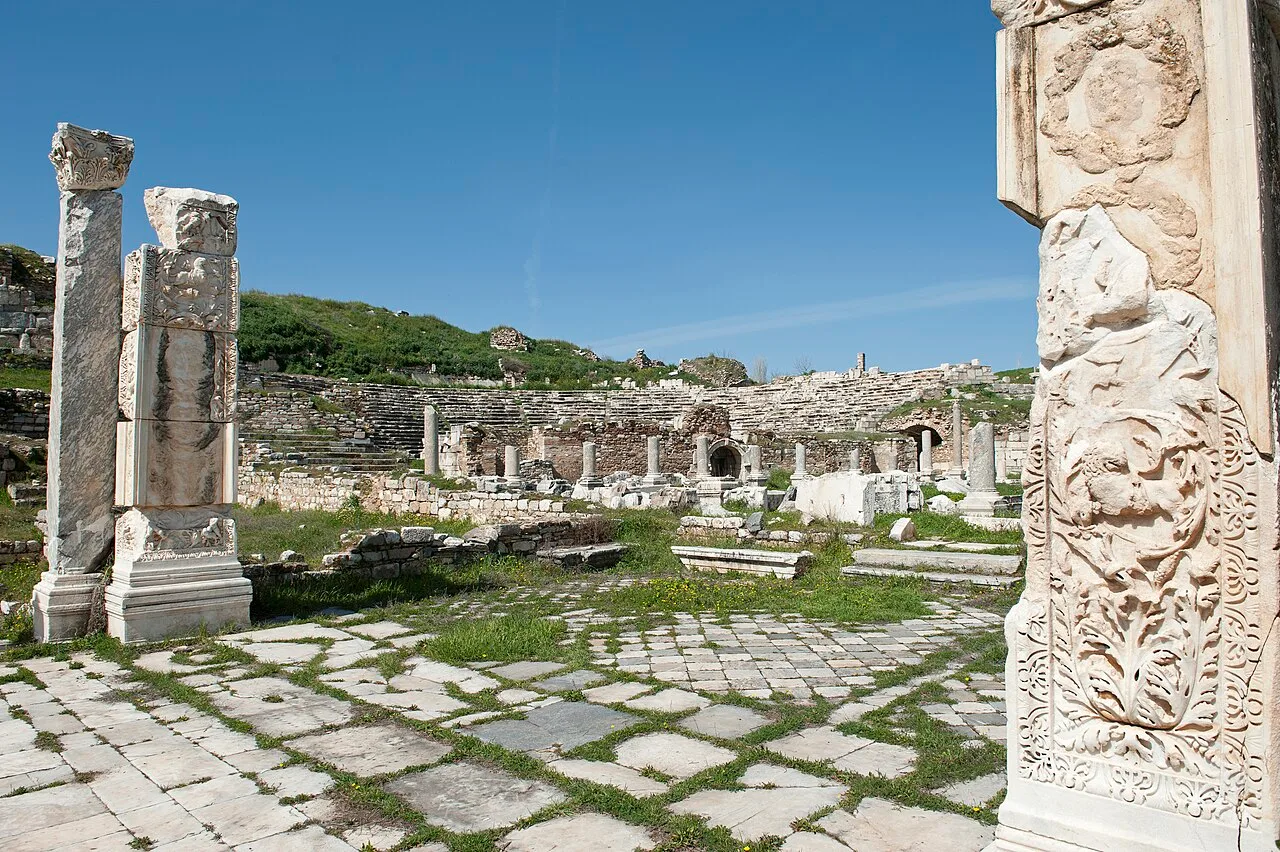
Aphrodisias Tetrastoon
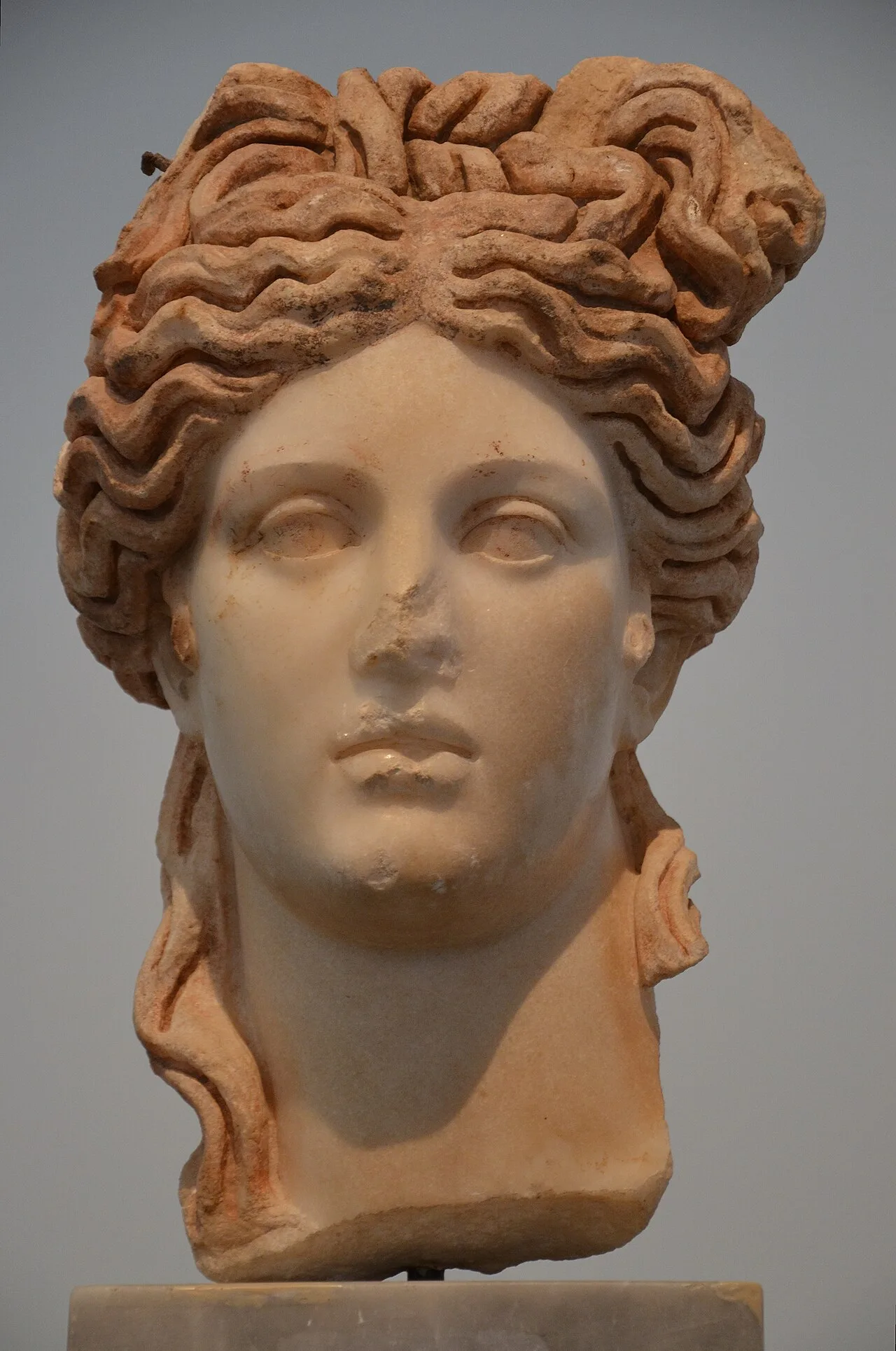
Marble head of a goddess, found in the Hadrianic Baths, 2nd century AD
Aphrodisias
Aphrodisias was a Hellenistic Greek city in the historic Caria cultural region of western Asia Minor, in modern Turkey.
An Enslaved Man's Political Pivot That Funded a Metropolis
Gaius Julius Zoilos, a local resident formerly enslaved by Gaius Julius Caesar and freed by Octavian, returned home with immense prestige and wealth. He shrewdly leveraged his status to align Aphrodisias with Octavian during the power struggle against Mark Antony. This strategic political allegiance secured lasting imperial privileges and rich rewards for the city. Consequently, Zoilos was able to initiate and largely fund a lavish building programme in the civic center.
From Wikipedia · CC BY-SA 4.0
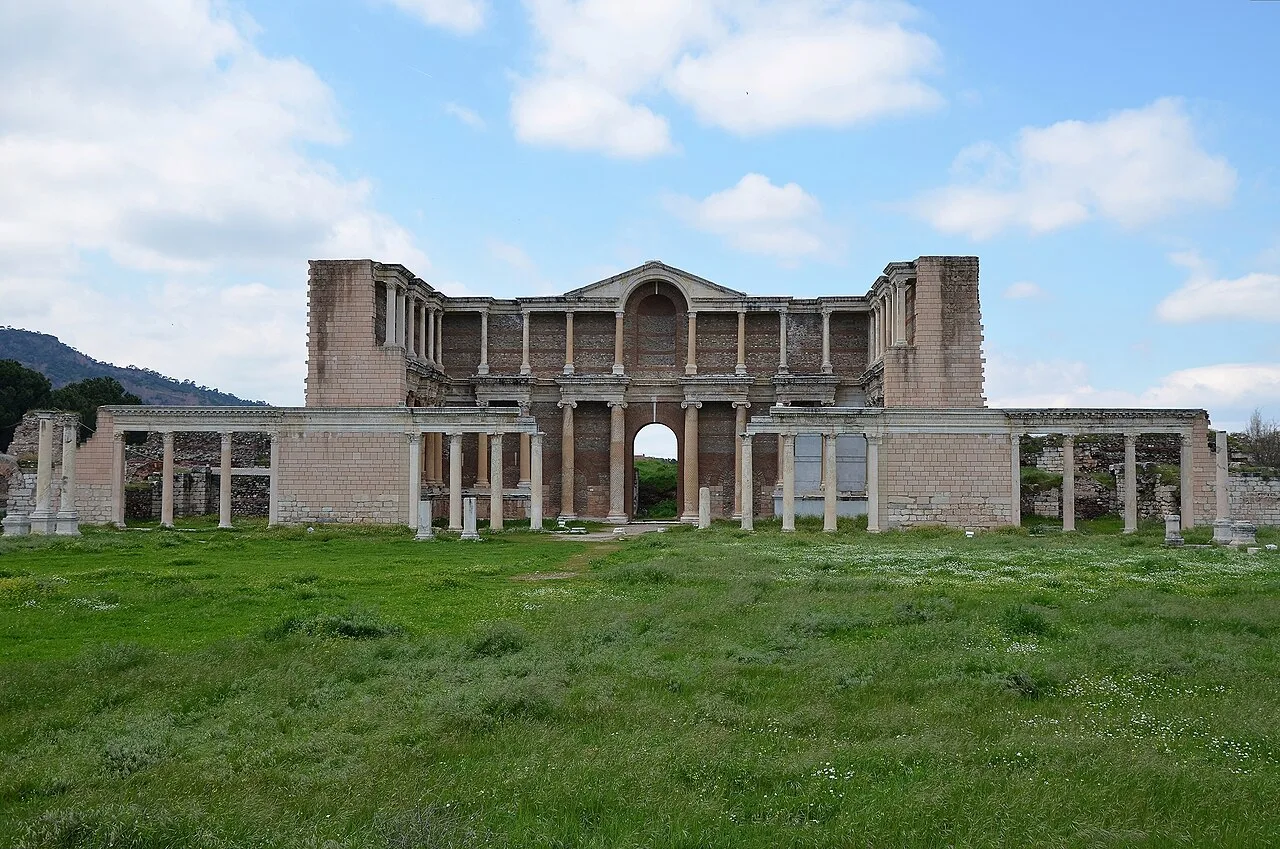
The Bath-Gymnasium complex at Sardis, late 2nd - early 3rd century AD, Sardis, Turkey (17098680002)
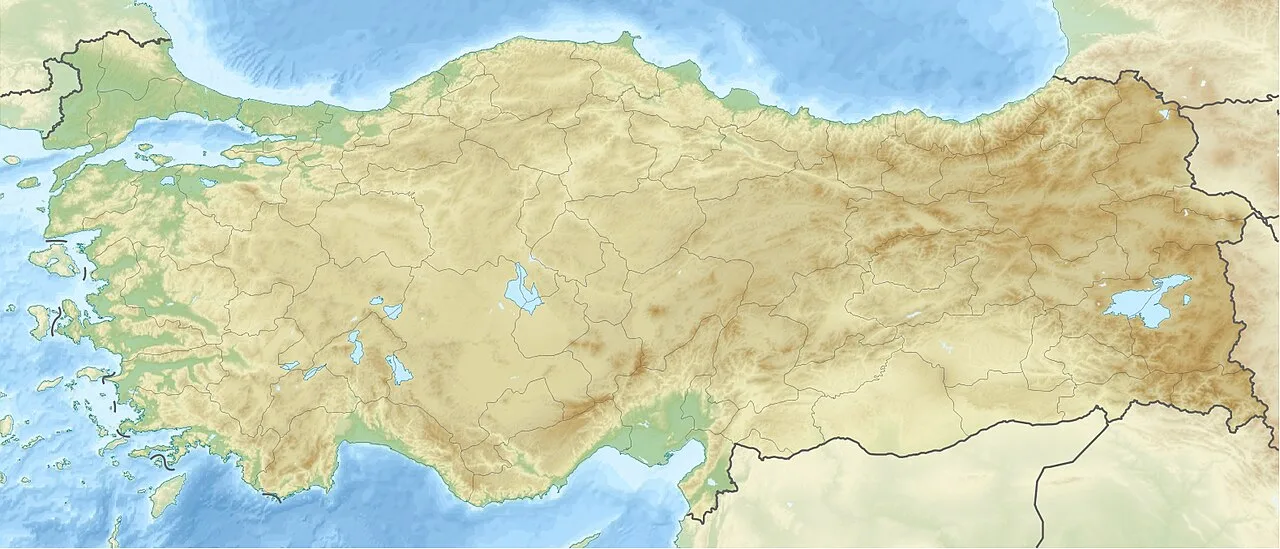
Sardis is located in Turkey

View of the citadel from below

Loom weights like this one attest to continuing textile industry at Sardis.

Remains of Byzantine shops and the Gymnasium

The main hall of the Sardis Synagogue
Sardis
Sardis was an ancient city best known as the capital of the Lydian Empire. Now an active archaeological site, it is located in modern-day Turkey, in Manisa Province.
An Imperial Vassal Missing from the Royal Archive
During the Late Bronze Age, the settlement lay within the territory of the Seha River Land, near its capital at Kaymakçı. Even though the region maintained active regional trade, neither the name Sardis nor Hyde appears anywhere in surviving Hittite records. This absence highlights how ancient geographical memory shifted between early Bronze Age territories and subsequent classical civilizations.
From Wikipedia · CC BY-SA 4.0

Gordion Early Phrygian East Gate
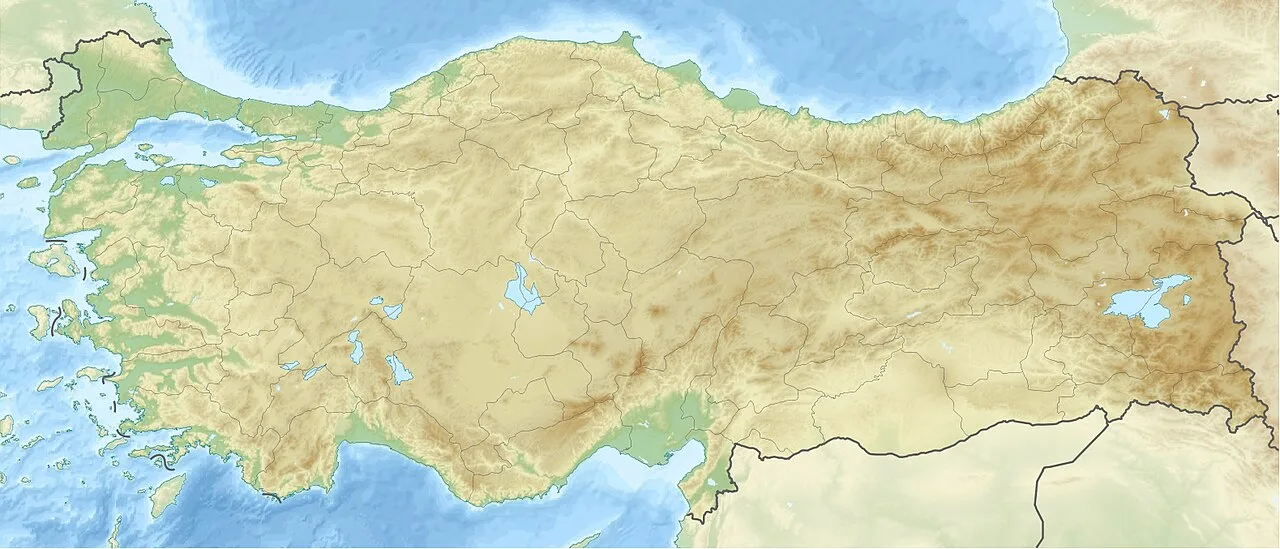
Gordion is located in Turkey

Aerial overview of the Citadel Mound of Gordion

View of the Citadel Mound at Gordion. Early Phrygian Terrace Building Complex in the foreground with the East Citadel Gate behind it. Tumulus MM in the background to the left.

Gordion Archeological site during the spring
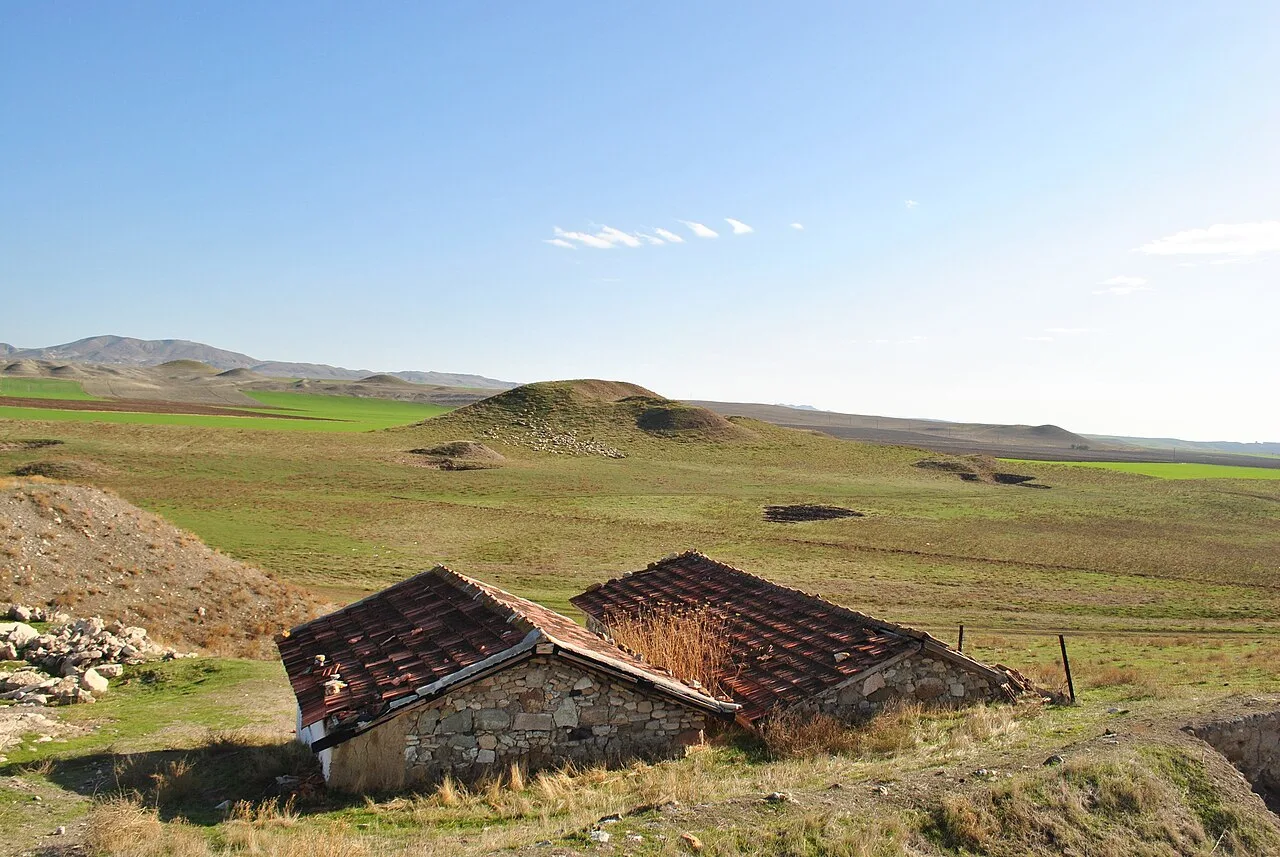
The fort at Küçük Höyük, destroyed in the Persian attack of 546 BCE
Gordion
Gordion was the capital city of ancient Phrygia, located at the site of modern Yassıhüyük, southwest of Ankara, Turkey.
The Accidental Fire Misattributed to War
Scholars long attributed the destructive blaze at the site to hostile invaders. Revised scientific research demonstrated that the conflagration occurred approximately one hundred years earlier than previously thought, c. 800 BCE. Lacking any physical marks of an assault, the event can no longer be linked to a Cimmerian incursion and was probably an accidental fire.
From Wikipedia · CC BY-SA 4.0
Pamukkale, Denizli 2026 68
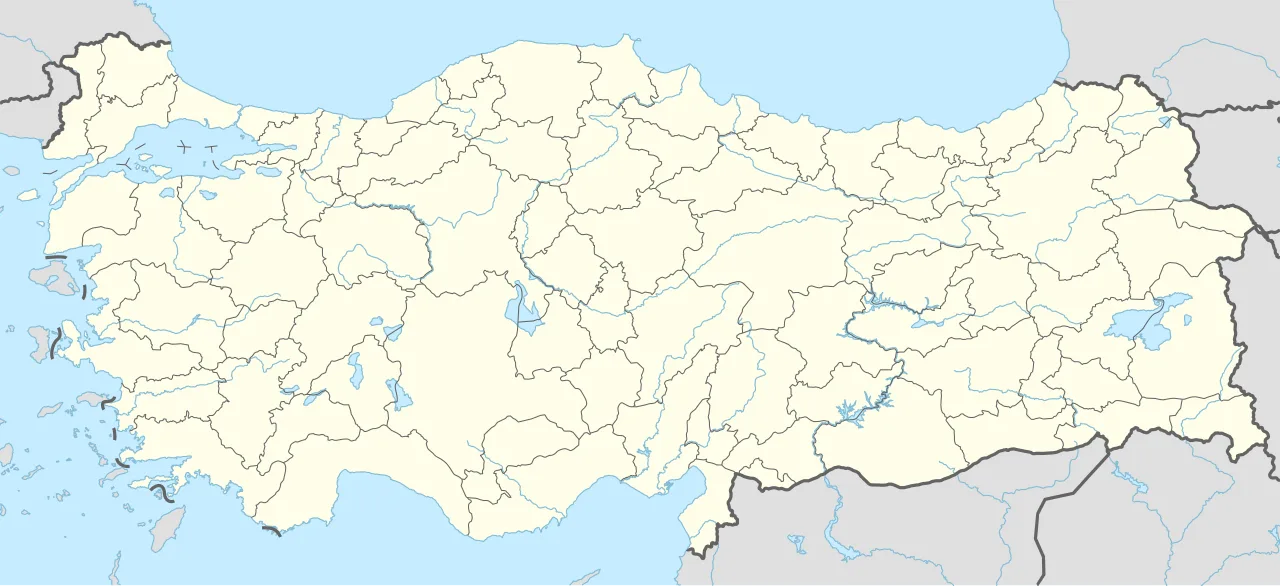
Pamukkale is located in Turkey

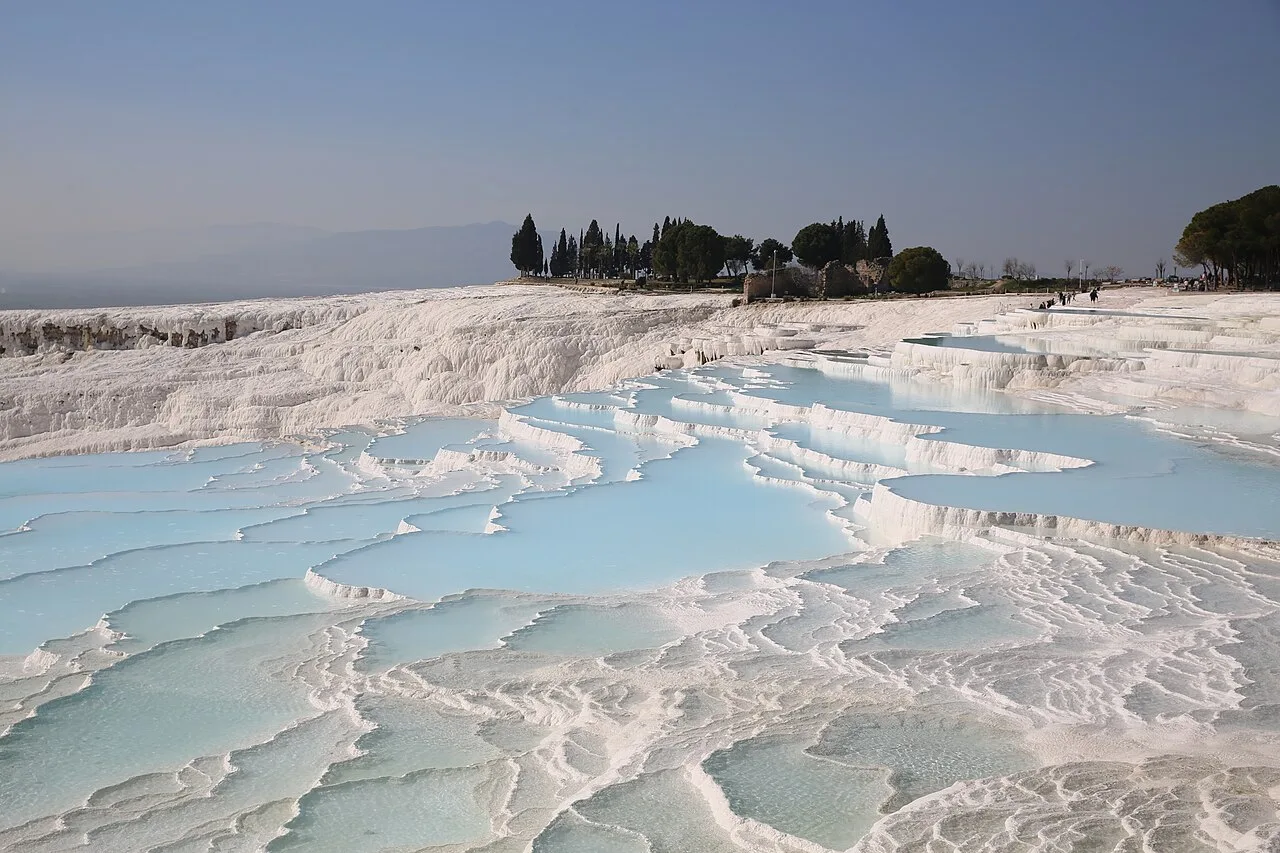
Pamukkale sinter terraces

Travertine terrace formations

Travertine terraces and calcium formations in Pamukkale

Archaeological site of Hierapolis in Pamukkale. The photo shows the Frontinus (or Domitian) Gate at Frontinus Street.
Pamukkale
Pamukkale, meaning cotton castle in Turkish, is a natural site in Denizli Province in southwestern Turkey, famous for a carbonate mineral left by the flowing of thermal spring water.
Soft Gel Crystallizing into Snow-White Terraces
Pamukkale's terraces are created by 17 hot springs with temperatures reaching up to 100 °C. When mineral water supersaturated with calcium carbonate reaches the surface, carbon dioxide de-gasses from the solution. The calcium carbonate is deposited by the water as a soft gel which eventually crystallizes into travertine.
From Wikipedia · CC BY-SA 4.0
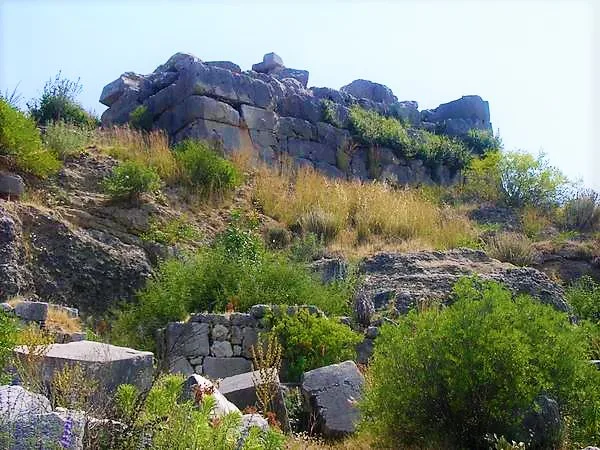
Xanthus, tomb of the Nereids, podium
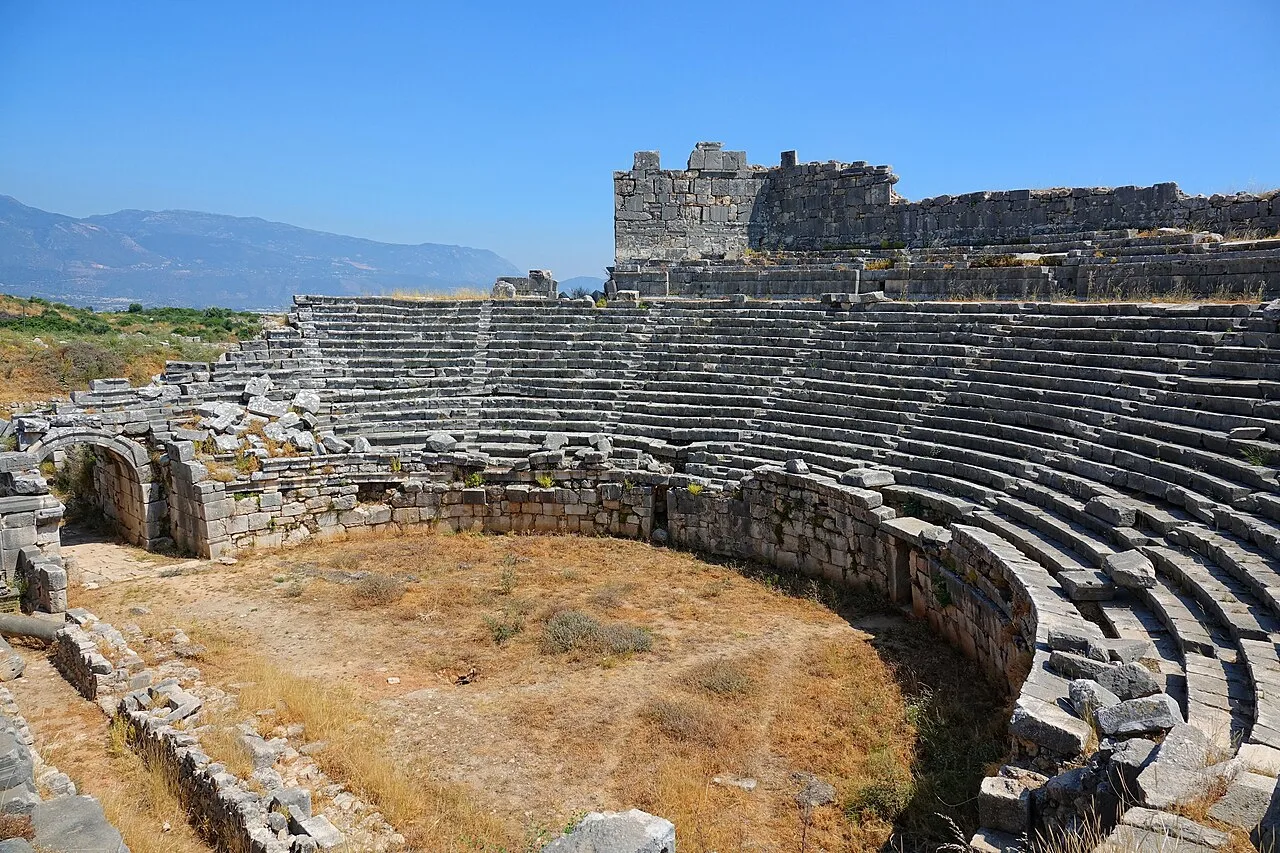
Xanthos Roman Theatre 2019
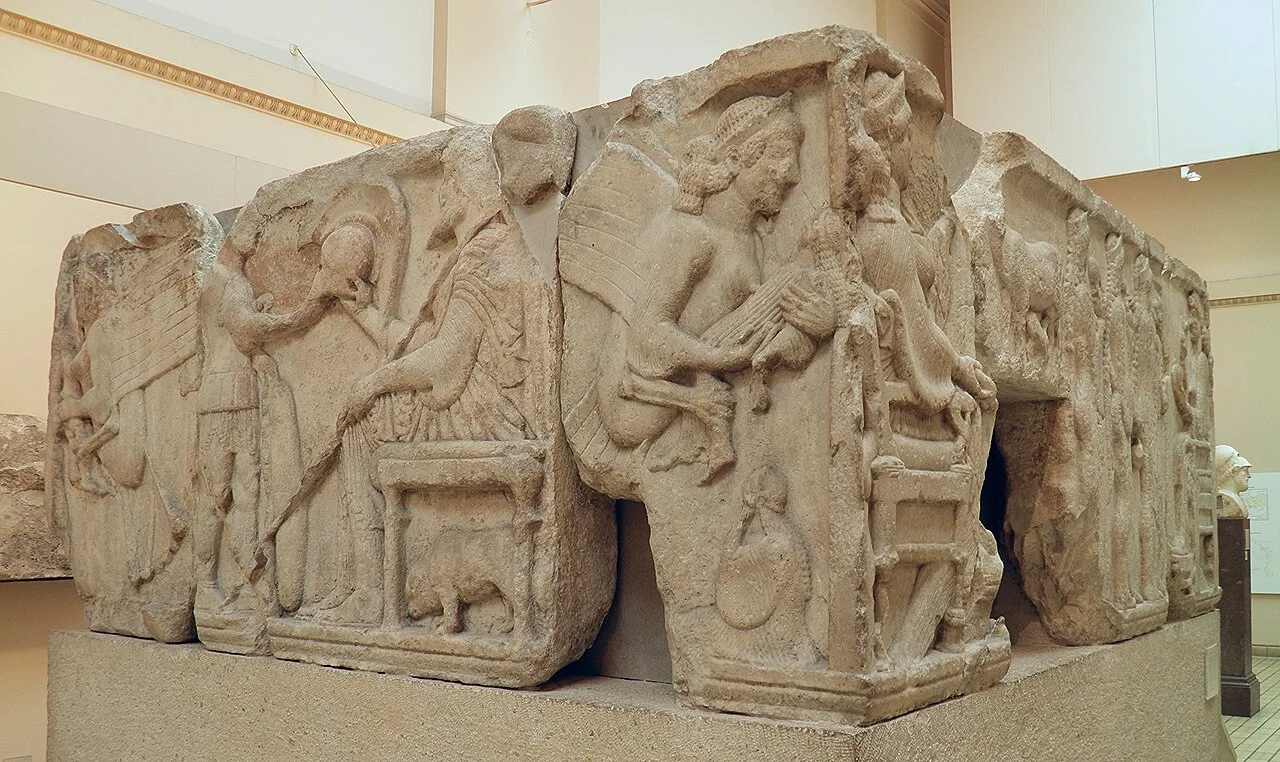
The Harpy Tomb sculptures in the British Museum
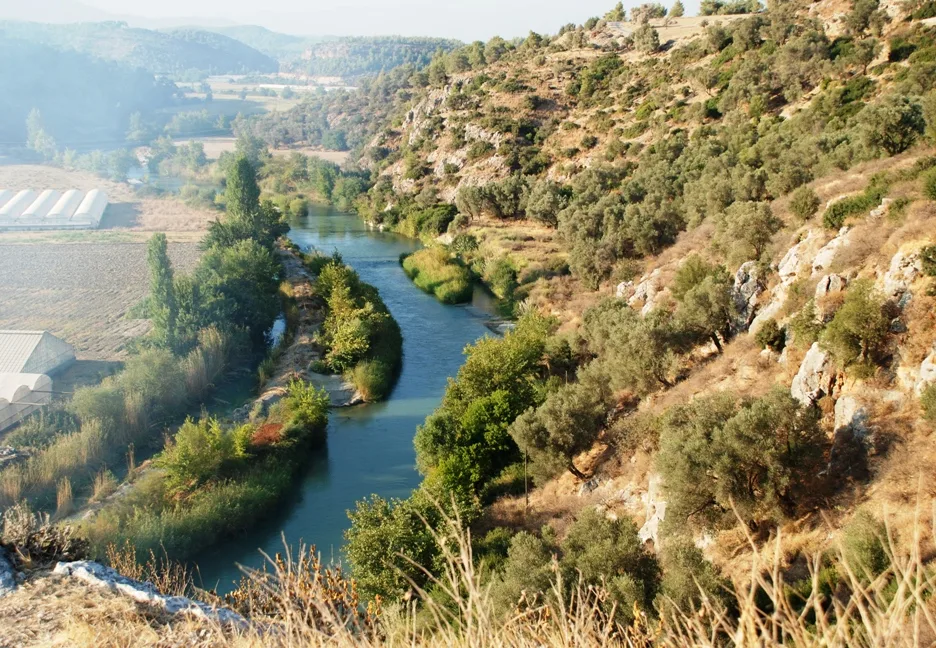
The River Xanthos, as seen from the ruins
Xanthos
Xanthos was an ancient city near the present-day village of Kınık in Antalya Province, Turkey. Notable for its surviving tombs, the site was declared a UNESCO World Heritage Site in 1988.
Inspiration for a Wonder at Halicarnassus
The architectural culture of Xanthos shaped tomb construction across the ancient Mediterranean world. The Nereid Monument directly inspired the famous Mausoleum at Halicarnassus in the neighboring region of Caria. This architectural lineage highlights how Lycian funerary designs provided structural models for celebrated monuments of the Classical era.
From Wikipedia · CC BY-SA 4.0