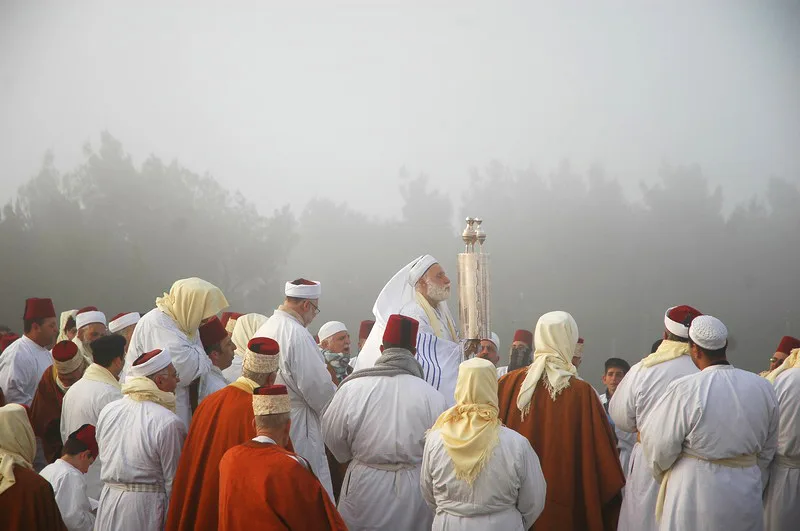
Samaritans marking Passover on Mount Gerizim, West Bank - 20060418

Foreigners eaten by lions in Samaria, illustration by Gustave Doré from the 1866 La Sainte Bible, The Holy Bible

Mosaic from Samaritan synagogue (Israel Museum)
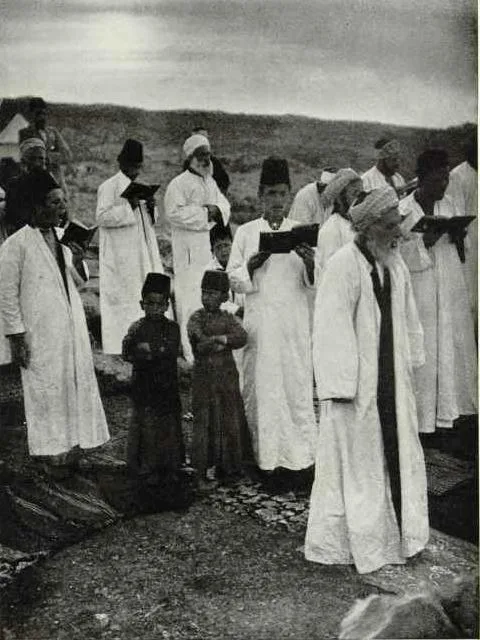
During the entire week following the Feast of the Passover, the Samaritans remain encamped on Mount Gerizim. On the last day of the encampment, they begin at dawn a pilgrimage to the crest of the sacred mount. Before setting forth on this pilgrimage, however, the men spread their cloths and repeat the creed and the story of the Creation in silence, after which, in loud voice they read the Book of Genesis and the first quarter of the Book of Exodus, ending with the story of the Passover and the flight from Egypt— John D. Whiting The National Geographic Magazine, Jan 1920
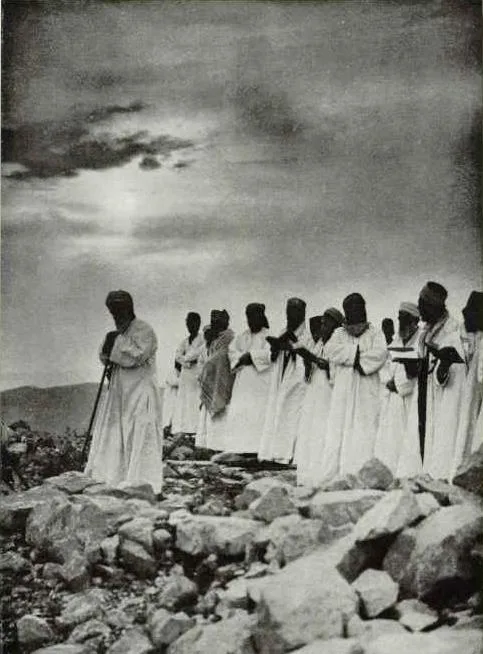
Samaritans pray before the Holy Rock on Mount Gerizim.

Entrance to a modern Samaritan synagogue in Neve Pinchas neighborhood, Holon, Israel
Samaritans
Samaritans are an ethnoreligious group originating from the Hebrews and Israelites of the ancient Near East, indigenous to Samaria, who adhere to Samaritanism.
Guardians of the Law Rather Than People of a Place
The name Samaritan is widely assumed to simply denote an inhabitant of the geographic region of Samaria. Within Samaritan tradition and early Christian commentary, however, the title derives from the Semitic root for watching or guarding. Under this view, they identify as Shamerim, meaning keepers or guardians of the Mosaic law. This linguistic distinction reframes their identity from a geographic population into designated protectors of scripture.
From Wikipedia · CC BY-SA 4.0

Druze star
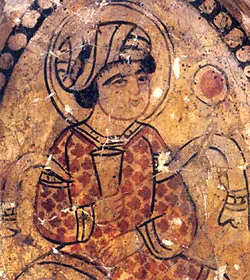
Sixth Fatimid caliph, al-Hakim bi-Amr Allah

Druze warriors preparing to go to battle with Sultan Pasha al-Atrash in 1925

Druze clerics in Khalwat al-Bayada

Inside the Maqam Baha al-Din in Beit Jann
![The Druze Maqam Al-Masih (Jesus) in Suwayda Governorate: Both religions revere Jesus.[210]](https://upload.wikimedia.org/wikipedia/commons/thumb/6/6a/Maqam_Al-masih.jpg/1280px-Maqam_Al-masih.jpg?utm_source=en.wikipedia.org&utm_campaign=imageinfo&utm_content=thumbnail)
The Druze Maqam Al-Masih (Jesus) in Suwayda Governorate: Both religions revere Jesus.[210]
Druze
The Druze are an esoteric, monotheistic religious group of Arabs adhering to the Druze faith, a syncretic Abrahamic religion asserting the unity of God, reincarnation, and the eternity of the soul.
A Closed and Gender-Locked Cycle of Rebirth
Reincarnation in the Druze tradition follows strict, unchanging rules regarding gender and community membership. A male Druze can be reincarnated only as another male Druze, while a female Druze can only return as another female Druze. Furthermore, a Druze cannot be reincarnated into the body of a non-Druze. This creates an entirely closed spiritual boundary where souls cycle exclusively within the same faith across generations.
From Wikipedia · CC BY-SA 4.0
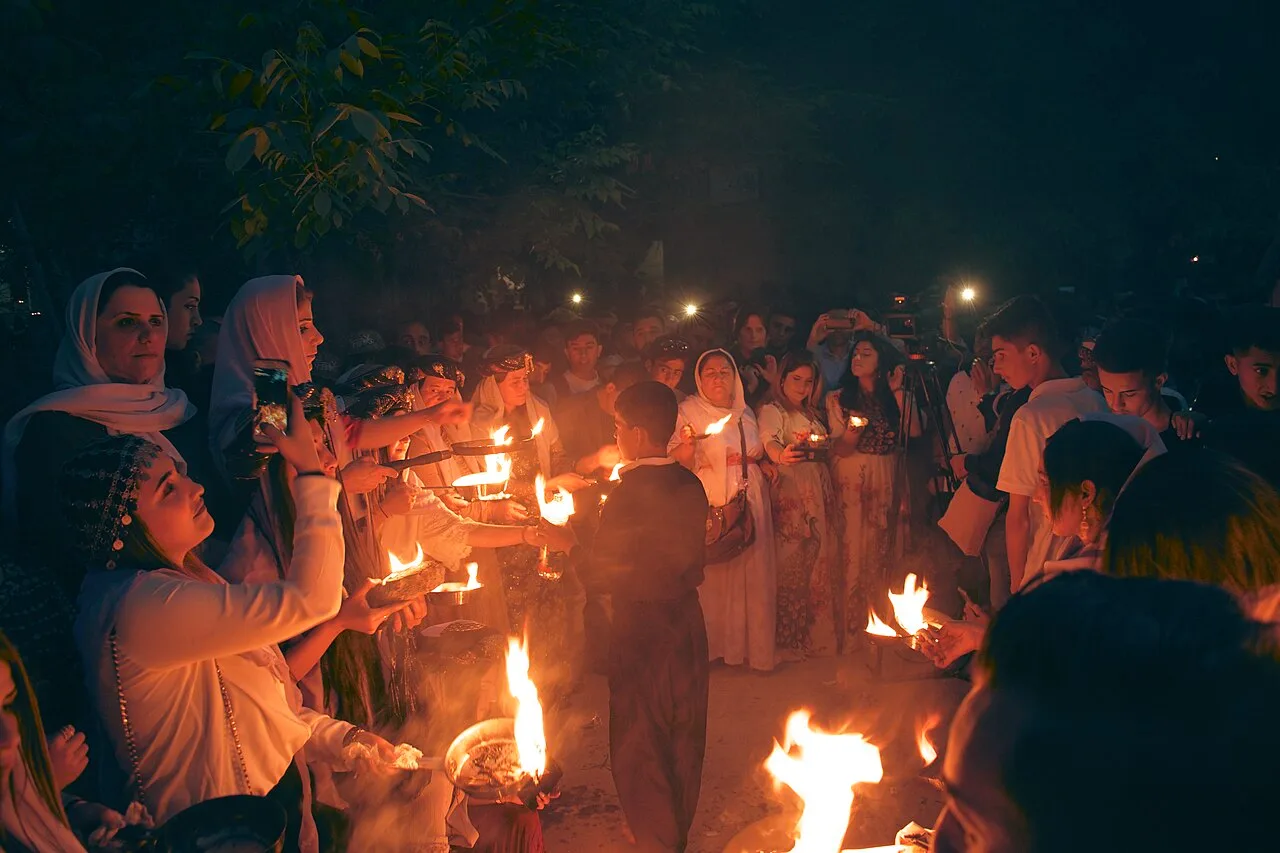
Ezidis celebrating Ezidi New Year in April 2018 at Lalish 01
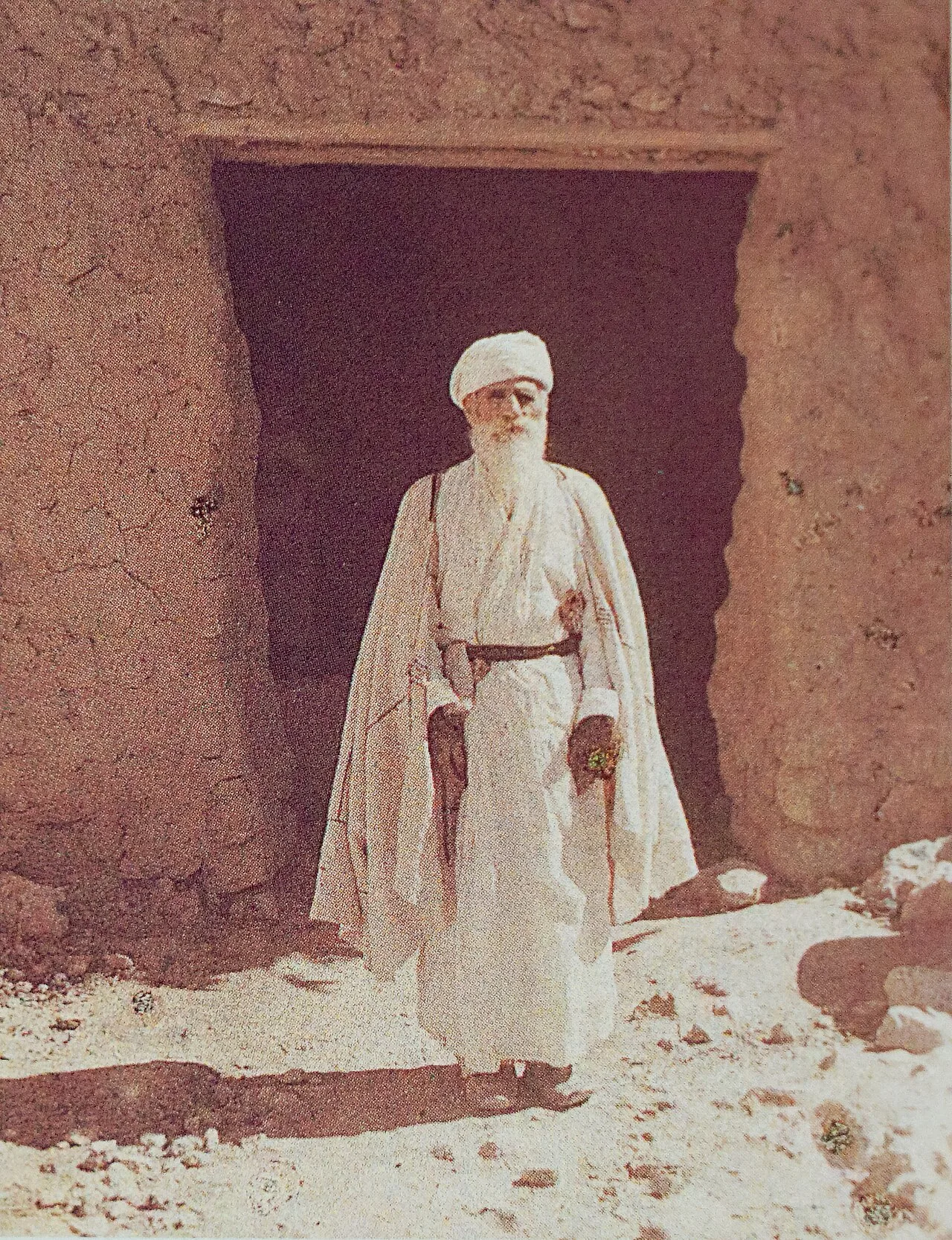
Yazidi chief in Bashiqa, Iraq; picture by Albert Kahn (1910s)

Yazidi women in traditional dress
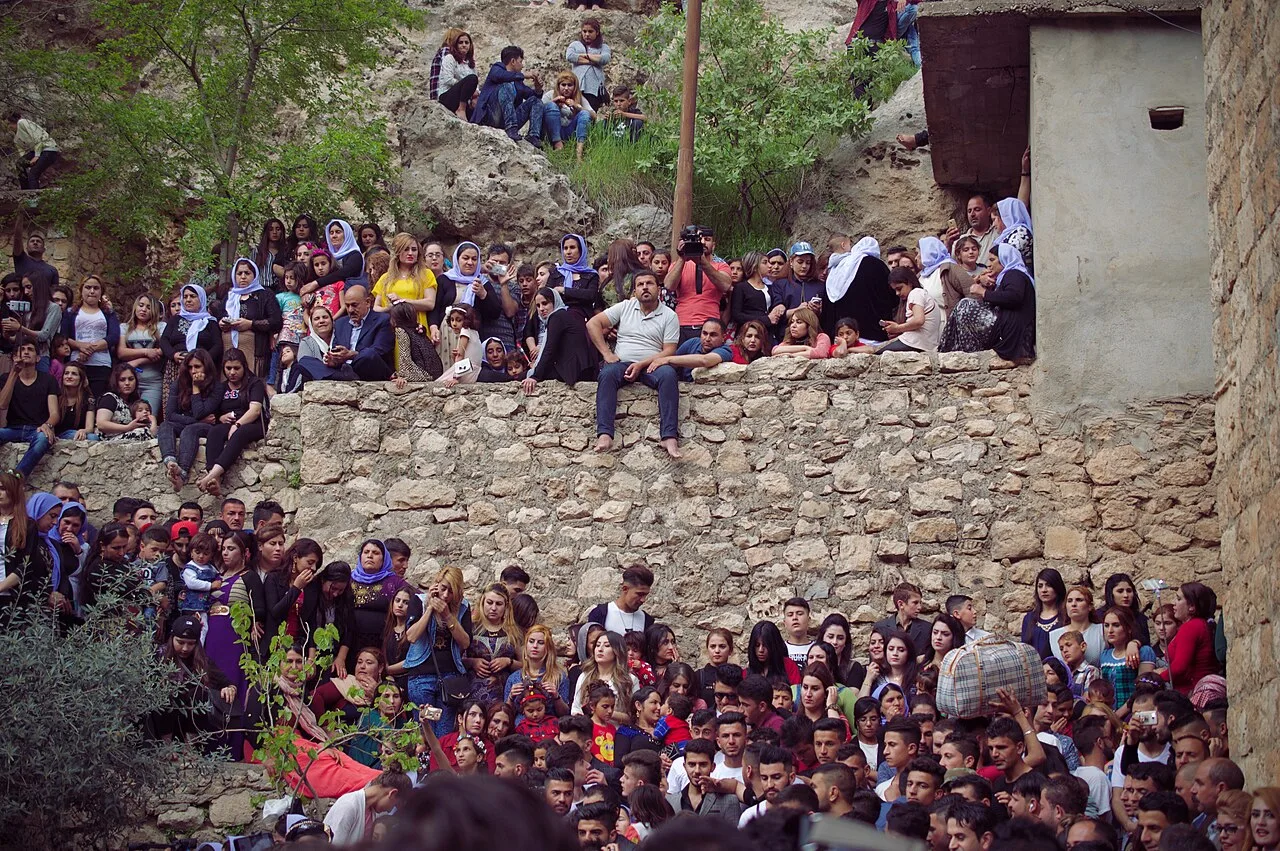
Yazidi new year celebrations in Lalish, 18 April 2017

Yazidi men

Image from A journey from London to Persepolis, 1865
Yazidis
Yazidis, also spelled Yezidis, are a Kurdish-speaking endogamous religious group indigenous to Kurdistan, a geographical region in Western Asia that includes parts of Iraq, Syria, Turkey, and Iran.
Ancient Fires in the Valley of Koph
Yazidism took shape from an ancient pre-Islamic religious substratum rather than developing as an offshoot of Islam. In the ninth century, the East Syriac bishop Thomas of Marga documented communities near Akre venerating fire, sacred springs, and the sun. Longstanding rites reflecting this background persist in the religion today, including metempsychosis and nightly wick-lighting across the Lalish valley.
From Wikipedia · CC BY-SA 4.0
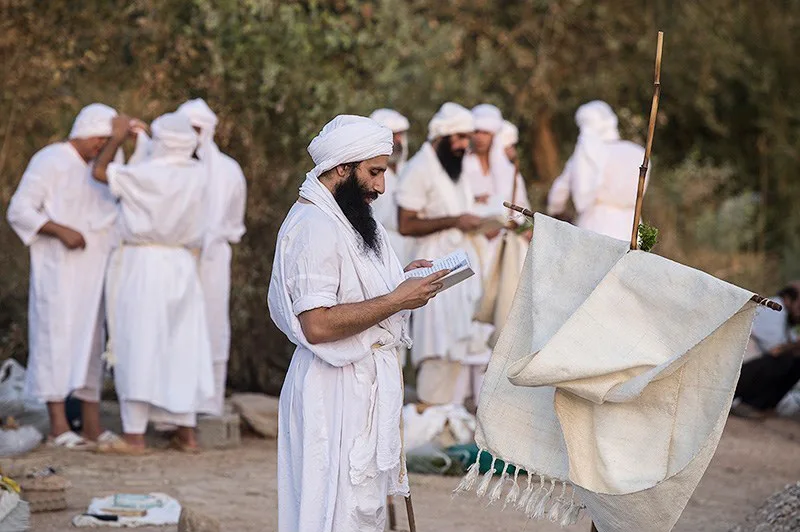
Celebration of Mandaean New Year in Khuzestan, Iran
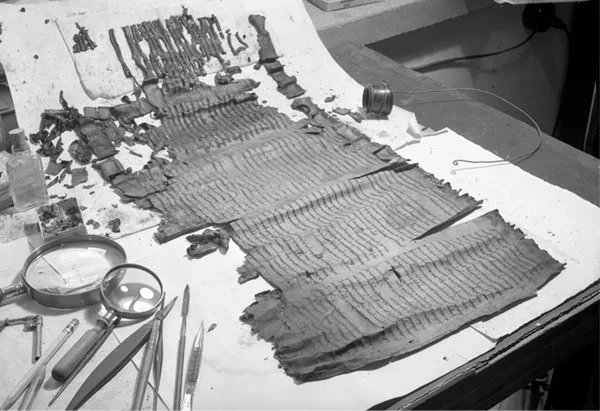
The Genesis Apocryphon, part of the Dead Sea Scrolls
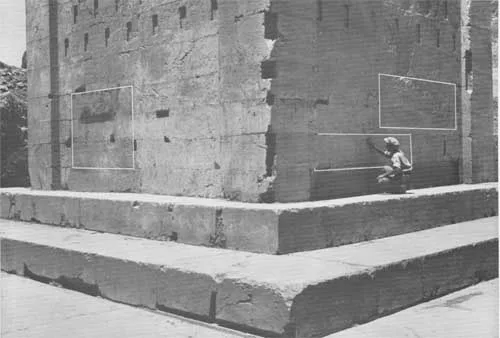
Kartir's inscription at Ka'ba-ye Zartosht claimed that he "struck down" the non-Zoroastrian minorities, such as the Mandaeans
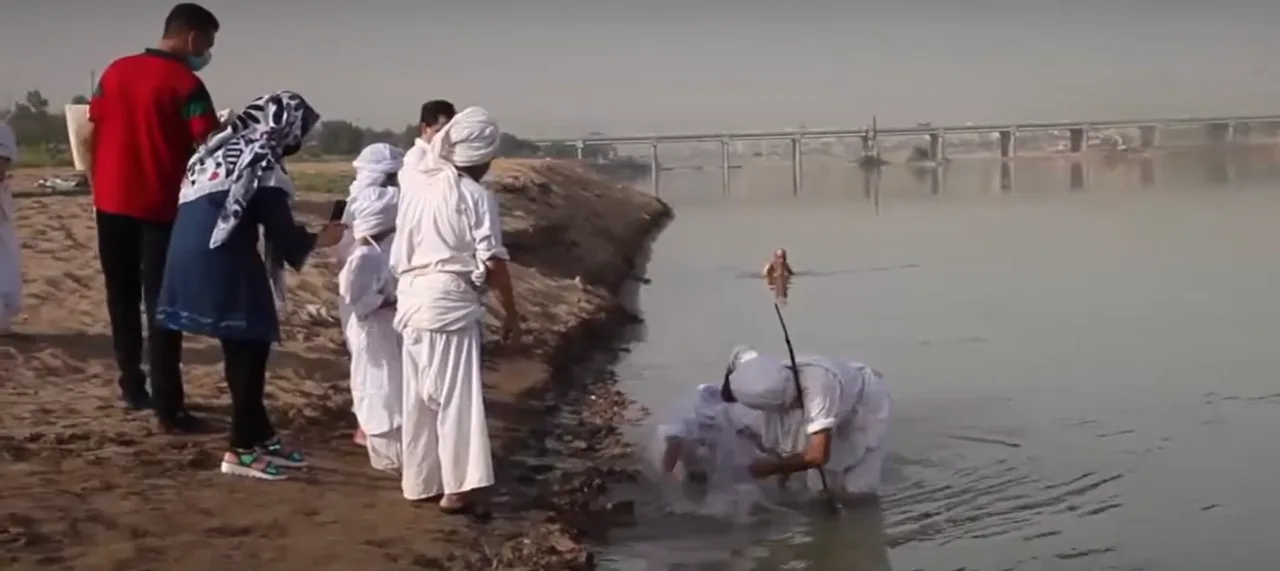
A Mandaean child being baptised (masbuta) in the Karun River, Iran (May 19, 2021)

Mīnākārī on gold, an ancient art of Mandaeans, Ahvaz, Iran
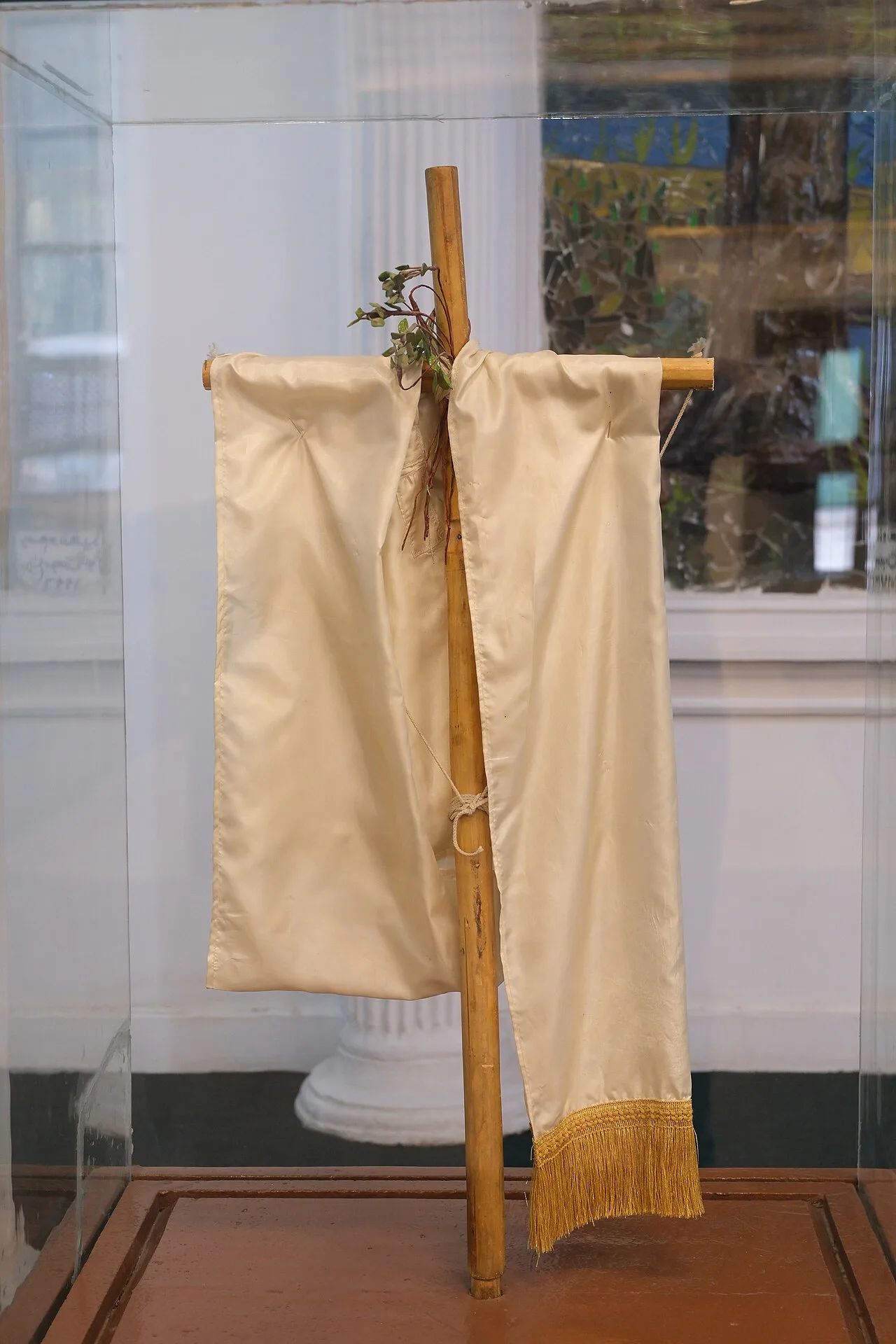
Mandaean Drabsha, symbol of the Mandaean faith
Mandaeans
Mandaeans are an ethnoreligious group who are followers of Mandaeism. They believe John the Baptist was their final prophet and are the last surviving representatives of Gnosticism.
A Material Body Fashioned by Demonic Powers
In Mandaeism, human physical creation is not a purely divine act but the design of darker cosmological forces. The demiurge Ptahil, assisted by malevolent rulers like Ruha and astrological demons, fashioned Adam's physical form out of darkness. However, Adam's soul originated directly from the World of Light, remaining trapped in matter. This dualism necessitates repeated ritual baptisms throughout life to cleanse and rescue the inner soul for its eventual ascent.
From Wikipedia · CC BY-SA 4.0

Flag of Lebanon (1918-1920)
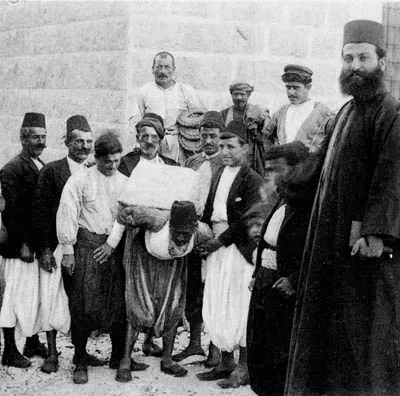
Maronite villagers building a church in the region of Mount Lebanon, 1920s.

Our Lady of Lebanon Cathedral Brooklyn in New York City.

Distribution of Maronites in Lebanon

Maronite division among main Syriac Christian groups.

Christ Pantocrator (Deesis mosaic detail)
Maronites
Maronites are a Syriac Christian ethnoreligious group native to the Eastern Mediterranean and the Levant whose members belong to the Maronite Church.
The Contested Memory of Unbroken Orthodoxy
The official doctrine of the modern Maronite Church asserts that its members never adopted heresy and maintained unbroken communion with Rome. Medieval sources, however, present a stark contrast to this narrative. Historical chroniclers like William of Tyre recorded that early Maronites were committed monothelites who later repented and renounced their single-will Christology. This divergence exposes an enduring tension between institutional theological memory and external historical documentation.
From Wikipedia · CC BY-SA 4.0
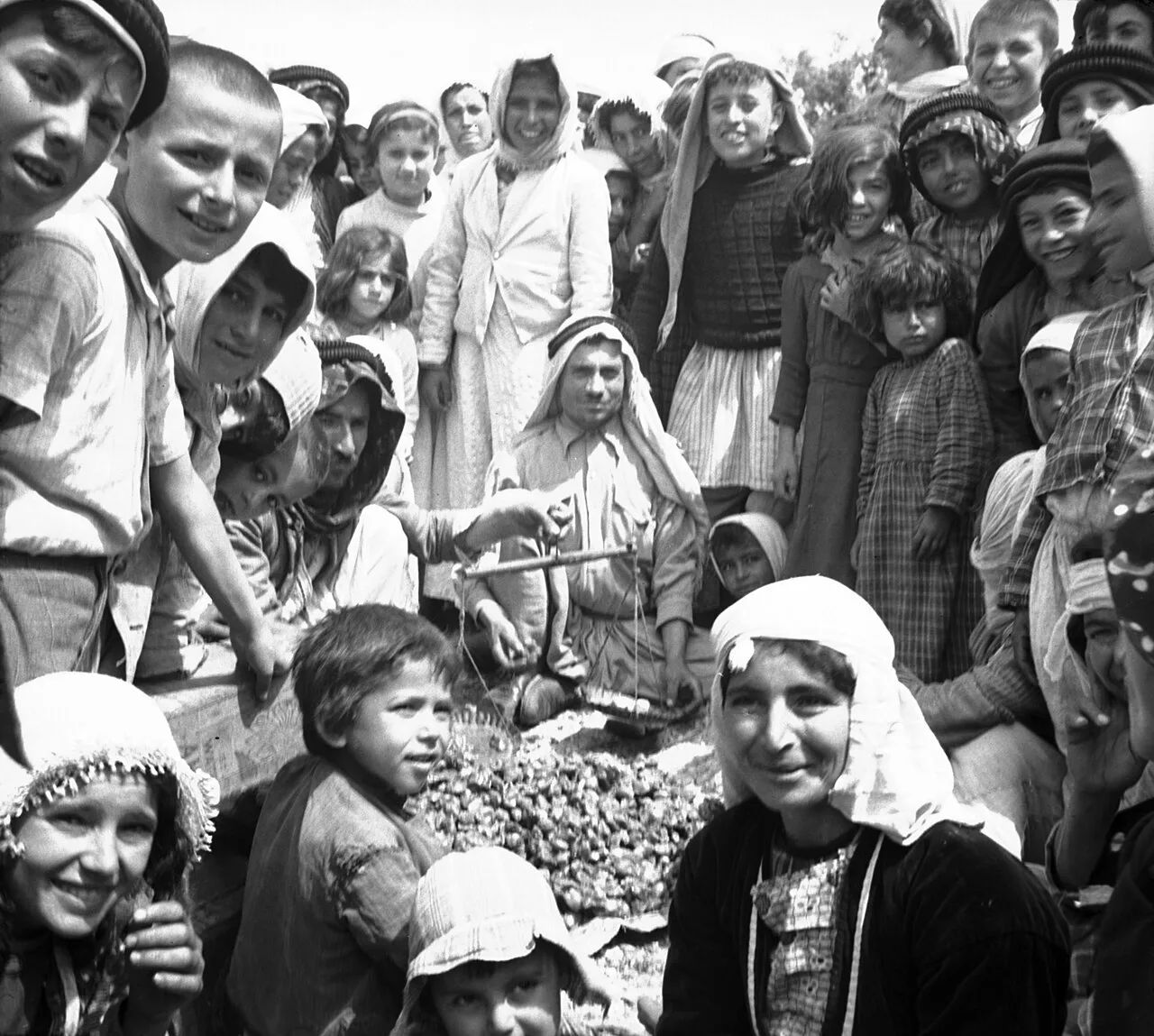
Celebrating Alawites

An Alawite falconer photographed by Frank Hurley in Baniyas, Syria during World War II.

A map of French Mandate states in 1921–22. The Alawite State is in purple.

An Alawite woman gleaning in 1938
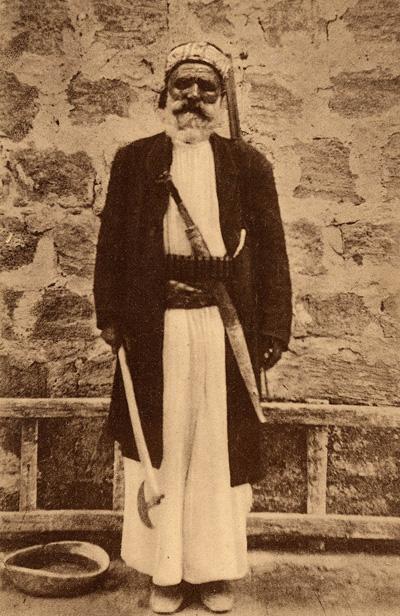
An Alawite man in Latakia, early 20th century.
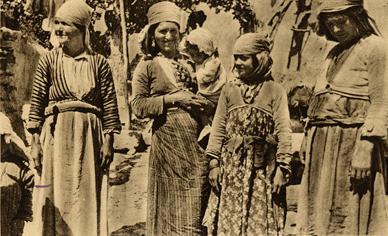
Alawi women in Syria, early 20th century
Alawites
Alawites are an ethnoreligious group living primarily in Syria and elsewhere in the Levant who follow Alawism, an offshoot of Shia Islam.
Seven Cyclic Incarnations of the Divine Triad
At the core of Alawite theology lies a divine Trinity composed of three emanations: the Mana (meaning), the Ism (Name), and the Bab (Door). Rather than viewing these as abstract ideas, doctrine holds that these manifestations cycle through seven human incarnations across history. In the seventh and culminating cycle, the divine triad took form as Ali ibn Abi Talib, the Prophet Muhammad, and his companion Salman al-Farisi.
From Wikipedia · CC BY-SA 4.0
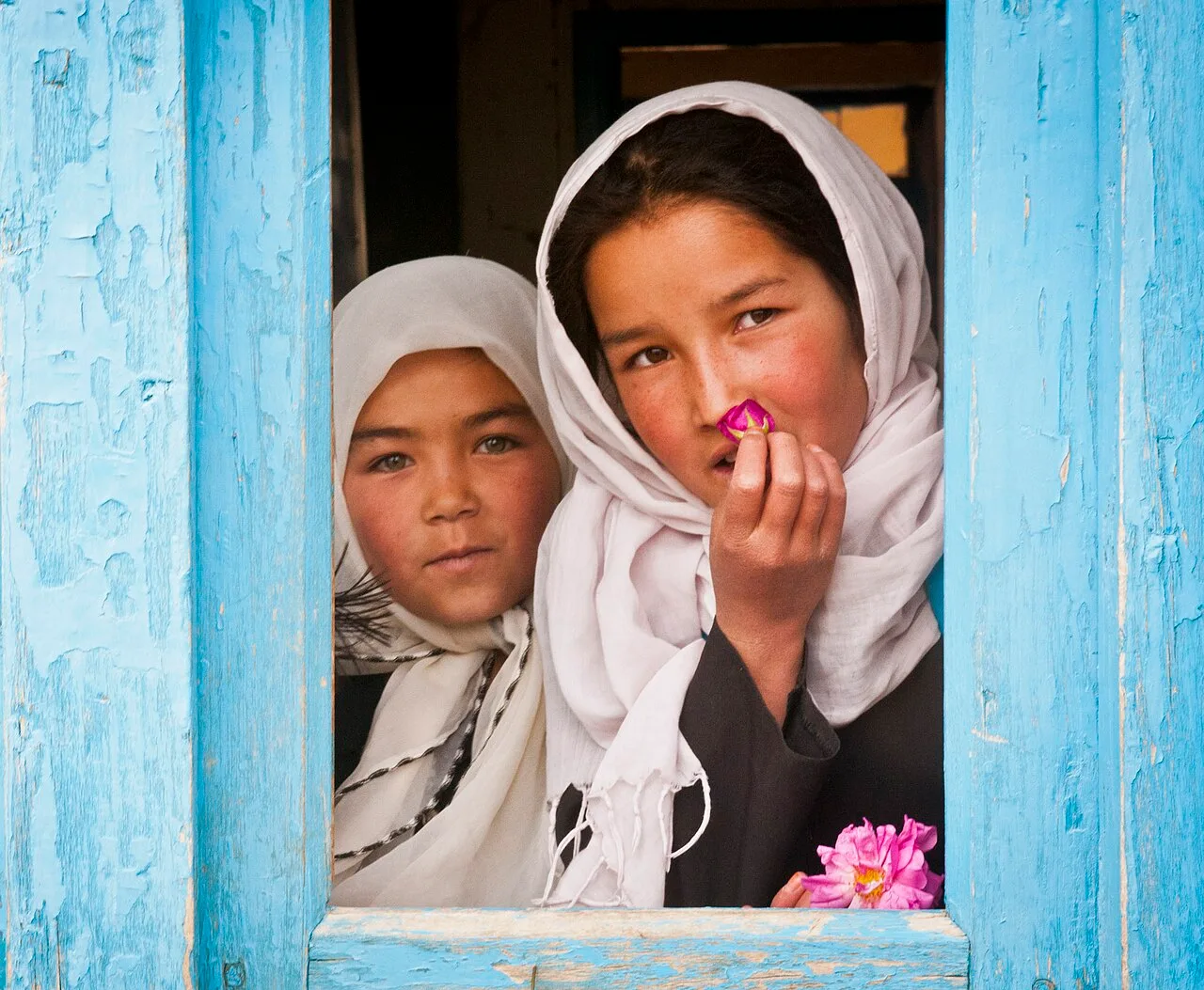
Hazara schoolgirls in Bamyan, Afghanistan
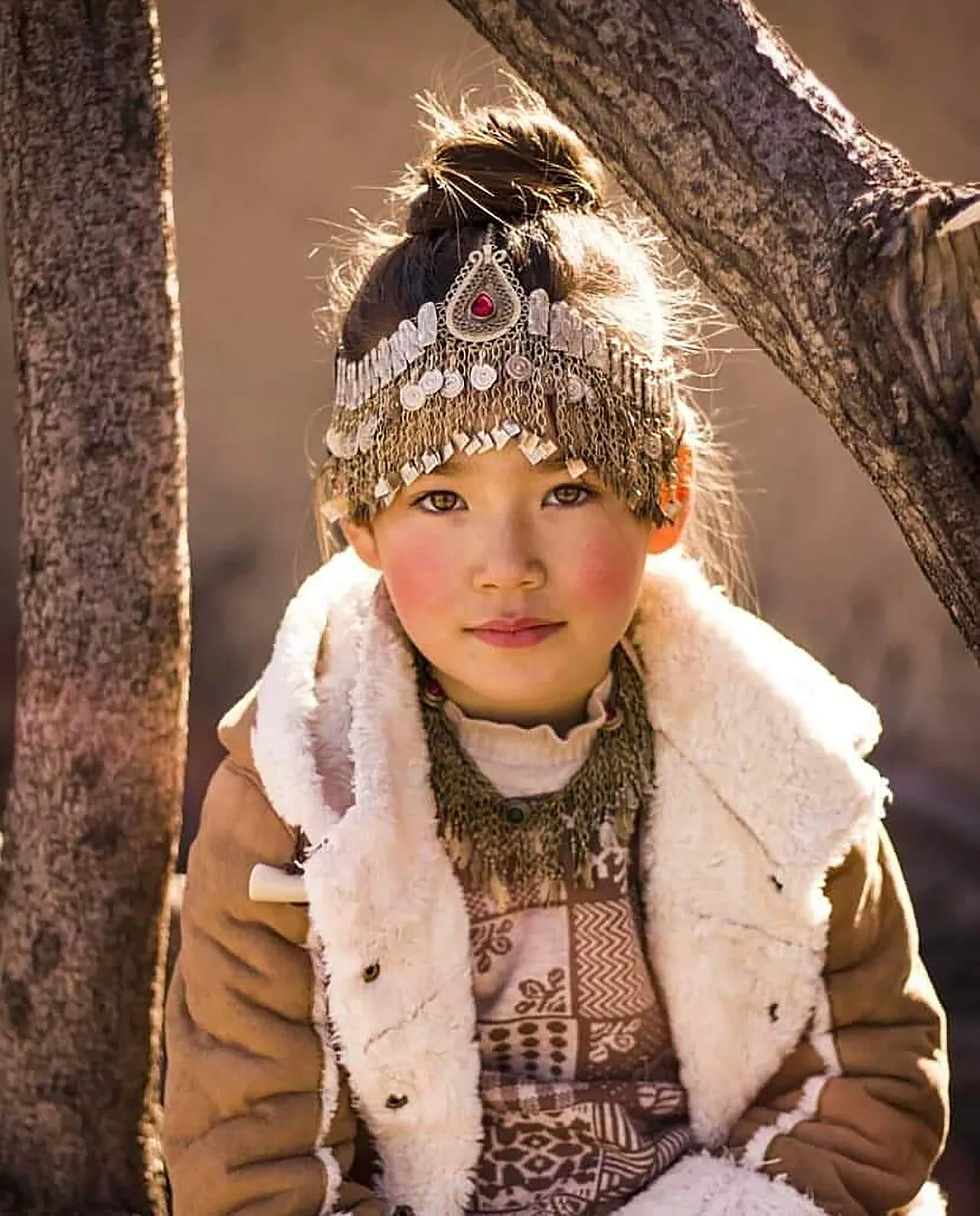
Hazara girl from Afghanistan.

Ibrahim Khan, known as "Ibrahim Gawsawar", the leader of an armed Hazara uprising against excessive taxation during Zahir Shah's rule
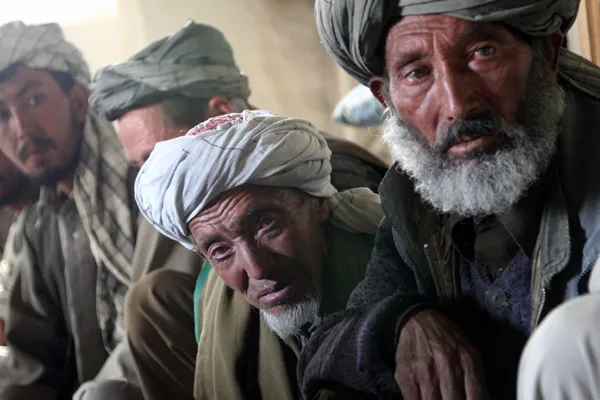
Hazara farmers in Behsud, Maidan Wardak, have developed sun-darkened skin from working tirelessly under the intense mountain sun at elevations ranging from 2,500 to 3,000 meters above sea level.

A gathering of Hazaras on the final day of Ramadan in Daikundi Province.
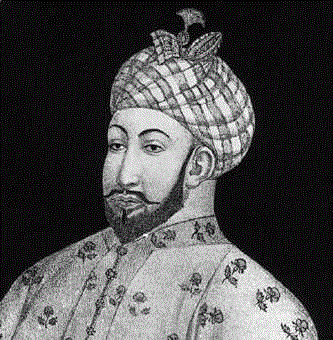
A miniature of Emir Muhammad Khwaja
Hazaras
Hazaras are an ethnic group and a principal component of Afghanistan's population, primarily residing in the central Hazarajat region, with significant minority communities in Pakistan and Iran.
A Thousand Soldiers in a Name
The designation Hazara is tied to the Persian word "Hazar," translating to "thousand." This term directly mirrors the Mongolic military unit known as a mingghan, comprising one thousand soldiers during the era of Genghis Khan. While some scholars debate whether Mongol garrisons settled permanently under imperial command, the military term became permanently affixed to the population.
From Wikipedia · CC BY-SA 4.0
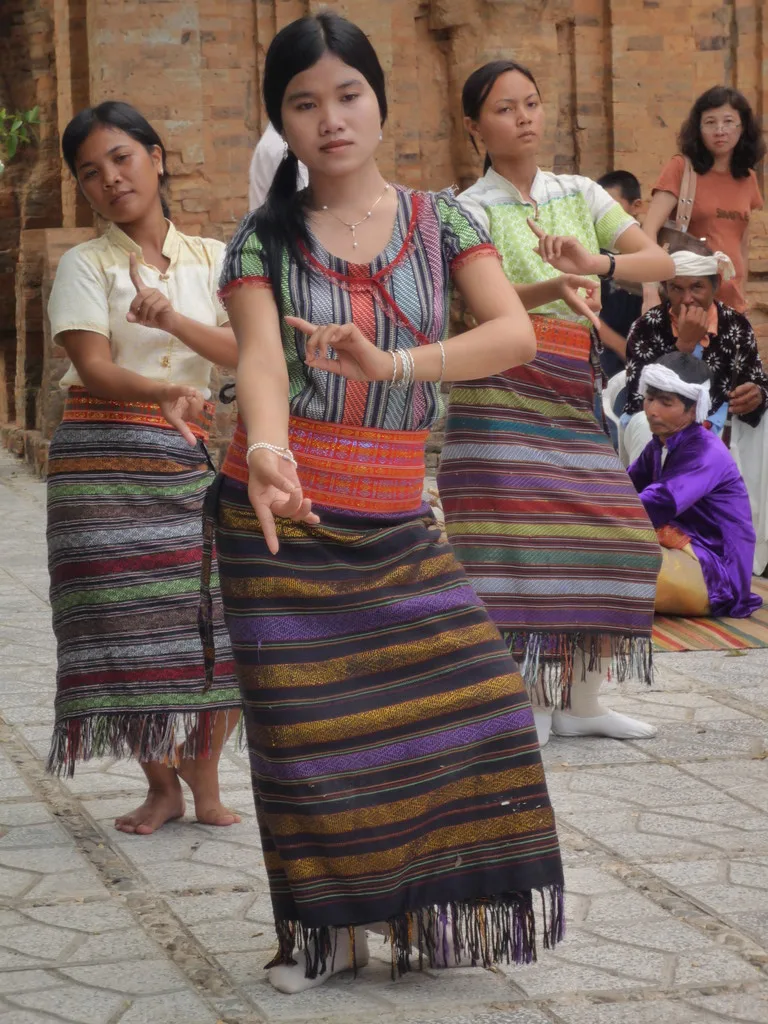
Danses Cham
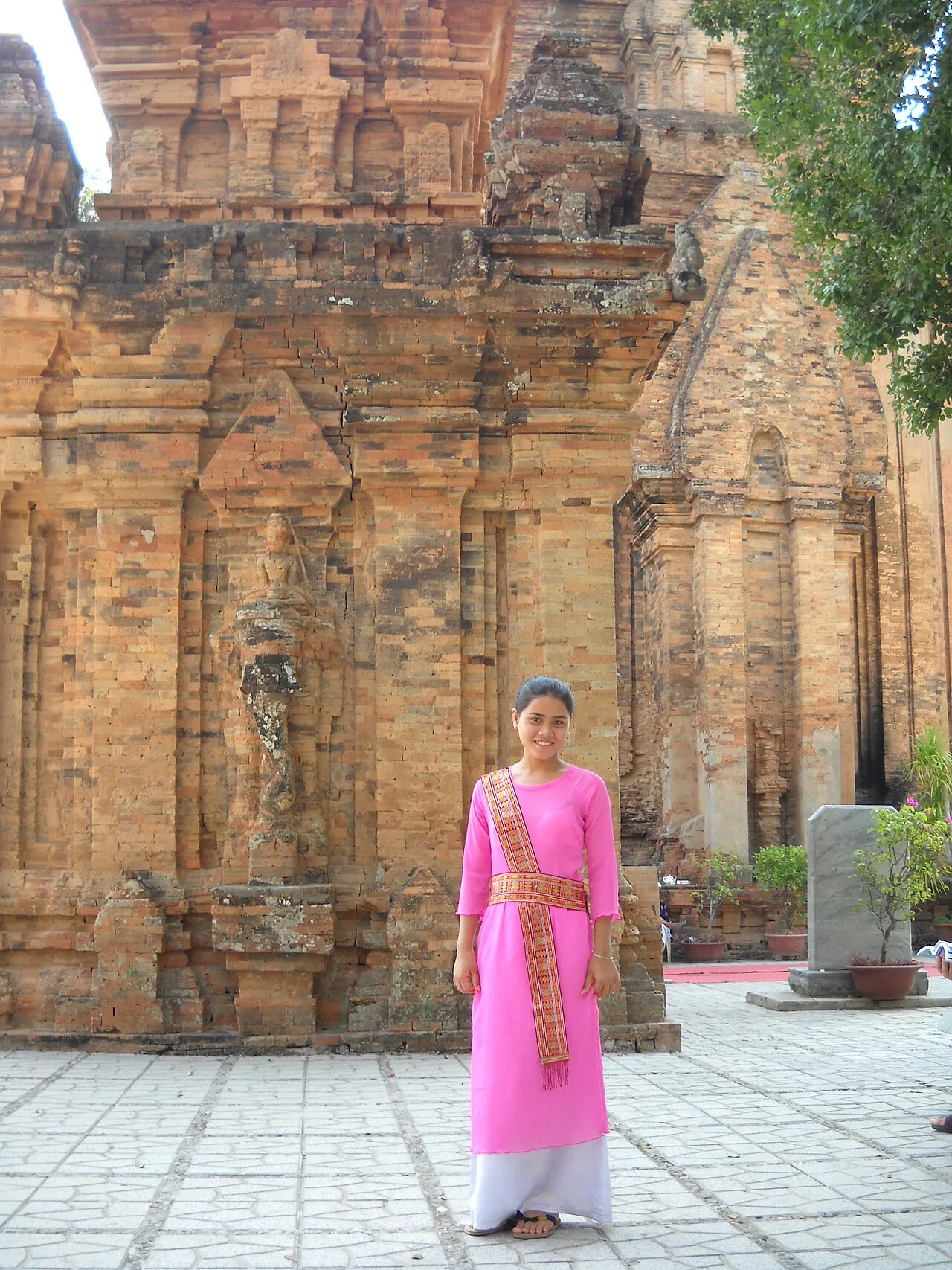
Traditional Cham women's clothes
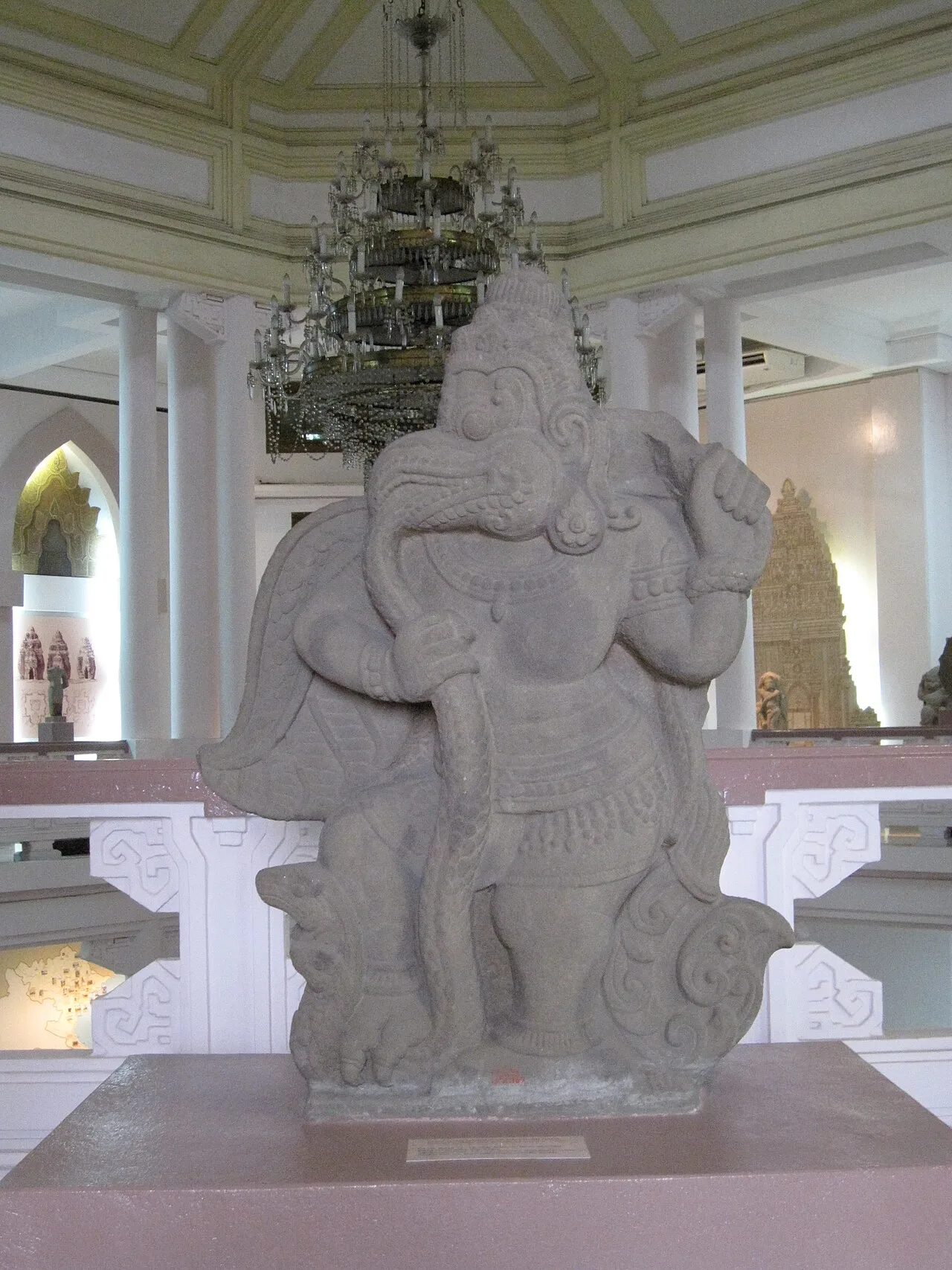
The Chams decorated their temples with stone reliefs depicting the gods such as Garuda fighting the nāga (12th-13th century CE)

Flag of the FLC – Front de Libération du Champa, which was active during the Vietnam War
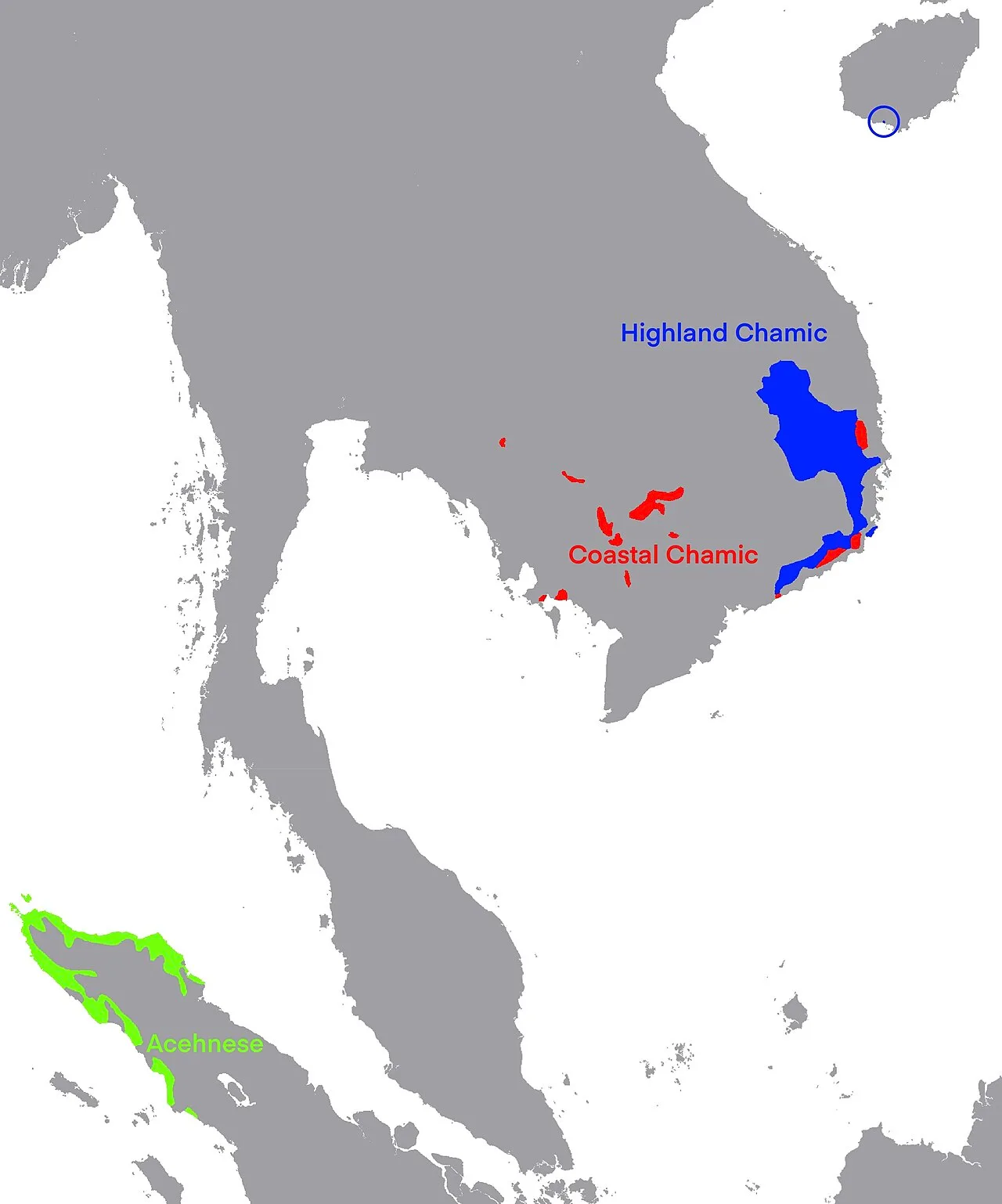
Distribution of Chamic languages in South East Asia.
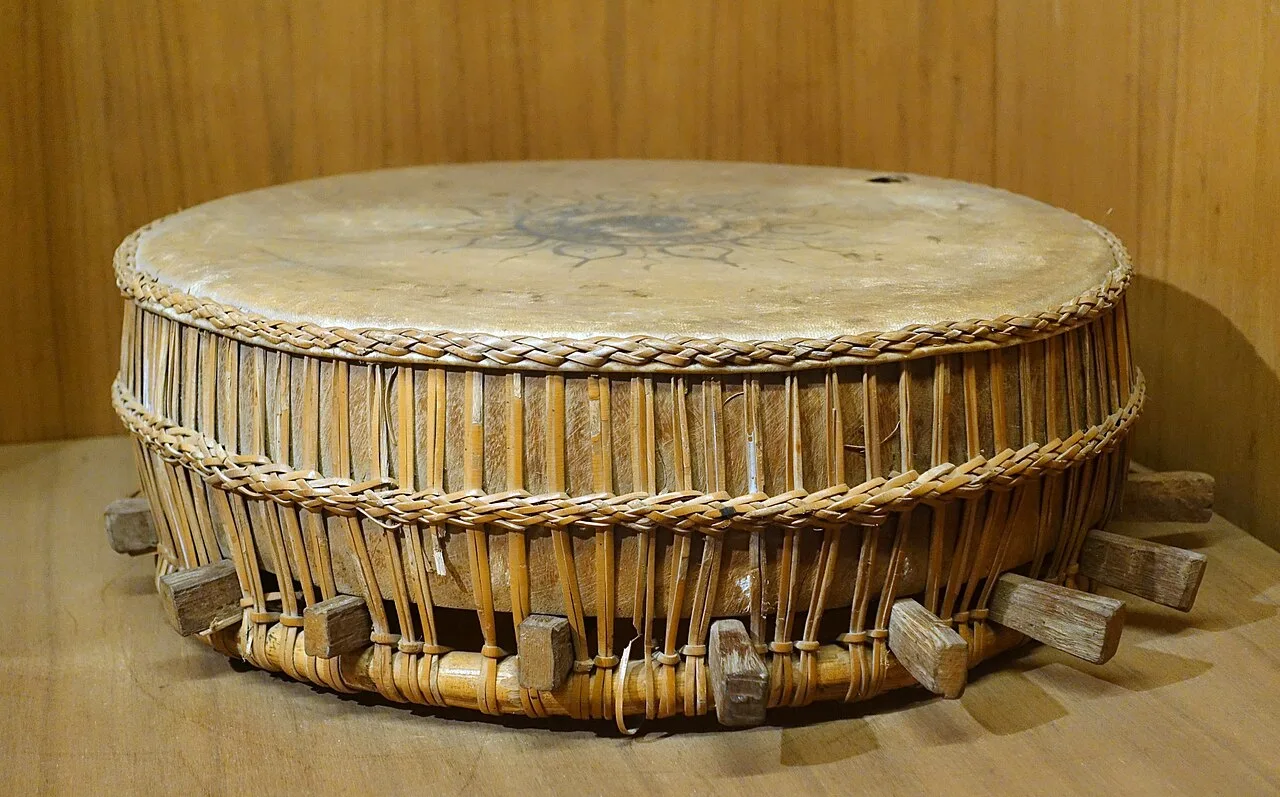
Cham musical drum
Chams
The Chams are an Austronesian ethnic group in Southeast Asia and the original inhabitants of central Vietnam and coastal Cambodia.
Matrilineal Heritage and the 1499 Marriage Ban
Cham society maintained deep matrilineal traditions where kinship and property flowed through female lines. Even as outside religious customs entered the region, this structural inheritance model persisted. The system proved so disruptive to neighboring patriarchal authorities that in 1499 the Vietnamese enacted a law banning marriage between Cham women and Vietnamese men, regardless of class.
From Wikipedia · CC BY-SA 4.0

Hui man
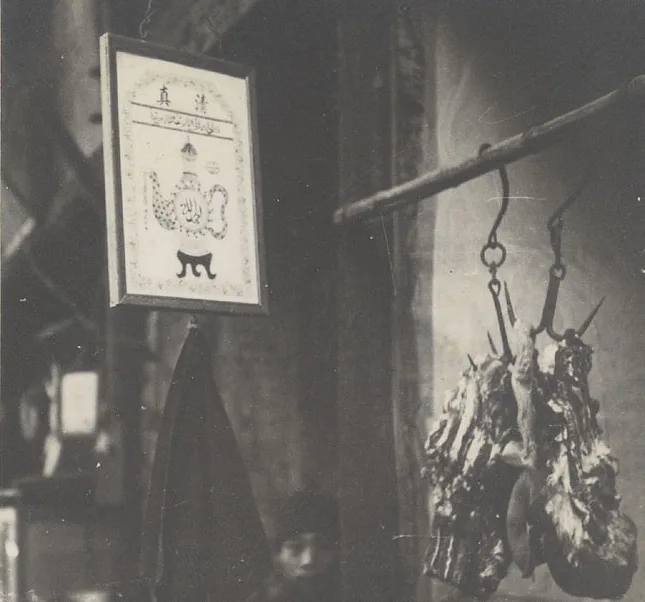
A halal meat store sign in Hankou, c. 1934–1935.
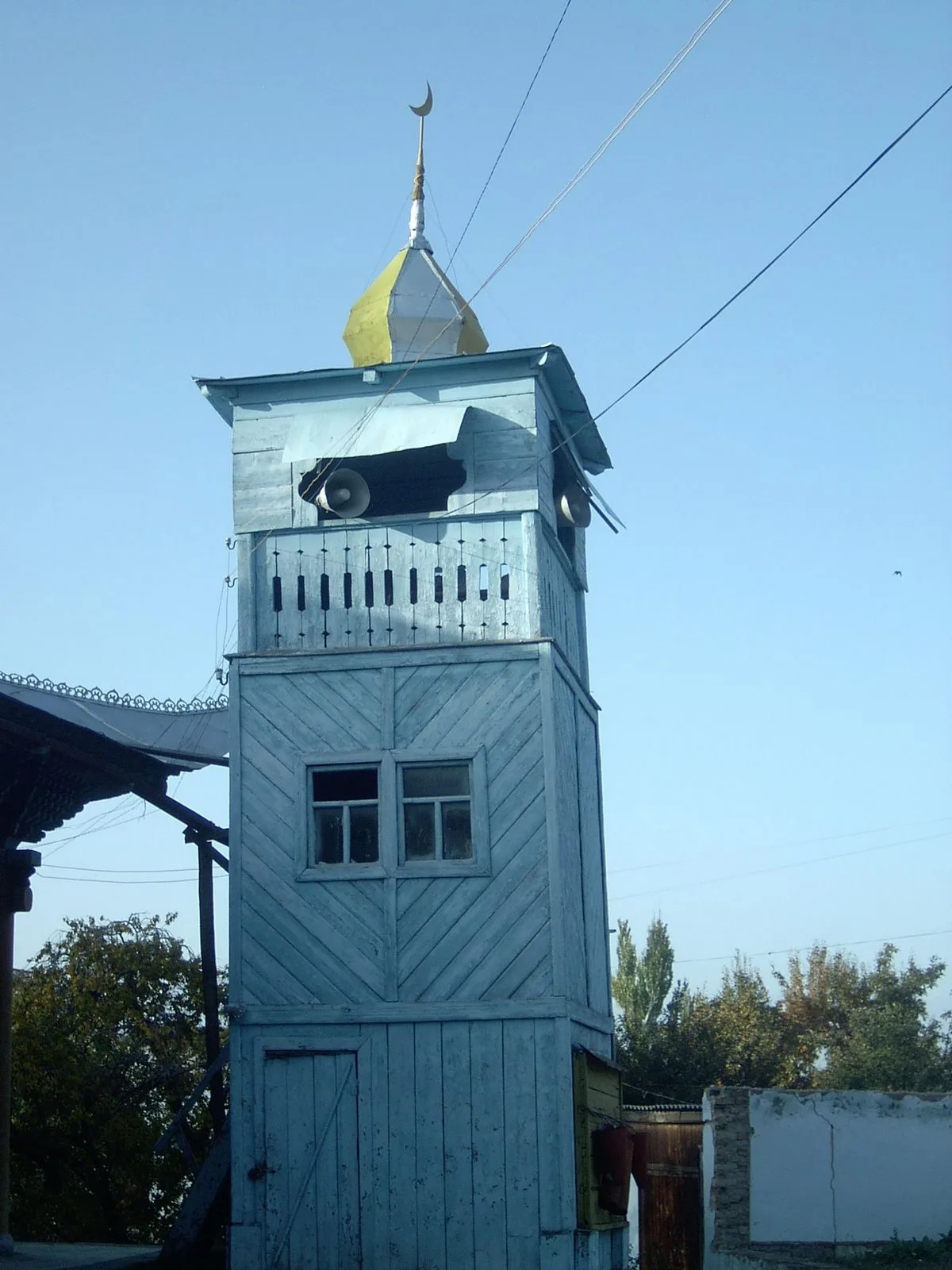
The minaret of the Dungan mosque in Karakol, Kyrgyzstan

Chiang Kai-shek, head of the Kuomintang with Muslim General Ma Fushou.
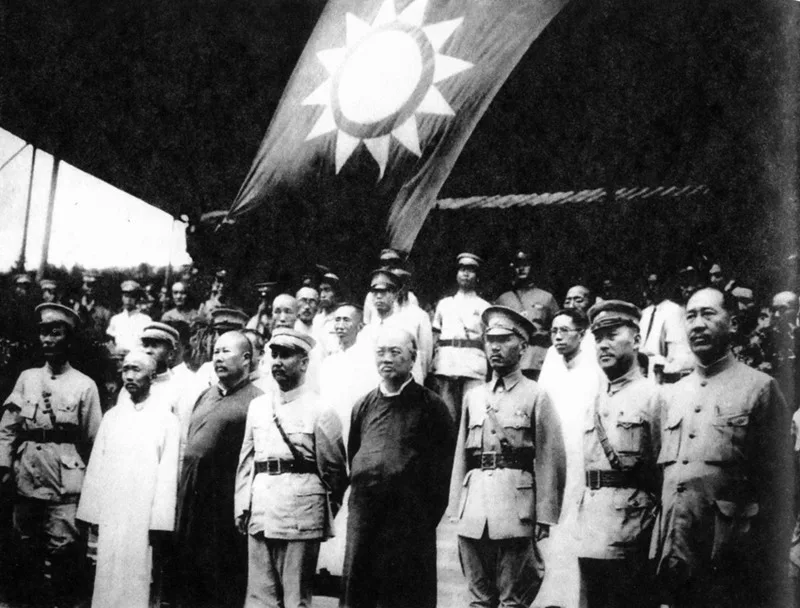
Chinese Generals pay tribute to the Sun Yat-sen Mausoleum at the Temple of the Azure Clouds in Beijing after the success of the Northern Expedition. From right to left, are Generals Cheng Jin, Zhang Zuobao, Chen Diaoyuan, Chiang Kai-shek, Woo Tsin-hang, Wen Xishan, Ma Fuxiang, Ma Sida and Bai Chongxi. (6 July 1928)
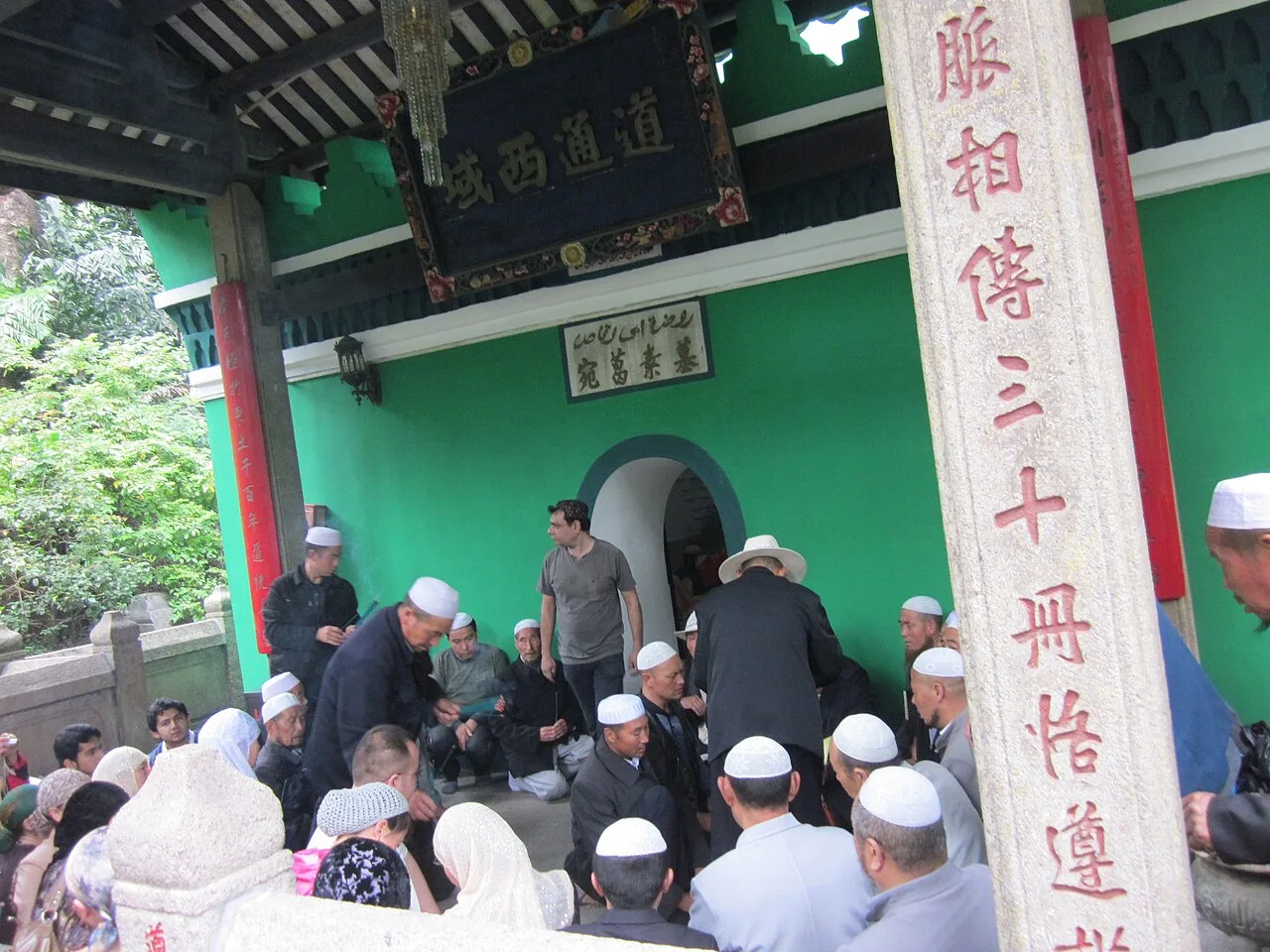
The Xianxian Mosque in Guangzhou
Hui people
The Hui people are an East Asian ethnoreligious group predominantly composed of Chinese-speaking adherents of Islam, distributed throughout China, mainly in the northwestern provinces and the Zhongyuan region.
Genetic Roots in East Asian Assimilation
Hui ancestry is widely assumed to be predominantly Middle Eastern due to Islam, yet genomic research demonstrates primarily local descent. In a 2004 study, 93.3% of Hui matrilineal genetics were found to be East-Eurasian, with only 6.7 percent tracing to West-Eurasian origins. An ancestry-informative SNP analysis similarly recorded only 3.66% West-Eurasian-like admixture among Hui people, confirming that the population arose overwhelmingly through East Asian cultural assimilation.
From Wikipedia · CC BY-SA 4.0
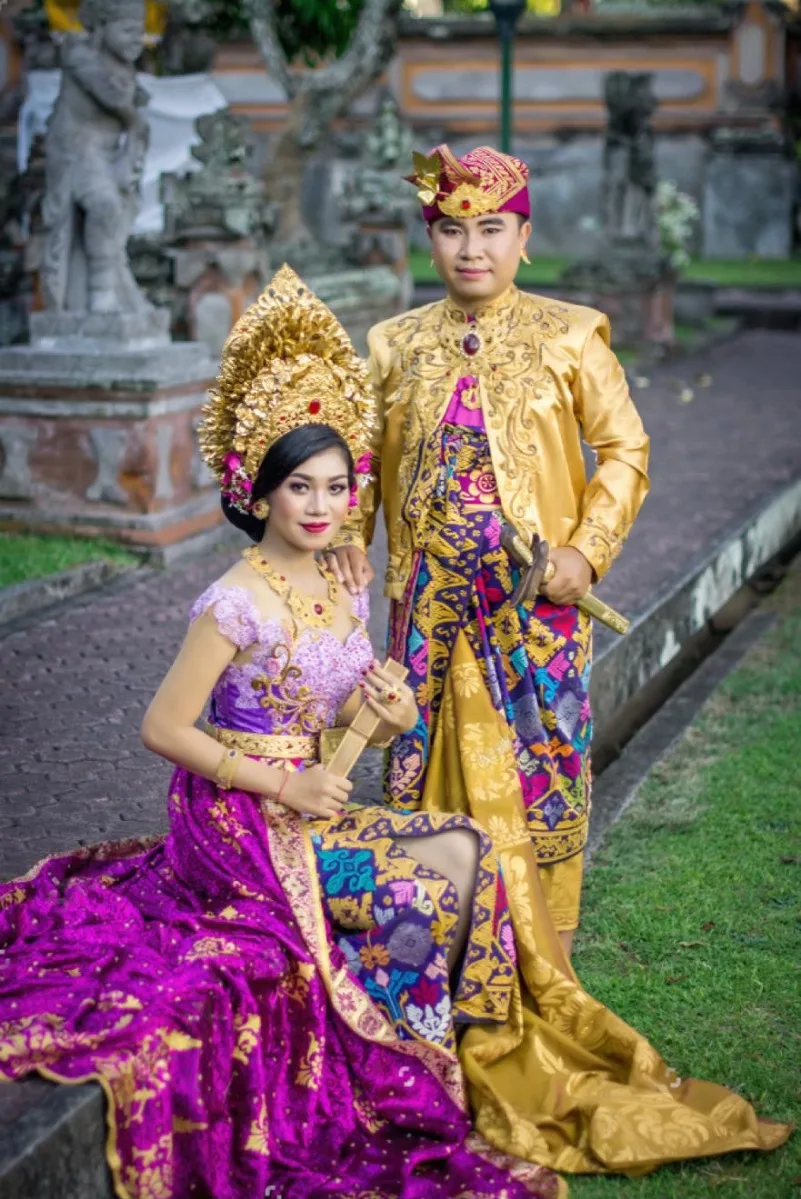
Balinese couple in traditional drees
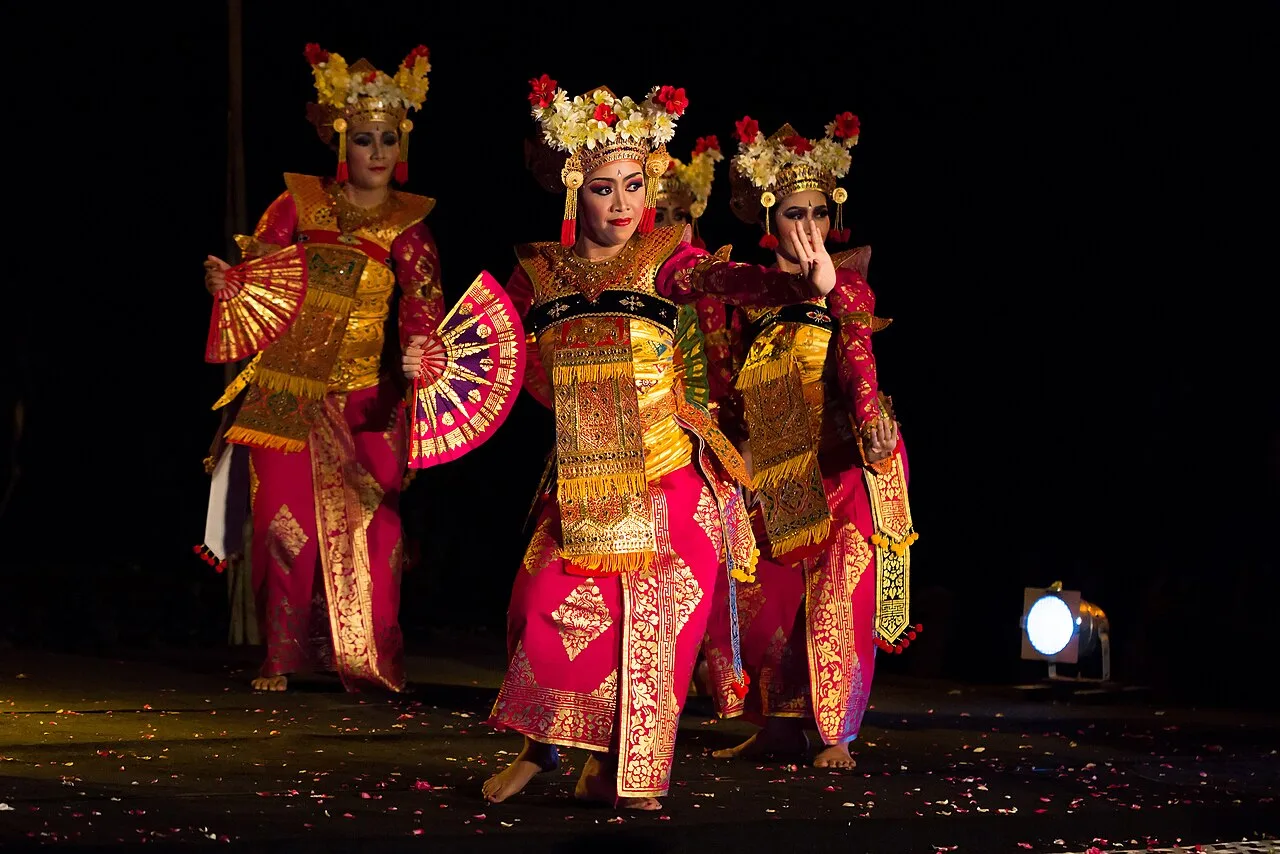
Legong dance
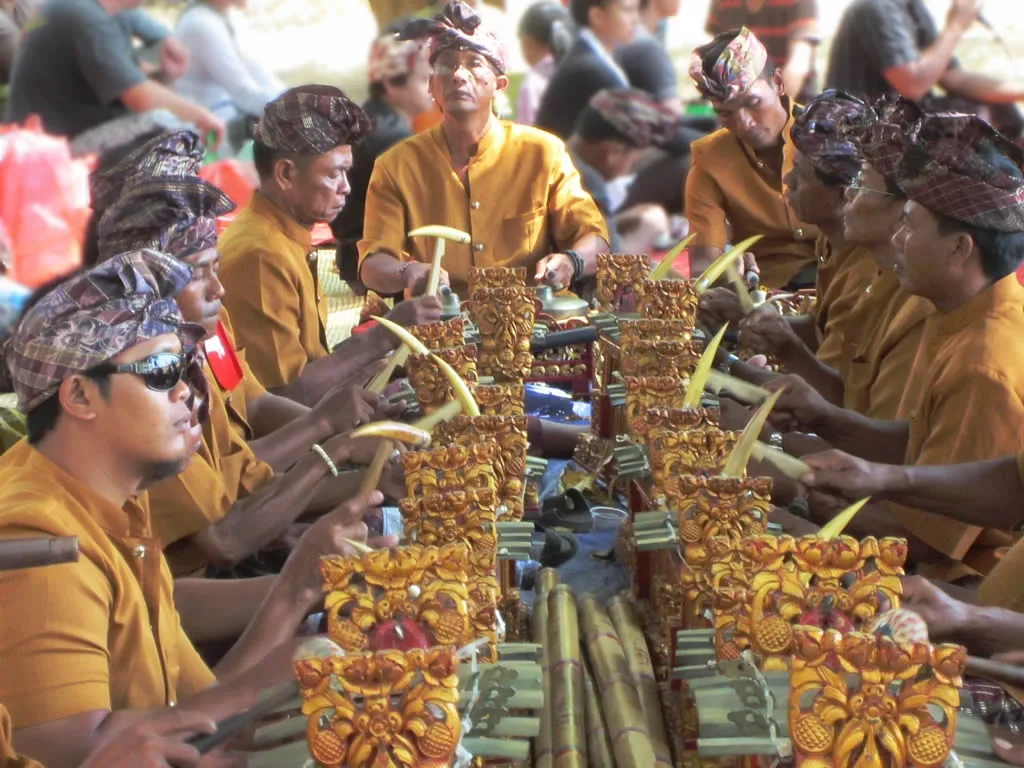
Balinese gamelan
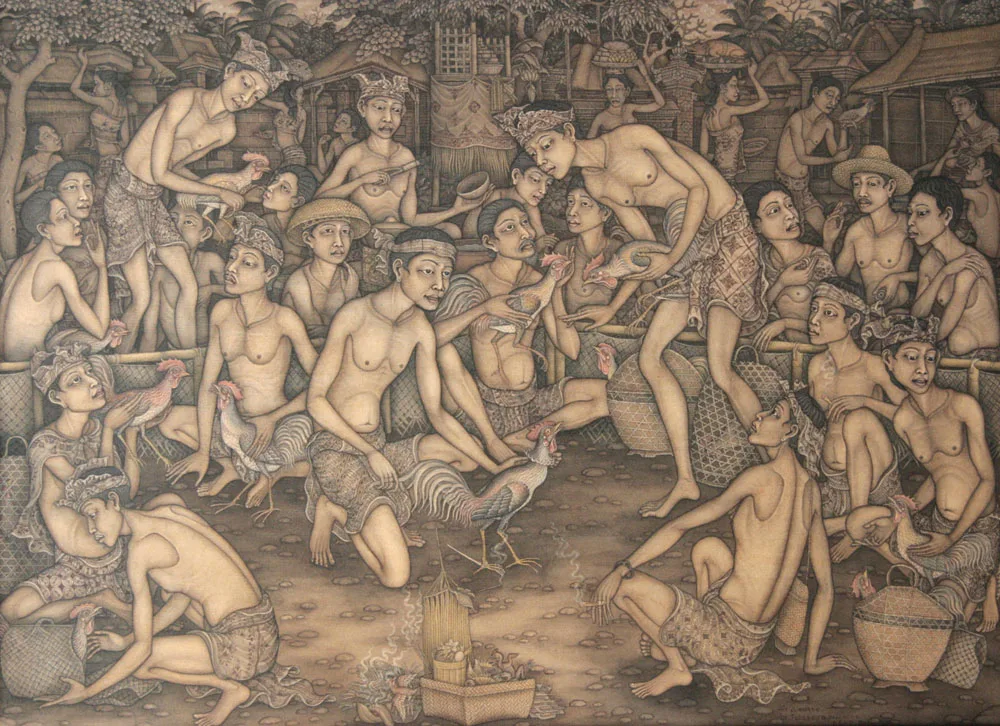
Balinese painting

Besakih Temple
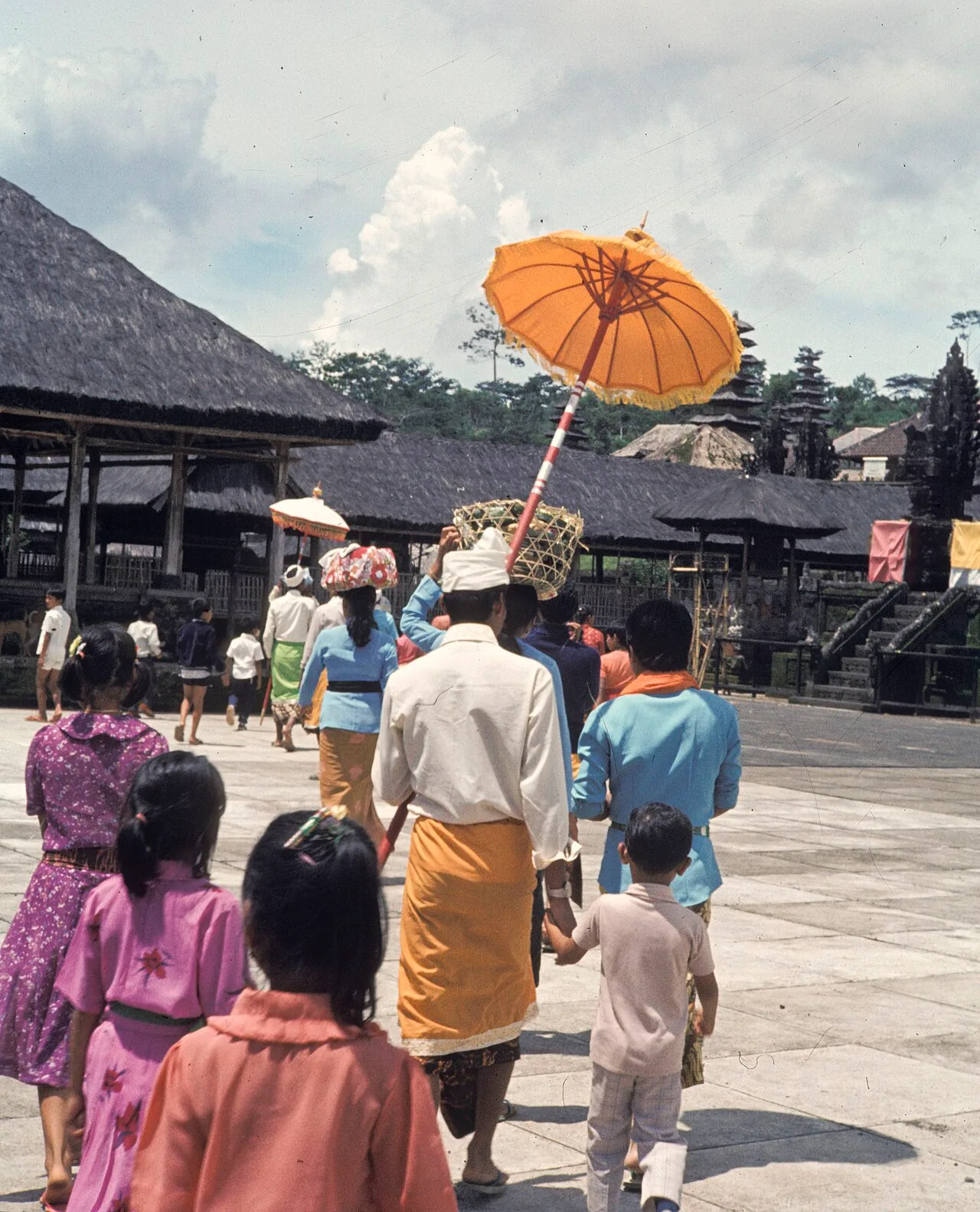
People bringing offerings to a Balinese Hindu temple
Balinese people
The Balinese are an Austronesian ethnic group native to the Indonesian island of Bali and surrounding islands, making up 85% of Bali's population.
Colonial Preservation via Baliseering
Balinese adherence to Hinduism over Abrahamic faiths was actively shaped by a Dutch colonial policy known as Baliseering. The colonial administration deliberately restricted Islamic and Christian missionary work on the island to preserve pre-existing traditions. Combined with strong local commitment to inherited customs, this administrative intervention safeguarded Bali's religious landscape from the conversions that swept the rest of Indonesia.
From Wikipedia · CC BY-SA 4.0