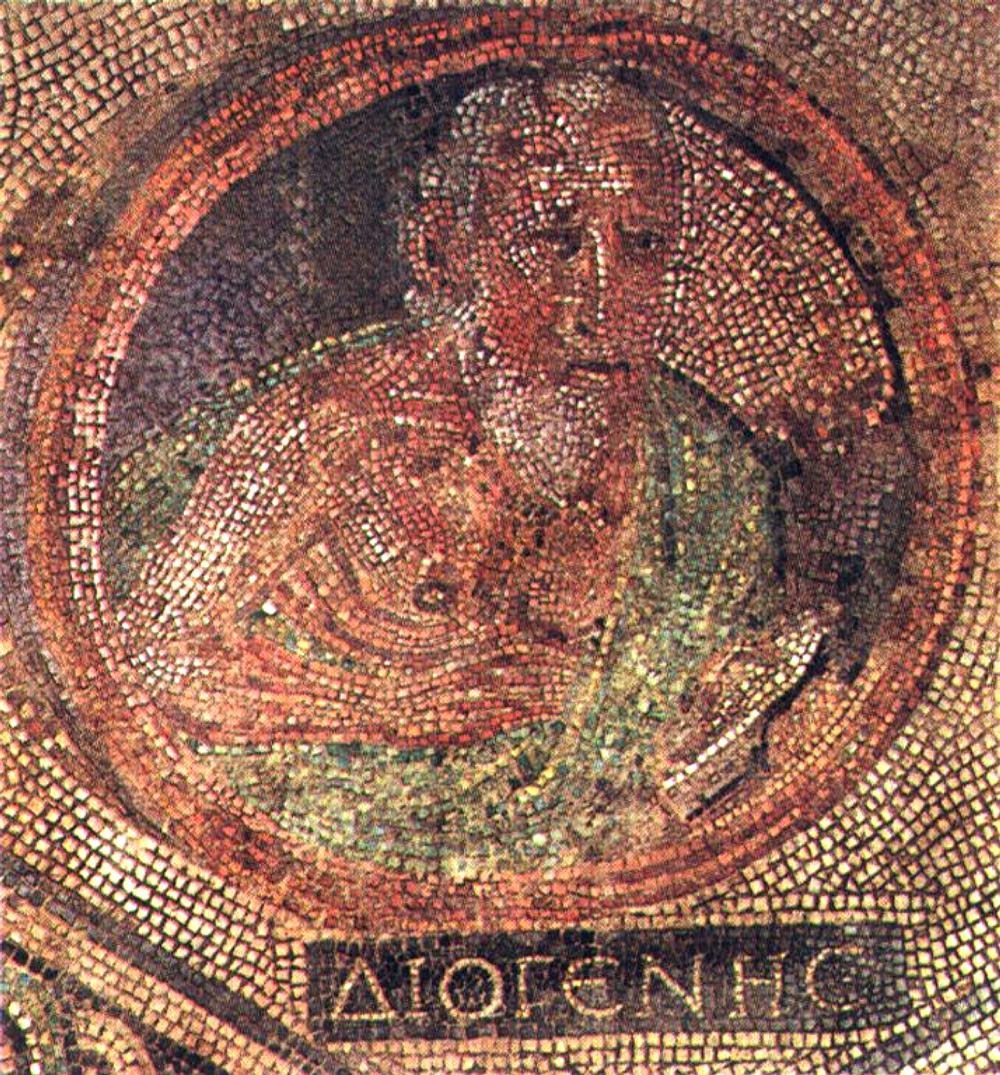
Diogenes Mosaic Römisch-Germanisches Museum
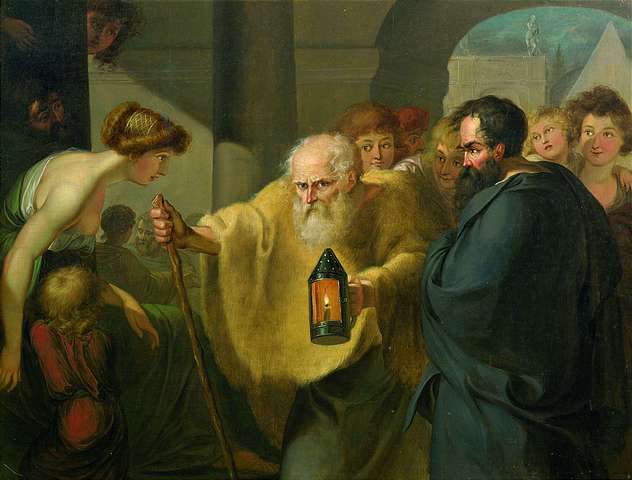
Diogenes looking for a man, attributed to J. H. W. Tischbein (c. 1780)
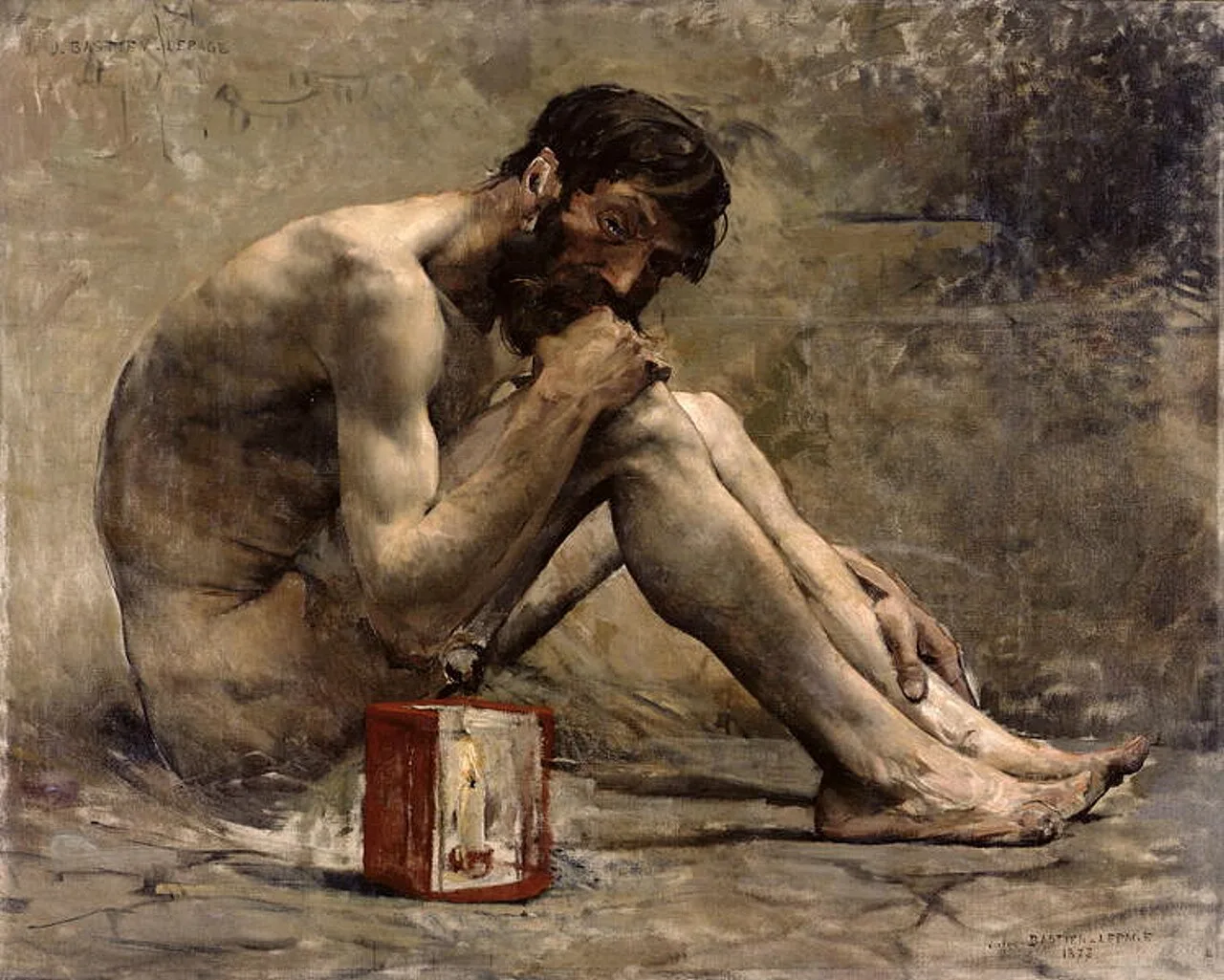
Diogenes, by Jules Bastien-Lepage (1873)
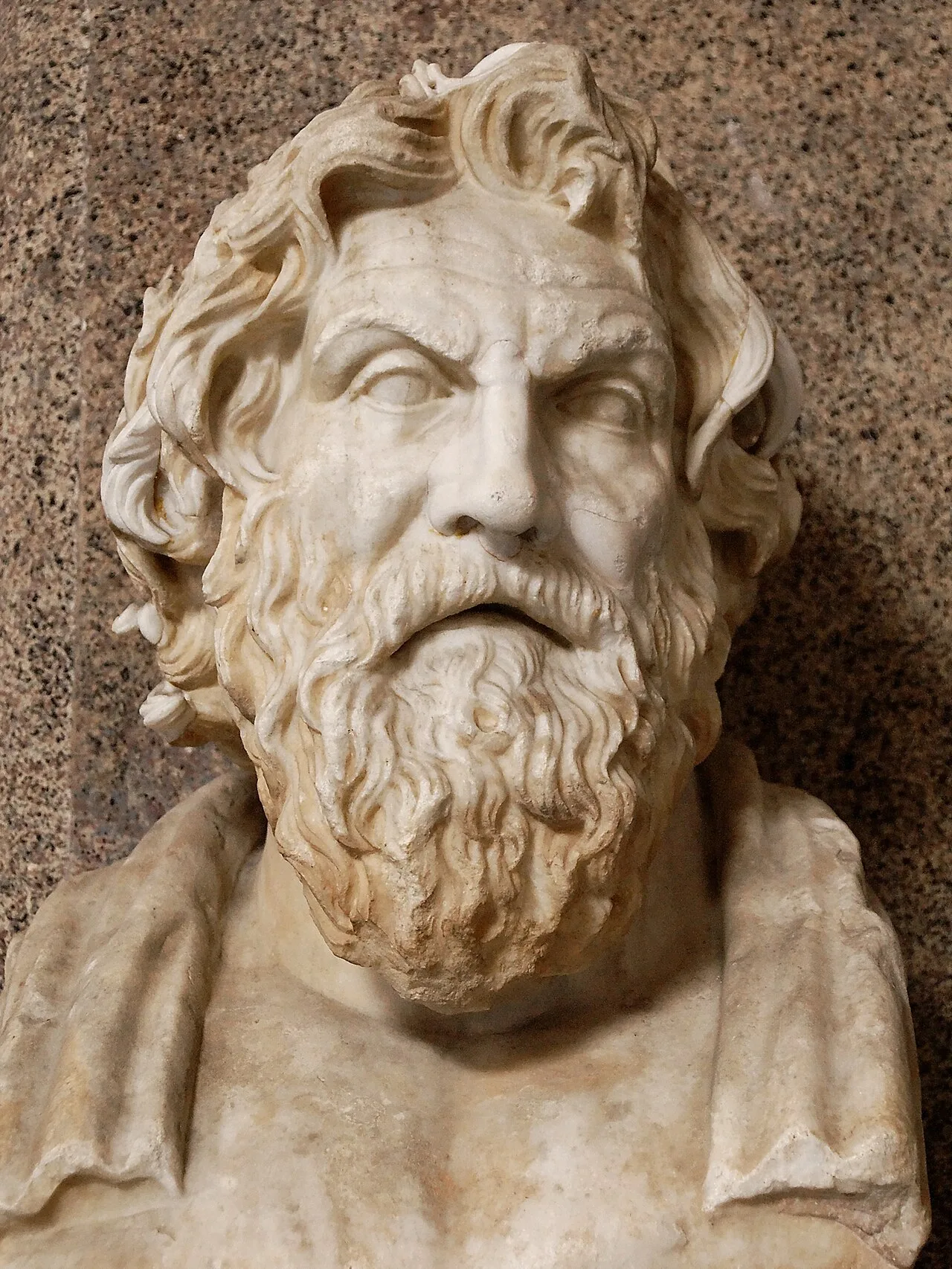
Antisthenes
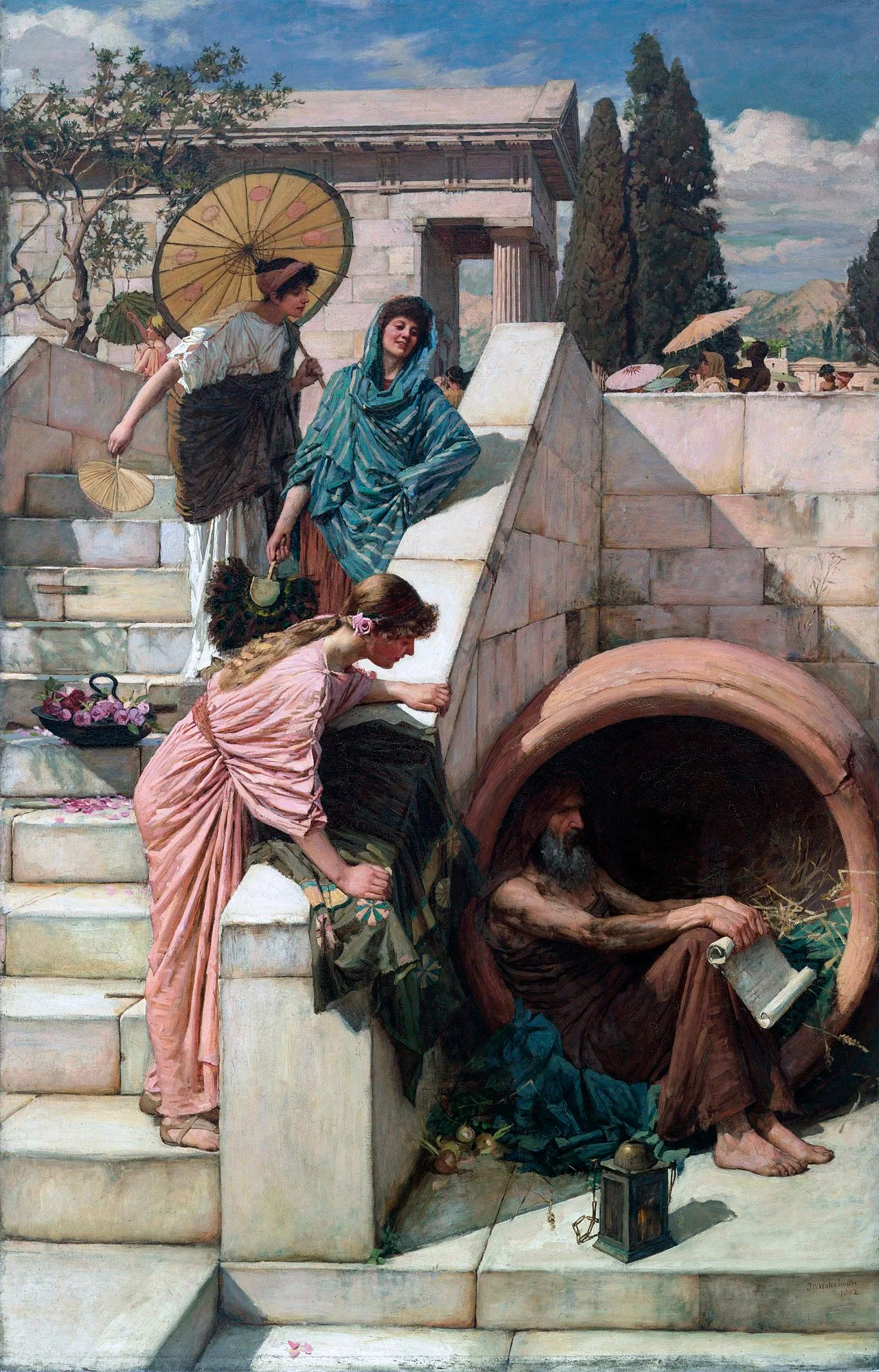
Diogenes, by John William Waterhouse (1882)
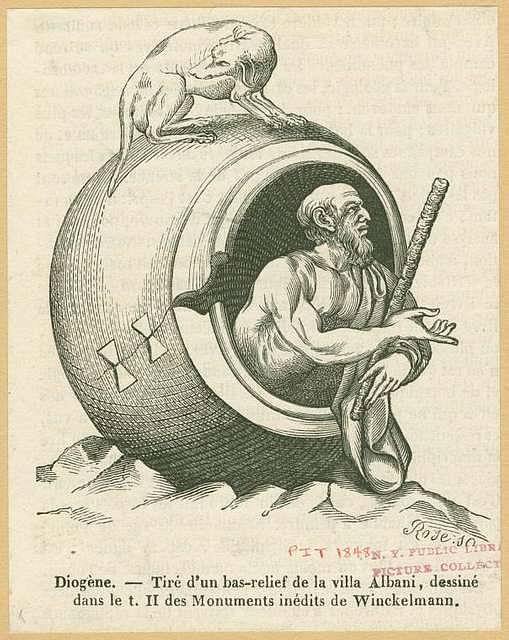
1848 drawing based on a relief from the first century AD found at Monte Testaccio
Diogenes of Sinope
Diogenes of Sinope was an ancient Greek philosopher and one of the founders of Cynicism, renowned for his ascetic lifestyle and critiques of social conventions.
Currency Debasement as Philosophical Revaluation
Before becoming a famous philosopher, Diogenes was embroiled in a financial crime. Born c. 413/403 BC in Sinope to a money-changer named Hicesias, he was accused of debasing the currency and was exiled. Rather than hiding from his past, Diogenes used the act as a lifelong metaphor to "revalue the currency" by systematically attacking society's false values.
From Wikipedia · CC BY-SA 4.0
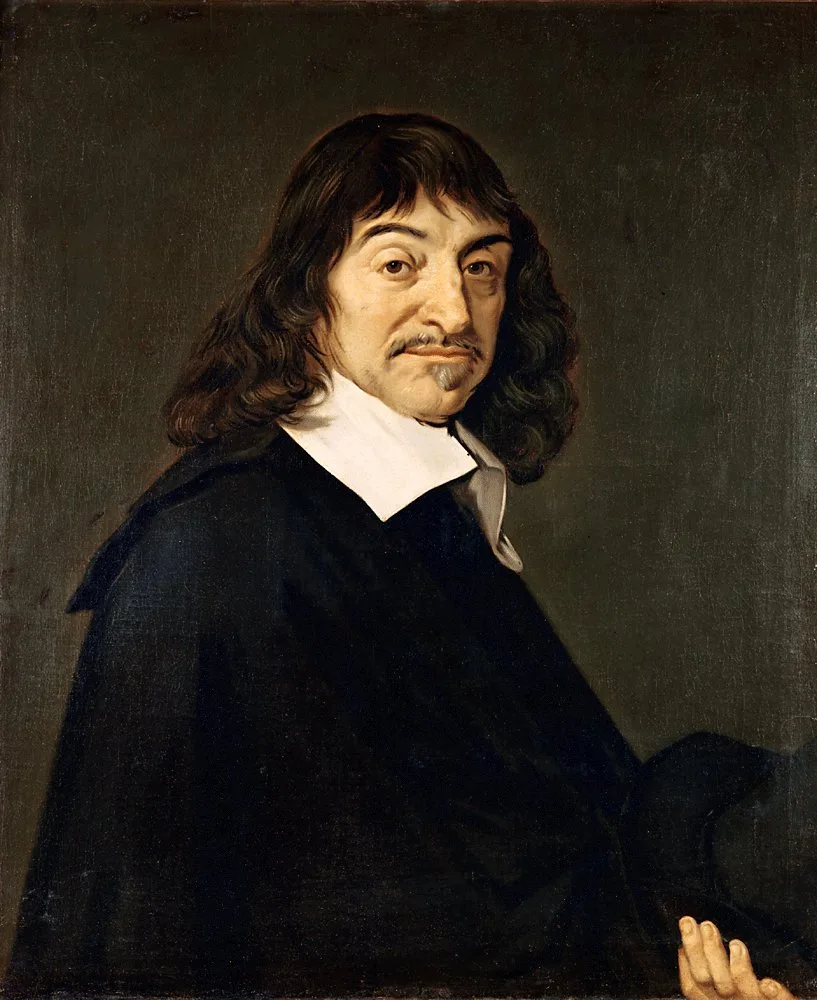
Frans Hals - Portret van René Descartes
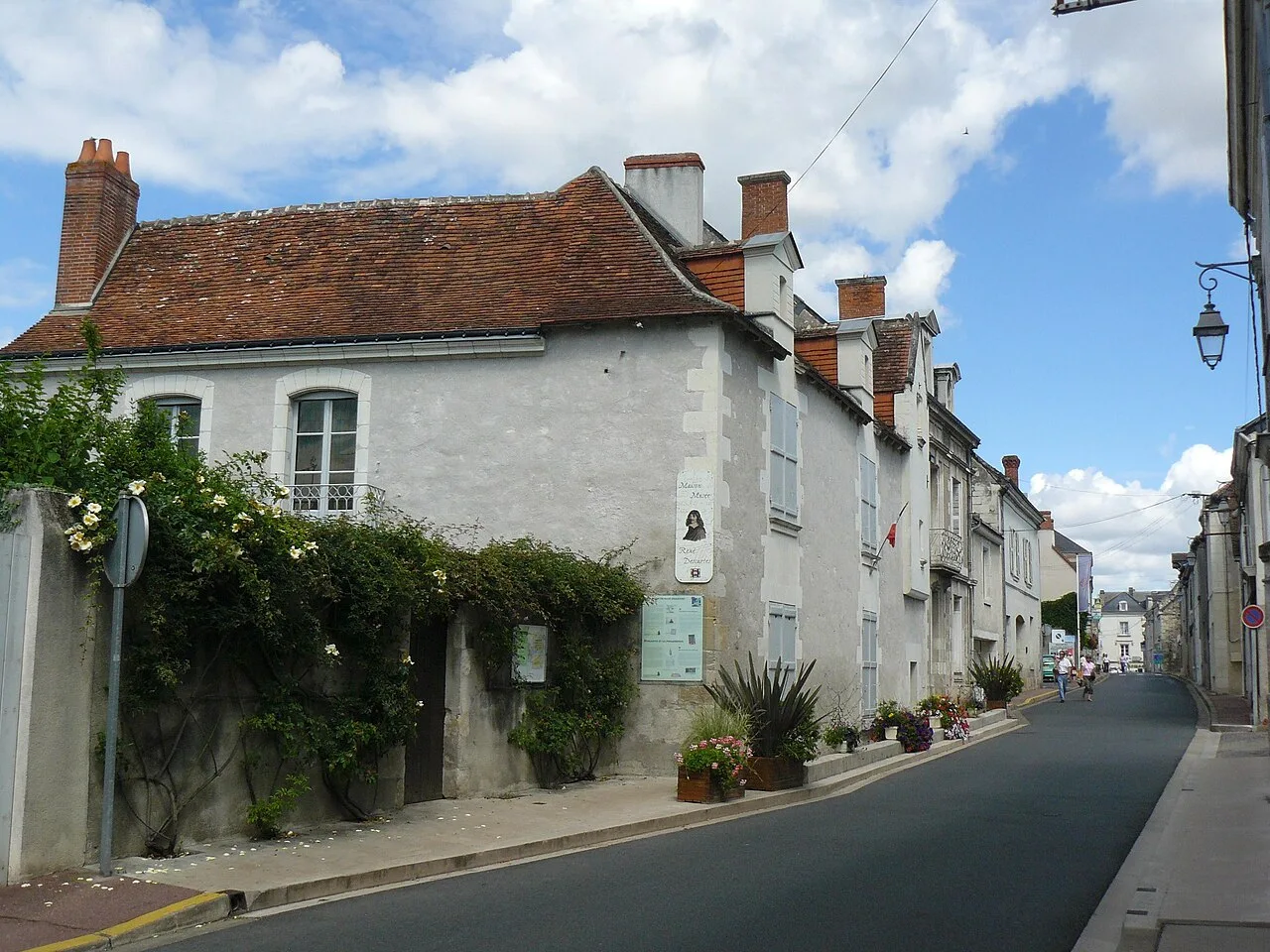
Descartes was born in La Haye en Touraine.
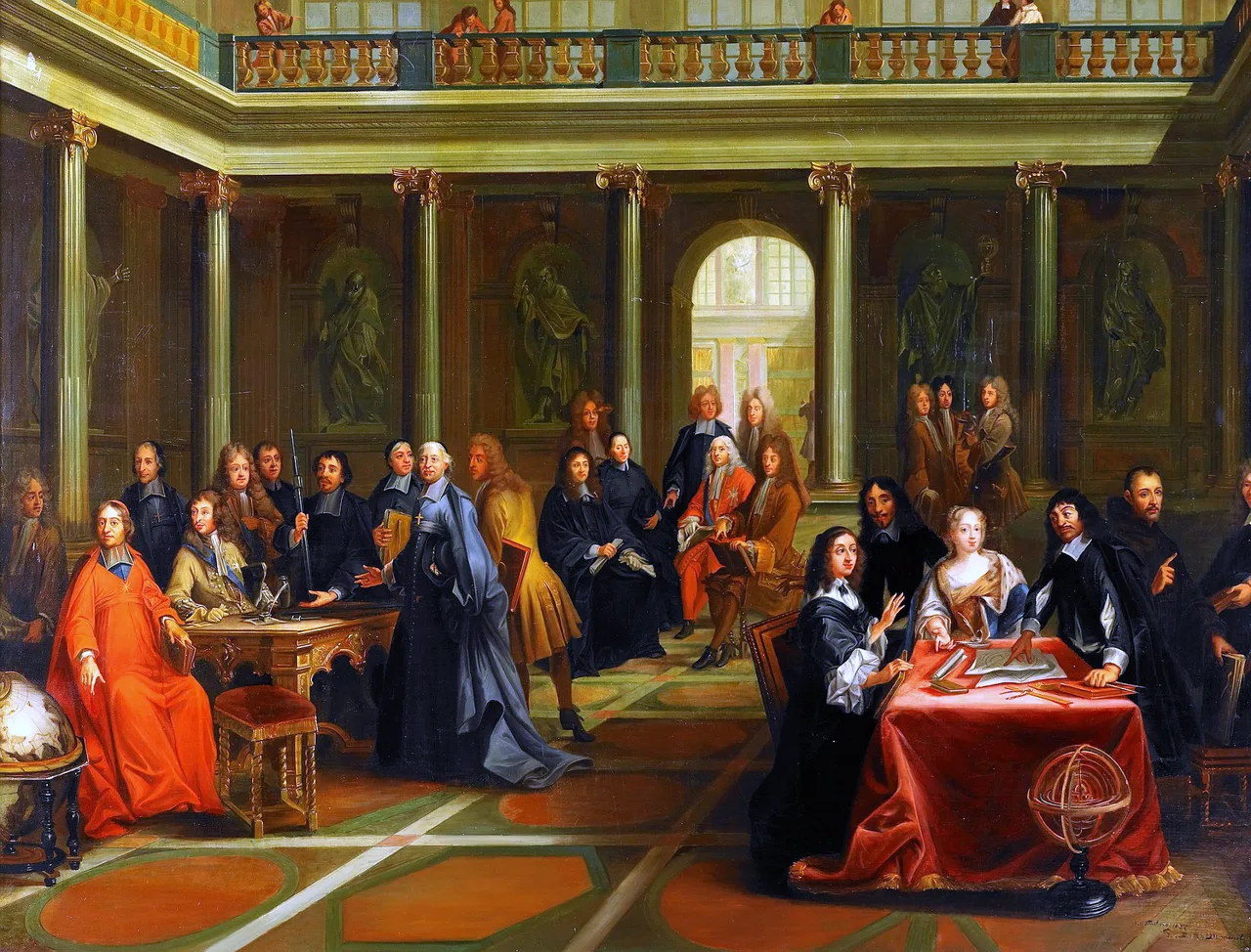
Descartes in conversation with Queen Christina in Stockholm
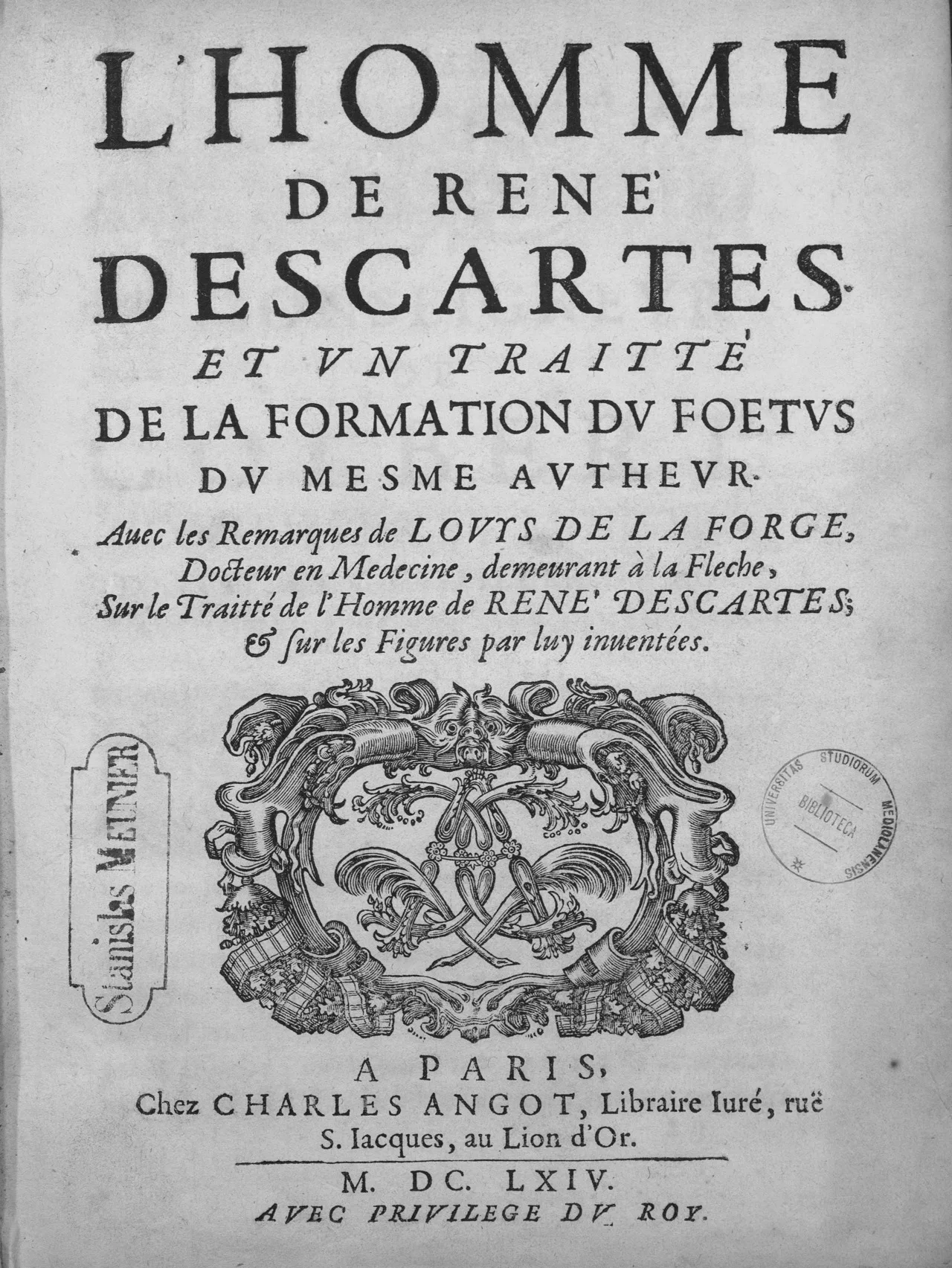
L'homme (1664)
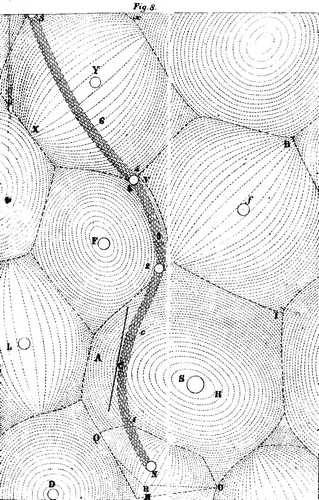
René Descartes' aether vortices around celestial bodies
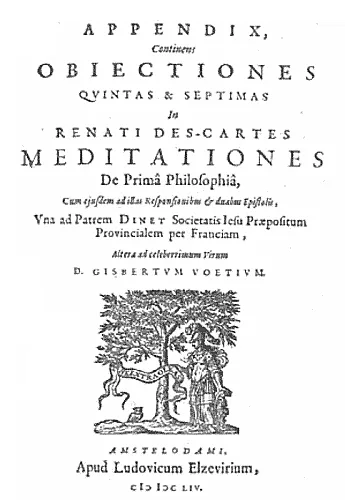
Cover of Meditations
René Descartes
René Descartes was a French philosopher, scientist, and mathematician, widely considered a seminal figure in the emergence of modern philosophy and science.
Divine Visions Beside a German Stove
According to Adrien Baillet, on the night of 10–11 November 1619, St. Martin's Day, Descartes shut himself in a room with a cocklestove in Neuburg an der Donau to escape the severe cold. Within this heated enclosure, he experienced three visions that he believed were sent by a divine spirit. By the time he exited the room, Descartes had formulated analytic geometry and committed to applying mathematical principles to philosophy.
From Wikipedia · CC BY-SA 4.0
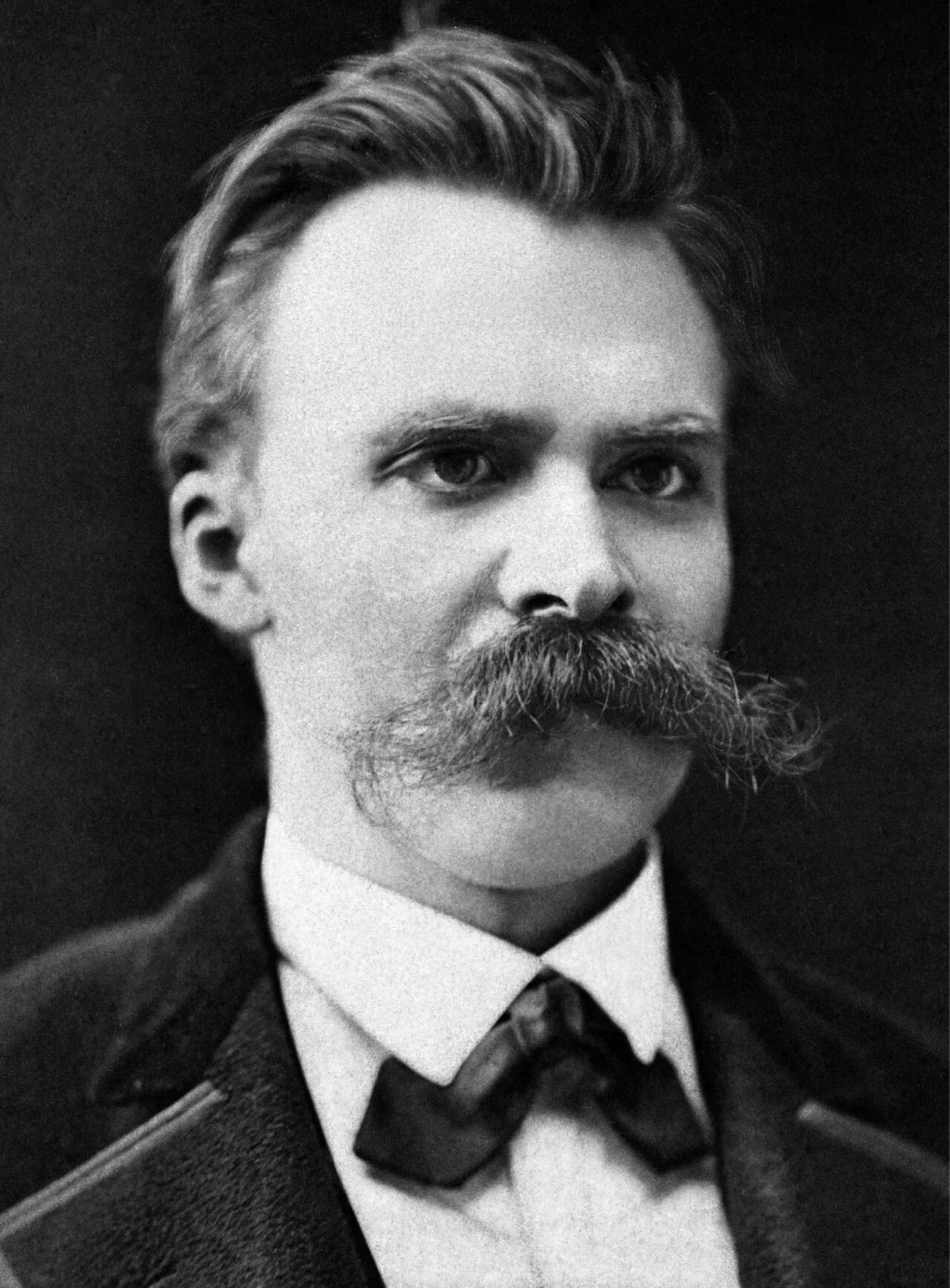
Nietzsche187a
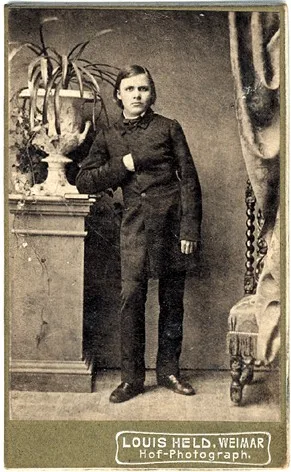
Nietzsche in 1861
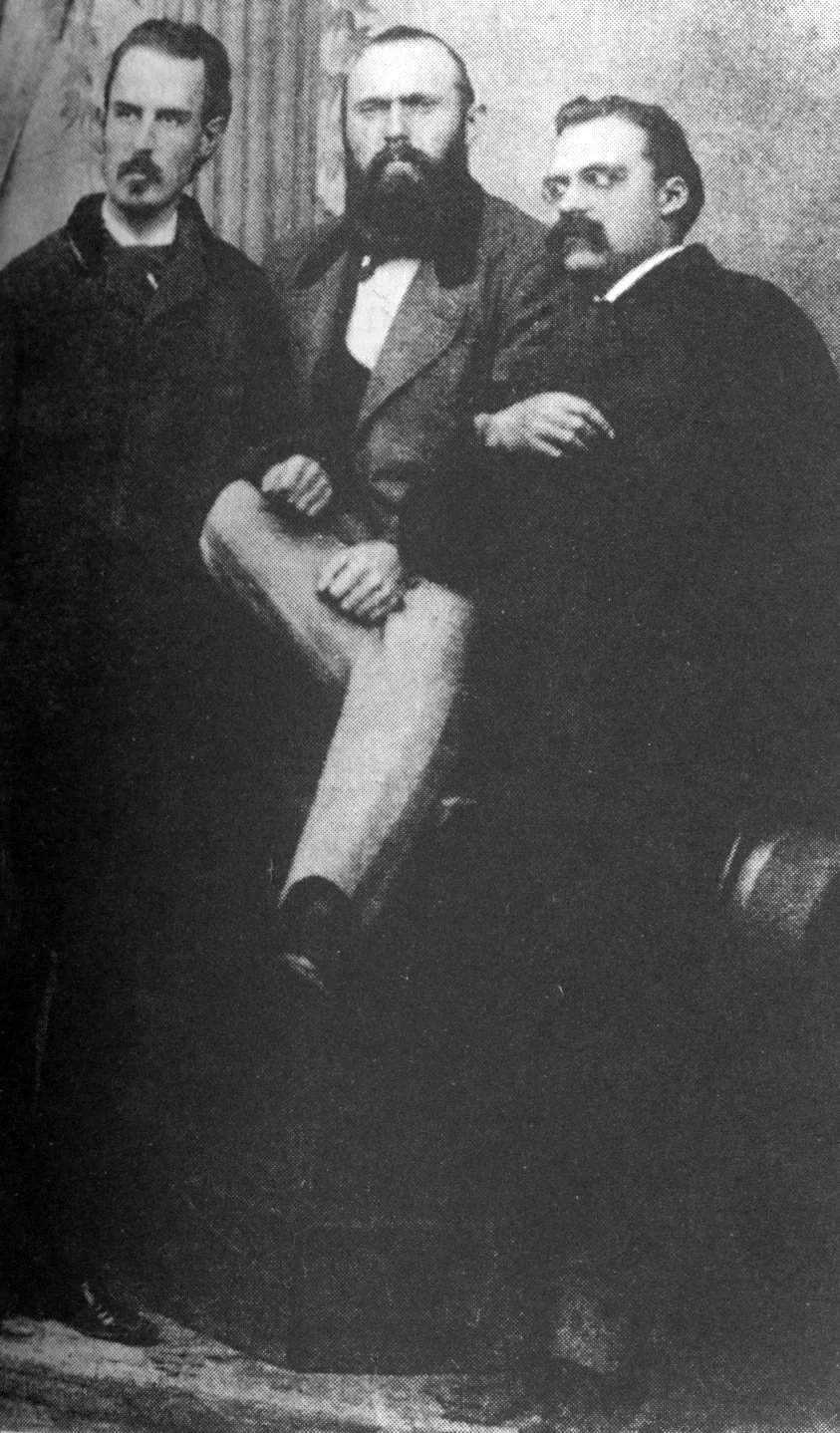
Left to right: Erwin Rohde, Karl von Gersdorff and Nietzsche, October 1871
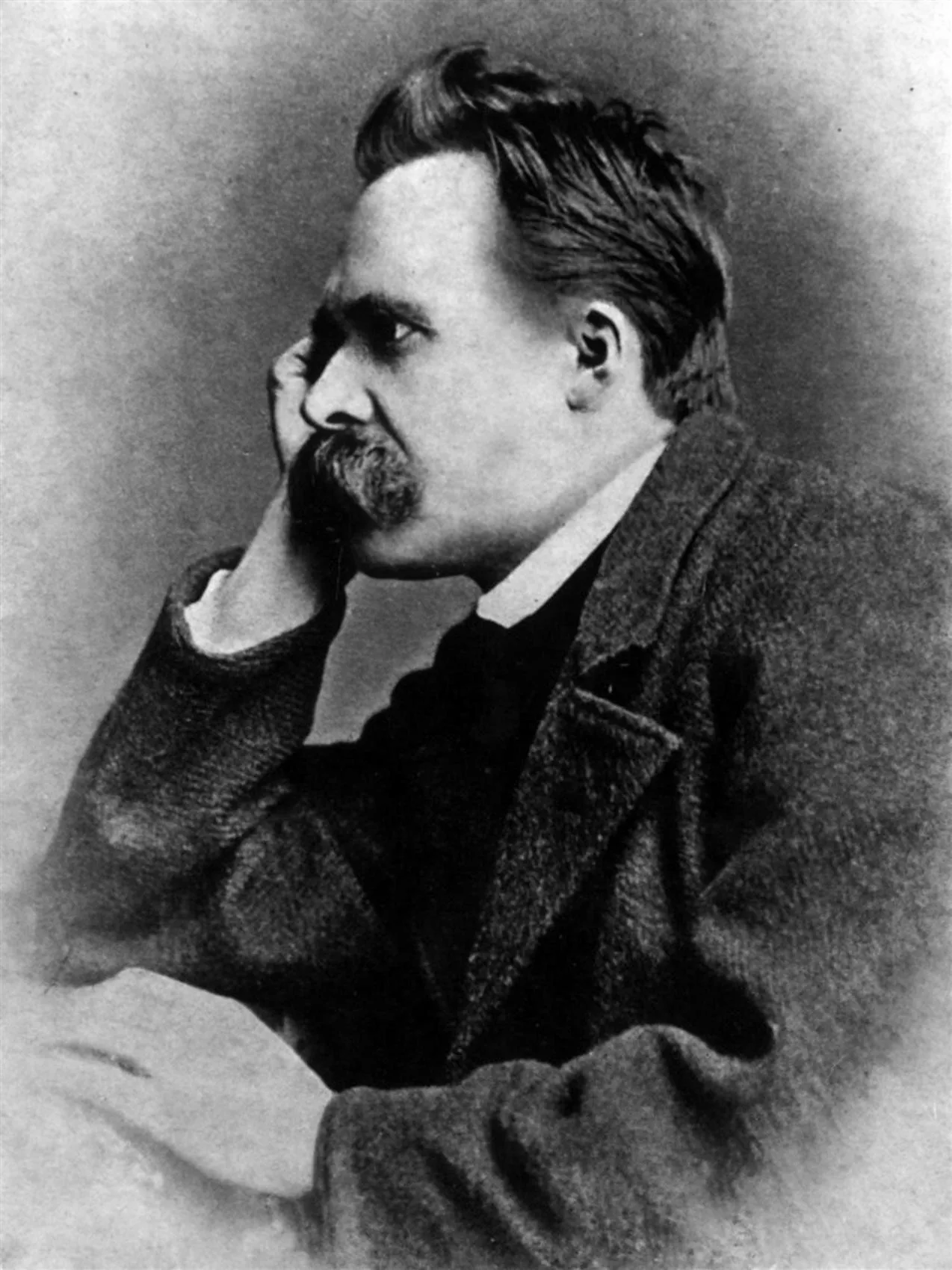
Photo of Nietzsche by Gustav-Adolf Schultze, 1882
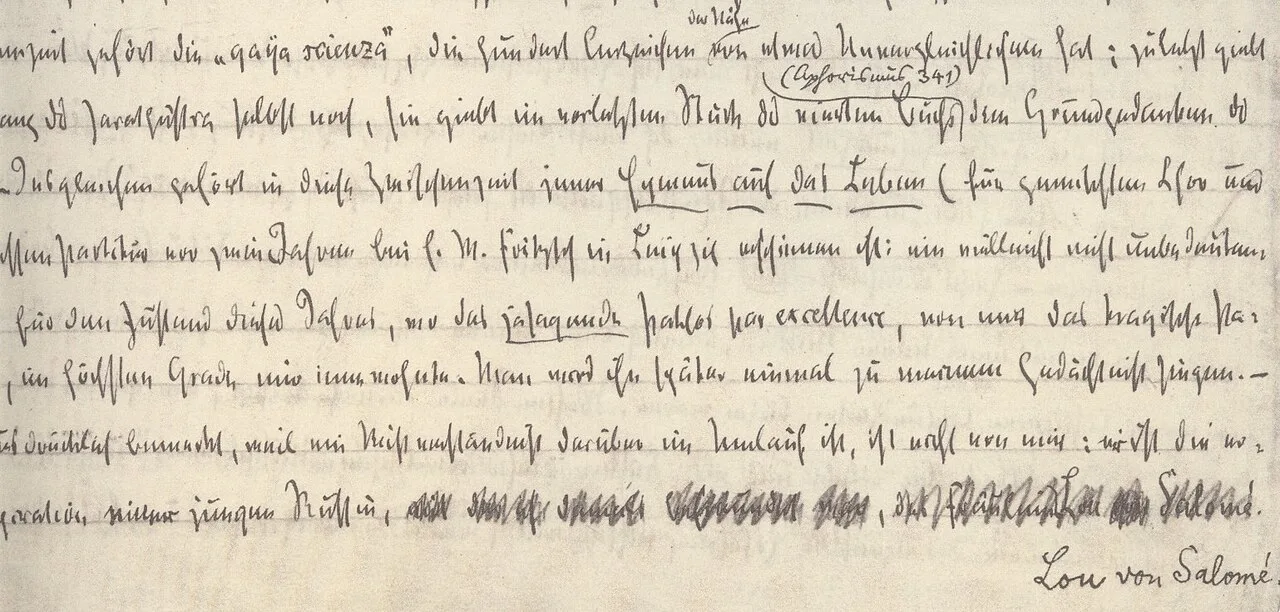
After the breakdown, Peter Gast attempted to systematically organize Nietzsche's fragmentary writings.
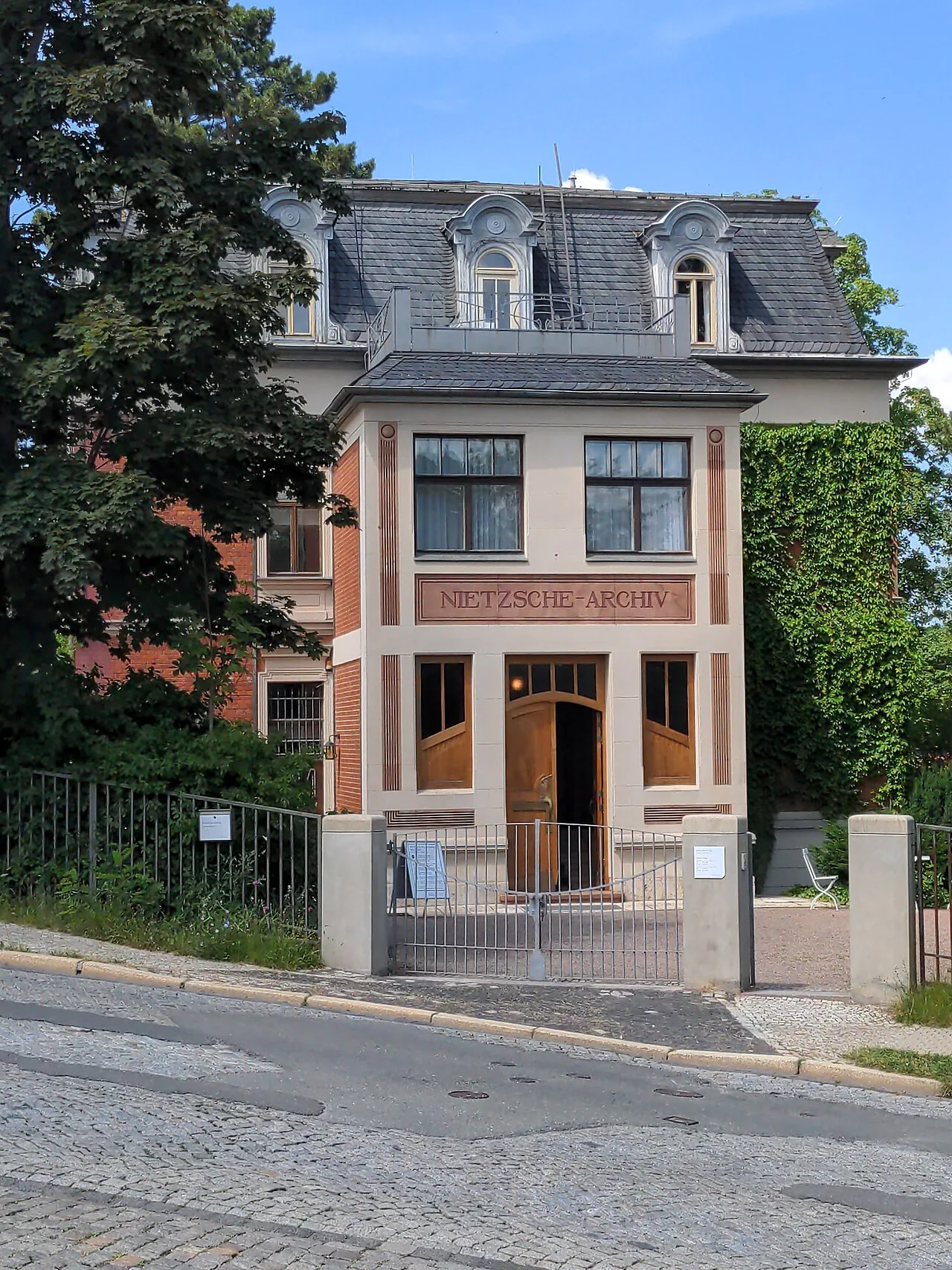
The residence of Nietzsche's last three years along with archive in Weimar, Germany, which holds many of Nietzsche's papers
Friedrich Nietzsche
Friedrich Nietzsche was a German philosopher and classical philologist who served as a professor at the University of Basel before writing as an independent author.
Tenure Without a Doctorate at Twenty-Four
Before establishing himself as a foundational philosopher, Nietzsche had an unorthodox academic start when his school grades failed to reach the top of his class. Nevertheless, in 1869 at age 24, he was appointed Professor of Classical Philology at the University of Basel. Remarkably, he received this tenured appointment without having completed his doctorate or earned a teaching certificate.
From Wikipedia · CC BY-SA 4.0
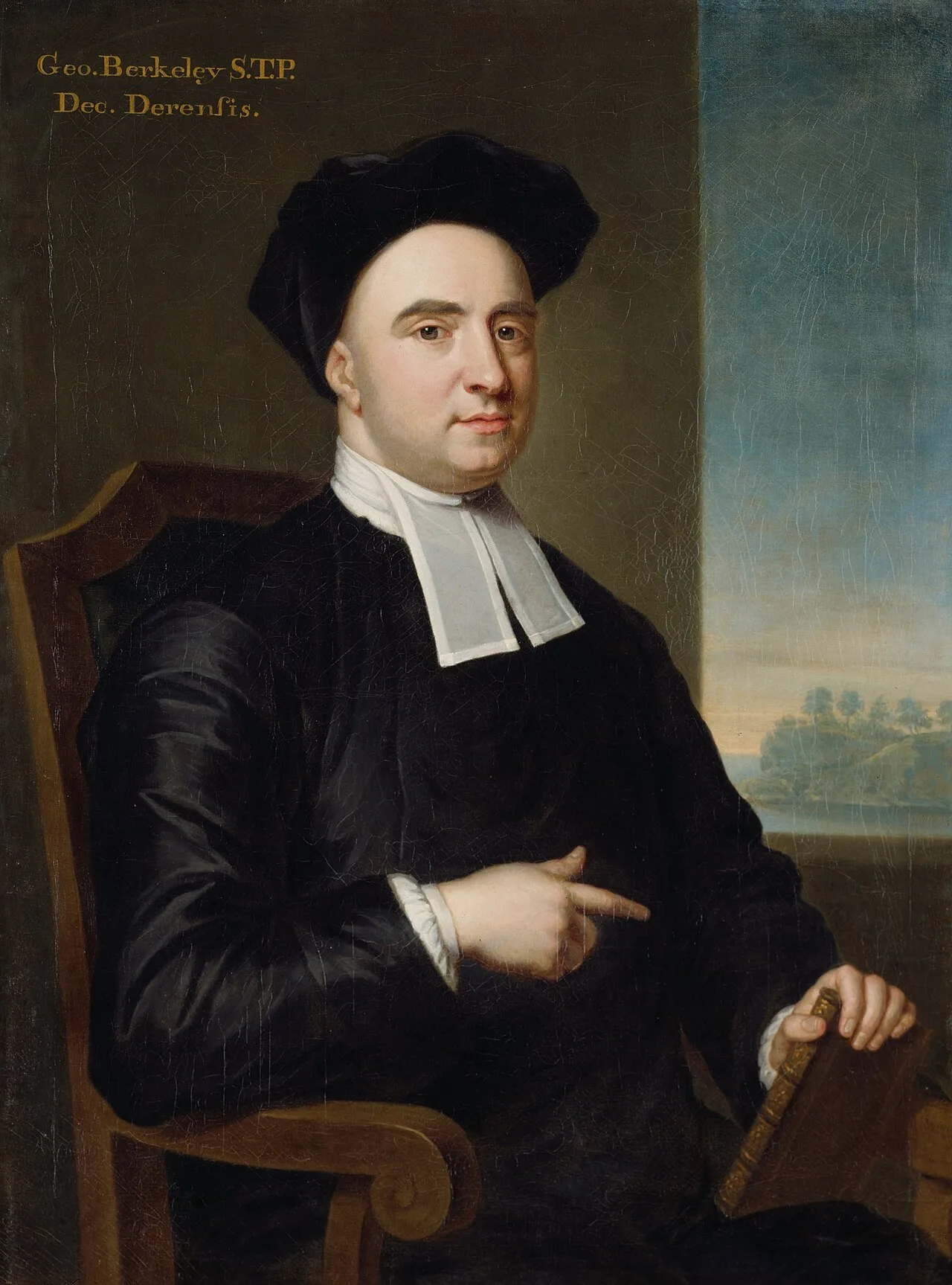
John Smibert - Bishop George Berkeley - Google Art Project (cropped)
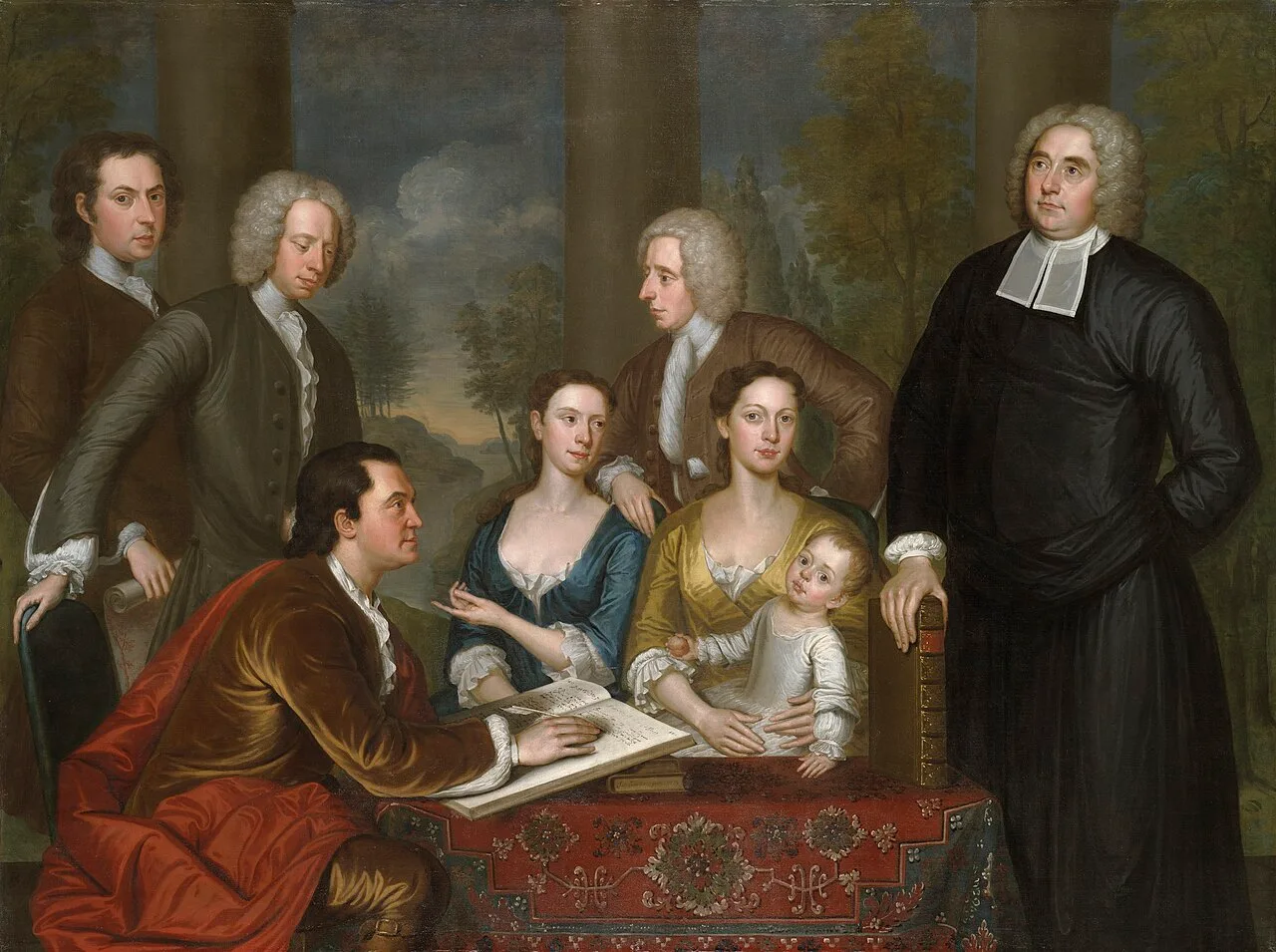
A group portrait of Berkeley and his entourage by John Smibert
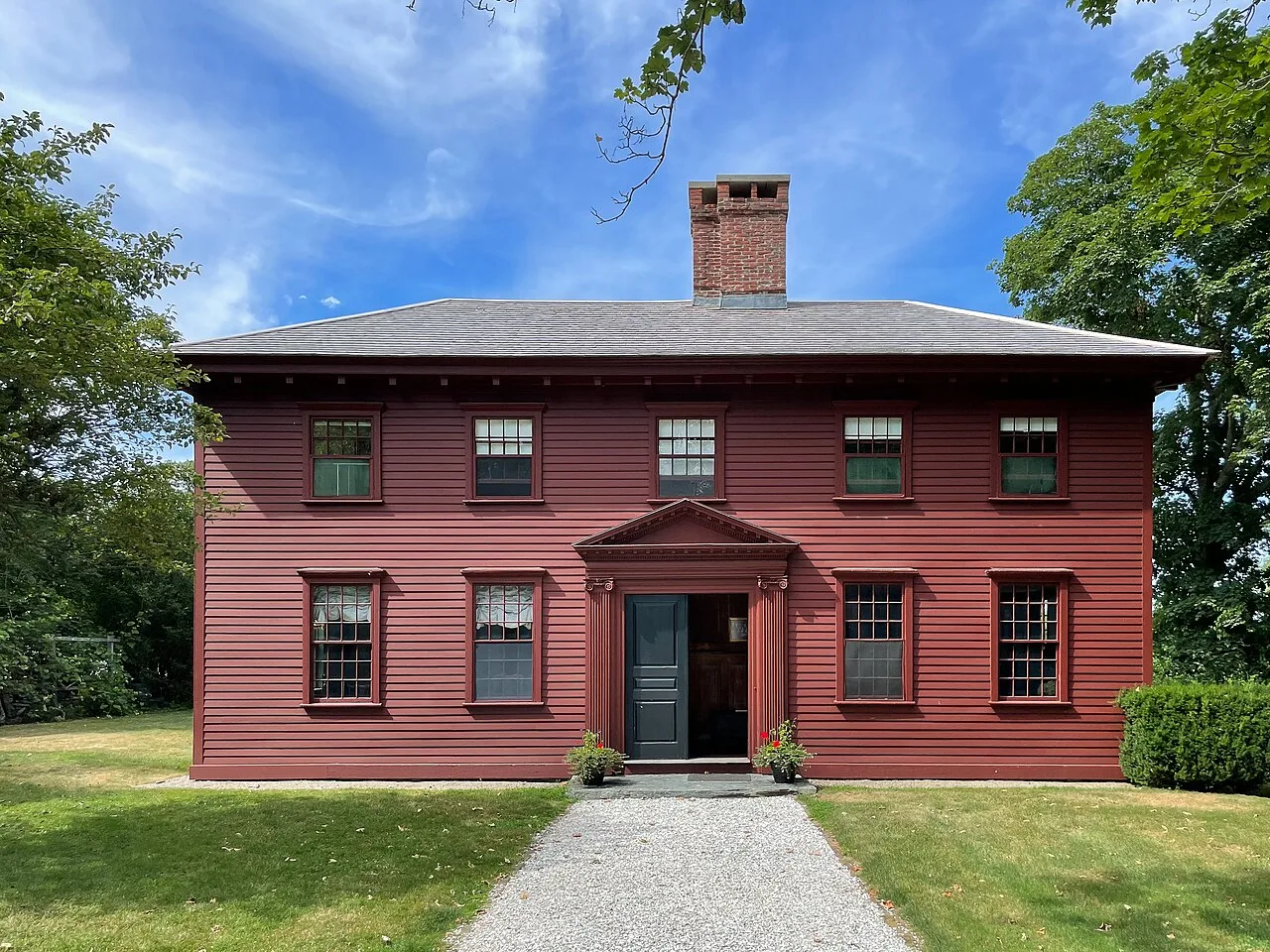
Whitehall, Berkeley's home in Middletown, Rhode Island
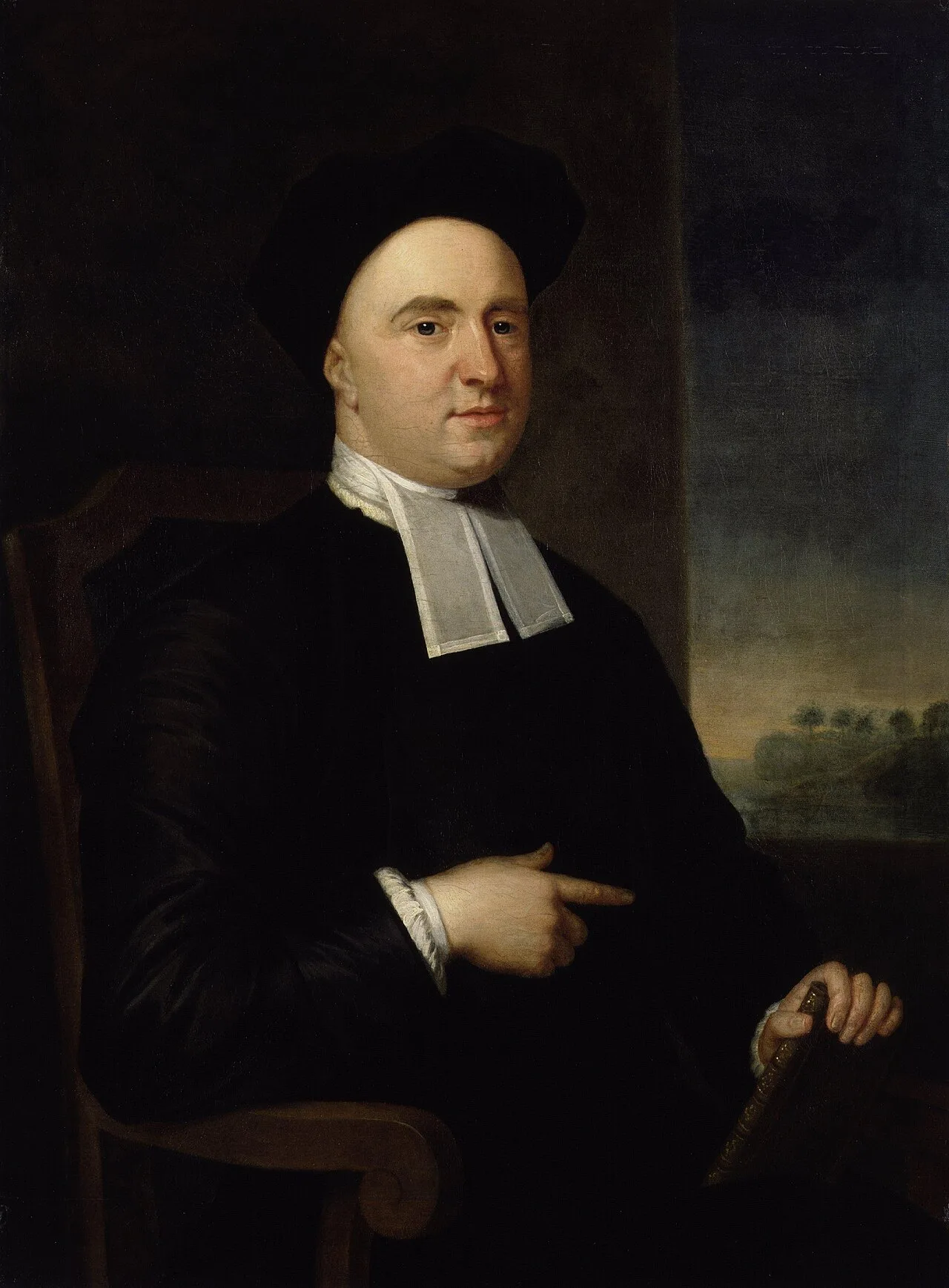
1730 portrait of Berkeley by John Smibert
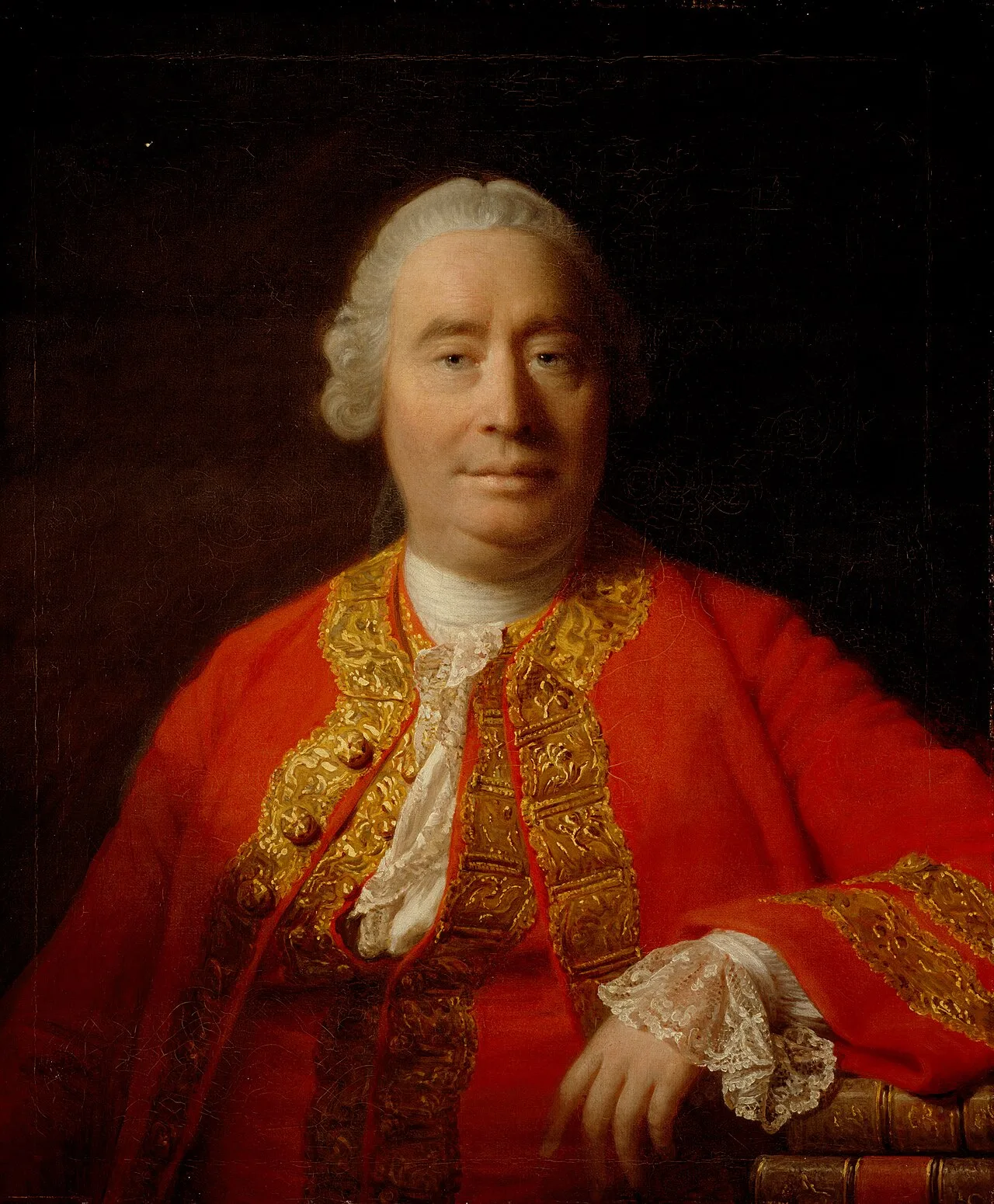
David Hume, whom Berkeley influenced
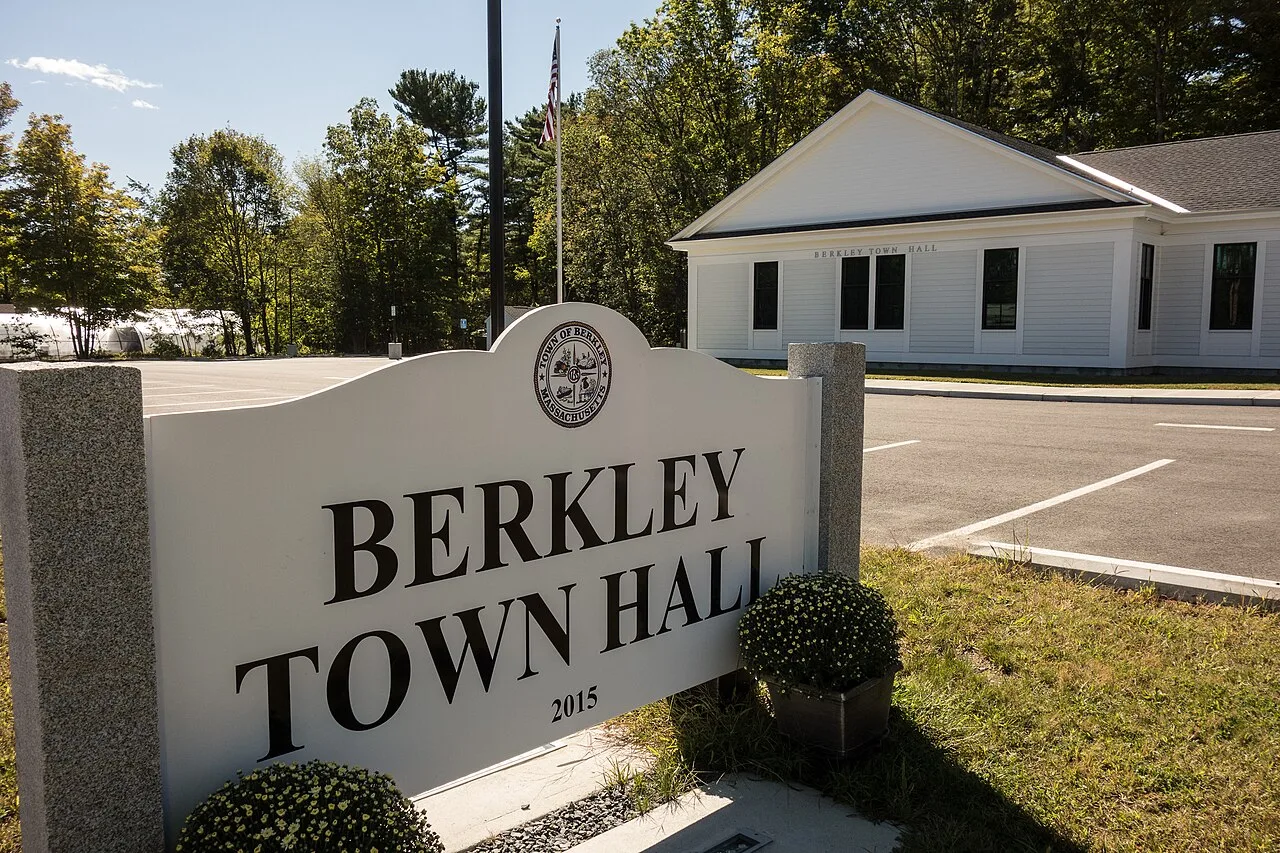
Berkley, Massachusetts Town Hall
George Berkeley
George Berkeley was an Anglo-Irish philosopher and clergyman regarded as the founder of immaterialism, or subjective idealism, and a pioneer of the empiricism movement.
Depth as an Acquired Habit
Human vision does not perceive spatial depth directly or deduce distance using geometrical laws. Instead, spatial distance is merely a contingent expectation learned through habit as visual cues become linked with touch. Berkeley claimed that his visual theories were vindicated by a 1728 report regarding a surgical operation performed by surgeon William Cheselden. In 2021, the name of Cheselden's patient was published for the first time: Daniel Dolins.
From Wikipedia · CC BY-SA 4.0
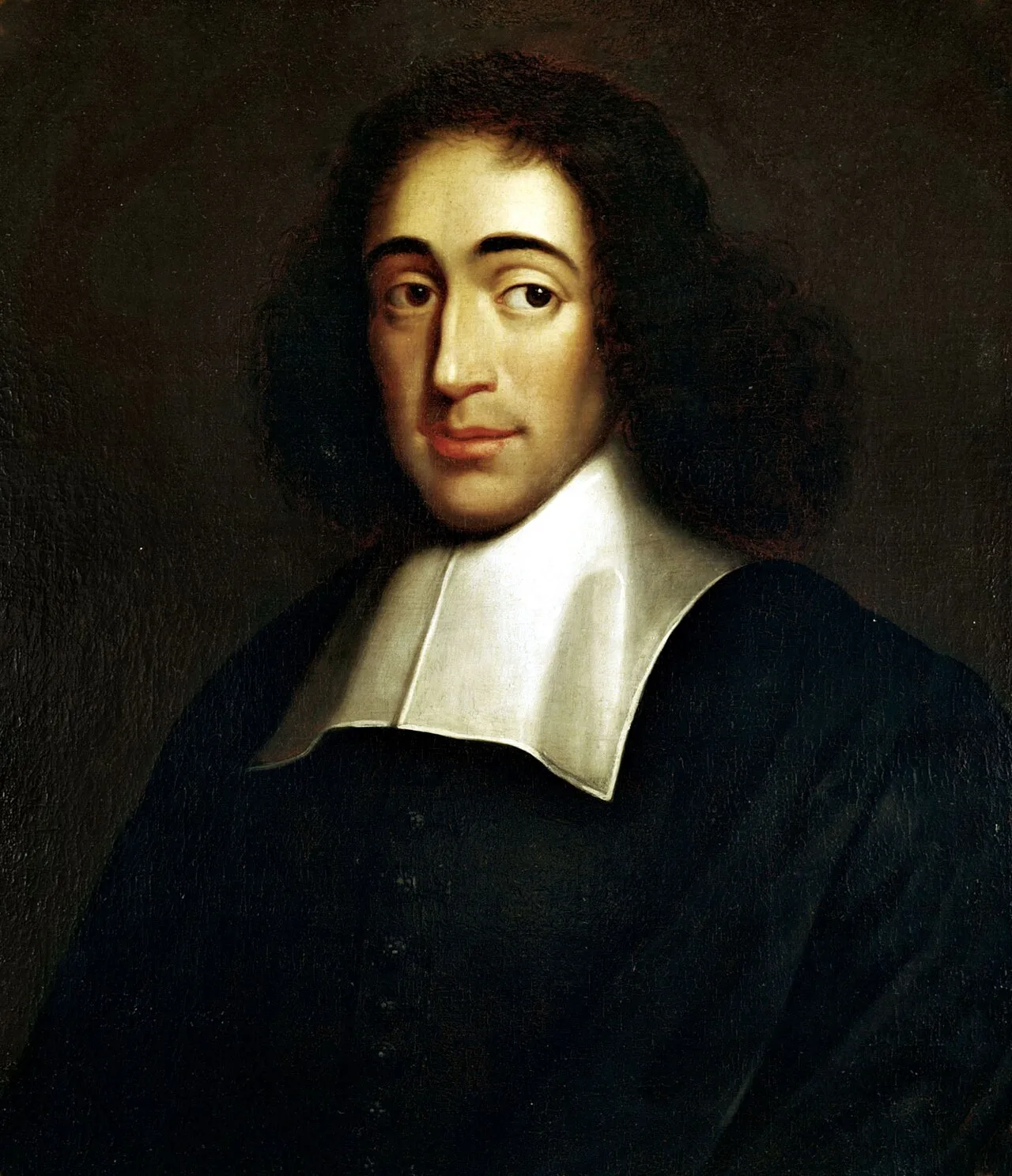
Spinoza
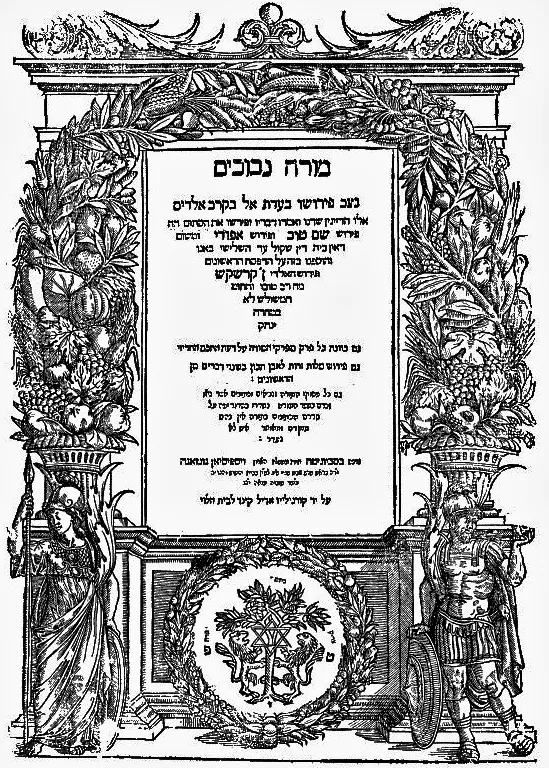
Guide for the Perplexed
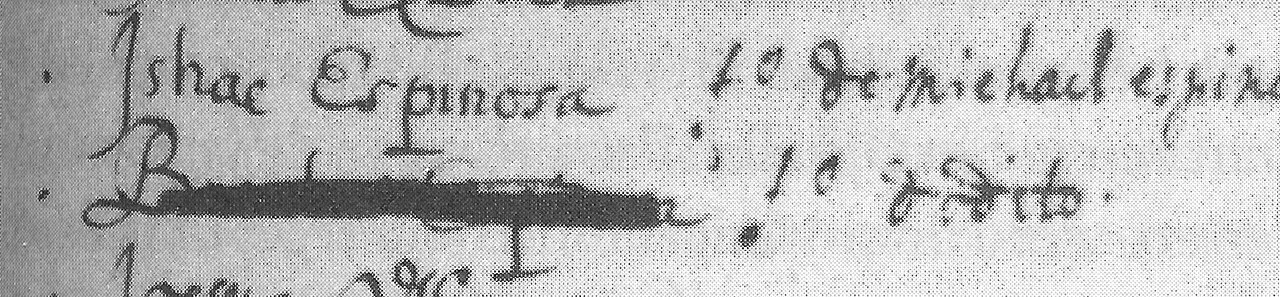
Spinoza's name crossed out on the list of pupils of Talmud Torah
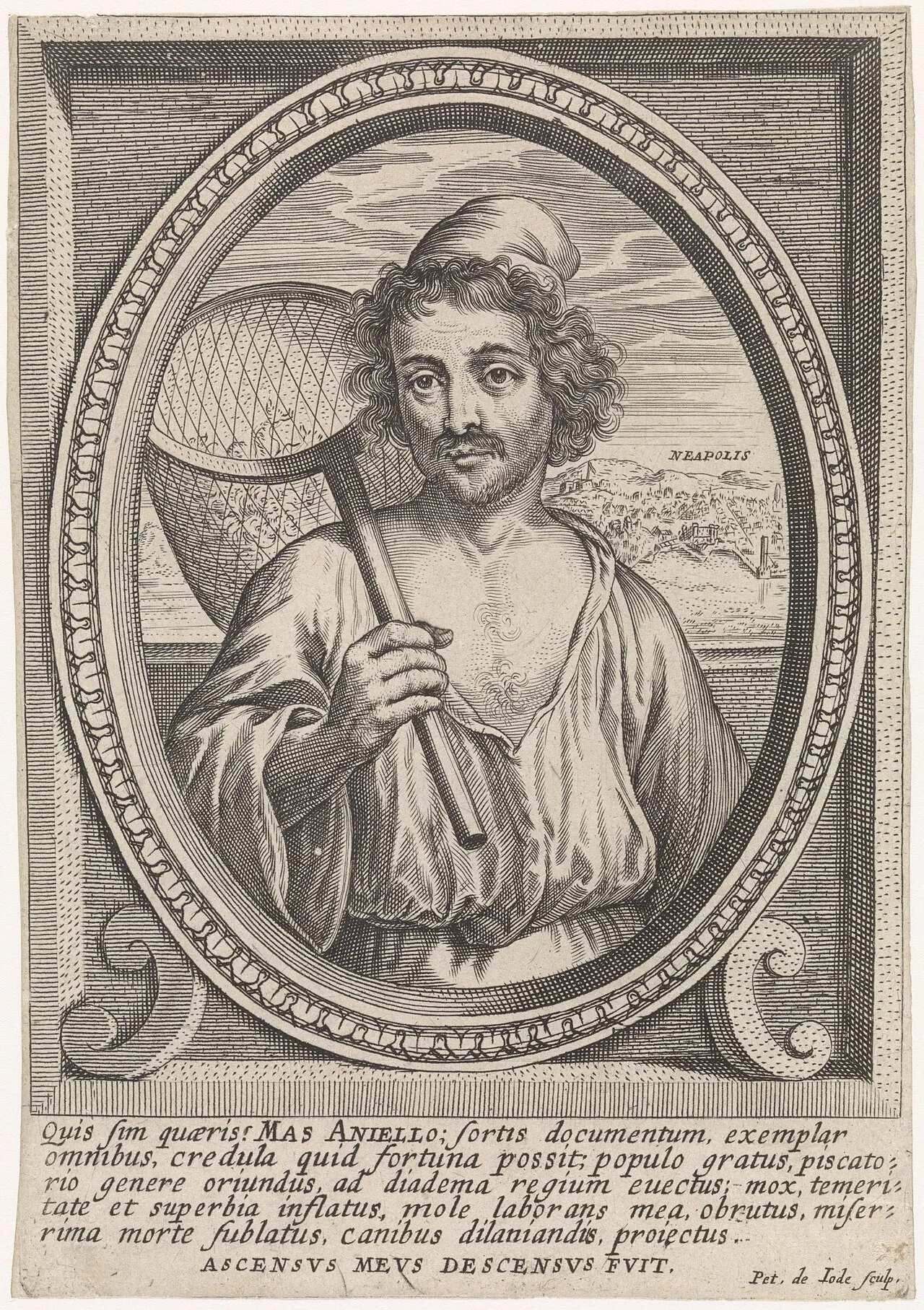
Spinoza's Masaniello self-portrait, reproduction
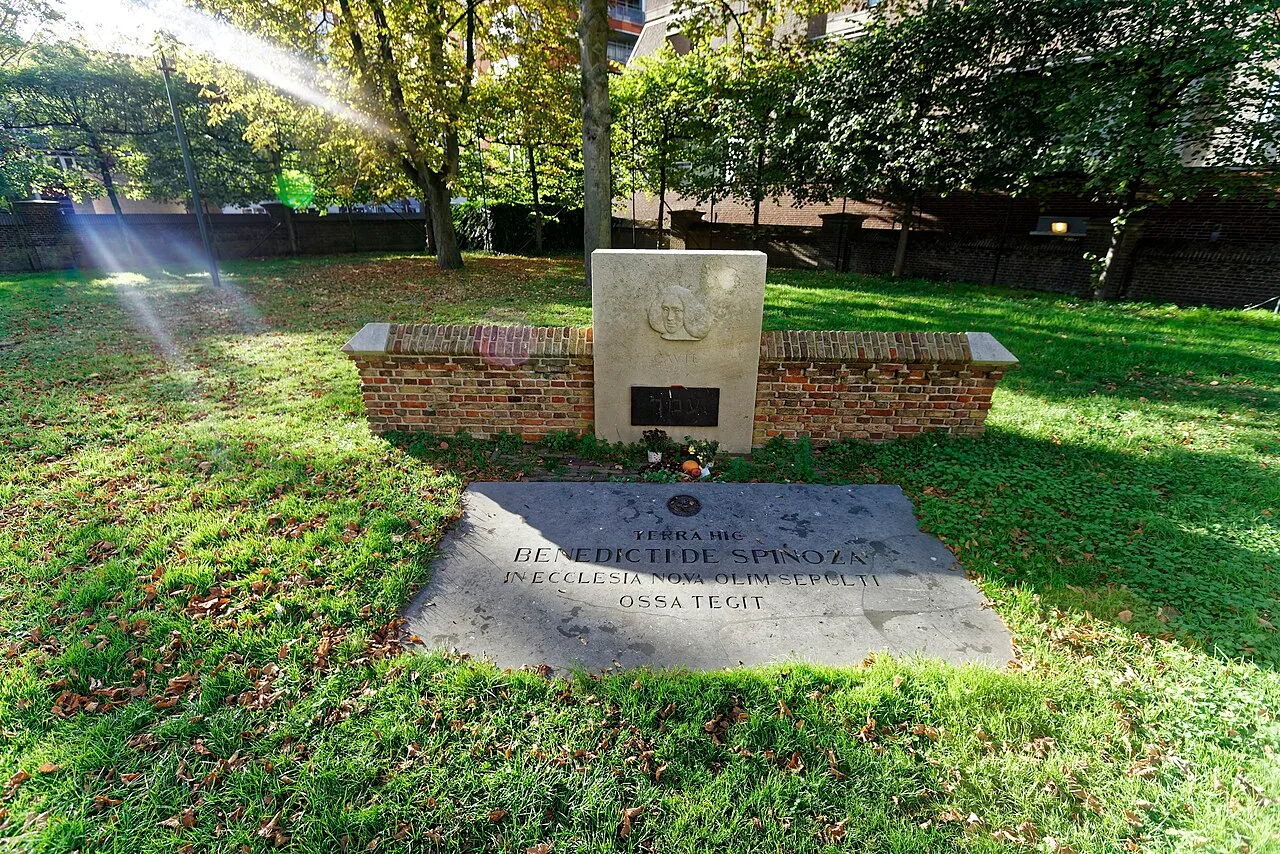
Spinoza's memorial plaque in the churchyard of the Nieuwe Kerk. When he was buried, no tombstone or plaque was prepared. His vault was close to Johan de Witt's remains.
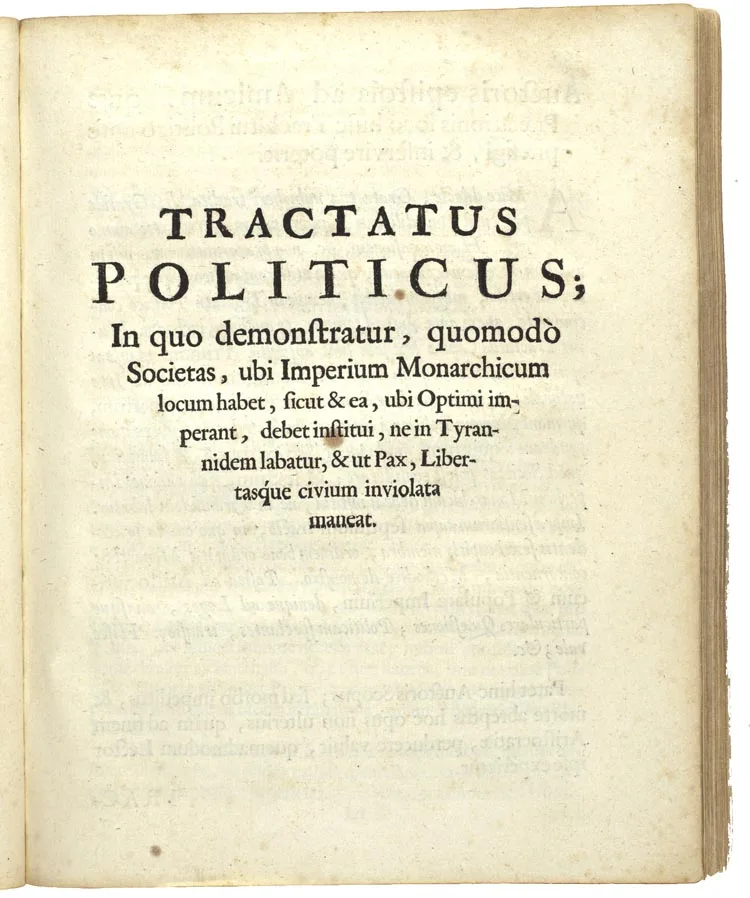
The title page of the Tractatus Politicus in the Opera Posthuma
Baruch Spinoza
Baruch Spinoza was a Dutch philosopher of Portuguese-Jewish origin and a leading figure of the Enlightenment, renowned for his radical early modern philosophy.
Declaring Orphanhood to Erase Inherited Debt
Faced with crushing financial liabilities after his father's death, the young philosopher chose an unconventional legal escape. In March 1656, Spinoza petitioned city authorities for protection against debts within his community. By appealing to be declared an orphan, the legal minor was able to remove his obligation to repay his father's debts and renounce his inheritance. This strategy relieved his financial burden but severely damaged his standing as a merchant.
From Wikipedia · CC BY-SA 4.0
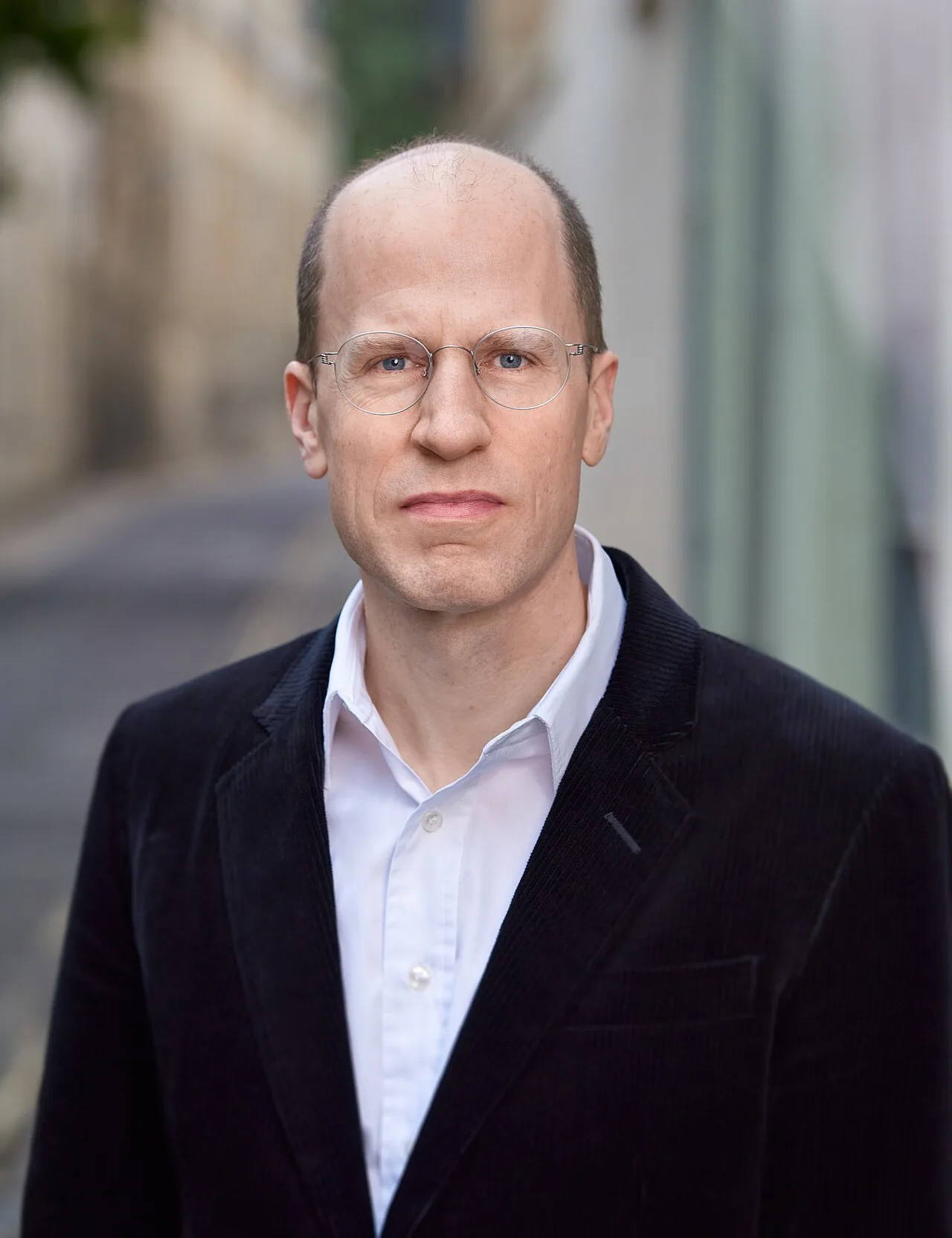
Prof Nick Bostrom 324-1
Nick Bostrom
Nick Bostrom is a philosopher known for his work on existential risk, the anthropic principle, human enhancement ethics, and superintelligence risks.
Microphones, Jokes, and Linguistic Logic
A background in analytic philosophy can sometimes overlap with unexpected creative performance. While researching the relationship between language and reality by studying the analytic philosopher W. V. Quine at Stockholm University, a young scholar also ventured onto London's stand-up comedy circuit. This stint in live comedy unfolded alongside rigorous studies in epistemology and logic.
From Wikipedia · CC BY-SA 4.0
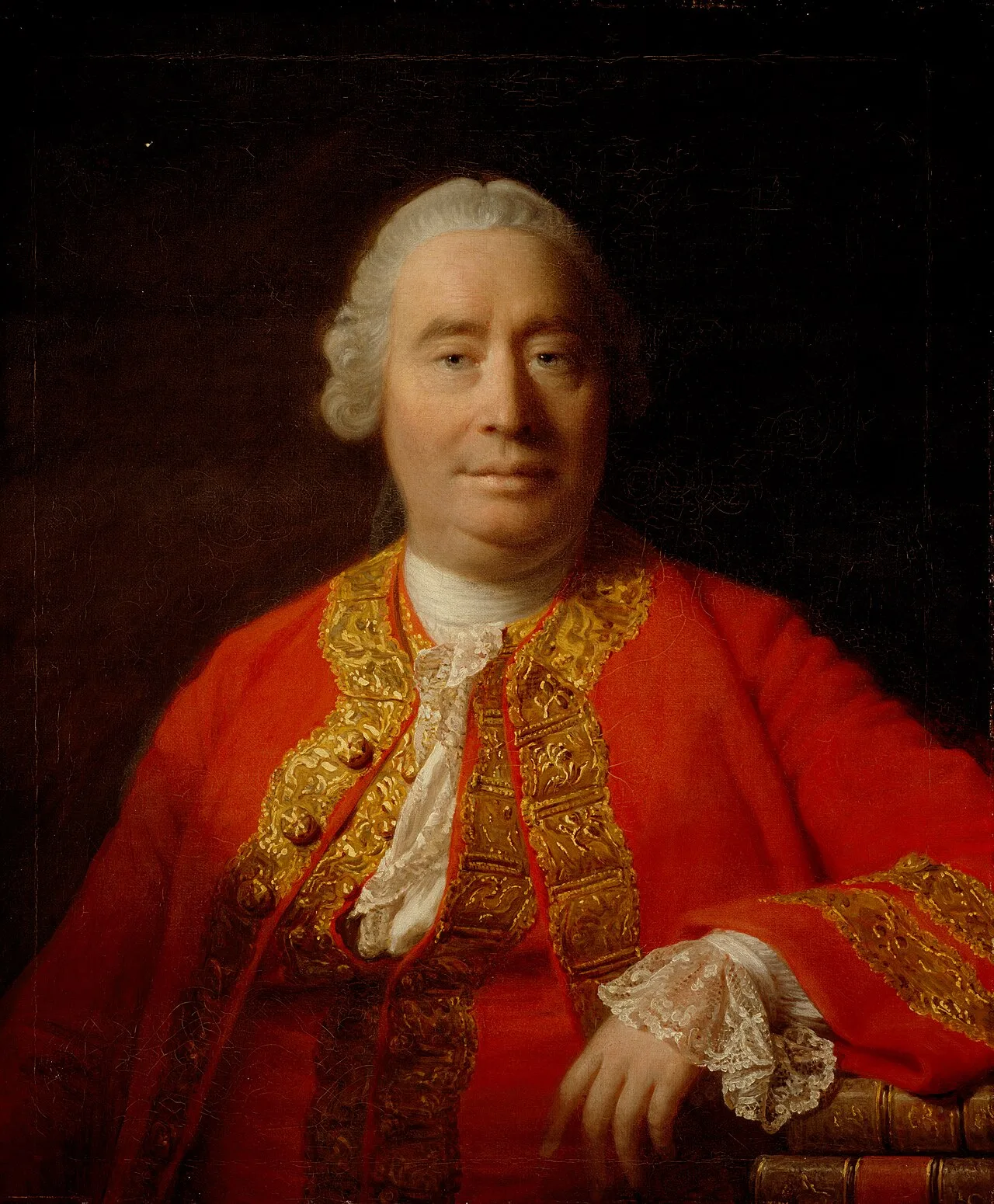
David Hume Ramsay
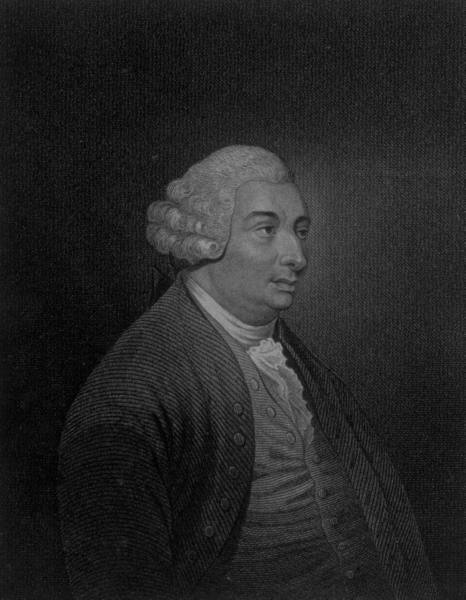
An engraving of Hume from the first volume of his The History of England, 1754
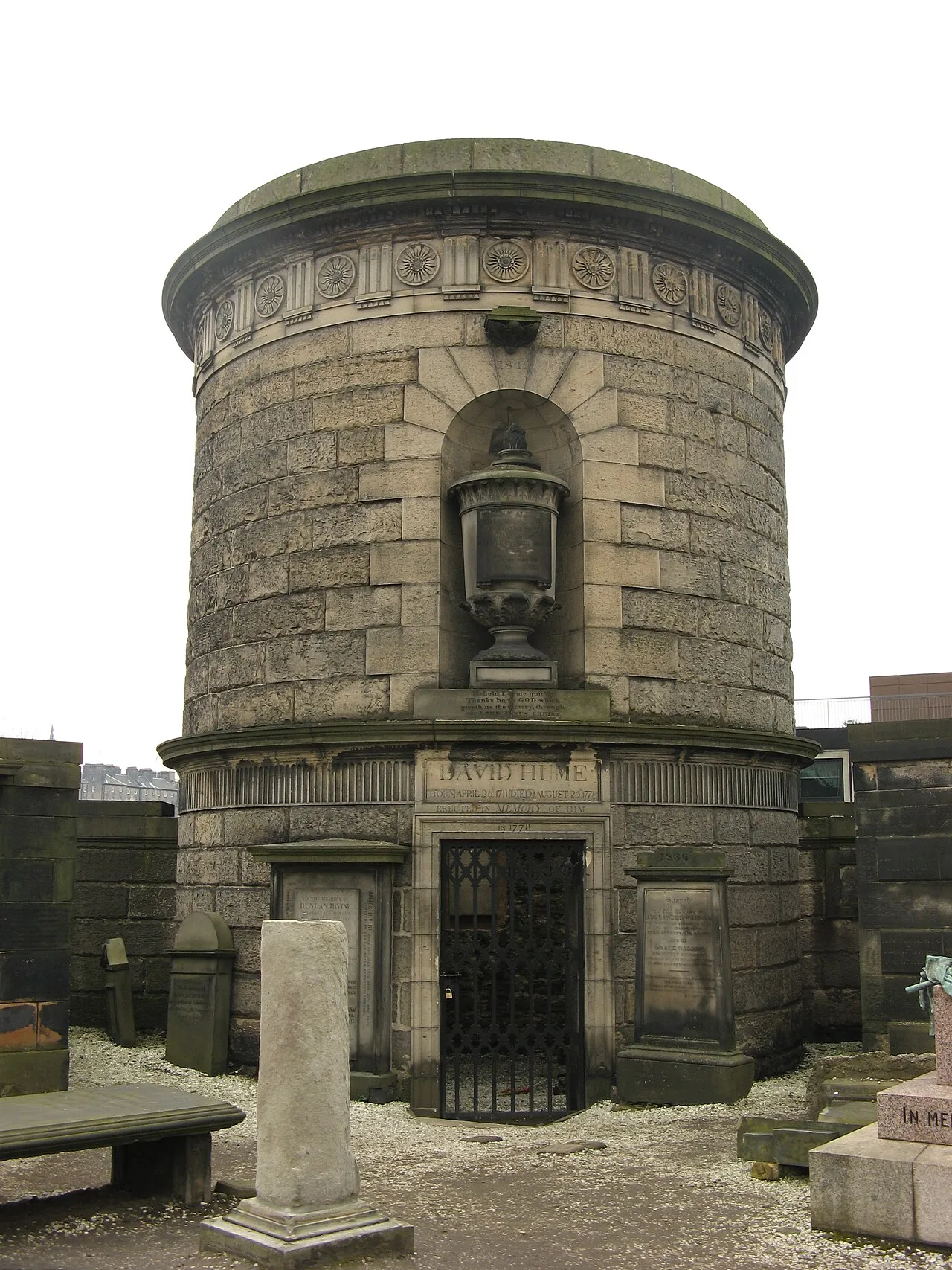
David Hume's mausoleum by Robert Adam in the Old Calton Burial Ground, Edinburgh
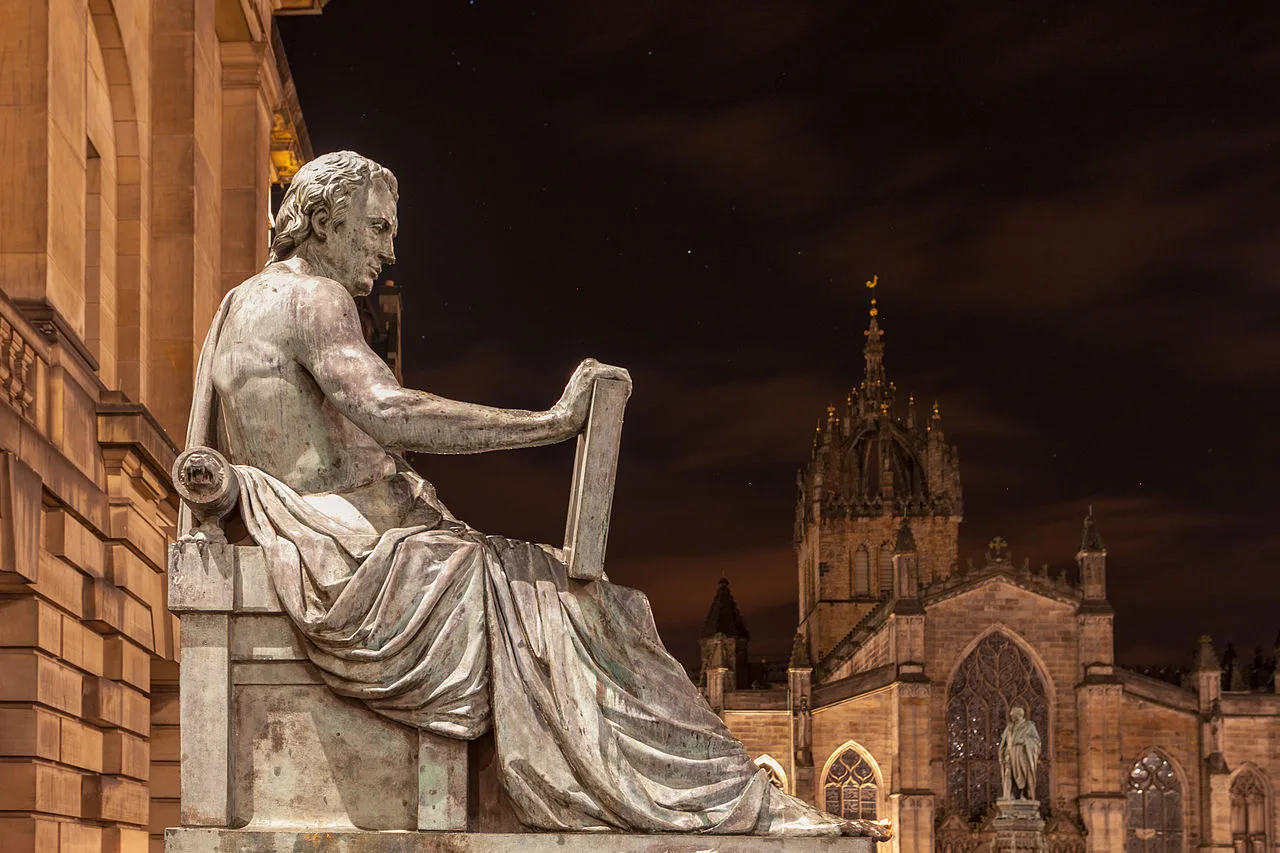
Statue of Hume, sculpted by Alexander Stoddart, on the Royal Mile in Edinburgh
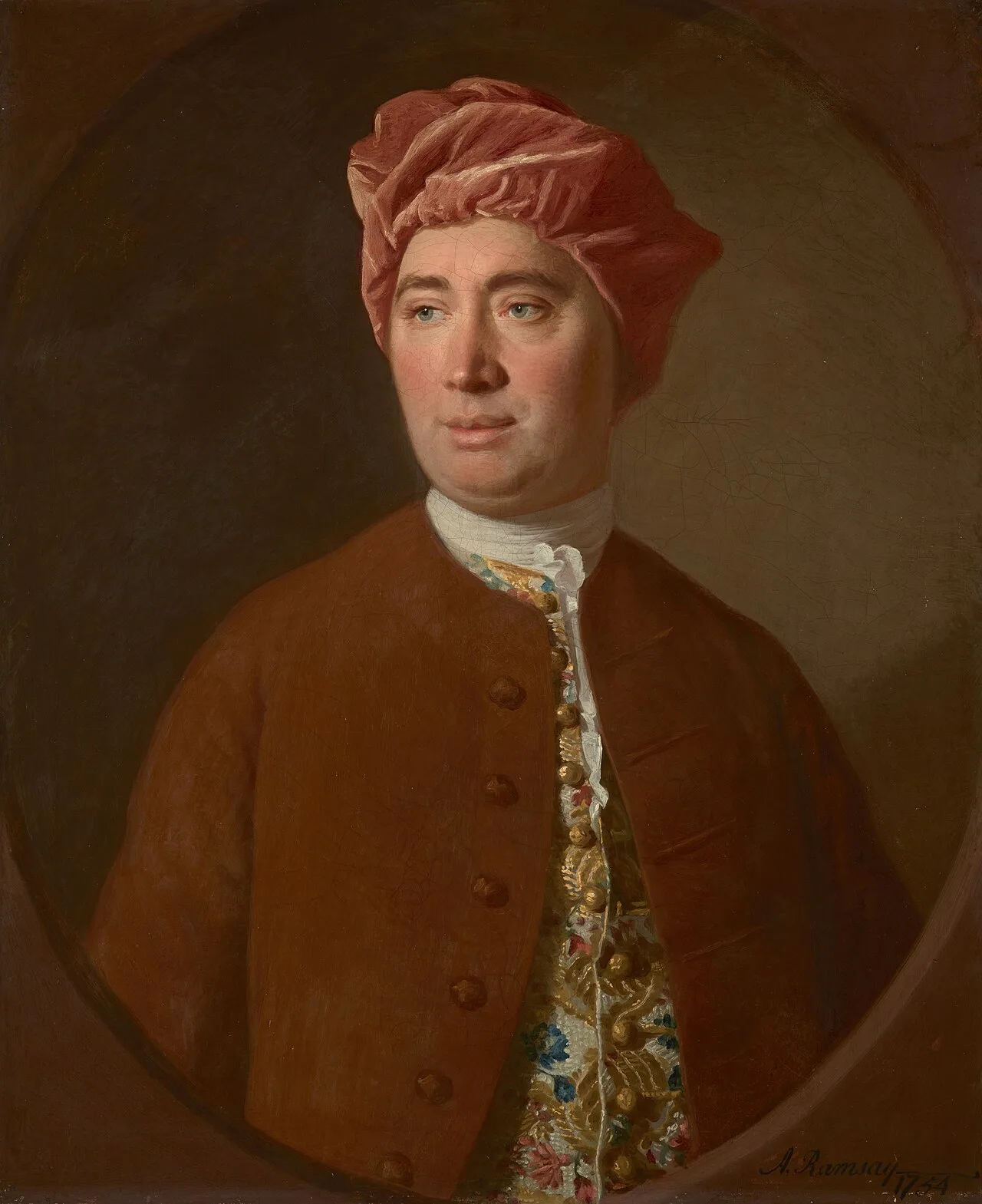
David Hume by Allan Ramsay, 1754; "Where men are the most sure and arrogant, they are commonly the most mistaken, and have there given reins to passion, without that proper deliberation and suspense, which can alone secure them from the grossest absurdities." —An Enquiry Concerning the Principles of Morals, § 9.13 : Conclusion, Pt. 1 (1751)
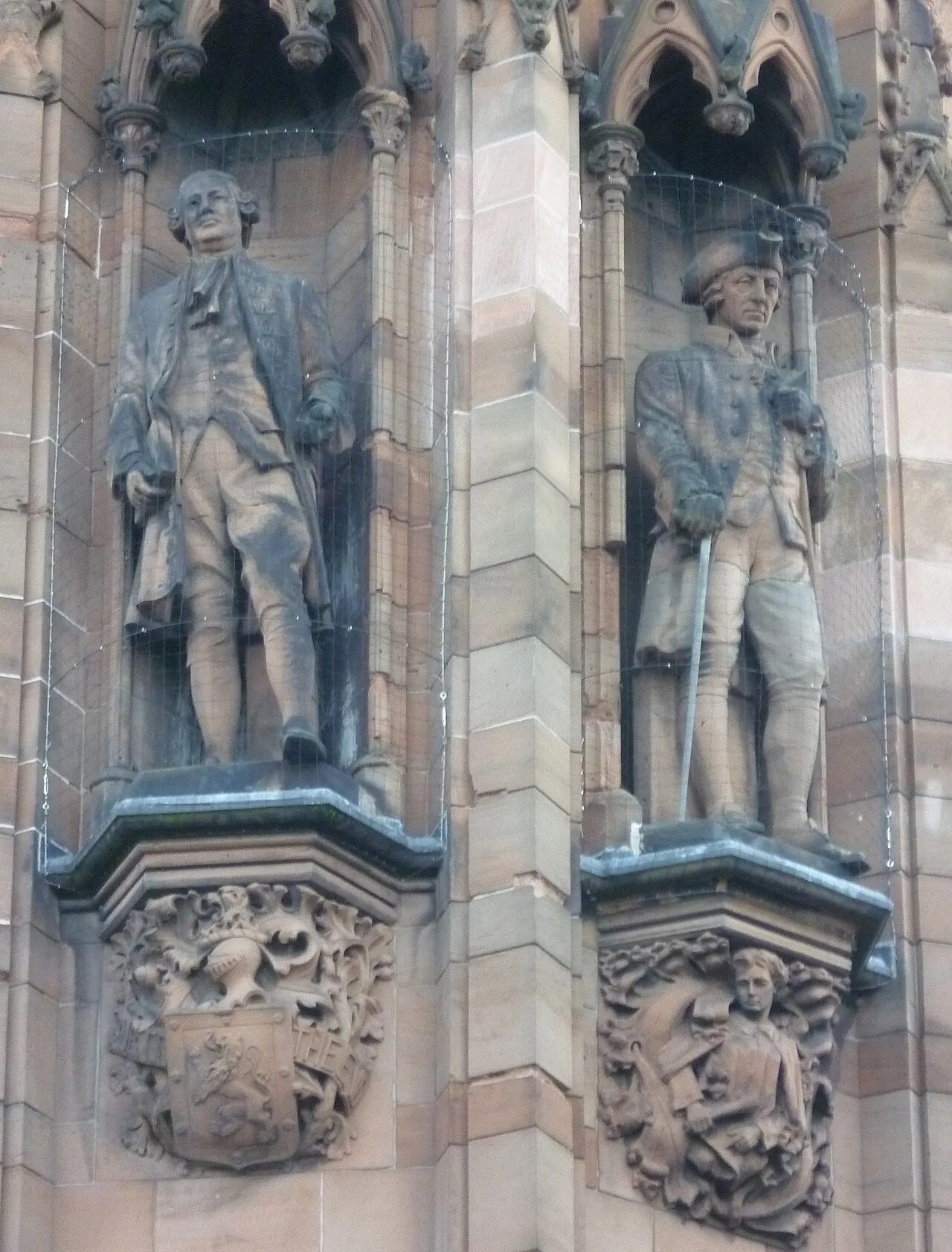
Statues of David Hume and Adam Smith by David Watson Stevenson on the Scottish National Portrait Gallery in Edinburgh
David Hume
David Hume was a Scottish philosopher, historian, economist, and essayist known for his influential system of empiricism, philosophical scepticism, and metaphysical naturalism.
Claret and Pills for the Disease of the Learned
At around age 18, Hume experienced a profound intellectual awakening that pushed him to the brink of a mental breakdown. A physician subsequently diagnosed his physical symptoms as the "Disease of the Learned". To treat his ailment, Hume followed a regimen of Bitters, Anti-Hysteric Pills, and a daily pint of claret. This intense period of study and recovery marked the beginning of his lifelong physical transition toward heavy corpulence.
From Wikipedia · CC BY-SA 4.0
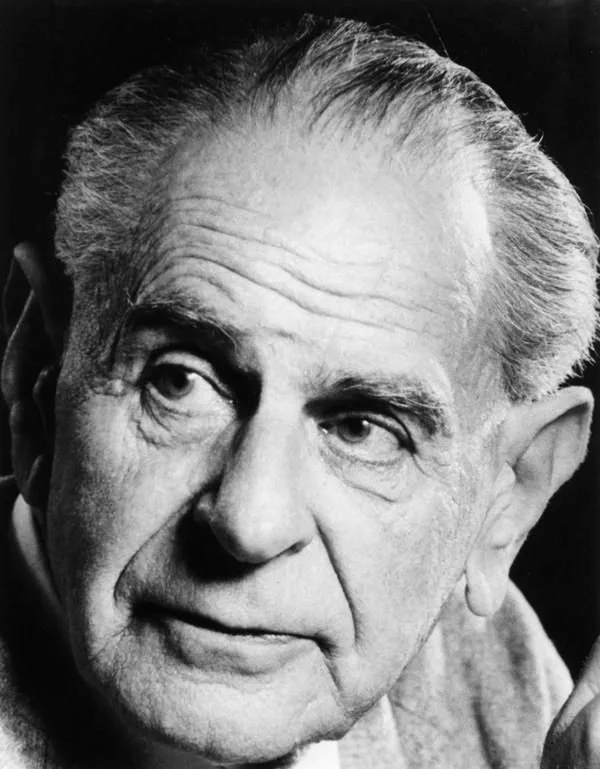
Karl Popper
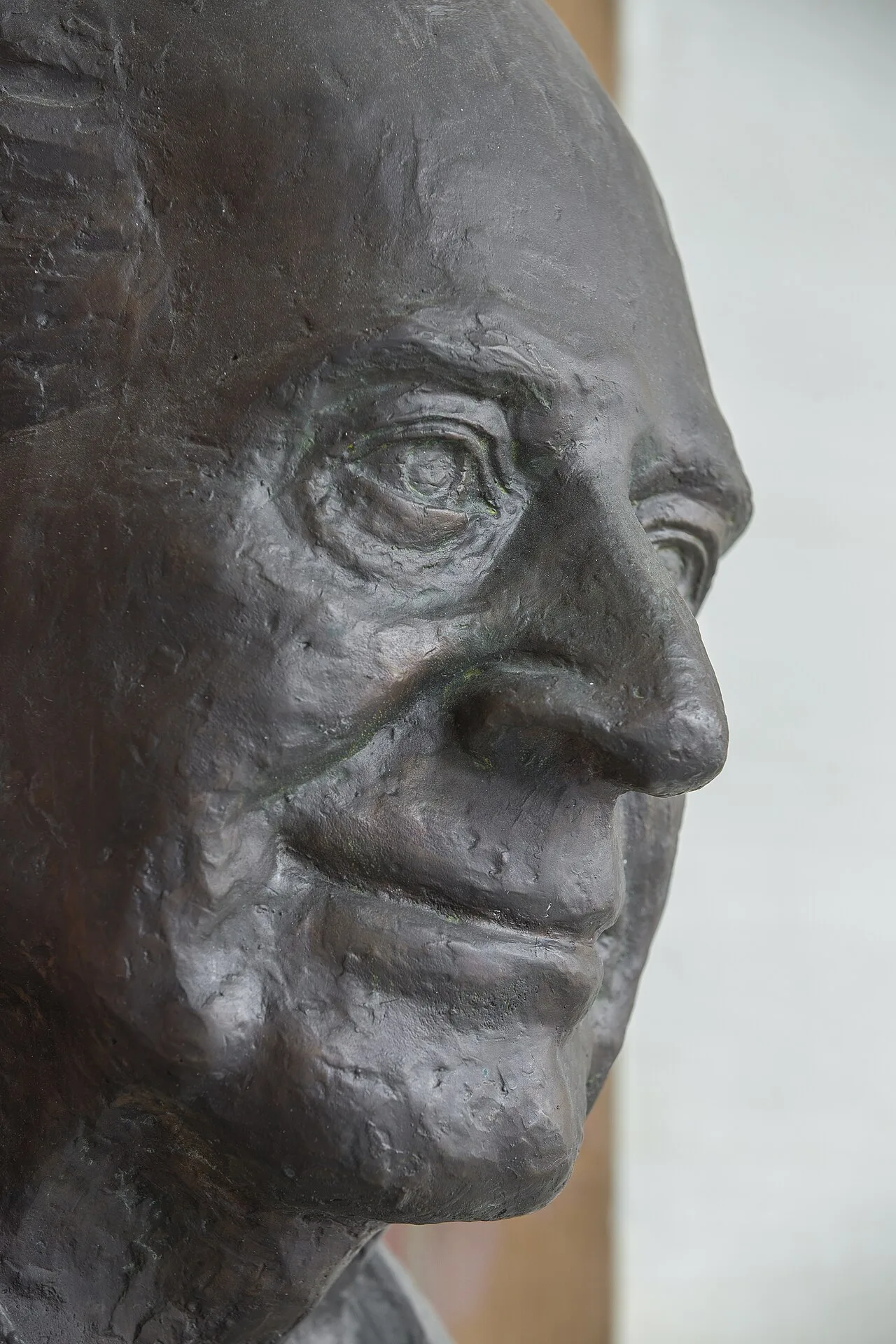
Popper bust in the Arkadenhof of the University of Vienna
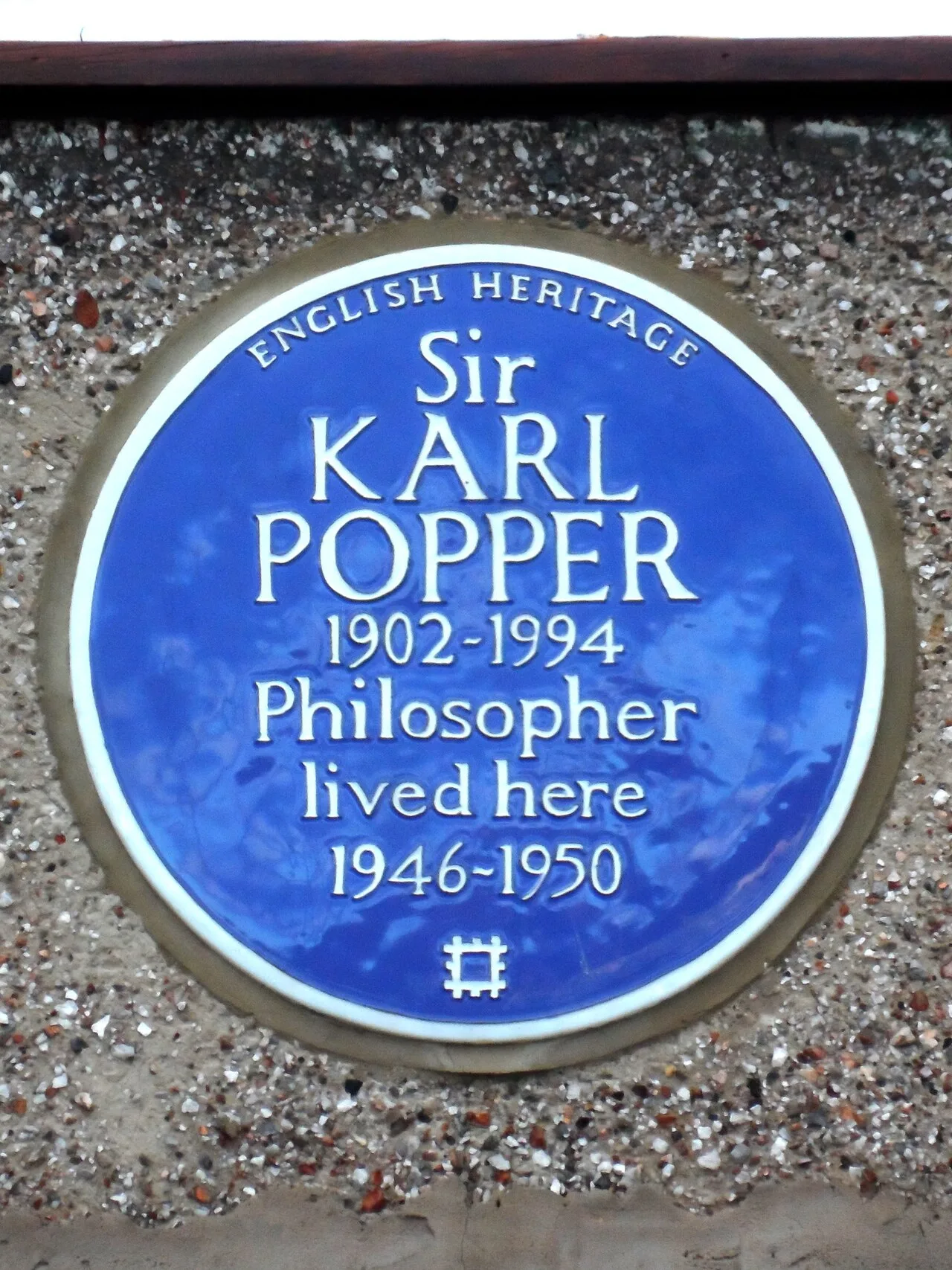
English Heritage blue plaque at Burlington Rise, Oakleigh Park, London
![Popper's gravesite in Lainzer Friedhof [de] in Vienna, Austria](https://hmzpdsmr7uczkvx4.public.blob.vercel-storage.com/wikifeed/karl-popper/3-f88f96ad07.webp)
Popper's gravesite in Lainzer Friedhof [de] in Vienna, Austria
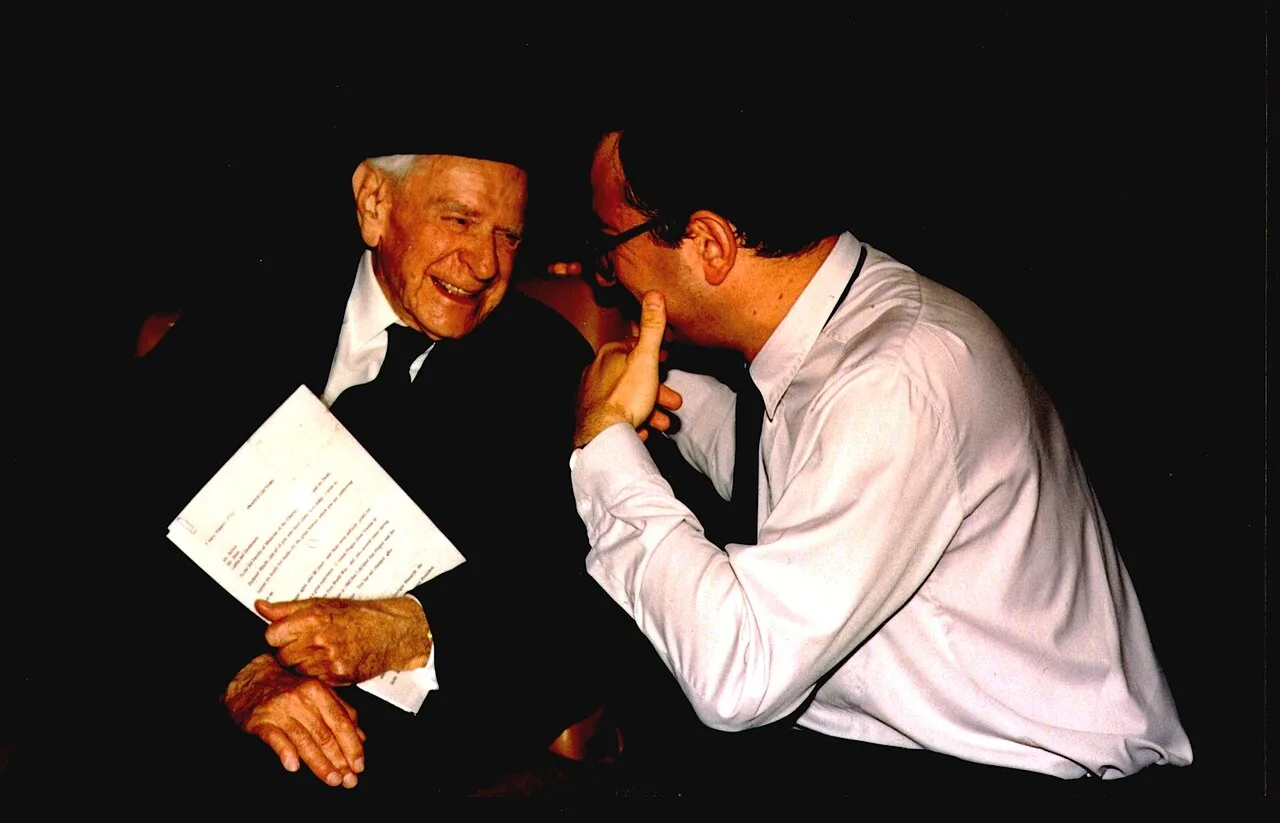
Popper with Professor Cyril Höschl, while receiving an honorary doctorate from Charles University in Prague in May 1994
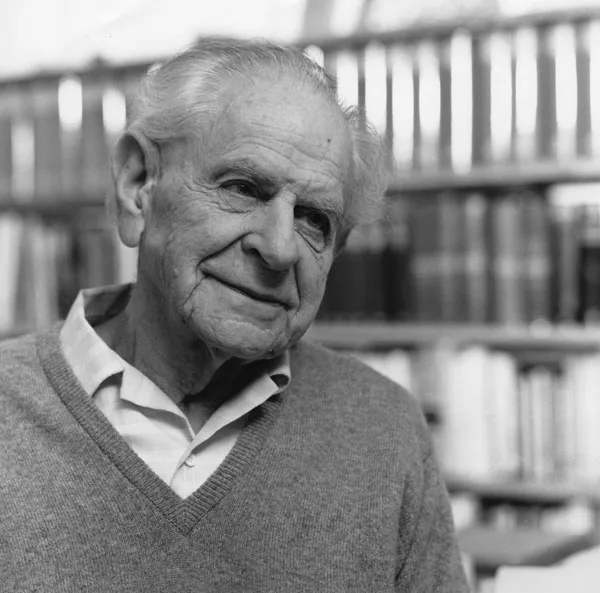
Popper in 1990
Karl Popper
Sir Karl Raimund Popper was an Austrian-British philosopher, academic, and social commentator who became one of the 20th century's most influential philosophers of science.
Preferring the Least Likely Theories
Intuition suggests that scientific progress favors hypotheses with the highest probability of being true. Popper inverted this view by asserting that the simplest and least likely theories are rationally preferable because they are the most easily falsified. A theory burdened with complex conditions is safer from refutation, but yields less empirical value. True scientific advance demands bold, highly vulnerable assertions that risk immediate refutation.
From Wikipedia · CC BY-SA 4.0
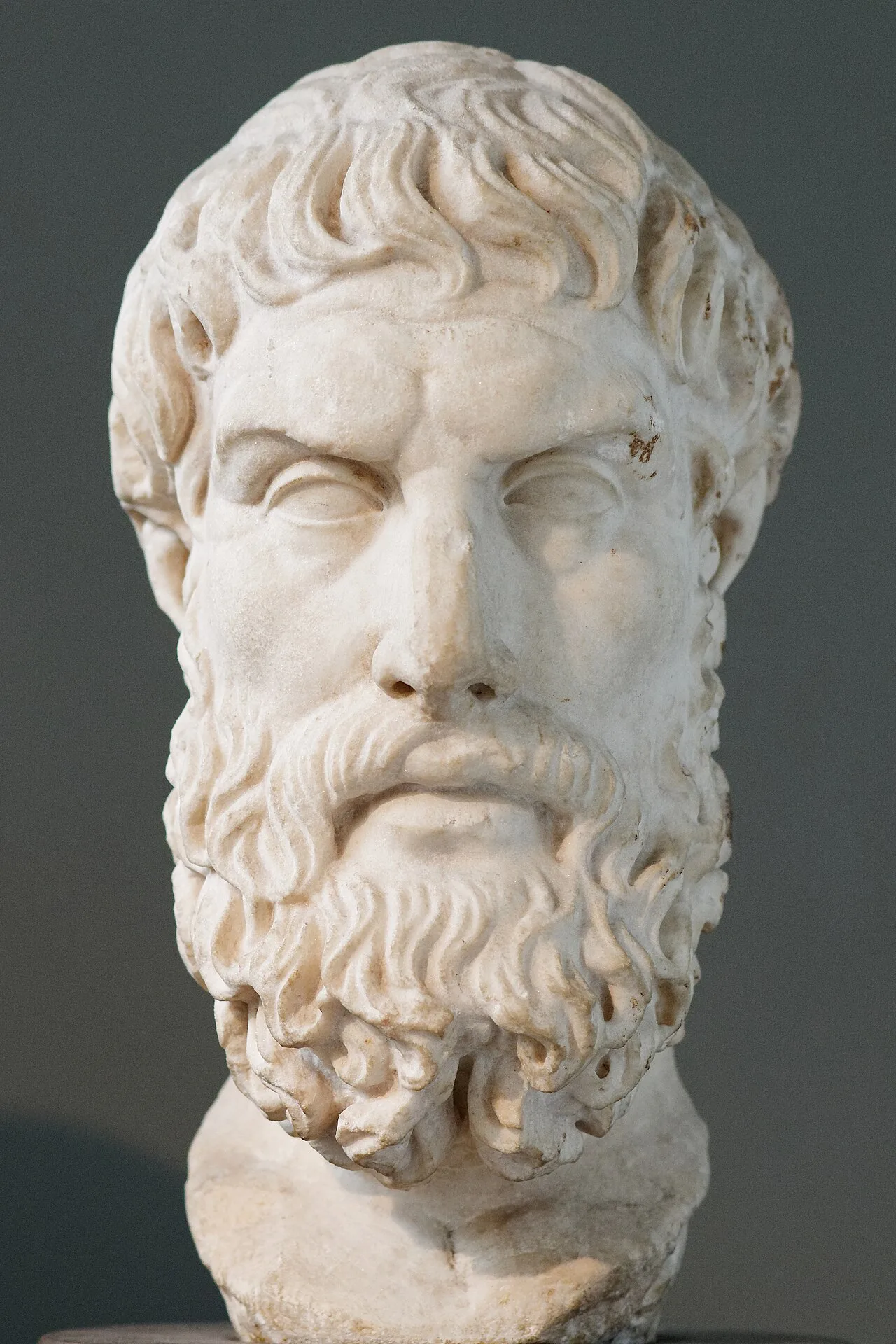
Epikouros BM 1843
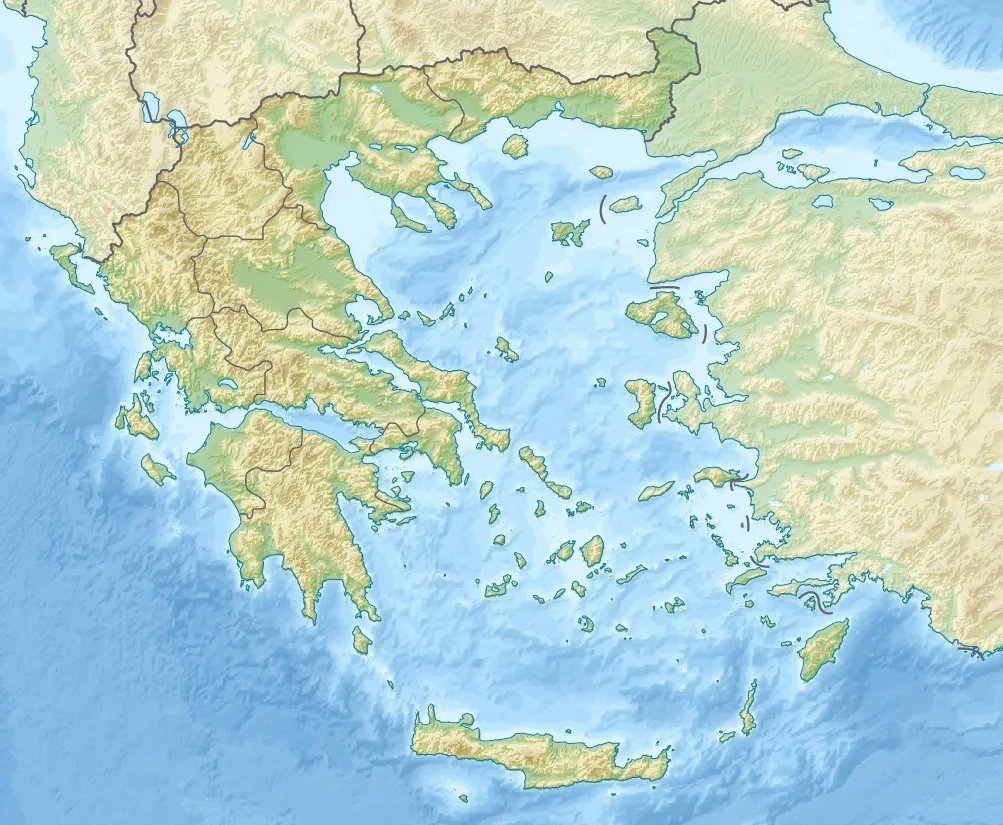
Epicurus is located in Greece
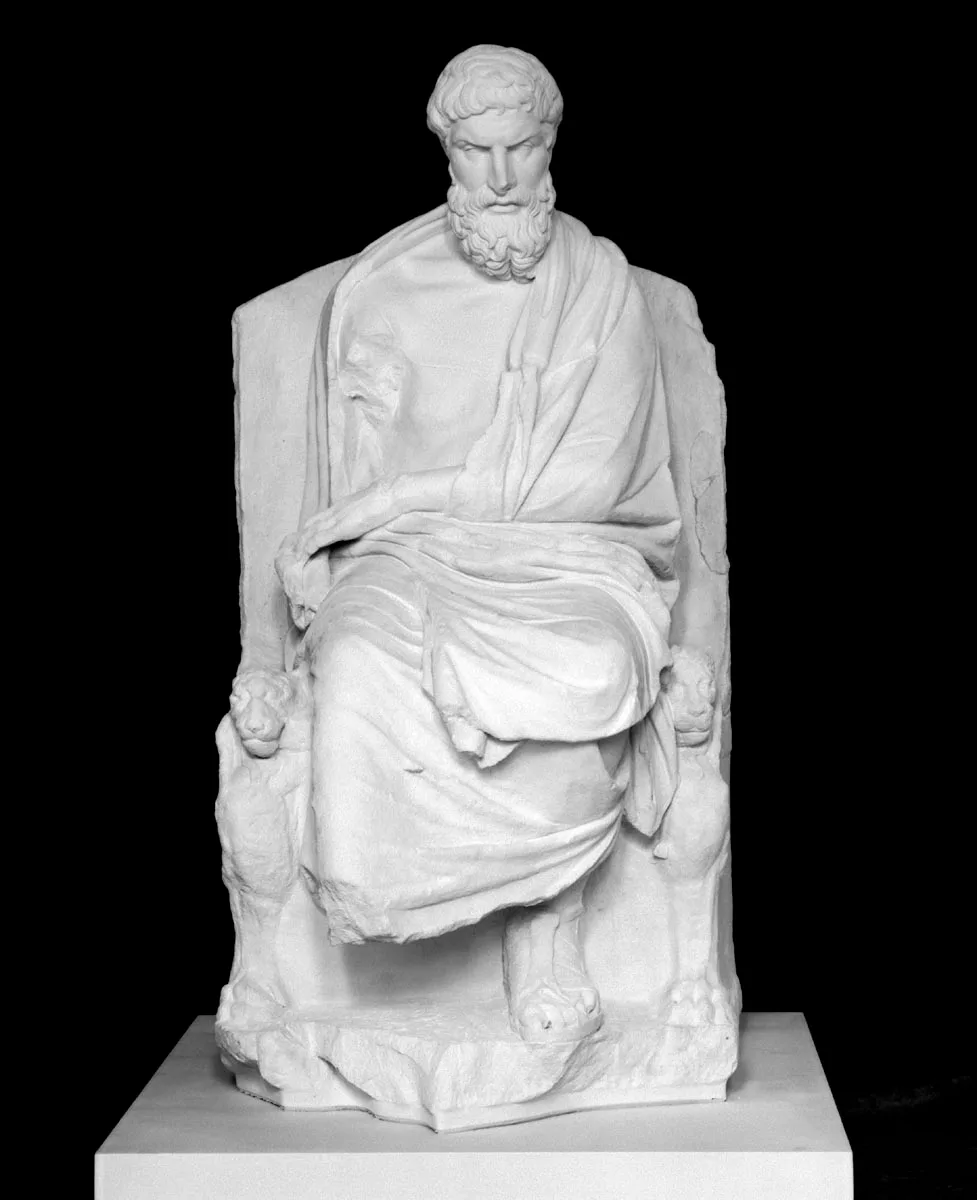
Reconstruction by K. Fittschen of an Epicurus enthroned statue, presumably set up after his death. University of Göttingen, Abgußsammlung
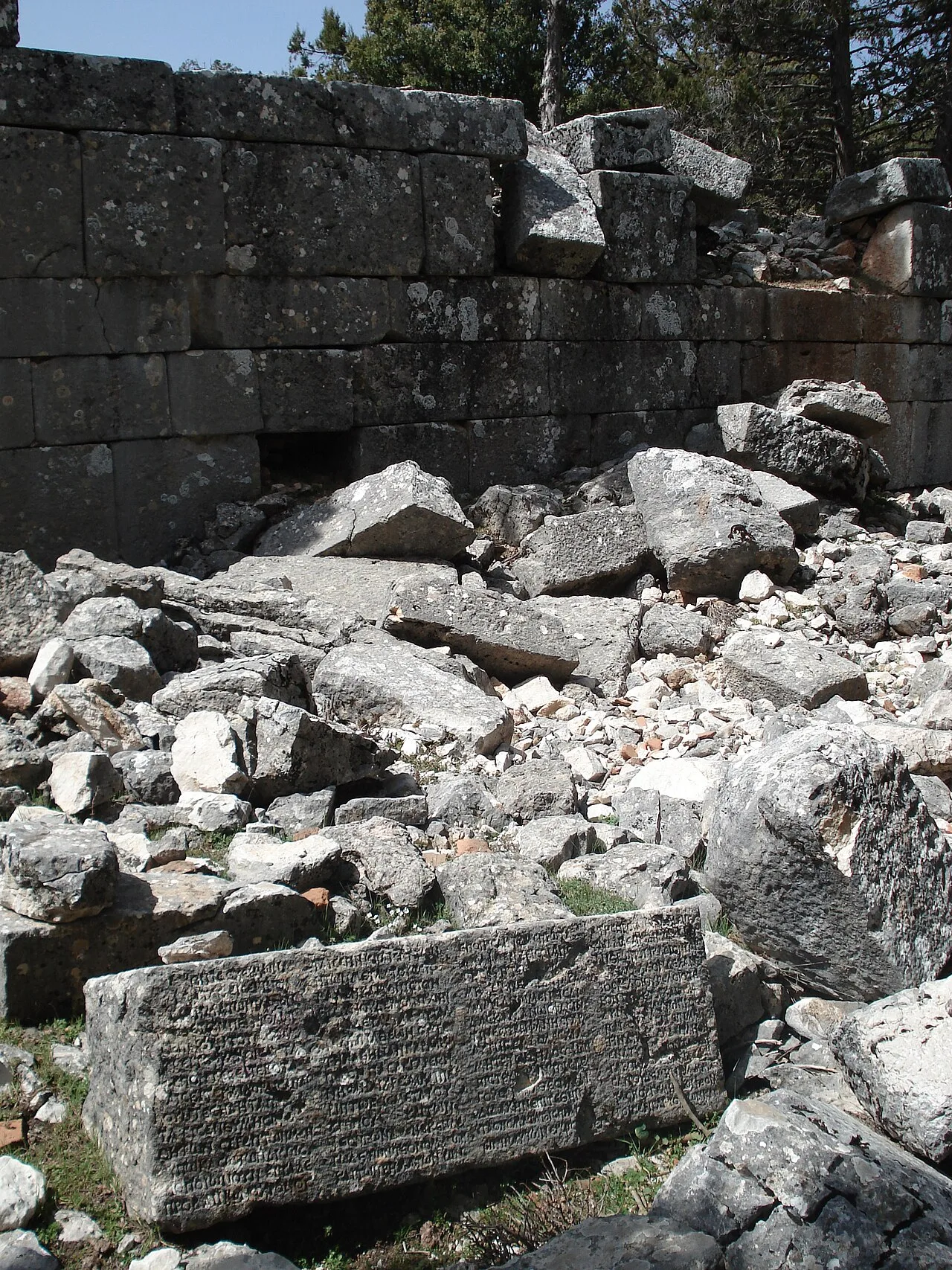
Epicurus's Letter to Mother was inscribed onto the portico walls of the 2nd century Epicurean philosopher Diogenes' residence in Oenoanda, Lycia, in modern day Turkey, along with numerous other Epicurean letters and treatises.
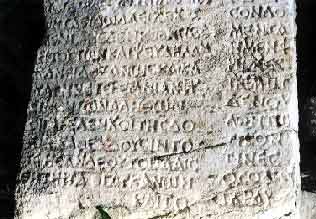
Diogenes of Oenoanda, an Epicurean philosopher living in Lycia, in the early 2nd century AD, inscribed roughly 260 square meters of Epicurean writings onto the portico walls of his own residence, which were rediscovered in the 1880s.
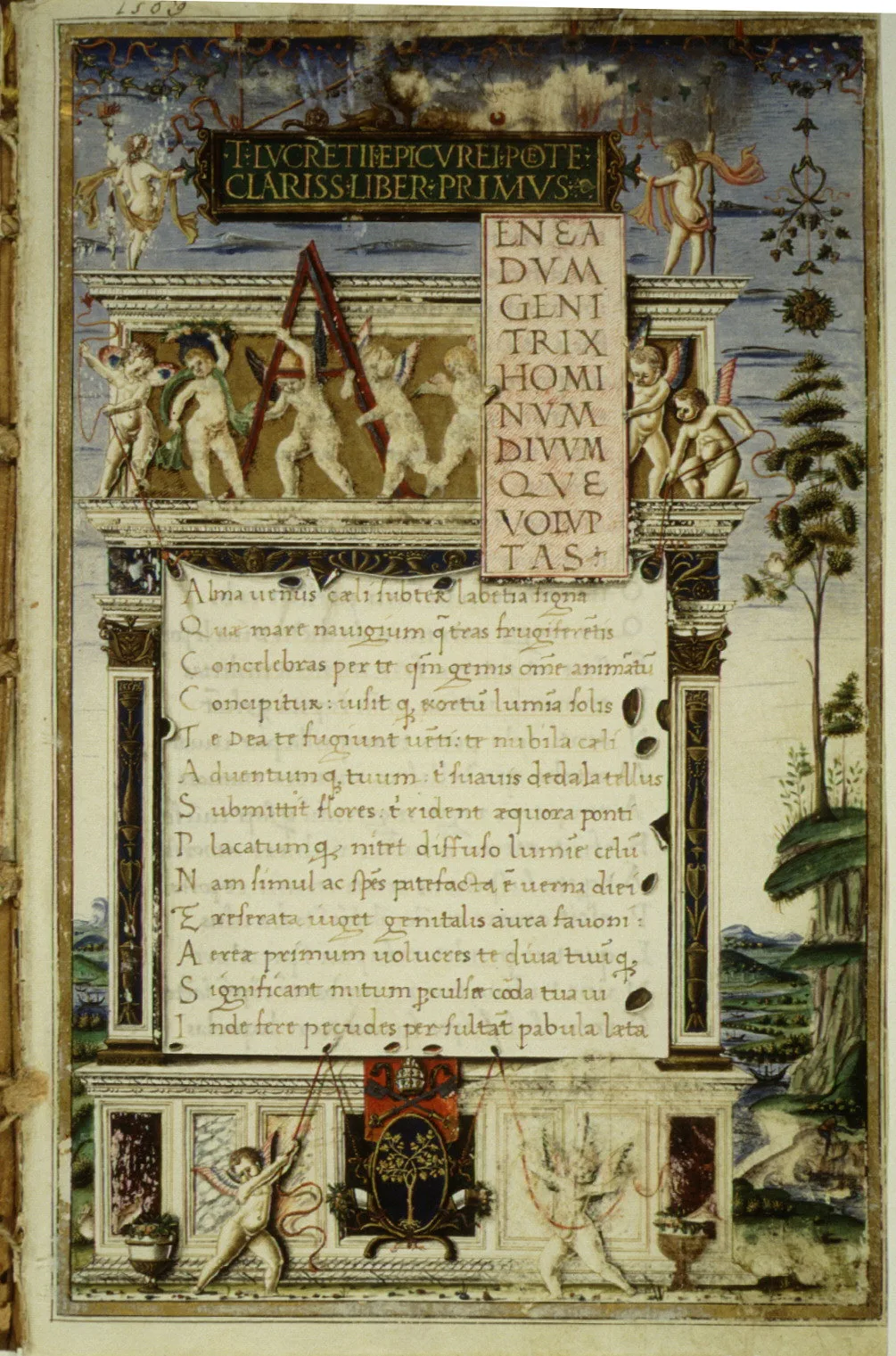
De rerum natura manuscript, c. 1483. The rediscovery of this ancient Epicurean work in 1417 by Poggio Bracciolini provided Renaissance humanists with a thorough account of Epicurus's teachings
Epicurus
Epicurus was an ancient Greek philosopher who founded Epicureanism, a school of philosophy focused on attaining tranquil lives free from fear and pain.
Ascetic Dinners Behind the Gluttonous Myth
Modern culture uses the term epicure to describe a lover of fine dining, but the original philosopher advocated for extreme moderation. Throughout the Middle Ages, Epicurus was popularly, though inaccurately, remembered as a patron of drunkards, whoremongers, and gluttons. In reality, he and his followers were known for eating simple meals at his Athenian school, defining pleasure as the mere absence of physical pain and mental anxiety rather than luxurious consumption.
From Wikipedia · CC BY-SA 4.0
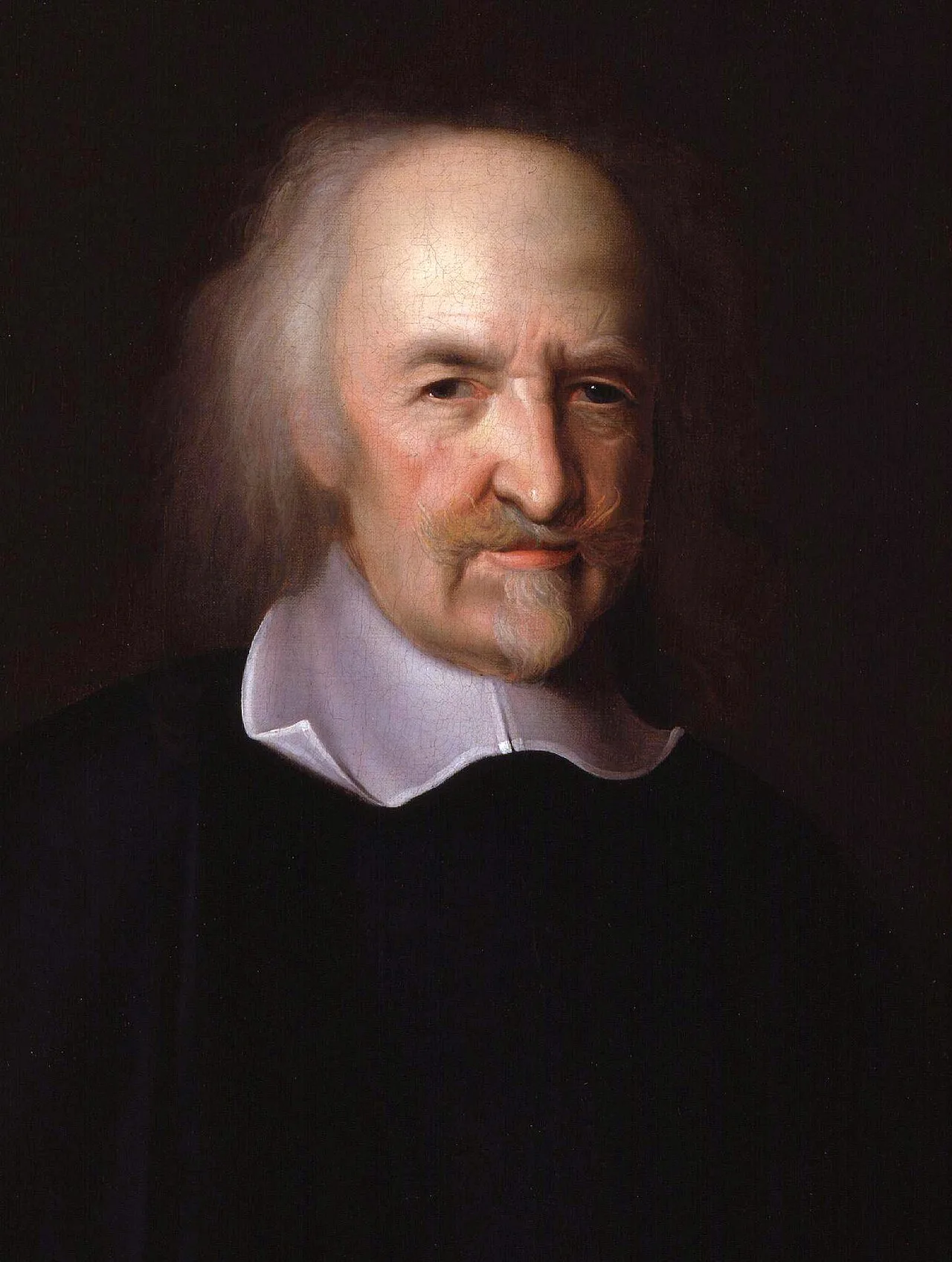
Thomas Hobbes by John Michael Wright (colour) (3x4 cropped)
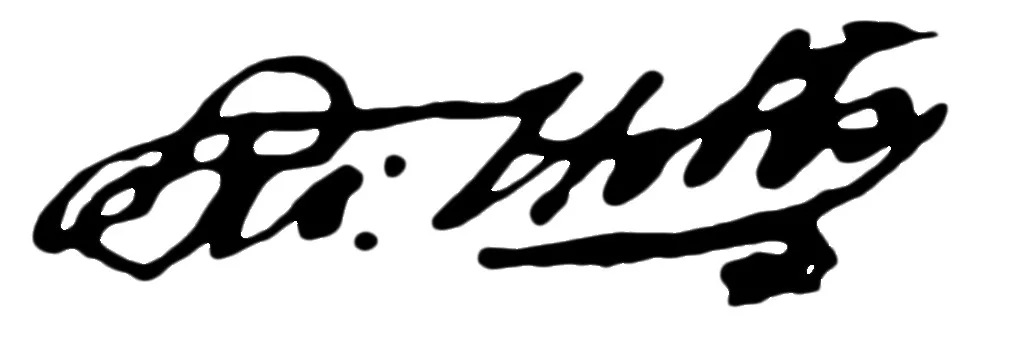
Thomas Hobbes signature
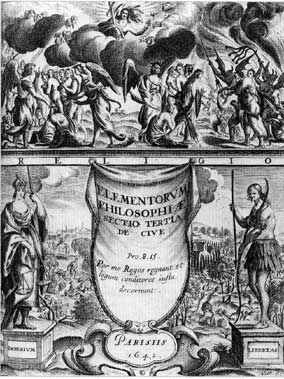
Frontispiece from De Cive (1642)
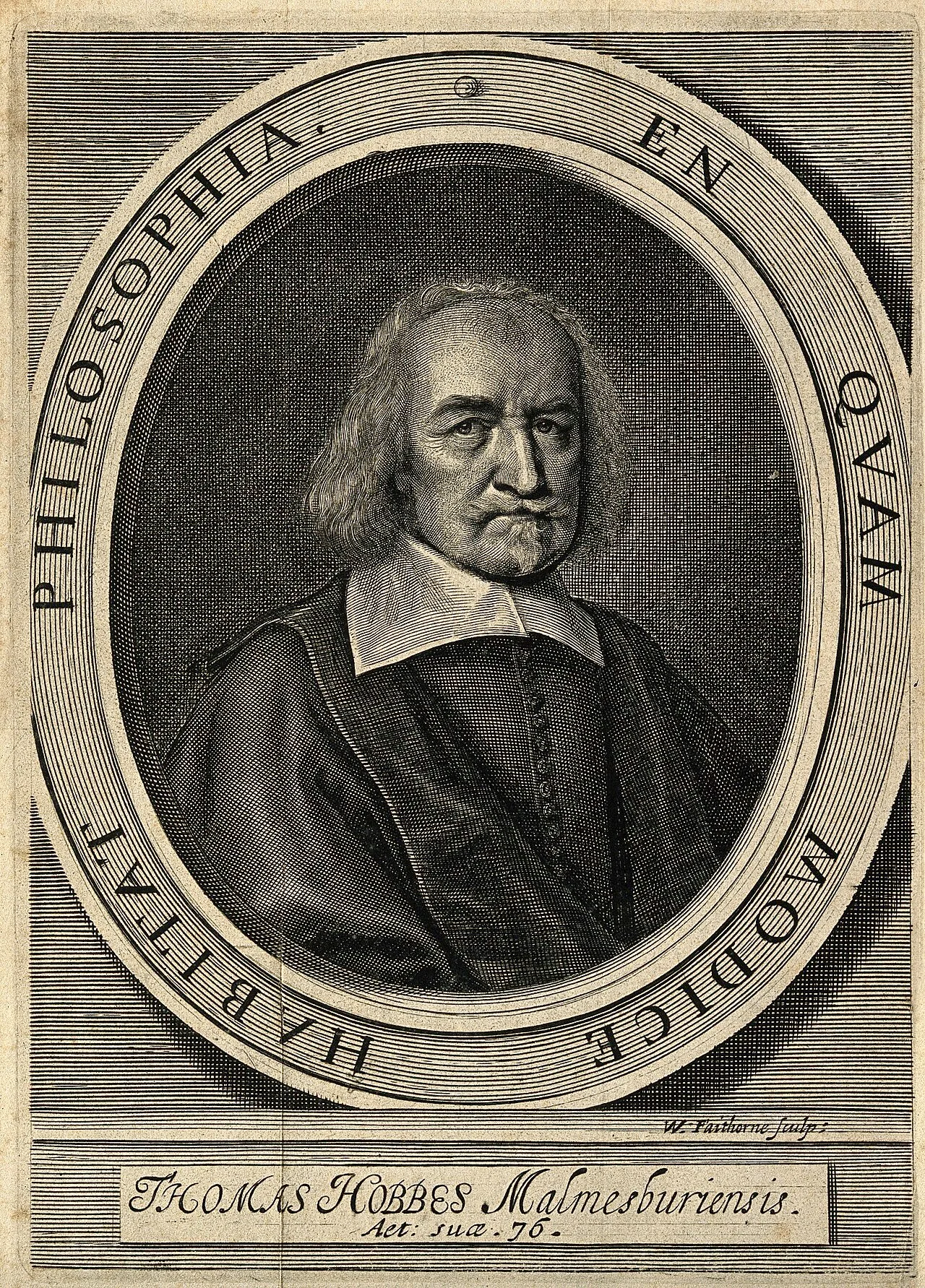
Thomas Hobbes. Line engraving by William Faithorne, 1668
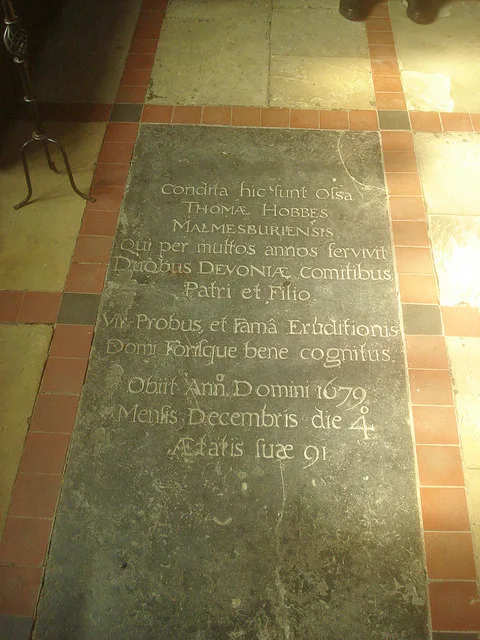
Tomb of Thomas Hobbes in St John the Baptist's Church, Ault Hucknall, in Derbyshire
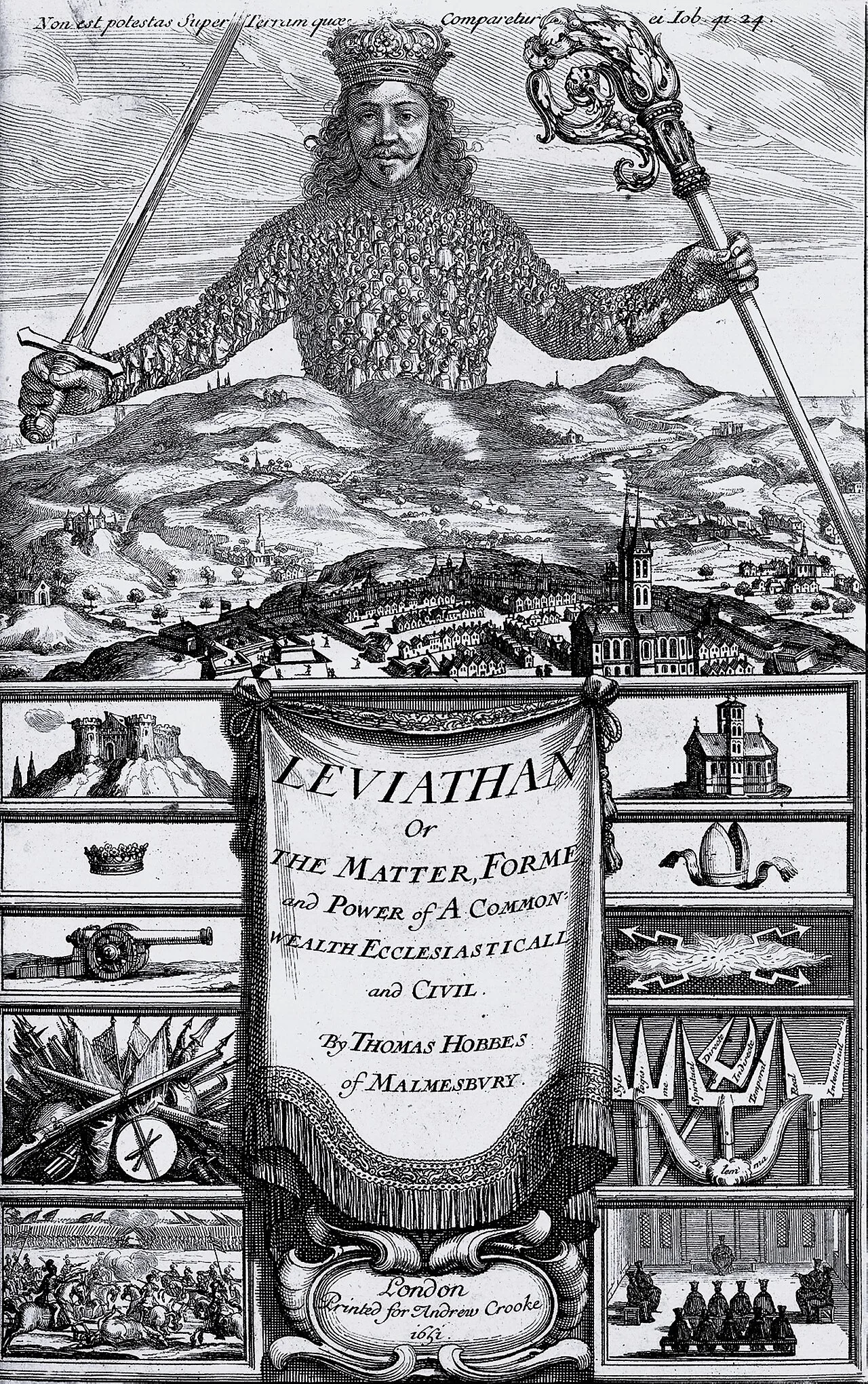
Frontispiece of Leviathan
Thomas Hobbes
Thomas Hobbes was an English philosopher and political theorist, best known for his 1651 book Leviathan and regarded as one of the founders of modern political philosophy.
A Dual Birth with Fear
Born prematurely when his mother heard of the coming invasion of the Spanish Armada, Thomas Hobbes reported that his mother gave birth to twins: myself and fear. This pervasive anxiety deeply influenced his lifelong perspective on human security. His turbulent childhood was further upended after his father engaged in a fight outside his church and fled.
From Wikipedia · CC BY-SA 4.0
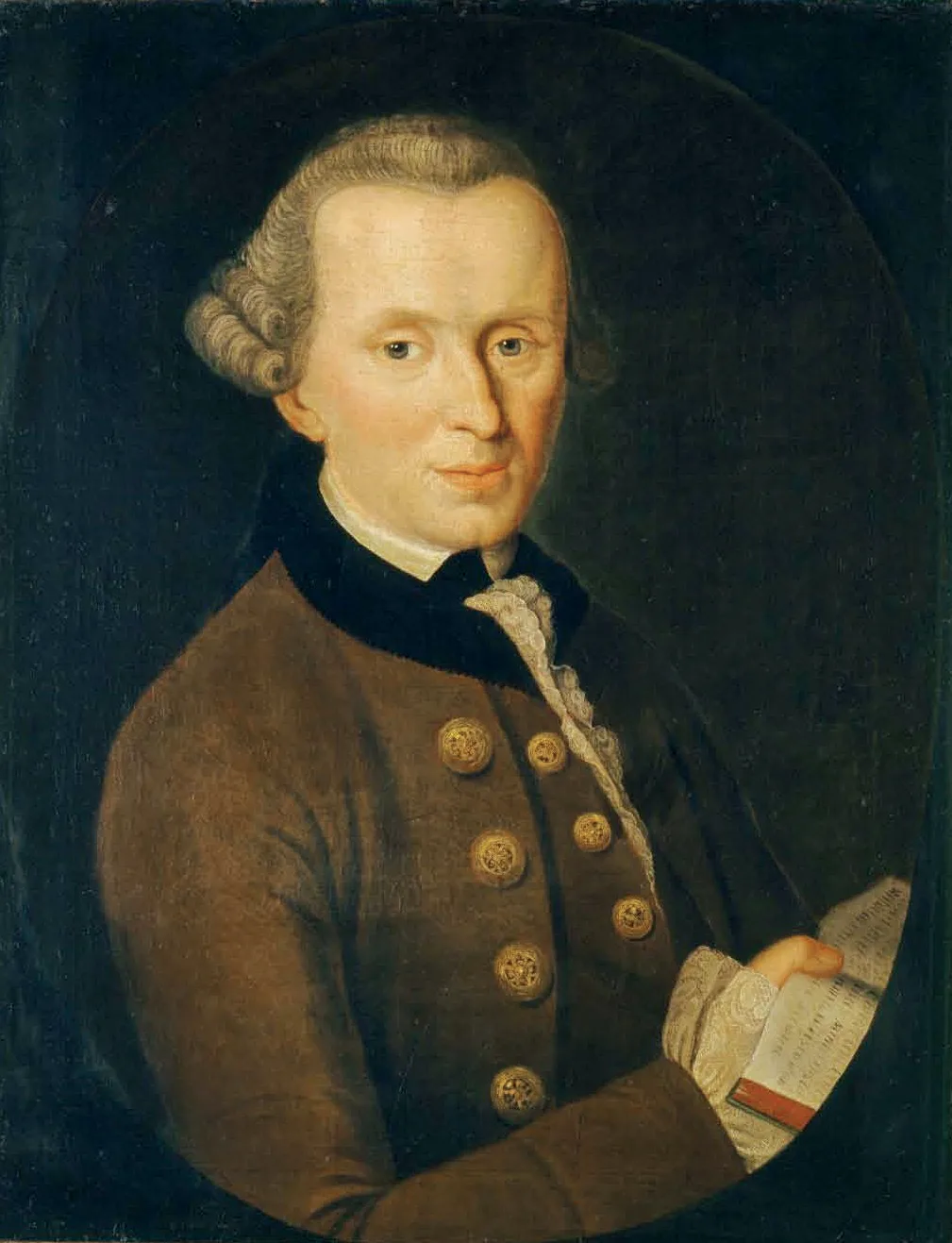
Immanuel Kant - Gemaelde 1

Signature written in ink in a flowing script
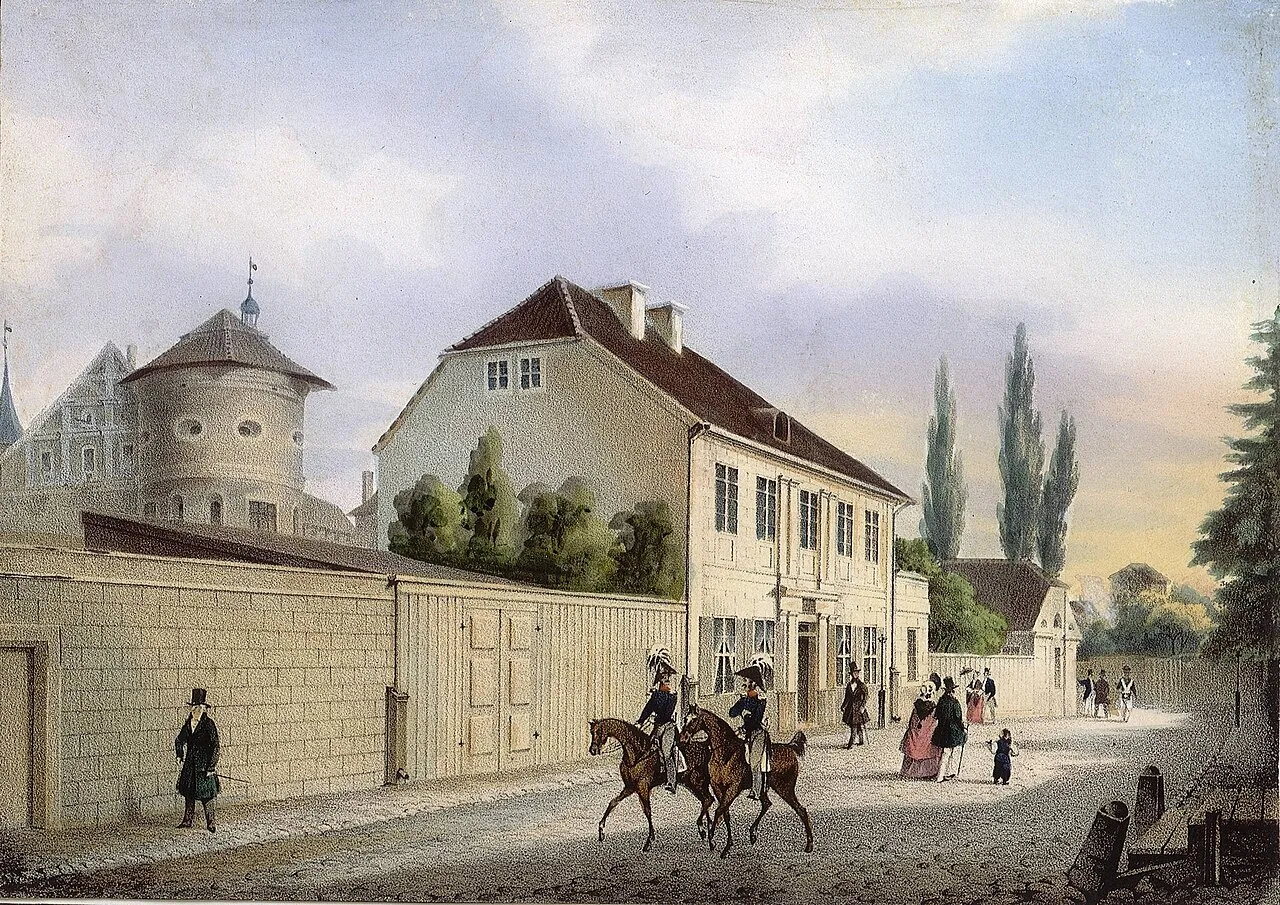
Kant's house in Königsberg in an 1842 painting
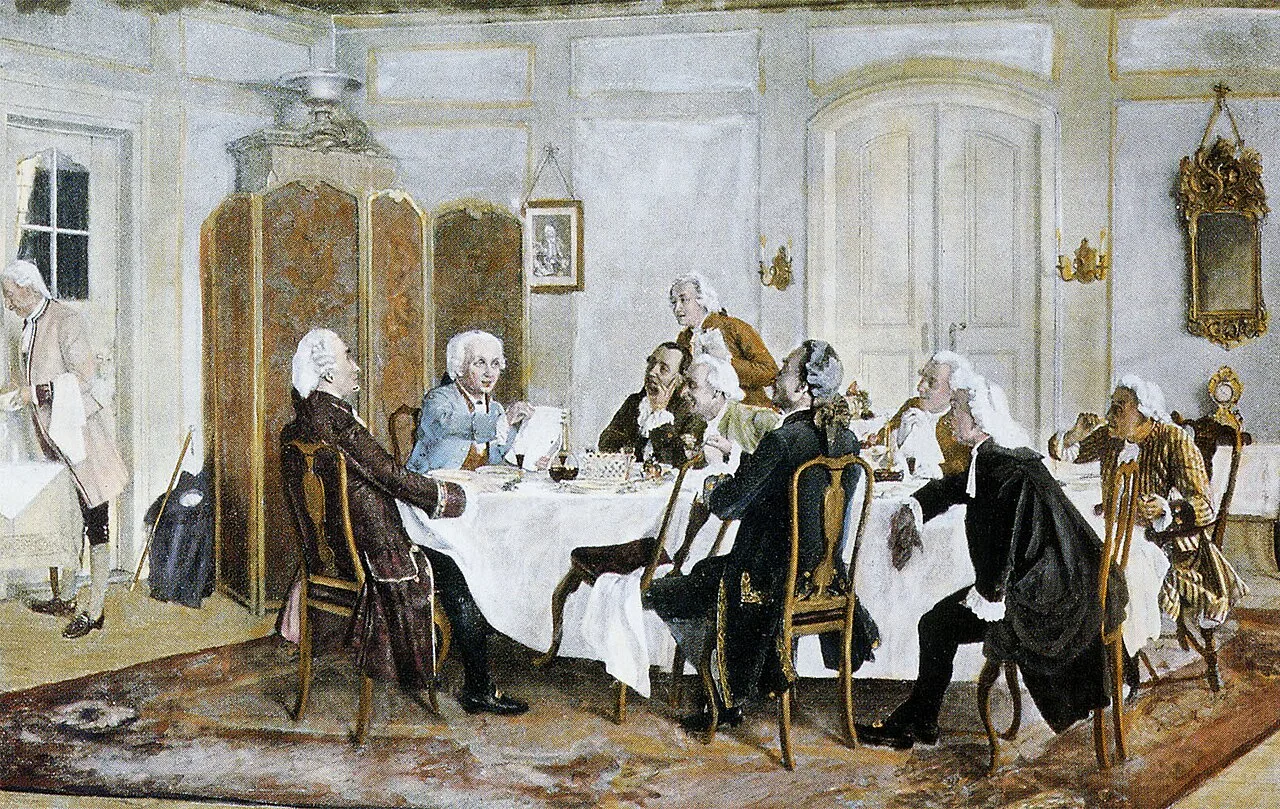
Kant with friends, including Christian Jakob Kraus, Johann Georg Hamann, Theodor Gottlieb von Hippel, and Karl Gottfried Hagen
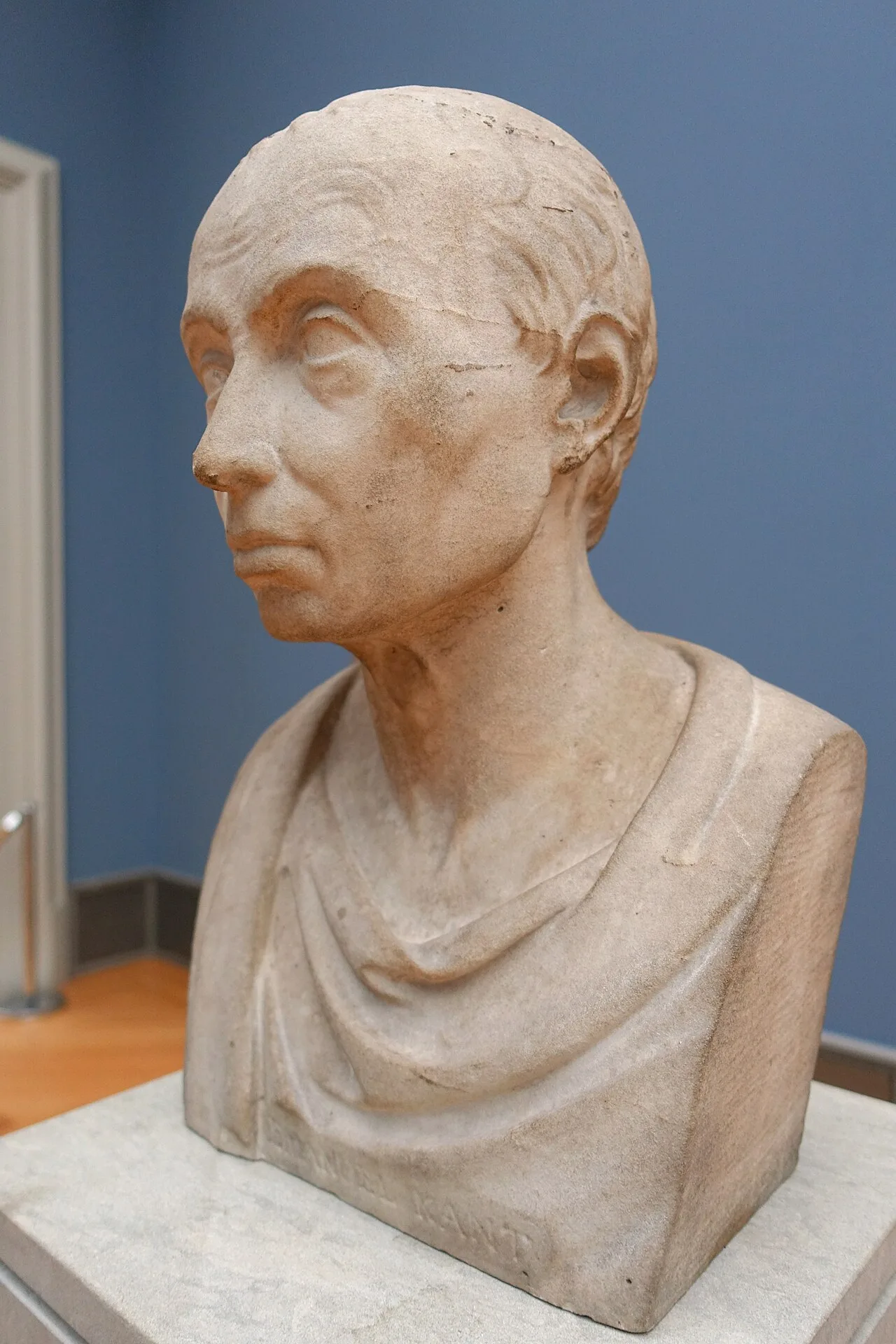
Bust of Kant by Emanuel Bardou, 1798
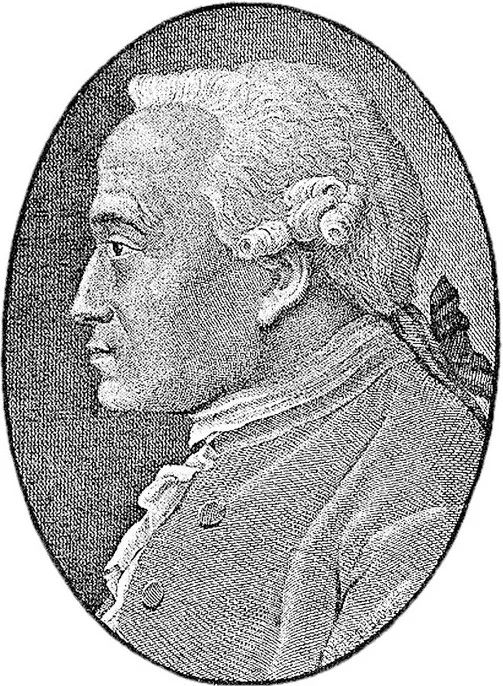
Engraving of Kant by Friedrich Rosmäsler, 1822, from a painting by Todd Schorr
Immanuel Kant
Immanuel Kant was a German philosopher and central Enlightenment thinker whose systematic works made him one of the most influential figures in modern Western philosophy.
Calculating Earth's Slowing Spin and Galactic Origins
Long before establishing his enduring fame in metaphysics, Kant made groundbreaking qualitative contributions to theoretical physics and astronomy. In 1754, while considering Earth's rotation, he argued that the Moon's gravity slows down the Earth's spin and predicted its eventual tidal locking. The following year, his Universal Natural History and Theory of the Heavens presented the nebular hypothesis, proposing that the entire Solar System formed from a massive gas cloud.
From Wikipedia · CC BY-SA 4.0
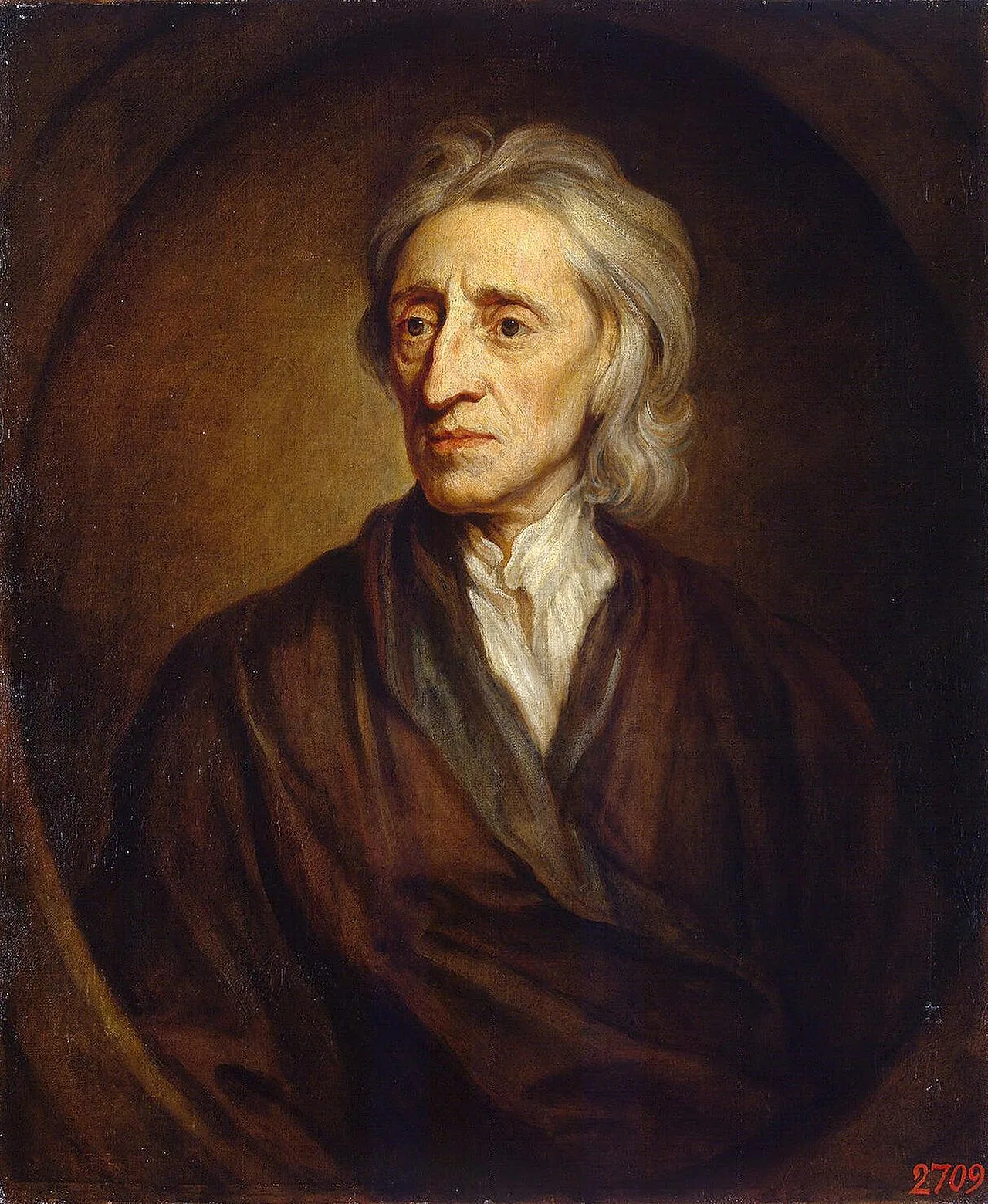
Godfrey Kneller - Portrait of John Locke (Hermitage)
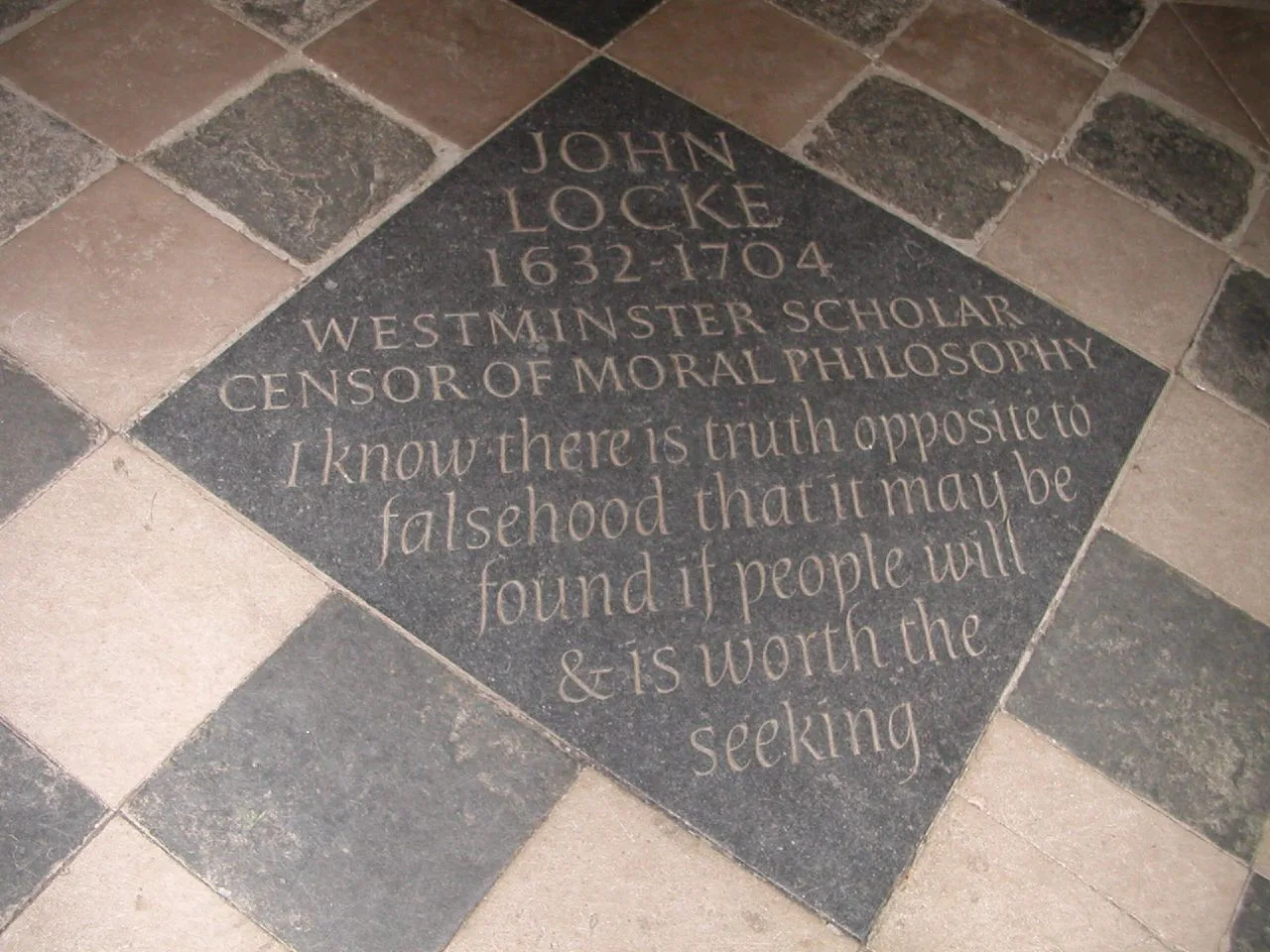
An engraved memorial plaque to Locke at Oxford
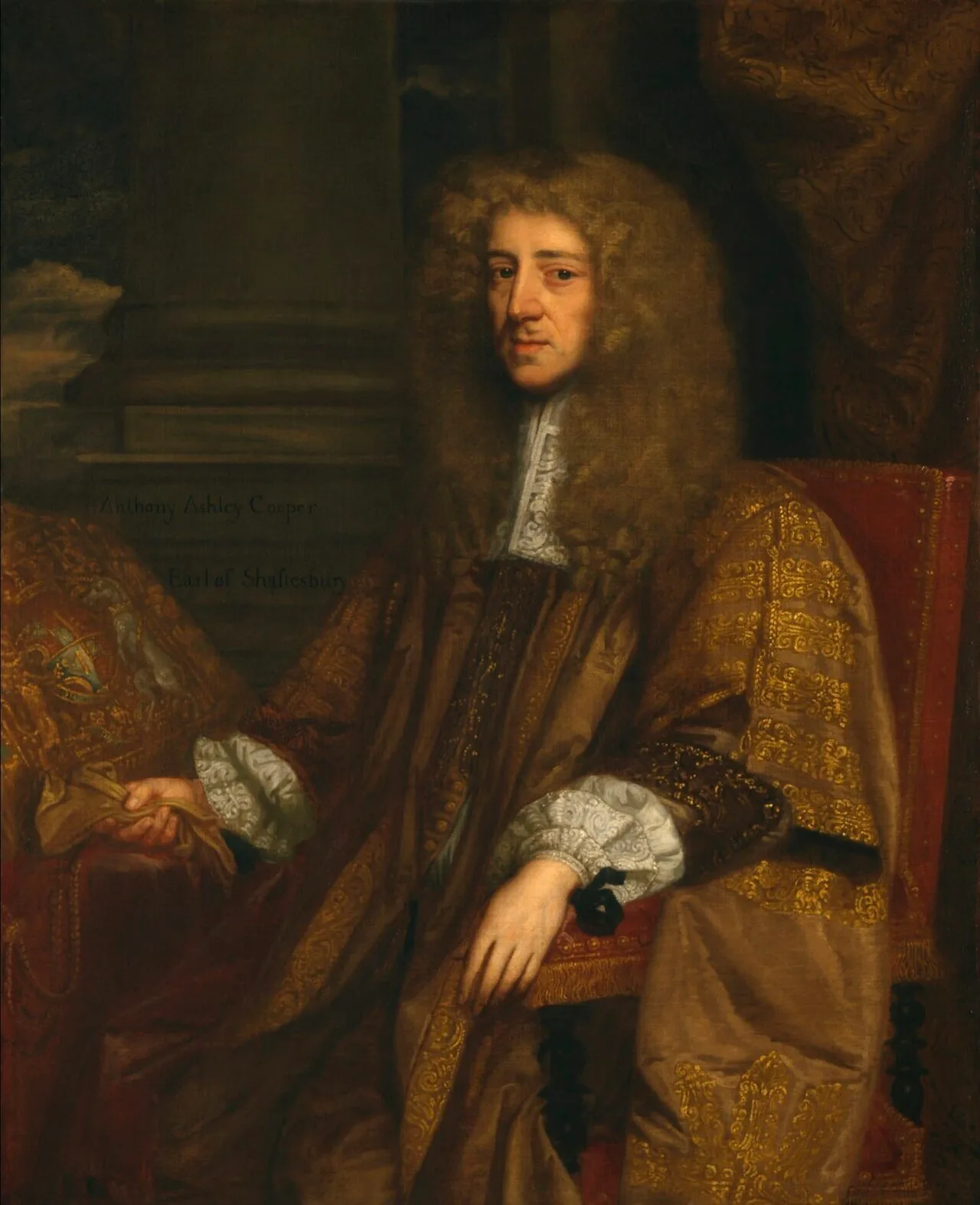
Locke's patron, Anthony Ashley Cooper, 1st Earl of Shaftesbury, painted by John Greenhill, c. 1672-73
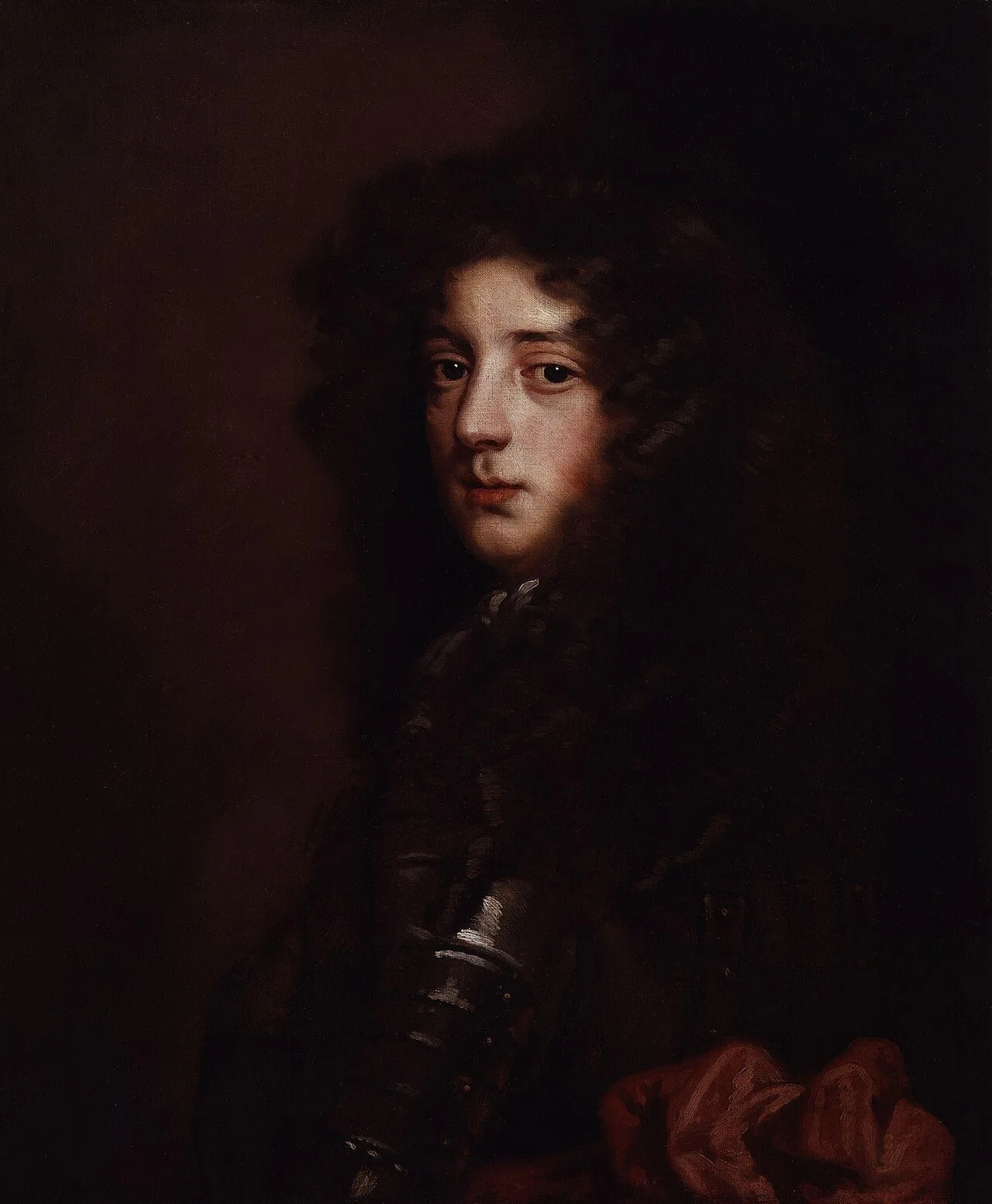
Earl of Pembroke
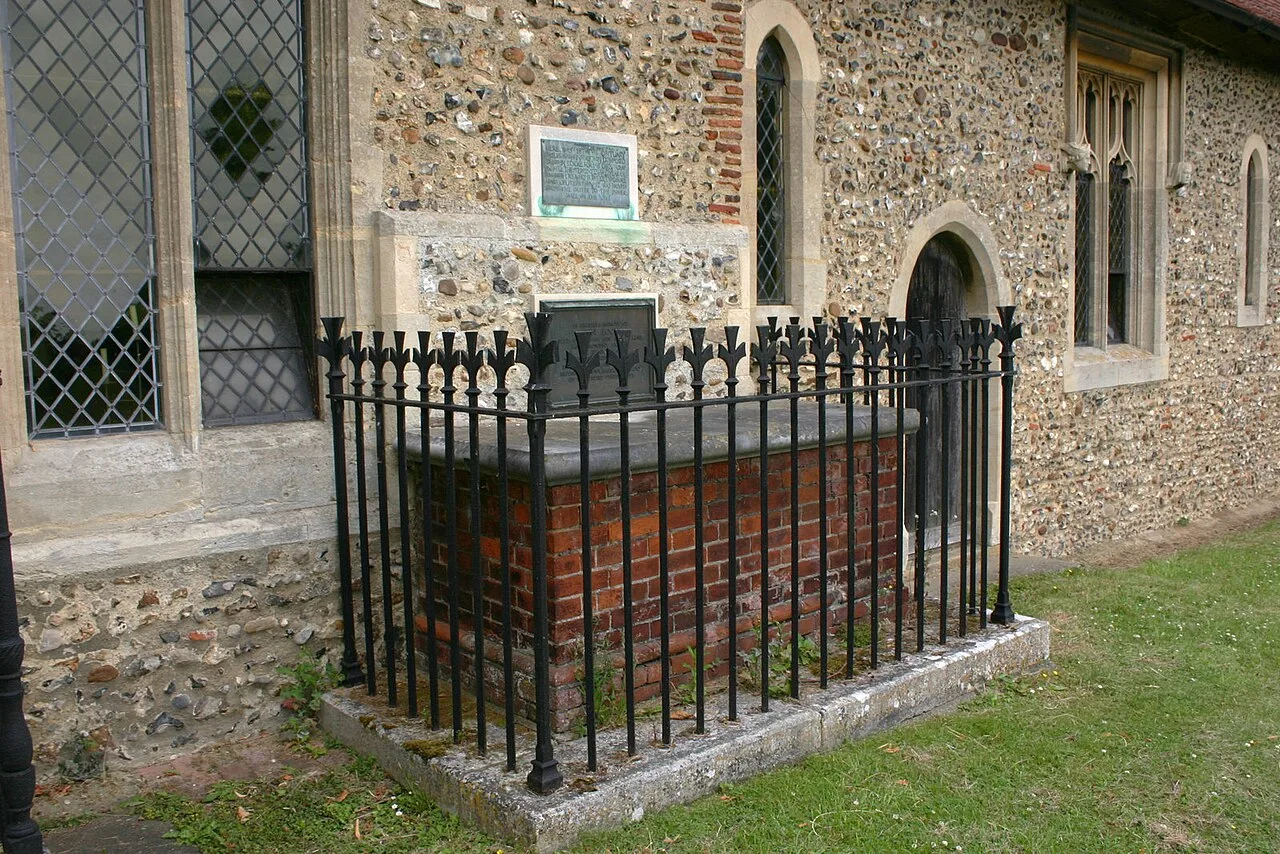
Locke's Tomb, High Laver, Essex
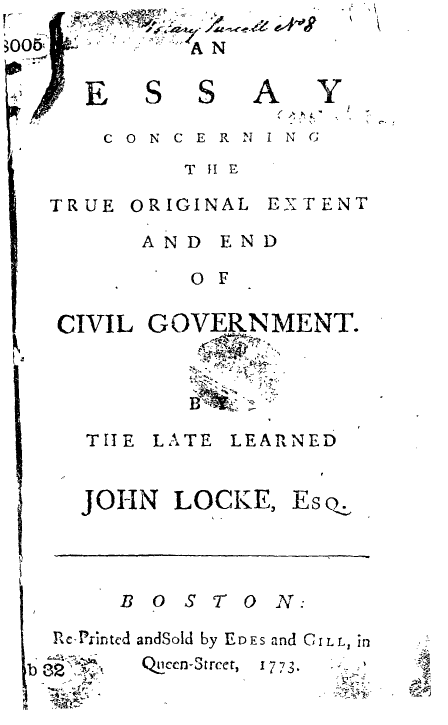
The only edition of the Treatises published in America during the 18th century (1773)
John Locke
John Locke was an English philosopher and physician, widely regarded as one of the most influential Enlightenment thinkers and commonly known as the father of liberalism.
A Life-Saving Surgical Risk Launching a Political Career
Before establishing himself as a foundational philosopher, Locke moved into Shaftesbury's home at Exeter House in 1667 to serve as his personal physician. Locke's medical training faced a critical test when Shaftesbury suffered a life-threatening liver infection. By coordinating several physicians, Locke successfully persuaded Ashley to undergo a dangerous surgery to remove the cyst. Shaftesbury survived the surgery and credited Locke with saving his life, which propelled Locke into major political roles.
From Wikipedia · CC BY-SA 4.0