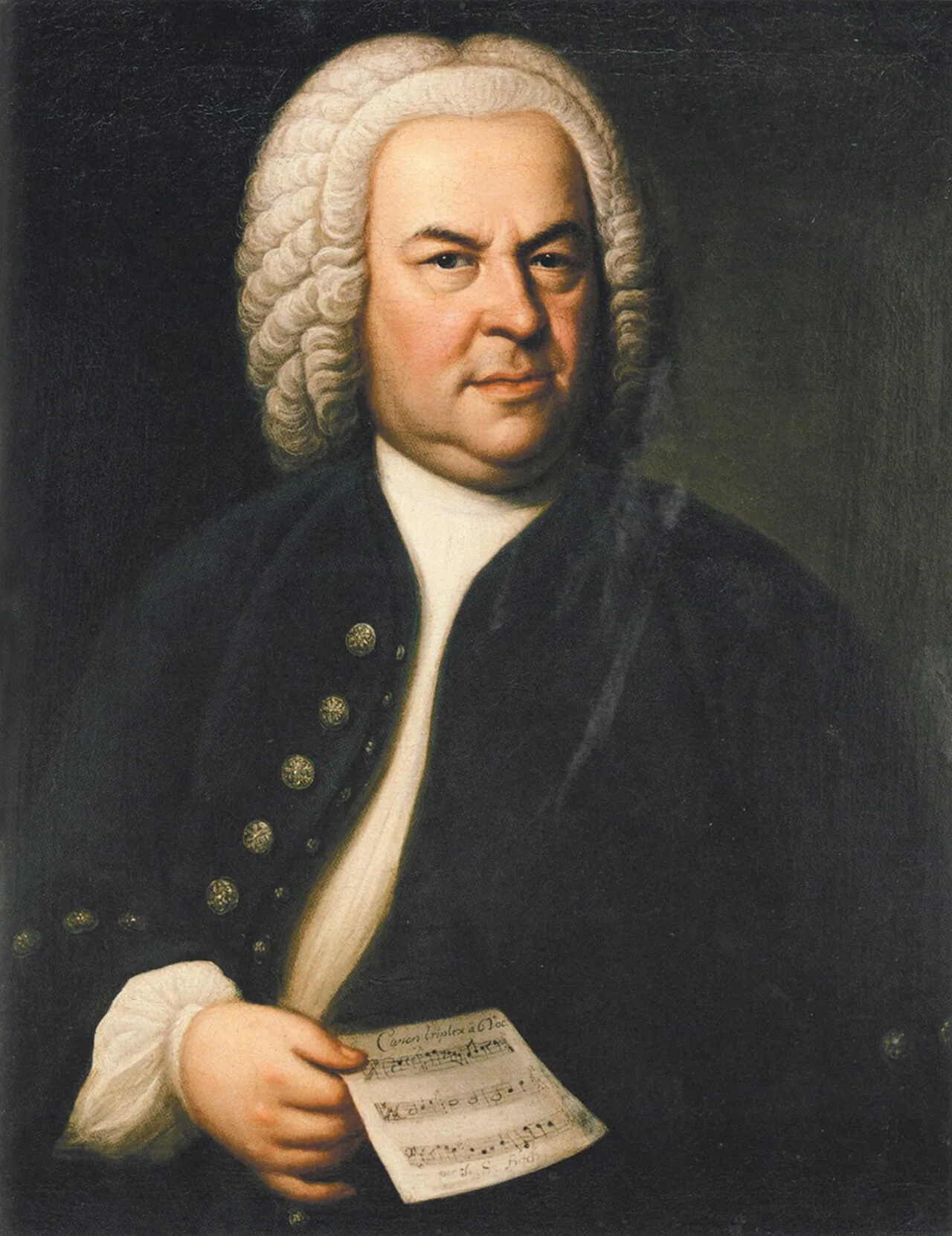
Portrait of Bach holding a sample of his musical compositions.
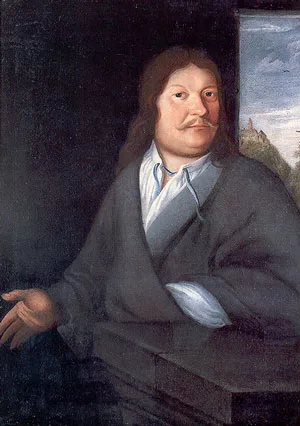
Johann Ambrosius Bach, 1685, Bach's father. Painting attributed to Johann David Herlicius [de][6]
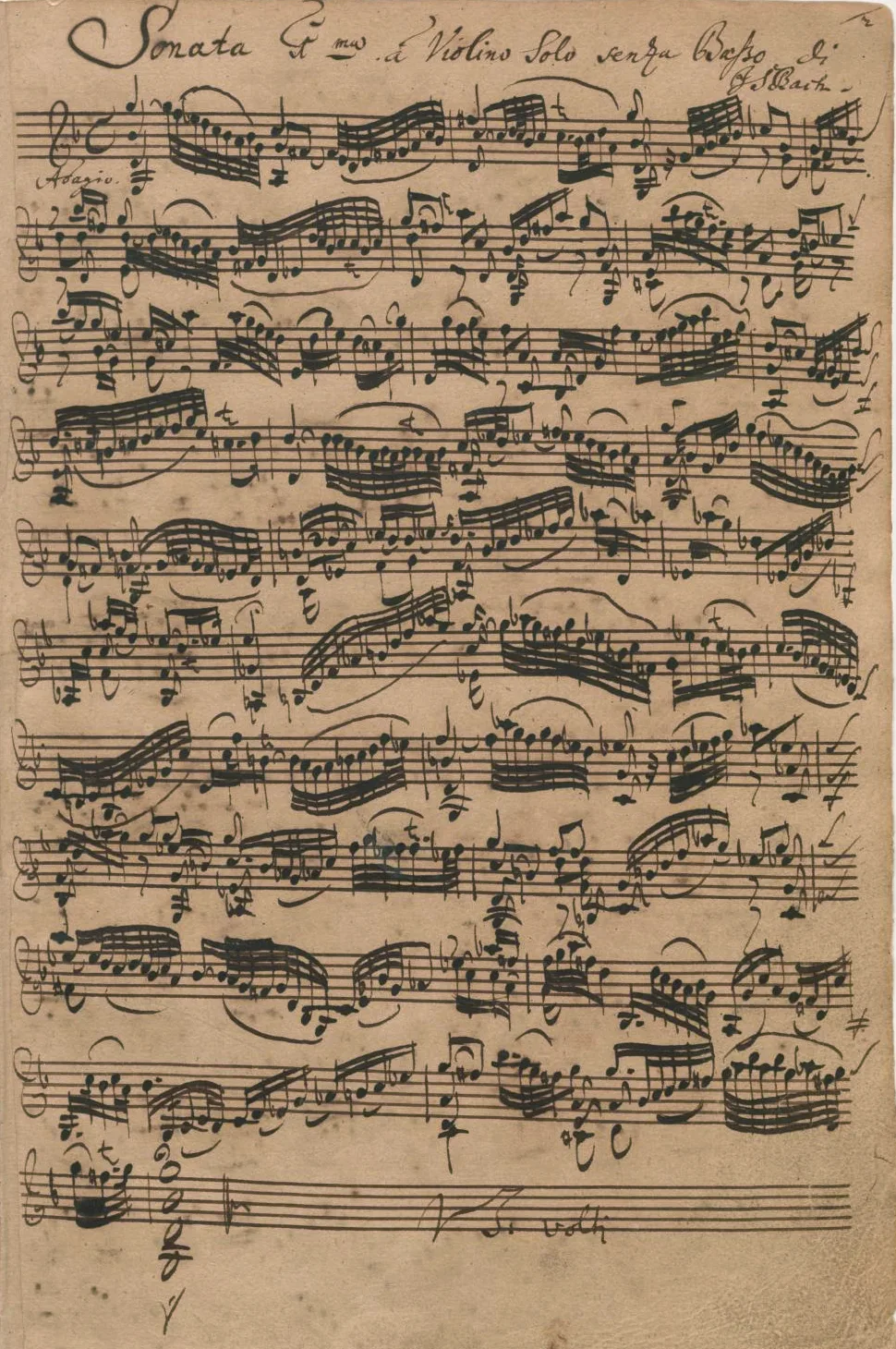
Bach's autograph of the first movement of the first sonata for solo violin, BWV 1001

Bach's seal (centre), used throughout his Leipzig years. It contains the superimposed letters J S B in a mirror image topped with a crown. The flanking letters illustrate the arrangement on the seal.
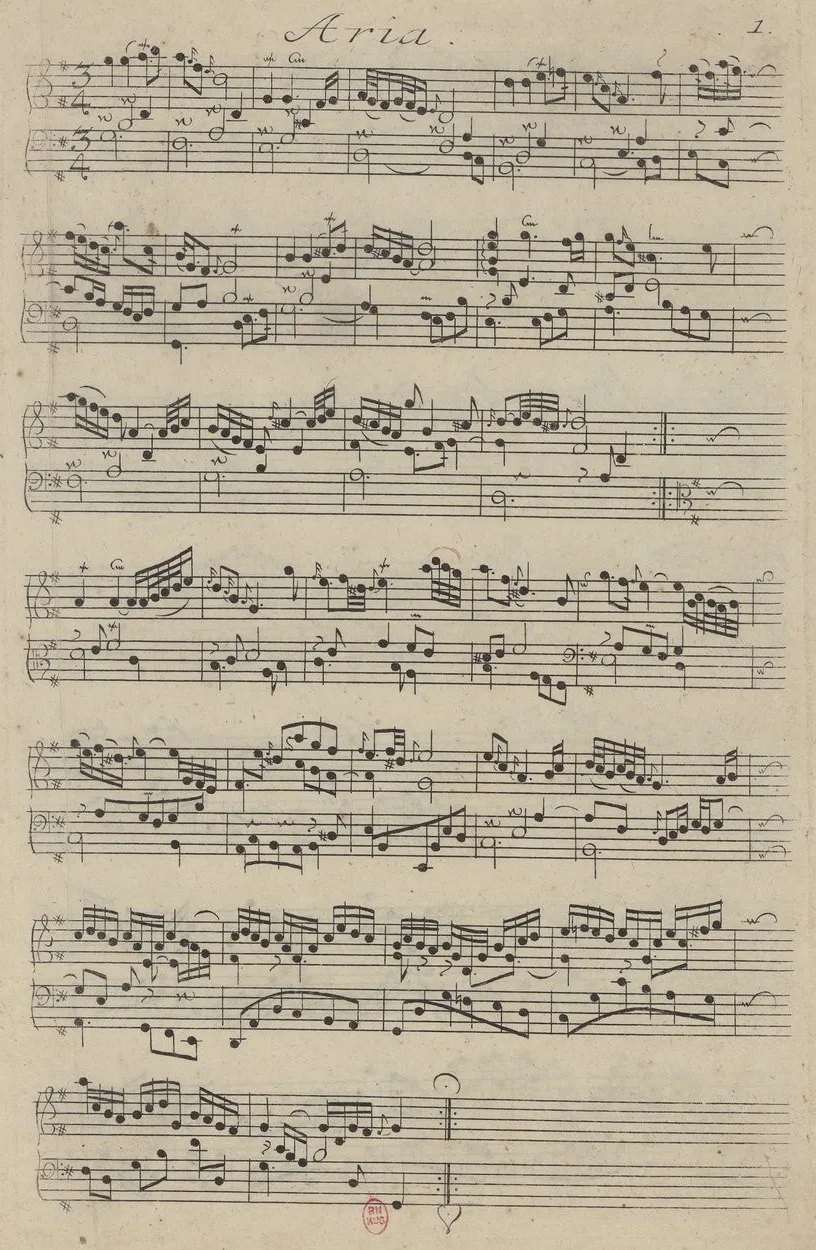
Aria of the Goldberg Variations, showing Bach's use of ornaments
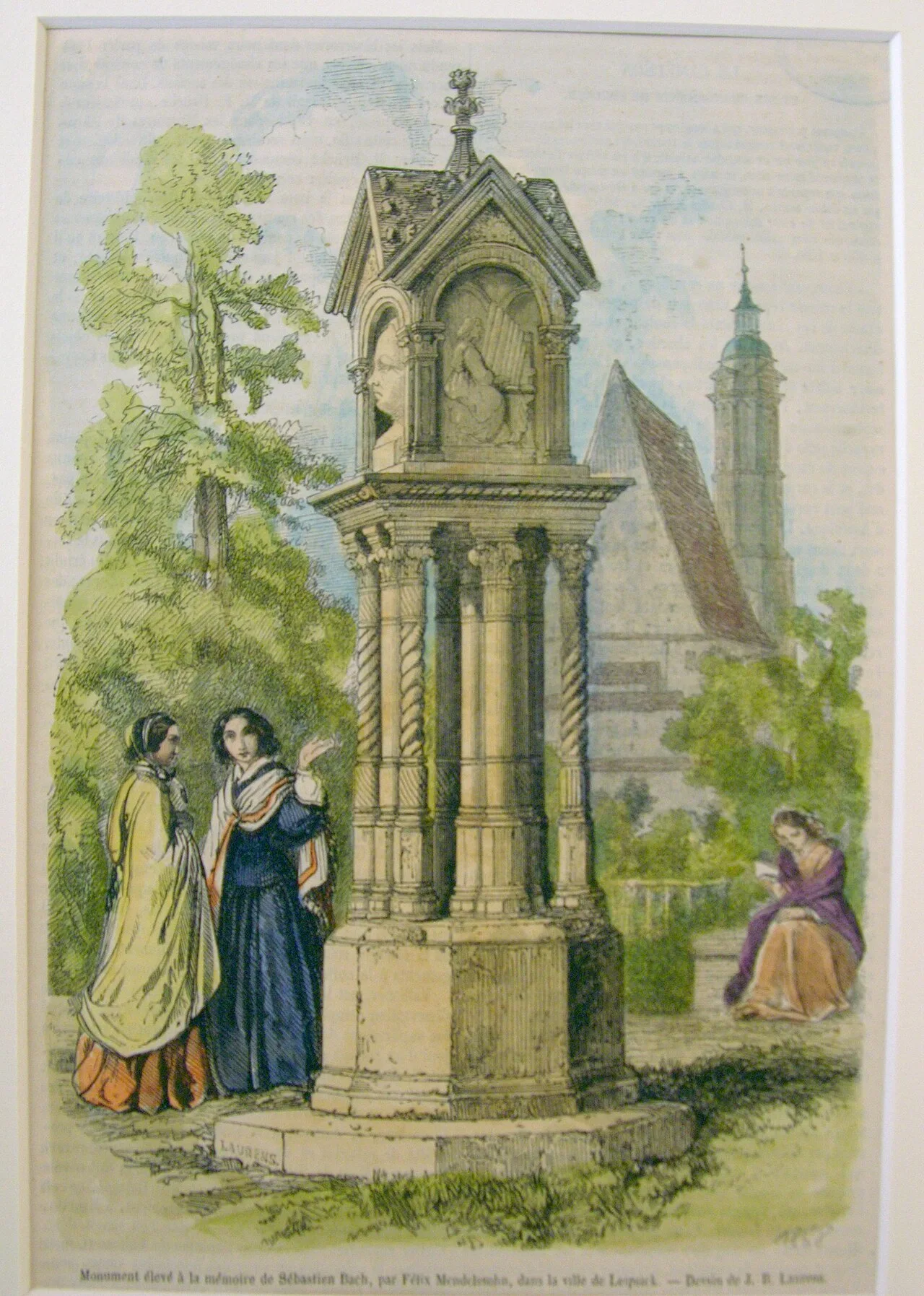
Image of the Old Bach Monument donated by Felix Mendelssohn, designed by Eduard Bendemann, Ernst Rietschel, and Julius Hübner in Leipzig in 1843
Johann Sebastian Bach
Johann Sebastian Bach was a German composer and musician of the late Baroque period, celebrated for his mastery of counterpoint and prolific musical output.
A Four-Hundred-Kilometer Trek and a Month in Jail
Drawn to learn from organ master Dieterich Buxtehude, Bach undertook a massive 450-kilometre journey each way, reportedly on foot. What was meant to be a simple four-week leave of absence stretched into four months, irritating his employer. Bach's stubbornness over career moves eventually led to severe official punishment in Weimar. On November 6, 1717, he was thrown into detention for demanding his dismissal, remaining confined until December 2.
From Wikipedia · CC BY-SA 4.0
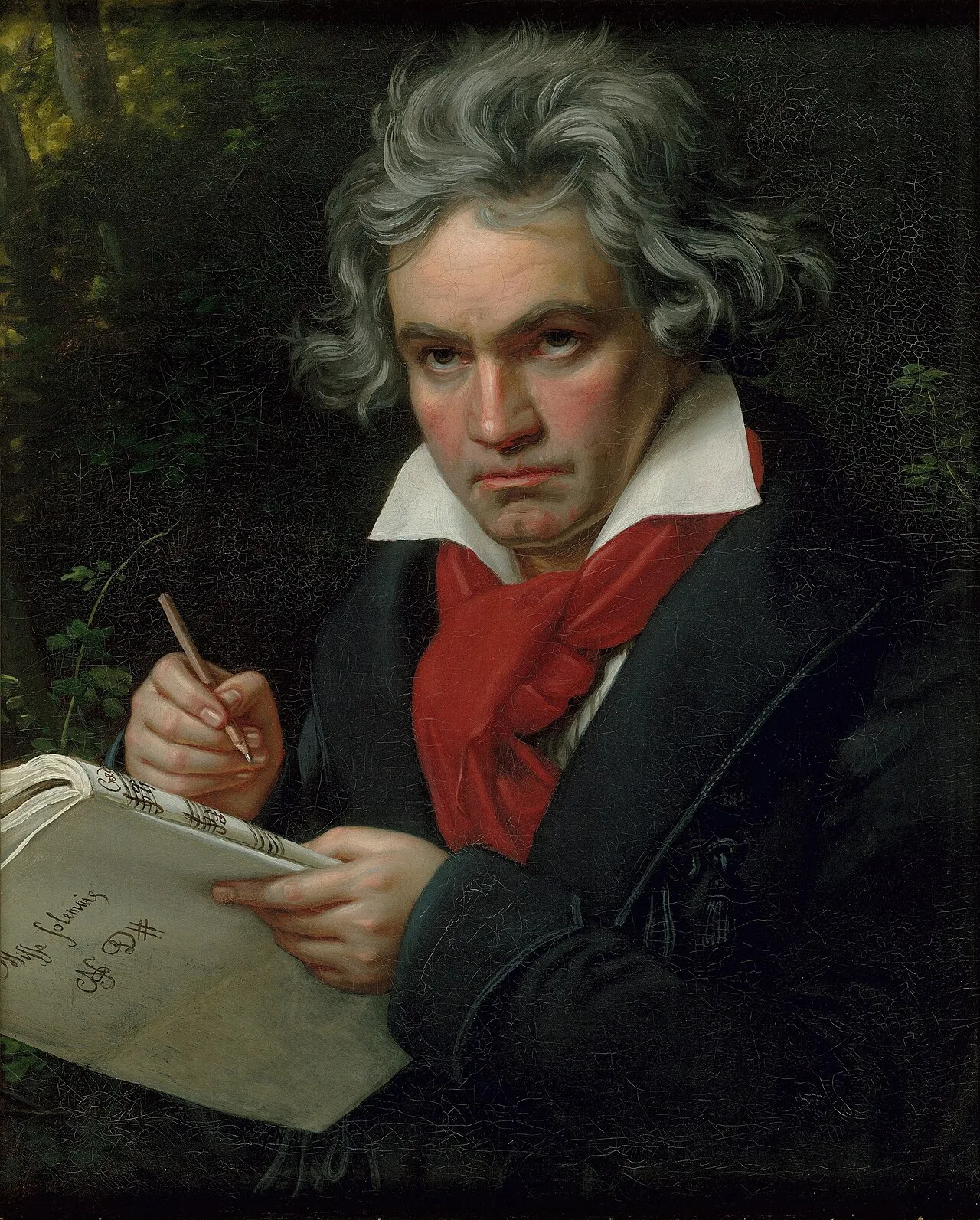
portrait
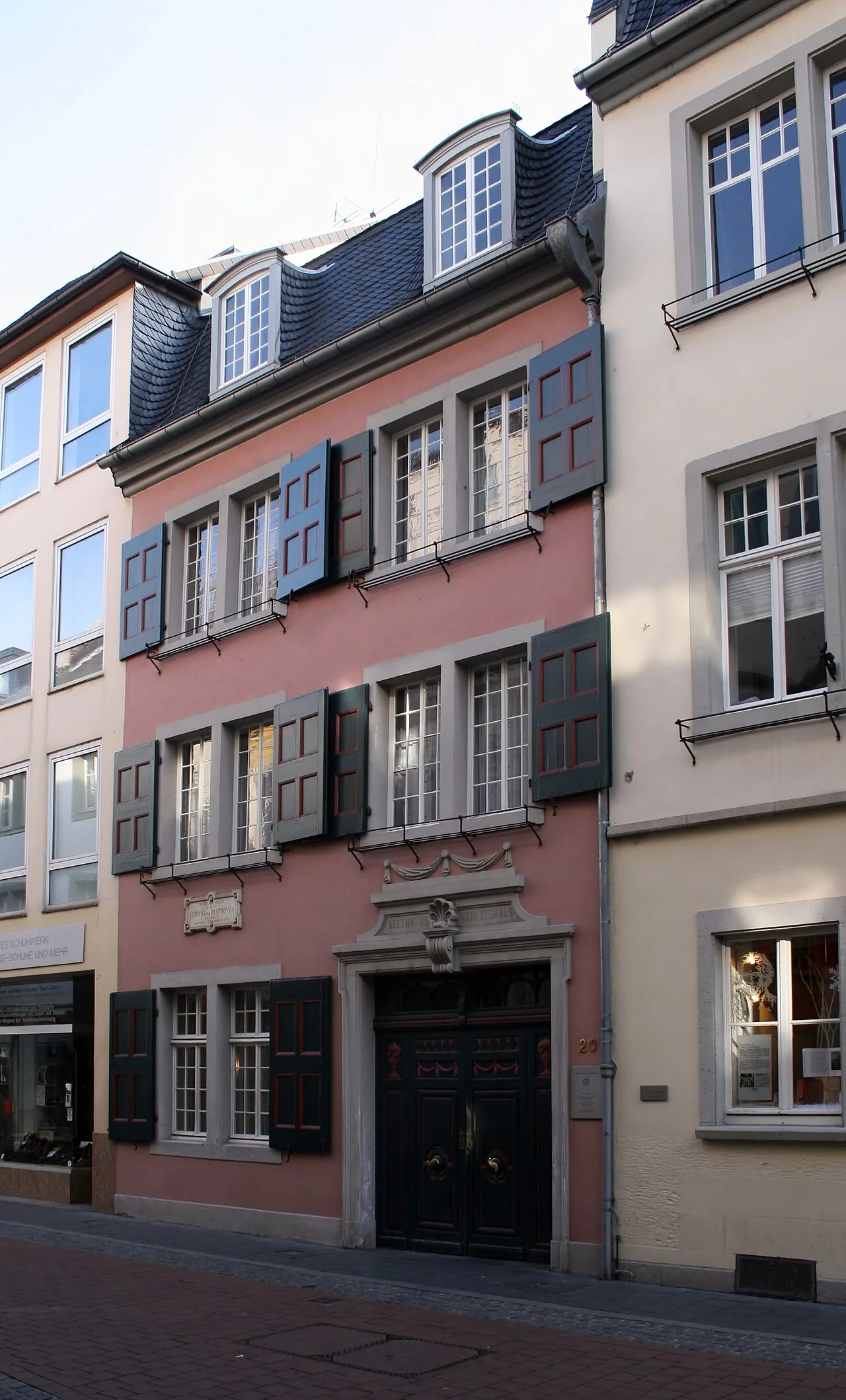
Beethoven's birthplace at Bonngasse 20 in Bonn is now the Beethoven-Haus museum.
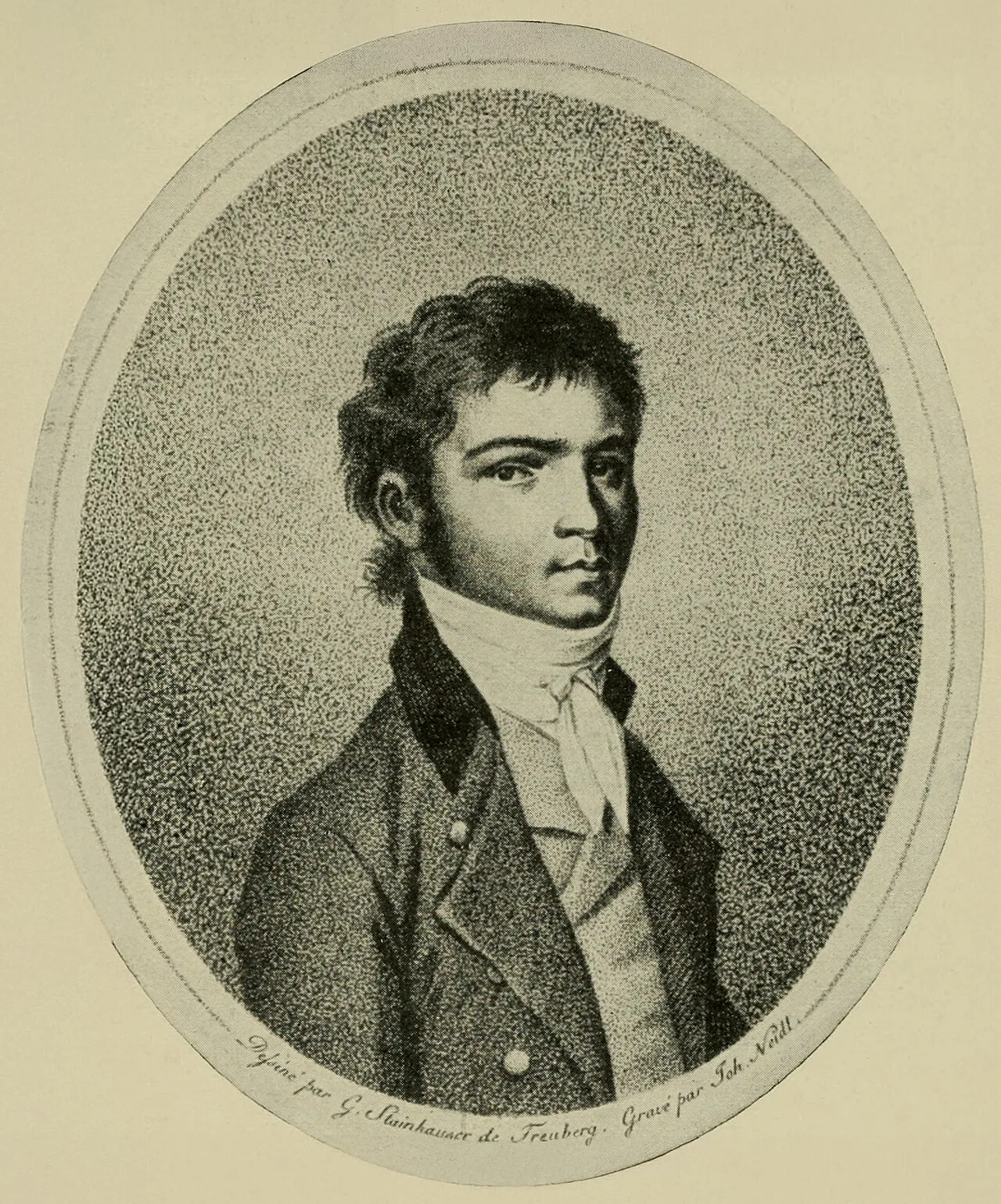
The earliest known portrait of Beethoven as an adult (age 29); engraving (c. 1801) by Johann Joseph Neidl after a now-lost portrait by Gandolph Ernst Stainhauser von Treuberg (c. 1800)[37]
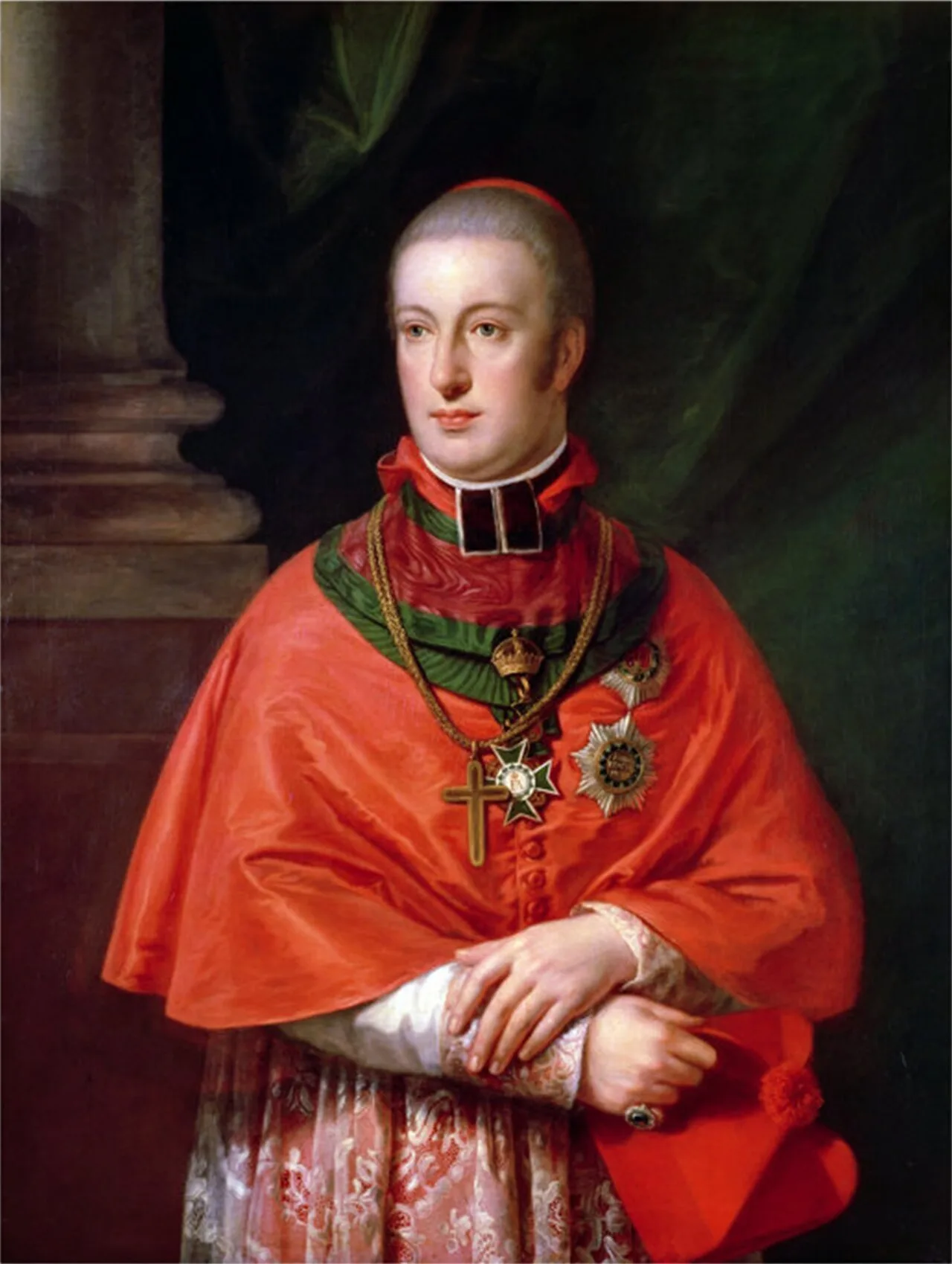
Beethoven's patron Archduke Rudolf depicted in a portrait by Johann Baptist von Lampi
![Beethoven (age 47) by August Klöber [de] (1818)](https://hmzpdsmr7uczkvx4.public.blob.vercel-storage.com/wikifeed/ludwig-van-beethoven/4-6e75d69e7a.webp)
Beethoven (age 47) by August Klöber [de] (1818)
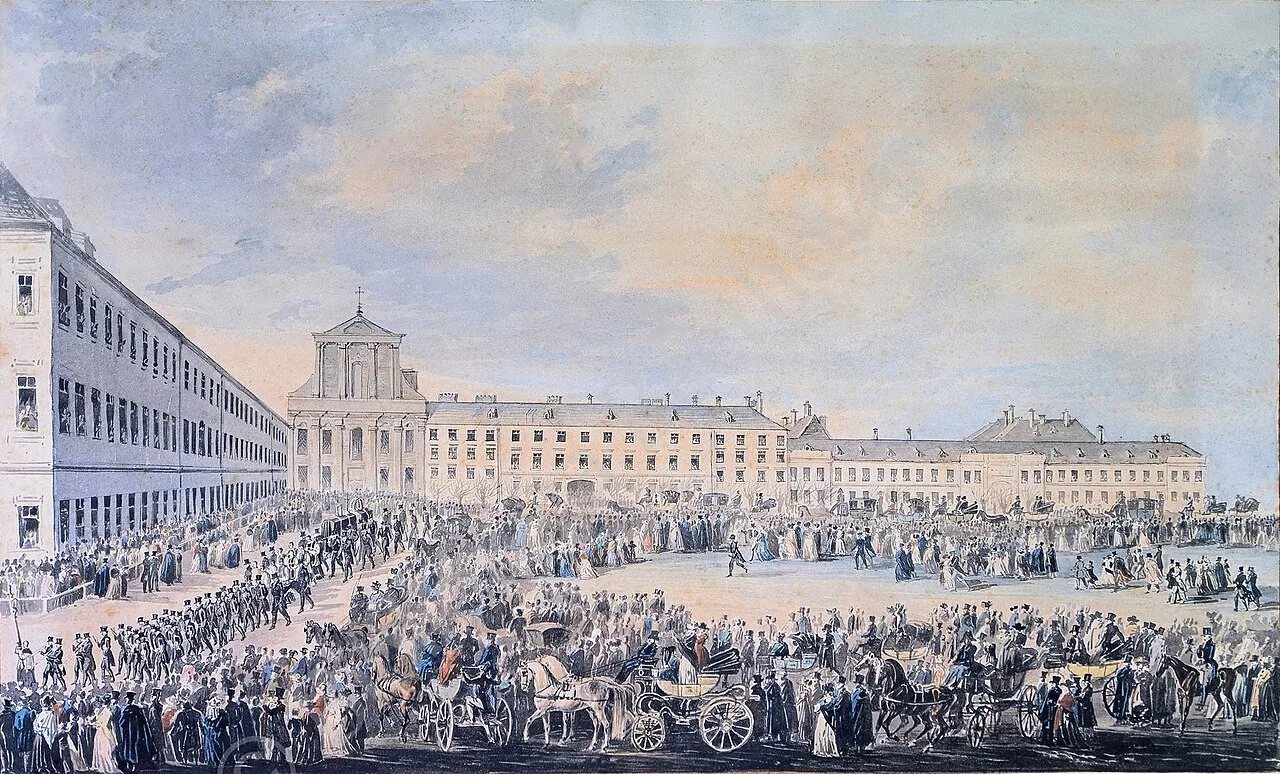
Beethoven's funeral procession (1827)
Ludwig van Beethoven
Ludwig van Beethoven was a German composer and pianist whose works span the transition from the Classical to the Romantic era in Western music.
Repeated Addition as a Lifelong Math Workaround
Childhood education left Beethoven with a glaring numerical handicap despite his musical brilliance. While attending the Tirocinium, he mastered addition but failed to learn multiplication or division. For the rest of his life, he relied on crude workarounds to calculate basic arithmetic. To figure out a sum like 16 × 7, he meticulously wrote down and added up a column of sixteen sevens instead.
From Wikipedia · CC BY-SA 4.0
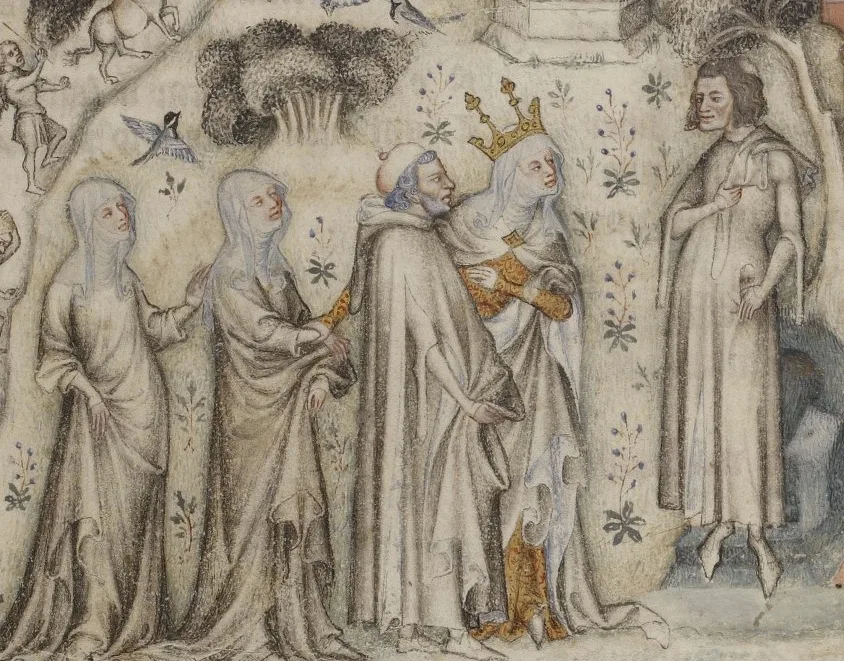
Machaut 1
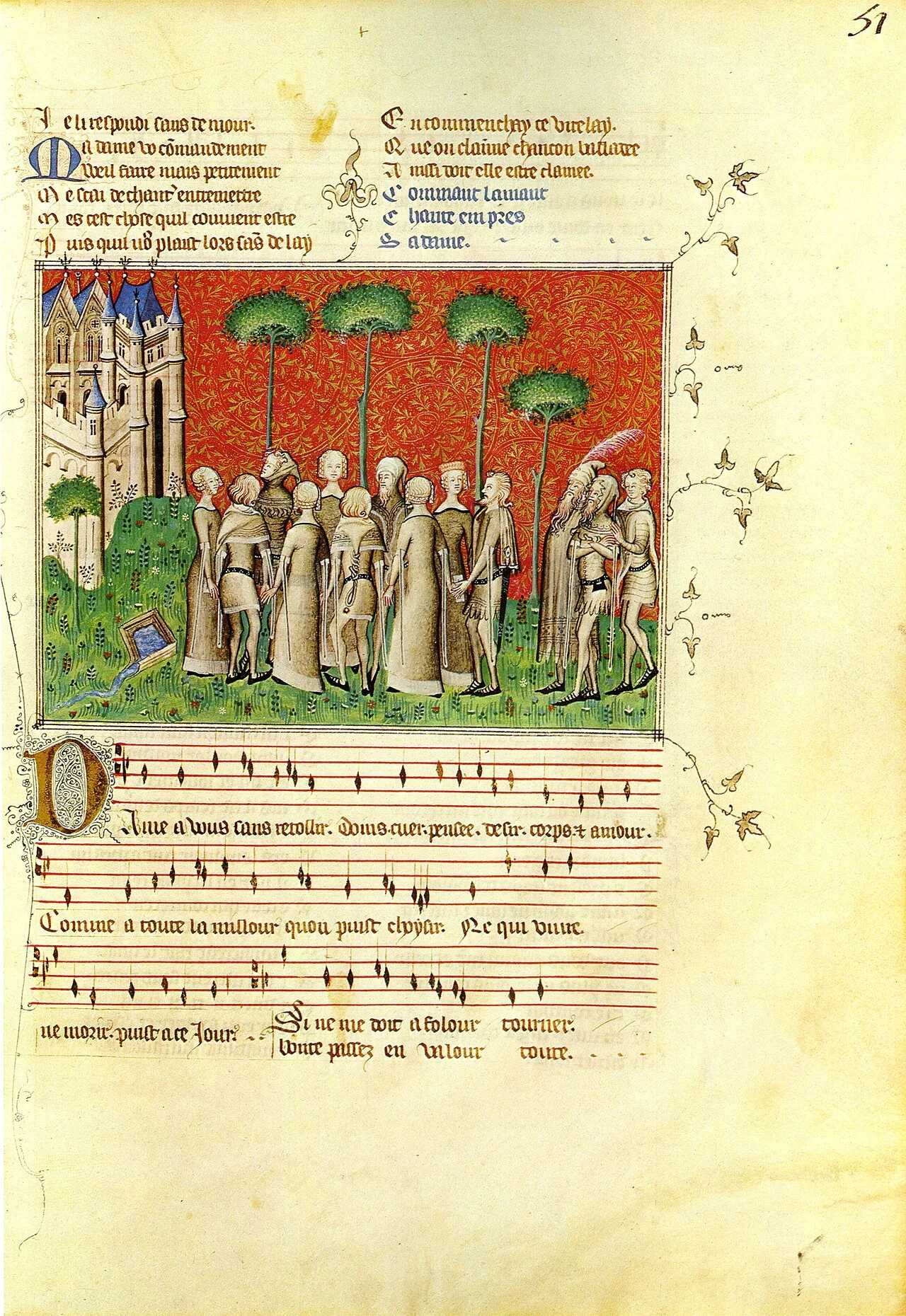
An illumination in a manuscript of Machaut's poem Le remède de fortune showing an outdoors dancing scene
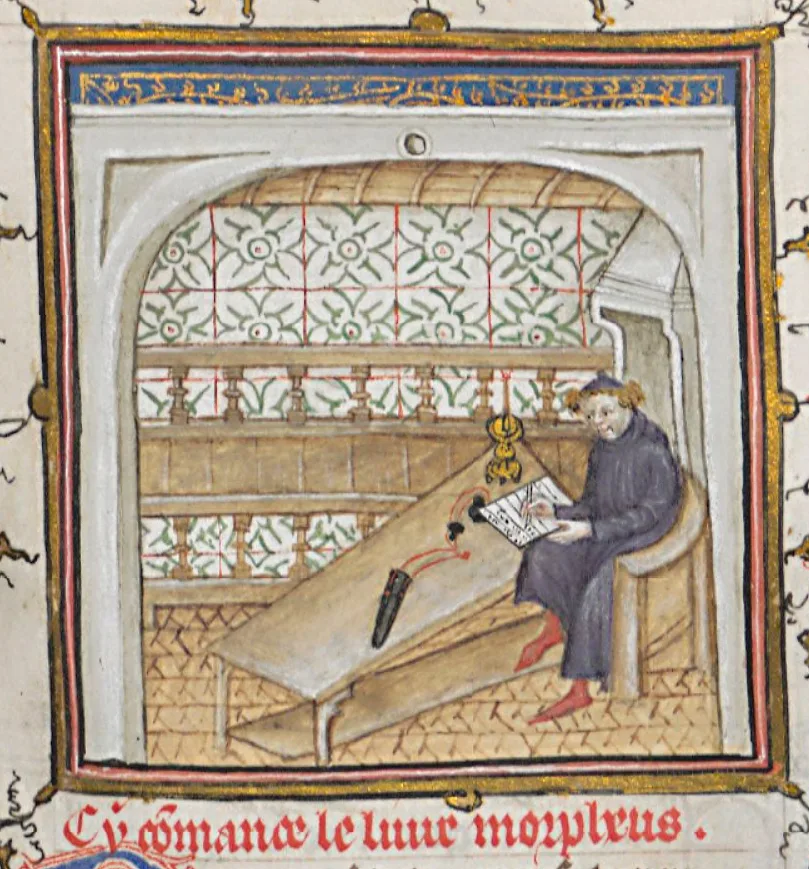
Illumination of Machaut writing Le Dit de la Fonteinne Amoureuse
Guillaume de Machaut
Guillaume de Machaut was a 14th-century French composer and poet, regarded as the most significant French composer and poet of his era.
Self-Curated Legacy in Manuscript MS A
Long before modern publishing contracts existed, Machaut systematically took control of his own historical legacy. Rather than leaving his compositions to the hazards of oral transmission, he personally supervised the creation and ordering of his complete-works manuscripts. An index in MS A explicitly records "Vesci l'ordonance que G. de Machaut veut qu'il ait en son livre," proving his deliberate hand in shaping how posterity would read him.
From Wikipedia · CC BY-SA 4.0
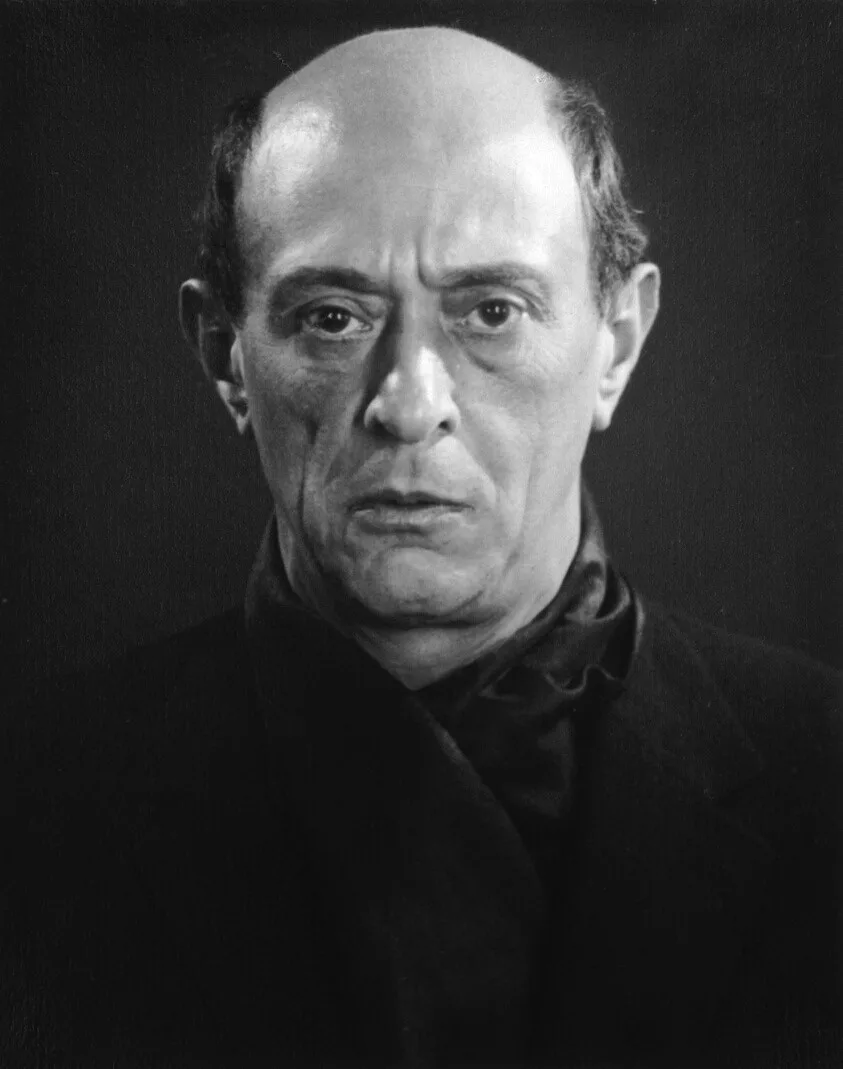
阿诺德·勋伯格肖像
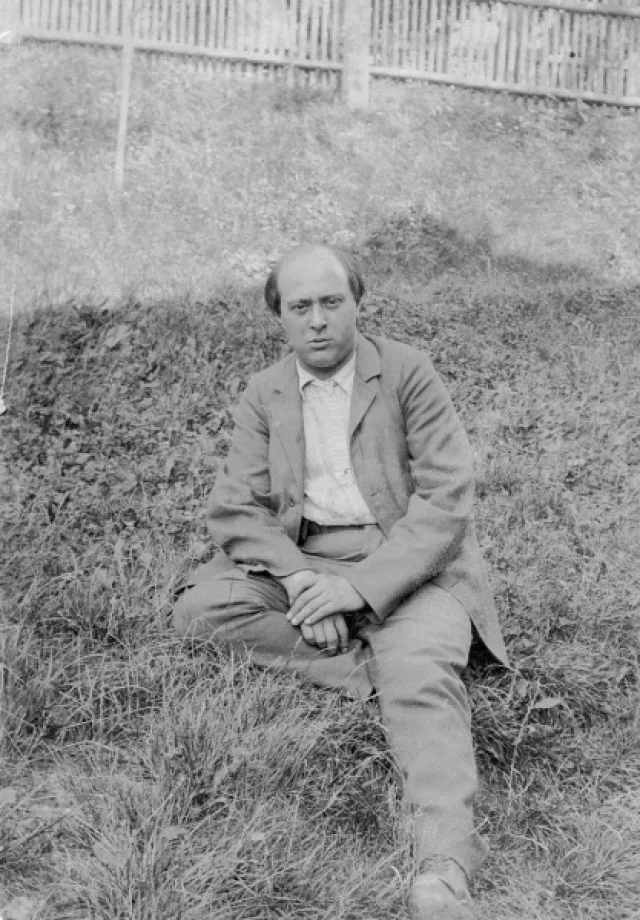
Schönberg in Payerbach, 1903
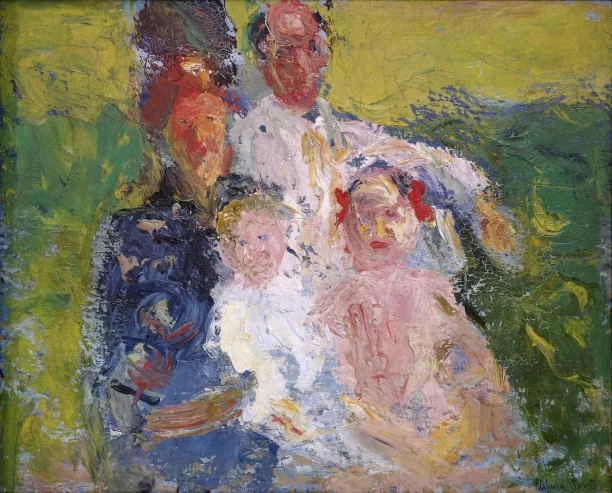
Gerstl's Schönberg Family, 1907
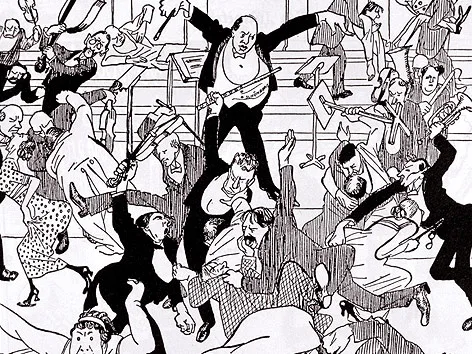
Watschenkonzert, caricature in Die Zeit from 6 April 1913
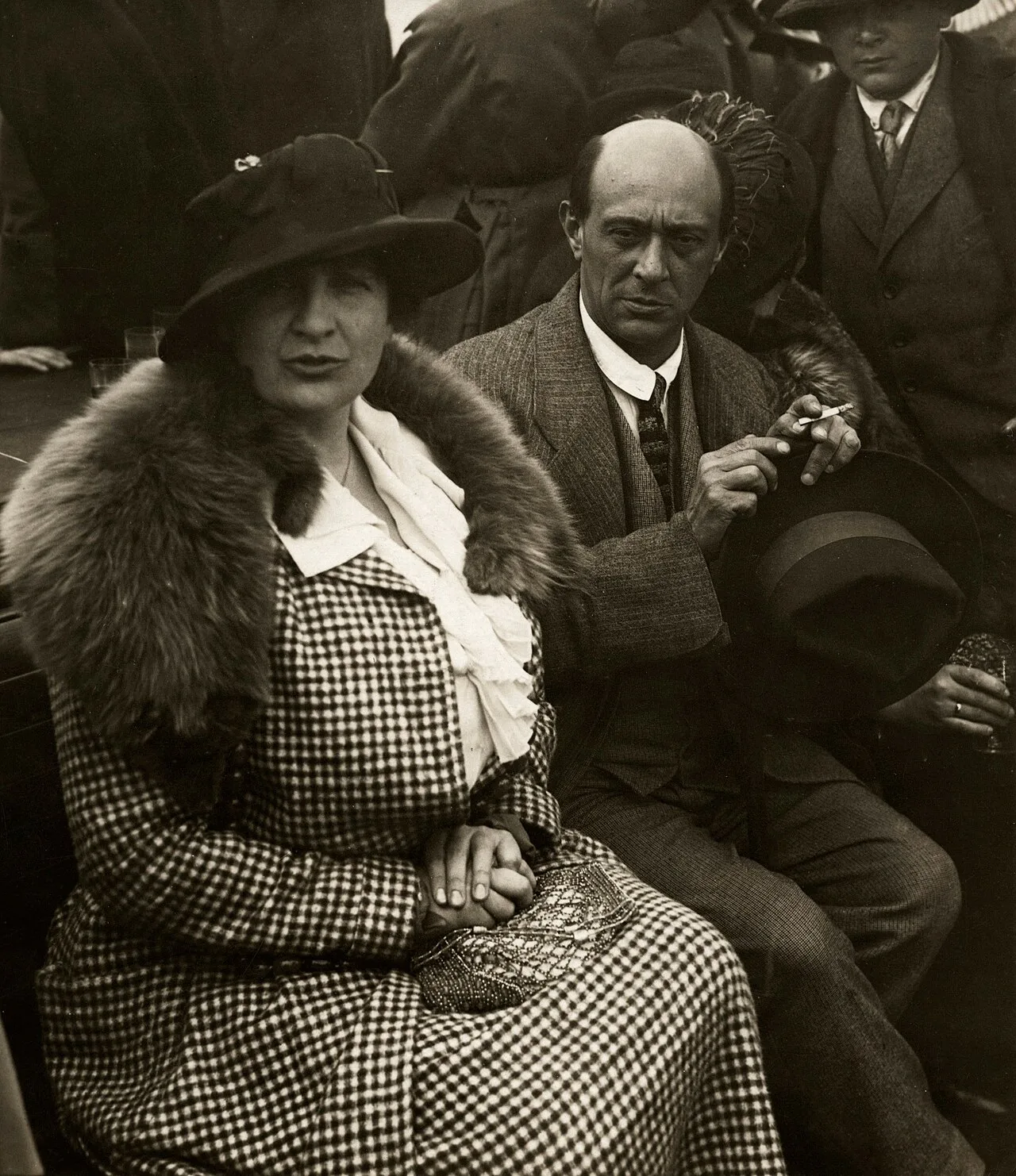
Schoenberg and Alma Mahler, 1920
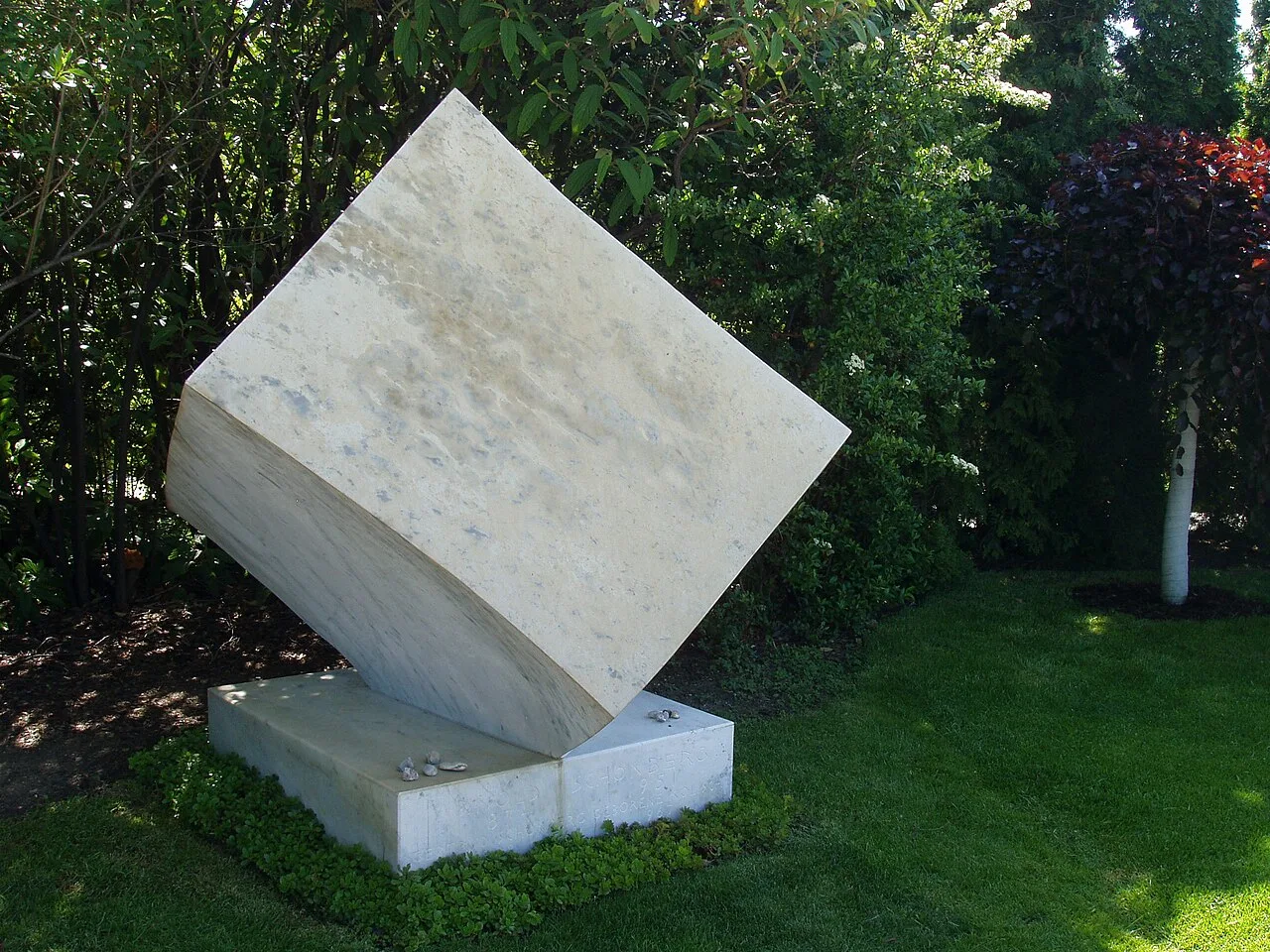
Schoenberg's grave at the Vienna Central Cemetery
Arnold Schoenberg
Arnold Schoenberg was an Austrian and American composer and music theorist who was among the first modernists to transform the practice of harmony in 20th-century classical music.
Bridging German Music's Fiercest Rivalry
Late-nineteenth-century audiences viewed Johannes Brahms and Richard Wagner as irreconcilable musical opposites. Arnold Schoenberg challenged this divide by synthesizing both approaches in early masterpieces like Verklärte Nacht (1899). He combined Brahmsian motivic development with Wagnerian programmatic narrative structure. This synthesis allowed him to maintain rigorous formal cohesion while exploring complex chromatic expression.
From Wikipedia · CC BY-SA 4.0
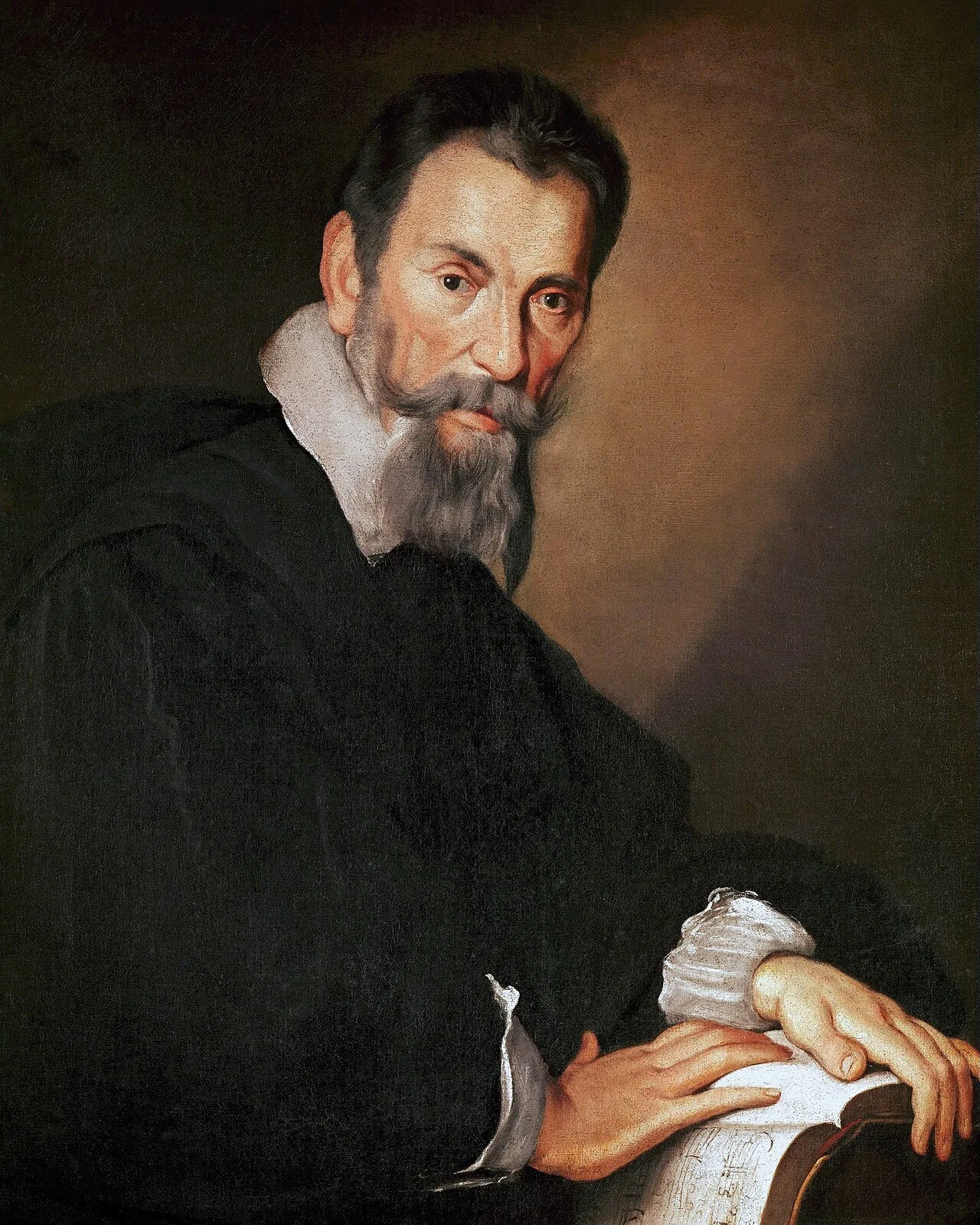
17th-century three-quarter-profile painted portrait of Monteverdi by Bernado Strozzi. He appears to be around 50 and is dressed in black. He is lean-faced, with prominent cheekbones, grey beard and dark hair. His hands half-cover a handwritten book of scores.
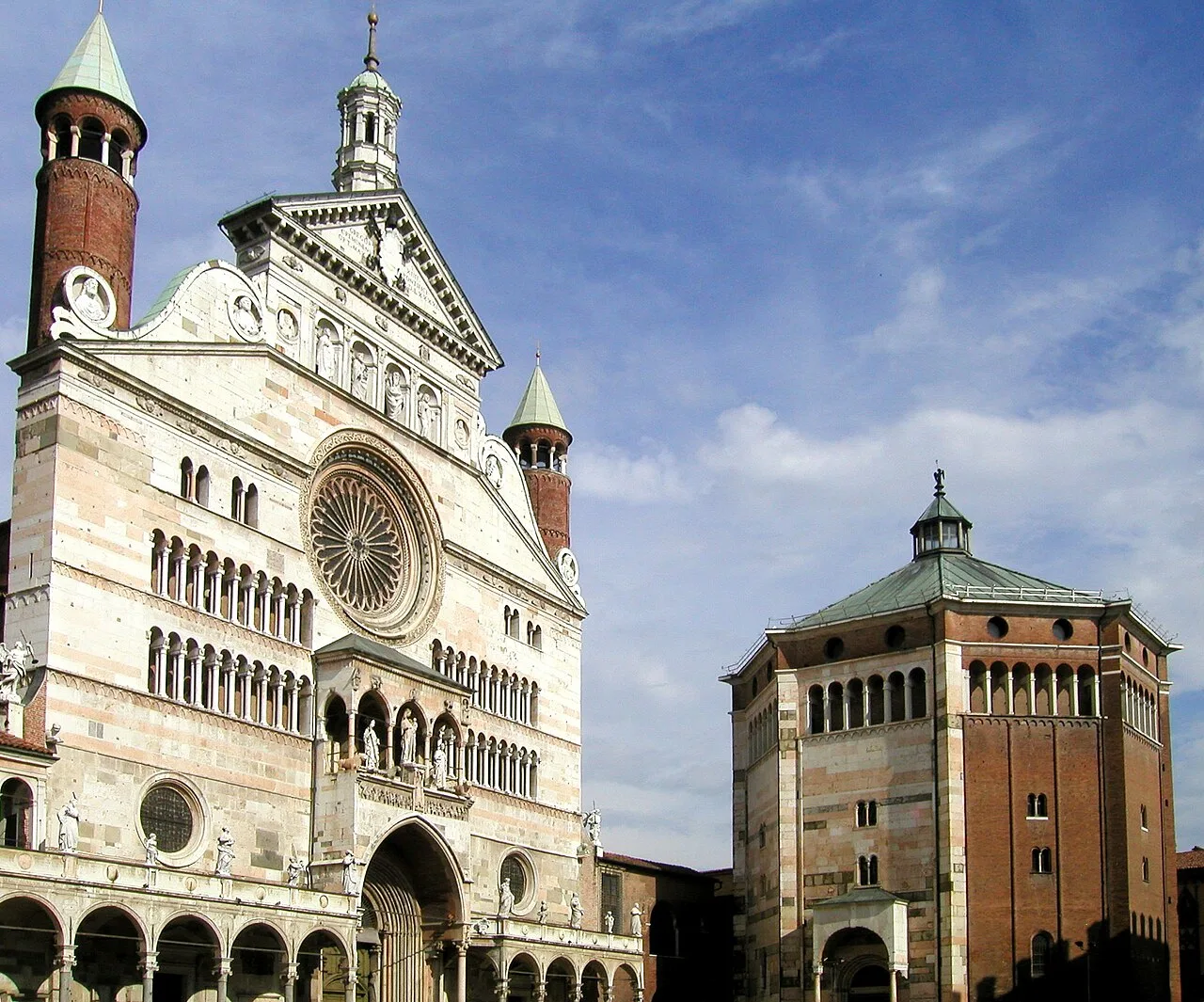
Cremona Cathedral, where Monteverdi's teacher Ingegneri was maestro di capella
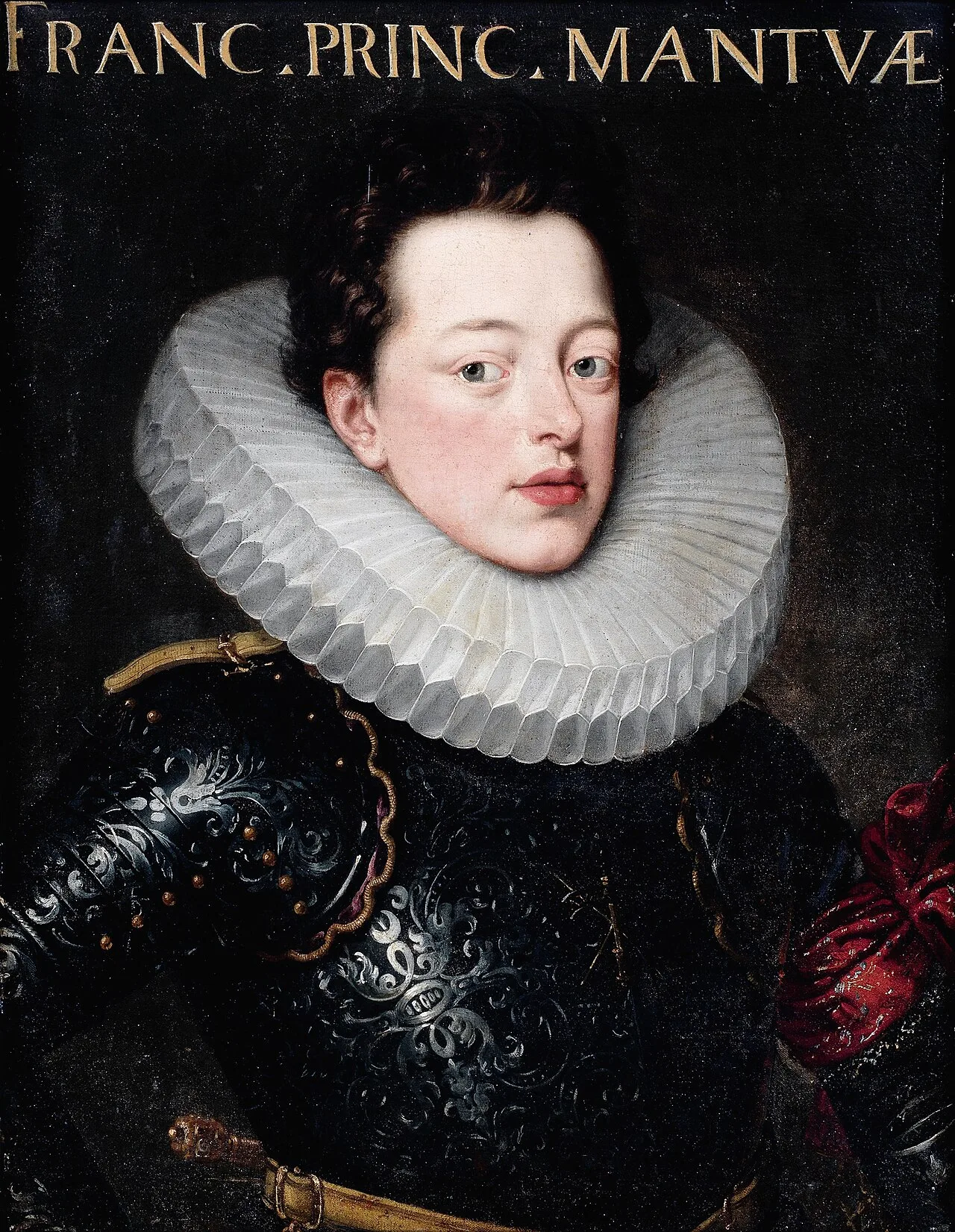
Duke Francesco IV Gonzaga, by the studio of Frans Pourbus the Younger
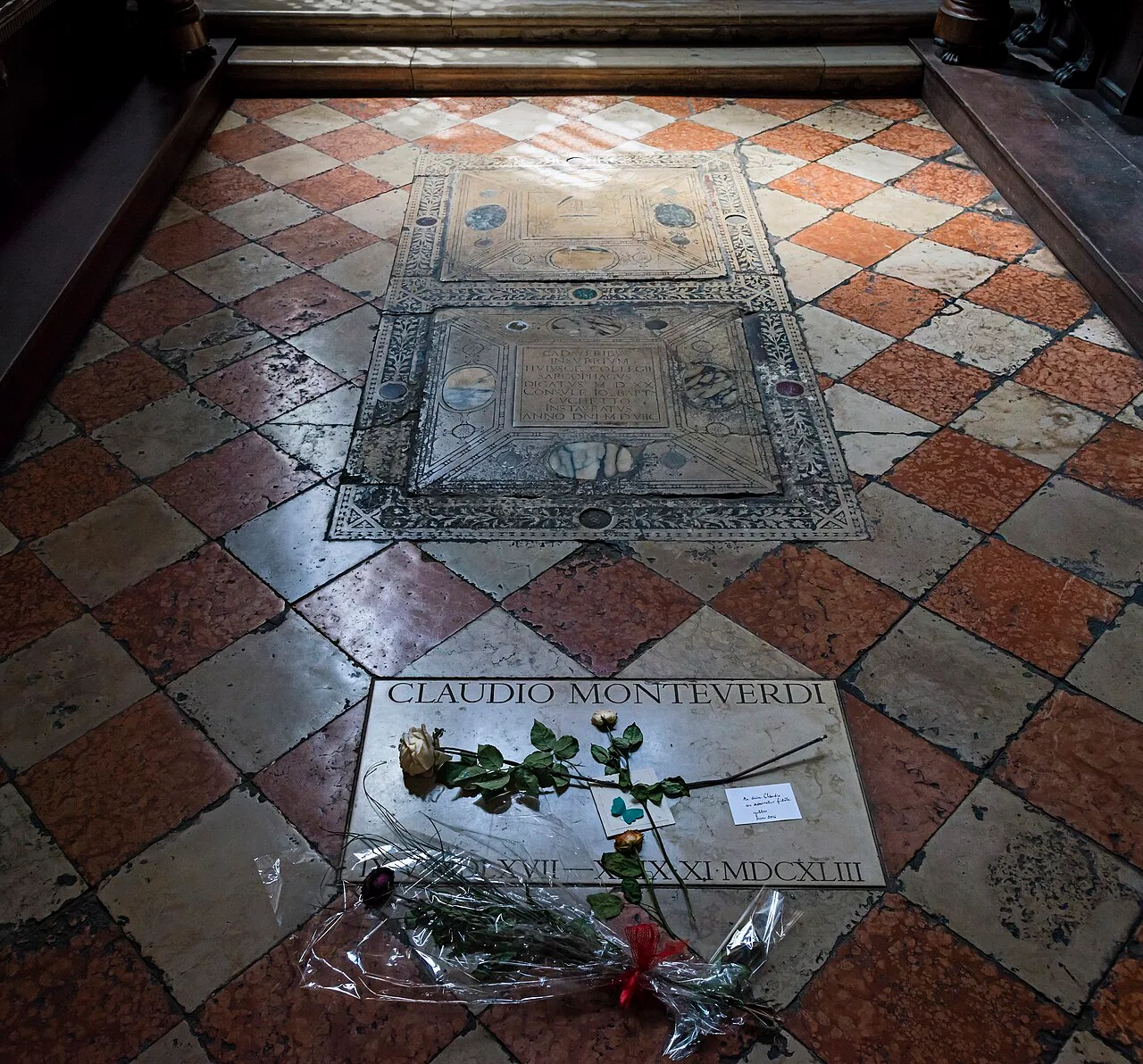
Monteverdi's tomb in the church of Santa Maria Gloriosa dei Frari
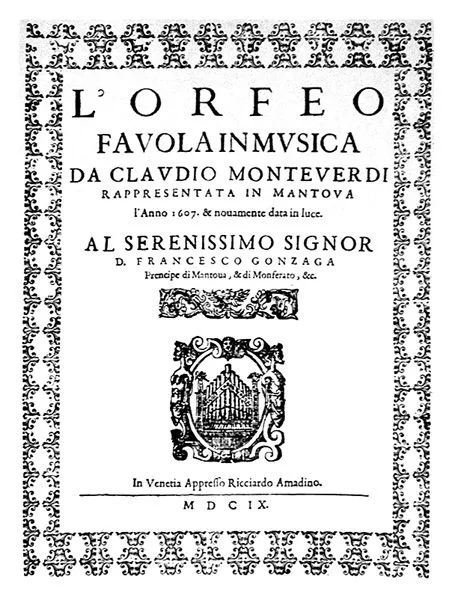
Frontispiece of Monteverdi's opera L'Orfeo, Venice edition, 1609.
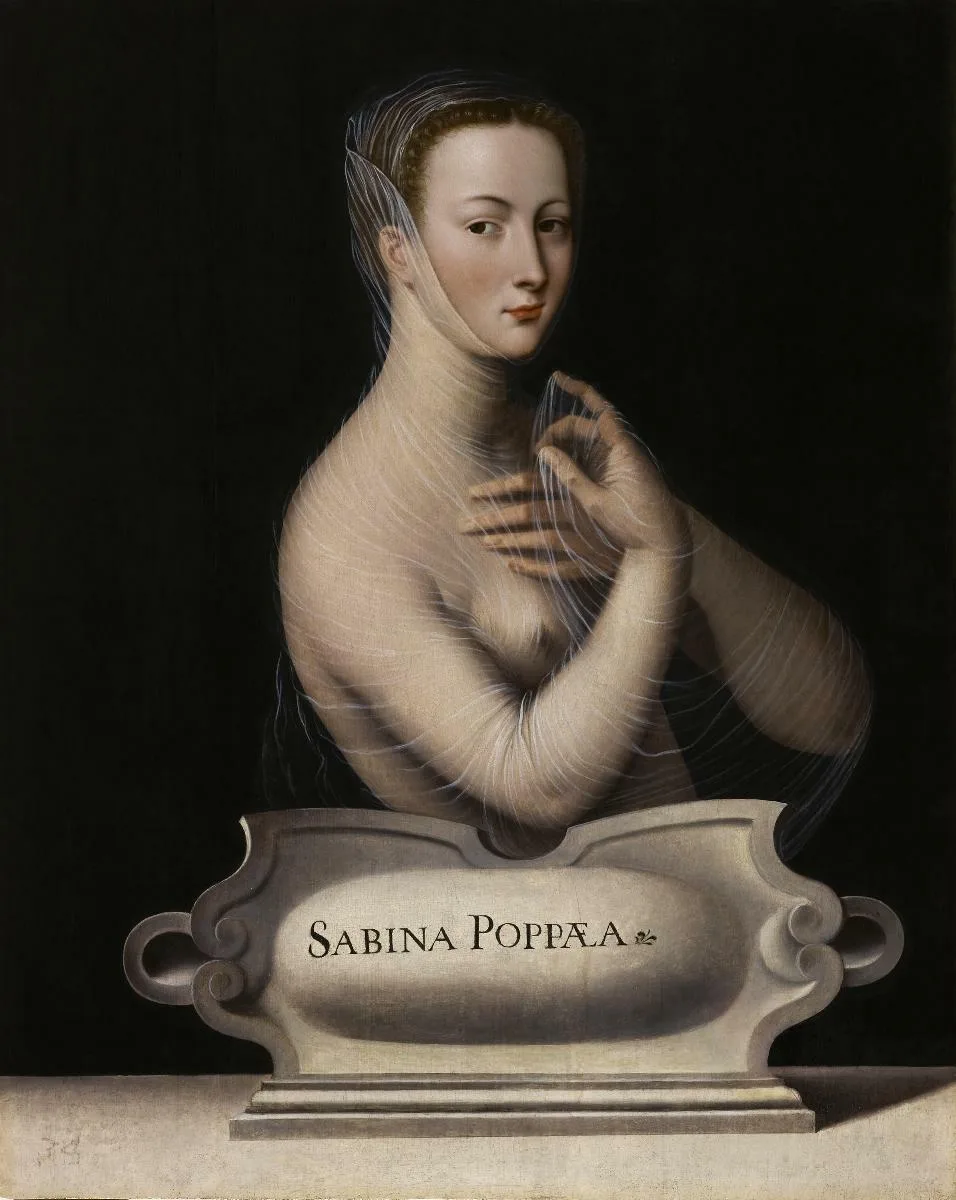
Poppea, represented in a 16th-century painting
Claudio Monteverdi
Claudio Monteverdi was an Italian composer and opera pioneer, widely considered a crucial transitional figure between the Renaissance and Baroque periods of music history.
Promising an Unwritten Book to Defeat Critics
When conservative critics challenged his harmonic innovations, Monteverdi turned a missing book into a masterclass in intellectual defense. The theorist Giovanni Maria Artusi published fierce attacks on the composer's modern harmonies in 1600 and 1603. Monteverdi promised readers he would soon publish a full defense titled Seconda Pratica, overo Perfettione della Moderna Musica. Though this explanatory treatise never actually appeared, the controversy elevated his profile and established his revolutionary musical style.
From Wikipedia · CC BY-SA 4.0
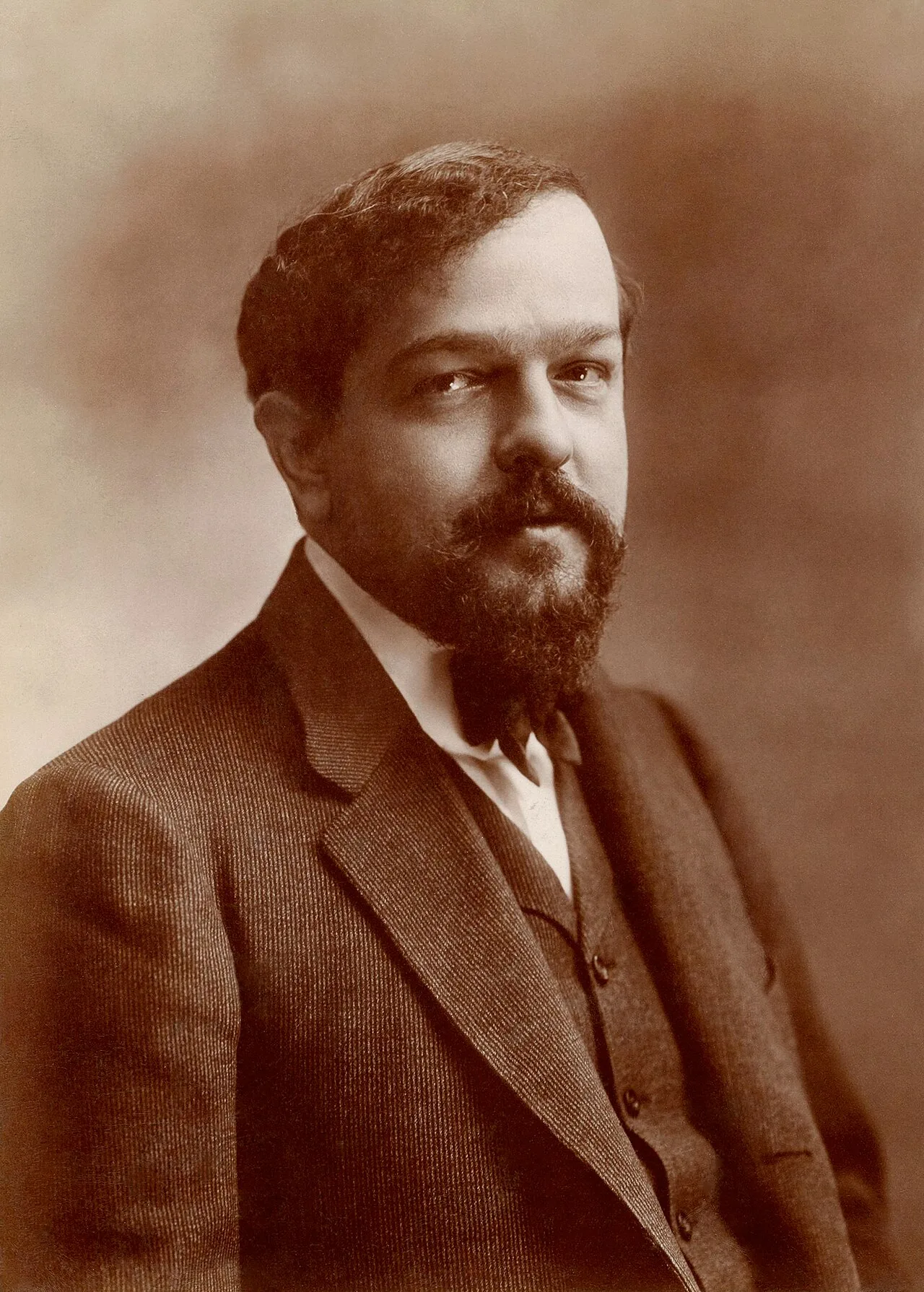
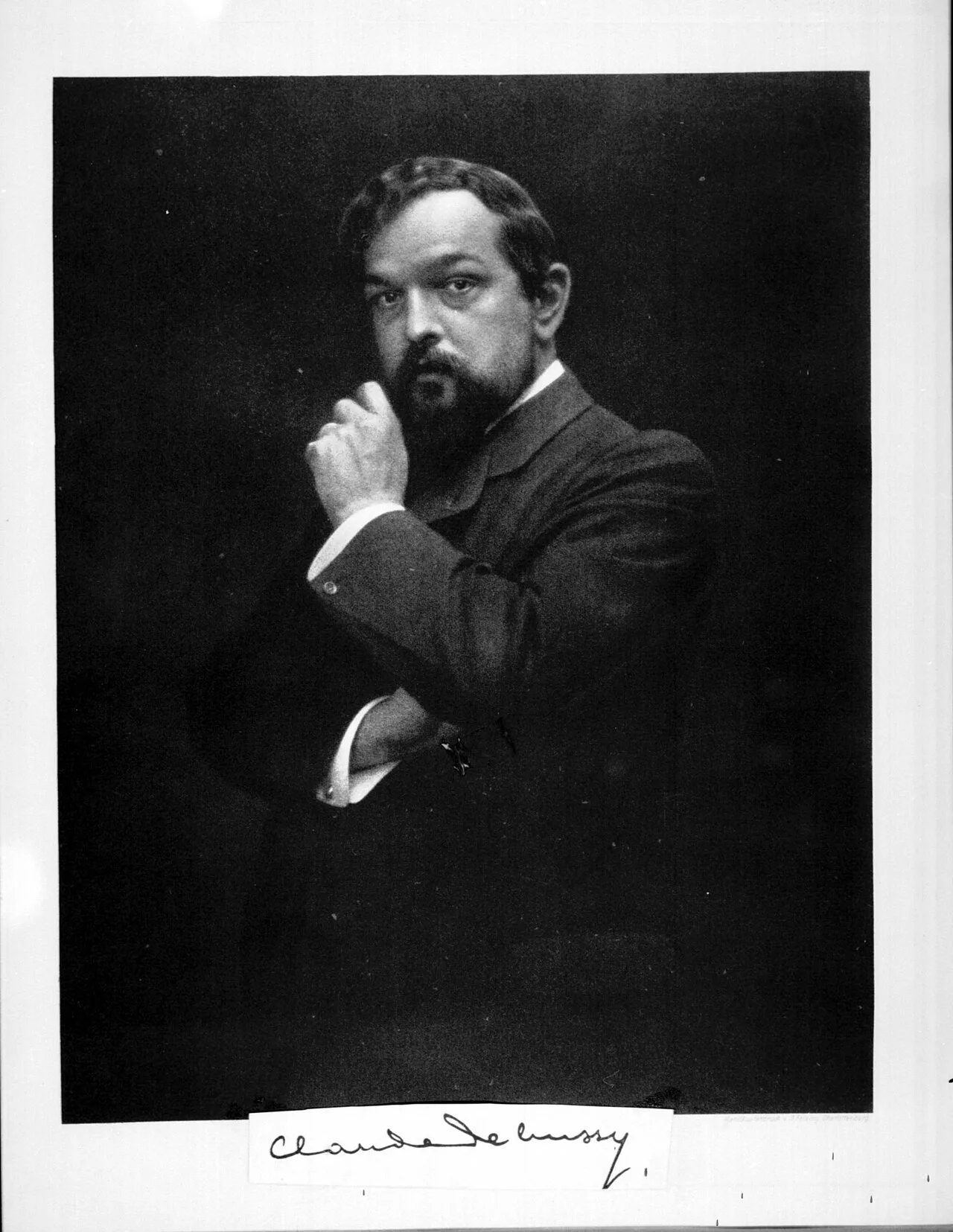
Debussy c. 1900 by Atelier Nadar
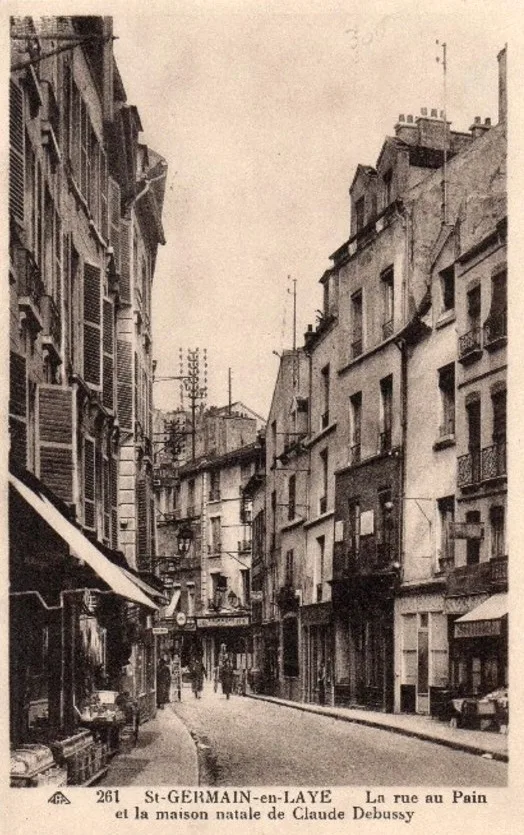
Rue au Pain, Saint-Germain-en-Laye, street of Debussy's birthplace
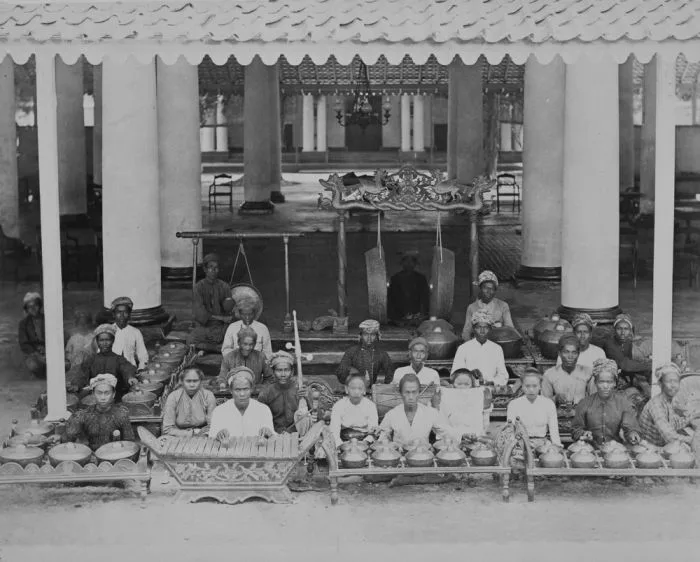
Gamelan orchestra, c. 1889
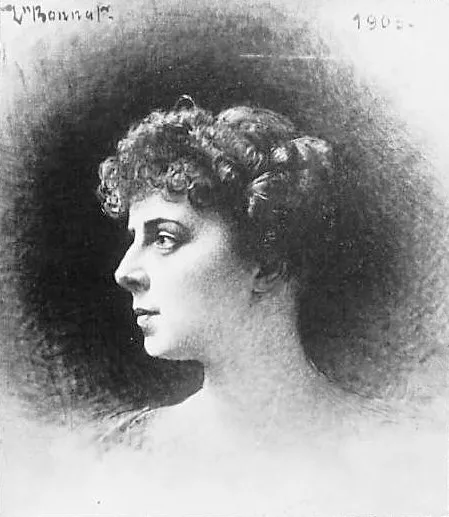
Emma Bardac (later Emma Debussy) in 1903
Debussy in 1908
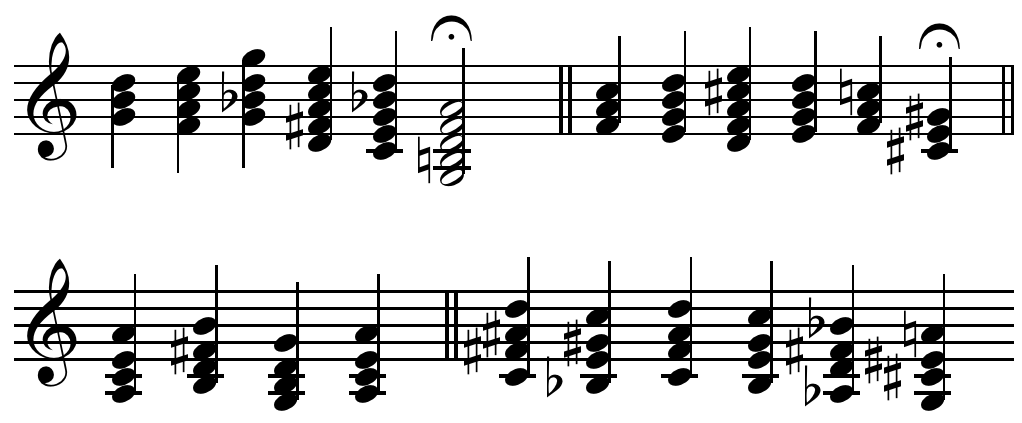
Improvised chord sequences played by Debussy for Guiraud[118]Audio playback is not supported in your browser. You can download the audio file.
Claude Debussy
Achille Claude Debussy.
Resisting the Impressionist Label
While frequently labeled as history's first Impressionist composer, Debussy strongly objected to the classification for his music. The term was originally attached to him opprobriously by assessors at the Conservatoire regarding his early work Printemps. Rather than seeing his compositions as auditory landscape paintings, he sought to preserve the elusive magic peculiar to the musical art form.
From Wikipedia · CC BY-SA 4.0
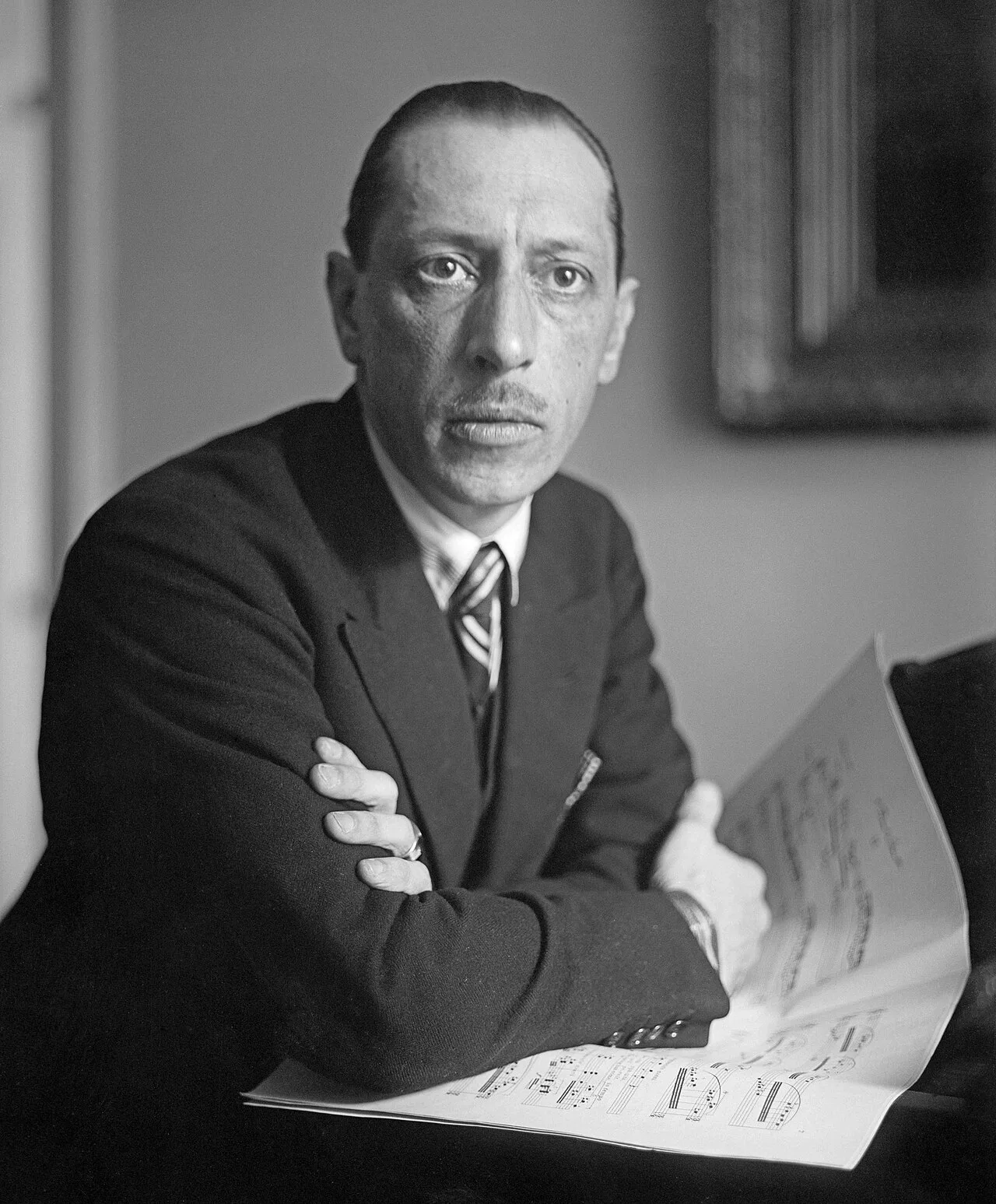
Black and white photo of Stravinsky resting his arms atop a piano, a score under his hands

Igor Stravinsky
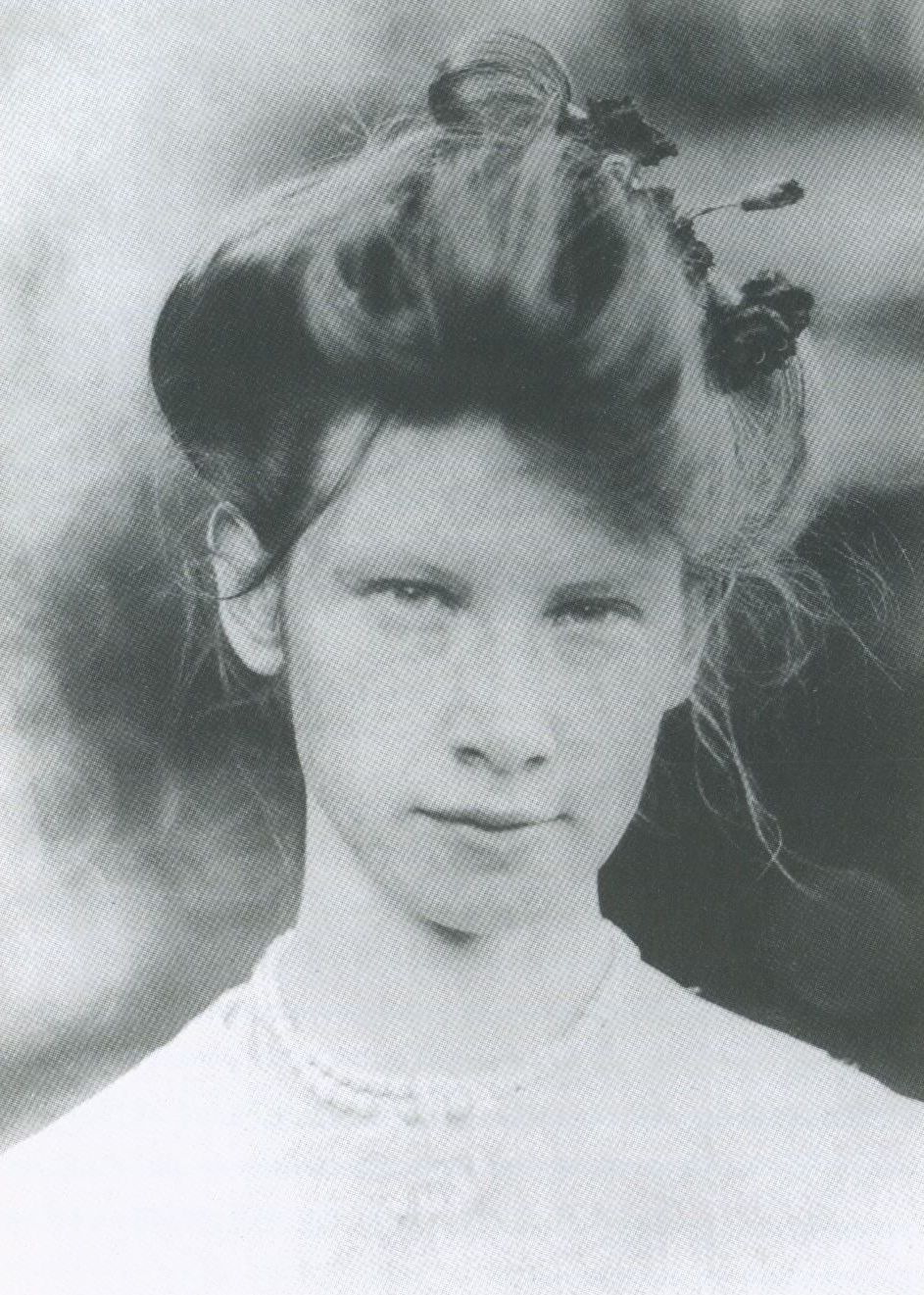
Yekaterina Stravinsky in 1907
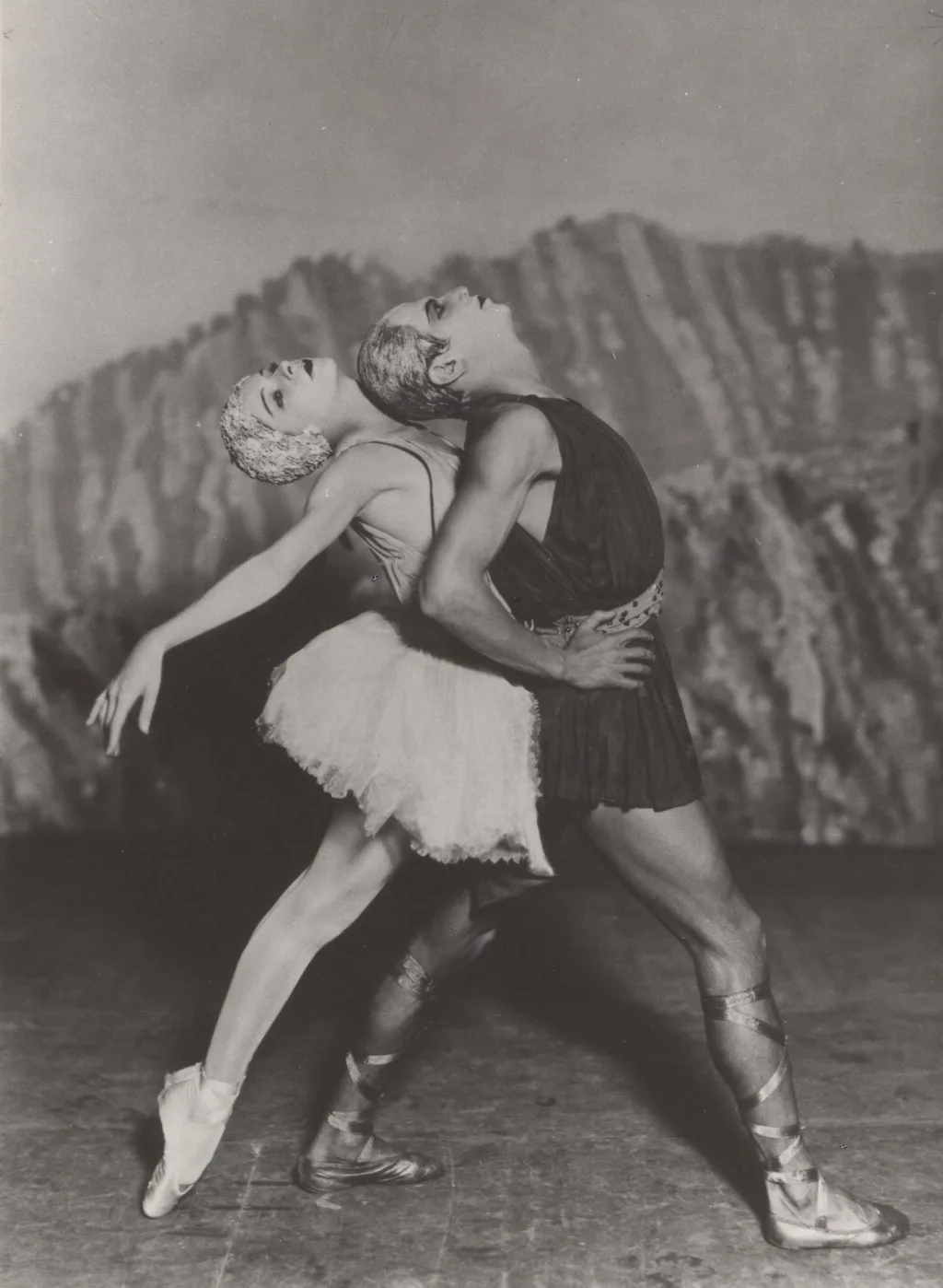
Alexandra Danilova and Serge Lifar in Apollon musagète
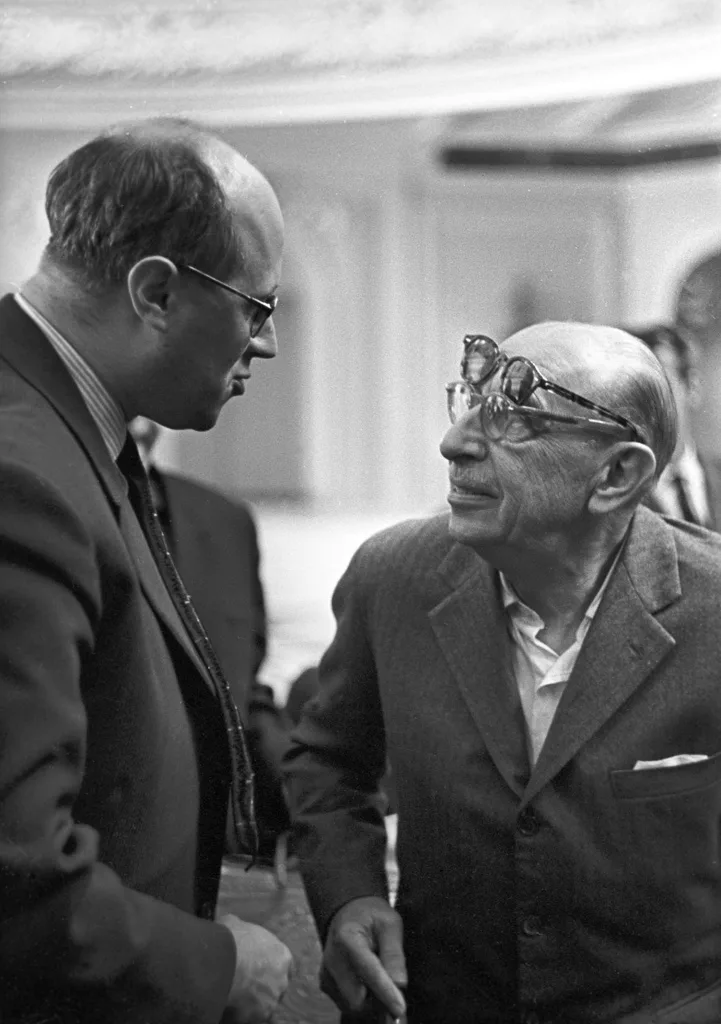
Stravinsky (right) with Mstislav Rostropovich[t] in September 1962
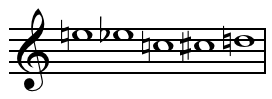
Five-tone row from In Memoriam Dylan Thomas (1954)
Igor Stravinsky
Igor Stravinsky was a Russian composer and conductor, widely considered one of the most influential composers of the 20th century and a pivotal figure in modernist music.
A Secret Ceremony Beyond Legal Bounds
Igor Stravinsky formed a deep early connection with his first cousin Yekaterina Nosenko, whom he initially viewed as a long-wanted sister. Their romance led to a wedding on 24 January 1906 at the Church of the Annunciation, located five miles north of Saint Petersburg. Because marriage between first cousins was banned, the couple procured a priest who did not ask their identities. To maintain secrecy, the only guests present were Rimsky-Korsakov's sons.
From Wikipedia · CC BY-SA 4.0
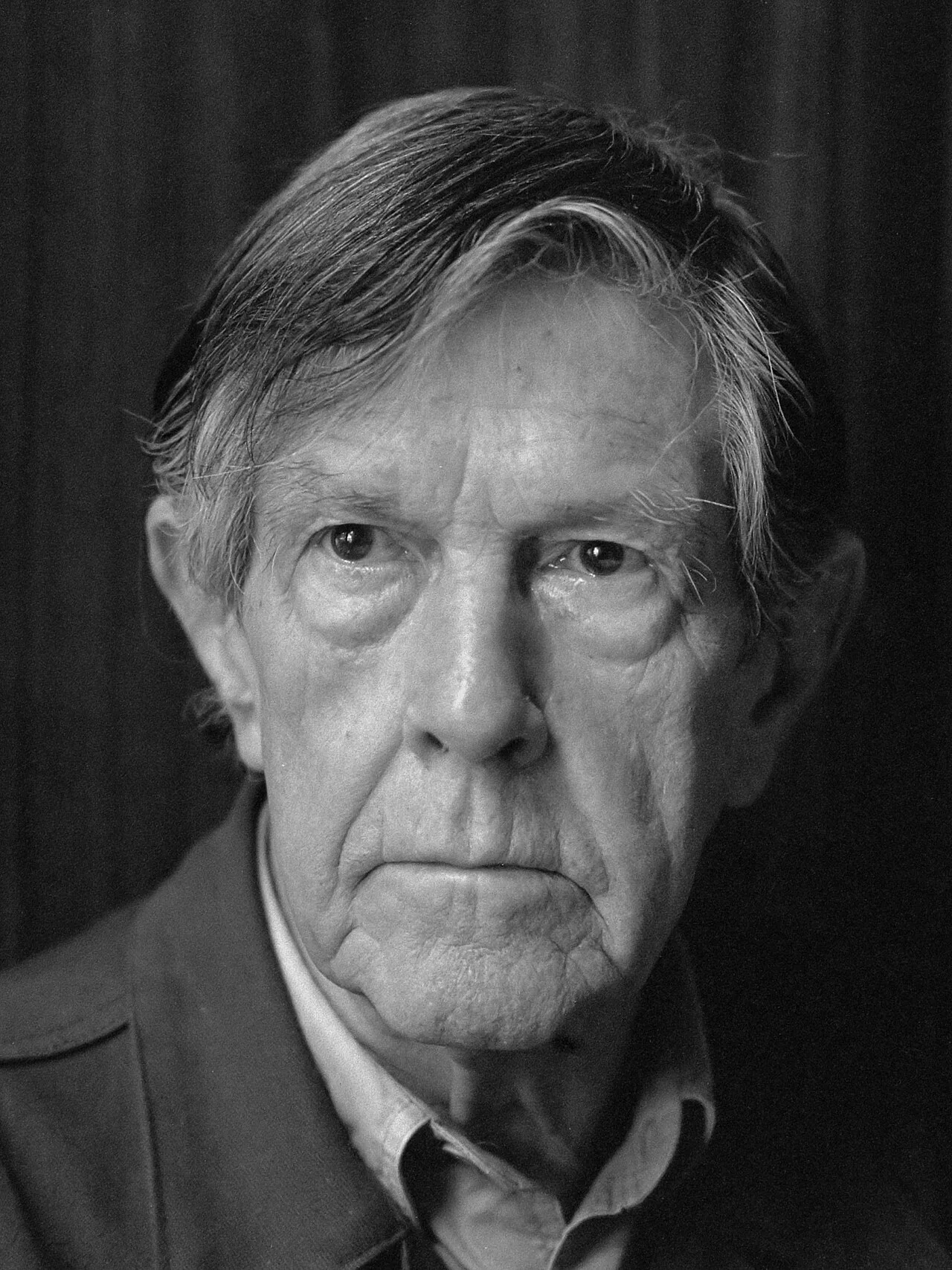
John Cage (1988)
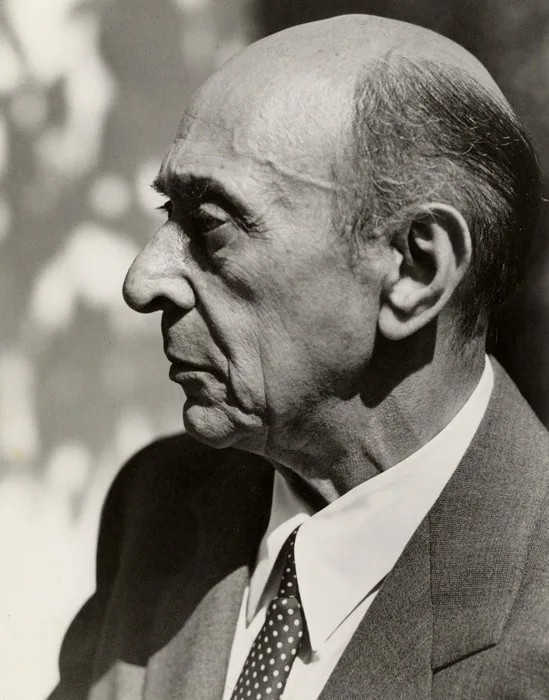
Cage studied with composer Arnold Schoenberg from 1933 to 1935.
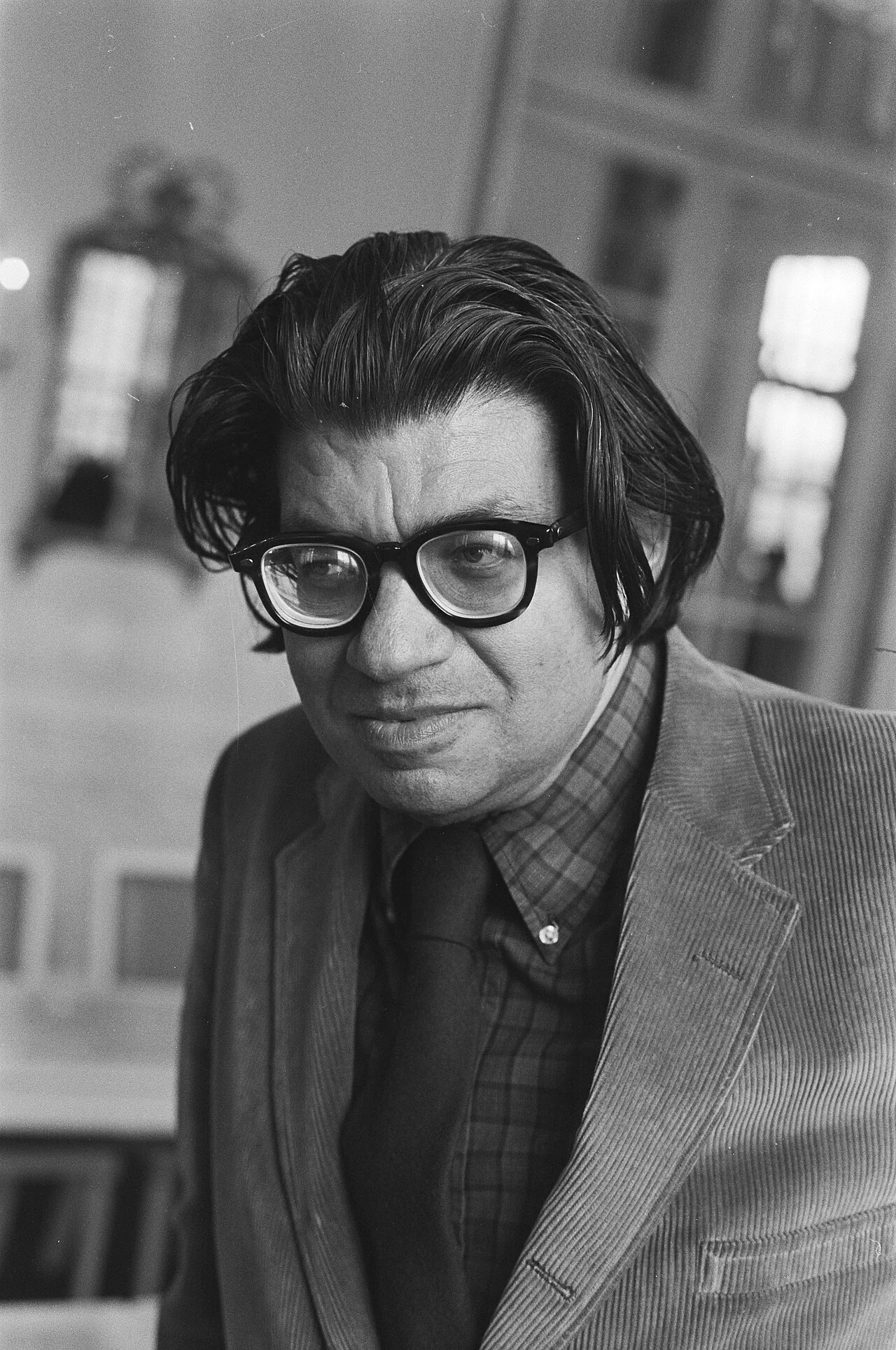
Composer Morton Feldman in 1976
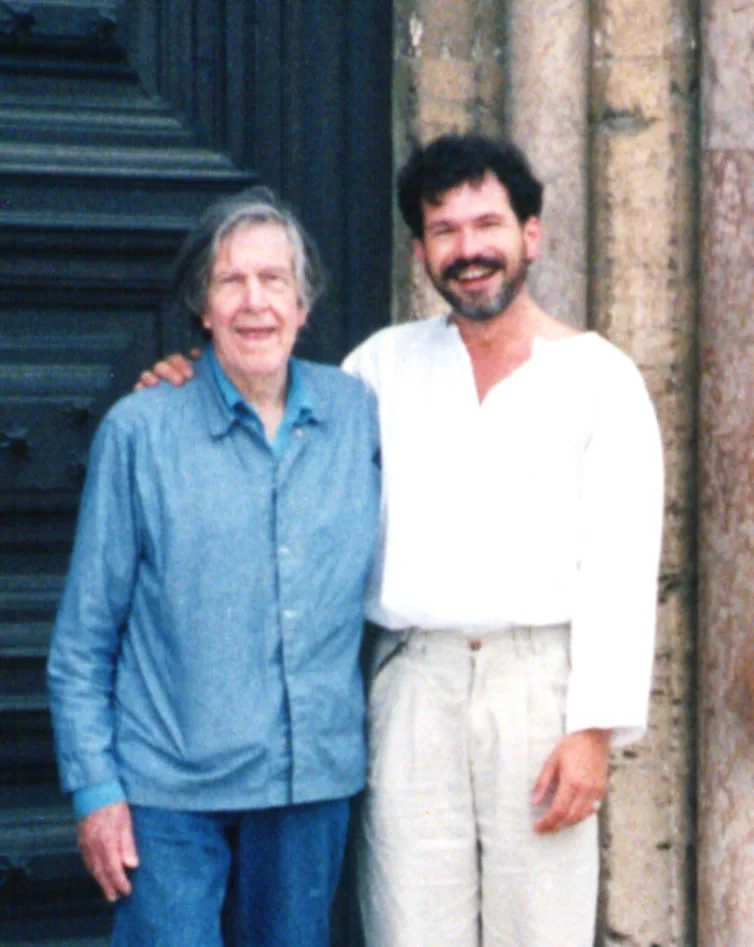
Cage (left) and Michael Bach in Assisi, Italy, 1992
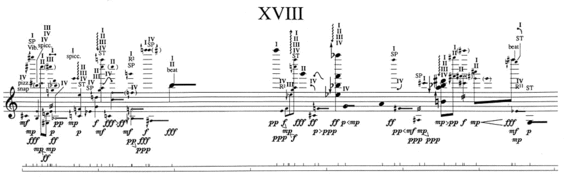
Beginning of Etude No. 18, from Book II of Freeman Etudes
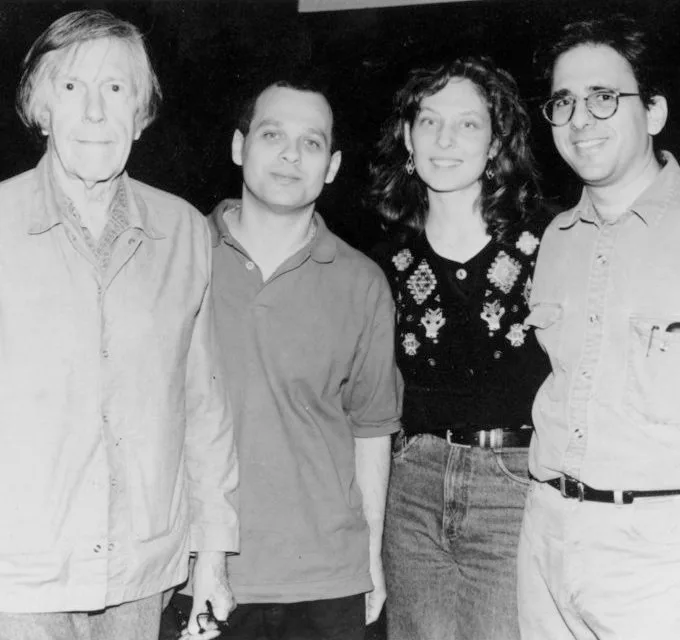
Cage with composers David Lang, Julia Wolfe, and Michael Gordon in 1982
John Cage
John Cage was an American composer, music theorist, and leading post-war avant-garde figure who pioneered indeterminacy, electroacoustic music, and non-standard instrumentation.
Surviving Strychnine and Pitching Silence at Sixteen
When Cage was 18 months old, he narrowly survived a life-threatening accidental poisoning after eating two or three strychnine tablets. Years later, he graduated as valedictorian from Los Angeles High School. During a prize-winning speech at the Hollywood Bowl that spring, he proposed a day of quiet for all Americans to allow people to hear others. This early plea anticipating his quiet works occurred long before he achieved musical fame.
From Wikipedia · CC BY-SA 4.0
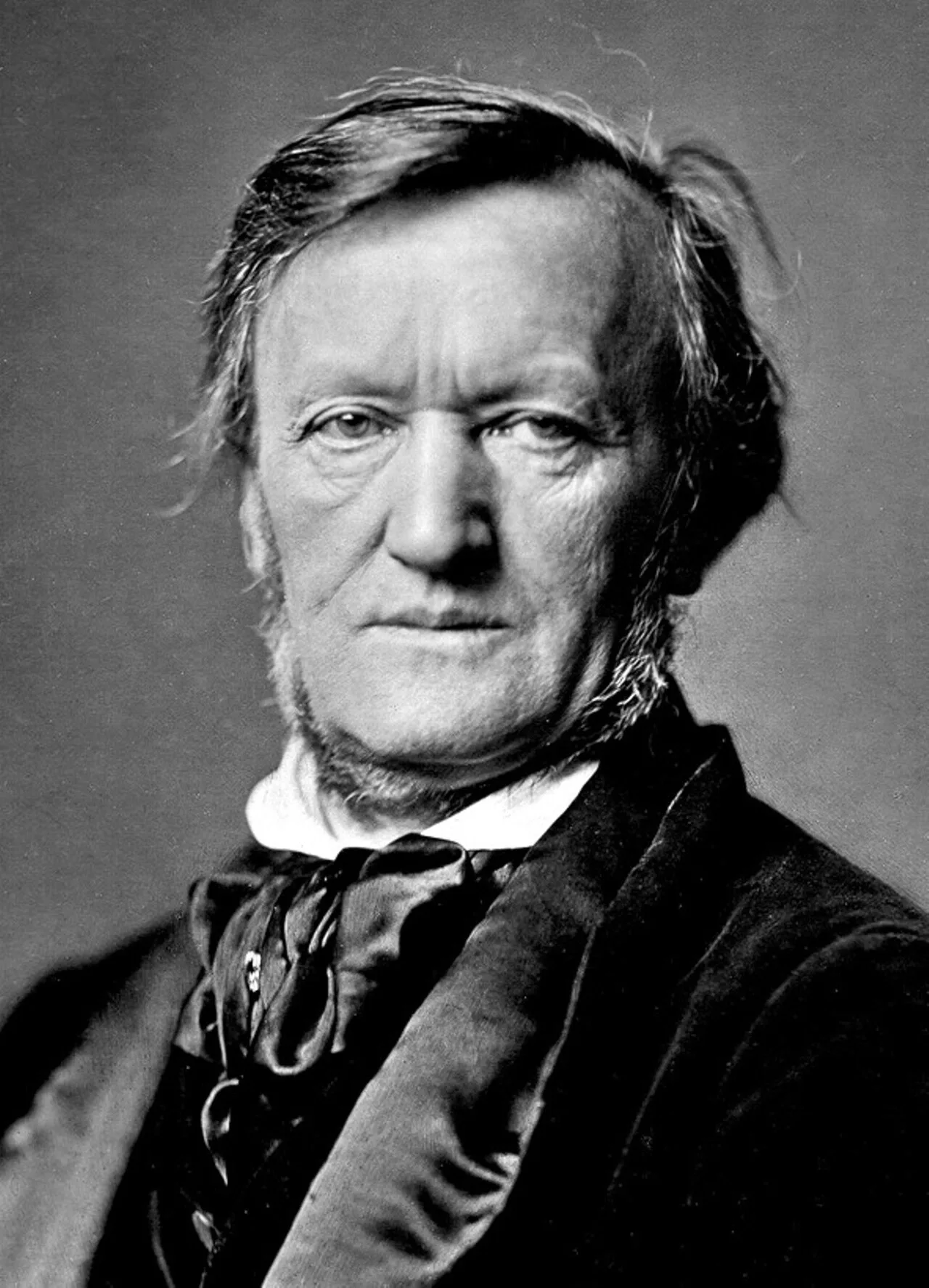
RichardWagner
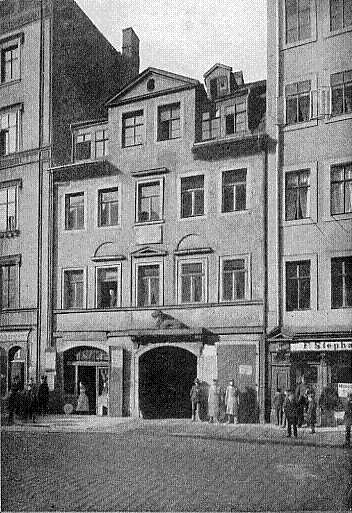
Wagner's birthplace, at 3, the Brühl, Leipzig
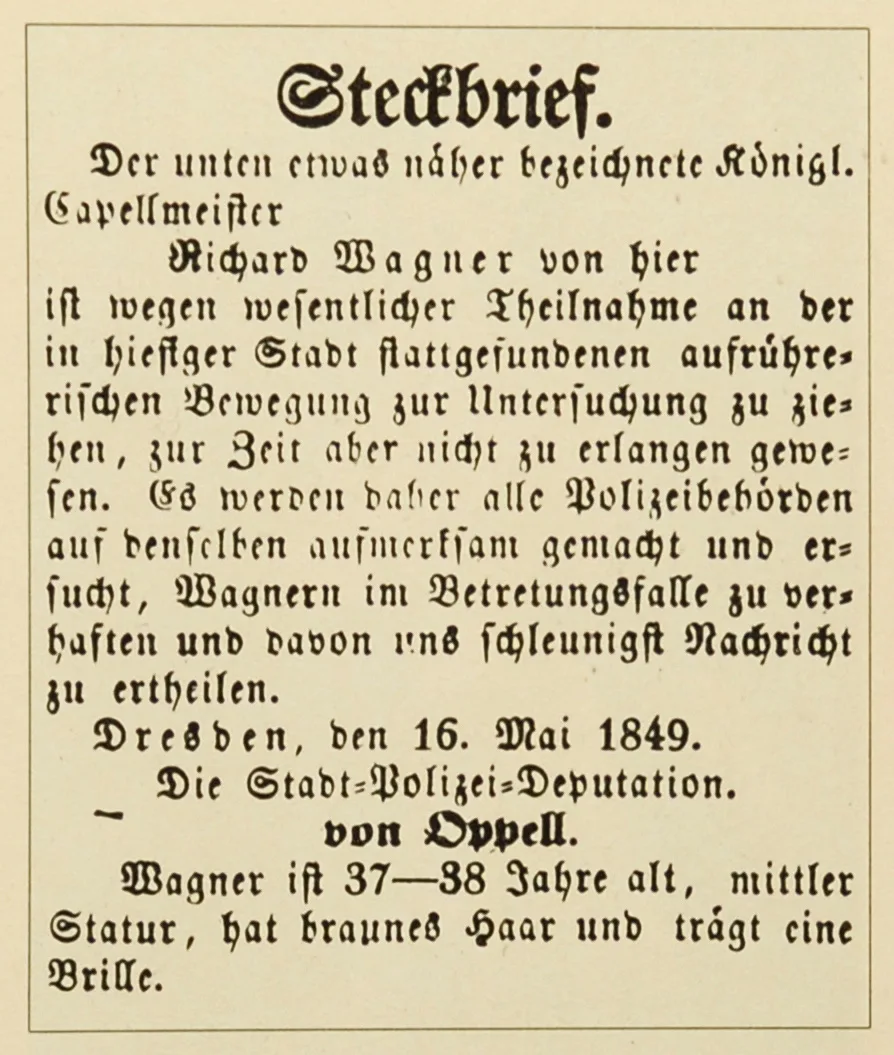
Warrant for the arrest of Richard Wagner, issued on 16 May 1849
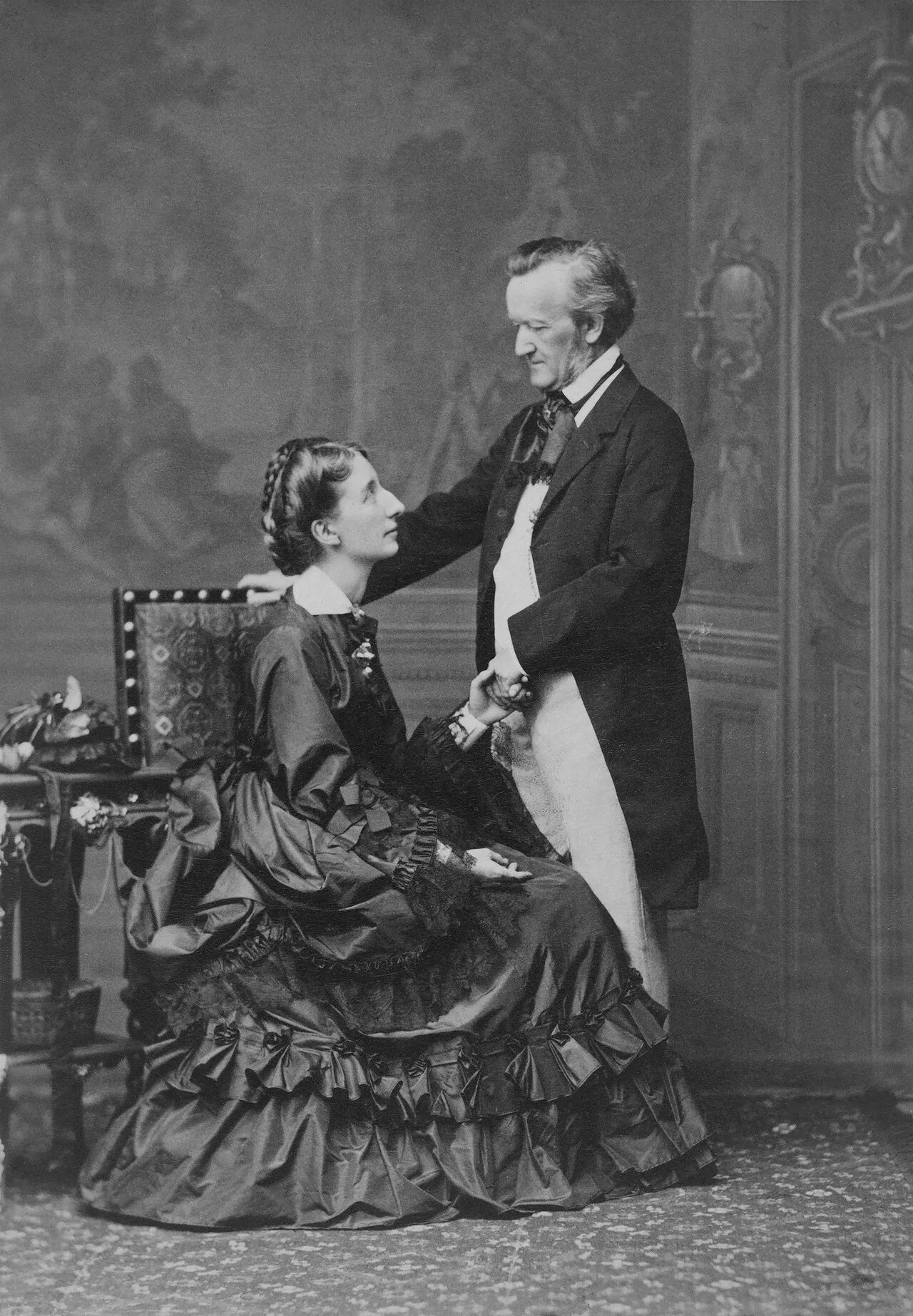
Richard and Cosima Wagner, photographed in 1872
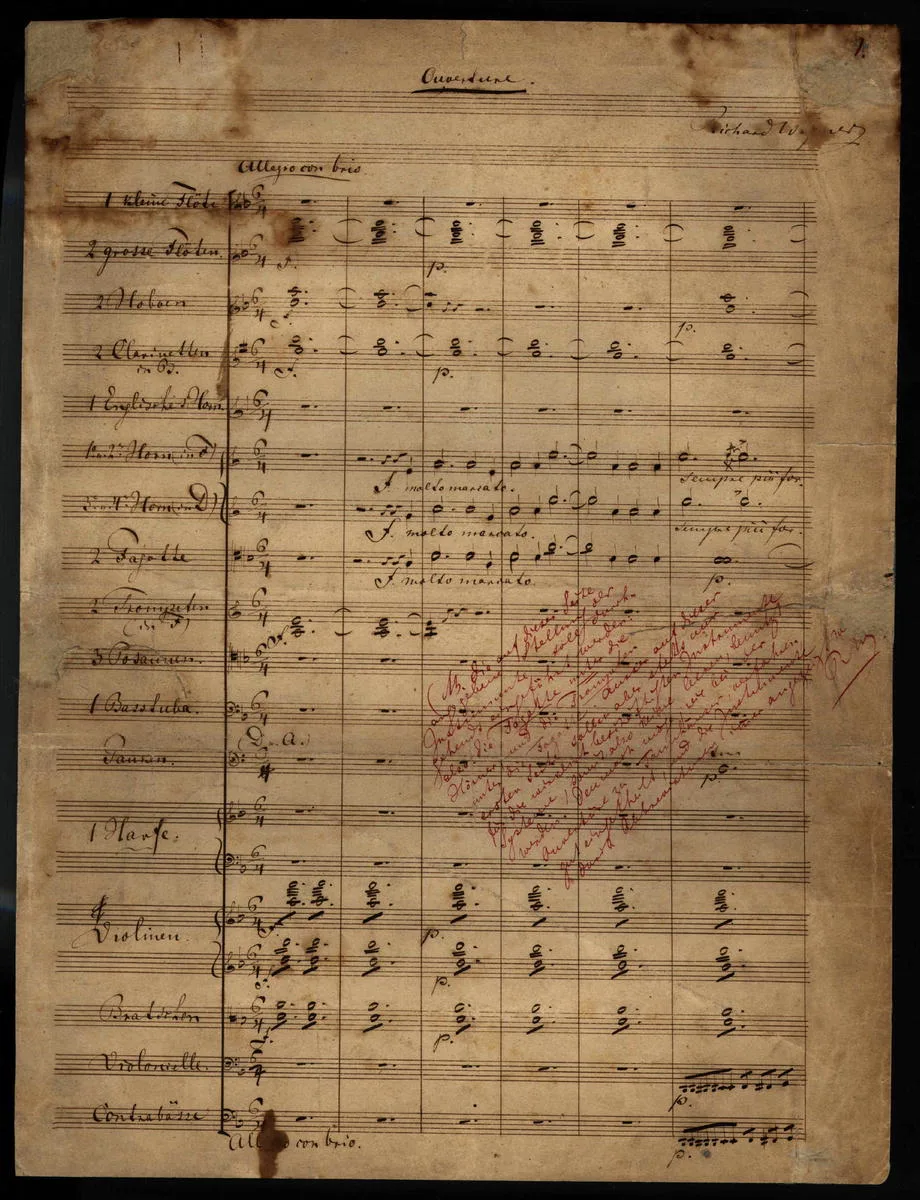
Opening of overture to Der fliegende Holländer in Wagner's hand and with his notes to the publisher
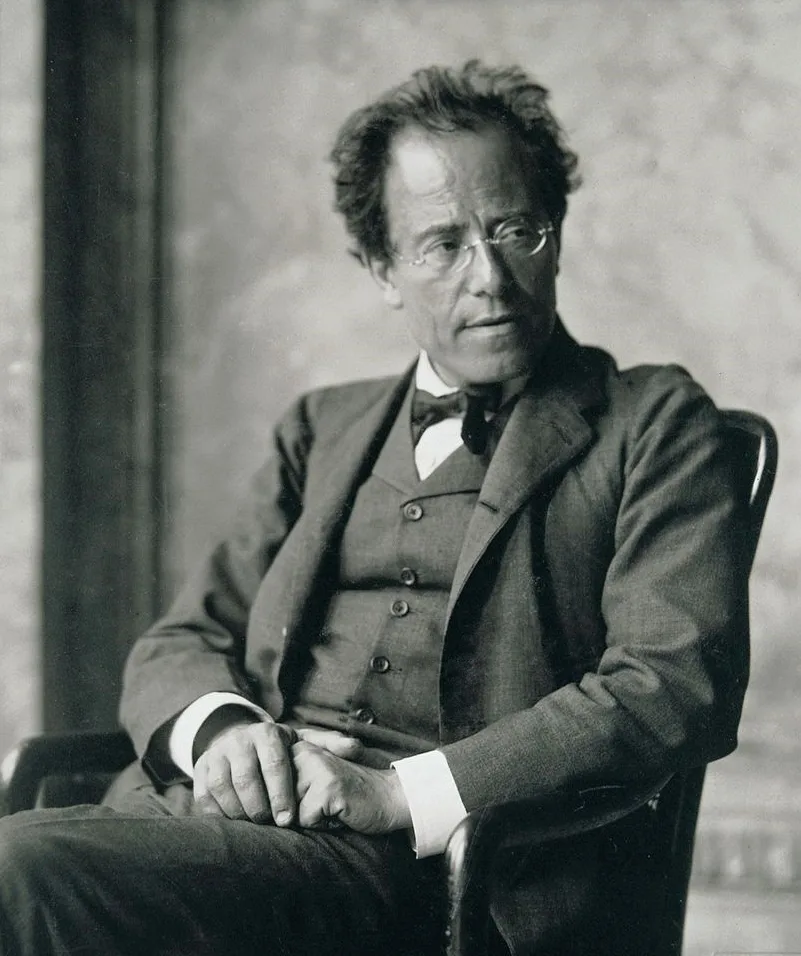
Gustav Mahler in 1907
Richard Wagner
Richard Wagner was a German composer, theatre director, and conductor best known for his operas and his concept of the Gesamtkunstwerk.
Childhood Under an Assumed Surname
Before acquiring the surname that became world-famous, the young composer spent his childhood under a completely different identity. Until he reached fourteen, he was known as Wilhelm Richard Geyer, growing up with the full belief that his stepfather was his biological parent. This dramatic upbringing in a theatrical environment helped shape his early artistic inclinations long before he ever tackled grand orchestral music.
From Wikipedia · CC BY-SA 4.0
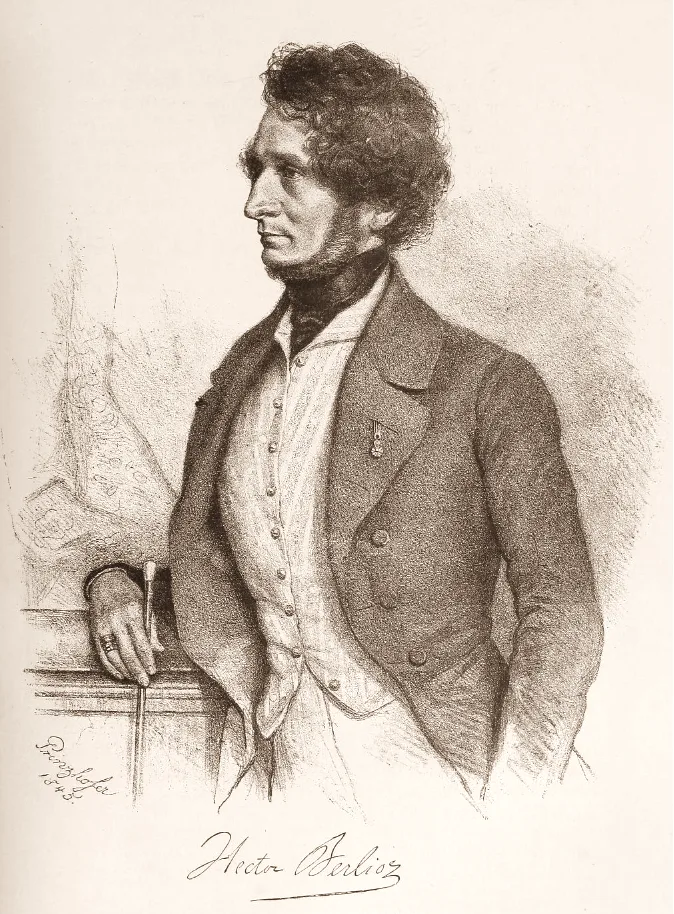
Berlioz by August Prinzhofer, 1845
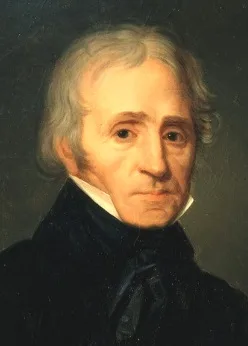
Louis Berlioz, the composer's father c. 1840
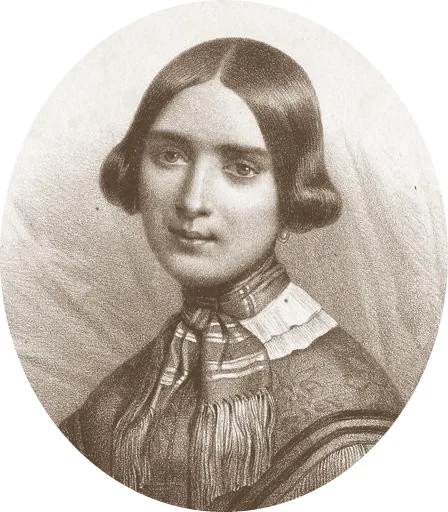
Marie ("Camille") Moke, later Pleyel
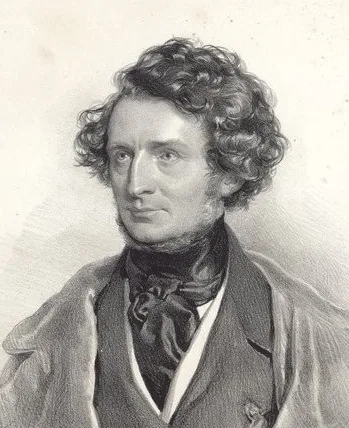
Berlioz in 1845
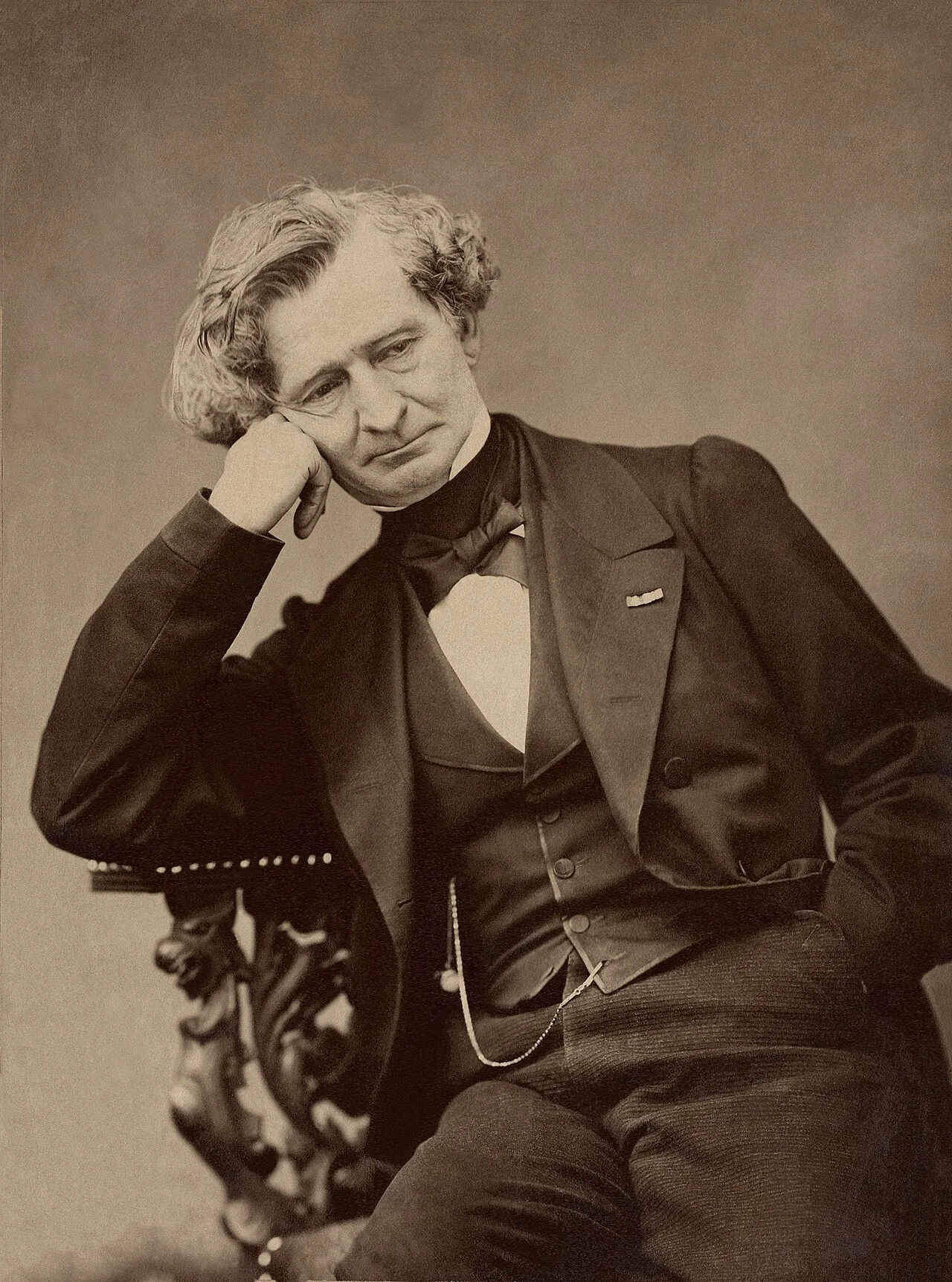
Portrait by Pierre Petit, 1863
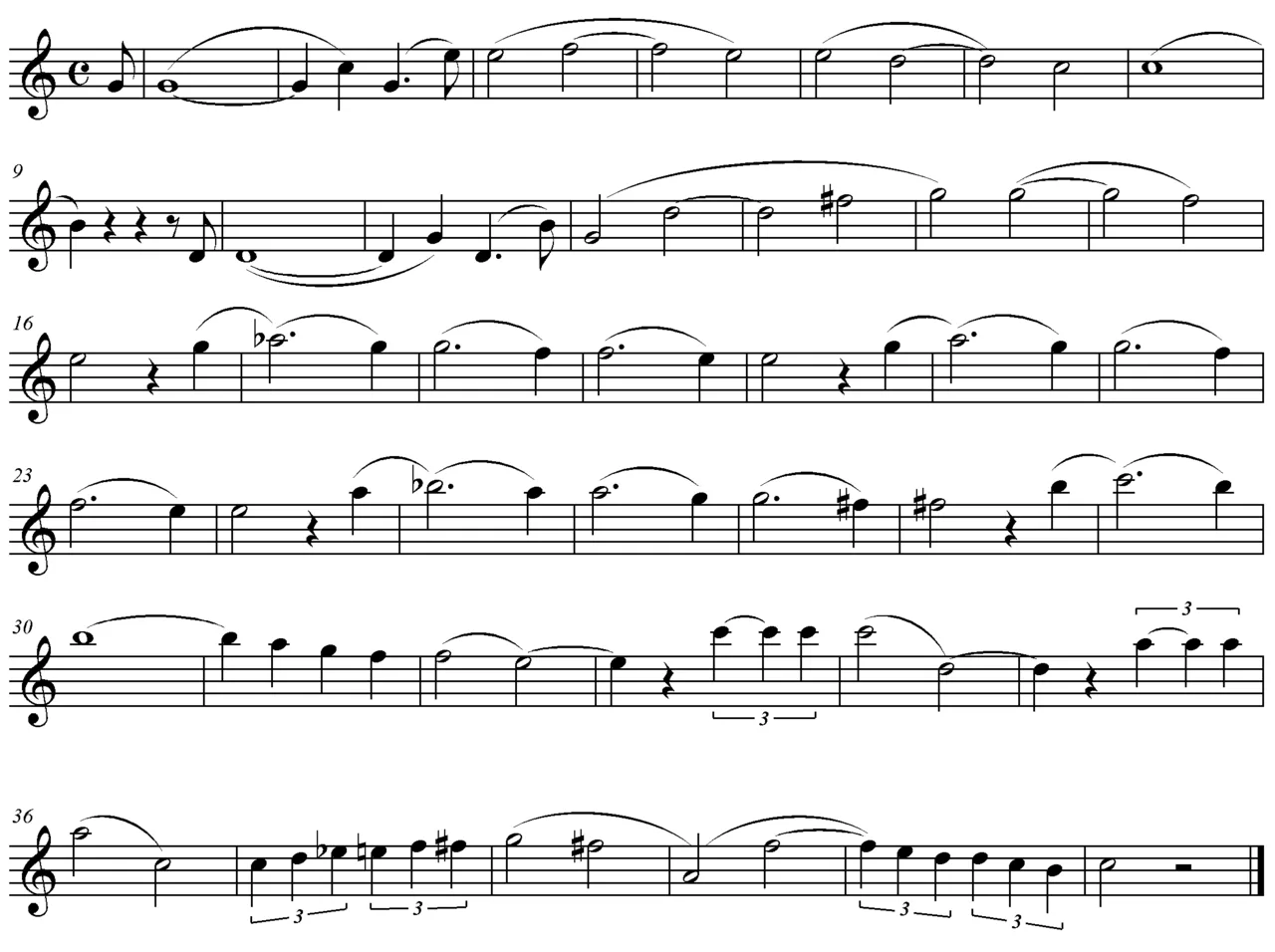
Idée fixe theme, Symphonie fantastique
Hector Berlioz
Louis-Hector Berlioz was a French Romantic composer and conductor whose works include the Symphonie fantastique and Harold in Italy.
Unbound by Keyboard Habits
Traditional composers usually composed at the keyboard, but Berlioz never learned to play the piano properly. Instead, his early musical training consisted only of basic instruction on the flageolet, flute, and guitar. He insisted this limitation protected his mind from conventional harmonies and routine structural formulas. Consequently, his melodic style developed into a flexible musical prose unconstrained by standard physical patterns.
From Wikipedia · CC BY-SA 4.0
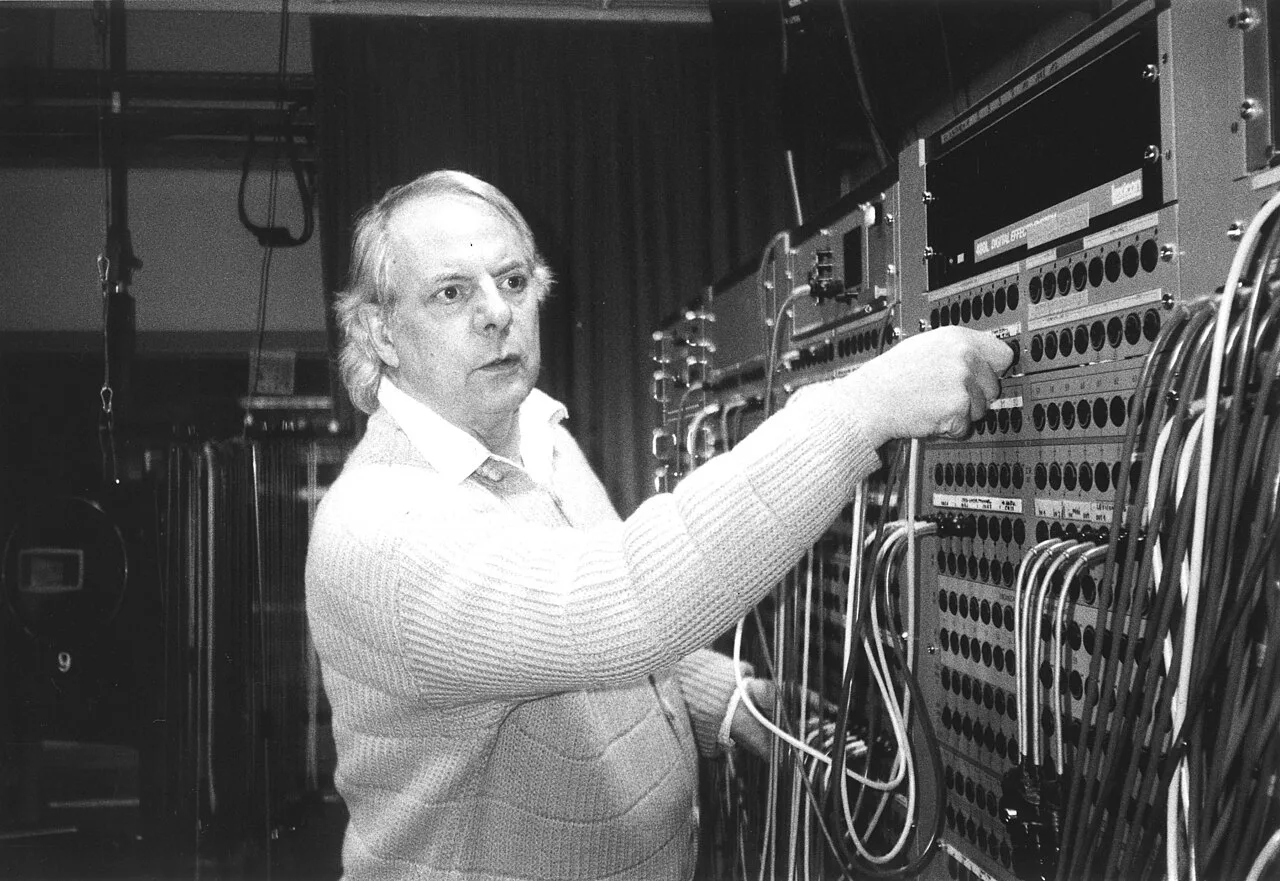
Stockhausen in the Electronic Music Studio of the WDR, 1994
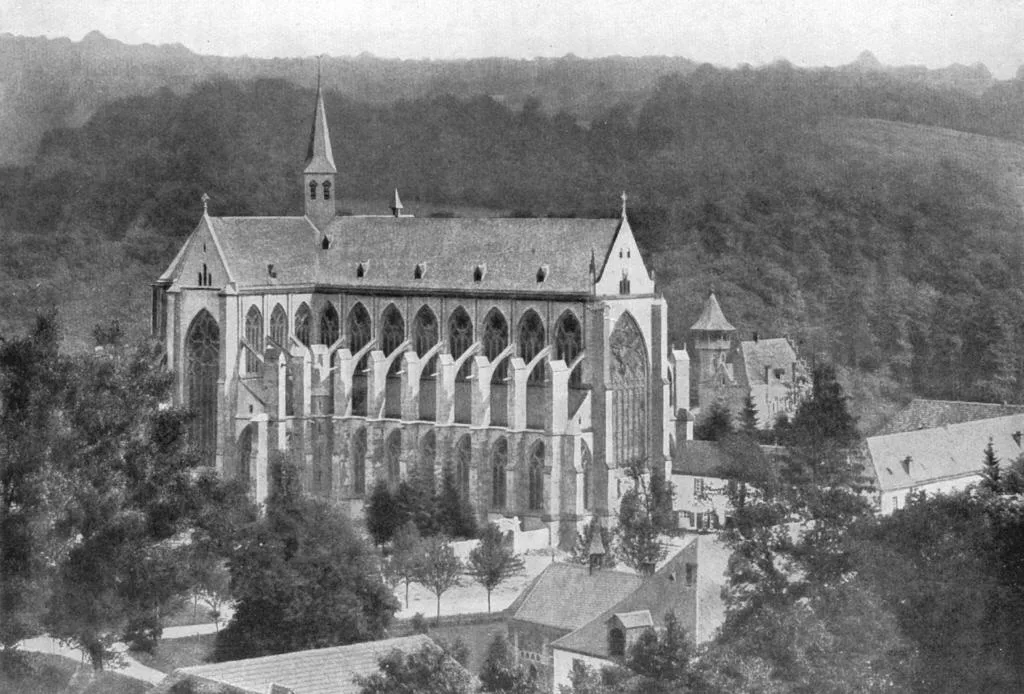
Altenberger Dom, c. 1925, where Stockhausen had his first music lessons
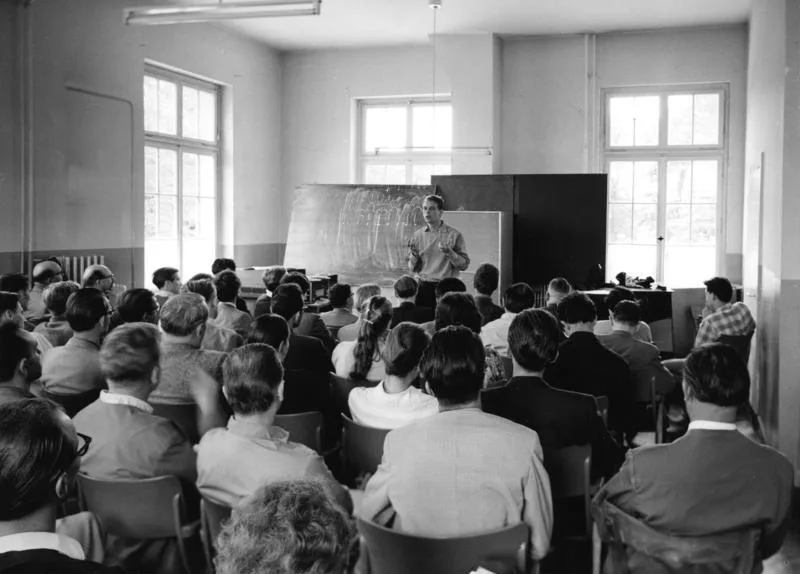
Stockhausen lecturing at the 12th International Summer Courses for New Music in Darmstadt, 1957
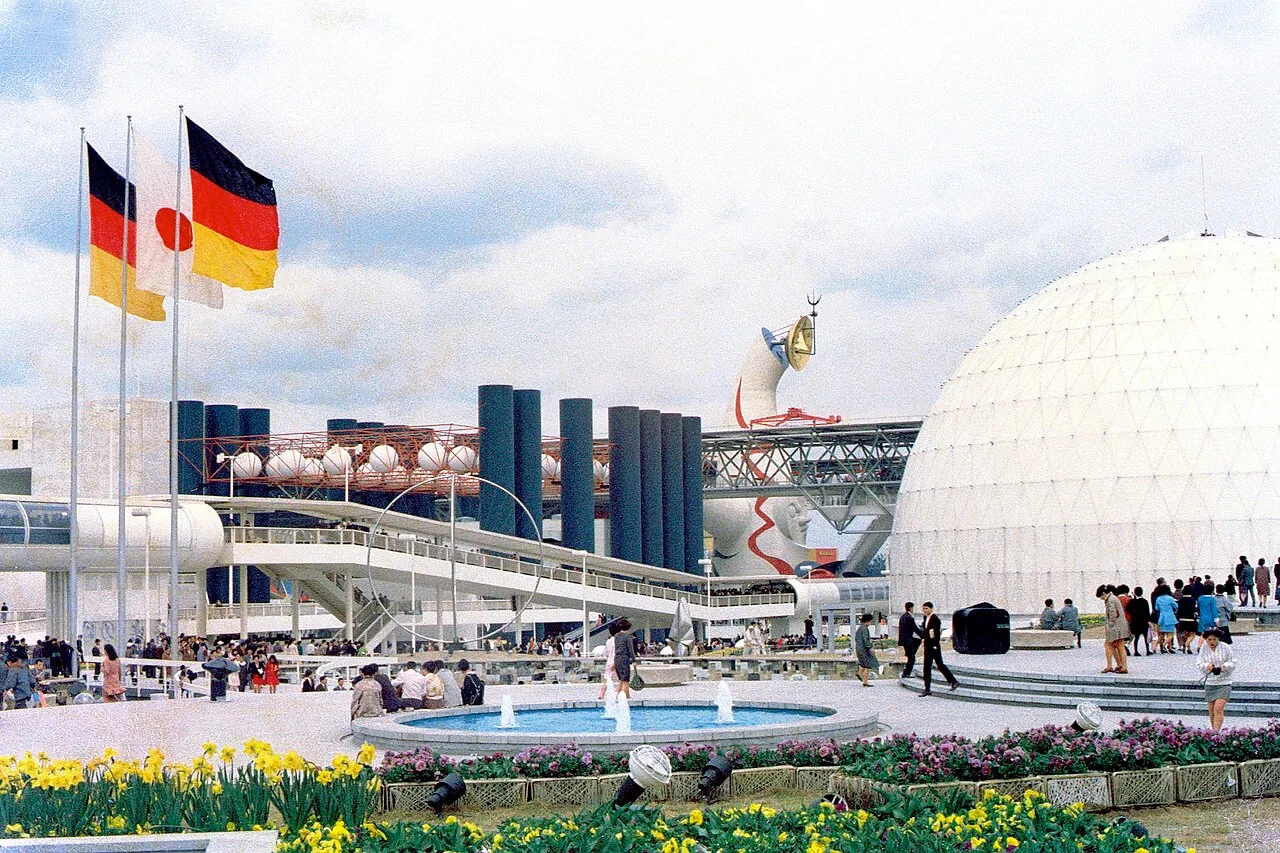
The German Pavilion at Expo '70 (the spherical auditorium is out of view to the right)
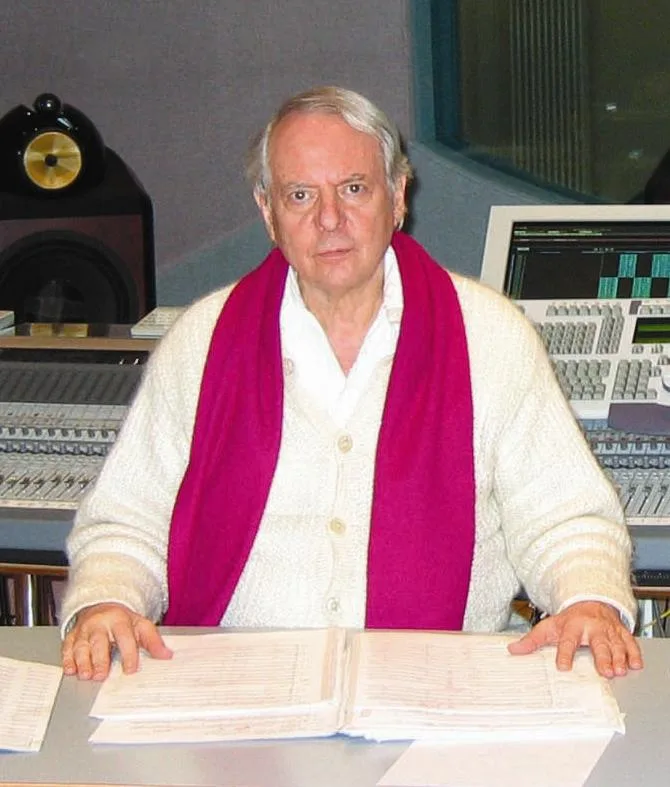
Stockhausen in 2004 during the mix-down of the recording of Angel Processions from Sonntag aus Licht, in Sound Studio N, Cologne
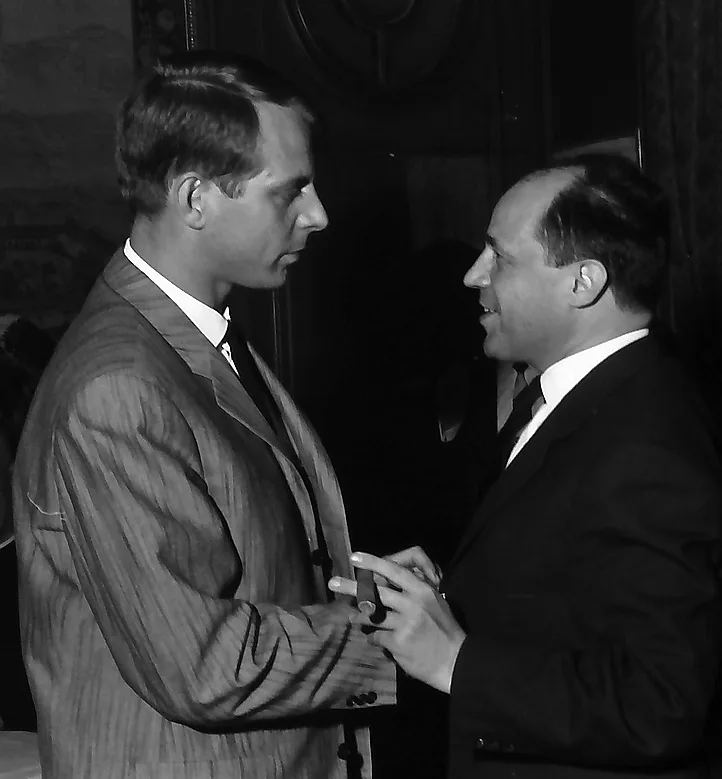
Stockhausen and Boulez, Donaueschingen Festival 1963
Karlheinz Stockhausen
Karlheinz Stockhausen was a German composer widely acknowledged as a seminal figure in 20th- and early 21st-century electronic and avant-garde music.
Deceptive Letters and Gas Chamber Revelations
Karlheinz Stockhausen dramatized his mother's tragic death in act 1 scene 2 of his opera Donnerstag aus Licht. The official letter sent to his family falsely claimed that she had died on 16 June 1941. However, research by student Lisa Quernes revealed she was actually murdered in a gas chamber alongside 89 other people at the Hadamar killing centre on 27 May 1941.
From Wikipedia · CC BY-SA 4.0
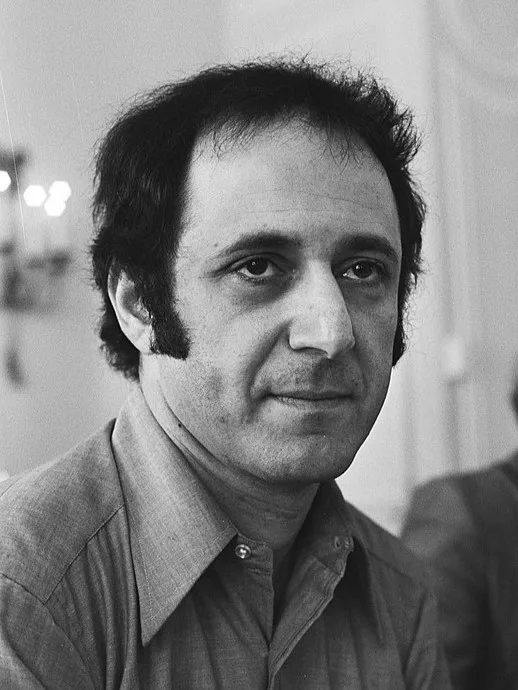
Holland Festival componist Steve Reich kop, Bestanddeelnr 928-6490
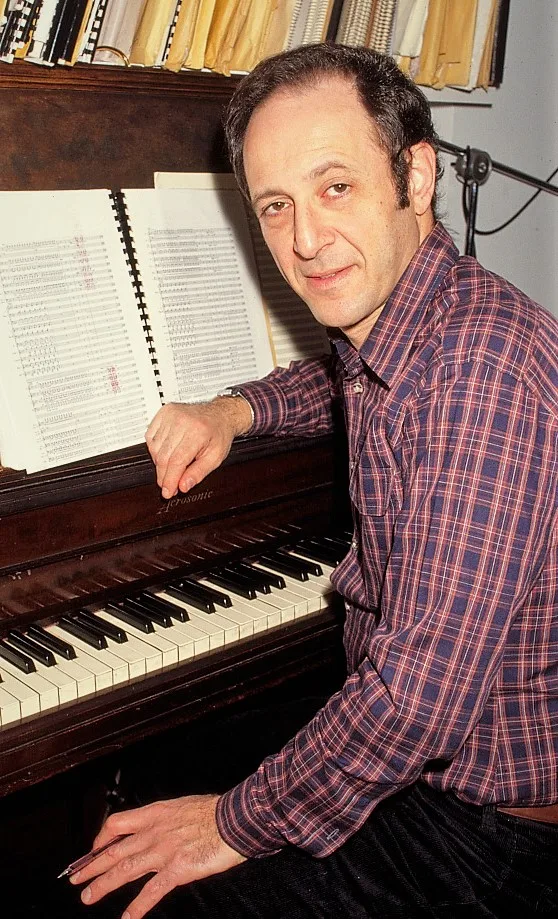
Reich circa 1982–1984
Steve Reich
Steve Reich is an American composer best known as a pioneer of minimal music, whose work is marked by repetitive figures, slow harmonic rhythm, and phase shifting.
Puncturing a Bruise to Hear the Rhythm
In the 1966 composition Come Out, sound collages transformed a tragic piece of real-world evidence into audio art. The 13-minute work relies on a recorded snippet of a single spoken line given by Daniel Hamm, a member of the falsely accused Harlem Six who was severely injured by police. The victim described having to puncture a bruise so police would permit medical care. Audio fragments were then looped across channels until speech dissolved into pure rhythm.
From Wikipedia · CC BY-SA 4.0