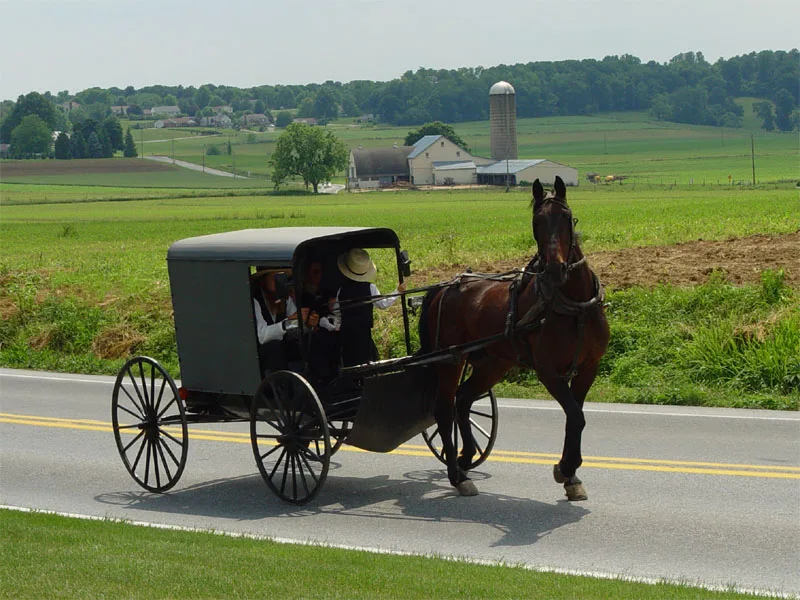
Lancaster County Amish 03
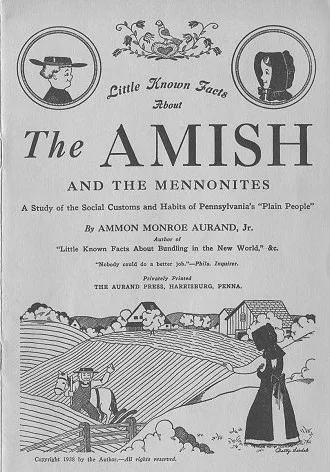
Cover of The Amish and the Mennonites, 1938
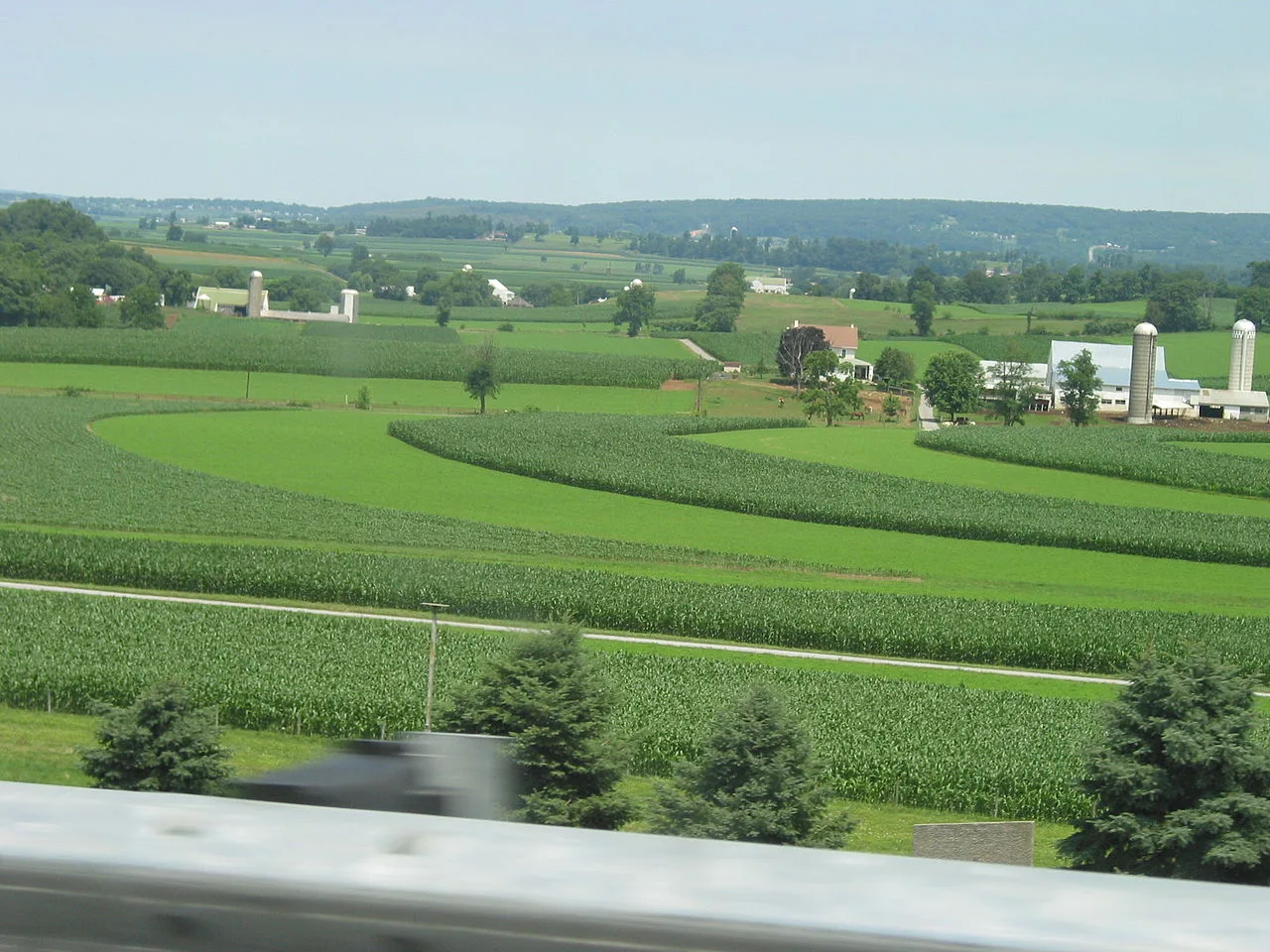
A view of Amish farms from westbound US 30
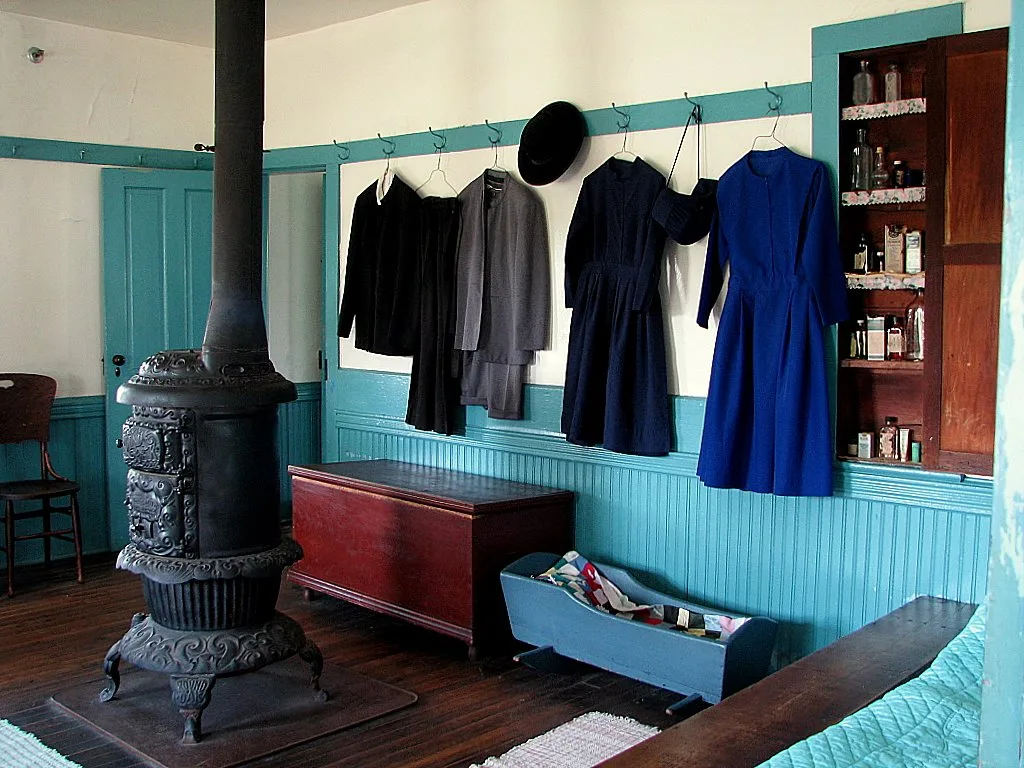
Clothing is plain in style and sewn by hand.

Amish woman from Lancaster County serving pretzels
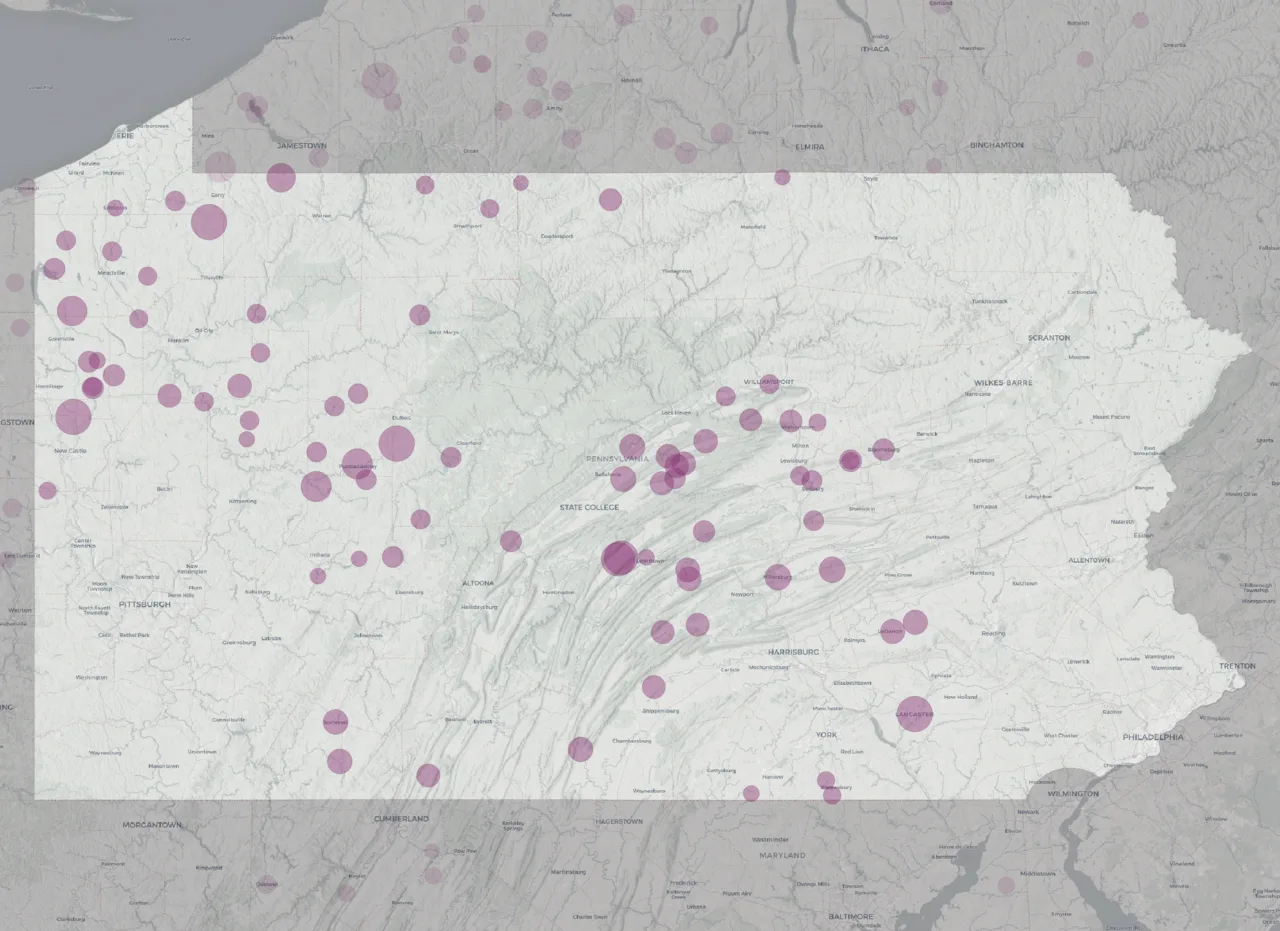
Amish settlements as of 2022 in Pennsylvania, the state with the largest Amish population in the U.S.
Amish
The Amish, formally the Old Order Amish, are a group of traditionalist Anabaptist Christian church fellowships with Swiss and Alsatian origins.
A Schism Over Shared Meals
The initial theological split that birthed the Amish movement centered largely on the social enforcement of church discipline. While the rival Reistian faction argued that fallen believers should merely be withheld from communion, the Amish insisted on total avoidance during regular meals. This strict interpretation of shunning turned everyday table fellowship into the defining boundary of their religious identity.
From Wikipedia · CC BY-SA 4.0

Mennonite World Conference logo
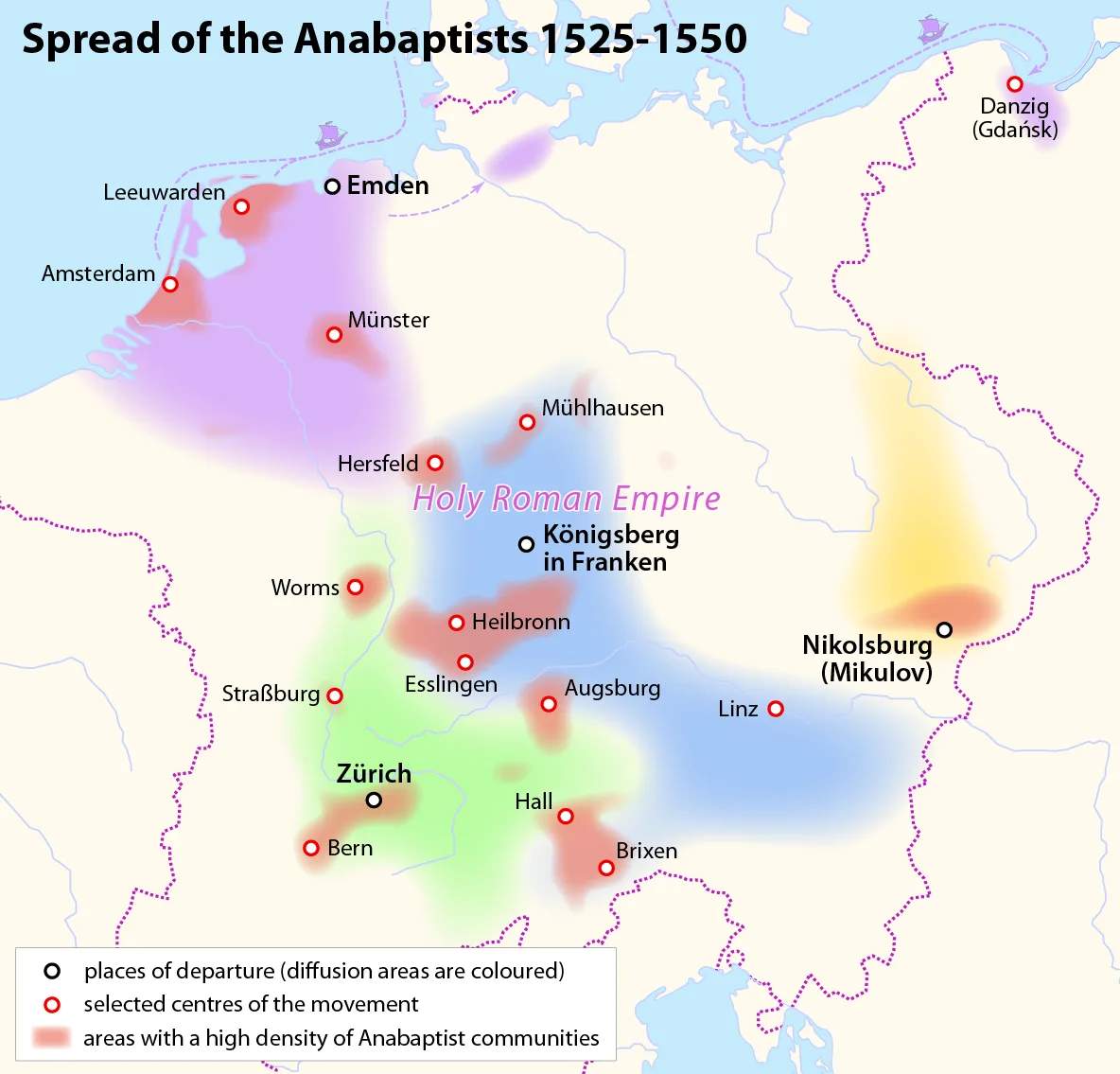
Spread of the early Anabaptists, 1525–1550
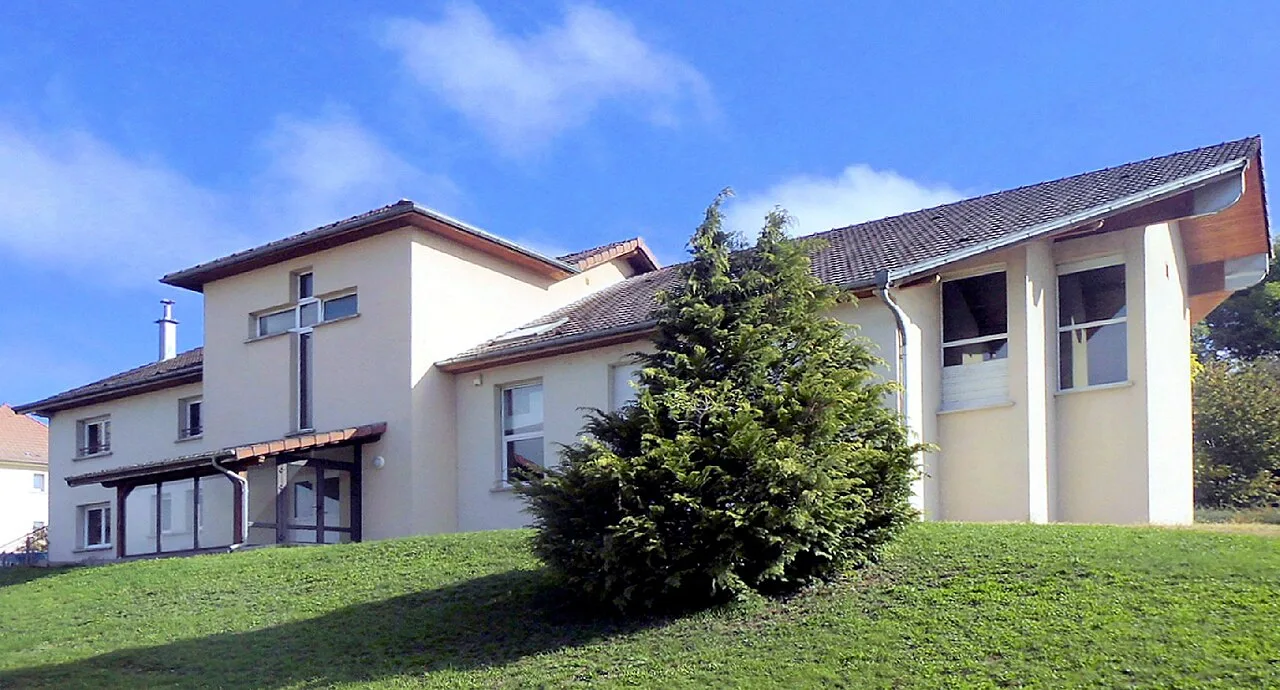
An Evangelical Mennonite Church in Altkirch

Ten Thousand Villages Store in New Hamburg, Ontario
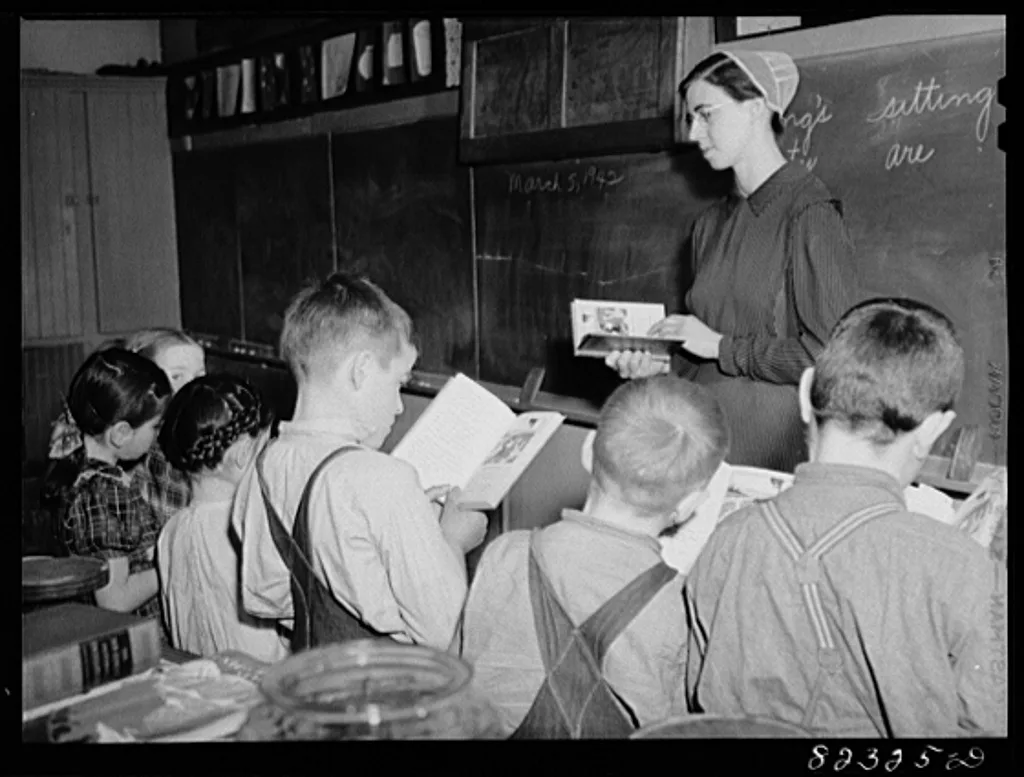
Mennonite teacher holding class in a one-room, eight-grade school house, Hinkletown, Pennsylvania, March 1942
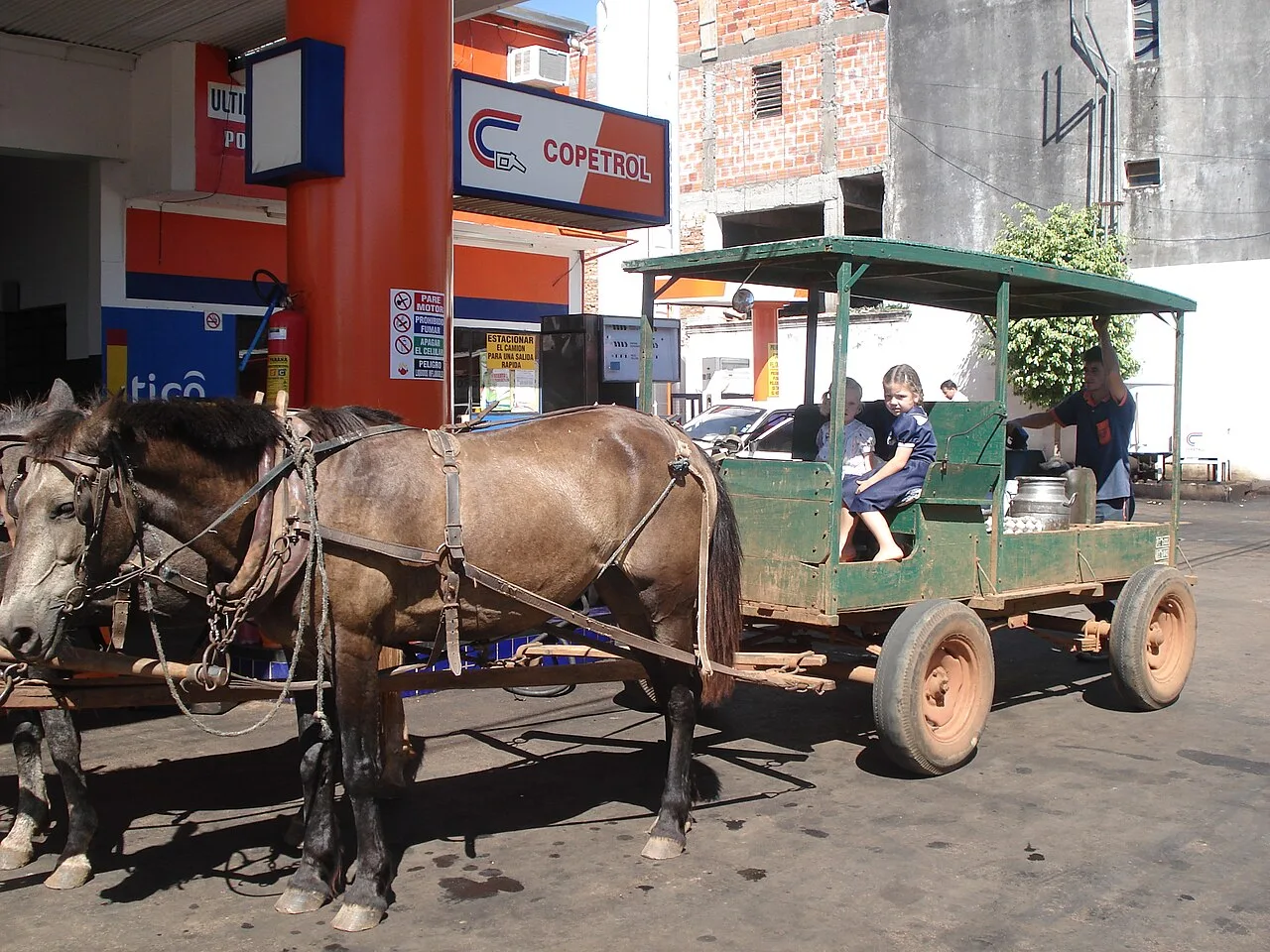
Old Order Mennonite children from San Ignacio, Paraguay.
Mennonites
Mennonites are a group of Anabaptist Christian communities tracing their roots to the Radical Reformation, named after the Frisian cleric Menno Simons.
Defying State Rites at a 1525 Zurich Gathering
The Anabaptist movement began on 21 January 1525 in Zurich, when Conrad Grebel, Felix Manz, and George Blaurock rebaptized each other alongside twelve others. This act directly challenged established state churches by rejecting infant baptism in favor of voluntary adult confession. Confronting severe repression from authorities who saw voluntary membership as dangerous, the founding leaders refused to renounce their pacifist beliefs, leading to most of them being killed by 1530.
From Wikipedia · CC BY-SA 4.0
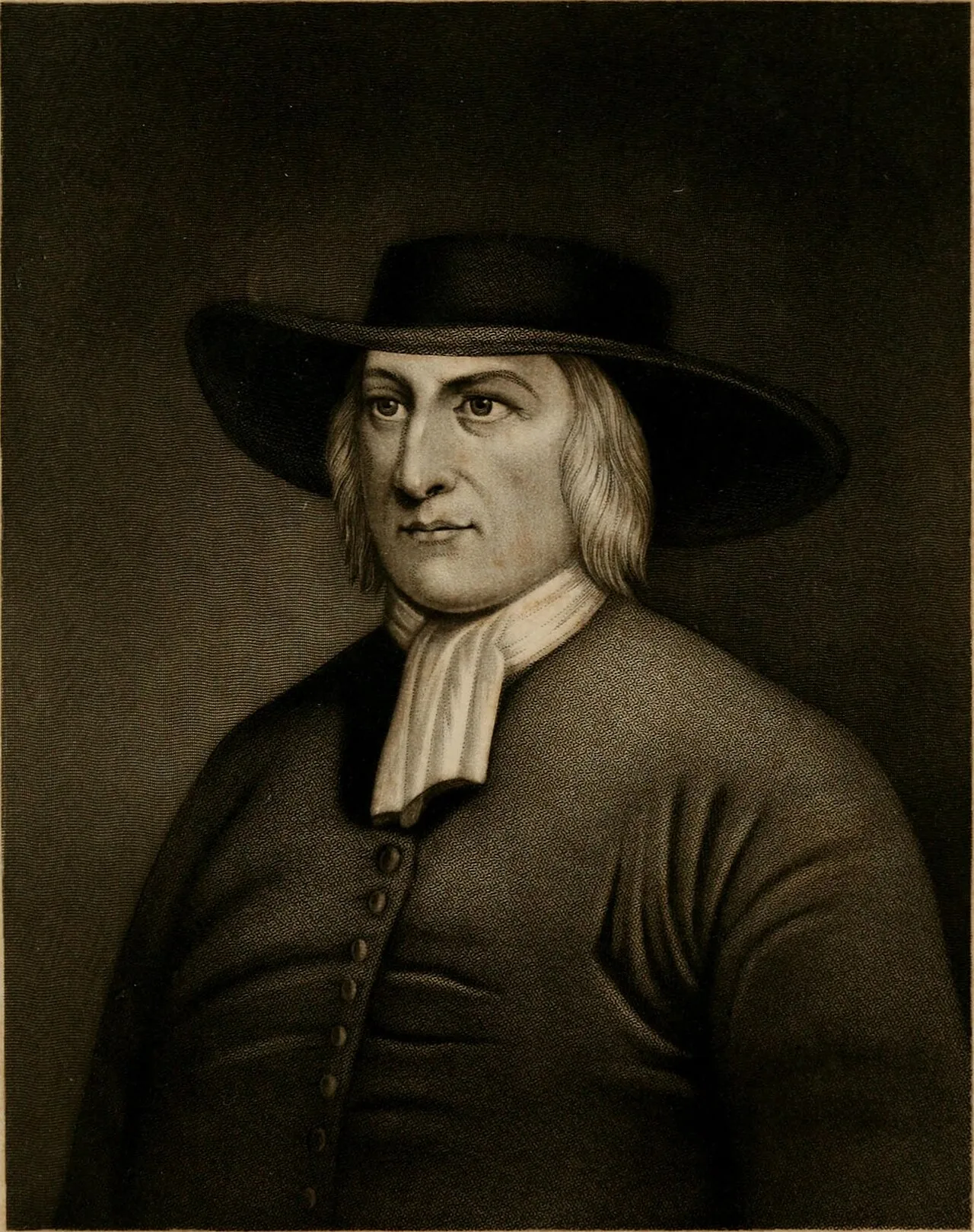
Religious denominations of the world - comprising a general view of the origin, history, and condition of the various sects of Christians, the Jews, and Mahometans, as well as the pagan forms of (14761837356)
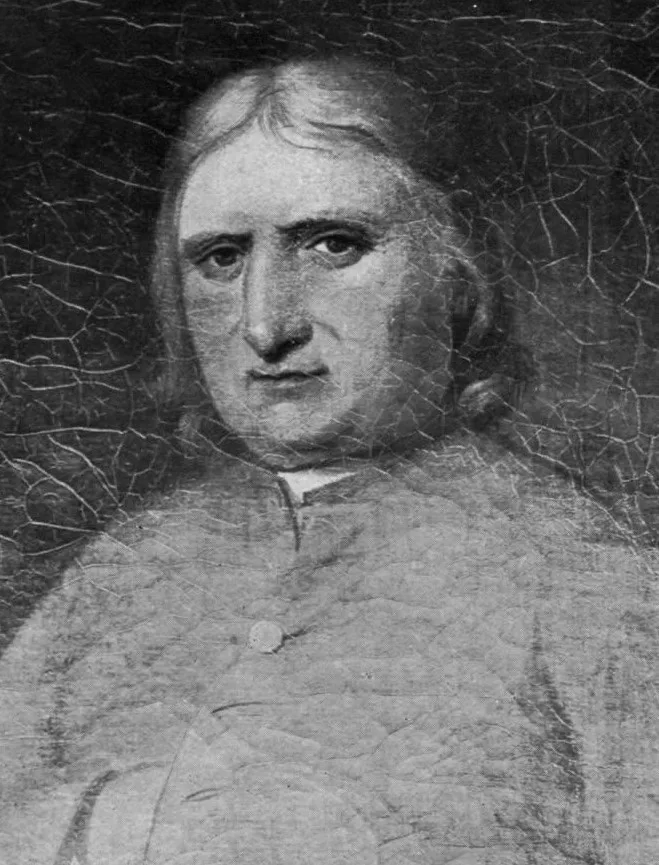
George Fox, a leading early Quaker
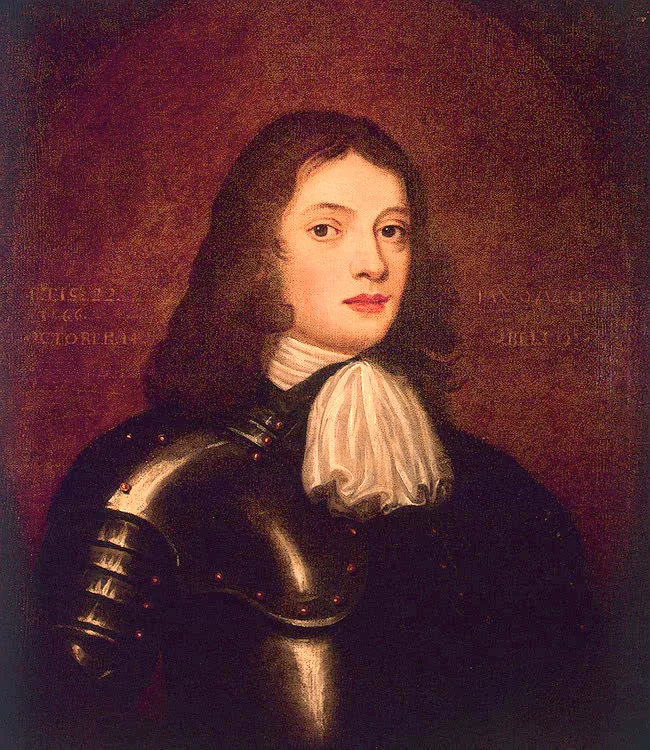
William Penn, the founder of Pennsylvania and West Jersey, as a young man

Sugar Grove Conservative Friends Meeting House, built in 1870 in Indiana, with an openable partition between male and female sections

Sign at entrance of Phoenix Friends Church

Quaker business meeting in York
Quakers
Quakers are members of the Religious Society of Friends, a historically Protestant Christian set of denominations.
African Epicenter of a Global Faith
Popular perception often pictures Quakerism as a quiet, Anglo-American movement, but its modern demographic core lies elsewhere. In 2017, there were an estimated 377,557 adult Quakers worldwide, with 49% living in Africa compared to just 22% in North America. Kenya alone counted 119,200 Quakers in 2017, far surpassing the 80,000 recorded across the United States.
From Wikipedia · CC BY-SA 4.0
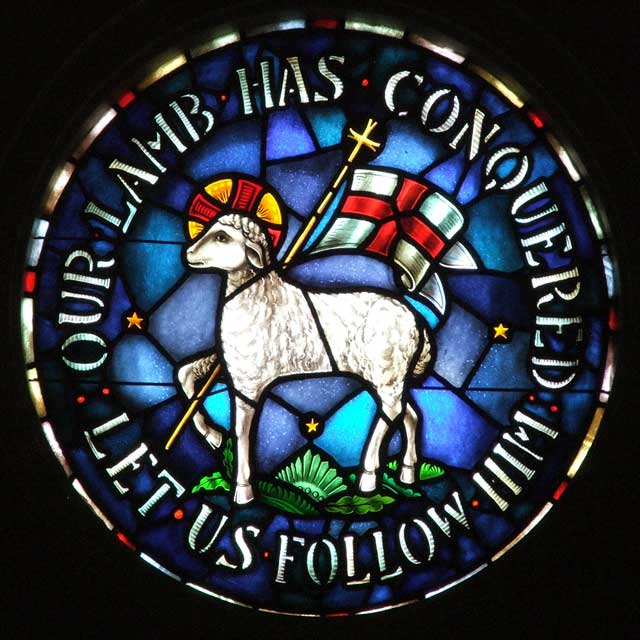
AgnusDeiWindow
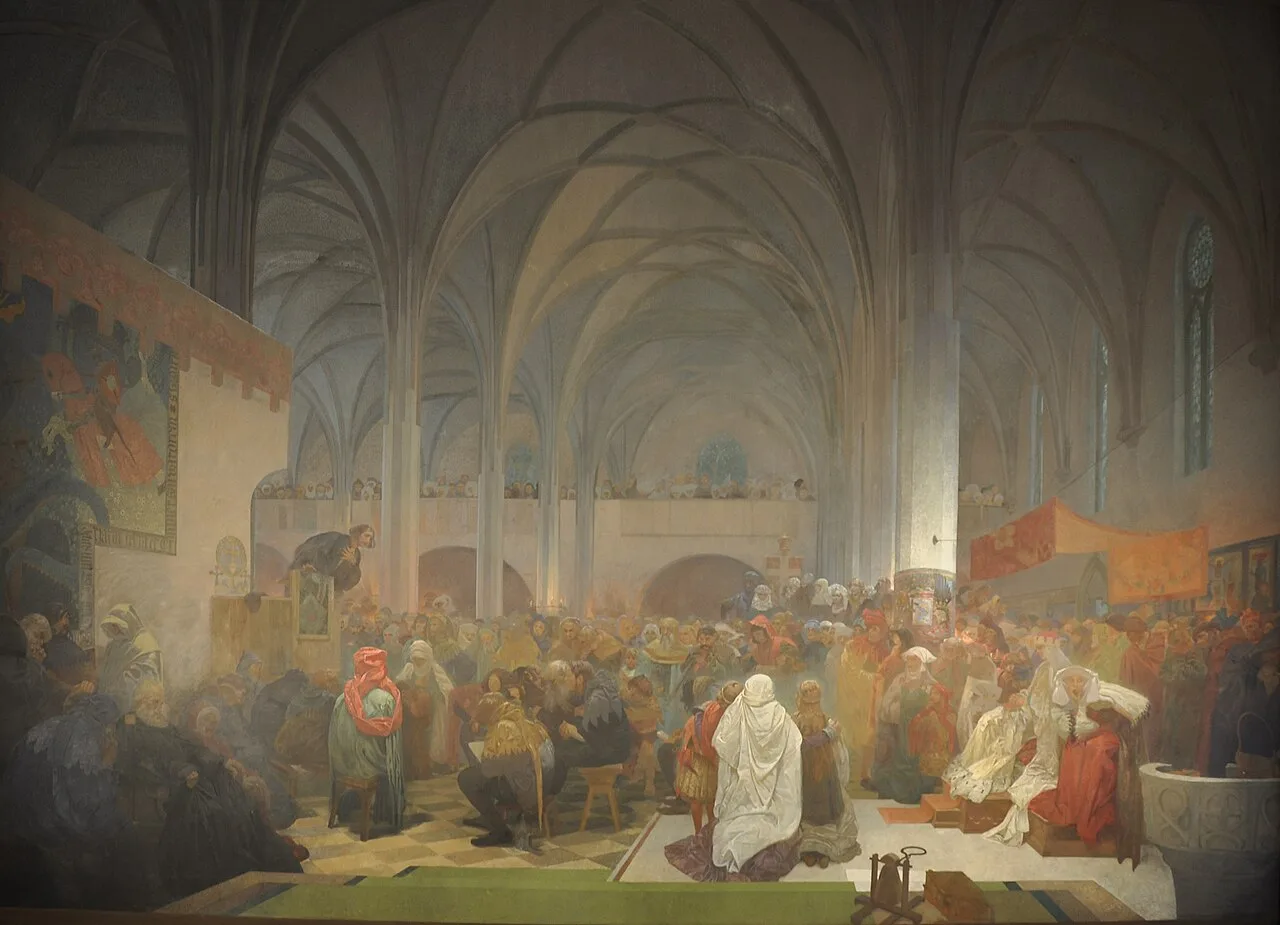
Jan Hus Preaching at Bethlehem Chapel in Prague, a 1916 portrait by Alfons Mucha
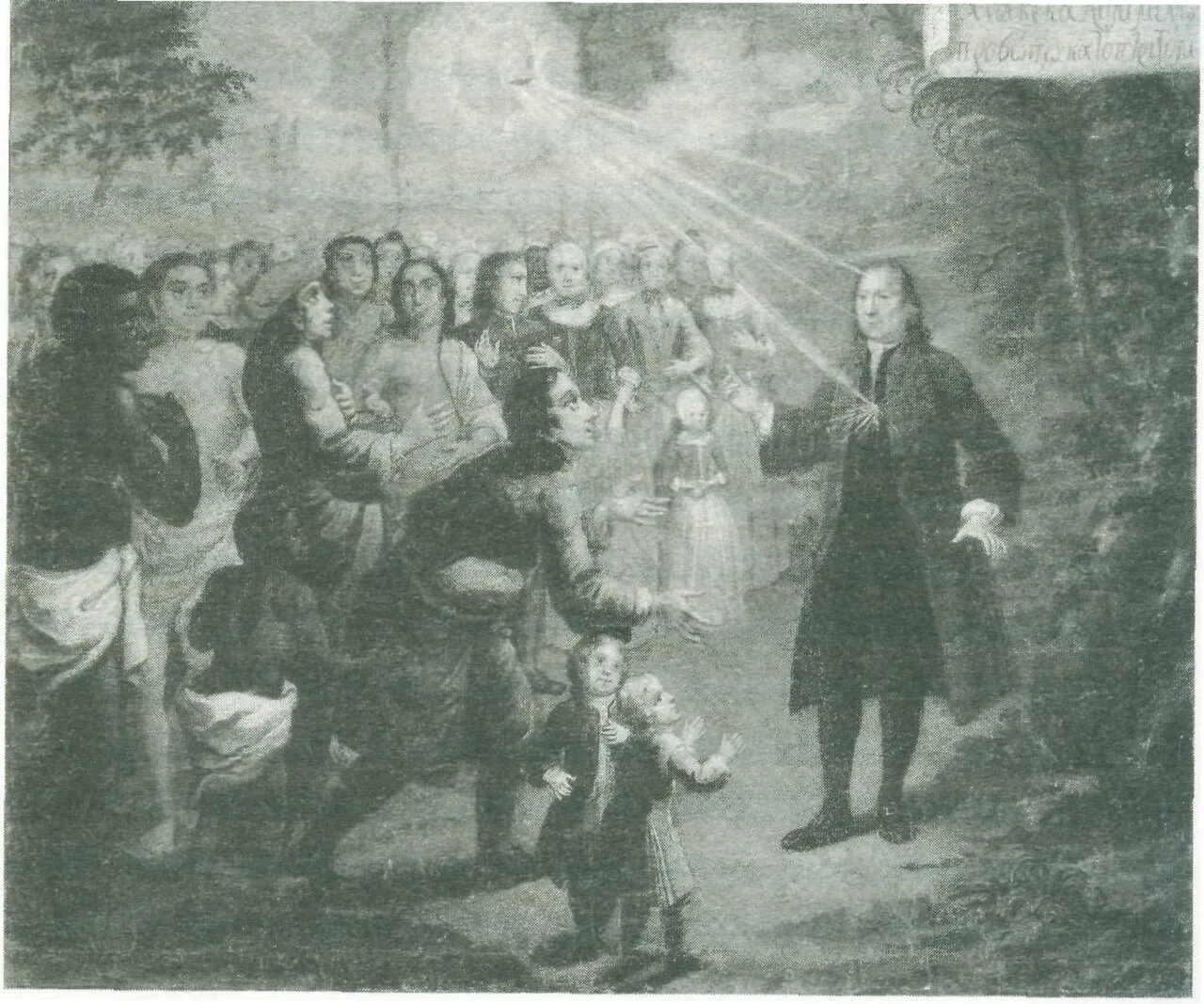
Nicolaus Ludwig Zinzendorf preaching to people from many nations
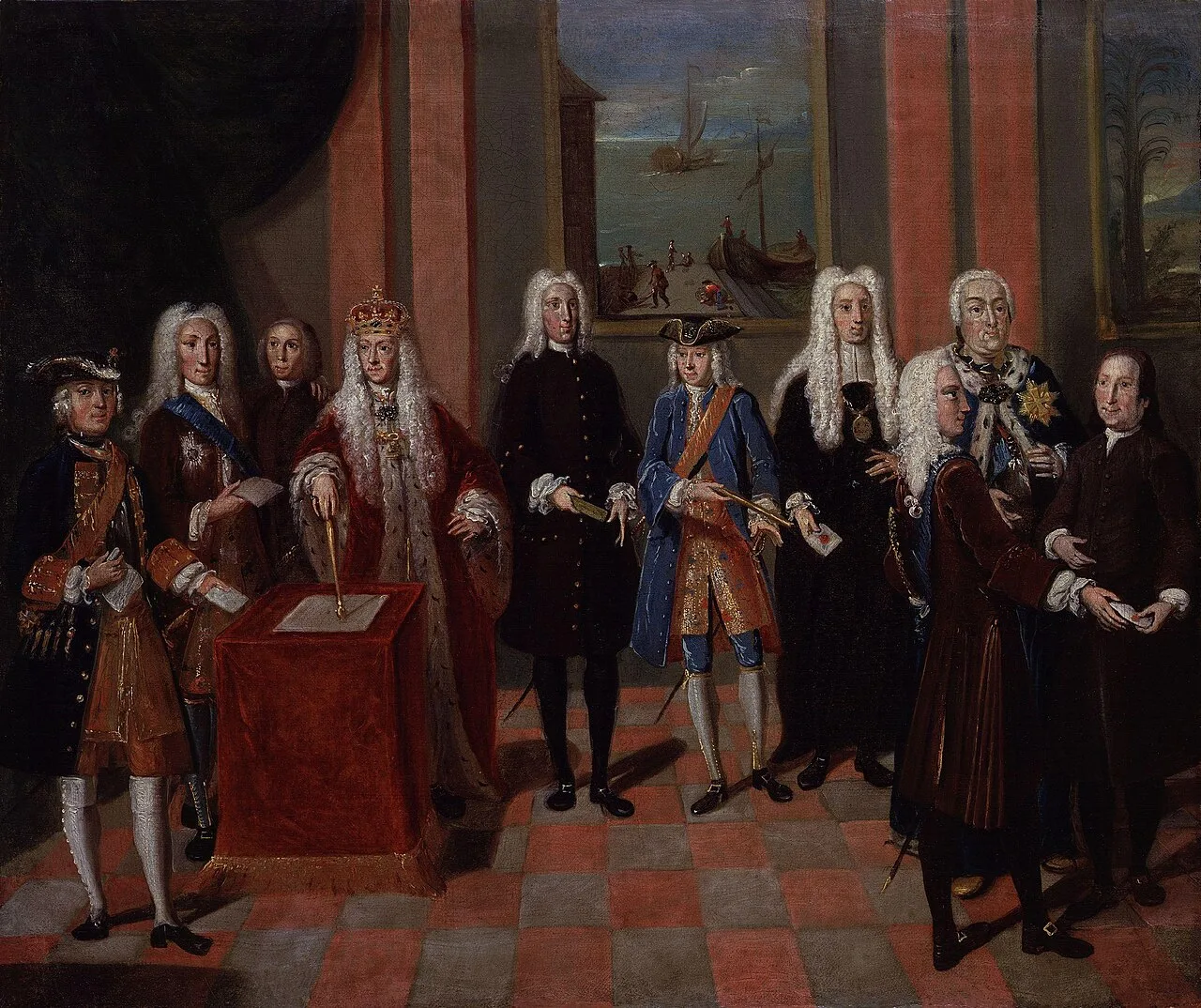
A group of Moravian Church members with George II, depicted in a portrait by Johann Valentin Haidt, c. 1752–1754
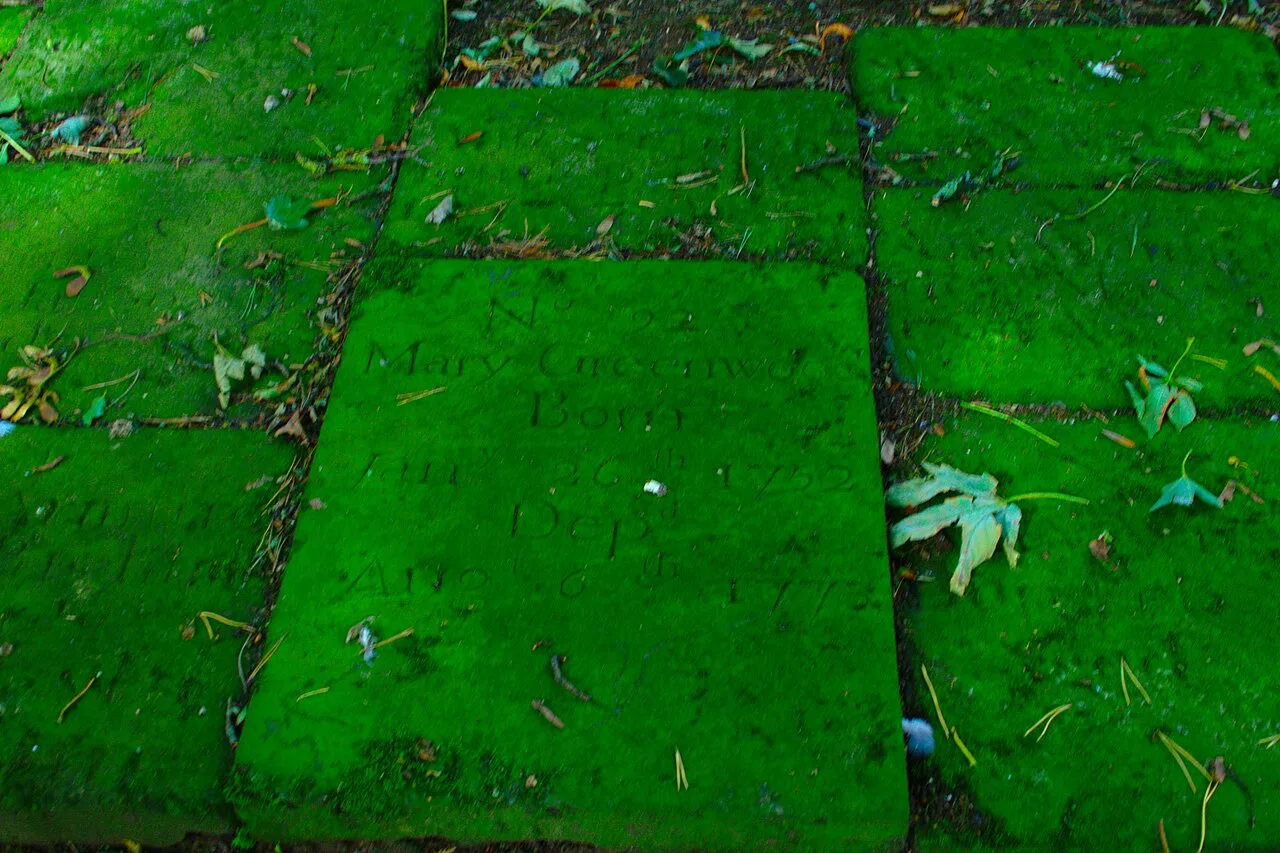
Mary Greenwoord was buried in Gracehill in County Antrim in 1752. Her gravestone is identical in style to hundreds of others irrespective of their gender or former status
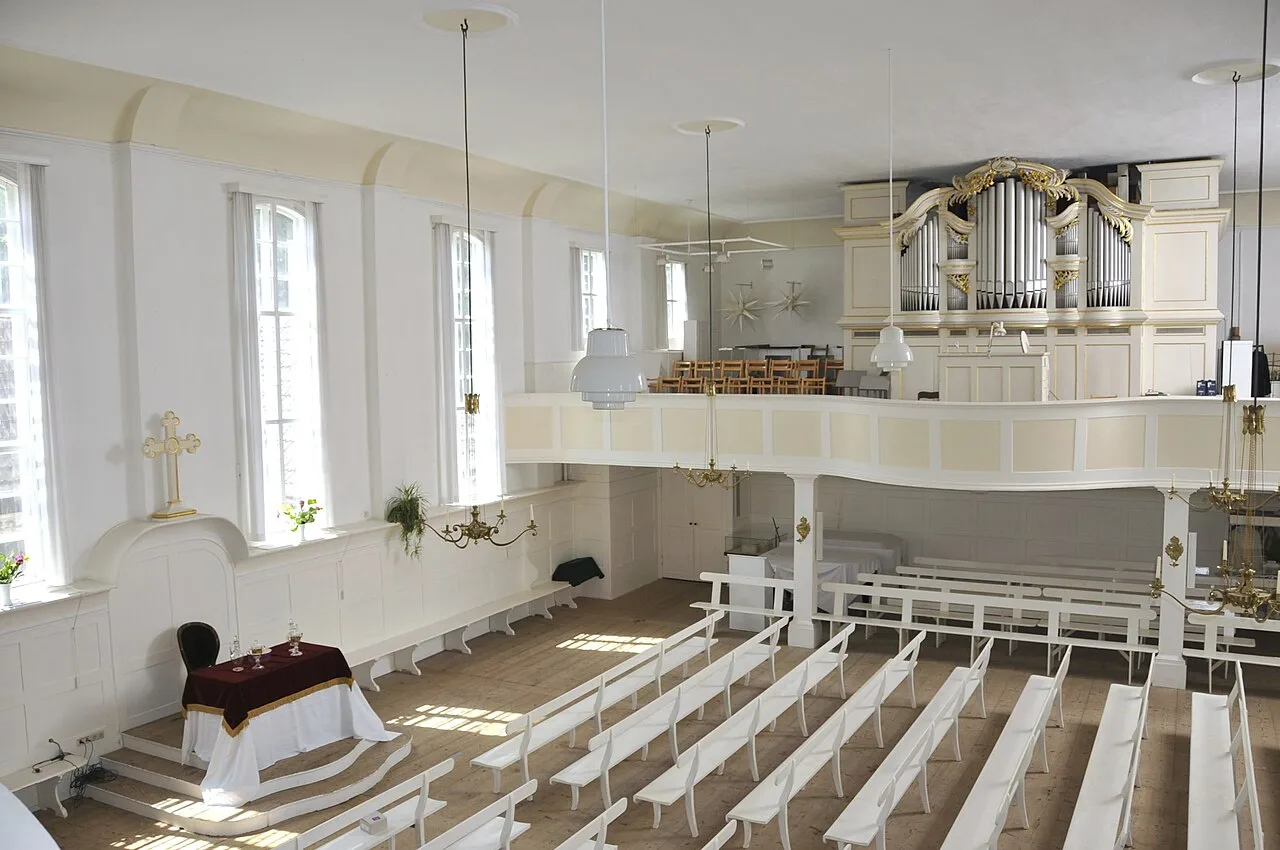
A Moravian church in Neudietendorf in Thuringia, Germany
Moravian Church
The Moravian Church, formally the Unitas Fratrum, is one of the oldest Protestant denominations in Christianity, dating back to the 15th-century Bohemian Reformation in the Kingdom of Bohemia.
Reformation Decades Before Martin Luther
Long before Martin Luther sparked his wider movement, Jan Hus articulated foundational Protestant ideas before being burned at the stake on 6 July 1415. His followers formally organized the Unity of the Brethren in Kunvald in 1457. Rather than aligning with mainstream factions, this community embraced strict obedience to the Sermon on the Mount, setting themselves apart through non-resistance, refusal of oaths, and rejecting wealth accumulation.
From Wikipedia · CC BY-SA 4.0

Bruderhof logo
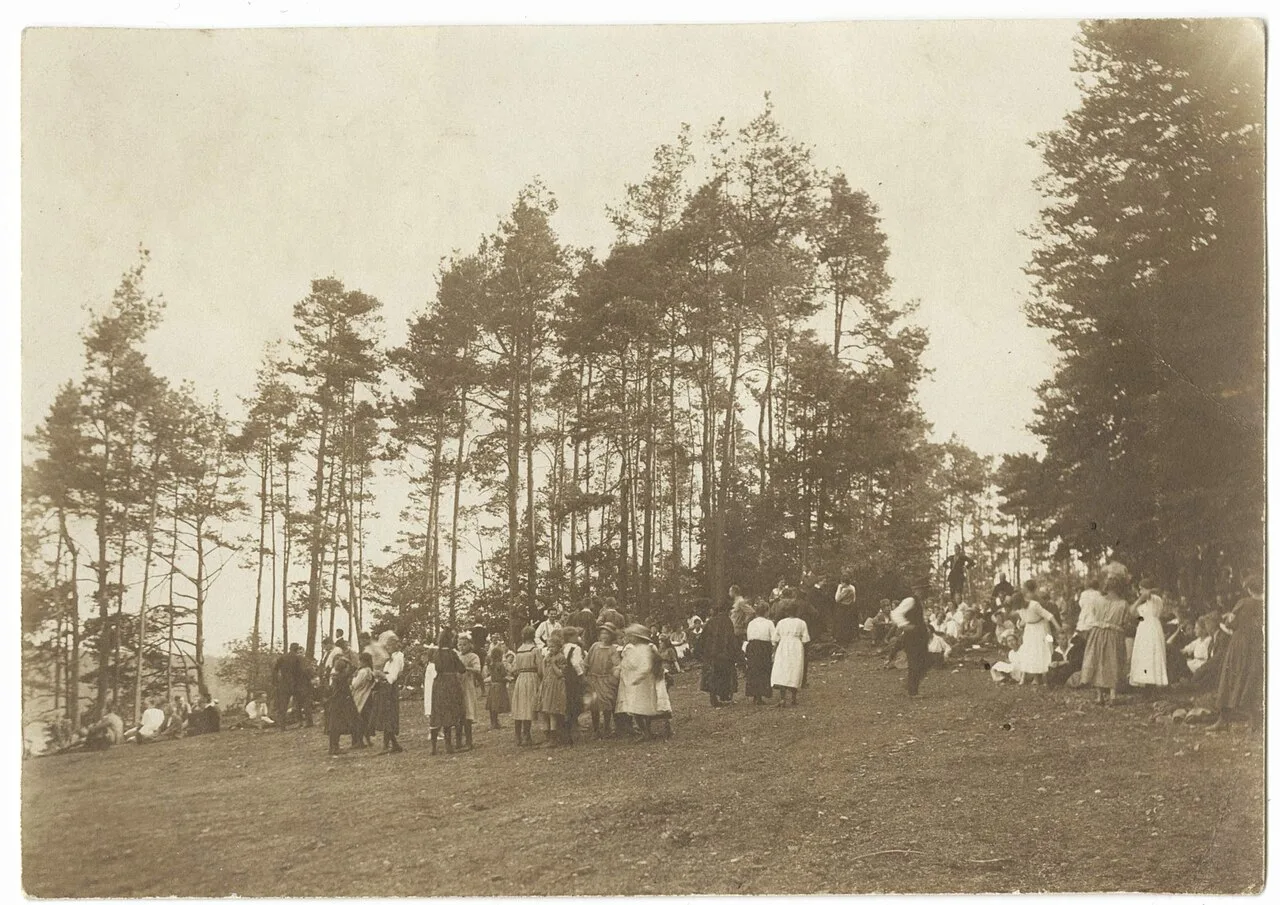
A gathering of the Youth Movement in 1920

Tea break at the Cotswold Bruderhof

Avila Star – one of the boats that transported the Bruderhof to Paraguay.

Cattle Round-up in Paraguay
Bruderhof Communities
The Bruderhof is a communal Anabaptist Christian movement founded in Germany in 1920 by Eberhard Arnold.
Confronting the Gestapo in the Rhön Mountains
With the rise of Adolf Hitler and Nazism, the Rhön community moved draft-age men and children to Liechtenstein around 1934 due to conscientious refusal of military service. Pressure escalated until 14 April 1937, when secret police surrounded the Rhön Bruderhof and confiscated the property. The remaining community members were given forty-eight hours to flee the country, forcing them into exile.
From Wikipedia · CC BY-SA 4.0
A cross with branches of equal size made up of two parallel lines with the bottom-left corner dovetailing into a wave that connects as part of a circle: The words "Church of the Brethren" are written below.
Seal of the Germantown congregation
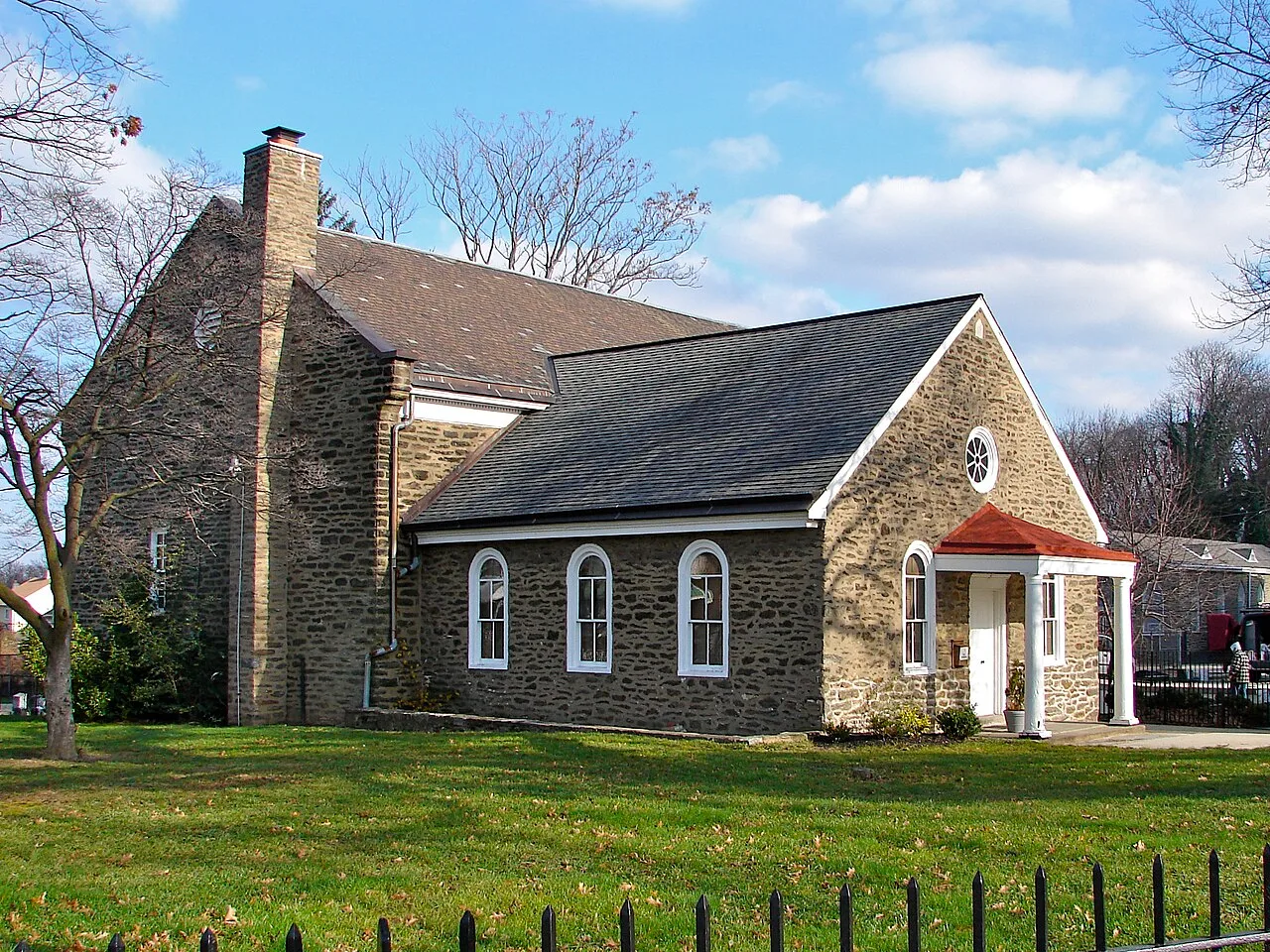
The first Brethren church built in America, in Germantown near Philadelphia.
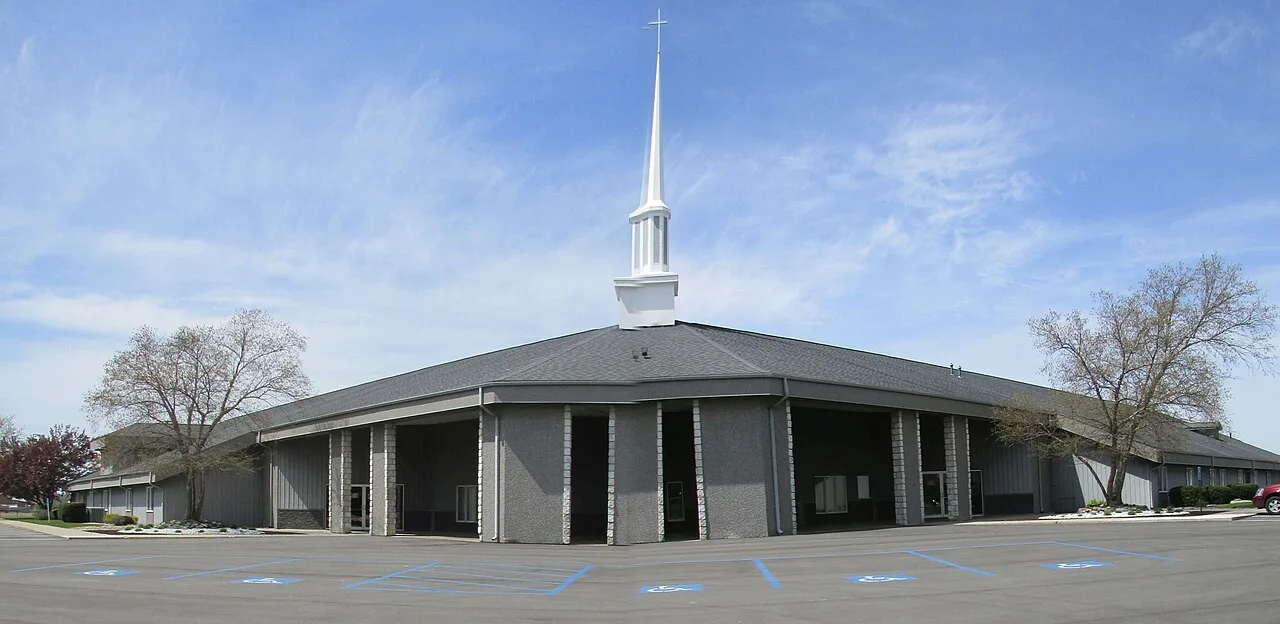
Nappanee First Brethren Church, Indiana, United States.
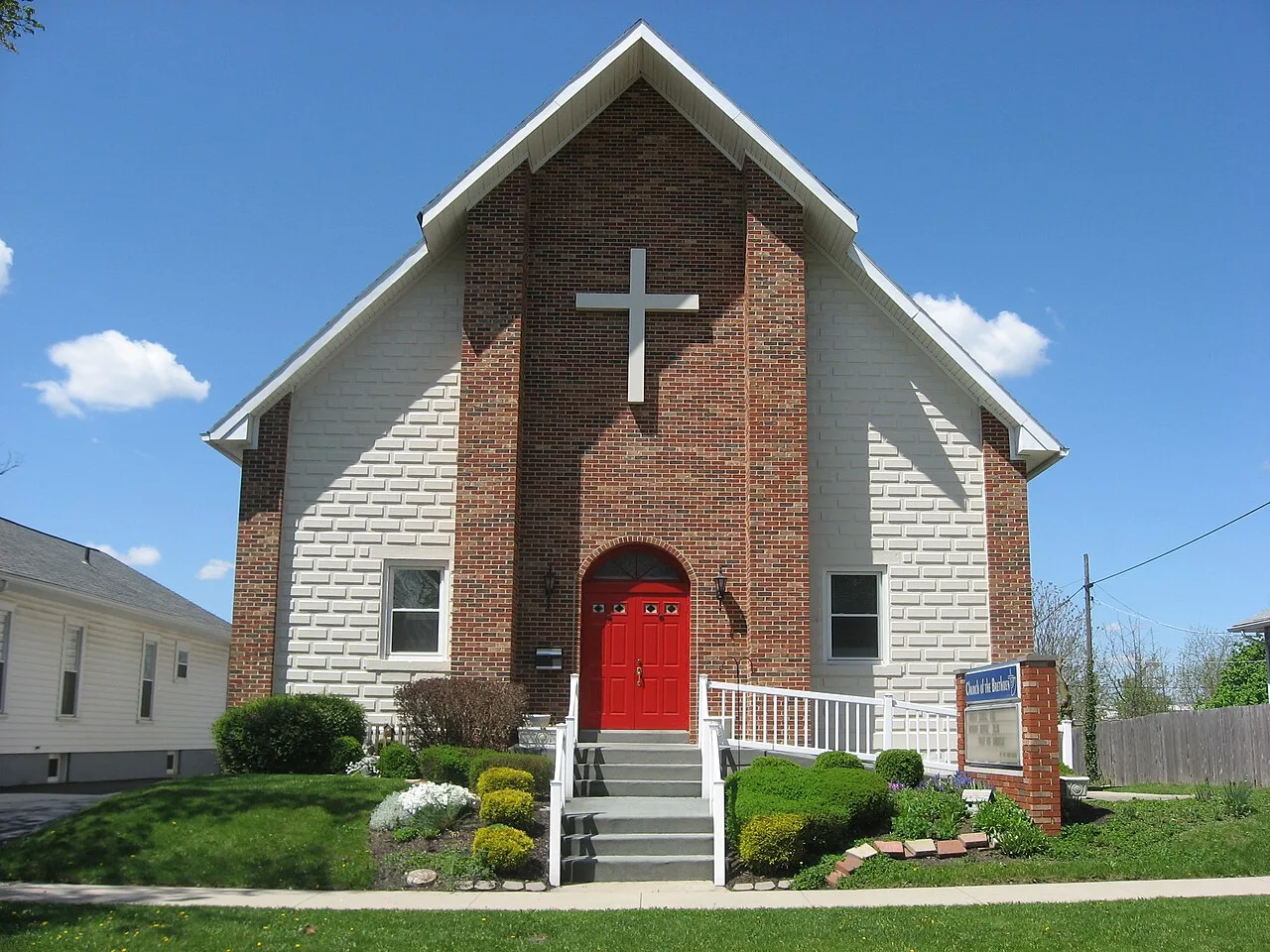
Church of the Brethren, Bellefontaine, Ohio, United States.
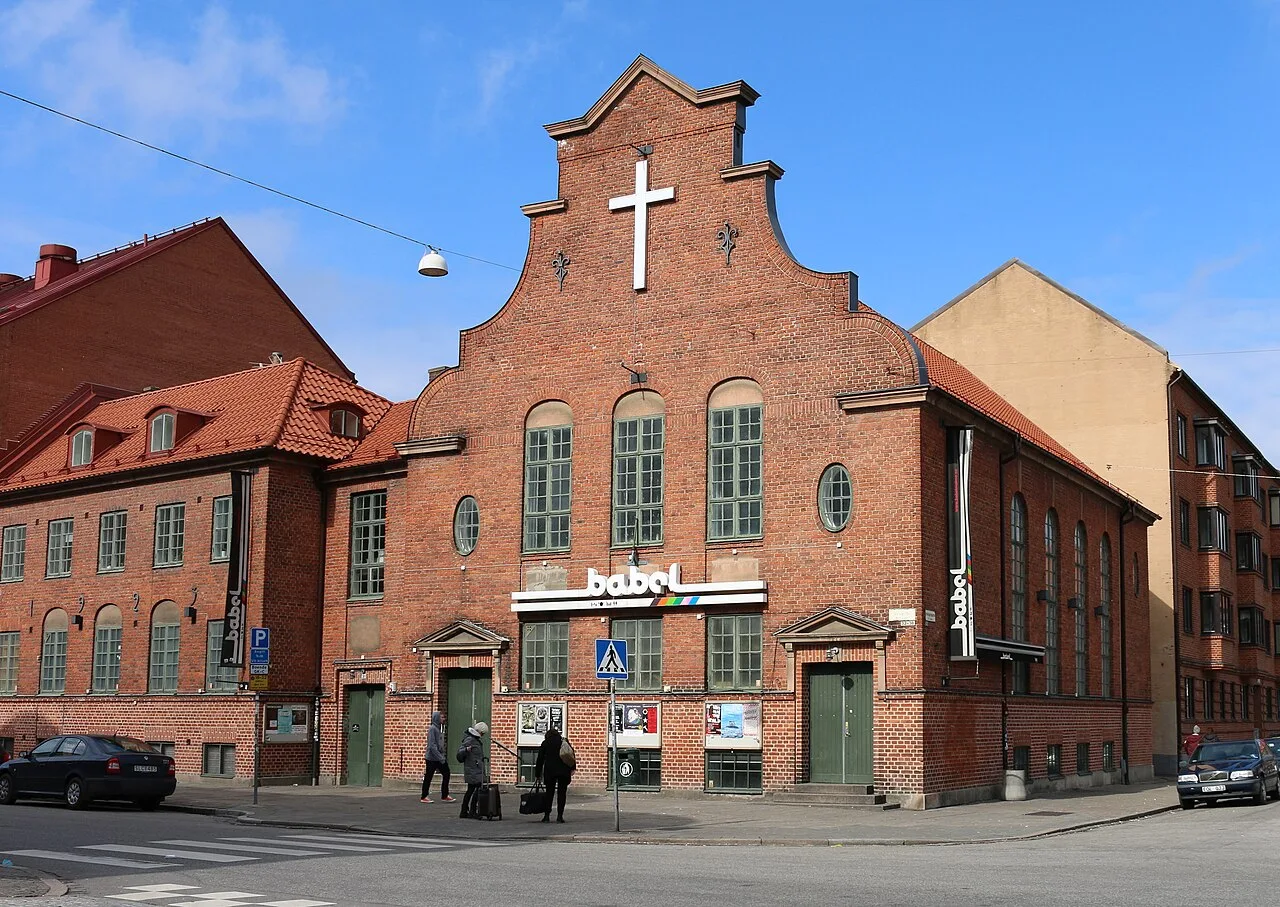
Former Brethren church (Betesda) in Malmö, Scania, Sweden.
Church of the Brethren
The Church of the Brethren is an Anabaptist Christian denomination founded in 1708 by Alexander Mack in Germany. It is one of the three historic peace churches, alongside the Mennonites and Quakers.
A Reciprocal Baptism in the River Eder
The origin of the Schwarzenau Brethren in 1708 bypassed the traditional authority of established European clergy. Under the leadership of Alexander Mack, five men and three women gathered at the river Eder in Schwarzenau to establish their fellowship. Rather than seeking ordination from an existing state church, one unnamed member baptized Mack, who then proceeded to baptize the other seven founding members.
From Wikipedia · CC BY-SA 4.0

The Molokane (cropped)

A Molokan villager in Fioletovo, Armenia

Presbyter of Molokans of Ivanovka village, Azerbaijan

The first Russian Molokans Church (Spiritual Christians) in Glendale, Arizona was built in 1950 and is located at 7402 Griffin Ave. It is listed as a historical site by the Glendale Arizona Historical Society.

Molokan children in Armenia

Molokan Russian immigrants at the Potrero Hill Neighborhood House, San Francisco, California
Molokans
The Molokans are a Russian Spiritual Christian sect that evolved from Eastern Orthodoxy in the East Slavic lands.
Christianizing Nomadic Dairy Traditions
Orthodox authorities strictly prohibited dairy products during roughly 200 annual fasting days, including Lent. The practice of drinking milk instead emerged as early as 1007, when the Nestorian Church accommodated around 200,000 Turco-Mongolic converts under Markus Buyruk Khan. Rather than forcing pastoral nomads to eliminate vital dietary staples, ecclesiastical authorities permitted sweet milk over soured milk during fasts.
From Wikipedia · CC BY-SA 4.0

A two-story gray masonry church with a square turret.

Central Schwenkfelder Church in Worcester, PA
Schwenkfelder Church
The Schwenkfelder Church is a small American Christian body rooted in the 16th-century Protestant Reformation teachings of Caspar Schwenkfeld von Ossig.
Spirit Over Structure Across Four Centuries
A religious movement can endure across centuries without building formal ecclesiastical architecture. Followers of Caspar Schwenkfeld adhered faithfully to his 16th-century theological insights for hundreds of years before officially establishing an organized denomination. Because the founder prioritized internal spiritual rebirth over rigid outward institutional form, the Schwenkfelder Church was not formed until the 20th century. This delay illustrates how a community sustained itself on an anti-institutional foundation.
From Wikipedia · CC BY-SA 4.0
Seal of the Germantown congregation
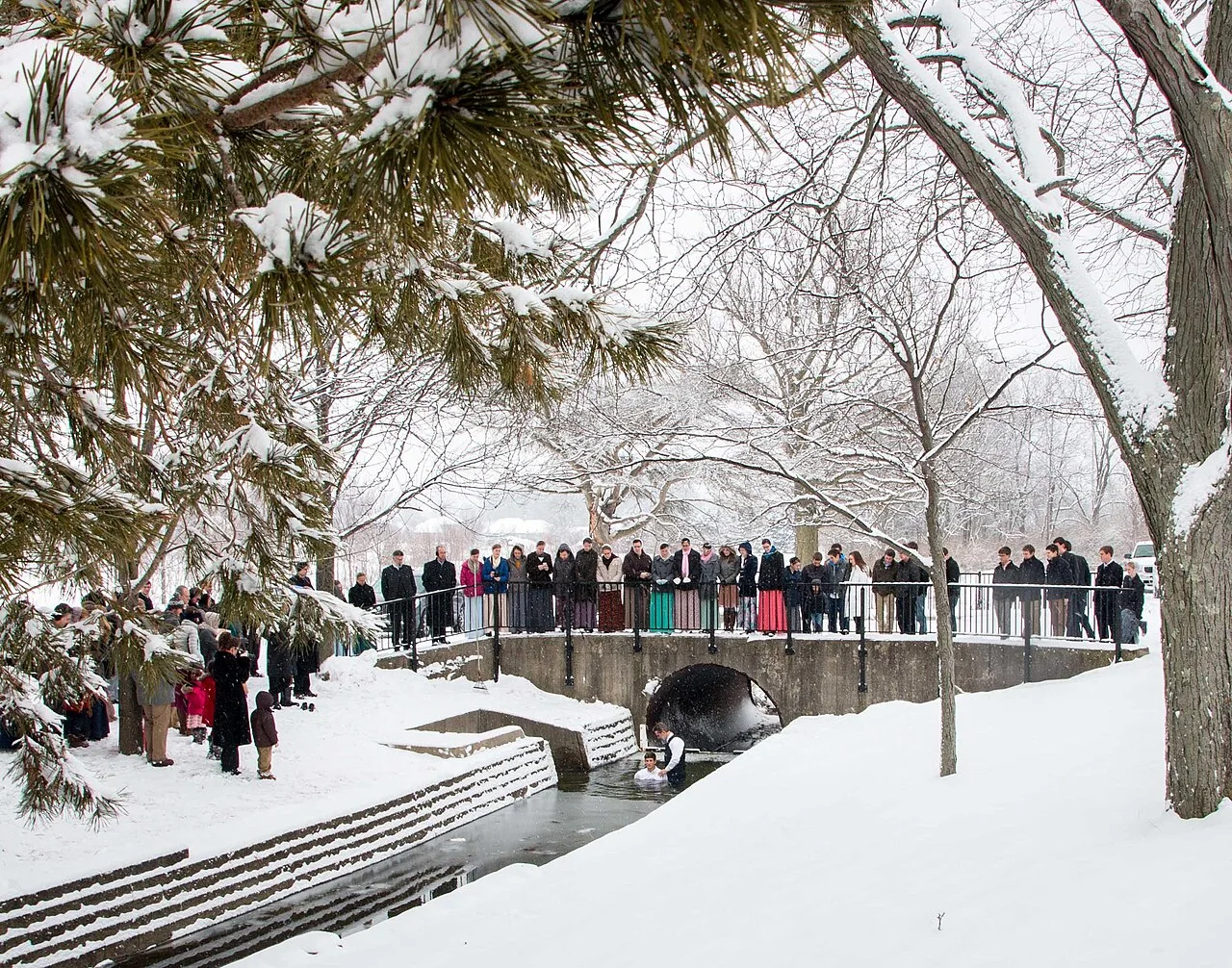
The Schwarzenau Brethren ordinance of baptism by trine immersion is celebrated by the Salem Congregation of the Old German Baptist Brethren Church, New Conference

A Schwarzenau Brethren celebration of the lovefeast at the Bear Creek Congregation of the Old German Baptist Brethren Church, New Conference

Brethren emphasize simplicity and humility in their life, including their architecture—as exemplified by this simple church built by Dunkers in Germantown, Philadelphia, pictured c. 1905.

Schwarzenau Brethren of the Old German Baptist Brethren, New Conference playing volleyball at Brethren Heritage School in Modesto, California
Schwarzenau Brethren
The Schwarzenau Brethren are an Anabaptist group that dissented from European state churches during the 17th and 18th centuries, officially forming a new church in 1708.
From Invisible Spirit to Visible Church Discipline
While early Radical Pietists championed an internal, purely spiritual fellowship without formal organization, Alexander Mack broke away from his mentor Ernst Christopher Hochmann von Hochenau by 1708. Mack established a concrete ecclesiastical structure governed by outward ordinances. This new body enforced threefold adult baptism by immersion, the Love Feast, and the strict use of the ban against unrepentant members.
From Wikipedia · CC BY-SA 4.0
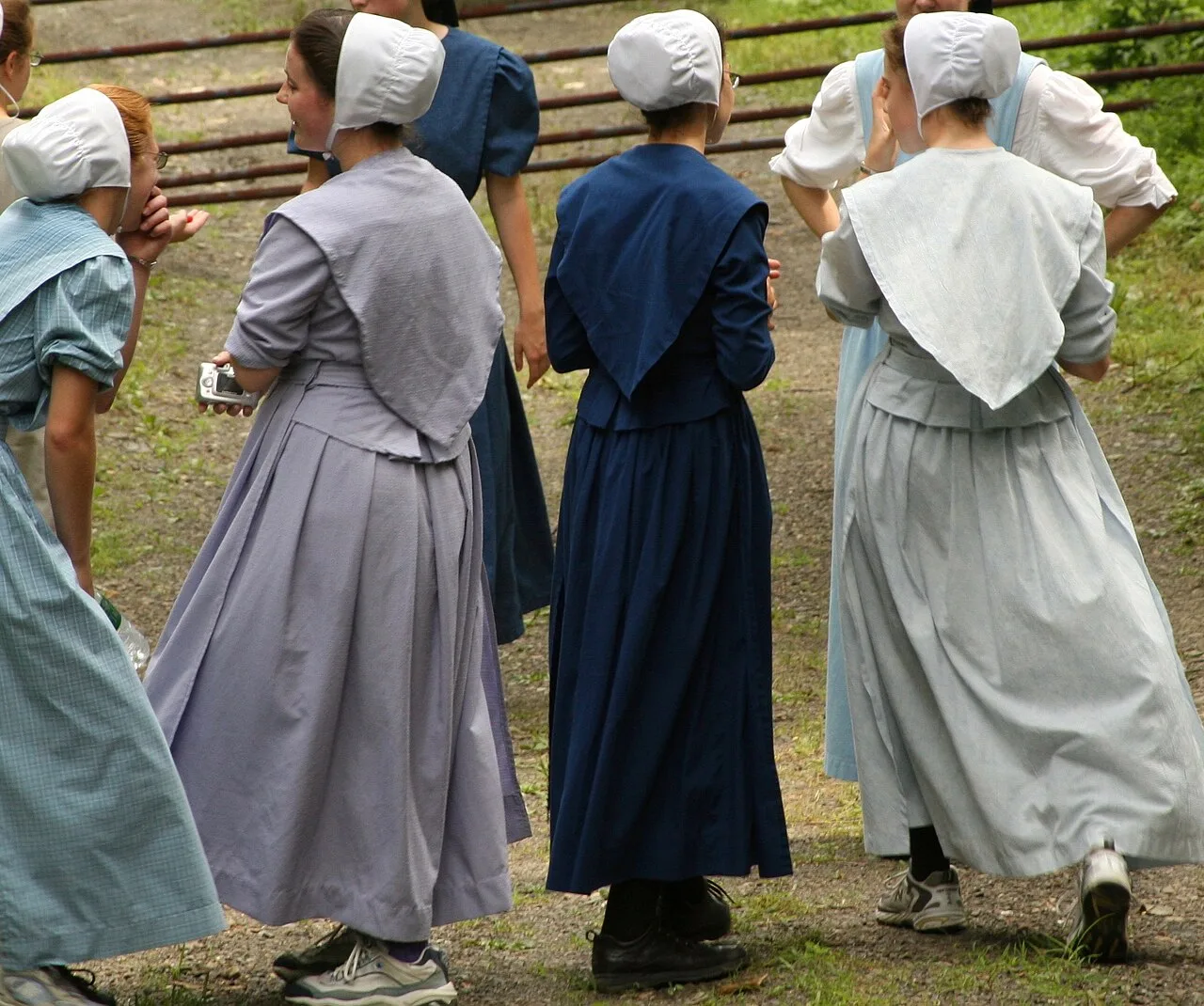
Old Order River Brethren women
River Brethren
The River Brethren are a group of historically related Anabaptist Christian denominations originating in 1770, during the Radical Pietist movement among German colonists in Pennsylvania.
Pietist Awakening in Colonial Pennsylvania
The River Brethren arose in 1770 during the Radical Pietist movement that swept through German colonists in Pennsylvania. This Anabaptist Christian community established a distinct identity apart from surrounding religious revivals. Their emergence marked a significant chapter in the development of American nonconformist faith, blending European heritage with new regional practices.
From Wikipedia · CC BY-SA 4.0
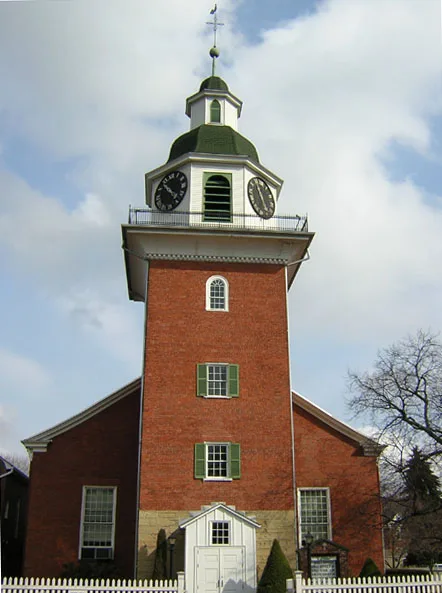
The Harmony Society church in Old Economy Village, Pennsylvania
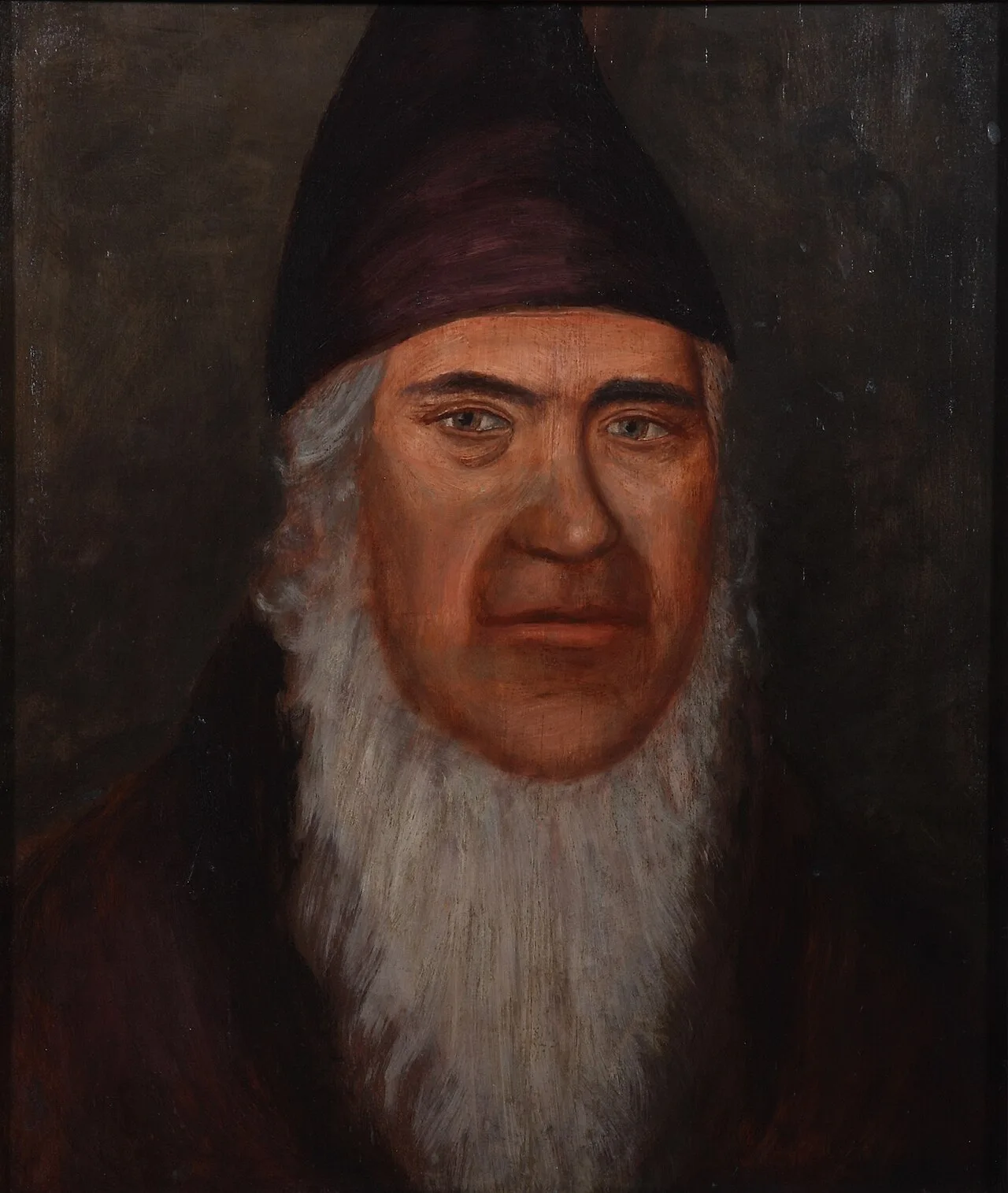
Johann Georg Rapp (George Rapp) 1757–1847

Harmony Society building in Harmony, Pennsylvania, built in 1809.

Harmony Society buildings in New Harmony, Indiana.
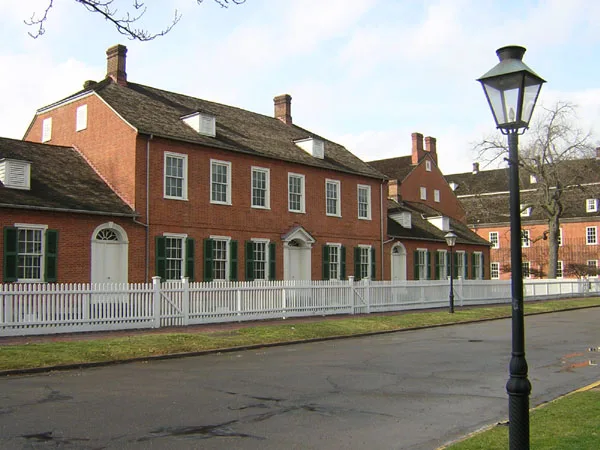
The Rapp house in Old Economy Village, Pennsylvania.

Grotto (far left) and statue of Harmonia in the Harmony Society gardens in Old Economy Village, Pennsylvania.
Harmony Society
The Harmony Society was a Christian theosophy and pietist society founded in Germany in 1785 that later moved to the United States, settling in Pennsylvania in 1805.
Conscientious Defiance in the Duchy of Württemberg
In 1798, the Separatists formally challenged the Wurttemberg legislature through the Lomersheimer declaration. While affirming Christian principles and general support for civil government, they refused to take a physical oath or serve in the military. They also rejected mandatory confirmation and withdrew their children from Lutheran schools to teach them at home.
From Wikipedia · CC BY-SA 4.0