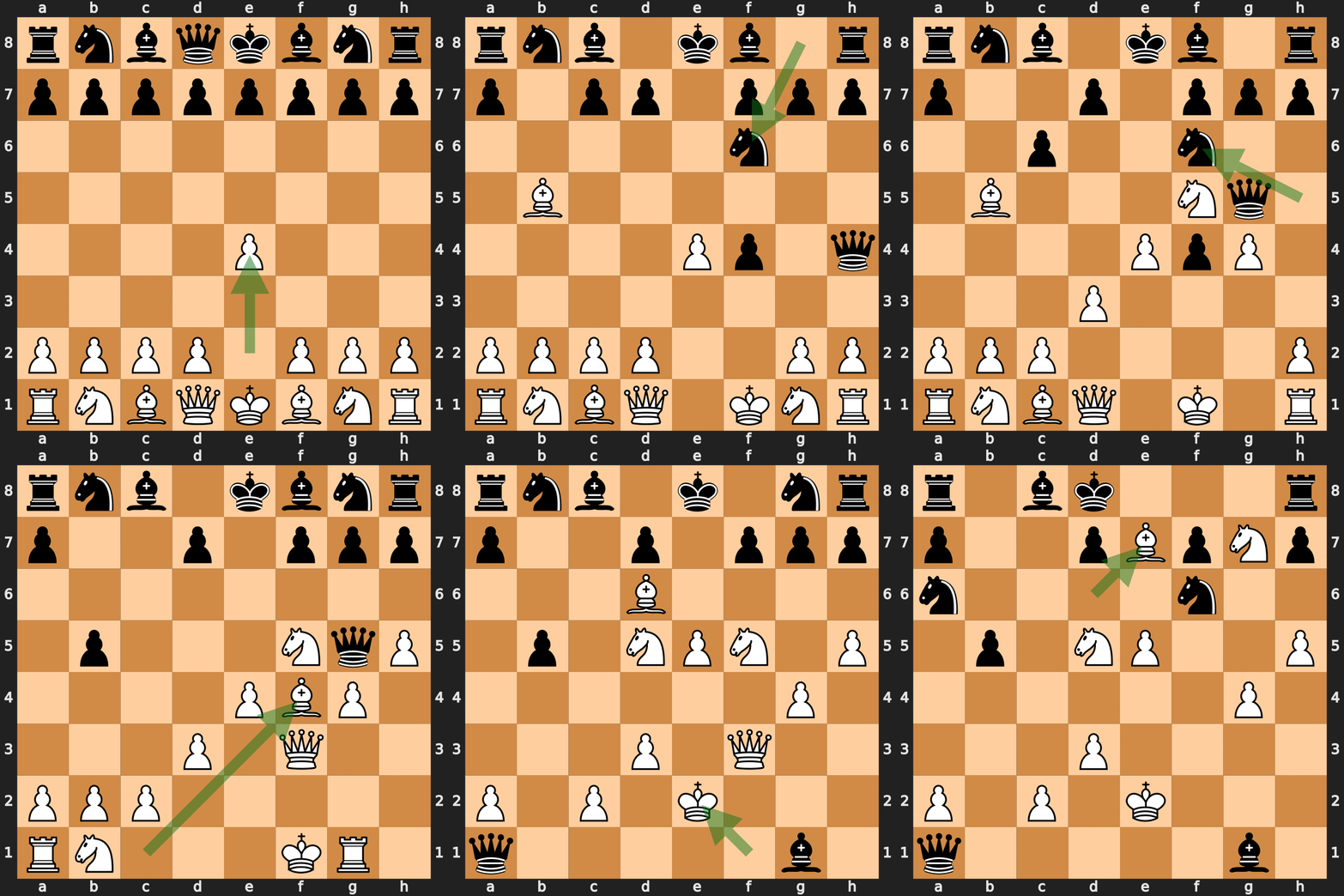
Immortal Game animation. Anderssen shown playing as White.

Immortal Game checkmate

Record of the game, as communicated by Kieseritzky
Immortal Game
The Immortal Game was an 1851 chess game played between Adolf Anderssen and Lionel Kieseritzky during the London 1851 chess tournament.
Casual Origins of a Legendary Contest
The most celebrated game in chess history was never part of an official tournament bracket. Adolf Anderssen and Lionel Kieseritzky contested the match casually during a break in the London 1851 chess tournament. Anderssen went on to win the formal event, securing wide recognition as the world's strongest player.
From Wikipedia · CC BY-SA 4.0

Game animation
Evergreen Game
The Evergreen Game is a famous chess game won by Adolf Anderssen against Jean Dufresne in 1852.
A Eulogy's Metaphor That Named a Masterpiece
The clash did not acquire its famous title until decades after it was contested. Following Anderssen's death in 1879, Wilhelm Steinitz published a tribute in The Field annotating the master's triumphs alongside the Immortal Game against Lionel Kieseritzky. Steinitz poetically described move 19.Rad1 as an evergreen in the laurel crown of the departed chess hero. This single commemorative phrase permanently bestowed upon the brilliancy its lasting name.
From Wikipedia · CC BY-SA 4.0
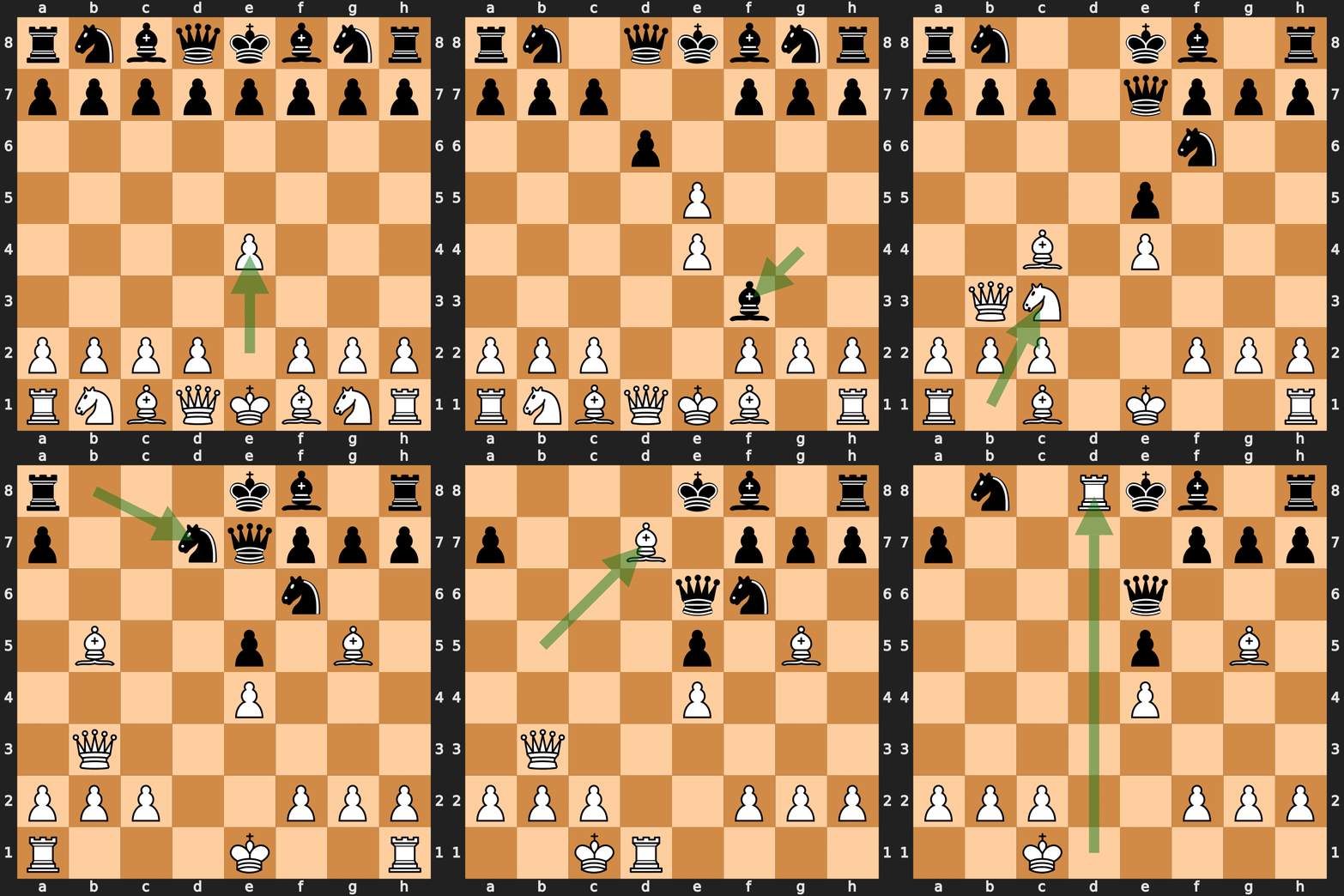
Animation of the Opera Game
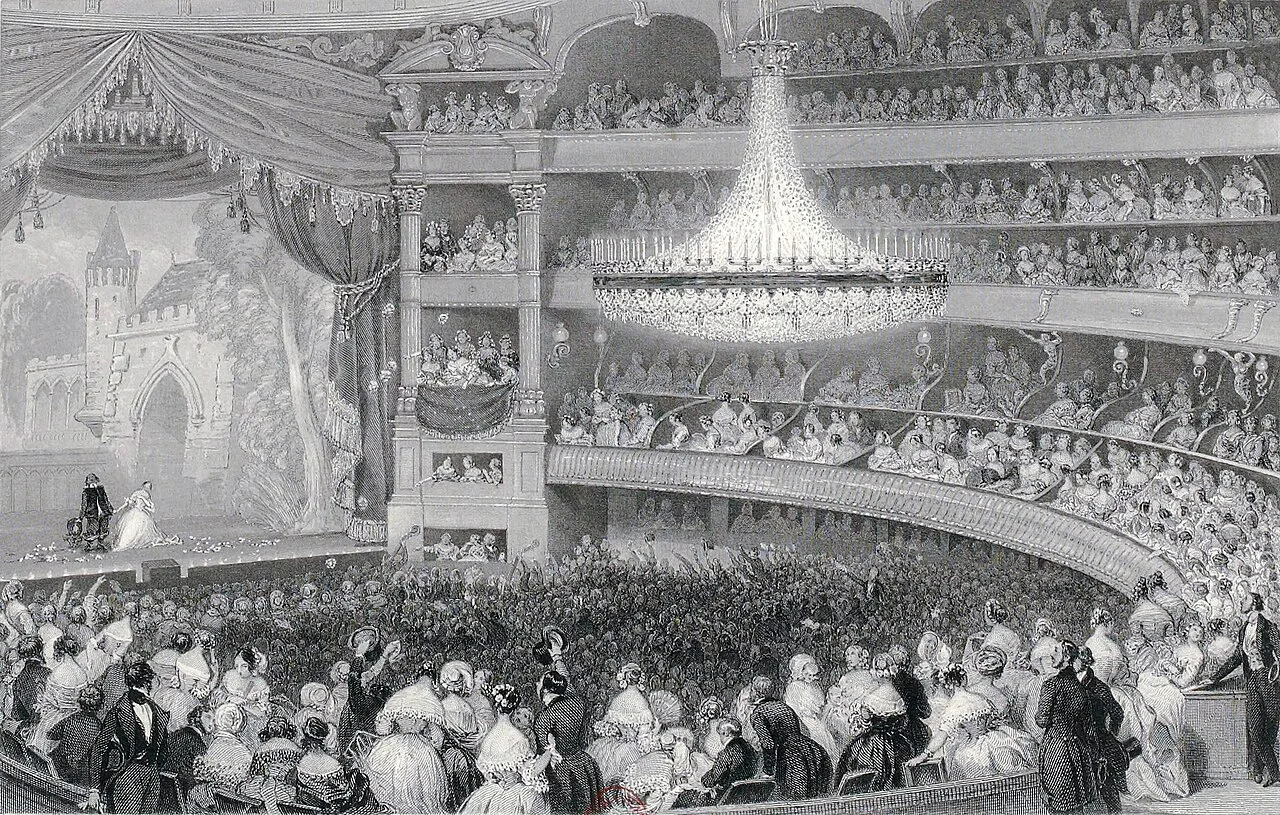
A performance by the Théâtre-Italien at the Salle Ventadour (c. 1842).
Opera Game
The Opera Game was an 1858 chess game played in Paris where American master Paul Morphy defeated Duke Karl of Brunswick and Count Isouard.
Back Turned to the Stage
Paul Morphy did not relish playing a chess consultation match while attending the theater. An ardent music lover, he sat with his back turned directly to the performers while the Duke and Count Isouard loudly disputed moves in front of him. Morphy grew thoroughly exasperated by the aristocratic distraction and wished chess at Pluto instead of suffering through the match.
From Wikipedia · CC BY-SA 4.0

Game replay; Fischer is playing as Black.
Game of the Century (chess)
The Game of the Century was a 1956 chess match won by the 13-year-old future world champion Bobby Fischer against Donald Byrne.
Mediocre Tournament Run Masks a Historic Spark
On October 17, 1956, 13-year-old Bobby Fischer faced Donald Byrne at the Rosenwald Memorial Tournament in New York City. Although Fischer's overall performance in the tournament was mediocre, this single brilliancy announced his arrival among chess royalty. The historic contest catalyzed his meteoric rise, leading him to win consecutive national titles and become the world's youngest Grandmaster at age 15 in 1958.
From Wikipedia · CC BY-SA 4.0

PaulCharlesMorphy
![Morphy in 1857, studio of Mathew Brady[12]](https://nwjvzop1xgplmzvt.public.blob.vercel-storage.com/wikifeed/paul-morphy/1-efa576413c.webp)
Morphy in 1857, studio of Mathew Brady[12]
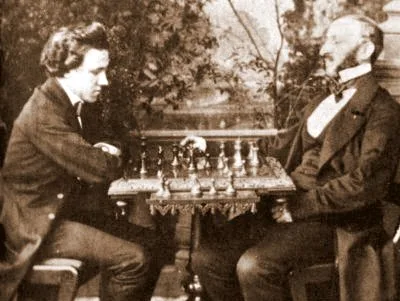
Morphy vs. Löwenthal, 1858

Engraving of Paul Morphy by Winslow Homer appearing in Ballou's Pictorial (1859)
![1859 engraving of Morphy, by Daniel Pound[12]](https://upload.wikimedia.org/wikipedia/commons/thumb/f/f0/Paul_Morphy.jpg/1280px-Paul_Morphy.jpg?utm_source=en.wikipedia.org&utm_campaign=imageinfo&utm_content=thumbnail)
1859 engraving of Morphy, by Daniel Pound[12]

Morphy's crypt in Saint Louis Cemetery No. 1
Paul Morphy
Paul Charles Morphy (June 22, 1837 – July 10, 1884) was an American chess player acknowledged in the late 1850s as the world's greatest chess master.
General Winfield Scott's Six-Move Checkmate
In 1846, nine-year-old Morphy was matched against General Winfield Scott in New Orleans. Although Scott regarded himself as a formidable player, he initially took offense when a young boy was introduced as his opponent. Morphy quickly dismantled any skepticism, defeating Scott in both encounters and concluding the second game with an announced forced checkmate after only six moves.
From Wikipedia · CC BY-SA 4.0
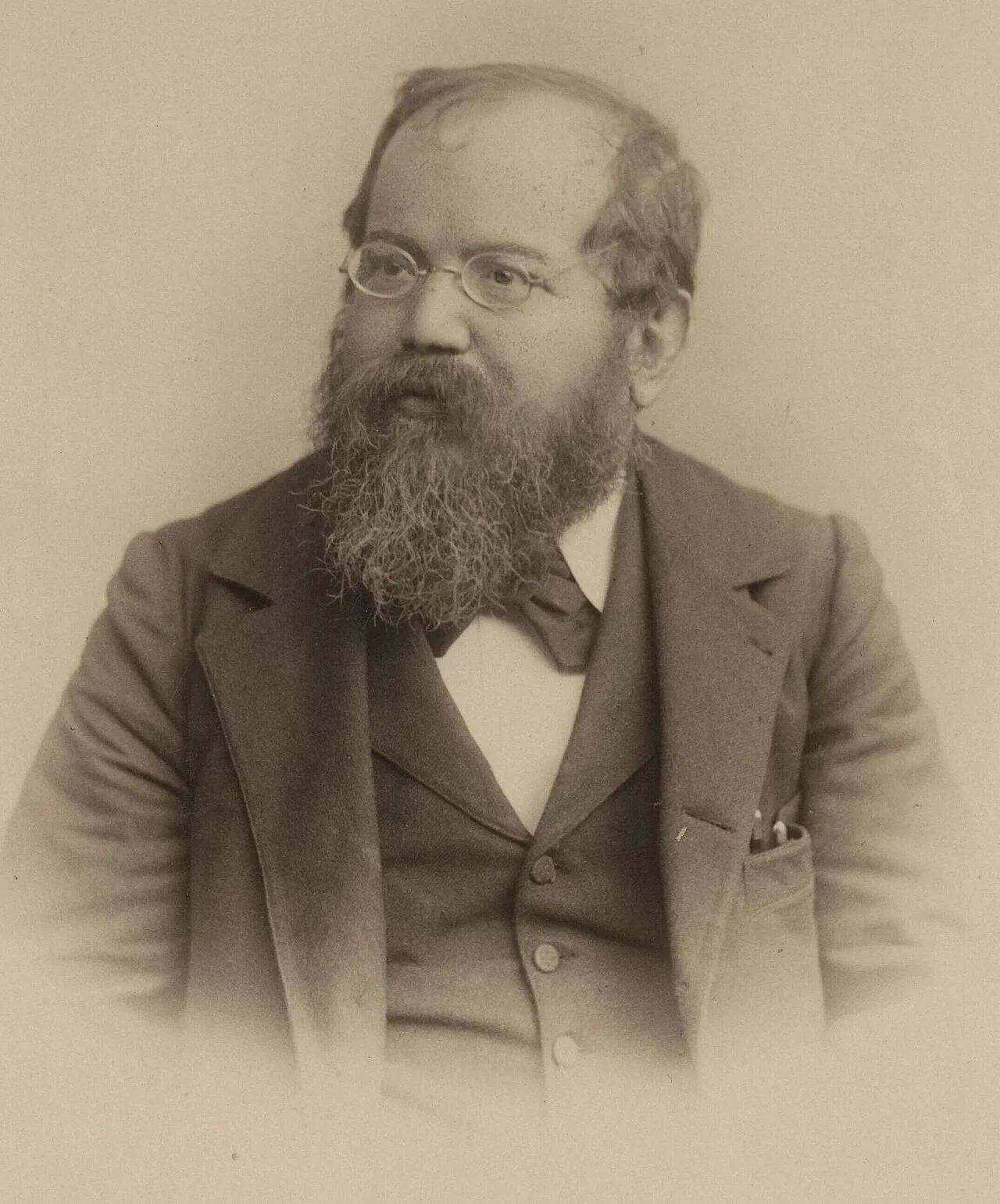
Steinitz, William-4 - DPLA - 9eeab9ac335135c24b69ab7e36fc5354 (cropped)
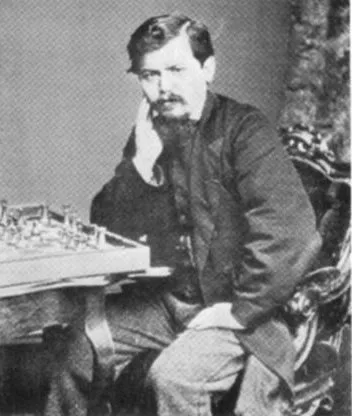
Steinitz in 1866
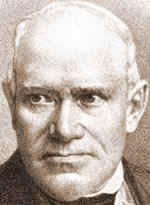
Adolf Anderssen was recognized as the world's top player until 1866, when Steinitz won a match against him.
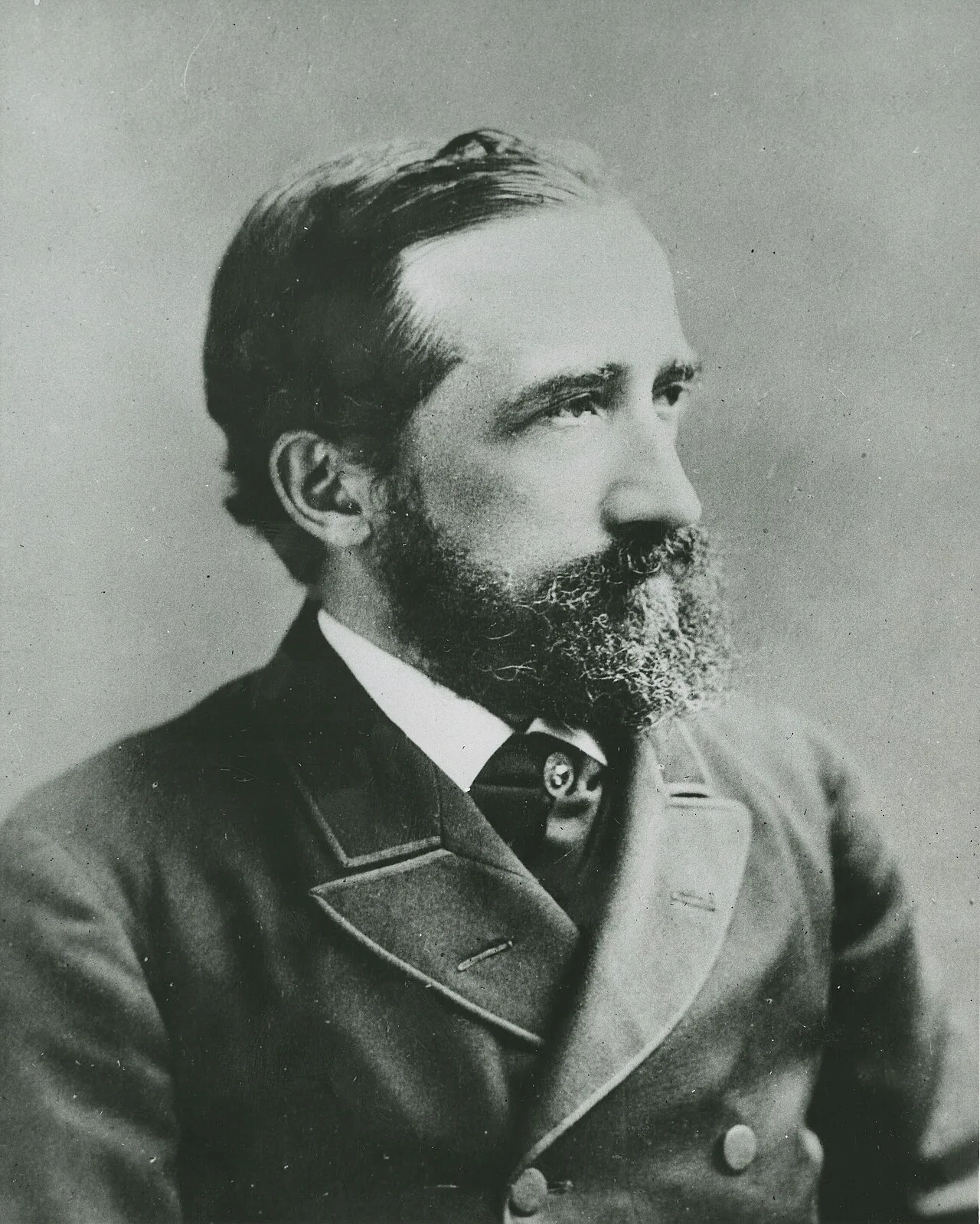
Steinitz's rival and bitter enemy Johannes Zukertort lost matches to him in 1872 and 1886. The second match made Steinitz the undisputed world champion.
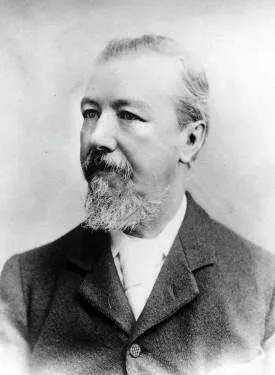
Joseph Blackburne. Steinitz beat him 7–0 in 1876, but George Alcock MacDonnell hailed Blackburne as "World Champion" for his win in the 1881 Berlin Tournament.
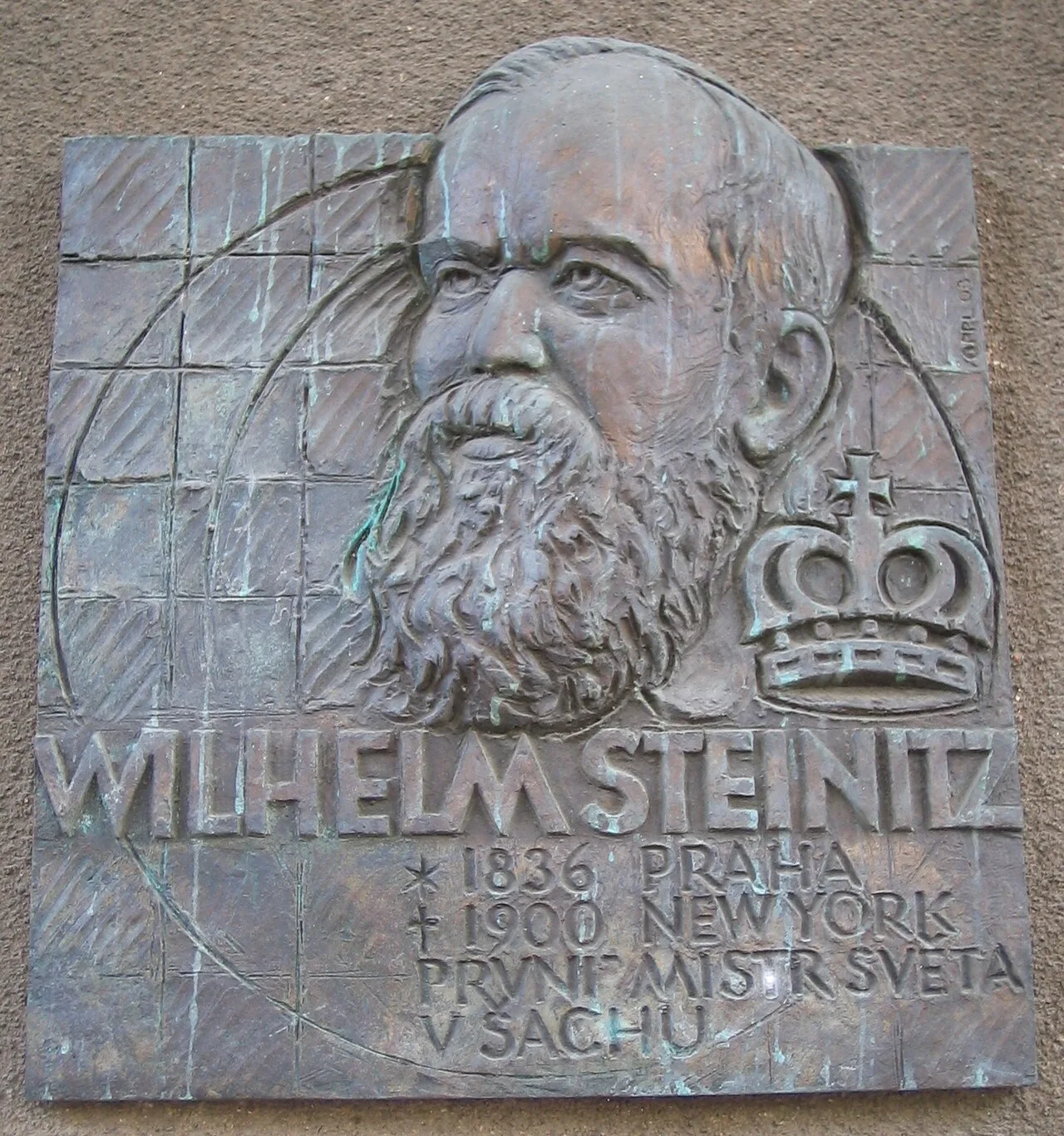
Plaque in honor of Wilhelm Steinitz, in Prague's Josefov district
Wilhelm Steinitz
William Steinitz was a Bohemian-Austrian and later American chess player who served as the first World Chess Champion from 1886 to 1894.
A Statistical Anomaly of Peak Dominance
Modern rating metrics often place William Steinitz surprisingly low, with Warriors of the Mind assigning him 47th and Chessmetrics ranking him only 15th. This statistical penalty stems primarily from his infrequent tournament appearances and multiple long breaks from competitive chess. However, a 2005 comparative study by Jeff Sonas showed that Steinitz stood further ahead of his contemporaries in the 1870s than Bobby Fischer did during peak play from 1970 to 1972.
From Wikipedia · CC BY-SA 4.0
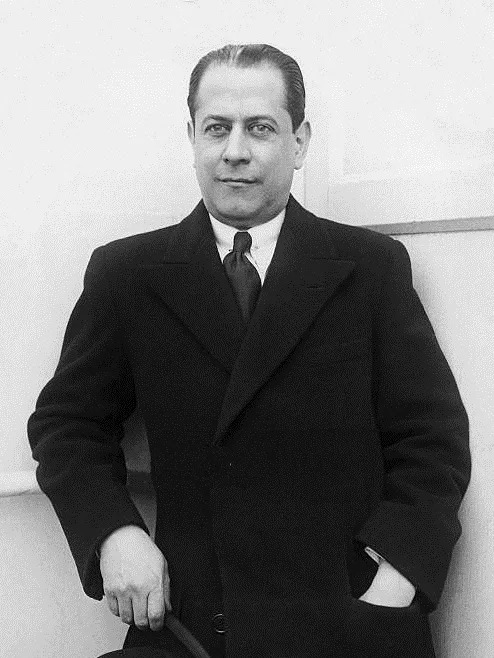
José Raúl Capablanca 1931
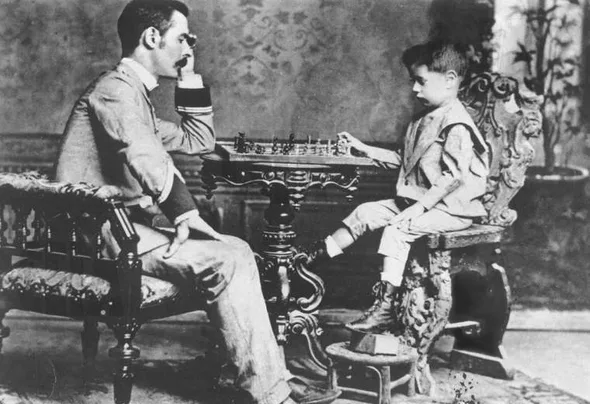
Capablanca playing chess with his father, José María Capablanca, in 1892
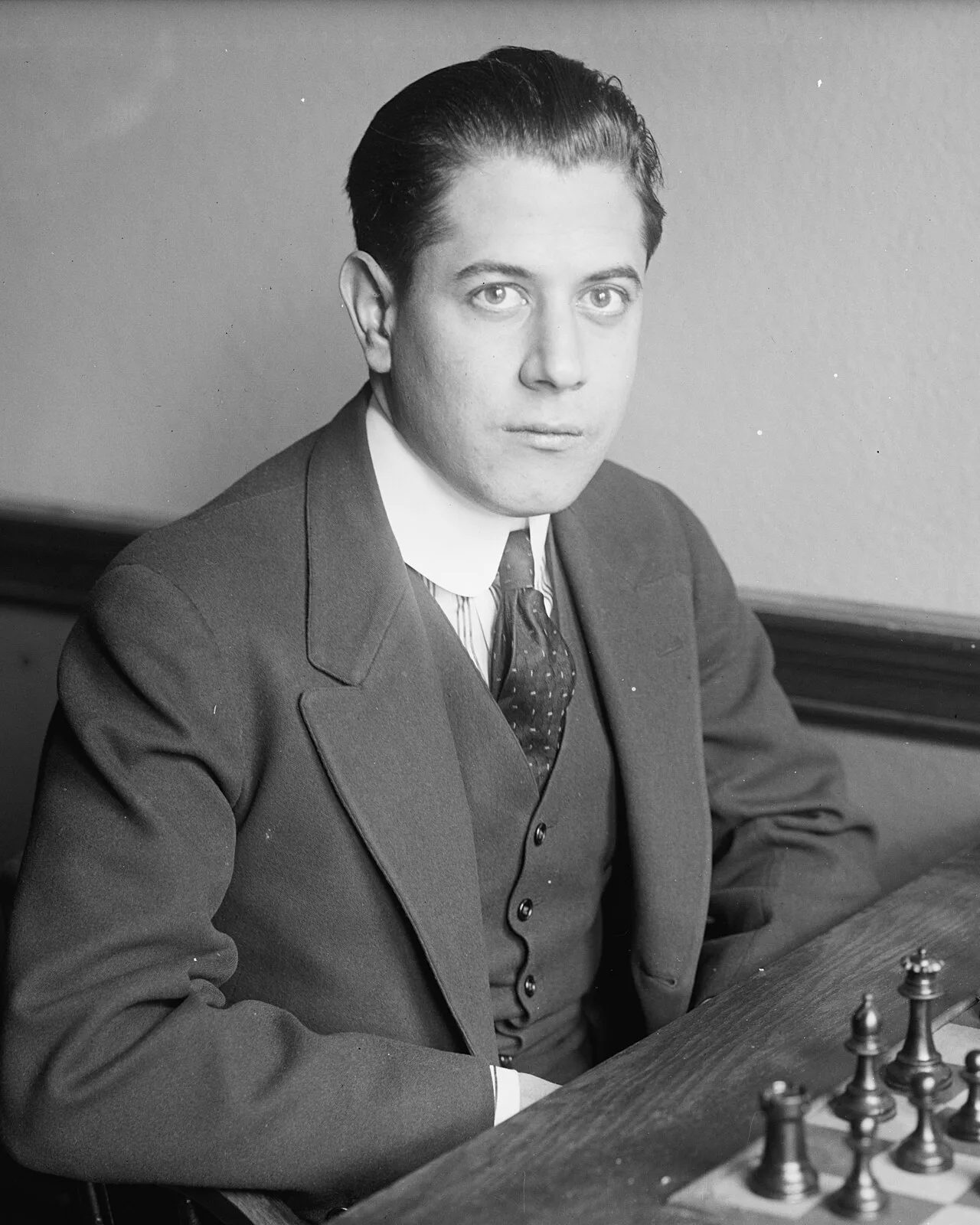
Capablanca in 1915
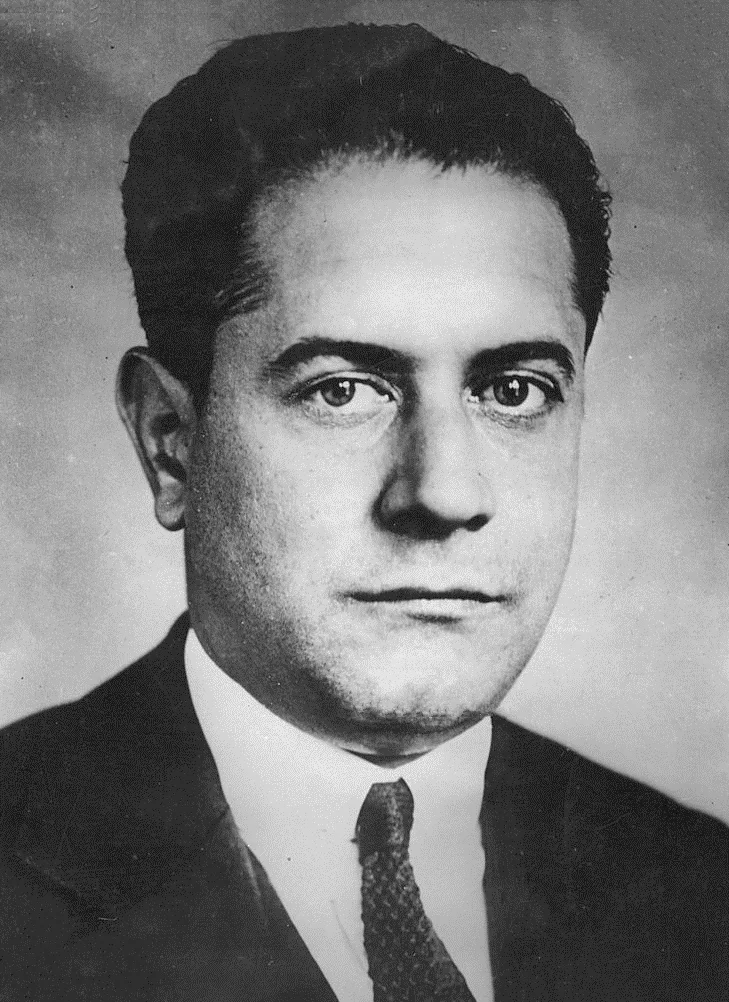
Capablanca in 1920
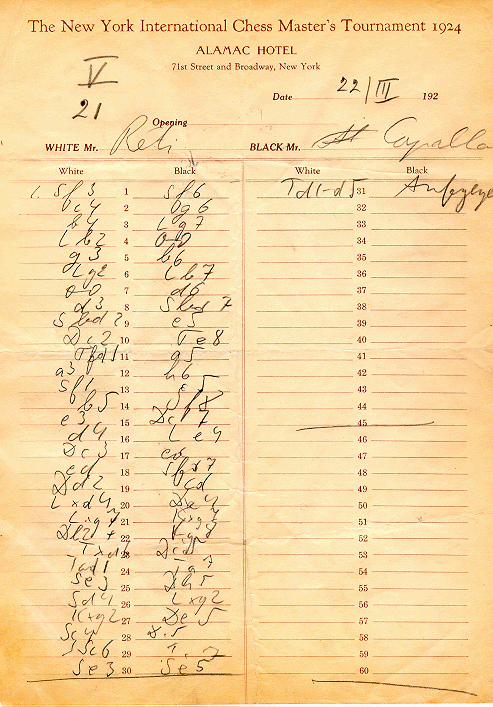
The score sheet of Capablanca's defeat by Richard Réti in the New York 1924 chess tournament, his first loss in eight years
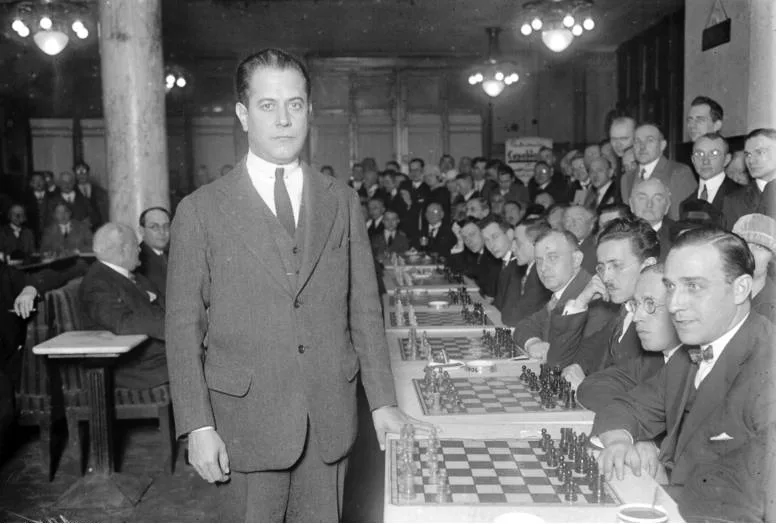
Giving a simultaneous display on thirty boards in Berlin, June 1929
José Raúl Capablanca
José Raúl Capablanca was a Cuban chess prodigy who served as the third world chess champion from 1921 to 1927.
Shortstop Ambitions and Abandoned Engineering
In 1905, Capablanca entered Columbia College in New York with aspirations of playing on their baseball team, quickly becoming the starting shortstop on the freshman team. His academic career proved brief when his focus drifted away from engineering toward competitive play. The university withdrew his financial support because he preferred playing chess to studying engineering, prompting him to pursue chess full-time.
From Wikipedia · CC BY-SA 4.0

Garri Kasparow (18776605665) (cropped) 2
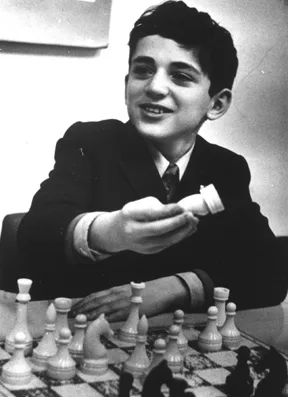
Kasparov at age 11, Vilnius, 1974
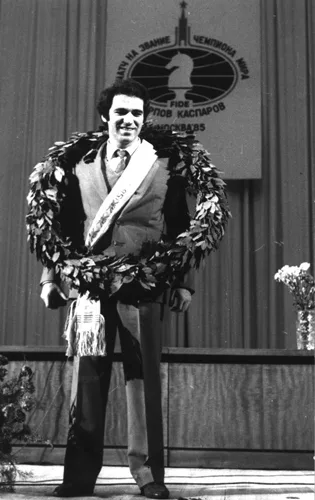
Kasparov after winning the FIDE World Championship title in 1985
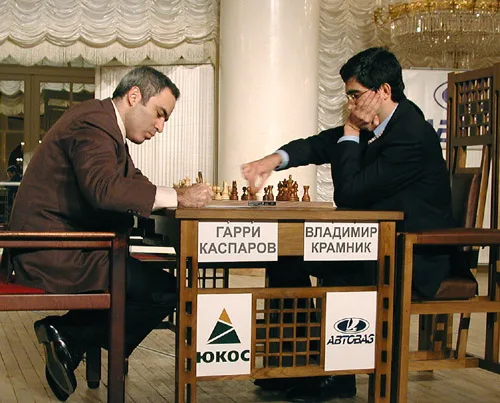
Kasparov playing against Kramnik in the Botvinnik Memorial match in Moscow, 2001
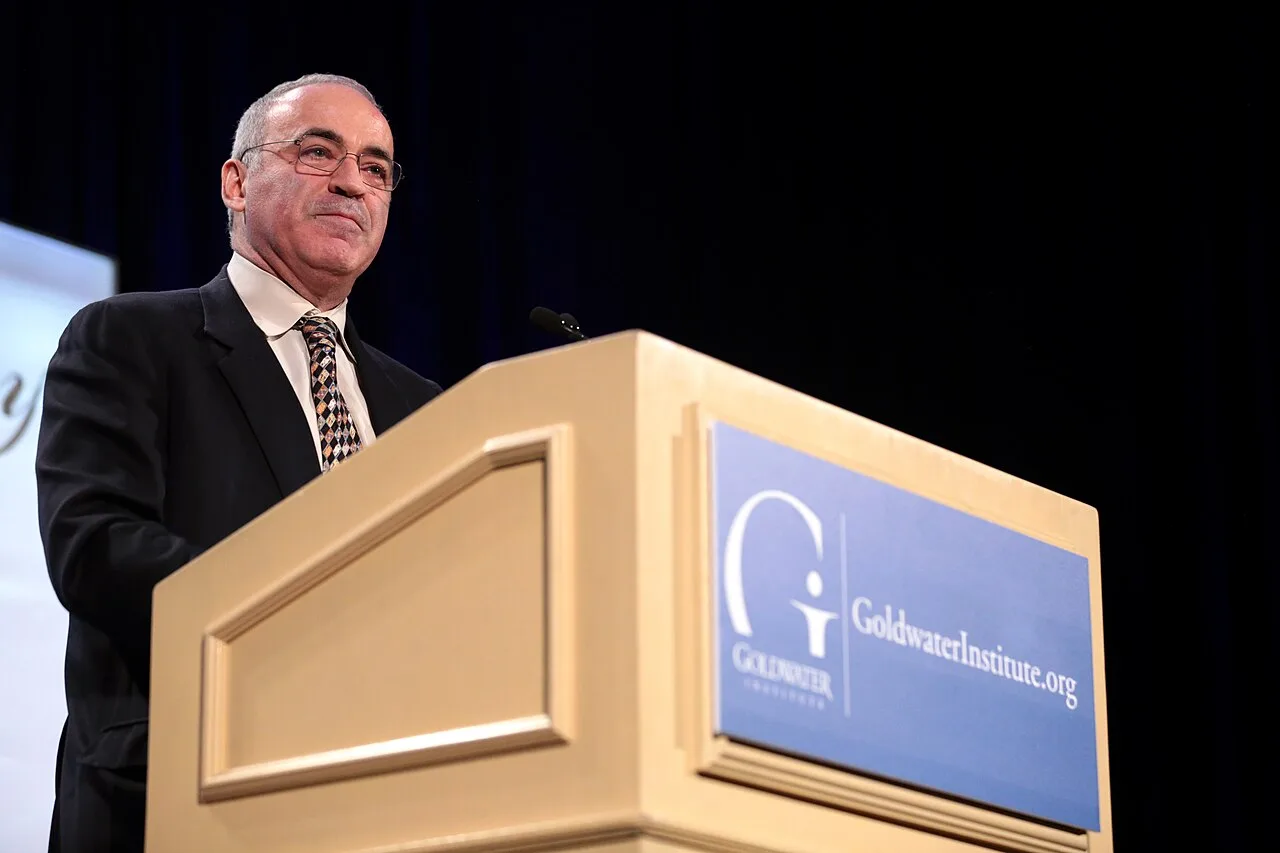
Kasparov delivering a speech in Arizona in October 2017
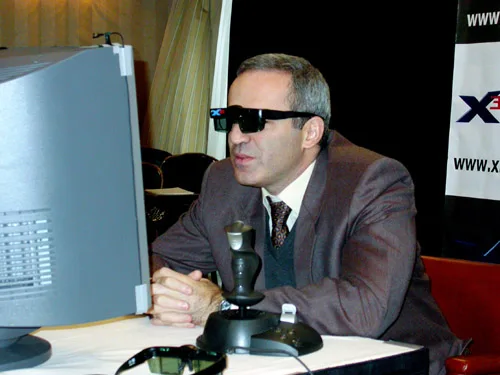
Kasparov wearing 3D glasses in his match against the program X3D Fritz
Garry Kasparov
Garry Kasparov is a Russian chess grandmaster, political activist, and writer who was the World Chess Champion from 1985 to 2000.
Cold War Presidential Namesake
Born in Baku, Kasparov was named after United States President Harry S. Truman because his father admired Truman for taking a strong stand against communism. Kasparov later remarked that Harry was a rare name in Russia until Harry Potter came along. At age twelve, following his father's death, he formally adopted his mother's surname Kasparov.
From Wikipedia · CC BY-SA 4.0
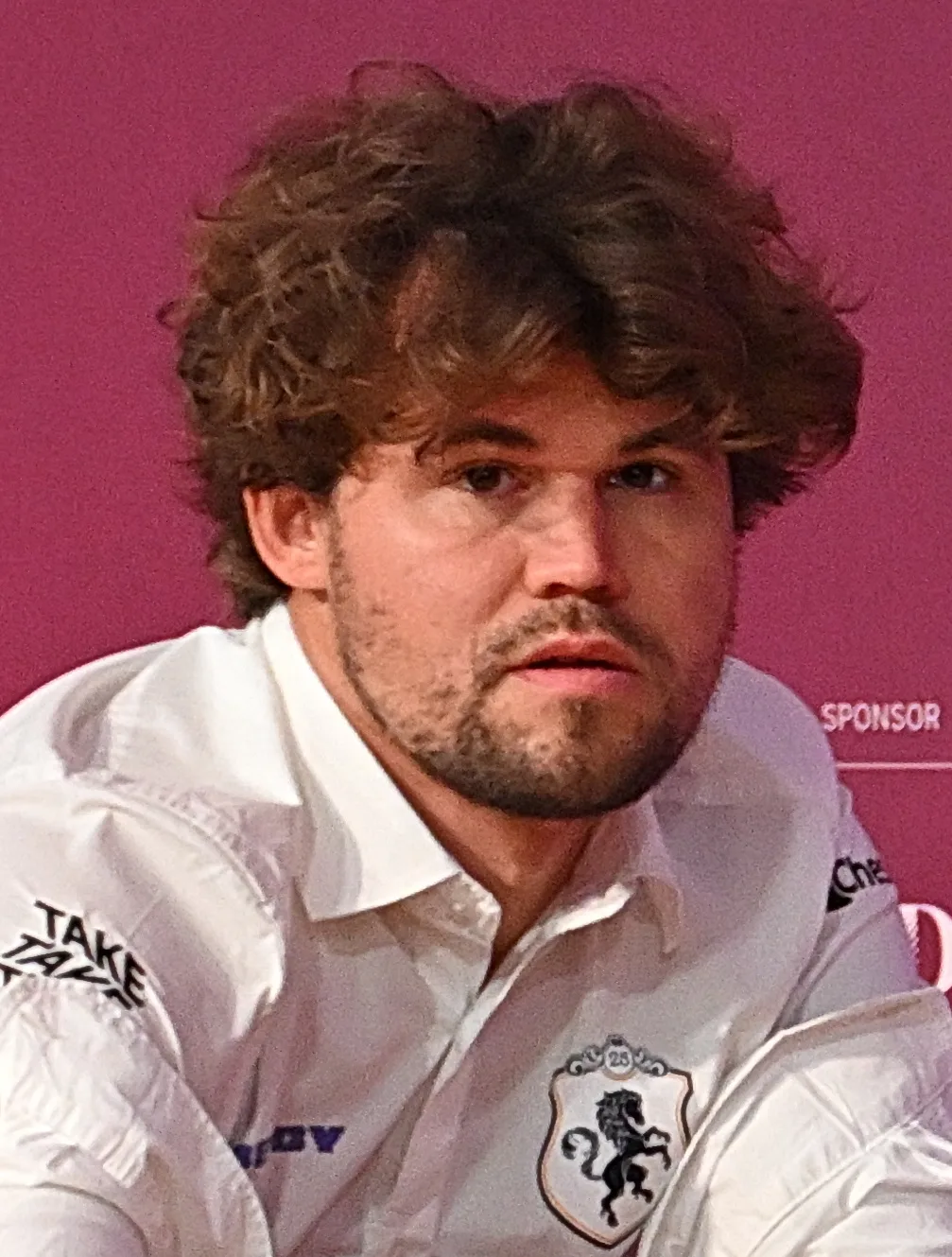
Magnus Carlsen at Rapid Blitz 2025 (v2)
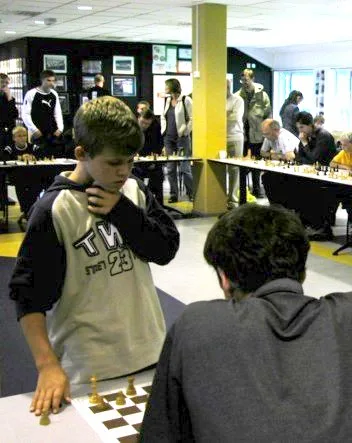
Carlsen, aged 13, in Molde giving a simultaneous exhibition, July 2004
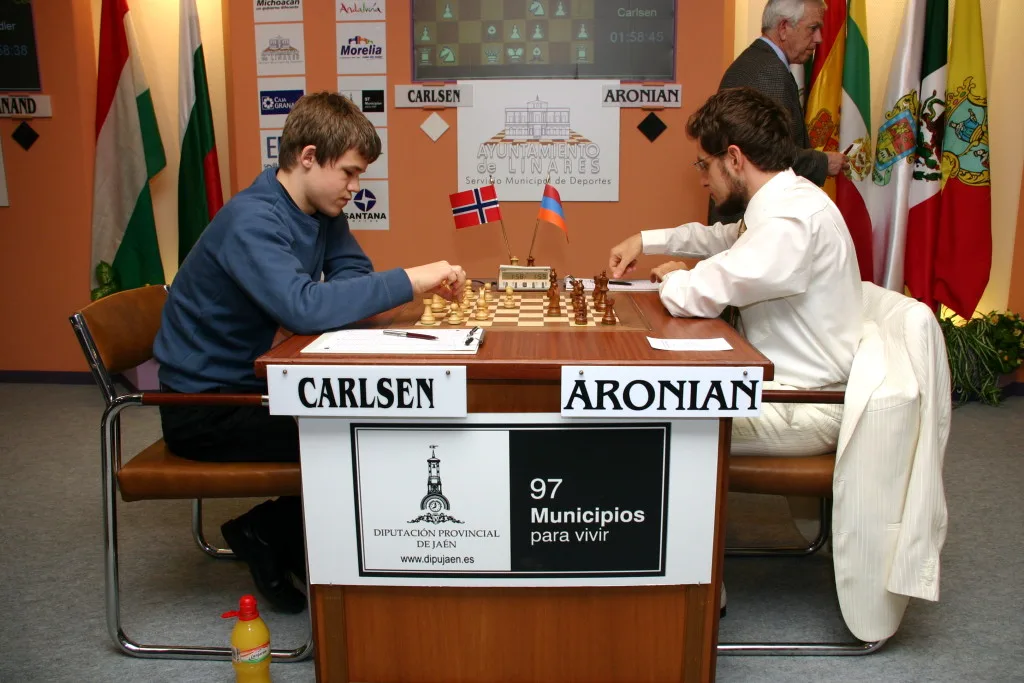
Carlsen playing Levon Aronian at Linares 2007
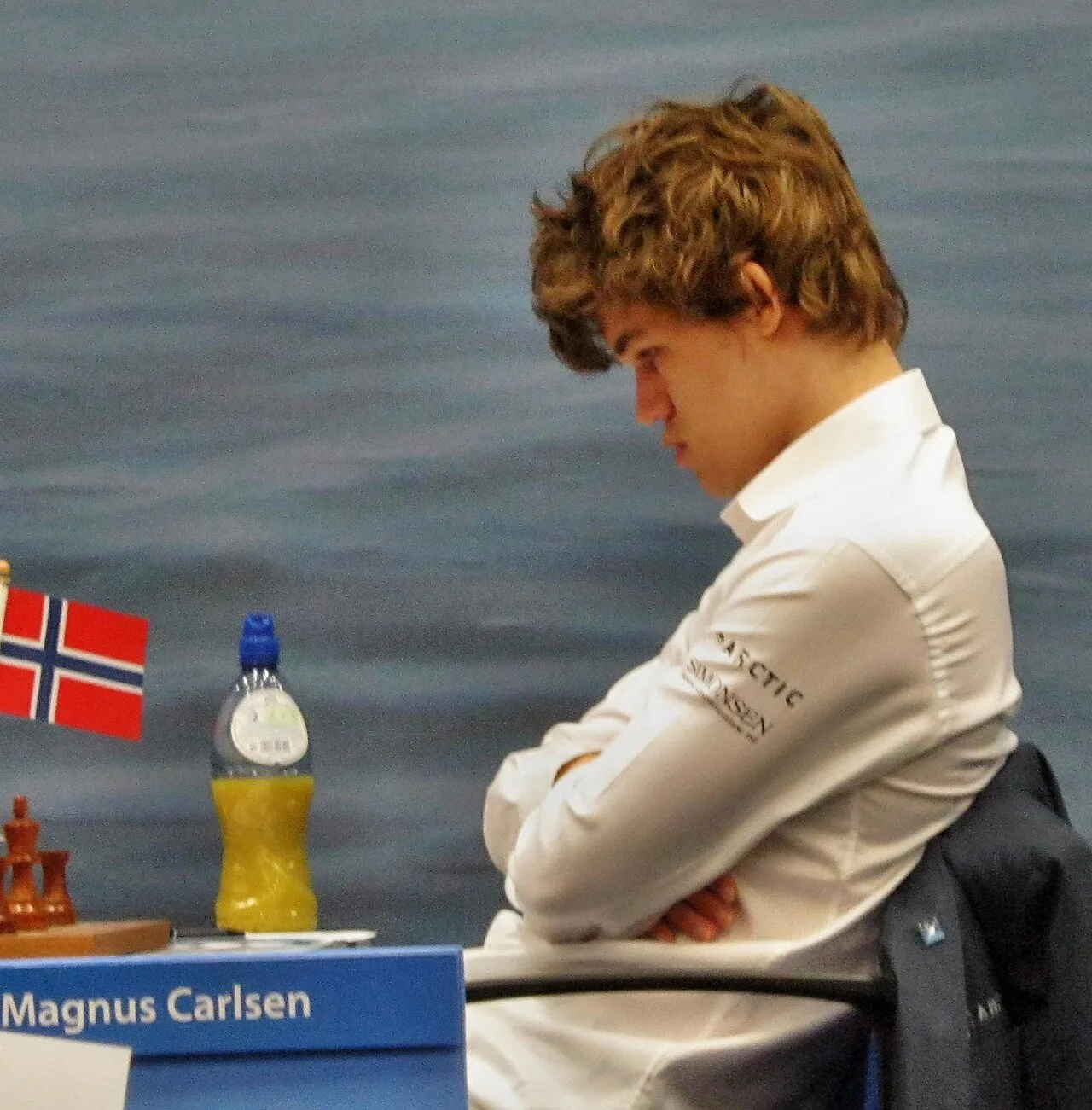
Carlsen at the 74th Tata Steel Chess Tournament in 2012
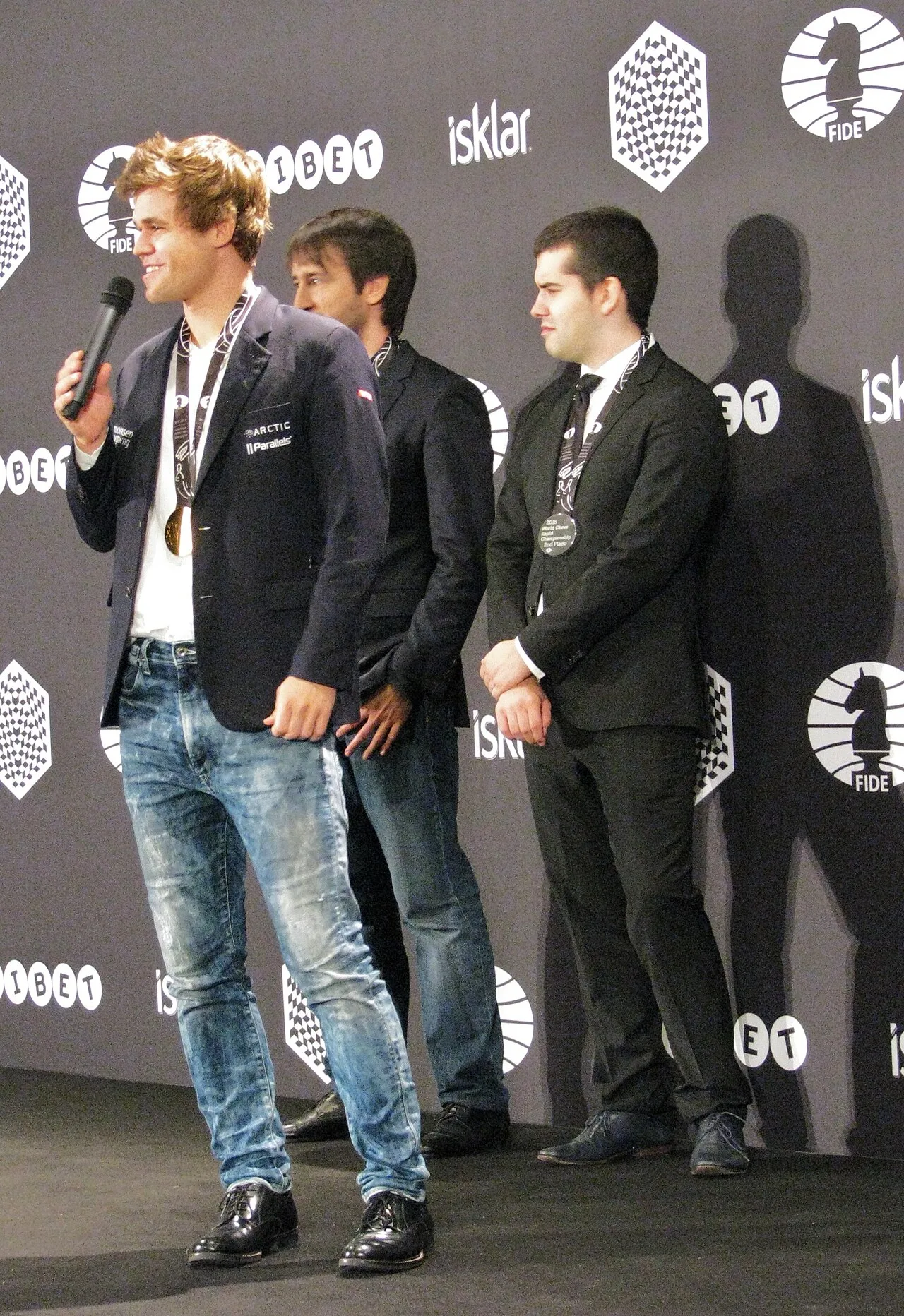
Carlsen at the FIDE World Rapid Championship 2015 award ceremony
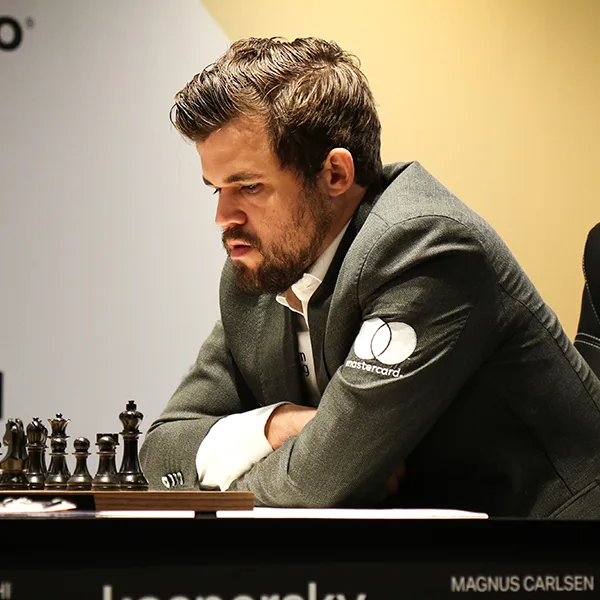
Carlsen in Dubai at the World Chess Championship 2021
Magnus Carlsen
Magnus Carlsen is a Norwegian chess grandmaster, five-time World Chess Champion, and the highest-rated player in history.
Geographic Memory and Domestic Rivalry
Carlsen developed extraordinary cognitive recall at an early age before dedicating himself to the board. By age five, he could remember the locations, populations, flags, and capitals of all the countries in the world. Despite these remarkable memory capabilities, his initial motivation to study chess seriously arose from a simple domestic desire to beat his elder sister.
From Wikipedia · CC BY-SA 4.0