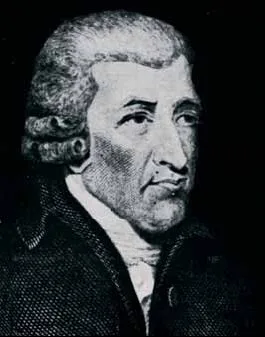
John Walker 1781-1859
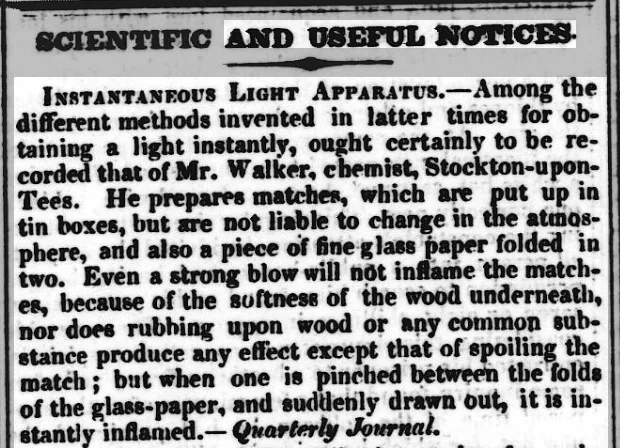
The belated publication of Walker's discovery as it appeared in the 10 October 1829 edition of the Sheffield Independent.
John Walker (inventor)
John Walker was an English inventor who invented the friction match.
The Hearth Accident That Changed History
Walker was experimenting with variations on Jean Chancel's dipping matches for local hunters. Having mixed his percussion powder with a Chancel match, he found the resulting match ignited during an accidental strike against his hearth. That unplanned spark solved a known problem: transmitting flame to slow-burning wood. It turned a pharmacist's side project into the first commercially successful friction match.
From Wikipedia · CC BY-SA 4.0
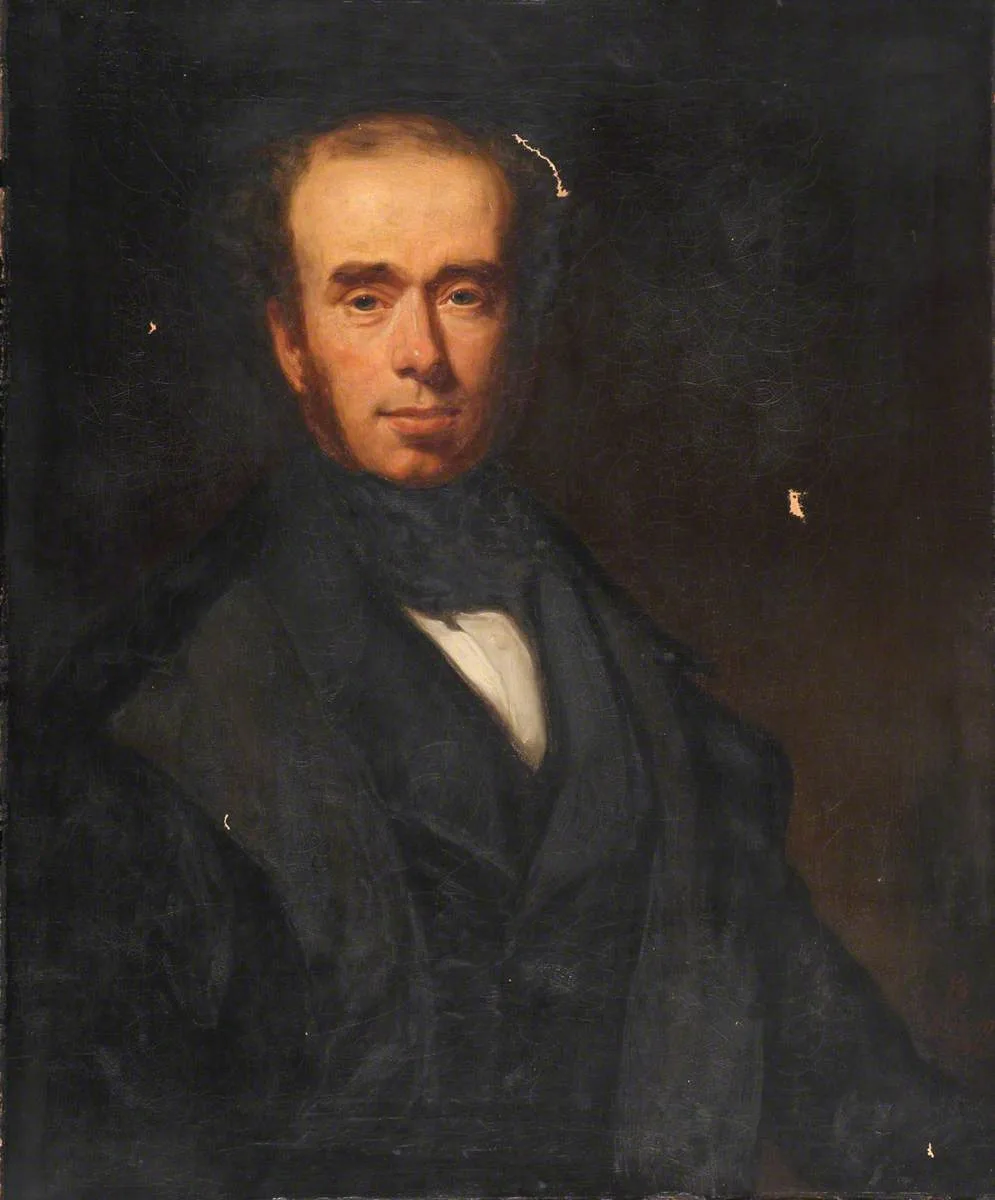
Joseph Whitworth

The Firs, now the Chancellors Hotel & Conference Centre
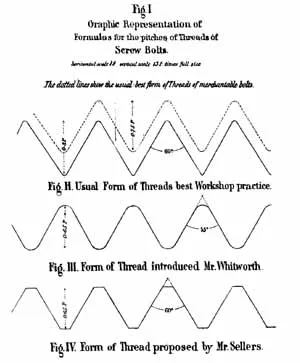
Graphic representation of formulas for the pitches of threads of screw bolts
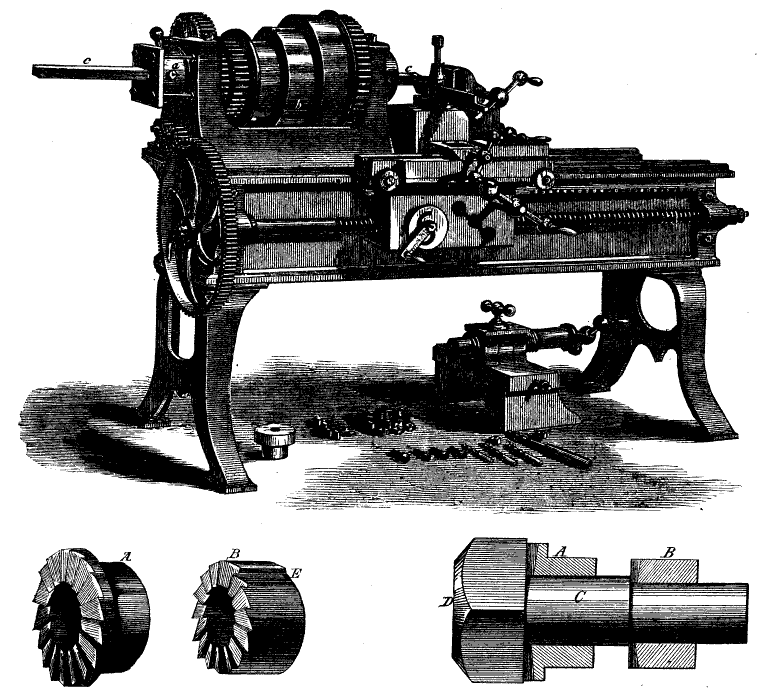
Screw-making machine from 1871
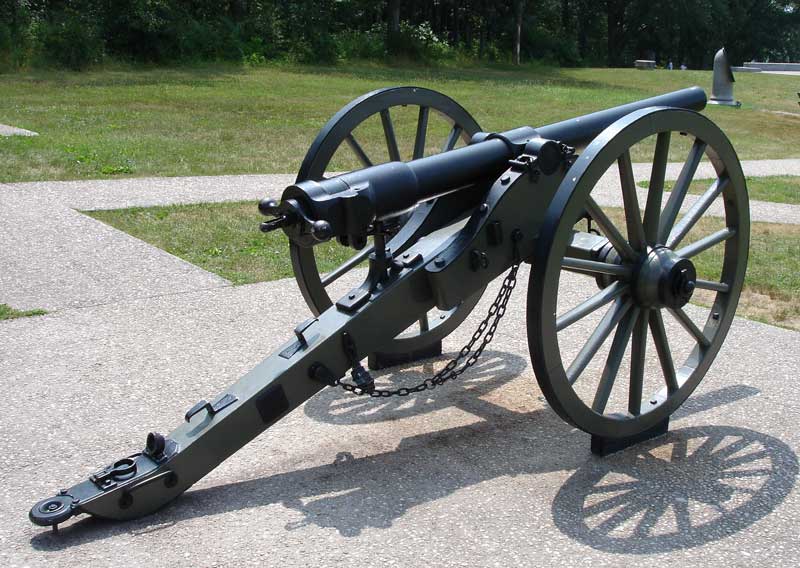
12-pounder Whitworth rifle
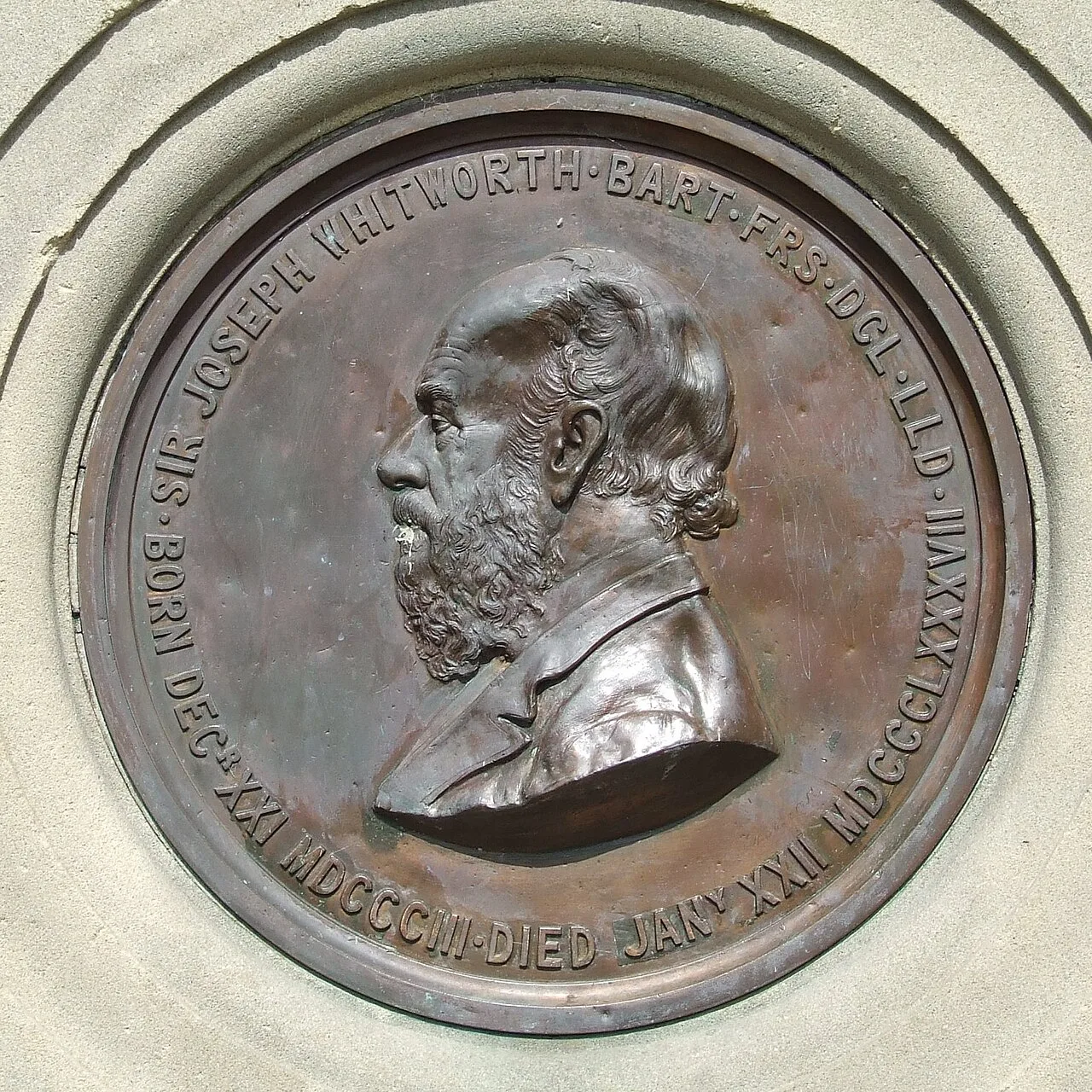
Plaque from the memorial in Whitworth Park, Darley Dale erected in 1894
Joseph Whitworth
Sir Joseph Whitworth was an English engineer and inventor who devised the British Standard Whitworth system for screw threads and created the Whitworth rifle.
The Mill That Made a Metrologist
Whitworth's apprenticeship at his uncle's cotton mill at Amber Mill, Oakerthorpe, was meant to end in partnership. Instead, the young man found himself criticizing the machinery's poor standards of accuracy. That early frustration forged a singular ambition: to build machine tools with far greater precision than anything then in existence. He spent the rest of his career doing exactly that, and manufacturing would never be the same.
From Wikipedia · CC BY-SA 4.0
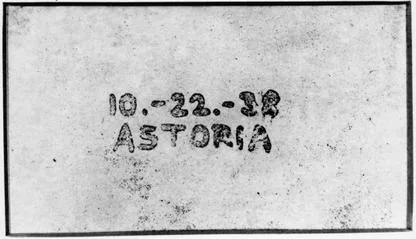
The world's first xerographic image[20]
Chester Carlson
Chester Floyd Carlson was an American physicist, inventor, and patent attorney born in Seattle, Washington.
The Assistant Who Gave Away a Fortune
Otto Kornei, the Austrian physicist who helped Carlson produce the first xerographic copy, was so unimpressed that he dissolved his right to ten percent of future proceeds. Years later, Carlson sent him one hundred shares of Xerox stock as a gift—worth over $1 million by 1972. Kornei's pessimism cost him a fortune, while his single afternoon of assistance became a footnote to history. His story inverts the usual tale of missed opportunity.
From Wikipedia · CC BY-SA 4.0
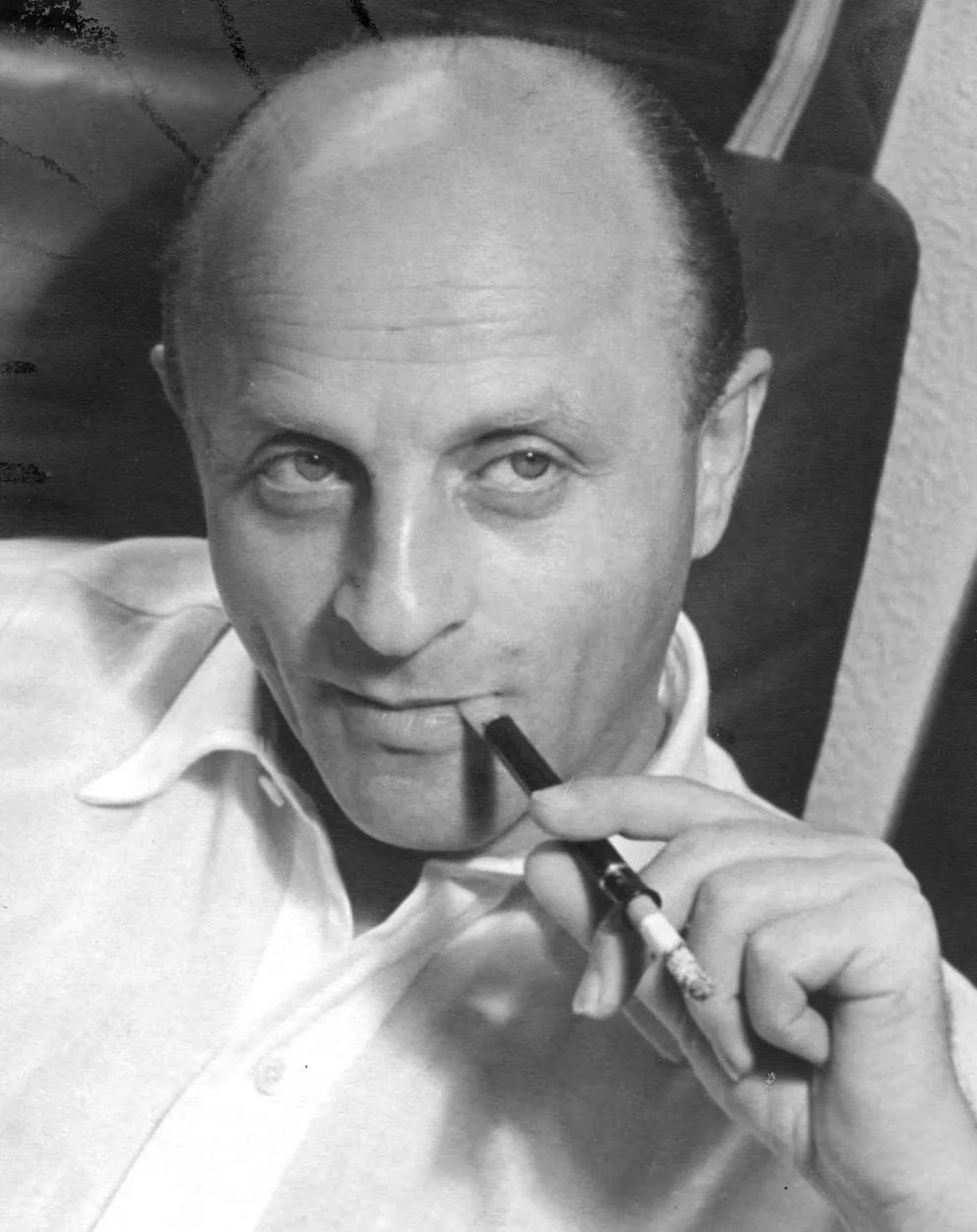
Laszlo biro inventor

Signature László Bíró
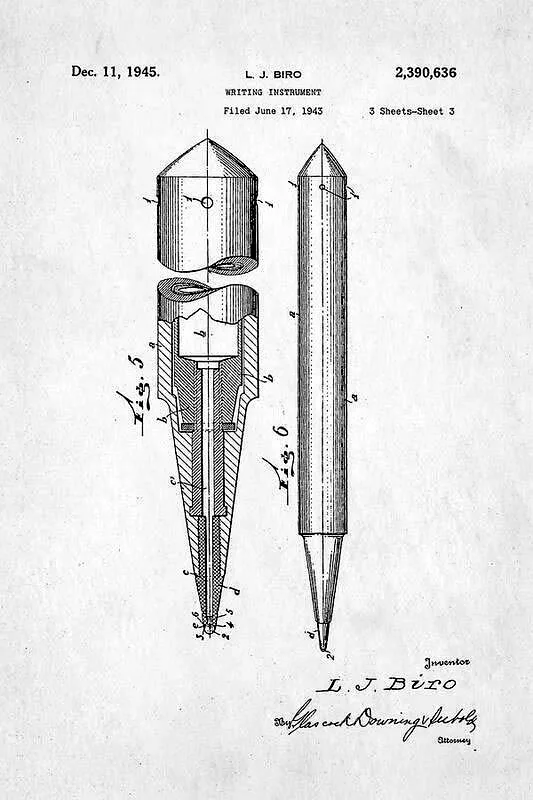
Ballpoint pen patent filed in 1943
László Bíró
László József Bíró was a Hungarian-born Argentine inventor who patented the first commercially successful modern ballpoint pen.
A Puddle and a Marble: The Accidental Spark
While working as a journalist in 1930, Bíró watched children playing with marbles in a puddle, noticing the water trails they left. This observation led him to imagine a ball-shaped metal nib that could roll ink onto paper. The idea was a simple analogy: a marble leaving a wet path, just as a ball would deposit ink. This childhood scene became the basis for the ballpoint pen's design.
From Wikipedia · CC BY-SA 4.0
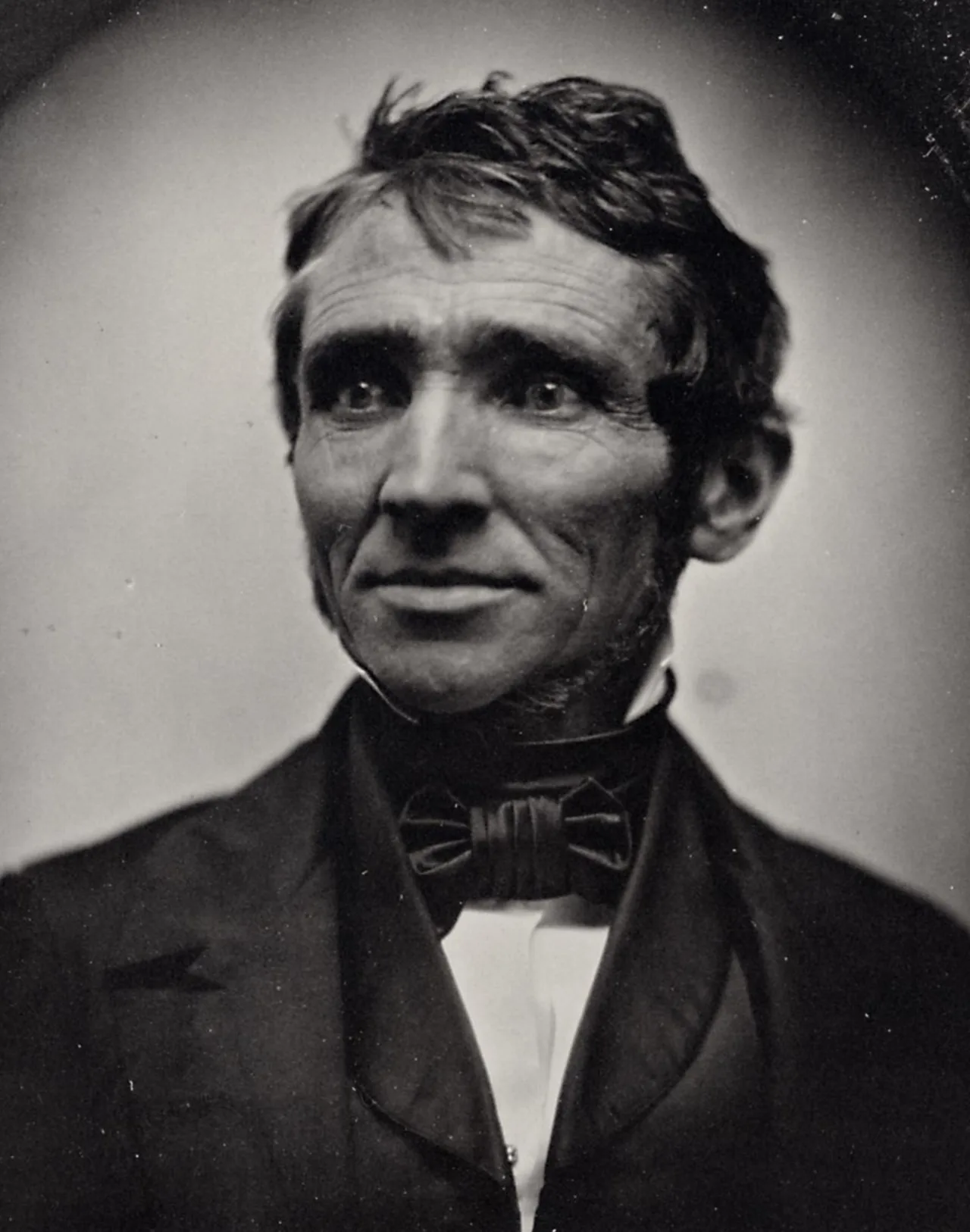
Southworth and Hawes - Charles Goodyear (Zeno Fotografie) crop

Appletons' Goodyear Charles signature
Engraving by W. G. Jackman, D. Appleton & Company, New York
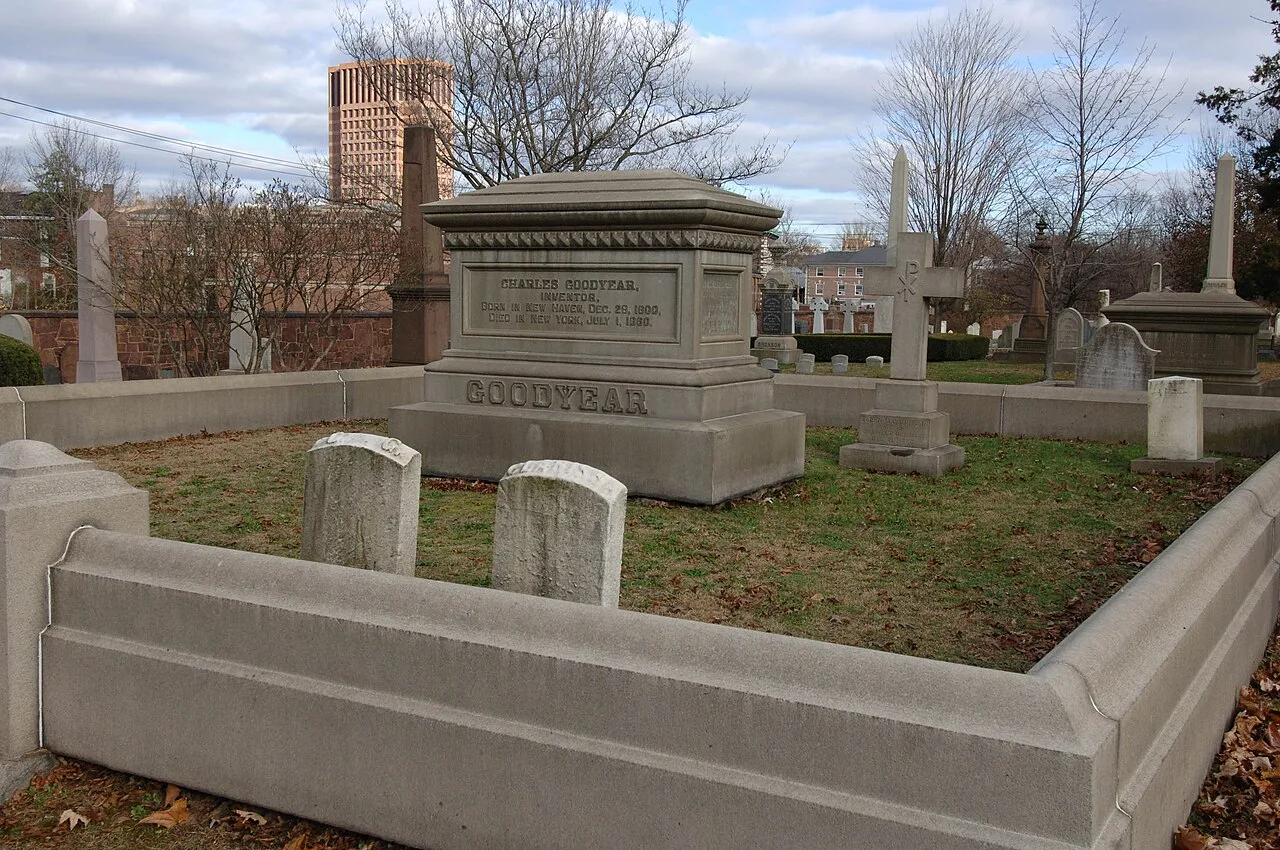
Goodyear's grave in New Haven, Connecticut
Charles Goodyear
Charles Goodyear was an American chemist and manufacturing engineer who developed vulcanized rubber.
The Patent Battle Where Chemists Couldn't Tell
When British inventor Thomas Hancock claimed to have invented vulcanization independently, Goodyear's case hinged on whether Hancock could have copied his method. In the ensuing trial, several chemists testified that it would not have been possible to determine how the rubber was made by studying it. That testimony helped Hancock prevail, leaving Goodyear without British royalties. The court's decision turned on the limits of chemical analysis, not on who had the original idea.
From Wikipedia · CC BY-SA 4.0
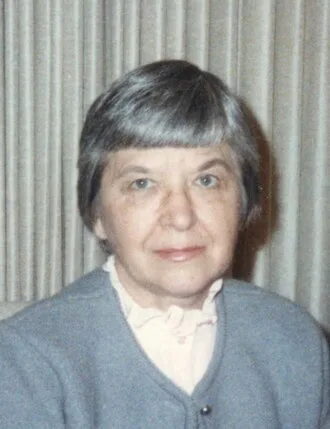
Stephanie Kwolek 1986
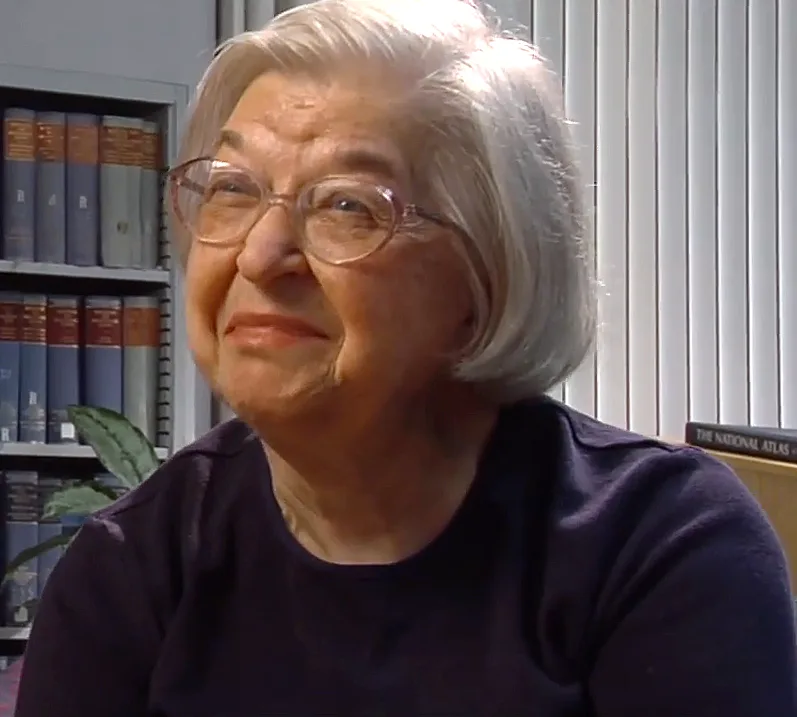
Stephanie Kwolek Women in Chemistry from video
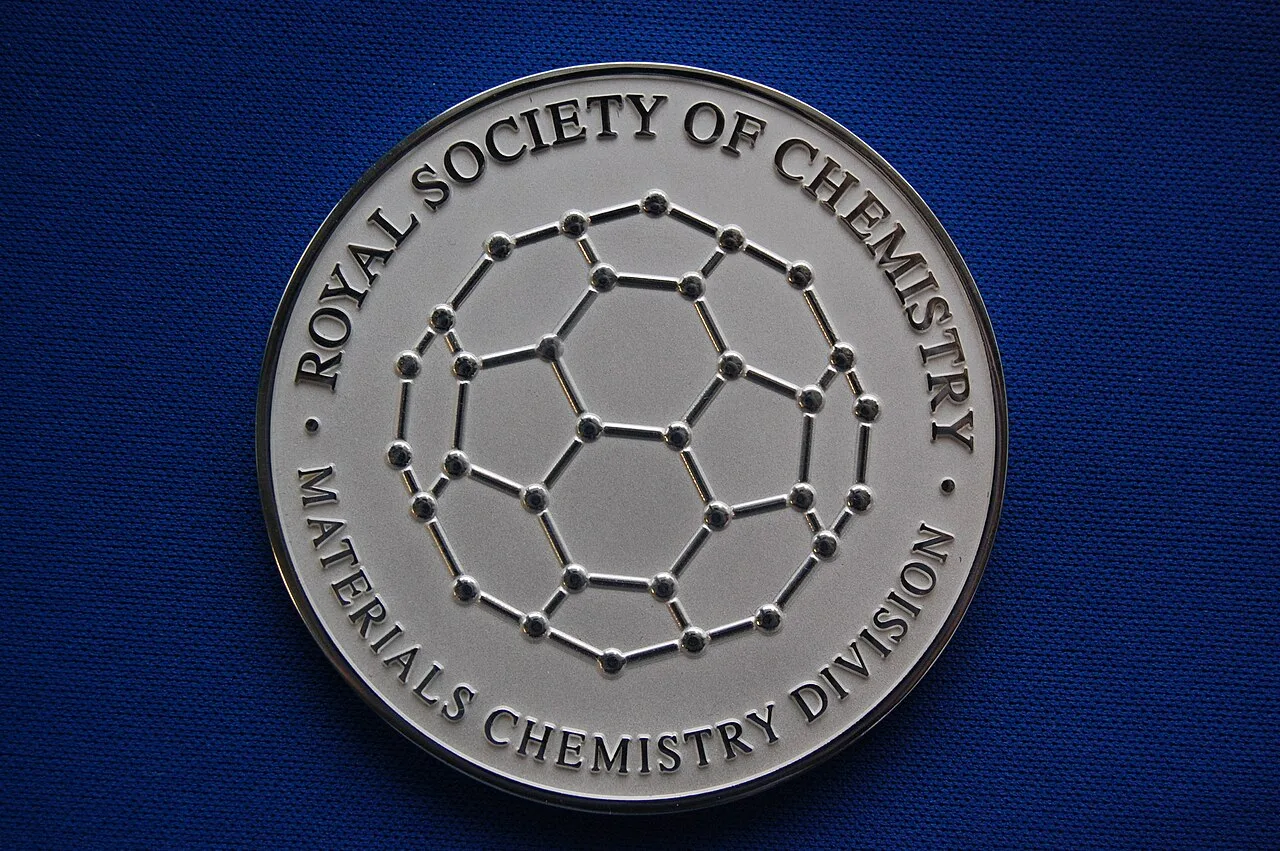
Royal Society of Chemistry – Stephanie L Kwolek Award (2014)

A quote by Stephanie Kwolek, photographed in 2024 inside the Delaware Museum of Nature & Science

DuPont logo
Stephanie Kwolek
Stephanie Louise Kwolek was an American chemist known for inventing Kevlar. Her career at the DuPont company spanned more than 40 years.
The Buttermilk That Refused to Be Thrown Away
Kwolek's cloudy polymer solution looked like buttermilk—turbid, stir-opalescent, nothing like the clear fluids her colleagues expected. Such dispersions were routinely thrown away, and hers nearly met that fate. She persuaded a technician to test it anyway, and the fiber that spun out was astonishingly strong. The 'waste' was actually a liquid crystalline solution that would reshape polymer chemistry.
From Wikipedia · CC BY-SA 4.0
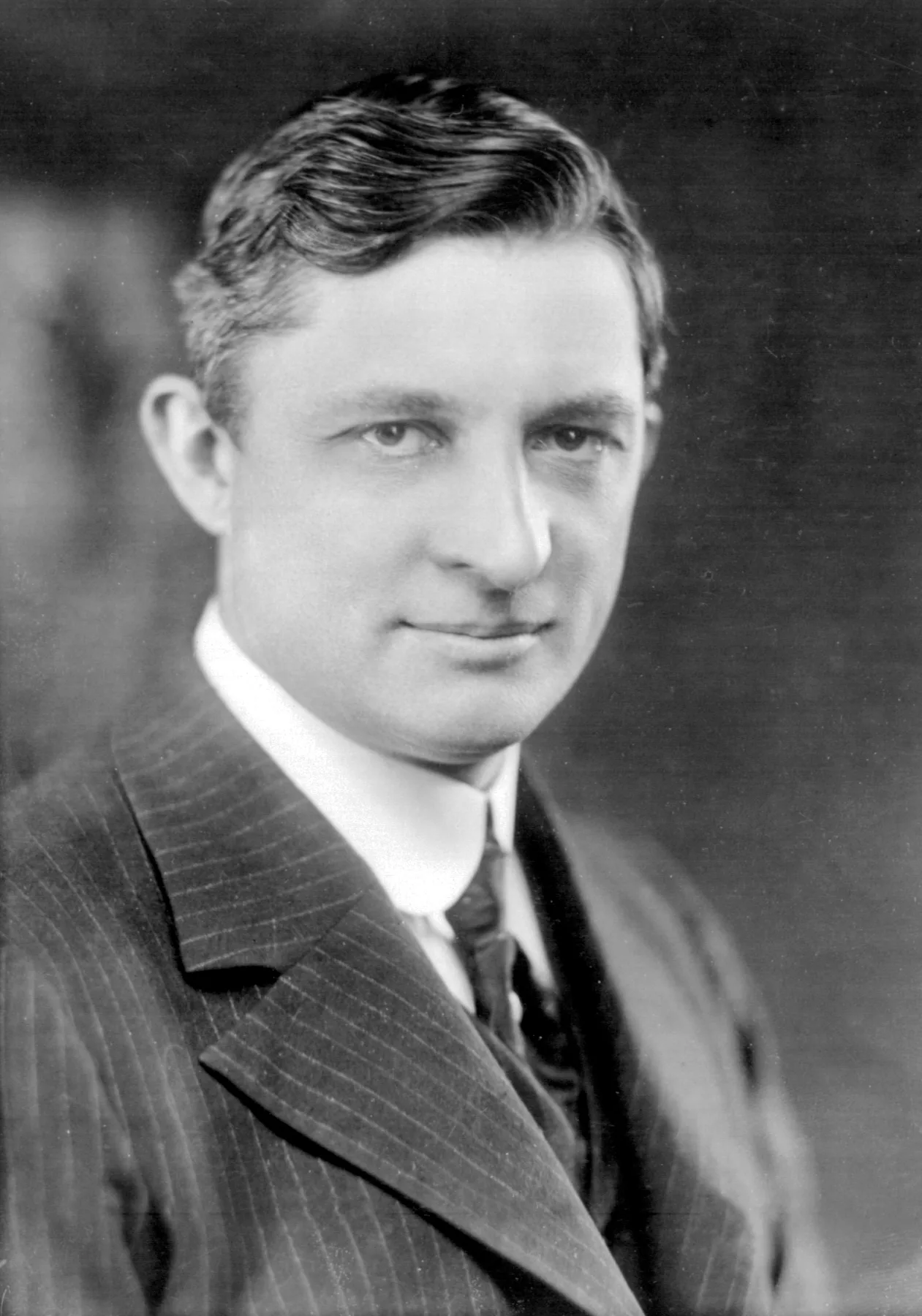
Willis Carrier 1915
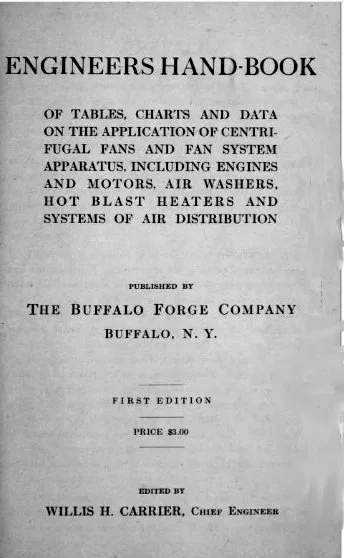
Engineers Hand-book, edited by Carrier while at the Buffalo Forge Co. in 1914
Willis Carrier
Willis Haviland Carrier was an American engineer best known for inventing modern air conditioning, creating the first electrical unit in 1902 and founding Carrier Corporation.
The Magna Carta of Psychrometrics
In 1911, Carrier presented a paper that linked relative humidity, absolute humidity, and dew-point temperature into one framework. Dubbed the 'Magna Carta of Psychrometrics,' it enabled engineers to design systems for precise requirements. Years earlier, he had discovered the law of constant dew-point depression, which became the basis for automatic controls. This mathematics turned air conditioning from trial-and-error into an exact science.
From Wikipedia · CC BY-SA 4.0