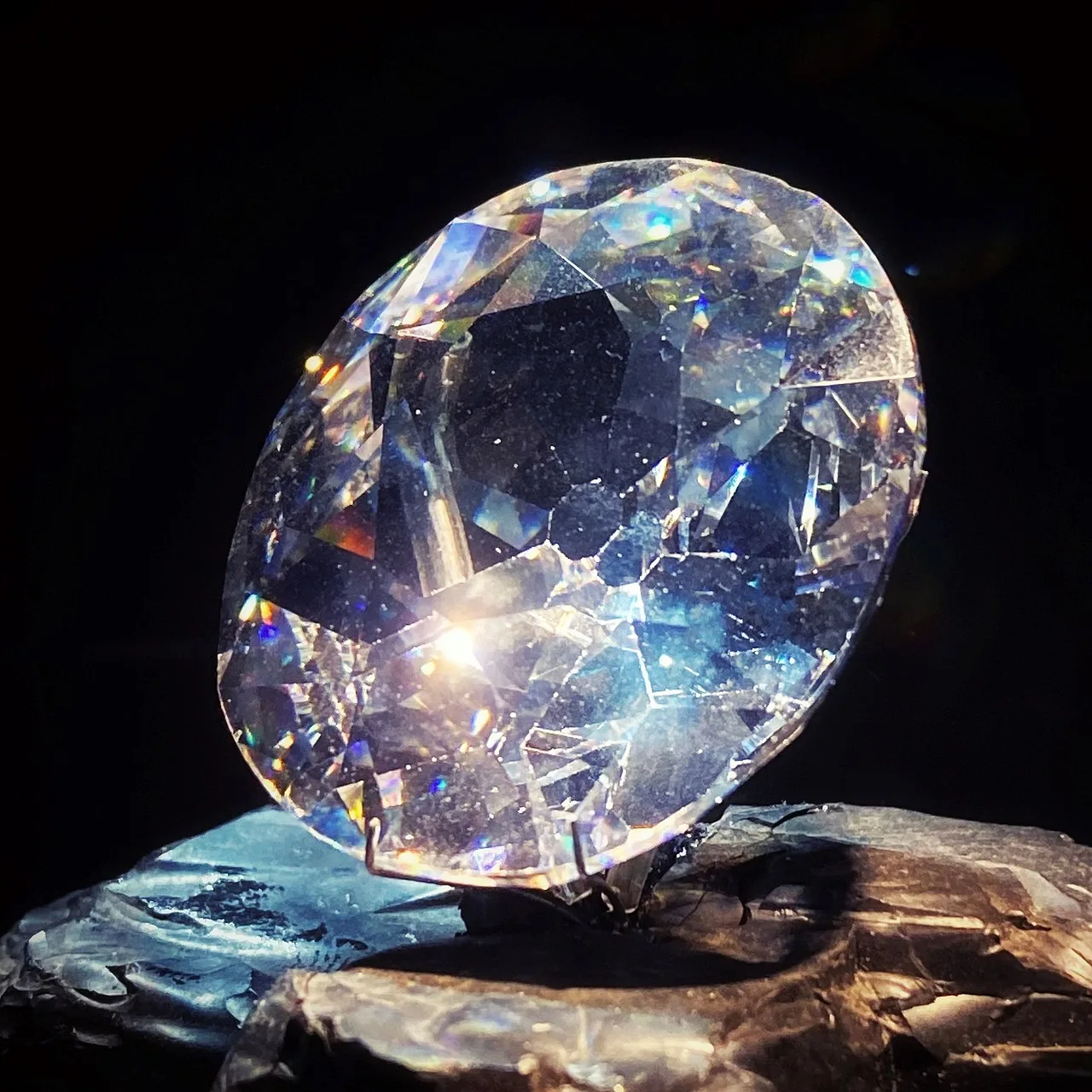
Replica of the Koh-i-Noor (cropped)
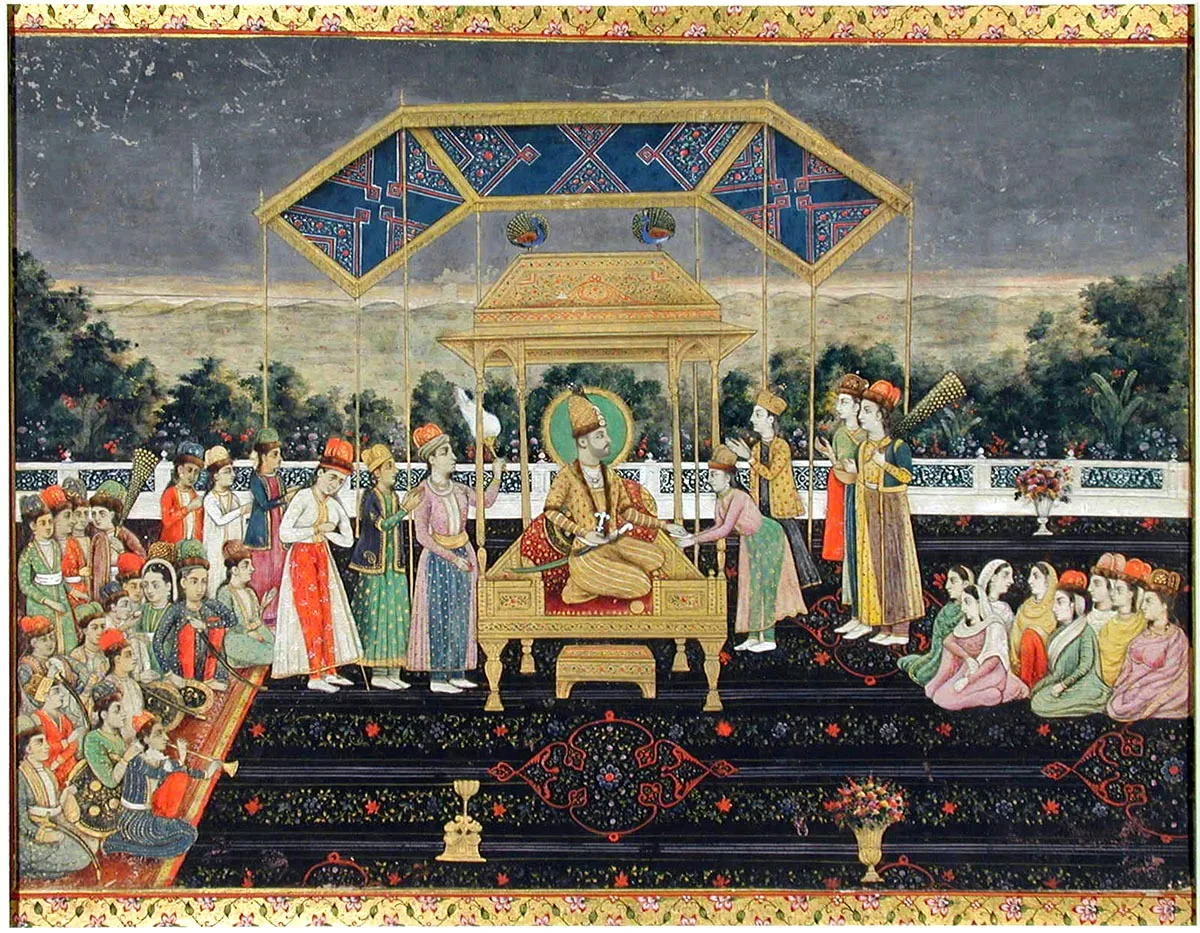
Nader Shah seated on the Peacock Throne after the defeat of the 13th Mughal emperor Muhammad Shah
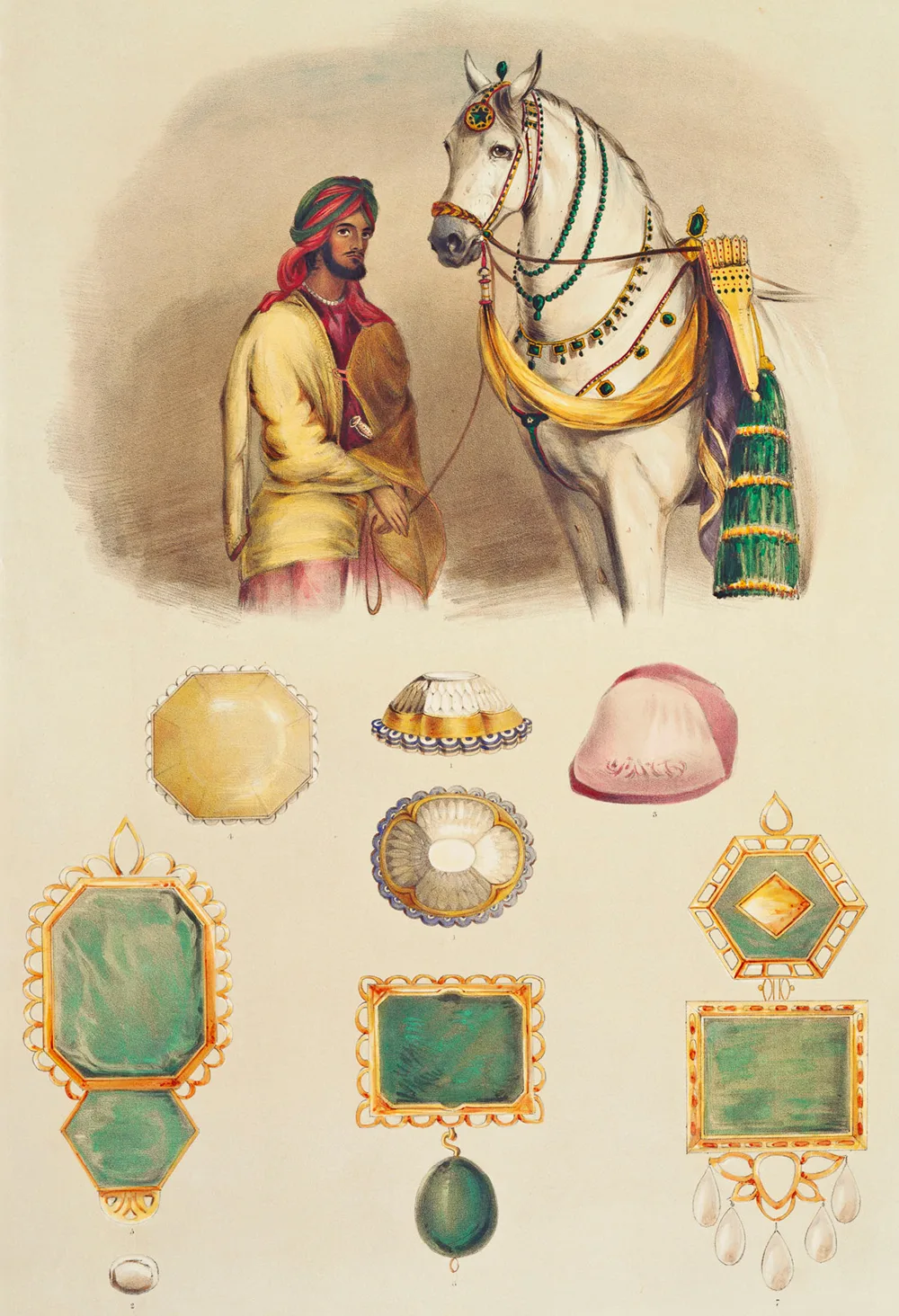
One of Ranjit Singh's favourite horses with the head of his stables. His jewels are shown, to scale, including the Koh-i-Noor (top centre).[34]
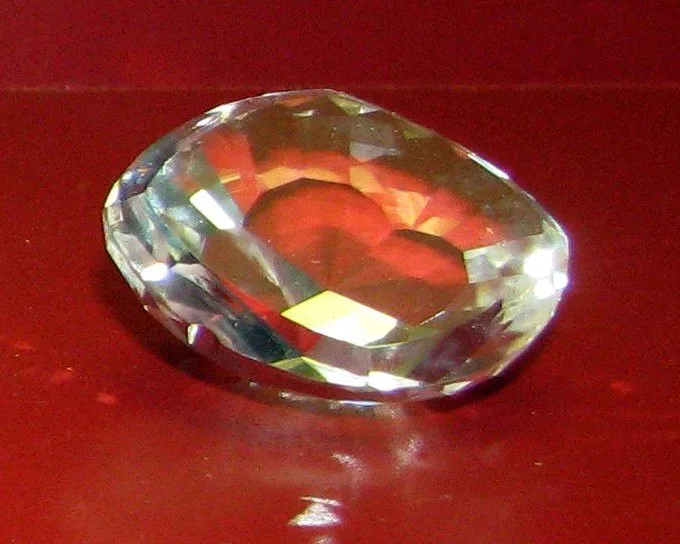
A glass replica of the Koh-i-Noor in its original form, turned upside down
![Diagram of the pre-1852 cut.[54]Fig I. Shaded area is the base.Fig II. A: flaw; B and C: notches cut to hold stone in a](https://nwjvzop1xgplmzvt.public.blob.vercel-storage.com/wikifeed/koh-i-noor/4-702576441d.jpg)
Diagram of the pre-1852 cut.[54]Fig I. Shaded area is the base.Fig II. A: flaw; B and C: notches cut to hold stone in a setting; D: flaw created by fracture at E; F: fracture created by a blow; G: unpolished cleavage plane; H: basal cleavage plane.Fig III. Opposite side, showing facets and peak of the "Mountain of Light"
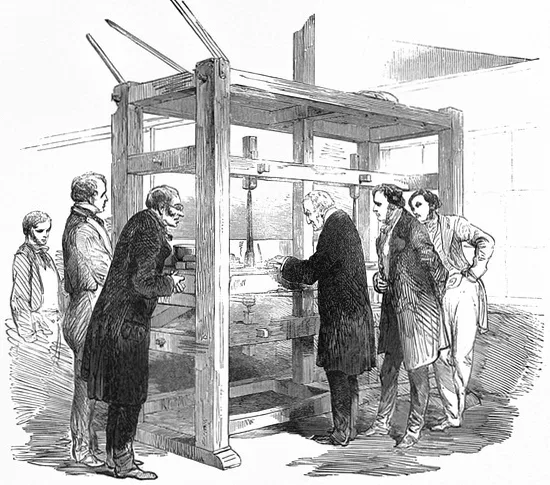
The 1852 re-cutting
Koh-i-Noor
The Koh-i-Noor is one of the largest cut diamonds in the world, originating from India and currently set in the Crown of Queen Elizabeth The Queen Mother.
Embedded in the Peacock Throne
Popular folklore often attributes the acquisition of the Koh-i-Noor to an amicable turban swap between rival monarchs. In reality, the earliest verifiable historical documentation records a much more violent transfer. The biographer Muhammad Kazim Marvi noted that the gem was embedded directly in the Mughal Peacock Throne, which Nader Shah looted during his 1738 invasion of India.
From Wikipedia · CC BY-SA 4.0
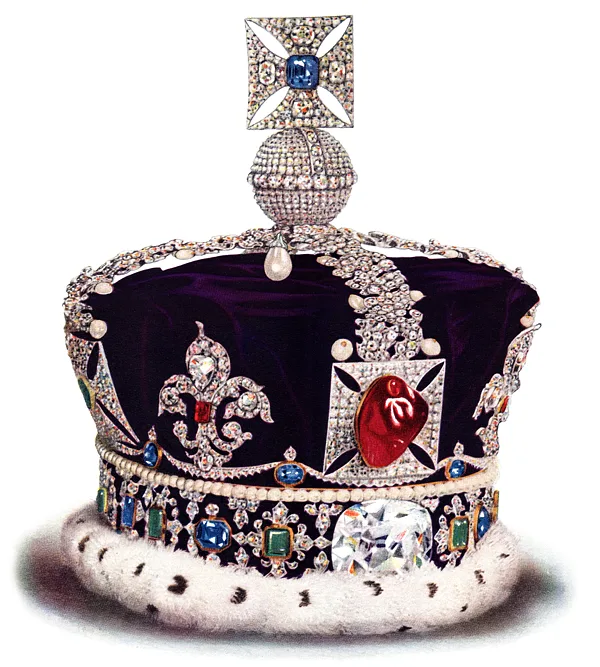
The gemstone at the front of the Imperial State Crown
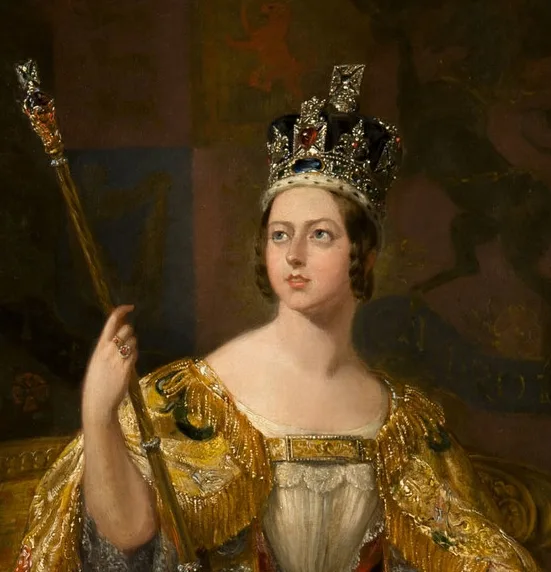
Detail of Queen Victoria's Coronation Portrait, showing the Black Prince's Ruby on the crown
Black Prince's Ruby
The Black Prince's Ruby is a large, irregular cabochon red spinel set in the cross pattée above the Cullinan II diamond at the front of the Imperial State Crown of the United Kingdom.
A 170-Carat Chemical Impostor
Despite its royal name and legendary reputation, the Black Prince's Ruby is not a true ruby. Historical jewellers routinely referred to all red gemstones as rubies or "balas rubies" without recognizing their underlying mineral differences. It was not until 1783 that mineralogists and chemists finally differentiated spinels from rubies, revealing that the famous stone had been misclassified for centuries.
From Wikipedia · CC BY-SA 4.0
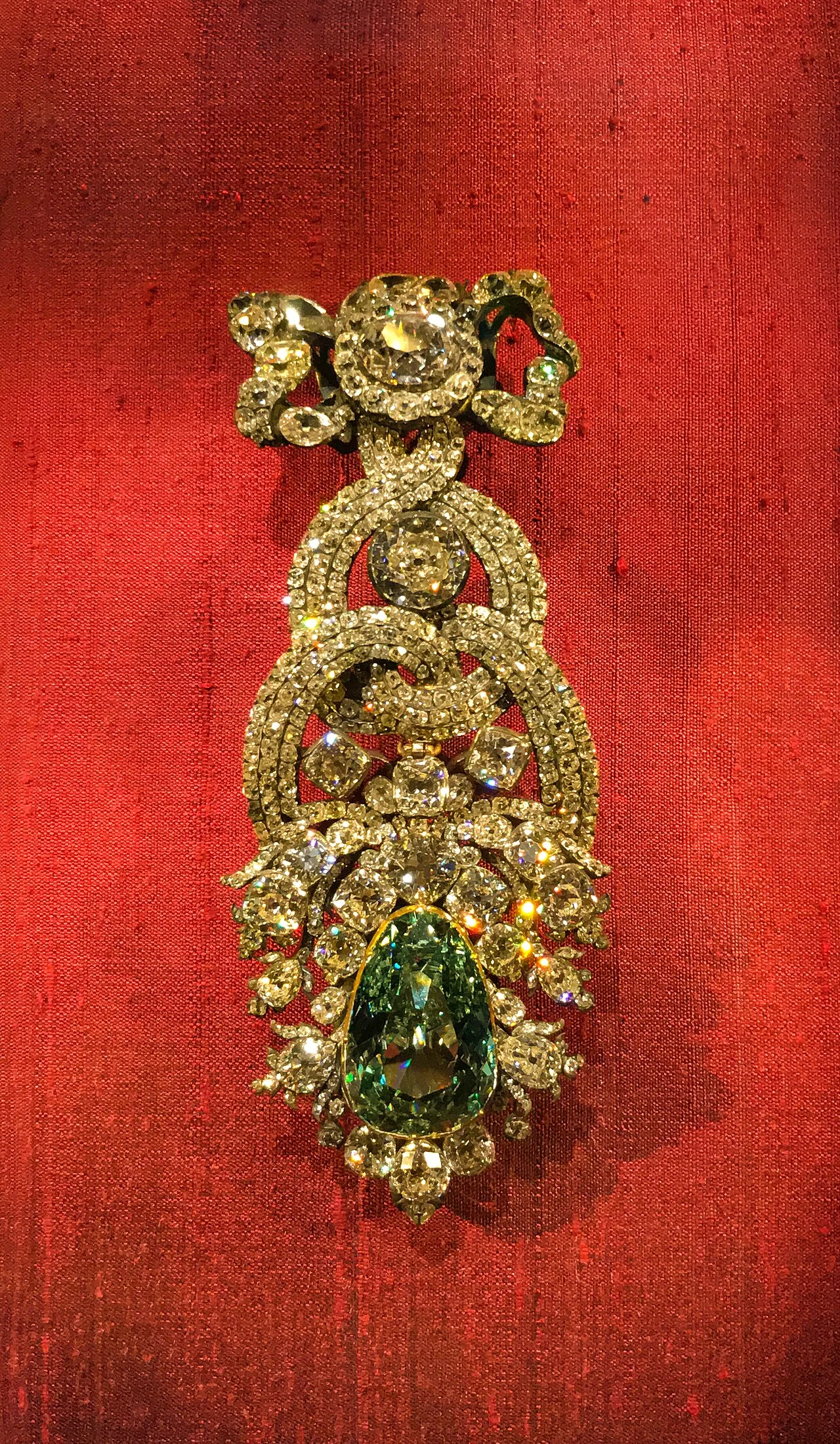
Dresdner Grüner Diamant - Neues Grünes Gewölbe Dresden
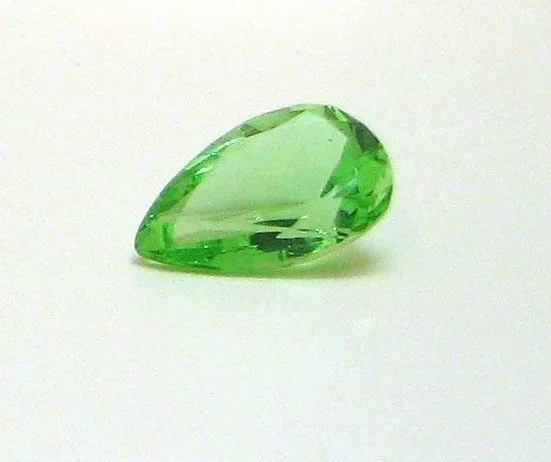
Glass copy of the Dresden Green
Dresden Green Diamond
The Dresden Green Diamond, also known as the Dresden Green, is a natural green diamond which originated in the mines of India.
Radioactive Genesis as a Scientific Benchmark
A natural geological phenomenon accounts for the unique apple green hue of the Dresden Green. Exposure to radioactive materials caused natural irradiation that altered the stone's crystal lattice. Researchers now utilize the rare gem as a baseline standard to establish testing methods capable of distinguishing naturally green stones from laboratory-created diamonds.
From Wikipedia · CC BY-SA 4.0
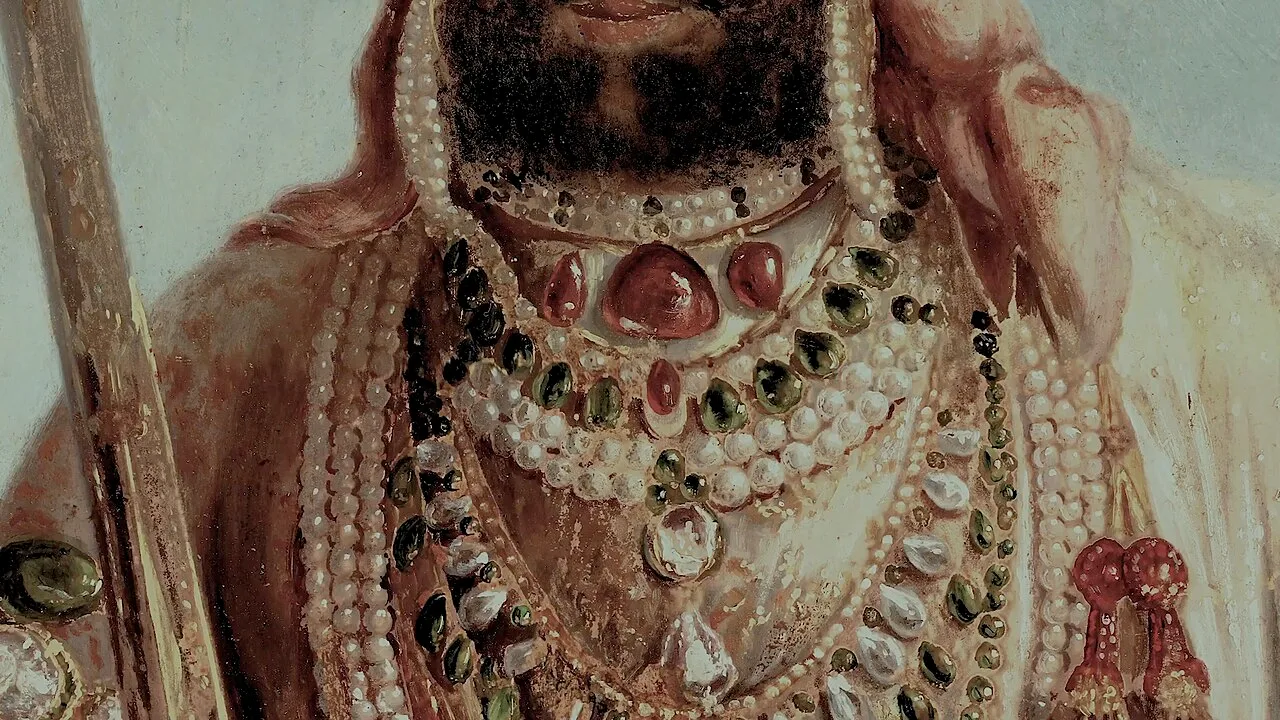
Detail of the Timur Ruby from a painting of Maharaja Sher Singh of the Sikh Empire, by August Schoefft, c. 1841–42
Timur Ruby
The Timur Ruby is a 352.54-carat polished red spinel set in a necklace, named after the ruler Timur and now part of the British Royal Collection.
The 352-Carat Imposter
For centuries, rulers prized the massive 352.54-carat stone as one of the world's most spectacular corundum specimens. It was believed to be a ruby until 1851, when gemological testing revealed it is actually a red spinel. Also titled Khiraj-i-alam, or "Tribute to the World", the mineral weighs roughly 71 g and remains polished yet unfaceted. The famous Timur Ruby thus represents a classic case of mistaken gemological identity.
From Wikipedia · CC BY-SA 4.0
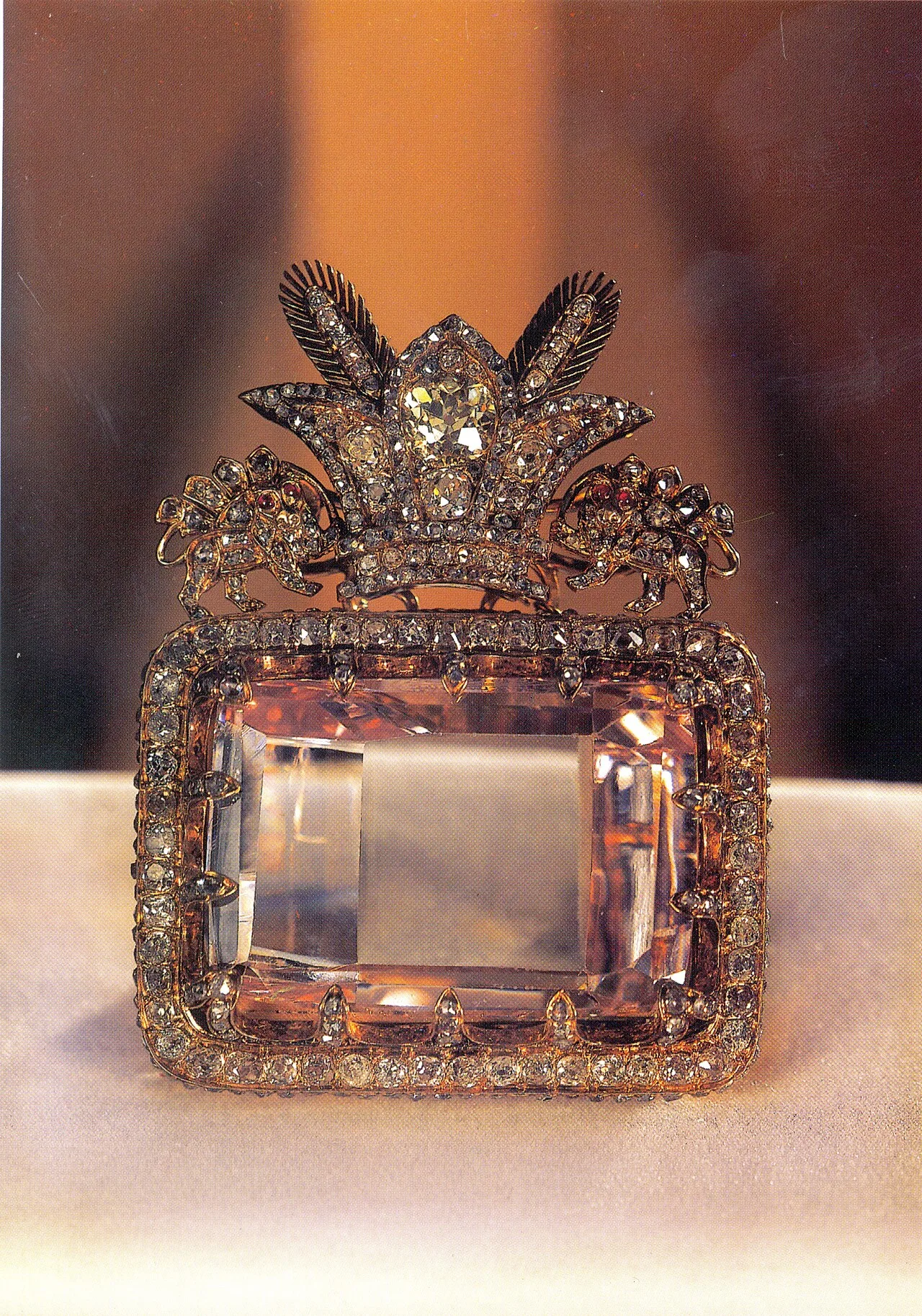
The Daria-e Noor (Sea of Light) Diamond from the collection of the national jewels of Iran at Central Bank of Islamic Republic of Iran
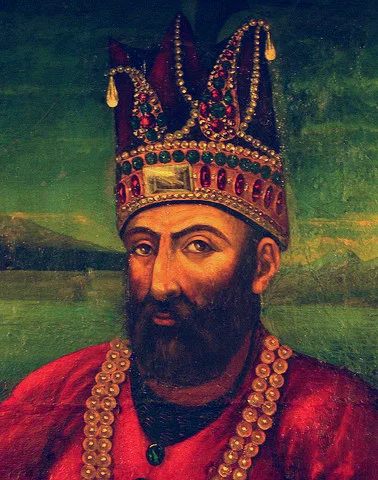
Posthumous painting of Nader Shah wearing the Daria-i-Noor by Abu'l-Hasan Mostawfi Ghaffari, 1774
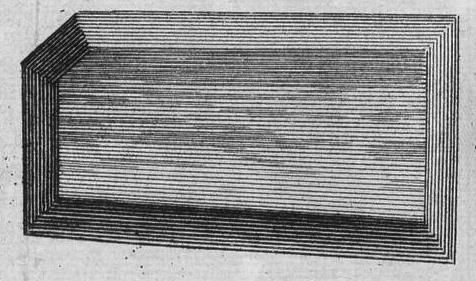
Drawing of the Great Table diamond, by Tavernier, in 1676
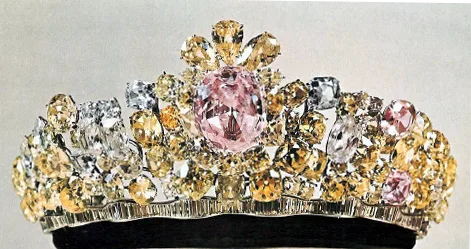
Noor-ul-Ain tiara
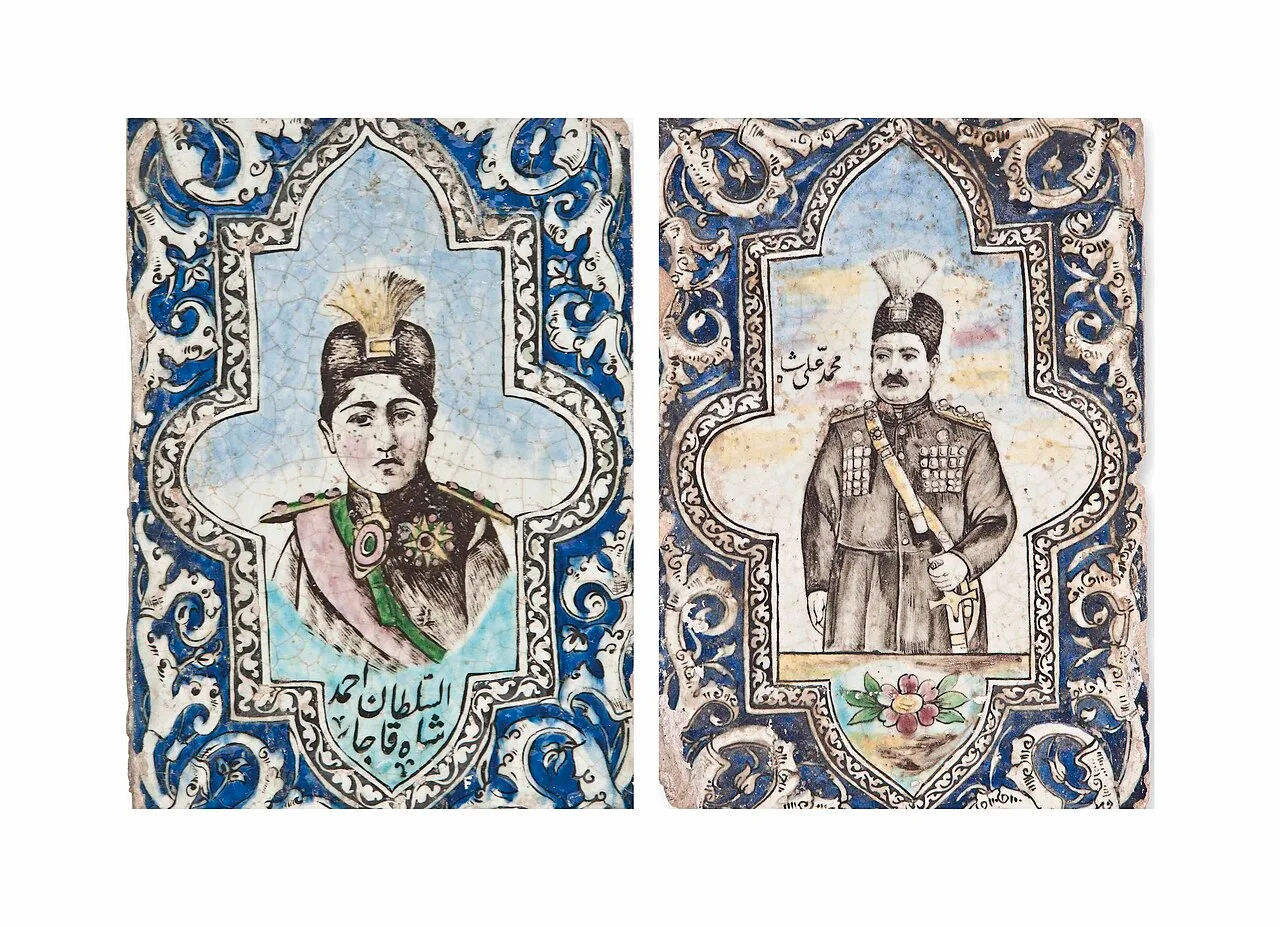
Tiles depicting Ahmad Shah Qajar (left) and Mohammad Ali Shah wearing the Daria-i-Norr on their hats, early 20th century
Daria-i-Noor
The Daria-i-Noor is one of the largest cut diamonds in the world, weighing an estimated 182 carats, and is part of the Iranian National Jewels collection in Tehran.
Dimensions of the World's Largest Pink Diamond
The Daria-i-Noor is the world's largest known pink diamond, exhibiting a distinctive pale pink hue. It measures 41.40 mm by 29.50 mm by 12.15 mm and weighs around 182 metric carats. Cut from an even larger stone, the gem is preserved within the Iranian National Jewels collection of the Central Bank of Iran in Tehran.
From Wikipedia · CC BY-SA 4.0
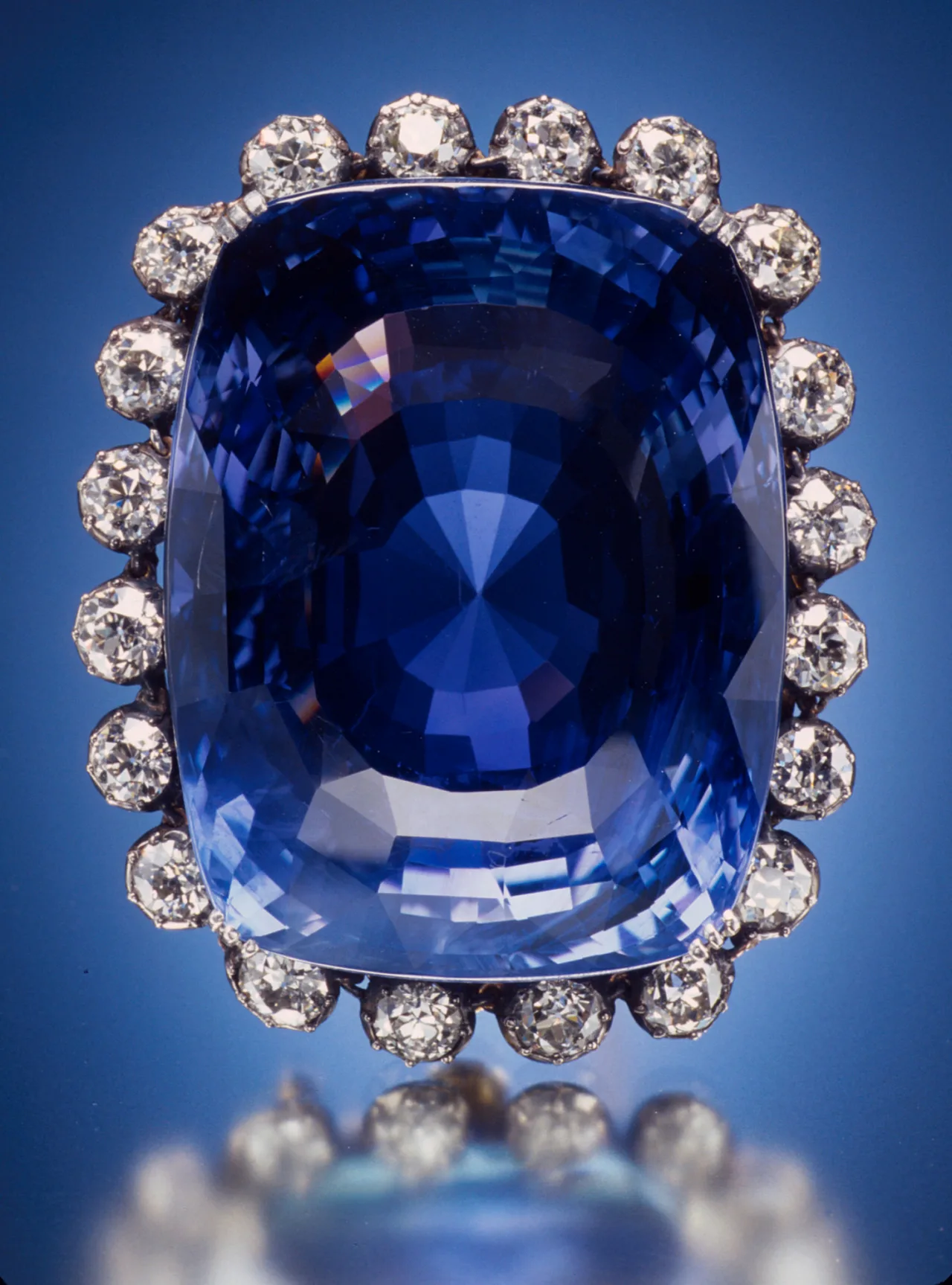
The Logan Sapphire brooch, National Museum of Natural History, Washington, D.C.
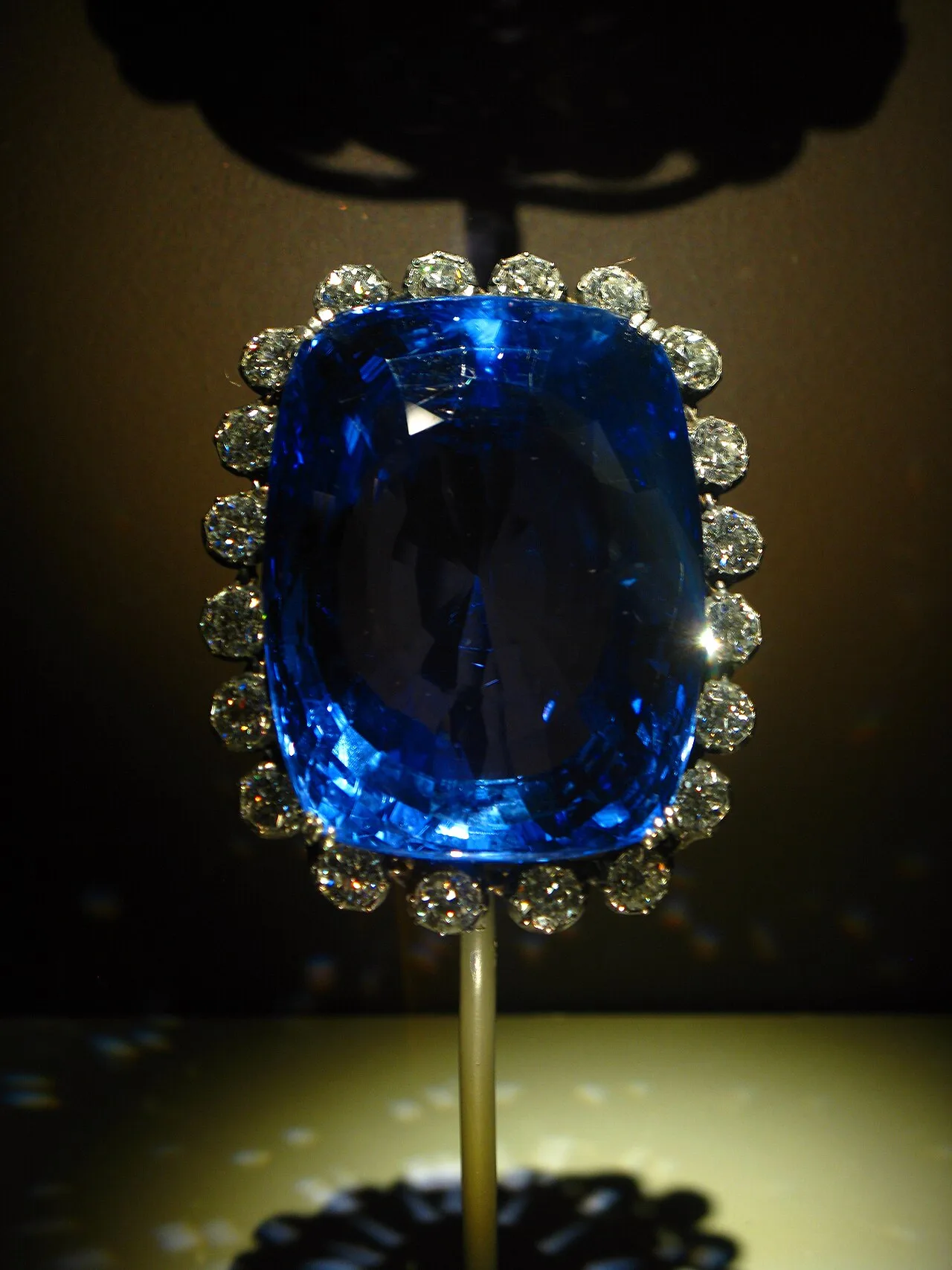
The Logan Sapphire on display
Logan Sapphire
The Logan Sapphire is one of the largest blue faceted sapphires in the world, originating from Sri Lanka and displayed in the National Gem Collection at the National Museum of Natural History.
Subordinating Brilliance to Maximize Color
The Logan Sapphire measures roughly the dimensions of a large chicken egg. Rather than cutting the stone to maximize brilliance, lapidaries used a mixed cushion-cut shape designed to emphasize its rich blue color. The egg-sized centerpiece rests in a brooch bordered by 20 round brilliant-cut diamonds.
From Wikipedia · CC BY-SA 4.0
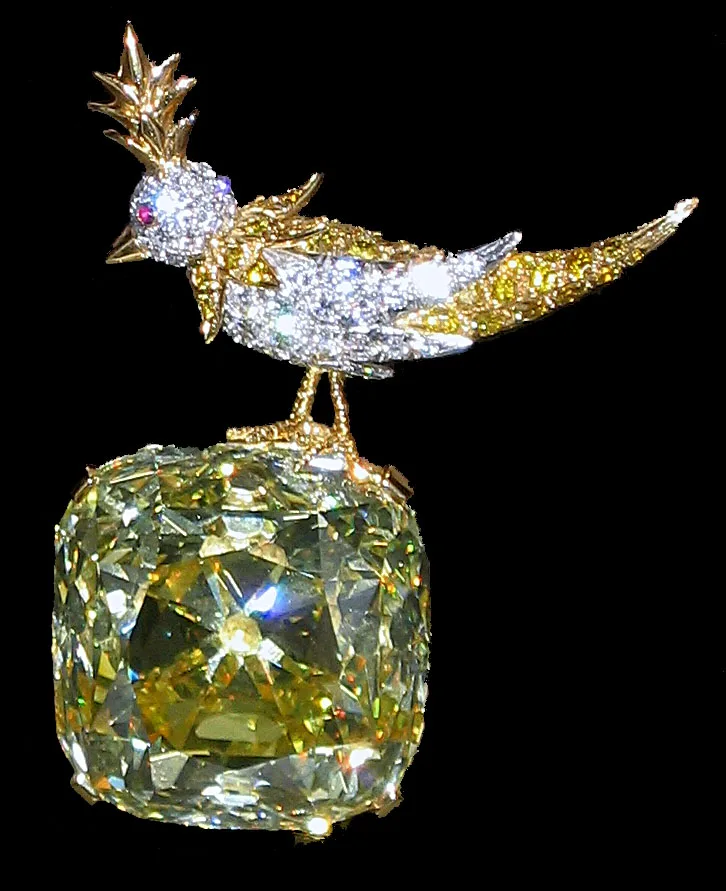
Tiffany Diamond2
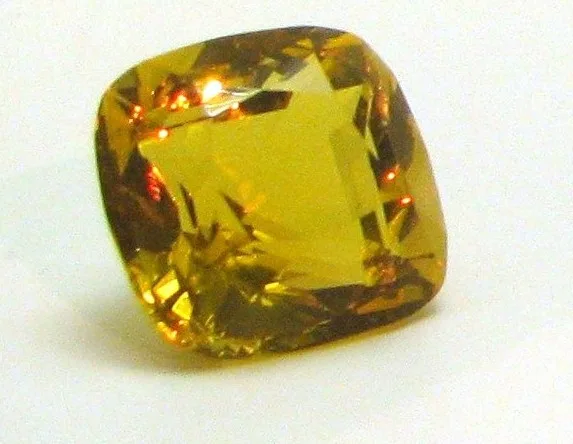
A copy of the unmounted diamond
Tiffany Yellow Diamond
The Tiffany Yellow Diamond is one of the largest yellow diamonds ever discovered, found in South Africa around 1878 and cut to 128.54 carats for Tiffany & Co.
Crafting a Smoldering Glow with 90 Facets
George F. Kunz selected an unprecedented 90 facets rather than the traditional 58 when fashioning the cushion-shaped Stellar Cut Brilliant. Instead of maximizing brilliant flashes of light, the gemologist intentionally muted the stone's radiance to deepen its yellow color. This deliberate design created the warm, subdued effect of a smothered, smoldering fire.
From Wikipedia · CC BY-SA 4.0
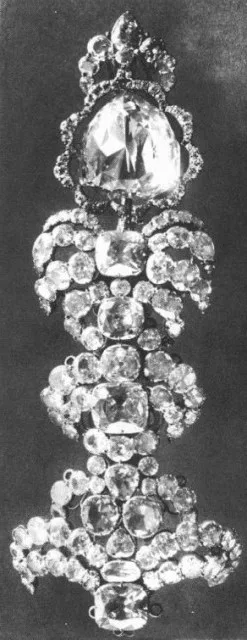
Florentine Diamond aigrette
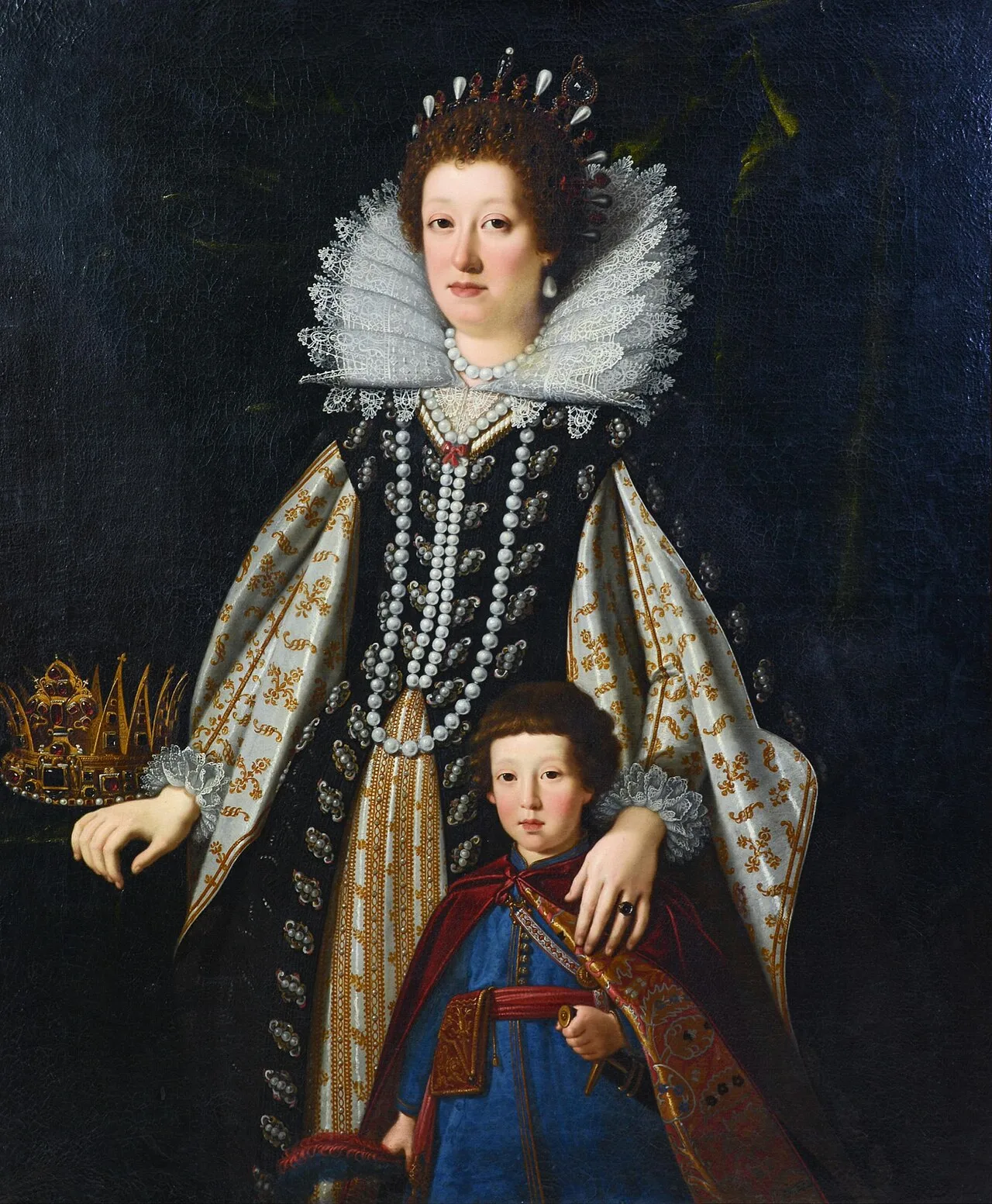
Portrait of Mary Magdalene of Austria with her son, wearing the Florentine on her head as a pendant
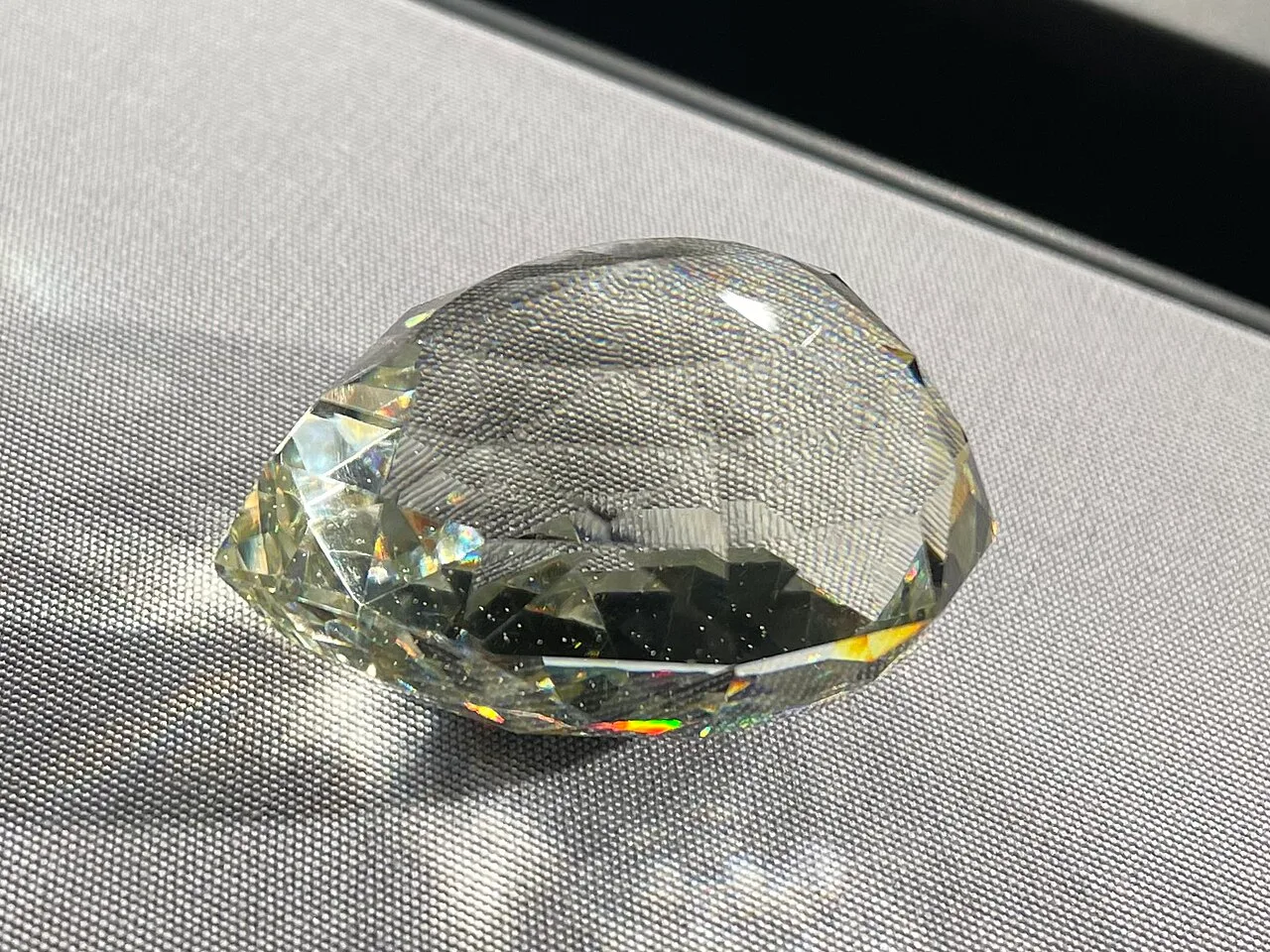
Historic rhinestone copy of the Florentine made in 1865, Natural History Museum, Vienna
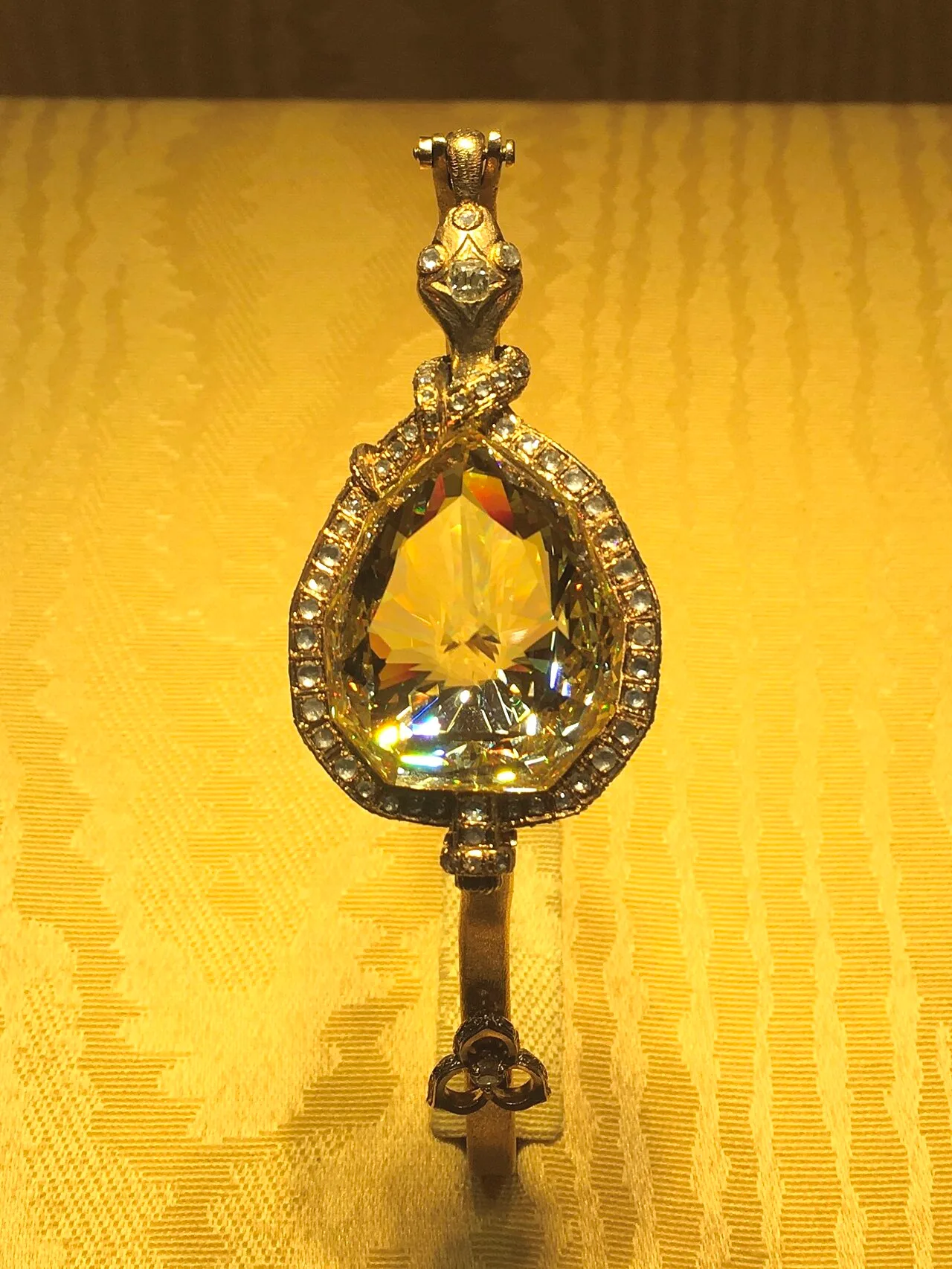
Replica of the Florentine, set in a piece as it originally appeared in the 16th-17th century
Florentine Diamond
The Florentine Diamond is a large diamond associated with European royalty and the House of Habsburg-Lorraine, long thought lost until being revealed in 2025.
Nine Sides and Green Overtones
The Florentine Diamond is distinguished by a light yellow body color accented with subtle green overtones. It was fashioned into an irregular nine-sided double rose cut comprising 126 individual facets. The massive gemstone holds a recorded weight of 137.27 carats (27.454 g), presenting a complex geometry that departs from conventional gemstone silhouettes.
From Wikipedia · CC BY-SA 4.0