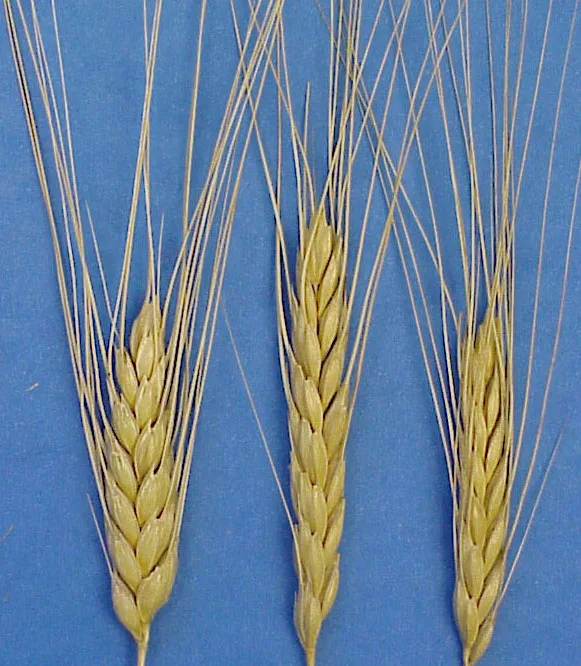
Usdaemmer1
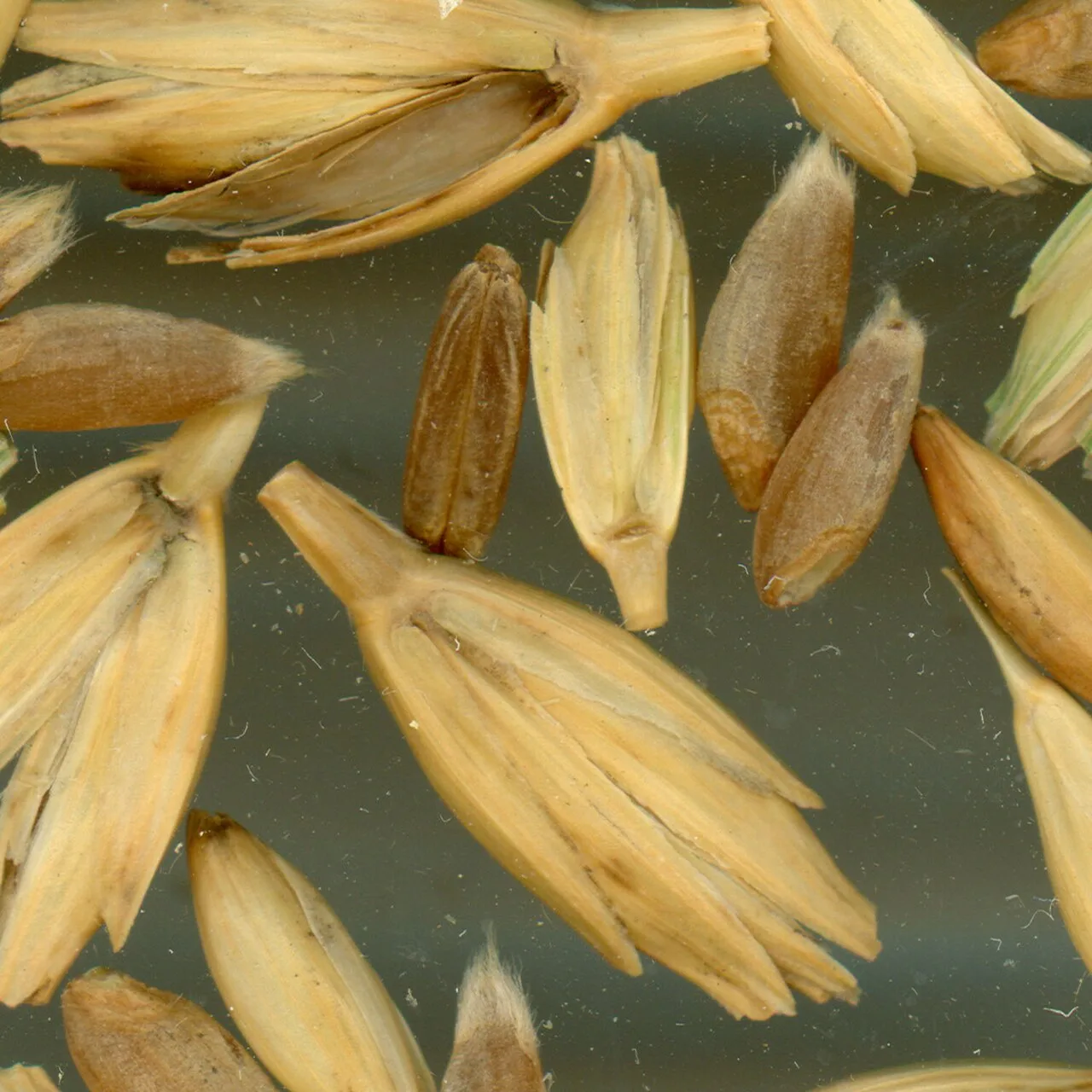
Harvested emmer has shattered into spikelets, the husks remaining around the seeds.
![Wild emmer is one of the ancestors of bread wheat; both species are hybrids.[10]](https://nwjvzop1xgplmzvt.public.blob.vercel-storage.com/wikifeed/emmer/2-4181a769cb.webp)
Wild emmer is one of the ancestors of bread wheat; both species are hybrids.[10]
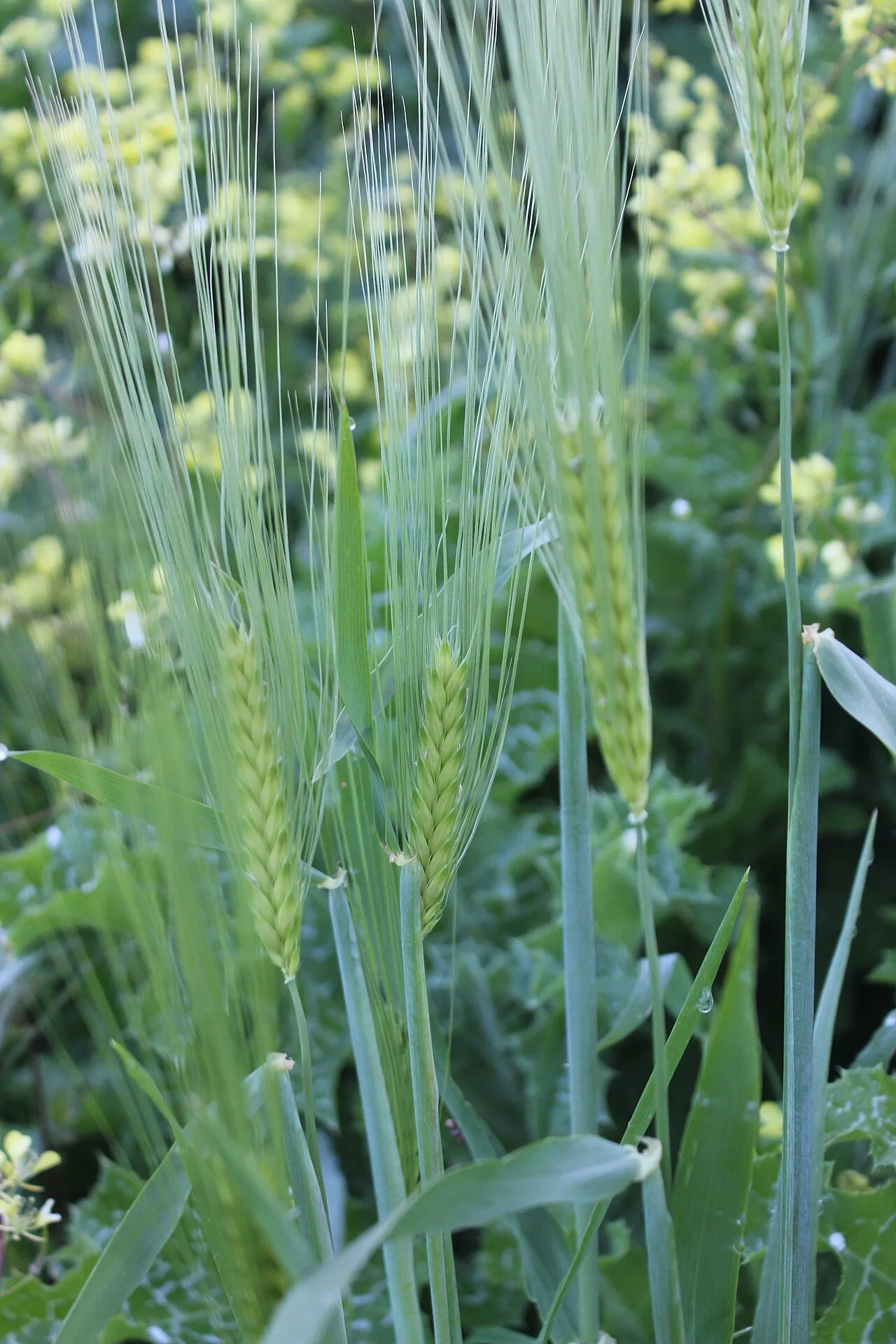
Wild emmer still grows in the Near East.
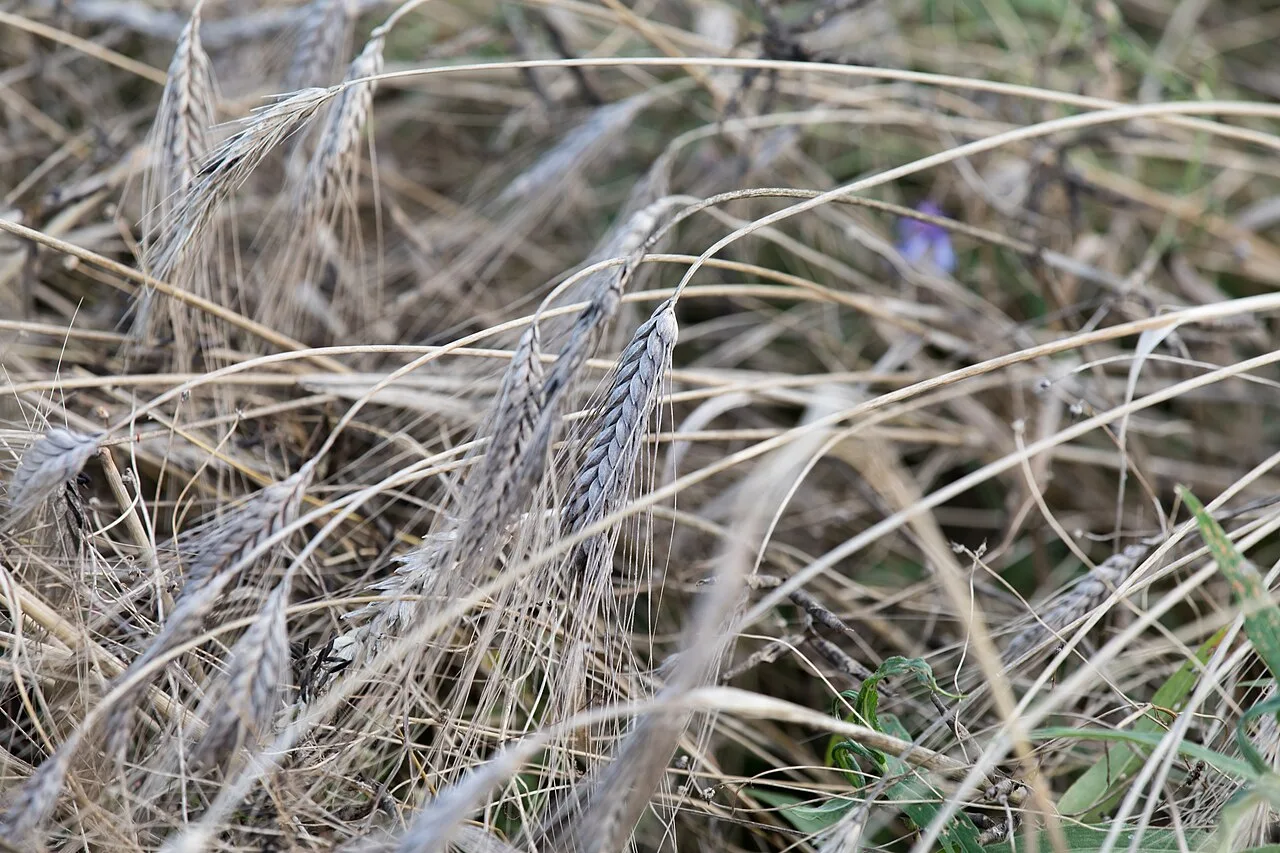
Emmer in North Rhine-Westphalia, Germany, affected by lodging
![Threshing in ancient Egypt, where emmer was widely used for bread[33]](https://nwjvzop1xgplmzvt.public.blob.vercel-storage.com/wikifeed/emmer/5-a240544448.webp)
Threshing in ancient Egypt, where emmer was widely used for bread[33]
Emmer
Emmer is a hybrid species of wheat and one of the first crops domesticated in the Near East. Widely cultivated in the ancient world, it is also one of the three grains called farro in Italy.
Drilling Downward with a Frog-Kick Motion
Wild emmer spikelets possess a mechanical mechanism for self-burial that does not rely on human sowing. Rising humidity at night causes the awns to straighten and drive the grain into the soil, while fine silica hairs keep it firmly anchored when daytime drying occurs. Through alternating cycles of nighttime moisture and daytime drying, these pumping movements resemble a swimming frog kick that drills the spikelet 25 millimetres (1 inch) or more underground.
From Wikipedia · CC BY-SA 4.0
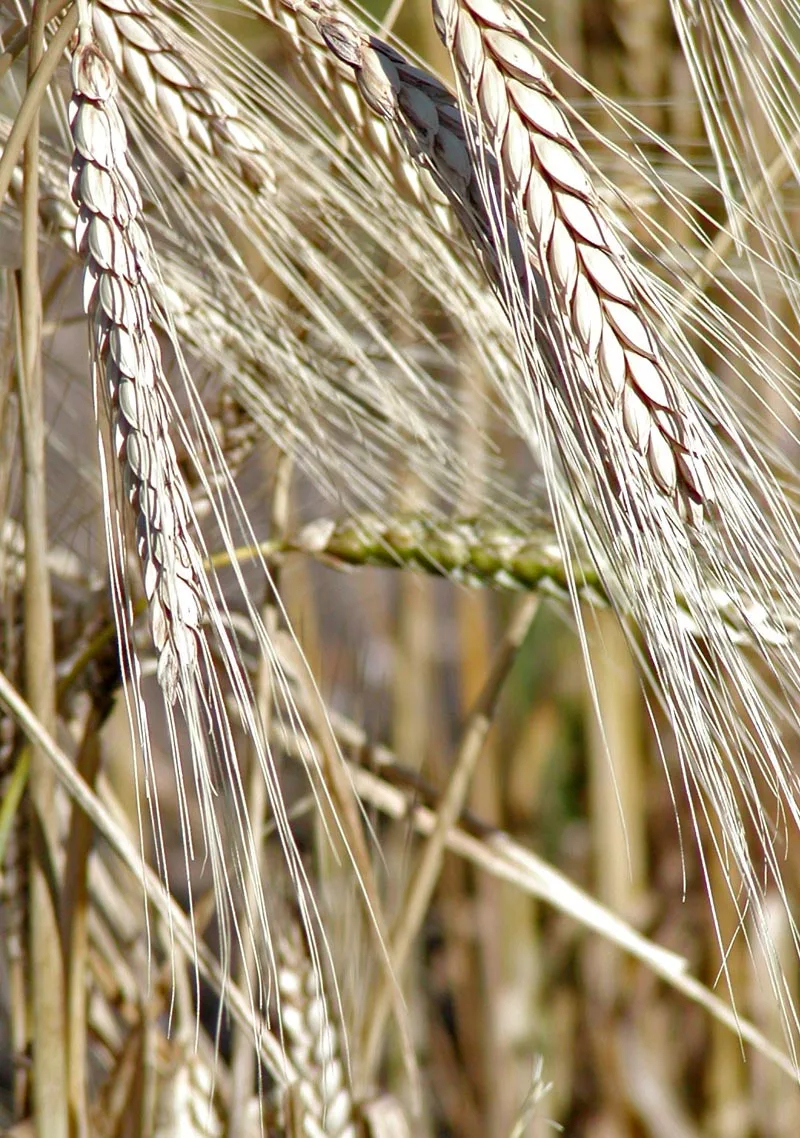
Triticum turgidum 2
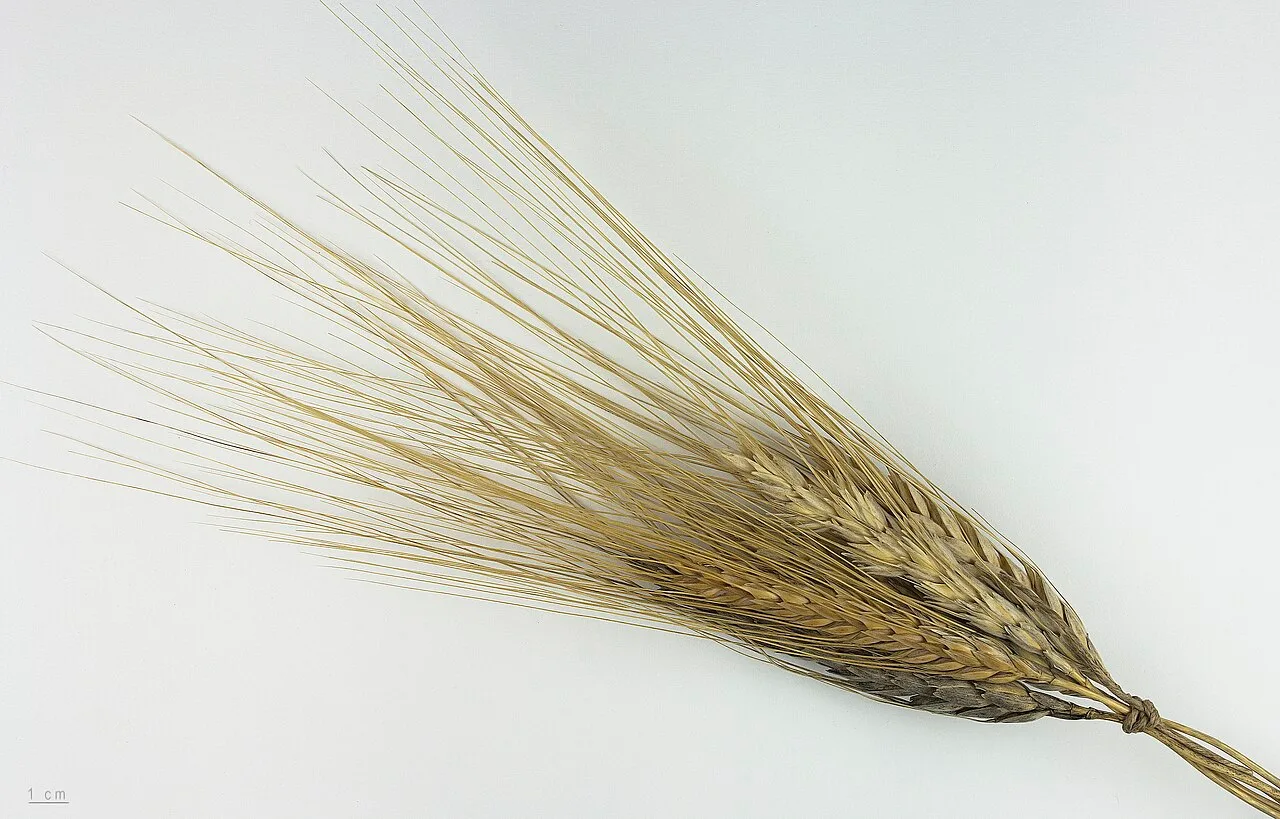
Triticum turgidum subsp. turanicum

USDA wheat
Khorasan wheat
Khorasan wheat is a tetraploid wheat species with grains twice the size of modern wheat and a rich, nutty flavor.
Doubled Kernel Mass and Superior Density
Khorasan wheat produces kernels that dwarf conventional crops. Its grains reach twice the size of modern wheat kernels, achieving a thousand-kernel weight of up to 60 grams (2.1 ounces). In addition to their physical bulk, these amber grains contain higher concentrations of proteins, lipids, amino acids, vitamins, and minerals than standard modern wheat.
From Wikipedia · CC BY-SA 4.0
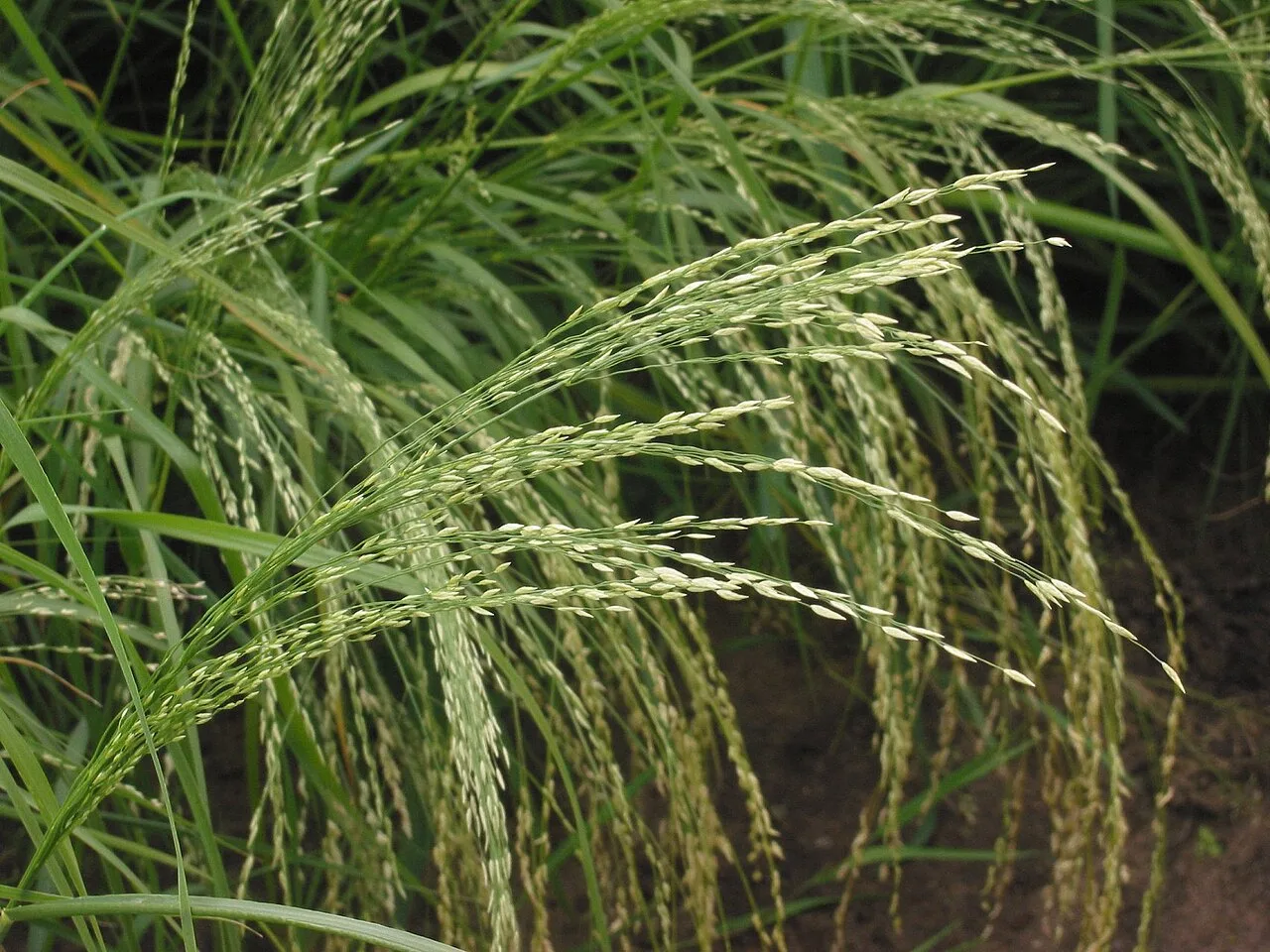
Teff pluim Eragrostis tef
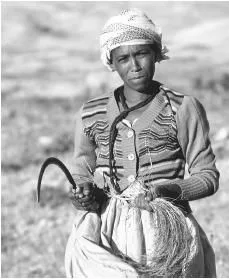
An Eritrean woman harvesting teff in Geshinashim, Eritrea
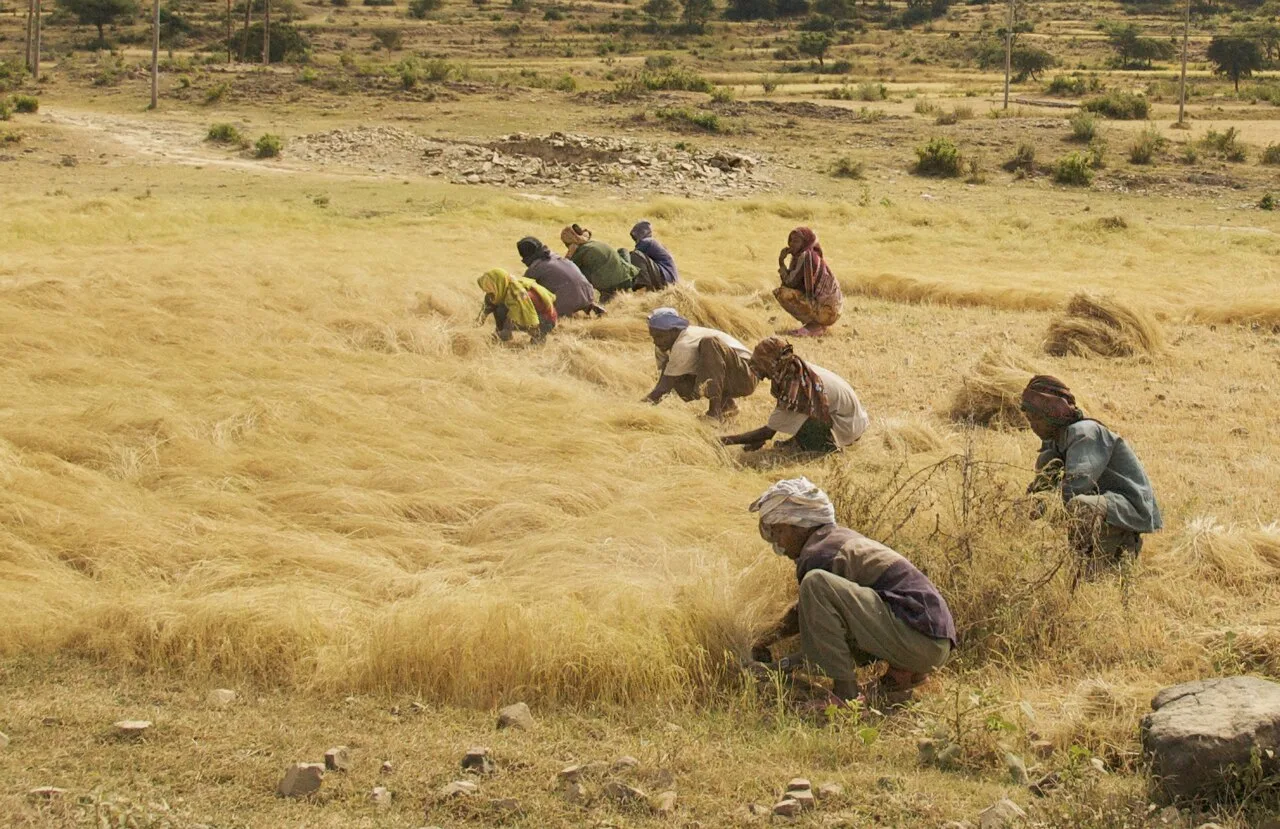
Traditional teff harvesting in Ethiopia, October 2007
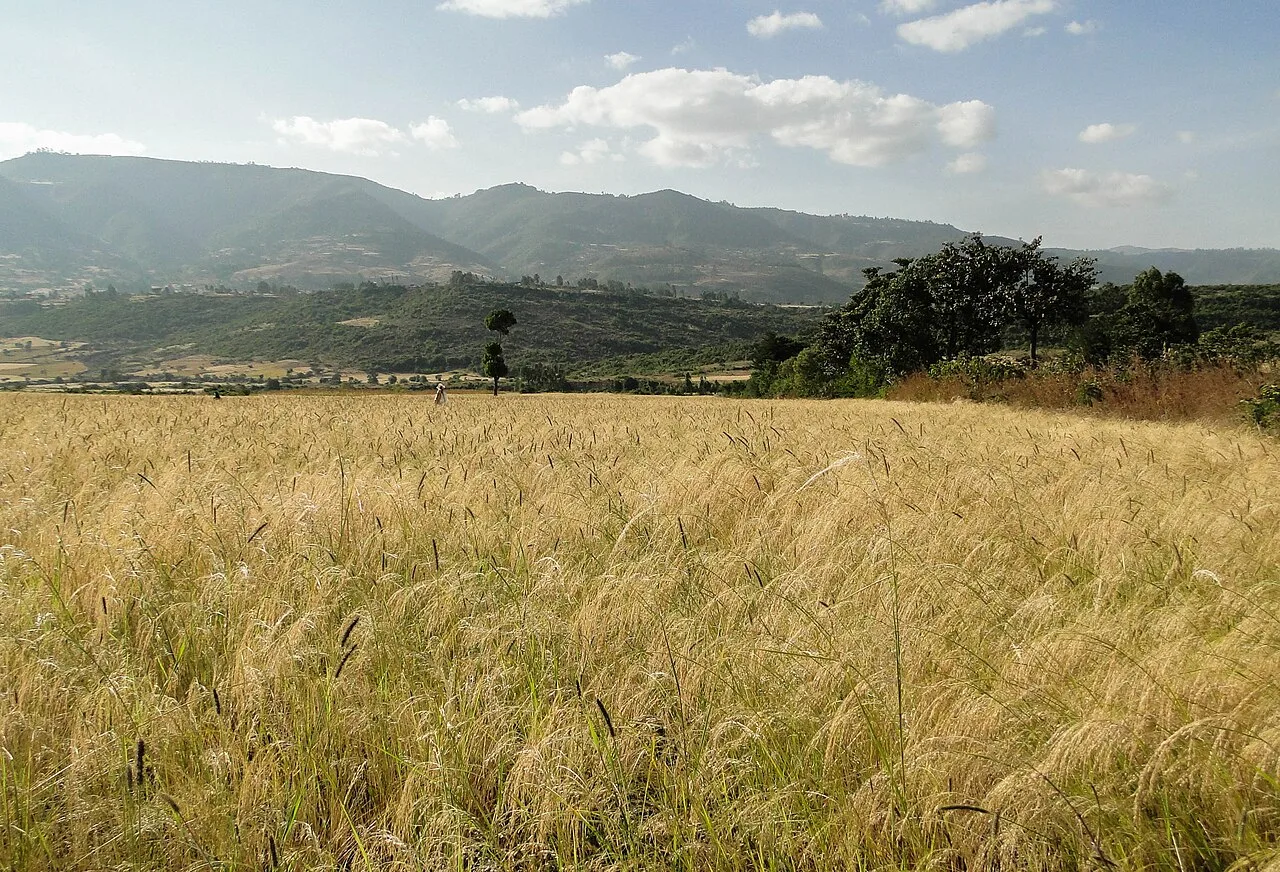
Field of teff
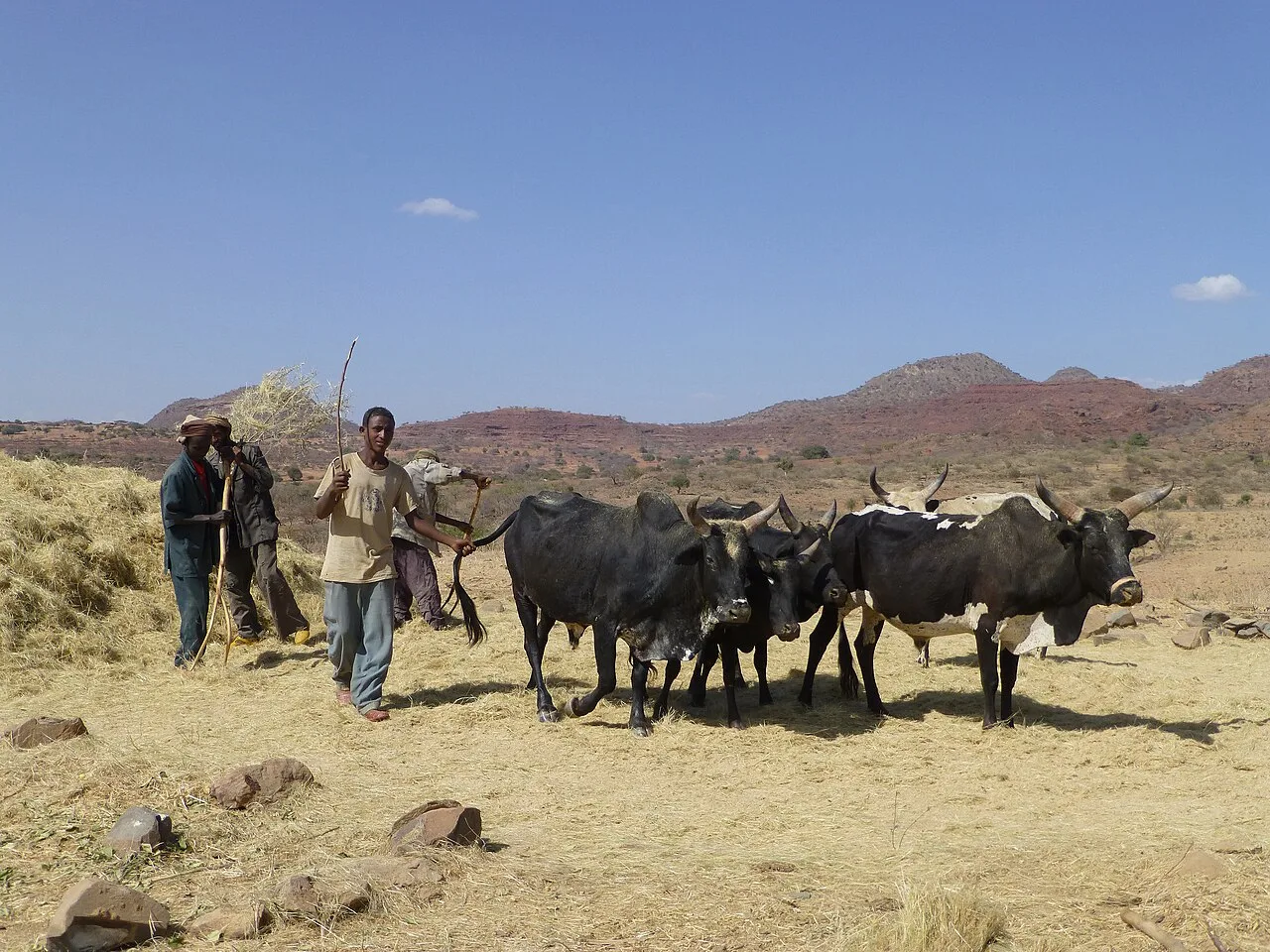
Teff threshed by using animals walking on the harvest

Injera served in a typical Ethiopian dish
Teff
Teff is an annual species of lovegrass native to Ethiopia, where it has been cultivated for its edible seeds since ancient times as a major staple crop.
Grains Named for Disappearing
The name teff derives from the Amharic word teffa, translating to "lost" in reference to grains with diameters under one millimeter. Because the seeds are exceptionally minute, a single handful provides enough material to sow an entire large plot. This remarkable physical portability made teff uniquely suited to supporting historical seminomadic pastoral communities.
From Wikipedia · CC BY-SA 4.0
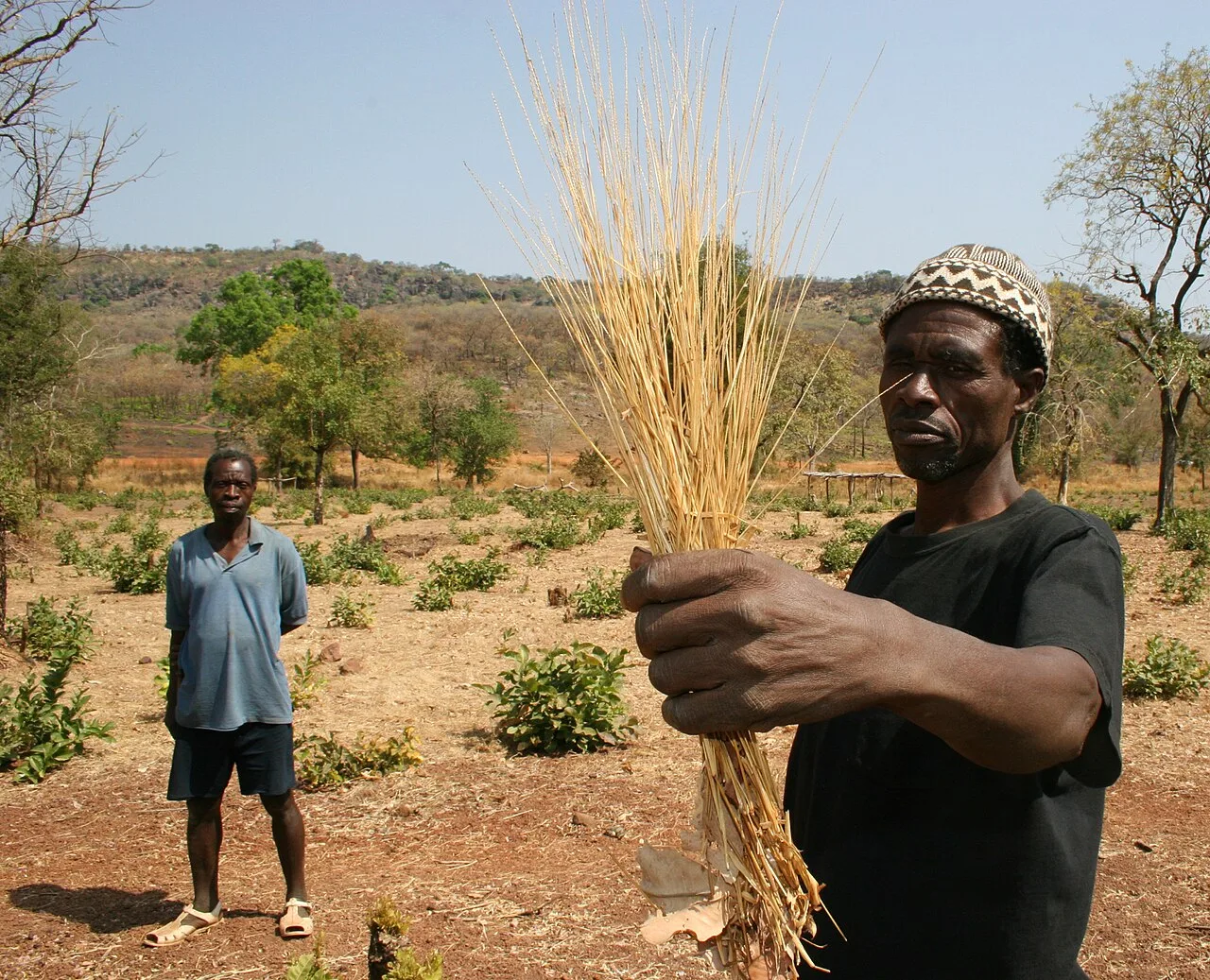
White fonio in Tambacounda Region of southern Senegal
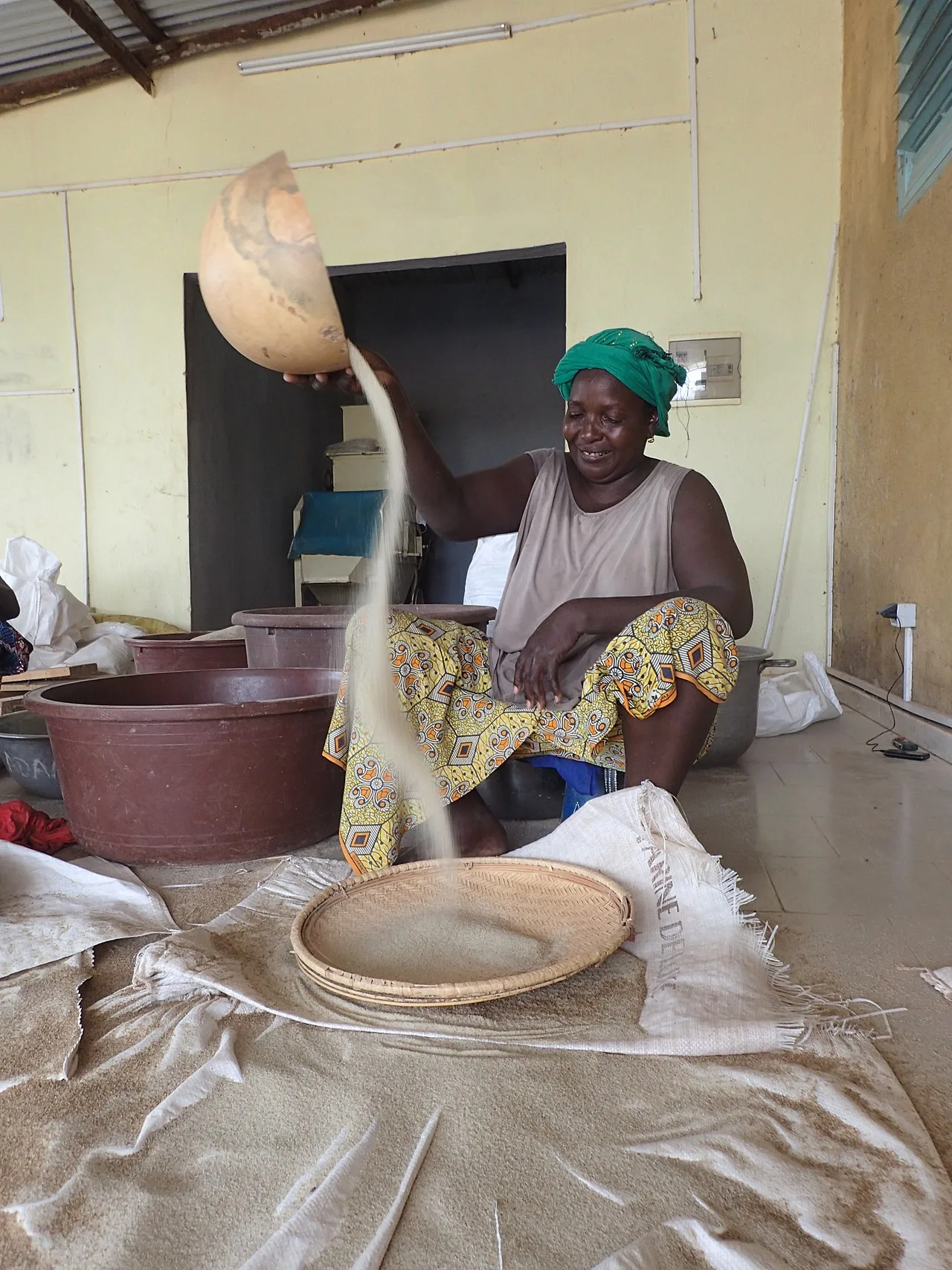
Winnowing fonio in Kédougou, Senegal

Acha (fonio)
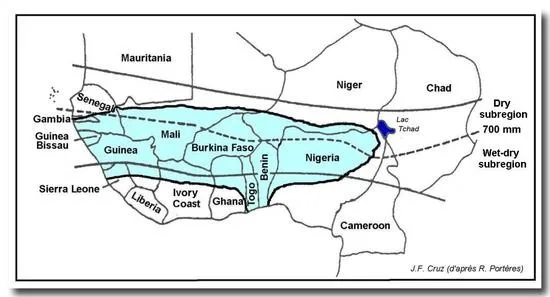
Climate zone Fonio cultivation area
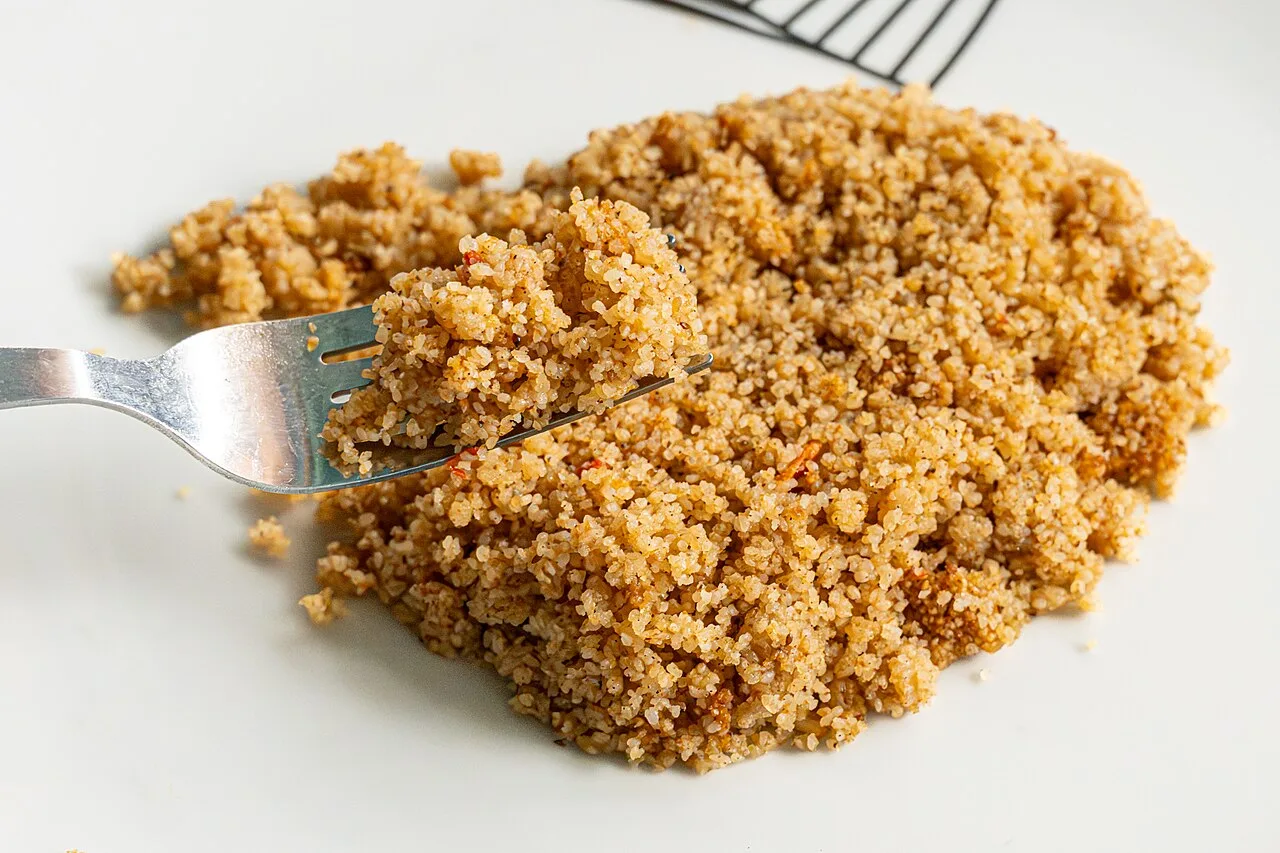
Fonio couscous served at the Restaurant du Fonio in Natitingou, Benin
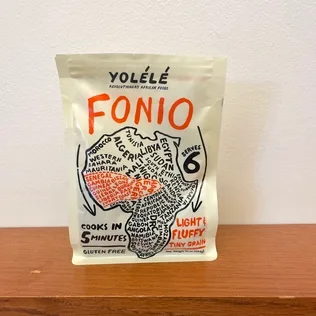
A bag of Yolélé Foods' fonio, which was purchased from a luxury American supermarket
Fonio
Fonio refers to two cultivated grass species in the genus Digitaria that serve as vital food crops in parts of West Africa.
Mortar Sand and Flame Dehusking Techniques
Because fonio produces the smallest seeds of any millet species, stripping away the outer husk poses unique mechanical challenges. Traditional harvesters pound the unhulled grains in a mortar with abrasive sand before separating the mixture. Alternatively, processors pop the harvest directly over open flames prior to pounding, producing a distinct toasted-color grain.
From Wikipedia · CC BY-SA 4.0
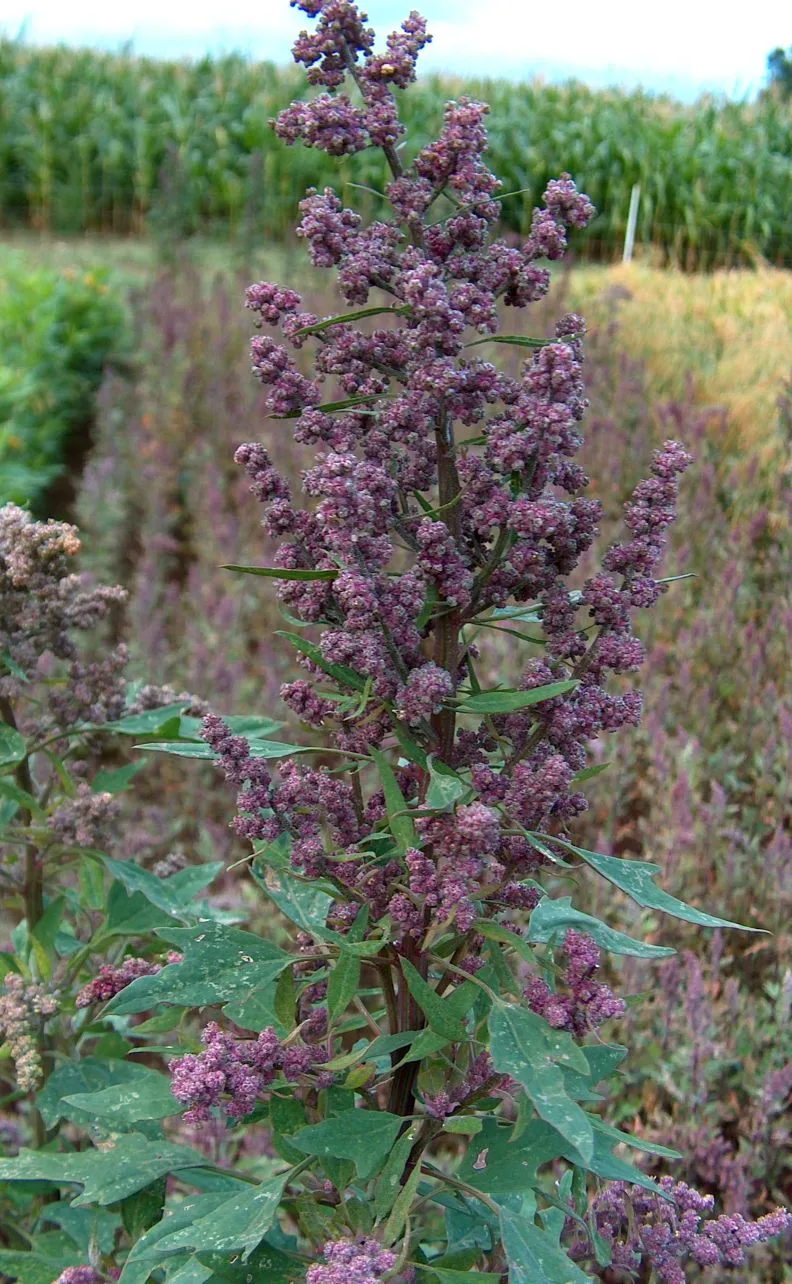
Reismelde
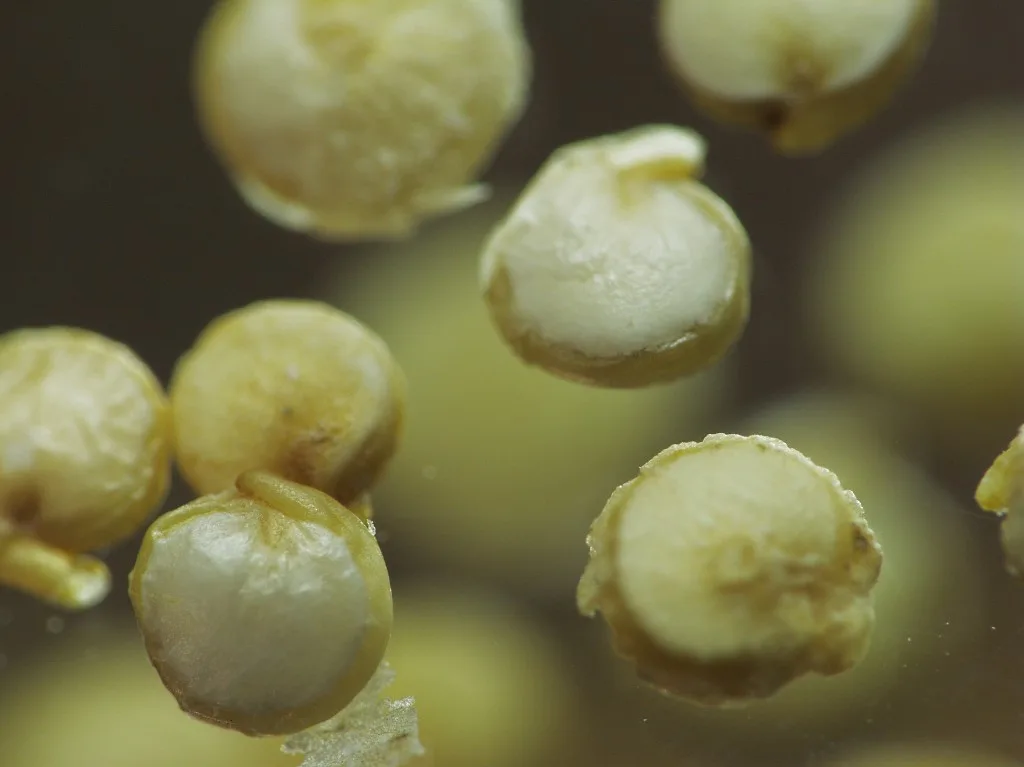
Quinoa seeds
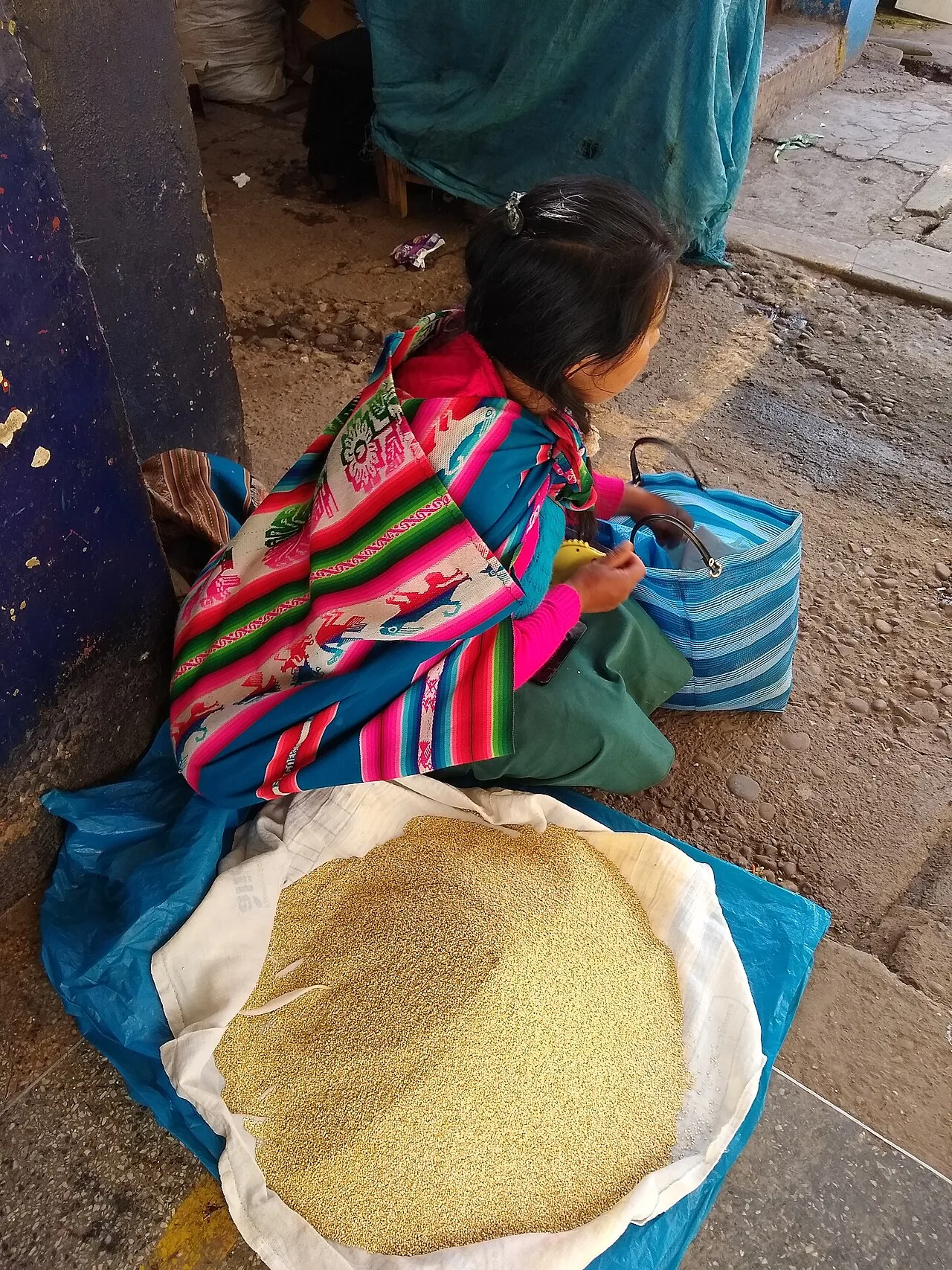
Quinoa seller at market in Calca, Peru
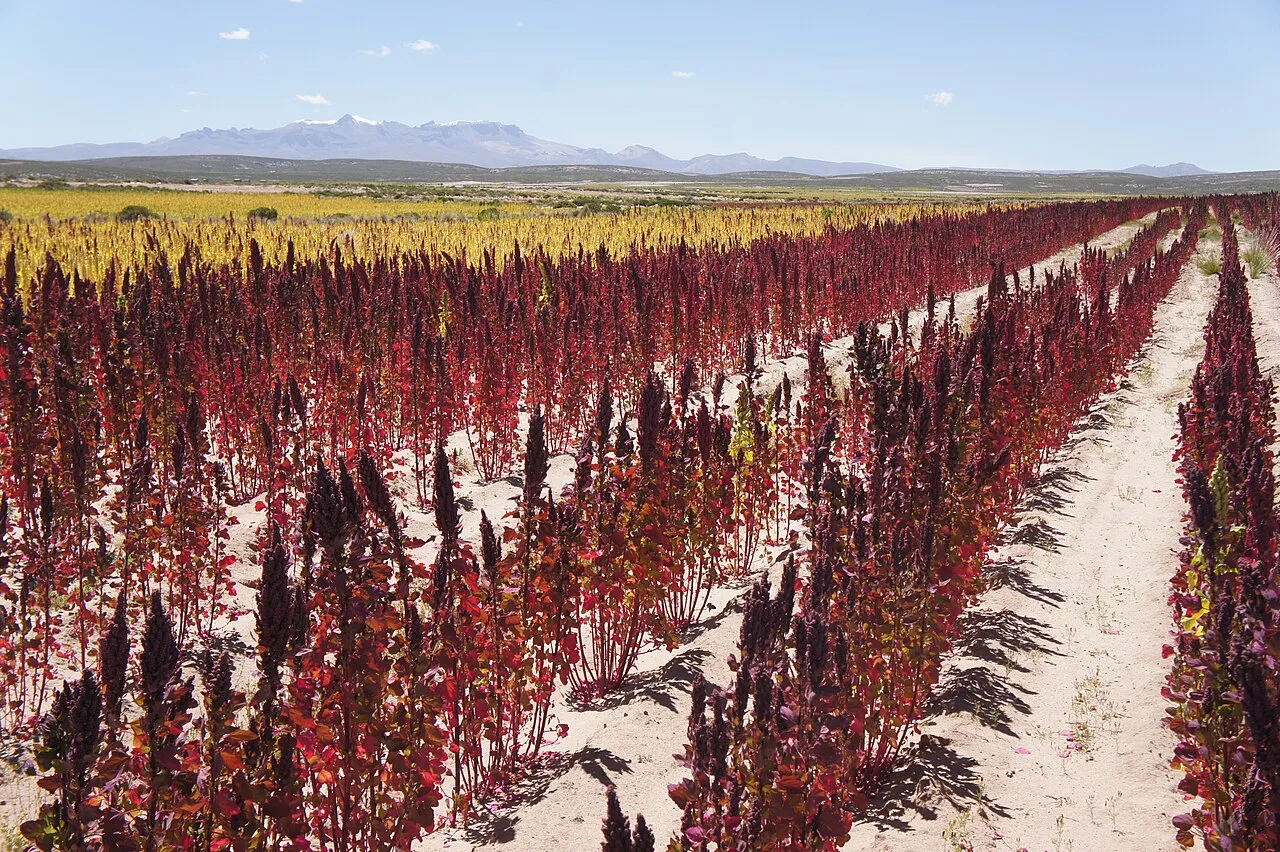
A red quinoa field in Uyuni, Bolivia
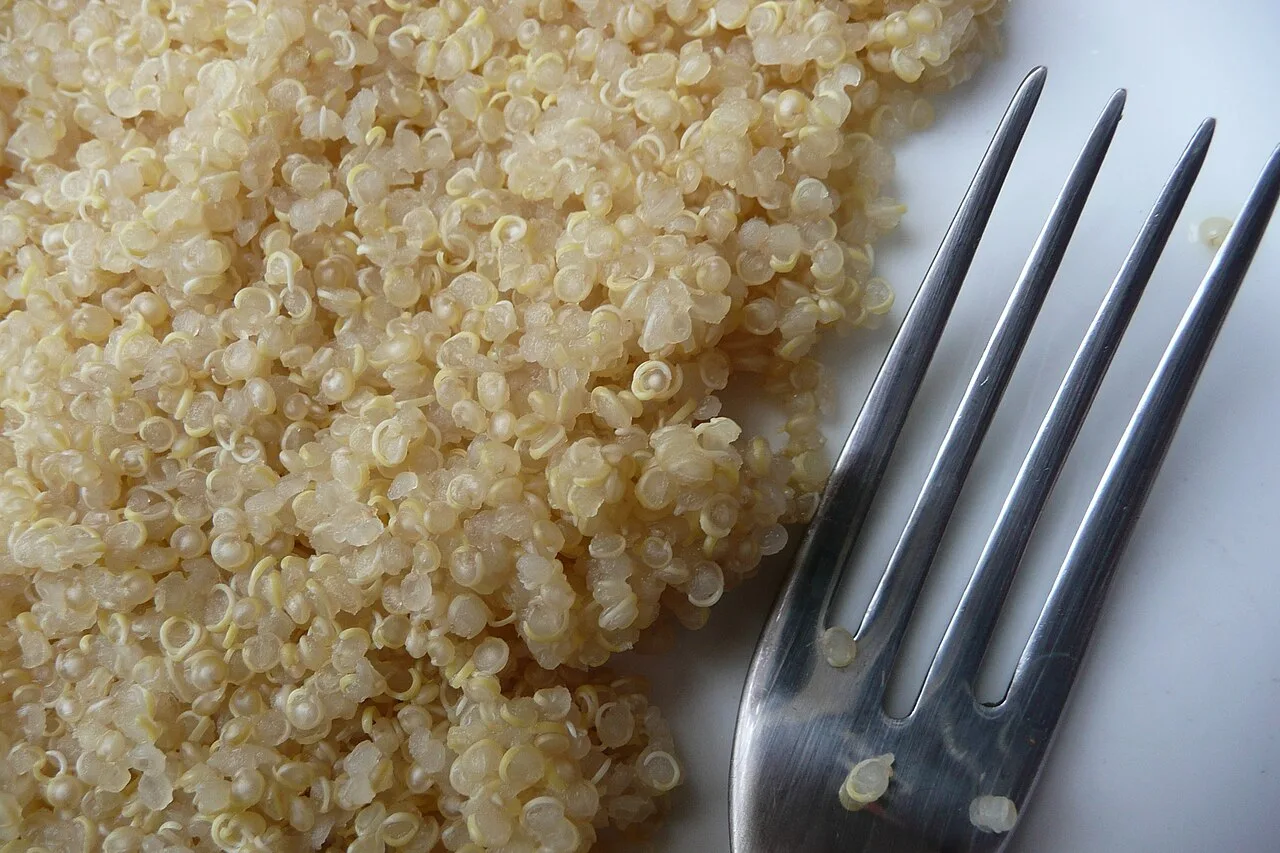
Quinoa is typically cooked by boiling it in water or broth until the grains become tender
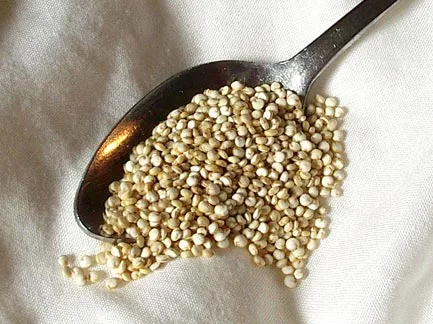
Quinoa seeds
Quinoa
Quinoa is a flowering plant in the amaranth family grown as a pseudocereal crop for its edible seeds, originating in the Andean region of northwestern South America.
From Prehistoric Fodder to Human Staple
Although modern consumers regard quinoa as an ancient health grain, it is actually a pseudocereal closely related to spinach. Long before humans adopted it into their diets, Andean populations used the plant primarily to feed livestock between 5,200 and 7,000 years ago. Human consumption only emerged later, roughly 3,000 to 4,000 years ago around the Lake Titicaca basin.
From Wikipedia · CC BY-SA 4.0
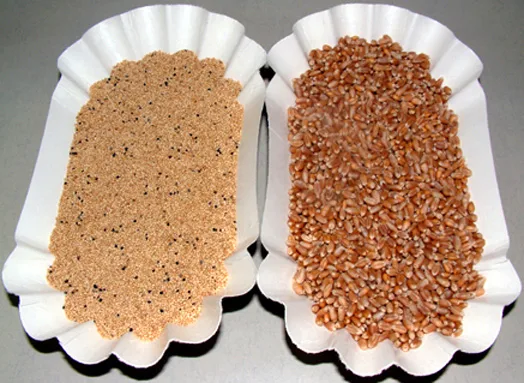
Amaranth grain (left) and wheat (right)
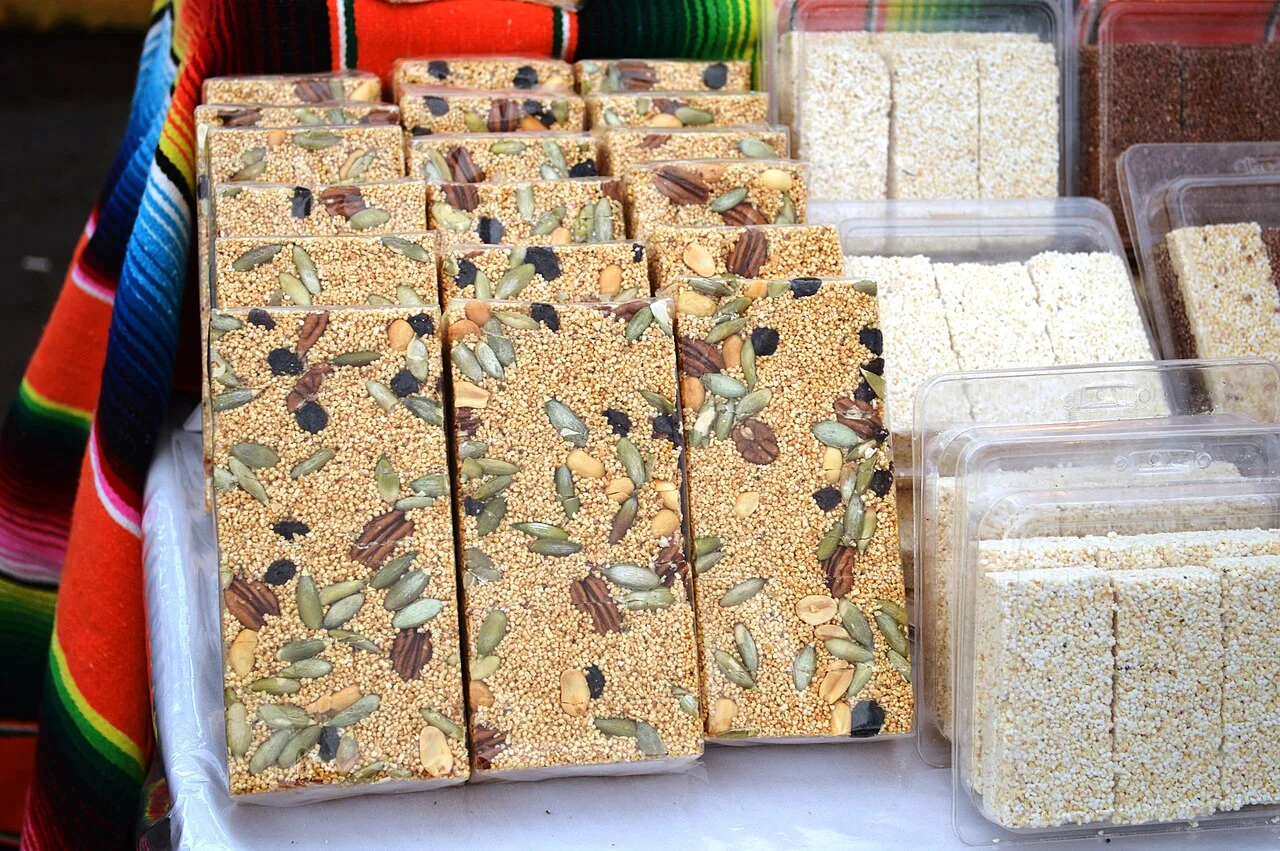
Alegría, a Mexican snackfood made with amaranth grain

Skull shapes made of amaranth and honey for Day of the Dead in Mexico
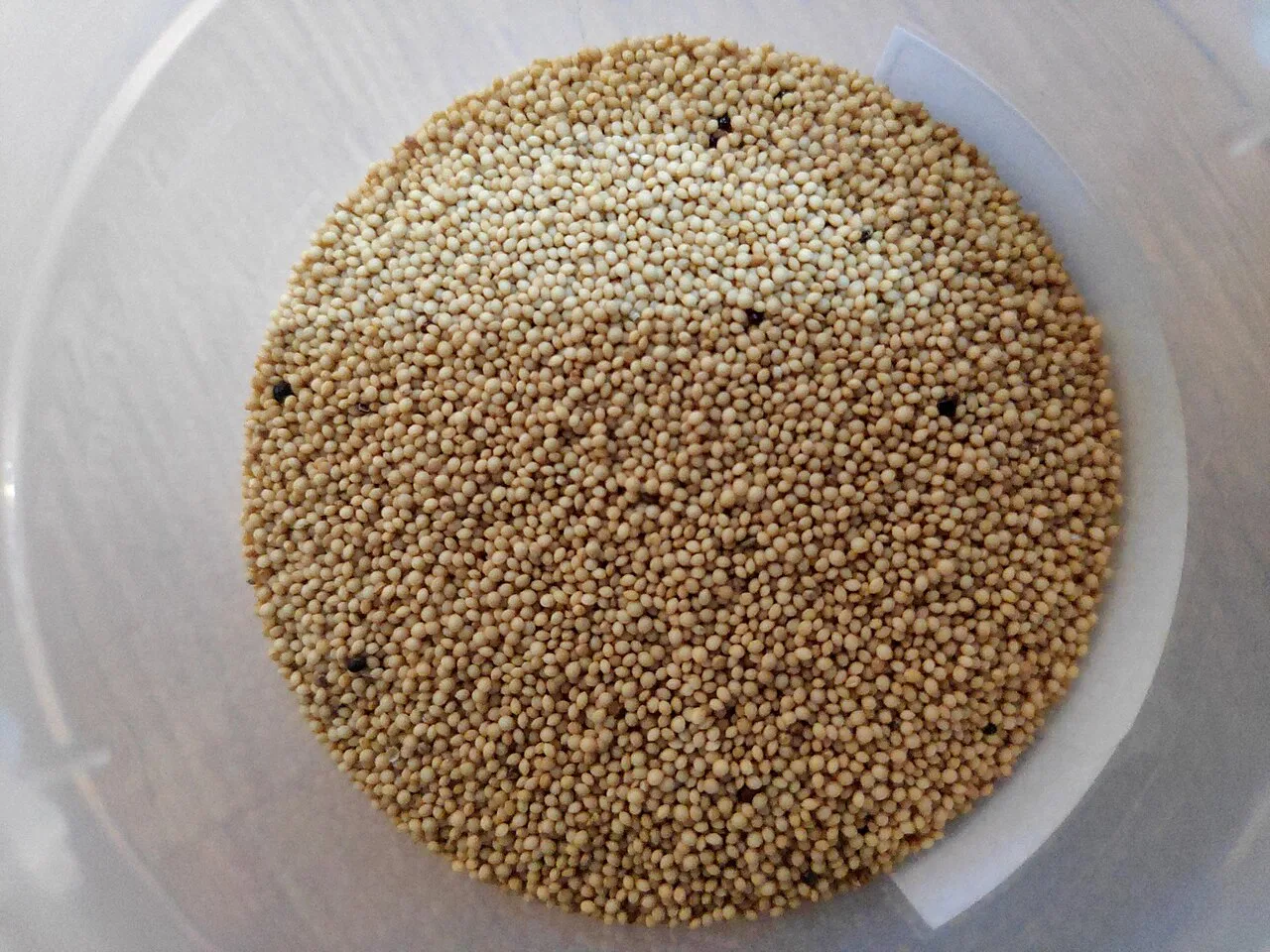
Amaranth grain from Nepal
Amaranth grain
Amaranth plants are pseudocereals in the genus Amaranthus cultivated for thousands of years for their edible starchy seeds.
Ancient Pseudocereal with Modern Grain Yields
Amaranth plants have been cultivated for 8,000 years as pseudocereals rather than true botanical cereals like wheat or rice. Despite belonging to a separate botanical family, amaranth delivers substantial harvests of edible starchy seeds. Modern agriculturalists still cultivate species such as Amaranthus caudatus L. to secure high-yielding grain and nutrient-dense leaves.
From Wikipedia · CC BY-SA 4.0
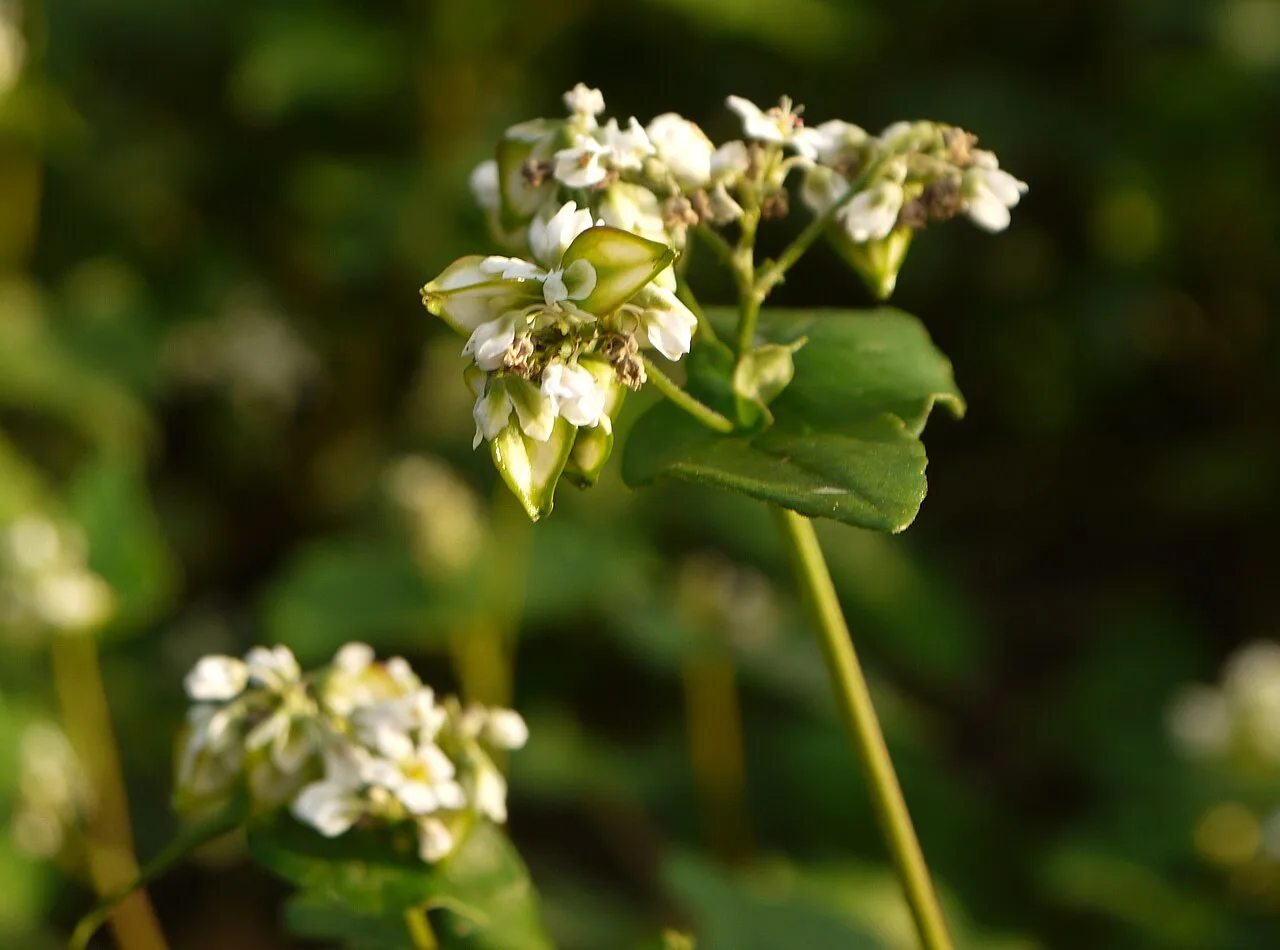
Japanese Buckwheat Flower
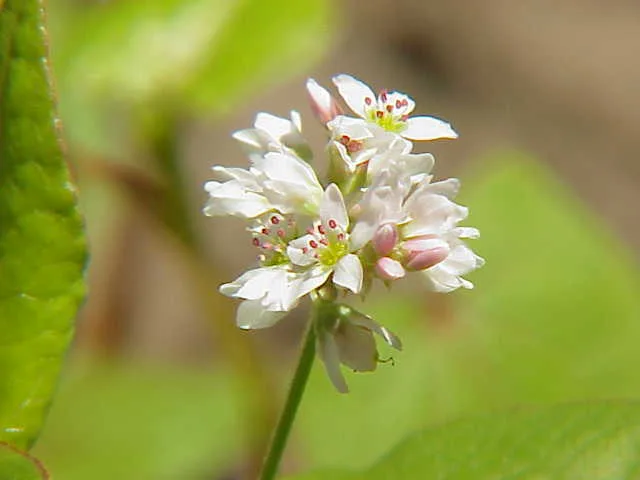
Common buckwheat in flower
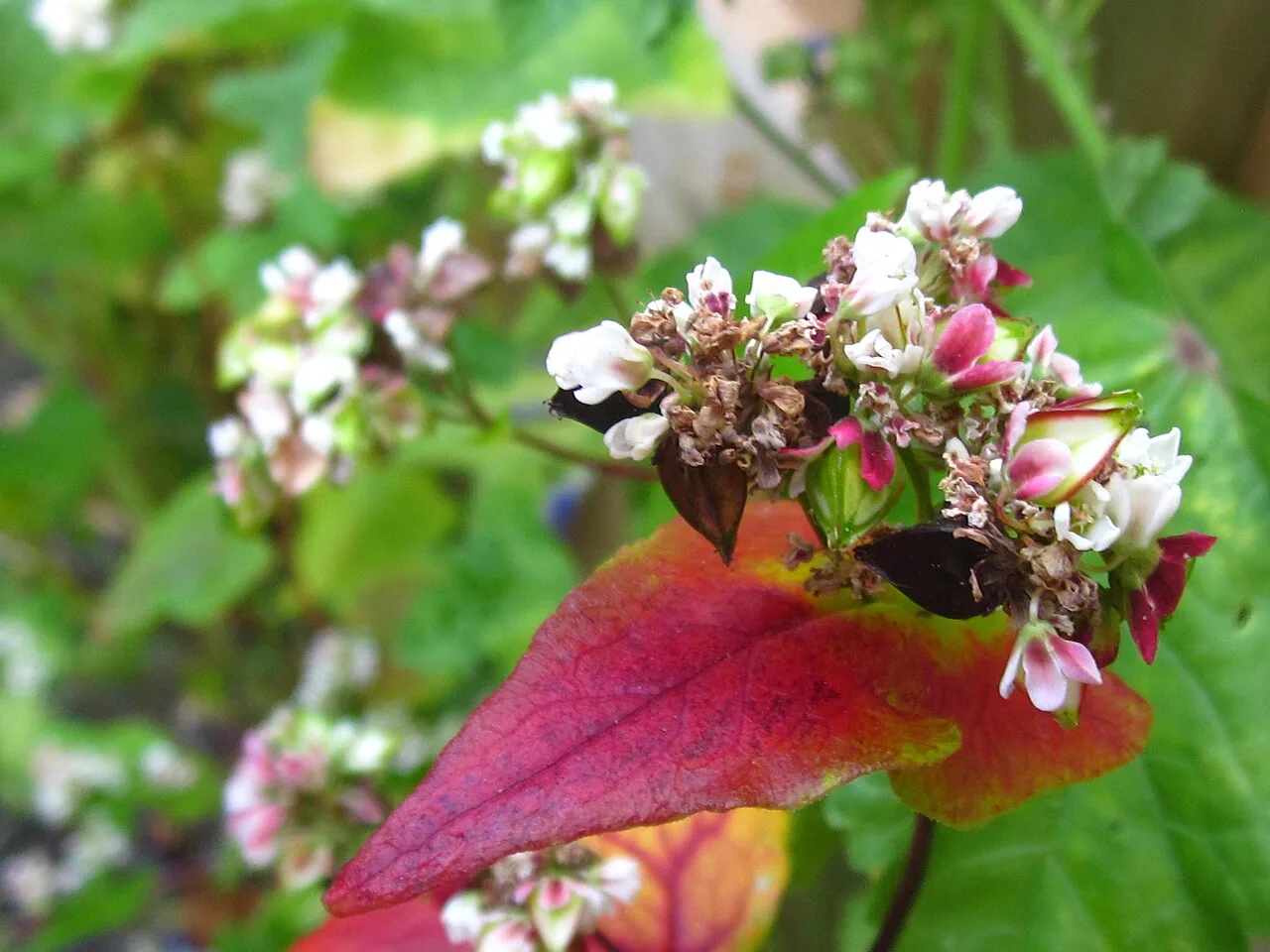
Buckwheat with flowers, ripe and unripe seeds
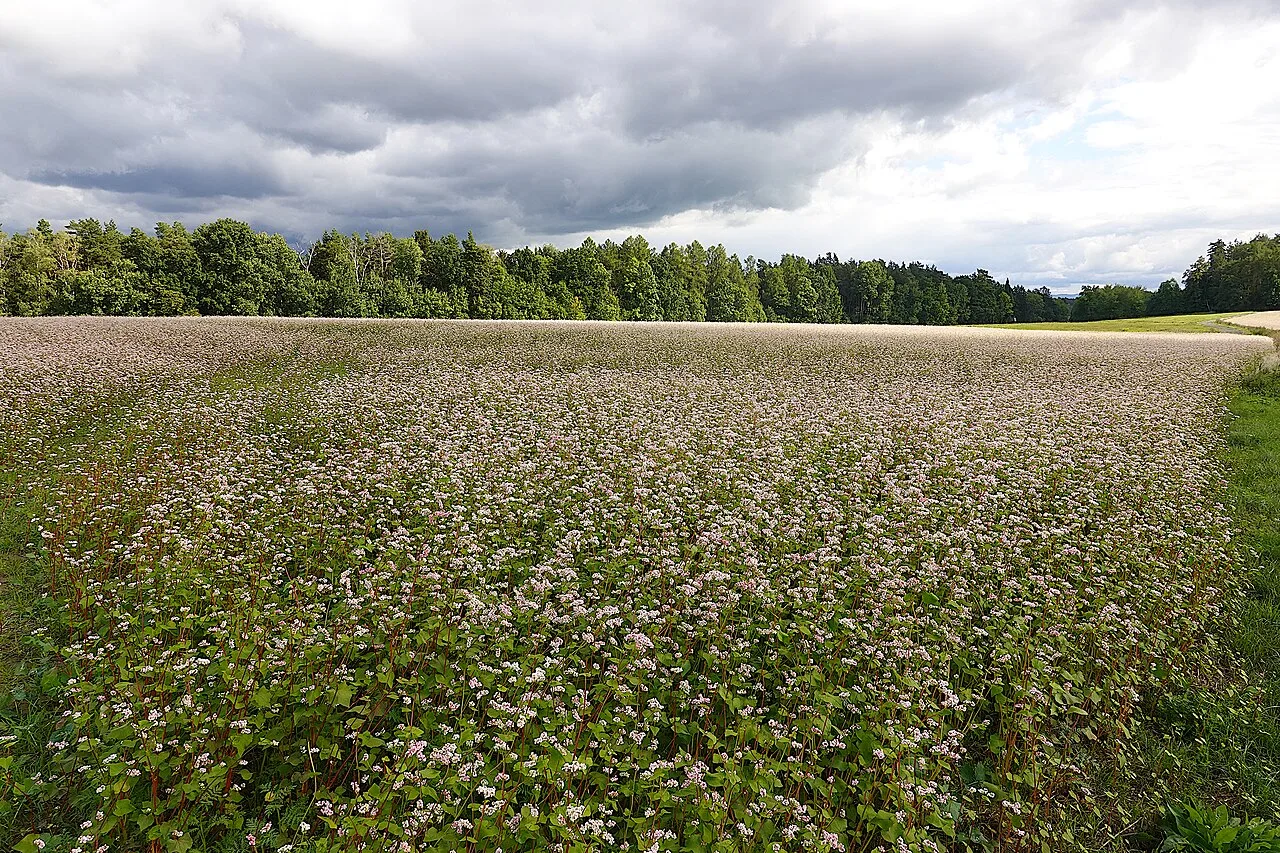
Buckwheat field near Vrchovina in the Czech Republic
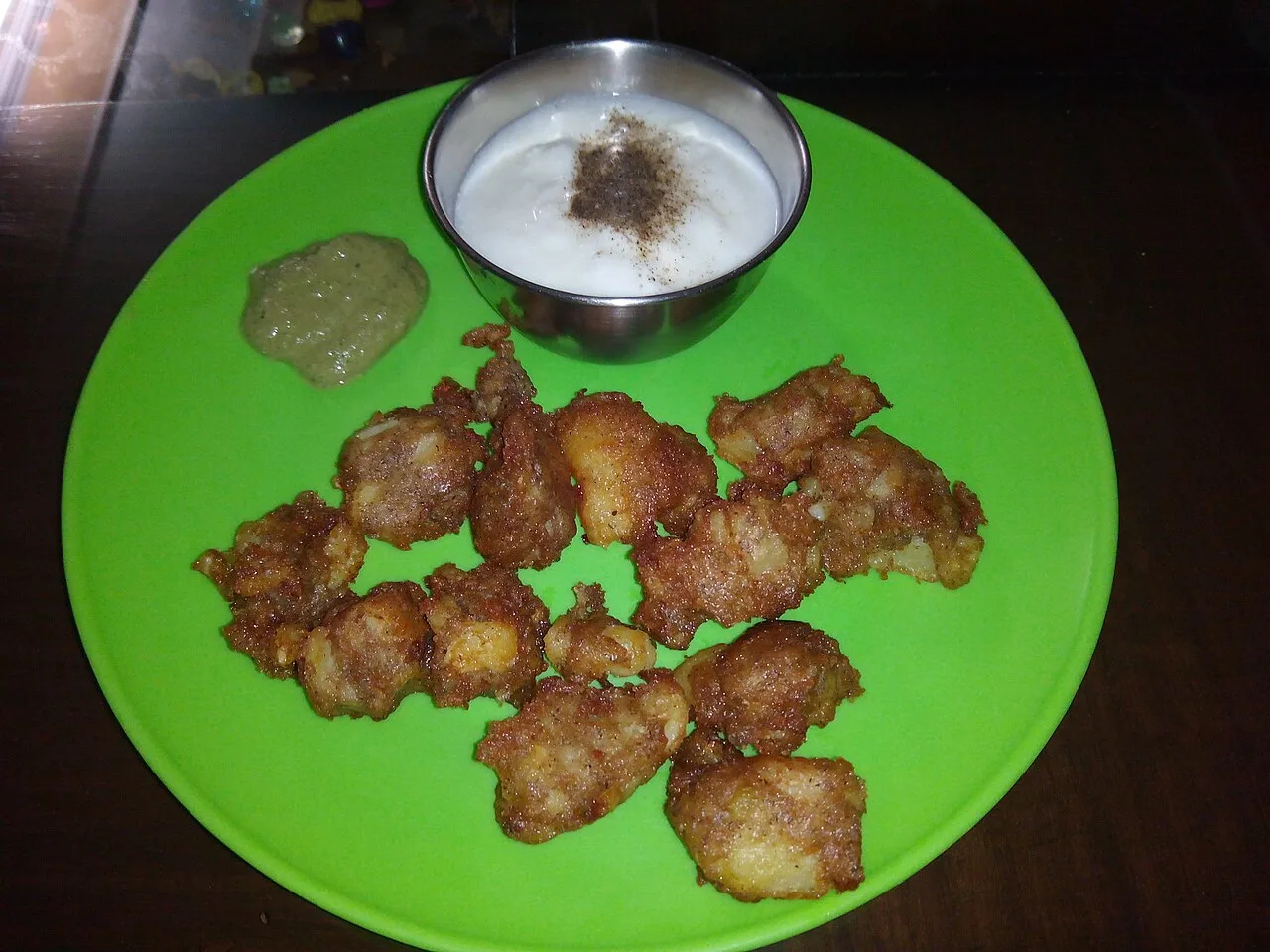
Kuttu ke pakore, a snack made from buckwheat flour, India
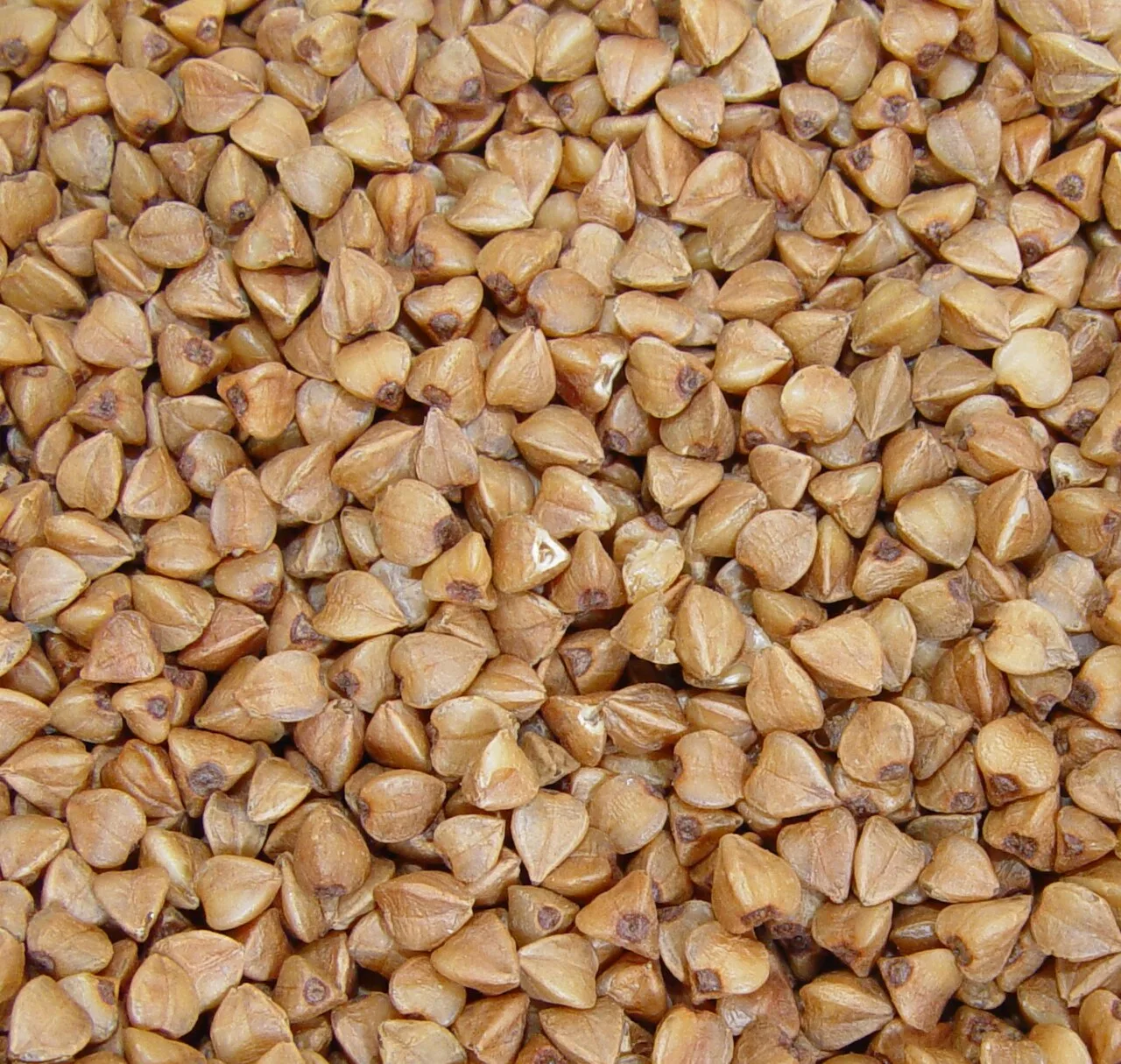
Kasha, hulled roasted buckwheat cereal of Poland
Buckwheat
Buckwheat is a flowering plant in the knotweed family Polygonaceae cultivated for its grain-like seeds and as a cover crop.
Deceptive Kinship with Beech and Rhubarb
Despite its grain-like use and common name, buckwheat is not related to wheat, cereals, or members of the grass family. Instead, it is taxonomically related to rhubarb, sorrel, and knotweed. Its name derives from its tetrahedral seeds, which closely resemble the three-sided nuts produced by the beech tree. Because its starchy seeds cook like a grain, it is classified functionally as a pseudocereal.
From Wikipedia · CC BY-SA 4.0
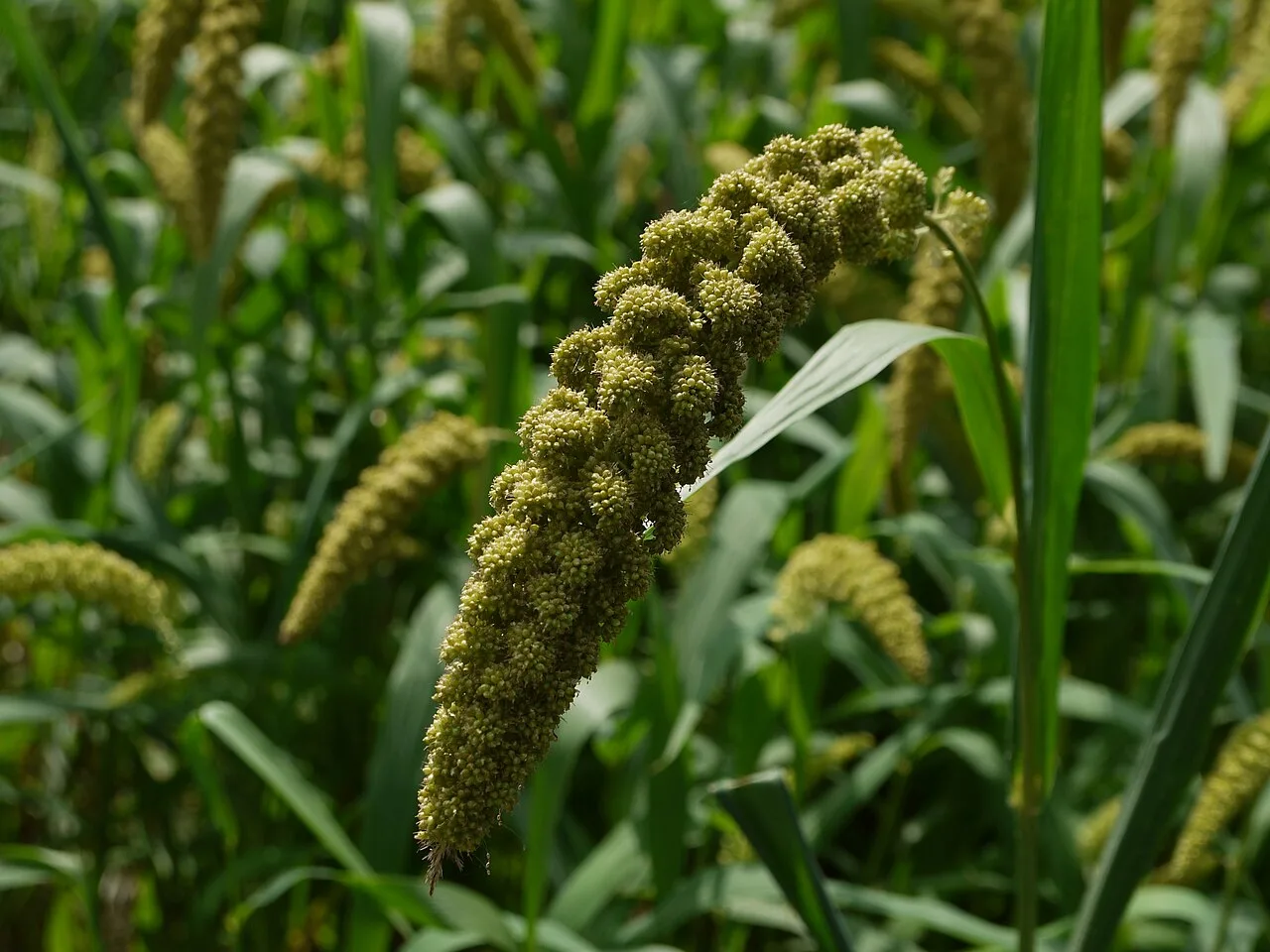
Japanese Foxtail millet 02
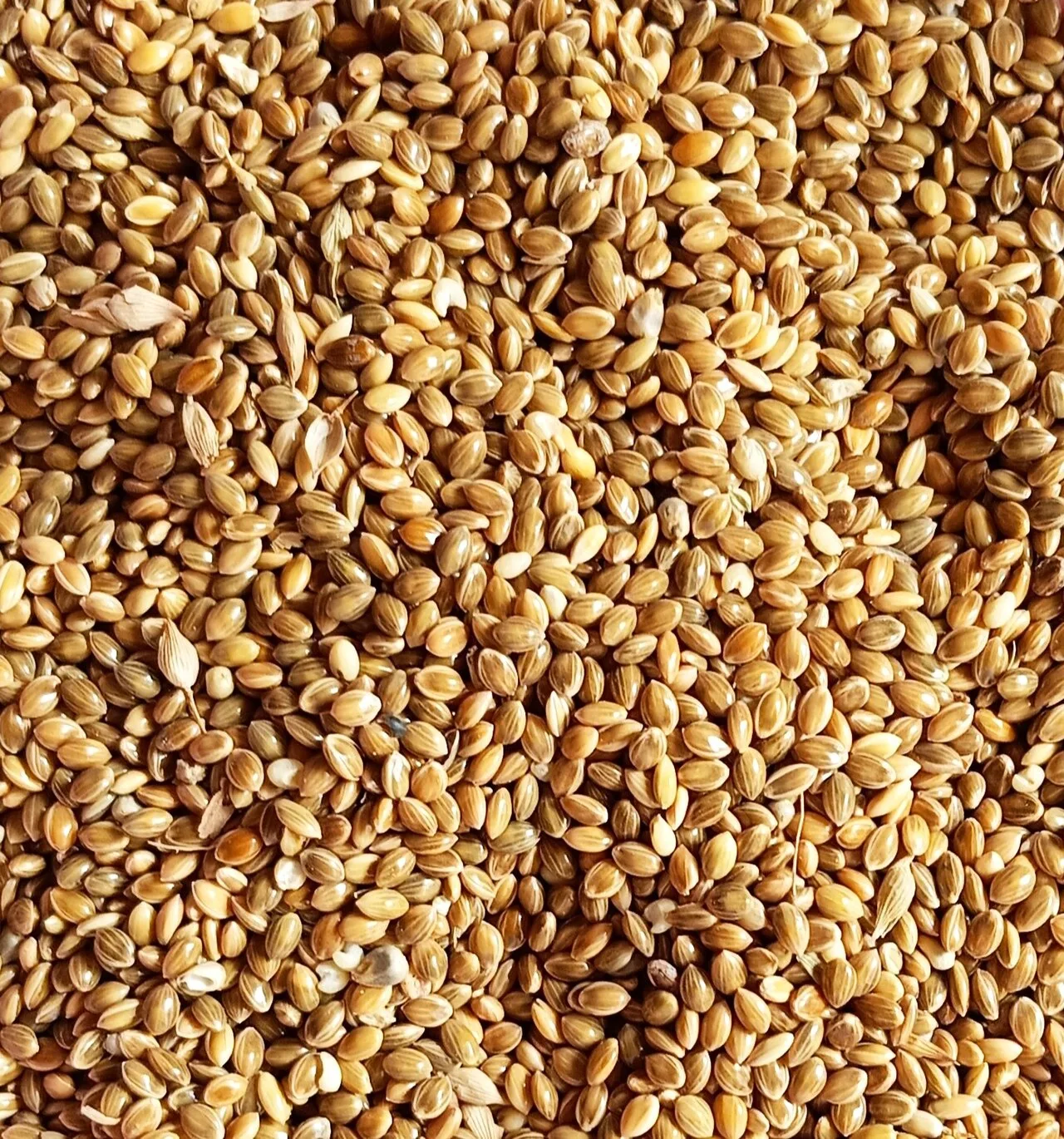
Foxtail millet (Setaria italica) seeds, India.
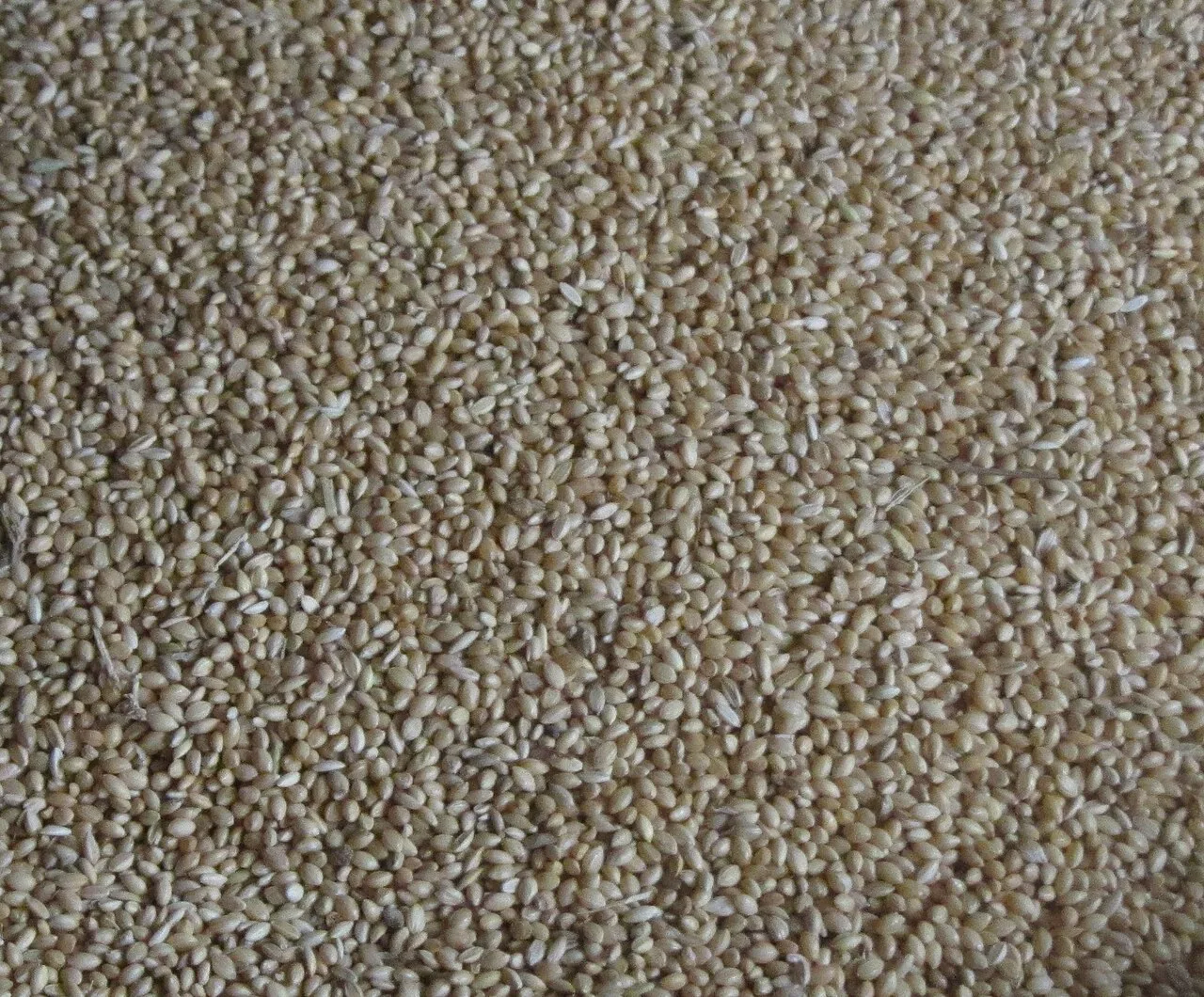
Seeds of foxtail millet
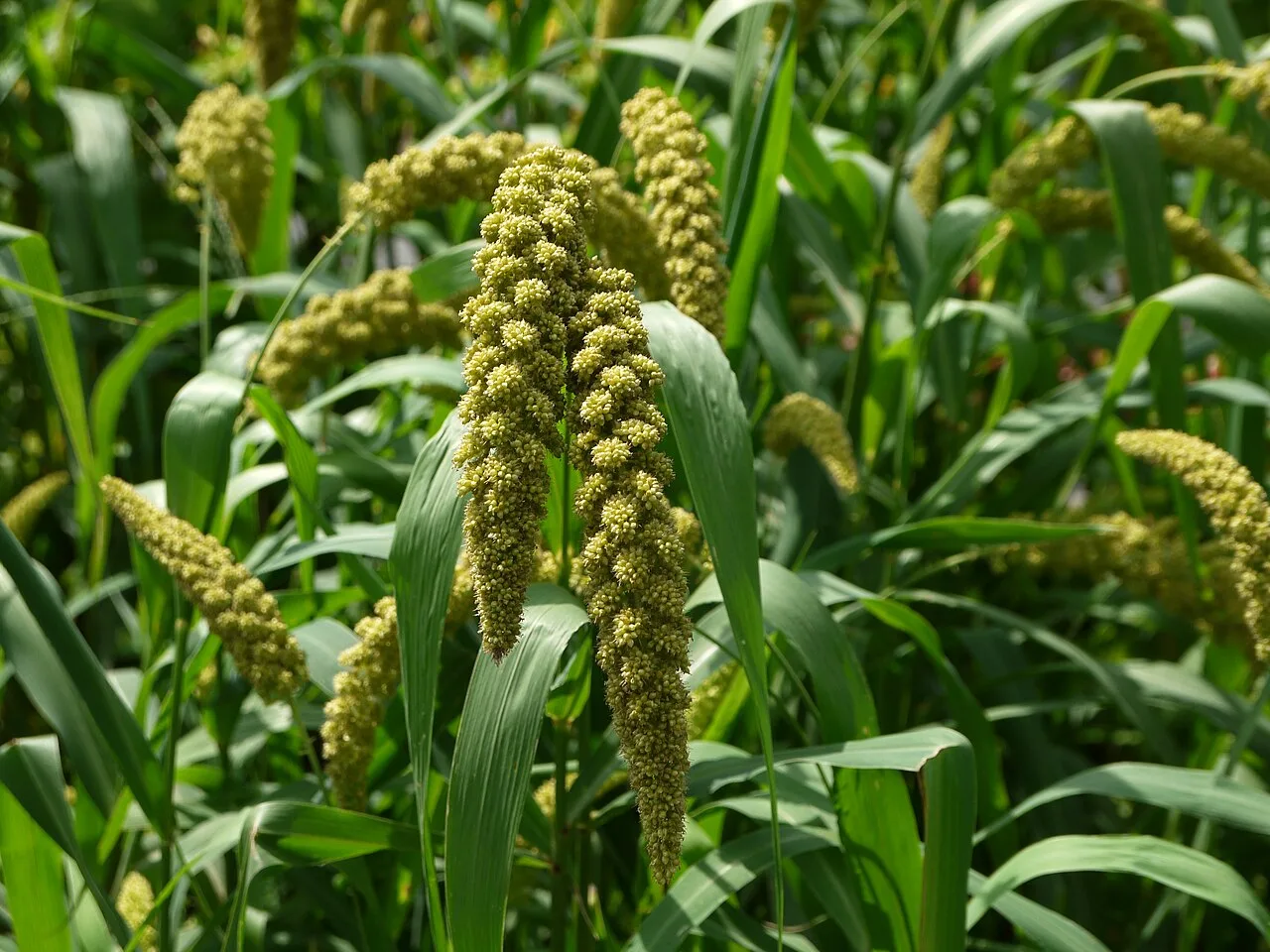
Mochi-Awa, Japanese foxtail
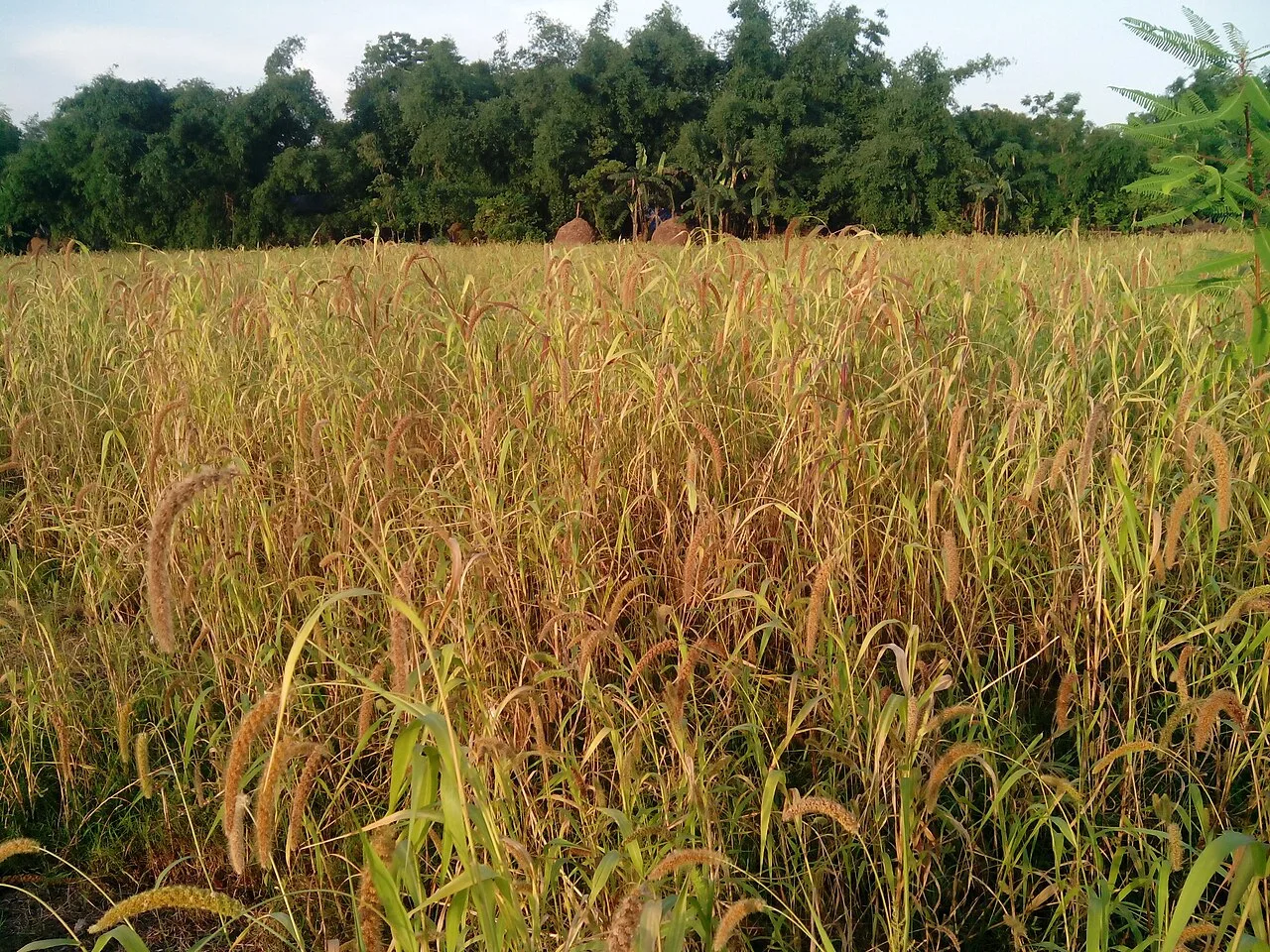
Millet fields in Bangladesh
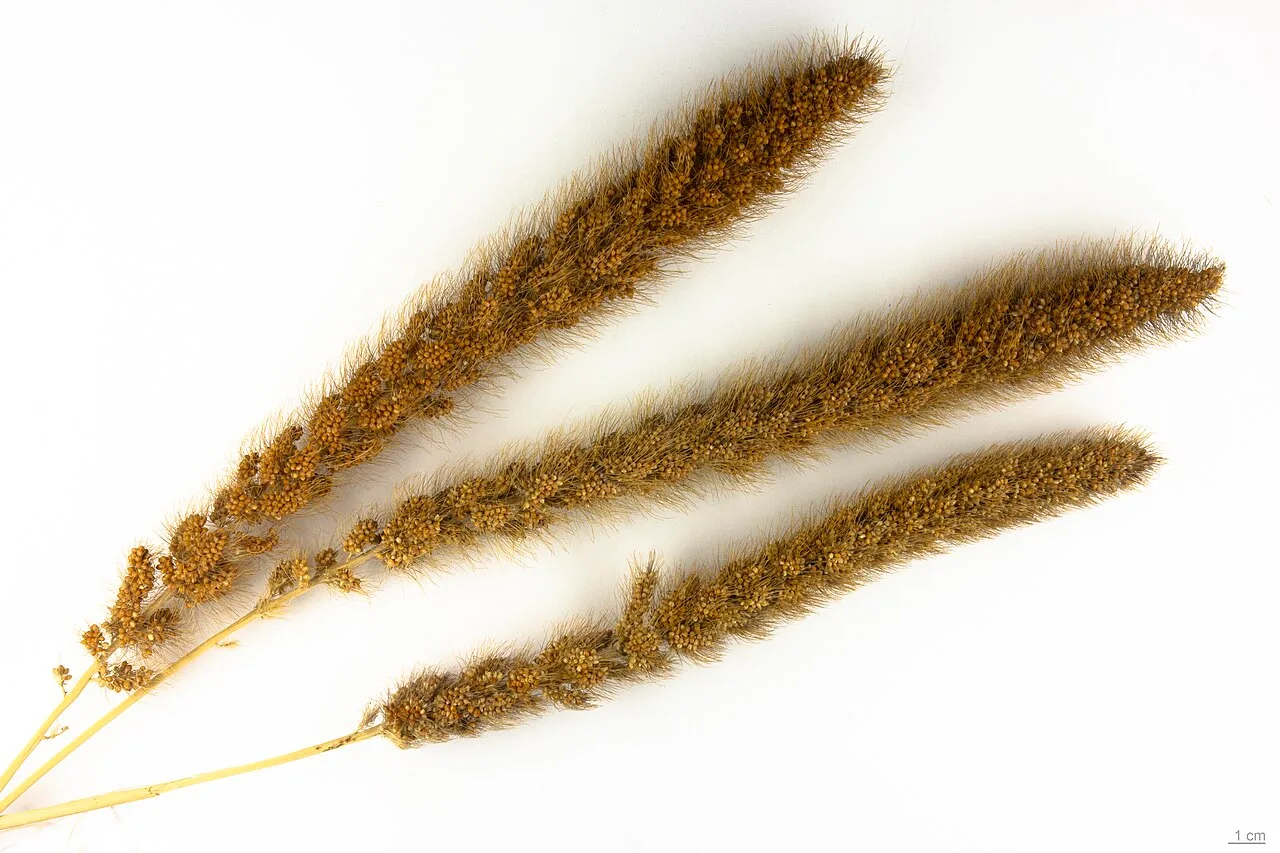
Setaria italica - MHNT
Foxtail millet
Foxtail millet is an annual grass grown for food, representing the second-most widely planted species of millet and the most grown in Asia.
The Mechanical Shift That Anchored Domestication
The foundational distinction between wild Setaria viridis and cultivated foxtail millet lies entirely in seed dispersal biology. While wild and weedy forms shatter their seed to spread naturally, domesticated cultivars retain them, allowing humans to harvest the crop efficiently. Archaeological findings identify China's Cishan culture as the earliest to domesticate foxtail millet around 6500–5500 BC, securing the species as an enduring agricultural base.
From Wikipedia · CC BY-SA 4.0
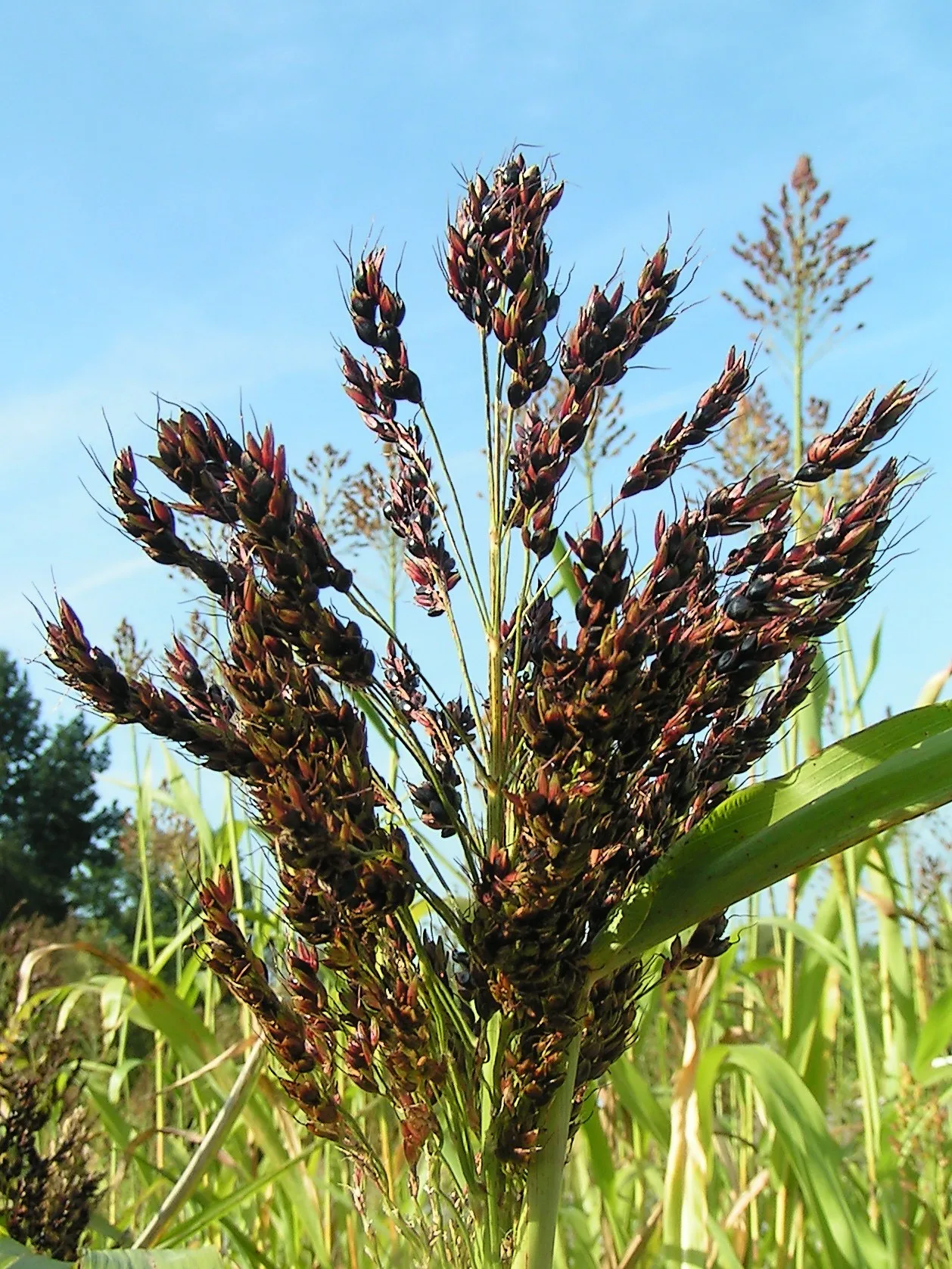
Sorghum bicolor03
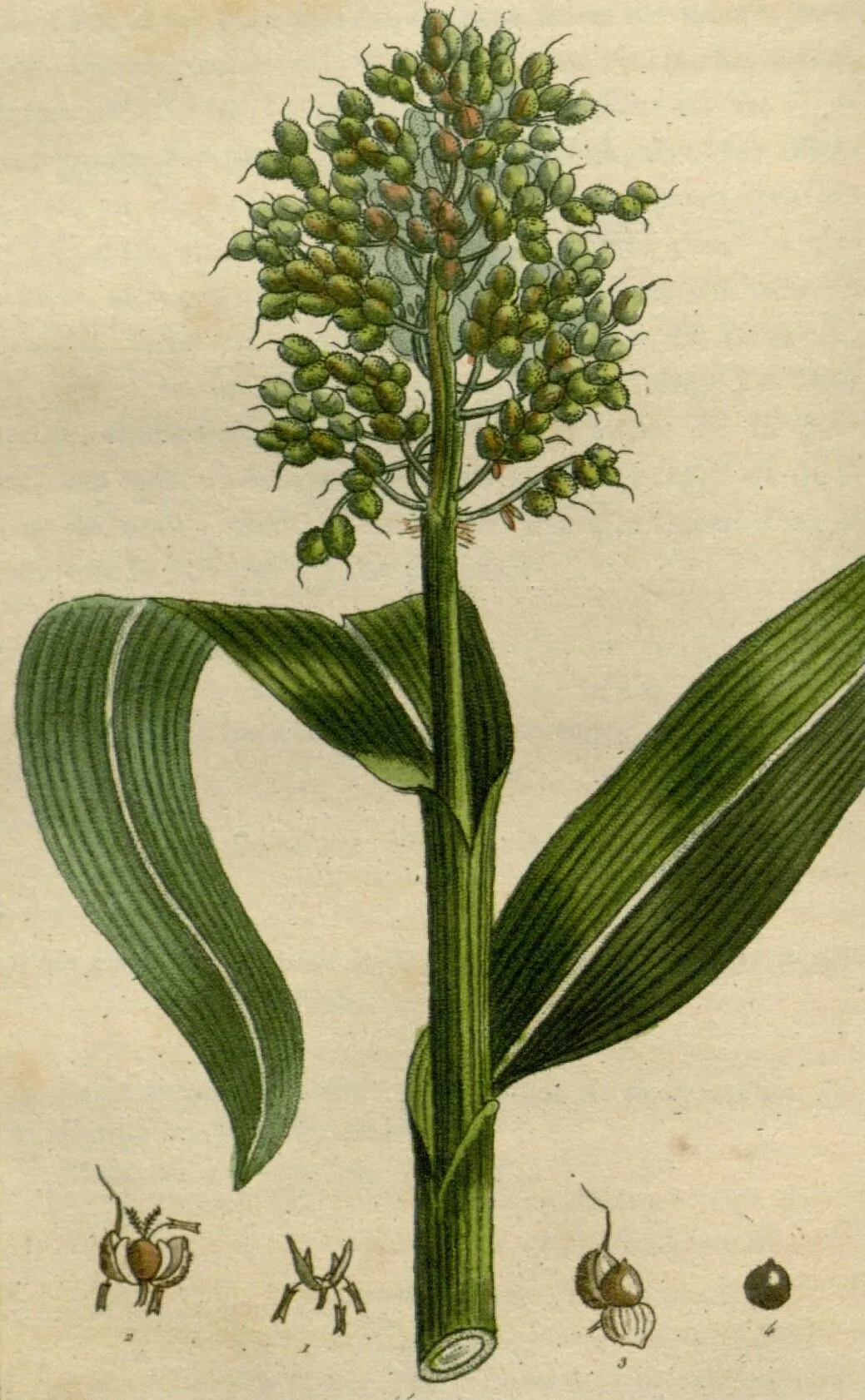
Botanical illustration
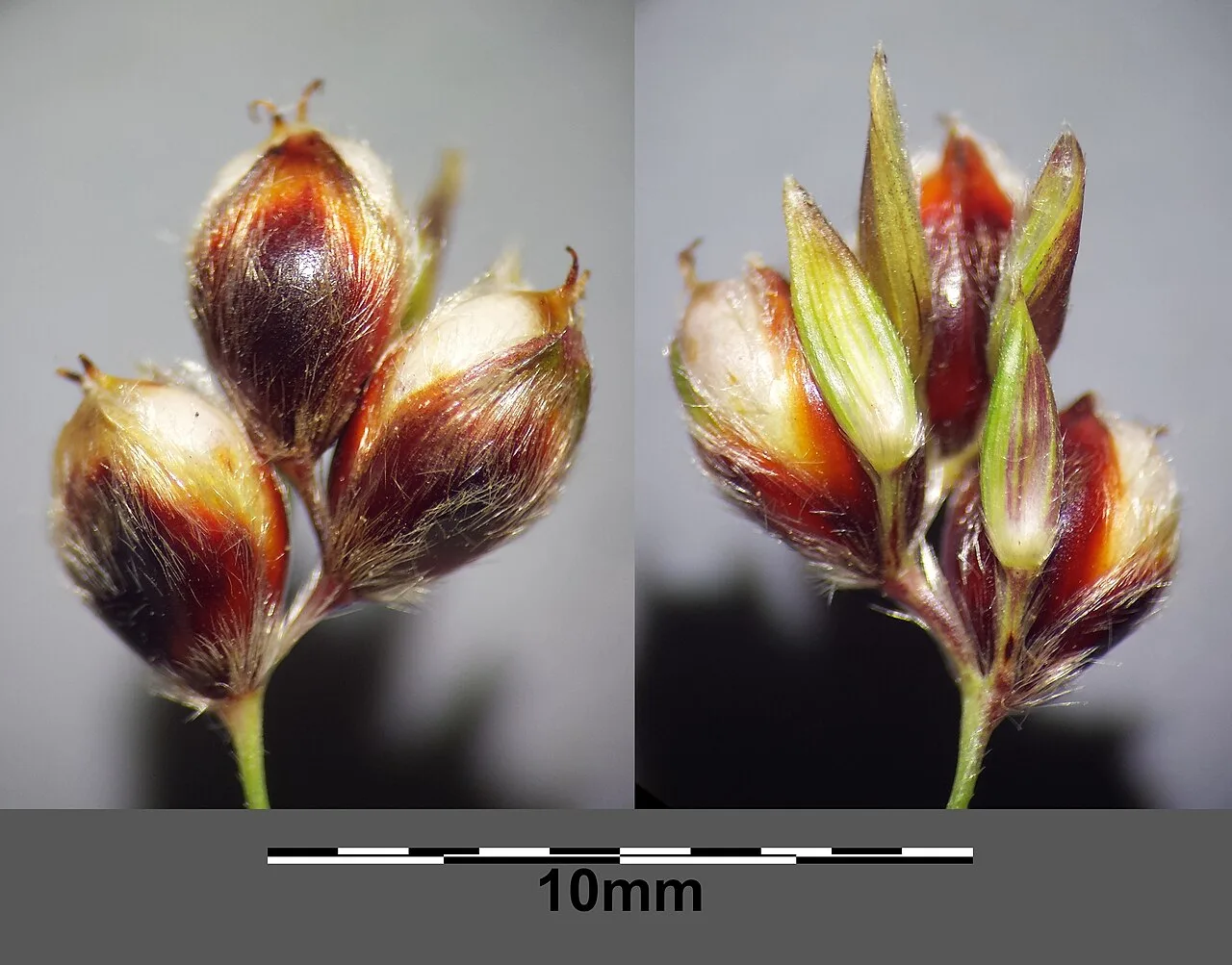
Grains
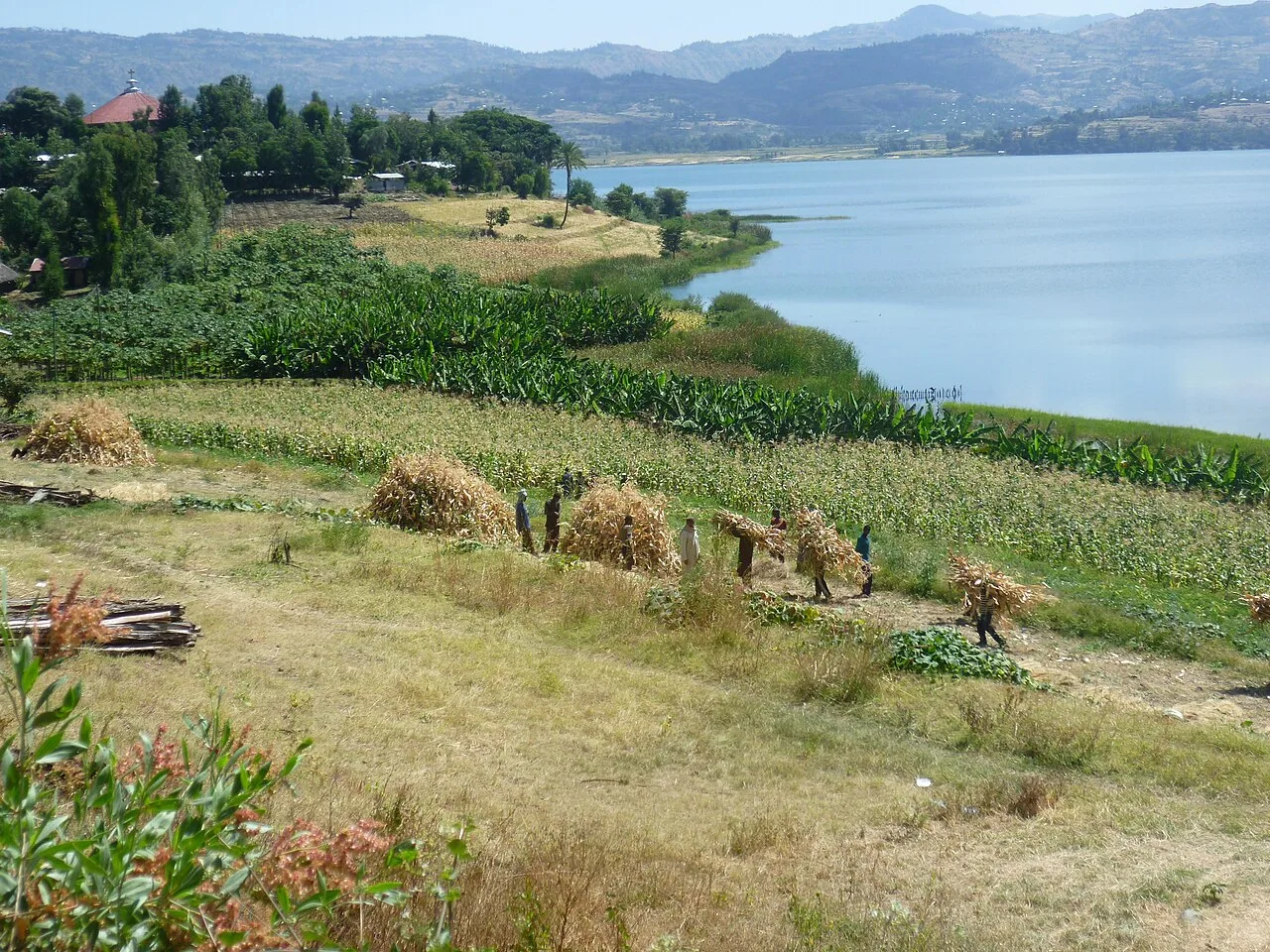
Sorghum harvest at the shore of Lake Hayq, Ethiopia, 2012
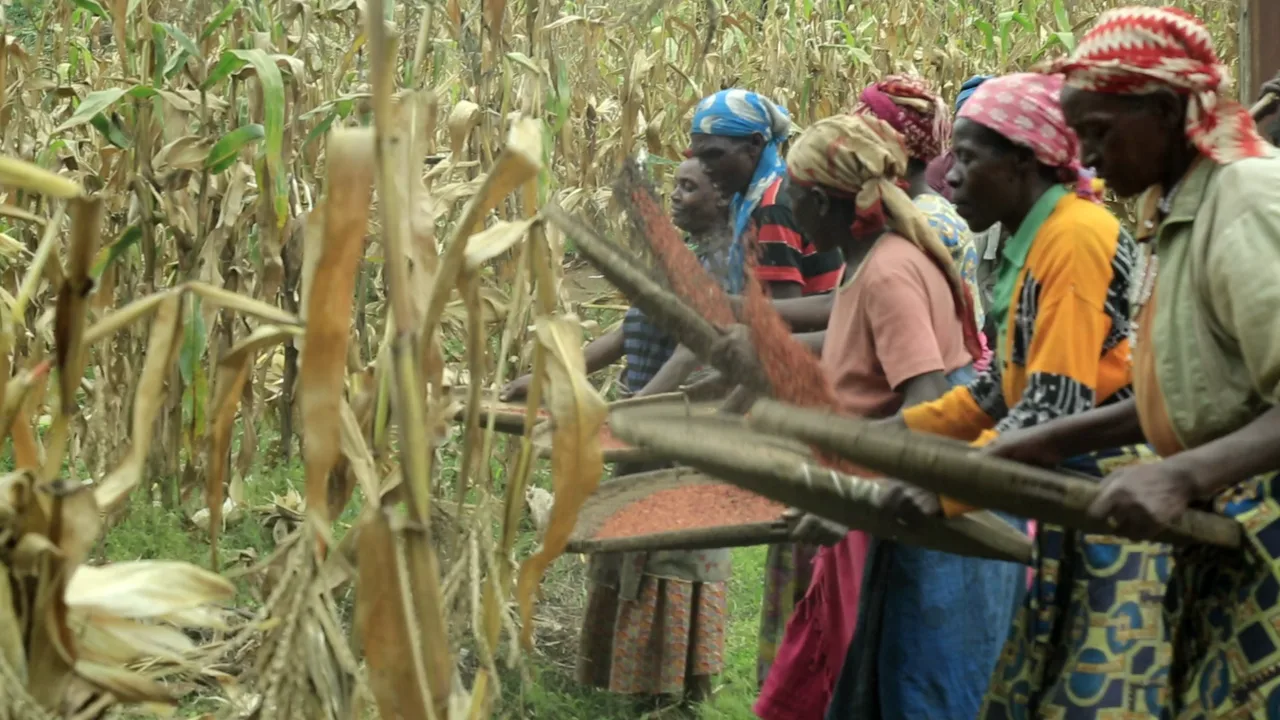
Women drying sorghum seeds by tossing them in trays, 2022
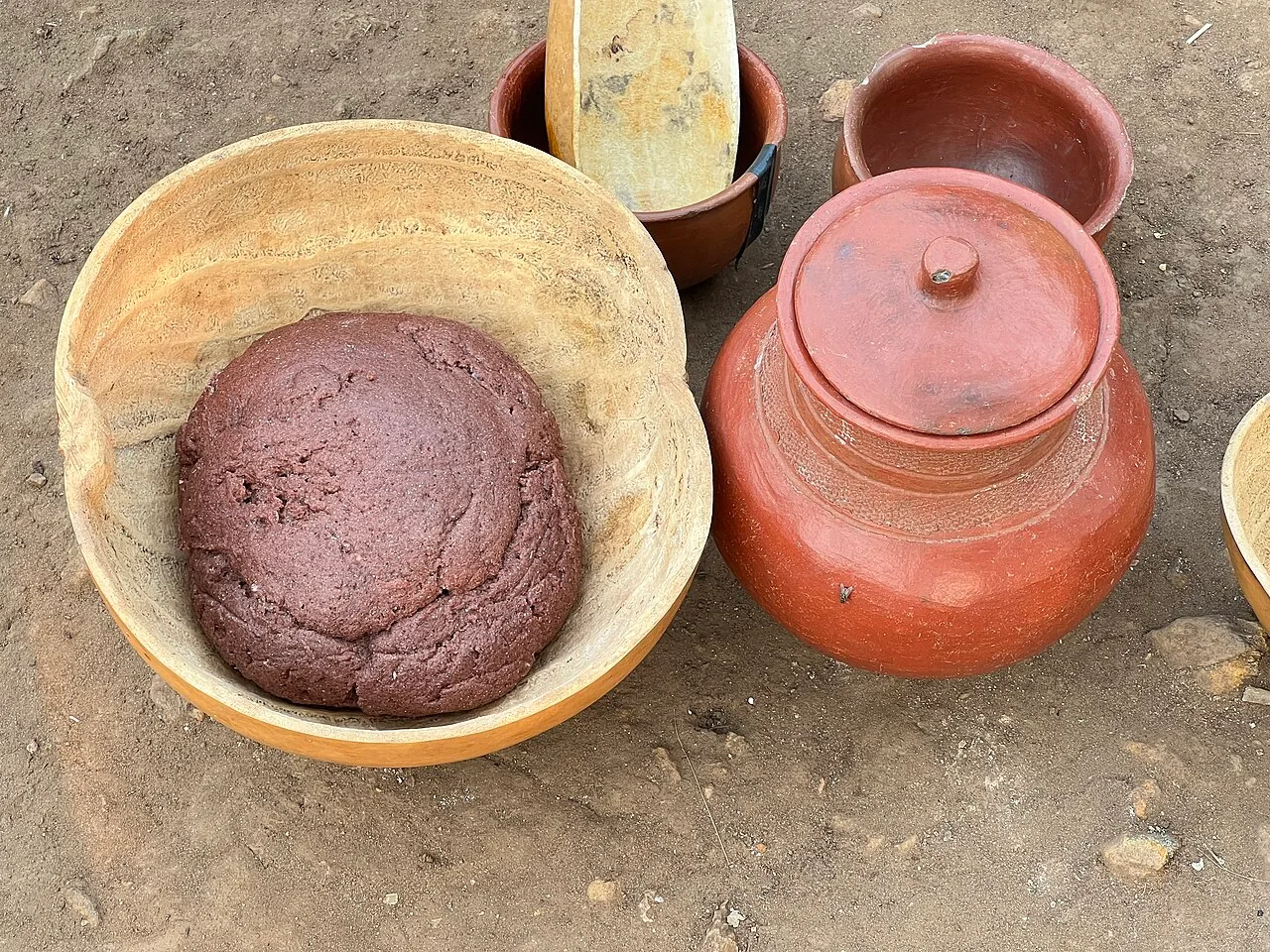
Sorghum dough in a gourd bowl of the Didinga people of South Sudan
Sorghum
Sorghum bicolor, commonly called sorghum, is a species in the grass genus Sorghum that is typically grown as an annual.
Preserved Loaves and Sudanese Domestication
Archaeological records indicate that sorghum cultivation began in Eastern Sudan near Kassala between 3500 and 3000 BCE in association with the Neolithic Butana Group culture. The grain rapidly integrated into early regional foodways and burial customs throughout northeastern Africa. Notably, preserved loaves of sorghum bread dating back some 5,100 years were recovered from Predynastic Egyptian graves and remain curated in the Egyptian Museum in Turin, Italy.
From Wikipedia · CC BY-SA 4.0
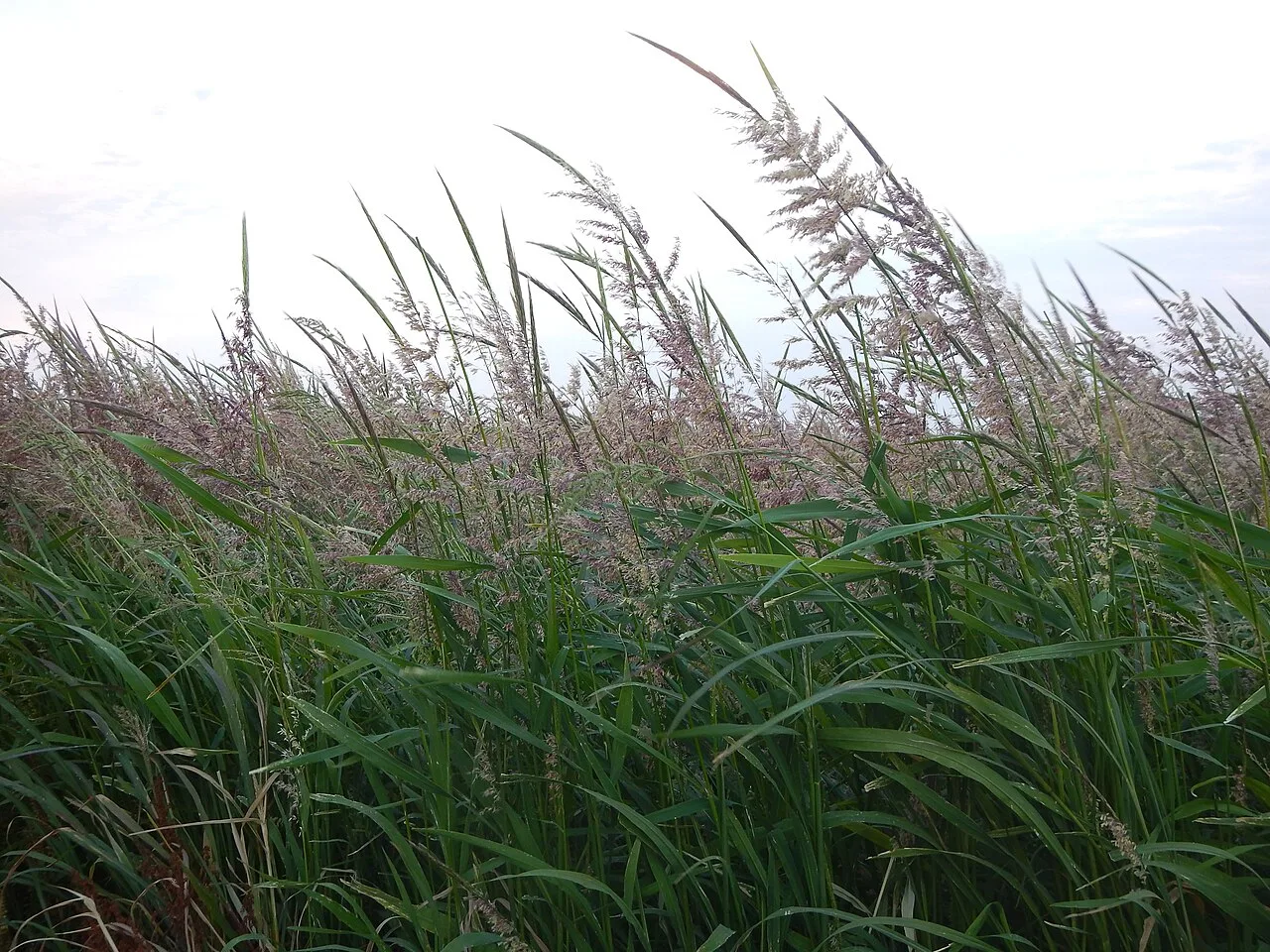
Beneath a cloudy sky, tall green-stemmed plants with beige-pink seeds atop them stand, bending to the viewer's left.
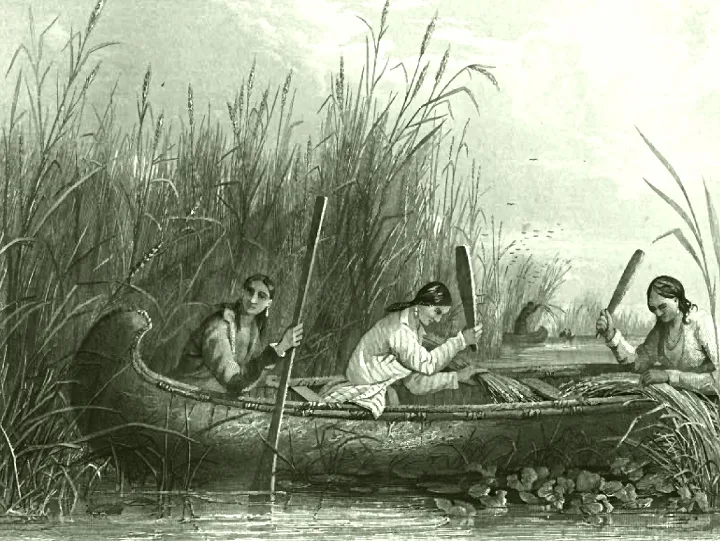
A 19th century illustration of Native Americans harvesting wild rice
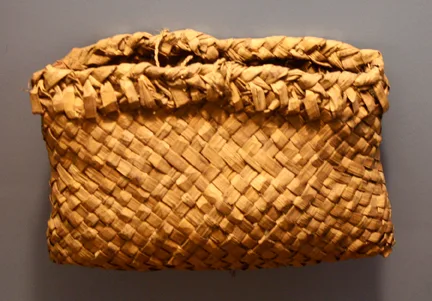
Ojibwa pouch for holding wild rice, cedar bark, American Museum of Natural History
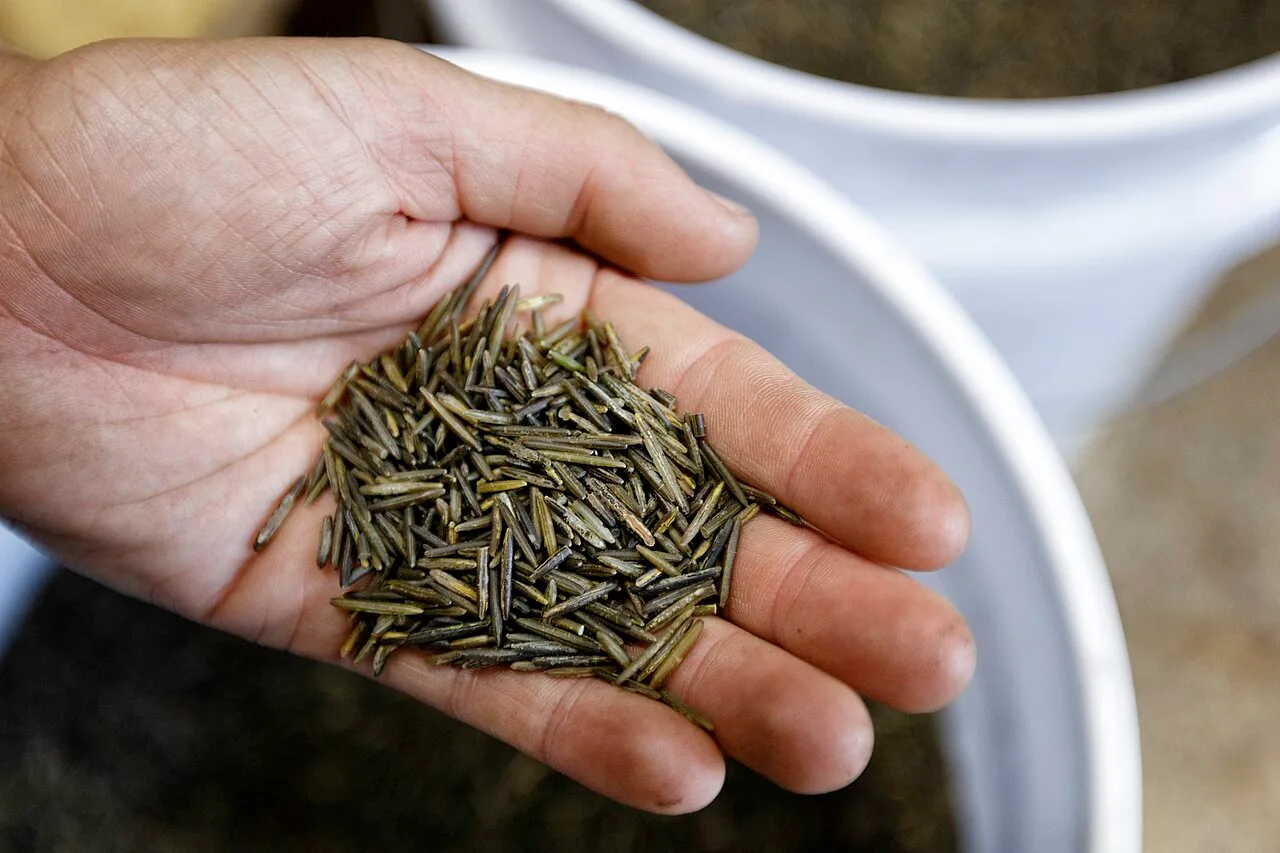
Processed wild rice
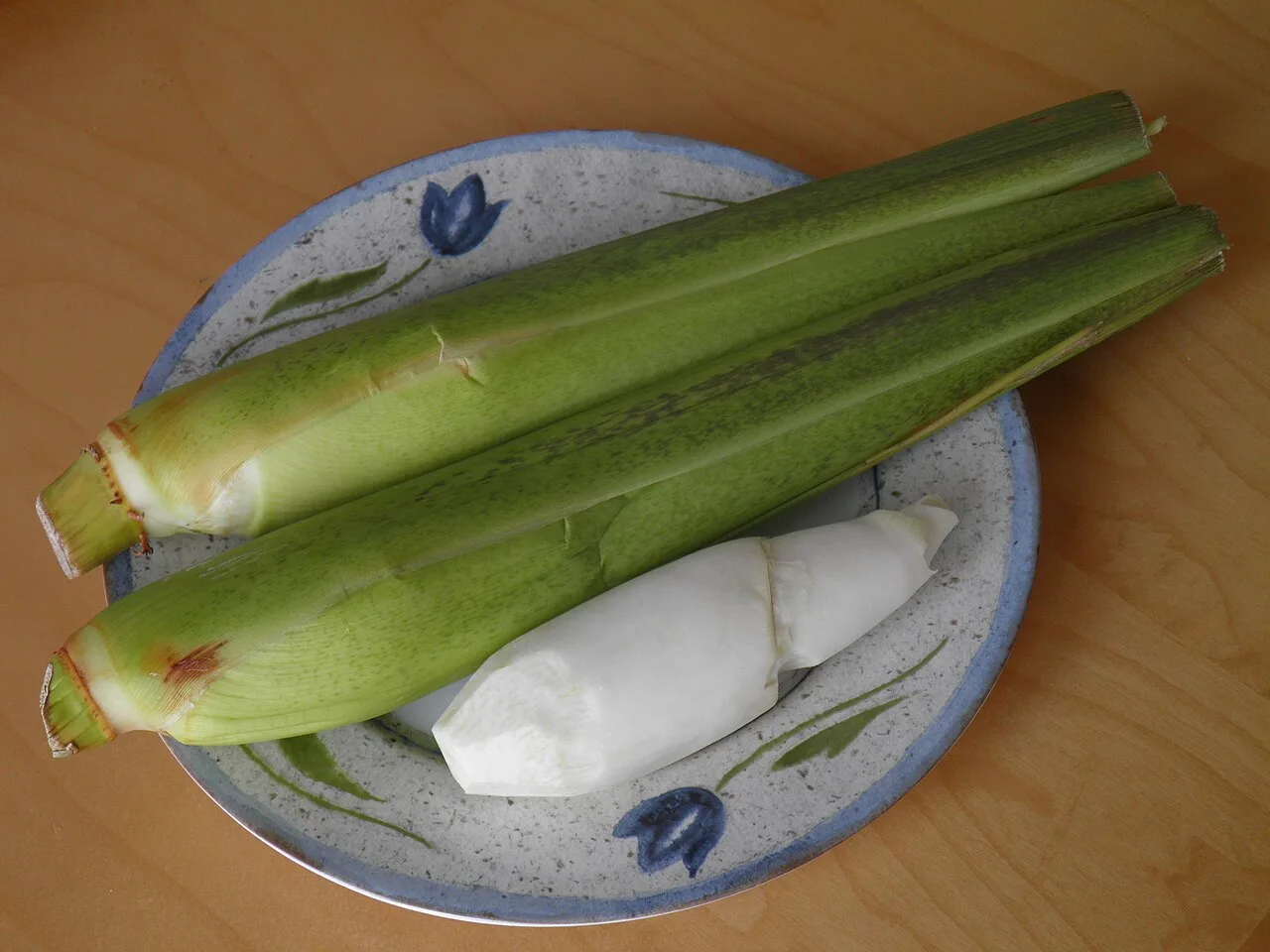
Wild rice stems before and after peeling
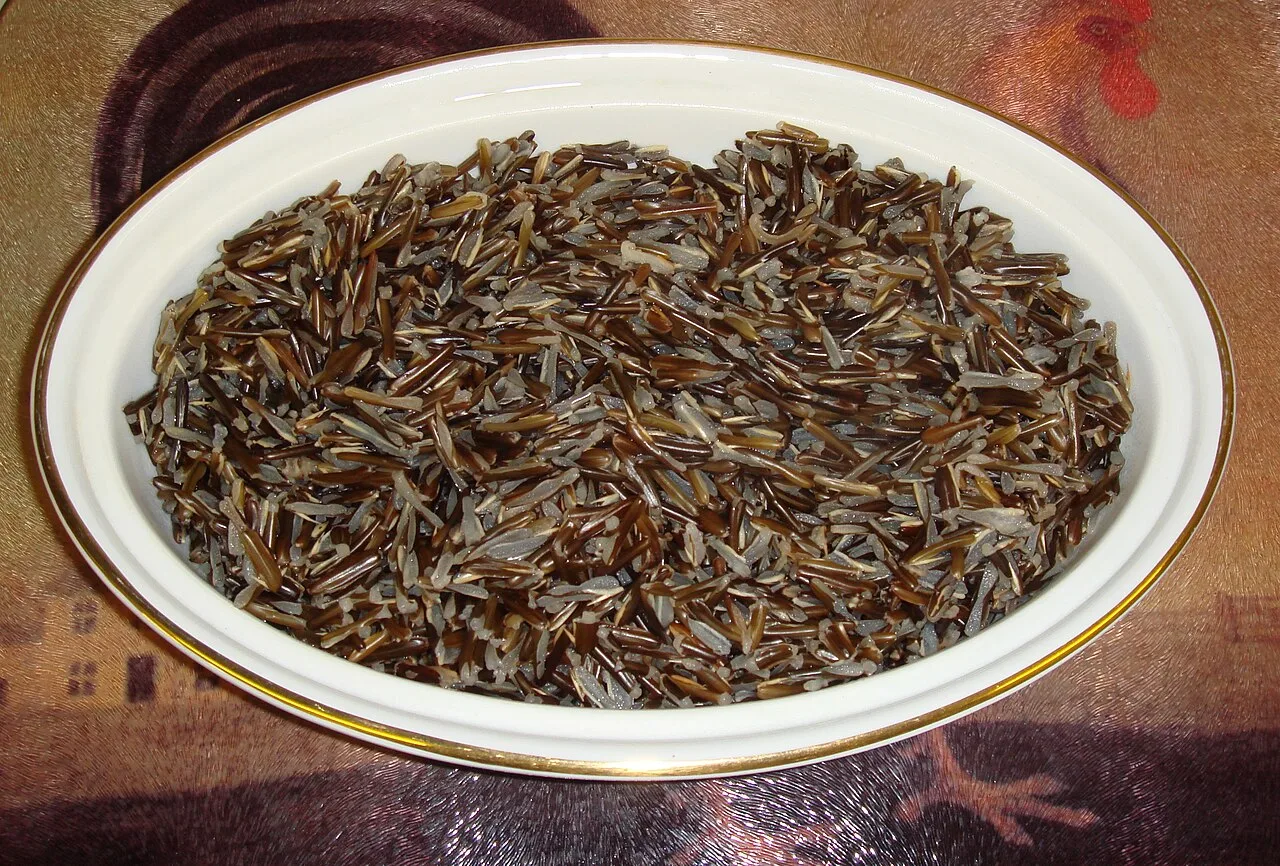
Cooked wild rice
Wild rice
Wild rice refers to four grass species in the genus Zizania and their edible grain, historically gathered and eaten in North America and China.
Fungal Infection as Agricultural Cultivation
In East Asia, Manchurian wild rice is harvested as a crisp vegetable rather than a grain due to an infection by the smut fungus Ustilago esculenta. The fungus halts flowering, forcing growers to propagate daughter plants asexually from infected parent stock. Farmers must complete the harvest between 120 days and 170 days after planting, before the swollen stem begins turning black and disintegrating into fungal spores.
From Wikipedia · CC BY-SA 4.0