
Surveillance cameras on the corner of a building

CCTV monitoring at the Central Police Control Station, Munich, Germany, in 1973

Sign warning that premises are watched by CCTV cameras

3D design of security camera monitoring for school security

The headquarters of the United Nations in New York, with cameras visible on the side of the UN General Assembly Building

Anti-CCTV graffiti on the wall of the British Library
Closed-circuit television
Closed-circuit television (CCTV), also known as video surveillance, is the use of video cameras to transmit a signal to a specific place on a limited set of monitors.
Kremlin Courtyard Monitoring in 1927
Before becoming an ubiquitous public surveillance tool, closed-circuit technology served elite state security. In June 1927, Russian physicist Leon Theremin developed an early mechanical system at the request of the Soviet Council of Labor and Defense. The setup was demonstrated to Joseph Stalin, Semyon Budyonny, and Sergo Ordzhonikidze. It was subsequently installed directly in the courtyard of the Moscow Kremlin to monitor approaching visitors.
From Wikipedia · CC BY-SA 4.0
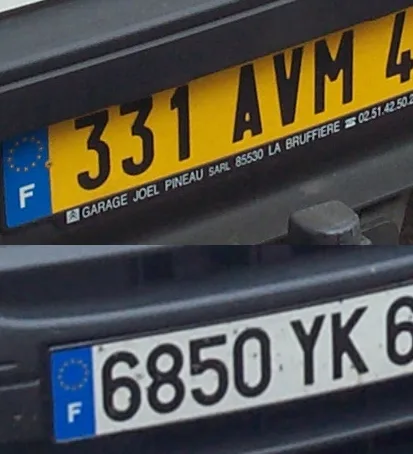
The system must be able to deal with different styles of vehicle registration plates.
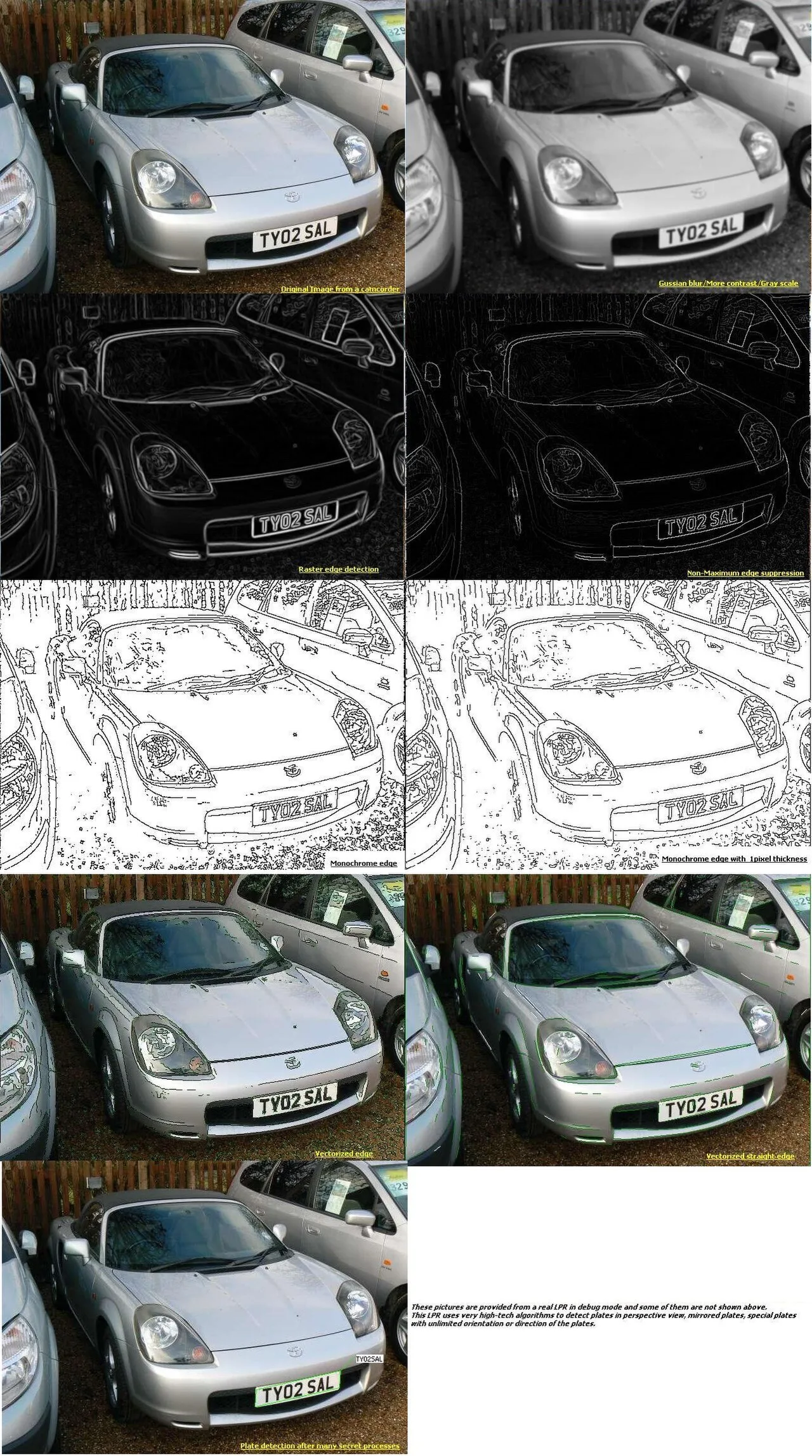
License plate recognition process
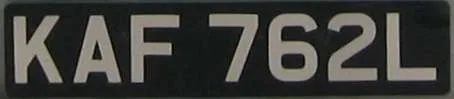
Early ANPR systems were unable to read white or silver lettering on black background, as permitted on UK vehicles built prior to 1973.
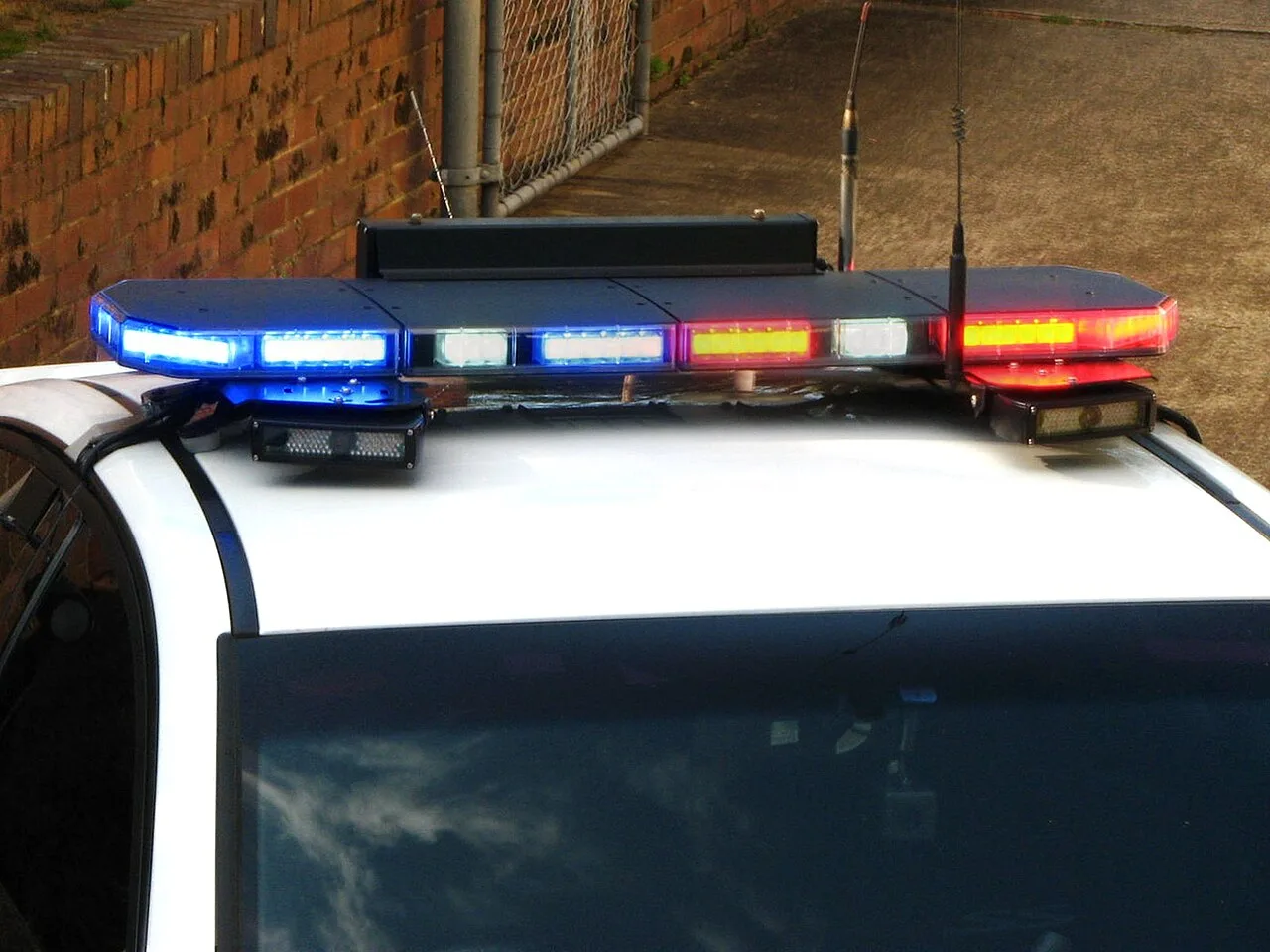
Mobile ANPR cameras fitted to a New South Wales Police Force Highway Patrol vehicle
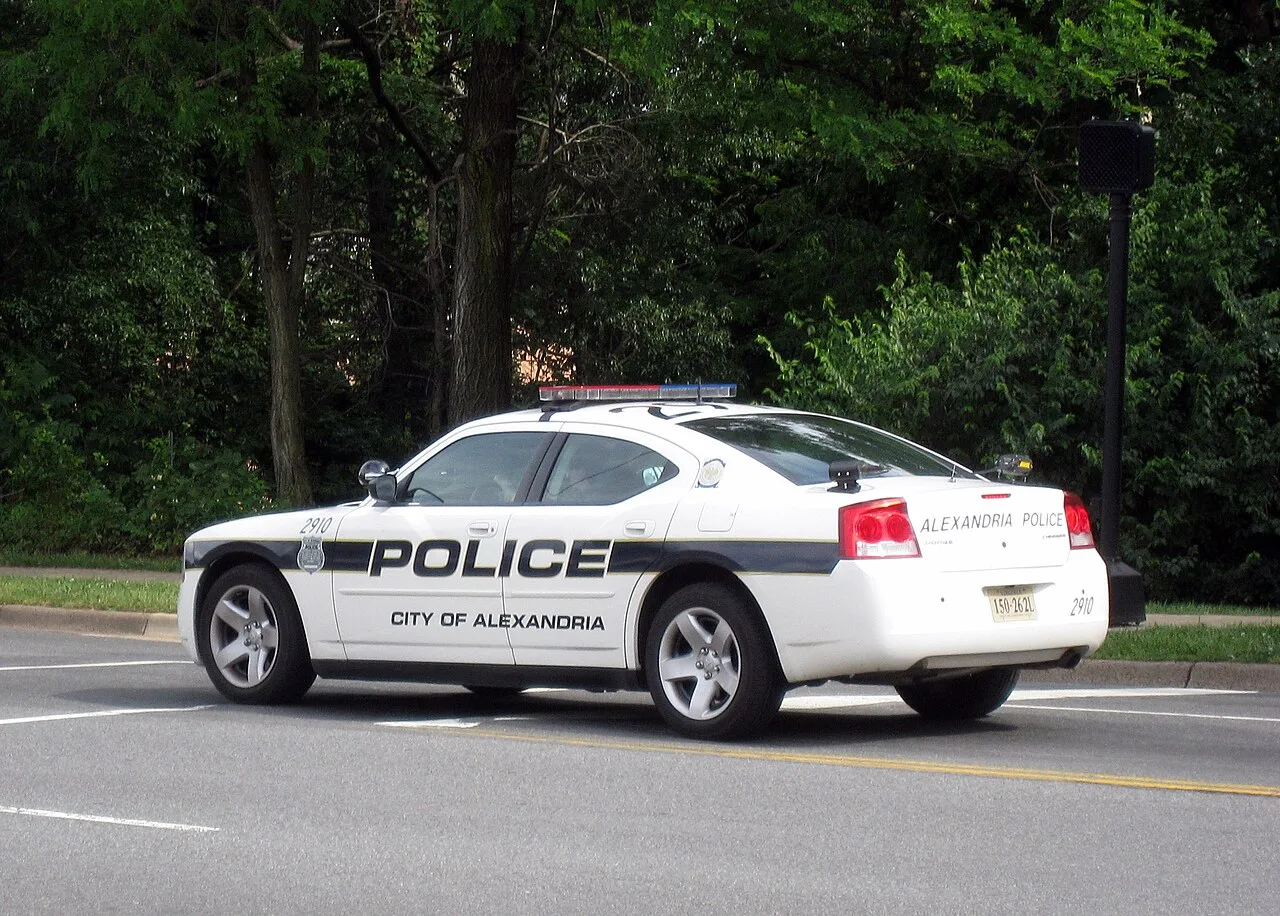
A City of Alexandria police car equipped with mobile ALPR

Two of the four ANPR cameras used for toll collection on the Hardanger Bridge in Norway
Automatic number-plate recognition
Automatic number-plate recognition is a technology that uses optical character recognition on images to read vehicle registration plates for tracking and law enforcement.
Font Alterations Engineered for Machine Vision
When the Netherlands redesigned its vehicle registration plates in 2002, the government altered typography specifically for automated readers rather than human aesthetics. Designers introduced small physical gaps into letters such as P and R to make character shapes distinct. This modification ensured optical character recognition software would reliably distinguish similar letterforms during automated scanning.
From Wikipedia · CC BY-SA 4.0

Facial recognition software at a US airport

In this shear mapping the red arrow changes direction, but the blue arrow does not and is used as eigenvector.

The Viola–Jones algorithm for face detection uses Haar-like features to locate faces in an image. Here a Haar feature that looks similar to the bridge of the nose is applied onto the face.
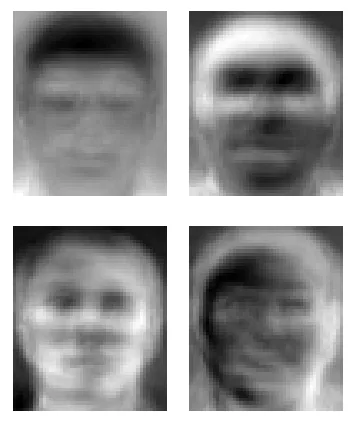
Some eigenfaces from AT&T Laboratories Cambridge

Swiss European surveillance: face recognition and vehicle make, model, color and license plate reader

Boarding gates with facial recognition technology at Beijing West railway station
Facial recognition system
A facial recognition system is a technology capable of matching a human face from a digital image or video frame against a database of faces.
Manual Coordination in the "Man-Machine" Era
Early facial recognition systems relied heavily on manual human coordination rather than seamless automated software. In the 1960s, Woody Bledsoe, Helen Chan Wolf, and Charles Bisson pioneered the "man-machine" method to teach computers how to recognize individuals. Human operators had to first establish facial coordinates on photographs before computers could run matching algorithms. This hybrid approach demonstrates that the earliest biometric systems functioned through painstaking human guidance.
From Wikipedia · CC BY-SA 4.0
![A Stingray device (CPU console) in 2013, in Harris's trademark submission[1]](https://nwjvzop1xgplmzvt.public.blob.vercel-storage.com/wikifeed/stingray-phone-tracker/0-b0c80345cd.webp)
A Stingray device (CPU console) in 2013, in Harris's trademark submission[1]

When operating in active mode, the Stingray device mimics a wireless carrier cell tower in order to force all nearby mobile phones and other cellular data devices to connect to it.
Stingray phone tracker
The StingRay is an IMSI-catcher cellular phone surveillance device manufactured by Harris Corporation.
Acoustic Analogy of RF Overpowering
Cell phones automatically adjust their transmission power to conserve battery life and maintain clear connections. A StingRay exploits this design by broadcasting boosted radio-frequency wattage that drowns out authentic cellular towers, much like a shout over a whisper. This power-boosting hardware can operate from an antenna mounted on a moving vehicle. Because the covert equipment conceals itself from standard detection protocols, target devices switch connections entirely without user awareness.
From Wikipedia · CC BY-SA 4.0

Purple-colored text "Tor", with a partially open onion in place of the "o"
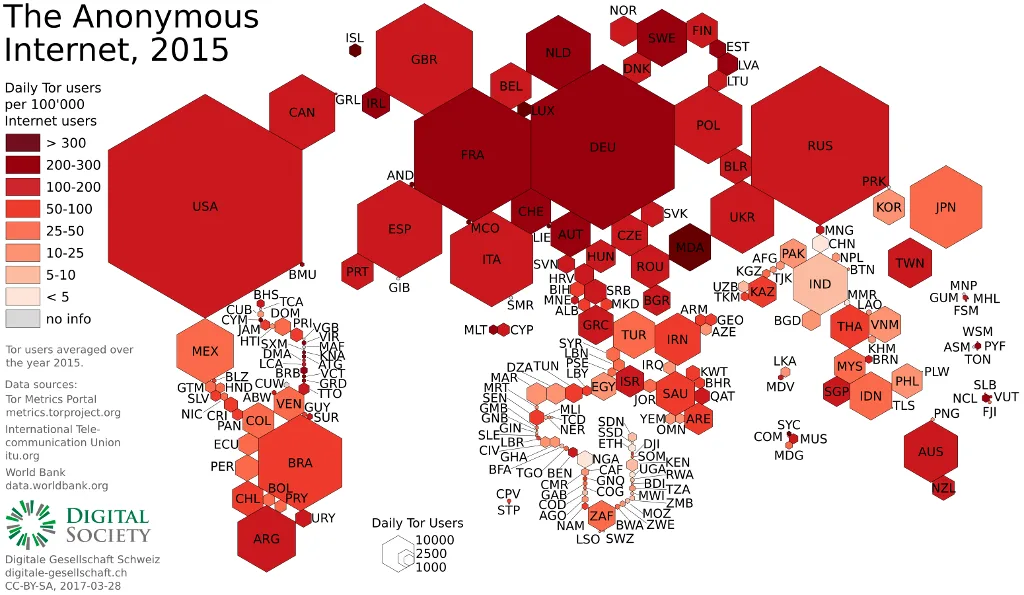
A cartogram illustrating Tor usage in 2015
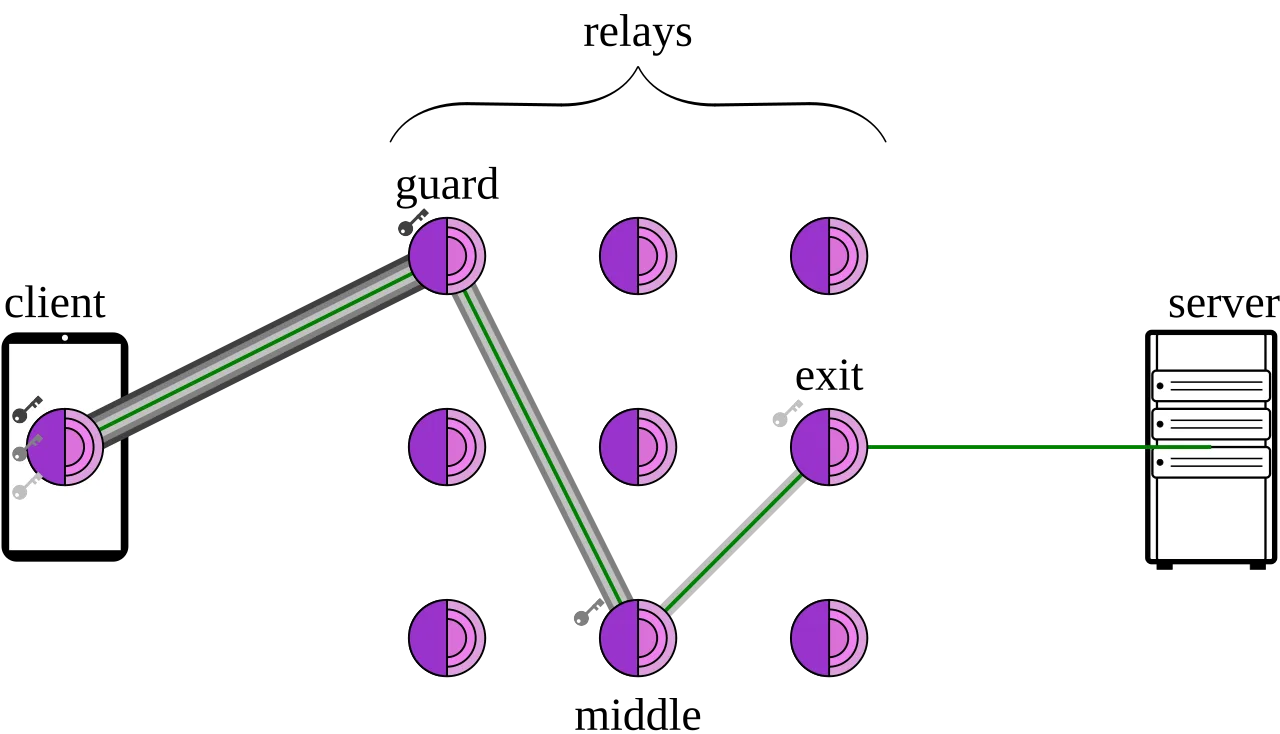
The high-level design of Tor. Tor protects client anonymity by nesting layers of encryption over three proxy hops, known as relays, or onion routers: a guard relay, followed by a middle relay, then an exit relay. Nodes running Tor are here represented as onions.
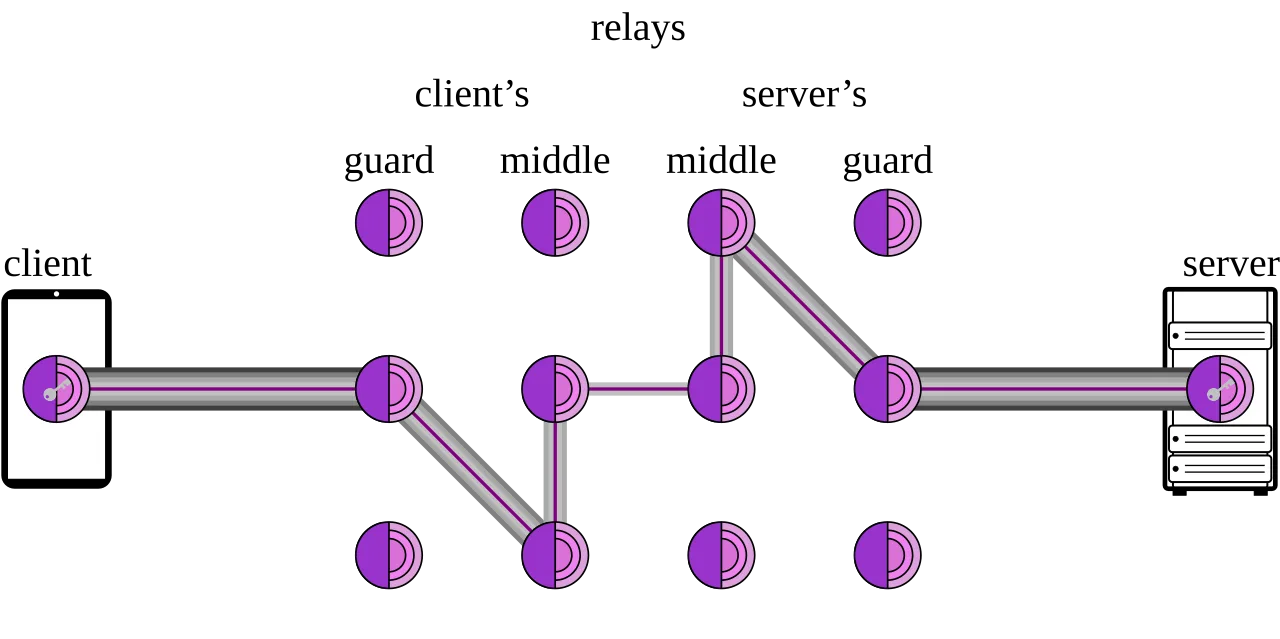
The high-level design of onion services. The client and onion service each select three relays (a guard and two middle relays) to route traffic to each other, never leaving the Tor network, and never transmitting plaintext.
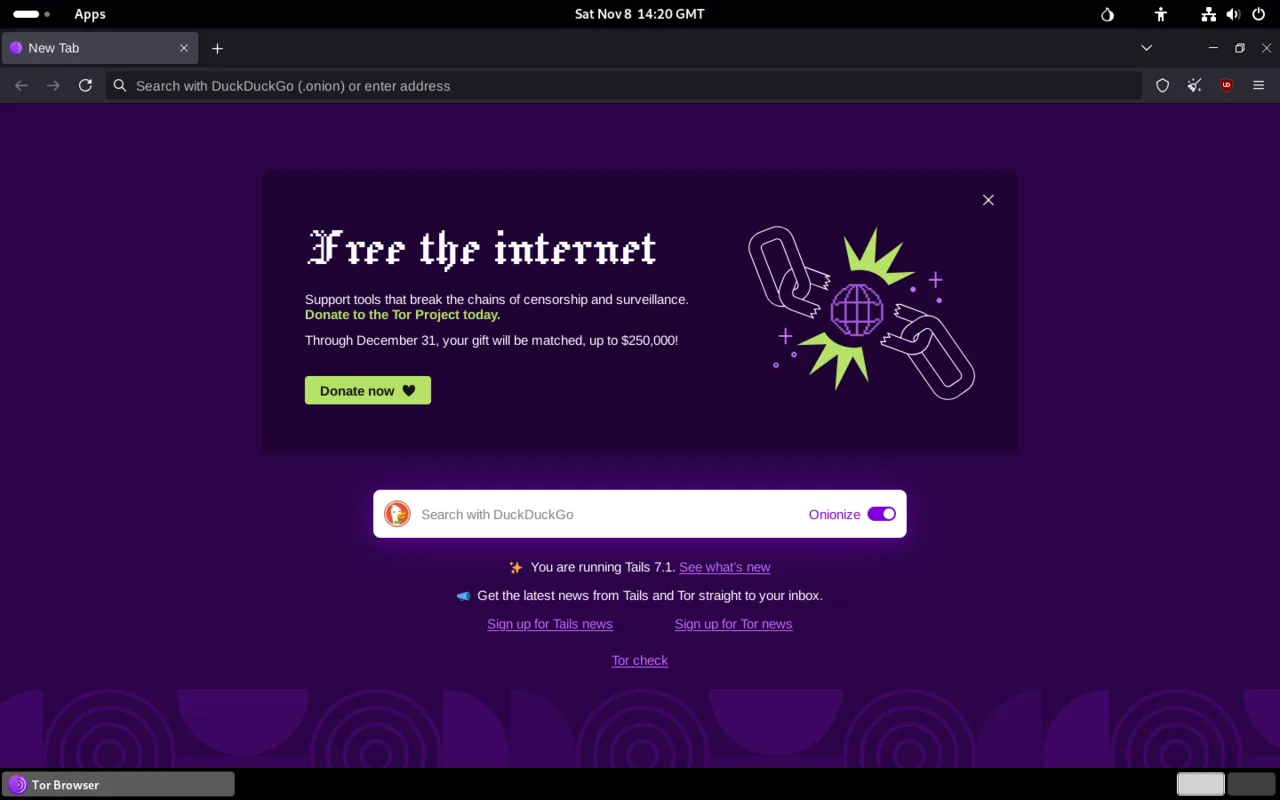
Tor Browser icon

Orbot logo
Tor (network)
Tor is a free overlay network for enabling anonymous communication using onion routing through volunteer-operated relays worldwide.
The State's Contradiction: Building, Funding, and Infiltrating the Same System
Onion routing was created in the mid-1990s by the United States Naval Research Laboratory to protect military intelligence communications. Decades later, entities such as the U.S. State Department and the National Science Foundation provided crucial funding for its maintenance. Concurrently, intelligence agencies like the NSA and GCHQ actively targeted the system, producing a scenario where different arms of the same government funded and attempted to subvert the identical network.
From Wikipedia · CC BY-SA 4.0
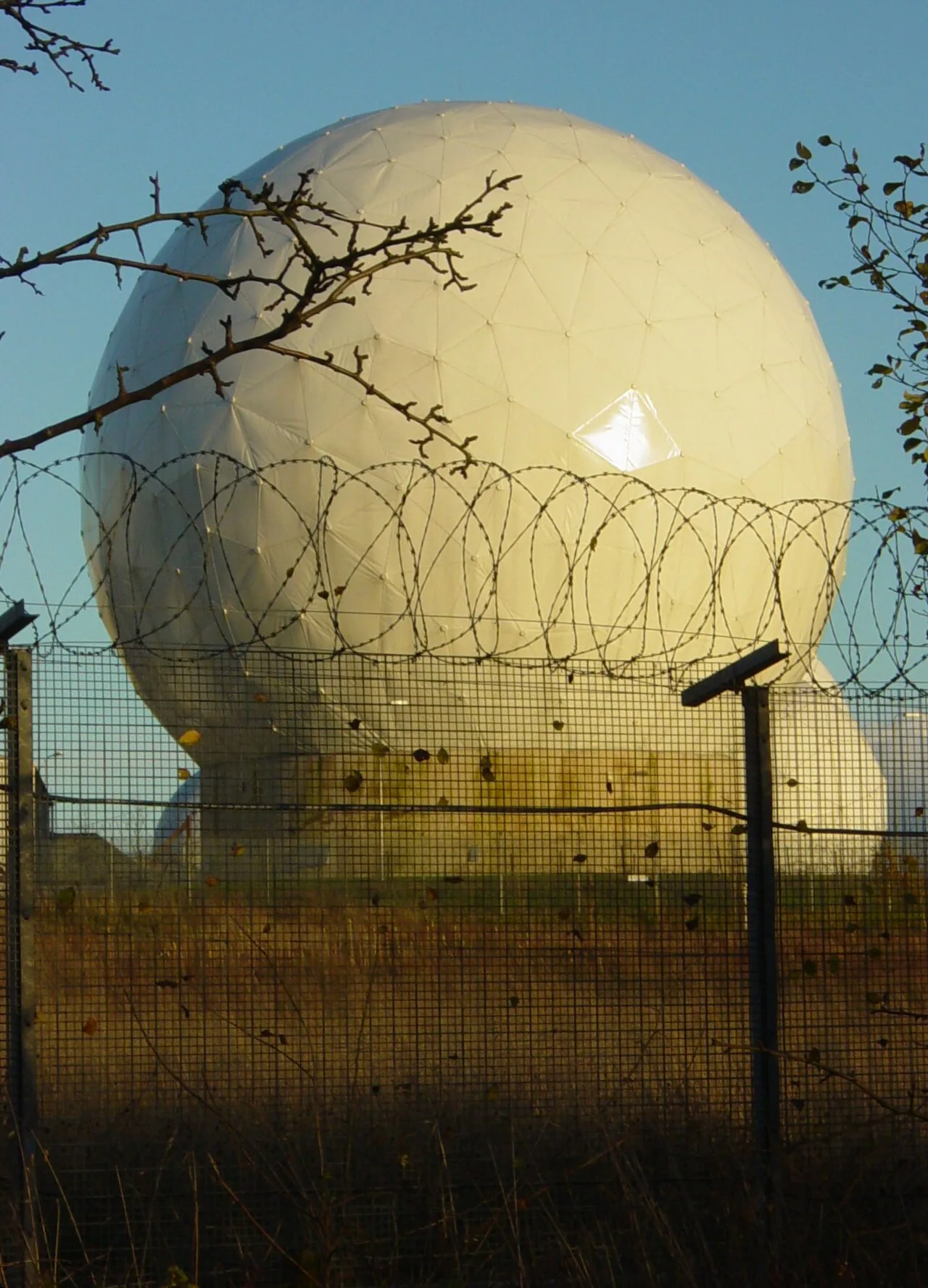
A radome at RAF Menwith Hill, a site with satellite uplink capabilities believed to be used by ECHELON
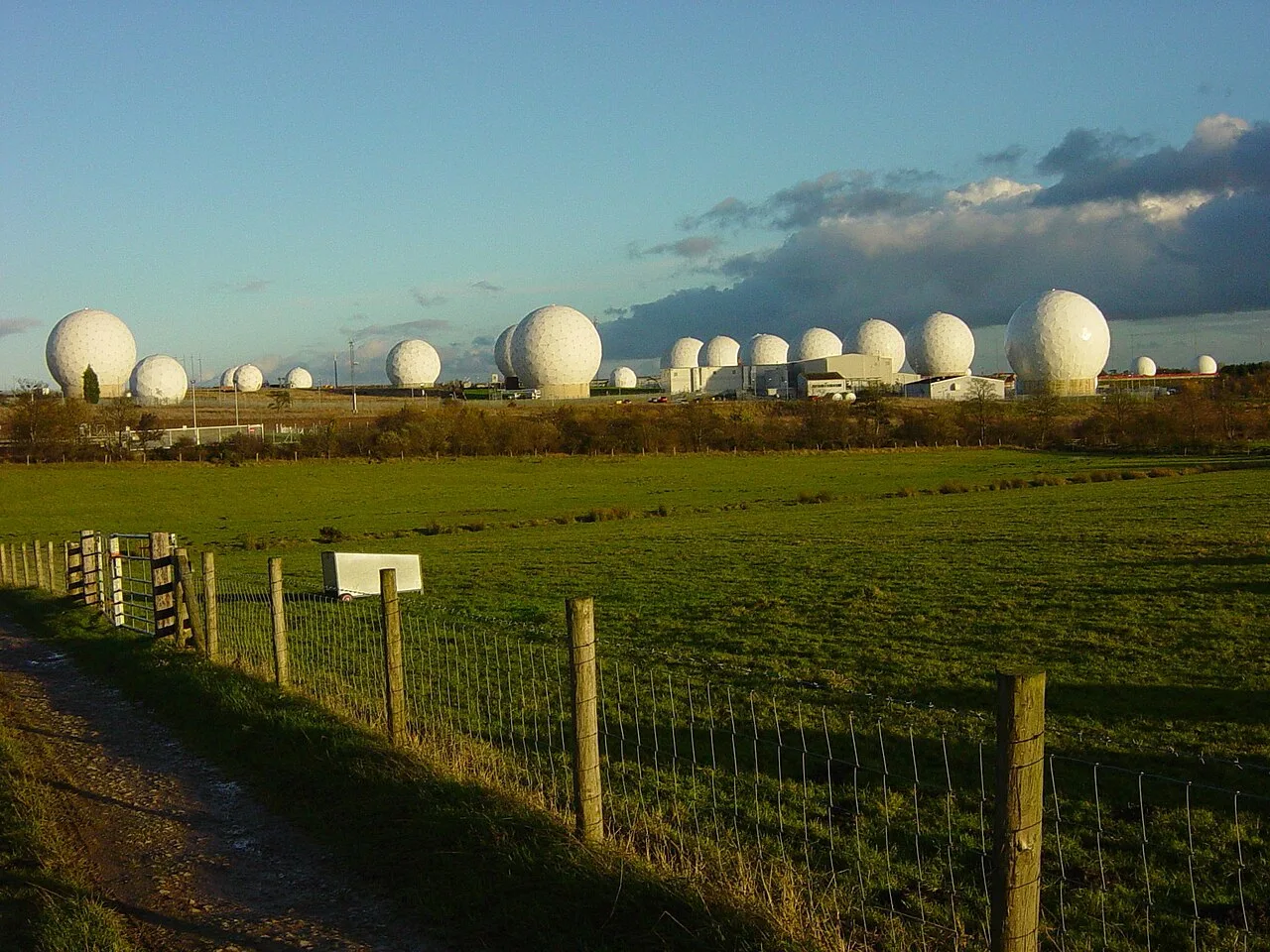
RAF Menwith Hill, North Yorkshire, England
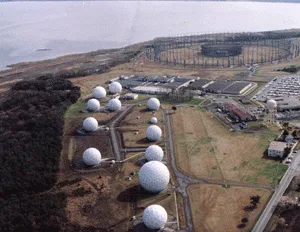
Misawa Air Base Security Operations Center (MSOC), Aomori Prefecture, Japan
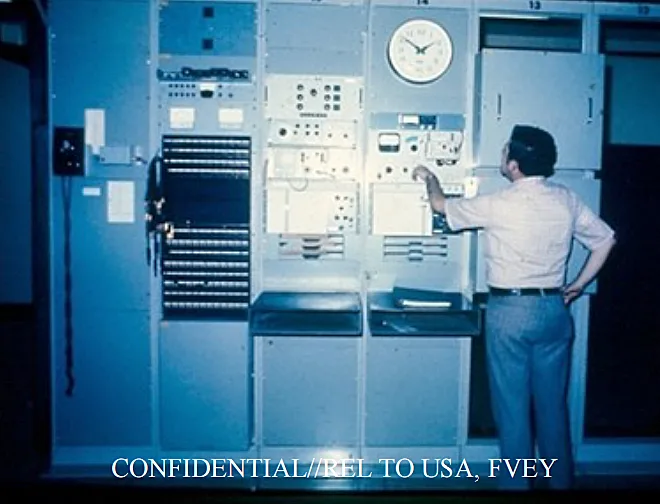
Equipment at the Yakima Research Station (YRS) in the early days of the ECHELON program
![System diagram of the ECHELON satellite intercept station of the NSA at the Yakima Research Station (YRS)[14] TOPCO – Te](https://nwjvzop1xgplmzvt.public.blob.vercel-storage.com/wikifeed/echelon/4-db83455b24.webp)
System diagram of the ECHELON satellite intercept station of the NSA at the Yakima Research Station (YRS)[14] TOPCO – Terminal Operations ControlCCS – Computer Control SubsystemSTEAMS – System Test, Evaluation, Analysis, and Monitoring SubsystemSPS – Signal Processing SubsystemTTDM – Teletype Demodulator
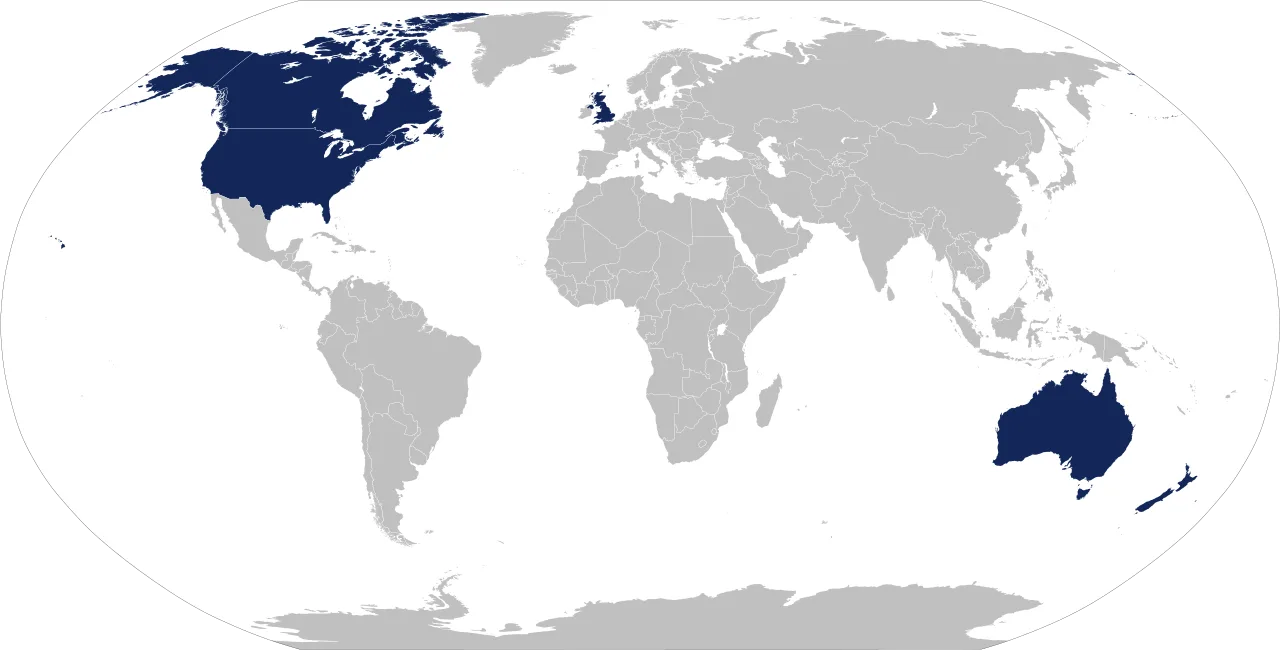
Map of the UKUSA Agreement countries: Australia, Canada, New Zealand, United Kingdom, and the United States
ECHELON
ECHELON is a signals intelligence surveillance program operated by the five signatory states of the UKUSA Security Agreement: Australia, Canada, New Zealand, the United Kingdom, and the United States.
The FROSTING Umbrella and Civilian Consortium Satellites
In 1964, plans for the network advanced after countries established the International Telecommunications Satellite Organization, known as Intelsat. The NSA later created the FROSTING umbrella program in 1966 to collect and process satellite data. This structure positioned the intelligence community to intercept international communications traveling across the new global satellite constellation.
From Wikipedia · CC BY-SA 4.0
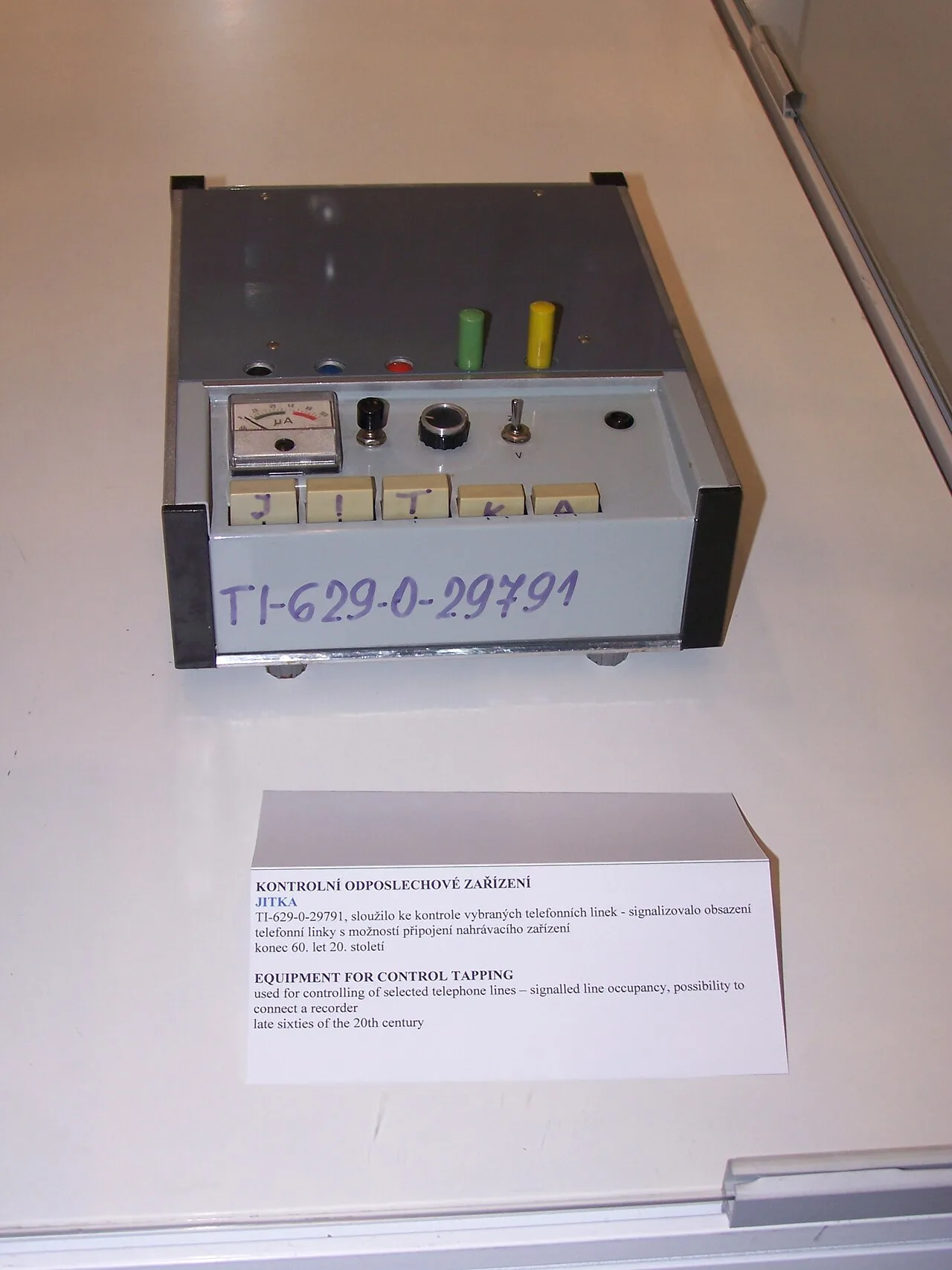
Telephone line control device "Jitka", used in late 1960s by Czechoslovak StB to signal line occupancy, and connect a recorder
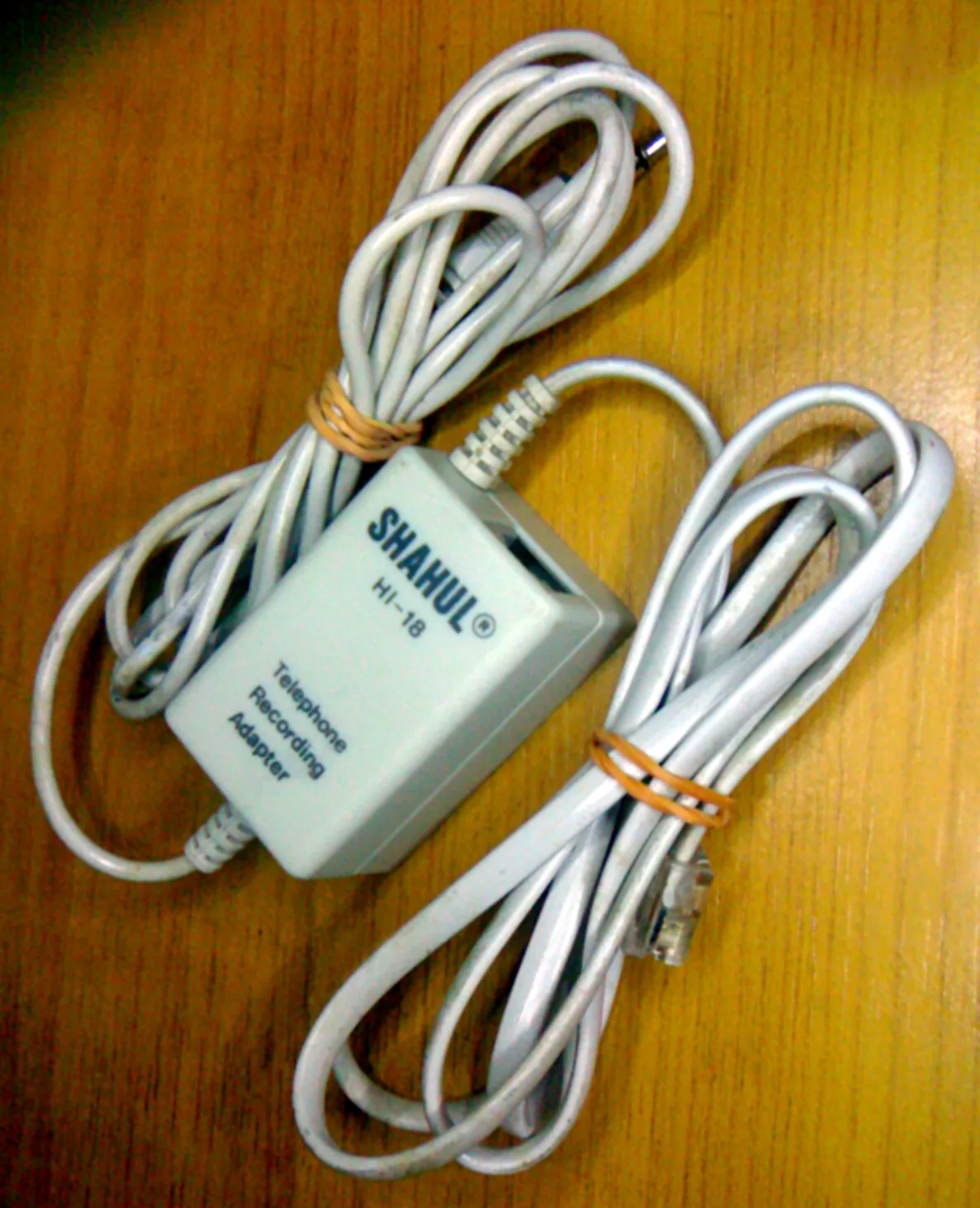
A telephone recording adapter (in-line tap). The phone jack connects to the wall socket while the phone being monitored is connected to the adapter's socket. The audio plug connects to the recording device (computer, tape recorder, etc.).

CrimethInc. sticker on a telephone warning users of phone tapping by the U.S. government
Telephone tapping
Wiretapping, also known as telephone tapping, is the covert monitoring of telephone and Internet-based conversations by a third party.
Admissibility Paradox in European Courts
Many assume illegally obtained wiretaps are automatically discarded by courts in liberal democracies. In Germany and France, however, courts will accept unauthorized phone recordings made without consent as valid evidence in legal proceedings. Even so, the individuals responsible for conducting the illegal wiretap will still face criminal prosecution. This duality creates a striking legal reality where the product of a crime remains useful to the justice system.
From Wikipedia · CC BY-SA 4.0

HTTP logo
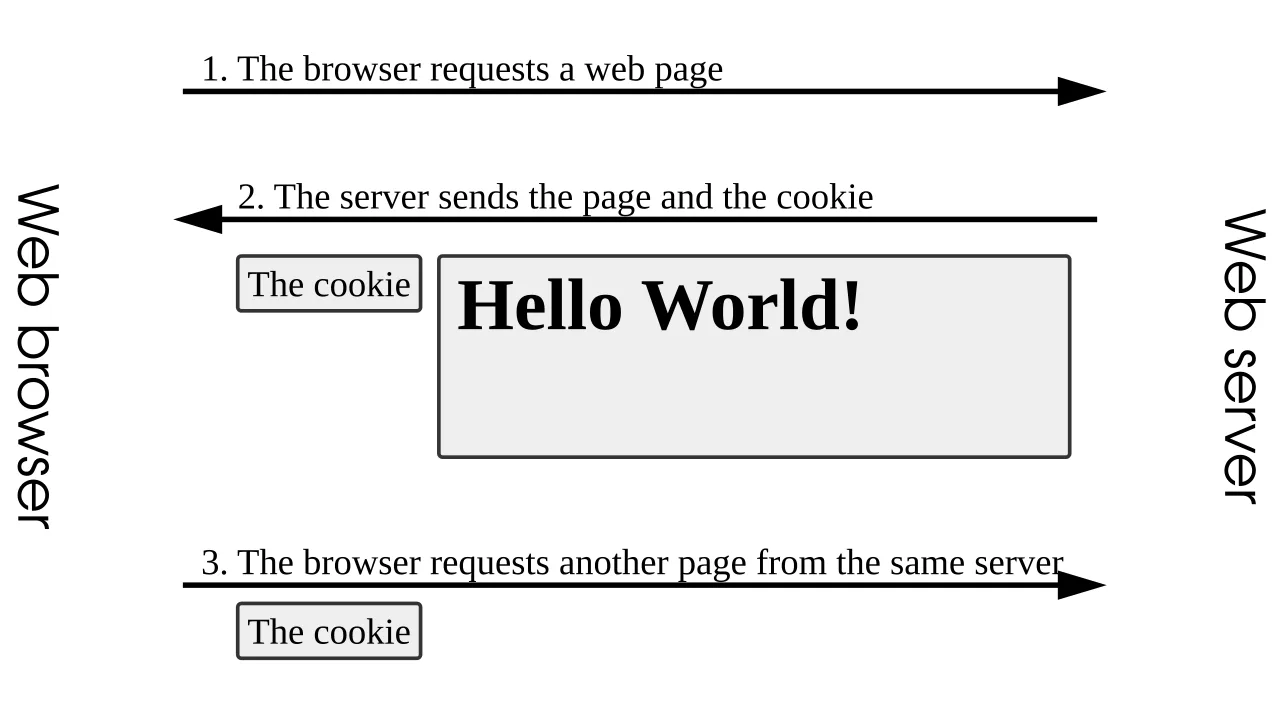
A possible interaction between a web browser and a web server holding a web page in which the server sends a cookie to the browser and the browser sends it back when requesting another page
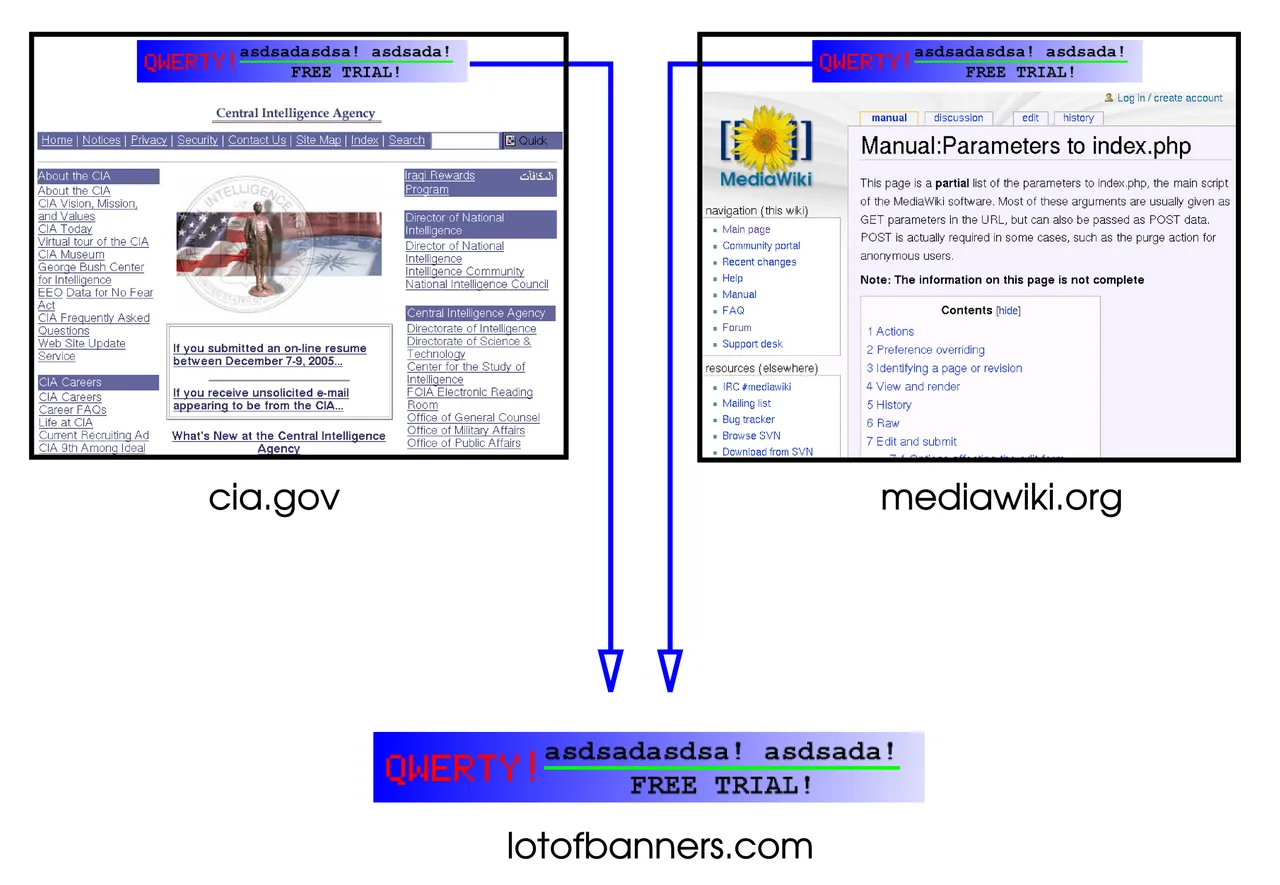
In this fictional example, an advertising company has placed banners in two websites. By hosting the banner images on its servers and using third-party cookies, the advertising company is able to track the browsing of users across these two sites.
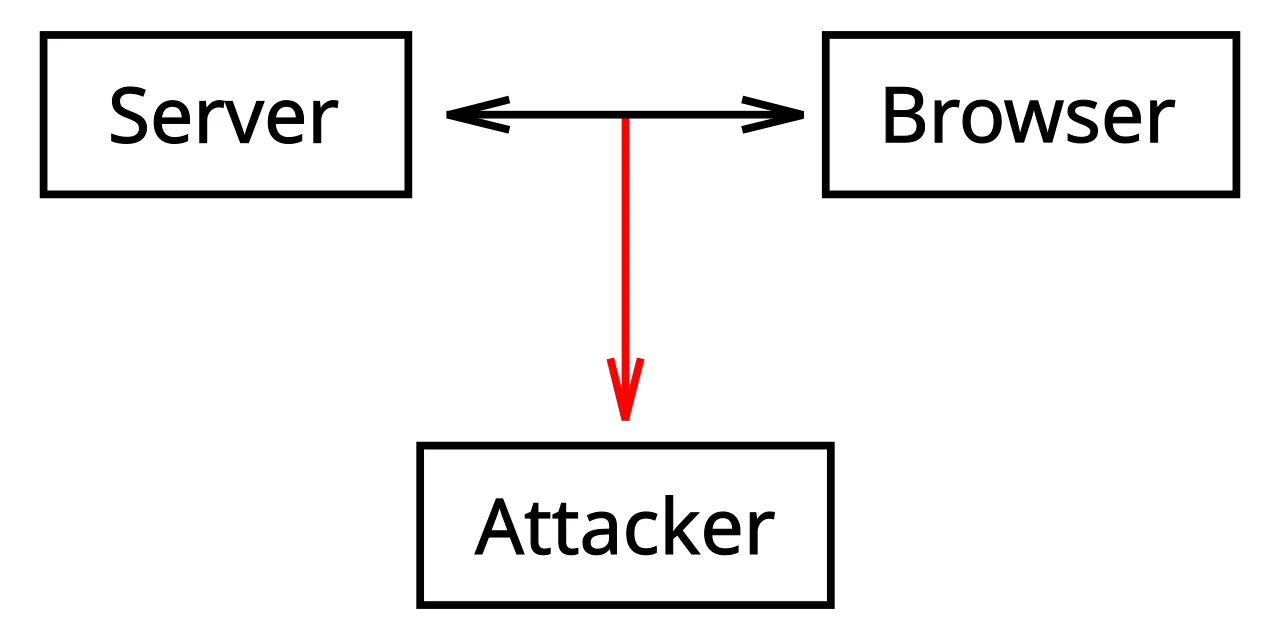
A cookie can be stolen by another computer that is allowed reading from the network.
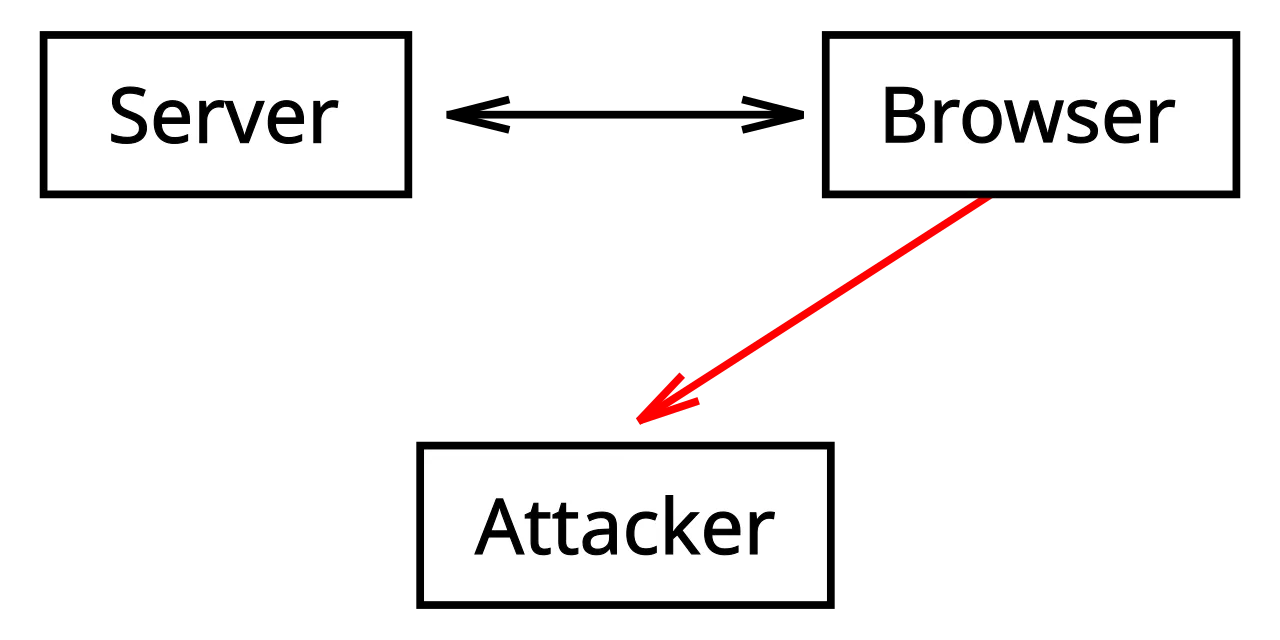
Cross-site scripting: a cookie that should be only exchanged between a server and a client is sent to another party.
HTTP cookie
An HTTP cookie is a small block of data created by a web server and placed on a user's device by a web browser while browsing a website.
Offloading the Server State to Virtual Shopping Carts
In June 1994, Lou Montulli adapted Unix magic cookies for web communications while Netscape developed software for MCI. MCI wanted to avoid retaining partial transaction states on its own infrastructure, prompting Netscape to store that information on user machines instead. This client-side workaround provided the foundation for building reliable virtual shopping carts across stateless web protocols.
From Wikipedia · CC BY-SA 4.0
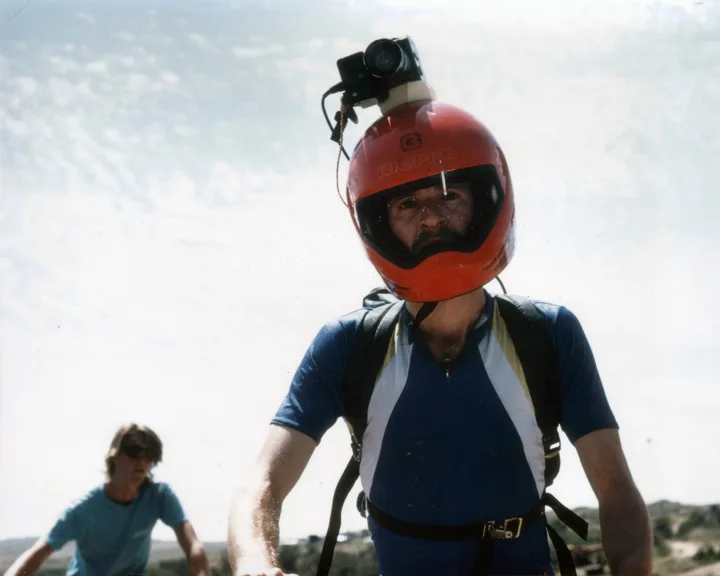
Biker wearing one of the first 'helmet cams' c. 1987
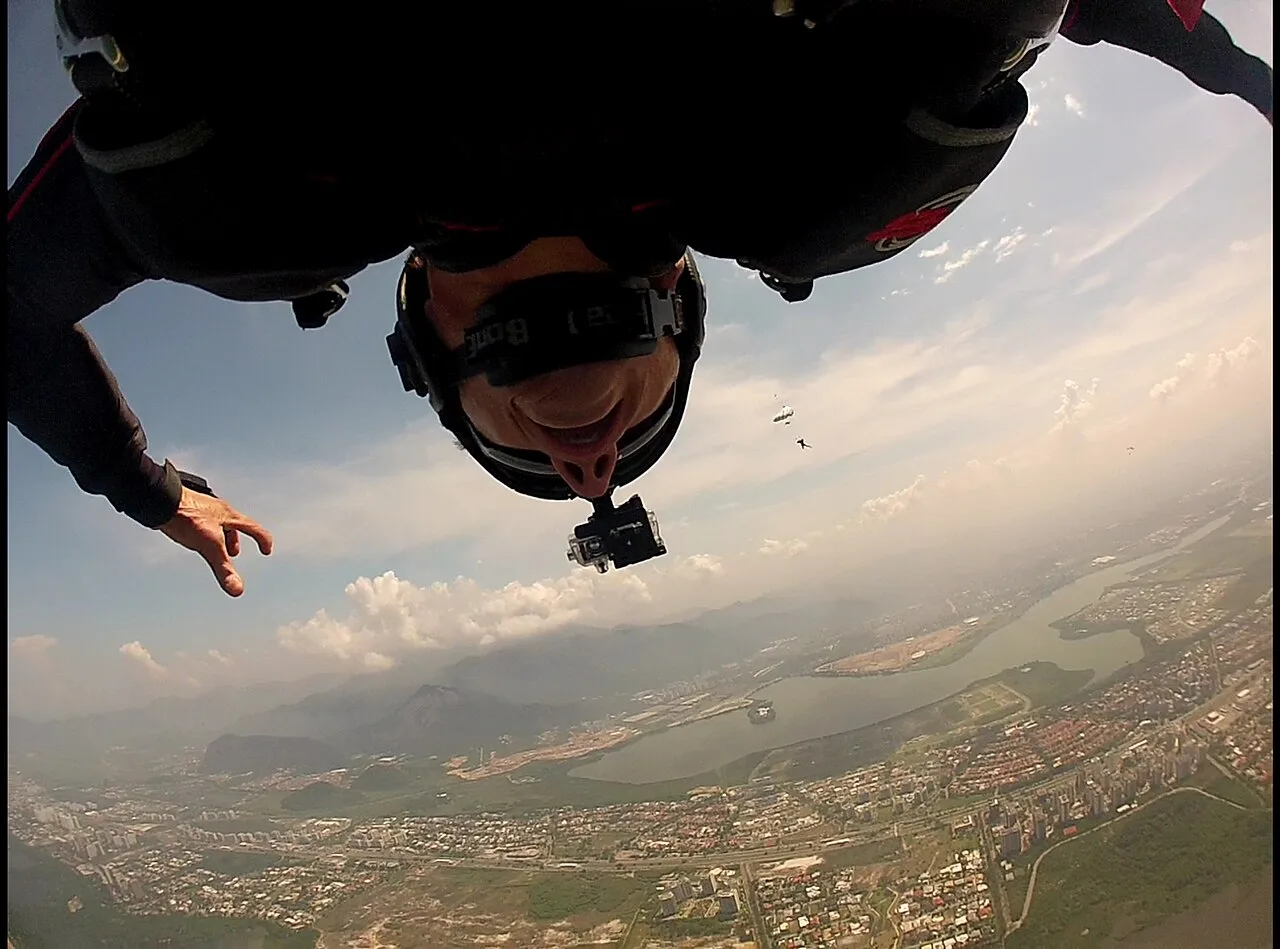
Skydiver with helmet camera
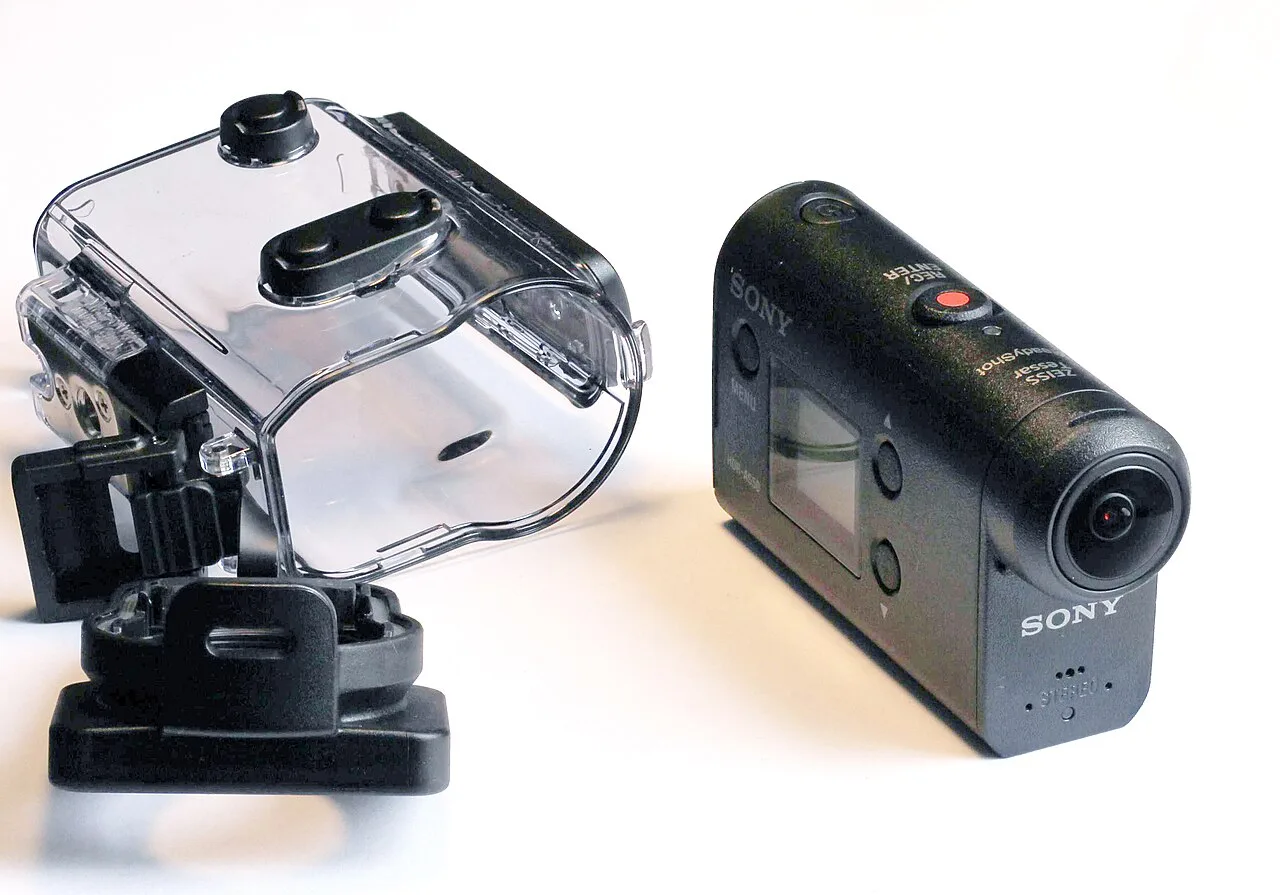
Action-Cam with underwater housing
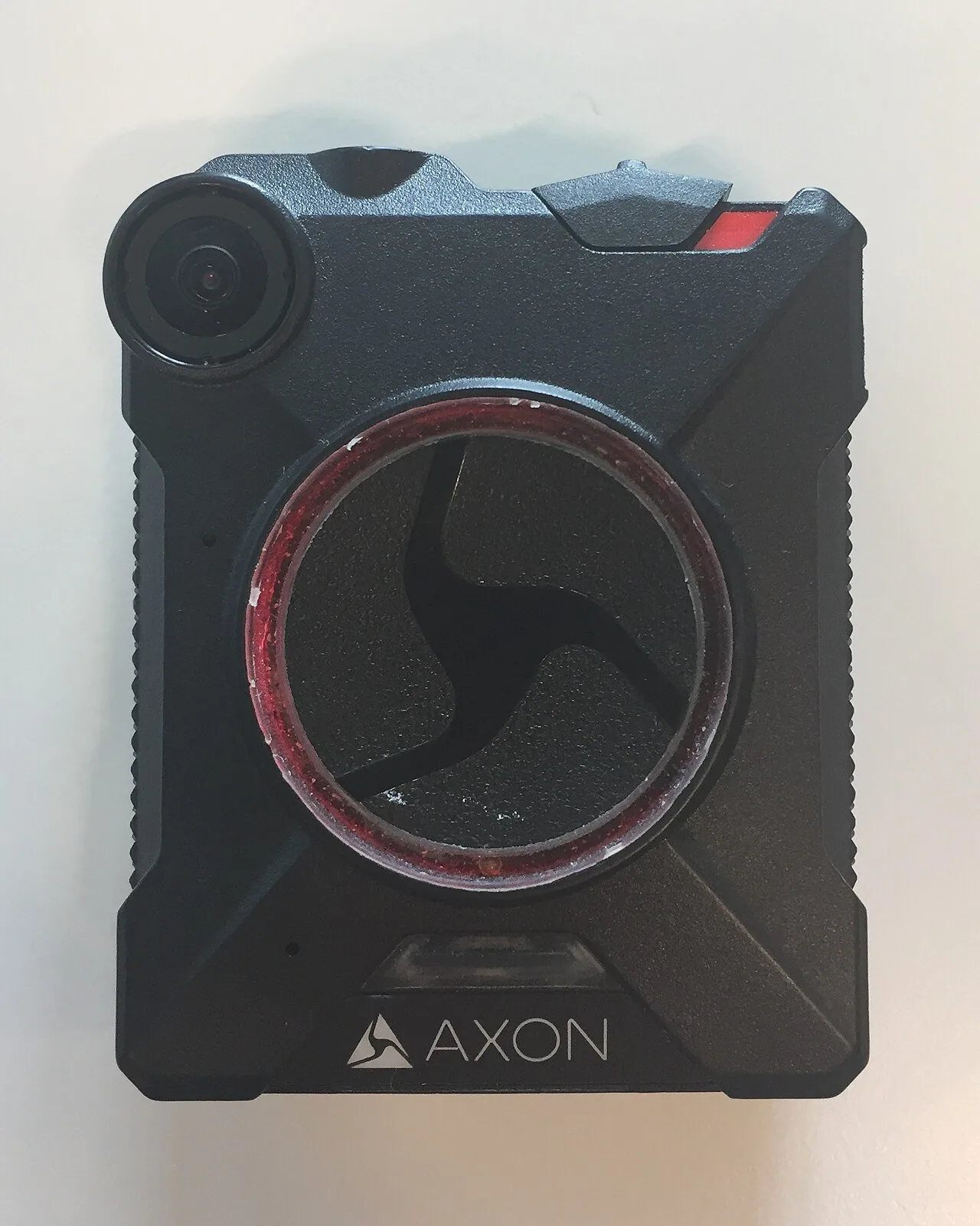
A close up of a body camera not on a body
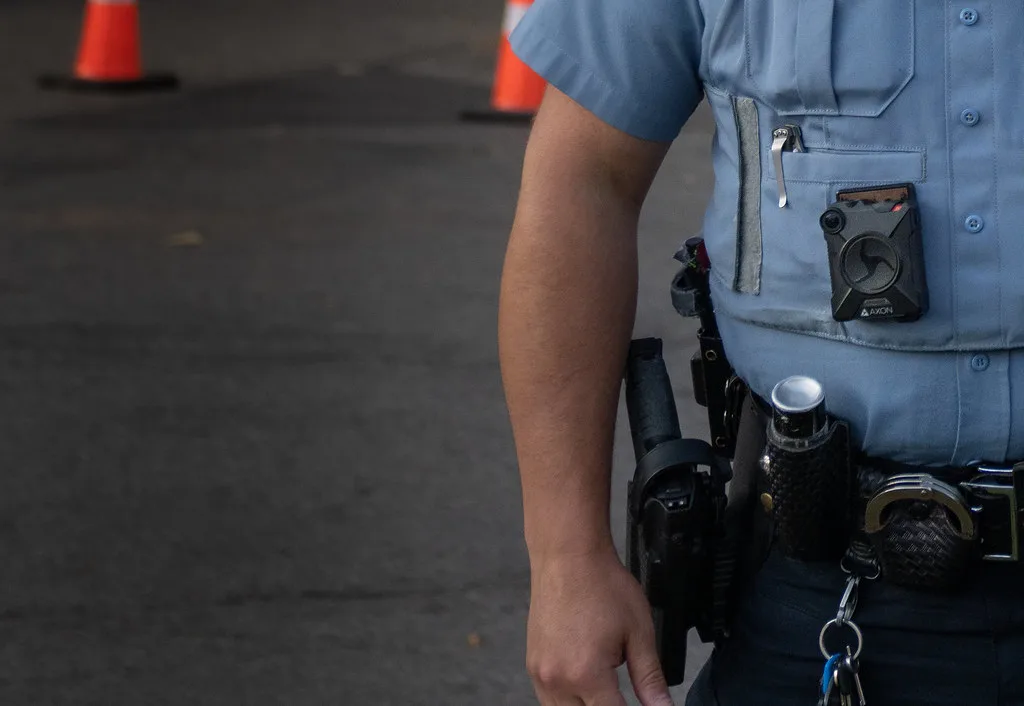
Police body camera example
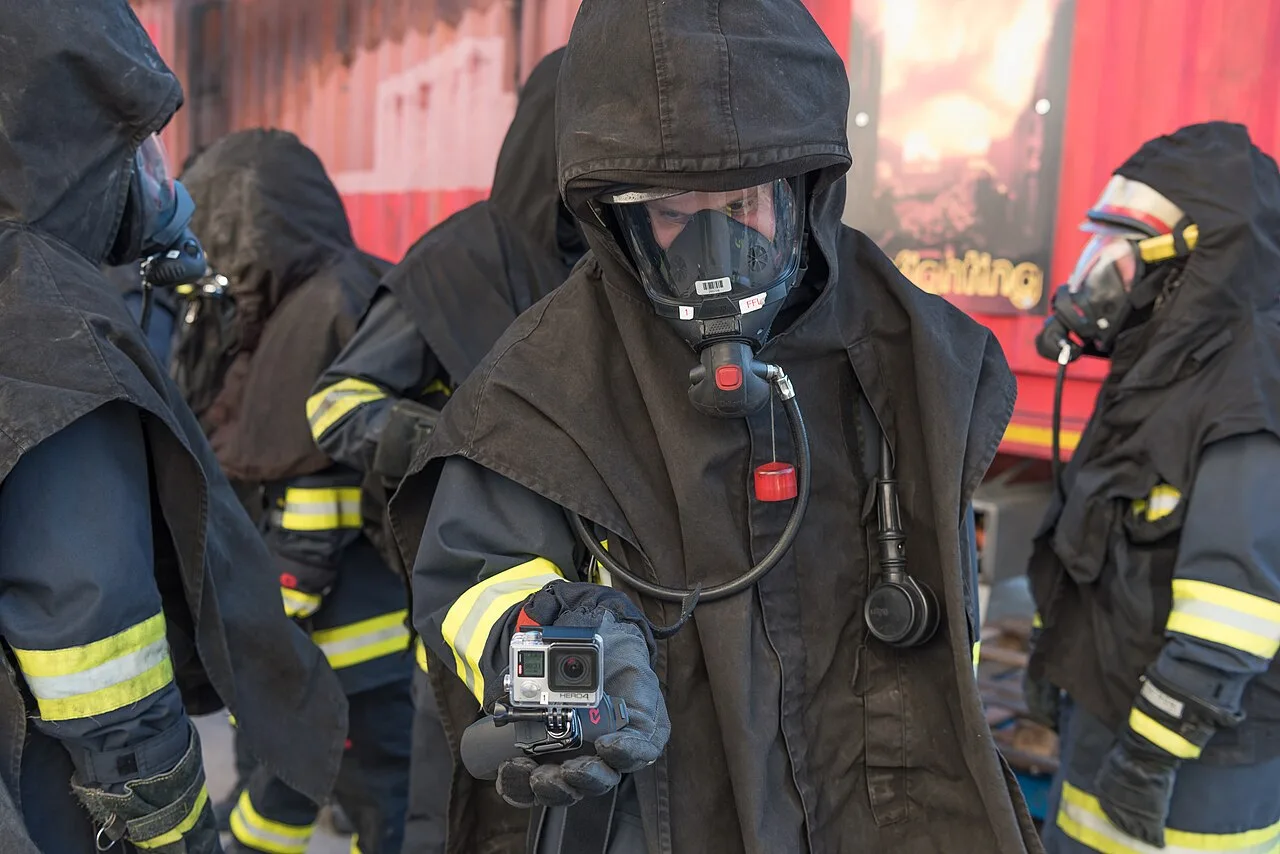
Firefighter with a GoPro camera
Body-worn video
A body camera is a wearable audio, video, or photographic recording system with a wide range of uses, most notably by police.
Correcting Human Nutritional Recall and Medical Consultation
Beyond policing and security, wearable video provides a clinical mechanism to correct human reporting errors in healthcare. During dietary assessments, where participants routinely under-report their nutritional intake, body-worn cameras supply objective baseline records. The hardware also expands surgical collaboration; in 2013, surgeons utilized Google Glass as a hands-free interface to broadcast live operative feeds and receive real-time consultations from remote peers.
From Wikipedia · CC BY-SA 4.0