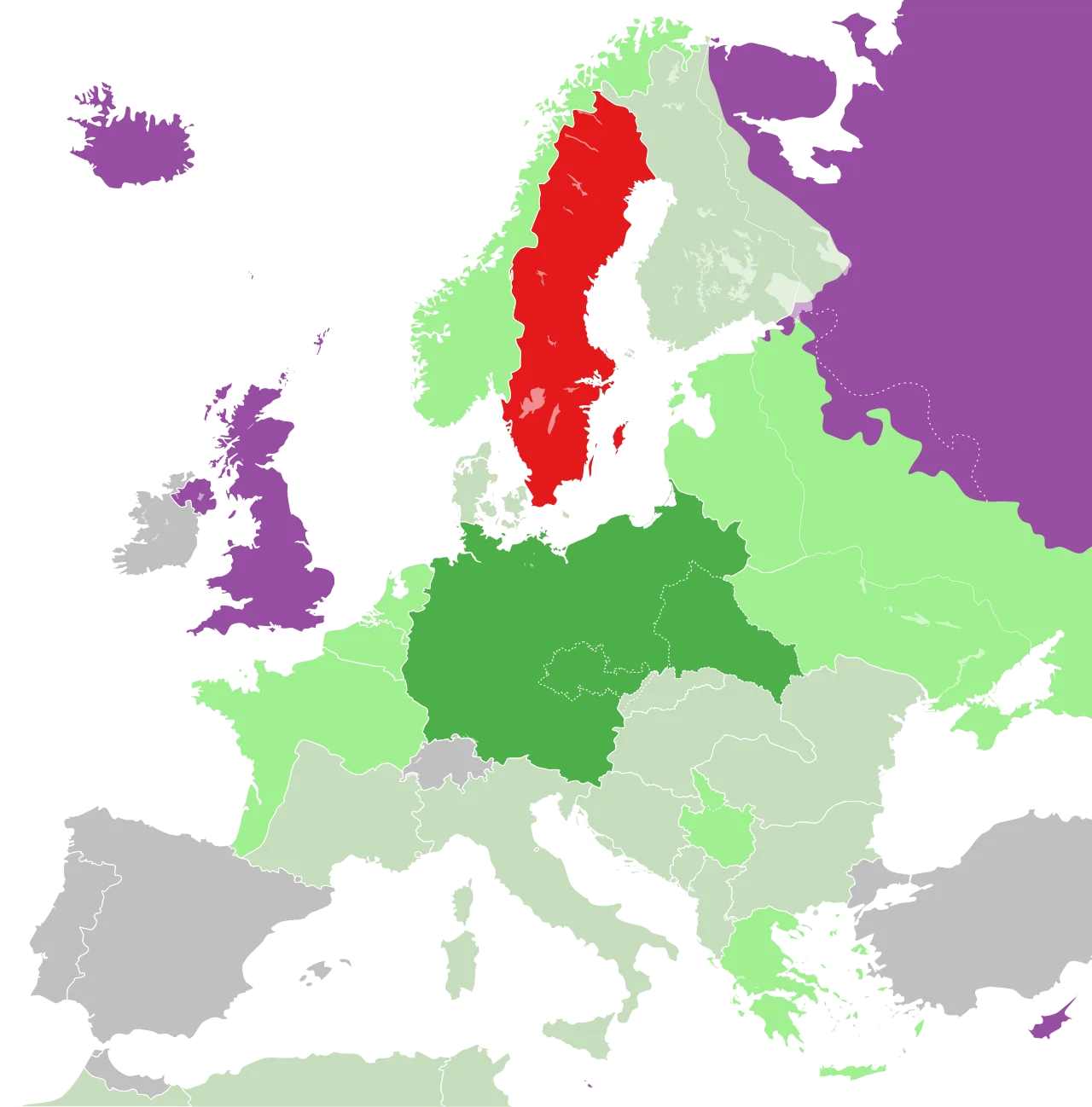
Sweden's location in Europe (1942) .mw-parser-output .legend{page-break-inside:avoid;break-inside:avoid-column}.mw-parser-output .legend-color{display:inline-block;min-width:1.25em;height:1.25em;line-height:1.25;margin:1px 0;text-align:center;border:1px solid black;background-color:transparent;color:black}.mw-parser-output .legend-text{} Sweden German Reich Areas under German occupation German allies, co-belligerents and puppet states Allies and territories occupied by the allies Other neutral territories
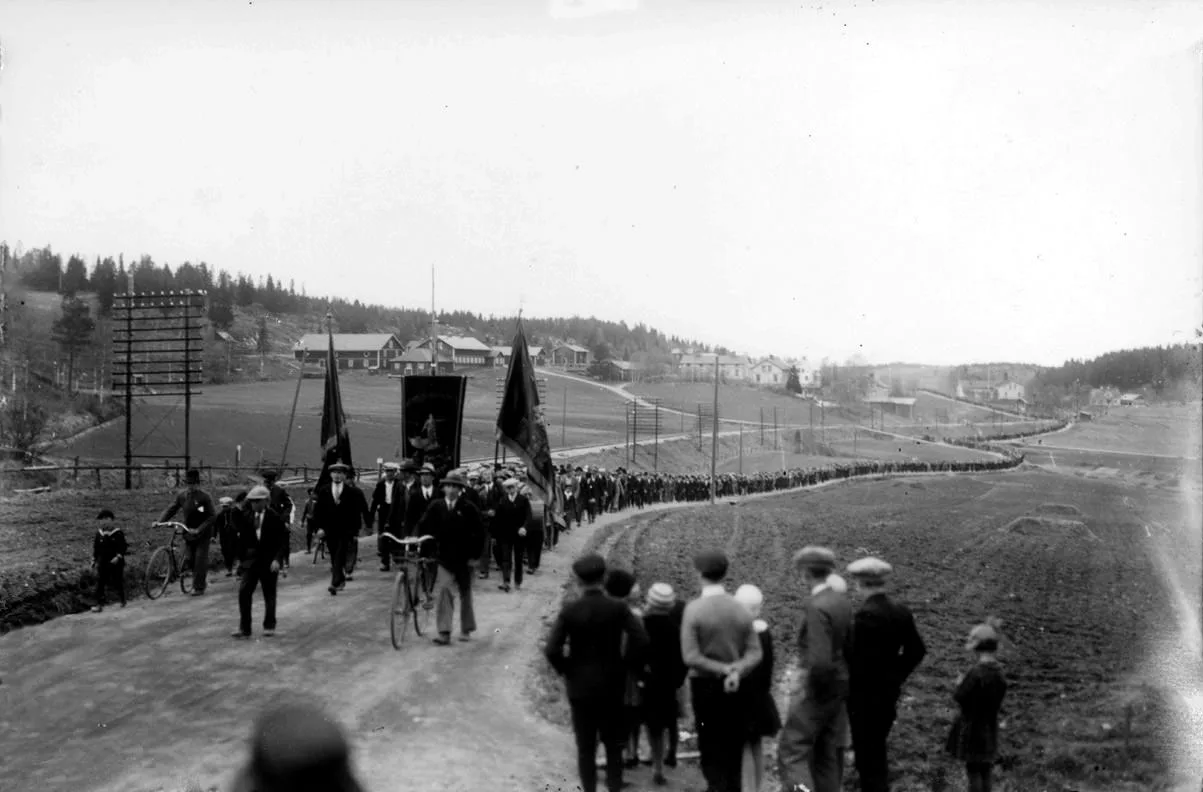
Ådalen shootings. This picture of the demonstration was taken before the military opened fire.
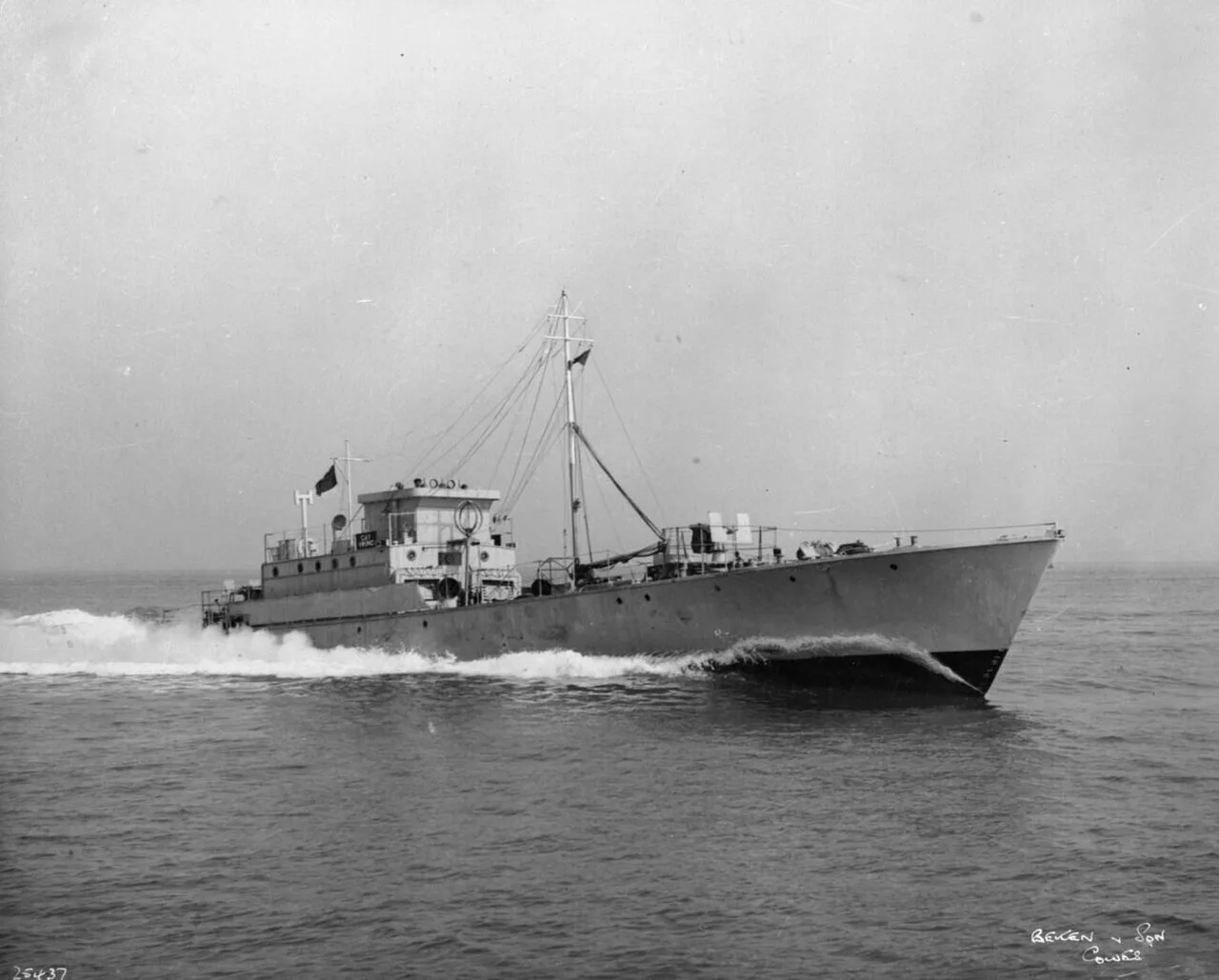
Gay Viking, one of the high speed boats used as blockade runners for the ball bearing trade
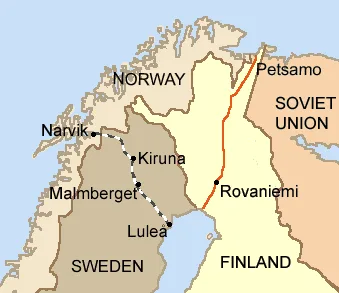
Franco-British support was offered to Finland on the condition it was given free passage through neutral Norway and Sweden, instead of taking the road from Soviet-occupied Petsamo.
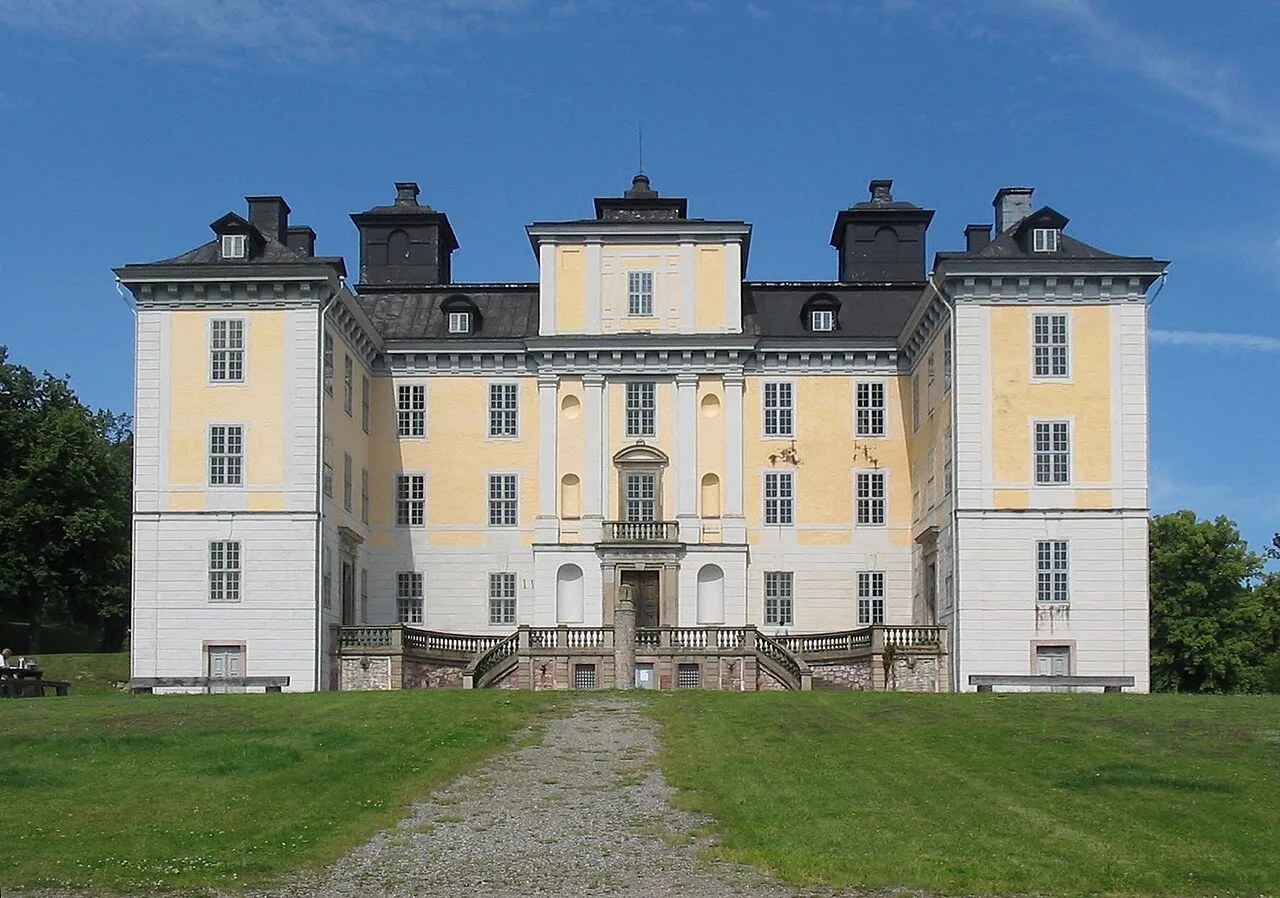
Mälsåker Castle was a Norwegian military academy during World War II (photograph taken in 2007).
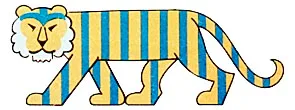
En svensk tiger, a famous World War II poster reminding Swedes to be wary of spies asking questions. Svensk can mean both Swedish and Swede while tiger could be read as either the animal or stays silent giving the poster this double meaning: A Swedish tiger and A Swede stays silent – comparable to Loose lips sink ships. The tiger's stripes are in the Swedish national colors.
Sweden during World War II
Sweden maintained its policy of neutrality throughout World War II, preserving its official neutral status through its geopolitical location, realpolitik maneuvering, and a dedicated military build-up.
Assembling an Armoured Corps from Tractor Kits
Sweden entered the inter-war period with virtually no armored combat vehicles of its own. For a time, the entire armored corps relied on ten Stridsvagn mf/21 tanks, which had been secretly acquired from Germany in the form of tractor assembly kits. Because procuring heavy armament was severely limited, procurement officials also purchased machine gun-equipped tanks to make training at the battalion level possible.
From Wikipedia · CC BY-SA 4.0

Coat of arms of Spain (1945–1977)
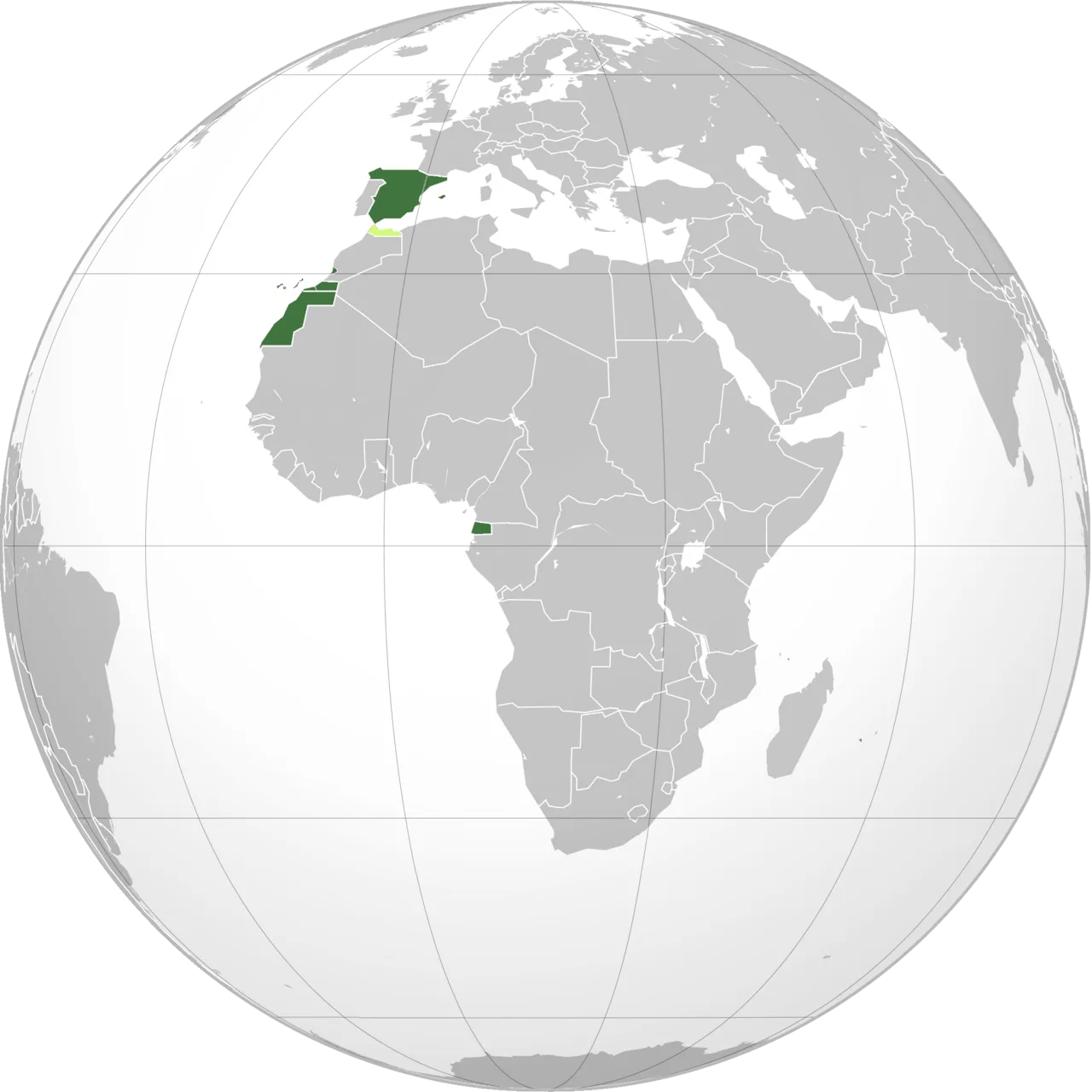
Territories and colonies of the Spanish State in these years: .mw-parser-output .legend{page-break-inside:avoid;break-inside:avoid-column}.mw-parser-output .legend-color{display:inline-block;min-width:1.25em;height:1.25em;line-height:1.25;margin:1px 0;text-align:center;border:1px solid black;background-color:transparent;color:black}.mw-parser-output .legend-text{} Spain, Ifni, Spanish Sahara and Spanish Guinea Protectorate in Morocco Tangier International Zone

Memorial to the Spanish immigrants to France who fought in the Spanish Civil War, and in the French Resistance. Garden of the Rights of the Child, Saint-Denis

T-26, the most powerful and numerous tank of the Spanish Army at the time.
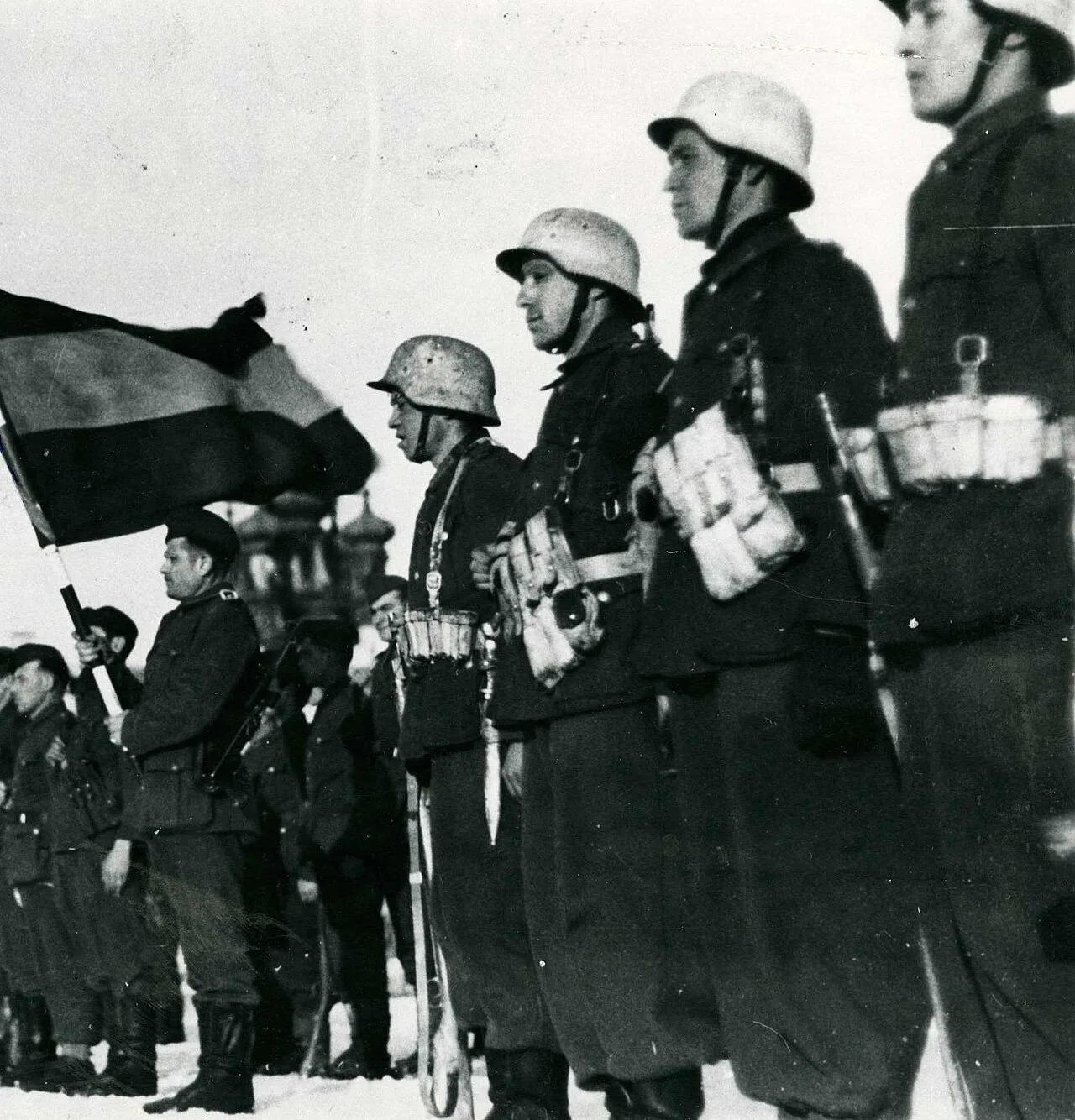
Spanish volunteers at an official act

Memorial of the Blue Division at La Almudena Cemetery, Madrid
Spain during World War II
During World War II, the Spanish State under Francisco Franco espoused neutrality as its official wartime policy, which shifted to non-belligerence after the Fall of France in June 1940.
Exorbitant Demands at the Hendaye Summit
Hitler and Franco met on 23 October 1940 in Hendaye, France to negotiate a formal alliance. Franco presented extensive demands, seeking French African territories alongside grain and armaments before joining the war. Hitler refused these conditions, causing the nine-hour negotiations to fail completely. A few days later, Hitler told Mussolini he would rather have his own teeth pulled out than speak to Franco again.
From Wikipedia · CC BY-SA 4.0
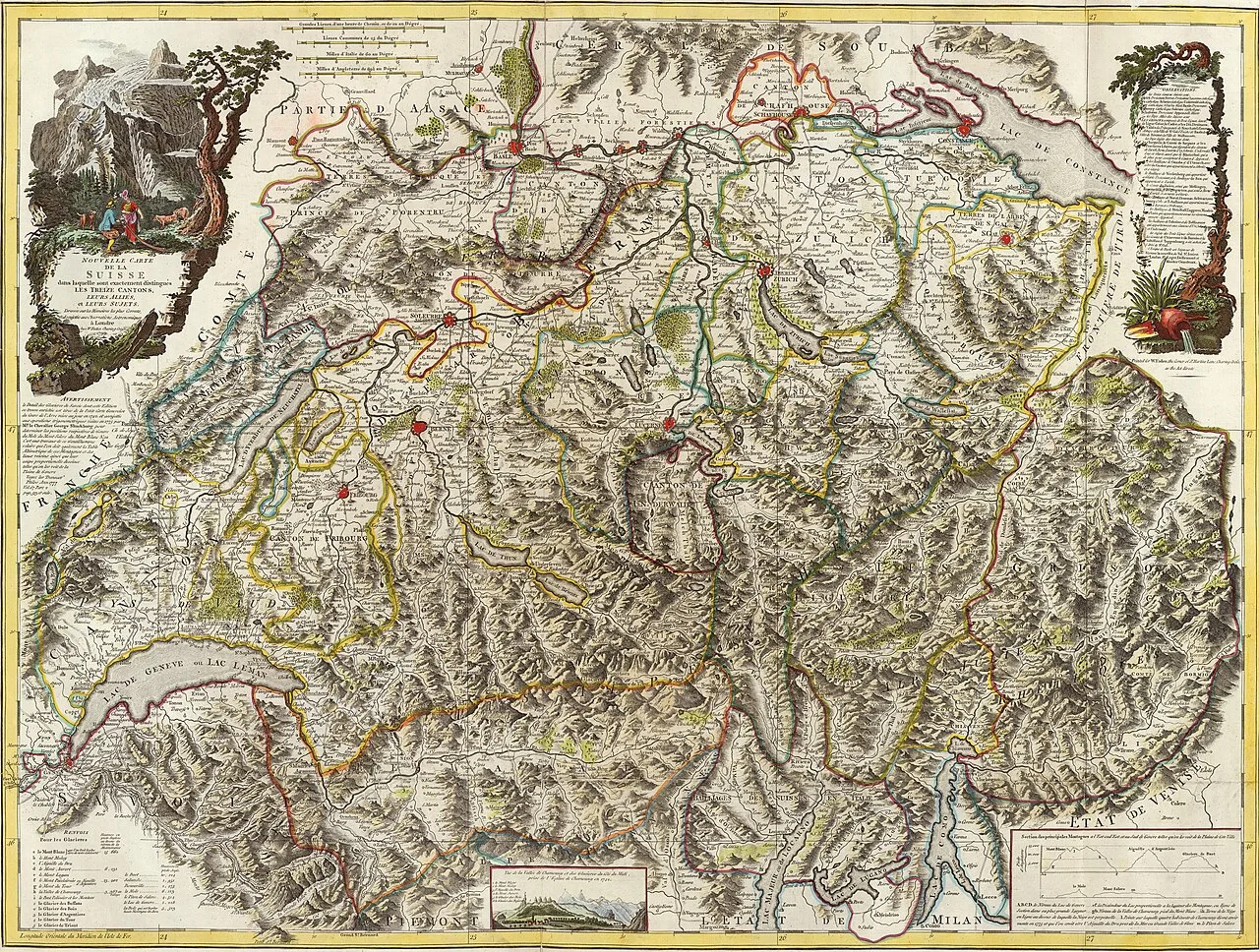
Nouvelle carte de la Suisse dans laquelle sont exactement distingues les treize cantons, leurs allies, et leurs sujets.
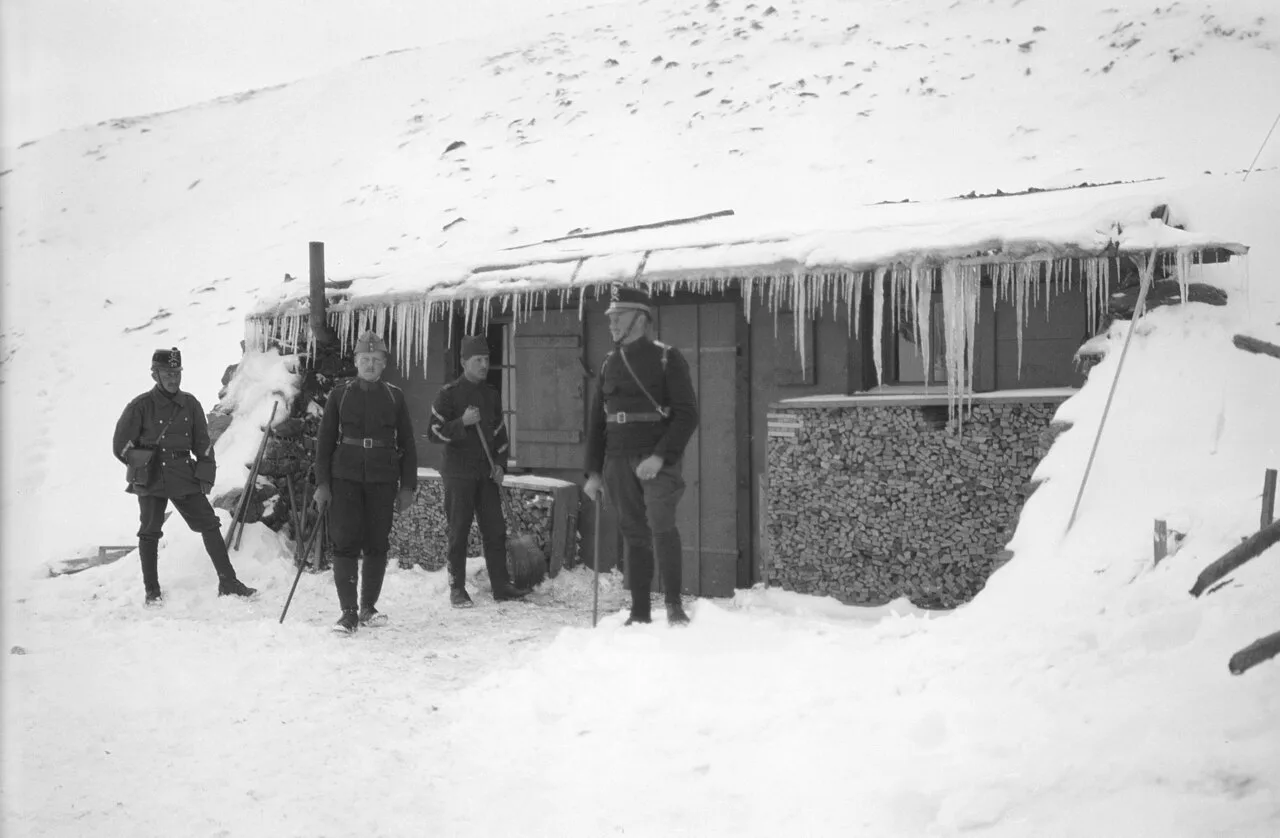
Swiss officers' barracks in the Umbrail Pass during World War I
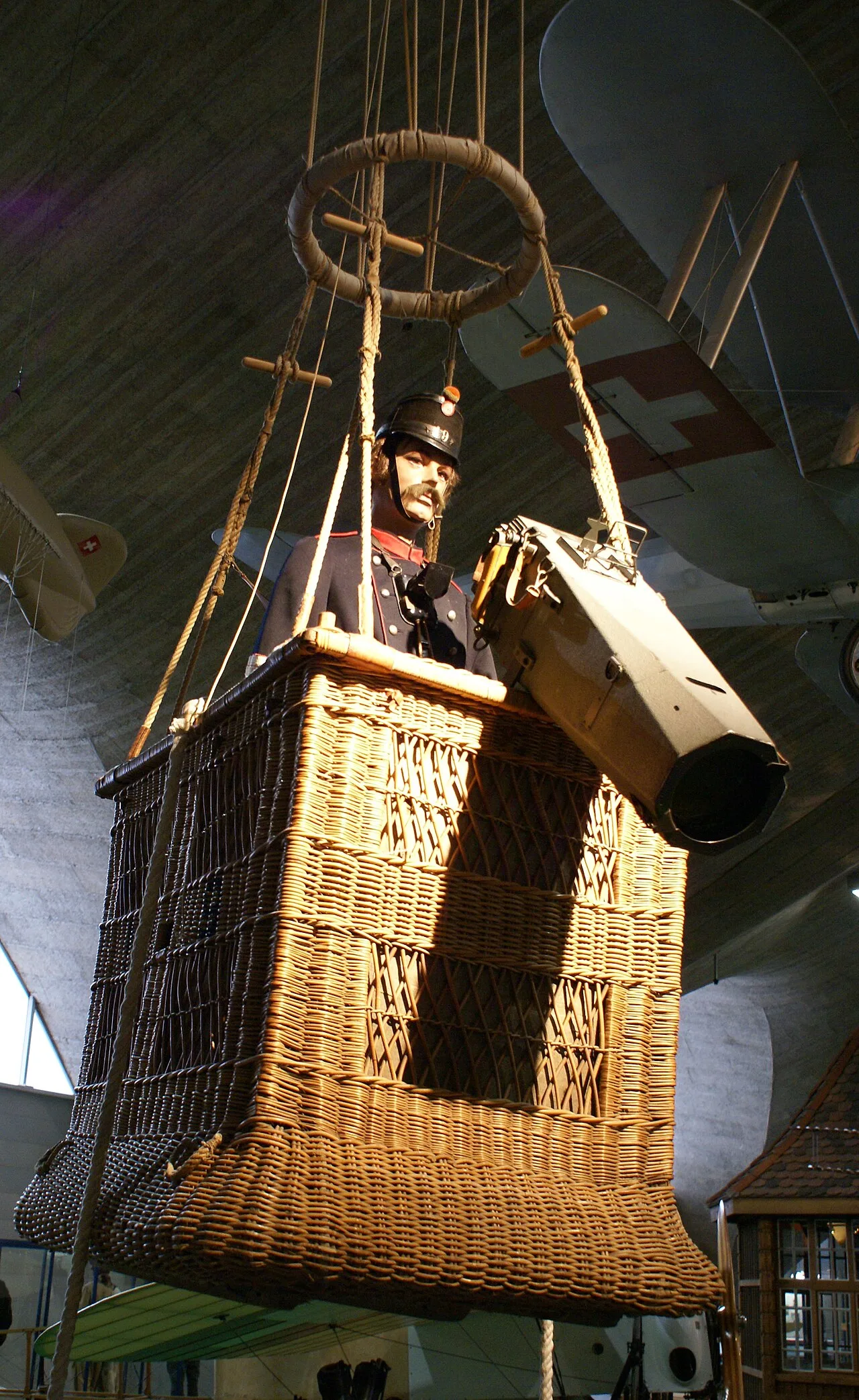
Replica of a balloon observer of the Swiss Army in World War I
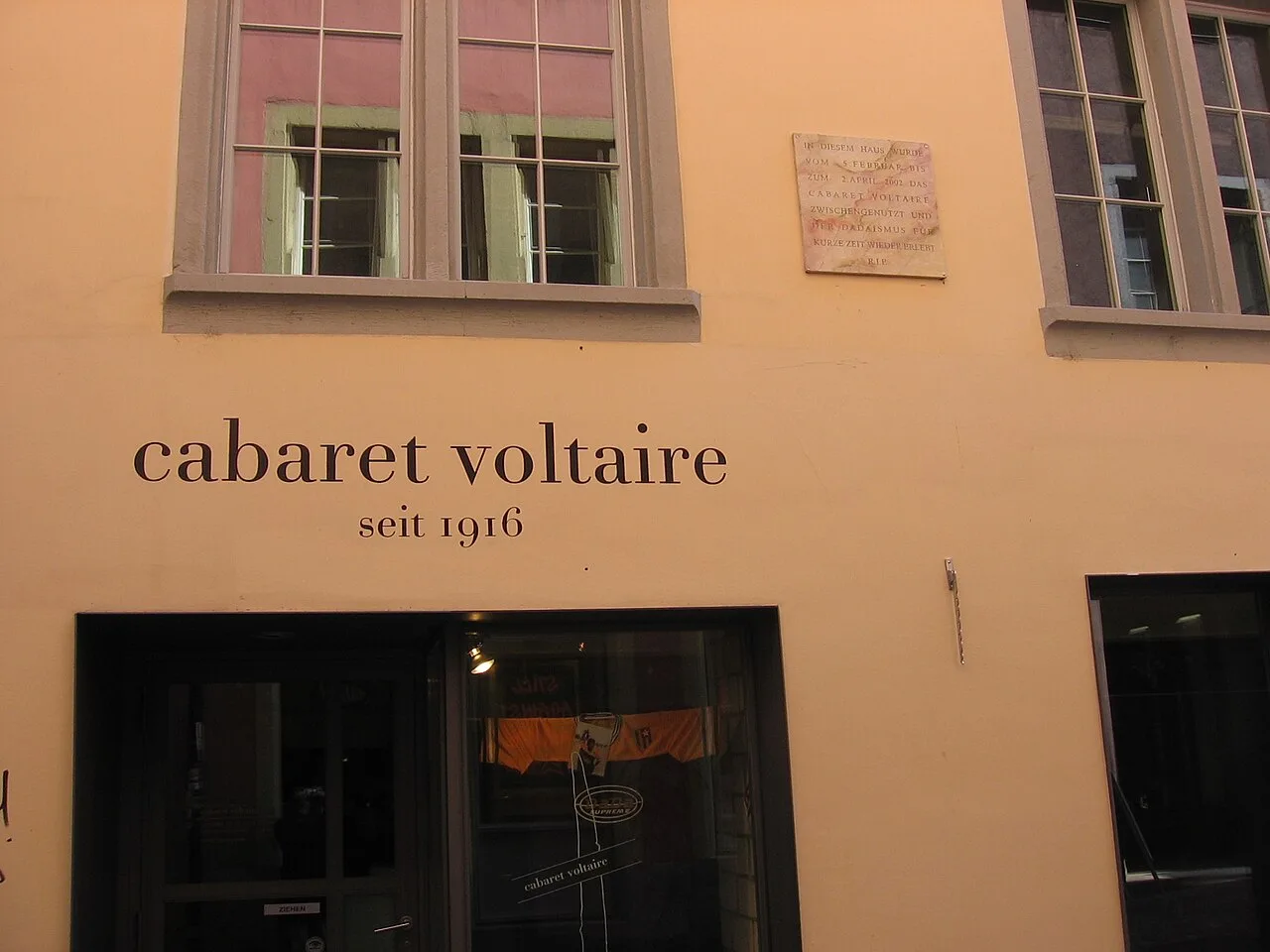
Cabaret Voltaire in Zürich, as it appeared in 2006
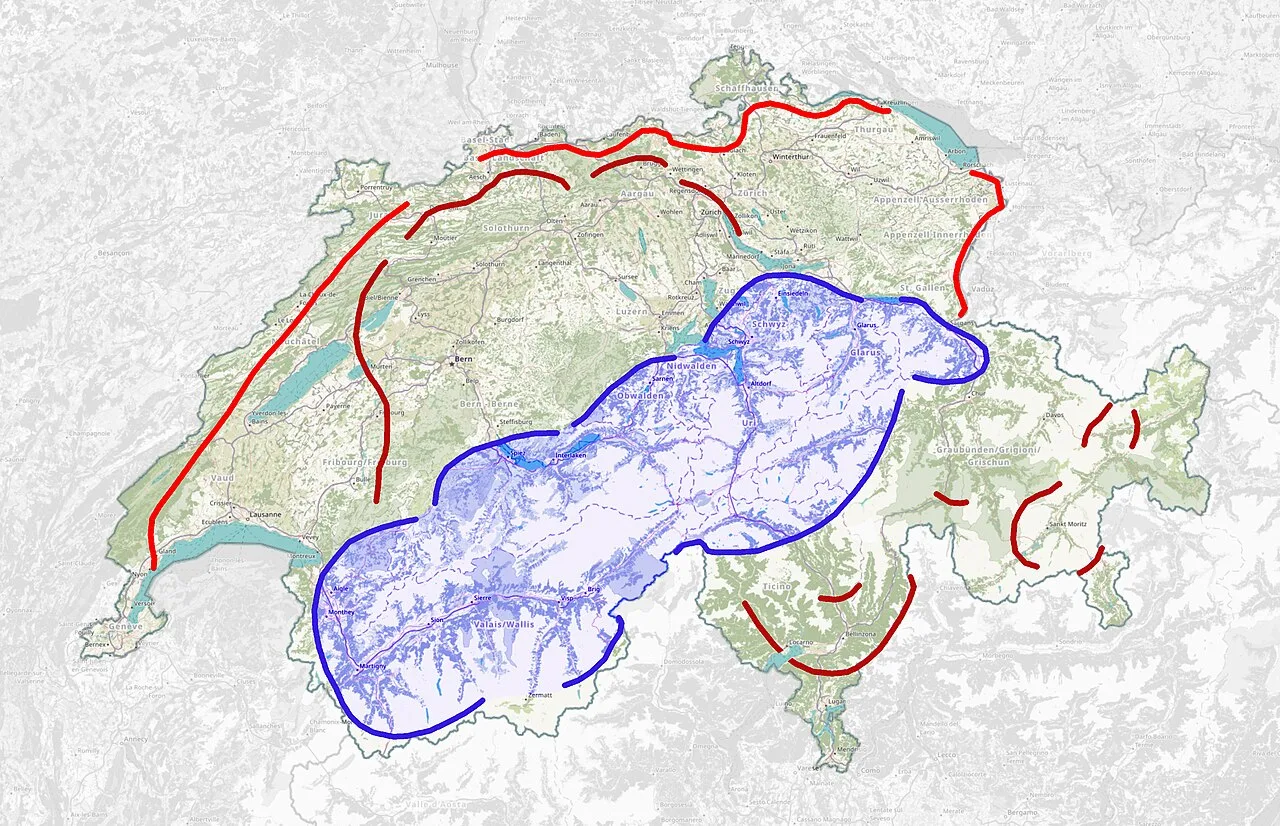
Plan of the defence lines of the National Redoubt
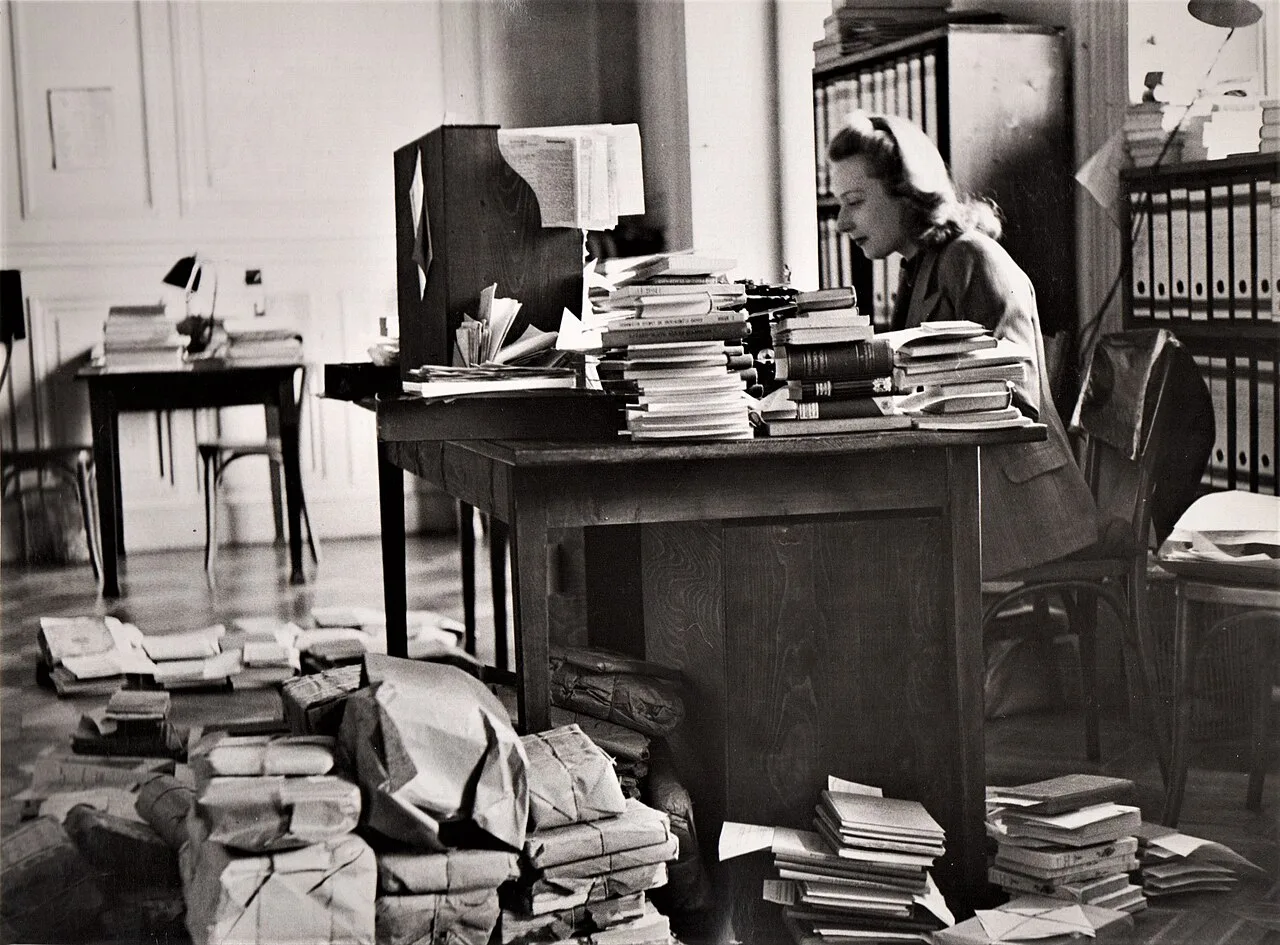
A photograph from the International Bureau of Education Archives showing the preparation of parcels and books for distribution to prisoners of war.
Switzerland during the world wars
During World War I and World War II, Switzerland maintained armed neutrality, built up its defence capabilities, and served as a protecting power for belligerents on both sides.
Topography Over Belgian Weakness
Popular memory often views Belgium as Germany's only considered route into France. Under the Schlieffen Plan, the German General Staff originally weighed invading Switzerland to bypass French defenses. Helmuth von Moltke the Younger selected Belgium instead due to Switzerland's mountainous topography and the disorganized state of the Belgian Armed Forces. Geography and Belgian military vulnerabilities consequently kept Switzerland outside the main battleground.
From Wikipedia · CC BY-SA 4.0
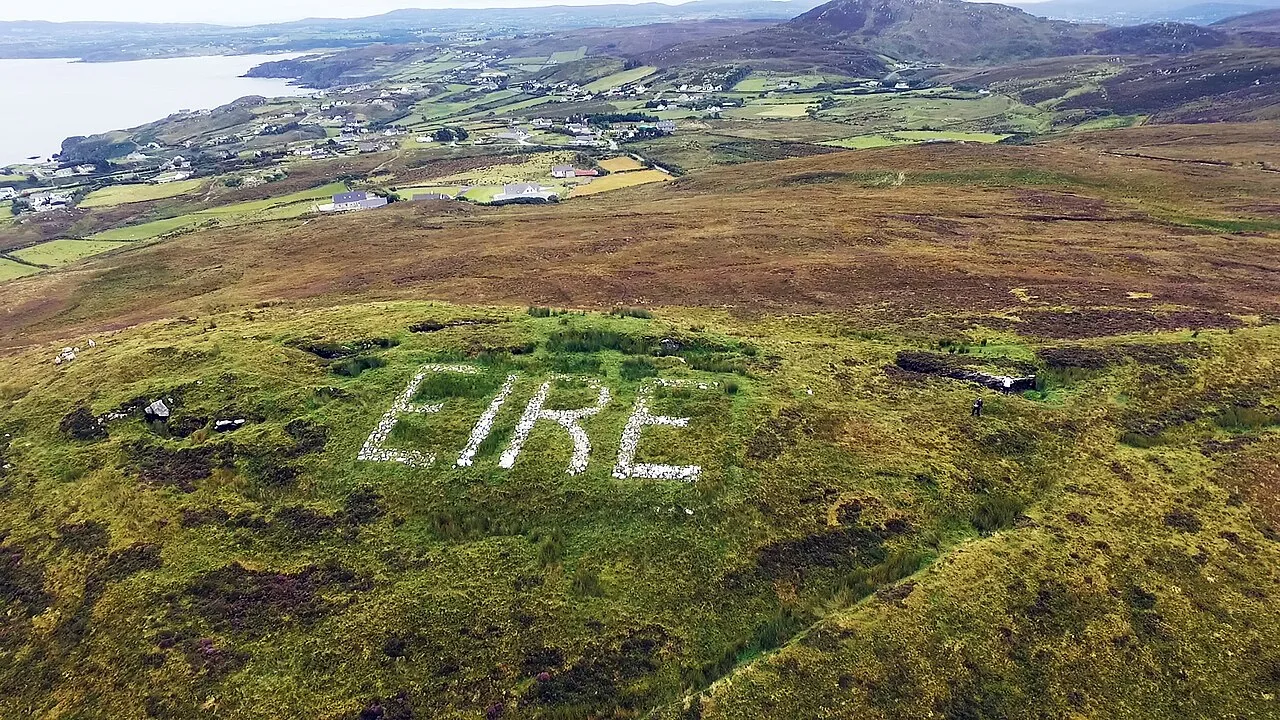
Markings to alert aircraft to neutral Ireland ("Éire" English: "Ireland") during WWII on Glengad Head, County Donegal (pictured 2015)
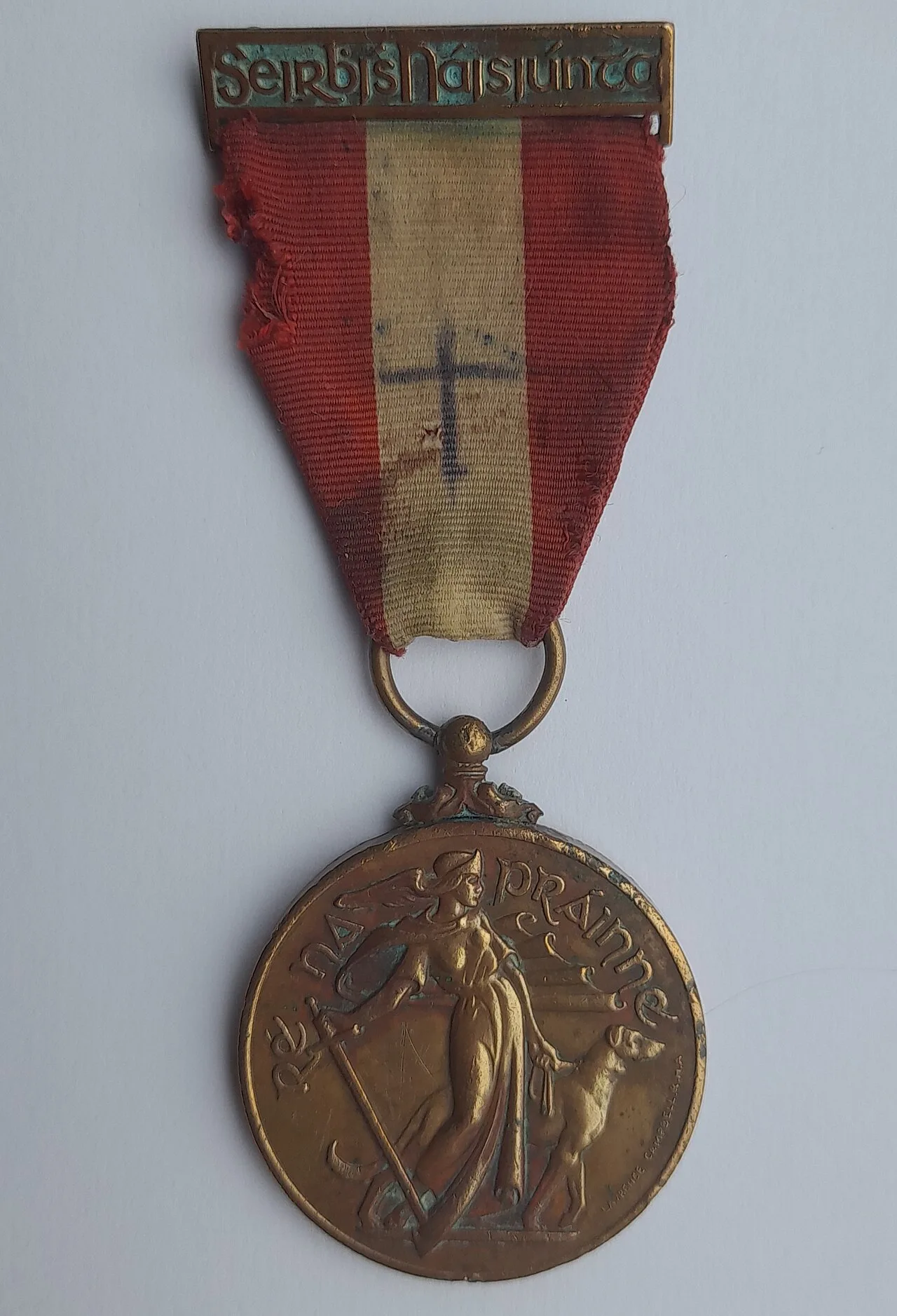
Emergency Service Medal
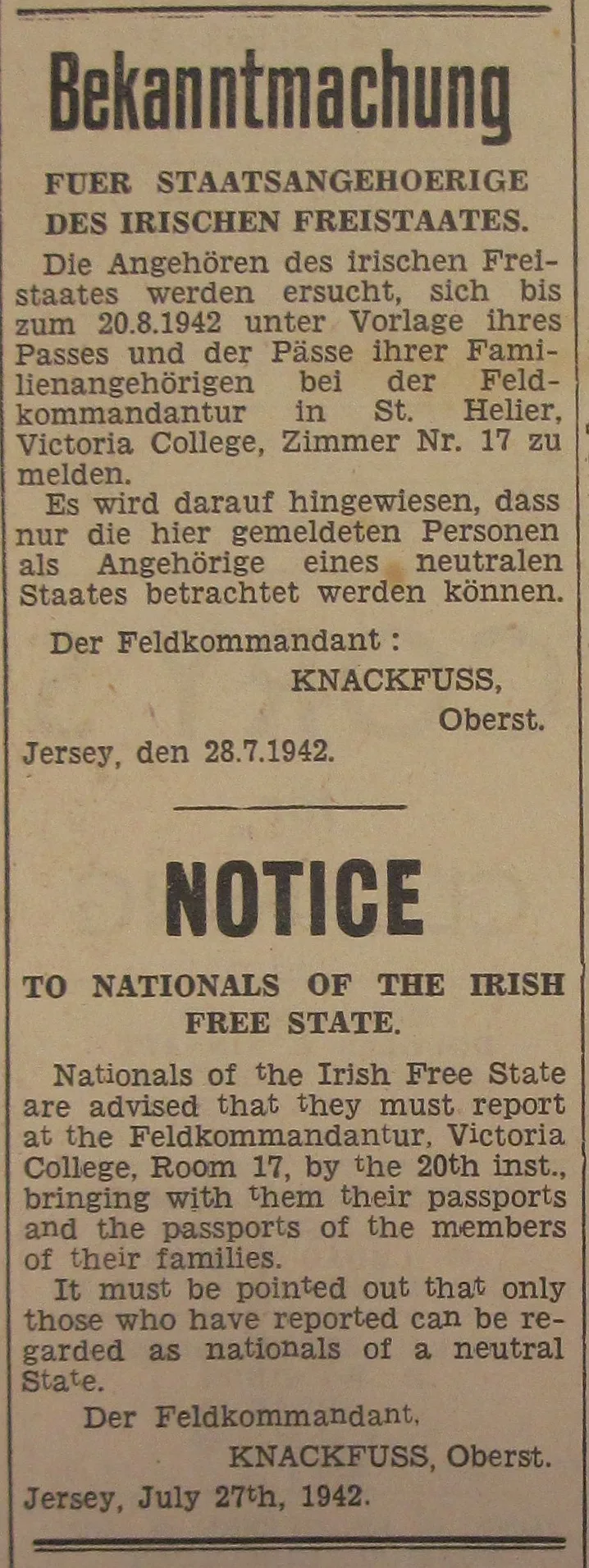
Notice from German-occupied Jersey inviting Irish citizens to register as "nationals of a neutral state."
Irish neutrality during World War II
Ireland adopted a policy of neutrality upon the outbreak of World War II, maintaining it throughout the conflict despite air raids and attacks on its shipping fleet.
Lighthouse Readings at Blacksod Bay and D-Day
Ireland's official non-alignment masked vital tactical support for Allied operations. Irish authorities quietly transmitted essential meteorological observations across the Atlantic to Allied forecasters. Most decisively, a weather report sent from the lighthouse at Blacksod Bay, County Mayo, prompted the decision to go ahead with the Normandy landings.
From Wikipedia · CC BY-SA 4.0
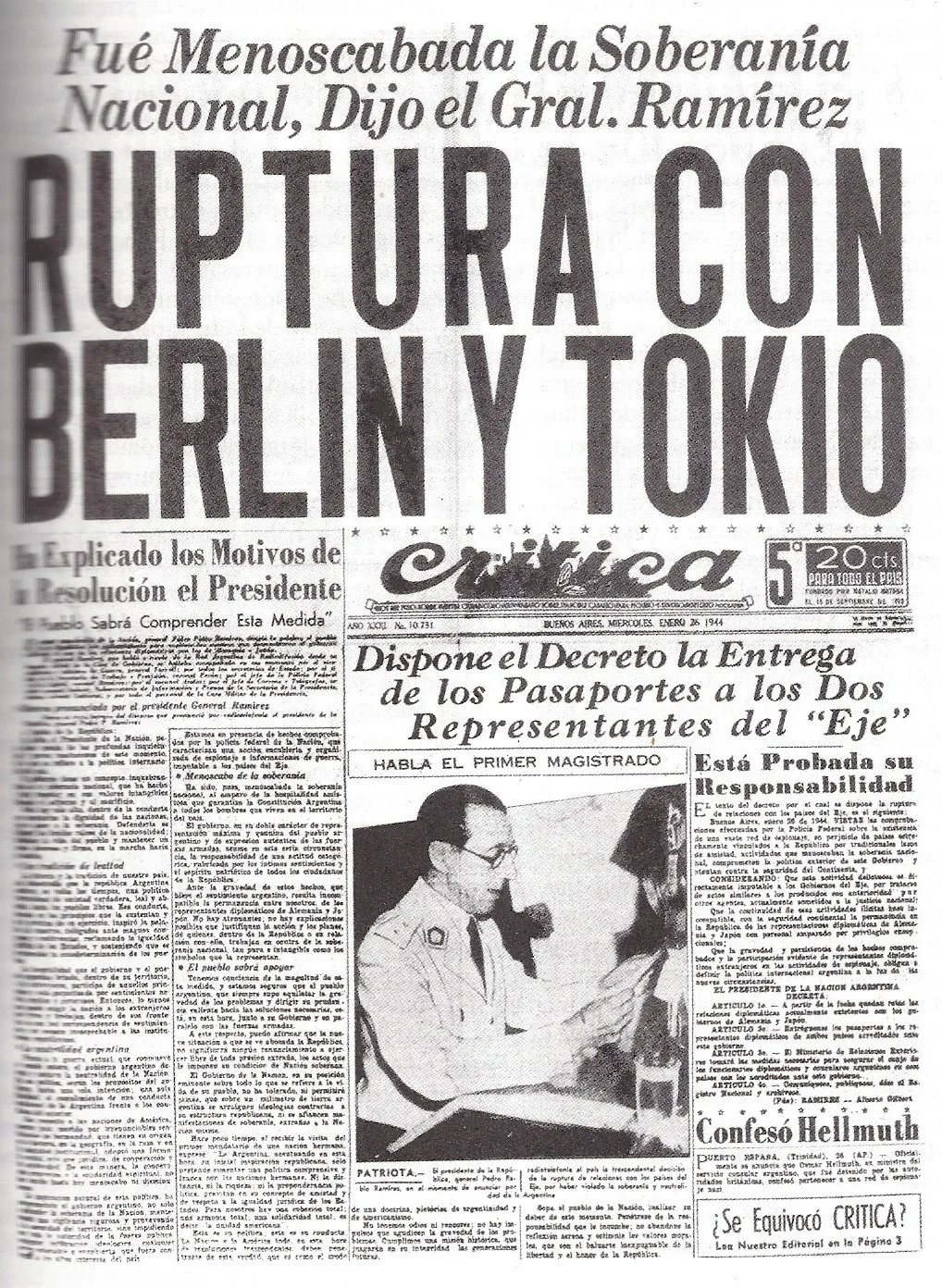
Ruptura de relaciones con el eje
General Agustín P. Justo
![The Argentine cargo ship Uruguay, stopped and scuttled by the German submarine U-37 on 27 May 1940[26]](https://nwjvzop1xgplmzvt.public.blob.vercel-storage.com/wikifeed/argentina-during-world-war-ii/2-04364e9b37.webp)
The Argentine cargo ship Uruguay, stopped and scuttled by the German submarine U-37 on 27 May 1940[26]
![The cargo ship Victoria, which the German submarine U-201 damaged in error on 18 April 1942.[37]](https://nwjvzop1xgplmzvt.public.blob.vercel-storage.com/wikifeed/argentina-during-world-war-ii/3-63134128f3.webp)
The cargo ship Victoria, which the German submarine U-201 damaged in error on 18 April 1942.[37]
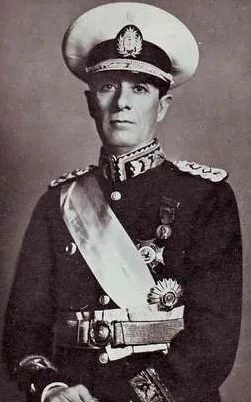
One of the leading figures behind the 1943 military coup, Pedro Pablo Ramírez was suspected of having Axis sympathies.
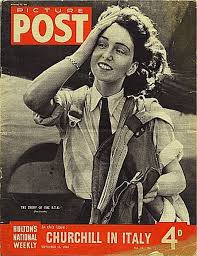
Anglo-Argentine pilot Maureen Dunlop recorded over 800 hours of service for the Air Transport Auxiliary and was featured on the cover of the Picture Post on 16 September 1942.
Argentina during World War II
Argentina maintained strong British ties through trade and investment, while fascist Italian and German influence grew in the country during the interwar years.
An Aborted Proposal to Join the Allies in 1940
Argentine diplomacy was not uniformly committed to neutrality during the early conflict. In April 1940, Argentine Foreign Affairs Minister Cantilo approached the U.S. ambassador with a proposal to join the war as non-belligerent partners. The initiative collapsed once the secret negotiations were leaked to the public, forcing the government to retreat.
From Wikipedia · CC BY-SA 4.0
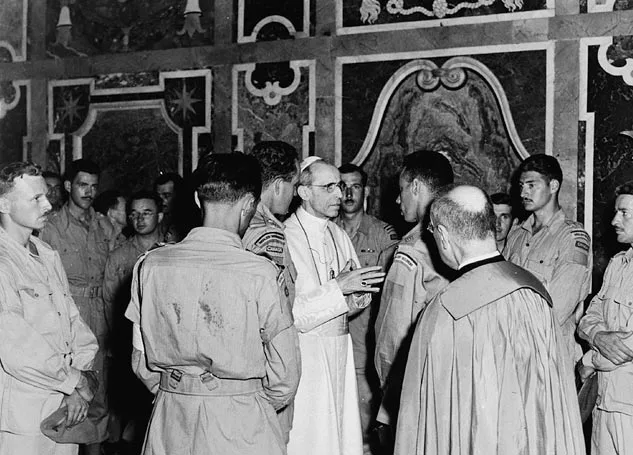
Members of the Canadian Royal 22nd Regiment in audience with Pope Pius XII, following the 1944 Liberation of Rome.
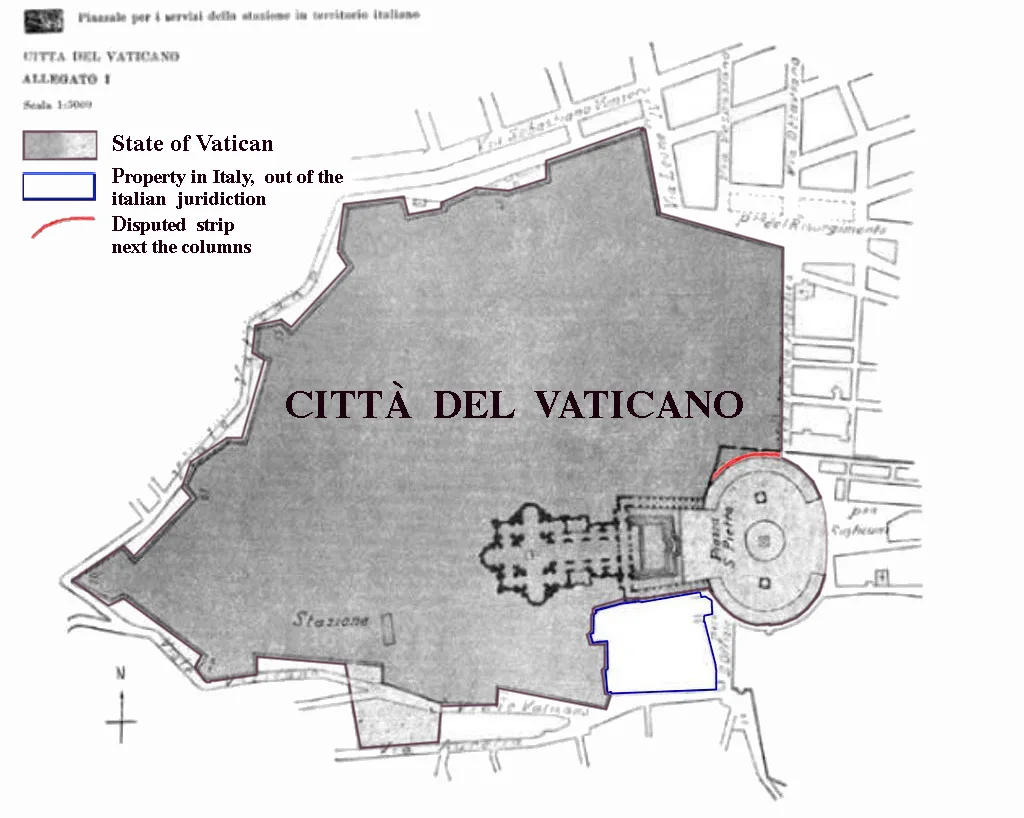
The Vatican City came into existence in 1929, a decade before the start of World War II
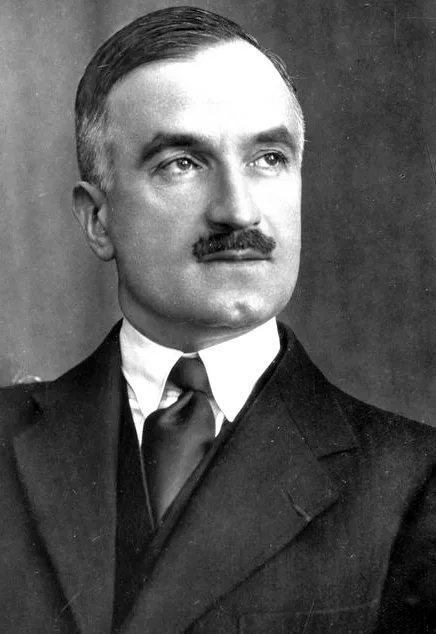
Polish ambassador to the Vatican, Kazimierz Papée, was critical of Pius XII's pre-war mediation efforts.
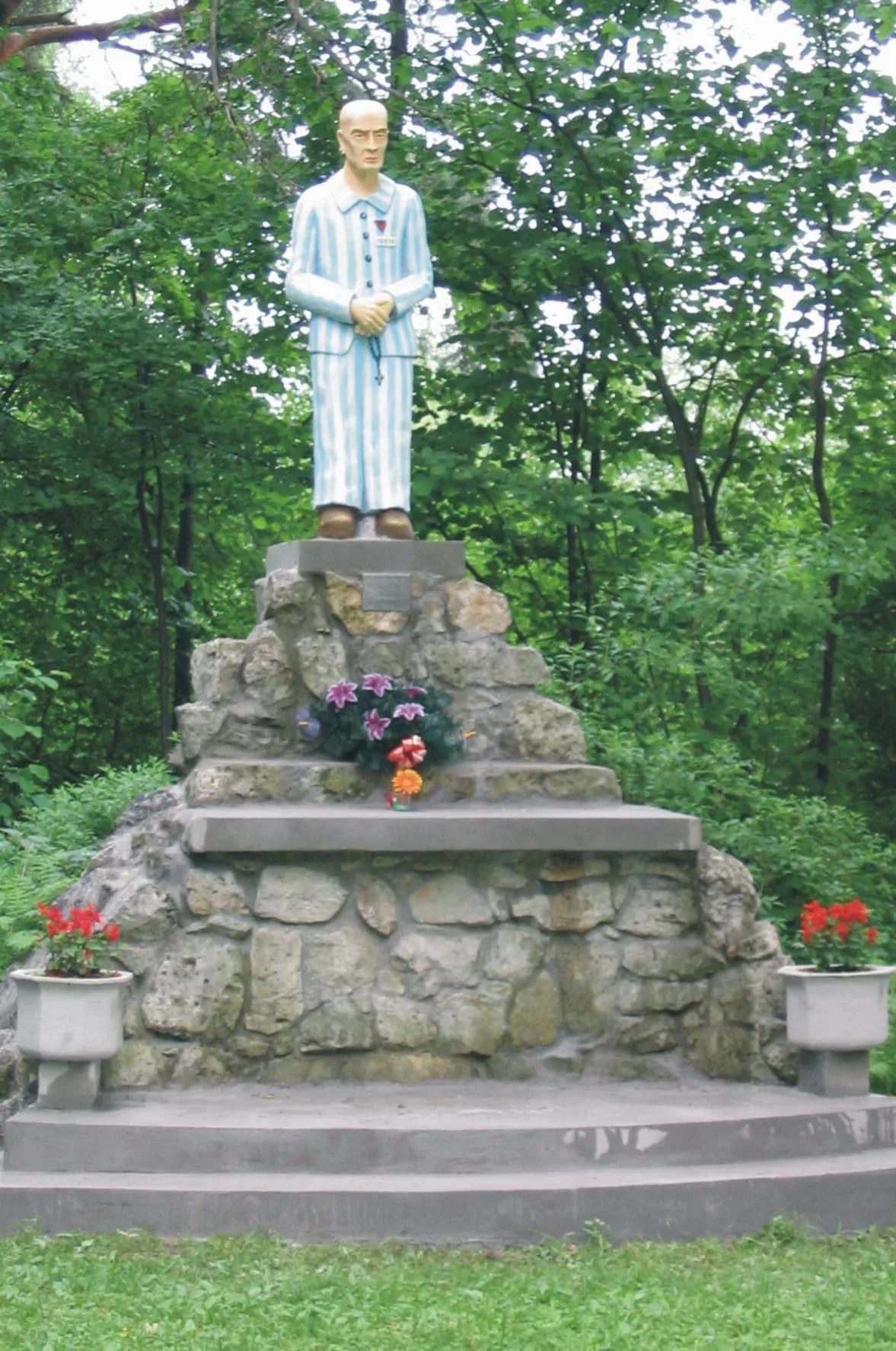
A monument to Fr. Maximilian Kolbe, among the estimated 3,000 members (18%) of the Polish clergy who were killed by the Nazis; of these, 1,992 died in concentration camps.[22]
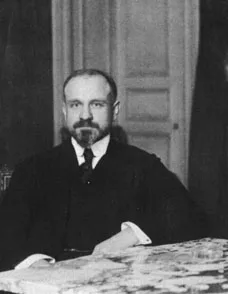
Bernardino Nogara, the chief Vatican financier during the war
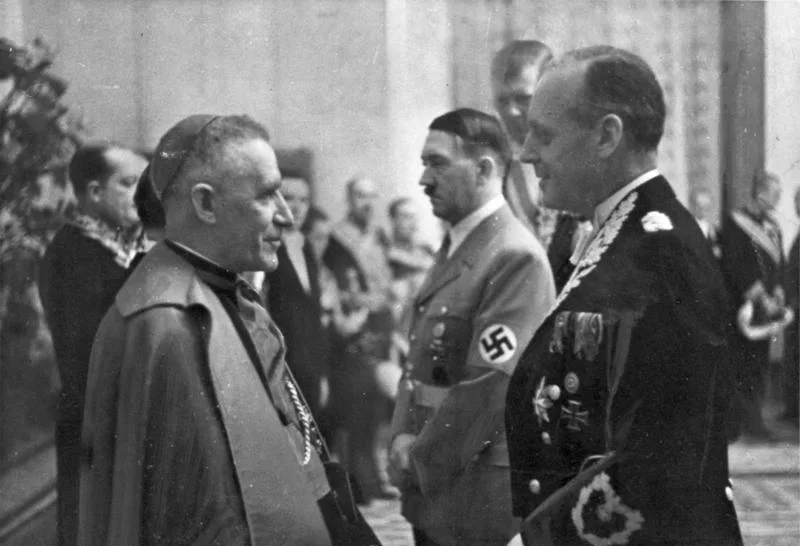
Cesare Orsenigo (left, with Hitler and Ribbentrop), nuncio to Germany, also served as de facto nuncio to Poland.
Vatican City during World War II
Under Pope Pius XII, Vatican City pursued a policy of neutrality during World War II and was not occupied, though its wartime actions have been closely scrutinized and criticized.
A Papal Backchannel for Anti-Hitler Conspirators
In the winter of 1939/40, Josef Müller reached out to church contacts to use the Pope as an intermediary with the British on behalf of German military opposition centered around General Franz Halder. Communicating secretly with British envoy D'Arcy Osborne, Pius channeled peace proposals back and forth. Although Pius facilitated these delicate exchanges, he maintained personal distance by refusing to endorse or recommend the conspirators' plans.
From Wikipedia · CC BY-SA 4.0
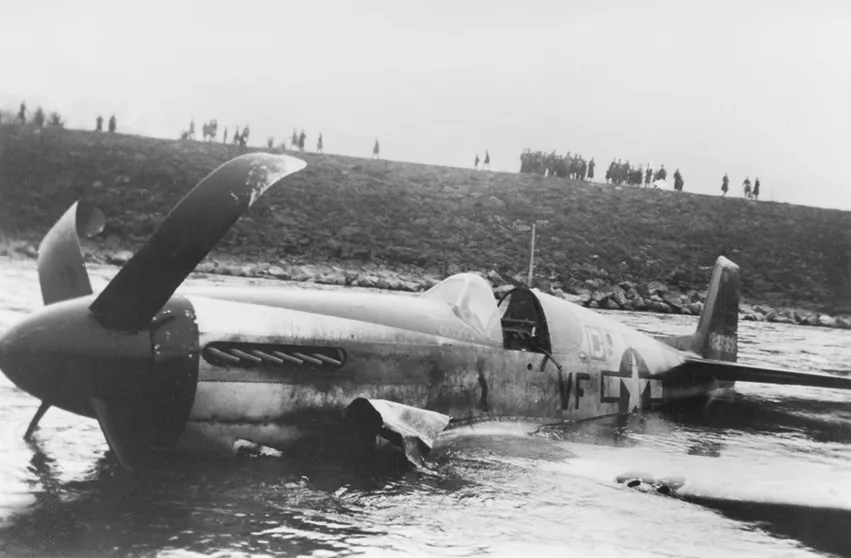
An American P51 Mustang, which had crash-landed in Schaan on 22 February 1945
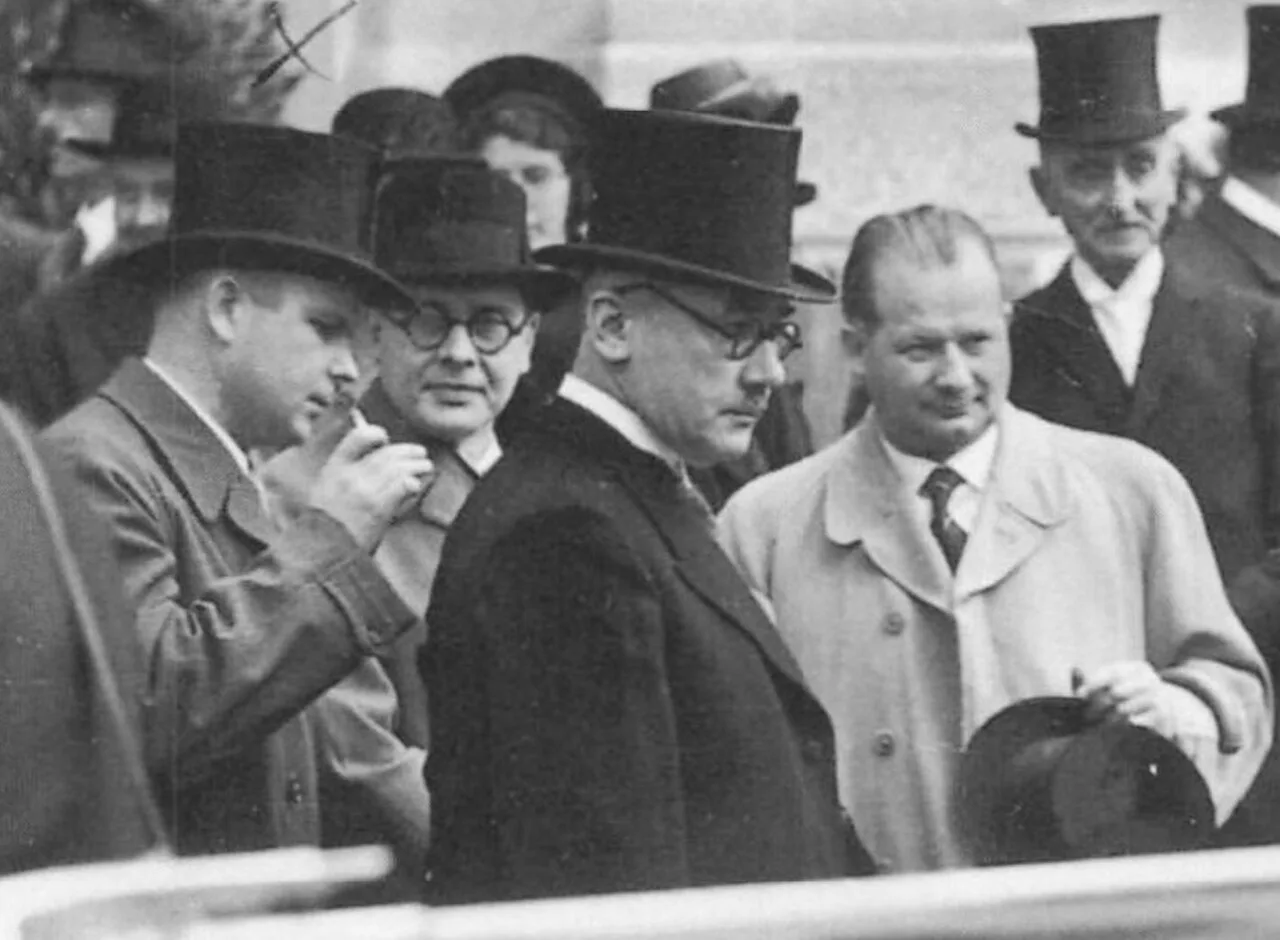
Four major political figures in Liechtenstein in 1938. From left; Alois Vogt, Otto Schaedler, Josef Hoop and Ludwig Marxer.
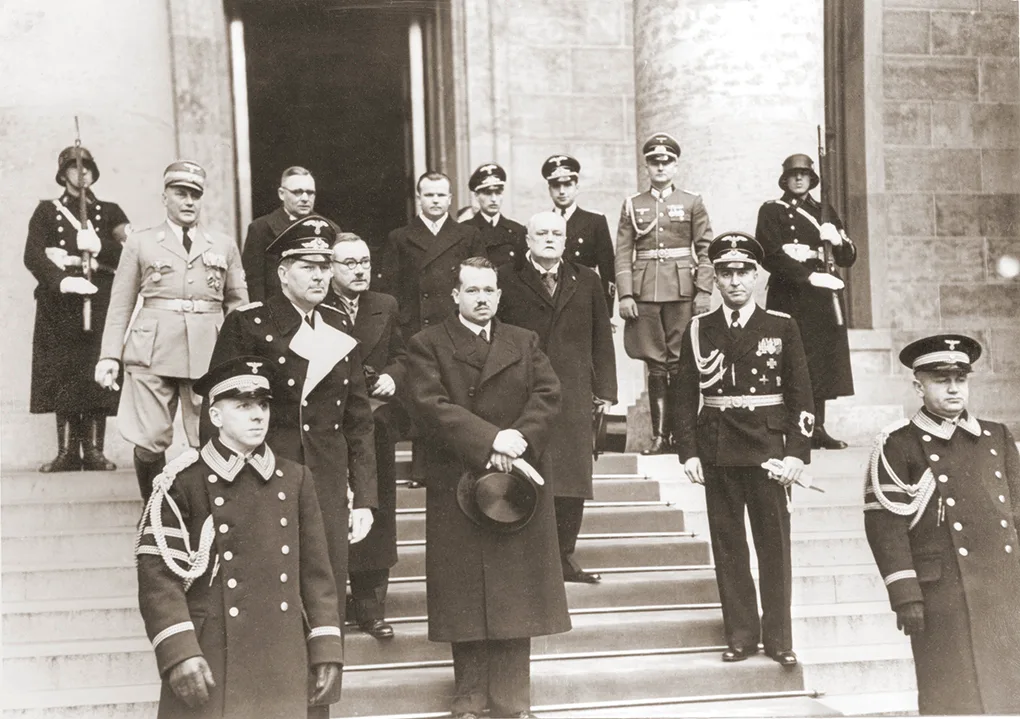
Franz Joseph II (centre) outside the Reich Chancellery in Berlin on 2 March 1939.
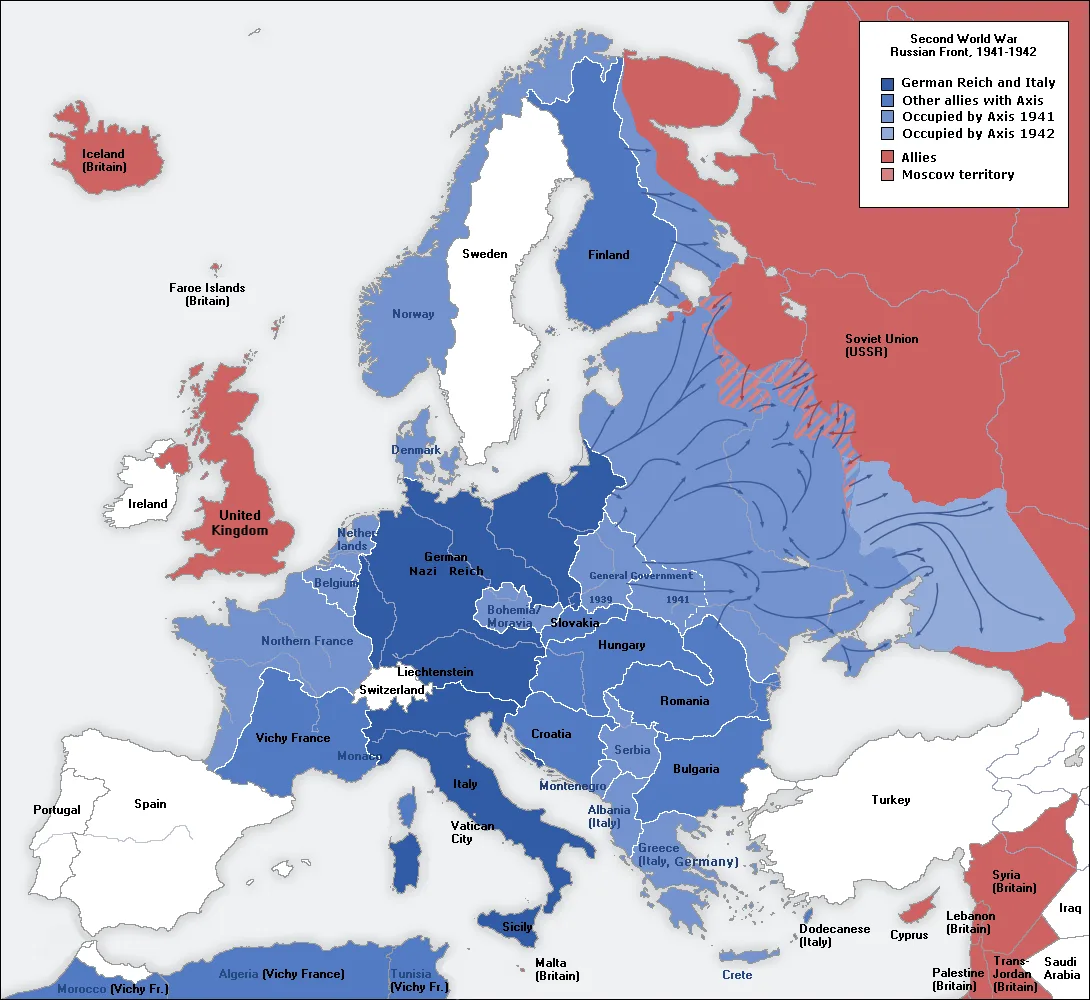
Liechtenstein, aside from Switzerland, was surrounded by territory controlled by the Axis powers from 1938 to 1945.
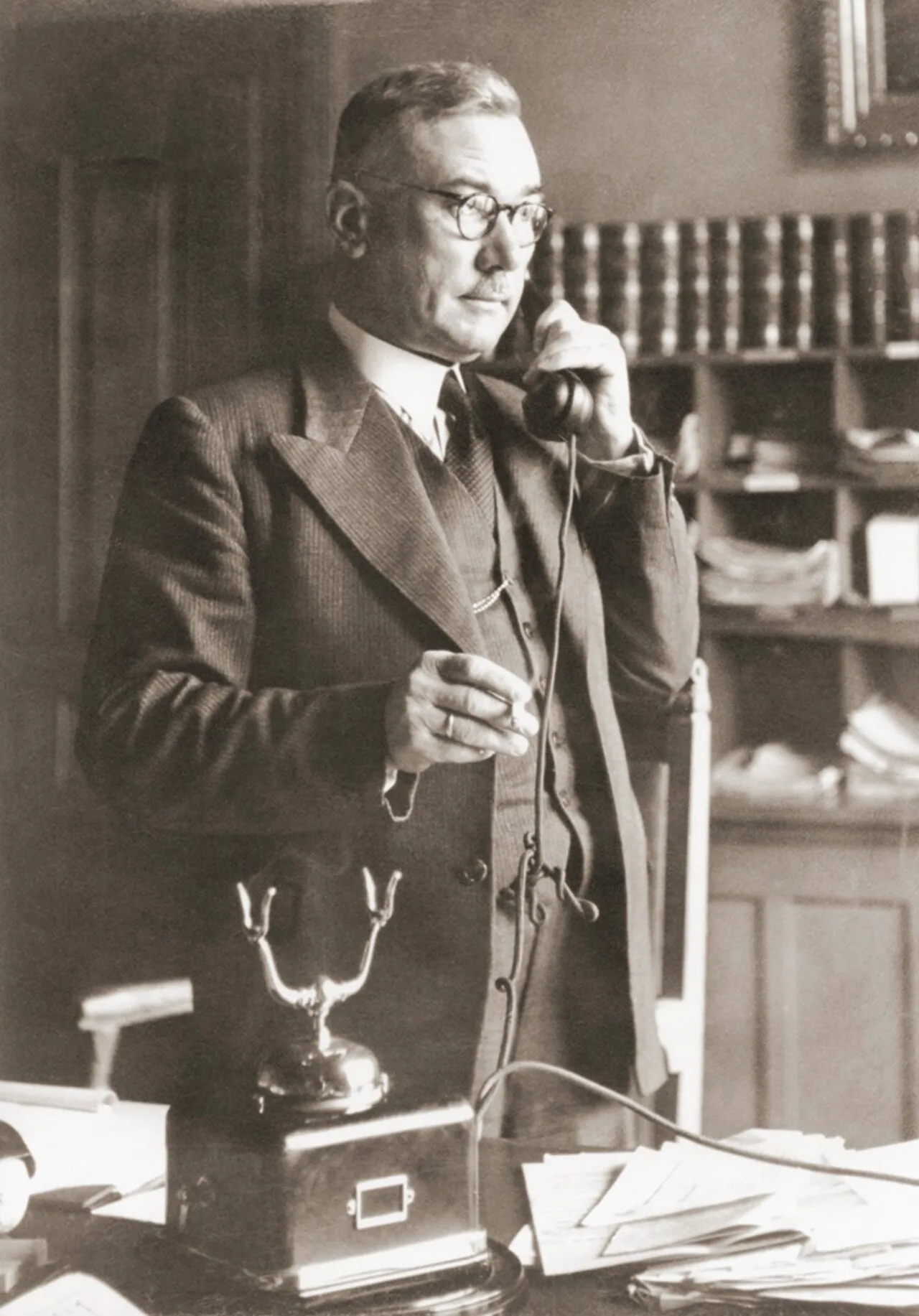
Josef Hoop was prime minister of Liechtenstein throughout World War II
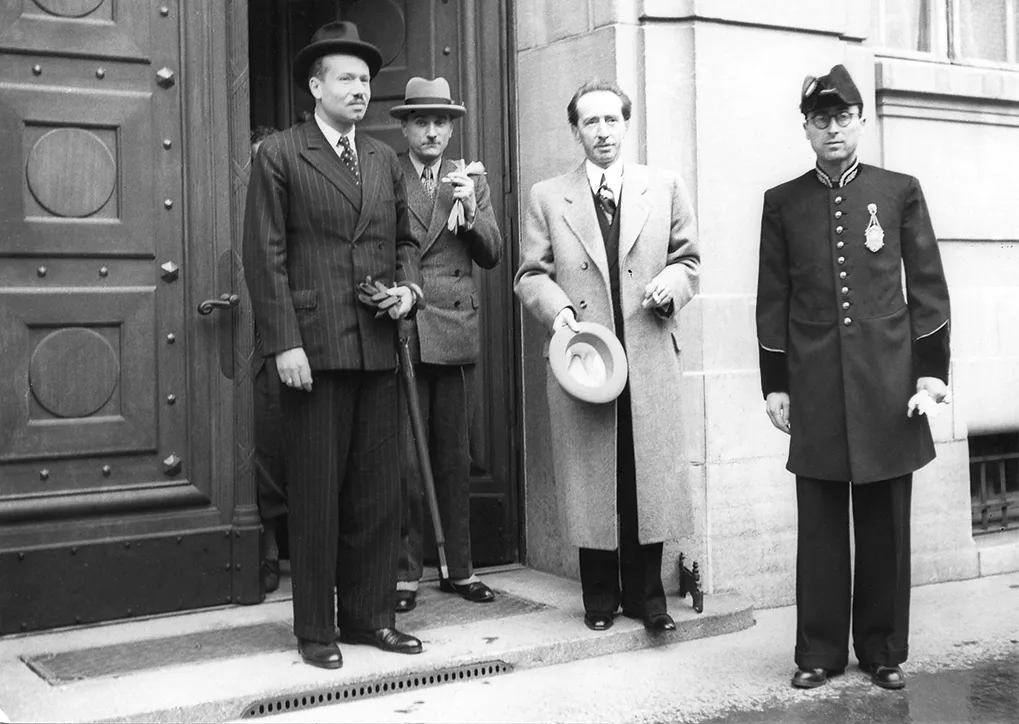
Franz Joseph II (left) with Marcel Pilet-Golaz and Enrico Celio outside of the Federal Palace of Switzerland in 1943
Liechtenstein in World War II
Liechtenstein remained neutral throughout World War II, seeking to align itself closely with Switzerland while maintaining steady relations with Nazi Germany.
Food Starvation and the Pivot to the Swiss Franc
Liechtenstein's alignment with Switzerland was born out of wartime economic survival rather than long-standing tradition. The principality had been closely tied to Austria-Hungary under an 1852 customs union, but all Austro-Hungarian food deliveries ceased by 1916 during World War I. To overcome devastating food shortages, Liechtenstein rapidly shifted its diplomatic reliance westward, adopting the Swiss franc in 1920 and establishing a customs union with Switzerland in 1924.
From Wikipedia · CC BY-SA 4.0
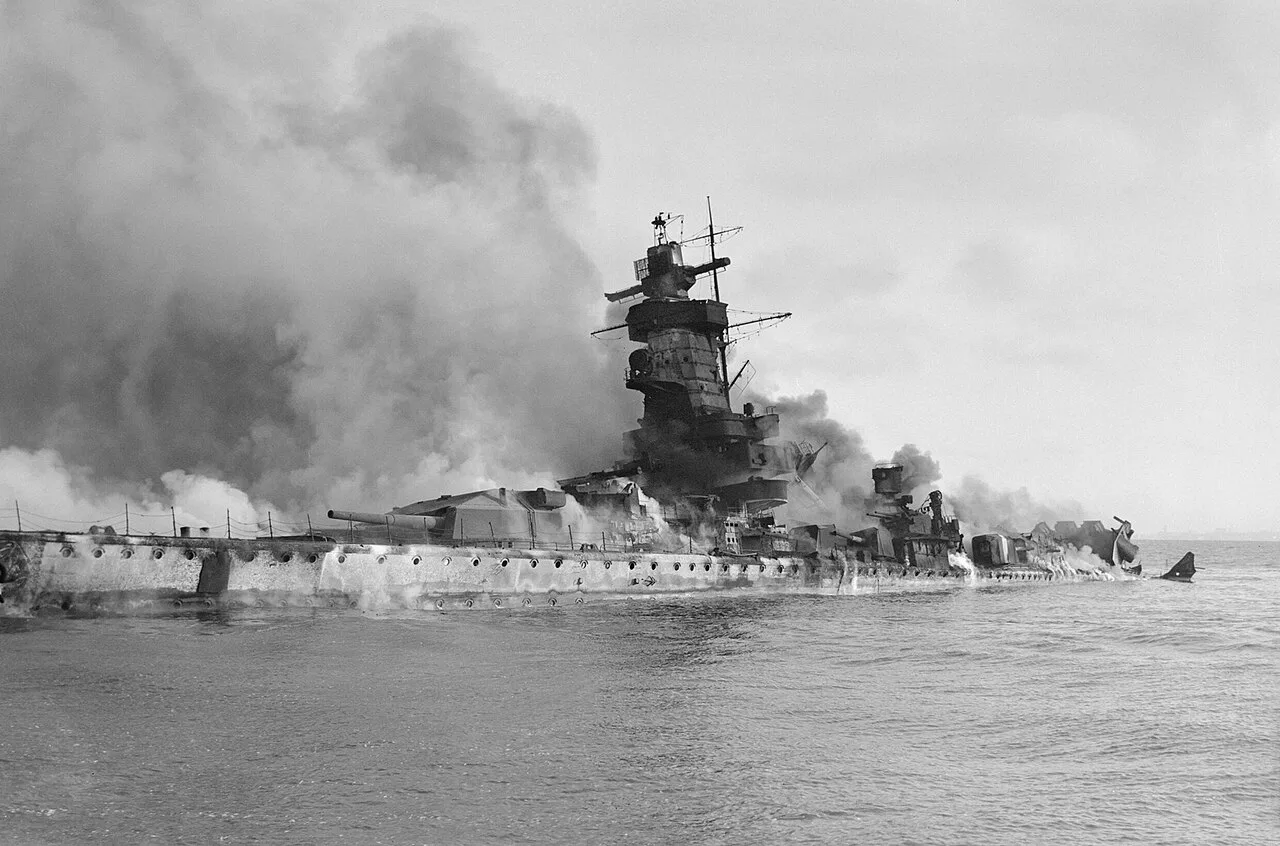
The sinking of the German cruiser Admiral Graf Spee is the best known event of Uruguay during World War II.
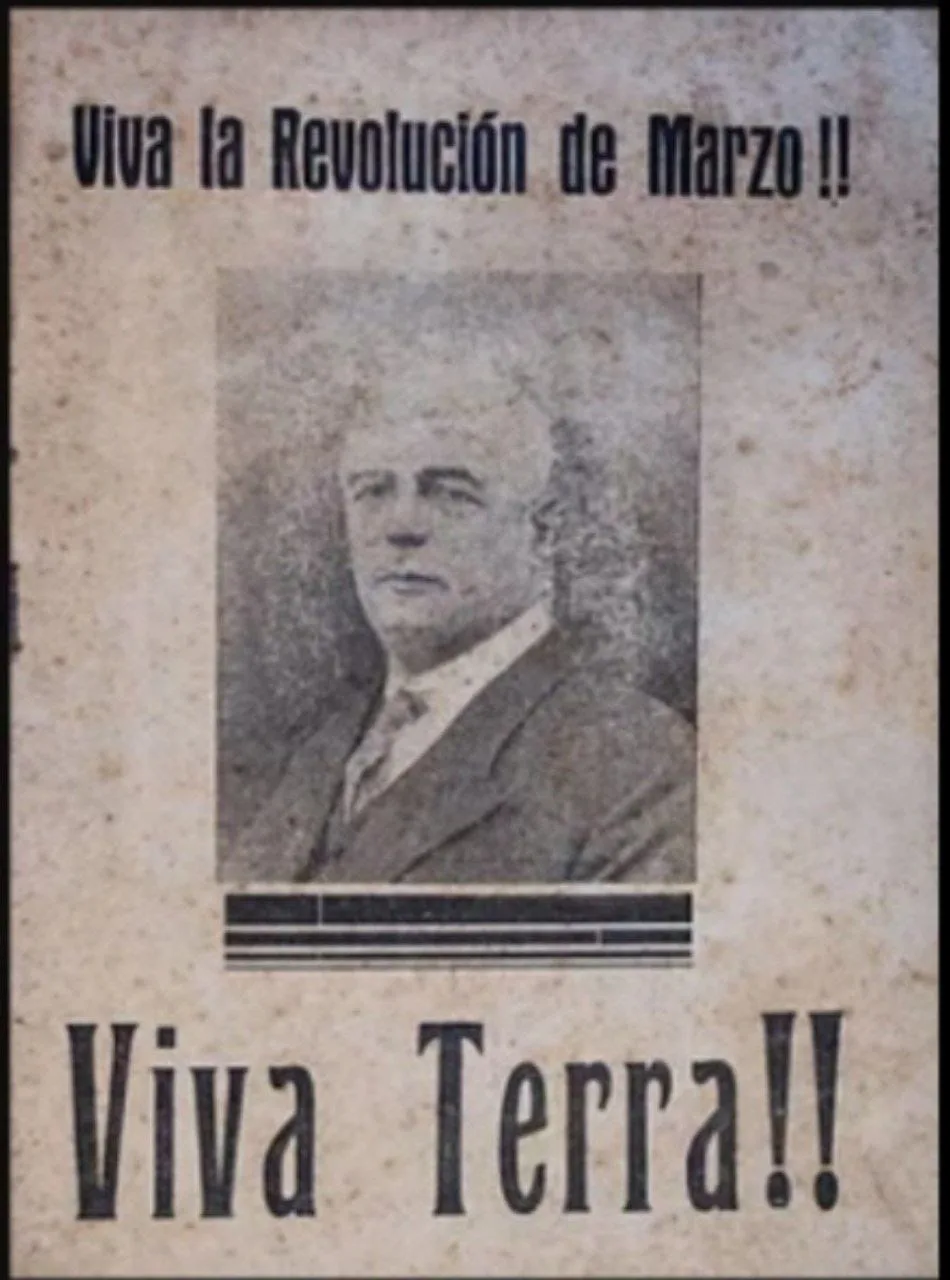
Propaganda poster of the March Revolution, featuring the slogans “Long live the March Revolution” and “Long live Terra”
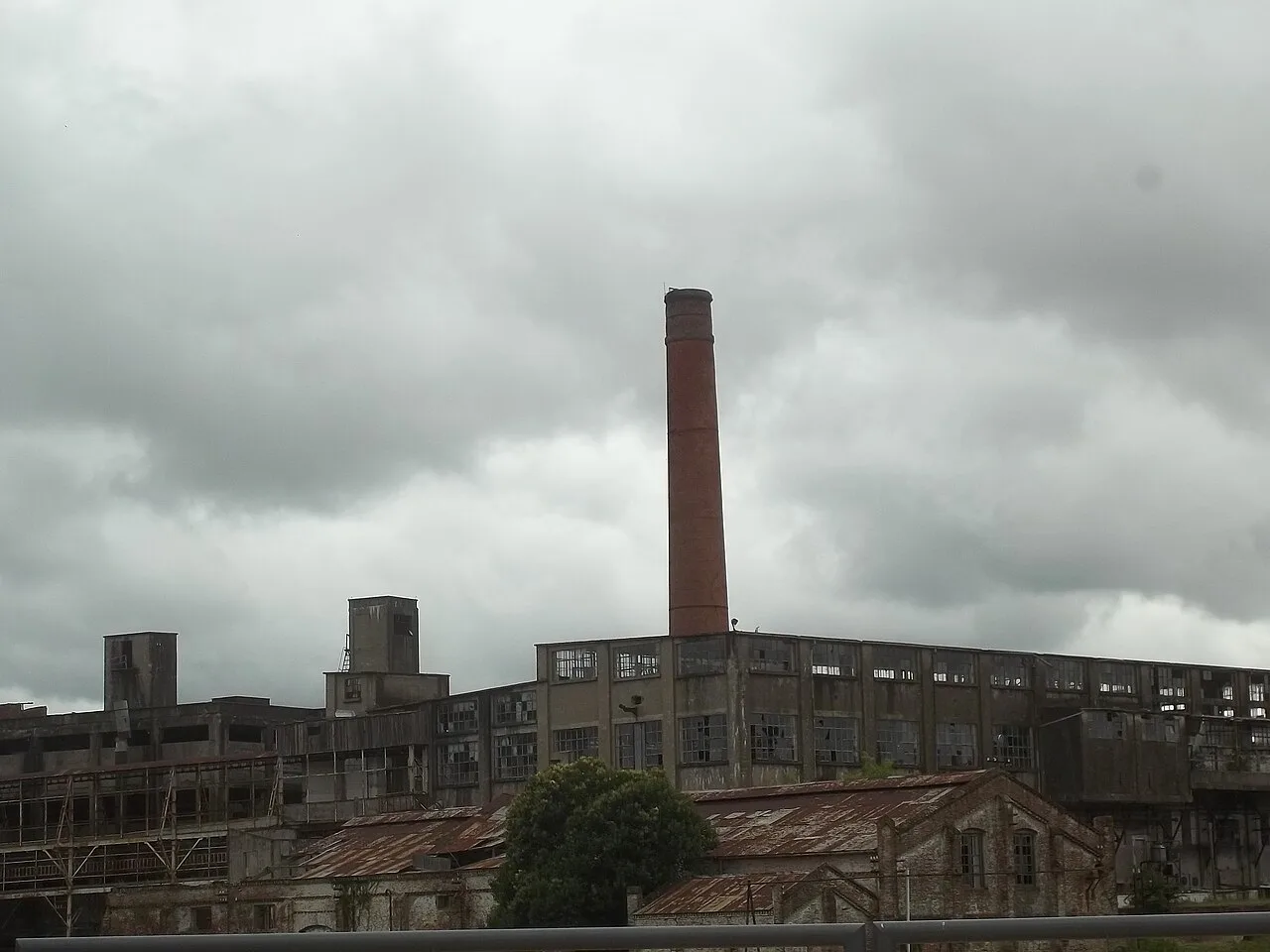
The Frigorífico Anglo del Uruguay in Fray Bentos produced corned beef and canned meats supplied to Allied troops.
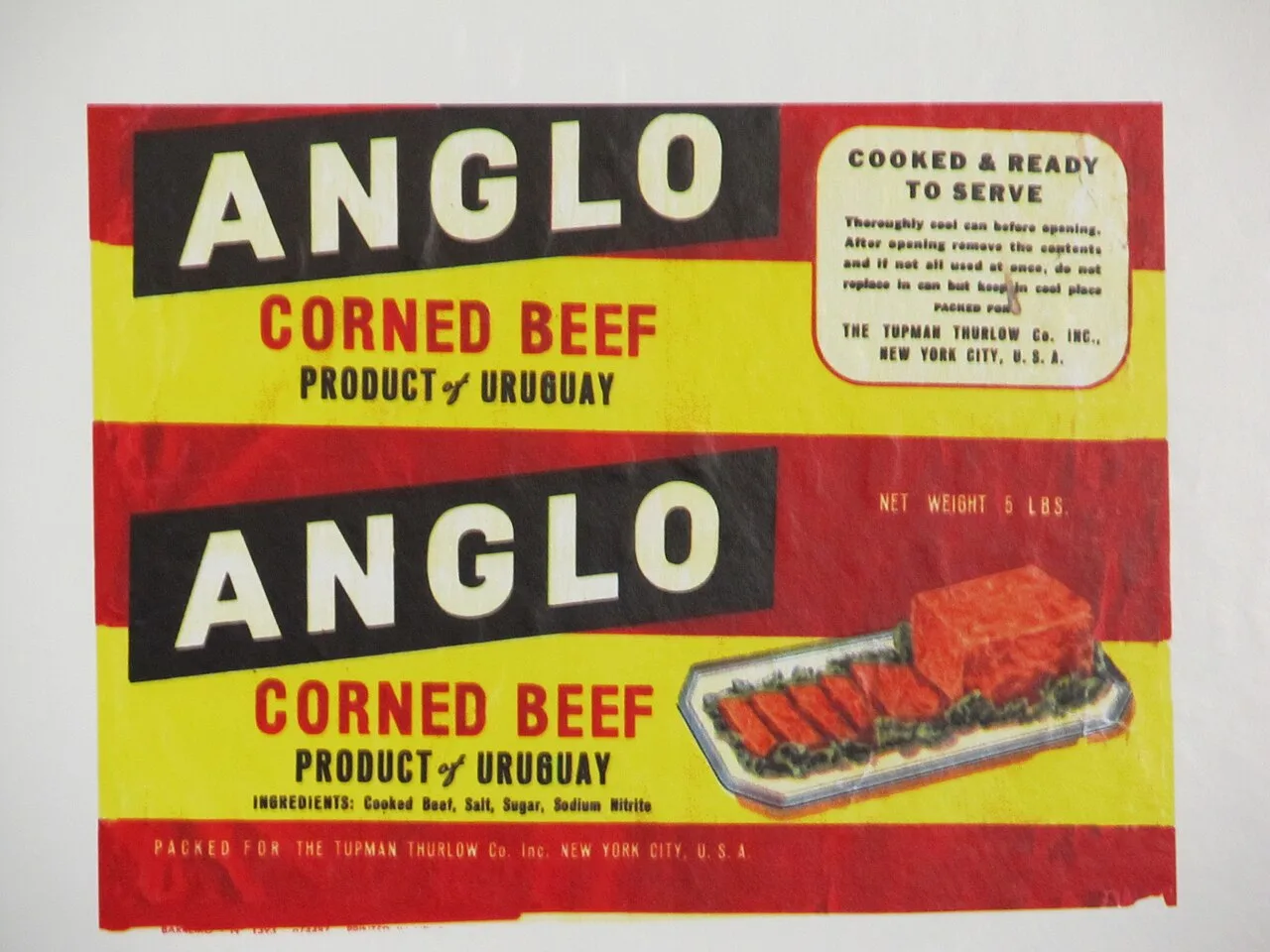
Uruguayan-produced Corned beef, 1940s
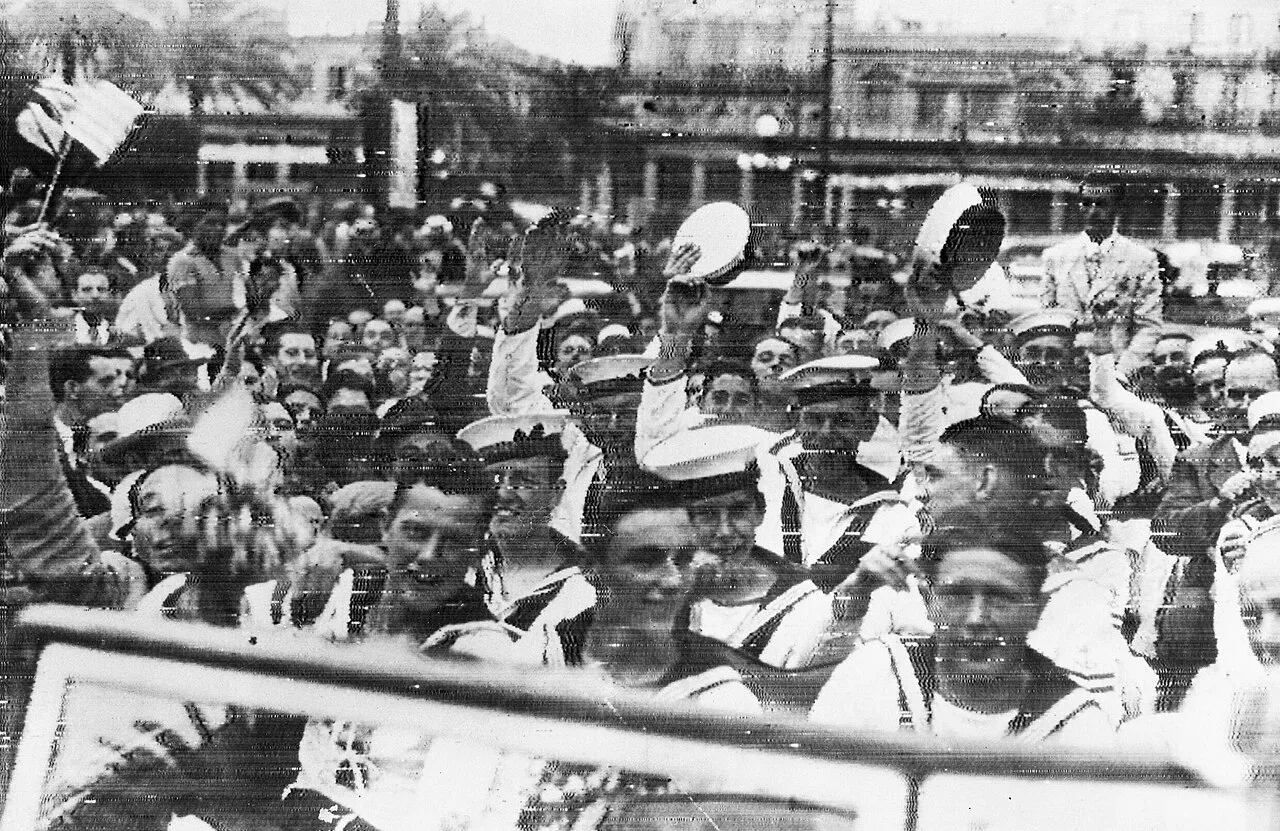
Royal Navy sailors from HMS Ajax being welcomed at Plaza Independencia in Montevideo following the Battle of the River Plate.
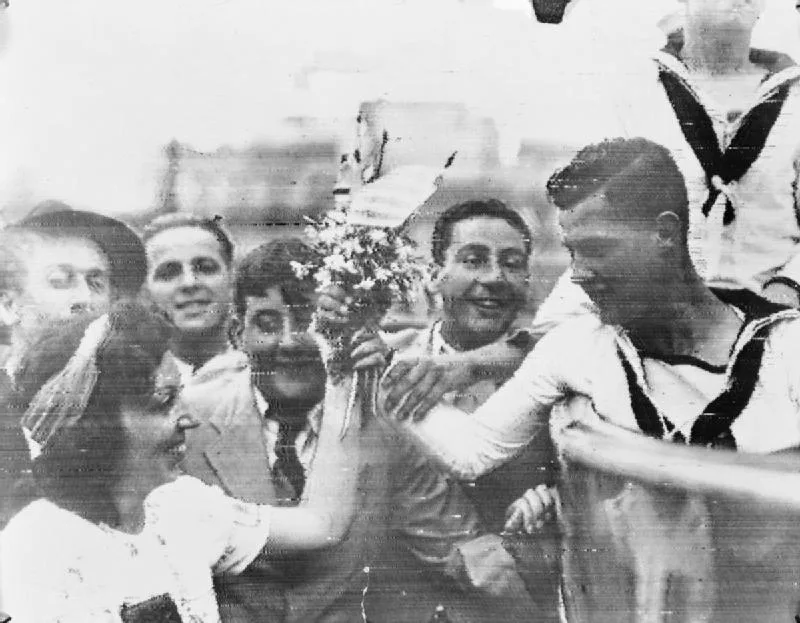
Uruguayan woman presenting flowers to sailors from HMS Ajax .
Uruguay during World War II
Uruguay remained neutral for most of World War II while maintaining a generally pro-Allied stance, with its involvement limited to diplomatic actions.
Hydroelectric Construction and Telegrams from Adolf Hitler
In 1937, the administration of President Terra awarded the construction of the Rincón del Bonete hydroelectric plant to a consortium of German companies. These foreign contractors brought their own technicians to the country and settled them inside a purpose-built town. On the occasion of the plant's inauguration, an exchange of telegrams took place between Adolf Hitler and President Terra.
From Wikipedia · CC BY-SA 4.0
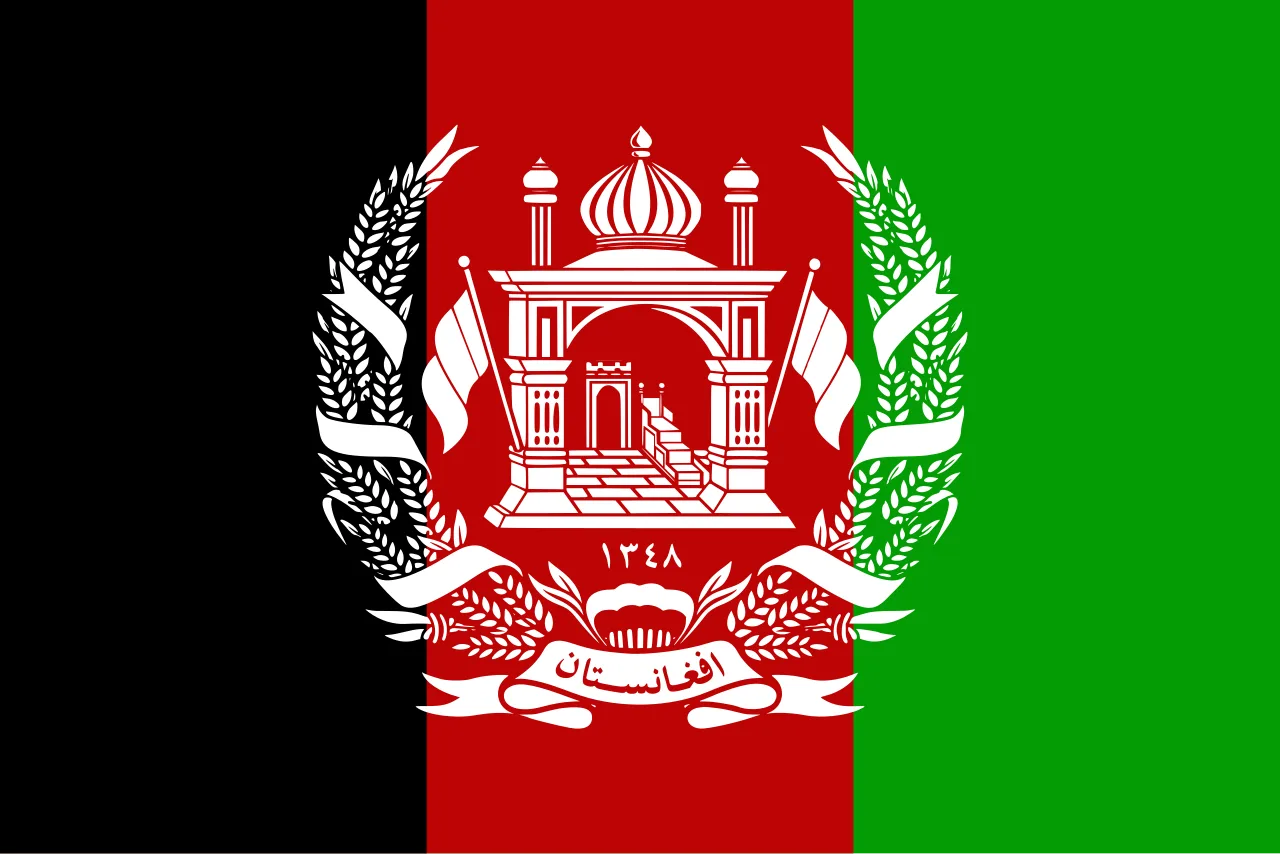
Flag of Afghanistan
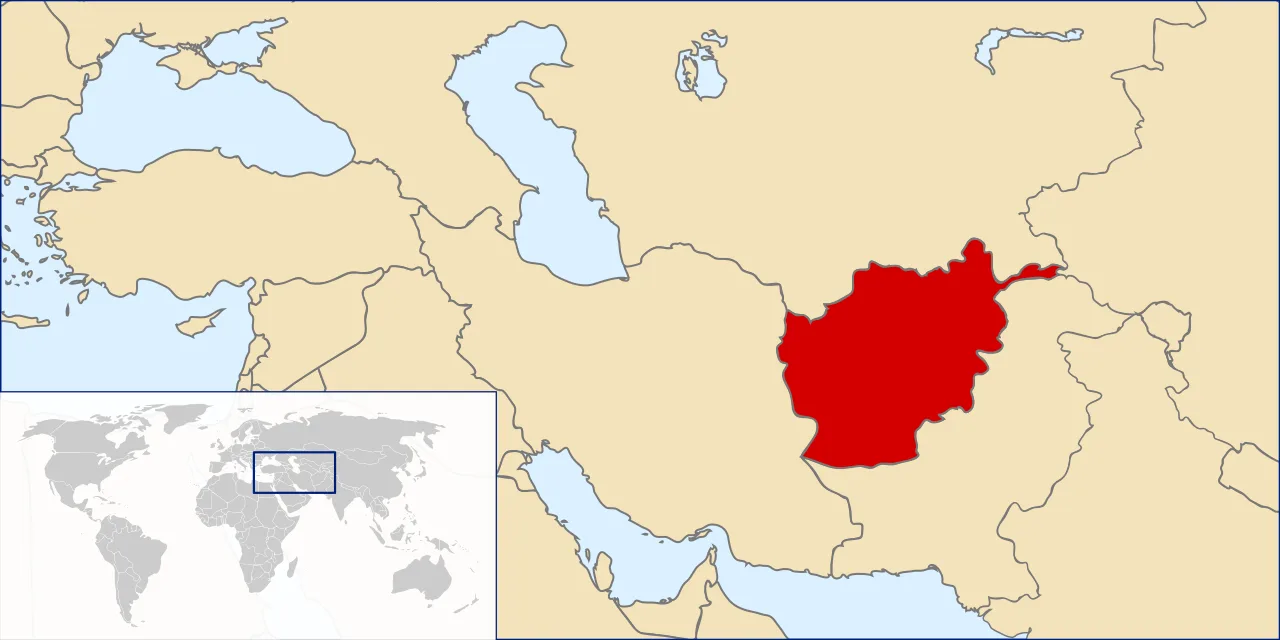
Location of Afghanistan
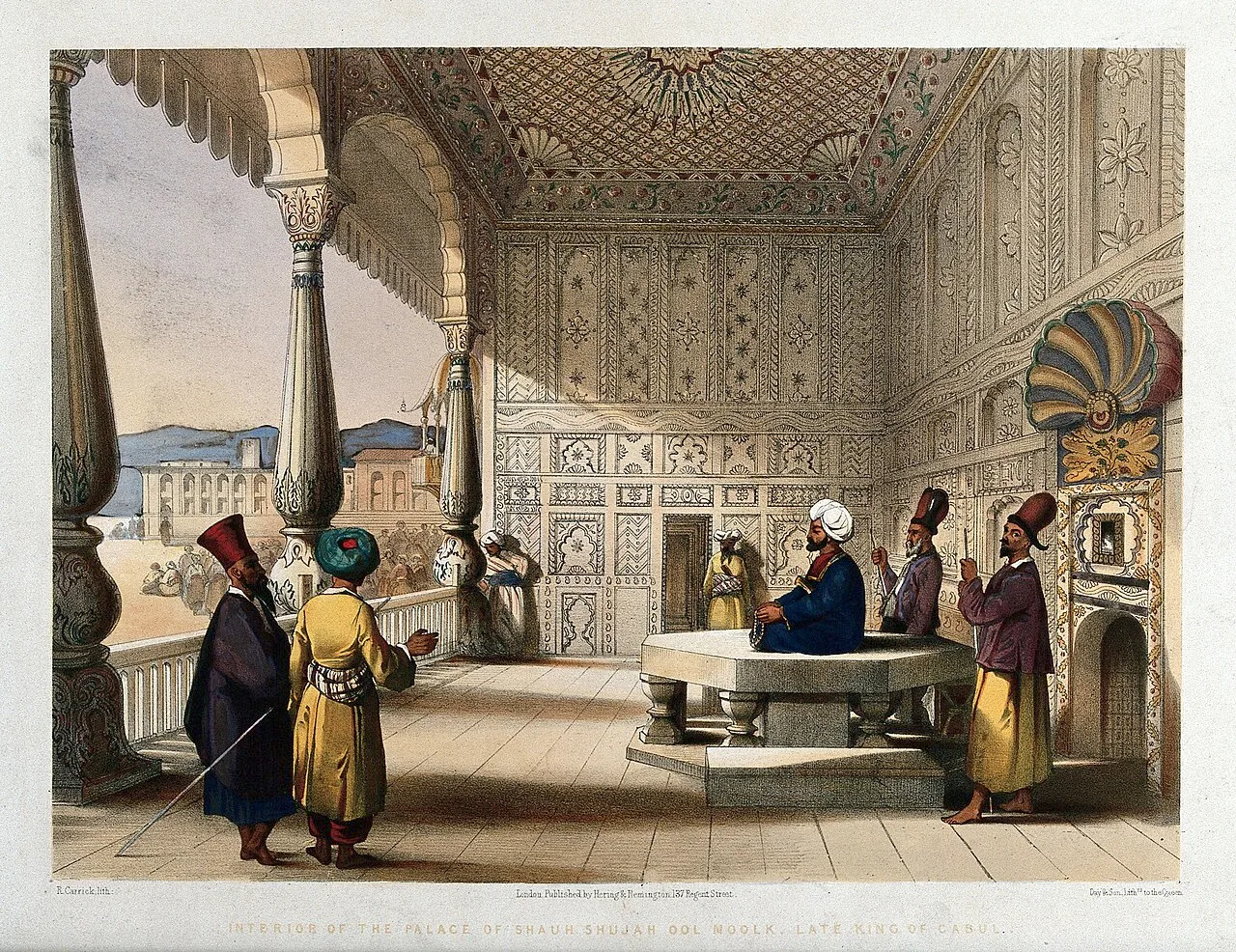
Shuja Shah Durrani and Men in his decorated palace Wellcome V0050531
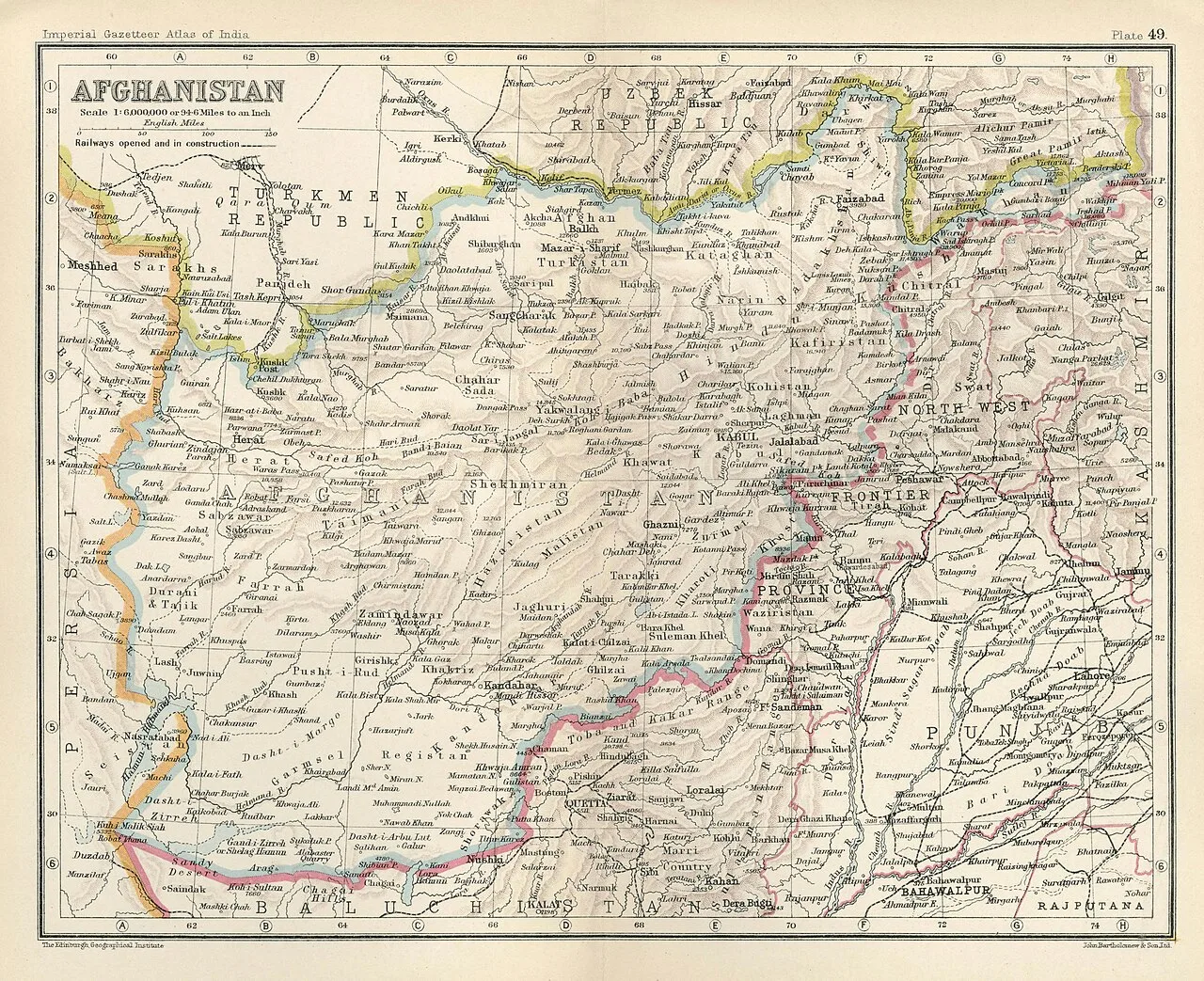
Map of Afghanistan, published in the 'Imperial Gazetteer of India' (Vol. XXVI, Atlas; 1931 revised edition; plate no. 49)
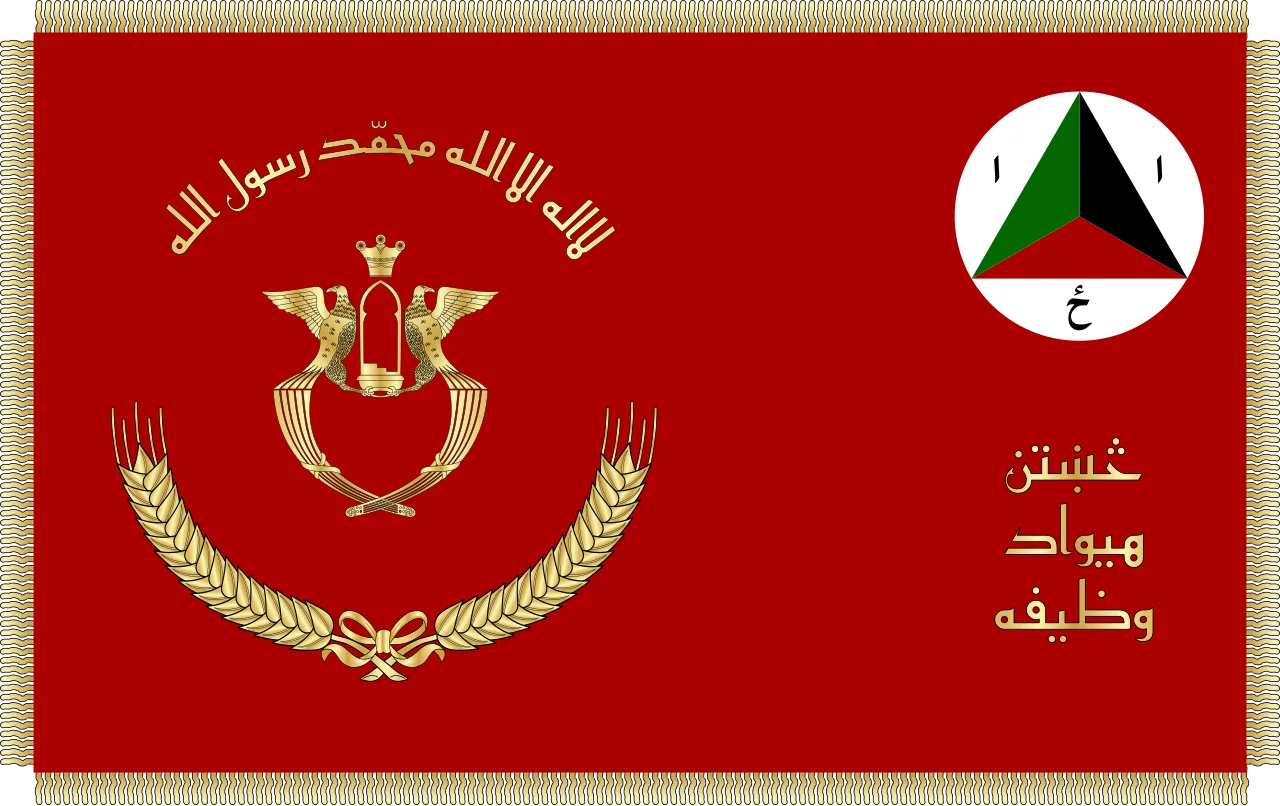
The flag of the Royal Afghan Guard under King Mohammad Zahir Shah until 1973
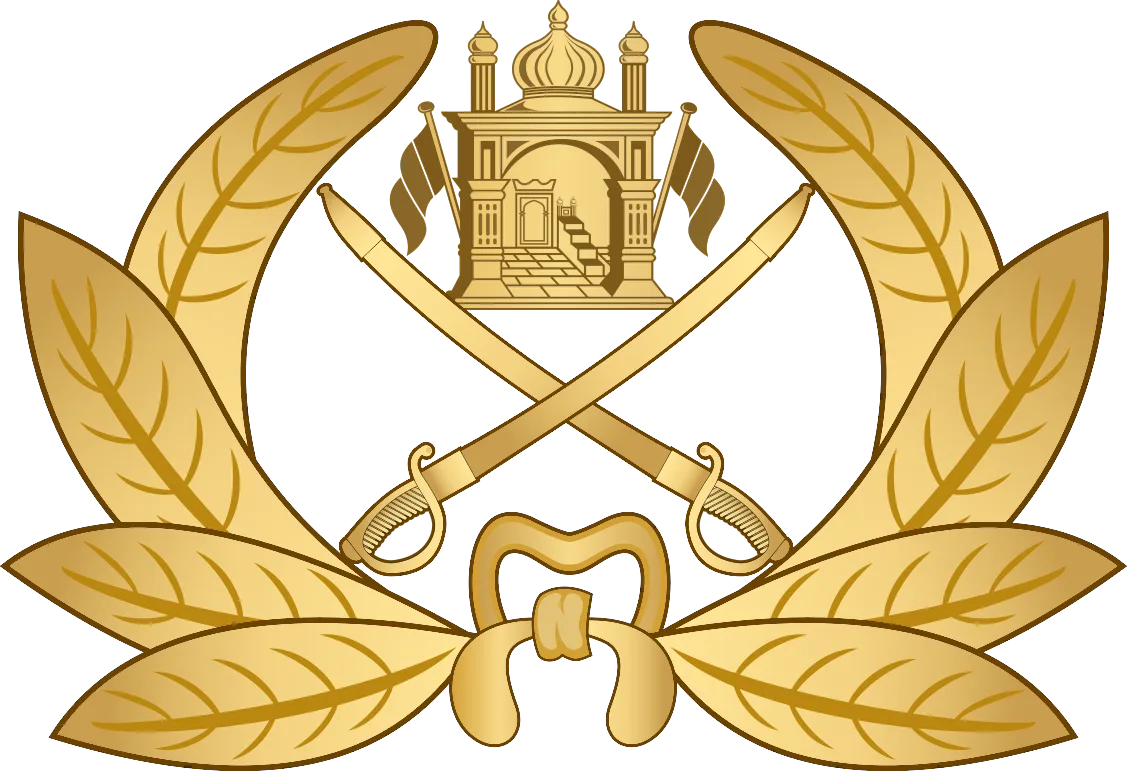
The military emblem of the Afghan Army from 1961–1974
Kingdom of Afghanistan
The Kingdom of Afghanistan was a Central Asian monarchy established in 1926 as a successor state to the Emirate of Afghanistan, lasting until the 1973 Afghan coup d'état.
Wealth, Bribery, and Literacy in Darai Nur
State efforts to introduce schooling to the Pashayi people of Darai Nur met with an unusual social divide. Wealthier valley residents, deeply distrustful of the literacy initiative, paid bribes to government officials and the Royal Afghan Army to keep their sons from attending classes. Conversely, poorer villagers enrolled in greater numbers, establishing that the schooling was neither un-Islamic nor anti-Islamic and prompting broader local participation.
From Wikipedia · CC BY-SA 4.0
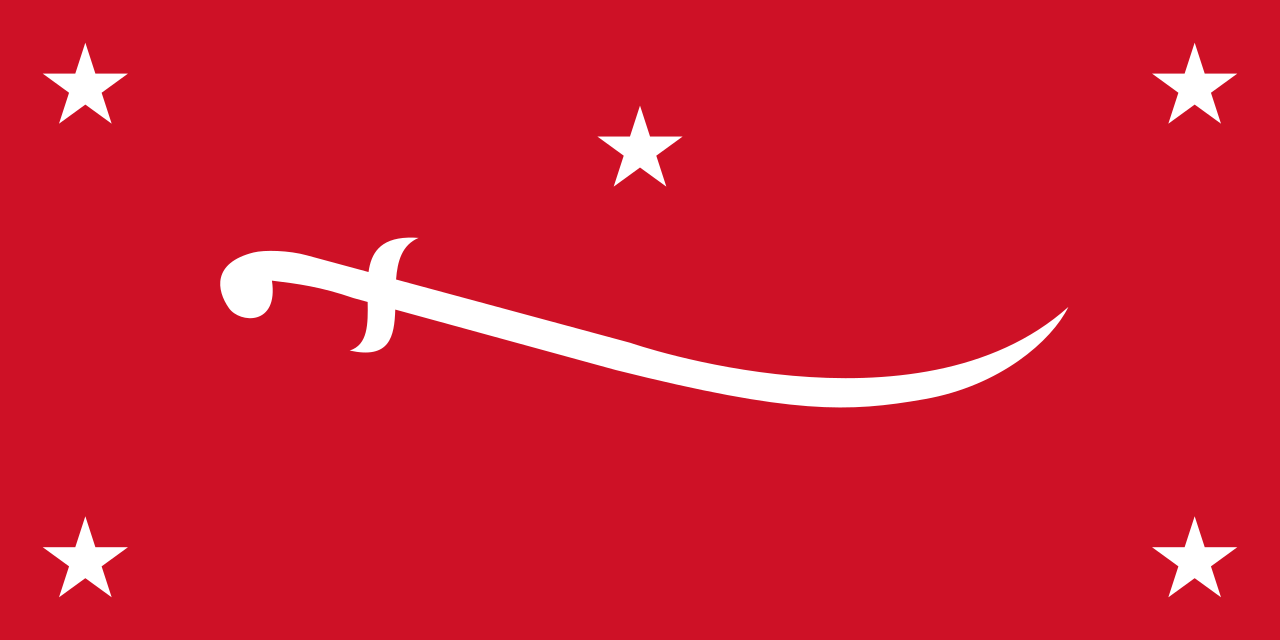
Flag of North Yemen
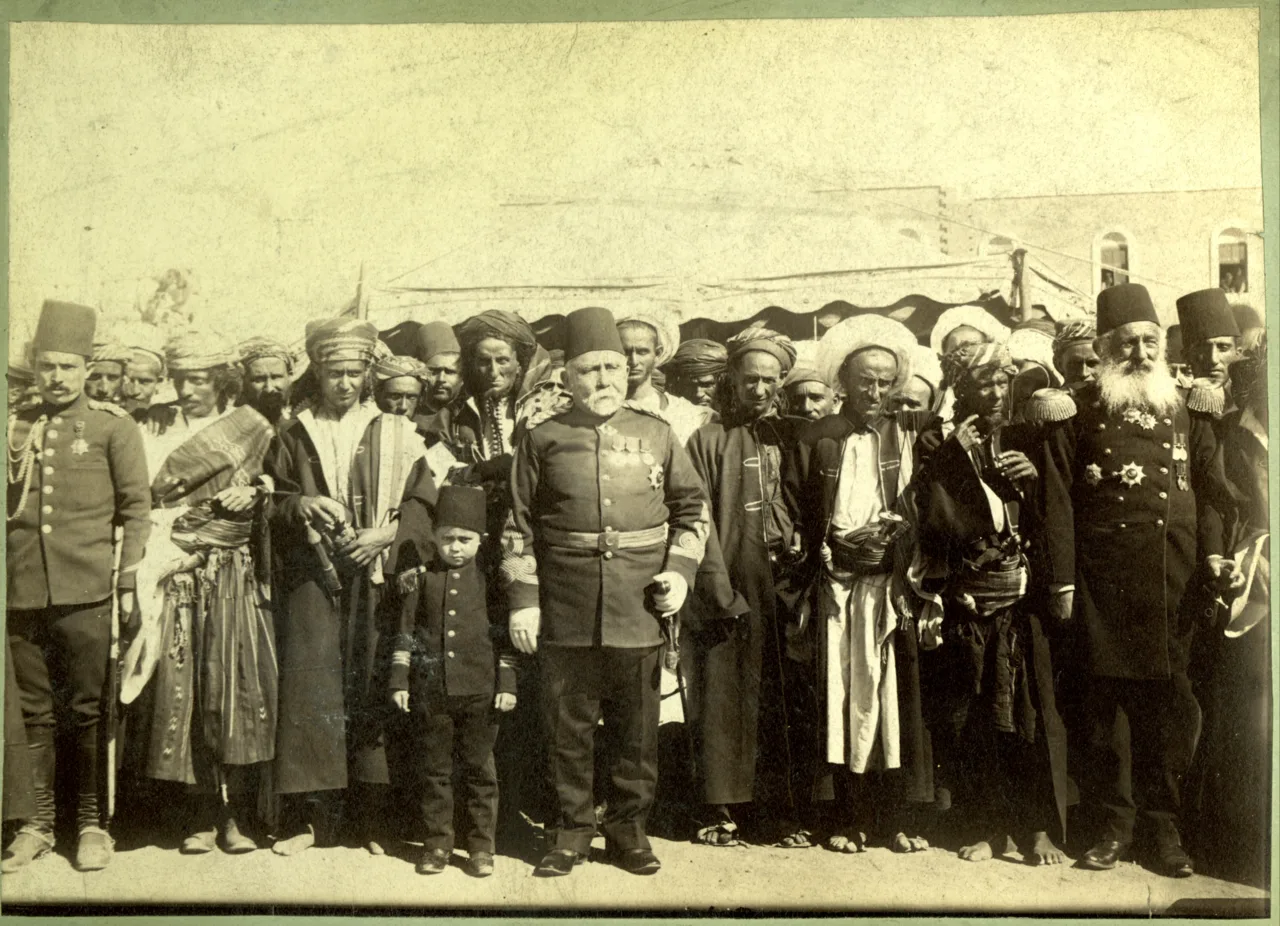
Ottoman soldiers with Yemeni locals
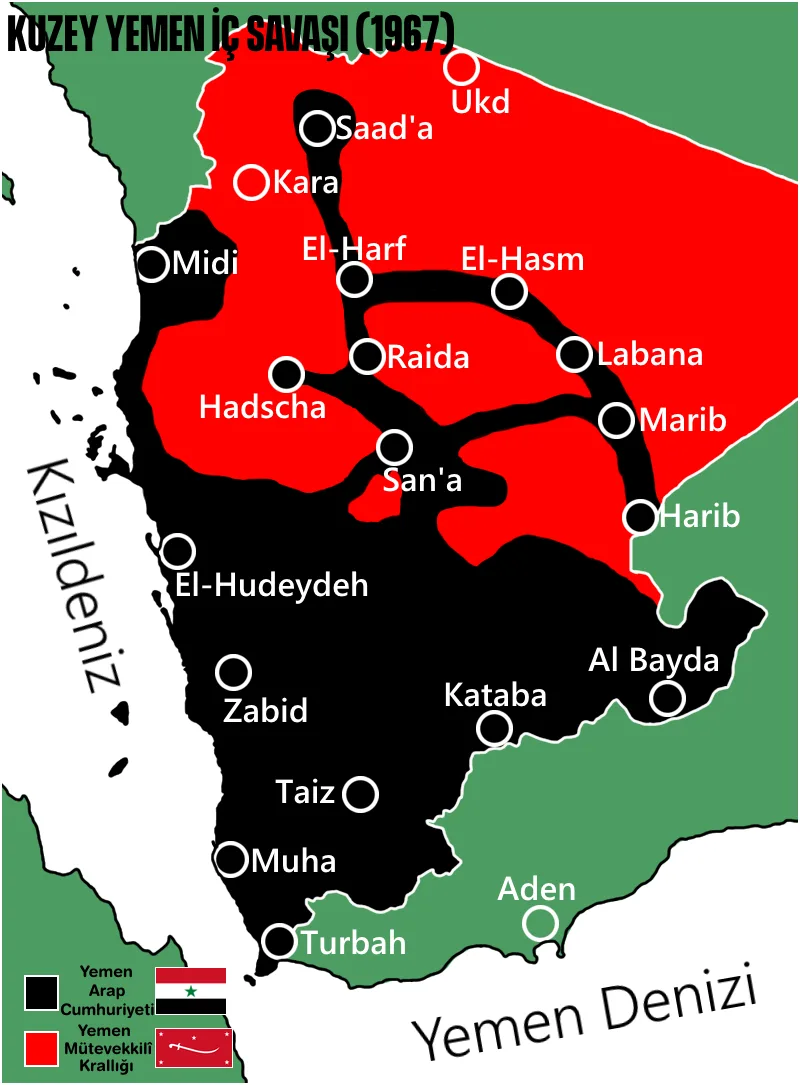
State of the war in 1967
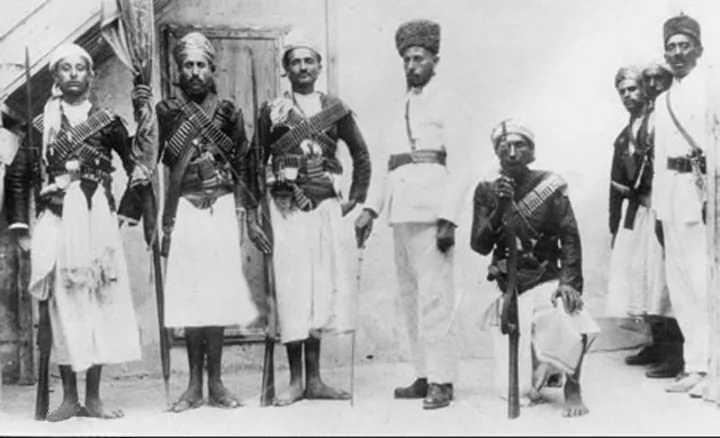
Tribesmen in Sana'a
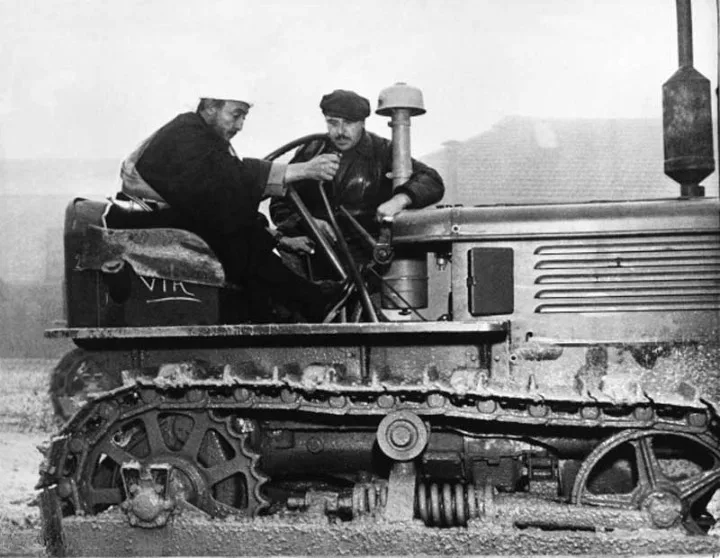
Vizier Hasan bin Yahya driving a tractor in Italy in 1953.
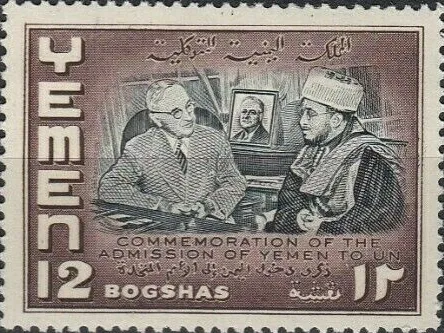
A postage stamp related to Hasan bin Yahya
Kingdom of Yemen
The Kingdom of Yemen was a state that existed between 1918 and 1970 in the northwestern part of the modern country of Yemen.
Diplomatic Courting and Early Aviation Woes
In 1926, the Kingdom of Italy became the first nation to formally recognize Imam Yahya as monarch over all of Yemen. Facing devastating air incursions from the British Royal Air Force, Yemen attempted to rapidly build its own aerial branch with Italian and German equipment. However, initial modernization suffered severe setbacks, notably when a newly purchased German Junkers A 35 crashed less than two months after arrival, killing its entire three-man crew.
From Wikipedia · CC BY-SA 4.0
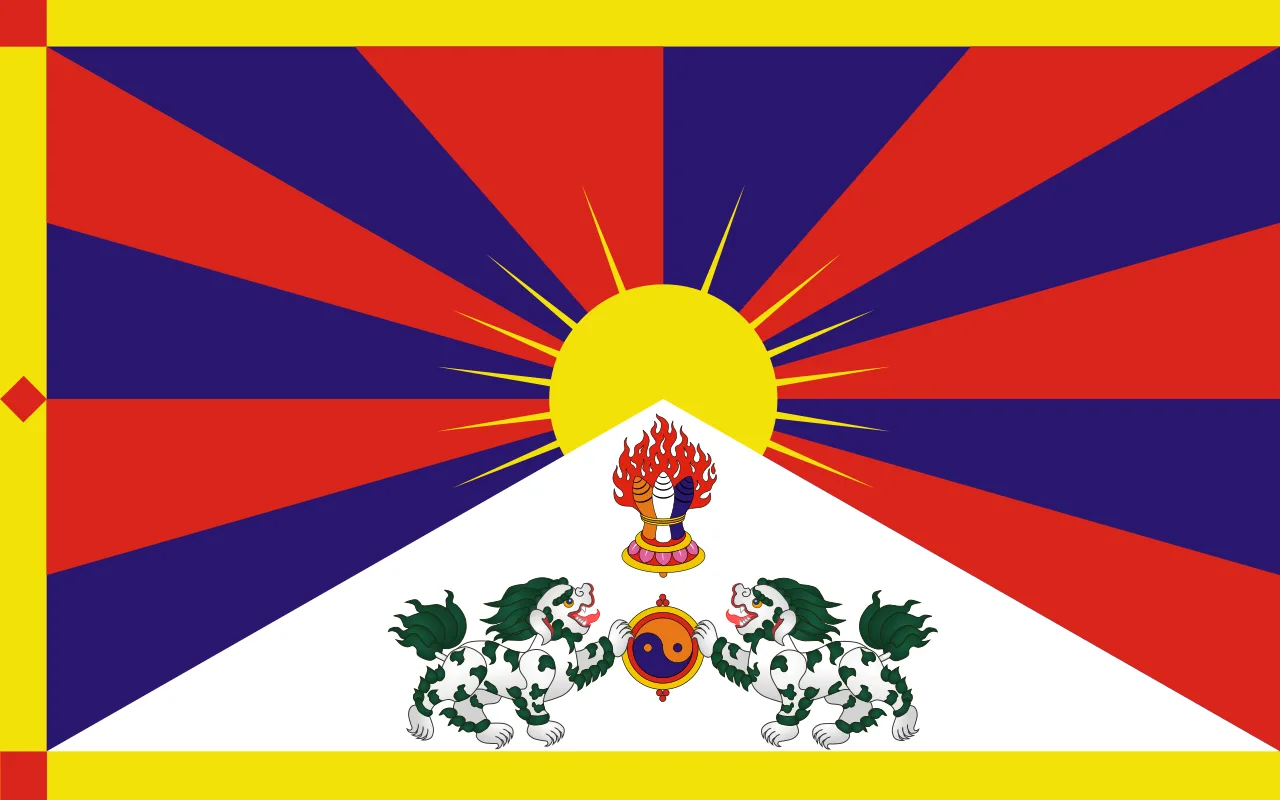
Flag of Tibet
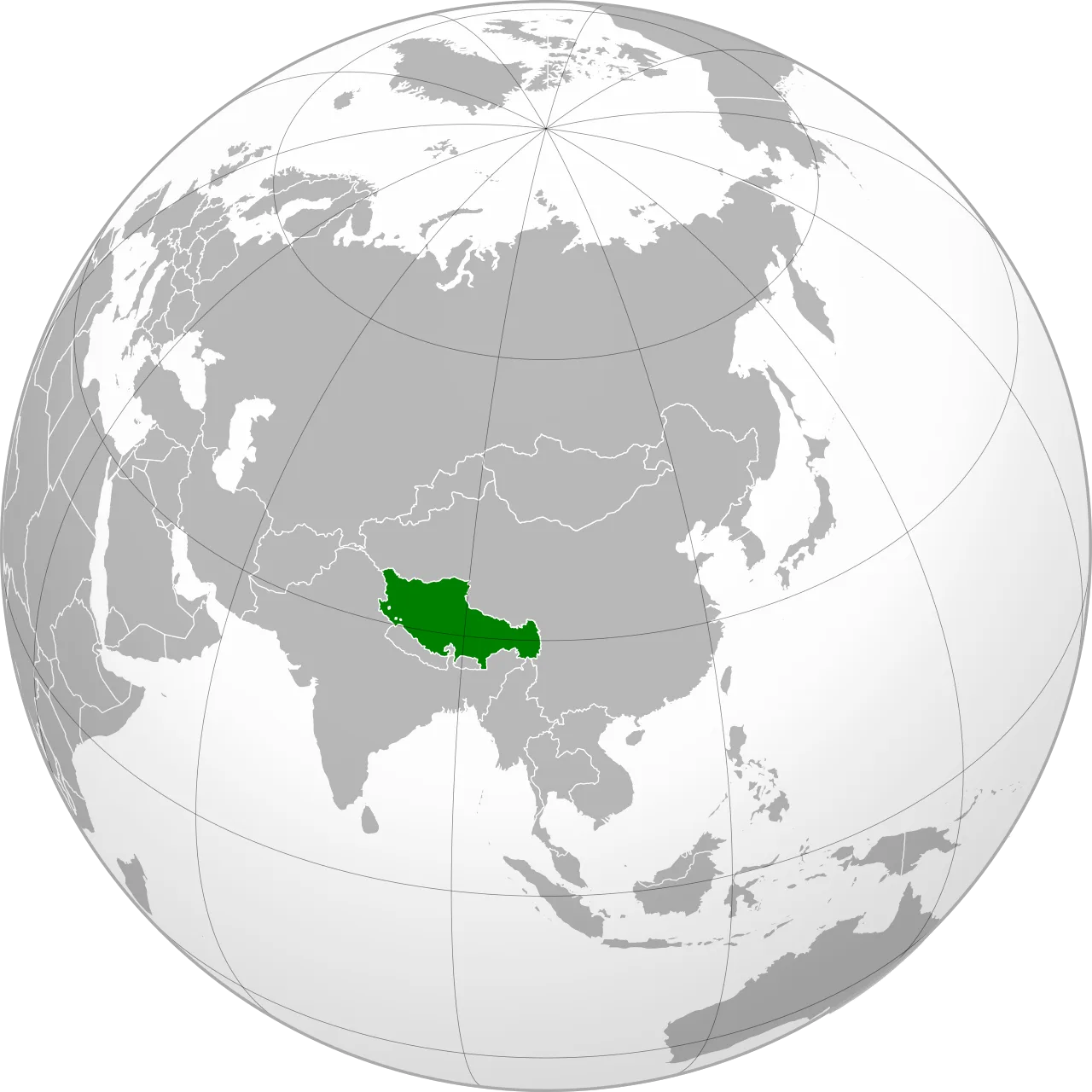
Territorial extent of Tibet in 1946
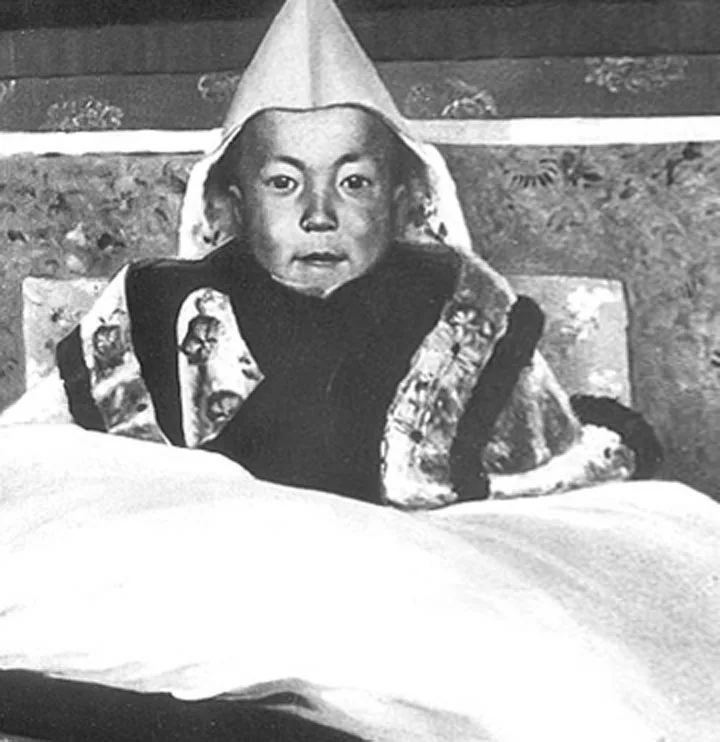
The 14th Dalai Lama as a young boy.
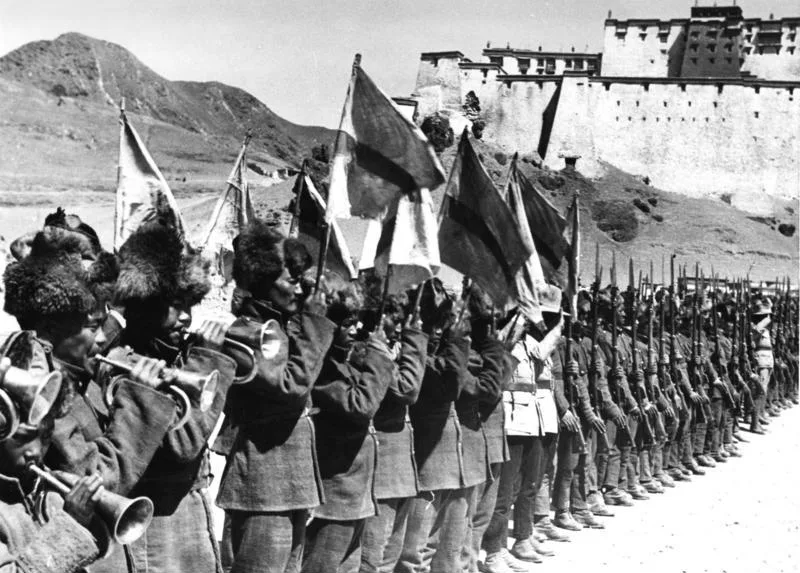
The Tibetan Army on parade in 1938
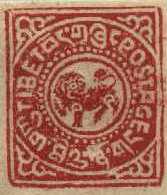
Snow lion stamp issued in 1912
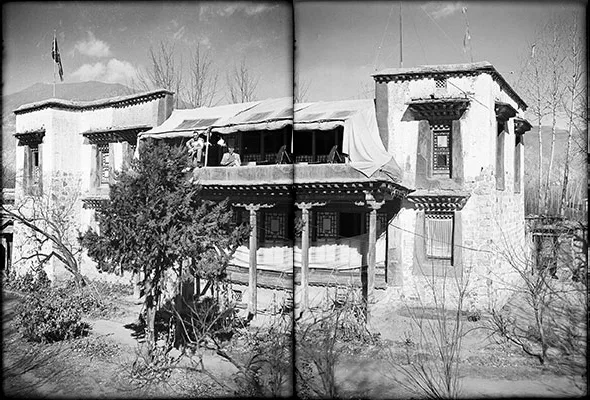
Residence of the British Mission in Lhasa
Tibet (1912–1951)
Tibet was a de facto independent state in East Asia that lasted from the collapse of the Qing dynasty in 1912 until its annexation by the People's Republic of China in 1951.
Republican Rituals at the 14th Dalai Lama's Enthronement
The selection and installation of Lhamo Dhondup as the 14th Dalai Lama highlighted the intricate political ties between Lhasa and China. On 26 January 1940, the Regent Reting Rinpoche requested the Central Government of China to exempt Lhamo Dhondup from the lot-drawing process using the Golden Urn, which the Chinese government approved. The subsequent enthronement ceremony included a departure from ordinary procedure marked by the display of a Kuomintang flag and a portrait of Dr. Sun Yat-sen.
From Wikipedia · CC BY-SA 4.0