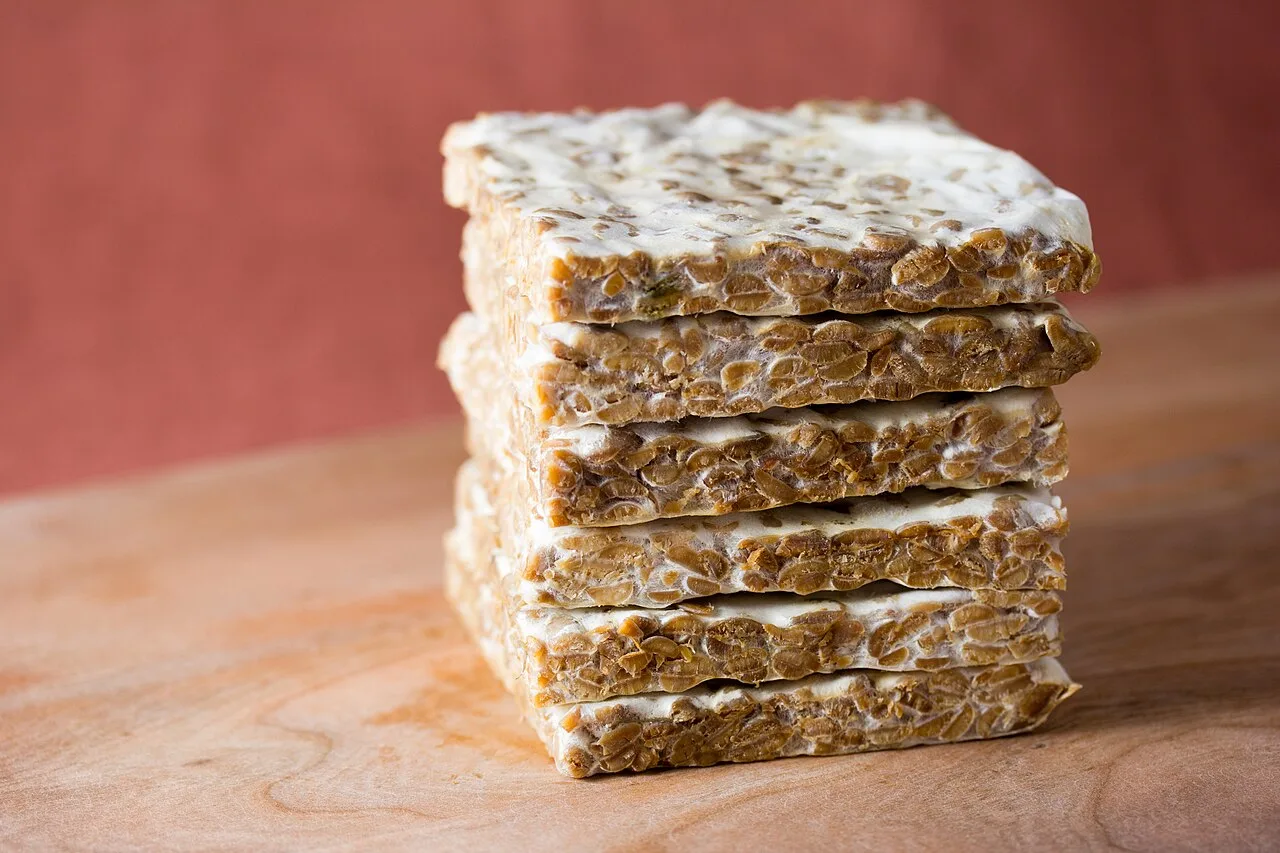
Tempeh (8681605421)
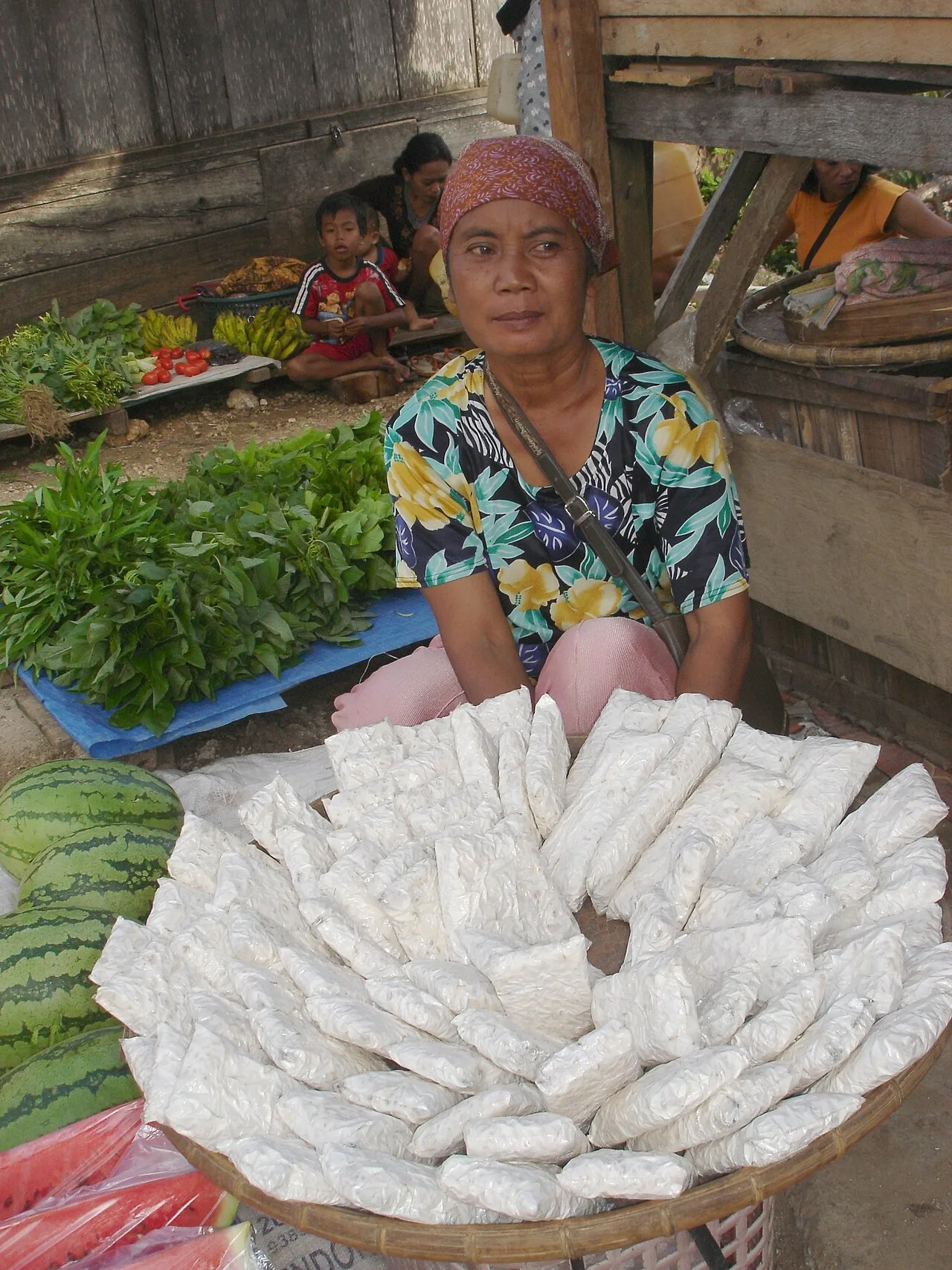
Tempeh being sold in a traditional market in Indonesia
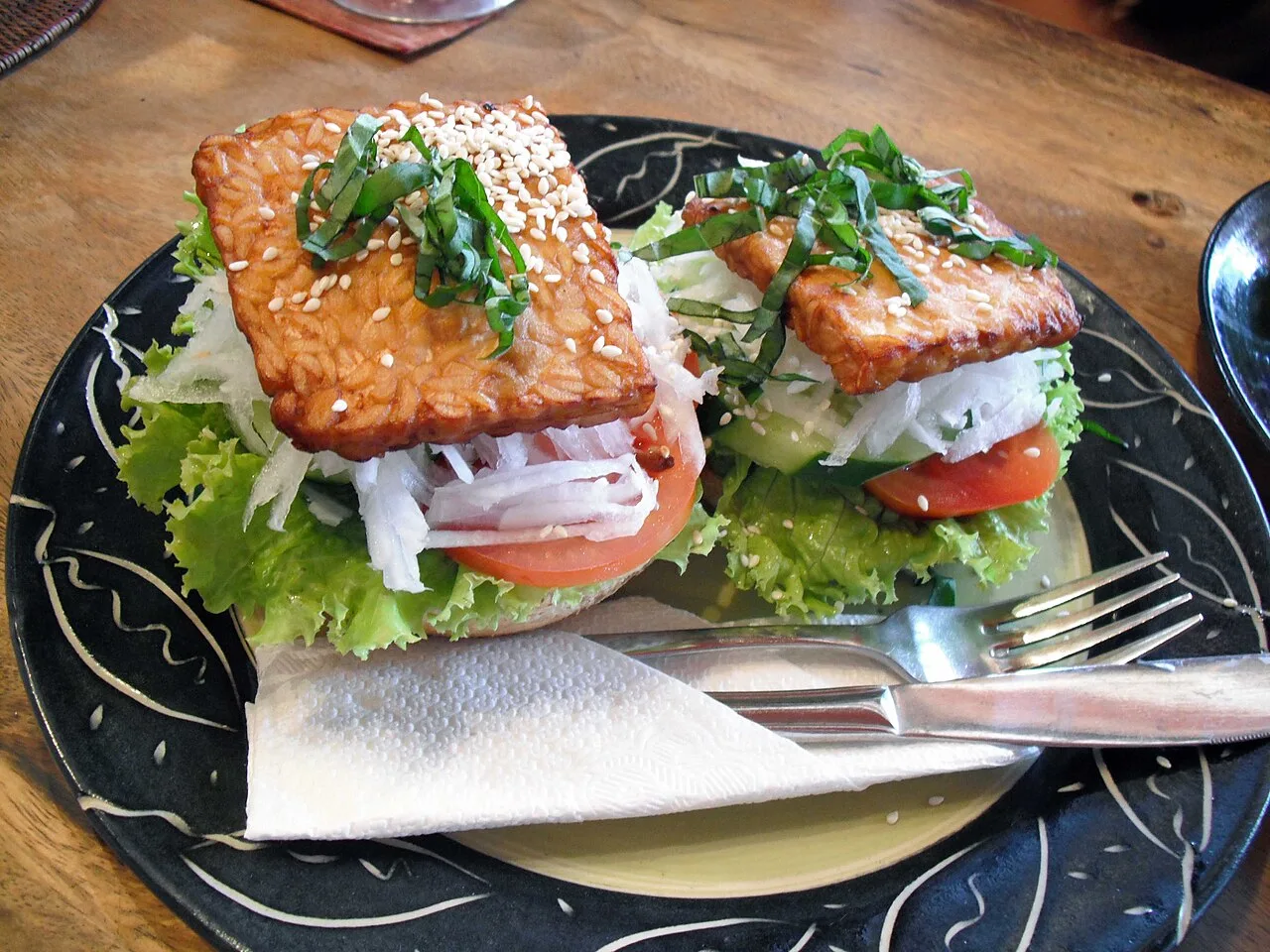
Tempeh burger
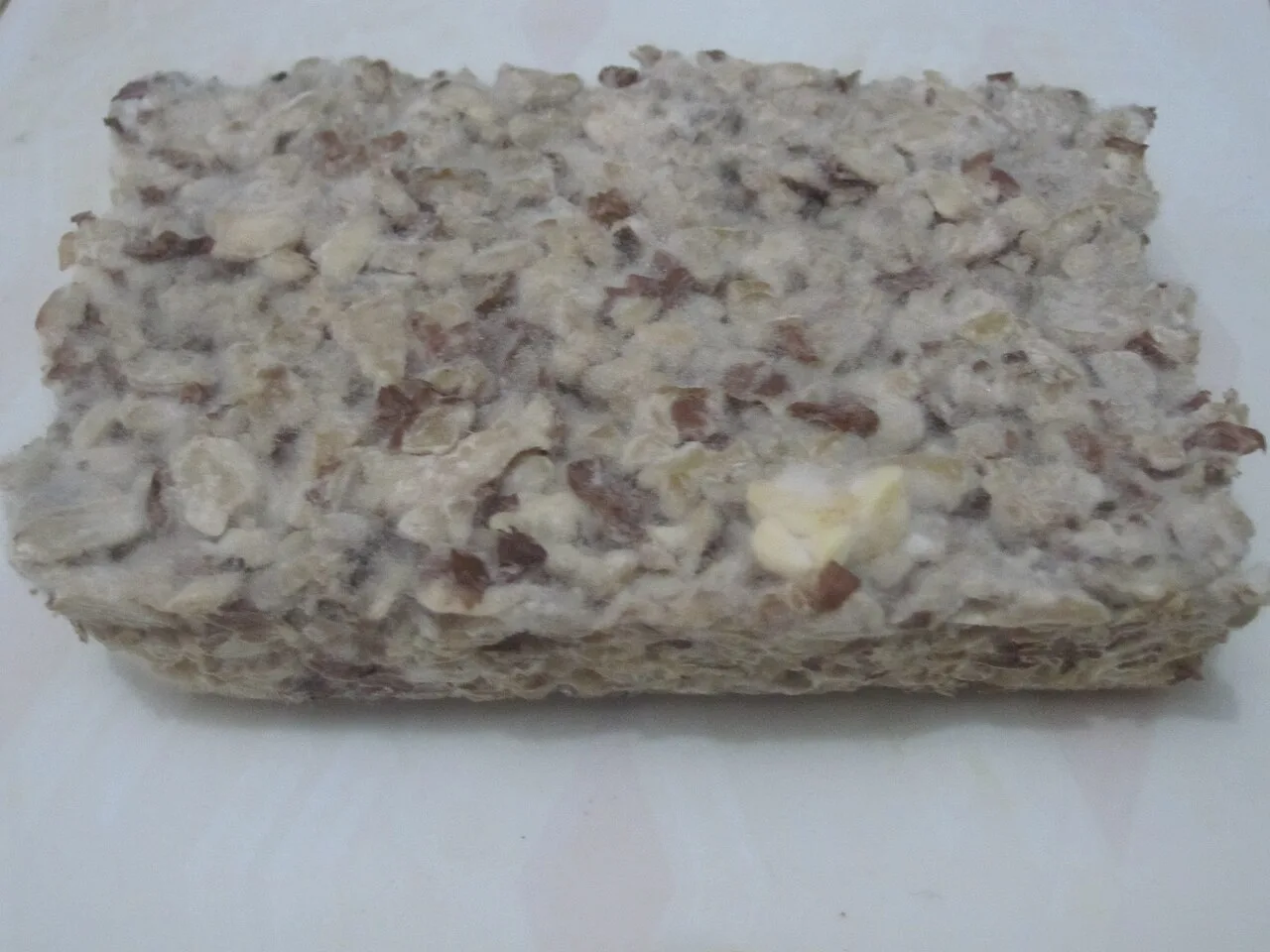
Menjes kacang
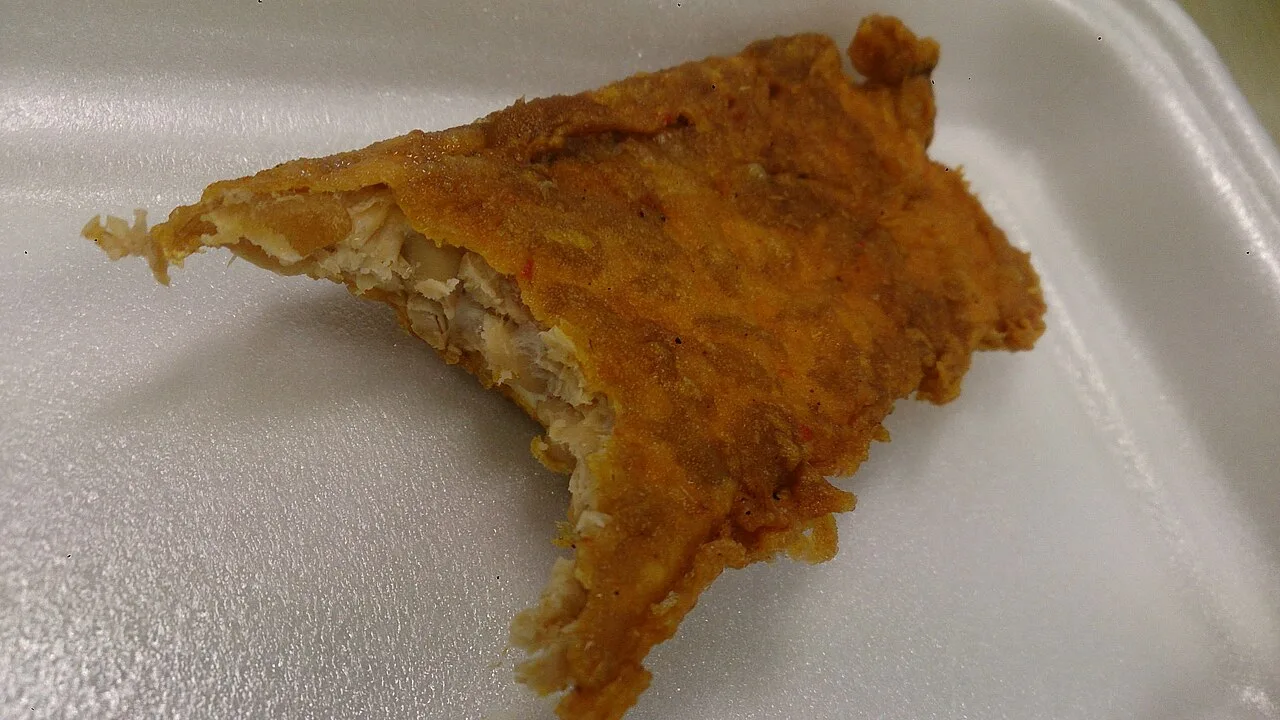
Fried tempeh (battered) sold at a food court in Singapore
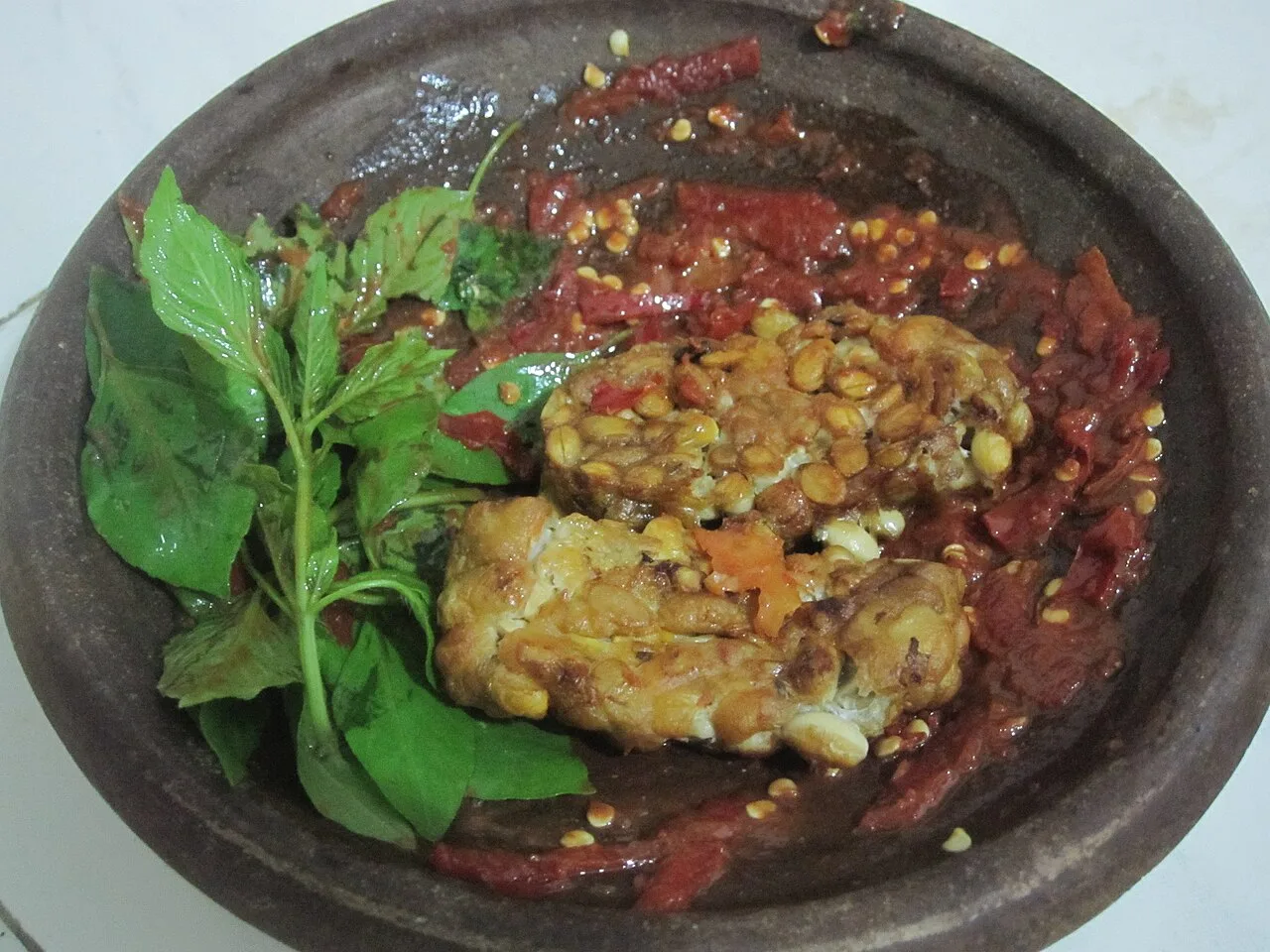
Tempe penyet
Tempeh
Tempeh is a traditional Indonesian food made by a natural culturing and controlled fermentation process that binds soybeans into a cake form.
Spores Resting on Leaf Wrappings
Traditional Javanese cooks wrapped stored soybeans in teakwood and sea hibiscus leaves, inadvertently introducing wild fungus to the beans. This serendipitous contact led to the invention of tempeh, utilizing wild spores clinging to the leaves rather than commercial starters. In fact, traditional makers rely on an usar, a mycelium-filled leaf, to initiate fermentation naturally.
From Wikipedia · CC BY-SA 4.0
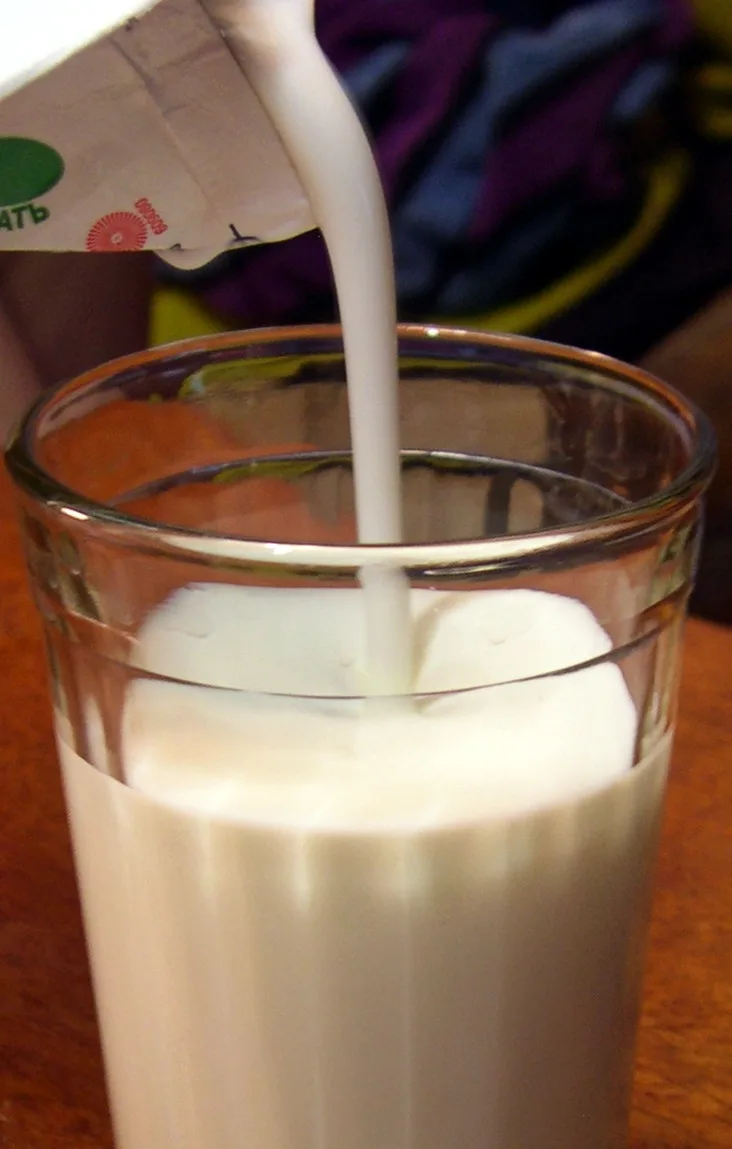
Kefir in a glass
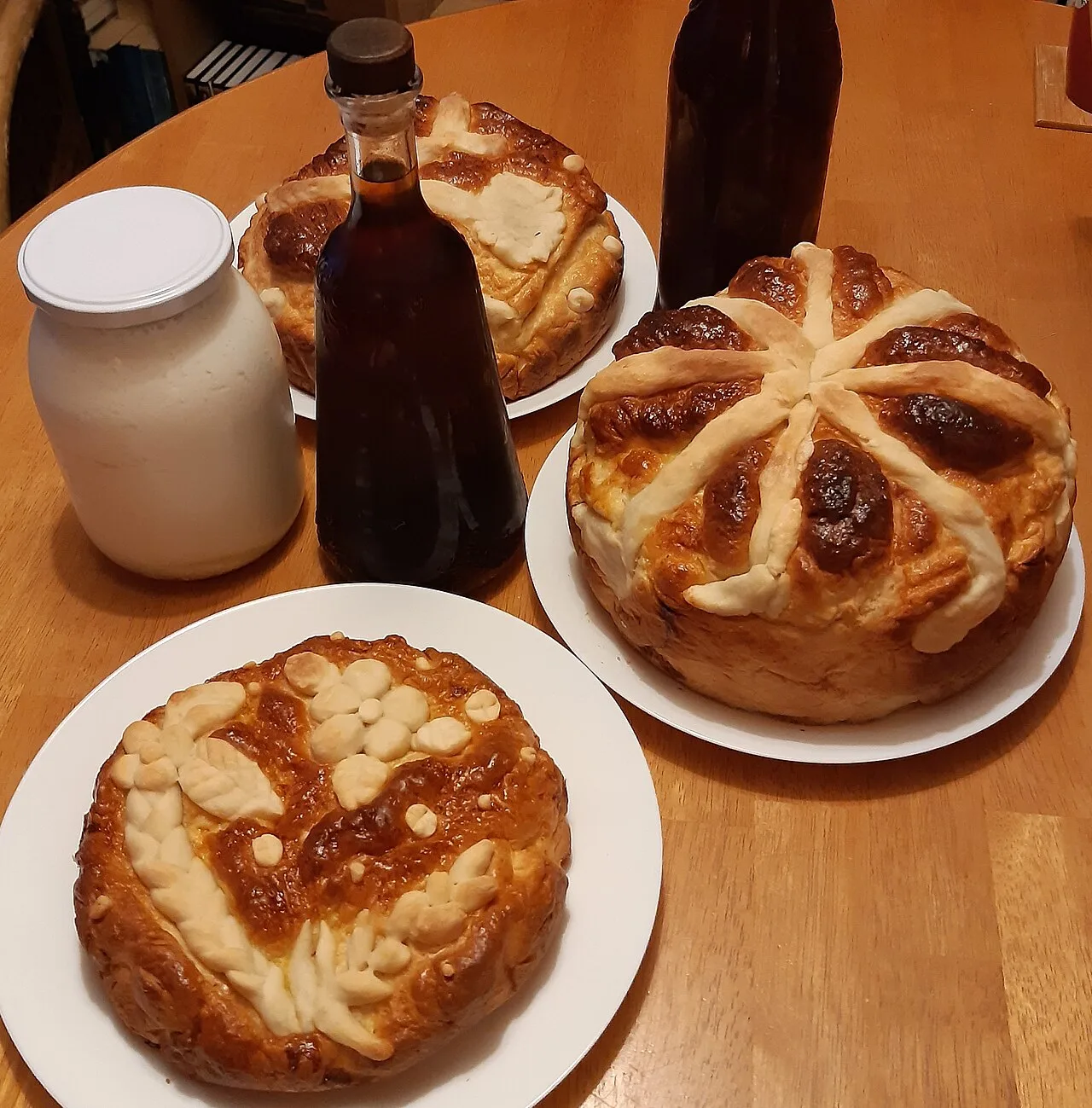
Homemade kefir and kvass served alongside kolach and korovai
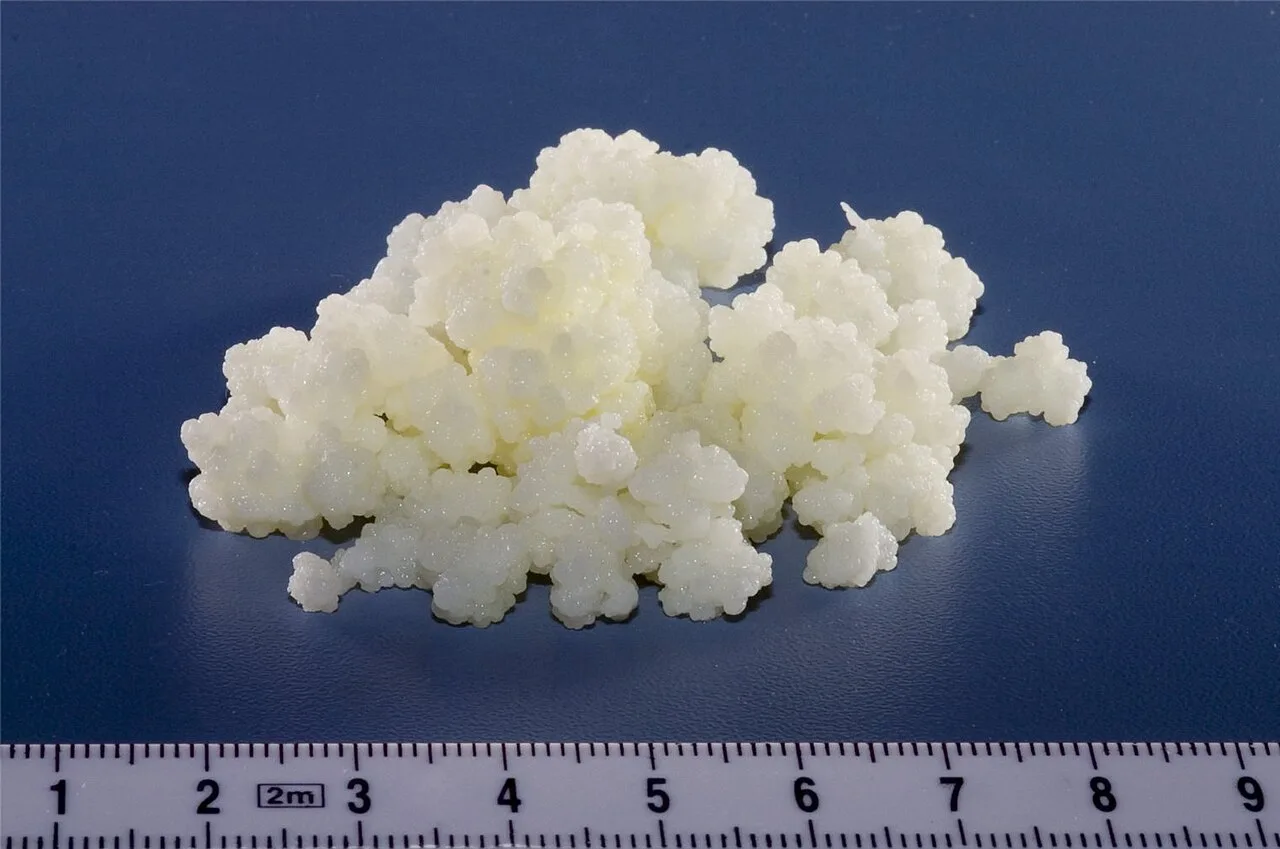
Kefir grains, a matrix of bacteria and yeasts
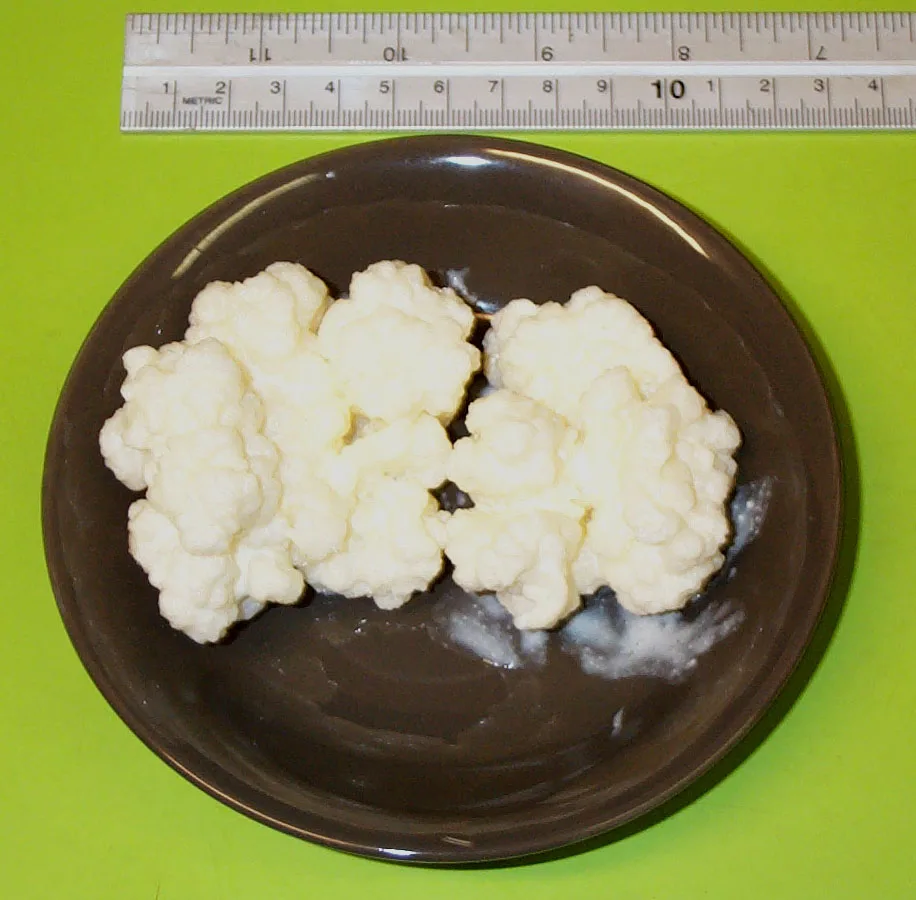
90 grams of kefir grains
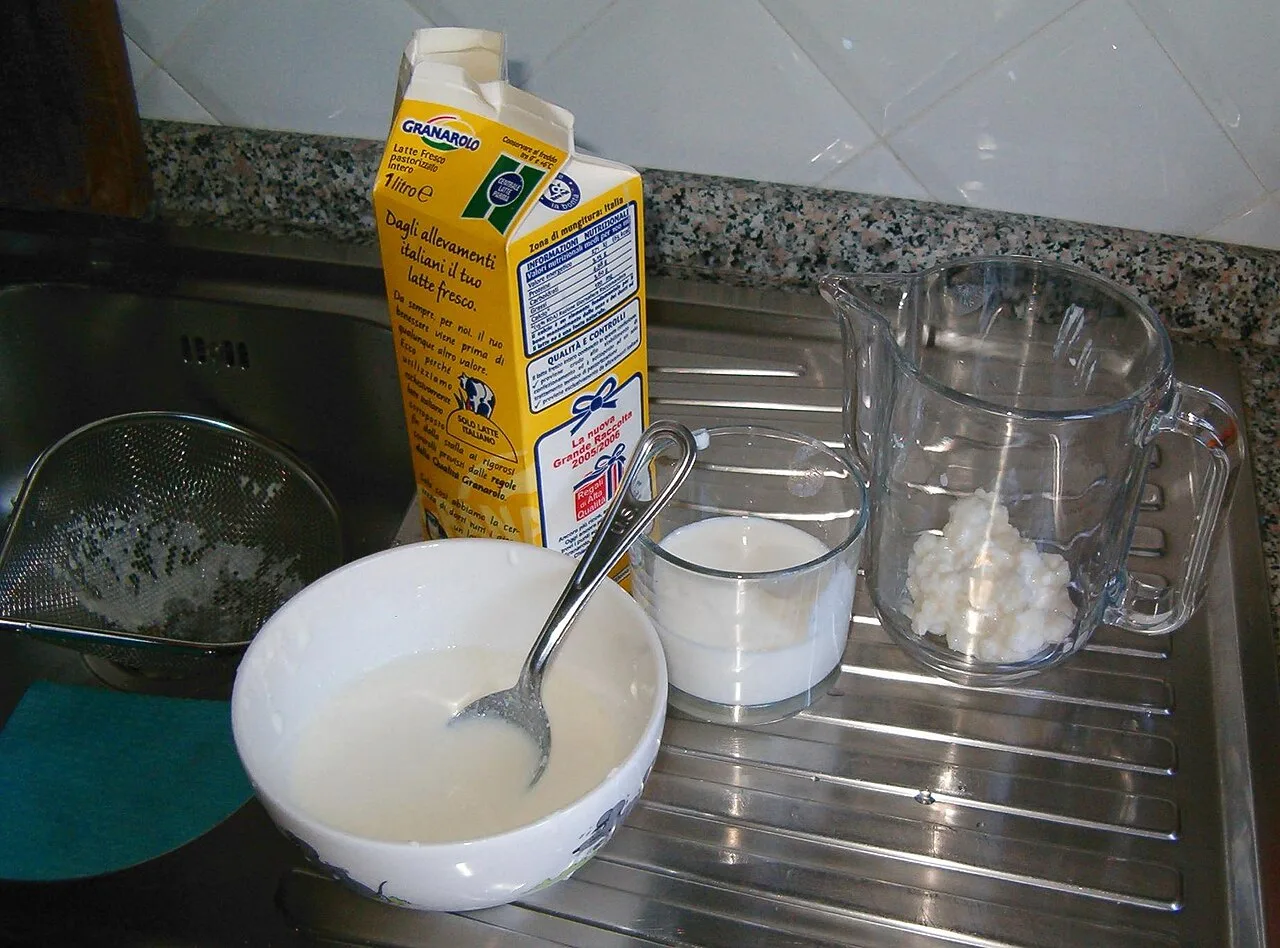
Kefir production
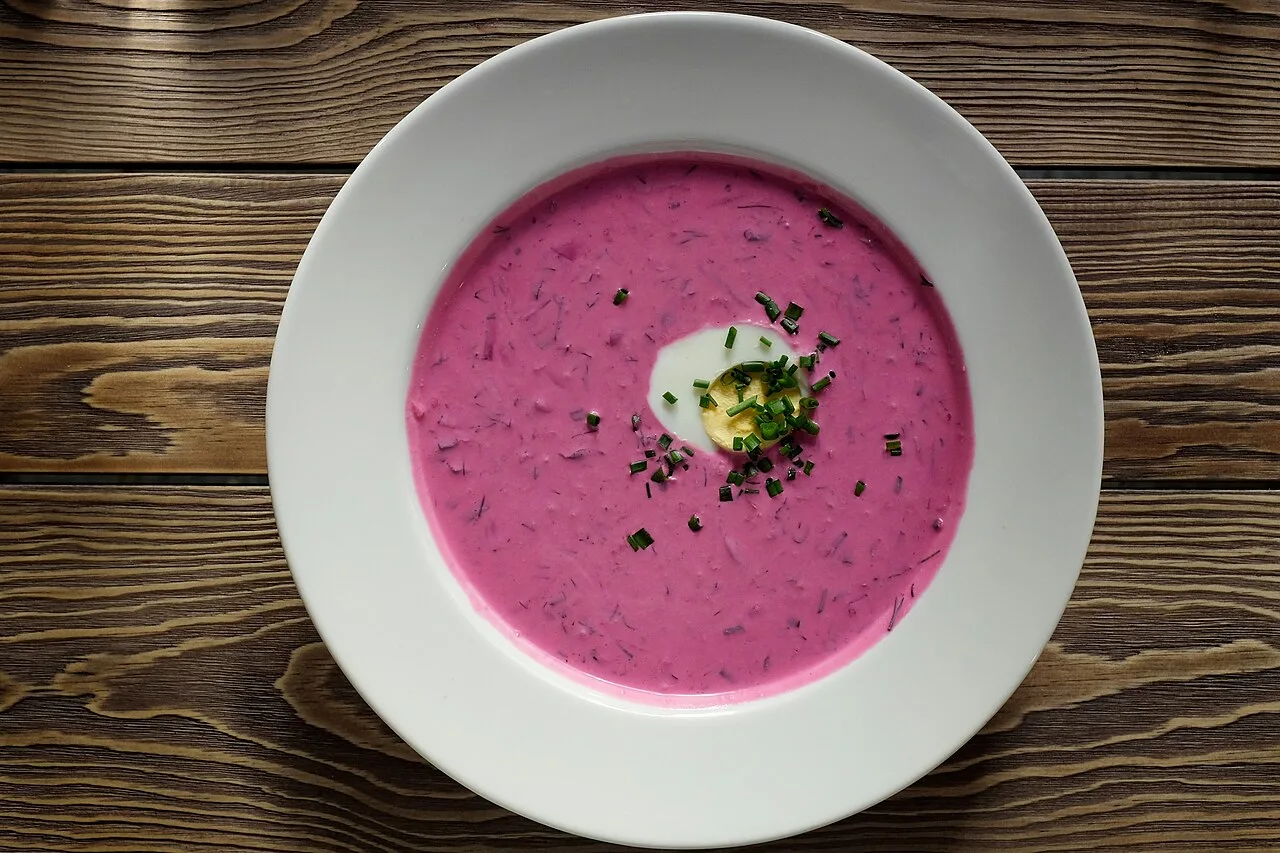
The Lithuanian soup šaltibarščiai, also known as "cold borscht", consumed in Eastern European countries
Kefir
Kefir is a fermented milk drink made from kefir grains, a symbiotic culture used to inoculate the milk of cows, goats, or sheep.
3,600-Year-Old Traces in Bronze Age Tombs
Traces of kefir were discovered inside ancient graves at the Bronze Age Xiaohe Cemetery, revealing that humans have consumed this fermented drink for over 3,600 years. The term itself originated in the North Caucasus before being loaned into Russian where it is attested since 1870s, and subsequently into English in the 1880s. Over the centuries, this traditional Caucasian staple gradually transformed from a regional specialty into a widely recognized international beverage.
From Wikipedia · CC BY-SA 4.0
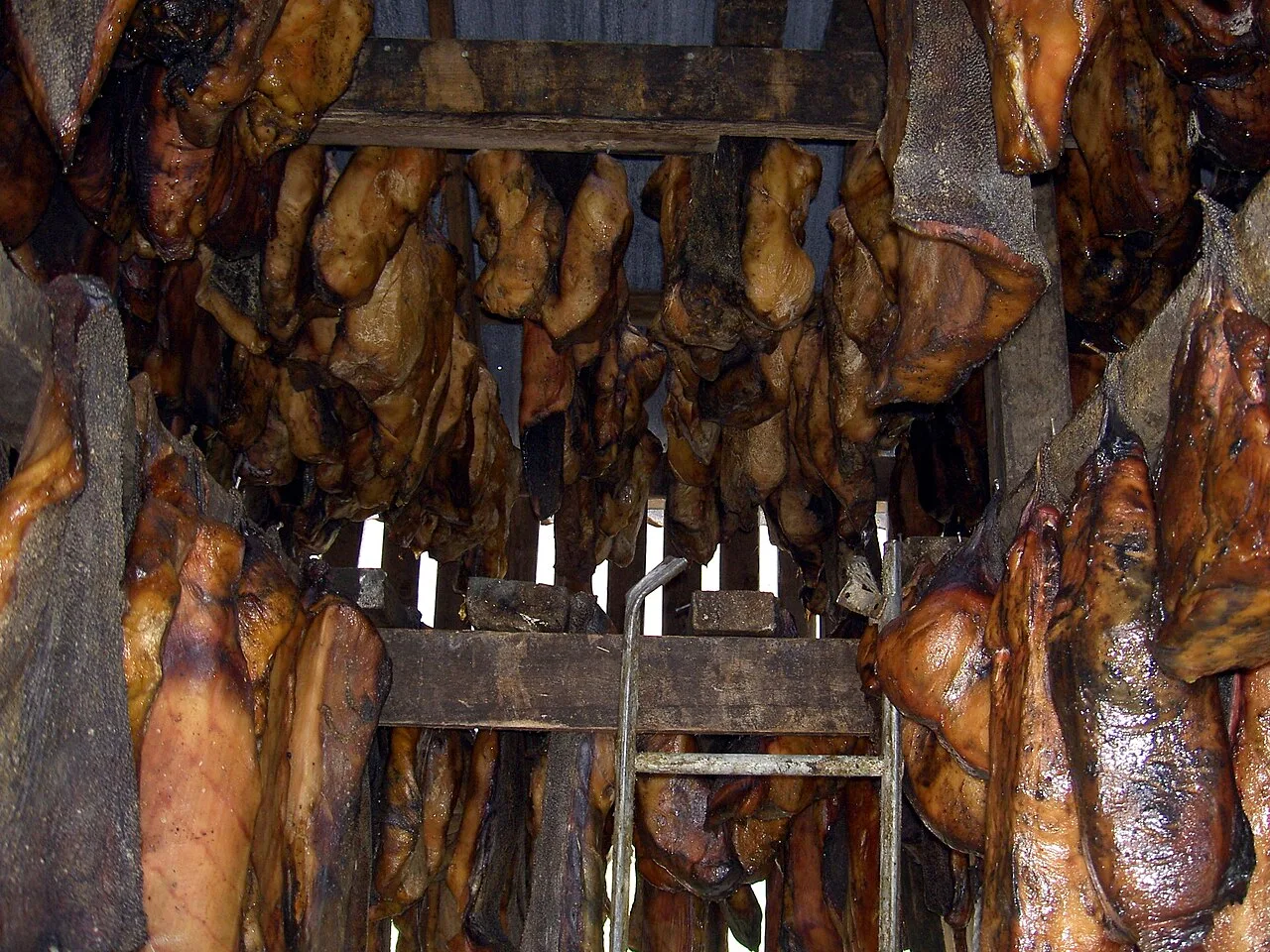
Hakarl near Bjarnahöfn in Iceland
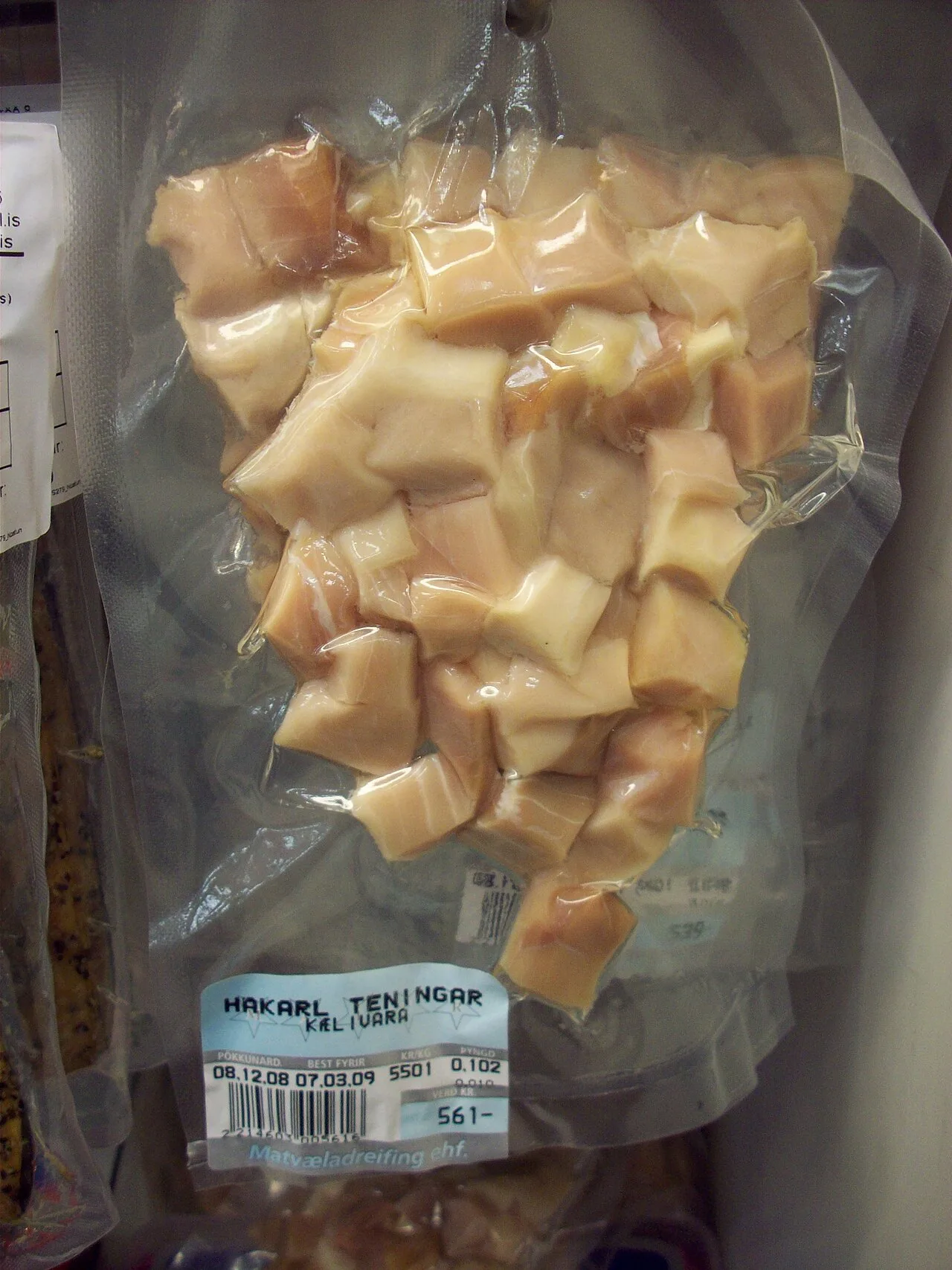
Fermented shark in a store

RV Celtic Explorer, Galway Bay, Ireland
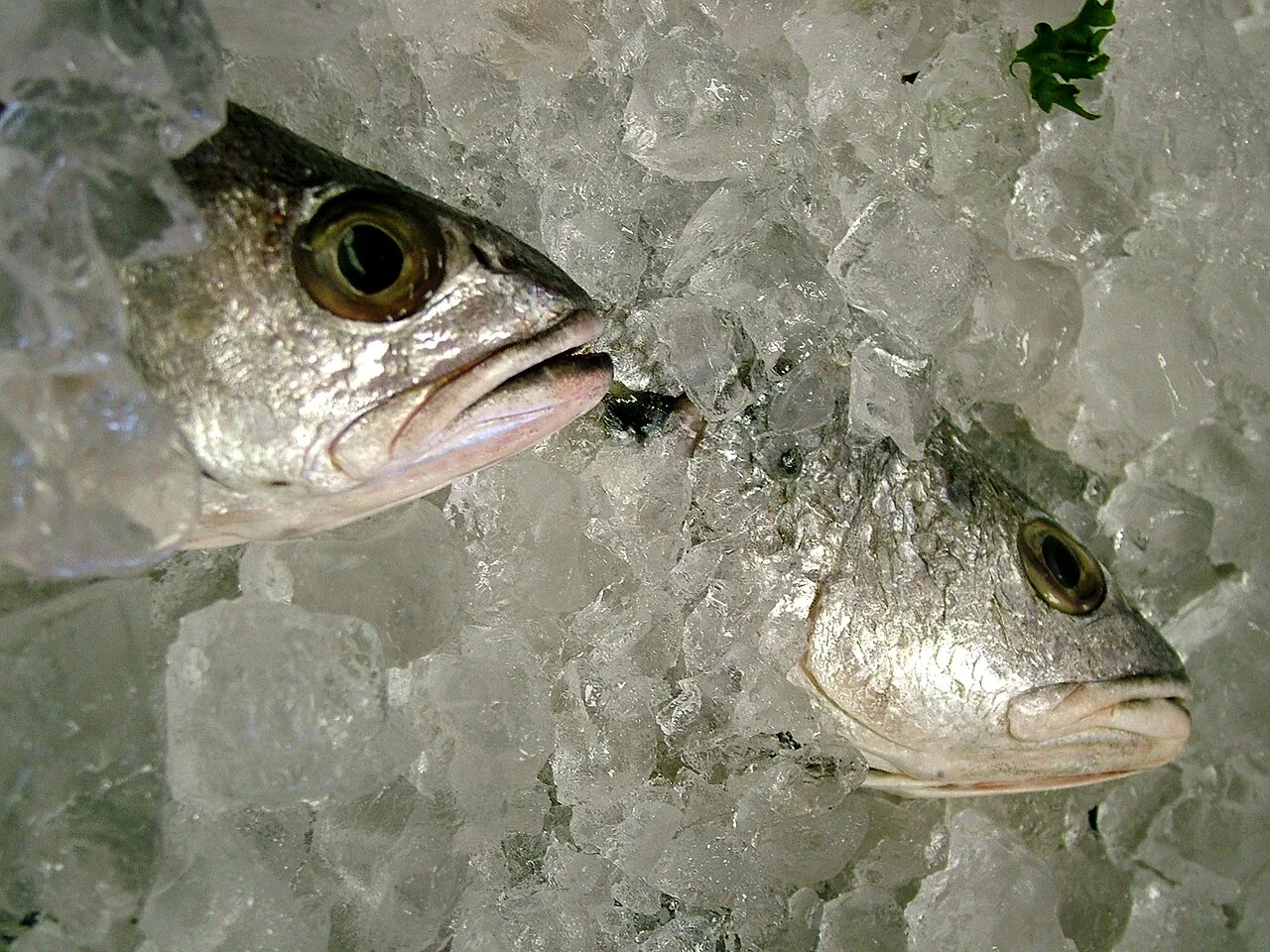
Fish Packed in Ice
Hákarl
Fermented shark is a national dish of Iceland consisting of Greenland shark or other sleeper shark that has been cured with a fermentation process and hung to dry for four to five months.
Sand Burial as Poison Neutralizer
Fresh Greenland shark meat is toxic to humans due to its heavy load of urea and trimethylamine oxide. To make it safe, traditional Icelandic preparers bury the gutted shark under gravelly sand topped with heavy stones for six to twelve weeks. This pressure forces out toxic fluids during fermentation before the meat is hung to dry.
From Wikipedia · CC BY-SA 4.0
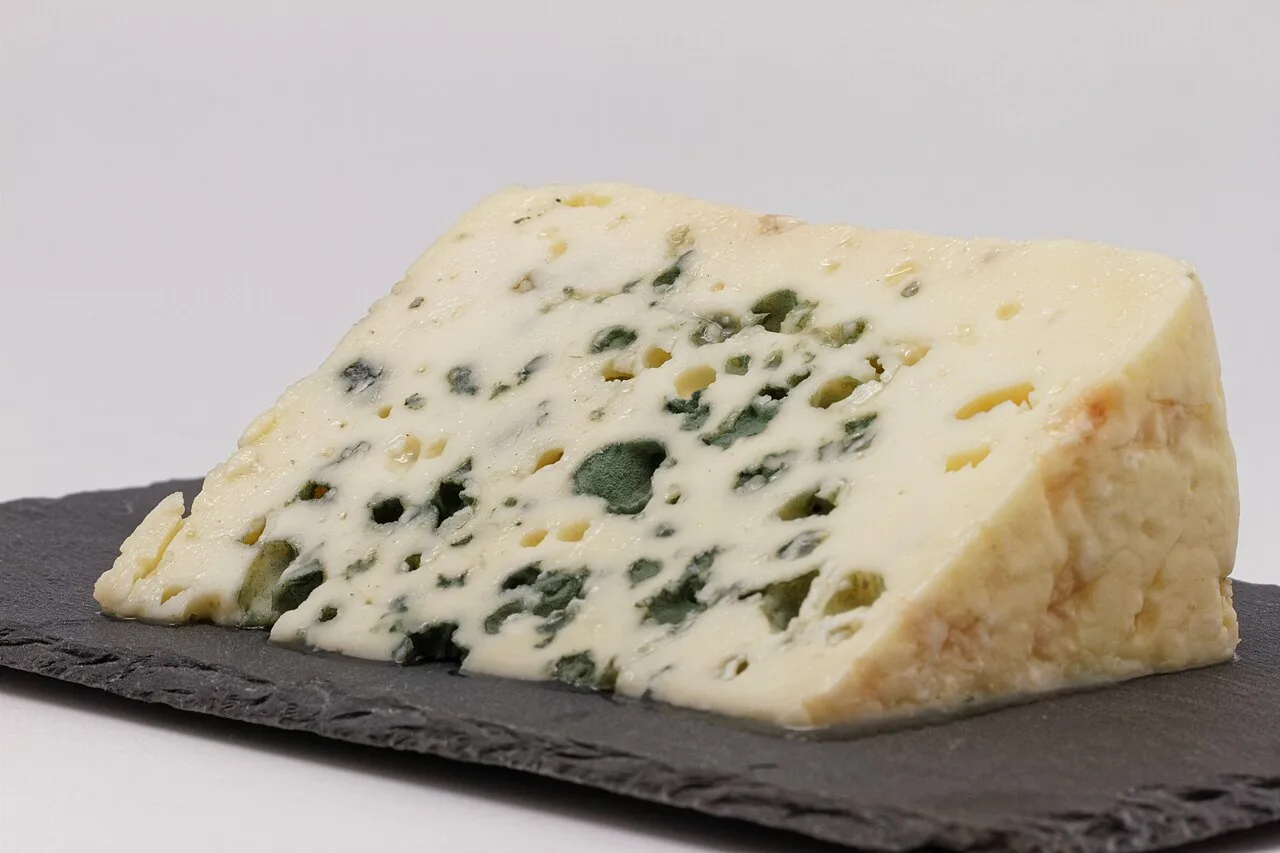
Wikicheese - Roquefort - 20150417 - 003
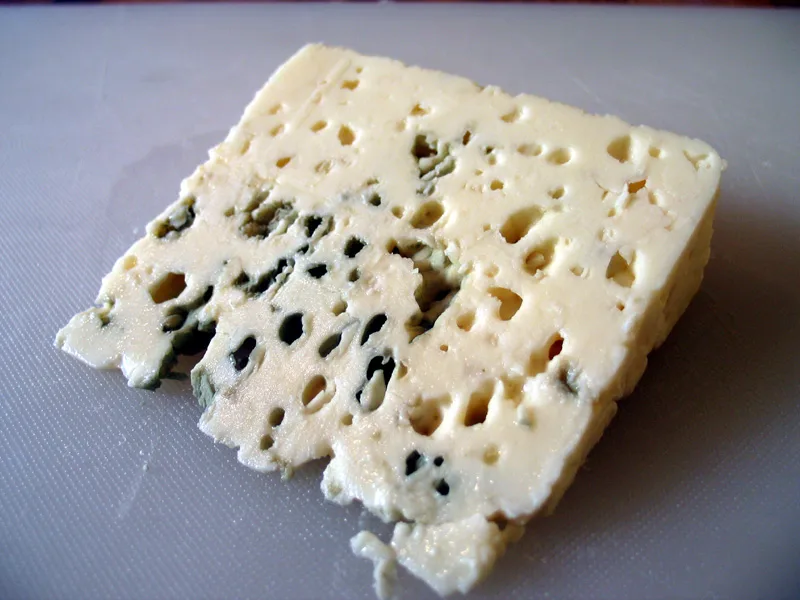
Roquefort

A Lacaune flock in France

A Roquefort farm in Southern France
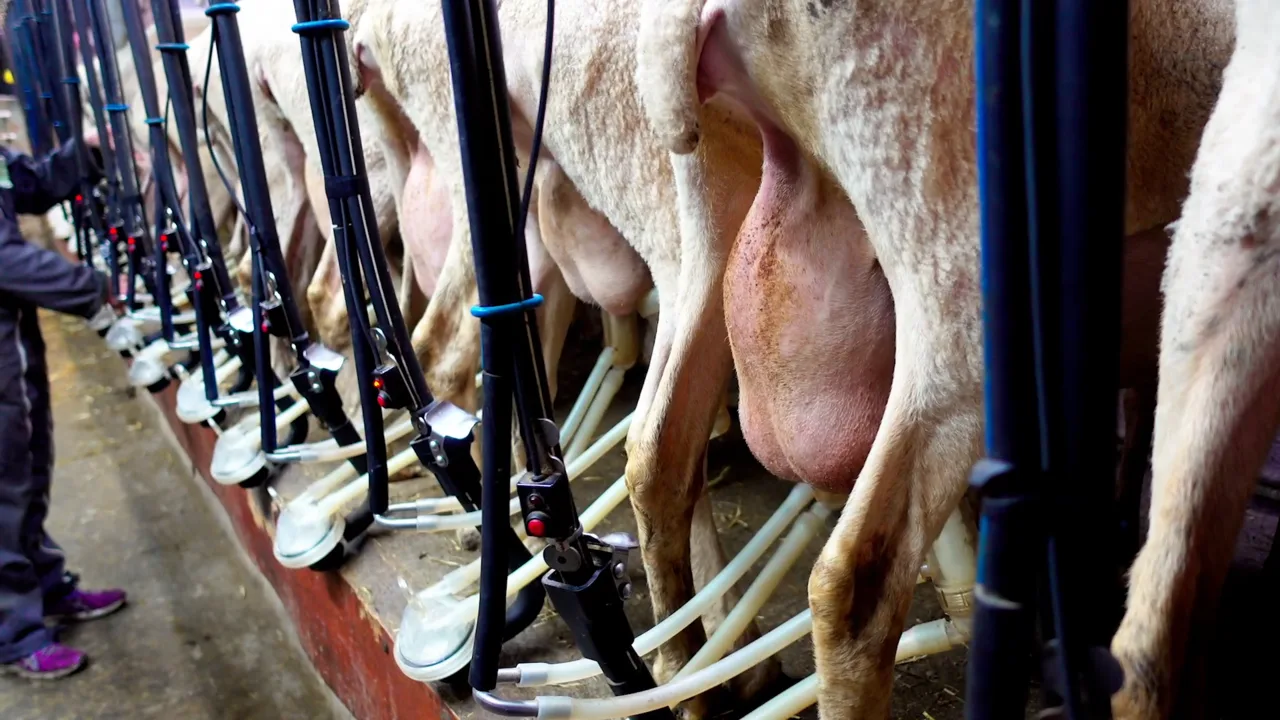
Sheep being milked for Roquefort production
Roquefort
Roquefort is a sheep-milk blue cheese from southern France with a protected designation of origin.
A Forgotten Lunch and a Romantic Pursuit
According to local legend, Roquefort originated when a distracted shepherd abandoned his lunch of bread and ewes' milk cheese to chase a beautiful girl in the distance. Returning to the cave a few months later, he discovered that Penicillium roqueforti mold had transformed his plain meal into blue cheese. This romantic detour reputedly created one of the world's most famous culinary discoveries.
From Wikipedia · CC BY-SA 4.0
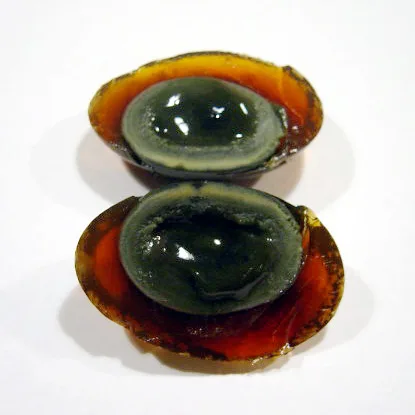
Century egg sliced open
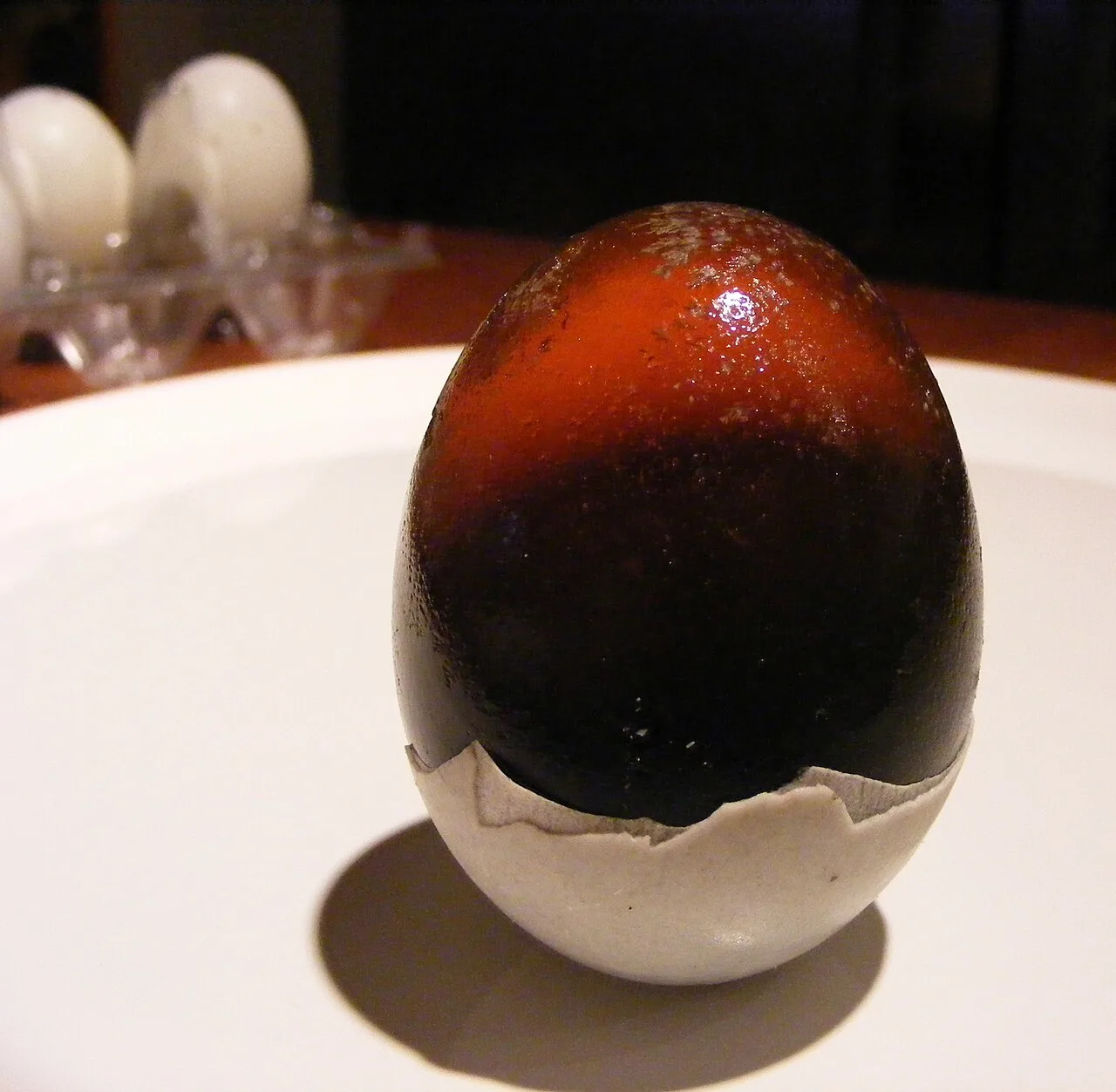
Peeled century egg
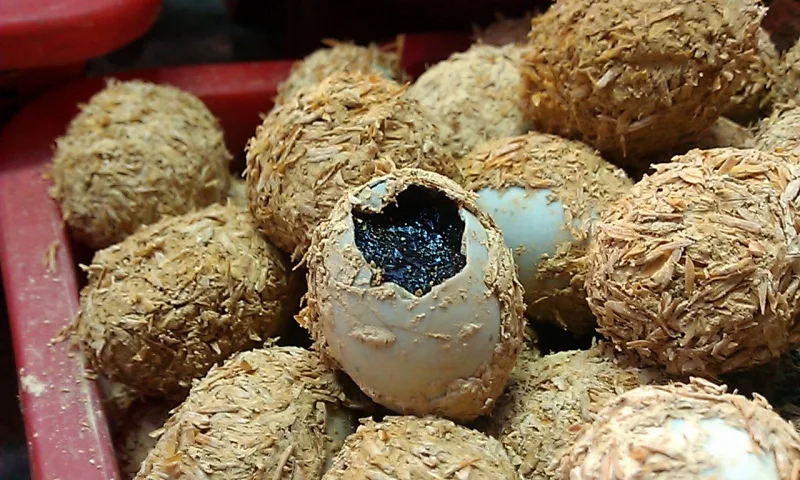
Century eggs coated in a caustic mixture of mud and rice husk
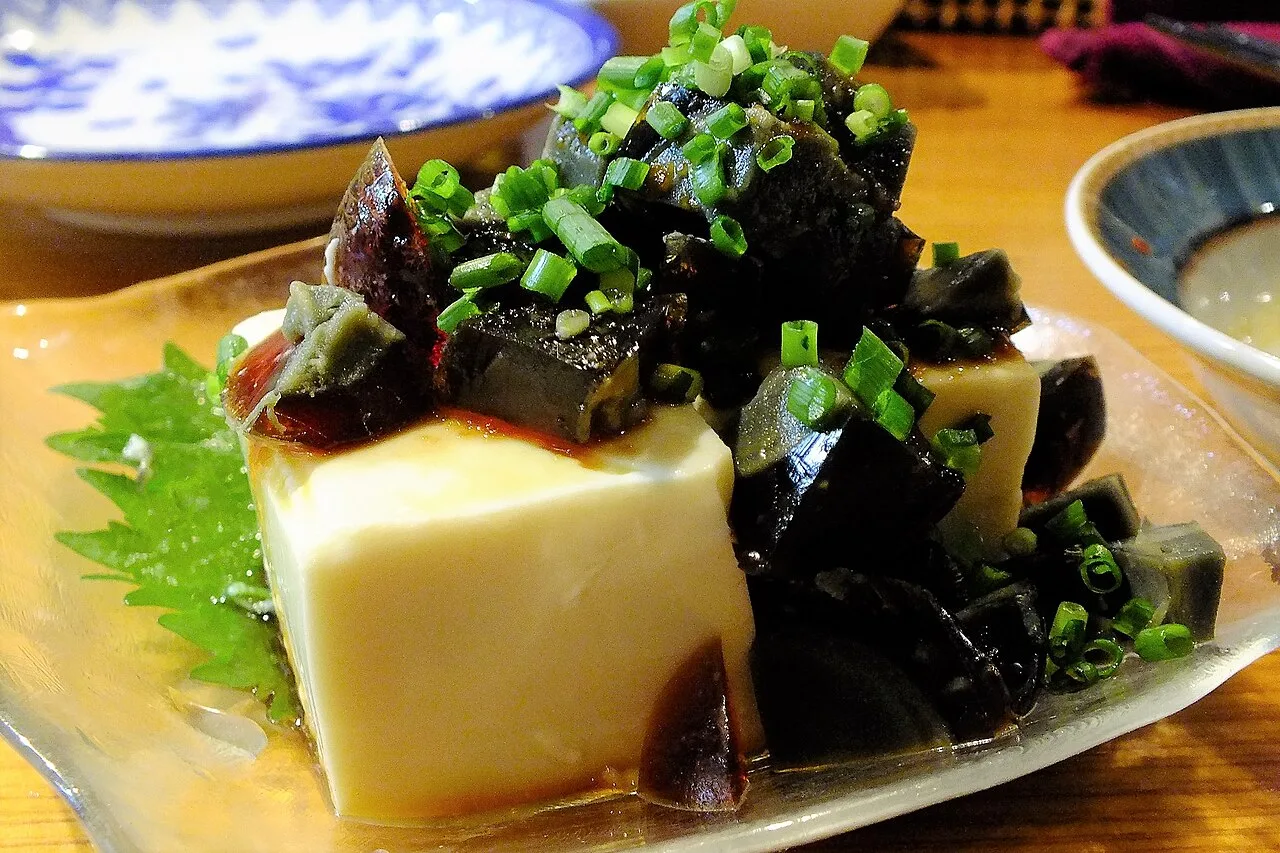
Century egg and tofu, a common combination
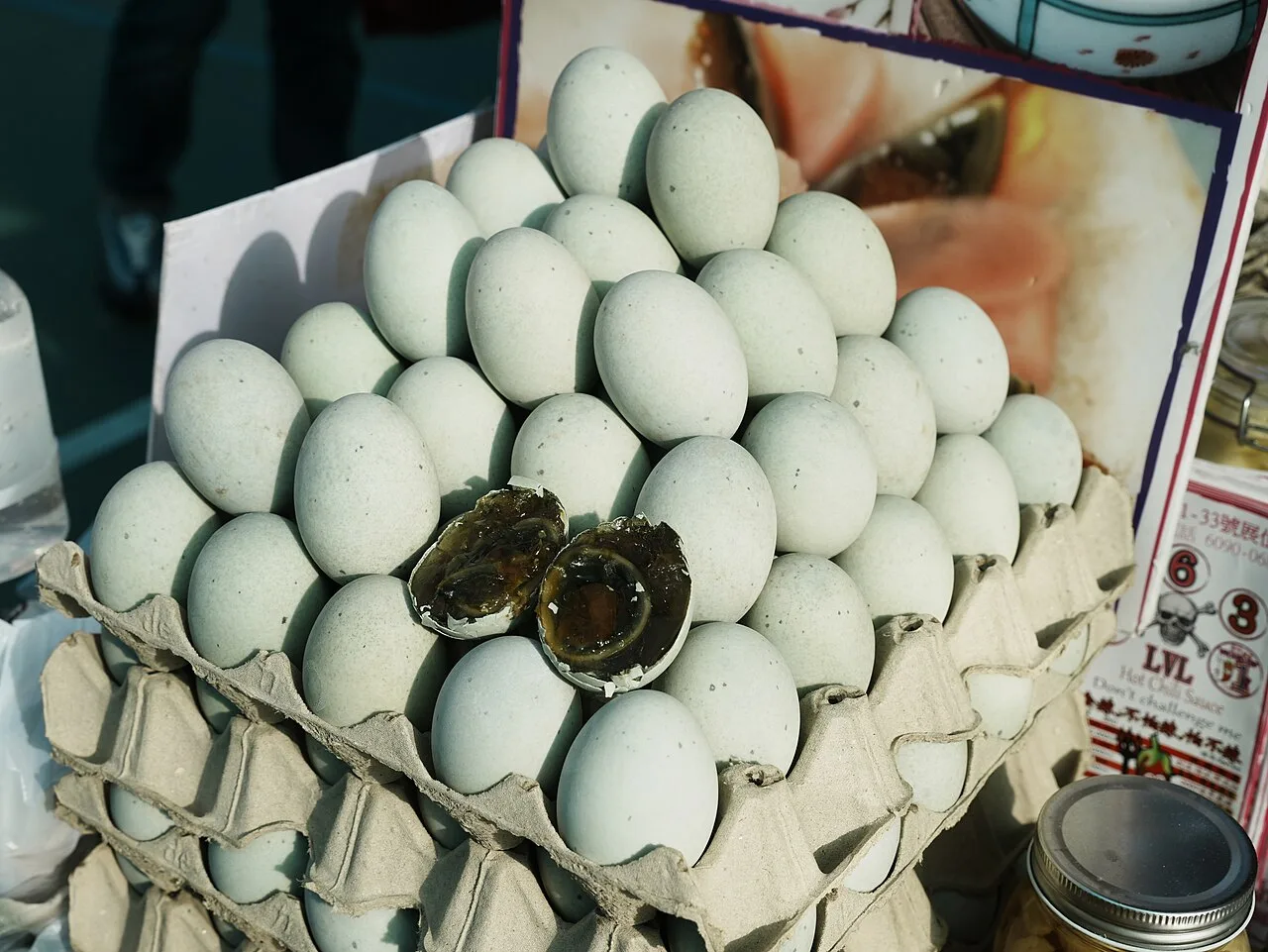
Sold in Mong Kok, Hong Kong
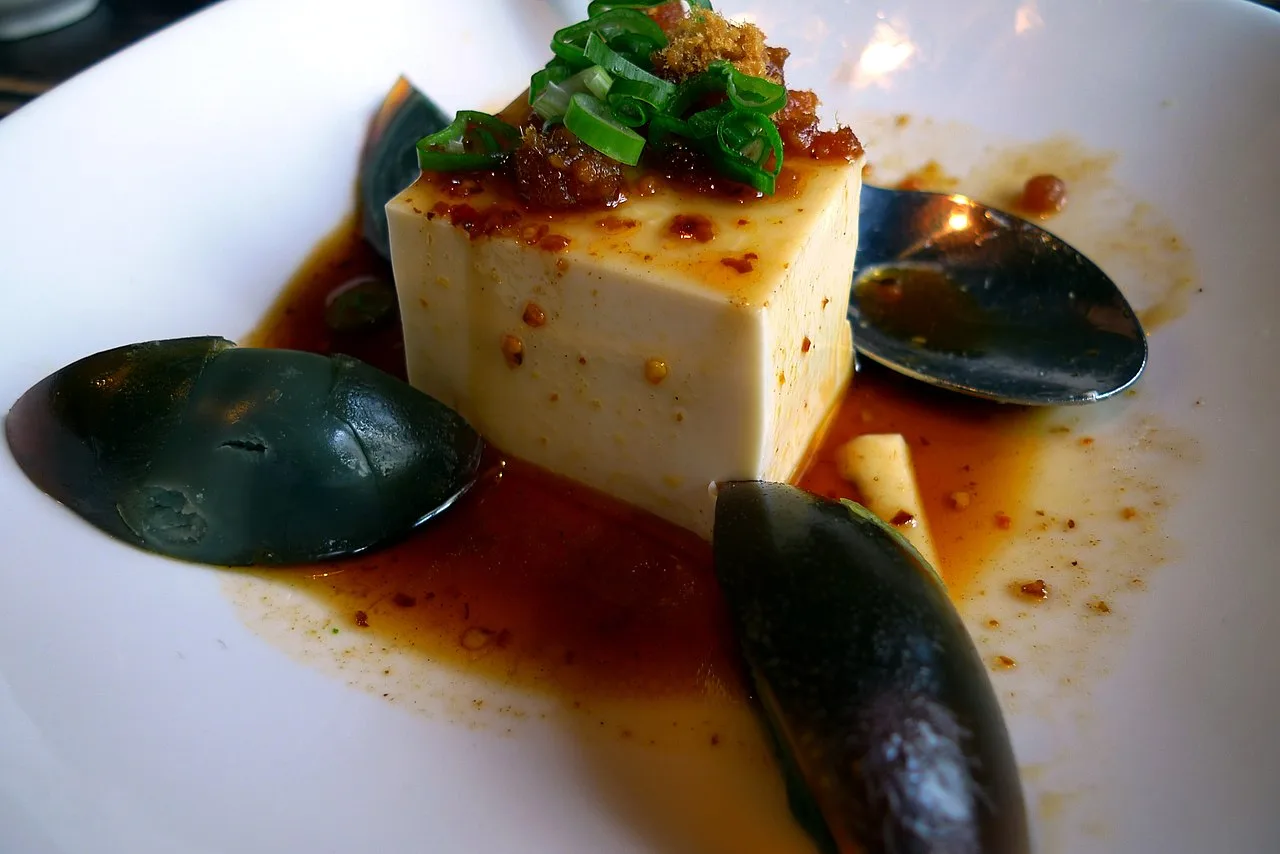
With tofu
Century egg
Century eggs are a Chinese dish made by preserving duck, chicken, or quail eggs in a mixture of clay, ash, salt, quicklime, and rice hulls.
A Pungent Etymological Misconception
A widespread myth holds that century eggs are prepared by soaking eggs in horse urine for a hundred years. In reality, there is no valid evidence to support this belief. However, the common word in Thai and Lao for century egg translates to "horse urine egg" due to the distinctive urine-like odor of the food. This strong flavor and pungent aroma actually stem from hydrogen sulfide and ammonia produced during processing.
From Wikipedia · CC BY-SA 4.0
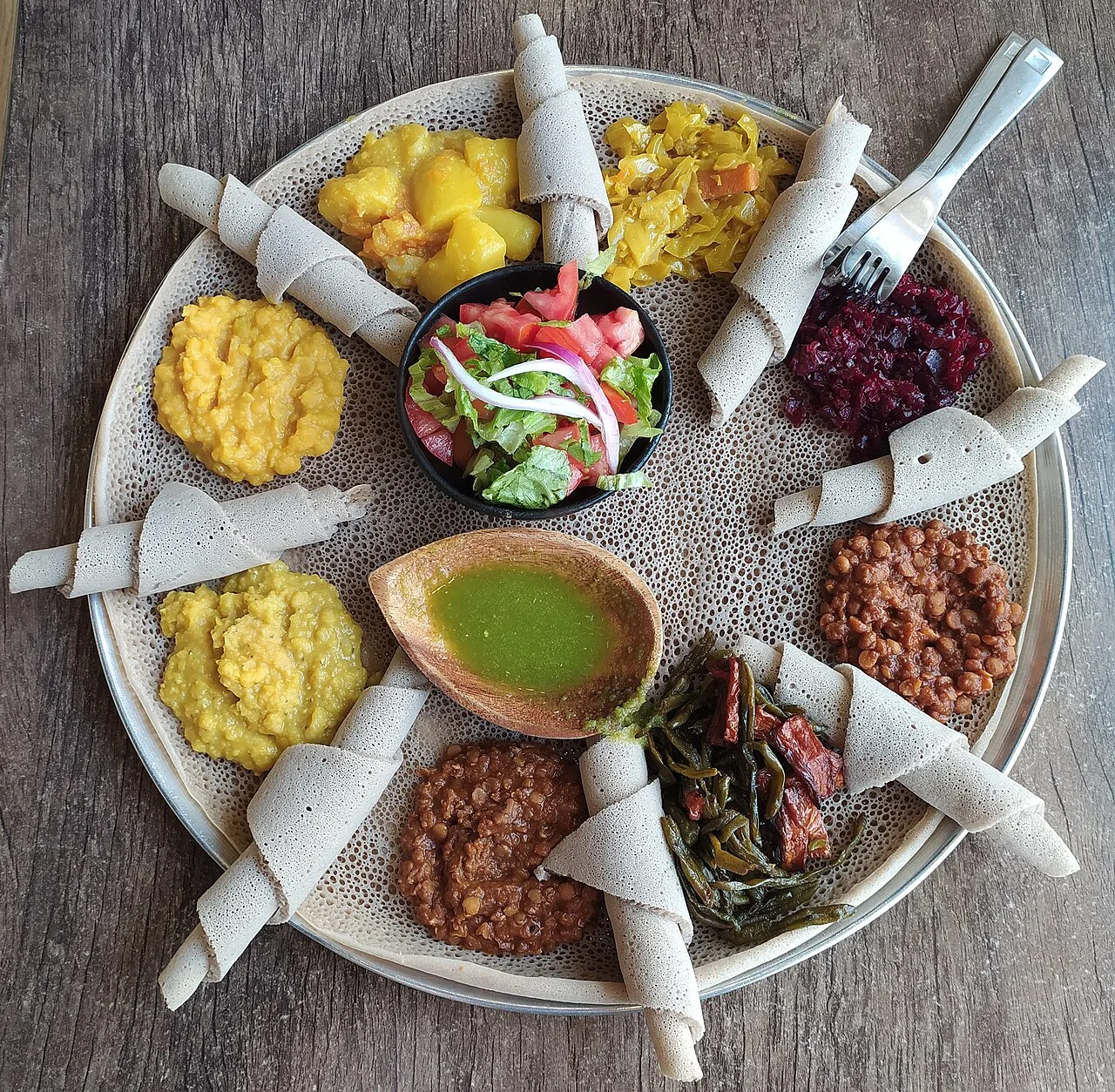
Injera with eight kinds of stew
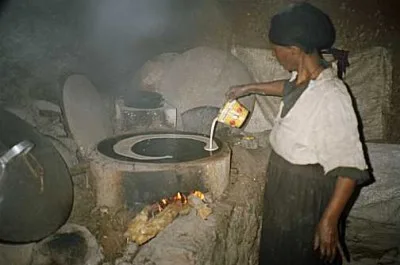
Batter is poured rapidly in a spiral from the outside inwards. Debre Markos, Ethiopia.
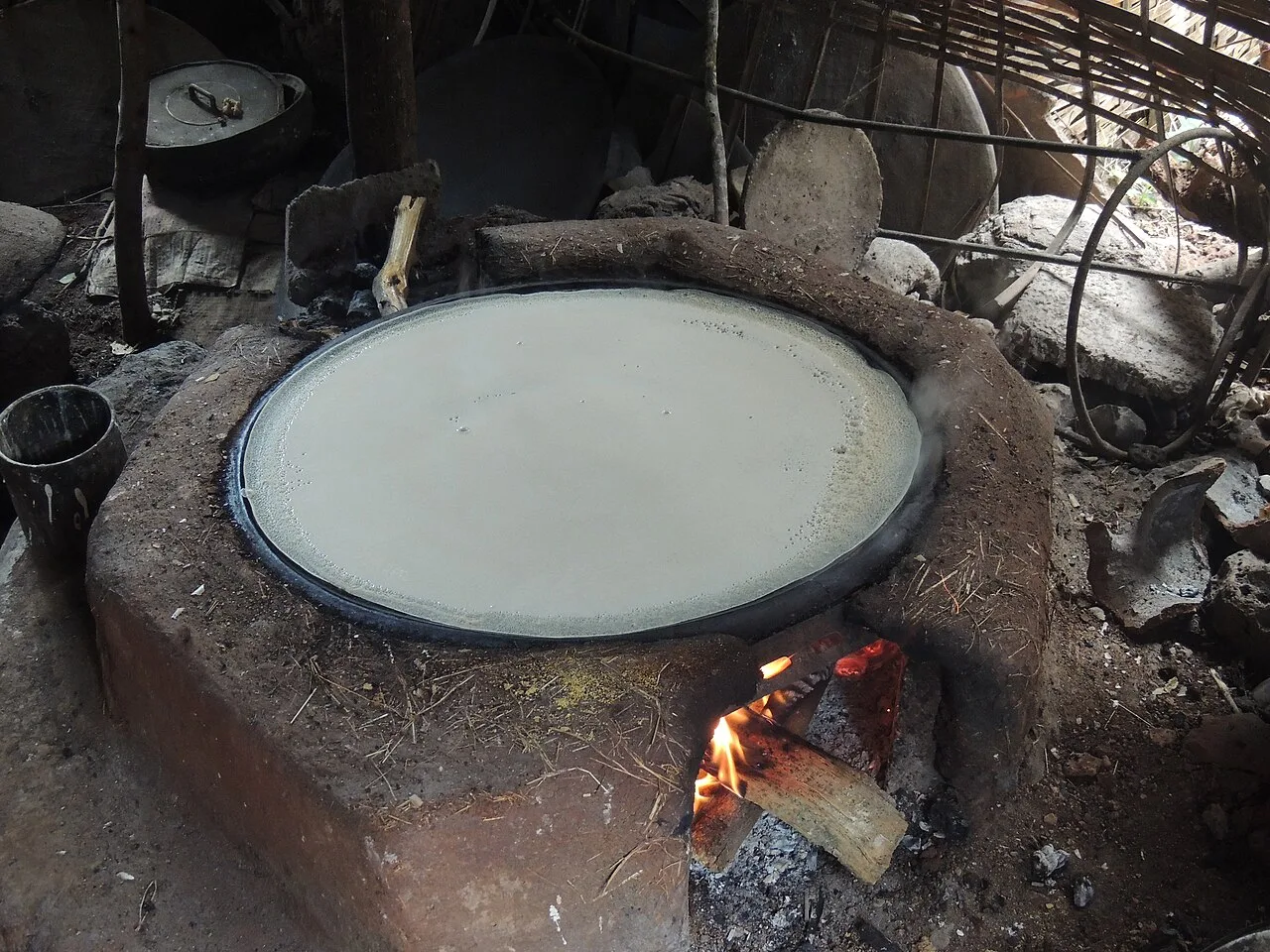
Injera being cooked on a griddle
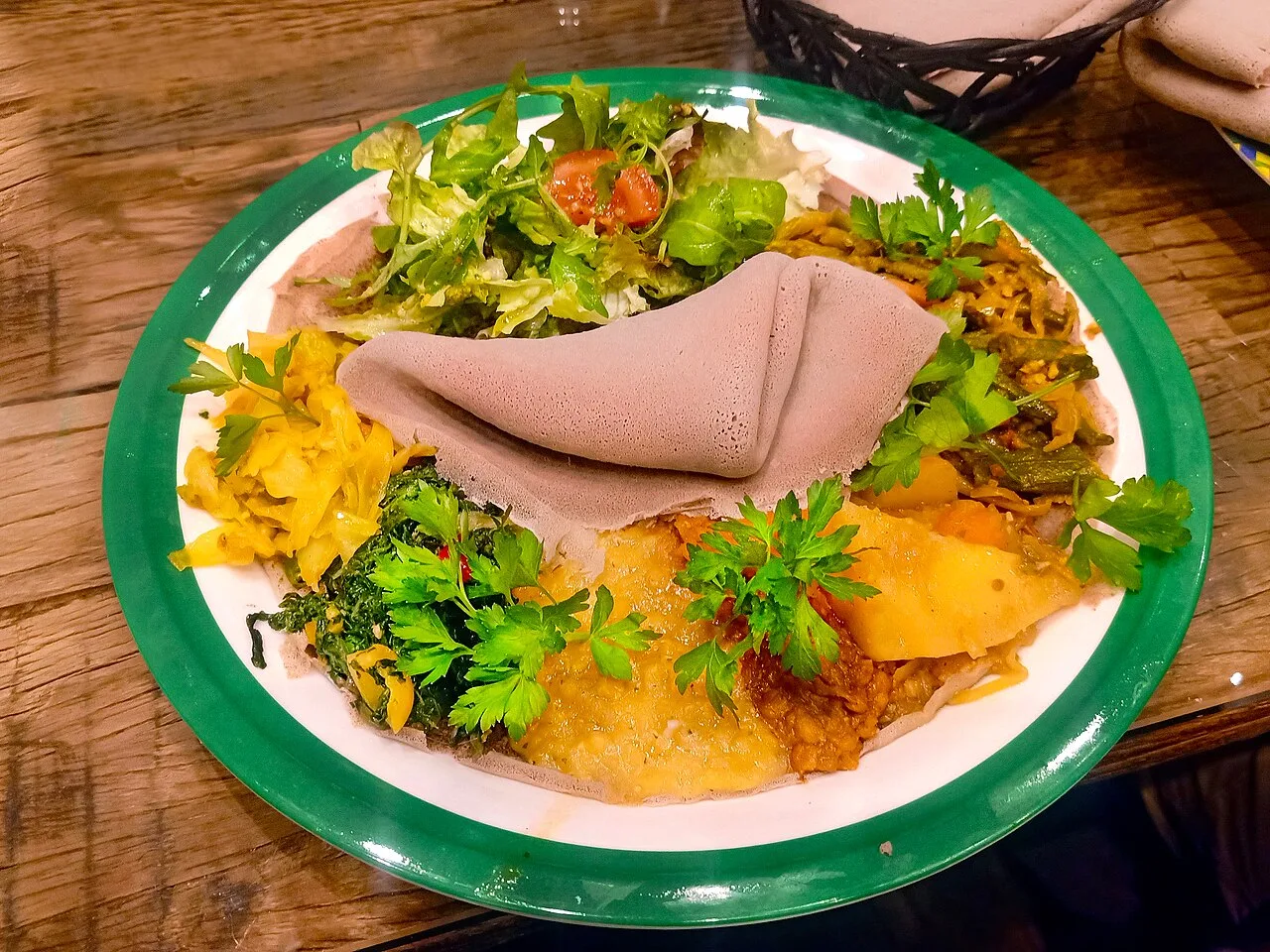
Ethiopian vegetarian food Injera plate
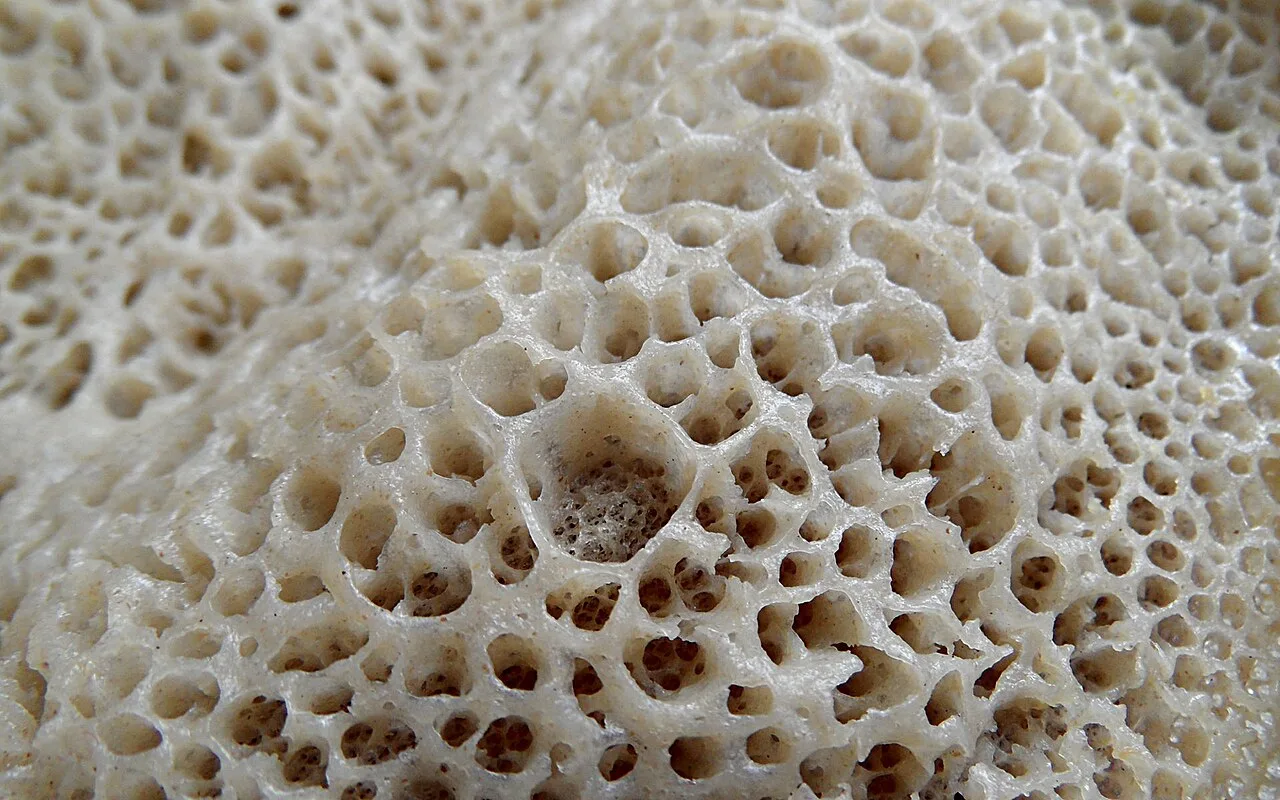
Injera showing typical spongy texture

A bag of retail teff flour in USA
Injera
Injera is a sour fermented, pancake-like flatbread with a spongy texture, traditionally made of teff flour and served as a staple in Ethiopia and Eritrea.
Sorghum for the Lowlands, White Teff for Status
A diner's social standing in Ethiopia can be read directly from the shade of their flatbread. Pure white-grained teff injera serves as a symbol of wealth and high status due to its steep cost compared to red teff. When lower-income households stretch their flour, they rely on sorghum or maize, while wealthier families blend in rice flour to maintain a similar pale color.
From Wikipedia · CC BY-SA 4.0
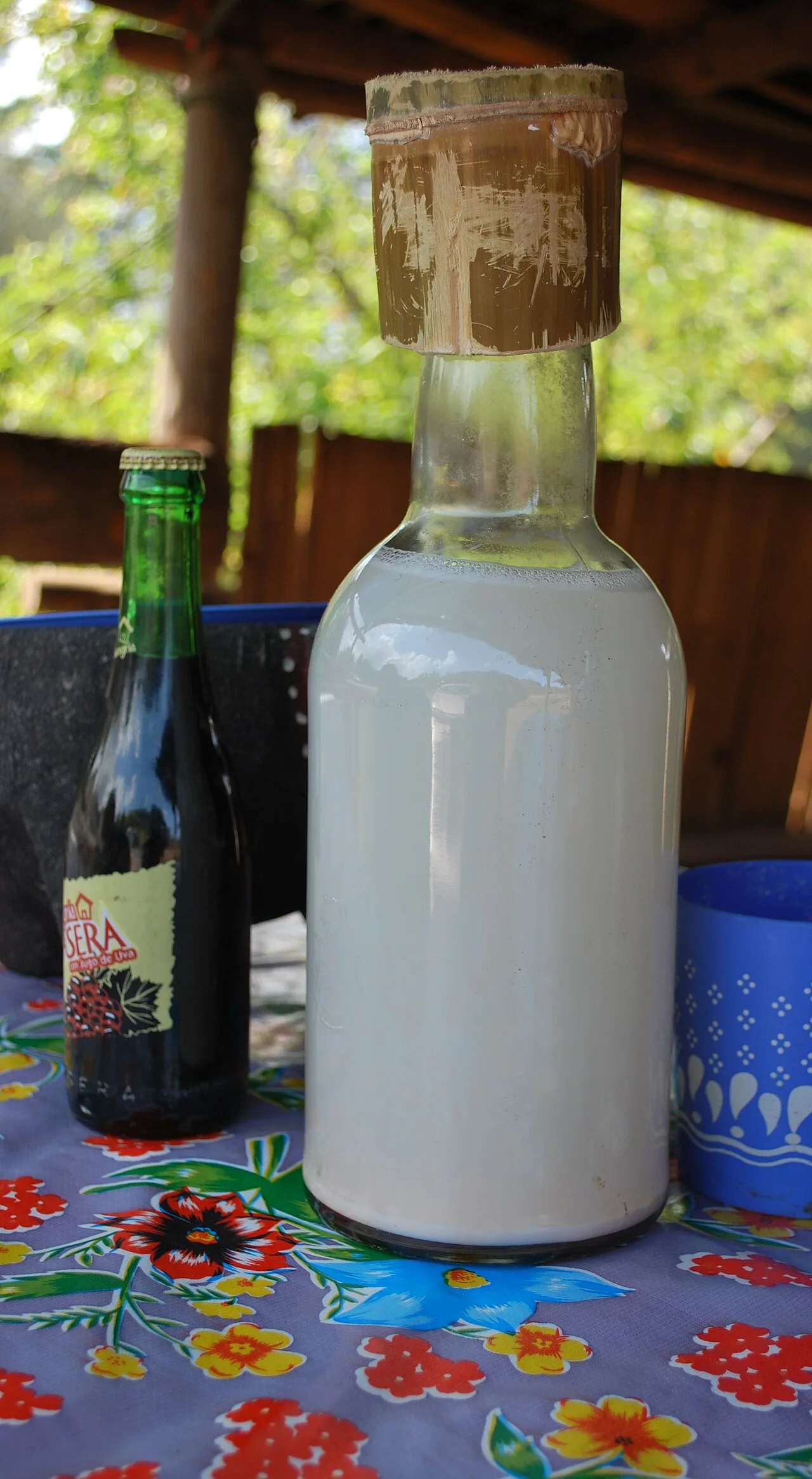
Pulquebottle
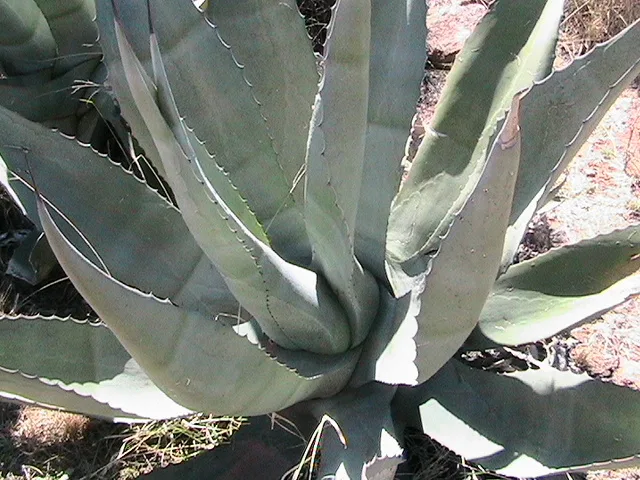
Close up of a maguey plant

The discovery of pulque by nineteenth-century Mexican painter José Obregón.
![Tlaquichero extracting juice from an agave for pulque, ca. 1900. C. B. Waite photographer.[25]](https://hmzpdsmr7uczkvx4.public.blob.vercel-storage.com/wikifeed/pulque/3-94b9bcb374.webp)
Tlaquichero extracting juice from an agave for pulque, ca. 1900. C. B. Waite photographer.[25]

Pulque donkey and vendor in Zacatecas City (2006)
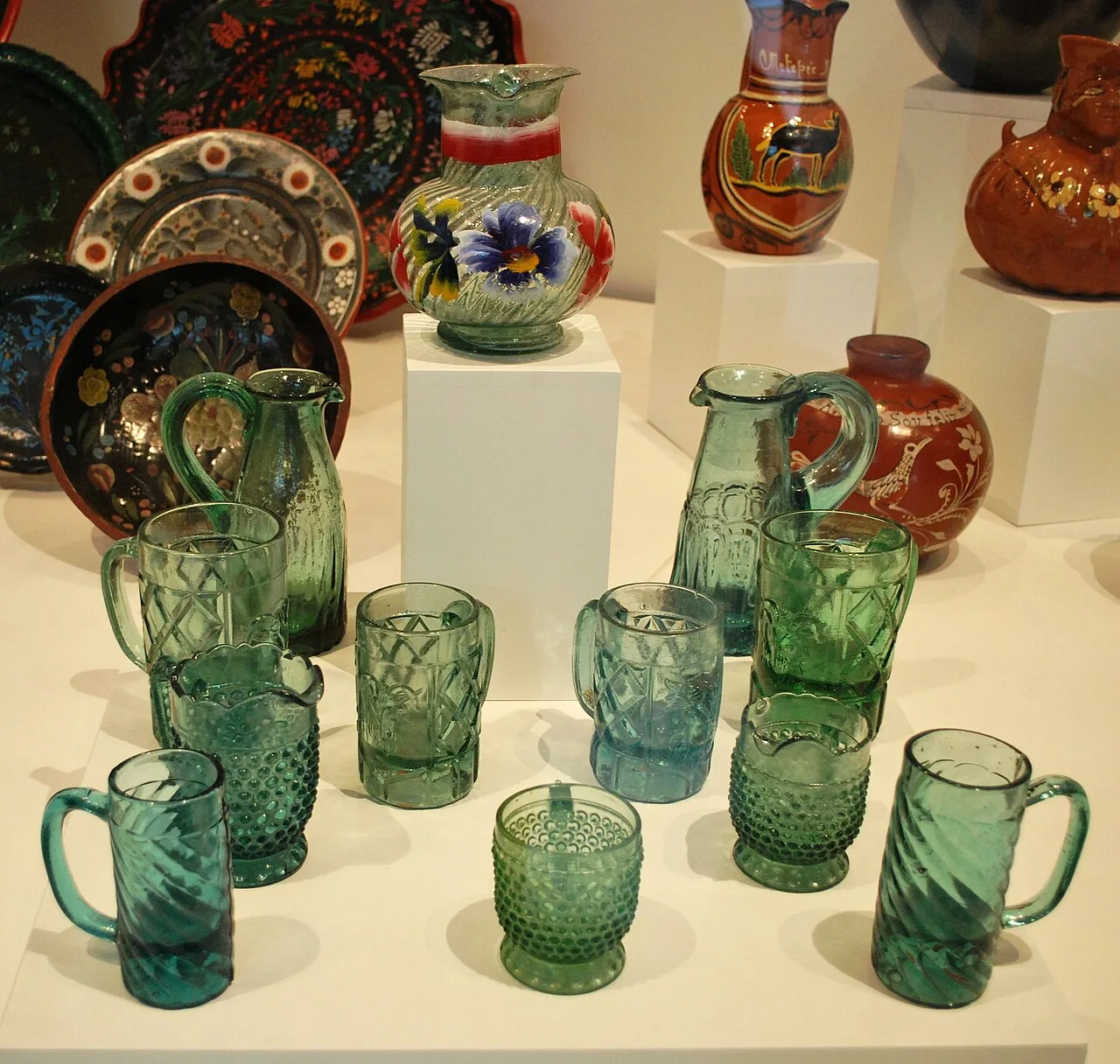
Traditional glassware for pulque circa 1950 on display at the Museo de Artes Populares, Mexico City
Pulque
Pulque is a traditional central Mexican alcoholic beverage made from the fermented sap of the maguey (agave) plant.
Fatal Harvest of the Parent Succulent
The manufacturing process of pulque requires the death of the maguey plant. It takes a maguey plant 12 years to mature enough to produce the sap for pulque. Harvesters cut the emerging central flower stalk to collect the liquid, called aguamiel, before the plant dies. Some plants can yield up to 600 L of pulque during this final months-long harvest.
From Wikipedia · CC BY-SA 4.0
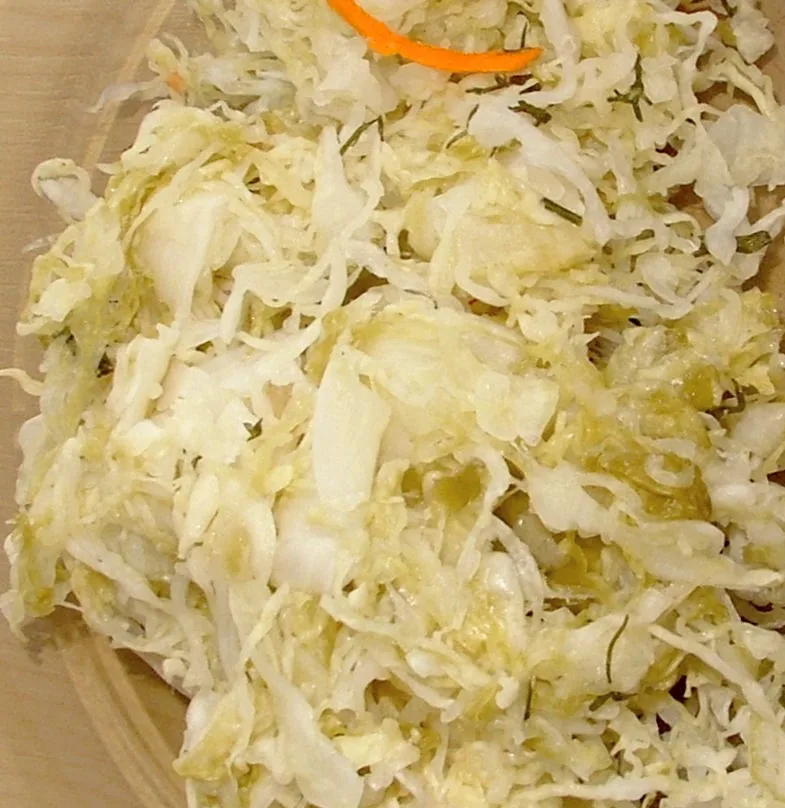
Polish kapusta kiszona
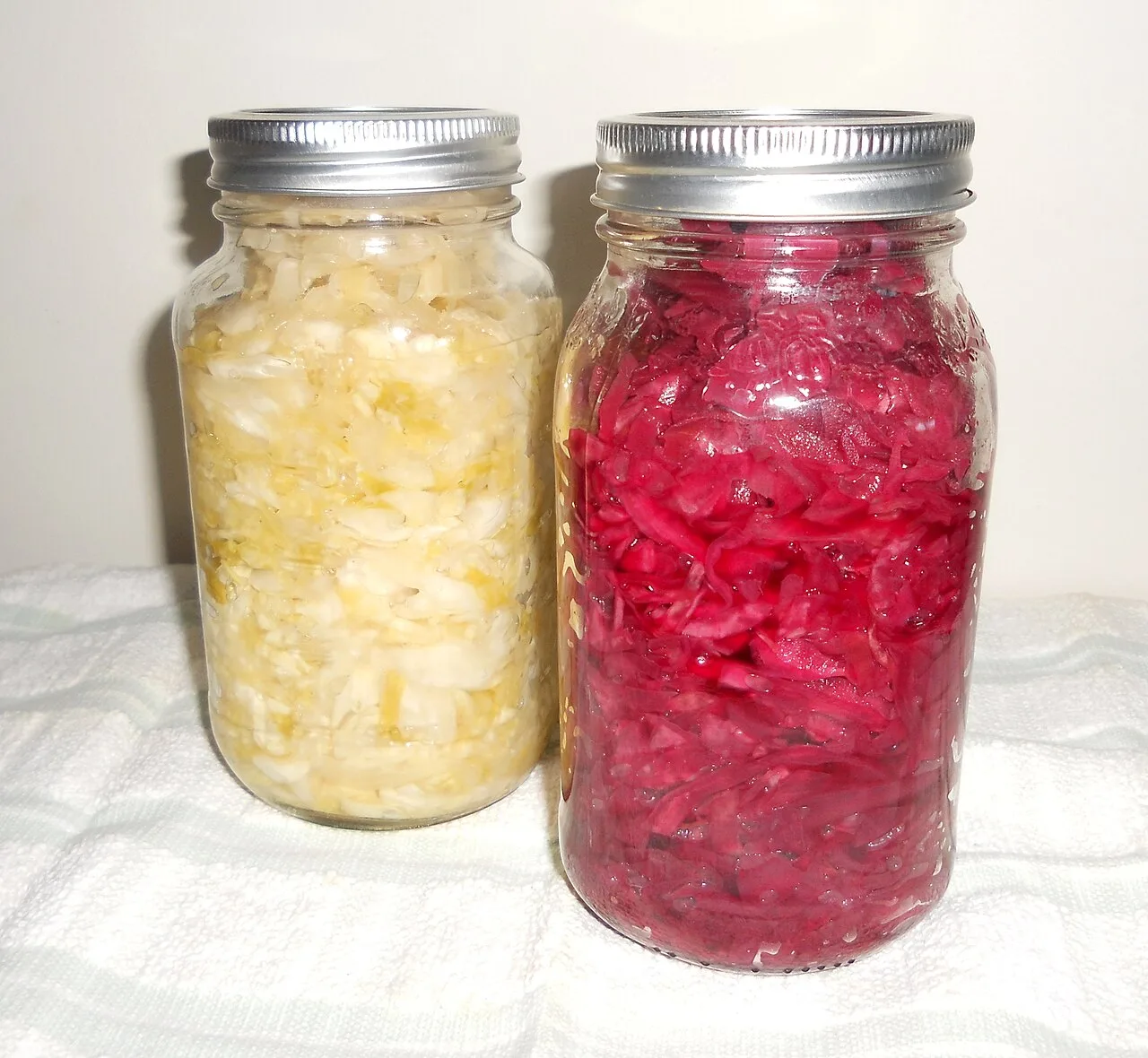
Homemade sauerkraut
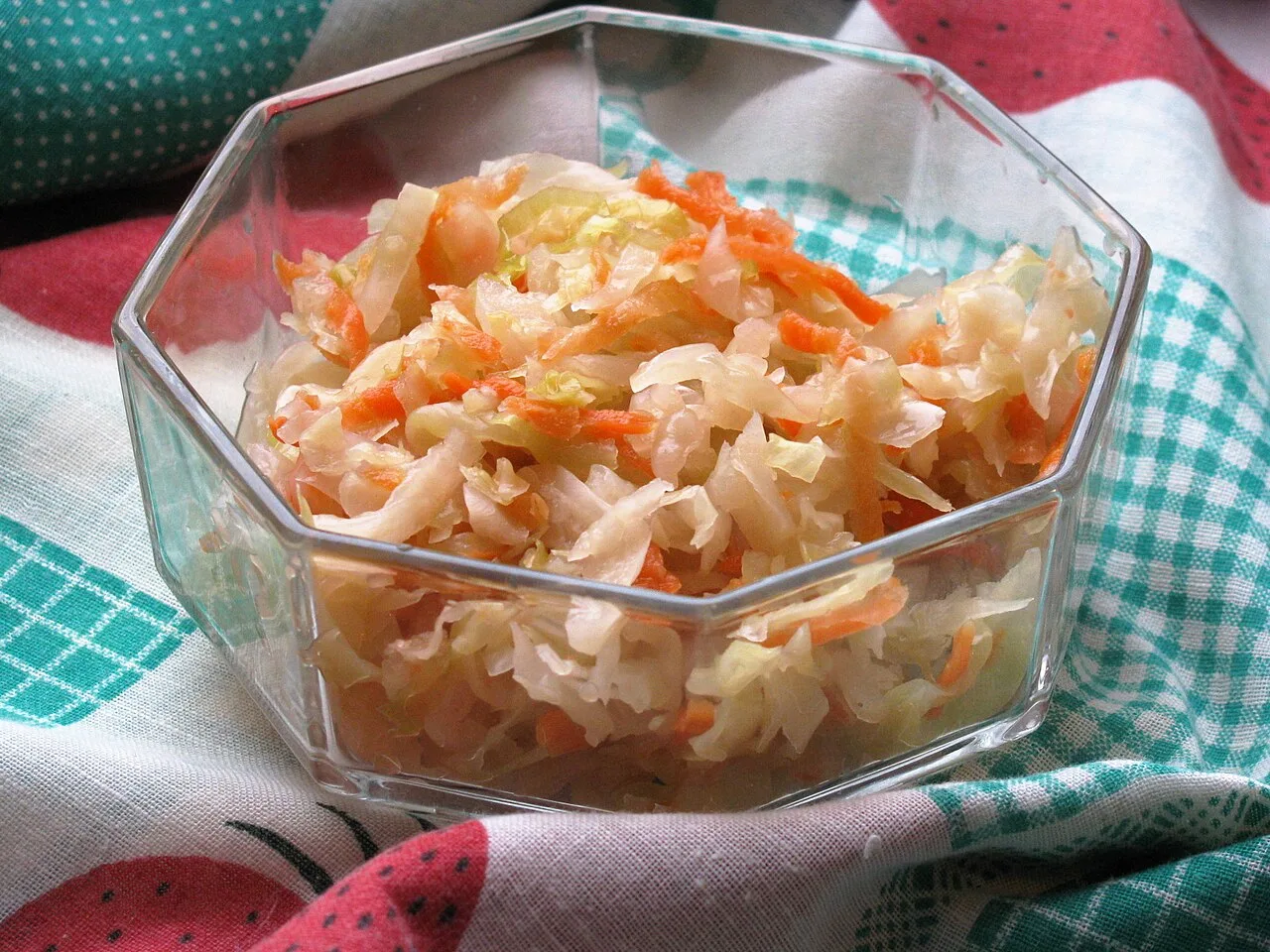
Eastern European-style sauerkraut pickled with carrots and served as a salad
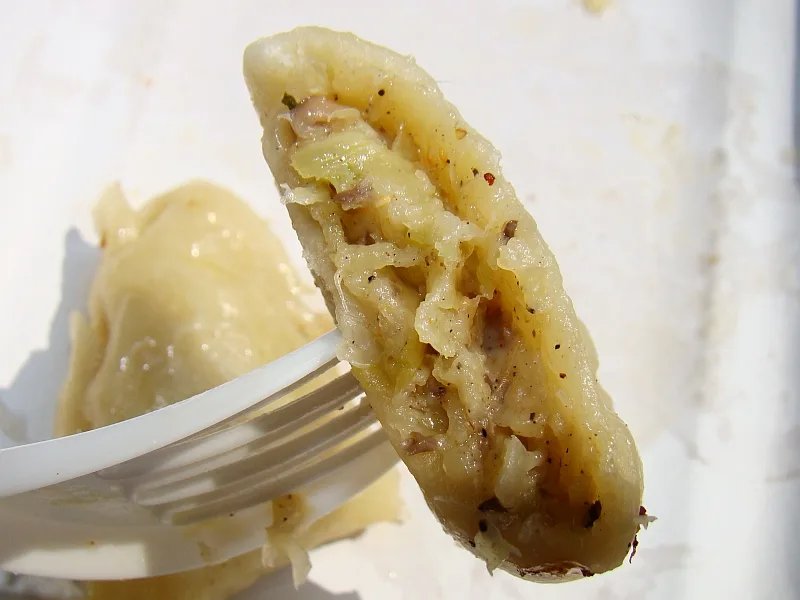
Pierogi with sauerkraut
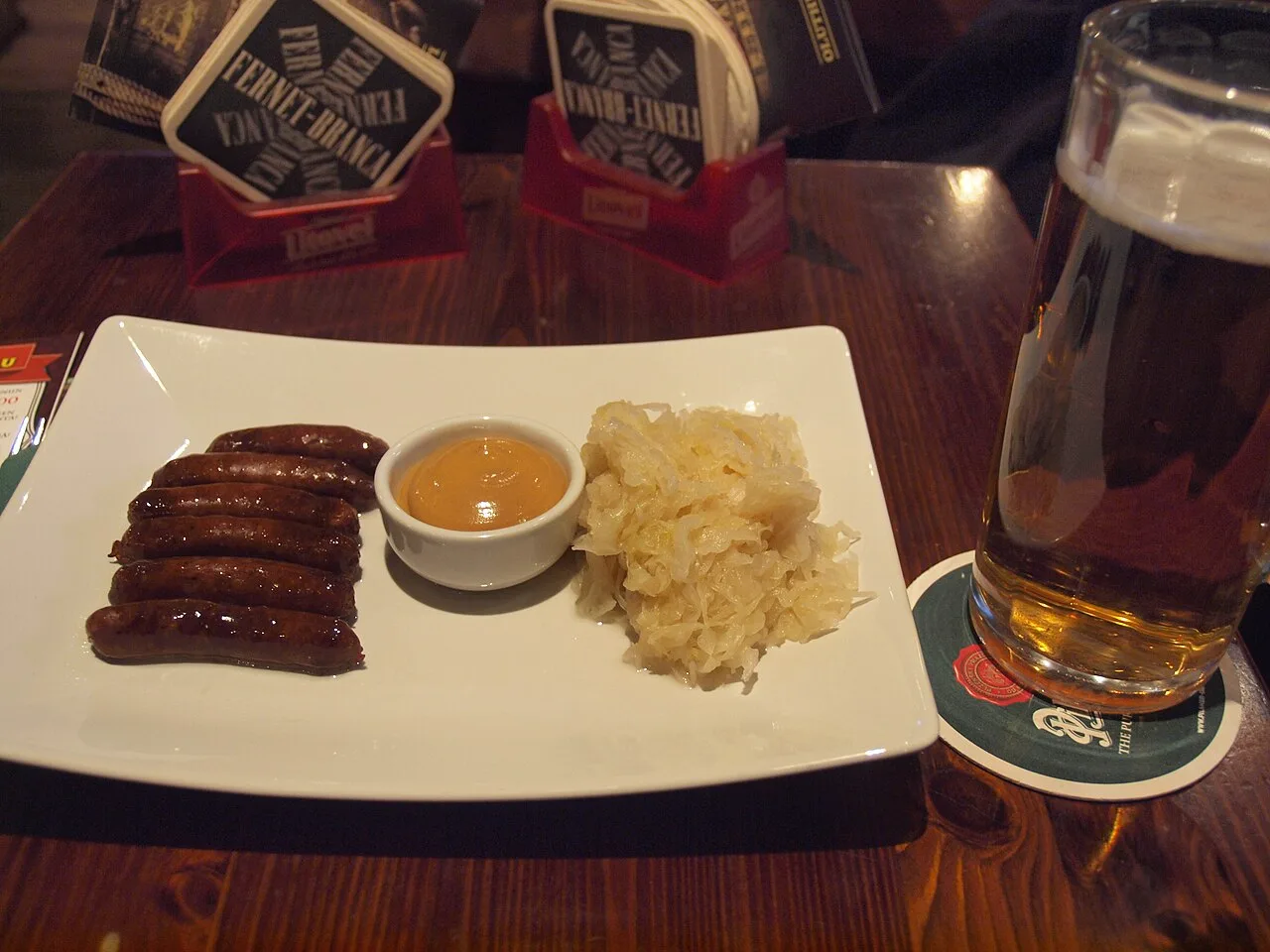
Central European-style sauerkraut and sausages is a popular snack dish in pubs.
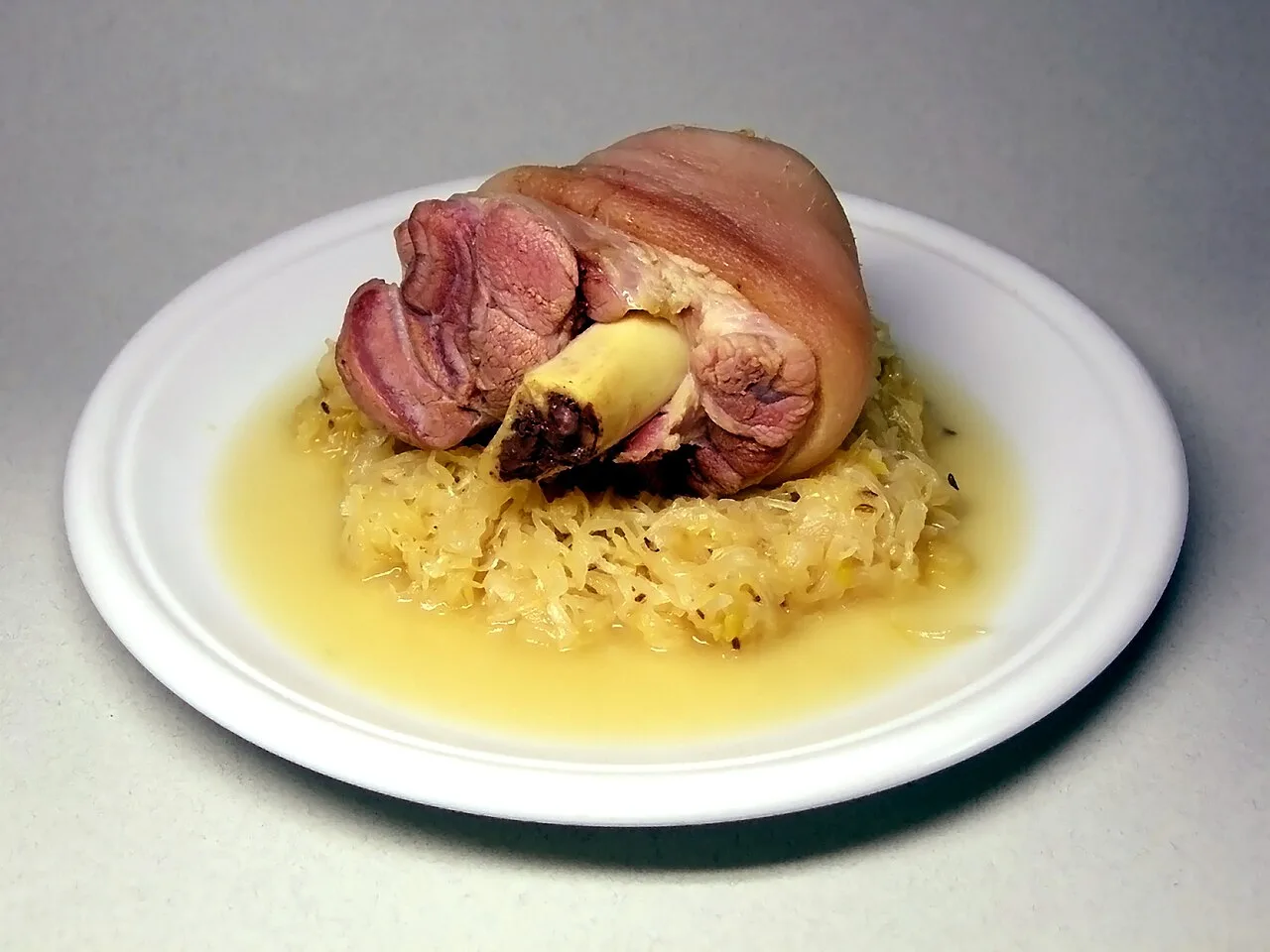
Pickled Eisbein served with sauerkraut
Sauerkraut
Sauerkraut is finely cut raw white cabbage fermented by lactic acid bacteria, giving it a long shelf life and a distinctive sour flavor.
Roman Clay Pots Overrule Eurasian Nomad Myths
Popular lore imagined that sauerkraut was introduced to Europe across Eurasia by the Golden Horde. However, historical evidence dates European production back to Roman times. Writing in the first century AD, Plinius the Elder documented early sauerkraut making by describing salt cabbage preserved in earthen vessels. This record establishes ancient Roman origins rather than an East Asian trade introduction.
From Wikipedia · CC BY-SA 4.0
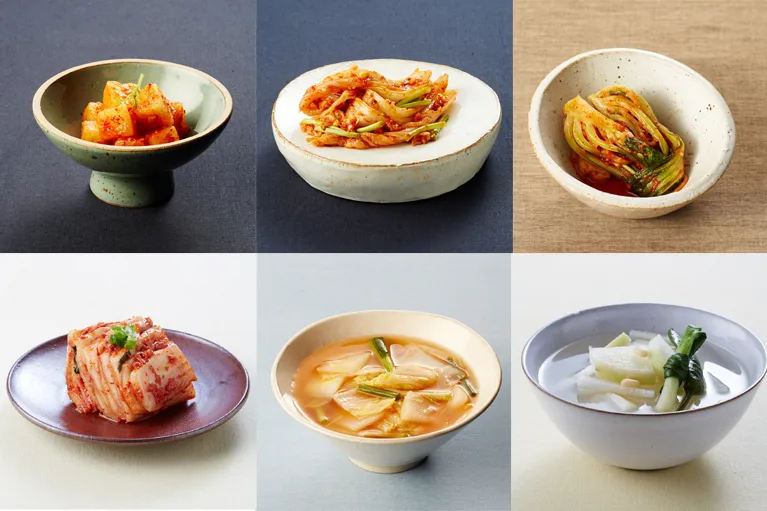
Various kimchi

Proclamation signed by Governor of Maryland Larry Hogan declaring 22 November as 'Kimchi Day' (2022)
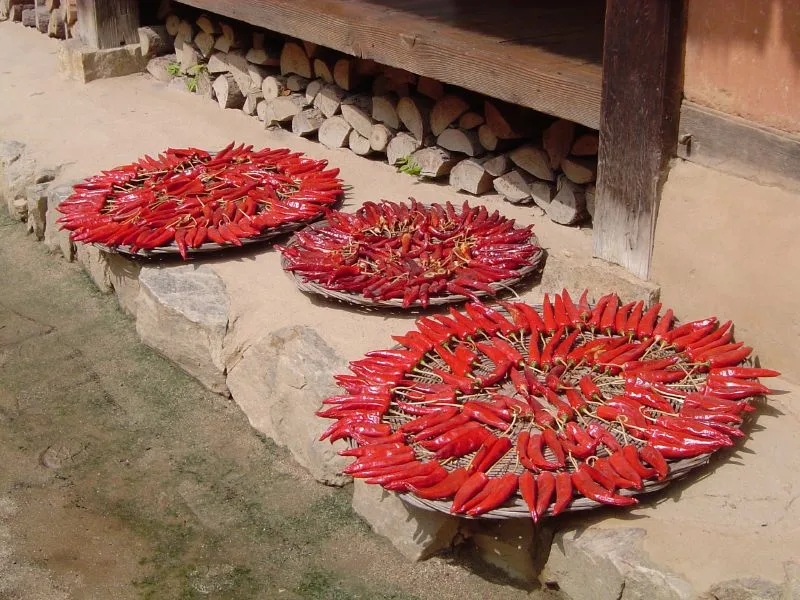
Drying chili peppers for kimchi. These peppers are then made into gochugaru, or chili pepper powder. This powder is added to the rice flour paste to make a seasoning paste for spicy kimchi.
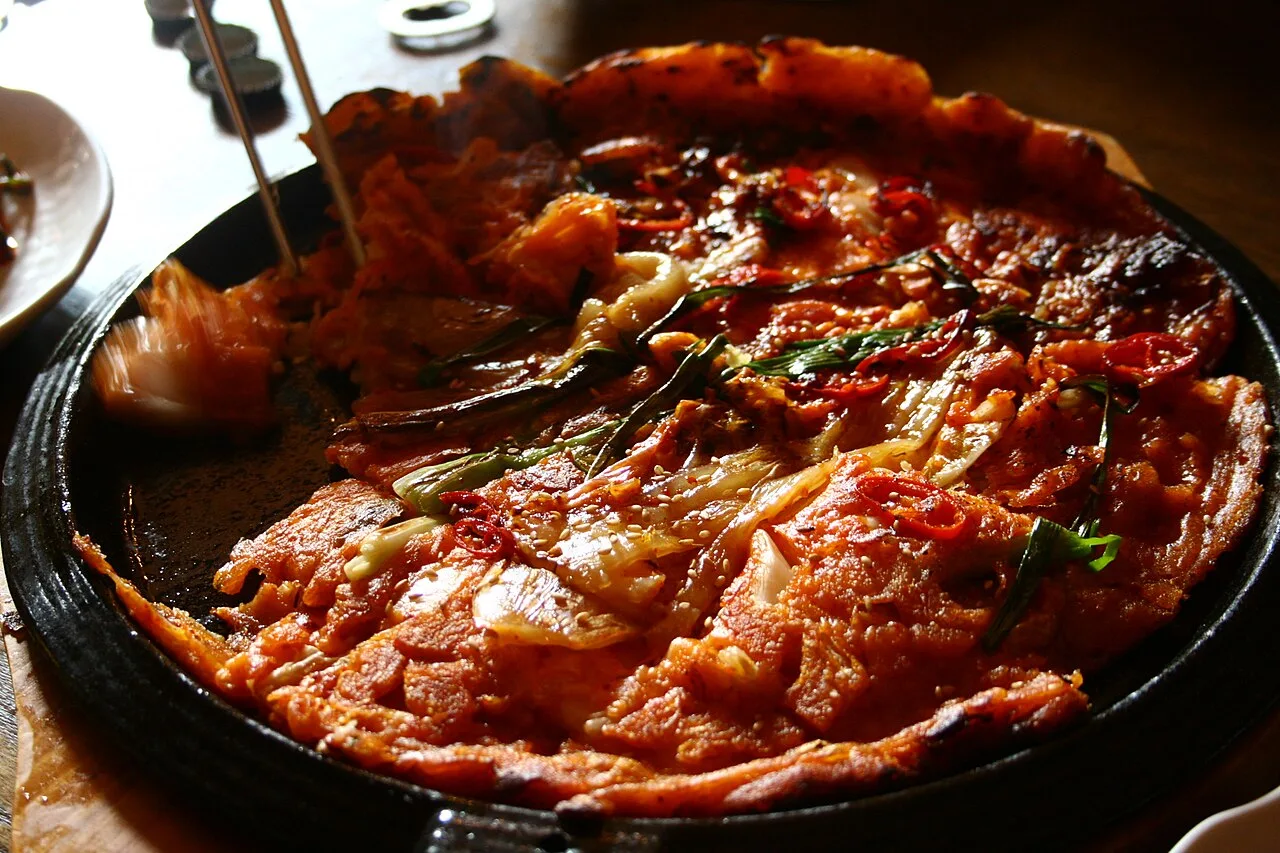
Kimchi-buchimgae, a savory Korean pancake with kimchi
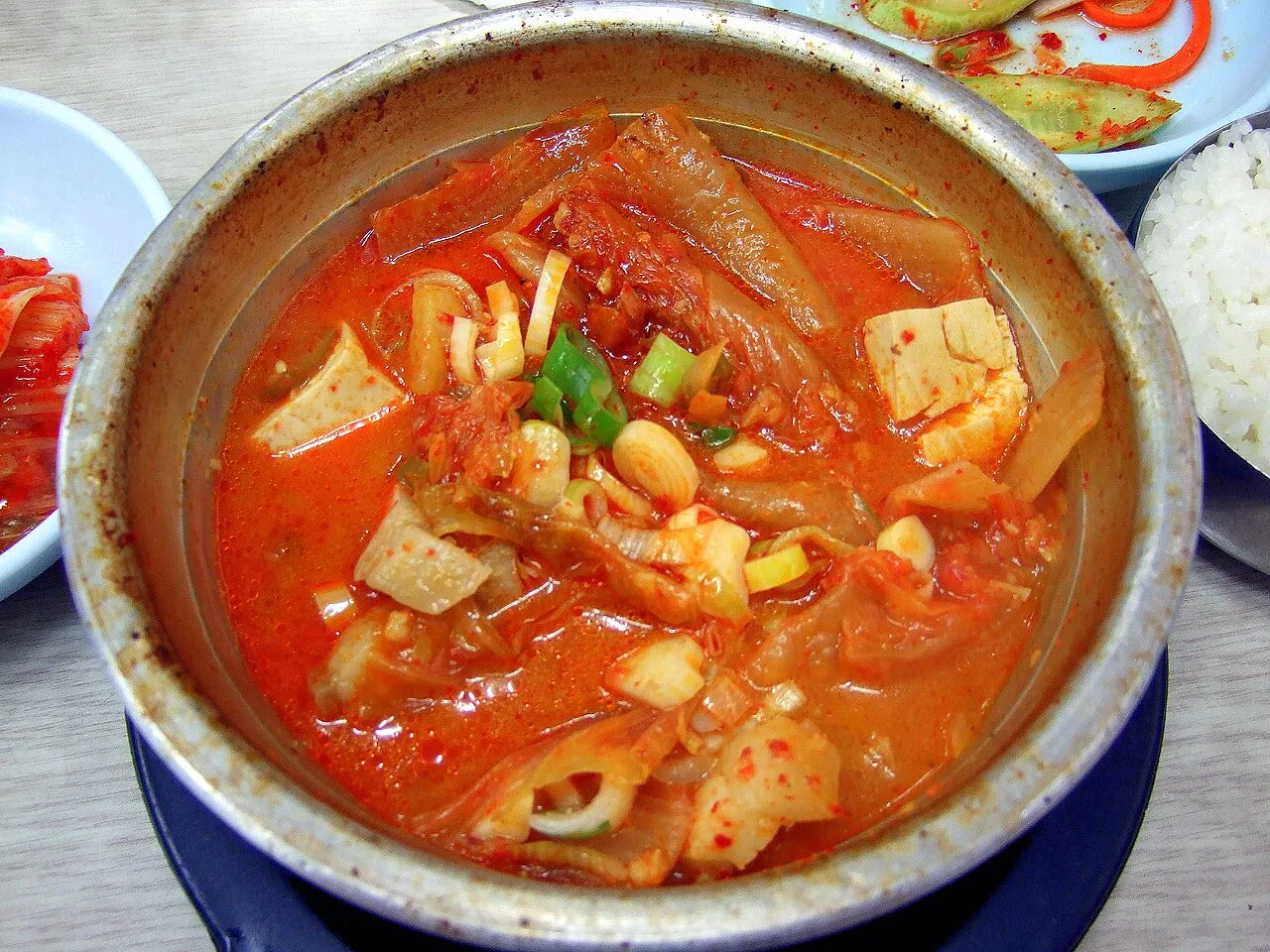
Kimchi jjigae (김치찌개), a stew made of kimchi, vegetables, broth, and other ingredients, is a popular dish during the cold months.
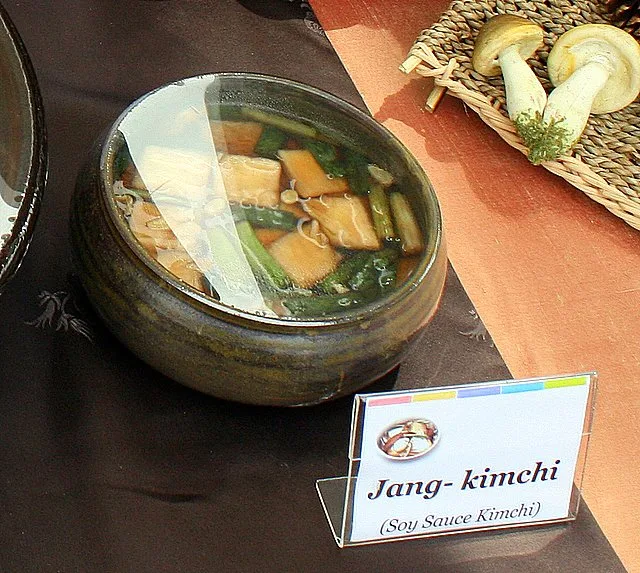
Jang kimchi, pickled with soy sauce
Kimchi
Kimchi is a traditional Korean side dish consisting of salted and fermented vegetables, most often napa cabbage or Korean radish.
Red Peppers Arrived Long After the Dish
The quintessential spicy, red appearance of modern kimchi is a relatively recent historical development. Early versions of the dish relied strictly on salt pickling without red peppers or garlic. Chili peppers were entirely unknown in Korea until Portuguese traders introduced the New World crop to East Asia. The encyclopedia Jibong yuseol provided the first written record of chili pepper in 1614, long before the spice became a standard ingredient.
From Wikipedia · CC BY-SA 4.0
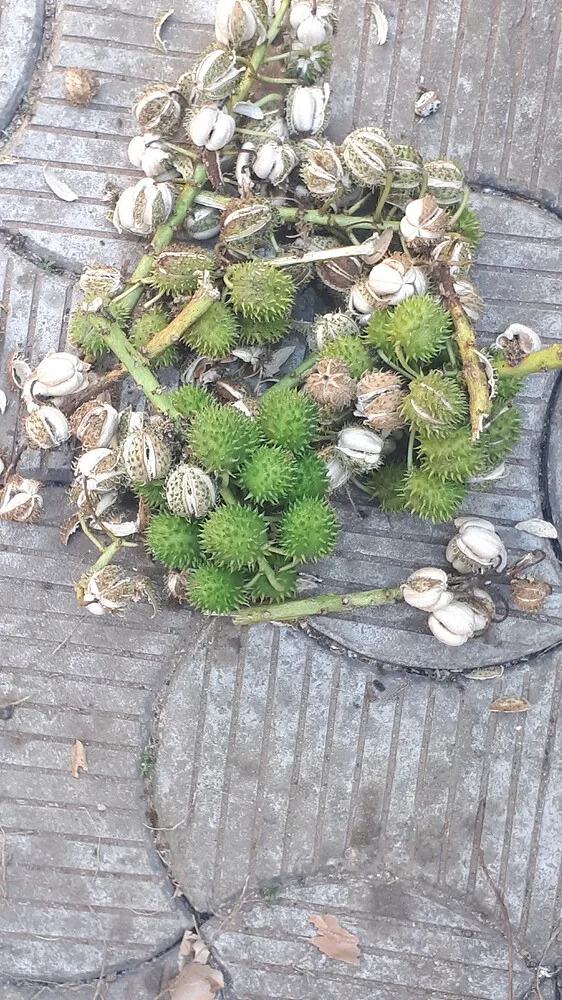
Ogiri (castor) seed with husks
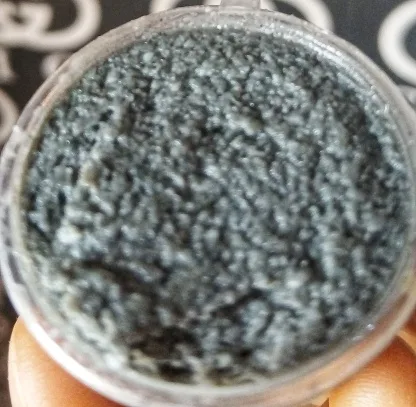
Fully processed Ogiri
Ogiri
Ogiri is a local seasoning originating from the Yoruba people, made of fermented oil seeds and used in Yoruba and Igbo cooking.
1843 Lexicon Corrects Modern Foodies
Modern food influencers often mistake Ogiri and Iru for the exact same seasoning. However, historical documentation tells a different story. Ogiri is specifically an umami flavoring derived from fermenting oil seeds such as sesame, melon, or castor beans. This distinct identity was documented in a Yoruba lexicon published in the year 1843, long before modern culinary conflations arose.
From Wikipedia · CC BY-SA 4.0
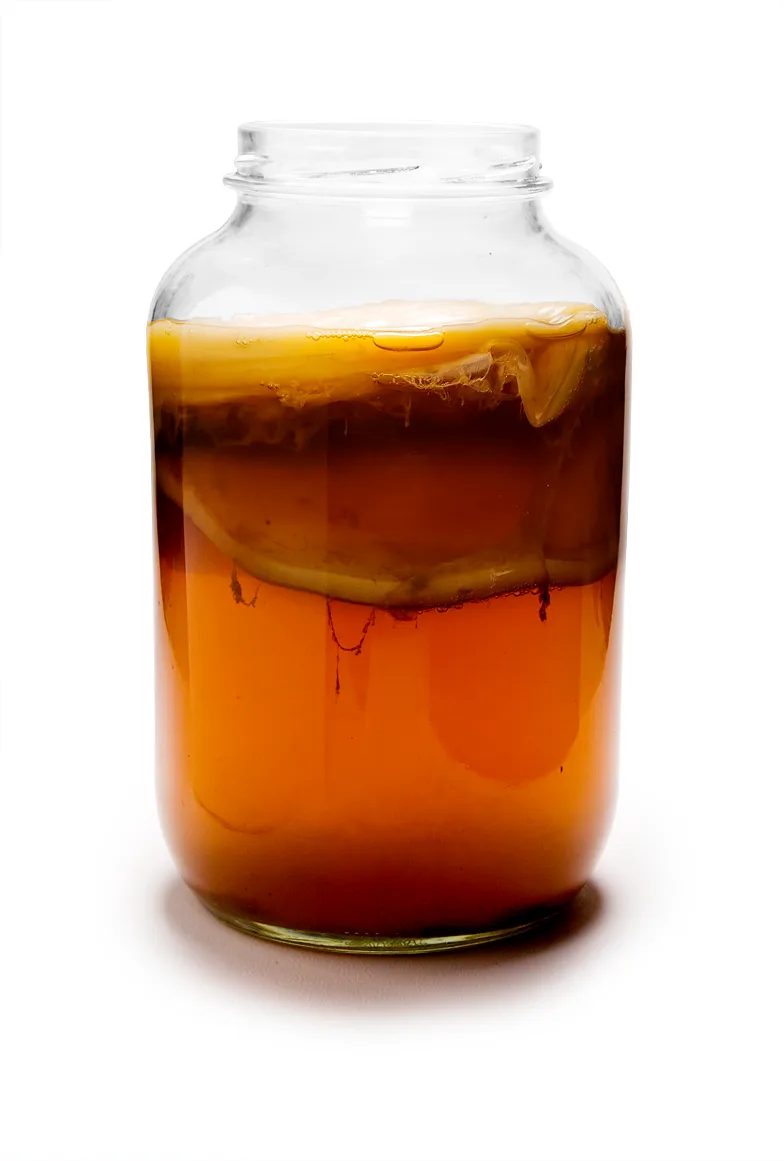
Glass jar filled with brown kombucha beverage, including the floating culture
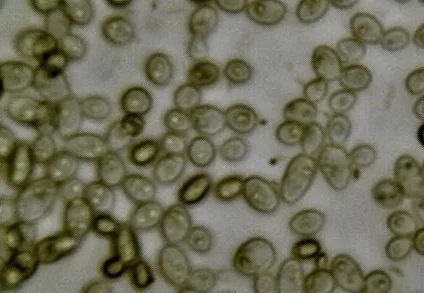
Yeast and bacteria in kombucha magnified 400 times
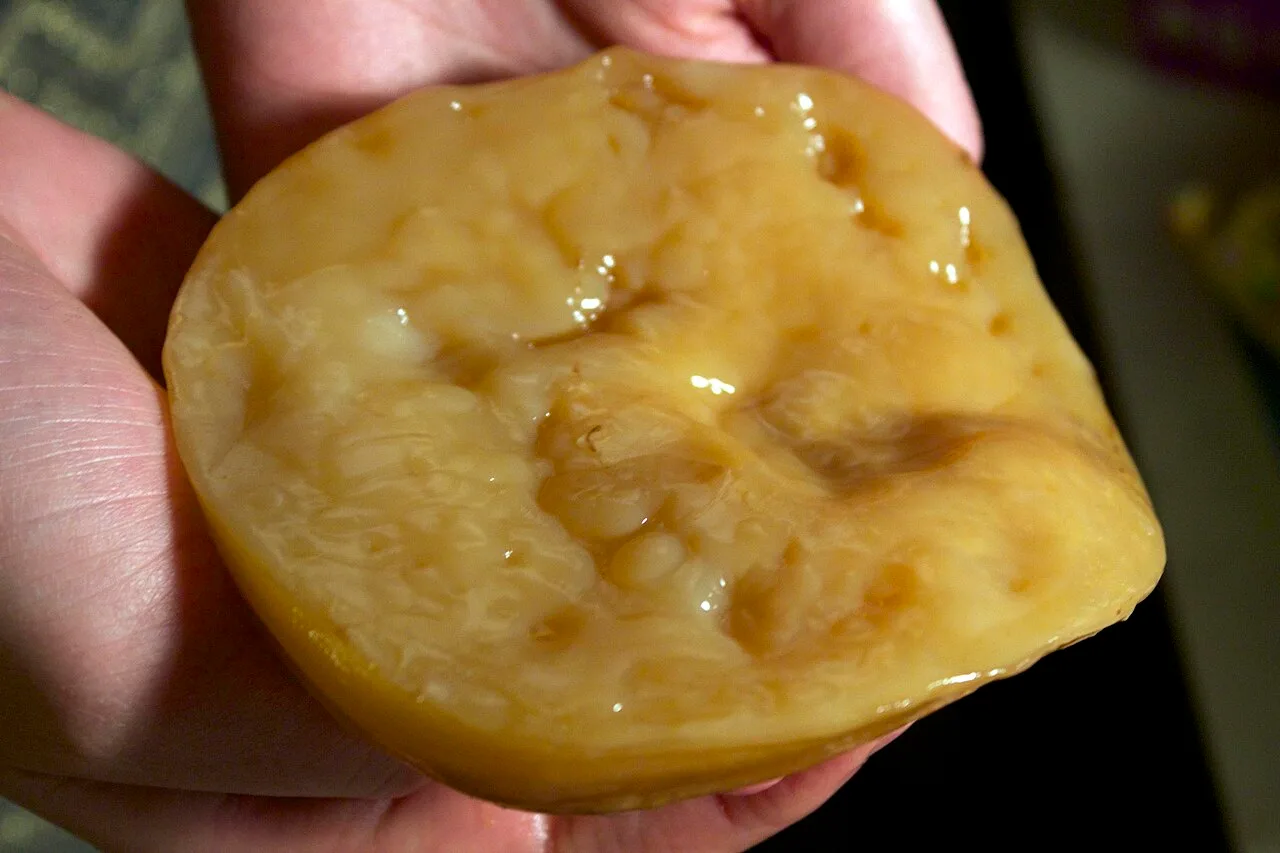
A SCOBY used for brewing kombucha
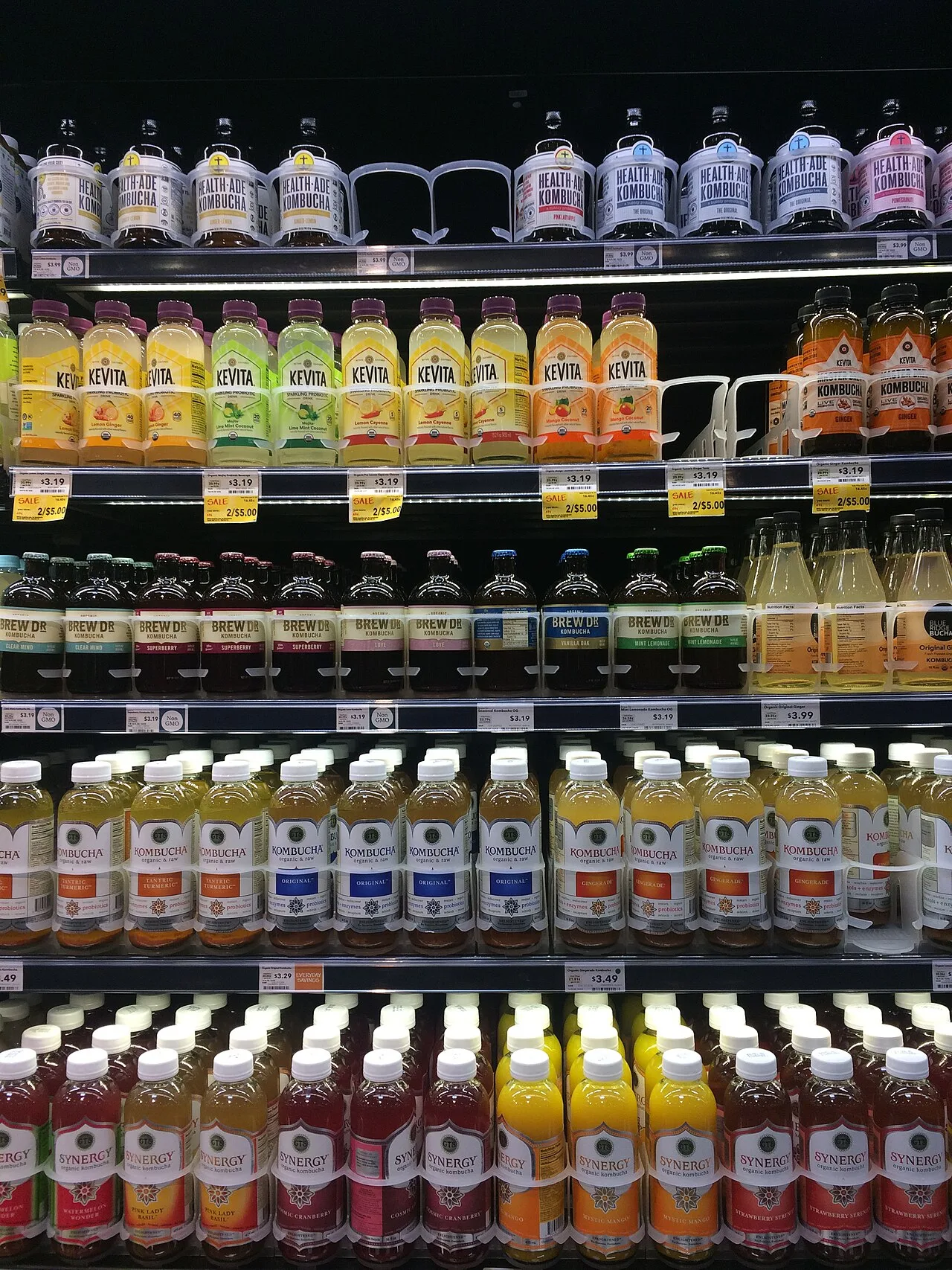
Several brands of commercial kombucha on store shelves, Eastern Pennsylvania, 2019
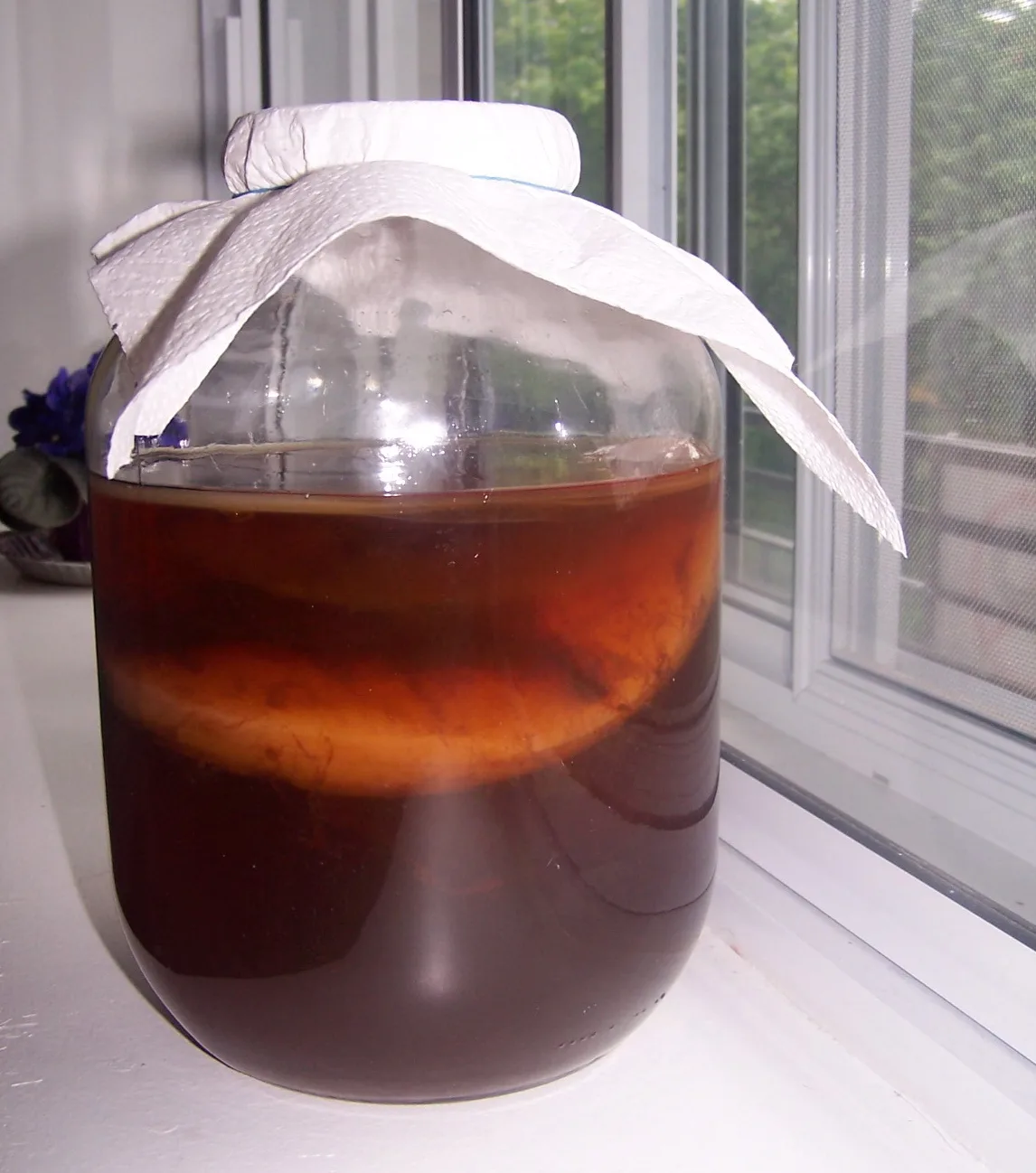
Kombucha culture fermenting in a jar, 2006

Kombucha tea with ice cubes
Kombucha
Kombucha is a fermented, effervescent, and sweetened black tea drink.
Misreading Seaweed on the English Page
The term kombucha is widely thought to be an ancient Asian name for the fermented beverage, but it actually stems from an English etymological mistake. In Japanese, the term konbu-cha refers to a kelp tea made with konbu from the family Laminariaceae, an entirely different drink. English speakers confused Japanese words when borrowing the name. The first known use in the English language of the word appeared in the British Chemical Abstracts in 1928.
From Wikipedia · CC BY-SA 4.0
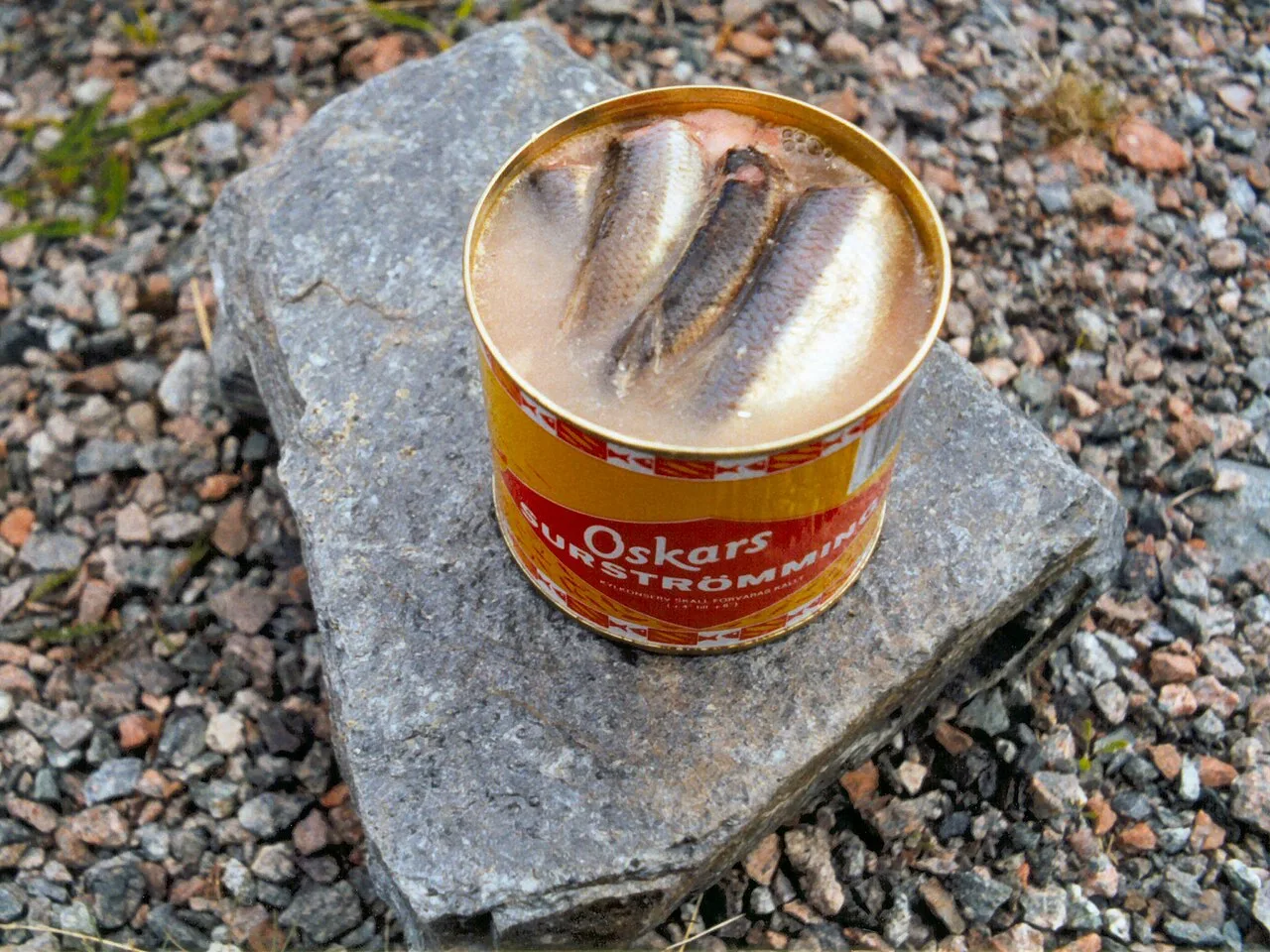
Surströmming
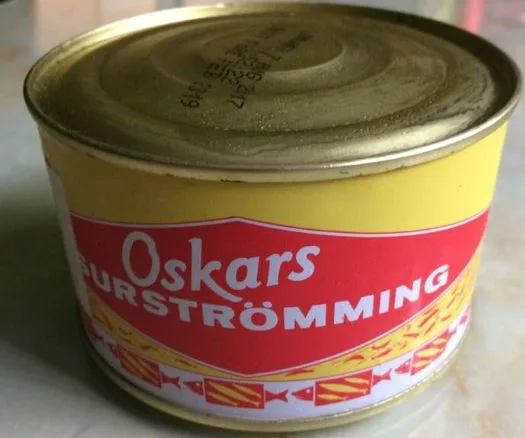
A can of Surströmming, with the top noticeably bulging due to fermented gases being released
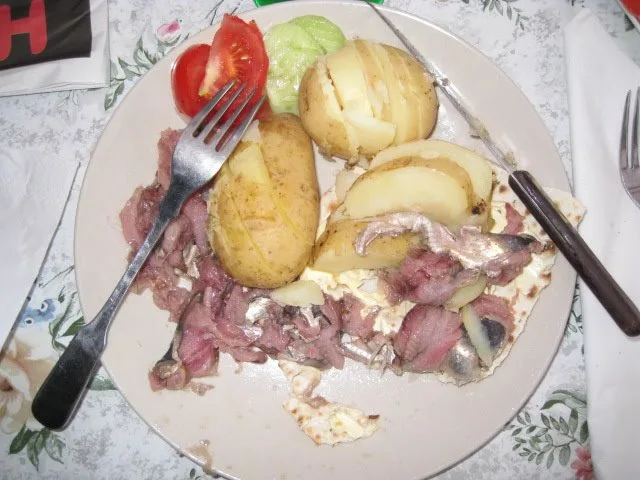
Surströmming served on tunnbröd (a Swedish flatbread) with boiled potatoes and vegetables
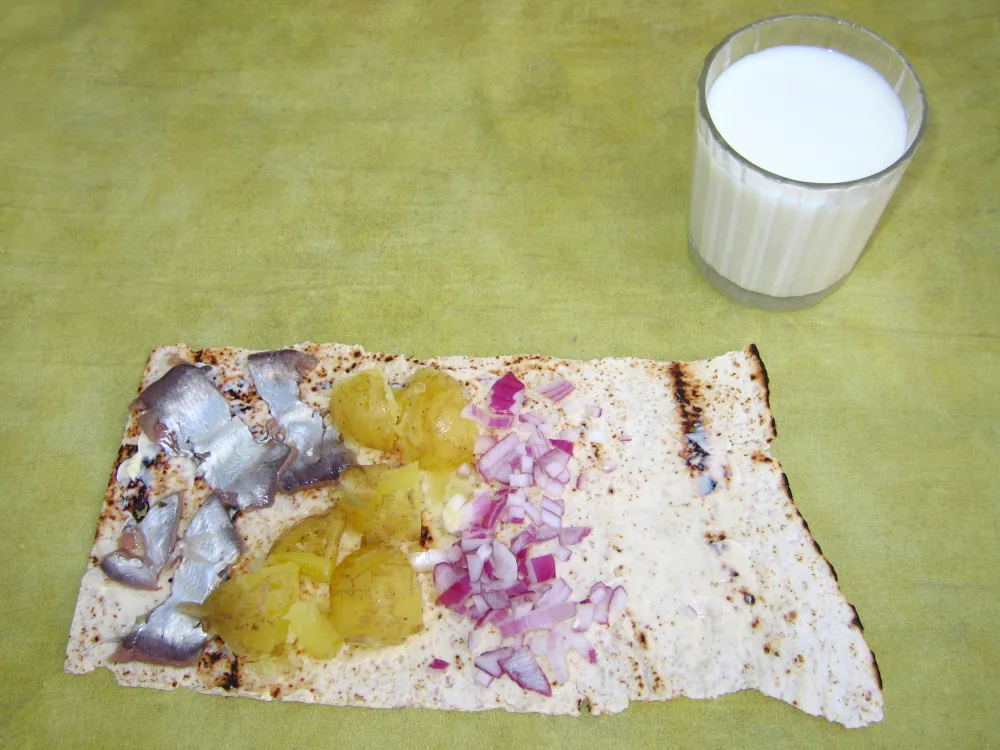
Surströmming with potatoes and onion on buttered tunnbröd, served with a glass of milk
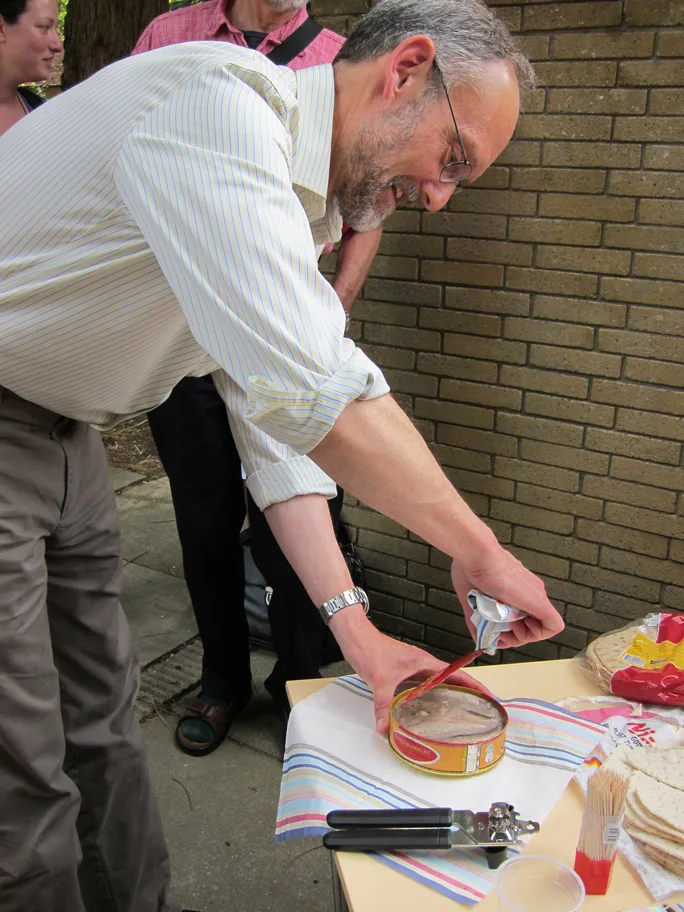
Oxford Symposium on Food & Cookery, 2010. Held at St Catherine's college, Oxfordshire, UK
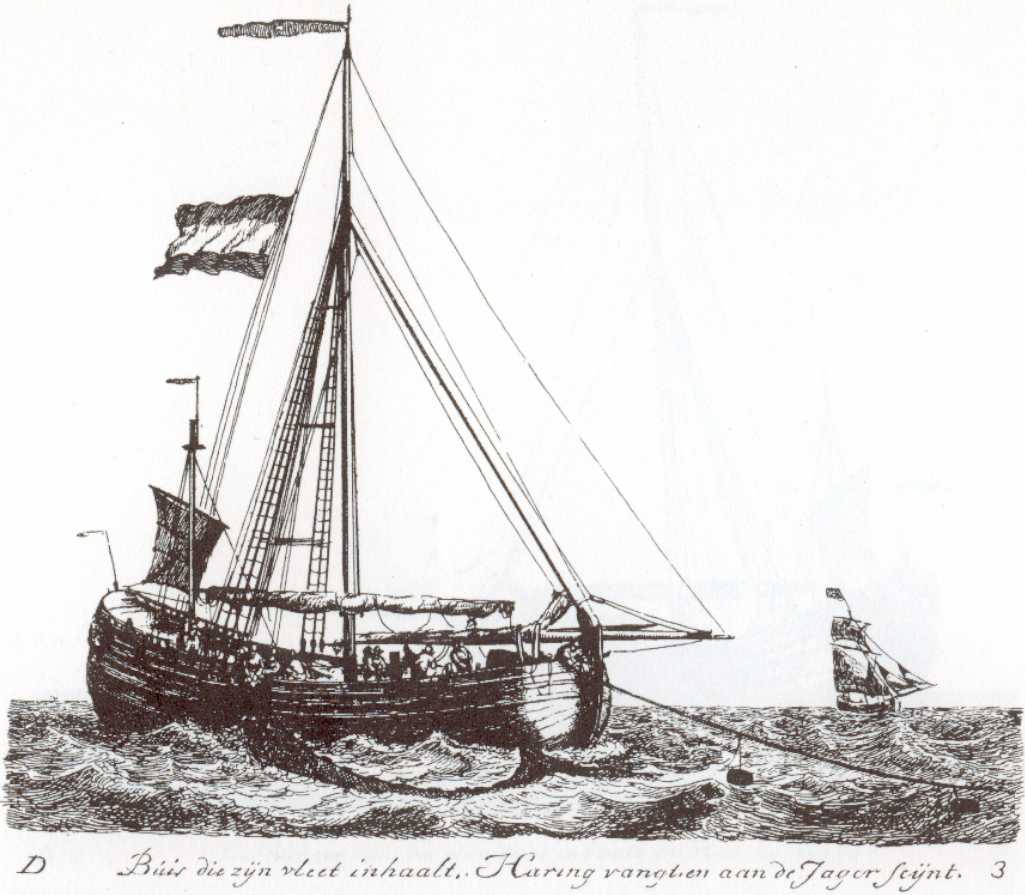
Herring buss
Surströmming
Lightly salted, fermented Baltic Sea herring is a traditional Swedish food dating back to at least the 16th century.
Precision Brining and Spinal Enzymes
The preservation of surströmming relies on a delicate osmotic balance rather than total sterilization. Producers use salt to raise osmotic pressure and inhibit rot-inducing bacteria without destroying the fish entirely. This specific osmotic condition enables Halanaerobium bacteria such as H. praevalens to thrive and convert fish glycogen into organic acids. The resulting acid gives the fermented herring its characteristic sour profile.
From Wikipedia · CC BY-SA 4.0