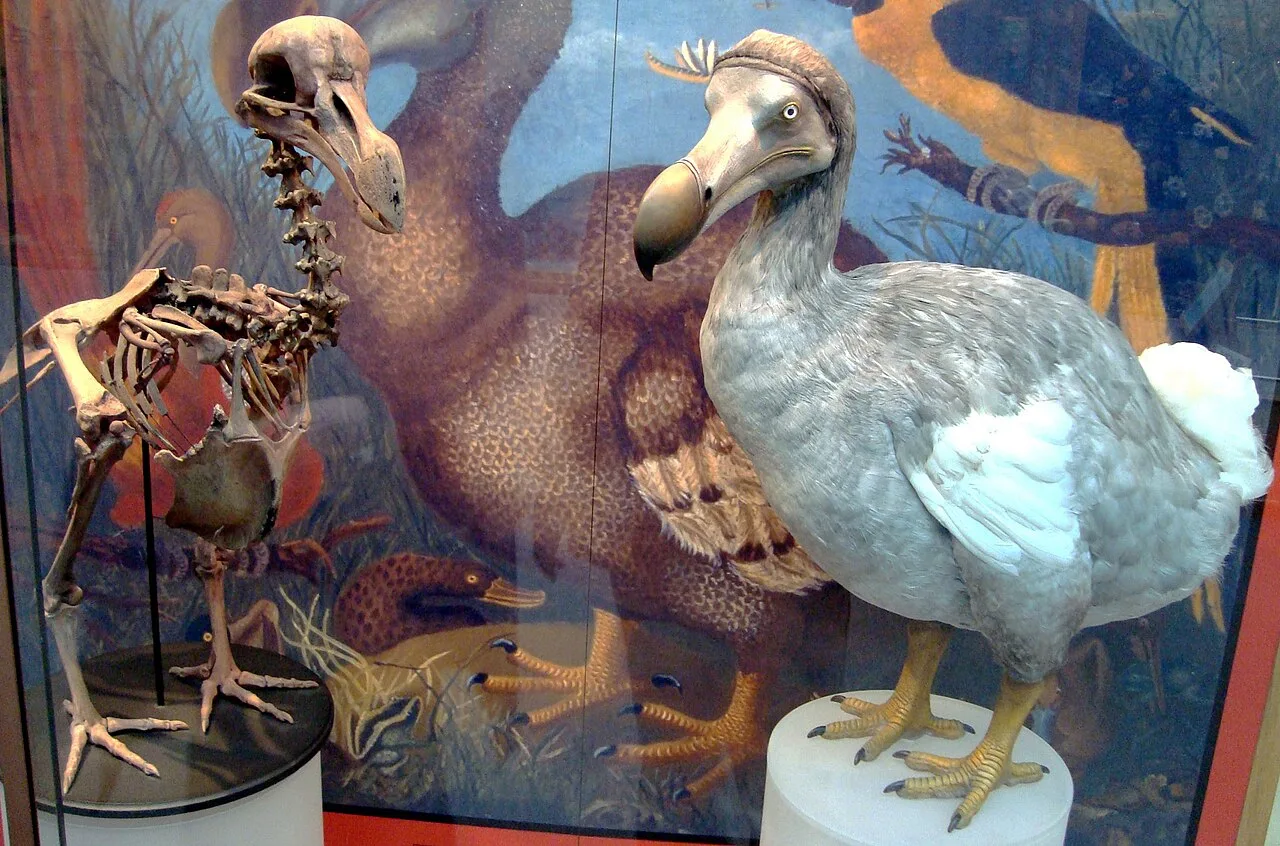
Skeleton and model of a dodo
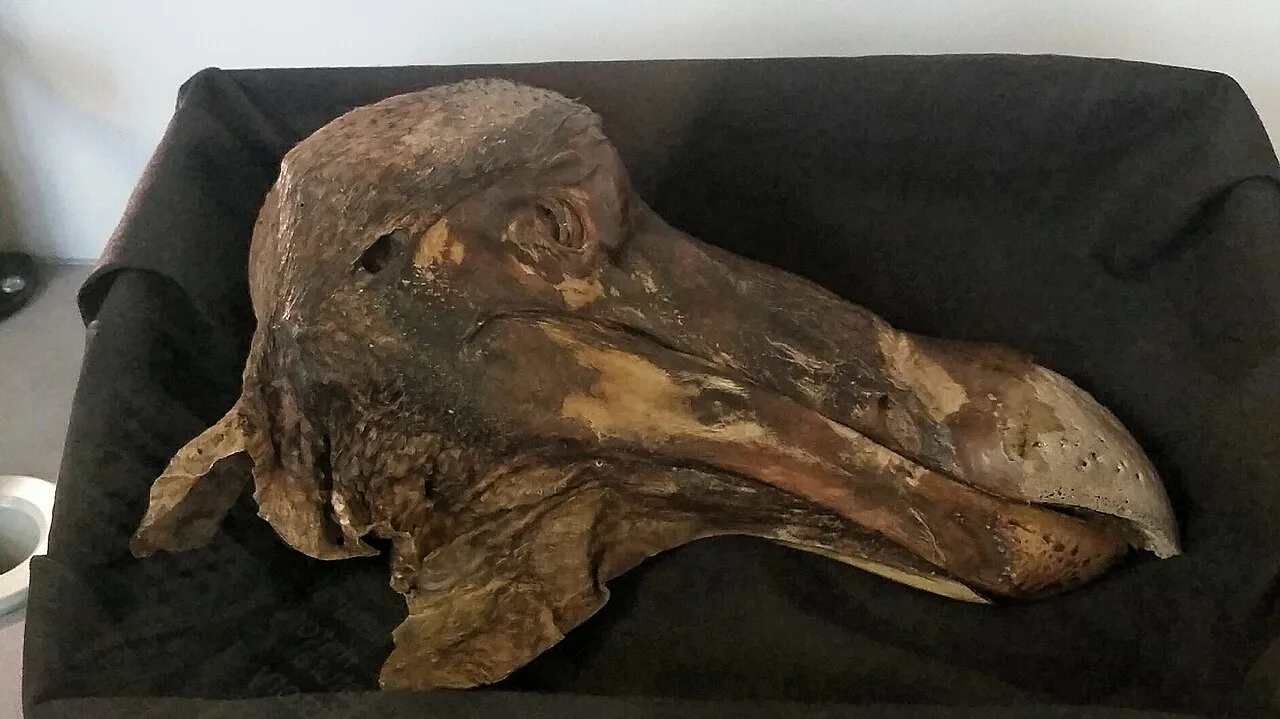
Skull in the Zoological Museum of Copenhagen (above), and right half of the Oxford specimen's head (below); examination of these led to the dodo being classified as a pigeon in the 1840s
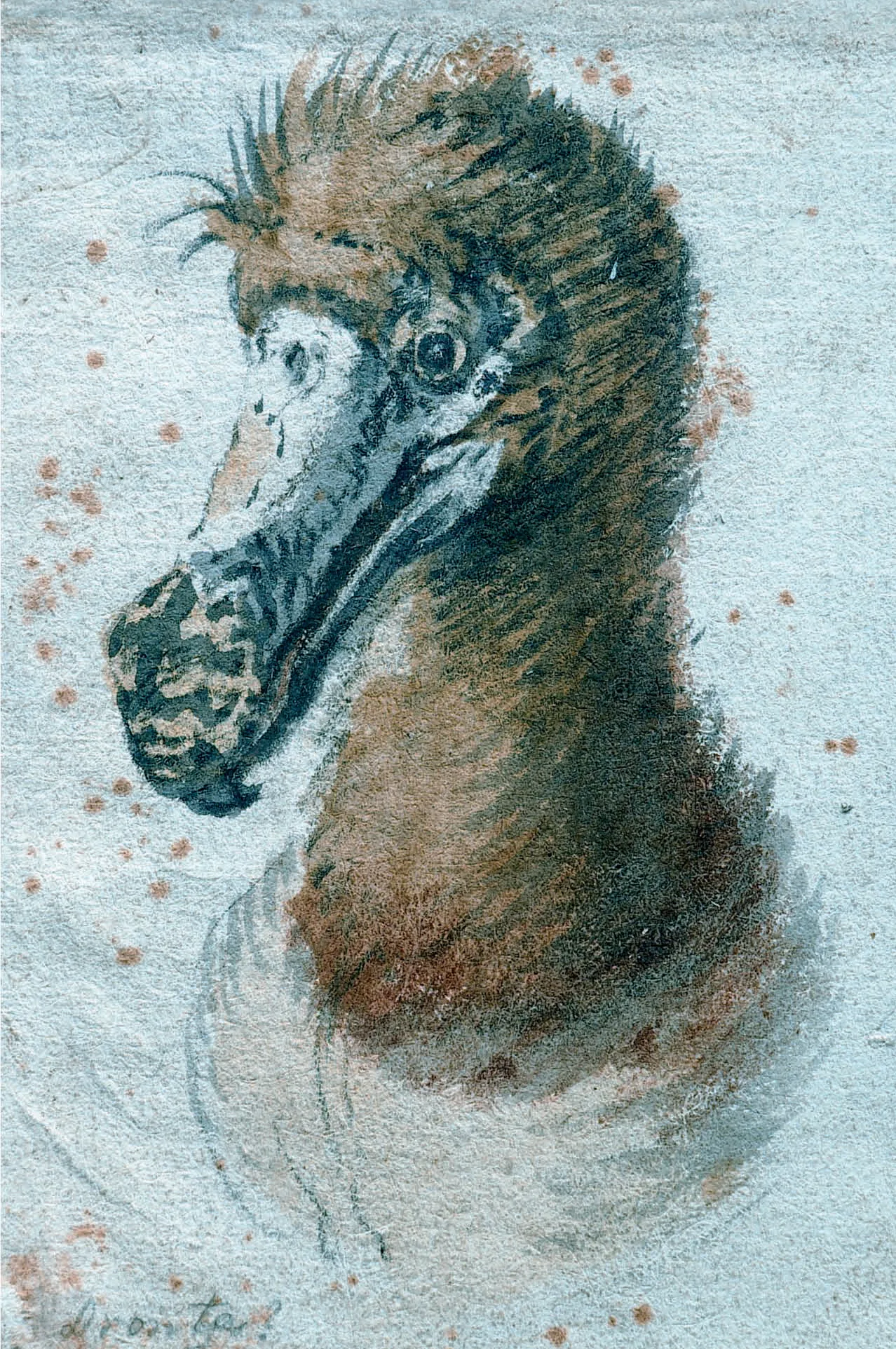
Dodo among birds in a Mughal Indian menagerie (left), by Ustad Mansur, c. 1625; perhaps the most accurate depiction of a live dodo, and dodo head (right) by Cornelis Saftleven from 1638, probably the last original depiction of the species
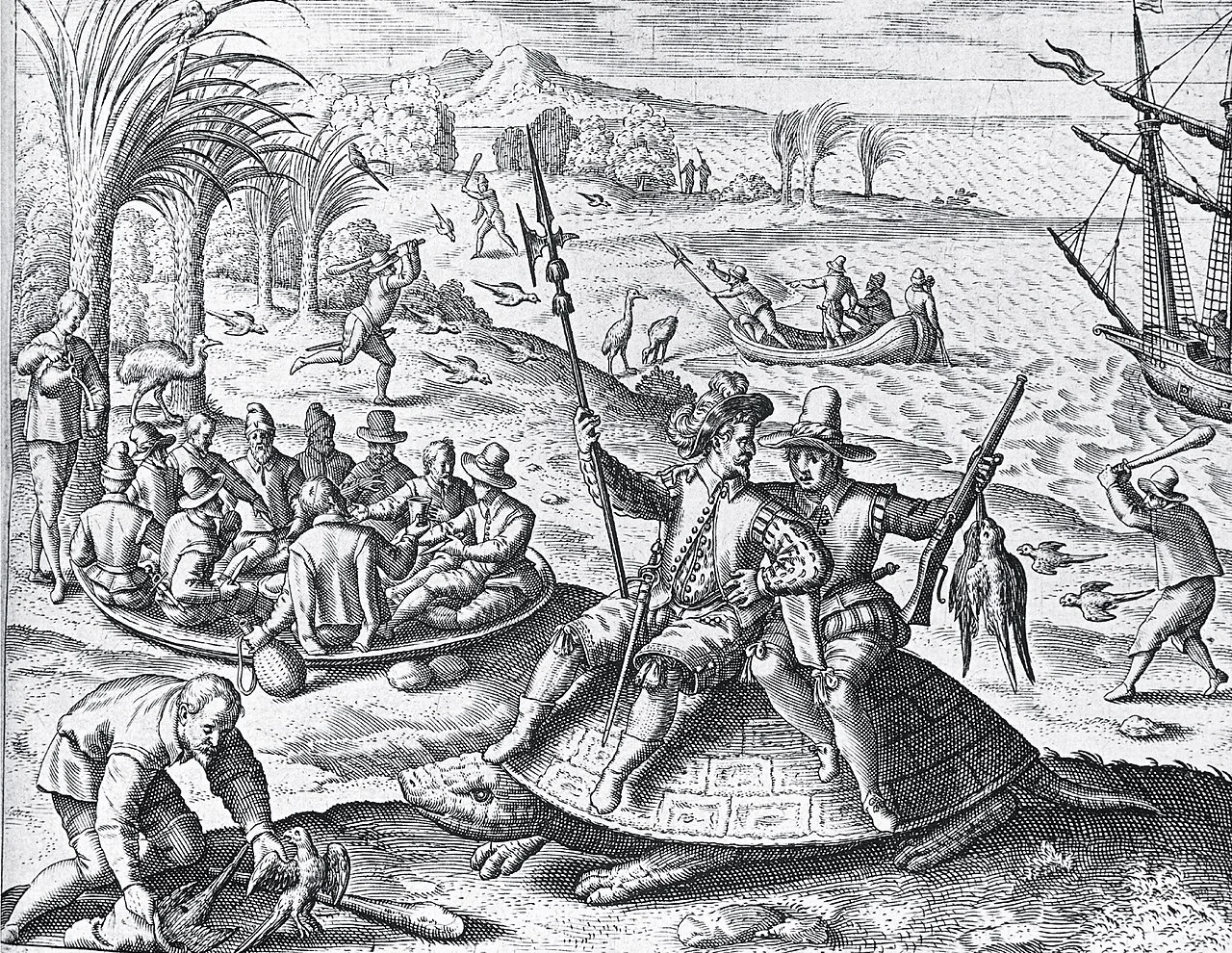
Depiction of the Dutch hunting parrots and riding a turtle on Mauritius in 1598; erronous, cassowary-like dodos can be seen on the left and middle
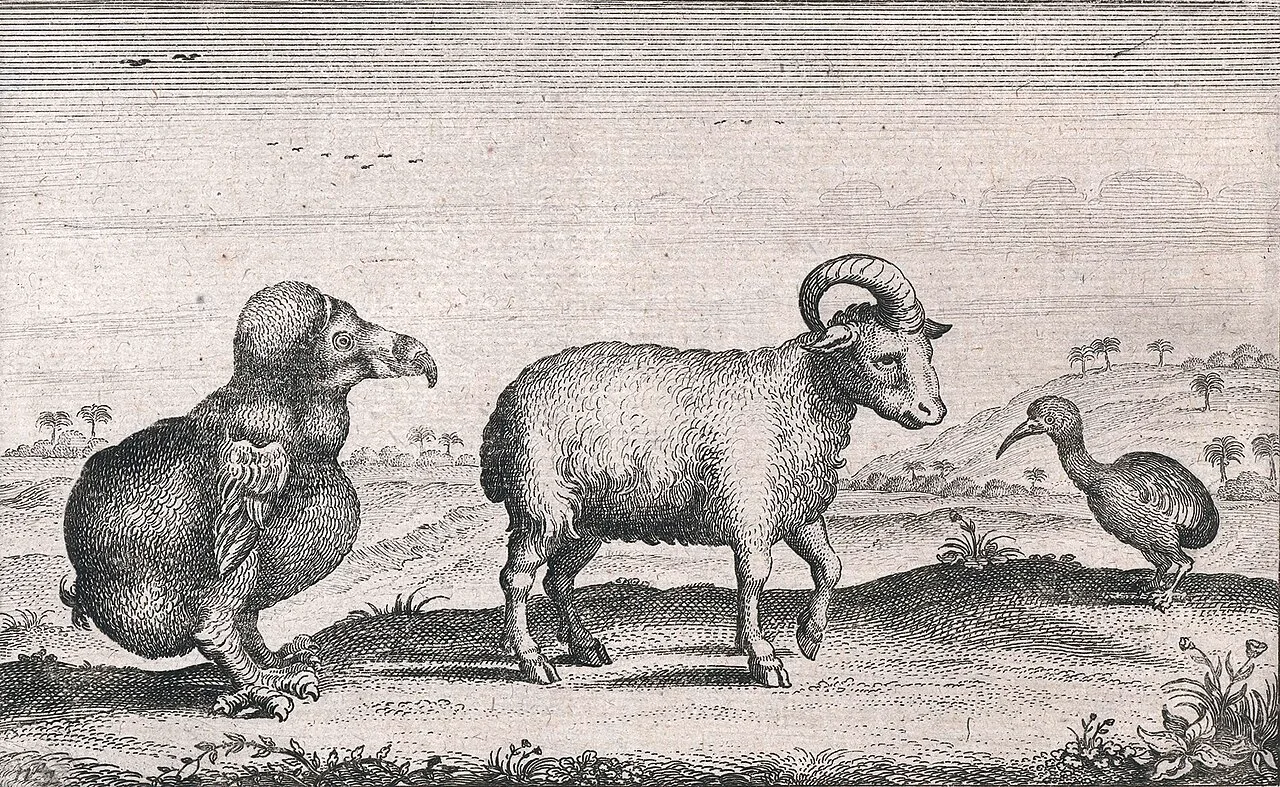
Pieter van den Broecke's 1617 drawing of a dodo, a one-horned sheep, and a red rail; after the dodo became extinct, visitors may have confused it with the red rail
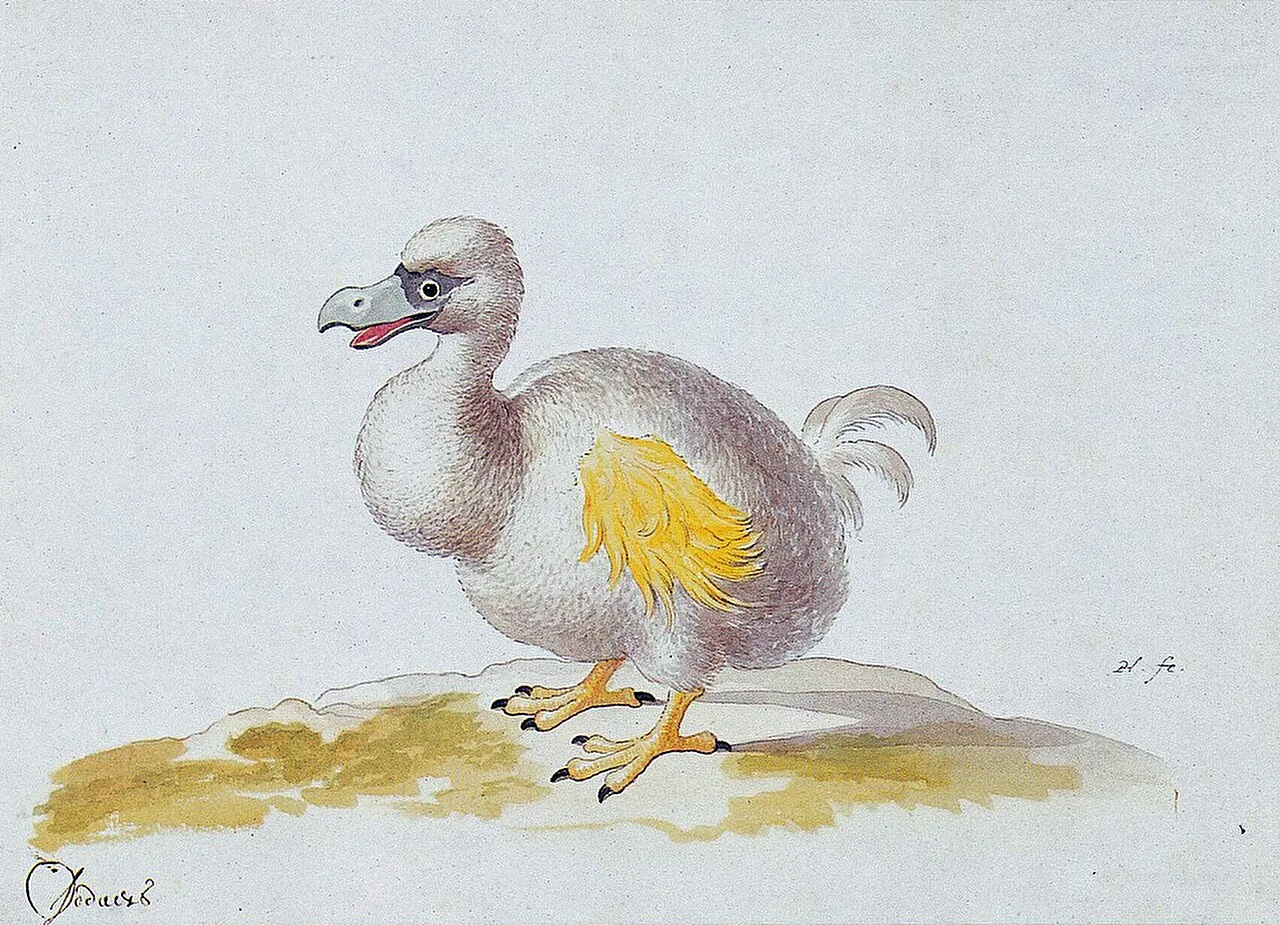
Pieter Withoos's late 17th-century painting of a white dodo among other birds, the first of such paintings to be discovered (left), and one of Pieter Holsteyn II's mid-17th-century paintings of a white dodo
Dodo
The dodo is an extinct flightless bird that was endemic to the island of Mauritius in the Indian Ocean.
Island Hopping Across Millions of Pre-Volcanic Years
Genetic analysis indicates the dodo's lineage separated approximately 23.03 million years ago, long before its island home existed. Because Mauritius and the surrounding Mascarene Islands are less than 10 million years old, ancestral birds had to remain flighted for millions of years. These flying, semi-terrestrial forebears likely reached Mauritius by island hopping from South Asia before losing their flight in the absence of predators.
From Wikipedia · CC BY-SA 4.0
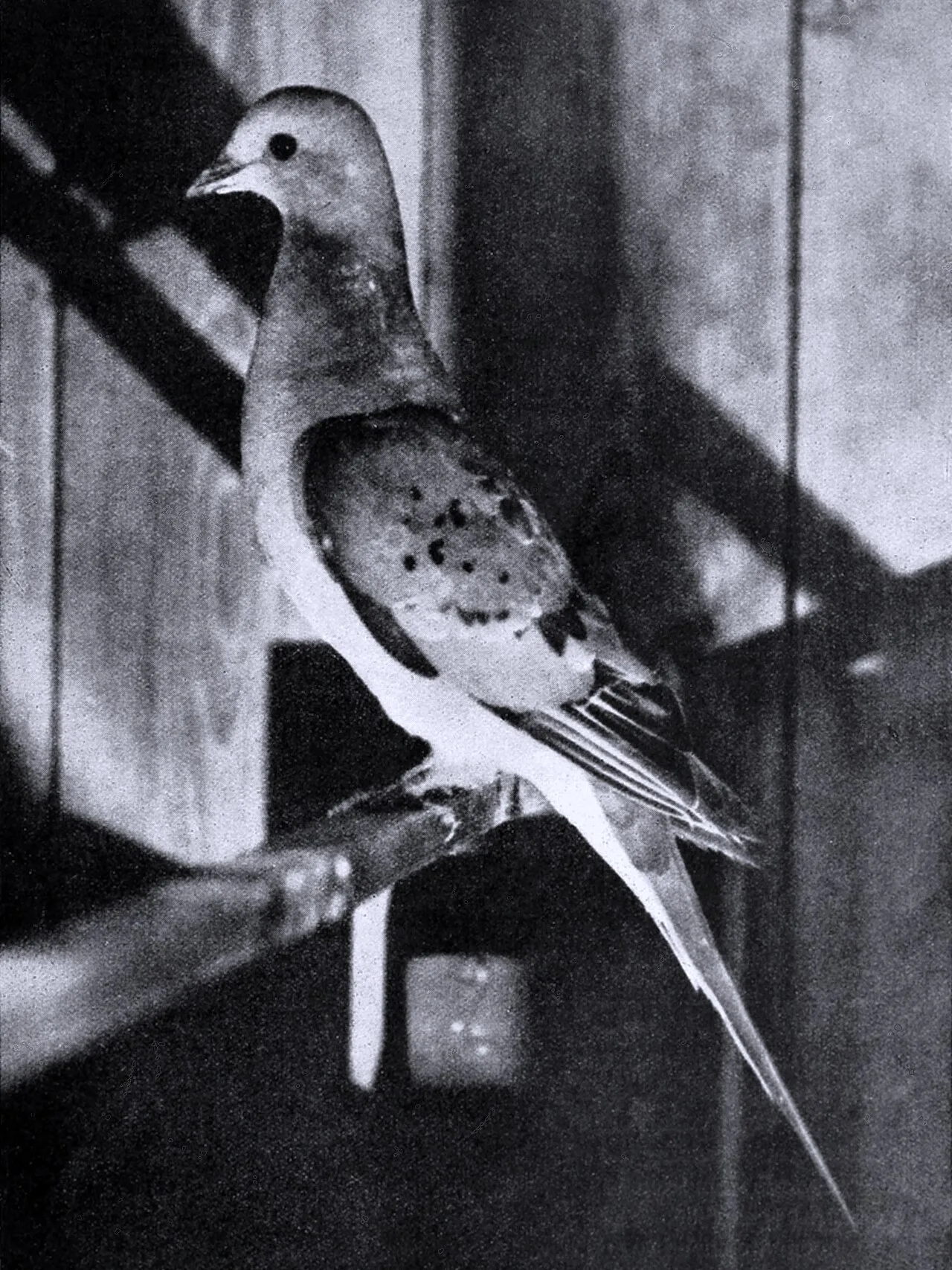
Bird lore (1913) (14562557107)
Extinct
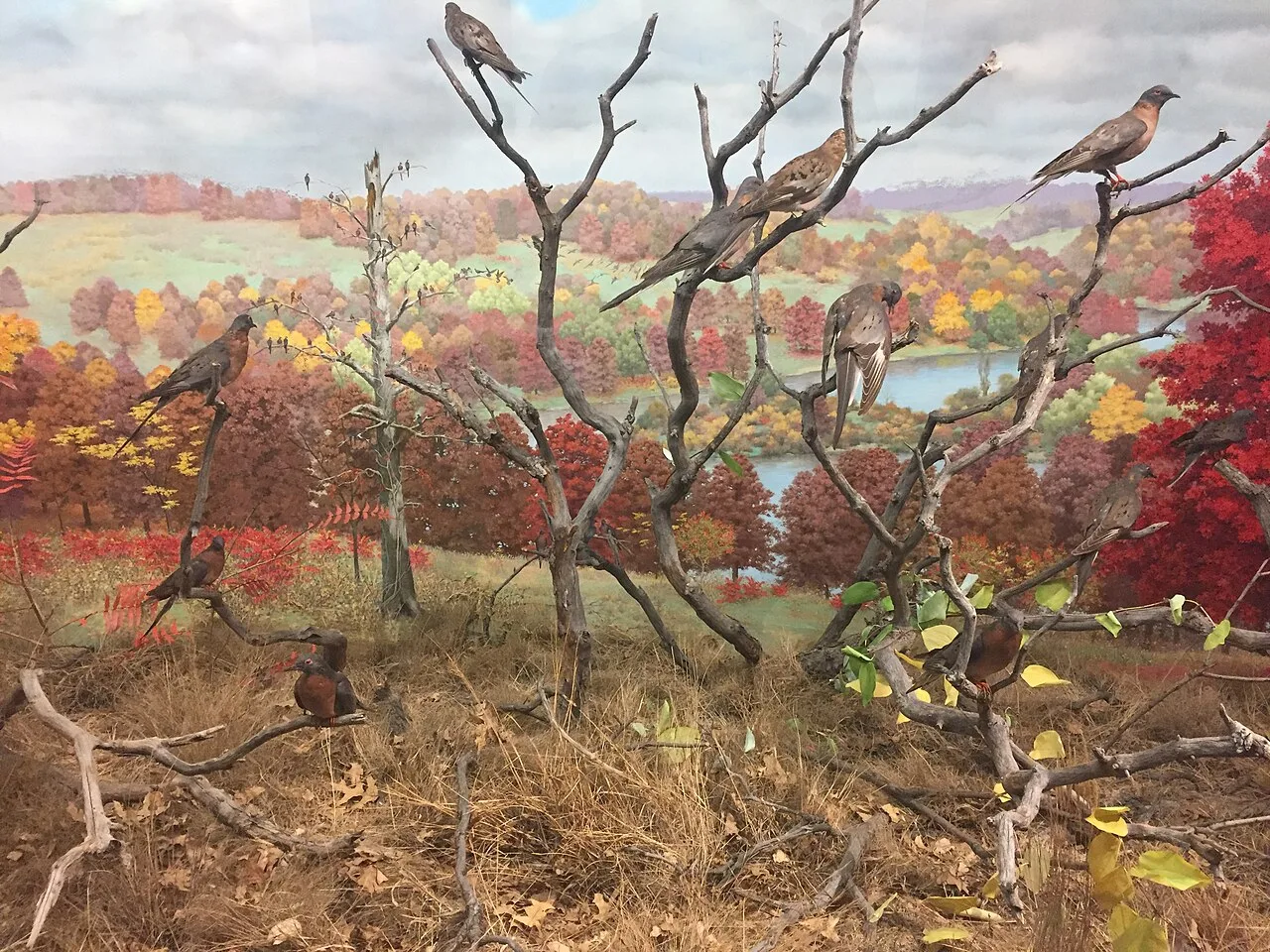
Mounted specimens representing a roosting group in 1890s Johnson County, Iowa, at Denver Museum of Nature and Science
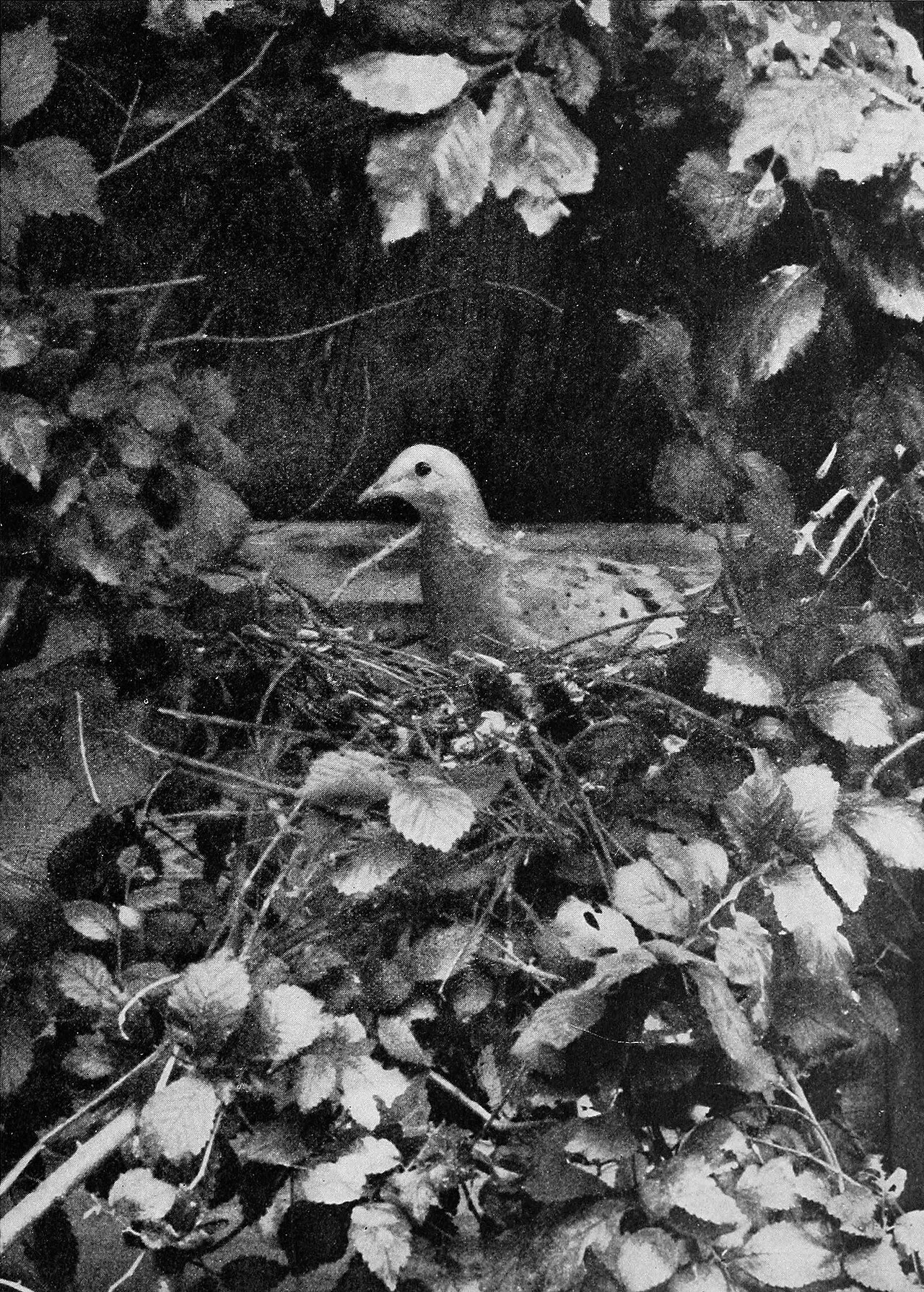
Nesting captive bird, wary of the photographer
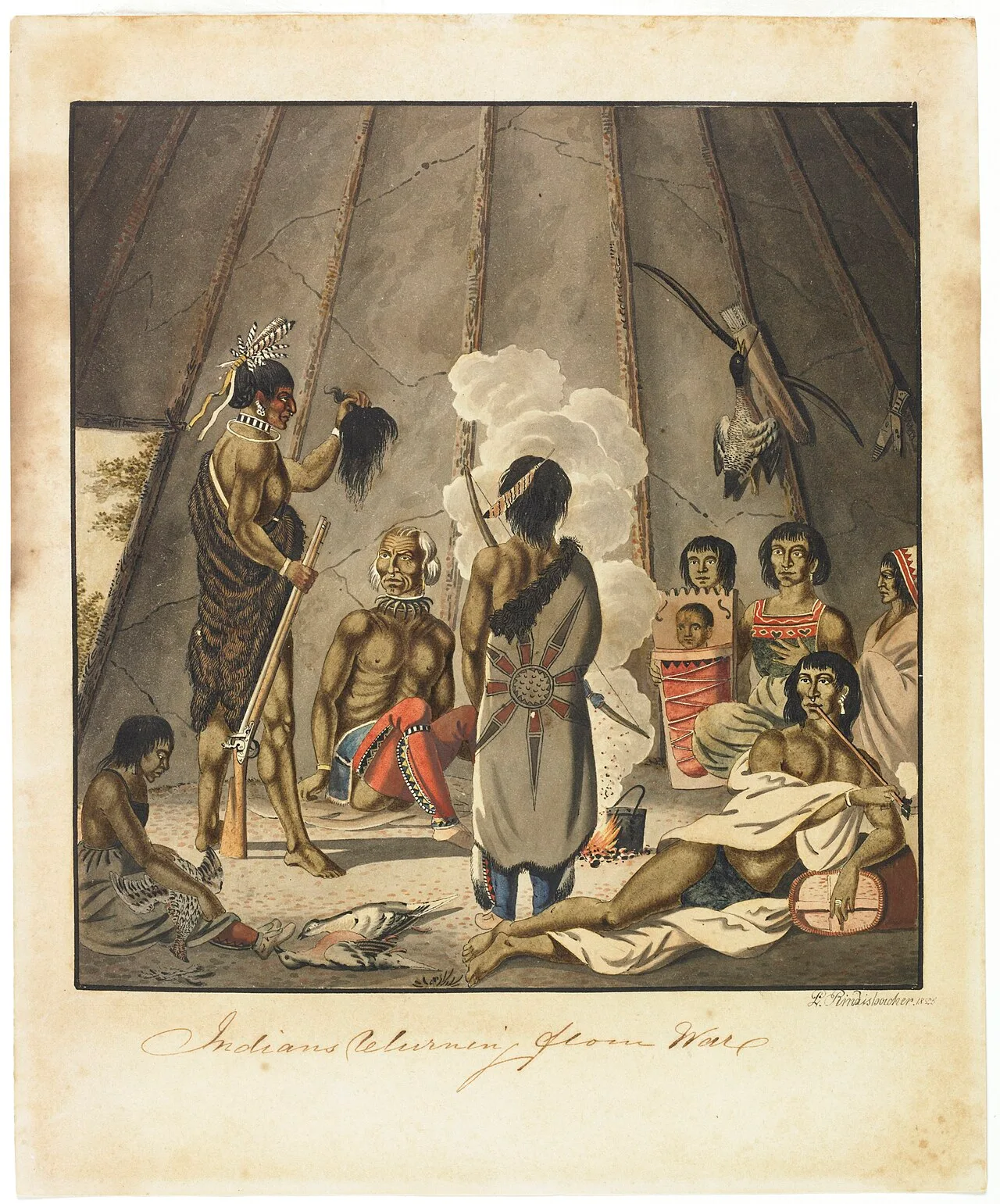
Illustration of Native American men returning from war, illustrated by Peter Rindisbacher in 1825; note passenger pigeon corpses on the floor
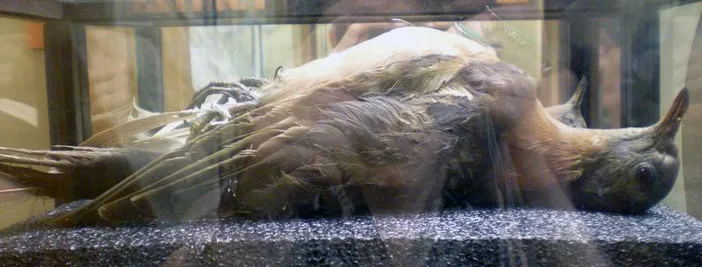
"Buttons", one of the last confirmed wild passenger pigeons, Cincinnati Zoo
Passenger pigeon
The passenger pigeon is an extinct species of pigeon that was endemic to North America.
Skeletal Architecture for High-Velocity Flight
Passenger pigeons possessed anatomical adaptations uniquely optimized for rapid, sustained flight across vast distances. Their robust sternum featured a keel measuring 25 mm in depth, anchoring massive pectoral muscles that powered their long, pointed wings. These physical adaptations enabled migratory flocks to cruise at speeds of 100 km/h (62 mph) while navigating between dense forests and open landscapes.
From Wikipedia · CC BY-SA 4.0
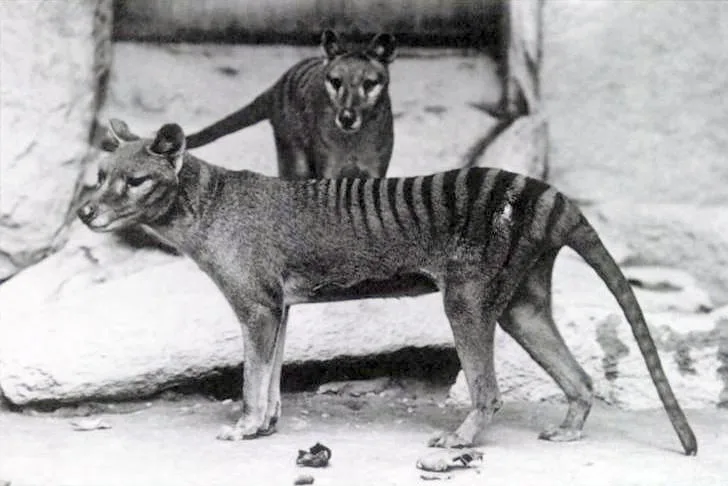
Thylacinus
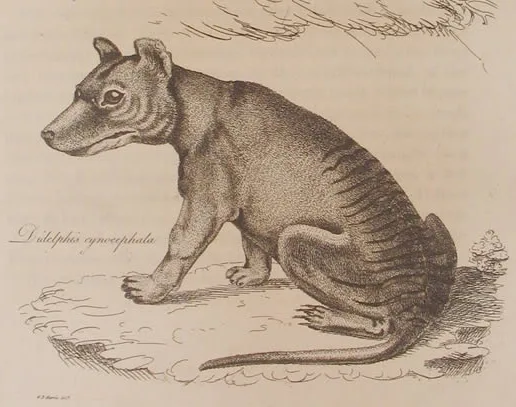
The earliest known non-indigenous illustration of a thylacine; from Harris's 1808 description
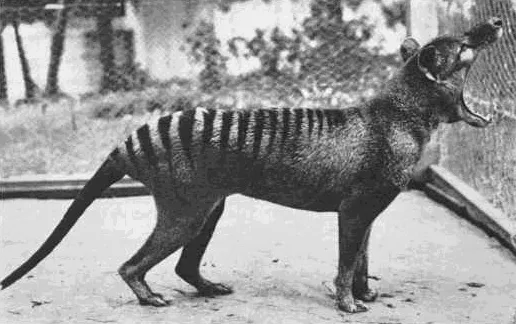
The thylacine could open its jaws to an unusual extent: up to 80 degrees
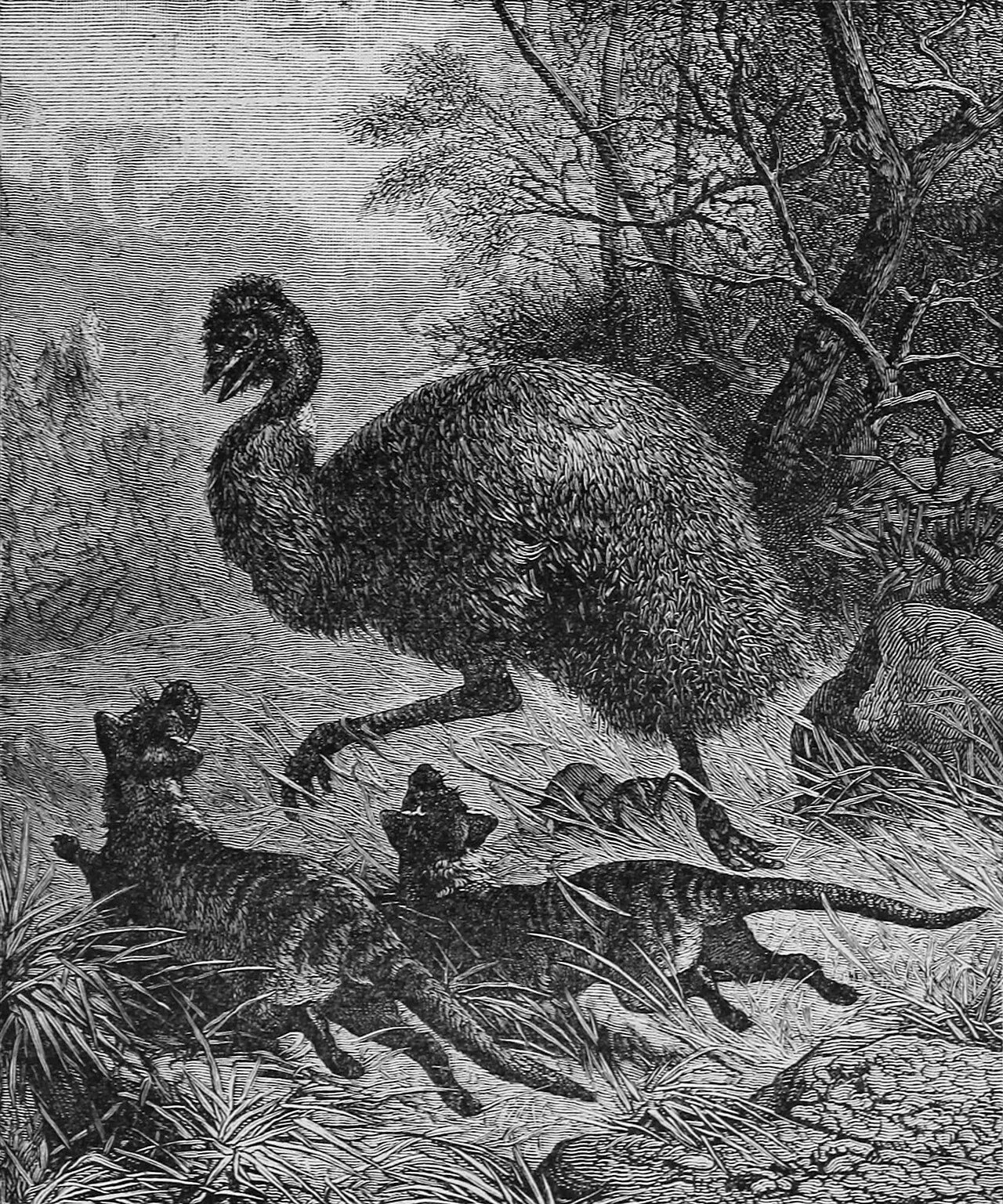
1887 illustration of an emu being chased by two thylacines
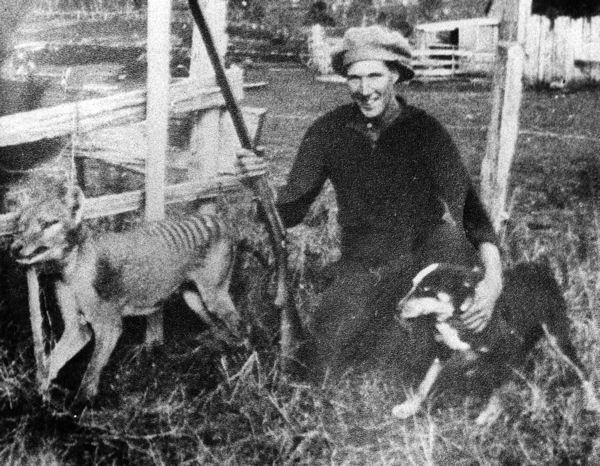
Wilf Batty with the last thylacine that was killed in the wild; photo from 1930
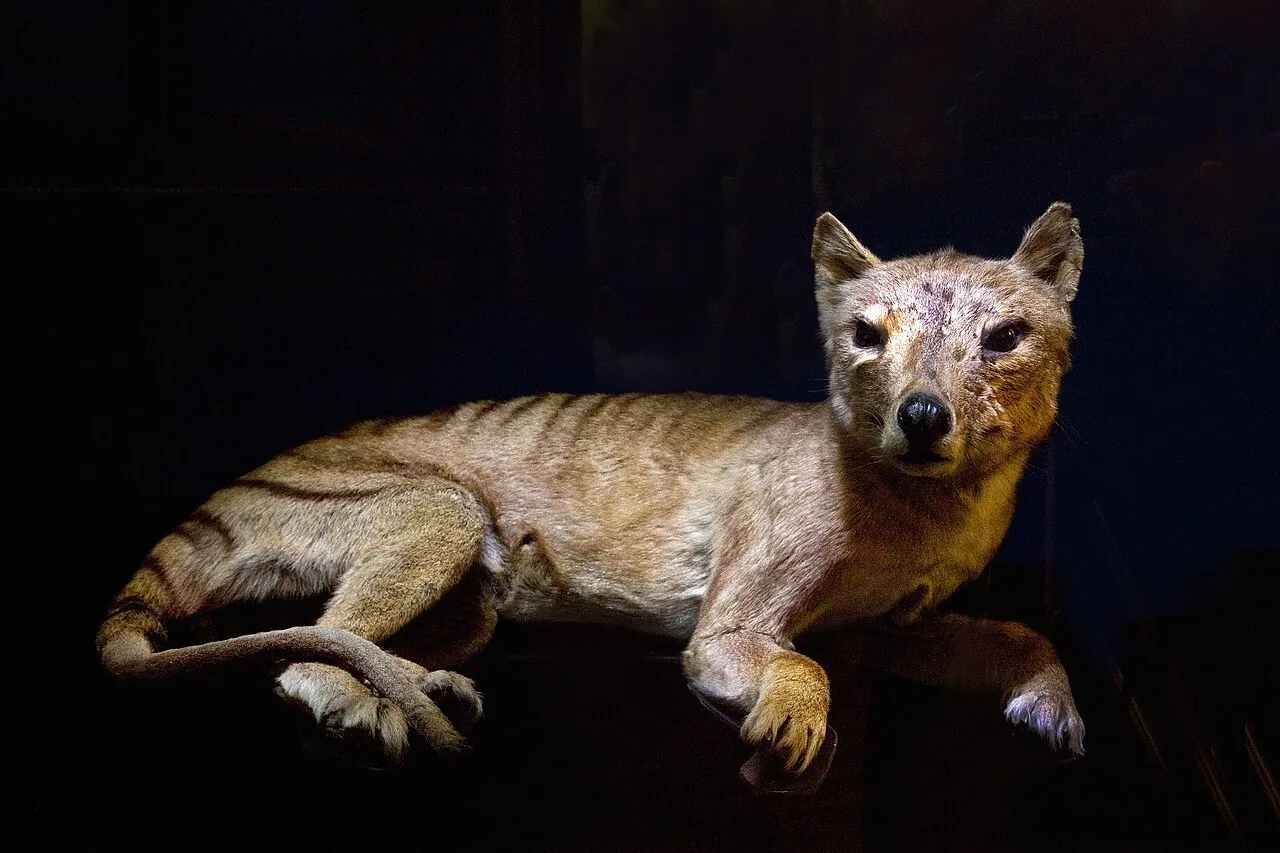
A specimen at the Natural History Museum in Vienna
Thylacine
The thylacine, also known as the Tasmanian tiger or Tasmanian wolf, is an extinct species of carnivorous marsupial native to the Australian mainland and the islands of Tasmania and New Guinea.
Dual-Sex Pouches and Bipedal Motion
The thylacine possessed anatomical traits that sharply distinguished it from true canids. Both sexes featured a pouch; females reared their young in one, whereas males possessed a scrotal pouch to withdraw and protect their external organs. The predator was also capable of opening its jaws up to 80 degrees and executing bipedal hops like a kangaroo when alarmed.
From Wikipedia · CC BY-SA 4.0
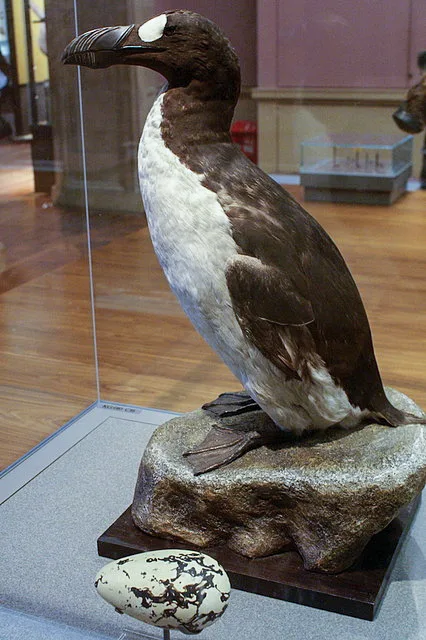
A large, stuffed bird with a black back, white belly, heavy bill, and white eye patch stands, amongst display cases and an orange wall
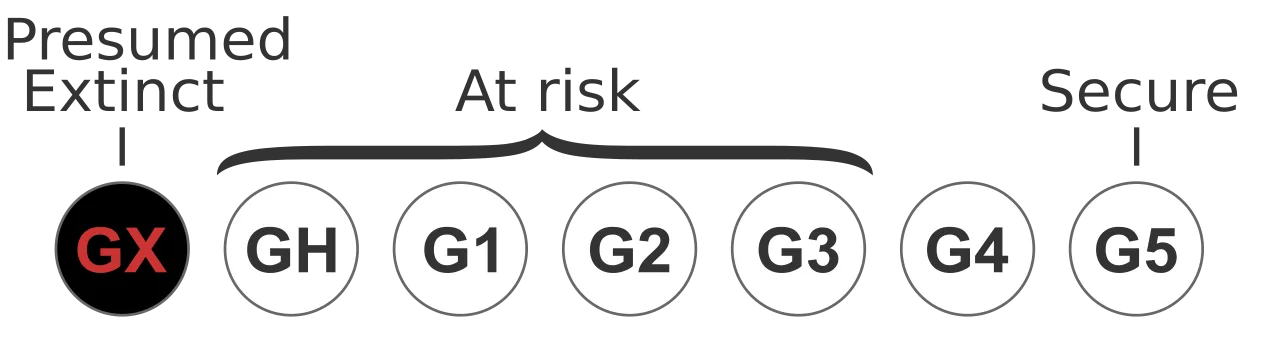
Extinct
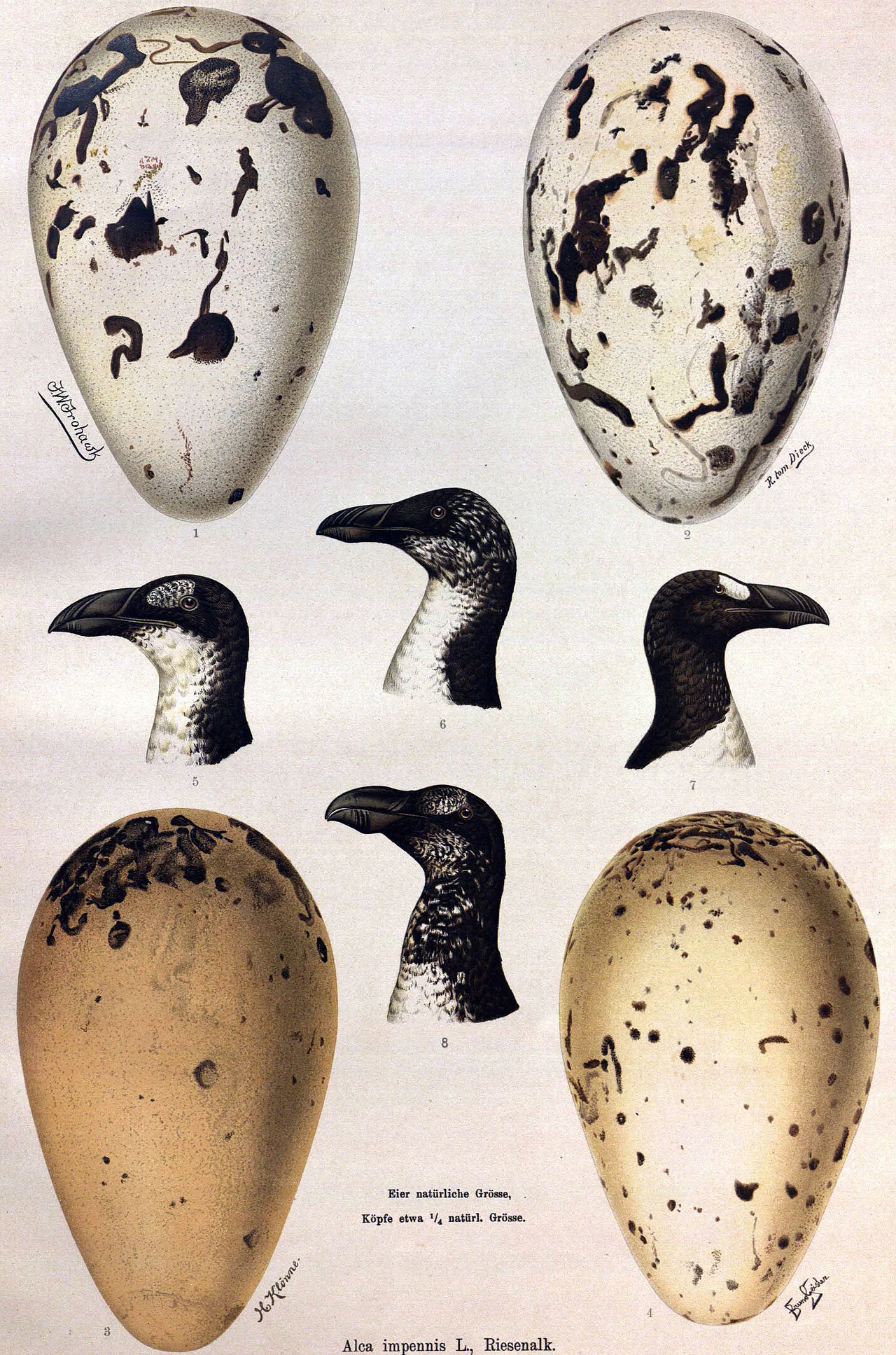
Paintings showing variation in egg markings, as well as seasonal and ontogenic differences in plumage
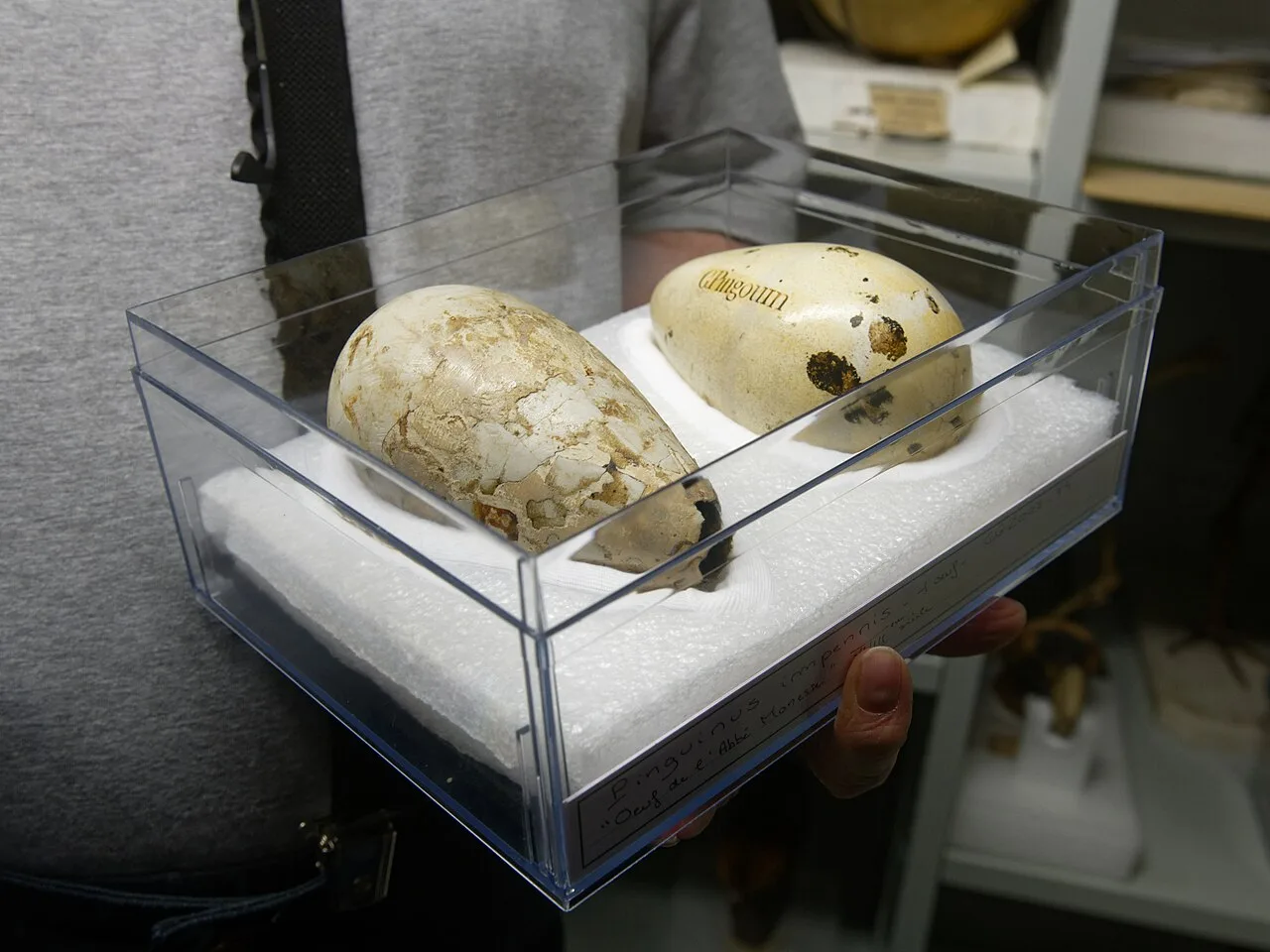
Eggs in Muséum national d'histoire naturelle
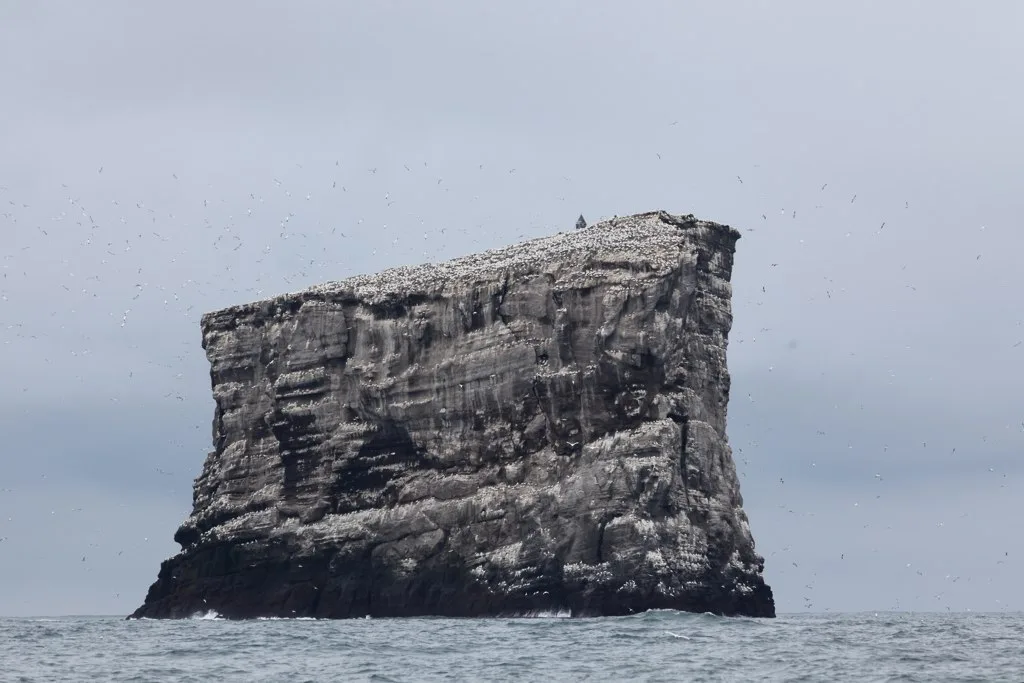
Eldey, last refuge of the great auk

Monument on Fogo Island, Canada
Great auk
The great auk is an extinct species of flightless alcid that first appeared around 400,000 years ago and became extinct in the mid-19th century.
The Borrowed Identity of the Southern Penguin
The term penguin originally designated the northern great auk rather than the Antarctic birds known today. European voyagers travelling to the Southern Hemisphere encountered unfamiliar aquatic birds and borrowed the great auk's name because of their physical resemblance. The species was eventually assigned to the scientific genus Pinguinus in 1791, acknowledging its plump stature and flightless anatomy.
From Wikipedia · CC BY-SA 4.0
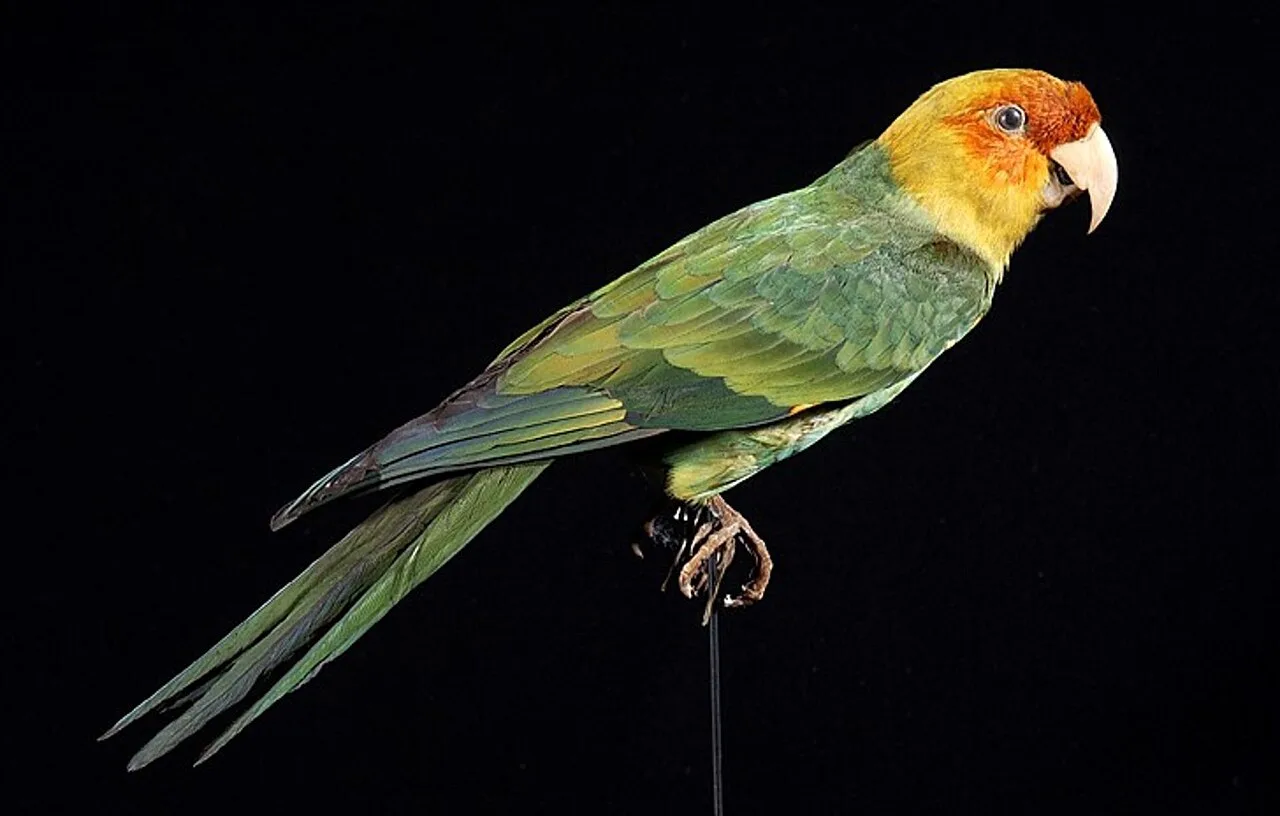
Naturalis Biodiversity Center - ZMA.AVES.3159 - Conuropsis carolinensis Linnaeus, 1758 - Psittacidae - skin specimen
Extinct
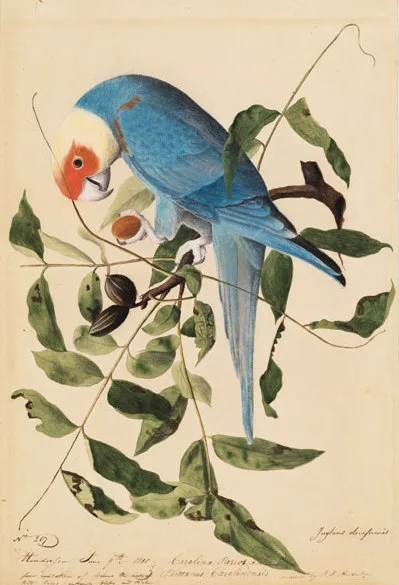
C. c. ludovicianus by John James Audubon
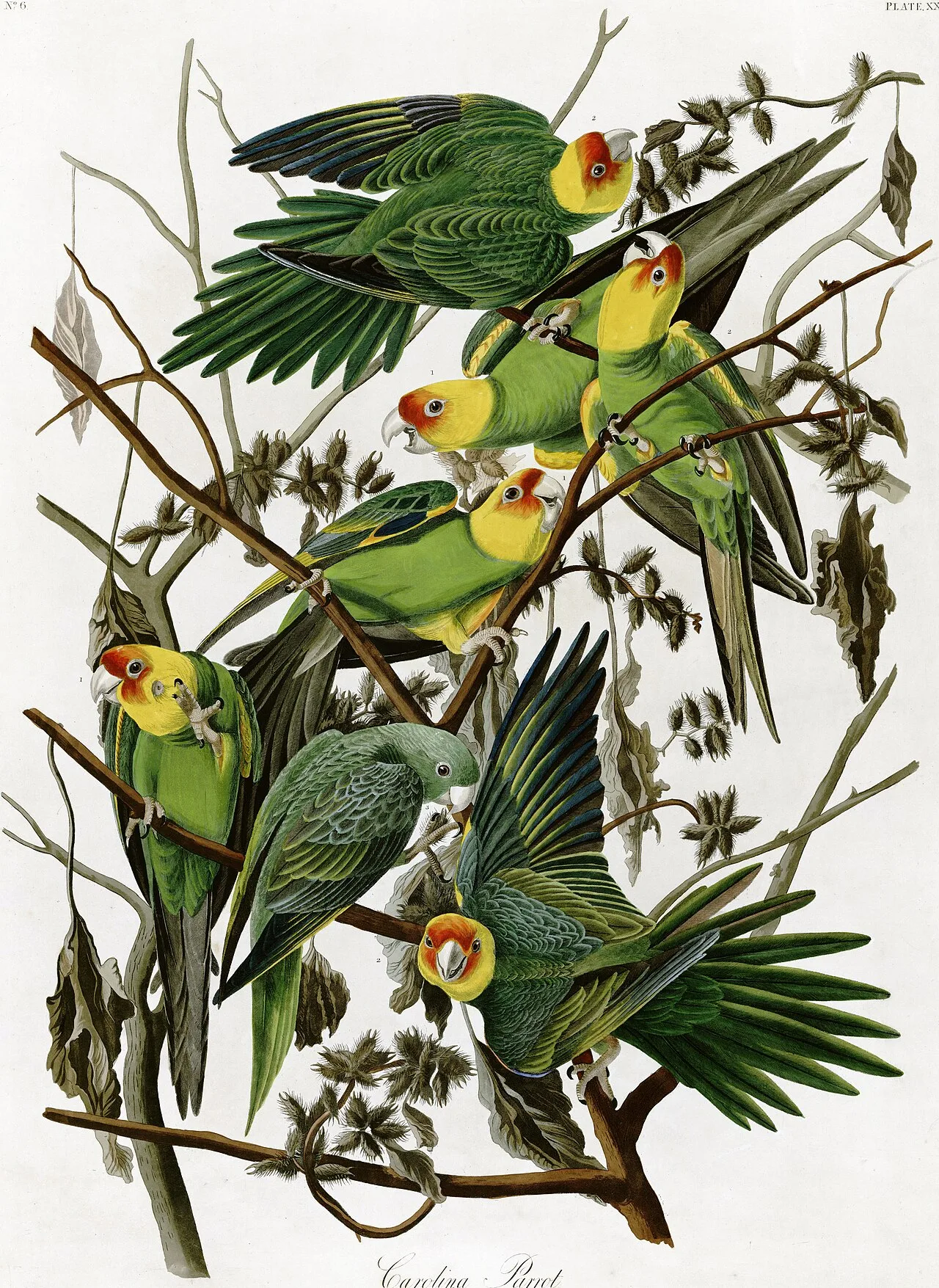
Illustration by John James Audubon
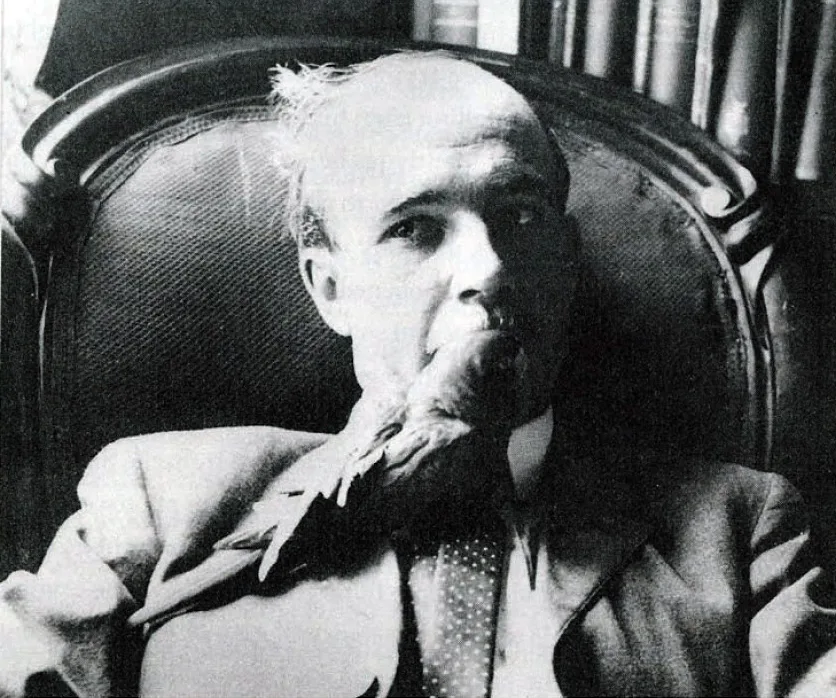
Photo of a live pet specimen, 1906
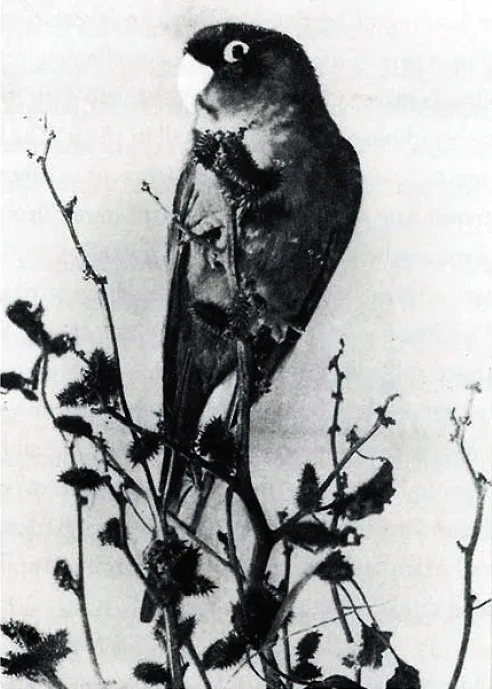
This live captive bird was photographed by Robert Wilson Shufeldt around 1900.
Carolina parakeet
The Carolina parakeet is an extinct species of small green neotropical parrot native to the Eastern, Midwest, and Plains states of the United States.
Ocean Crossings Before the Panama Isthmus
The evolutionary roots of the Carolina parakeet challenge conventional assumptions about prehistoric wildlife migrations between the Americas. Genomic data reveals that this bird established itself in North America approximately 5.5 million years ago. This occurred well before the formation of the Panama land bridge around 3.5 mya, demonstrating that ancestral parrots crossed maritime barriers independently.
From Wikipedia · CC BY-SA 4.0
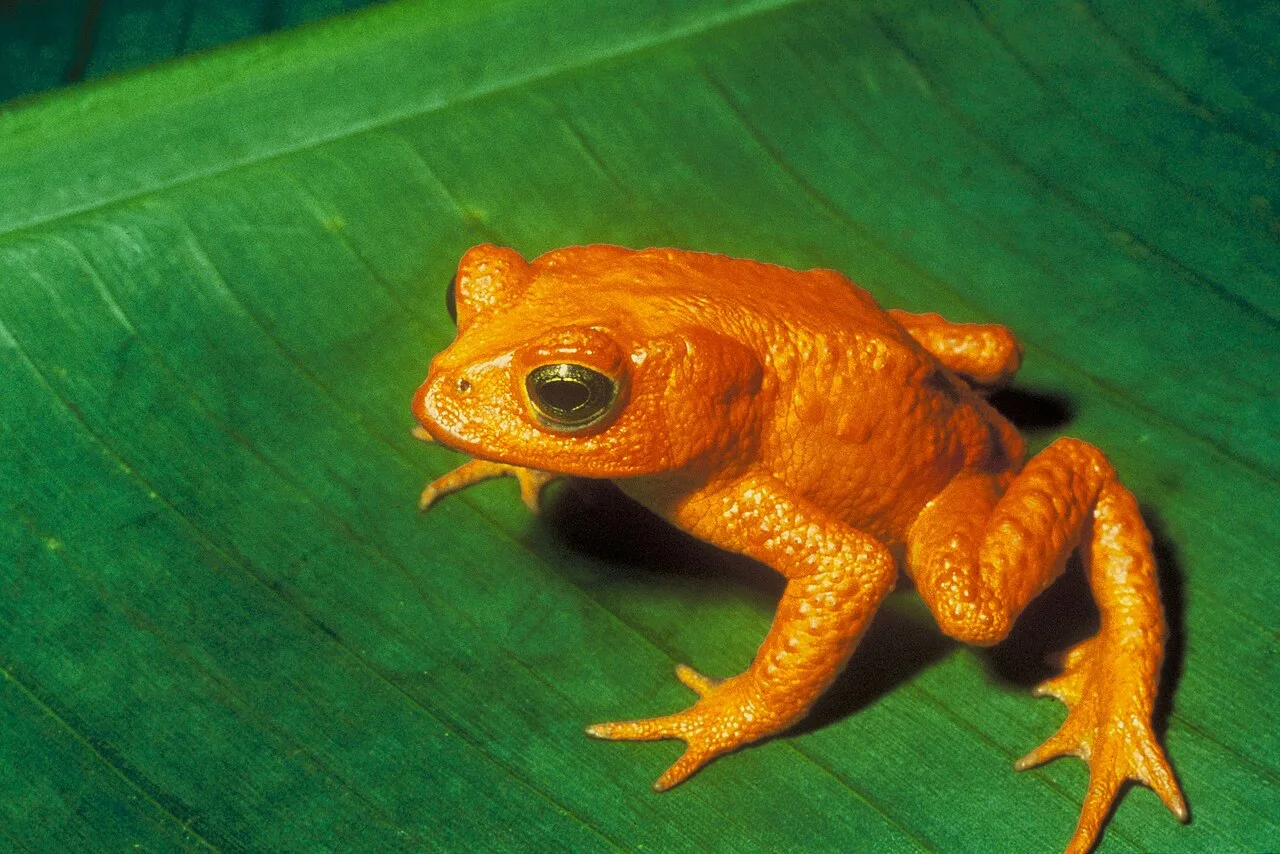
Bufo periglenes2
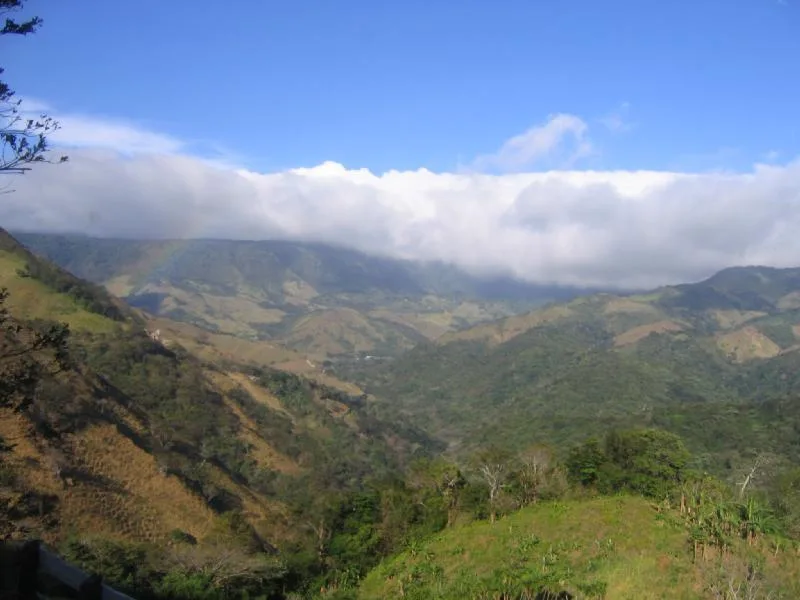
The Monteverde Cloud Forest Reserve, the golden toad's previous habitat
Golden toad
The golden toad is an extinct species of true toad that was endemic to a small, high-altitude cloud forest region north of Monteverde, Costa Rica.
Golden Males and Charcoal Females
The common name is somewhat misleading because only male toads displayed the iconic bright coloration. While males were brilliant orange with body lengths ranging from 39 to 48 mm, females were covered with a dark, charcoal-color outlined with yellow lines and measured 42 to 56 mm. Females were consistently larger than males and possessed prominent cranial crests above their eye sockets.
From Wikipedia · CC BY-SA 4.0
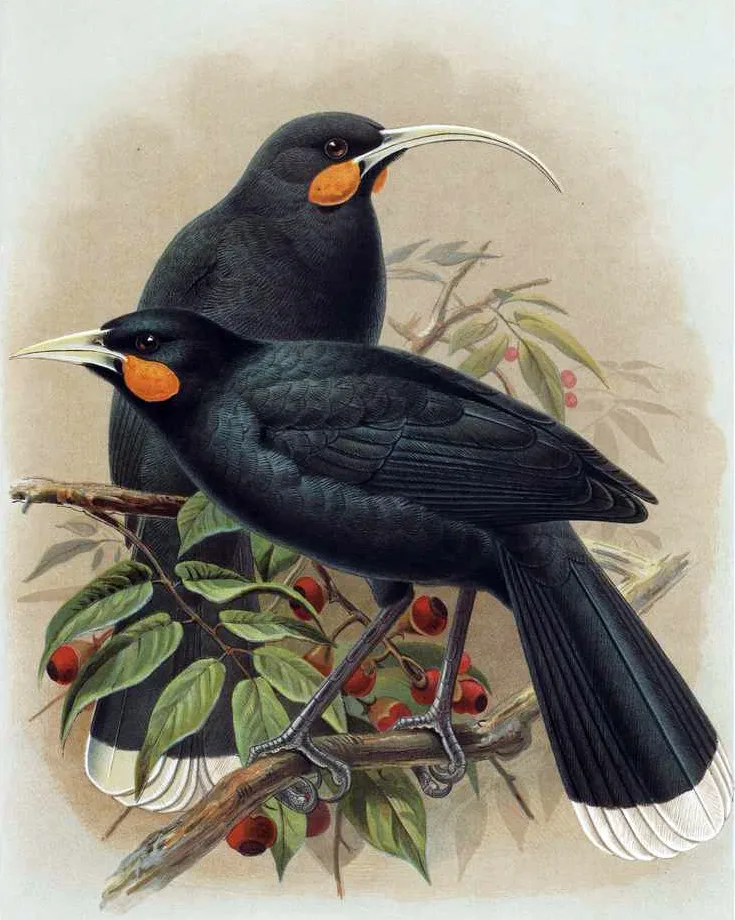
Illustration of two birds on a tree branch

Map of the North Island of New Zealand coloured light green with dark green stripes from the central mountains to the sea along the east coast to Wellington, and one red and two yellow dots.
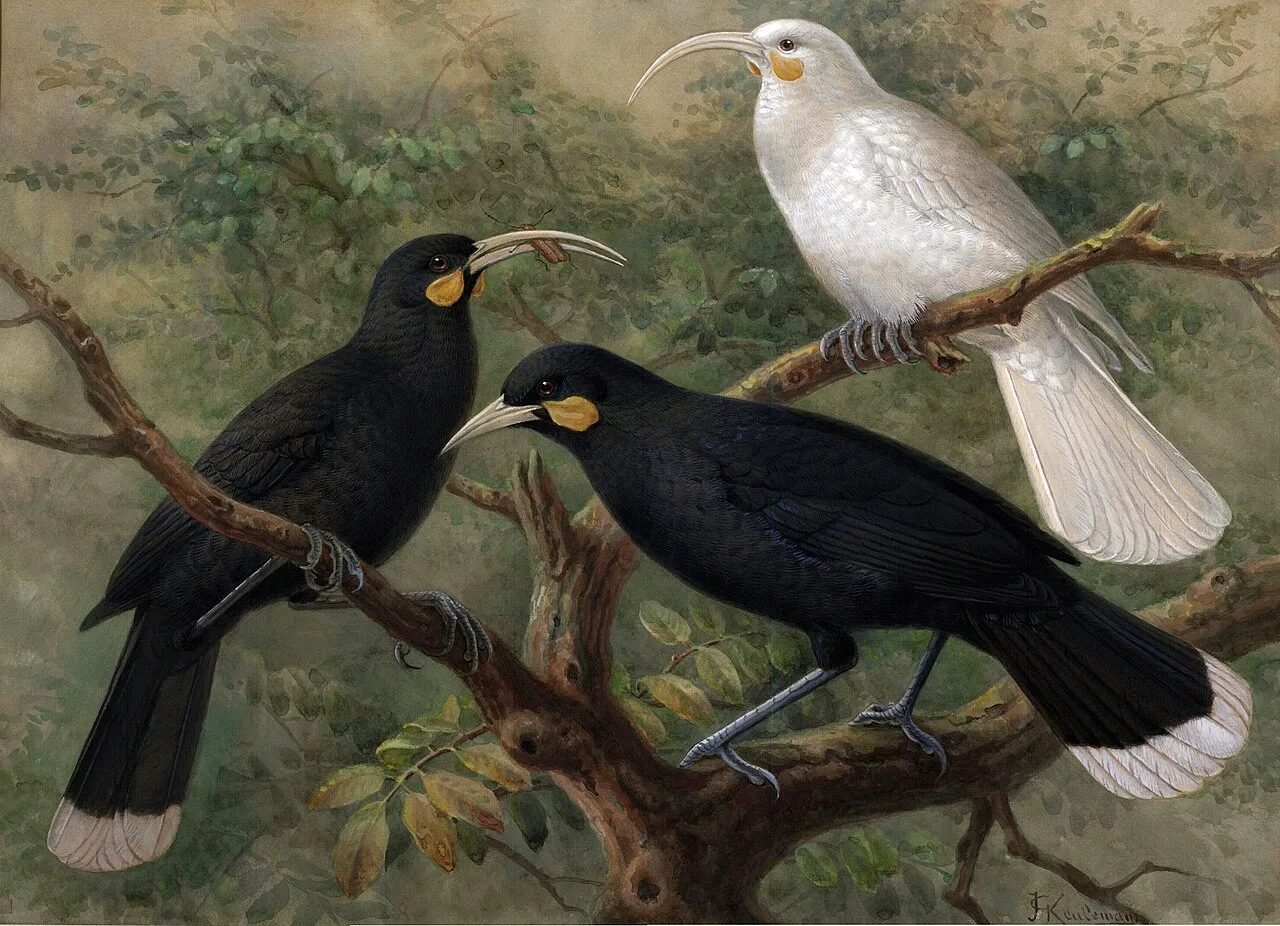
Painting by J. G. Keulemans of a female, a male, and a white female
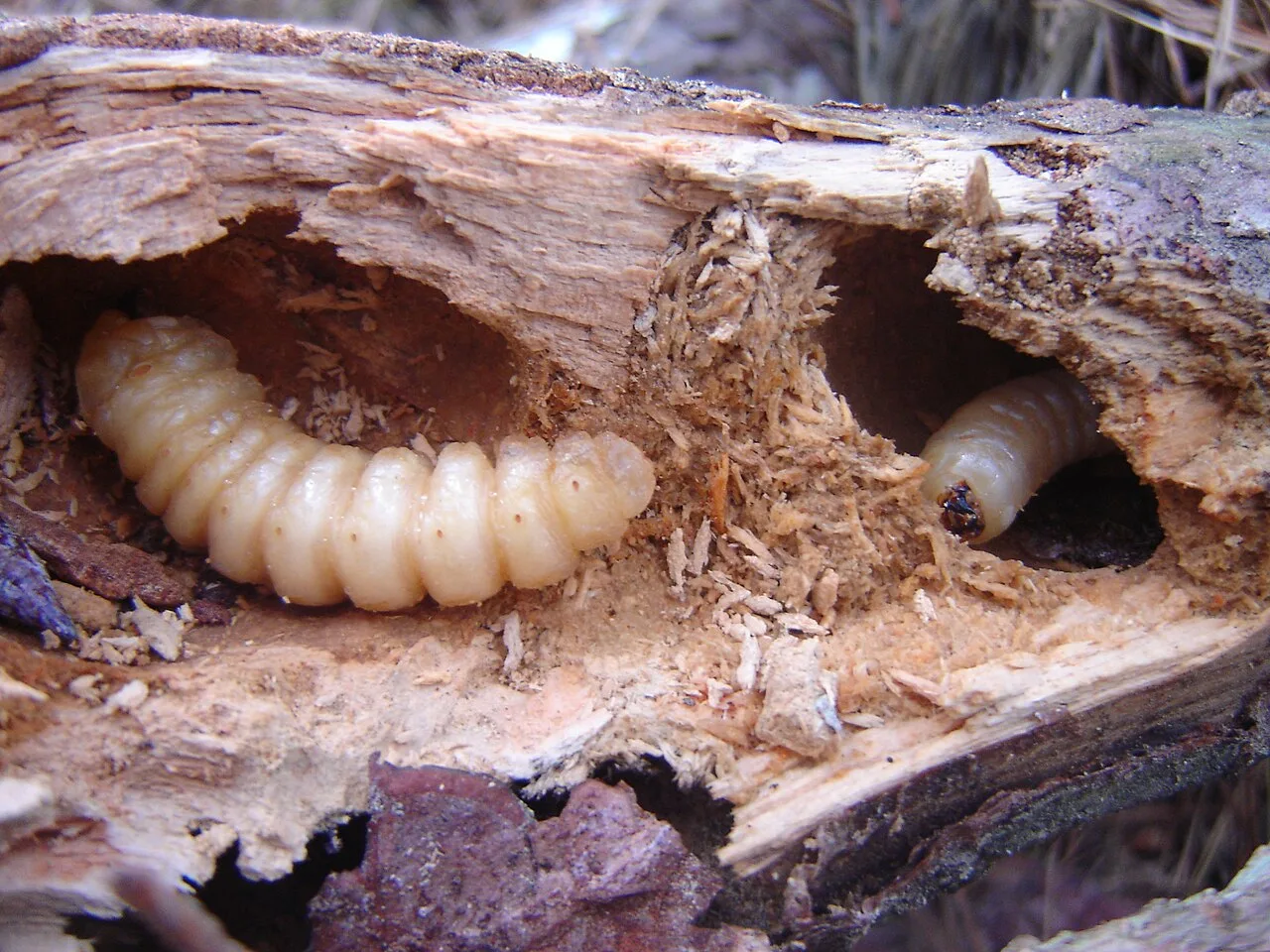
A favourite food of the huia: the larvae of the huhu beetle (Prionoplus reticularis)
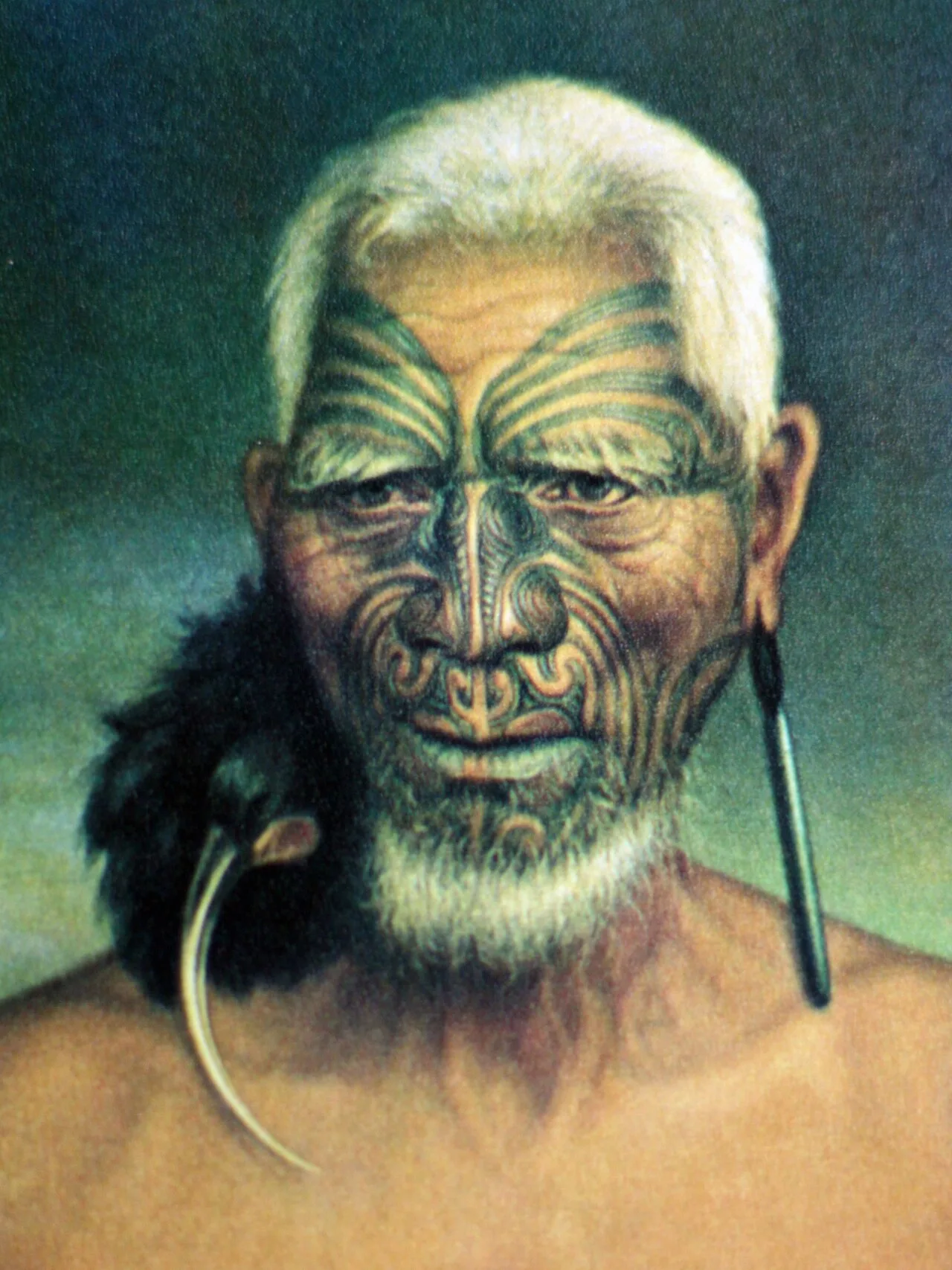
Tukukino, a Māori chief from the Hauraki district, wearing a pōhoi ornament made from a huia skin in this 1878 Lindauer portrait.
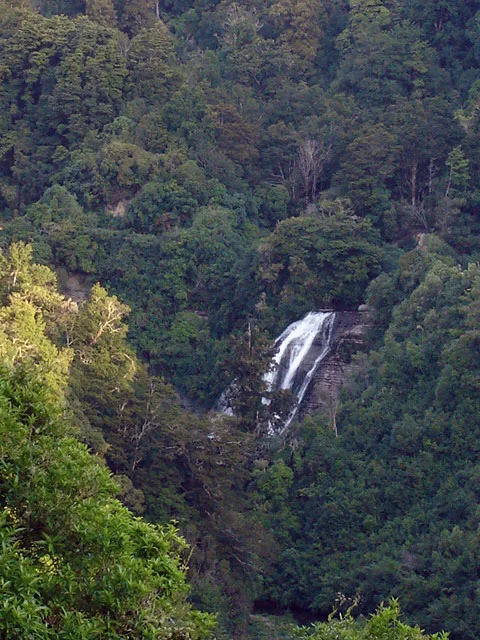
Mōkau Falls in Te Urewera is close to the location of the last credible huia sightings.
Huia
The huia (Heteralocha acutirostris) is an extinct species of New Zealand wattlebird that was endemic to the North Island of New Zealand.
Split Classification from Divergent Beaks
The anatomical gulf between male and female huia was so extreme that it initially deceived Western science. When John Gould first formally described the bird in 1836, he classified the male and female as two separate species: Neomorpha acutirostris and N. crassirostris. The male possessed a short, stout bill, whereas the female bore a long, sweeping beak.
From Wikipedia · CC BY-SA 4.0
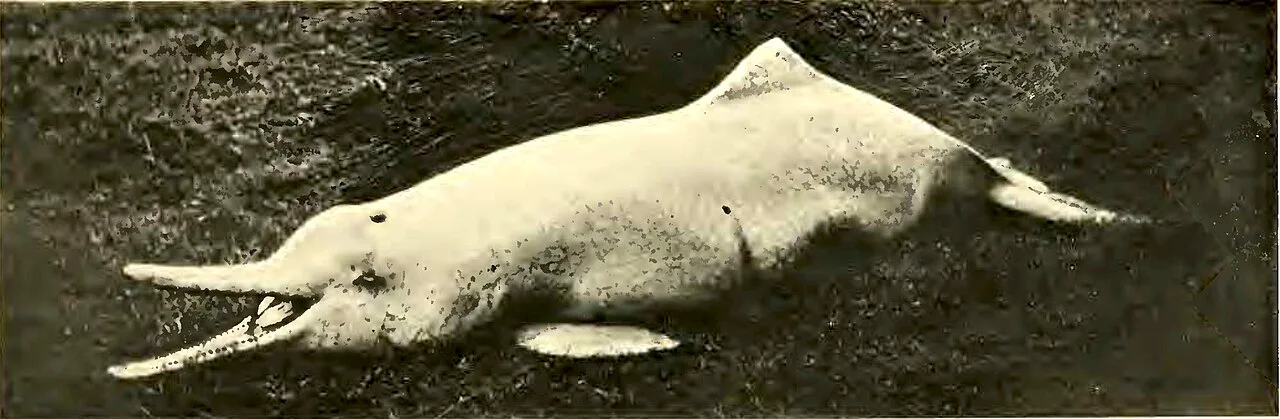
1918 Miller A new river-dolphin from China Fig. 2a

Baiji size

Yangtze Dolphins range
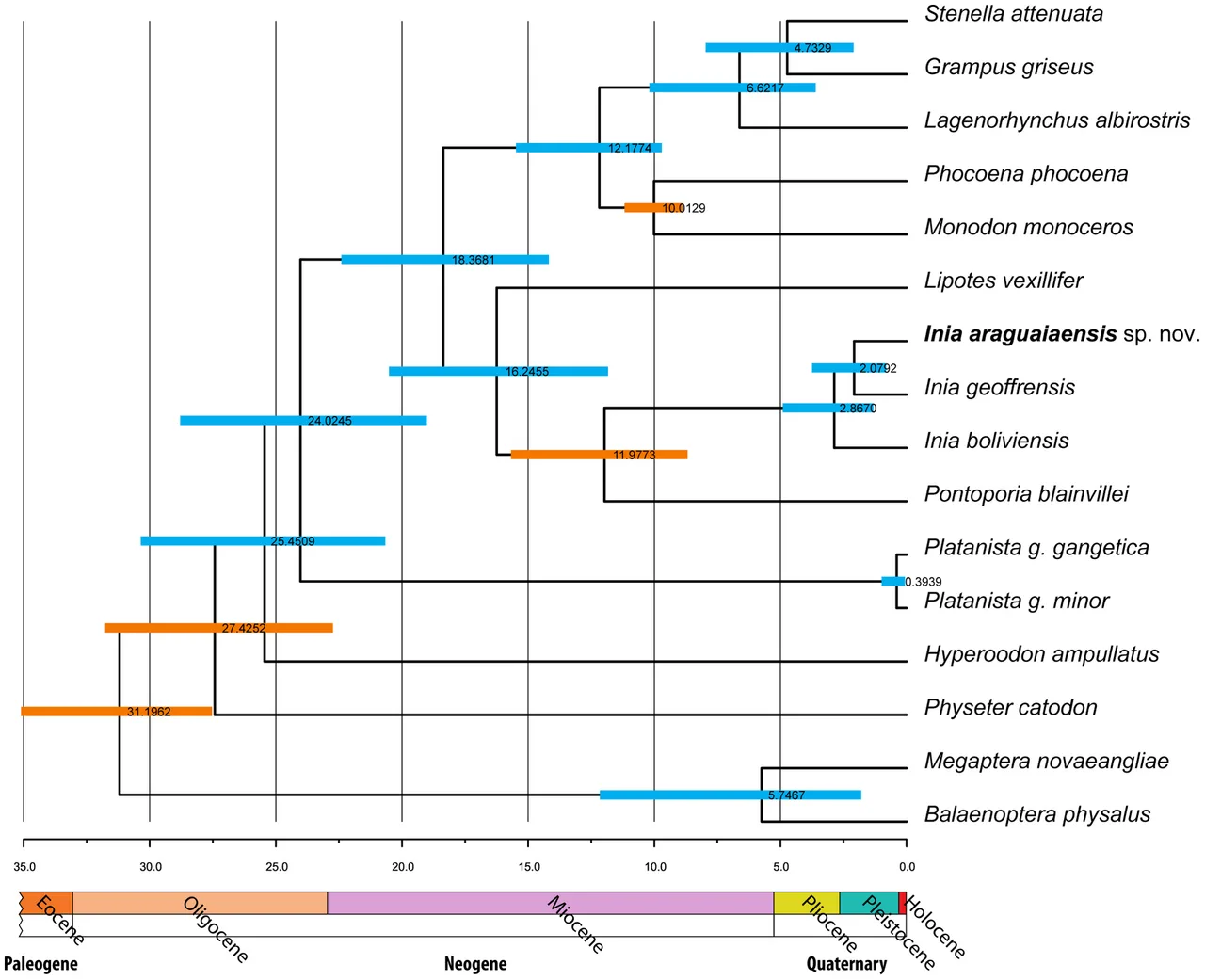
Relationships of the baiji (Lipotes) compared to other dolphins
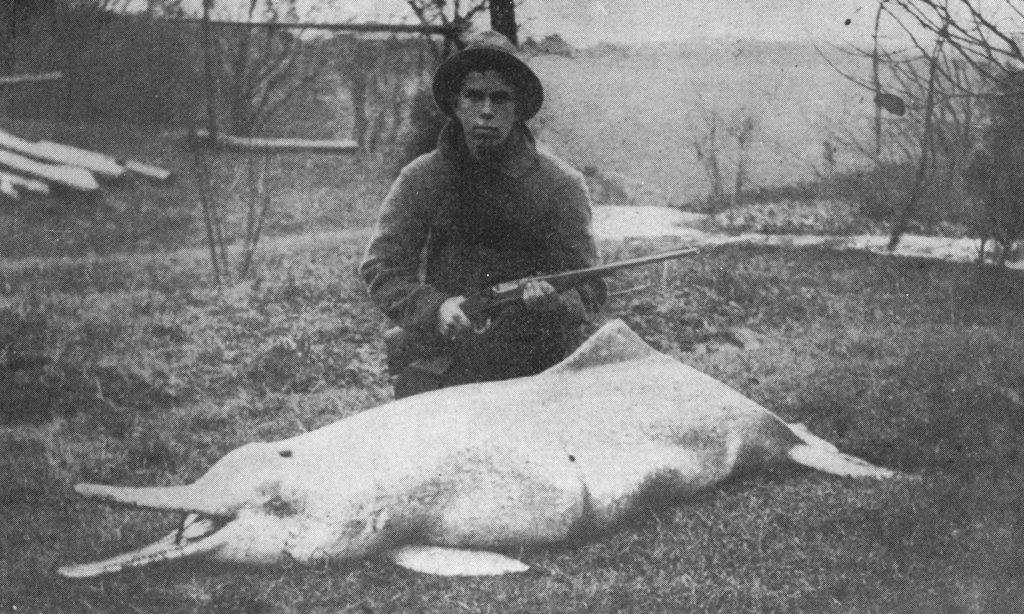
Baiji killed by Charles Hoy in 1914

Conservation efforts of the baiji along the Yangtze River
Baiji
The baiji (Lipotes vexillifer) is a possibly extinct species of river dolphin native to the Yangtze river system in China.
Sixteen Million Years of Evolutionary Isolation
The baiji occupied a distinct evolutionary lineage, having diverged from South American river dolphins approximately 16 million years ago during the Miocene. Its loss represented the total eradication of the entire Lipotidae mammal family rather than just an isolated species. Furthermore, genomic investigations uncovered positively selected genes dedicated to DNA repair that have not been identified in any other mammal species.
From Wikipedia · CC BY-SA 4.0
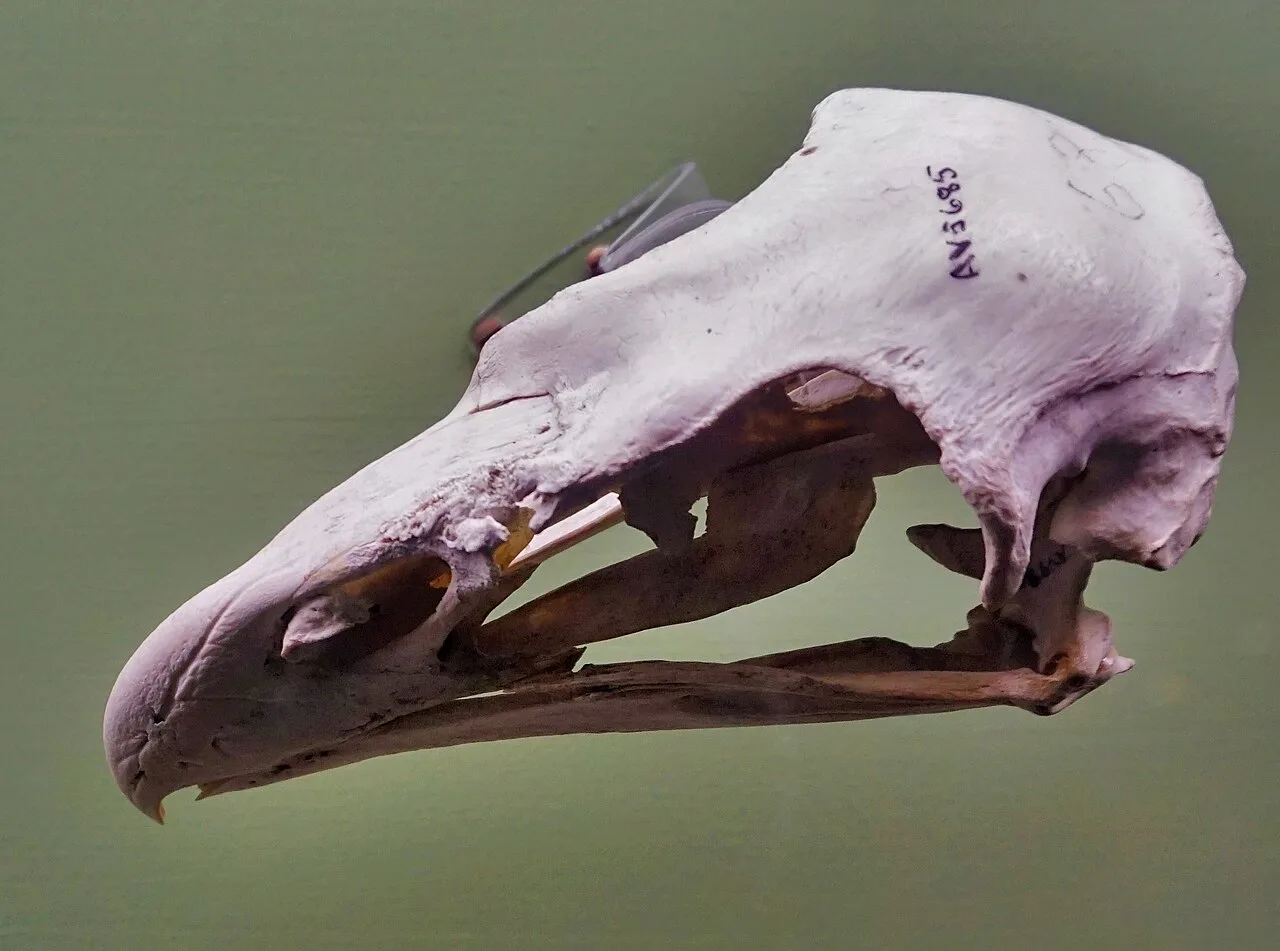
Canterbury Museum, Christchurch - Joy of Museums - Haast's Eagle

extinct
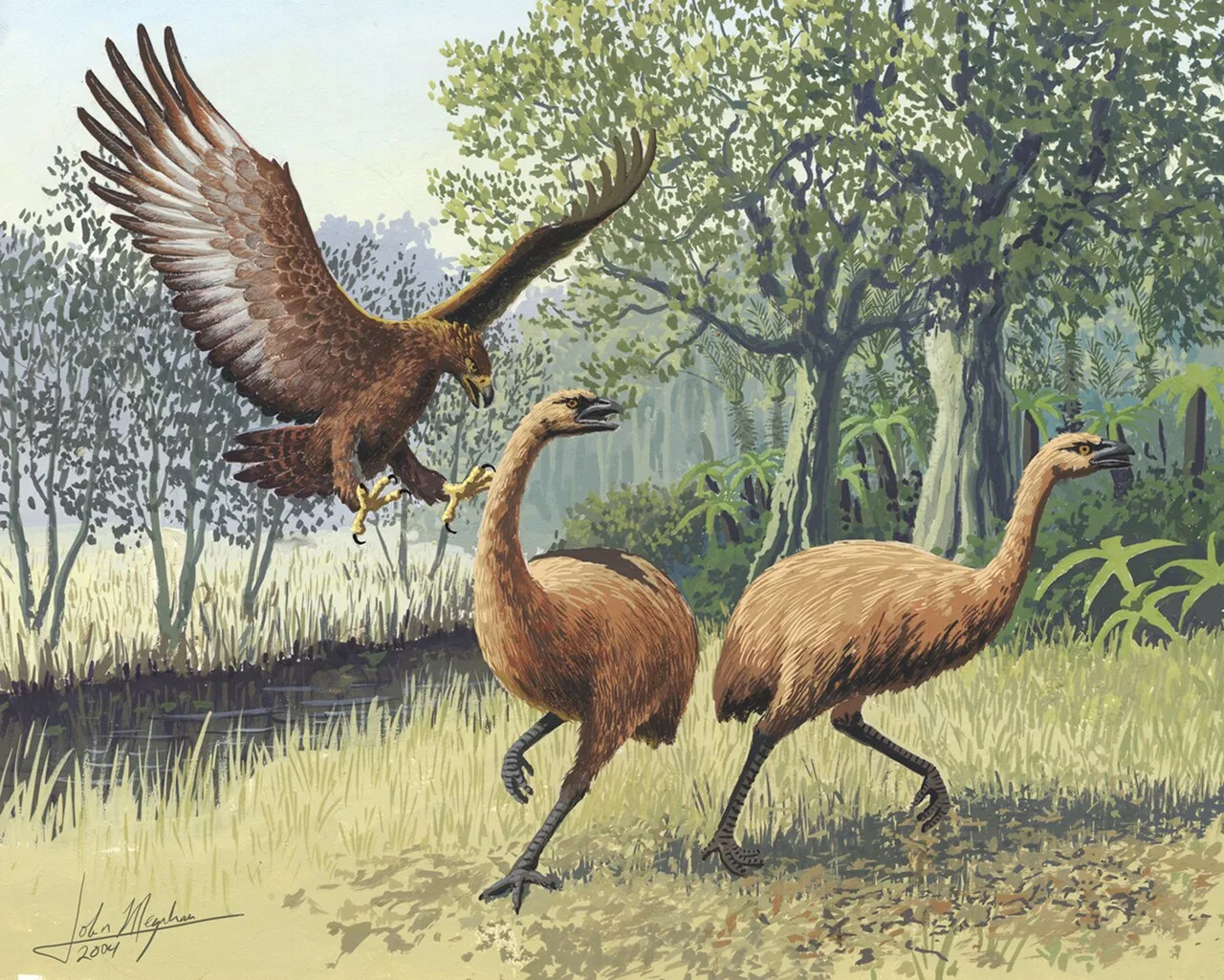
Life restoration of Haast's eagle attacking moa
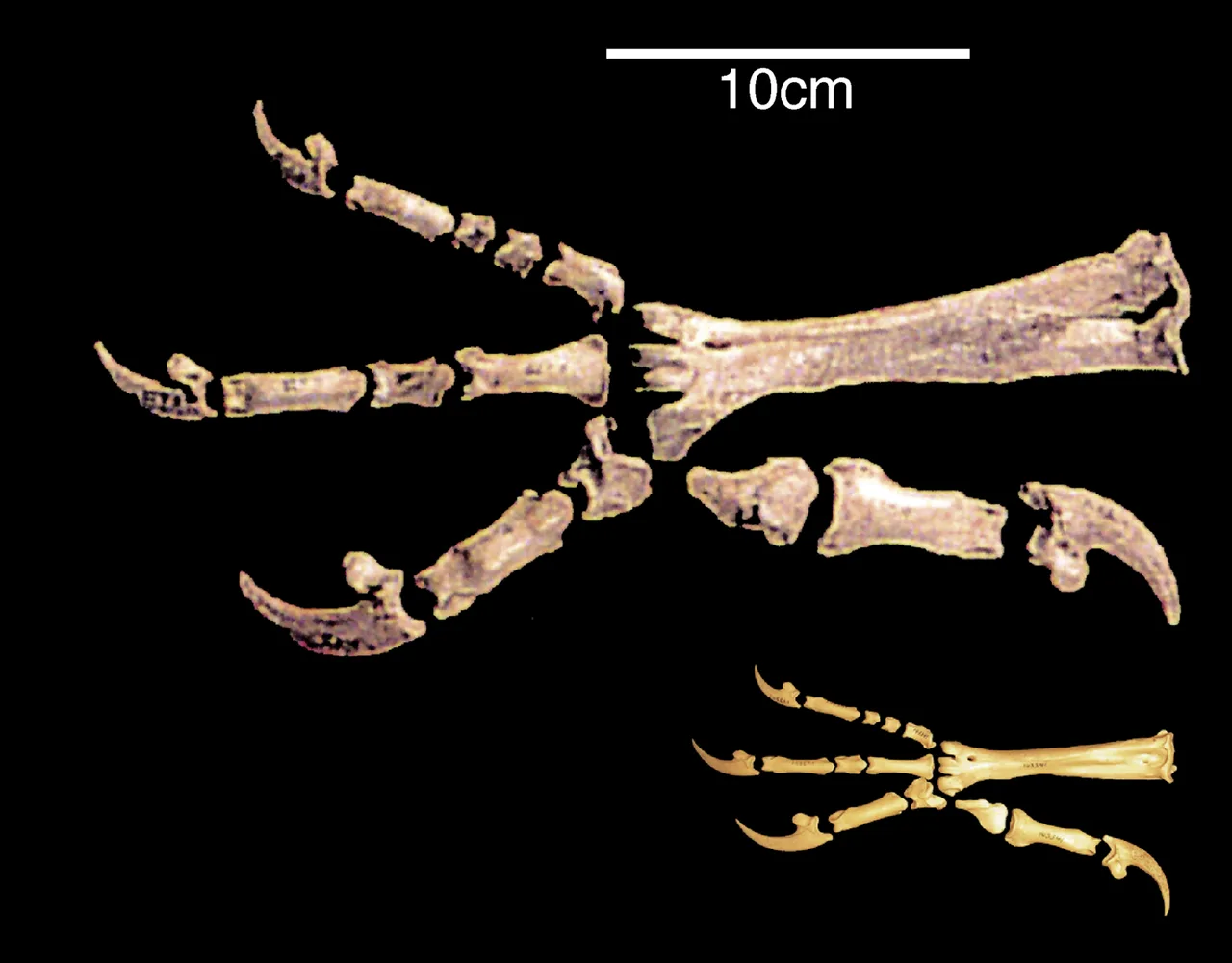
Foot bones of Haast's eagle (top) and those of its closest living relative, the little eagle
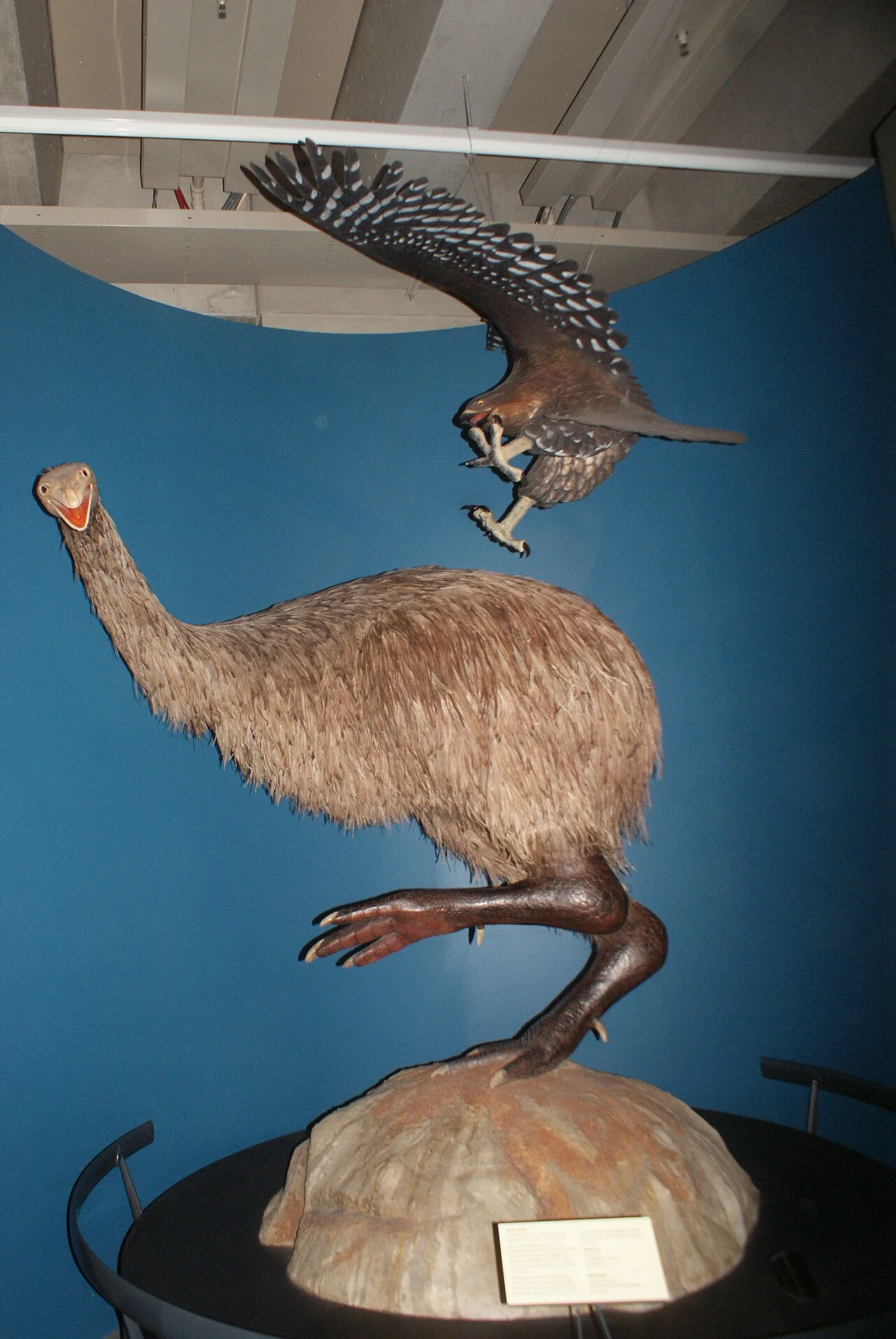
Model at Te Papa of Haast's eagle attacking a moa
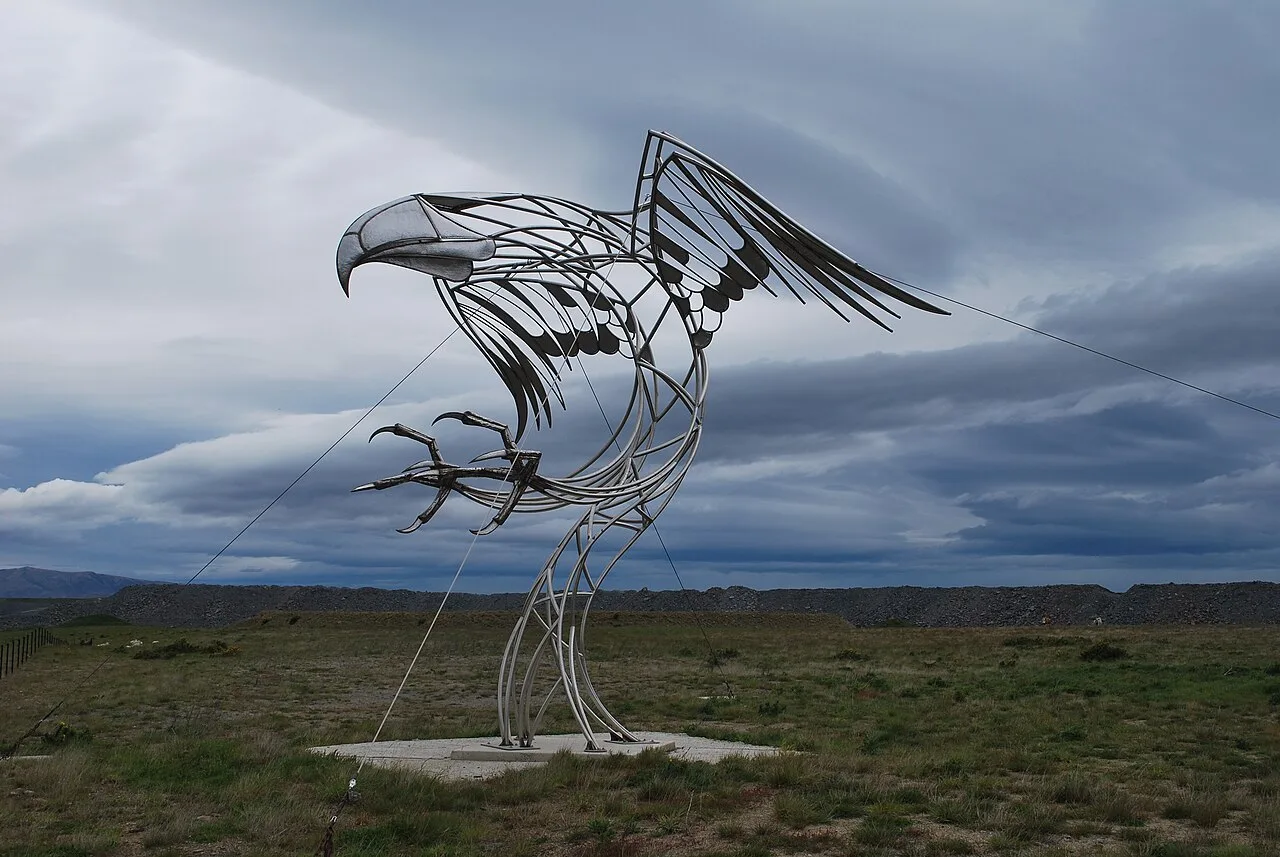
A Haast's eagle statue on Macraes Flat
Haast's eagle
Haast's eagle (Hieraaetus moorei) is an extinct species of eagle that lived in the South Island of New Zealand and is the largest eagle known to have existed.
Unmatched Rate of Vertebrate Growth
DNA analysis revealed that Haast's eagle rapidly diverged from diminutive ancestors rather than larger raptors. Its increase in weight by 10 to 15 times represents an exceptionally rapid weight increase. Over evolutionary history, this transformation represents the largest, fastest evolutionary increase in average weight of any known vertebrate species. This explosive gigantism was facilitated by abundant giant prey and an absence of competing mammalian carnivores.
From Wikipedia · CC BY-SA 4.0
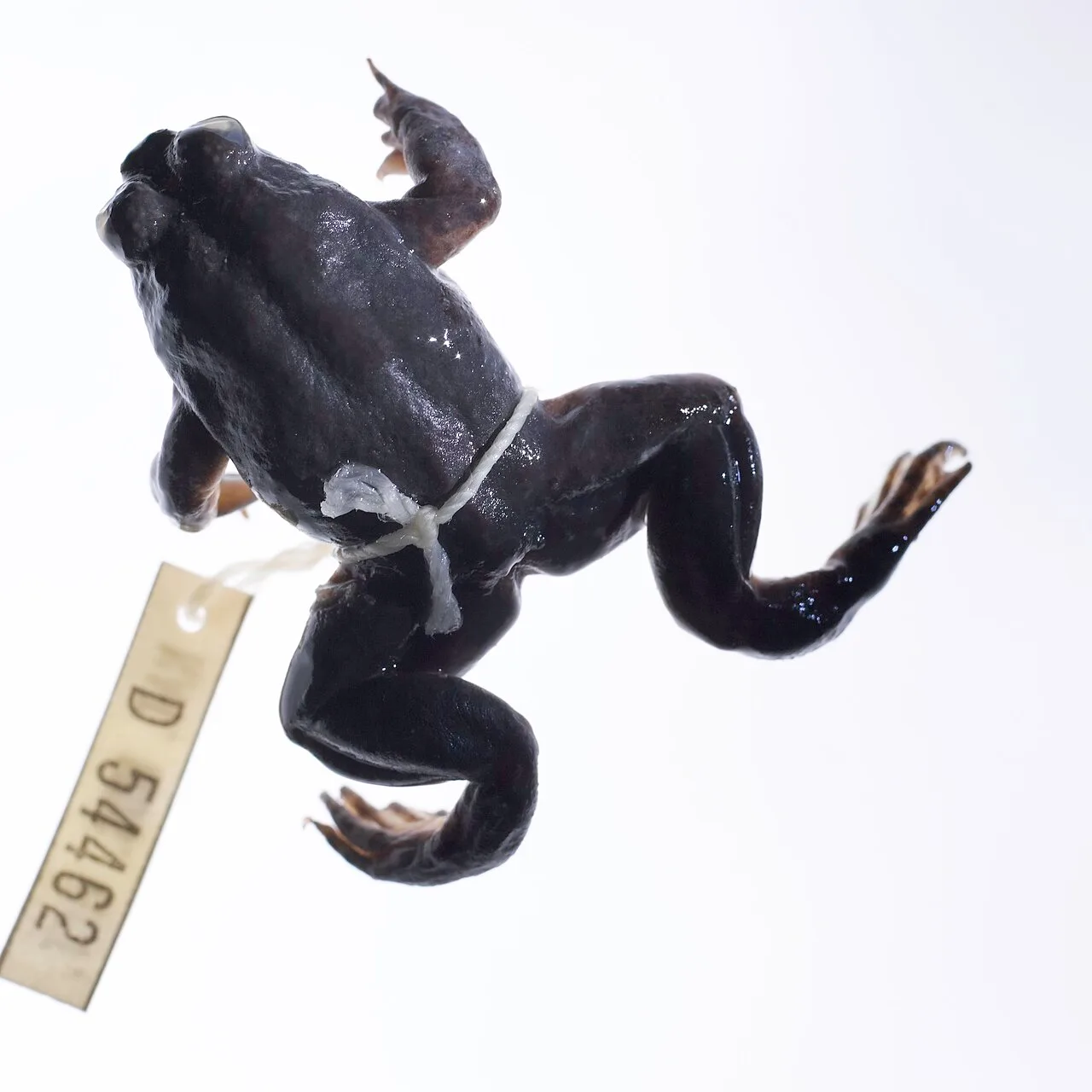
Rheobatrachus silus
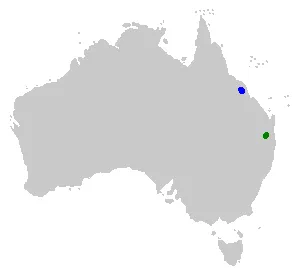
Reobatrachus distribution2
Gastric-brooding frog
Rheobatrachus, known as gastric-brooding frogs or platypus frogs, was a genus of extinct ground-dwelling frogs native to Queensland, Australia.
Chemical Neutralization of Maternal Stomach Acid
Female gastric-brooding frogs shut down their own digestive processes to shelter their offspring. Prostaglandin E2 (PGE2) contained in the egg jelly halts hydrochloric acid production in the stomach. This biochemical suppression ceases the production of acid and keeps the maternal stomach non-functional throughout the embryonic stages.
From Wikipedia · CC BY-SA 4.0
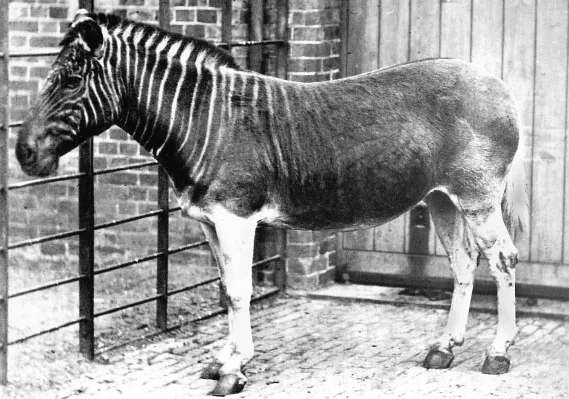
Quagga photo
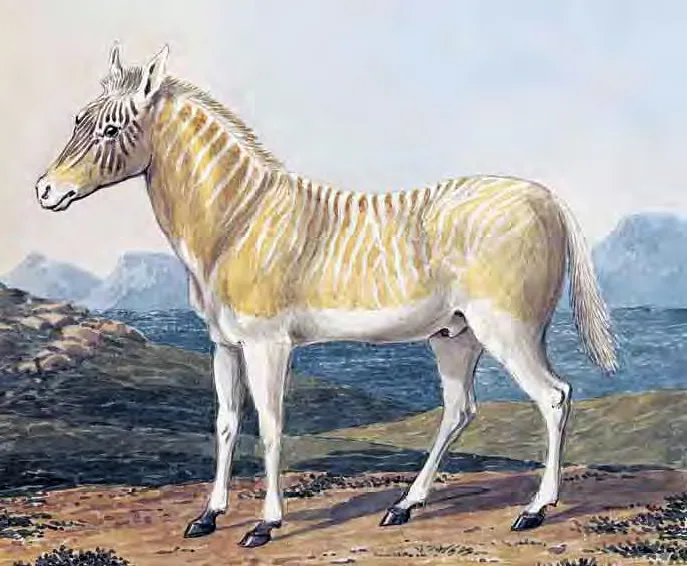
Illustrations of aberrant quaggas by Samuel Daniell from 1804 (above) and Charles Hamilton Smith from 1841, which were the bases of the supposed subspecies E. q. danielli and species Hippotigris isabellinus, respectively
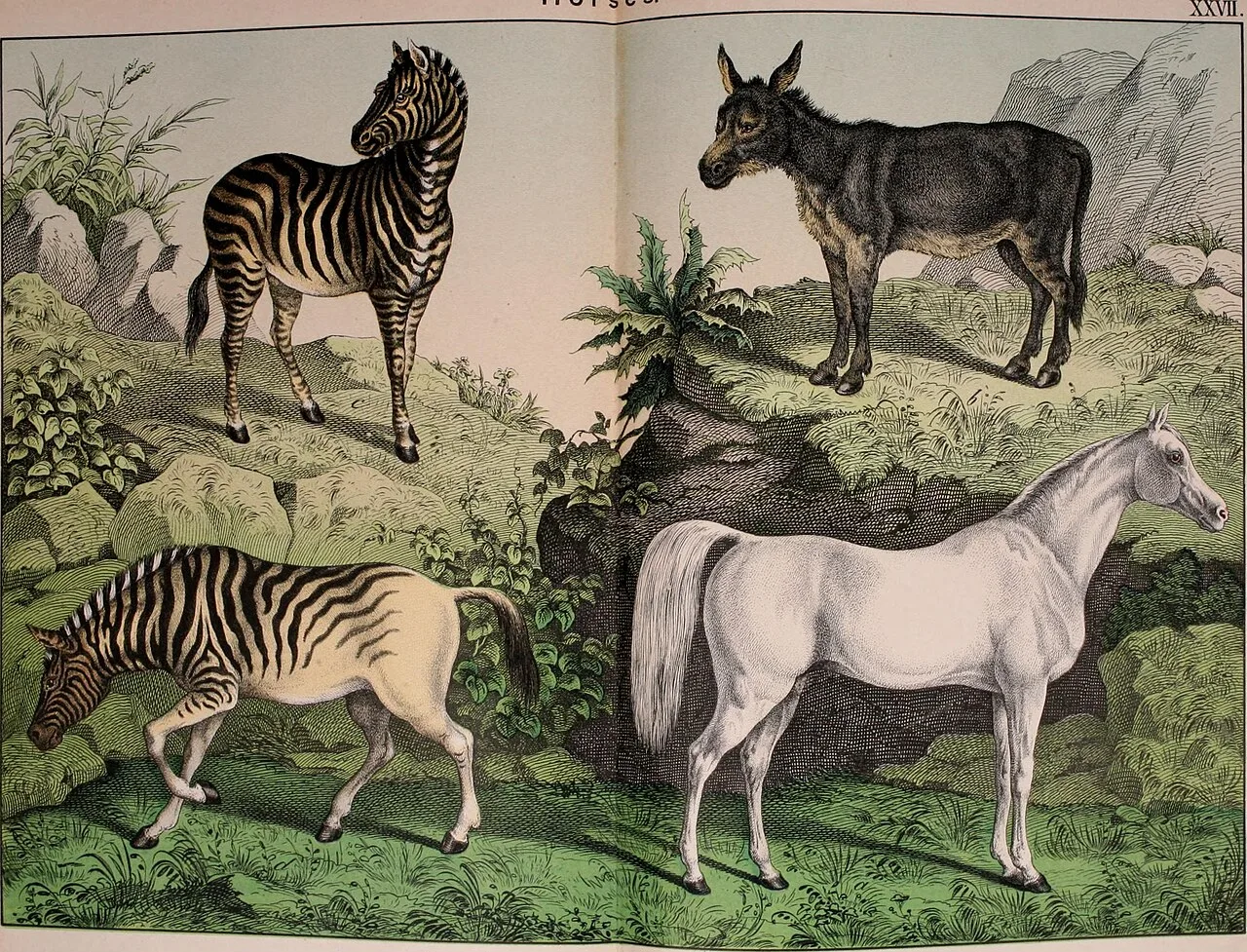
1889 illustration of a quagga (lower left) alongside other equines
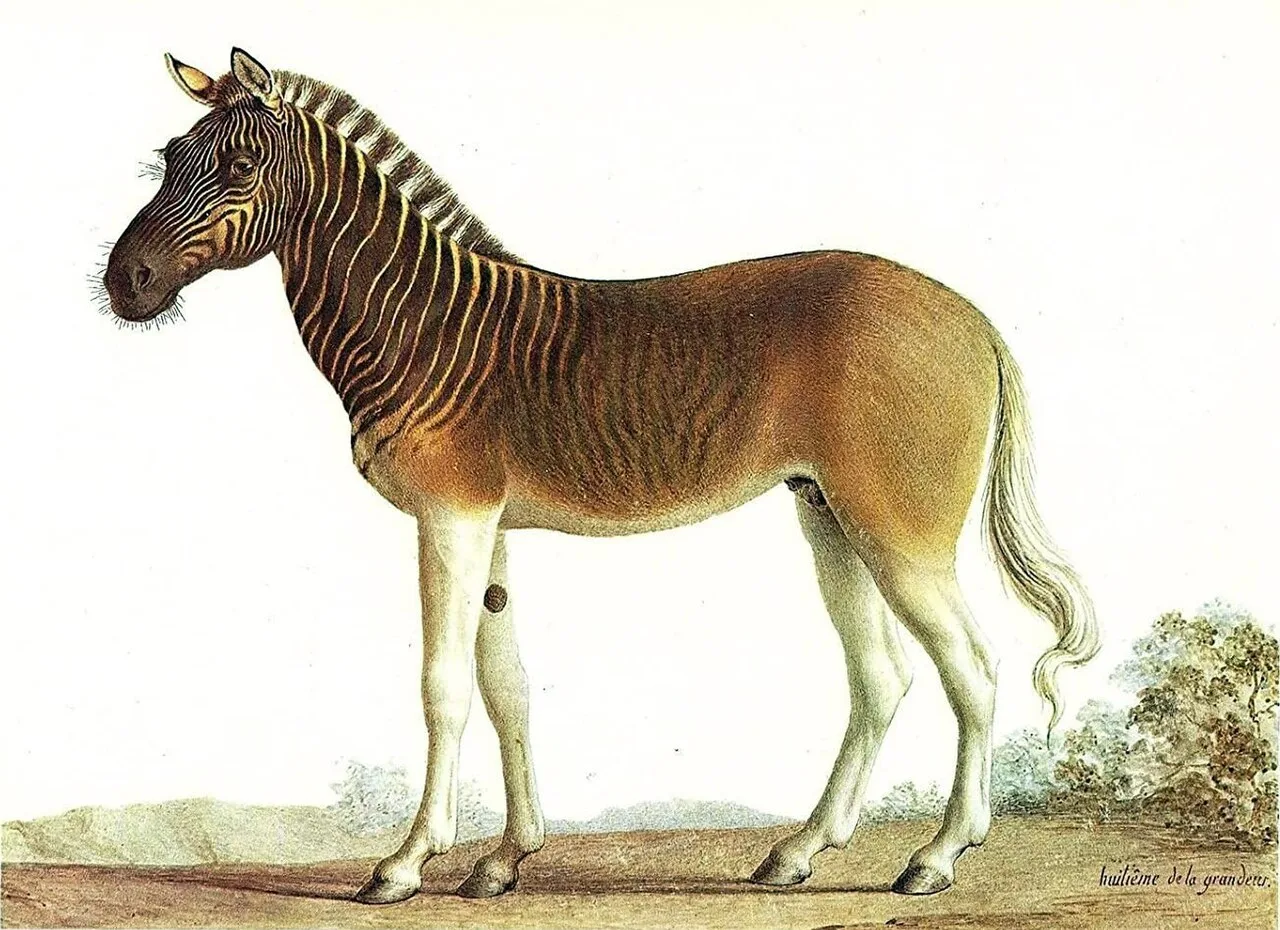
Painting of a stallion in Louis XVI's menagerie at Versailles by Nicolas Maréchal, 1793
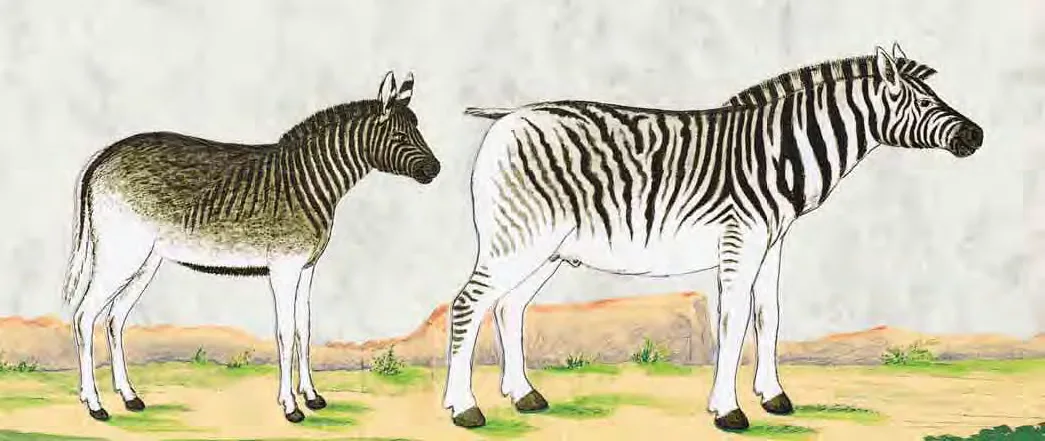
1777 illustration of a live quagga colt and a bagged adult Burchell's zebra male, by Robert Jacob Gordon.
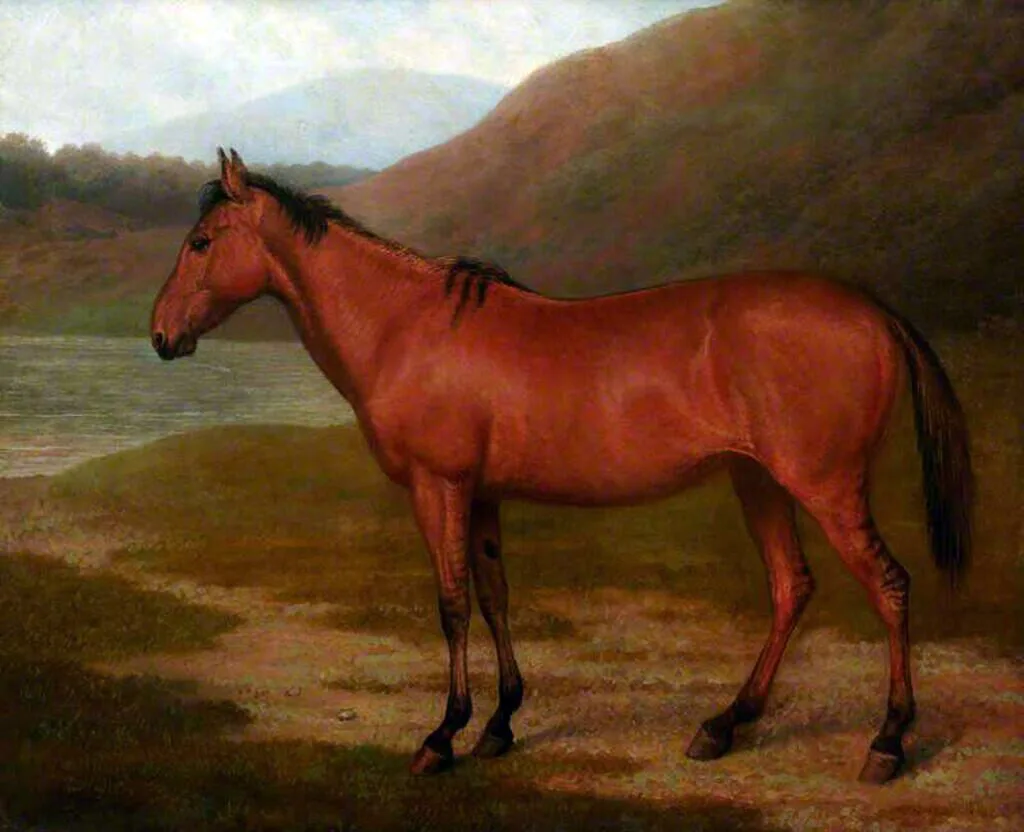
Paintings of Lord Morton's quagga stallion (above) and Lord Morton's mare, its hybrid offspring with a horse mare, by Jacques-Laurent Agasse, 1821
Quagga
The quagga (Equus quagga quagga) is an extinct subspecies of the plains zebra that was endemic to South Africa until it was hunted to extinction in the late 19th century.
Pioneering the Field of Ancient DNA
Museum skins of the quagga provided molecular biologists with an unprecedented milestone in genomic research. A 1984 study examining preserved quagga tissue marked the first time researchers successfully analysed DNA from an extinct creature. This landmark work established that quaggas split from mountain zebras millions of years ago, inaugurating the entire scientific discipline of ancient DNA analysis.
From Wikipedia · CC BY-SA 4.0