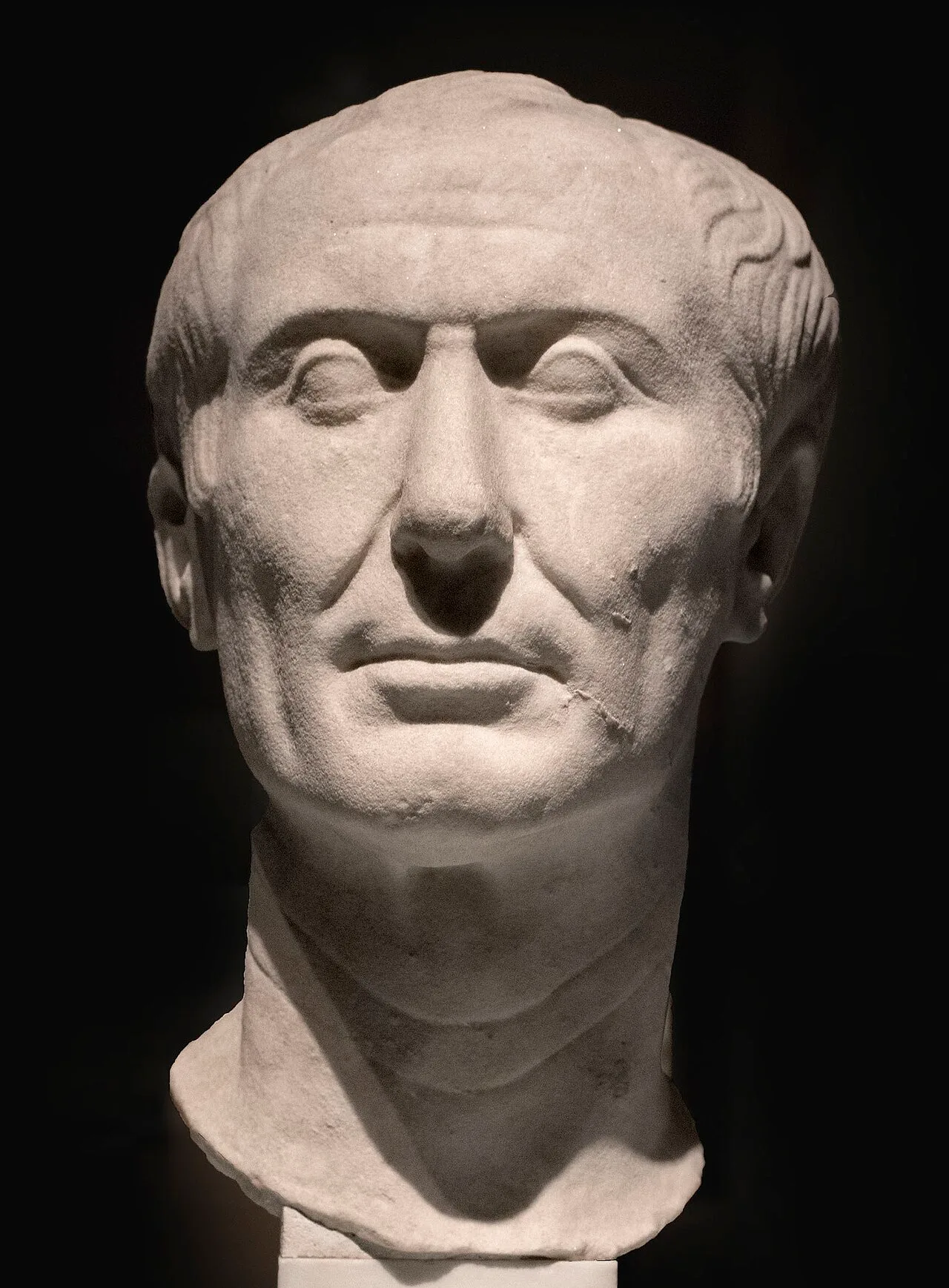
The Tusculum portrait, a marble sculpture of Julius Caesar
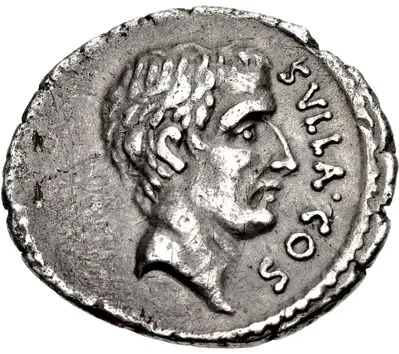
Sulla, depicted on the obverse of a denarius minted by Quintus Pompeius Rufus in 54 BC. Sulla took the city in 82 BC, purged his political enemies, and instituted new constitutional reforms.
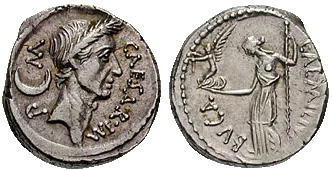
A denarius depicting Julius Caesar, dated to February–March 44 BC – the goddess Venus is shown on the reverse, holding Victoria and a sceptre. Caption: CAESAR IMP. M. / L. AEMILIVS BVCA.
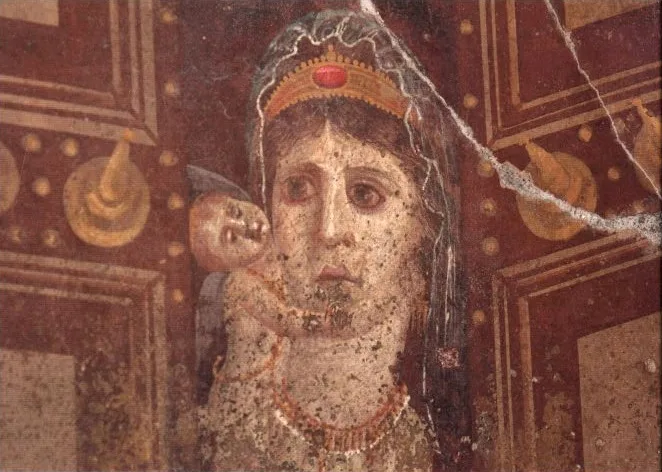
This mid-1st-century-BC Roman wall painting in Pompeii is probably a depiction of Cleopatra VII as Venus Genetrix, with her son Caesarion as Cupid. Its owner Marcus Fabius Rufus most likely ordered its concealment behind a wall in reaction to the execution of Caesarion on orders of Octavian in 30 BC.[167][168]
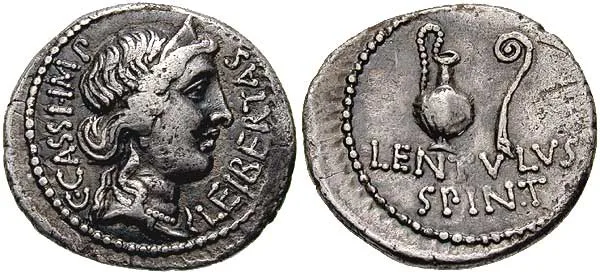
Denarius (42 BC) of Cassius and Lentulus Spinther, depicting the crowned head of Liberty and on the reverse a sacrificial jug and lituus[221]
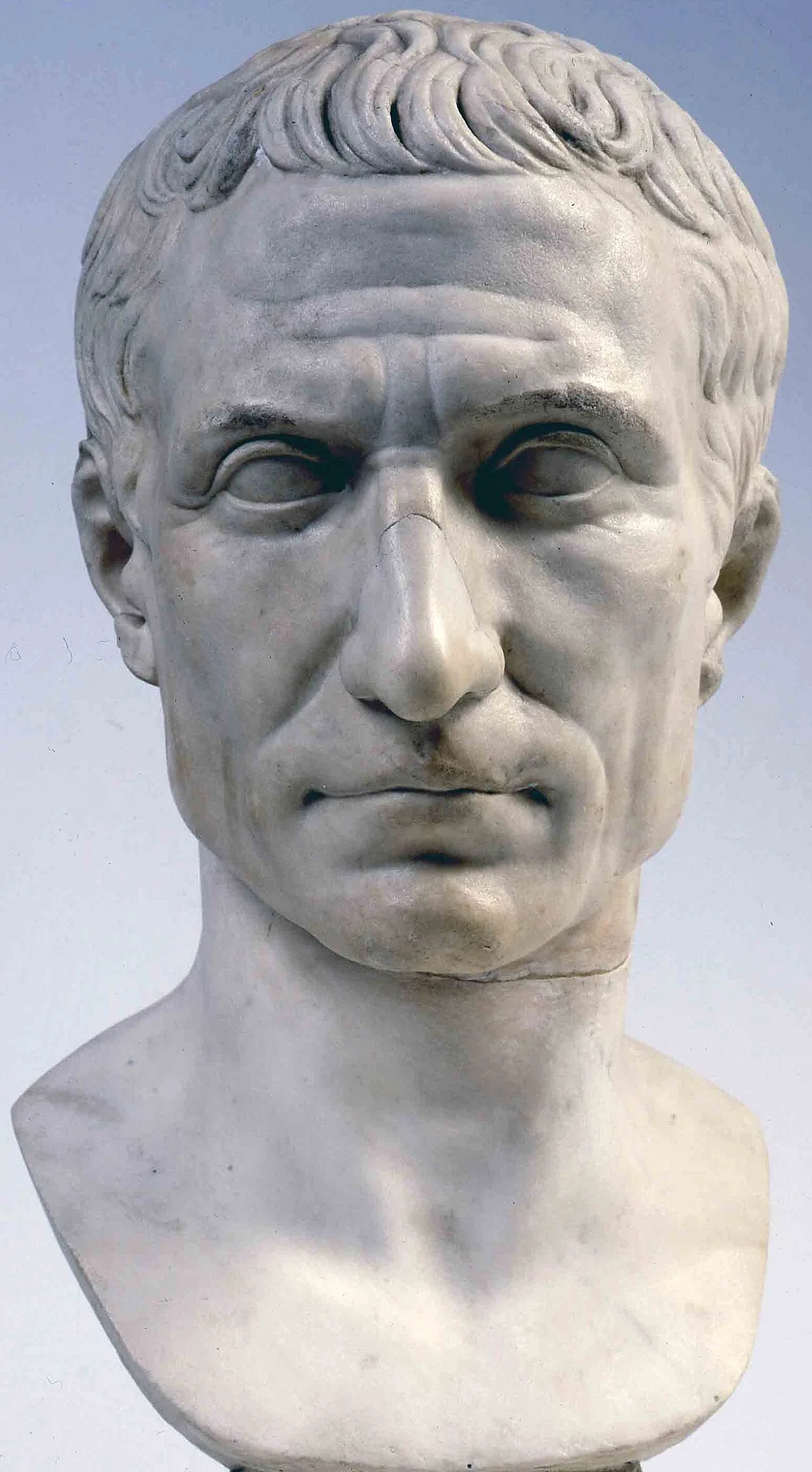
The Chiaramonti Caesar bust, a posthumous portrait in marble, 44–30 BC, Museo Pio-Clementino, Vatican Museums
Julius Caesar
Julius Caesar was a Roman general and statesman who became dictator of Rome and played a critical role in the demise of the Roman Republic.
Survival of Aurelia and the Surgical Birth Myth
Popular legend often links the dictator's family name to a surgical delivery, yet surgical procedures of that era uniformly proved fatal to women. Ancient accounts record no difficulties during his delivery, and Caesar's mother lived for decades following his entry into the world. This maternal survival directly contradicts the long-standing belief that Caesar himself was delivered through an operation bearing that name.
From Wikipedia · CC BY-SA 4.0
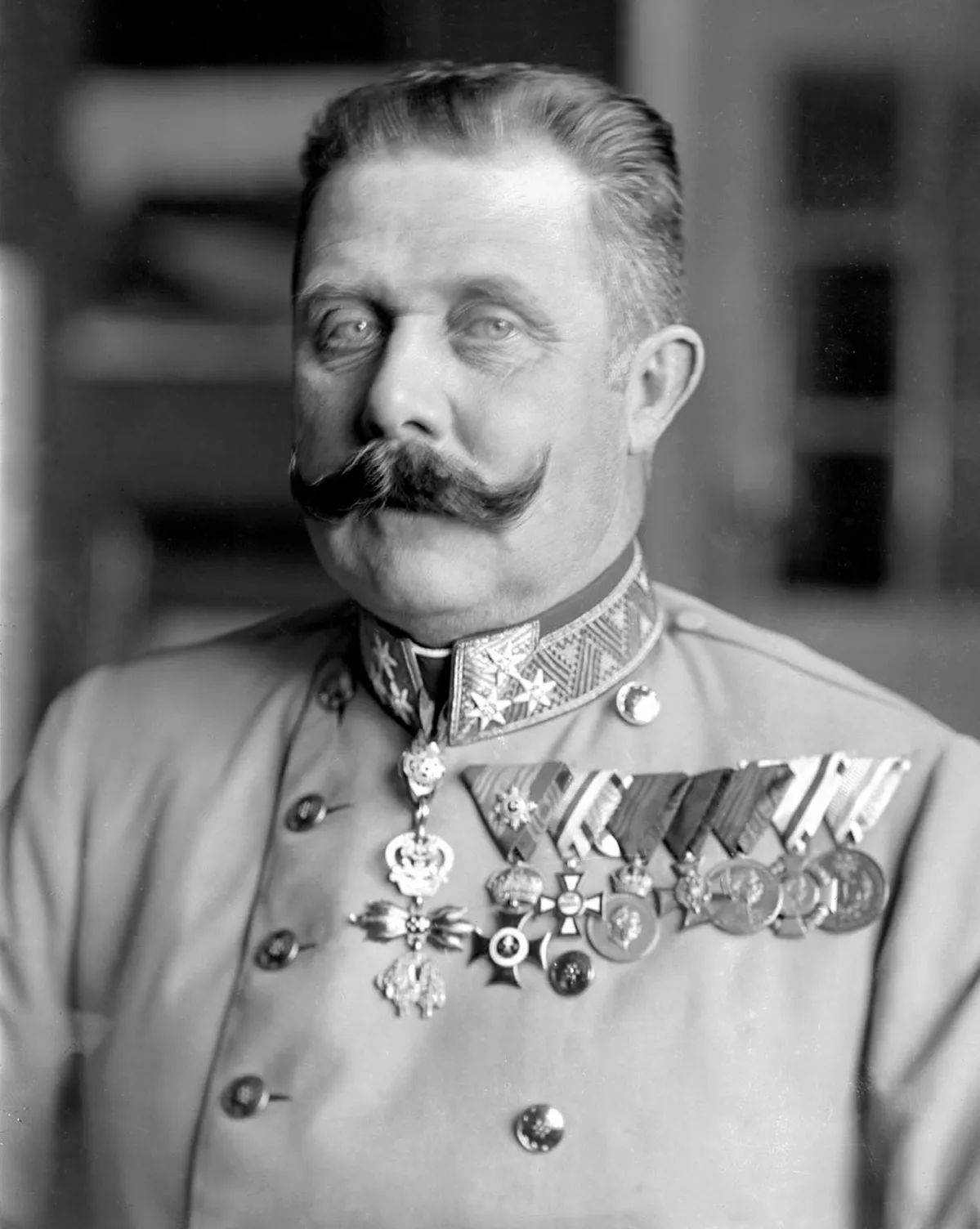
Ferdinand Schmutzer - Franz Ferdinand von Österreich-Este, um 1914 (cropped)

Archduke Franz Ferdinand's signature
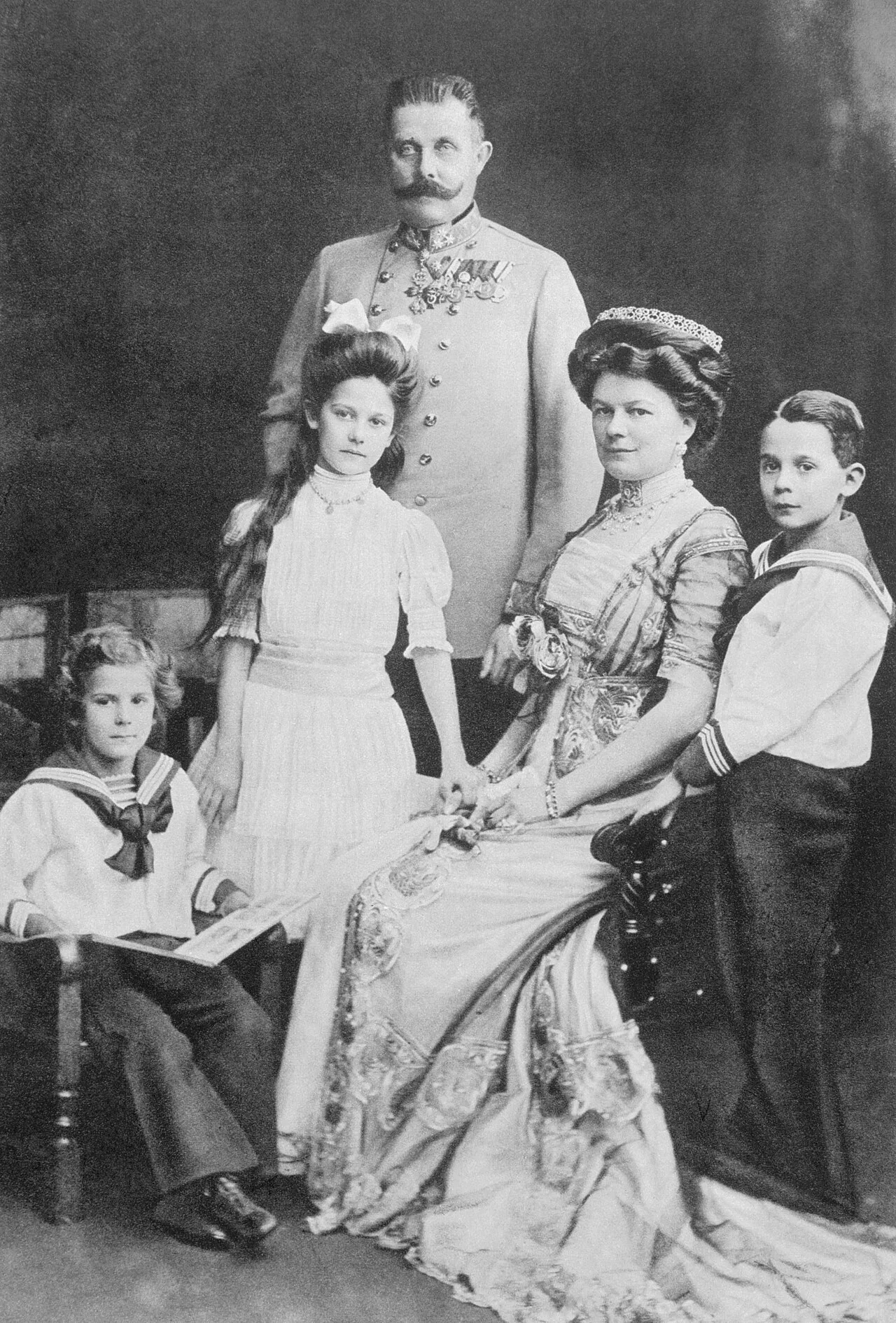
Archduke Franz Ferdinand with his wife Sophie, Duchess of Hohenberg, and their three children (from left), Prince Ernst von Hohenberg, Princess Sophie, and Maximilian, Duke of Hohenberg, in 1910
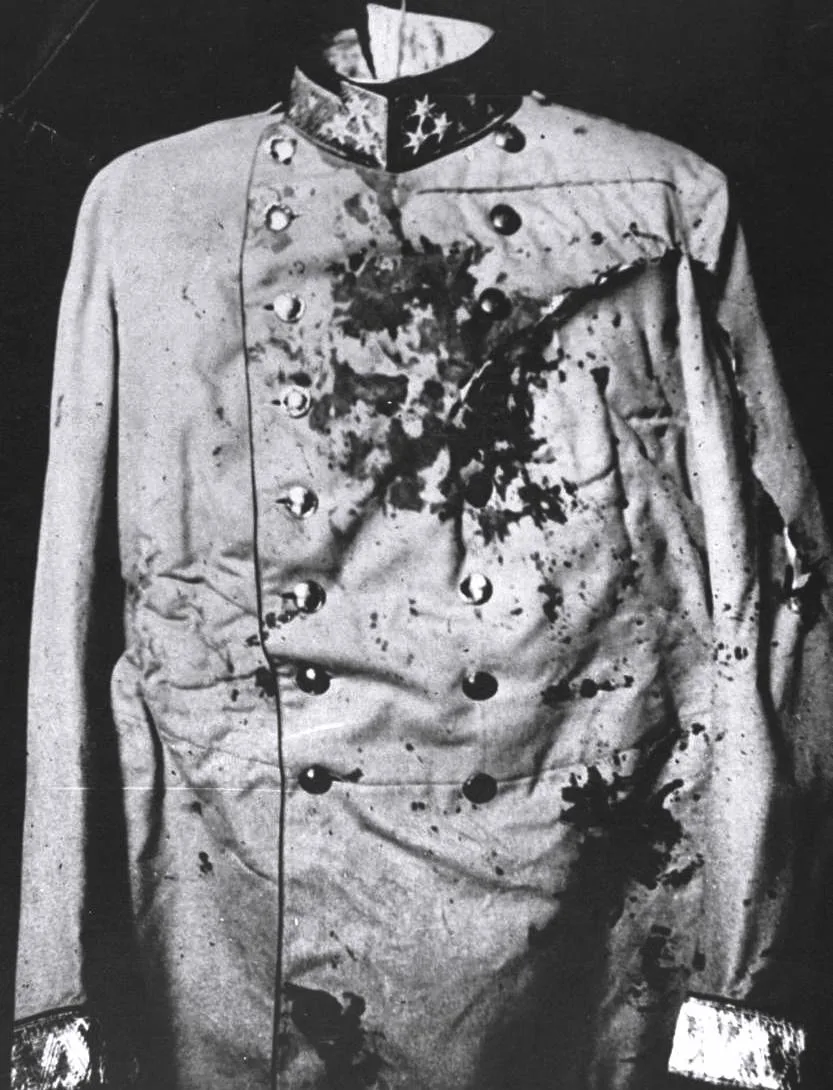
Franz Ferdinand's blood-stained uniform
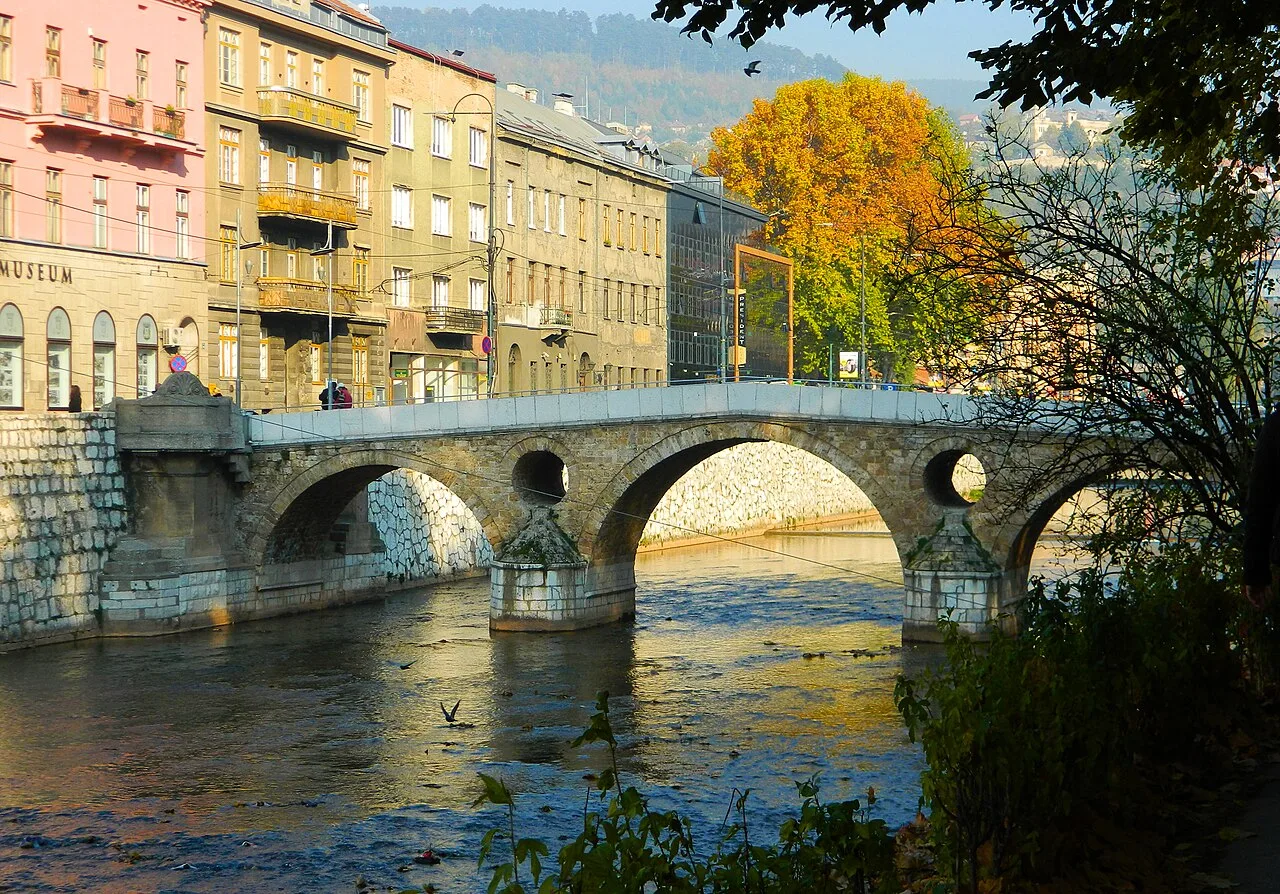
The Latin Bridge near the assassination site
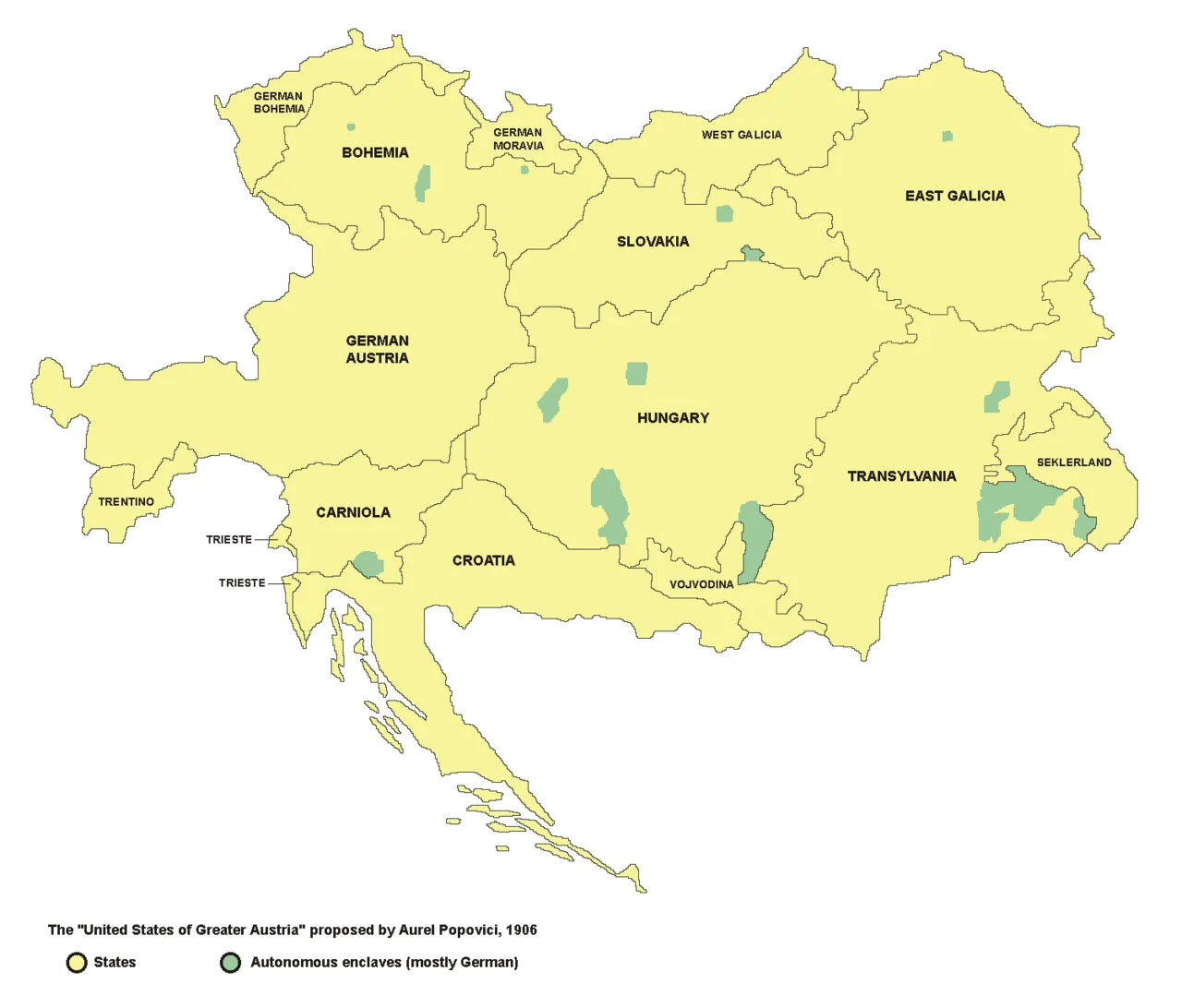
Map of the federalization of Austria-Hungary planned by Archduke Franz Ferdinand, the member states with separate governments
Archduke Franz Ferdinand of Austria
Archduke Franz Ferdinand of Austria was the heir presumptive to the Austro-Hungarian throne whose assassination was the most immediate cause of World War I.
Hundreds of Thousands of Recorded Kills
Franz Ferdinand pursued trophy hunting with an intensity that stood out even among contemporary European nobility. In his personal diaries, he meticulously recorded 272,511 game kills, including 5,000 deer. Approximately 100,000 trophies were put on exhibit throughout his Bohemian castle at Konopiště alongside an extensive collection of antiquities.
From Wikipedia · CC BY-SA 4.0
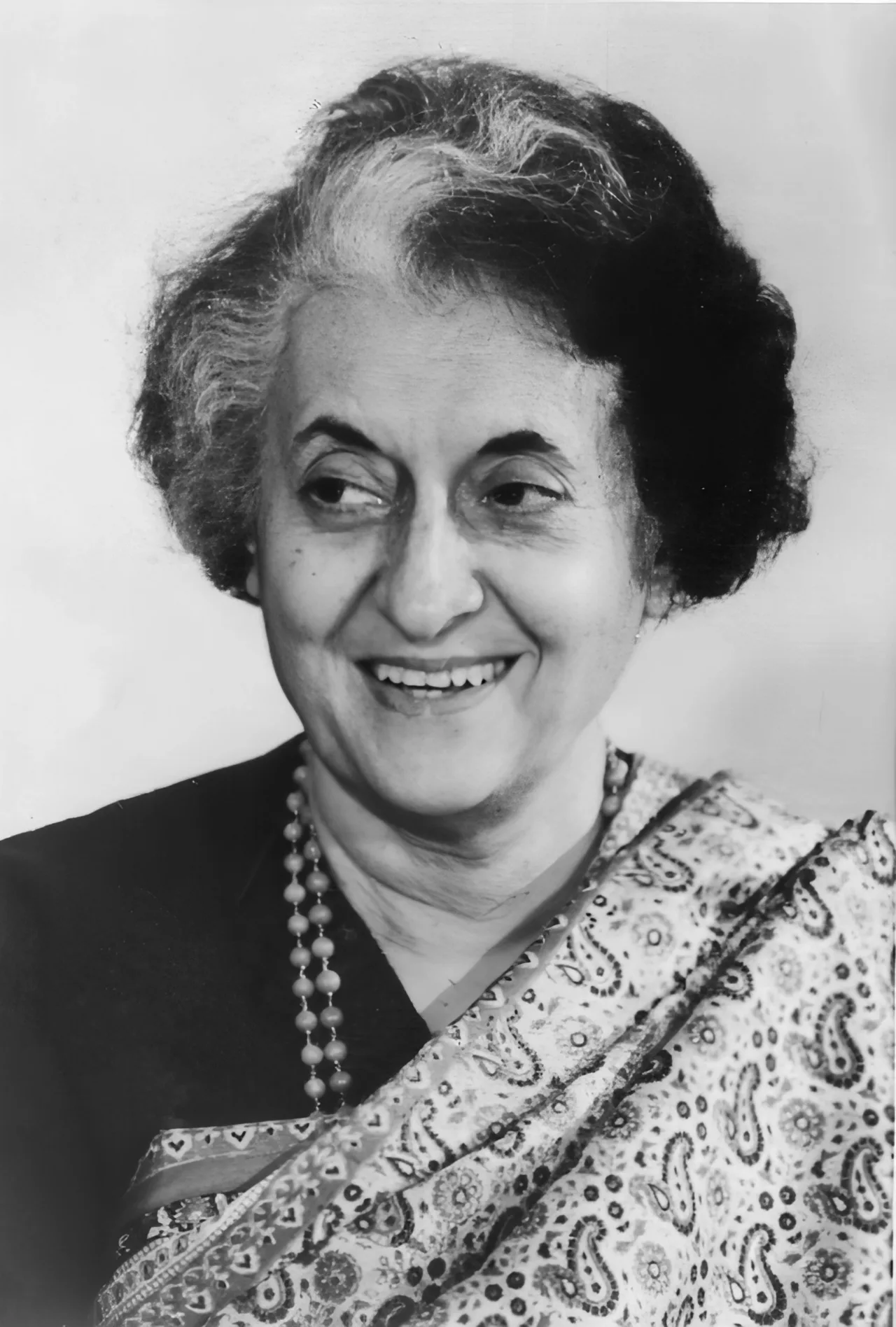
Indira Gandhi official portrait
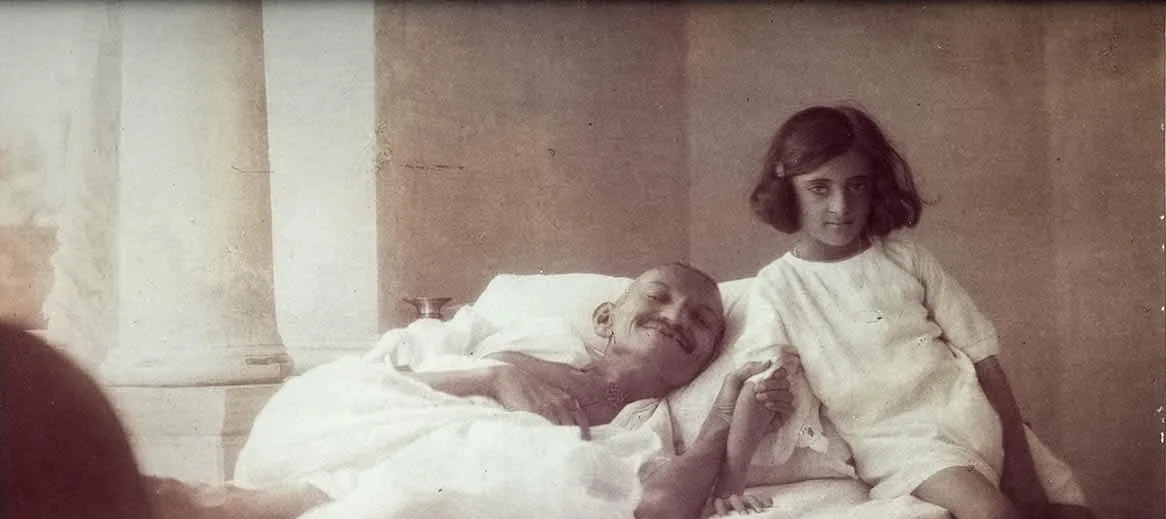
Young Indira with Mahatma Gandhi during his fast in 1924, Indira is dressed in a khadi garment and shown following Gandhi's advocacy that khadi be worn by Indians instead of British-manufactured textiles
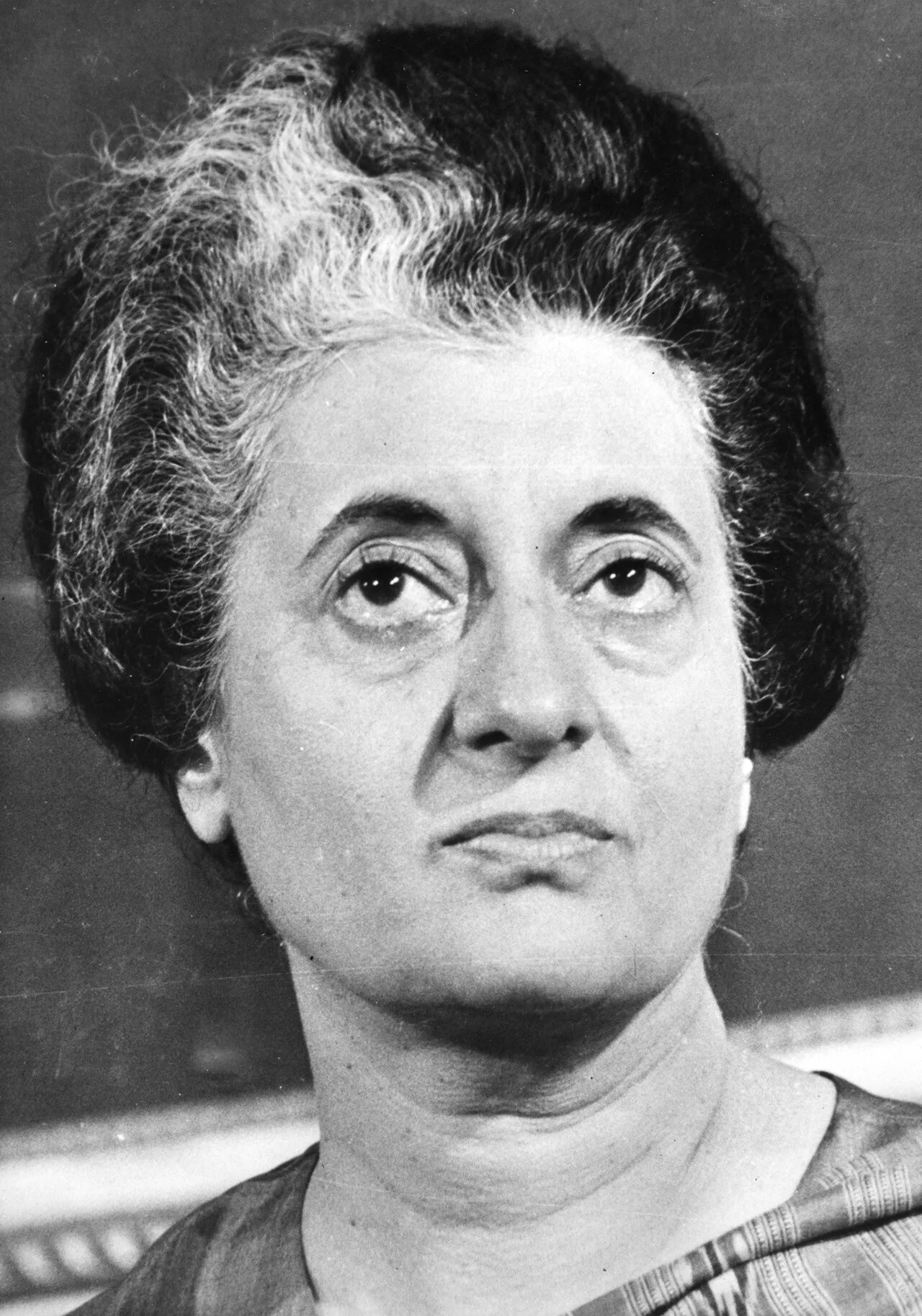
Gandhi in 1977
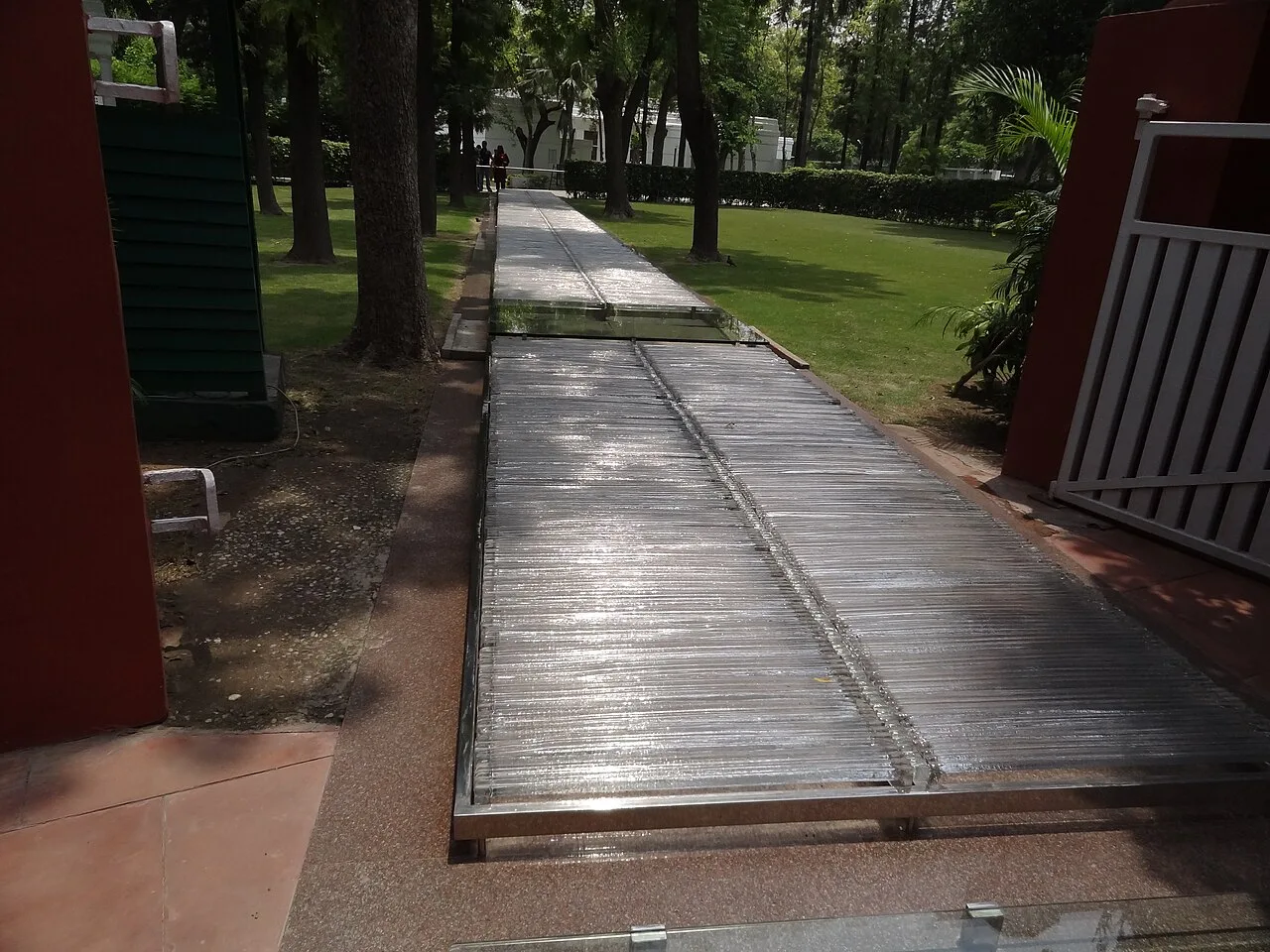
Today, the spot where Gandhi was assassinated is marked by a glass opening in the crystal pathway at the Indira Gandhi Memorial
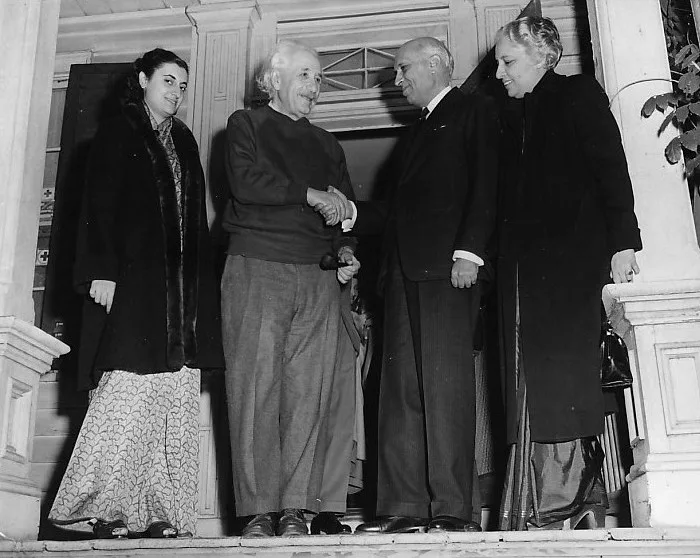
Indira Gandhi and her father Jawaharlal Nehru visit Albert Einstein
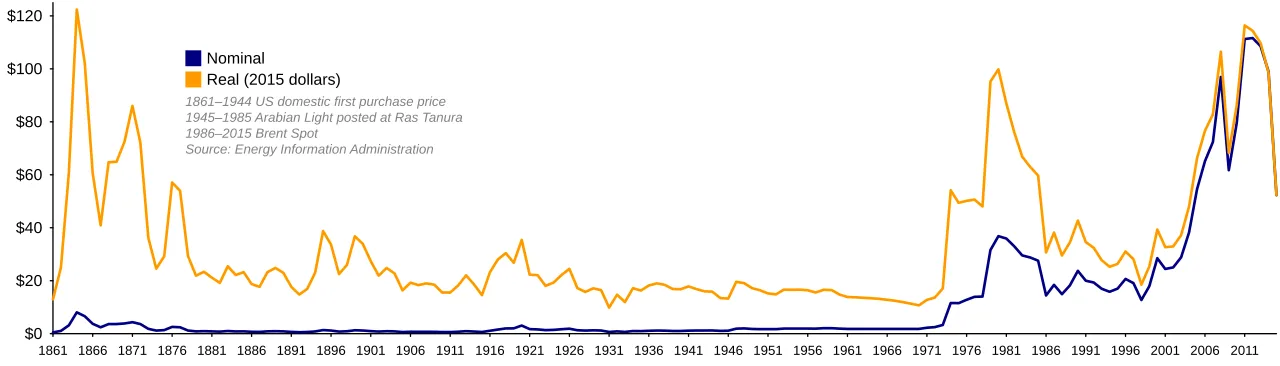
The price of oil during the 1970s energy crisis, the graph shows sharp increases in 1973 and again in 1979
Indira Gandhi
Indira Gandhi was an Indian stateswoman who served as the prime minister of India from 1966 to 1977 and again from 1980 until her assassination in 1984.
The Puppet That Broke the Syndicate
Congress party bosses orchestrated Gandhi's selection as prime minister under the assumption that she would be an easily controlled puppet. Media and opposition figures initially derided her as the "Goongi goodiya" or dumb doll of the party establishment. Instead of submitting to party bosses, she outmaneuvered rivals like Morarji Desai, split the party, and consolidated executive authority under her own command.
From Wikipedia · CC BY-SA 4.0
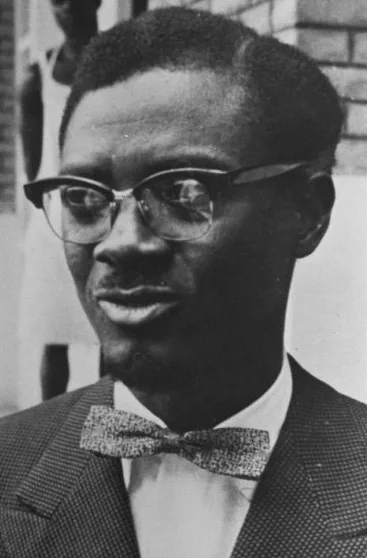
Photograph of Patrice Lumumba in 1960
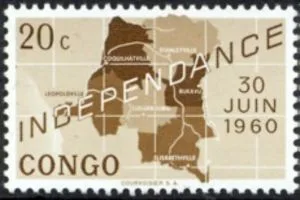
A Congolese stamp commemorating independence
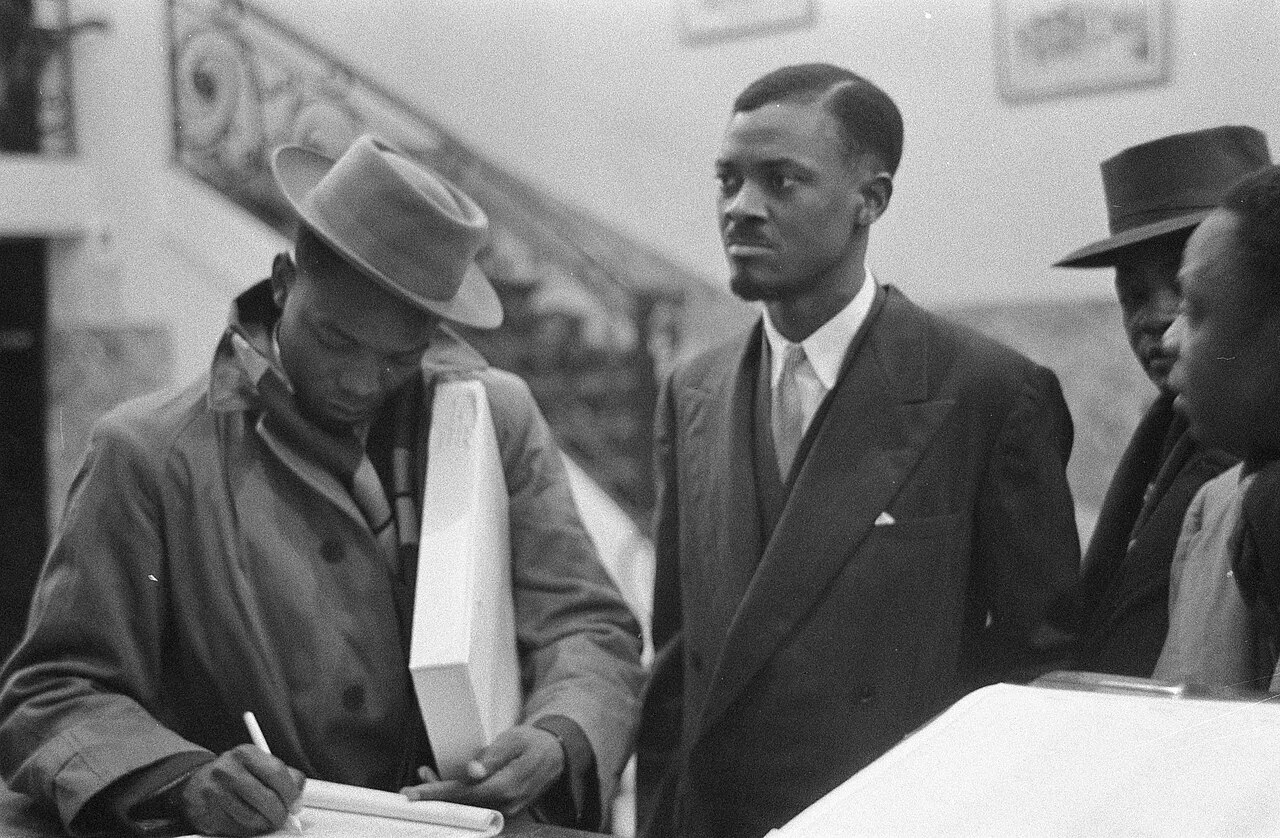
Lumumba pictured in Brussels at the Round Table Conference with other members of the MNC-L delegation, 26 January 1960
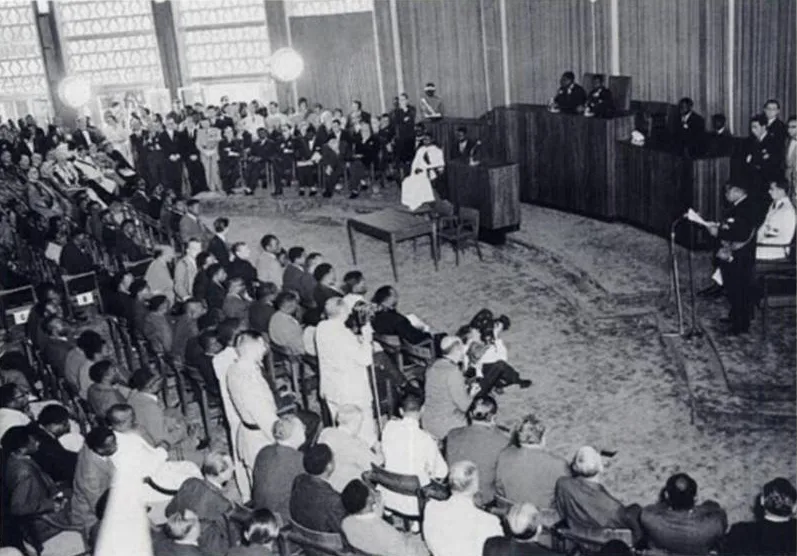
The independence ceremony for the Congo, held on 30 June 1960, at which Lumumba delivered his independence speech
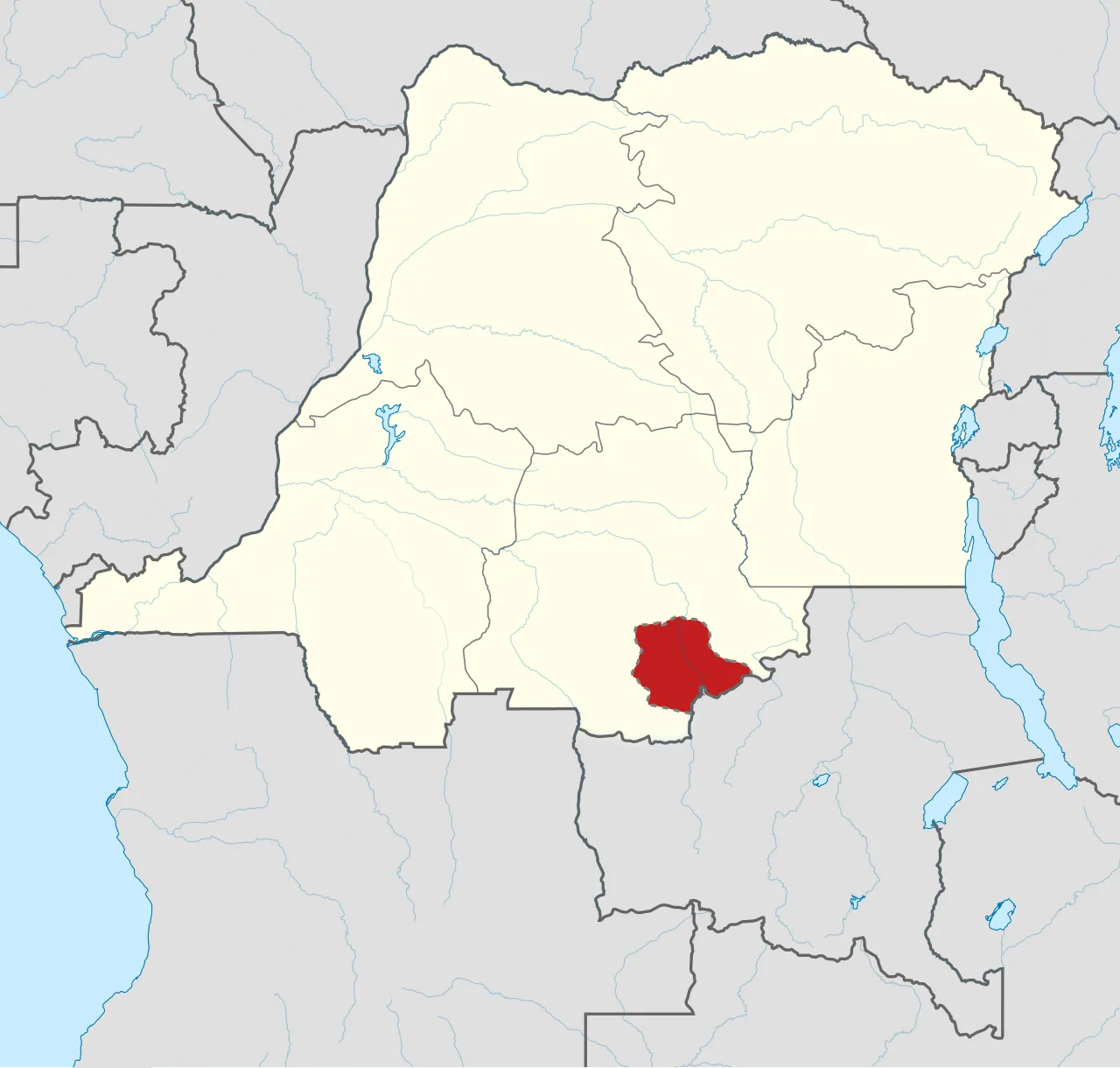
Map of the Congo in 1961, with South Kasai highlighted in red, bordered to the south by the State of Katanga
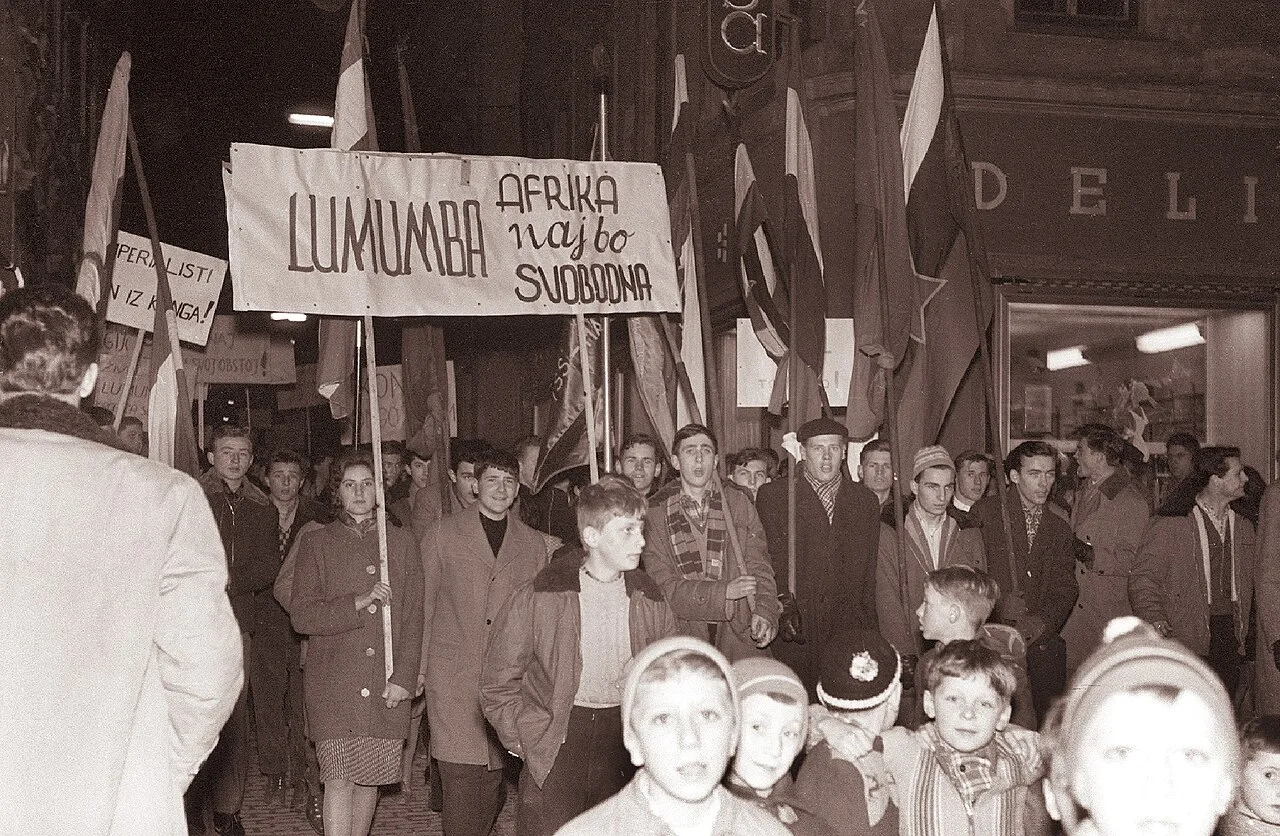
Young protesters in Maribor, Yugoslavia, against the death of Lumumba, 1961
Patrice Lumumba
Patrice Émery Lumumba was a Congolese politician and independence leader who served as the first prime minister of the Democratic Republic of the Congo in 1960.
Prophetic Etymology in Kasaï
Long before leading the anticolonial struggle, Patrice Lumumba bore a name carrying a grim prophecy. Born Isaïe Tasumbu Tawosa, his Tetela name Élias Okit'Asombo translated to 'heir of the cursed' or someone destined to die quickly. Educated across Protestant and Catholic missionary institutions, he completed his government post office training school course with distinction. His outspoken habit of boldly correcting instructors in front of peers foreshadowed his confrontational political style.
From Wikipedia · CC BY-SA 4.0
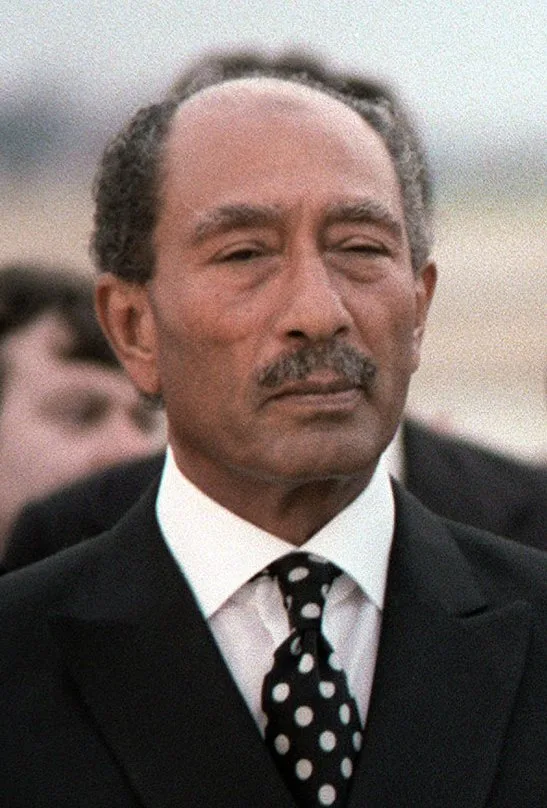
Anwar Sadat cropped
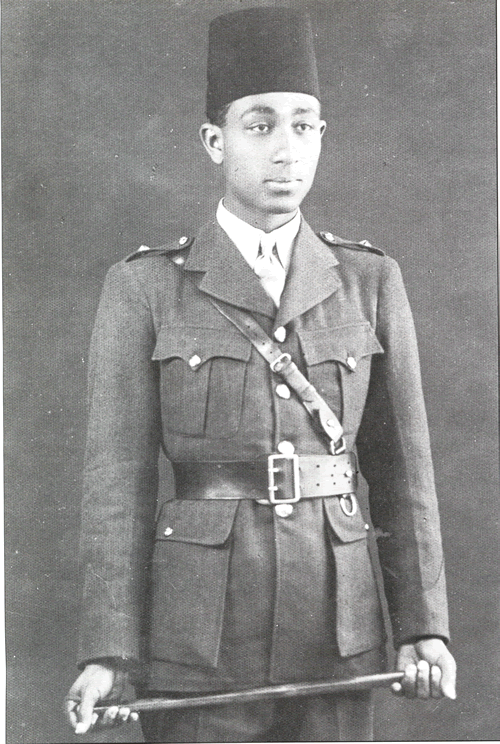
Sadat graduating from the military college in 1938
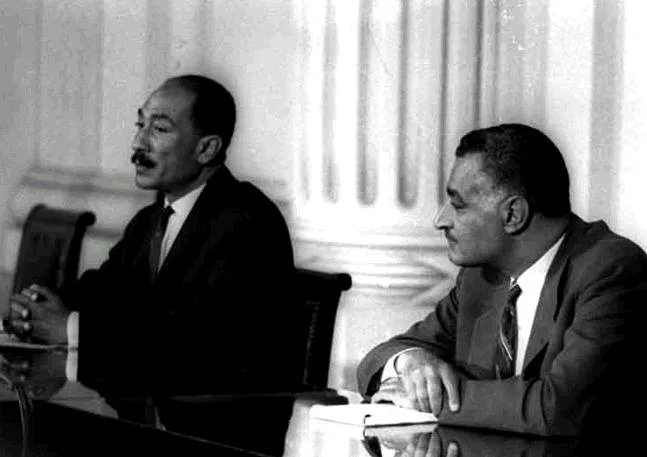
With Nasser in the National Assembly, May 1964
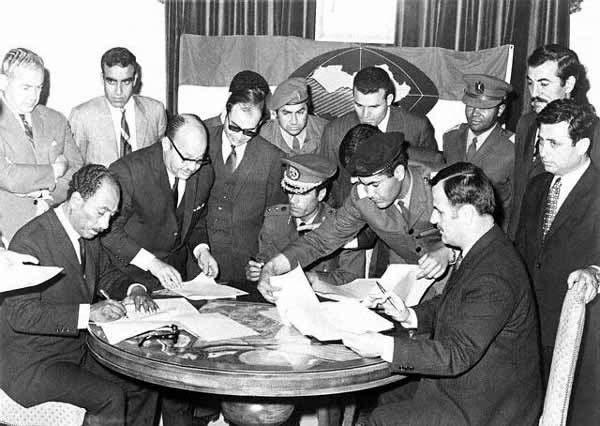
Sadat (sitting on the left side), Hafez al-Assad (sitting on the right side) and Muammar Gaddafi (sitting in the centre) signing the Federation of Arab Republics in Benghazi, Libya, on April 18, 1971
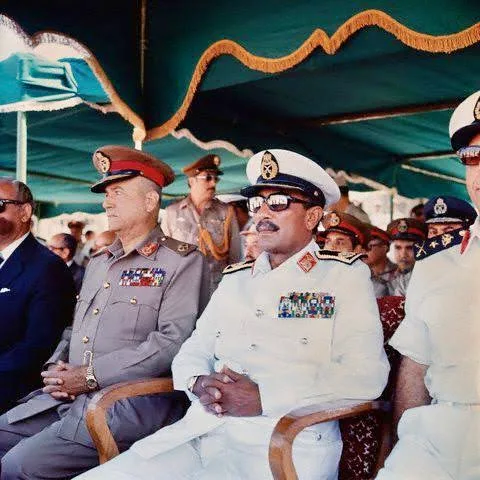
Sadat and Ahmad Ismail Ali attending the re-opening ceremony of Suez Canal after the Yom Kippur war, June 5, 1975
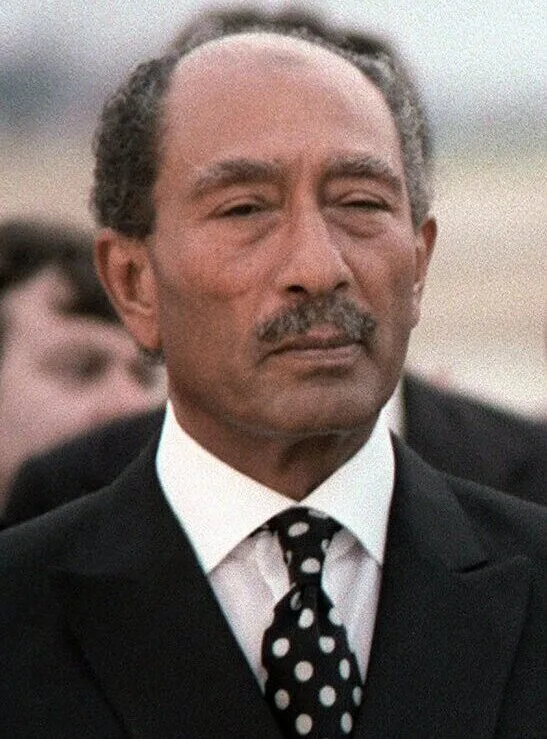
Sadat in 1980
Anwar Sadat
Muhammad Anwar es-Sadat was an Egyptian politician and military officer who served as the third president of Egypt from 1970 until his assassination in 1981.
Wartime Schemes and Axis Connections
Long before championing Western alliances, Sadat pursued anti-British revolution through wartime collaboration with Nazi Germany in Operation Salam. As a young officer in the Young Egypt Party, he envisioned turning Egypt into a second Iraq to oust colonial forces. His clandestine meetings with German agents led to his arrest and imprisonment for much of the war.
From Wikipedia · CC BY-SA 4.0
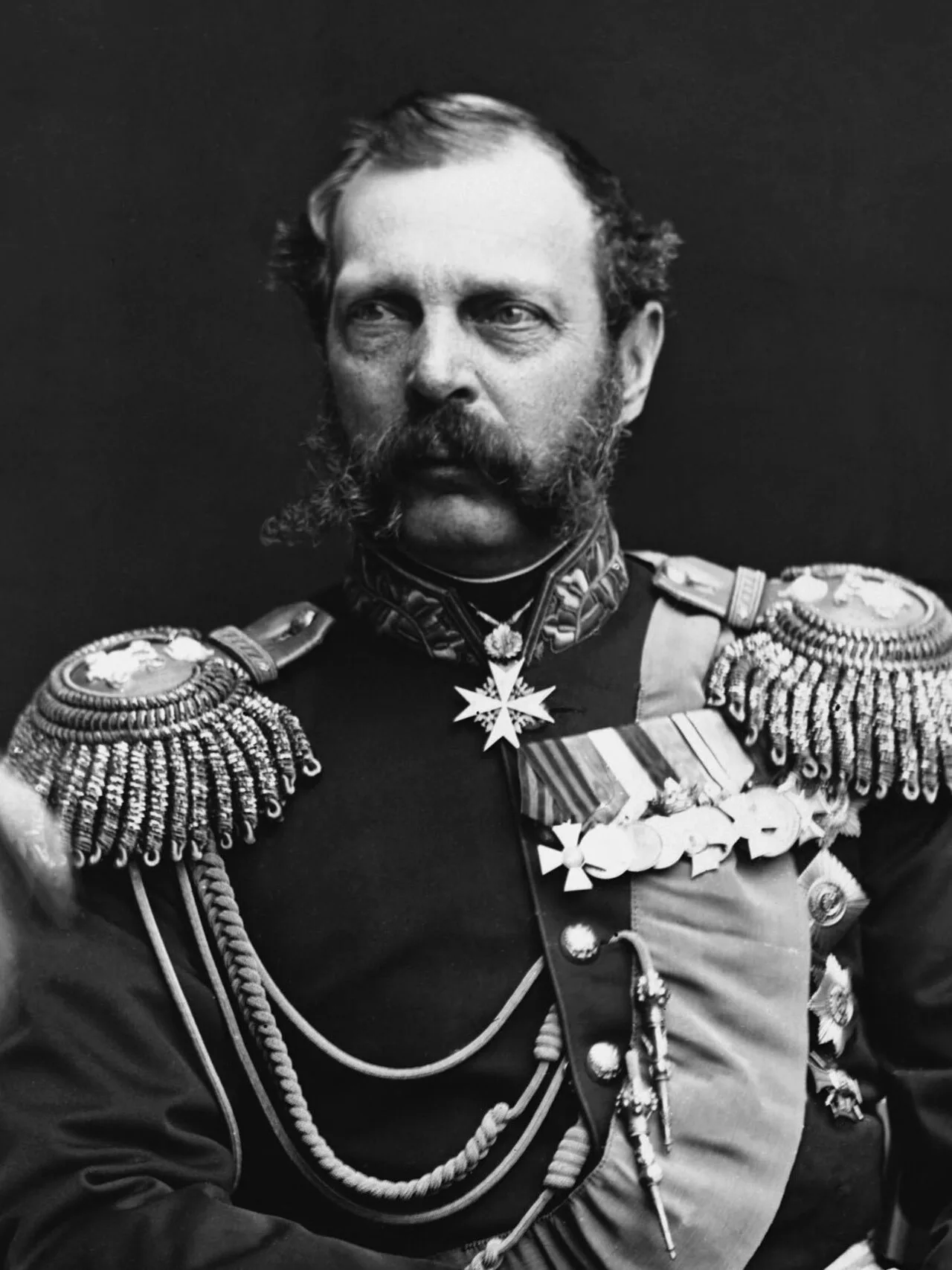
Black-and-white photograph of Alexander in his 50s

Alexander II's signature
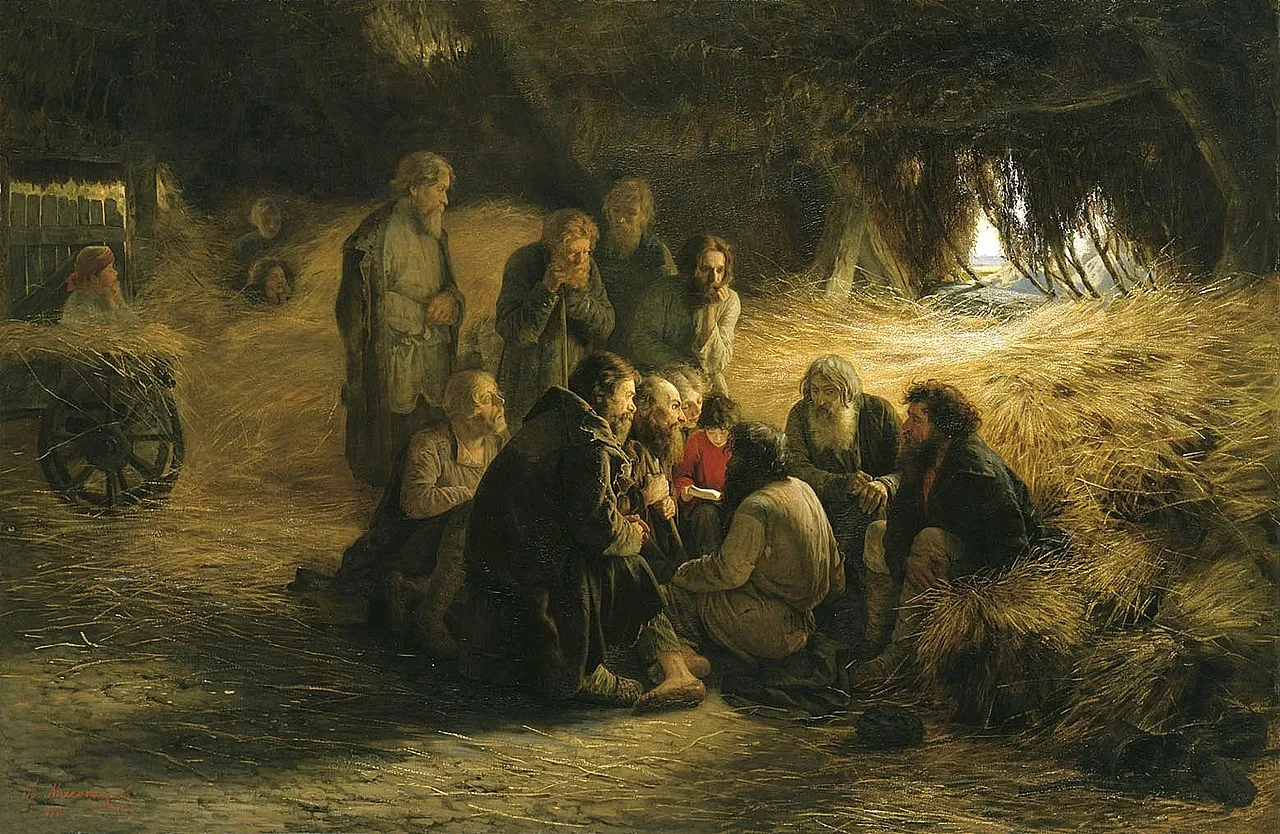
Russian peasants reading the Emancipation Manifesto, an 1873 painting by Grigory Myasoyedov
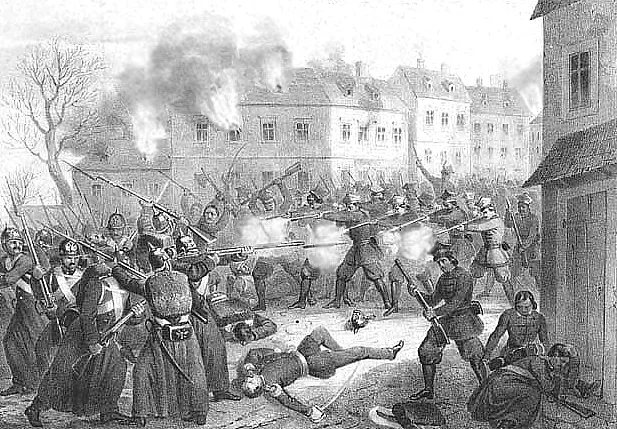
Battle of Mrzygłód during the January Uprising in 1863
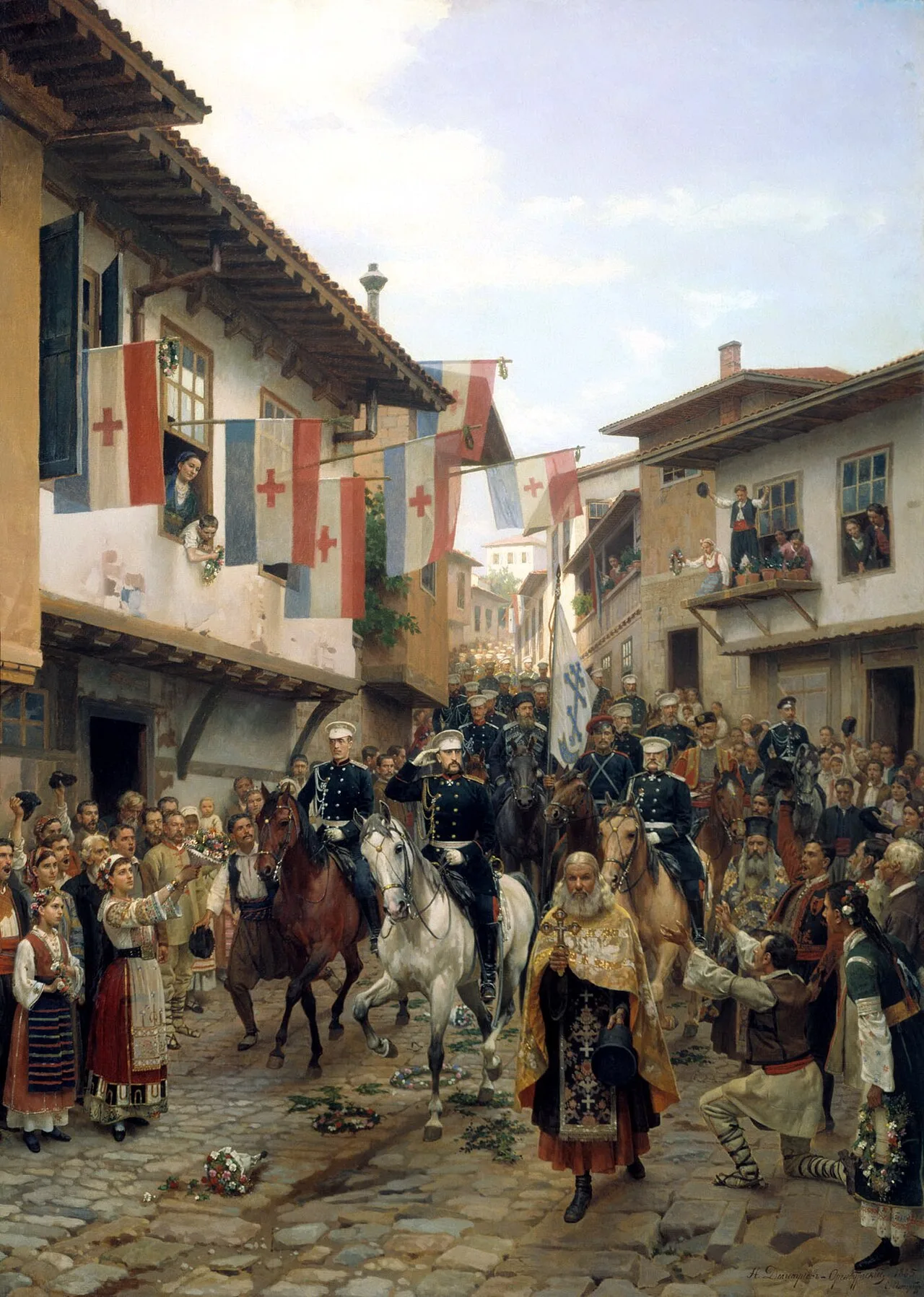
In 1877, Russian general Iosif Gurko liberated Veliko Tarnovo, ending the 480-year rule of the Ottoman Empire.
![Alexander II, also known as the Grand Duke of Finland, was well regarded among the majority of Finns.[70] Statue of Alex](https://nwjvzop1xgplmzvt.public.blob.vercel-storage.com/wikifeed/alexander-ii-of-russia/5-162f5ef051.webp)
Alexander II, also known as the Grand Duke of Finland, was well regarded among the majority of Finns.[70] Statue of Alexander II at the Senate Square in Helsinki, Finland, flowered on 13 March 1899, the day of the commemoration of the emperor's death.
Alexander II of Russia
Alexander II was Emperor of Russia from 1855 until his assassination in 1881, known for abolishing Russian serfdom in 1861.
An Exiled Poet's Unexpected Legacy
Alexander's monumental decision to dismantle serfdom was shaped by an unlikely personal encounter during his travels across Russia. While touring the country, the future emperor befriended the exiled poet Alexander Herzen and granted him a pardon. It was through Herzen's enduring influence that Alexander was later inspired to abolish serfdom throughout the empire.
From Wikipedia · CC BY-SA 4.0
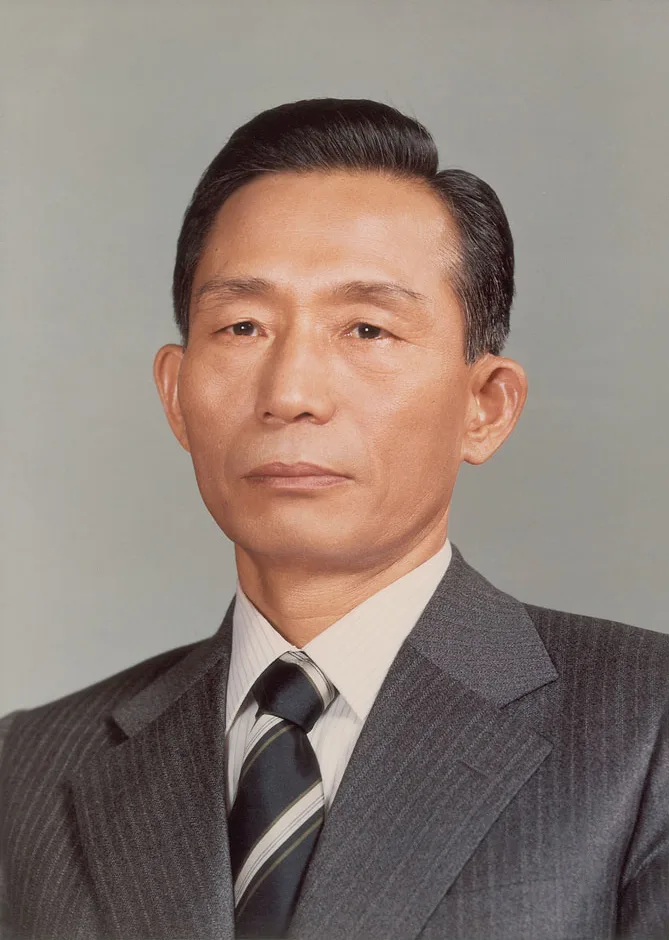
Park Chung Hee (박정희) Presidential Portrait
![Part of Park's childhood home. Park was born in the sarangchae depicted here.[4] He slept and studied here (except while](https://nwjvzop1xgplmzvt.public.blob.vercel-storage.com/wikifeed/park-chung-hee/1-b0b6951c89.webp)
Part of Park's childhood home. Park was born in the sarangchae depicted here.[4] He slept and studied here (except while away in secondary school) until 1937.[5]
![Cheongungak, the house where Park stayed while living in Mungyeong.[39] (2024)](https://nwjvzop1xgplmzvt.public.blob.vercel-storage.com/wikifeed/park-chung-hee/2-426024462c.webp)
Cheongungak, the house where Park stayed while living in Mungyeong.[39] (2024)
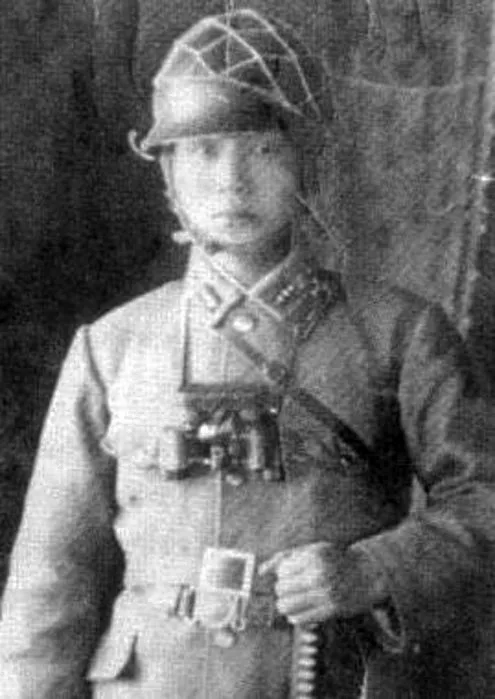
Park as a soldier of the Manchukuo Imperial Army
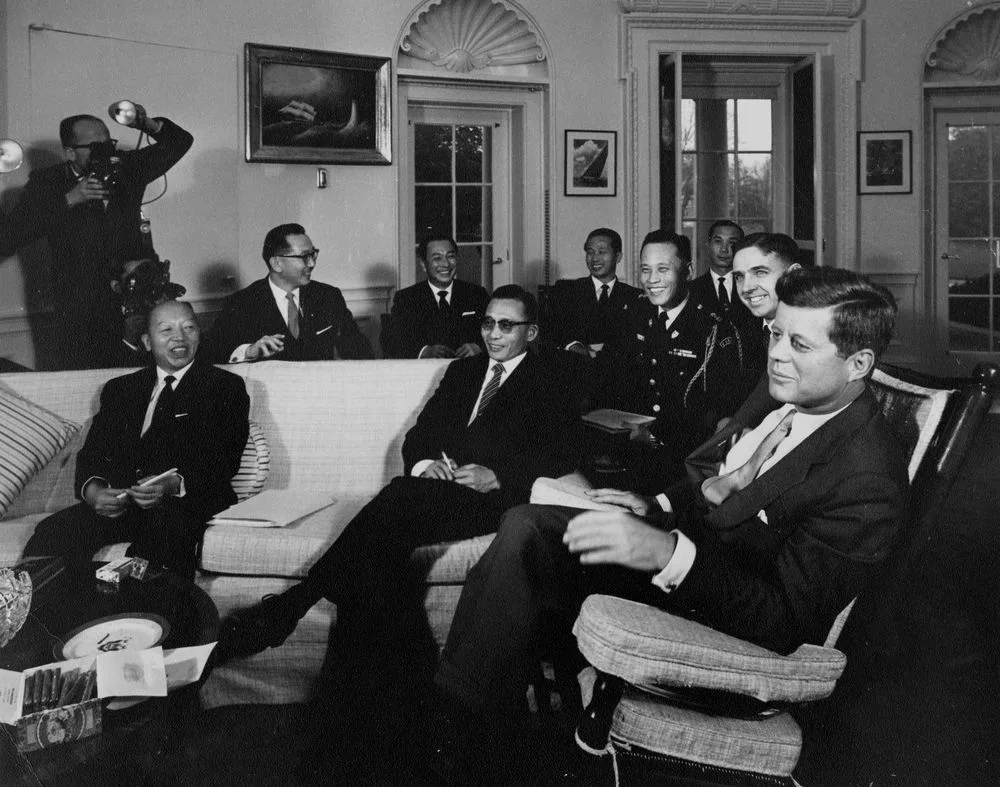
Park with U.S. President John F. Kennedy in Washington, D.C., on November 14, 1961
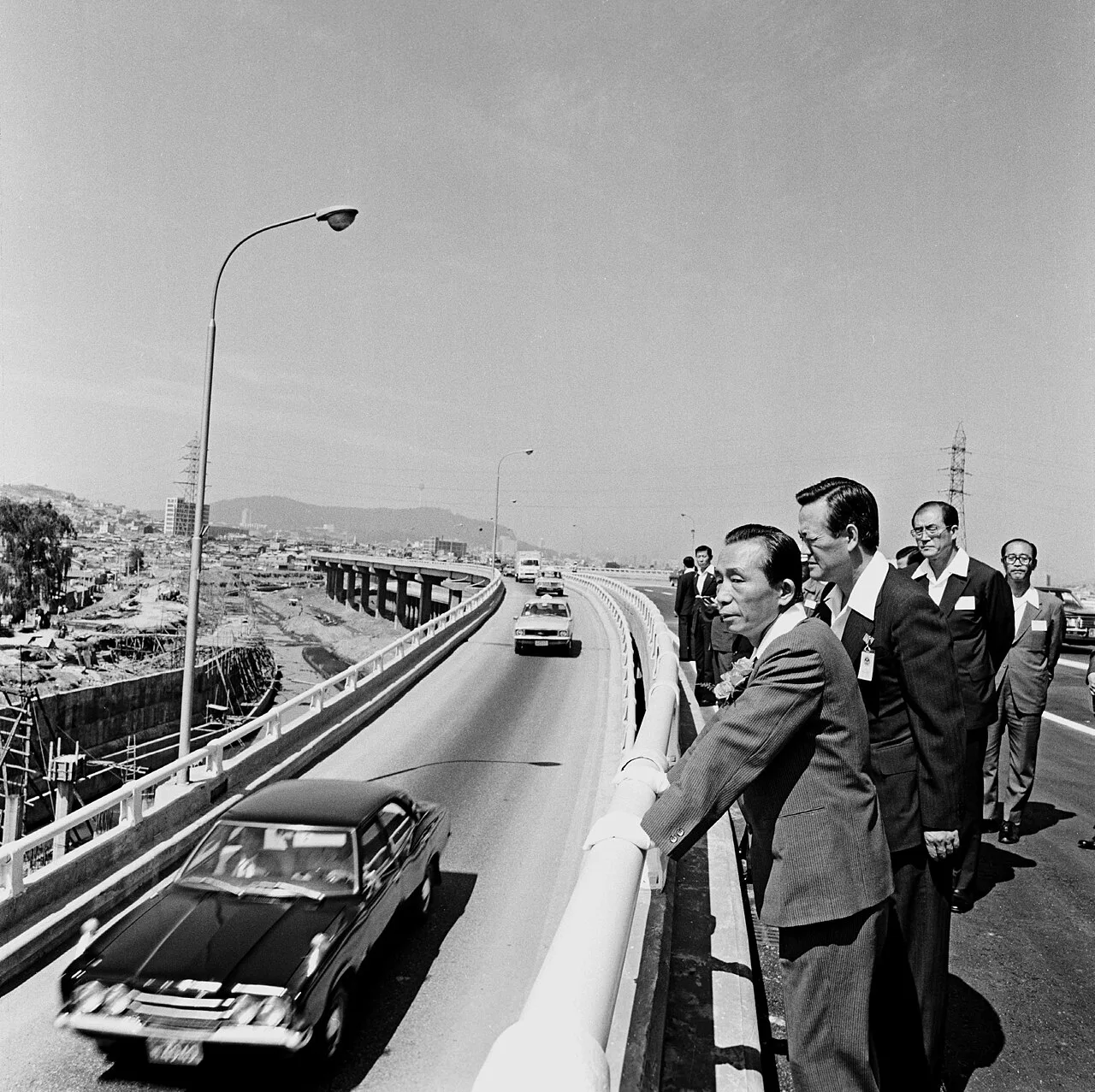
Park Chung Hee in 1976
Park Chung Hee
Park Chung Hee was a South Korean politician and army officer who served as the third president of South Korea from 1962 until his assassination in 1979.
A Penitent Blood Oath for Imperial Enlistment
Seeking admission as an army officer despite exceeding the candidate age limit of 19, Park sent a passionate letter and an oath written in blood reading 'Service Until Death' (一死以テ御奉公). The Manchukuo newspaper Manshū Shimbun publicized this dramatic blood oath on March 31, 1939. Even though admissions officers initially rejected the 23-year-old teacher, Park secured admission to the military academy shortly thereafter.
From Wikipedia · CC BY-SA 4.0